GamePlan Buddy
AI assistant for gamers with ADHD, helping manage playtime, track achievements, and balance gaming with life goals through personalized nudges and analytics.
Understanding the need: Why an AI assistant for gamers with ADHD matters
The intersection of gaming and neurodiversity is a rapidly growing area of interest. Millions of gamers worldwide identify as having Attention Deficit Hyperactivity Disorder (ADHD), a condition that can make time management, focus, and goal-setting particularly challenging. While gaming offers a sense of achievement and community, it can also become a source of distraction or even lead to unhealthy habits if not balanced with real-life responsibilities.
GamePlan Buddy is an AI-powered assistant designed specifically for gamers with ADHD. Its mission is to help users manage playtime, track in-game achievements, and balance gaming with life goals through personalized nudges and actionable analytics. This article explores the market need, solution details, technical considerations, and actionable steps to bring this innovative SaaS product to life.
Target audience analysis: Who benefits from GamePlan Buddy?
Understanding the core user base is essential for any SaaS product, especially one as specialized as GamePlan Buddy. The primary audience includes:
- Gamers diagnosed with ADHD: Individuals who struggle with time management, impulsivity, or hyperfocus during gaming sessions.
- Parents of young gamers: Caregivers seeking tools to help their children develop healthy gaming habits.
- Mental health professionals: Therapists and coaches who support neurodiverse clients and want to recommend practical digital tools.
- Gaming communities and influencers: Advocates for mental health and responsible gaming.
Key user pain points
- Difficulty balancing gaming with daily responsibilities (school, work, self-care)
- Losing track of time during gaming sessions
- Struggling to set and achieve both in-game and real-life goals
- Lack of personalized, non-judgmental reminders or nudges
- Limited analytics on gaming habits and their impact on well-being
User intent and search behavior
Potential users are likely searching for:
- "ADHD gaming assistant"
- "How to manage gaming time with ADHD"
- "Apps to balance gaming and life"
- "Track gaming achievements and real-life goals"
- "AI tools for ADHD gamers"
GamePlan Buddy directly addresses these queries by offering a tailored, AI-driven solution.
Market opportunity and gap analysis
The global gaming market is projected to surpass $200 billion by 2025 (see Newzoo Global Games Market Report), with a significant portion of players identifying as neurodiverse. Despite this, most gaming productivity tools are generic, lacking features that address the unique needs of ADHD gamers.
Existing solutions and their limitations
- Parental control apps: Focused on restriction rather than empowerment; often lack personalization.
- Generic productivity tools: Not tailored to gaming contexts or neurodiverse needs.
- In-game achievement trackers: Rarely connect gaming progress with real-life goals or well-being.
- Mental health apps: Seldom integrate with gaming platforms or offer real-time nudges.
| Personalization | Gaming Integration | ADHD Focus | Real-life Goal Tracking | AI Nudges |
|---|---|---|---|---|
| ✅ | ❌ | ❌ | ✅ | ❌ |
| ✅ | ❌ | ✅ | ✅ | ❌ |
GamePlan Buddy fills this gap by combining AI-driven personalization, deep gaming integration, and a focus on ADHD-specific challenges.
Core features and solution details
GamePlan Buddy is more than a timer or a to-do list. Its feature set is designed to empower, not restrict, and to foster self-awareness and healthy habits.
1. Smart playtime management
- Adaptive session timers: AI learns user patterns and suggests optimal play/break intervals.
- Gentle, customizable nudges: Reminders are delivered in a non-intrusive, gamified manner.
- Session summaries: Post-game analytics highlight time spent, achievements unlocked, and progress toward personal goals.
2. Achievement and progress tracking
- Automatic in-game achievement logging: Integrates with popular gaming platforms (Steam, Xbox, PlayStation, etc.).
- Goal linking: Users can connect in-game achievements to real-life objectives (e.g., "Complete this quest, then study for 30 minutes").
- Streaks and rewards: Encourages consistency in both gaming and real-life tasks.
3. Personalized nudges and analytics
- AI-driven recommendations: Suggests when to take breaks, hydrate, or switch activities based on user data.
- Mood and focus tracking: Users can log their mood and focus levels, with AI providing insights on patterns.
- Customizable notifications: Users control the frequency, tone, and style of reminders.
4. Life balance dashboard
- Unified view: Combines gaming stats, real-life goals, and well-being metrics in one dashboard.
- Progress visualization: Charts and graphs make it easy to see trends and areas for improvement.
- Privacy-first design: All data is user-owned and can be exported or deleted at any time.
Adaptive timers
AI learns your gaming patterns and suggests optimal play/break intervals.
Achievement linking
Connect in-game milestones to real-life goals for holistic progress.
Personalized nudges
Receive gentle, customizable reminders tailored to your needs.
Analytics dashboard
Visualize your gaming habits and life balance in one place.
Recommended tech stack and trade-offs
Building a robust, scalable, and privacy-conscious AI SaaS like GamePlan Buddy requires careful selection of technologies.
Frontend
- React: For a responsive, component-driven UI.
- TailwindCSS: Enables rapid, accessible, and consistent styling.
- Redux or Recoil: For state management, especially for user settings and real-time updates.
Backend
- Node.js with Express: For scalable API development.
- Python (for AI/ML modules): Leverage libraries like scikit-learn or TensorFlow for personalized recommendations.
- PostgreSQL: Reliable, scalable relational database for user data and analytics.
- Redis: For caching and real-time session management.
Integrations
- Gaming platform APIs: Steamworks, Xbox Live, PlayStation Network, and others for achievement tracking.
- OAuth 2.0: Secure authentication with gaming accounts.
Hosting and DevOps
- Vercel or Netlify: For frontend deployment.
- AWS or Google Cloud: For backend, AI workloads, and database hosting.
- Docker: Containerization for consistent deployment.
Trade-offs to consider
- AI/ML complexity: Python offers robust AI libraries, but integrating with a Node.js backend may require additional orchestration (e.g., via microservices).
- Real-time notifications: WebSockets (e.g., Socket.IO) enable instant nudges but add infrastructure complexity.
- Privacy vs. analytics: Collecting detailed user data enables better personalization but requires strict privacy controls and compliance (e.g., GDPR).
Monetization strategy options
A sustainable SaaS must balance accessibility with revenue generation. For GamePlan Buddy, consider these models:
1. Freemium with premium features
- Free tier: Basic playtime tracking, achievement logging, and limited nudges.
- Premium tier: Advanced analytics, AI-driven recommendations, unlimited integrations, and customization.
2. Family and professional plans
- Family accounts: Multiple user profiles, parental controls, and shared dashboards.
- Professional/therapist plans: Tools for mental health professionals to monitor and support clients (with consent).
3. Affiliate partnerships
- Gaming gear and wellness products: Curated recommendations with affiliate links.
- In-app promotions: Non-intrusive, relevant offers for ADHD-friendly games or productivity tools.
4. One-time purchases
- Lifetime access: For users who prefer a single payment over subscriptions.
Ads can be distracting and counterproductive for users with ADHD. GamePlan Buddy prioritizes a clean, focused experience.
Potential risks and mitigation strategies
Launching an AI SaaS for a neurodiverse audience comes with unique challenges.
1. Privacy and data security
- Risk: Sensitive user data (gaming habits, mood logs) could be exposed.
- Mitigation: End-to-end encryption, transparent privacy policies, and user-controlled data export/deletion.
2. Over-reliance on AI nudges
- Risk: Users may become dependent on reminders, reducing self-agency.
- Mitigation: Design nudges to foster self-reflection and gradually encourage independent habit formation.
3. Platform integration limitations
- Risk: API changes or restrictions from gaming platforms could disrupt features.
- Mitigation: Build modular integrations and maintain open communication with platform providers.
4. Accessibility and inclusivity
- Risk: Features may not address the full spectrum of ADHD experiences.
- Mitigation: Involve neurodiverse users in design/testing, offer extensive customization, and provide feedback channels.
Building trust with users
Transparency, user control, and ongoing community engagement are essential for establishing trust—especially when handling sensitive data.
Competitive advantage: What makes GamePlan Buddy unique?
While there are productivity apps and parental controls on the market, GamePlan Buddy stands out through:
- Deep gaming integration: Not just timers, but real-time achievement tracking and platform-specific insights.
- ADHD-first design: Features and UX built with neurodiverse users in mind, not as an afterthought.
- AI-powered personalization: Nudges and analytics adapt to each user's habits, preferences, and goals.
- Life-gaming balance: Connects in-game progress with real-world objectives, fostering holistic growth.
- Privacy and empowerment: User data is never sold, and all features are opt-in and customizable.
Actionable implementation steps
Ready to bring GamePlan Buddy to life? Here’s a step-by-step roadmap:
Conclusion: Empowering neurodiverse gamers for a balanced digital life
GamePlan Buddy is more than an app—it's a movement toward healthier, more intentional gaming for people with ADHD. By combining AI-driven personalization, deep gaming integration, and a focus on life balance, it addresses a real and growing need in the gaming community.
If you're passionate about building impactful SaaS products for neurodiverse users, now is the time to act. Leverage modern tech stacks, prioritize user privacy, and engage your community at every step.
For more SaaS inspiration and rapid product development resources, check out TurboStarter.
Frequently asked questions
While designed with ADHD gamers in mind, anyone seeking better balance between gaming and life can benefit from GamePlan Buddy's features.
All user data is encrypted, never sold, and can be exported or deleted at any time. Privacy is a core value.
The MVP will focus on Steam, Xbox, and PlayStation, with plans to expand based on user demand and API availability.
Yes! Family and professional plans are in development to support caregivers and mental health professionals.
By focusing on the unique needs of ADHD gamers and leveraging the latest in AI and SaaS technology, GamePlan Buddy is poised to become an essential tool for healthier, more fulfilling gaming experiences.
More 🤖 AI Startup SaaS ideas
Discover more innovative ai startup SaaS ideas that are trending in 2026. Each idea is AI-generated with market validation and growth potential to help you find your next profitable venture faster than competitors.
Your competitors are building with TurboStarter
Below are some of the SaaS ideas that have been generated and built with our starter kit.
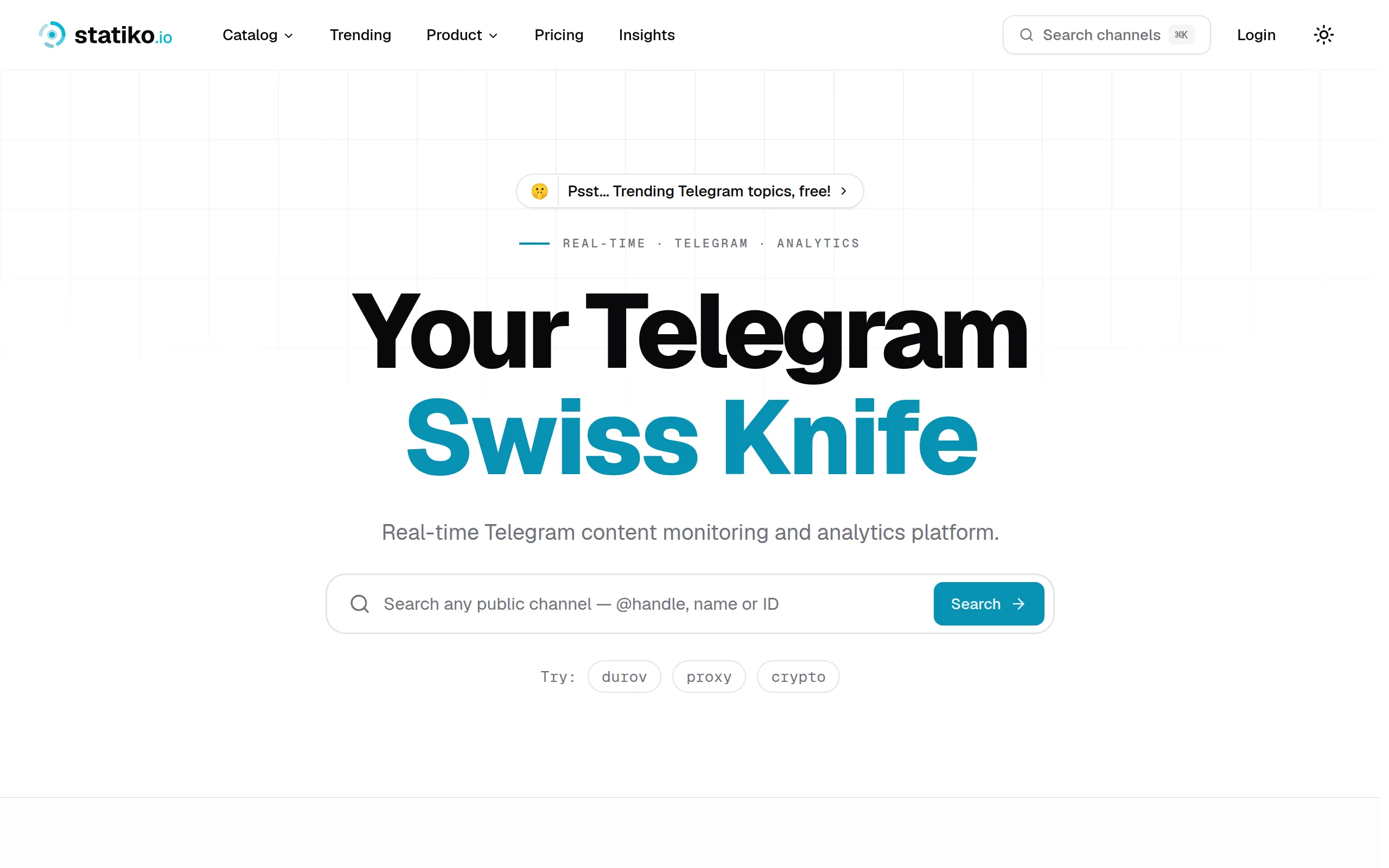
Statiko
Monitor any Telegram channel in real time - track posts, edits, deletions, and growth with AI recaps 📡

Shibui
AI website builder - describe your business, pick a niche template, edit by chatting, and publish instantly ✨

Pro Service
Find verified home service professionals, compare quotes, and pay securely through escrow - built for Brazilians across the US 🏠
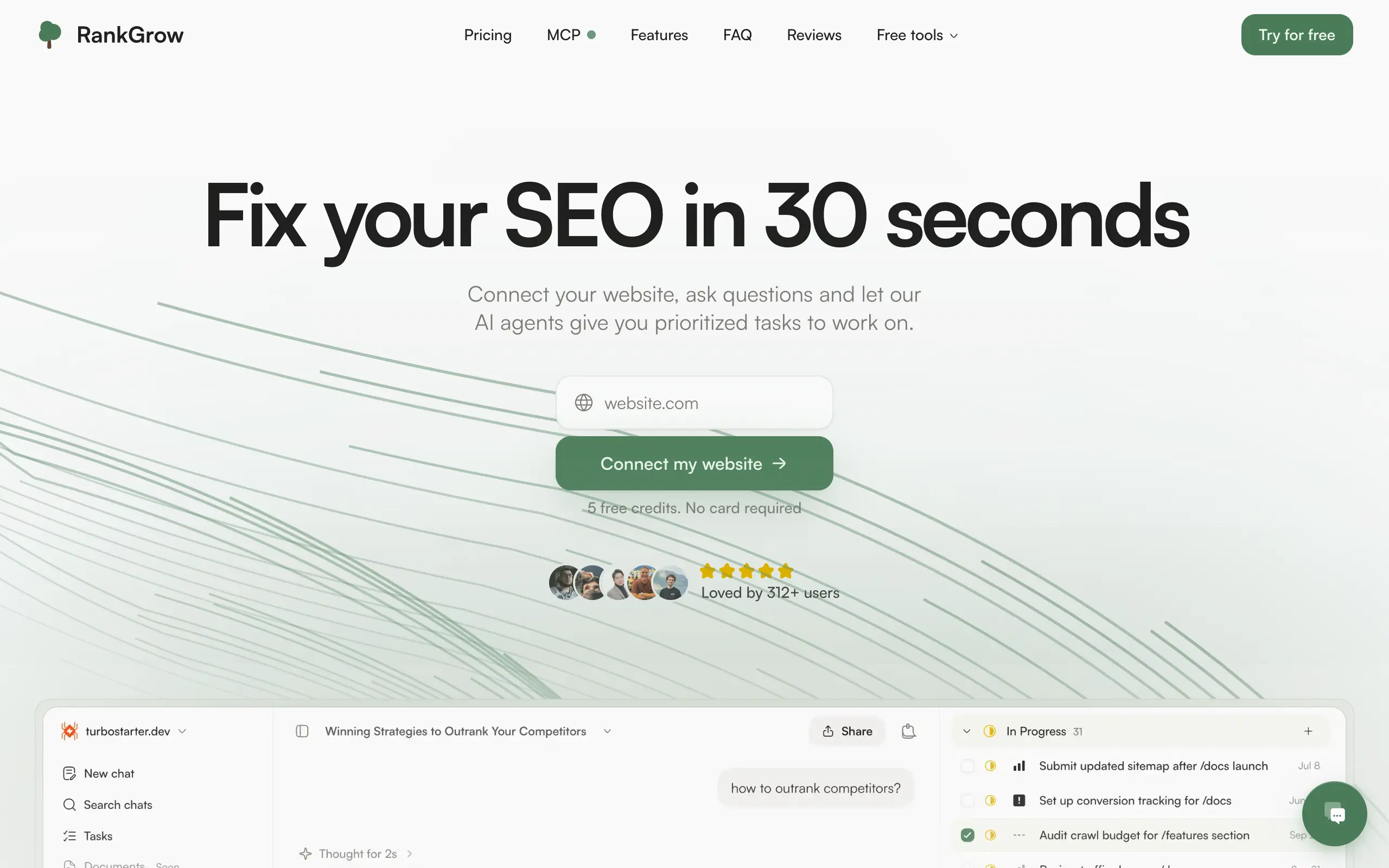
RankGrow
Fix your SEO with AI agents - connect Search Console, get prioritized tasks, and grow organic traffic 📈
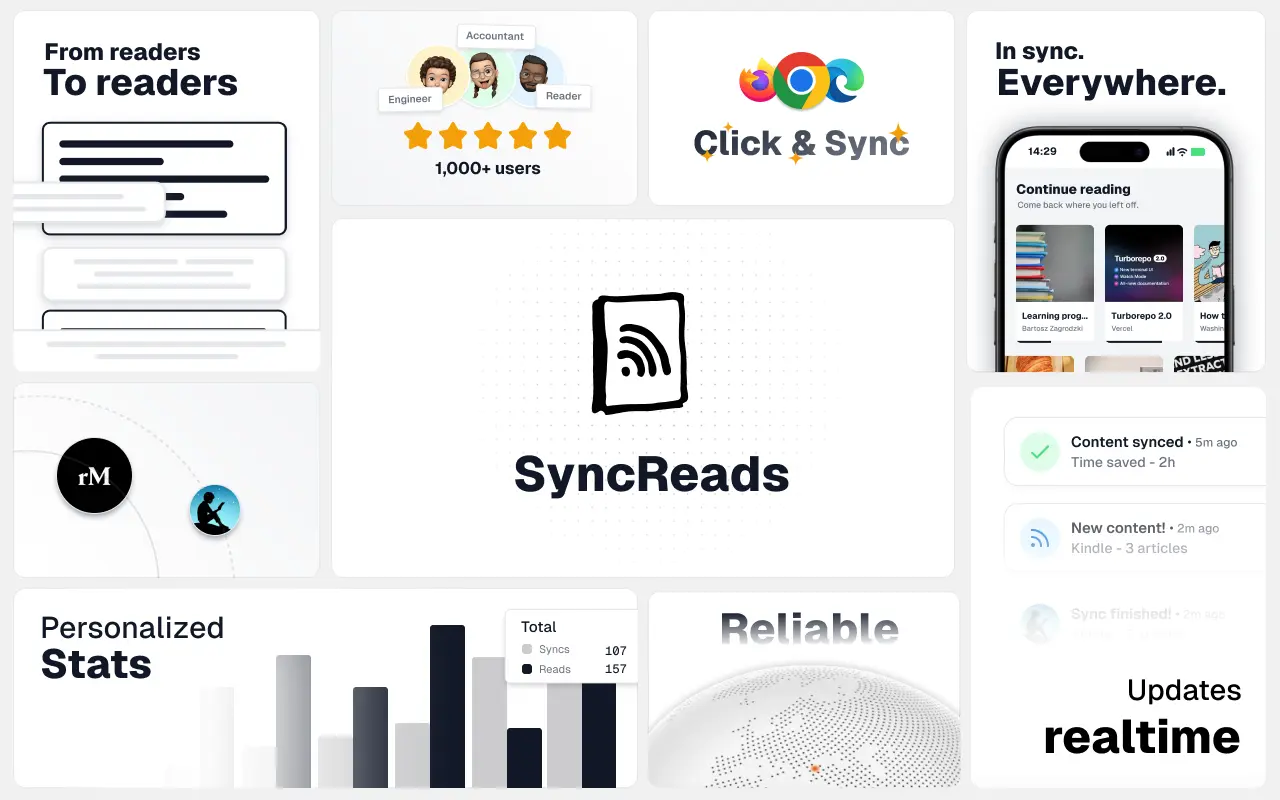
SyncReads
Sync your favorite content for distraction-free reading, save time and replace multiple apps. Anytime, anywhere 🔄
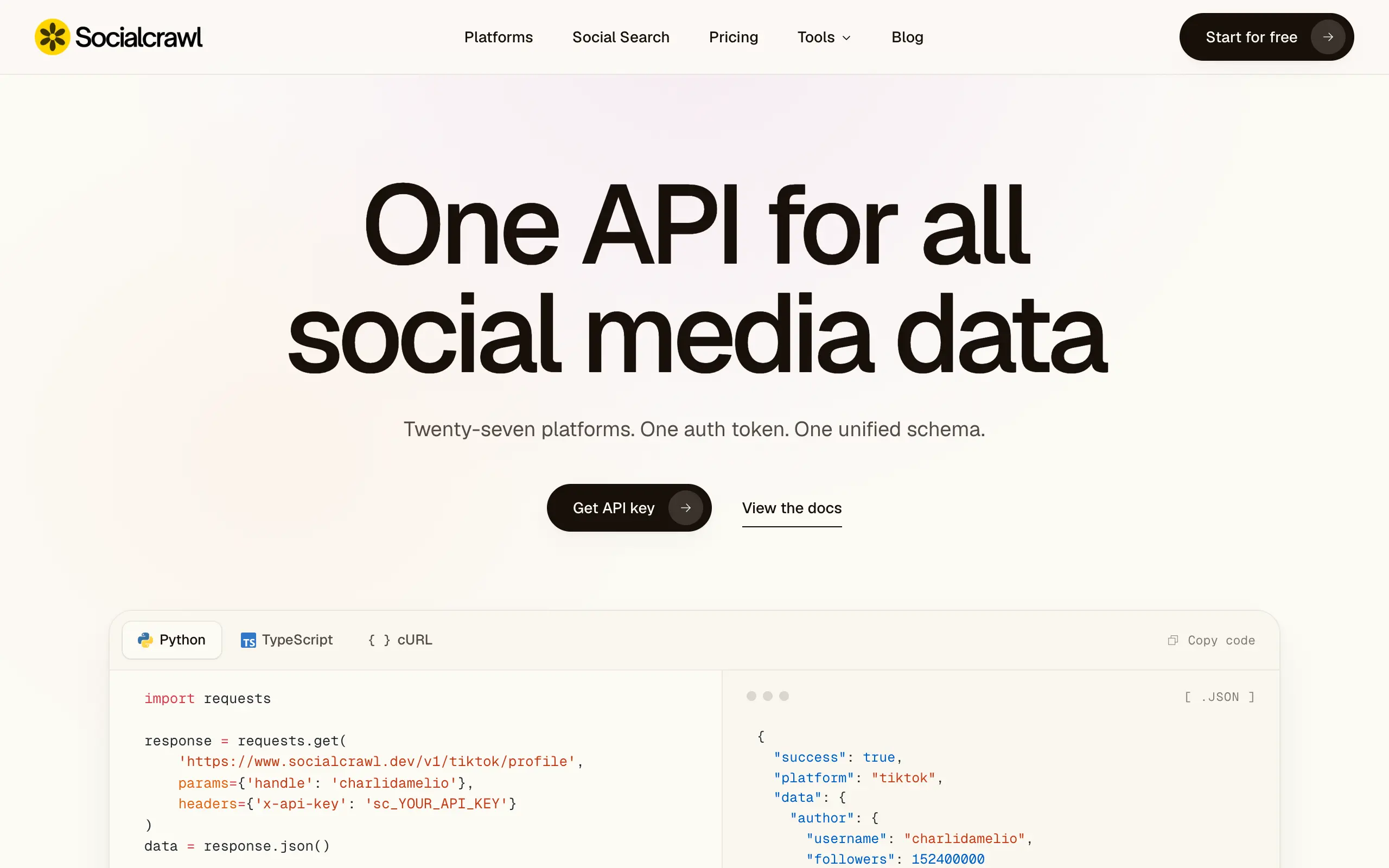
Socialcrawl
Get clean, structured data from 21 platforms like TikTok, Instagram, and YouTube with a single request 📊
Statiko
Monitor any Telegram channel in real time - track posts, edits, deletions, and growth with AI recaps 📡
Shibui
AI website builder - describe your business, pick a niche template, edit by chatting, and publish instantly ✨
Pro Service
Find verified home service professionals, compare quotes, and pay securely through escrow - built for Brazilians across the US 🏠
RankGrow
Fix your SEO with AI agents - connect Search Console, get prioritized tasks, and grow organic traffic 📈
SyncReads
Sync your favorite content for distraction-free reading, save time and replace multiple apps. Anytime, anywhere 🔄
Socialcrawl
Get clean, structured data from 21 platforms like TikTok, Instagram, and YouTube with a single request 📊
Statiko
Monitor any Telegram channel in real time - track posts, edits, deletions, and growth with AI recaps 📡
Shibui
AI website builder - describe your business, pick a niche template, edit by chatting, and publish instantly ✨
Pro Service
Find verified home service professionals, compare quotes, and pay securely through escrow - built for Brazilians across the US 🏠
RankGrow
Fix your SEO with AI agents - connect Search Console, get prioritized tasks, and grow organic traffic 📈
SyncReads
Sync your favorite content for distraction-free reading, save time and replace multiple apps. Anytime, anywhere 🔄
Socialcrawl
Get clean, structured data from 21 platforms like TikTok, Instagram, and YouTube with a single request 📊
Statiko
Monitor any Telegram channel in real time - track posts, edits, deletions, and growth with AI recaps 📡
Shibui
AI website builder - describe your business, pick a niche template, edit by chatting, and publish instantly ✨
Pro Service
Find verified home service professionals, compare quotes, and pay securely through escrow - built for Brazilians across the US 🏠
RankGrow
Fix your SEO with AI agents - connect Search Console, get prioritized tasks, and grow organic traffic 📈
SyncReads
Sync your favorite content for distraction-free reading, save time and replace multiple apps. Anytime, anywhere 🔄
Socialcrawl
Get clean, structured data from 21 platforms like TikTok, Instagram, and YouTube with a single request 📊
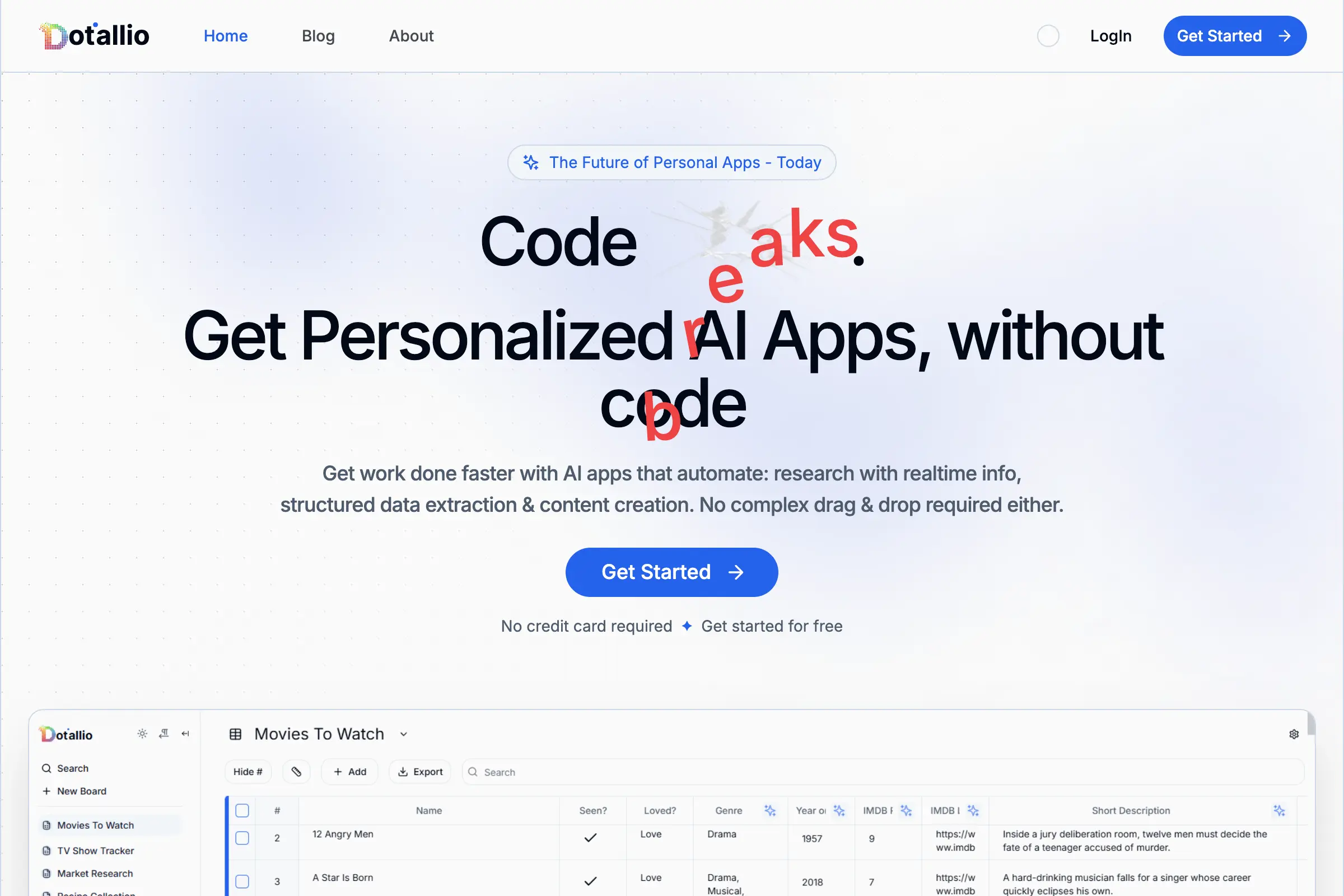
Dotallio
Personalized AI apps that automate research, data extraction, and content creation without code 🤖
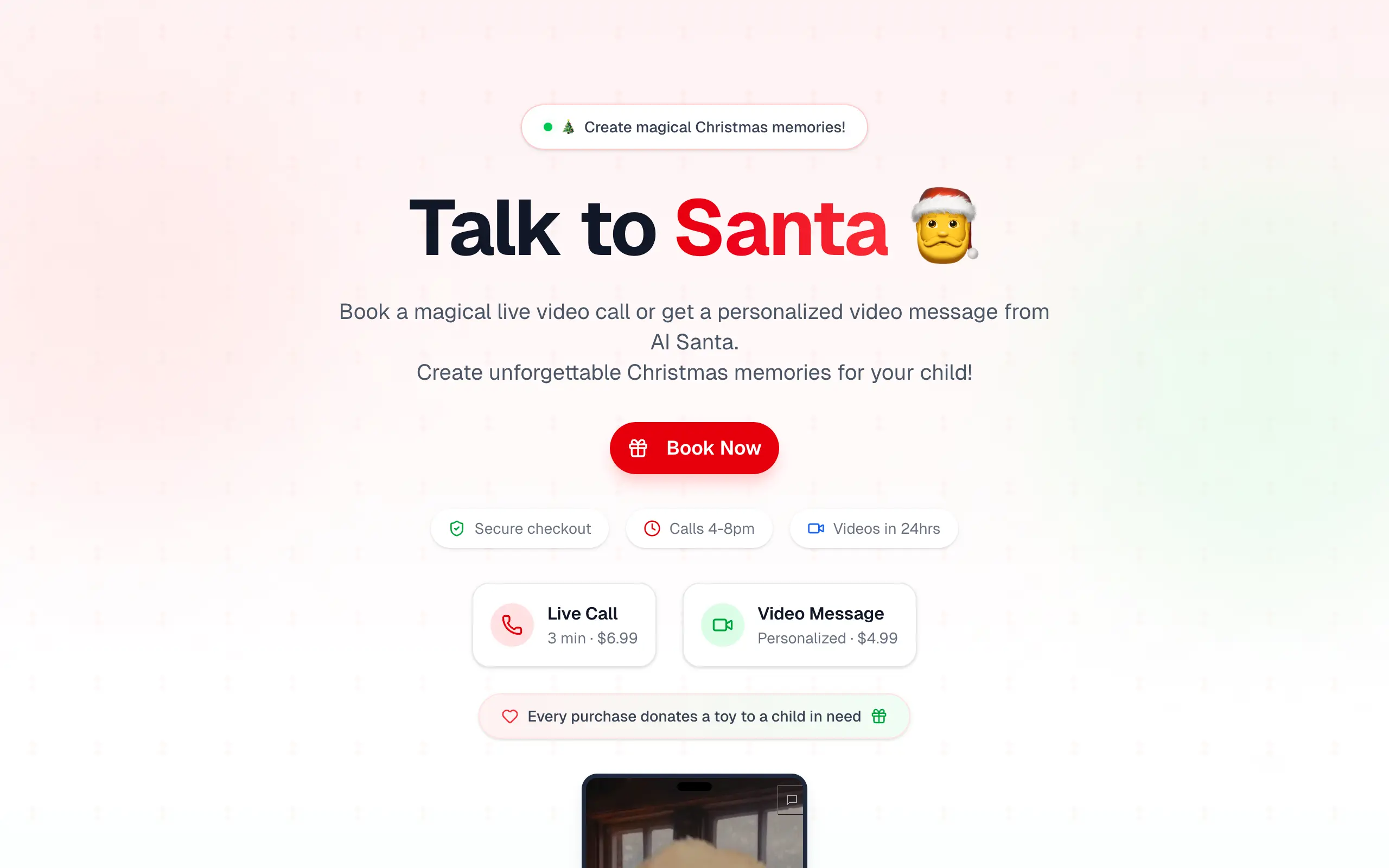
Talk to Santa
Enjoy a magical live video chat or receive a unique AI-generated video greeting from Santa Claus 🎅
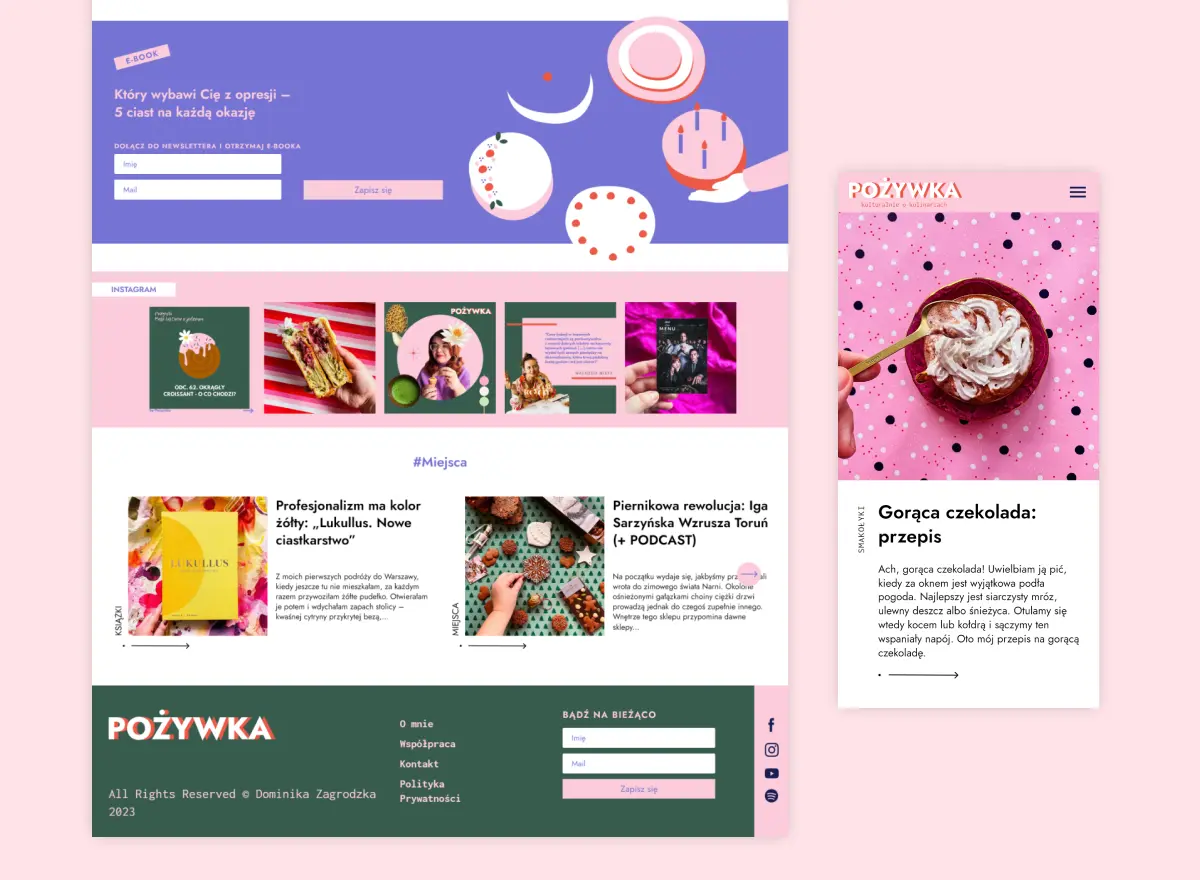
pozywka.pl
Scalable blog for food journalist, focused on performance and user experience 🌭
zagrodzki.me
Personal blog and portfolio of Bart Zagrodzki, where he shares his knowledge and work 💼
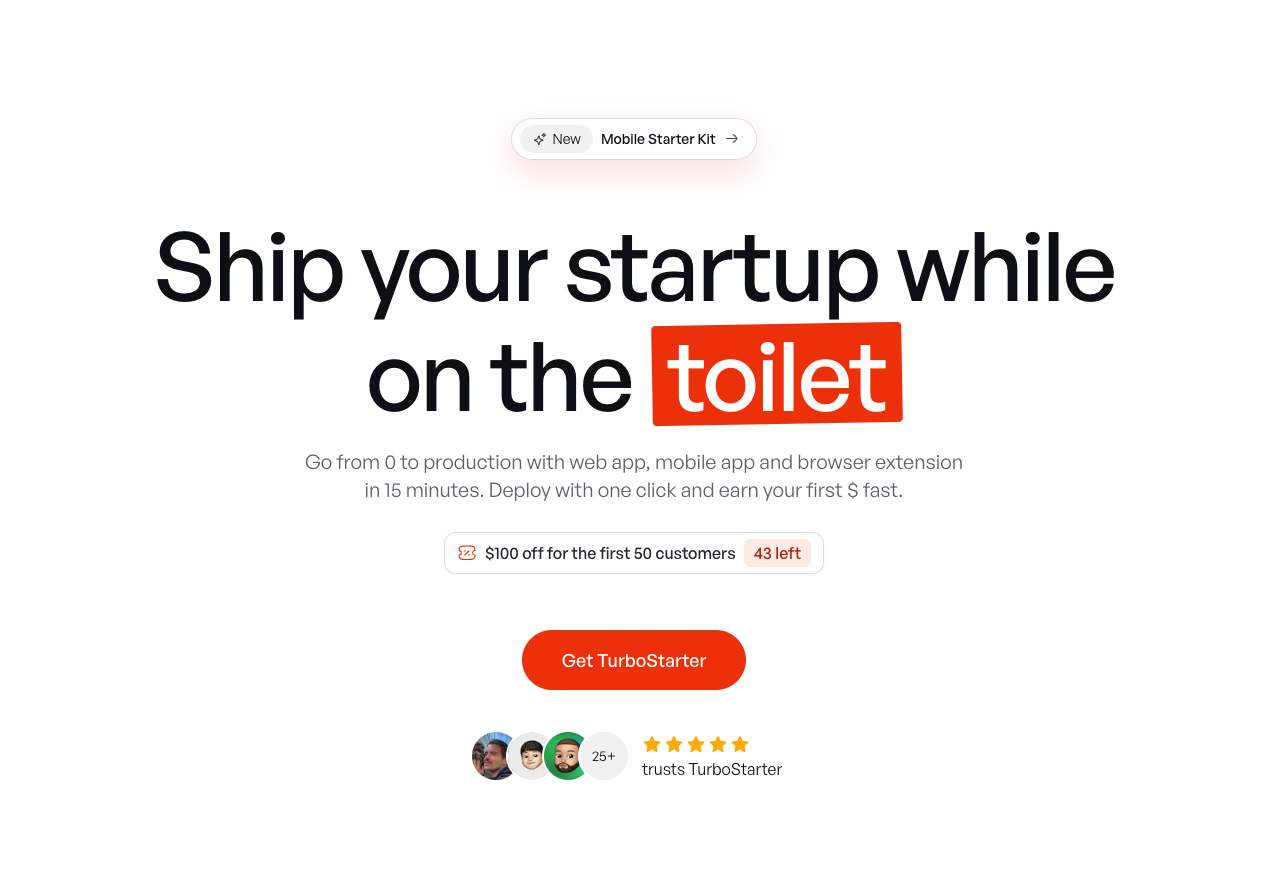
TurboStarter
Ship your startup everywhere. In minutes.
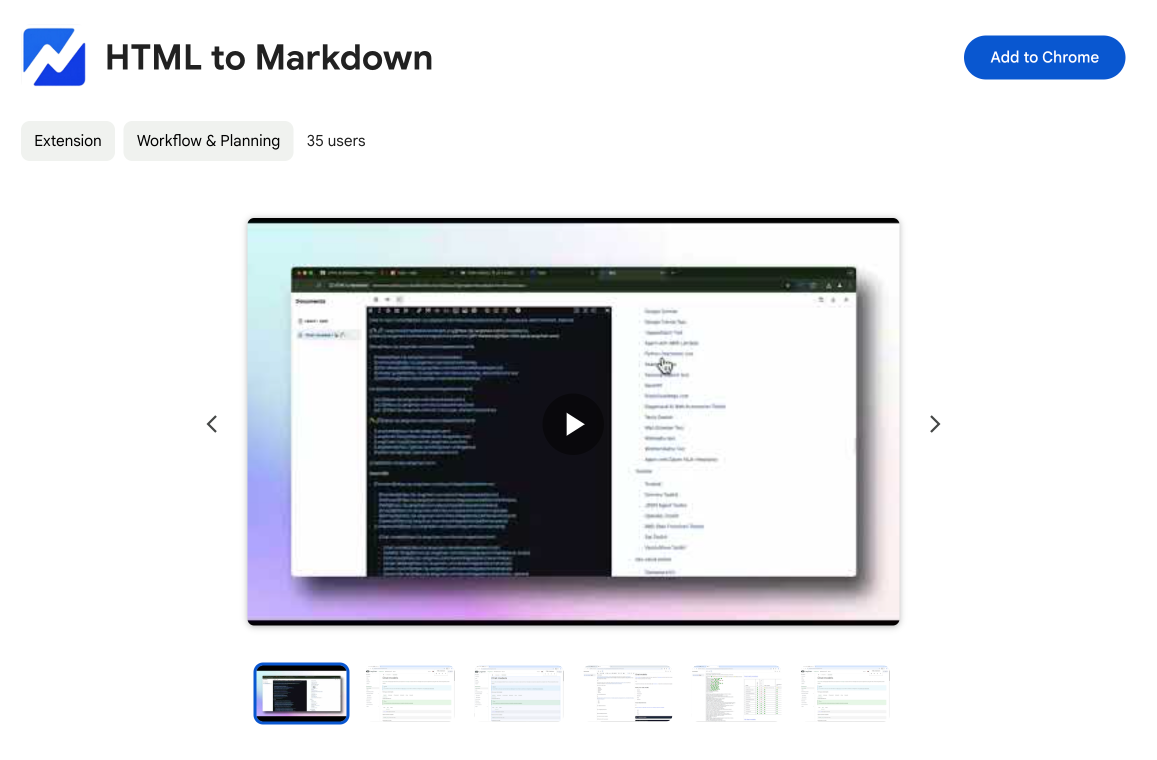
HTML to Markdown
Convert HTML to Markdown with ease, directly in your browser 📄
Dotallio
Personalized AI apps that automate research, data extraction, and content creation without code 🤖
Talk to Santa
Enjoy a magical live video chat or receive a unique AI-generated video greeting from Santa Claus 🎅
pozywka.pl
Scalable blog for food journalist, focused on performance and user experience 🌭
zagrodzki.me
Personal blog and portfolio of Bart Zagrodzki, where he shares his knowledge and work 💼
TurboStarter
Ship your startup everywhere. In minutes.
HTML to Markdown
Convert HTML to Markdown with ease, directly in your browser 📄
Dotallio
Personalized AI apps that automate research, data extraction, and content creation without code 🤖
Talk to Santa
Enjoy a magical live video chat or receive a unique AI-generated video greeting from Santa Claus 🎅
pozywka.pl
Scalable blog for food journalist, focused on performance and user experience 🌭
zagrodzki.me
Personal blog and portfolio of Bart Zagrodzki, where he shares his knowledge and work 💼
TurboStarter
Ship your startup everywhere. In minutes.
HTML to Markdown
Convert HTML to Markdown with ease, directly in your browser 📄
Dotallio
Personalized AI apps that automate research, data extraction, and content creation without code 🤖
Talk to Santa
Enjoy a magical live video chat or receive a unique AI-generated video greeting from Santa Claus 🎅
pozywka.pl
Scalable blog for food journalist, focused on performance and user experience 🌭
zagrodzki.me
Personal blog and portfolio of Bart Zagrodzki, where he shares his knowledge and work 💼
TurboStarter
Ship your startup everywhere. In minutes.
HTML to Markdown
Convert HTML to Markdown with ease, directly in your browser 📄
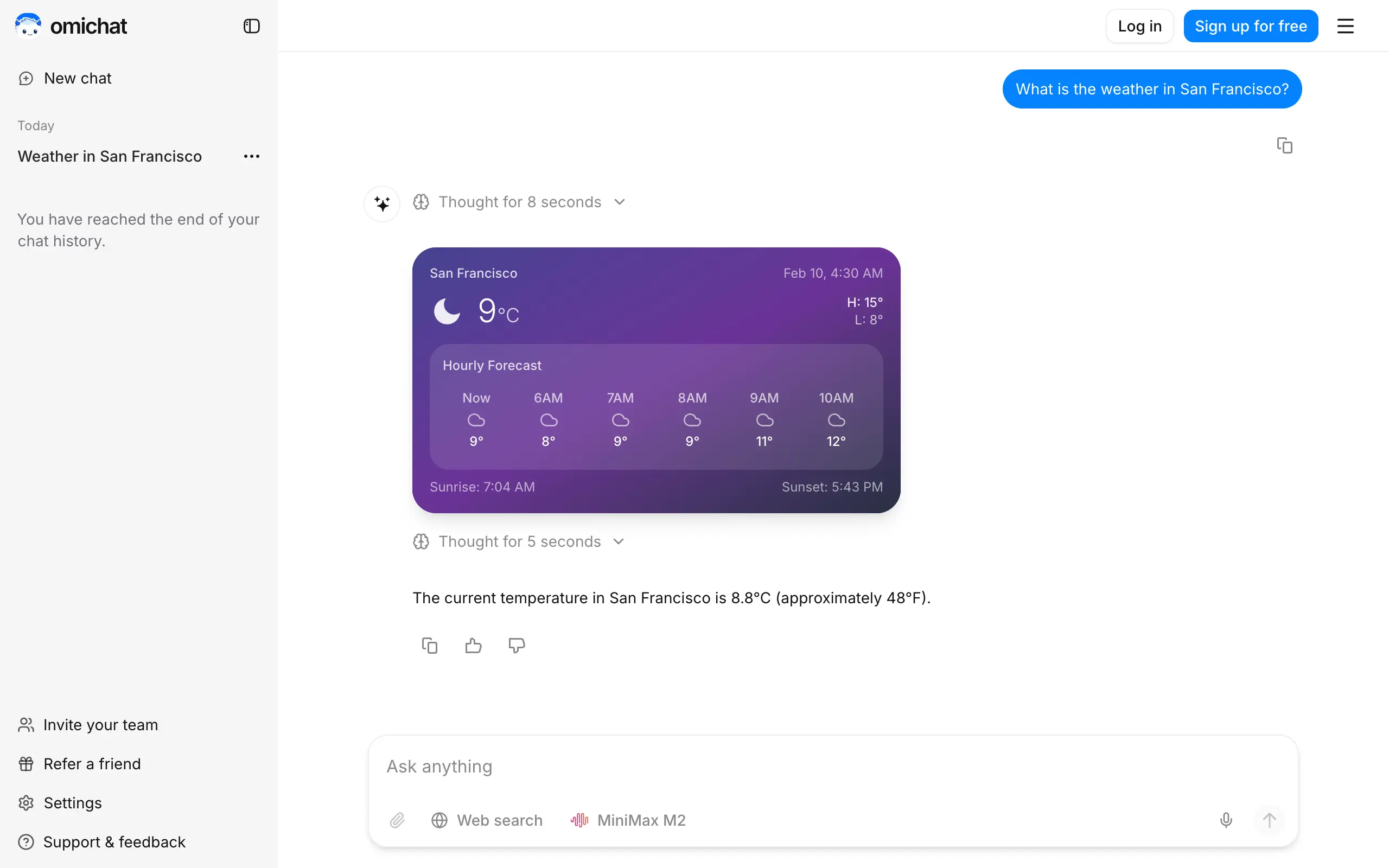
Omichat
Chat with 50+ AI models, including ChatGPT and Claude, in one place - switch models anytime without losing context 🤖
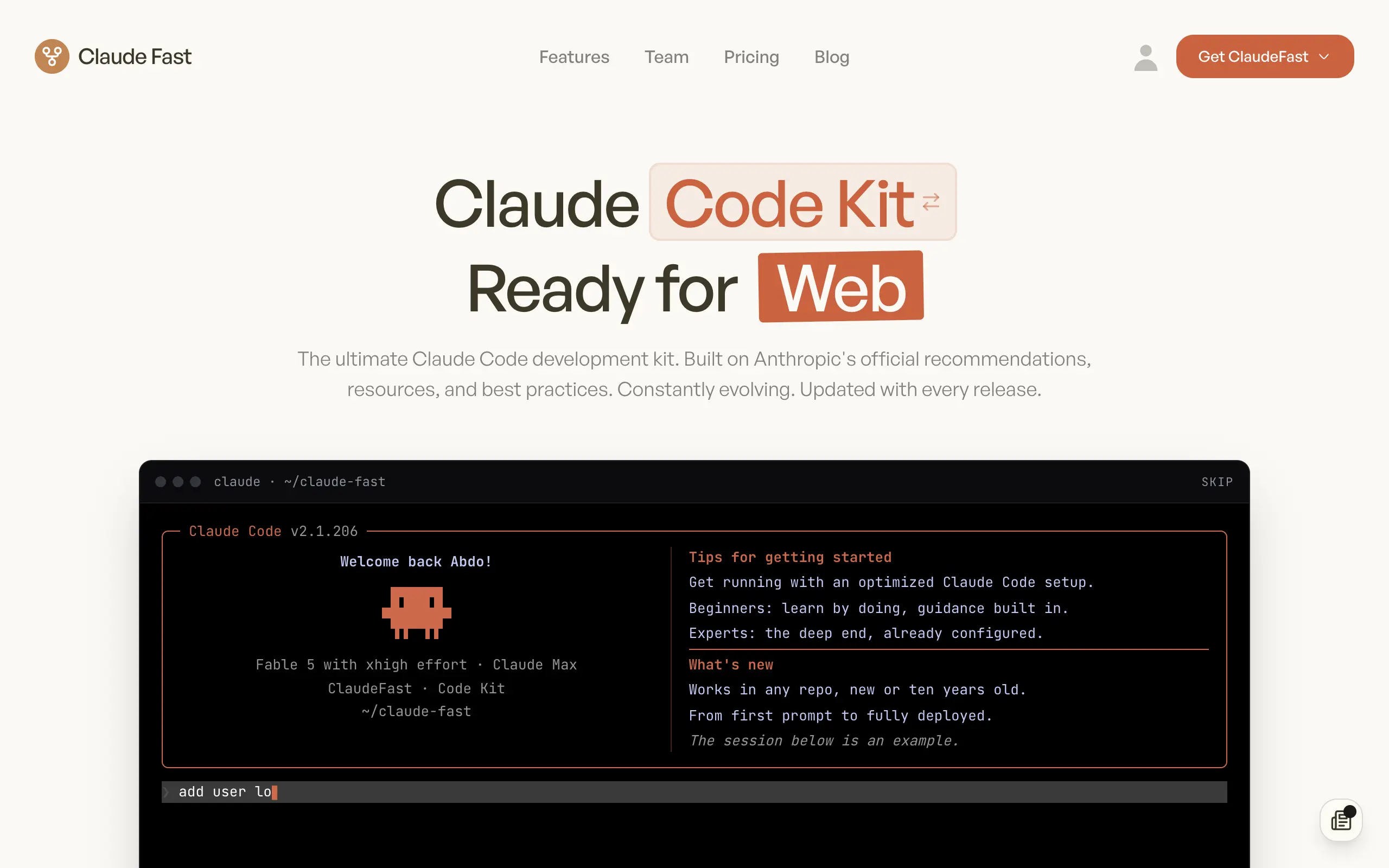
Claude Fast
Supercharge your Claude Code with 6x effective context window and specialized AI agents 🤖
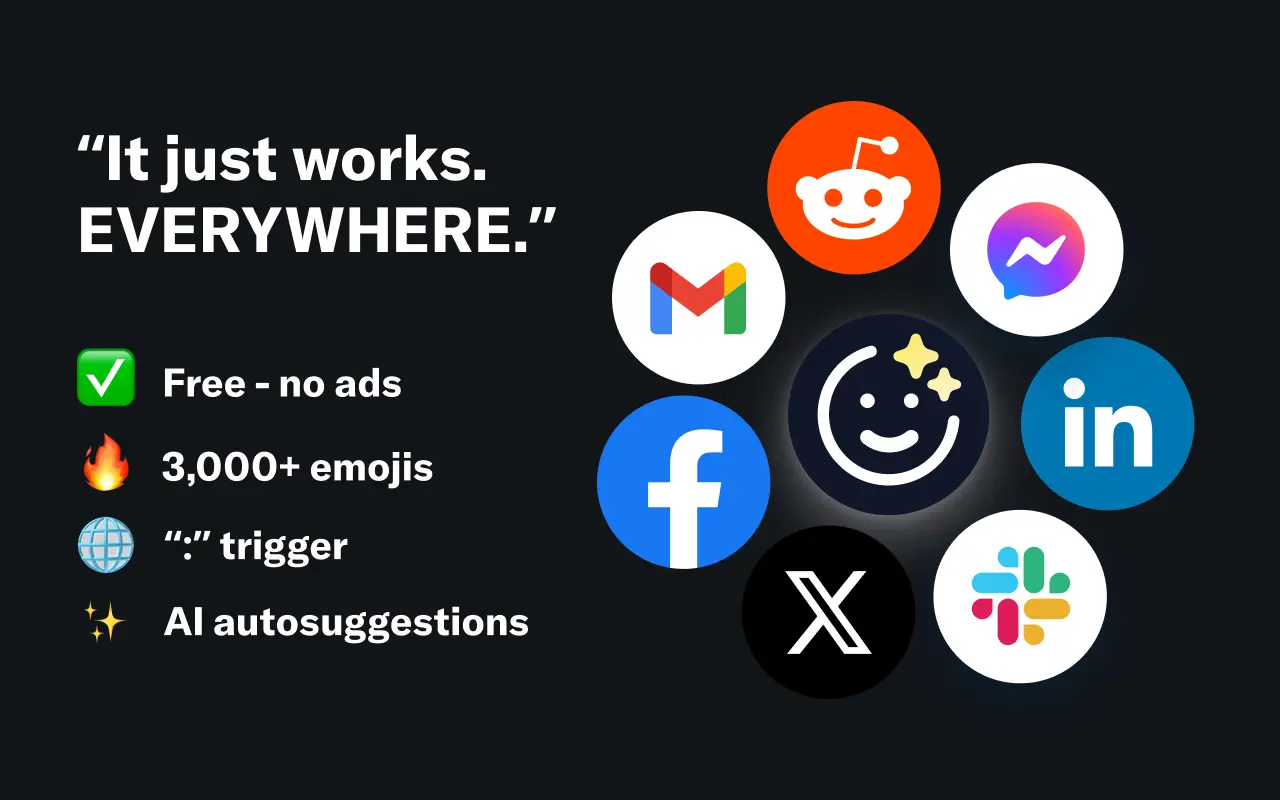
EmojAI
AI-powered emoji picker with smart, context-aware suggestions 🤖
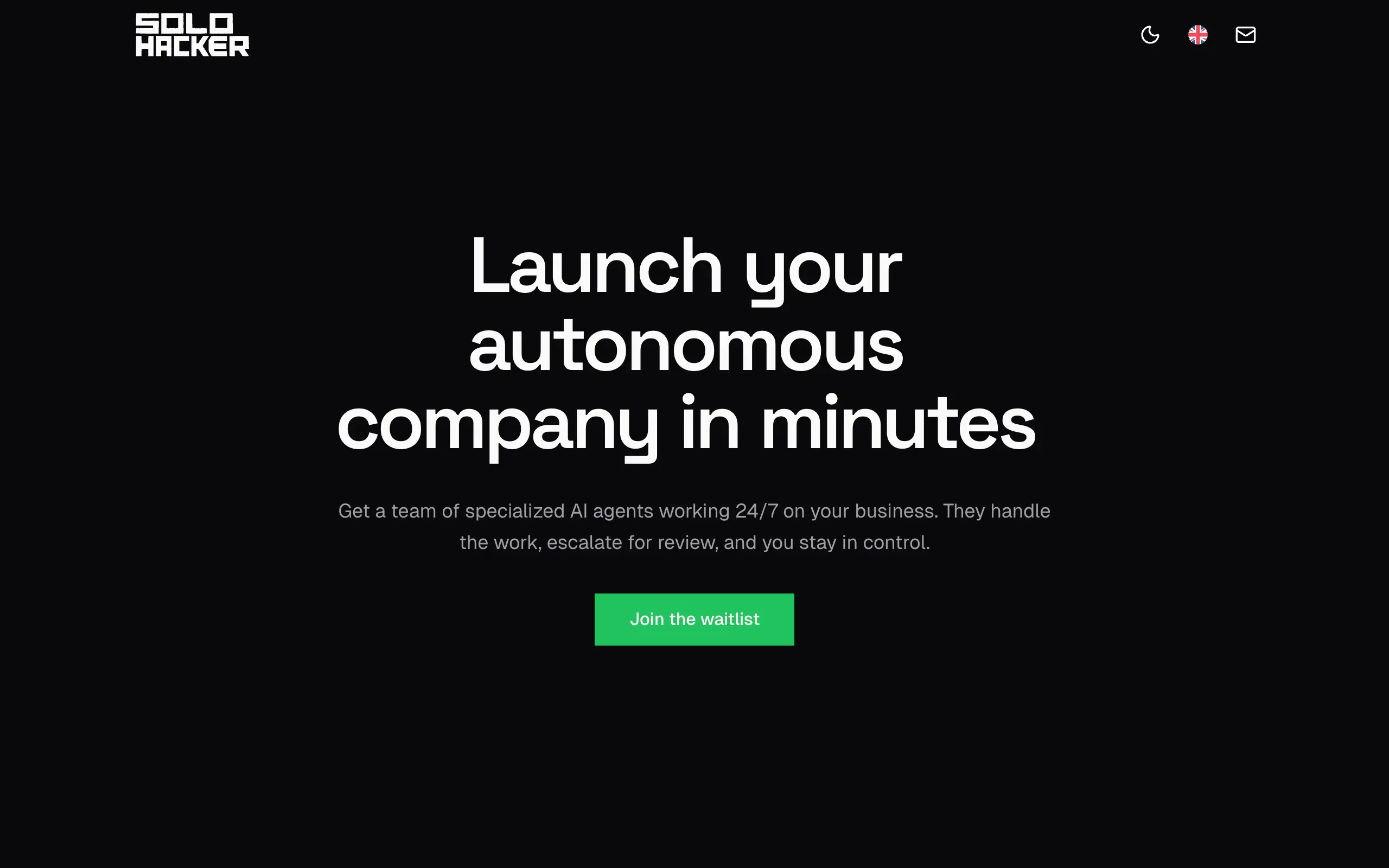
Solohacker
Autonomous company launcher - AI agents work 24/7, escalate what matters, and you stay in control 🤖
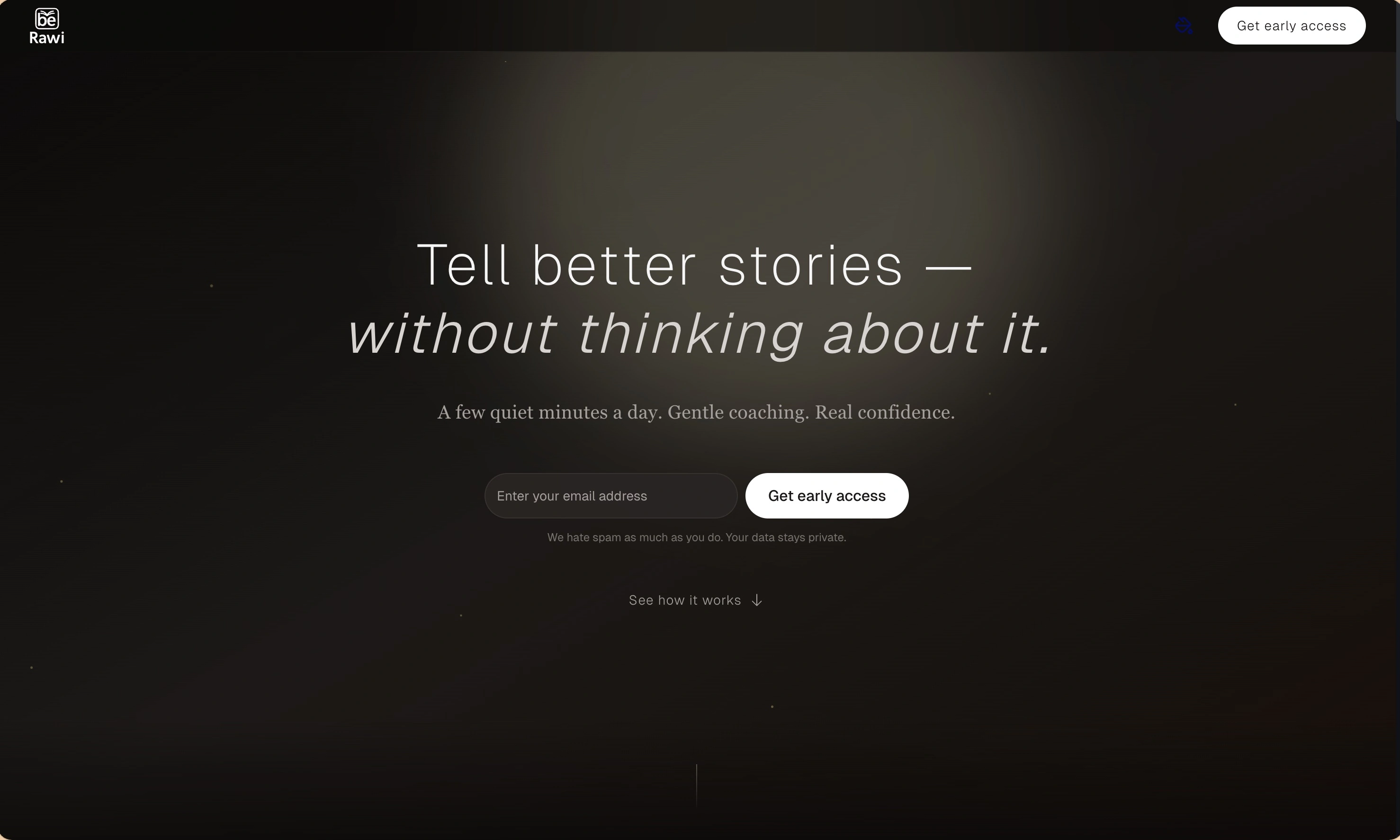
BeRawi: Storytelling Coach
Practice storytelling daily with instant feedback to sound clearer, more engaging, and confident 🎤
Omichat
Chat with 50+ AI models, including ChatGPT and Claude, in one place - switch models anytime without losing context 🤖
Claude Fast
Supercharge your Claude Code with 6x effective context window and specialized AI agents 🤖
EmojAI
AI-powered emoji picker with smart, context-aware suggestions 🤖
Solohacker
Autonomous company launcher - AI agents work 24/7, escalate what matters, and you stay in control 🤖
BeRawi: Storytelling Coach
Practice storytelling daily with instant feedback to sound clearer, more engaging, and confident 🎤
Omichat
Chat with 50+ AI models, including ChatGPT and Claude, in one place - switch models anytime without losing context 🤖
Claude Fast
Supercharge your Claude Code with 6x effective context window and specialized AI agents 🤖
EmojAI
AI-powered emoji picker with smart, context-aware suggestions 🤖
Solohacker
Autonomous company launcher - AI agents work 24/7, escalate what matters, and you stay in control 🤖
BeRawi: Storytelling Coach
Practice storytelling daily with instant feedback to sound clearer, more engaging, and confident 🎤
Omichat
Chat with 50+ AI models, including ChatGPT and Claude, in one place - switch models anytime without losing context 🤖
Claude Fast
Supercharge your Claude Code with 6x effective context window and specialized AI agents 🤖
EmojAI
AI-powered emoji picker with smart, context-aware suggestions 🤖
Solohacker
Autonomous company launcher - AI agents work 24/7, escalate what matters, and you stay in control 🤖
BeRawi: Storytelling Coach
Practice storytelling daily with instant feedback to sound clearer, more engaging, and confident 🎤

Connect with like-minded people
Join our community to get feedback, support, and grow together with 1,000+ builders on board, let's ship it!
Join usShip your startup everywhere. In minutes.
Don't burn tokens on setup and start building features on day one.