GameSense Coach
AI gaming coach that analyzes your gameplay, suggests improvements, and builds training routines tailored to your favorite competitive titles.
what is an AI gaming coach and why it matters now
Competitive gaming has evolved into a highly data-driven, performance-optimized discipline. Whether you're grinding ranked in Valorant, climbing in League of Legends, or perfecting mechanics in Counter-Strike, one thing is clear: improvement is no longer just about playtime—it’s about deliberate practice, feedback loops, and strategic refinement.
This is where an AI gaming coach like GameSense Coach enters the picture.
GameSense Coach is an AI-powered platform that analyzes gameplay, identifies weaknesses, and delivers personalized coaching insights and training routines tailored to specific competitive titles. It bridges the gap between casual play and professional-level improvement by making elite coaching scalable and accessible.
The demand for such tools is growing rapidly due to:
- The rise of esports and competitive gaming ecosystems
- Increased availability of gameplay data (replays, APIs, telemetry)
- Advances in AI/ML for pattern recognition and behavioral analysis
- The popularity of self-improvement tools among gamers
This article breaks down everything you need to know about building, scaling, and differentiating an AI gaming coach SaaS like GameSense Coach—from market opportunity to technical architecture.
understanding the target audience
A successful AI gaming coach must deeply understand its users. This is not a generic SaaS audience—it's segmented, performance-driven, and highly engaged.
primary user segments
1. competitive ranked players
These users are actively trying to improve and climb ranks.
- Age: 16–35
- Behavior: Plays daily, reviews stats, watches guides
- Pain points:
- Plateauing in rank
- Lack of structured improvement
- No actionable feedback
2. aspiring esports players
Players aiming to go semi-pro or pro.
- Needs:
- Advanced analytics
- Meta insights
- High-level strategic coaching
3. content creators & streamers
Gamers who want to showcase improvement or educational content.
- Use cases:
- "AI reviews my gameplay" content
- Training challenges
4. casual but ambitious gamers
Players who don’t want full coaching but want better performance.
- Preference:
- Lightweight insights
- Simple recommendations
the market opportunity for AI gaming coaching platforms
The gaming industry surpassed $180B globally (source suggestion: Newzoo or Statista). Competitive gaming continues to grow, especially in:
- FPS (Valorant, CS2, Apex Legends)
- MOBAs (LoL, Dota 2)
- Battle royales
- Fighting games (growing niche)
key market gap
Despite massive demand for improvement tools, current solutions are fragmented:
- Coaching marketplaces (expensive, inconsistent)
- YouTube tutorials (generic, not personalized)
- Static stat trackers (no actionable insights)
GameSense Coach fills a critical gap:
Personalized, automated, real-time coaching powered by AI.
core features of GameSense Coach
To build a competitive AI gaming coach SaaS, the feature set must go beyond simple stat tracking.
1. gameplay analysis engine
-
Upload replay files or connect APIs
-
Analyze:
- Positioning
- Aim accuracy
- Decision-making patterns
- Timing and rotations
-
Output:
- Heatmaps
- Mistake detection
- Performance trends
2. AI-powered feedback system
The core differentiator.
-
Natural language insights:
- “You overpeeked 63% of rounds when low HP”
- “Your crosshair placement is consistently below head level”
-
Context-aware recommendations:
- Based on rank, map, and opponent behavior
3. personalized training routines
Instead of generic advice, users get structured plans:
- Daily drills
- Aim training tasks
- Game-specific exercises
Aim improvement
Micro-adjustment drills tailored to your sensitivity and weapon usage.
Game sense training
Decision-making simulations based on your past mistakes.
Positioning drills
Map-specific scenarios to improve spatial awareness.
4. performance tracking dashboard
- Rank progression
- Skill breakdown (aim, positioning, strategy)
- Weekly improvement reports
5. real-time coaching (advanced)
- Overlay suggestions during gameplay
- Voice-based AI coaching (future feature)
6. multi-game support
Start with 1–2 titles, then expand:
- Valorant
- CS2
- League of Legends
how the AI actually works
To build credibility and differentiation, it's important to understand the technical backbone.
data ingestion
- Replay files (e.g., .dem, .rofl)
- Game APIs
- Screen capture + computer vision
machine learning models
- Behavior clustering
- Pattern recognition
- Mistake classification models
example pipeline
// Simplified gameplay analysis pipeline

const analyzeGameplay = async (replayData) => {
  const parsedData = parseReplay(replayData);
  const features = extractFeatures(parsedData);

  const predictions = {
    aimScore: aimModel.predict(features),
    positioningScore: positioningModel.predict(features),
    decisionErrors: decisionModel.detectMistakes(features)
  };

  return generateFeedback(predictions);
};
AI feedback layer
- LLMs convert raw insights into human-readable coaching
- Personalization based on:
- Rank
- Playstyle
- Historical performance
recommended tech stack (with trade-offs)
Choosing the right stack is critical for scalability and performance.
frontend
Pros:
- Fast UI
- SSR for SEO
- Large ecosystem
backend
- Node.js (fast iteration)
- Python (for ML pipelines)
Trade-off:
- Dual-language complexity vs performance benefits
AI/ML layer
- Python + PyTorch / TensorFlow
- OpenAI APIs for natural language insights
infrastructure
- AWS / GCP
- GPU instances for model training
database
- PostgreSQL (structured data)
- Redis (real-time features)
dev acceleration
Use tools like TurboStarter to bootstrap your SaaS faster with built-in authentication, billing, and scalable architecture.
monetization strategies that actually work
Gamers are price-sensitive—but willing to pay for improvement.
freemium model (recommended)
-
Free tier:
- Limited analysis
- Basic insights
-
Paid tier:
- Full AI coaching
- Training plans
- Advanced analytics
pricing examples
- $9/month → casual players
- $19/month → serious ranked players
- $49/month → advanced coaching tier
alternative revenue streams
- Marketplace for human coaches
- Affiliate partnerships (gear, aim trainers)
- Esports team subscriptions
competitive landscape analysis
Let’s compare existing solutions:
| Platform | AI Coaching | Personalization | Real-time Feedback | Multi-game Support |
|---|---|---|---|---|
| Blitz.gg | ❌ | ✅ | ❌ | ✅ |
| Mobalytics | ⚠️ Limited | ✅ | ❌ | ✅ |
| GameSense Coach | ✅ | ✅ | ✅ (future) | ✅ |
key differentiation
- Deep AI-driven insights (not just stats)
- Personalized training plans
- Future real-time coaching capabilities
risks and how to mitigate them
1. data access limitations
Some games restrict replay/API access.
Mitigation:
- Start with open ecosystems (e.g., Valorant, CS2)
- Use computer vision if needed
2. AI accuracy concerns
Bad recommendations = churn.
Mitigation:
- Combine rule-based + ML systems
- Continuous model training
3. user retention
Gamers churn quickly if value isn't immediate.
Mitigation:
- Deliver insights within minutes
- Gamify improvement
4. competition from big platforms
Large analytics platforms may add AI.
Mitigation:
- Focus on niche excellence
- Build strong brand/community
building a strong competitive advantage
GameSense Coach wins if it does three things exceptionally well:
1. actionable insights (not just data)
Most tools show stats. Few explain what to do next.
2. personalization at scale
Each player gets a unique improvement path.
3. habit formation
Daily routines → long-term retention
Key insight
The real product isn't analytics—it's player improvement. Everything should drive that outcome.
implementation roadmap
Here’s a realistic path to launching GameSense Coach.
growth strategy for early traction
organic channels
- YouTube: "AI reviews my gameplay"
- TikTok: short coaching clips
- Reddit (r/VALORANT, r/GlobalOffensive)
viral loop
- Shareable performance reports
- Rank improvement badges
influencer partnerships
- Streamers using AI coaching live
future trends shaping AI gaming coaches
1. real-time AI copilots
Live suggestions during matches will become standard.
2. voice coaching
AI speaking like a real coach mid-game.
3. biometric feedback
Heart rate, stress levels integrated into performance analysis.
4. esports integration
Teams using AI tools for scouting and training.
frequently asked questions
Yes—if implemented correctly. AI can identify patterns across thousands of matches, something human coaches can't scale. The key is translating insights into actionable advice.
Start with games that provide replay access and have competitive player bases—Valorant, CS2, and League of Legends are strong choices.
With enough data and iteration, highly accurate for mechanical and behavioral patterns. Strategic nuance improves over time with model training.
actionable next steps to build GameSense Coach
If you're serious about launching this SaaS, here’s a practical path:
- Validate demand in one game community
- Build a lightweight MVP (replay upload + basic insights)
- Integrate AI-generated coaching feedback
- Launch publicly and gather real user data
- Iterate aggressively based on usage patterns
Then scale.
final thoughts
GameSense Coach sits at the intersection of AI, gaming, and performance optimization—a space that’s only going to grow.
The opportunity isn’t just to build another analytics tool. It’s to create a personalized improvement engine for millions of players.
If executed well, this kind of product can redefine how gamers learn, practice, and compete.
And right now, the market is still early.
More 🤖 AI Startup SaaS ideas
Discover more innovative ai startup SaaS ideas that are trending in 2026. Each idea is AI-generated with market validation and growth potential to help you find your next profitable venture faster than competitors.
Your competitors are building with TurboStarter
Below are some of the SaaS ideas that have been generated and built with our starter kit.
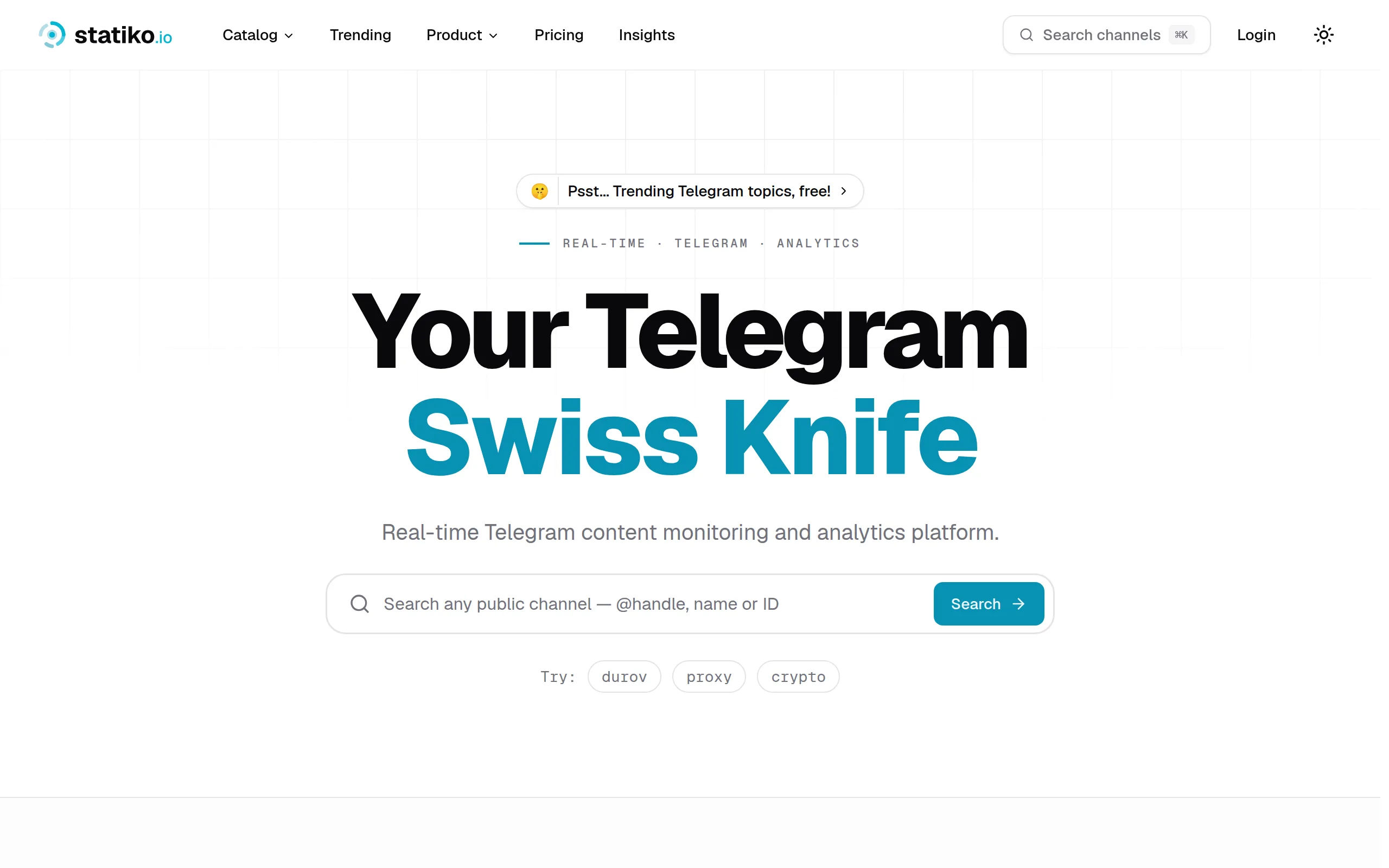
Statiko
Monitor any Telegram channel in real time - track posts, edits, deletions, and growth with AI recaps 📡

Shibui
AI website builder - describe your business, pick a niche template, edit by chatting, and publish instantly ✨

Pro Service
Find verified home service professionals, compare quotes, and pay securely through escrow - built for Brazilians across the US 🏠
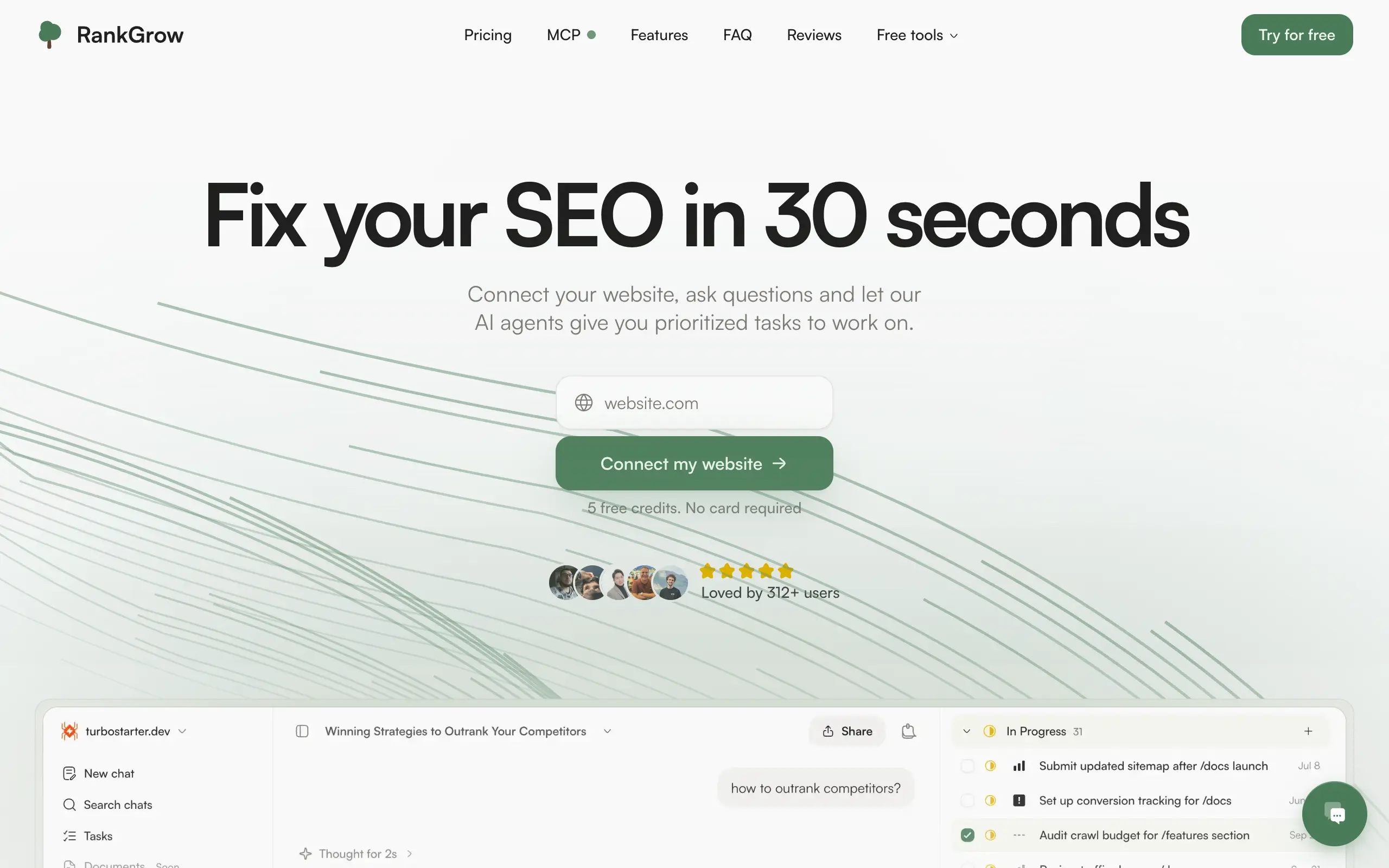
RankGrow
Fix your SEO with AI agents - connect Search Console, get prioritized tasks, and grow organic traffic 📈
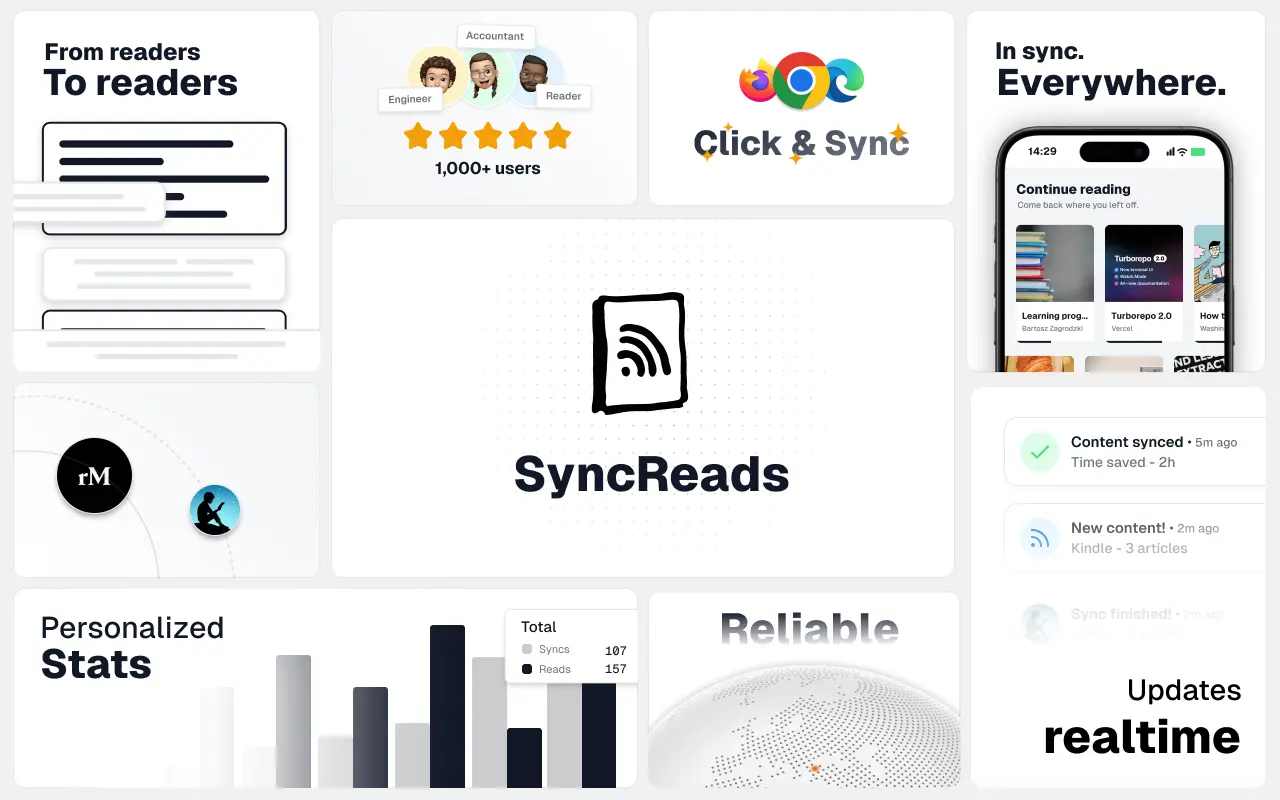
SyncReads
Sync your favorite content for distraction-free reading, save time and replace multiple apps. Anytime, anywhere 🔄
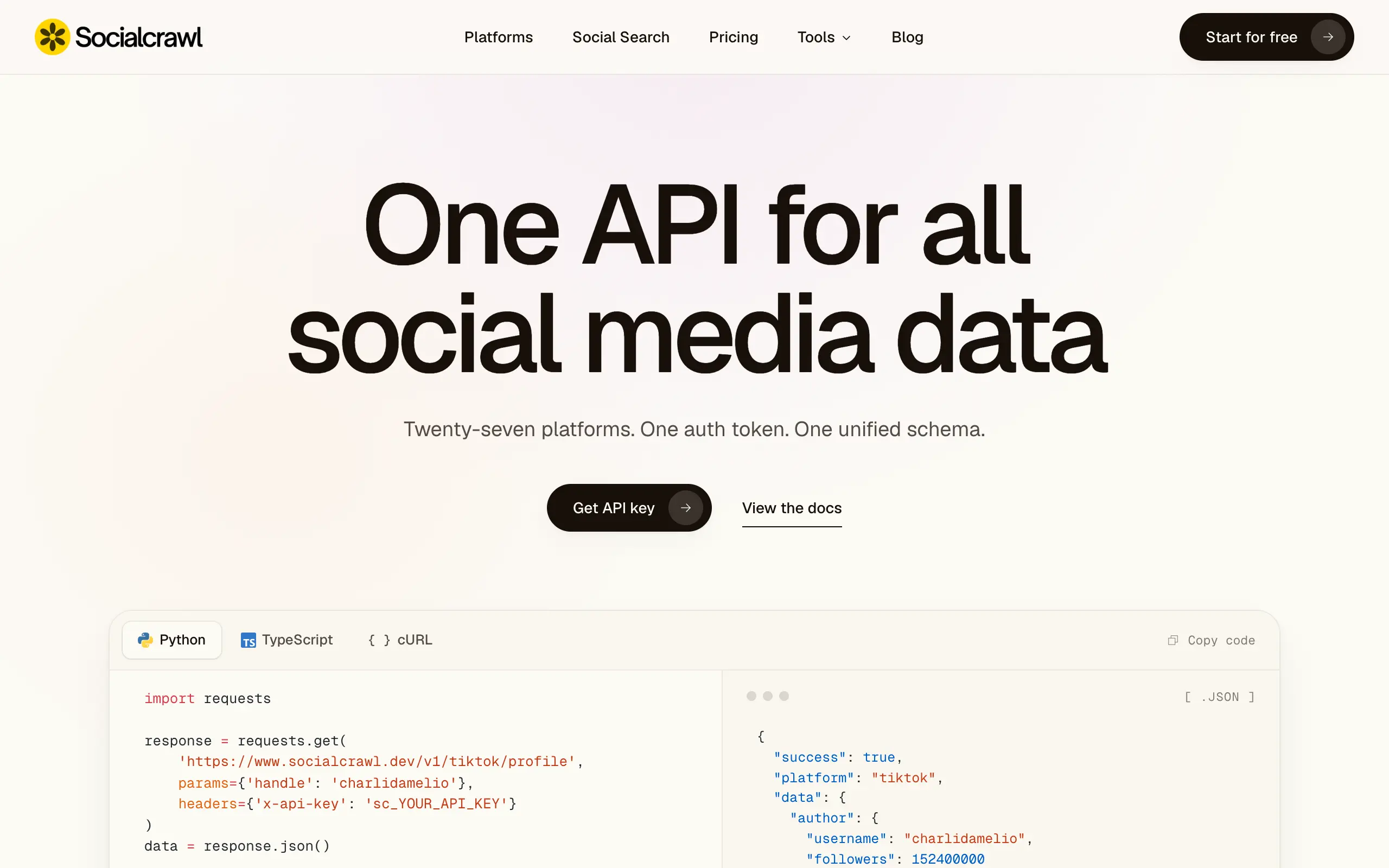
Socialcrawl
Get clean, structured data from 21 platforms like TikTok, Instagram, and YouTube with a single request 📊
Statiko
Monitor any Telegram channel in real time - track posts, edits, deletions, and growth with AI recaps 📡
Shibui
AI website builder - describe your business, pick a niche template, edit by chatting, and publish instantly ✨
Pro Service
Find verified home service professionals, compare quotes, and pay securely through escrow - built for Brazilians across the US 🏠
RankGrow
Fix your SEO with AI agents - connect Search Console, get prioritized tasks, and grow organic traffic 📈
SyncReads
Sync your favorite content for distraction-free reading, save time and replace multiple apps. Anytime, anywhere 🔄
Socialcrawl
Get clean, structured data from 21 platforms like TikTok, Instagram, and YouTube with a single request 📊
Statiko
Monitor any Telegram channel in real time - track posts, edits, deletions, and growth with AI recaps 📡
Shibui
AI website builder - describe your business, pick a niche template, edit by chatting, and publish instantly ✨
Pro Service
Find verified home service professionals, compare quotes, and pay securely through escrow - built for Brazilians across the US 🏠
RankGrow
Fix your SEO with AI agents - connect Search Console, get prioritized tasks, and grow organic traffic 📈
SyncReads
Sync your favorite content for distraction-free reading, save time and replace multiple apps. Anytime, anywhere 🔄
Socialcrawl
Get clean, structured data from 21 platforms like TikTok, Instagram, and YouTube with a single request 📊
Statiko
Monitor any Telegram channel in real time - track posts, edits, deletions, and growth with AI recaps 📡
Shibui
AI website builder - describe your business, pick a niche template, edit by chatting, and publish instantly ✨
Pro Service
Find verified home service professionals, compare quotes, and pay securely through escrow - built for Brazilians across the US 🏠
RankGrow
Fix your SEO with AI agents - connect Search Console, get prioritized tasks, and grow organic traffic 📈
SyncReads
Sync your favorite content for distraction-free reading, save time and replace multiple apps. Anytime, anywhere 🔄
Socialcrawl
Get clean, structured data from 21 platforms like TikTok, Instagram, and YouTube with a single request 📊
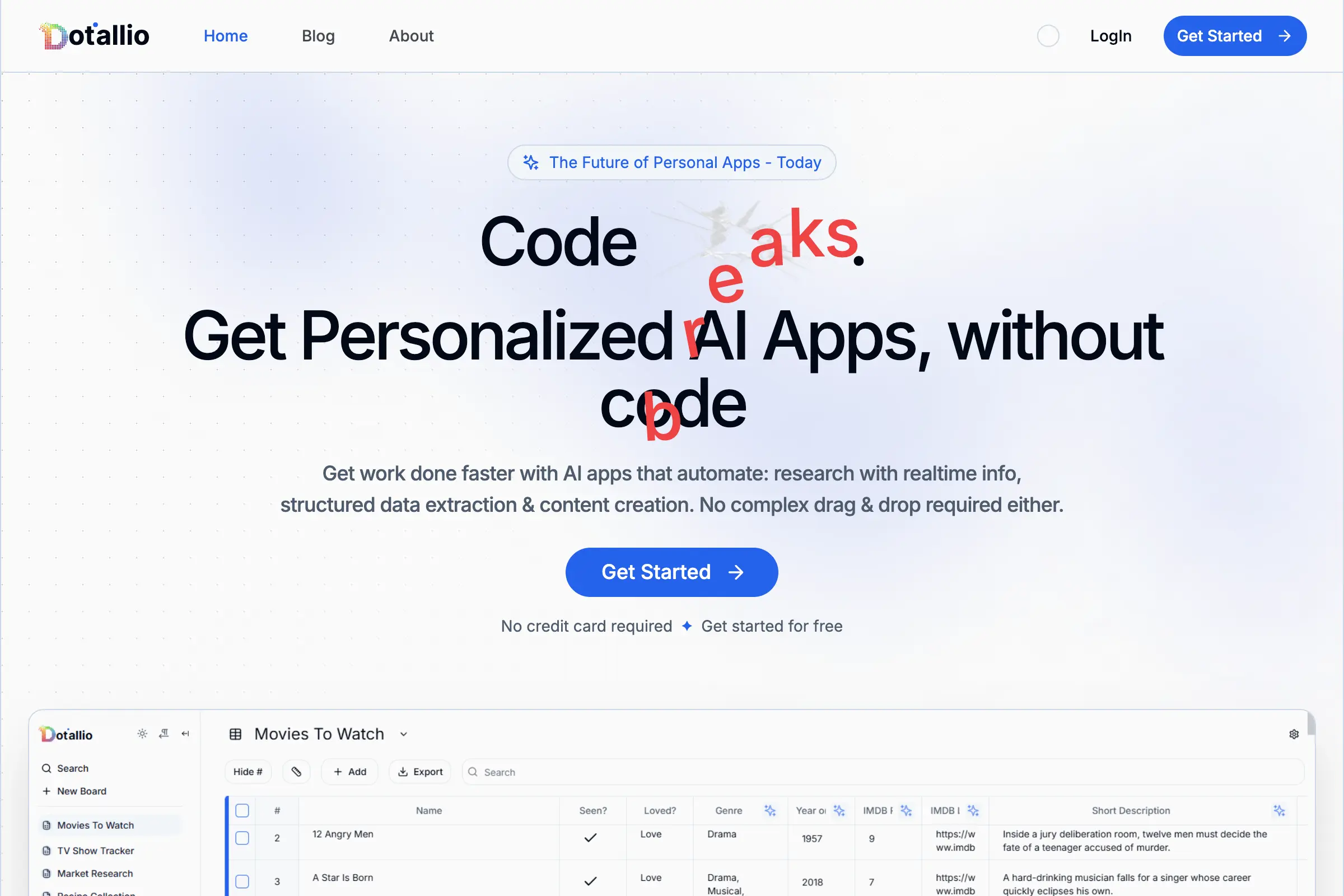
Dotallio
Personalized AI apps that automate research, data extraction, and content creation without code 🤖
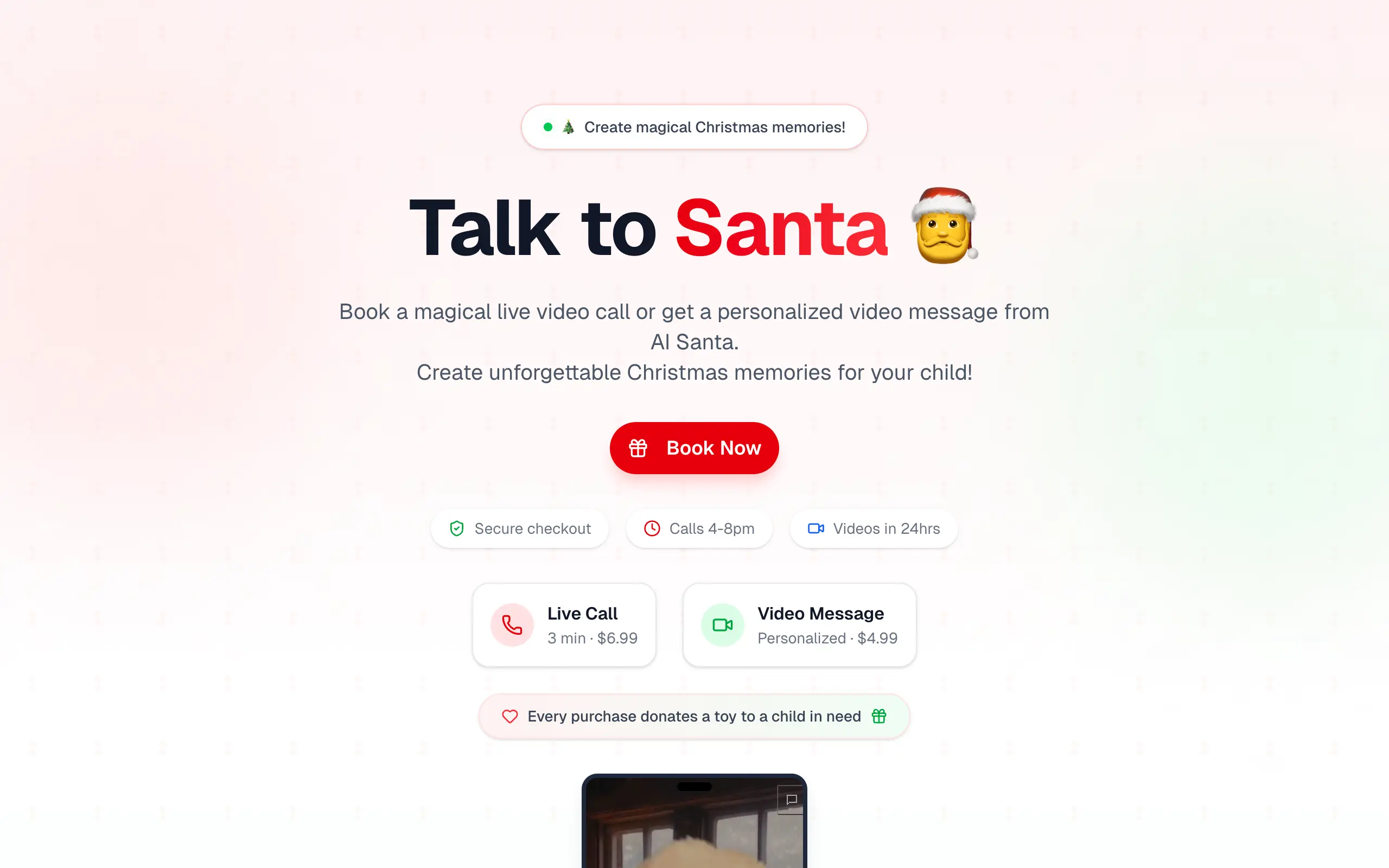
Talk to Santa
Enjoy a magical live video chat or receive a unique AI-generated video greeting from Santa Claus 🎅
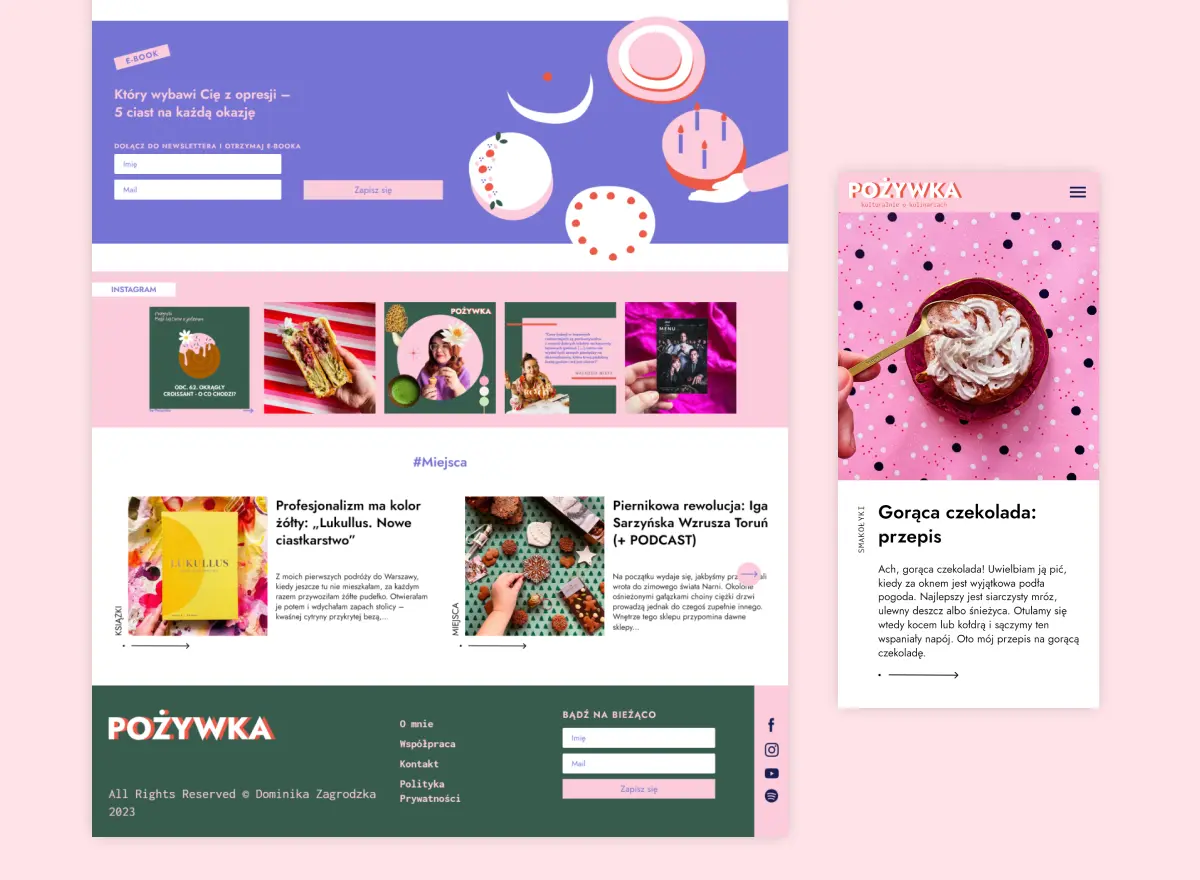
pozywka.pl
Scalable blog for food journalist, focused on performance and user experience 🌭
zagrodzki.me
Personal blog and portfolio of Bart Zagrodzki, where he shares his knowledge and work 💼
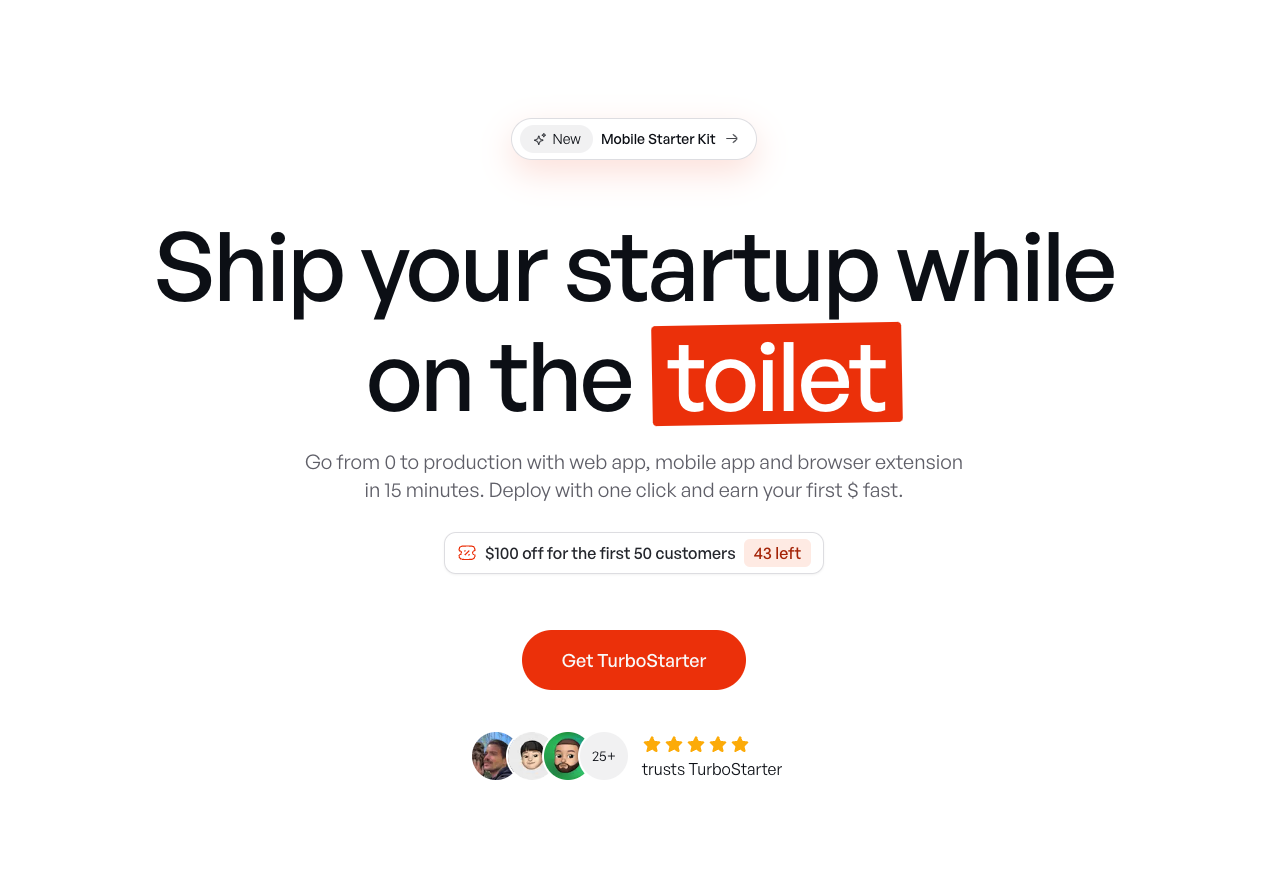
TurboStarter
Ship your startup everywhere. In minutes.
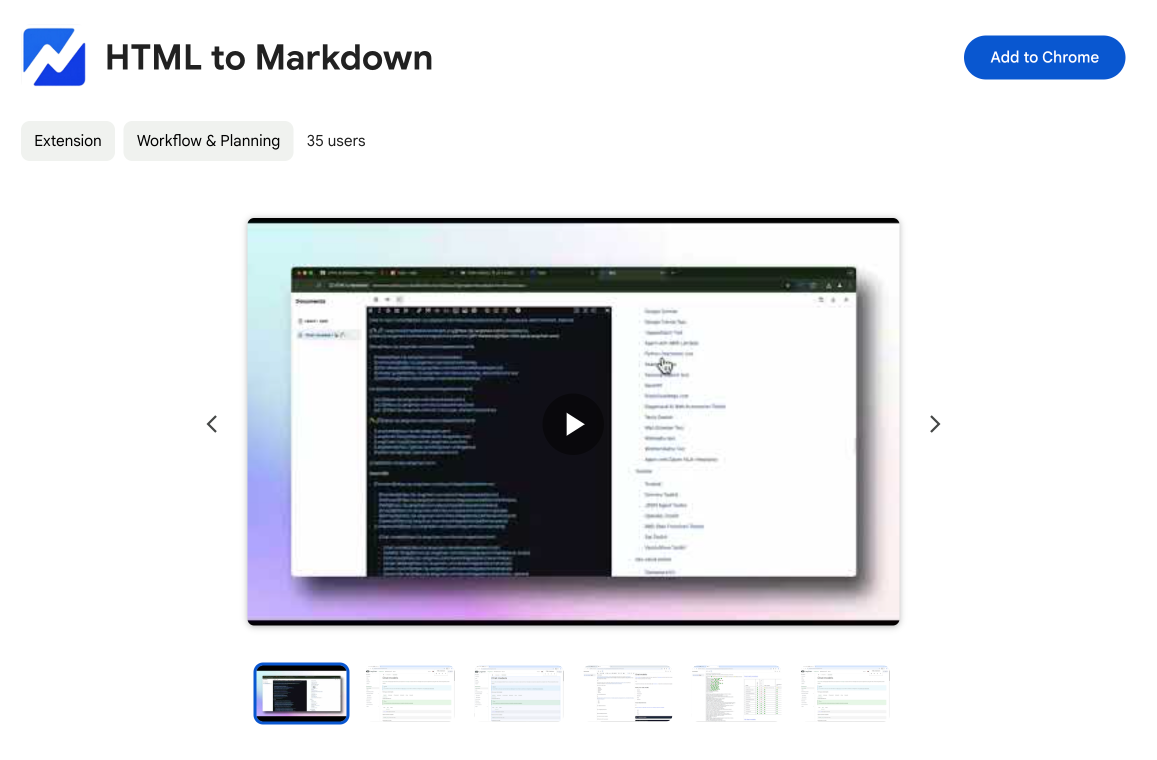
HTML to Markdown
Convert HTML to Markdown with ease, directly in your browser 📄
Dotallio
Personalized AI apps that automate research, data extraction, and content creation without code 🤖
Talk to Santa
Enjoy a magical live video chat or receive a unique AI-generated video greeting from Santa Claus 🎅
pozywka.pl
Scalable blog for food journalist, focused on performance and user experience 🌭
zagrodzki.me
Personal blog and portfolio of Bart Zagrodzki, where he shares his knowledge and work 💼
TurboStarter
Ship your startup everywhere. In minutes.
HTML to Markdown
Convert HTML to Markdown with ease, directly in your browser 📄
Dotallio
Personalized AI apps that automate research, data extraction, and content creation without code 🤖
Talk to Santa
Enjoy a magical live video chat or receive a unique AI-generated video greeting from Santa Claus 🎅
pozywka.pl
Scalable blog for food journalist, focused on performance and user experience 🌭
zagrodzki.me
Personal blog and portfolio of Bart Zagrodzki, where he shares his knowledge and work 💼
TurboStarter
Ship your startup everywhere. In minutes.
HTML to Markdown
Convert HTML to Markdown with ease, directly in your browser 📄
Dotallio
Personalized AI apps that automate research, data extraction, and content creation without code 🤖
Talk to Santa
Enjoy a magical live video chat or receive a unique AI-generated video greeting from Santa Claus 🎅
pozywka.pl
Scalable blog for food journalist, focused on performance and user experience 🌭
zagrodzki.me
Personal blog and portfolio of Bart Zagrodzki, where he shares his knowledge and work 💼
TurboStarter
Ship your startup everywhere. In minutes.
HTML to Markdown
Convert HTML to Markdown with ease, directly in your browser 📄
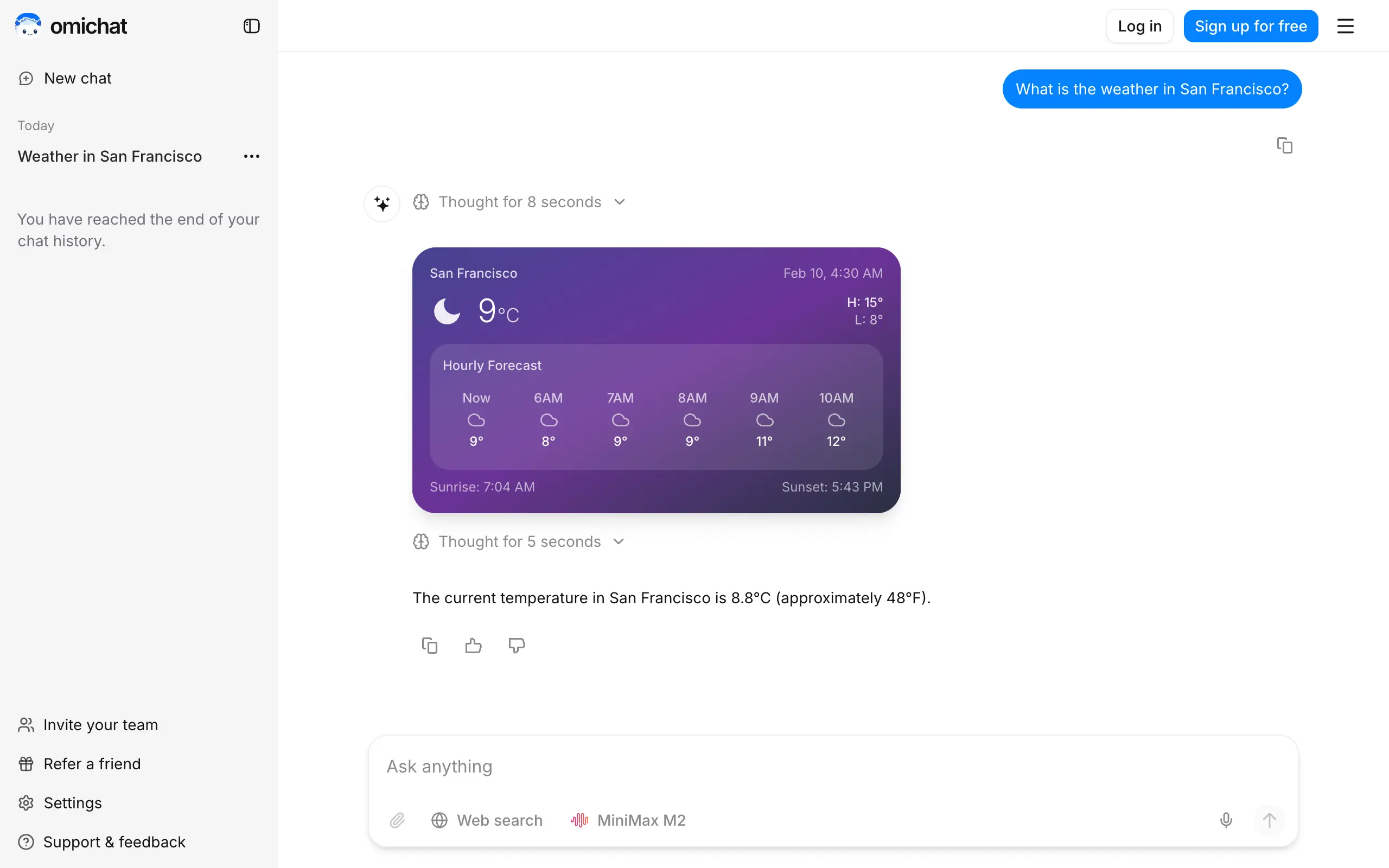
Omichat
Chat with 50+ AI models, including ChatGPT and Claude, in one place - switch models anytime without losing context 🤖
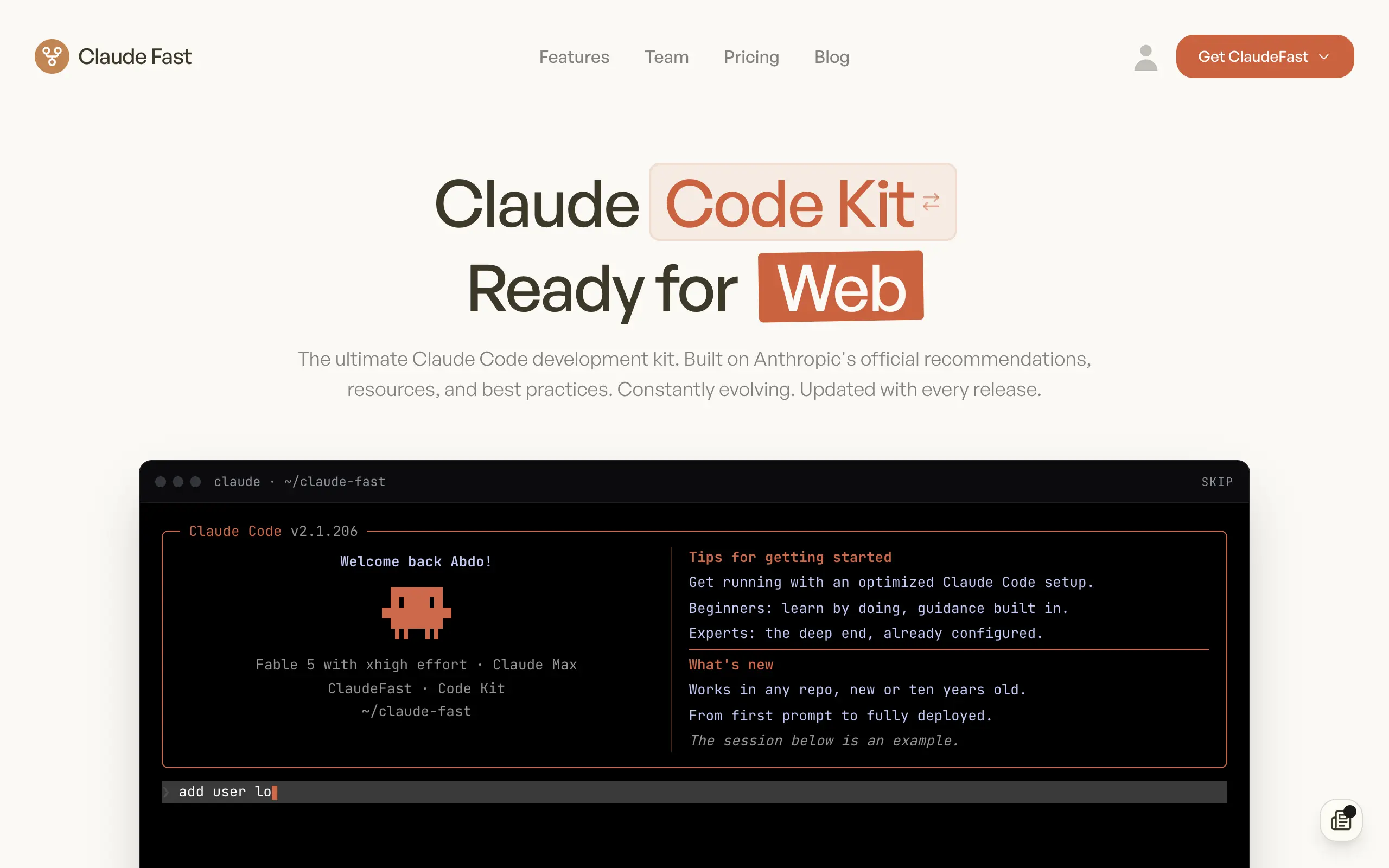
Claude Fast
Supercharge your Claude Code with 6x effective context window and specialized AI agents 🤖
EmojAI
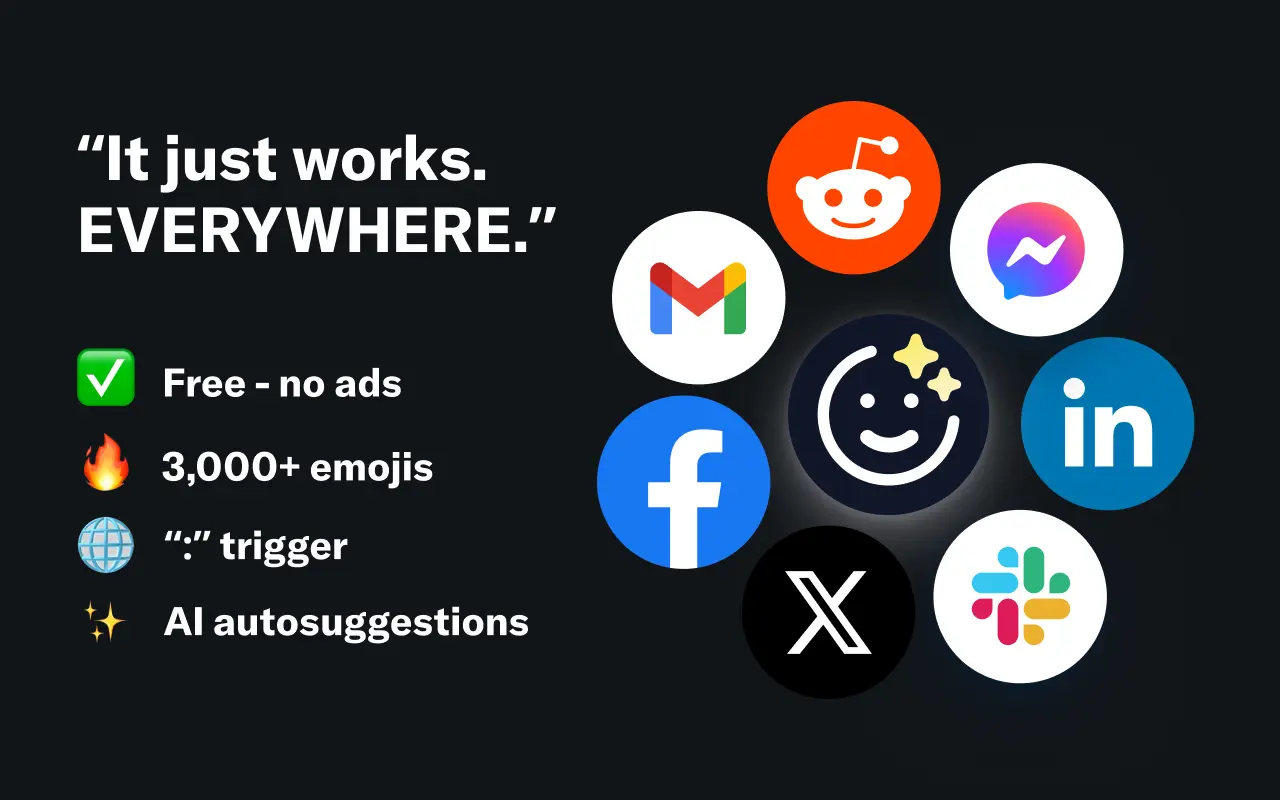
AI-powered emoji picker with smart, context-aware suggestions 🤖
Solohacker
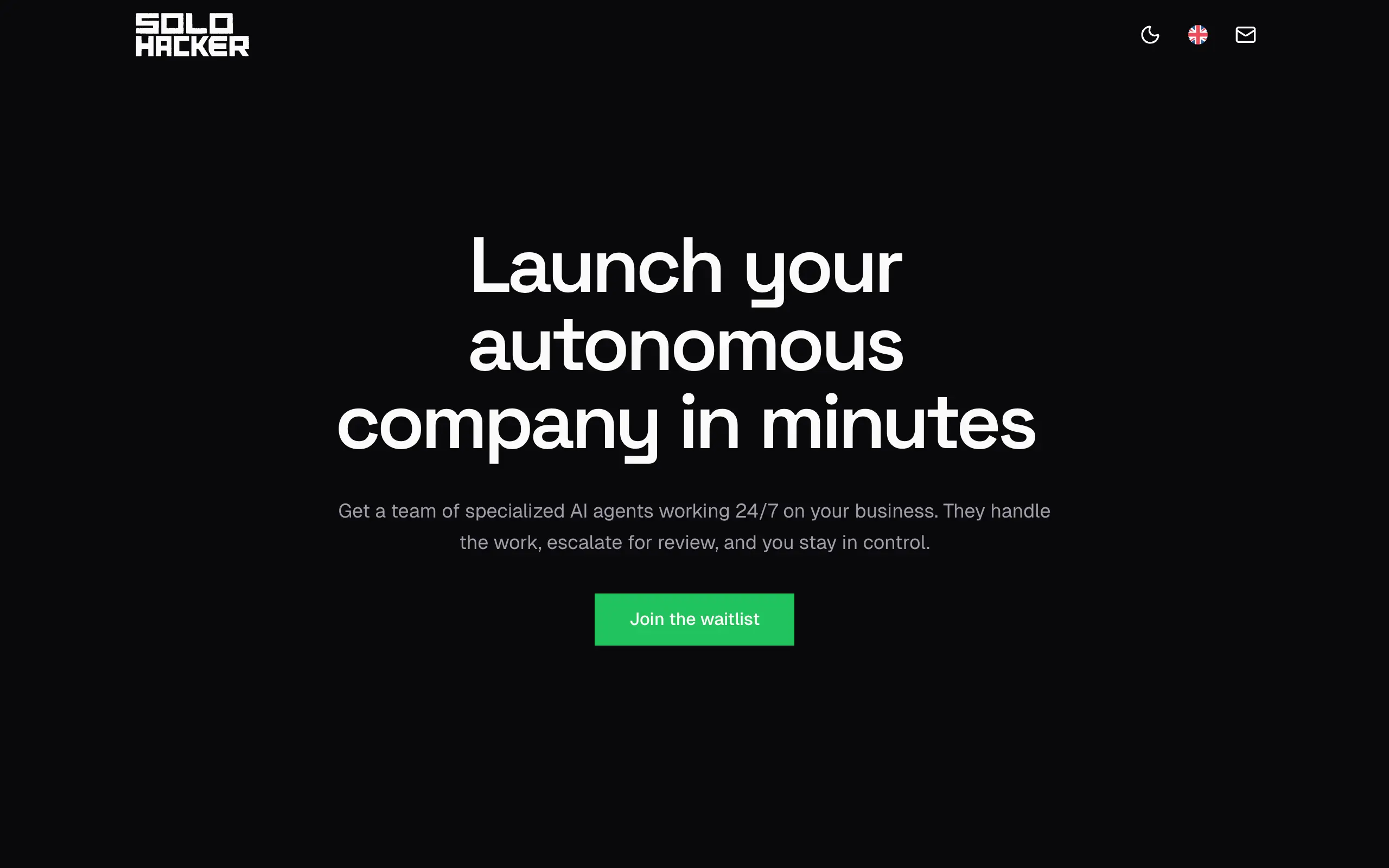
Autonomous company launcher - AI agents work 24/7, escalate what matters, and you stay in control 🤖
BeRawi: Storytelling Coach
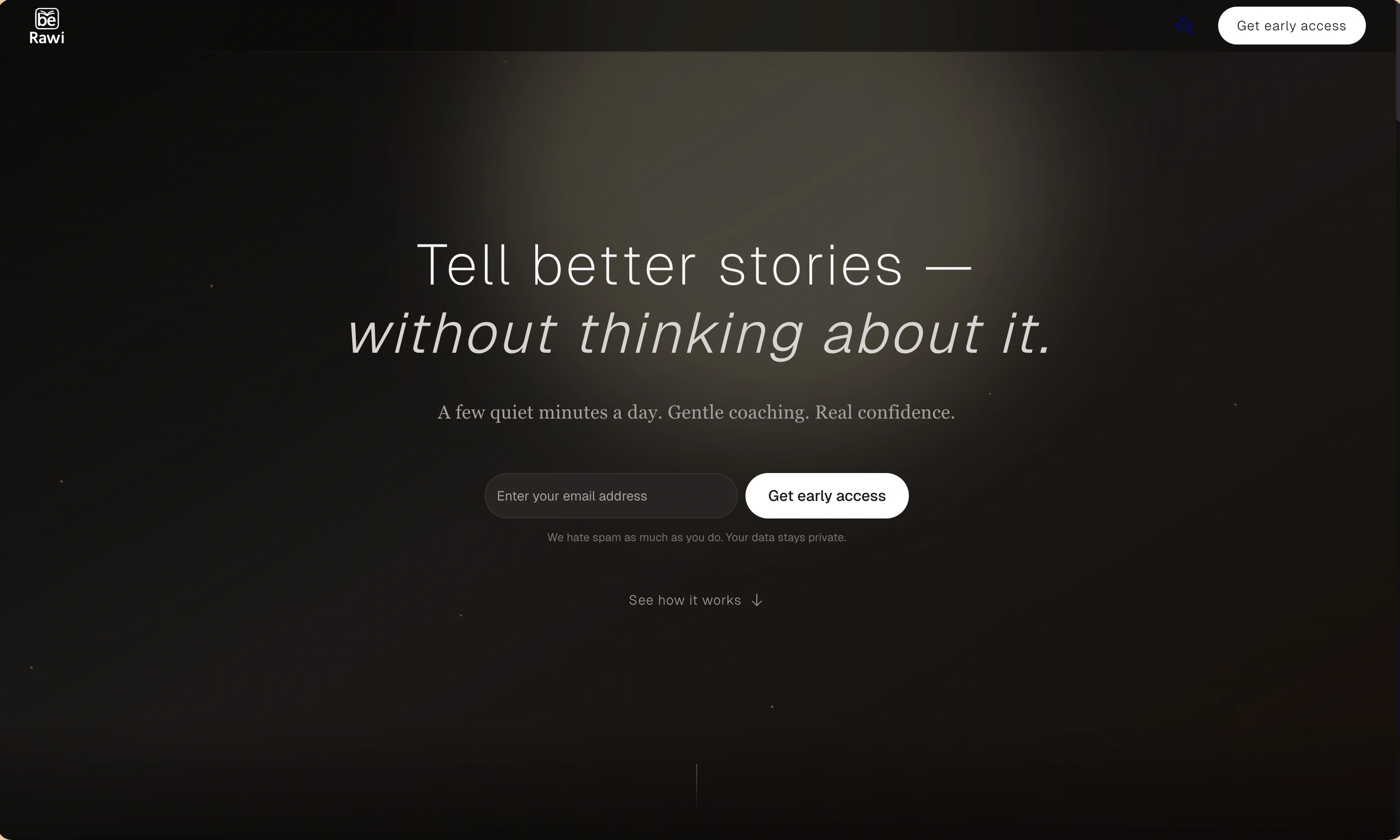
Practice storytelling daily with instant feedback to sound clearer, more engaging, and confident 🎤
Omichat
Chat with 50+ AI models, including ChatGPT and Claude, in one place - switch models anytime without losing context 🤖
Claude Fast
Supercharge your Claude Code with 6x effective context window and specialized AI agents 🤖
EmojAI
AI-powered emoji picker with smart, context-aware suggestions 🤖
Solohacker
Autonomous company launcher - AI agents work 24/7, escalate what matters, and you stay in control 🤖
BeRawi: Storytelling Coach
Practice storytelling daily with instant feedback to sound clearer, more engaging, and confident 🎤
Omichat
Chat with 50+ AI models, including ChatGPT and Claude, in one place - switch models anytime without losing context 🤖
Claude Fast
Supercharge your Claude Code with 6x effective context window and specialized AI agents 🤖
EmojAI
AI-powered emoji picker with smart, context-aware suggestions 🤖
Solohacker
Autonomous company launcher - AI agents work 24/7, escalate what matters, and you stay in control 🤖
BeRawi: Storytelling Coach
Practice storytelling daily with instant feedback to sound clearer, more engaging, and confident 🎤
Omichat
Chat with 50+ AI models, including ChatGPT and Claude, in one place - switch models anytime without losing context 🤖
Claude Fast
Supercharge your Claude Code with 6x effective context window and specialized AI agents 🤖
EmojAI
AI-powered emoji picker with smart, context-aware suggestions 🤖
Solohacker
Autonomous company launcher - AI agents work 24/7, escalate what matters, and you stay in control 🤖
BeRawi: Storytelling Coach
Practice storytelling daily with instant feedback to sound clearer, more engaging, and confident 🎤

Connect with like-minded people
Join our community to get feedback, support, and grow together with 1,000+ builders on board, let's ship it!
Join usShip your startup everywhere. In minutes.
Don't burn tokens on setup and start building features on day one.