GapForge
AI scans reviews, forums, and competitor sites to uncover validated SaaS pain points, rank demand, and turn gaps into build-ready product briefs.
GapForge is an AI SaaS pain point discovery platform designed for founders, product teams, agencies, and investors who need stronger evidence before building a software product. Instead of relying on intuition, isolated customer interviews, or generic trend reports, it scans public reviews, community discussions, competitor websites, and recurring complaints to identify underserved demand.
The core promise is compelling: turn noisy market feedback into ranked SaaS opportunities and build-ready product briefs.
For anyone researching AI SaaS ideas, validating a startup concept, or looking for recurring customer pain points, GapForge addresses a frustrating reality. Valuable product opportunities are often visible in plain sight, but the evidence is fragmented across review platforms, Reddit threads, support forums, app marketplaces, social conversations, pricing pages, and competitor feature gaps.
A founder may find a promising complaint in a review, but one complaint is not a market. GapForge helps users answer the more important questions:
- Is this pain point frequent enough to matter?
- Which customer segment experiences it most intensely?
- Are people currently spending money on incomplete alternatives?
- Is the issue a feature request, a workflow breakdown, or a standalone SaaS opportunity?
- What should an MVP include to solve the problem credibly?
- How crowded is the market around the opportunity?
Why AI SaaS pain point discovery is a growing market
The SaaS market has become easier to enter and harder to win. Modern development tools, AI coding assistants, cloud infrastructure, payment providers, and starter kits reduce the cost of shipping. The real bottleneck is no longer only engineering capacity. It is identifying a problem with enough urgency, frequency, and willingness to pay.
This shift makes SaaS idea validation software more valuable.
Founders have access to more customer feedback than ever, but they face a research overload problem. A single category such as project management, HR software, accounting, customer support, or ecommerce operations can produce thousands of reviews and discussion threads. Manually reading them is slow. Keyword searches also fail because customers rarely describe problems in consistent product language.
For example, users may not say they need “workflow orchestration.” They may write:
- “We copy this into three separate tools every Friday.”
- “The approval process lives in Slack and nothing gets tracked.”
- “Our team keeps missing this step when a client changes plans.”
- “This feature exists, but it only works for enterprise accounts.”
- “We need a workaround every time we handle international invoices.”
These comments point to pain, but they require interpretation. An effective AI market research platform should cluster related language, identify repeated themes, distinguish mild inconvenience from severe operational friction, and connect complaints to buyer types.
The key validation principle
A repeated complaint is more meaningful when it appears across multiple independent sources, affects a recognizable buyer segment, involves a costly workaround, and maps to an existing budget category.
GapForge can position itself at the intersection of several high-intent categories:
- AI startup idea generator
- SaaS market research tool
- Customer pain point analysis software
- Product opportunity discovery platform
- Competitor review analysis tool
- Voice of customer research software
- AI product discovery software
- Startup validation platform
The difference matters. Generic idea generators produce inspiration. GapForge should produce evidence-backed opportunity intelligence.
Who GapForge should serve first
A broad promise can attract attention, but a focused initial customer profile makes product development and marketing much more effective. GapForge should prioritize users who already have a reason to pay for faster, more reliable market insight.
Indie hackers and bootstrapped SaaS founders
Solo founders often have the technical capability to build but lack a dedicated research team. They are vulnerable to spending months on products with weak demand signals.
Their workflow usually looks like this:
- Browse online communities and review sites for ideas.
- Collect notes in spreadsheets or bookmarking tools.
- Search for competitors and manually compare features.
- Build a lightweight MVP.
- Discover too late that the problem was either too niche or already solved.
GapForge gives this audience a clearer path from signal to action. Rather than presenting a list of vague prompts, it can generate opportunity cards with evidence, demand indicators, competitor context, target users, and MVP recommendations.
The primary value is saved time, but the deeper value is reduced false confidence. A founder should be able to see why an opportunity scored highly, not merely receive an AI-generated claim that it is promising.
Product managers and innovation teams
Established companies have data, customers, and engineering resources, yet they can still struggle to identify unmet needs outside their existing roadmap. Product teams often collect feedback through ticketing systems, NPS surveys, sales calls, interviews, and feature request boards. External signals are less consistently analyzed.
For this segment, GapForge can become a market intelligence layer that helps teams understand:
- Competitor complaints customers are publicly sharing
- Unmet needs in adjacent customer segments
- Features that appear overserved or underdelivered
- Emerging language and workflow changes in a category
- Potential product expansion opportunities
Enterprise-oriented product teams will require stronger permissions, governance, exports, source traceability, and support for internal feedback sources. That makes them attractive later, after the core opportunity-scoring engine proves useful.
Agencies, venture studios, and consultants
Agencies and venture studios repeatedly need to research markets for clients. Their pain is not simply finding one good idea. They need a repeatable process that creates credible deliverables.
GapForge can help them produce:
- White-label opportunity reports
- Client-ready market gap summaries
- Competitive research snapshots
- Product brief exports
- Evidence libraries supporting strategic recommendations
This audience is particularly valuable because one account may run research across many verticals. Their willingness to pay increases when the platform helps shorten client discovery work and makes recommendations easier to defend.
Pre-seed investors and startup scouts
Early-stage investors often assess whether a founder’s insight reflects an actual market gap. A version of GapForge built for scouts could surface emerging categories and recurring complaints before they become obvious.
However, investors should not be the initial core customer. Their workflows often demand proprietary data, custom research, and broad market coverage. The product should first earn trust with builders who can validate whether the discovered opportunities lead to useful products.
Best initial buyer
Technical founders and small product teams who need evidence-backed SaaS opportunities before committing development time.
High-value expansion buyer
Agencies and venture studios that need repeatable research workflows and polished opportunity reports for clients.
Future enterprise buyer
Product strategy teams that need external market signals alongside their internal voice-of-customer data.
The market gap GapForge can own
The existing research landscape is fragmented. Founders can use review websites, SEO tools, social listening products, customer interview platforms, web scrapers, AI chat tools, and competitor intelligence services. Each solves part of the problem, but few convert cross-source evidence into a decision-ready SaaS product brief.
That is GapForge’s market gap.
Existing approaches and where they break down
Manual research is flexible but slow. It also creates confirmation bias because founders tend to notice comments that support the idea they already want to build.
Traditional keyword research reveals what people search for, but not always the workflow pain beneath the search. Search volume can indicate attention, while customer complaints indicate dissatisfaction. Both matter, but they are not interchangeable.
Review analysis tools may summarize sentiment, yet sentiment alone is too broad. A customer can rate a product poorly because of onboarding, pricing, support, performance, missing features, integrations, or a problem with their own implementation. The valuable output is not “negative sentiment increased.” It is “mid-market operations managers repeatedly lose time reconciling data after multi-location imports, and current alternatives require manual CSV workarounds.”
Generic AI idea generators are fast but usually lack source grounding. They often sound plausible because language models are good at generating coherent narratives. Plausibility is not validation.
Competitor intelligence platforms can track pricing and positioning changes, but they rarely connect those changes to the lived experiences customers describe in public.
The GapForge opportunity
GapForge should unify the full workflow:
- Collect public evidence from selected sources.
- Normalize and deduplicate feedback.
- Extract pain points, jobs, workarounds, and unmet expectations.
- Cluster semantically related complaints.
- Measure frequency, recency, intensity, and source diversity.
- Map pain points to segments and competitors.
- Generate transparent opportunity scores.
- Create a build-ready SaaS product brief.
The product should not market itself as a machine that “guarantees winning SaaS ideas.” That claim would undermine trust. Instead, it should help users make better-informed bets through auditable evidence.
How GapForge should turn raw feedback into validated SaaS opportunities
A strong product experience begins with a clear research input. Users should be able to enter a market category, a known competitor, a target customer, or a research question.
Examples include:
- “Find unmet needs in software for independent property managers.”
- “Analyze customer complaints about applicant tracking systems for hourly hiring.”
- “Identify workflow gaps in ecommerce returns management.”
- “Find opportunities around data privacy compliance for small healthcare practices.”
- “Compare the missing features users mention across scheduling tools.”
The AI should then guide users from broad exploration to a focused opportunity thesis.
Source ingestion and evidence capture
The quality of GapForge depends on its sources and its ability to show where insights came from. Public web data comes with technical, legal, and quality constraints, so source strategy should be deliberate.
Useful source categories include:
- Product review platforms and app marketplaces
- Public community forums and subreddit discussions
- Competitor landing pages, help centers, changelogs, and pricing pages
- Public social posts where terms of service permit analysis
- Open product feedback boards
- Job postings that reveal operational workflows
- Public industry communities and niche directories
Every extracted signal should retain metadata. At minimum, store the source URL, publication date when available, source type, original excerpt, language, detected persona, and confidence level.
Users should always be able to inspect the evidence behind an AI conclusion. This source-grounded workflow is essential for trustworthiness.
Pain point extraction beyond sentiment
A useful pain point record needs more structure than positive or negative sentiment. GapForge should extract:
- The user’s desired outcome
- The obstacle preventing that outcome
- The current workaround
- The product or process mentioned
- The impact on time, money, compliance, revenue, or risk
- The likely buyer or user role
- The emotional intensity of the complaint
- Whether the pain is explicit or inferred
- Whether the issue is a missing feature, usability problem, integration gap, or broader market gap
For example, “I have to export our inventory report and clean it in a spreadsheet every morning before sending it to suppliers” contains a rich opportunity signal. It shows a recurring process, a manual workaround, a likely frequency, and an operational context.
The platform should preserve the original language while also generating a normalized insight such as “daily supplier inventory reporting requires manual data cleanup.”
Semantic clustering and deduplication
Customers describe the same problem in many ways. An AI SaaS research tool needs embeddings and clustering to group these variations without flattening meaningful differences.
One cluster might contain complaints about:
- Manual report cleanup
- Spreadsheet exports
- Broken data synchronization
- Inventory reconciliation
- Supplier reporting delays
But the platform must avoid over-clustering. “Inventory data is outdated” and “inventory forecasting is inaccurate” may sound related while pointing to different products and buyers.
A practical approach is to combine semantic similarity with structured constraints:
- Source and product context
- Detected workflow stage
- User persona
- Time frame
- Named integrations
- Human-readable cluster labels
- Confidence thresholds
The interface should let users split, merge, or exclude clusters. Human judgment remains important, especially in niche markets where domain terminology has nuanced meanings.
Opportunity scoring users can understand
A black-box score will not earn long-term trust. GapForge should explain its scoring dimensions clearly.
| Signal | What it measures | Why it matters | Example evidence | Product implication |
|---|---|---|---|---|
| Frequency | How often the pain appears | Repeated issues are less likely to be isolated | Similar complaints across many sources | Prioritize recurring workflows |
| Intensity | Severity and urgency of the language | Strong pain can indicate willingness to switch or pay | Lost revenue, delays, compliance risk | Frame the value proposition around consequences |
| Workaround burden | Effort required by current alternatives | Manual workarounds suggest unmet demand | Spreadsheets, copy-paste, extra contractors | Automate the painful step first |
| Source diversity | Independent places where the signal appears | Reduces dependence on one loud audience | Reviews, communities, and competitor forums | Increase confidence in the opportunity |
| Market accessibility | Ability to reach and serve the segment | Demand is not enough if buyers are unreachable | Clear niche communities and existing tools | Shape the go-to-market plan |
An opportunity score can combine these factors, but each score should include an explanation. For example:
High opportunity score because 46 independent mentions across four source types describe a recurring manual reconciliation workflow. Users identify time loss and reporting delays, while competitor documentation shows limited native support for the affected integration.
The exact count should only be shown when it is based on stored, auditable data. GapForge should avoid invented precision.
Build-ready product briefs
The product brief is the feature that turns research into action. A good brief should not read like generic AI copy. It should be assembled from the underlying evidence and clearly separate facts from hypotheses.
Each brief can include:
- Problem statement
- Ideal customer profile
- Job to be done
- Evidence summary
- Representative customer language
- Current alternatives and workarounds
- Competitor landscape
- Proposed product positioning
- MVP feature scope
- Suggested pricing hypothesis
- Go-to-market channels
- Risks and assumptions to test
- Customer interview questions
- Landing page messaging angles
This output helps a user move from “I found an interesting gap” to “I know what to test next.”
Core features for an MVP and a scalable product
The first version of GapForge should prioritize trust, speed, and decision usefulness over a massive source catalog. The MVP does not need to cover the entire internet. It needs to uncover valuable patterns reliably in a few well-defined workflows.
MVP feature set
The most important early capabilities are:
- Market and competitor research prompts
- Curated public-source ingestion
- Review and discussion extraction
- Semantic pain point clustering
- Evidence-backed opportunity cards
- Transparent demand scoring
- Competitor feature gap comparison
- Product brief generation
- Saved research projects
- CSV, Markdown, or PDF-style export options
- Feedback controls for inaccurate clustering or weak insights
A focused initial experience could begin with one market query and return a ranked set of pain point clusters. Users then open a cluster, inspect the source evidence, compare competitors, and generate a brief.
Features that create retention
Discovery is exciting, but retention requires recurring value. GapForge should develop workflows that make users return as markets change.
High-retention features include:
- Saved market watchlists
- Alerts when a pain point increases in frequency
- Competitor pricing and changelog monitoring
- New review trend detection
- Team annotations and evidence sharing
- Opportunity score history
- Research templates by vertical
- Internal feedback source connections for larger teams
- API access for agencies and research workflows
The strongest retention loop is not “generate more ideas.” It is “help users monitor whether a specific market gap is becoming more urgent, more crowded, or more viable.”
A useful AI architecture
GapForge needs more than a single large language model prompt. A reliable architecture should combine retrieval, classification, embeddings, structured extraction, and generation.
Collect approved public data, normalize documents, remove duplicates, retain source metadata, and schedule incremental refreshes. Use queues so large research jobs do not block the application.
Create embeddings for semantic search and clustering. Use structured model outputs to extract pain points, personas, workarounds, urgency, and competitor mentions. Add deterministic scoring rules where possible.
Present evidence first, then summaries, opportunity scores, competitor comparisons, and product briefs. Every AI-generated claim should point back to an underlying source set.
A retrieval-augmented generation approach is particularly important. The language model should generate summaries from a defined evidence bundle rather than relying on general training knowledge. This reduces hallucination risk and makes the research output more defensible.
Recommended tech stack for GapForge
The right stack should support fast iteration, asynchronous research jobs, secure multi-tenant data, and AI workloads. A TypeScript-based web stack is a practical fit for an early-stage SaaS team.
Application and interface layer
Use React with a framework such as Next.js for the product interface, server rendering, API routes, and authenticated application flows. This combination supports a polished dashboard while keeping frontend and backend work close together.
Tailwind CSS is a good styling choice for a data-dense SaaS interface because it enables rapid iteration on tables, filters, cards, and responsive layouts. The trade-off is that teams need component conventions to prevent visual inconsistency as the application grows.
For charts, prioritize interpretability over decoration. Trend lines, source distributions, cluster growth, and score explanations matter more than complex visualizations.
Data, search, and AI services
A relational database such as PostgreSQL is well suited to projects, users, sources, normalized documents, extracted insights, audit logs, and billing records.
For vector search, an early team can use PostgreSQL with a vector extension or adopt a dedicated vector database when corpus size and retrieval requirements justify it. Keeping vectors close to relational metadata can simplify early architecture. A dedicated system may provide better performance and operational features at large scale, but it also adds infrastructure complexity.
Use object storage for raw source snapshots where retention policies permit. Preserve enough evidence to reproduce an analysis while honoring deletion requests and source rules.
For AI model access, use a provider with reliable structured output support and clear data handling options. OpenAI can support extraction, summarization, and brief generation. However, model providers should be abstracted behind an internal service layer. This prevents vendor lock-in and makes it possible to route tasks based on cost, latency, quality, or customer privacy requirements.
Background jobs and observability
Research pipelines are asynchronous by nature. Crawling, parsing, embedding, clustering, and summarizing should run through durable queues rather than inside user-facing requests.
Use background workers for:
- Source fetching and refresh schedules
- Document processing
- Embedding generation
- Cluster recomputation
- Alert delivery
- Export generation
- Usage metering
Add observability from the start. Track job failures, source fetch rates, model costs, extraction confidence, user corrections, and research completion times. These metrics are not merely technical. They reveal whether the product’s insights are useful.
For teams that want to avoid rebuilding foundational SaaS mechanics, TurboStarter can accelerate work on authentication, billing, application structure, and production-ready SaaS patterns. That lets the founding team devote more attention to the research engine that differentiates GapForge.
Monetization strategies for an AI market research platform
GapForge should price around decision value and research capacity, not around generic AI tokens. Customers are paying to reduce wasted development, research labor, and strategic uncertainty.
Tiered subscription model
A tiered SaaS model is the most straightforward approach.
- "Explorer plan" — limited projects, limited source volume, and a small number of opportunity briefs. This tier can attract founders validating their first idea.
- "Builder plan" — more market scans, competitor monitoring, exports, and saved watchlists for active SaaS builders.
- "Studio plan" — multi-seat collaboration, client-ready reports, white-label exports, and higher data limits for agencies and venture studios.
- "Enterprise plan" — internal data connectors, SSO, governance, custom retention settings, and dedicated support.
The free tier should show meaningful value without making the product too expensive to support. A small free analysis that reveals evidence-backed clusters can demonstrate the product’s quality better than an unrestricted chatbot experience.
Usage-based research credits
Long-running research jobs can create variable infrastructure and AI costs. Credits can complement subscriptions for intensive scans, large competitor sets, frequent refreshes, or premium data sources.
The user experience must remain simple. Customers should understand what a research credit buys, such as one category scan, a defined number of analyzed documents, or a monthly monitoring refresh.
Avoid pricing directly by “AI requests” unless the audience is highly technical. Buyers care about market analyses and actionable briefs, not token consumption.
Service-assisted revenue
A premium research service can generate early revenue and improve the product. Offer an analyst-reviewed opportunity report for customers who want a higher-confidence decision. The service creates valuable feedback on where automated output is unclear or insufficient.
Over time, human review should remain an optional premium layer rather than a hidden operational dependency behind the core product.
Competitive advantage and the GapForge USP
GapForge’s unique selling proposition should be clear:
GapForge turns public customer frustration into transparent, ranked SaaS opportunities with source evidence and build-ready product briefs.
That statement differentiates it from brainstorming tools, review summarizers, and competitor trackers.
The competitive advantage comes from combining five elements.
Evidence instead of generic idea generation
A generated idea is easy to create. A sourced, inspectable opportunity thesis is much harder. GapForge should consistently lead with evidence, including representative excerpts, source diversity, and clear caveats.
Workflow-aware pain point analysis
The best SaaS opportunities are not always missing features. They are often broken workflows between tools, teams, systems, and compliance requirements. GapForge should identify the surrounding job, workaround, and operational consequence.
Transparent scoring
A score becomes useful when users can challenge it. Showing frequency, intensity, recency, source diversity, and competitor context makes the product more trustworthy than a mysterious “AI confidence” number.
From insight to product brief
Many tools stop at analysis. GapForge should make the next step easy by translating research into a practical MVP scope, positioning direction, interview plan, and launch hypothesis.
Compounding proprietary intelligence
With customer permission and careful privacy controls, GapForge can improve its taxonomy of pain points, workflows, vertical-specific terms, and successful opportunity patterns. The long-term moat is not just access to public text. It is the structured intelligence layer built from how market evidence maps to real software opportunities.
Risks and mitigation strategies
An AI-driven research platform needs to be candid about limitations. Trust is earned when the product clearly communicates uncertainty.
Public reviews and forums can overrepresent unhappy users, highly engaged communities, or specific geographies. Mitigate this by showing source coverage, sample size, recency, and confidence indicators. Encourage users to treat findings as hypotheses to validate through interviews.
Public availability does not automatically grant unrestricted reuse rights. Build source-specific ingestion policies, respect applicable terms and robots directives, retain only necessary data, provide deletion processes, and seek legal guidance before expanding into sensitive data sources.
Require structured outputs, ground generation in retrieved evidence, display citations internally or to users where permitted, and label inferred claims separately from direct customer statements. Add human review workflows for high-stakes reports.
Defend through better data normalization, workflow-specific taxonomies, source transparency, longitudinal monitoring, collaborative research workflows, and a superior transition from evidence to implementation.
Use smaller models for classification and routing, batch embeddings, cache stable analyses, refresh only changed sources, and reserve more expensive models for customer-visible synthesis where quality matters most.
GapForge should also avoid presenting its scores as investment advice, legal advice, or definitive market forecasts. The platform can improve decision-making, but no dataset removes startup execution risk.
How to validate GapForge before building the full platform
The fastest route to product-market fit is to validate the workflow before investing heavily in crawling infrastructure or autonomous agents.
Start with a concierge MVP. Choose one narrow category, such as SaaS tools for ecommerce operators or small HR teams. Manually collect a controlled set of public reviews and forum discussions, then use AI-assisted analysis behind the scenes to create opportunity reports.
The goal is to learn whether users value the result enough to pay, what evidence they trust, and what actions they take after receiving a report.
Ask early customers:
- Did this analysis reveal a problem you had not considered?
- Which evidence made the opportunity feel credible?
- What made you distrust an insight?
- Would you change your product roadmap based on this?
- What source types do you wish were included?
- Would you pay for ongoing monitoring or only one-time reports?
- What format would help you share this insight with a cofounder, client, or team?
Do not begin by optimizing model prompts. Begin by understanding the decision the customer is trying to make.
Actionable implementation plan for GapForge
A disciplined release plan will keep the product focused on useful insight rather than AI novelty.
Choose one initial vertical and one buyer type. For example, focus on technical founders researching operations software for small businesses. Narrow positioning makes source selection, taxonomy design, and messaging easier.
Build a controlled ingestion pipeline for a small number of approved public sources. Store source metadata, excerpts, timestamps, and processing status so every finding remains traceable.
Create structured extraction for pain points, user roles, workarounds, urgency, and named competitors. Evaluate outputs against a hand-labeled dataset before trusting automated scores.
Launch an opportunity dashboard with evidence cards, cluster views, filters, and score explanations. Make source inspection a first-class experience rather than a hidden detail.
Generate product briefs that distinguish direct evidence from recommendations. Include MVP scope, assumptions, customer interview questions, and competitor context.
Run paid concierge reports with founders, agencies, and venture studios. Use their feedback to determine which reports, alerts, exports, and collaboration capabilities justify recurring subscriptions.
Add monitoring, competitor change detection, team workflows, and additional data sources only after users repeatedly return to validate new markets or defend roadmap decisions.
The most important product metric is not the number of generated ideas. Track whether users move from a GapForge insight to a concrete validation action. That might include scheduling interviews, launching a landing page, building an MVP, changing a roadmap, or purchasing a deeper report.
A strong secondary metric is insight trust. Measure how often users open source evidence, save an opportunity, export a brief, revise a cluster, or mark an insight as useful. Those actions reveal whether the platform is functioning as a serious research tool rather than an entertaining generator.
Final perspective on building GapForge
GapForge has a credible opportunity because the need for better SaaS idea validation is real and persistent. Builders do not need more random startup concepts. They need a faster way to find meaningful customer frustration, assess whether it recurs across a reachable market, understand existing alternatives, and convert insight into a focused product test.
The winning version of GapForge will not claim to predict the next unicorn. It will help users make a more disciplined decision before they spend months building.
Its success depends on three commitments:
- Evidence must be visible and traceable.
- Opportunity scores must be explainable and challengeable.
- Every research output must help a user take a practical next step.
By combining AI-powered review analysis, competitor research, voice-of-customer intelligence, and build-ready SaaS product briefs, GapForge can become a valuable operating system for founders and teams searching for underserved software markets.
More 🤖 AI Startup SaaS ideas
Discover more innovative ai startup SaaS ideas that are trending in 2026. Each idea is AI-generated with market validation and growth potential to help you find your next profitable venture faster than competitors.
Your competitors are building with TurboStarter
Below are some of the SaaS ideas that have been generated and built with our starter kit.
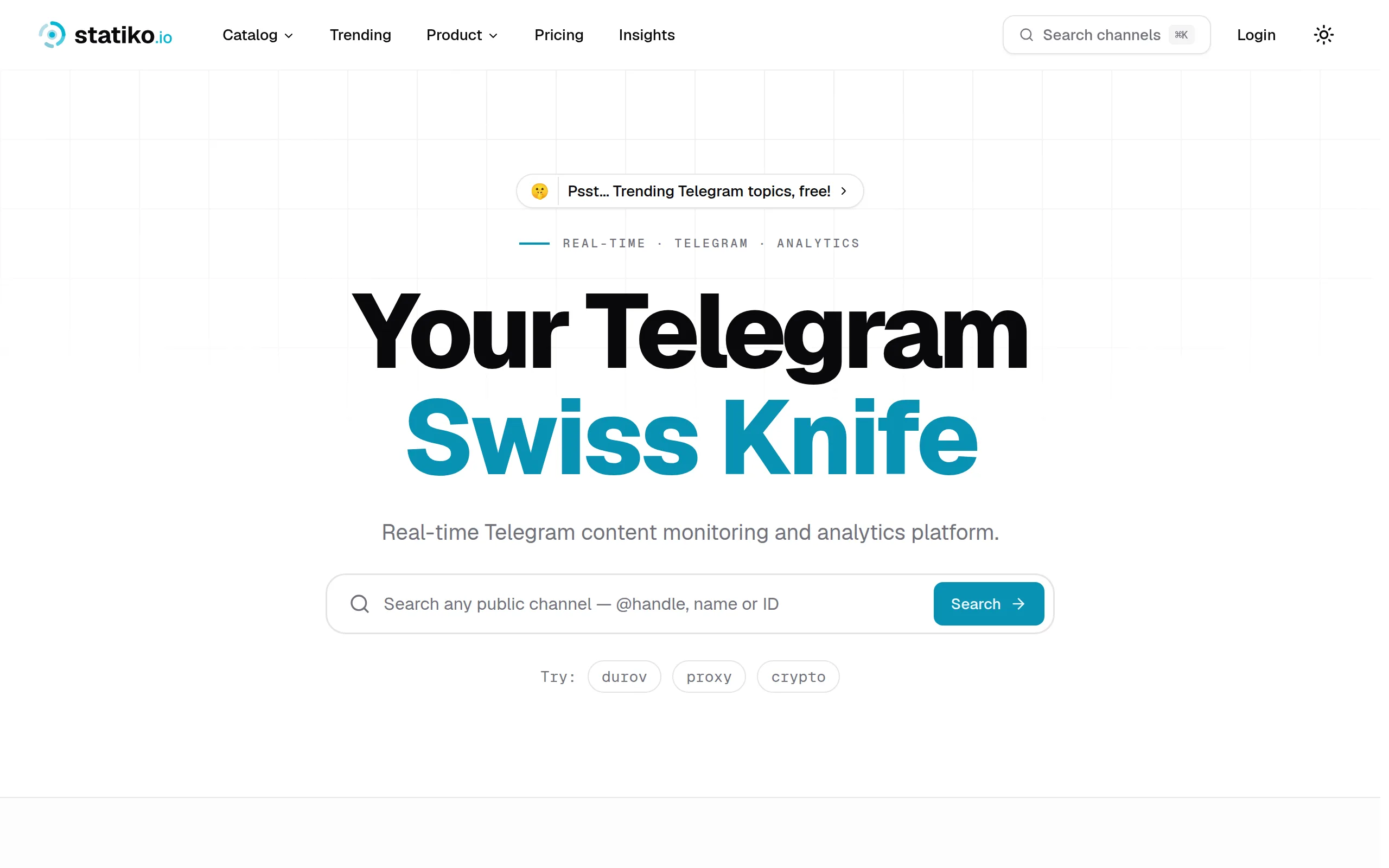
Statiko
Monitor any Telegram channel in real time - track posts, edits, deletions, and growth with AI recaps 📡

Shibui
AI website builder - describe your business, pick a niche template, edit by chatting, and publish instantly ✨

Pro Service
Find verified home service professionals, compare quotes, and pay securely through escrow - built for Brazilians across the US 🏠
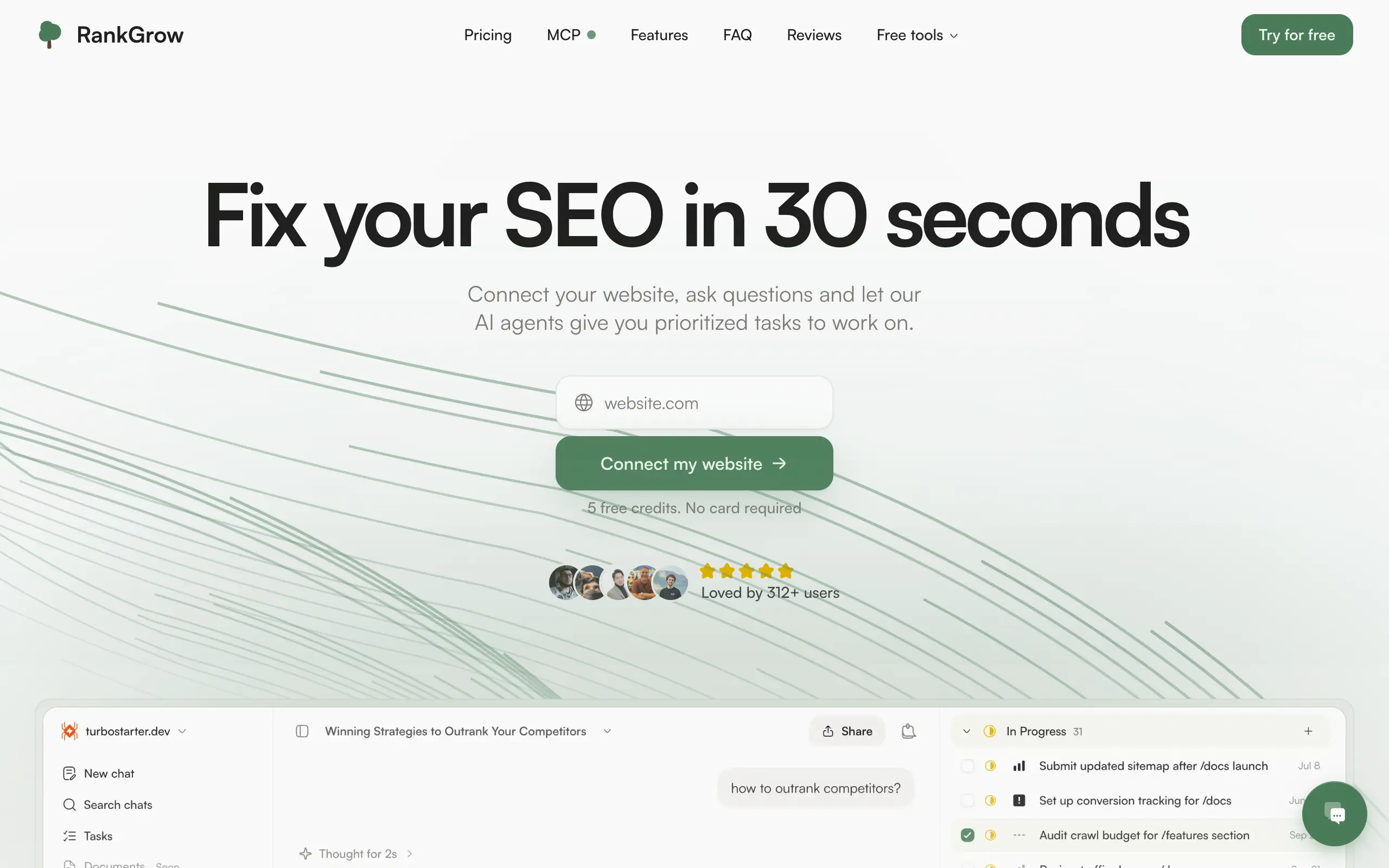
RankGrow
Fix your SEO with AI agents - connect Search Console, get prioritized tasks, and grow organic traffic 📈
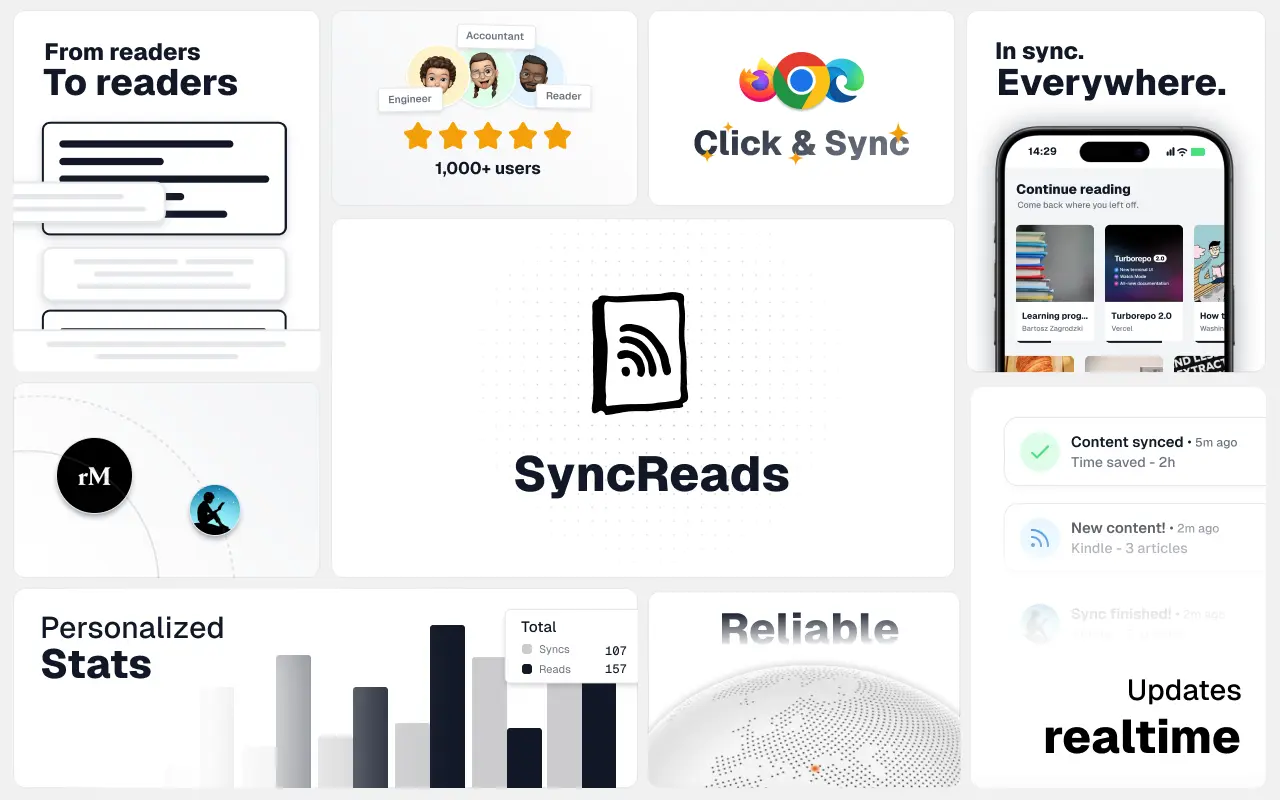
SyncReads
Sync your favorite content for distraction-free reading, save time and replace multiple apps. Anytime, anywhere 🔄
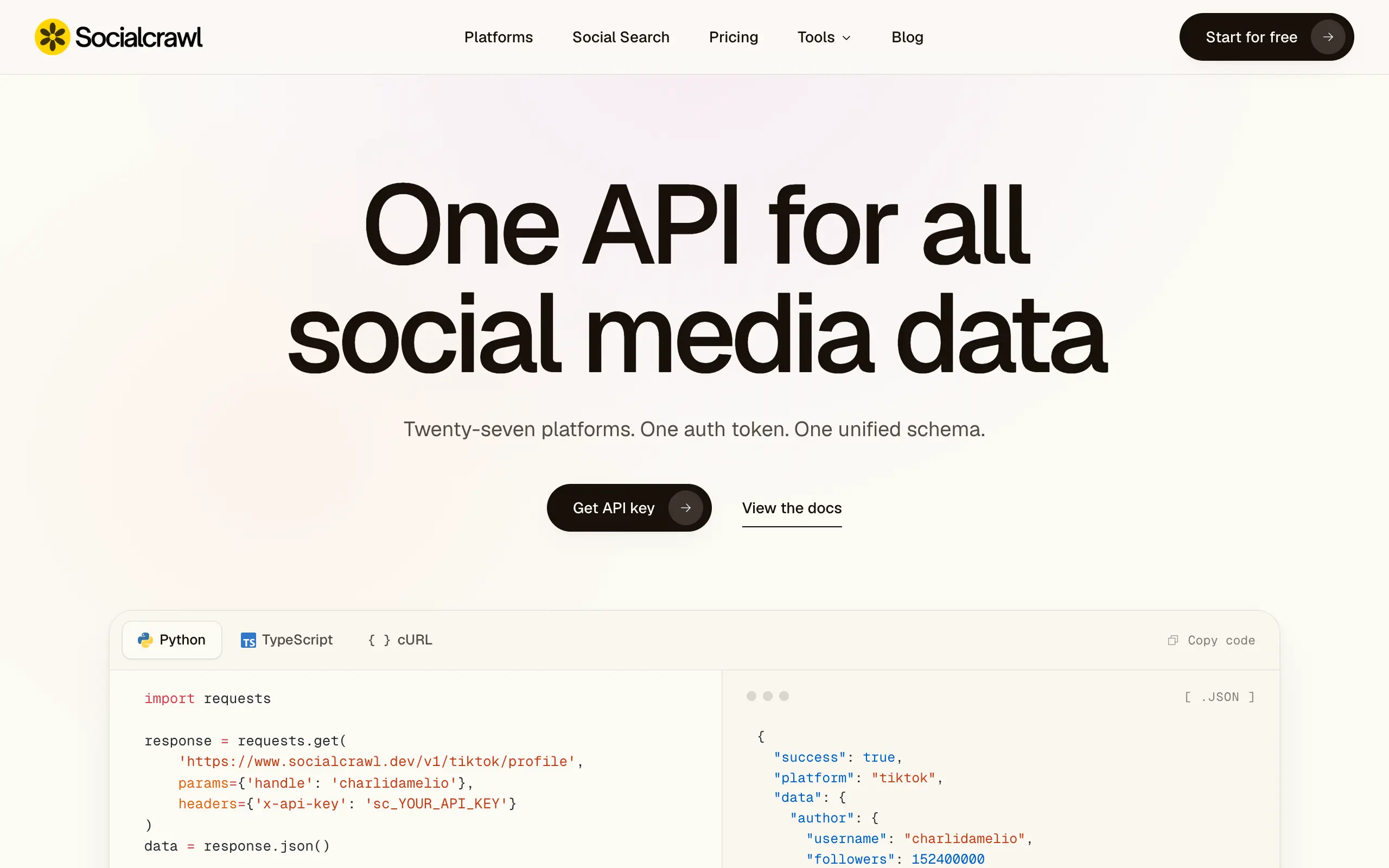
Socialcrawl
Get clean, structured data from 21 platforms like TikTok, Instagram, and YouTube with a single request 📊
Statiko
Monitor any Telegram channel in real time - track posts, edits, deletions, and growth with AI recaps 📡
Shibui
AI website builder - describe your business, pick a niche template, edit by chatting, and publish instantly ✨
Pro Service
Find verified home service professionals, compare quotes, and pay securely through escrow - built for Brazilians across the US 🏠
RankGrow
Fix your SEO with AI agents - connect Search Console, get prioritized tasks, and grow organic traffic 📈
SyncReads
Sync your favorite content for distraction-free reading, save time and replace multiple apps. Anytime, anywhere 🔄
Socialcrawl
Get clean, structured data from 21 platforms like TikTok, Instagram, and YouTube with a single request 📊
Statiko
Monitor any Telegram channel in real time - track posts, edits, deletions, and growth with AI recaps 📡
Shibui
AI website builder - describe your business, pick a niche template, edit by chatting, and publish instantly ✨
Pro Service
Find verified home service professionals, compare quotes, and pay securely through escrow - built for Brazilians across the US 🏠
RankGrow
Fix your SEO with AI agents - connect Search Console, get prioritized tasks, and grow organic traffic 📈
SyncReads
Sync your favorite content for distraction-free reading, save time and replace multiple apps. Anytime, anywhere 🔄
Socialcrawl
Get clean, structured data from 21 platforms like TikTok, Instagram, and YouTube with a single request 📊
Statiko
Monitor any Telegram channel in real time - track posts, edits, deletions, and growth with AI recaps 📡
Shibui
AI website builder - describe your business, pick a niche template, edit by chatting, and publish instantly ✨
Pro Service
Find verified home service professionals, compare quotes, and pay securely through escrow - built for Brazilians across the US 🏠
RankGrow
Fix your SEO with AI agents - connect Search Console, get prioritized tasks, and grow organic traffic 📈
SyncReads
Sync your favorite content for distraction-free reading, save time and replace multiple apps. Anytime, anywhere 🔄
Socialcrawl
Get clean, structured data from 21 platforms like TikTok, Instagram, and YouTube with a single request 📊
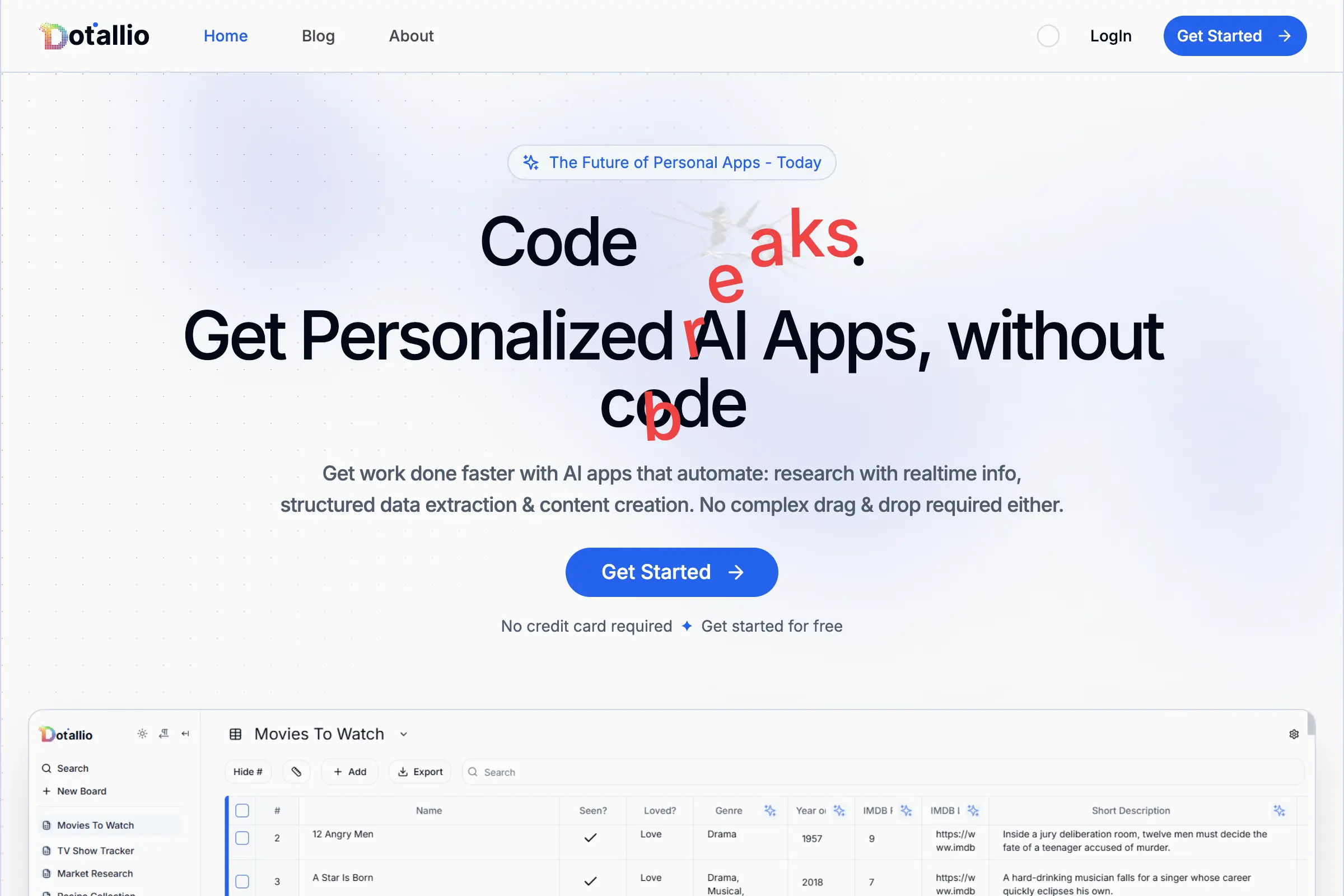
Dotallio
Personalized AI apps that automate research, data extraction, and content creation without code 🤖

Talk to Santa
Enjoy a magical live video chat or receive a unique AI-generated video greeting from Santa Claus 🎅

pozywka.pl
Scalable blog for food journalist, focused on performance and user experience 🌭
zagrodzki.me
Personal blog and portfolio of Bart Zagrodzki, where he shares his knowledge and work 💼
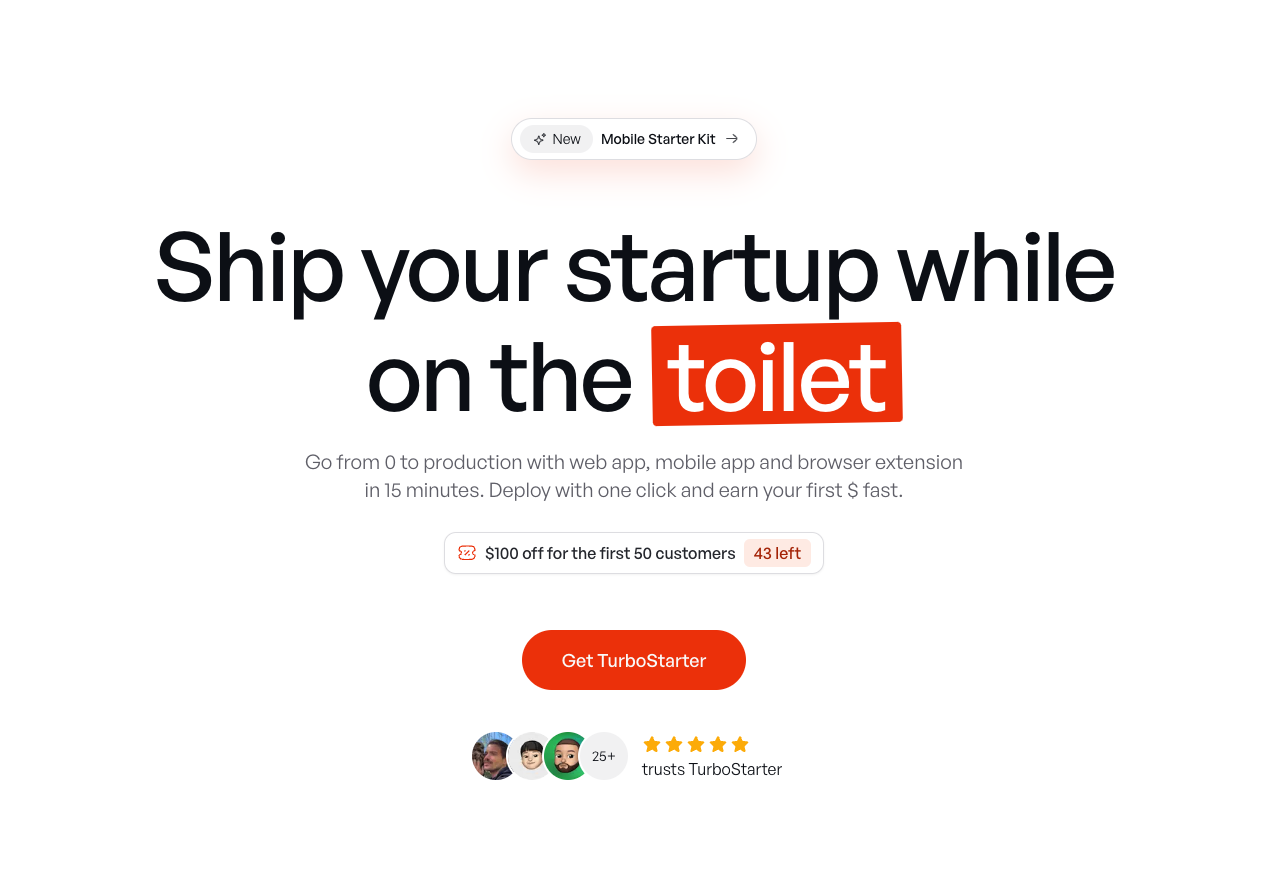
TurboStarter
Ship your startup everywhere. In minutes.
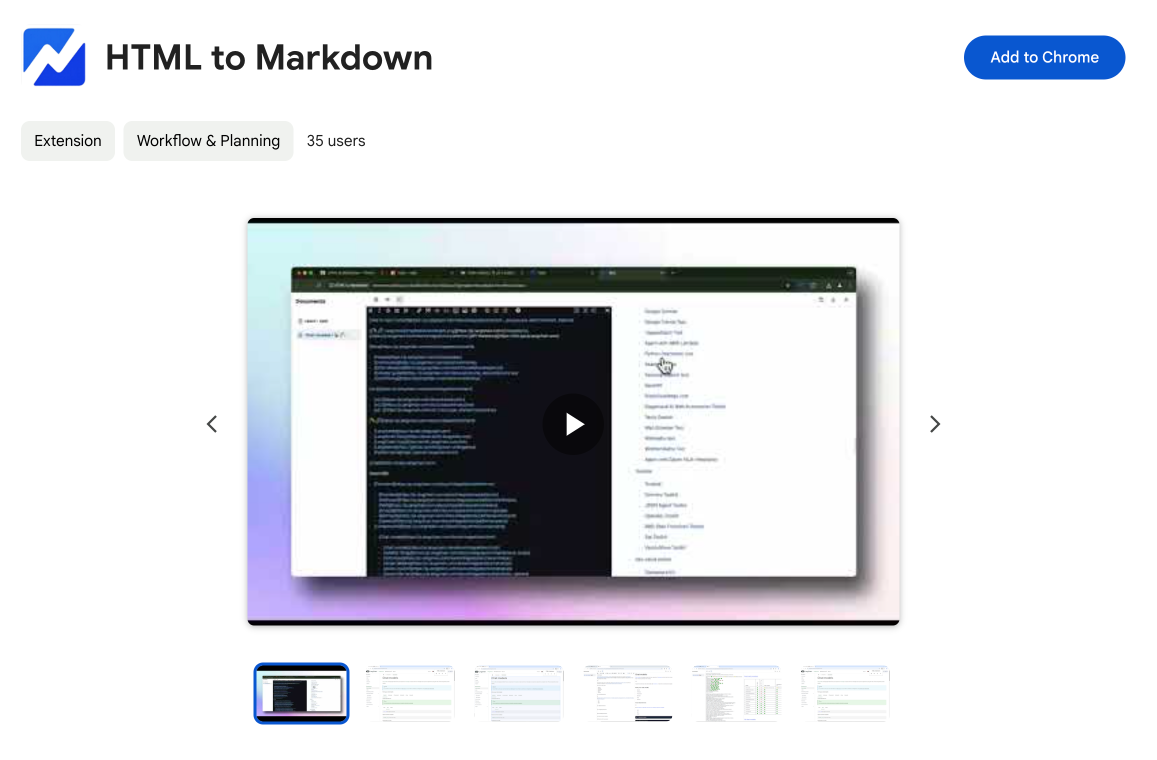
HTML to Markdown
Convert HTML to Markdown with ease, directly in your browser 📄
Dotallio
Personalized AI apps that automate research, data extraction, and content creation without code 🤖
Talk to Santa
Enjoy a magical live video chat or receive a unique AI-generated video greeting from Santa Claus 🎅
pozywka.pl
Scalable blog for food journalist, focused on performance and user experience 🌭
zagrodzki.me
Personal blog and portfolio of Bart Zagrodzki, where he shares his knowledge and work 💼
TurboStarter
Ship your startup everywhere. In minutes.
HTML to Markdown
Convert HTML to Markdown with ease, directly in your browser 📄
Dotallio
Personalized AI apps that automate research, data extraction, and content creation without code 🤖
Talk to Santa
Enjoy a magical live video chat or receive a unique AI-generated video greeting from Santa Claus 🎅
pozywka.pl
Scalable blog for food journalist, focused on performance and user experience 🌭
zagrodzki.me
Personal blog and portfolio of Bart Zagrodzki, where he shares his knowledge and work 💼
TurboStarter
Ship your startup everywhere. In minutes.
HTML to Markdown
Convert HTML to Markdown with ease, directly in your browser 📄
Dotallio
Personalized AI apps that automate research, data extraction, and content creation without code 🤖
Talk to Santa
Enjoy a magical live video chat or receive a unique AI-generated video greeting from Santa Claus 🎅
pozywka.pl
Scalable blog for food journalist, focused on performance and user experience 🌭
zagrodzki.me
Personal blog and portfolio of Bart Zagrodzki, where he shares his knowledge and work 💼
TurboStarter
Ship your startup everywhere. In minutes.
HTML to Markdown
Convert HTML to Markdown with ease, directly in your browser 📄
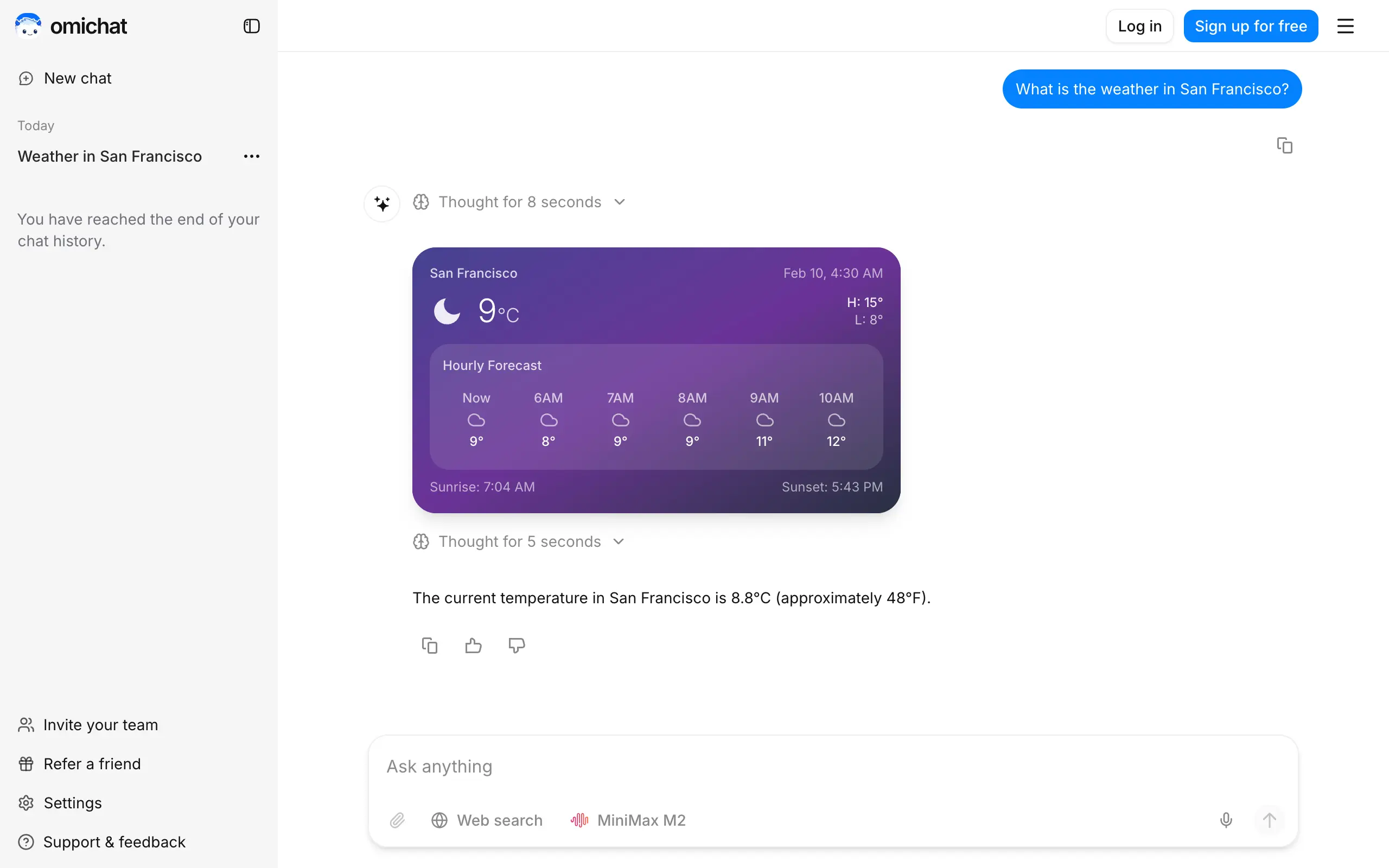
Omichat
Chat with 50+ AI models, including ChatGPT and Claude, in one place - switch models anytime without losing context 🤖
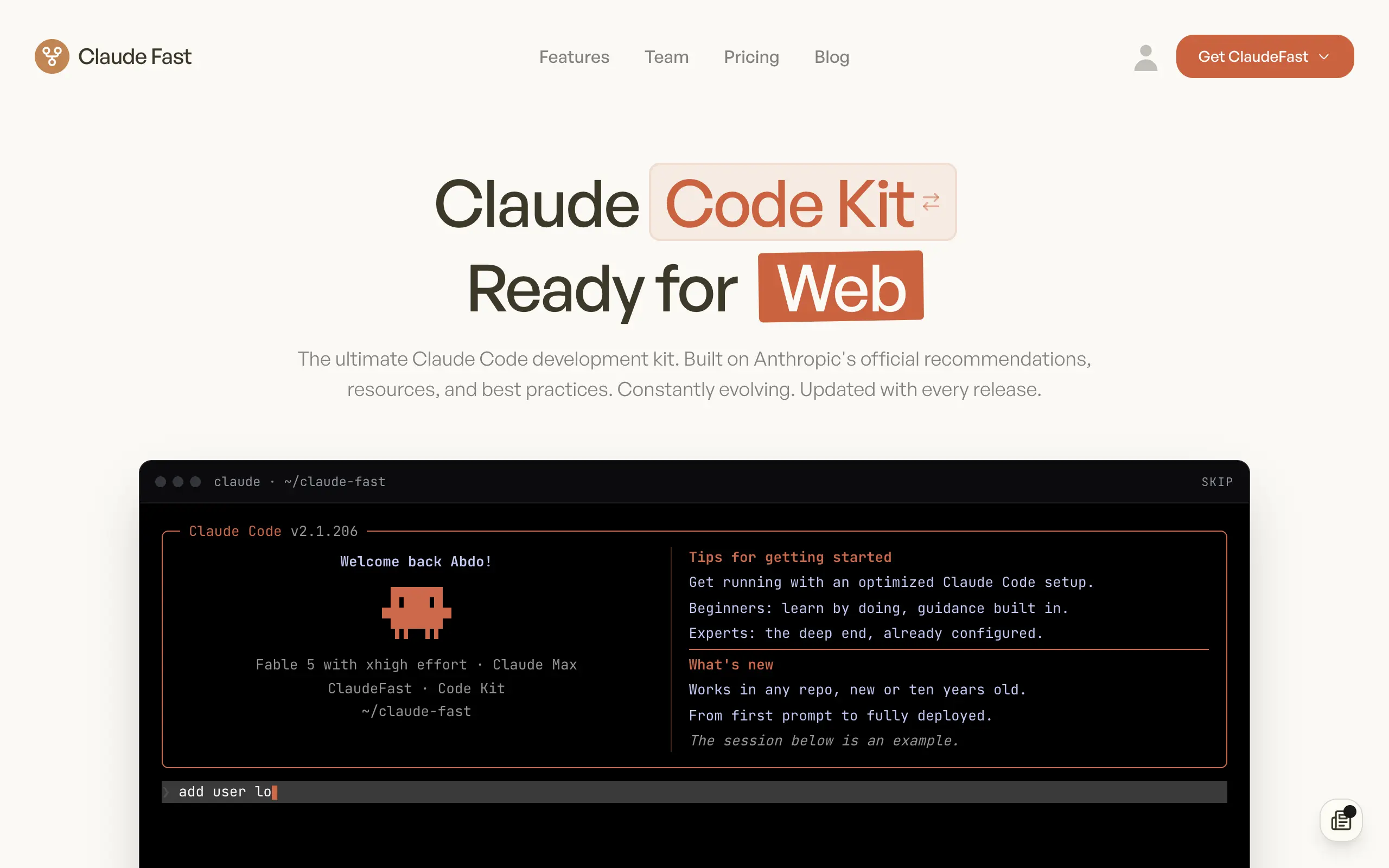
Claude Fast
Supercharge your Claude Code with 6x effective context window and specialized AI agents 🤖
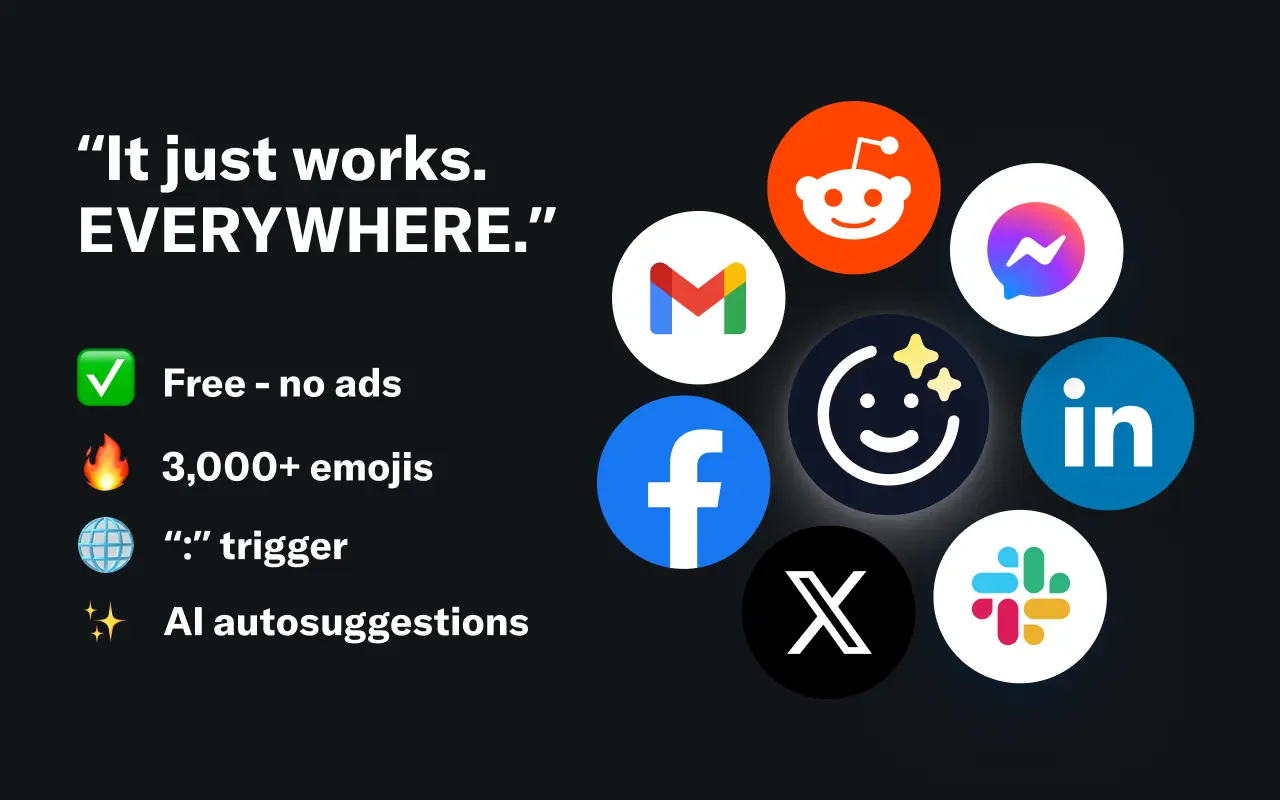
EmojAI
AI-powered emoji picker with smart, context-aware suggestions 🤖
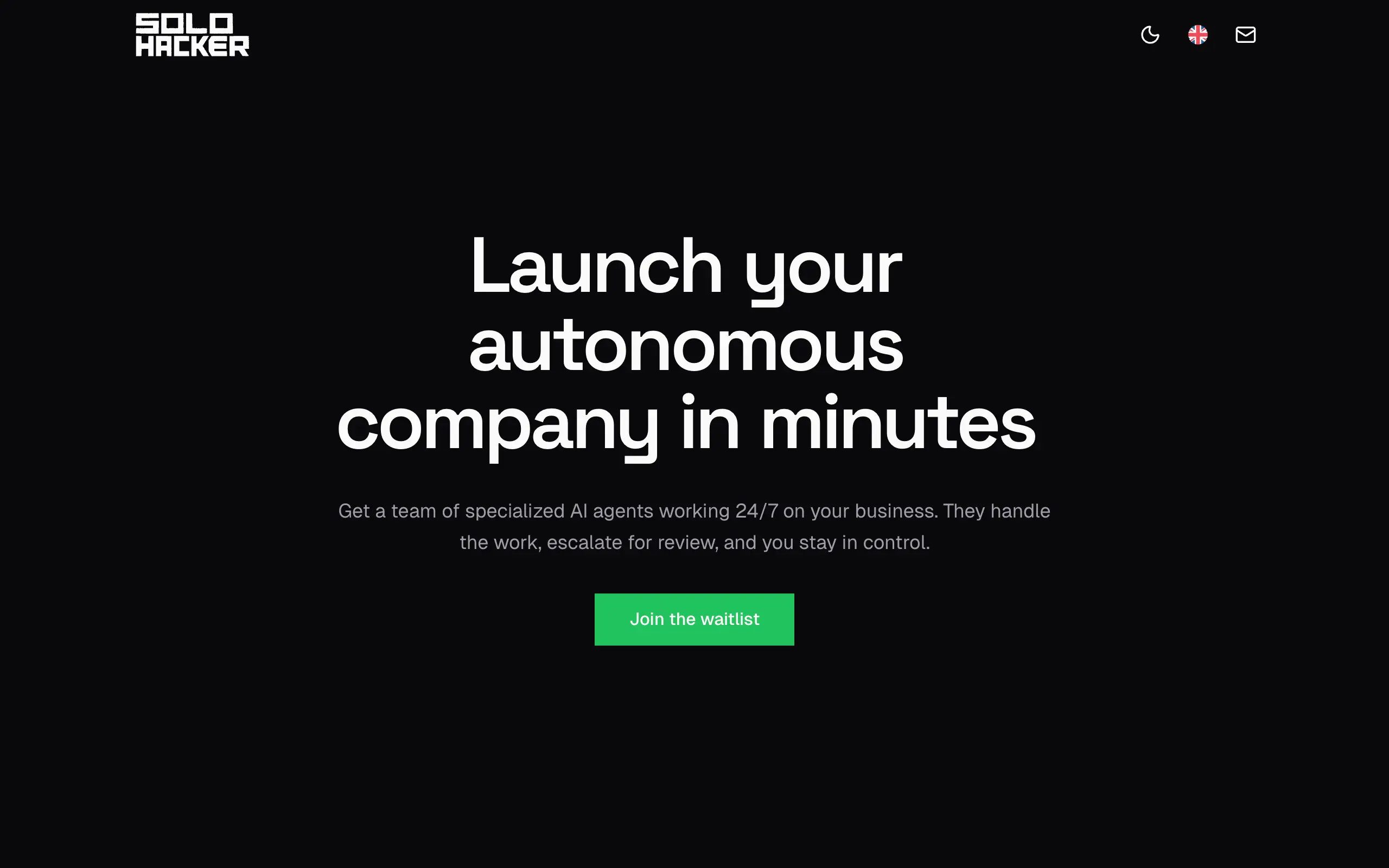
Solohacker
Autonomous company launcher - AI agents work 24/7, escalate what matters, and you stay in control 🤖

BeRawi: Storytelling Coach
Practice storytelling daily with instant feedback to sound clearer, more engaging, and confident 🎤
Omichat
Chat with 50+ AI models, including ChatGPT and Claude, in one place - switch models anytime without losing context 🤖
Claude Fast
Supercharge your Claude Code with 6x effective context window and specialized AI agents 🤖
EmojAI
AI-powered emoji picker with smart, context-aware suggestions 🤖
Solohacker
Autonomous company launcher - AI agents work 24/7, escalate what matters, and you stay in control 🤖
BeRawi: Storytelling Coach
Practice storytelling daily with instant feedback to sound clearer, more engaging, and confident 🎤
Omichat
Chat with 50+ AI models, including ChatGPT and Claude, in one place - switch models anytime without losing context 🤖
Claude Fast
Supercharge your Claude Code with 6x effective context window and specialized AI agents 🤖
EmojAI
AI-powered emoji picker with smart, context-aware suggestions 🤖
Solohacker
Autonomous company launcher - AI agents work 24/7, escalate what matters, and you stay in control 🤖
BeRawi: Storytelling Coach
Practice storytelling daily with instant feedback to sound clearer, more engaging, and confident 🎤
Omichat
Chat with 50+ AI models, including ChatGPT and Claude, in one place - switch models anytime without losing context 🤖
Claude Fast
Supercharge your Claude Code with 6x effective context window and specialized AI agents 🤖
EmojAI
AI-powered emoji picker with smart, context-aware suggestions 🤖
Solohacker
Autonomous company launcher - AI agents work 24/7, escalate what matters, and you stay in control 🤖
BeRawi: Storytelling Coach
Practice storytelling daily with instant feedback to sound clearer, more engaging, and confident 🎤

Connect with like-minded people
Join our community to get feedback, support, and grow together with 1,000+ builders on board, let's ship it!
Join usShip your startup everywhere. In minutes.
Don't burn tokens on setup and start building features on day one.