GeoBoost AI
AI-driven ad and campaign optimizer for business directories that auto-creates, targets, and optimizes local ads based on GEO data and user behavior.
The rise of AI-powered local advertising optimization
Local advertising is undergoing a profound transformation. As third-party cookies fade, privacy regulations tighten, and user behavior becomes more fragmented across platforms, businesses are looking for smarter, automated ways to reach customers in specific geographic areas.
This is where AI-driven local ad optimization platforms like GeoBoost AI enter the market.
GeoBoost AI is an AI-powered ad and campaign optimizer designed specifically for business directories. It automatically creates, targets, and optimizes local ads based on geographic (GEO) data and real-time user behavior.
If you're searching for:
- A scalable SaaS idea in the AI marketing space
- A local advertising optimization platform
- An AI tool for directory monetization
- A geo-targeted ad automation system
This in-depth analysis covers everything: market opportunity, technical architecture, monetization models, risks, competitive advantage, and implementation roadmap.
Why local advertising is broken (and where the opportunity lies)
Fragmentation of local marketing
Small and medium-sized businesses (SMBs) struggle with:
- Complex ad platforms (Google Ads, Meta Ads)
- Poor targeting configurations
- Inefficient budgets
- Lack of data science expertise
- Inconsistent creative performance
At the same time, business directories (local listing sites, niche marketplaces, vertical directories) face monetization challenges:
- Banner ads have low CTR
- Static placements underperform
- Manual campaign management doesn’t scale
- Advertisers demand measurable ROI
This creates a clear opportunity:
An AI-driven local ad optimization platform that lives directly inside business directories and automatically handles campaign creation, targeting, and performance optimization.
The primary keyword opportunity: AI-driven ad optimizer for business directories
The core SEO opportunity centers around variations of:
- AI-driven ad optimizer
- Local ad optimization software
- Geo-targeted AI advertising platform
- Directory monetization software
- Automated local campaign optimization
These keywords reflect strong commercial intent. Searchers are often:
- Directory owners seeking monetization tools
- Marketing agencies managing local clients
- SaaS founders exploring AI ad tech opportunities
- Investors researching local ad automation
GeoBoost AI directly satisfies this intent by combining:
- GEO targeting
- Behavioral analytics
- AI-generated creatives
- Budget allocation automation
- Real-time optimization loops
Target audience analysis
1. Business directory owners (primary segment)
These include:
- Local city directories
- Niche industry directories (lawyers, dentists, contractors)
- Real estate platforms
- Event listing platforms
- Franchise networks
Pain points:
- Limited monetization per listing
- Low-value banner ad revenue
- Difficulty selling premium placements
- Manual ad setup is time-consuming
Desired outcome:
- Automated monetization layer
- Performance-based ad offering
- Revenue share model
- Scalable ad operations without hiring media buyers
2. SMB advertisers (secondary segment)
These businesses:
- Have physical locations
- Depend on local customers
- Lack internal marketing teams
- Need predictable ROI
They want:
- “Set it and forget it” local advertising
- Automated ad creation
- Budget optimization
- Transparent performance metrics
3. Agencies managing local accounts
Agencies need:
- Centralized ad optimization
- Multi-location campaign management
- Smart geo-bidding
- Scalable reporting dashboards
Market opportunity and timing
1. AI in advertising is accelerating
AI-powered advertising tools are becoming mainstream. Platforms like Google and Meta are heavily investing in AI-driven campaign automation.
However:
- Most AI ad tools are built for large platforms
- Directory owners lack specialized solutions
- SMB-focused AI tools rarely integrate natively into vertical directories
This leaves a clear niche:
AI ad optimization purpose-built for business directories.
2. First-party data advantage
Directories have access to:
- User browsing patterns
- Category interest signals
- Local search intent
- Location data
- Device-level engagement behavior
In a post-cookie world, this first-party behavioral data becomes extremely valuable.
GeoBoost AI leverages:
- Session-level behavior
- Geo-fenced browsing activity
- Category affinity signals
- Conversion events within the directory
This creates a competitive edge over generic ad networks.
Core features of GeoBoost AI
Below is a structured overview of the feature set required to deliver a high-performing AI-driven local ad optimizer.
AI ad creation engine
Automatically generates ad copy, headlines, and creatives tailored to local audiences and industry categories.
Geo-intelligent targeting
Uses ZIP codes, GPS clusters, and behavioral geo-signals to optimize delivery zones.
Behavior-based optimization
Analyzes browsing patterns to dynamically shift budget toward high-intent segments.
Automated budget allocation
Reallocates spend across campaigns, neighborhoods, and demographics in real time.
1. AI-powered ad generation
Using large language models (LLMs), the system can:
- Generate headlines specific to city + category
- Tailor offers to seasonal local trends
- Create multiple A/B test variants
- Personalize copy for different neighborhoods
Example:
Instead of:
“Best Plumber in Chicago”
It might generate:
“Emergency plumbing services in Lincoln Park — 24/7 response”
This hyper-local contextualization improves CTR and conversion.
2. Geo-targeting intelligence layer
GeoBoost AI uses:
- IP-based location data
- Mobile GPS clustering (if available via integrations)
- ZIP code segmentation
- Radius-based targeting
- Behavioral geo heatmaps
The system identifies:
- High-converting neighborhoods
- Underperforming zones
- Emerging micro-markets
Budget is automatically redistributed.
3. Real-time behavioral optimization
The platform tracks:
- Page visits
- Category depth
- Scroll behavior
- Listing interactions
- Click-to-call actions
- Direction requests
AI models score users based on purchase intent.
Ads are then dynamically adjusted:
- Higher bid for high-intent clusters
- Reduced exposure to low-engagement segments
4. Performance-based reporting dashboard
Directory owners need:
- Revenue per listing
- eCPM performance
- Conversion attribution
- Geographic revenue breakdown
SMBs need:
- Calls generated
- Leads captured
- Cost per acquisition (CPA)
- ROI estimate
How GeoBoost AI stands out from competitors
Let’s compare it conceptually to alternatives:
| Feature | Generic Ad Network | Google Ads | Manual Directory Ads | GeoBoost AI |
|---|---|---|---|---|
| AI creative generation | ❌ | ✅ | ❌ | ✅ |
| Native directory integration | ❌ | ❌ | ✅ | ✅ |
| Geo behavior heatmaps | ❌ | Limited | ❌ | ✅ |
| Automated budget reallocation | Limited | ✅ | ❌ | ✅ |
Key differentiation:
GeoBoost AI is purpose-built for directory ecosystems — not generic ad marketplaces.
Recommended tech stack
Choosing the right architecture determines scalability and performance.
Frontend
- React – Dynamic dashboards
- TailwindCSS – Fast UI development
- Next.js (for SSR and performance)
Backend
- Node.js or Python (FastAPI)
- GraphQL or REST API
- Real-time event streaming (Kafka or Pub/Sub)
AI Layer
- LLM API integration (OpenAI or open-source alternatives)
- Custom ML models for geo scoring
- Reinforcement learning for budget optimization
Example pseudo-code for dynamic bid adjustment:
function adjustBid(userIntentScore: number, geoScore: number) {
  const baseBid = 1.0;

  const multiplier = 1 + (userIntentScore * 0.4) + (geoScore * 0.3);

  return baseBid * multiplier;
}
Data infrastructure
- PostgreSQL for structured data
- ClickHouse for analytics
- Redis for session caching
- Cloud hosting (AWS/GCP)
Trade-offs:
- Managed AI APIs reduce complexity but increase cost.
- Custom ML models increase differentiation but require data science expertise.
Monetization strategy
There are multiple revenue models available.
1. Revenue share model
Directory owners:
- Earn percentage of advertiser spend
- No upfront cost
- Performance-aligned incentives
2. SaaS subscription model
Pricing tiers:
- Starter: $199/month
- Growth: $499/month
- Enterprise: Custom pricing
Based on:
- Number of listings
- Monthly traffic
- Ad impressions
3. Hybrid model (recommended)
- Platform fee + % of ad spend
- Premium AI features locked behind higher tiers
- Add-ons for advanced analytics
This hybrid model ensures predictable revenue while scaling with advertiser success.
Risks and mitigation strategies
Key risk: data dependency
If the directory lacks sufficient traffic or behavioral data, AI optimization becomes weak.
Risk 1: Insufficient data volume
Mitigation:
- Start with rule-based optimization
- Gradually transition to ML
- Aggregate data across directories
Risk 2: Privacy compliance (GDPR/CCPA)
Mitigation:
- Use anonymized data
- Offer opt-in tracking
- Maintain clear data policies
- Integrate consent management tools
Risk 3: Over-automation distrust
Some advertisers prefer manual control.
Mitigation:
- Offer override settings
- Provide transparency dashboards
- Include explainable AI summaries
Competitive advantage and defensibility
GeoBoost AI builds defensibility through:
- Proprietary geo-behavior datasets
- Reinforcement learning models trained on directory data
- Deep integration into directory CMS systems
- Performance-based trust with advertisers
Over time, the optimization engine improves as more campaigns run.
This creates:
- Data network effects
- Increasing ROI accuracy
- High switching costs
Implementation roadmap
MVP feature scope
Keep initial build focused:
- AI copy generation
- ZIP-code targeting
- Basic performance dashboard
- Manual budget controls
- Stripe billing integration
Avoid:
- Over-engineering AI too early
- Building full ad exchange infrastructure
- Complex programmatic integrations
Scaling strategy
Phase 1: Vertical niche domination
Target:
- Legal directories
- Home services directories
- Healthcare listings
Dominate one vertical first.
Phase 2: White-label integrations
Offer:
- API-based SDK
- White-label dashboard
- CMS plugins
Phase 3: Predictive analytics expansion
Introduce:
- Seasonal demand prediction
- Competitor density analysis
- Smart pricing recommendations
Long-term vision
GeoBoost AI could evolve into:
- A decentralized local ad network
- A predictive foot-traffic optimizer
- A multi-channel ad orchestrator (SMS, email, display)
Future integrations:
- POS systems
- CRM platforms
- Offline attribution tracking
Actionable steps to launch
If you're building this SaaS:
- Identify a niche directory with 50k+ monthly visits
- Interview owners about monetization challenges
- Build a simple AI ad copy generator
- Add location-based segmentation
- Launch a pilot revenue-share campaign
- Measure CTR, CPA, revenue lift
- Iterate based on real performance data
If you want to accelerate development and avoid boilerplate setup, consider launching with TurboStarter to reduce authentication, billing, and dashboard infrastructure time.
Final thoughts
GeoBoost AI represents a high-potential opportunity at the intersection of:
- AI advertising automation
- Geo-targeted marketing
- Directory monetization
- First-party behavioral data
The strongest advantage lies in specialization.
Instead of competing with Google Ads, it empowers niche ecosystems with AI-driven optimization tailored to local discovery environments.
The future of local advertising is:
- Autonomous
- Data-driven
- Hyper-local
- Behaviorally optimized
GeoBoost AI is positioned to lead that transformation.
More 🤖 AI Startup SaaS ideas
Discover more innovative ai startup SaaS ideas that are trending in 2026. Each idea is AI-generated with market validation and growth potential to help you find your next profitable venture faster than competitors.
Your competitors are building with TurboStarter
Below are some of the SaaS ideas that have been generated and built with our starter kit.

Statiko
Monitor any Telegram channel in real time - track posts, edits, deletions, and growth with AI recaps 📡

Shibui
AI website builder - describe your business, pick a niche template, edit by chatting, and publish instantly ✨

Pro Service
Find verified home service professionals, compare quotes, and pay securely through escrow - built for Brazilians across the US 🏠
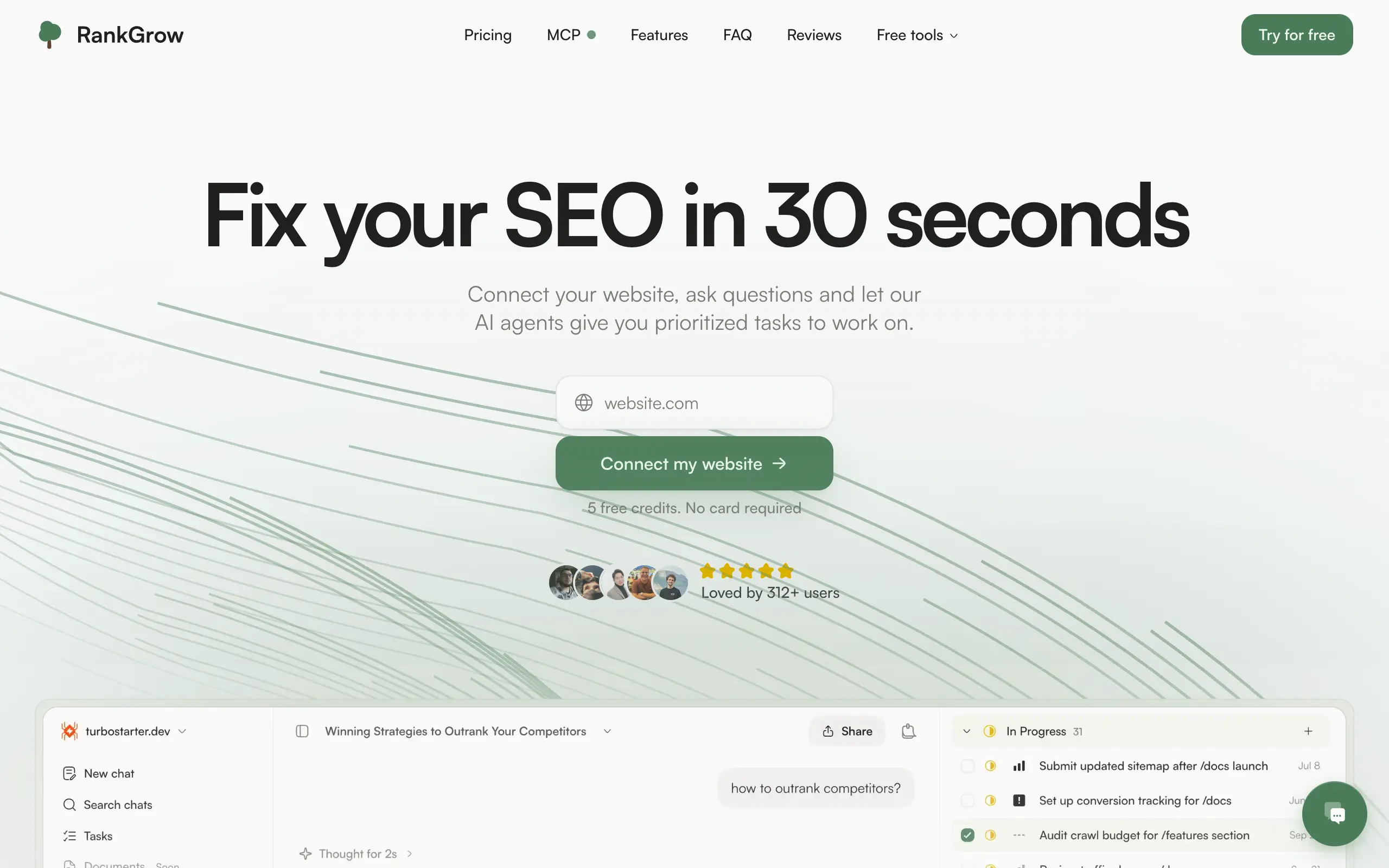
RankGrow
Fix your SEO with AI agents - connect Search Console, get prioritized tasks, and grow organic traffic 📈
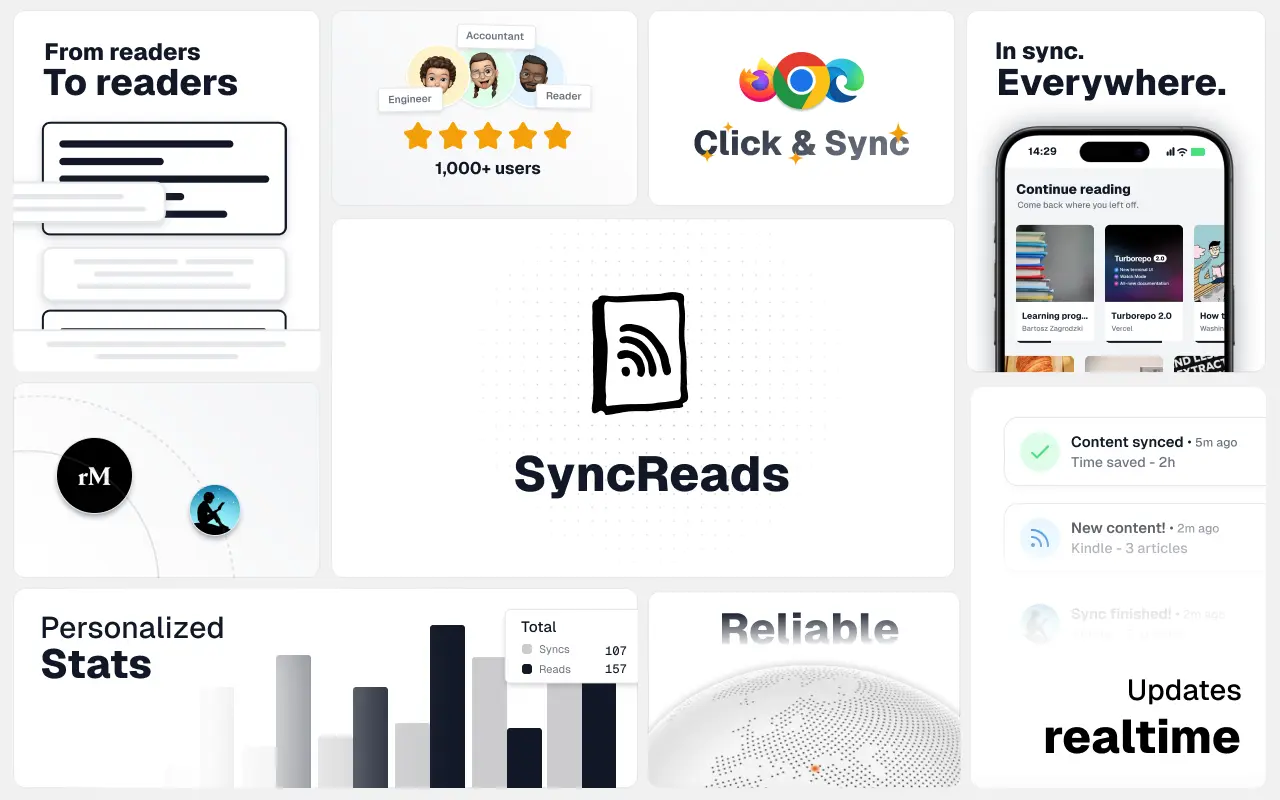
SyncReads
Sync your favorite content for distraction-free reading, save time and replace multiple apps. Anytime, anywhere 🔄
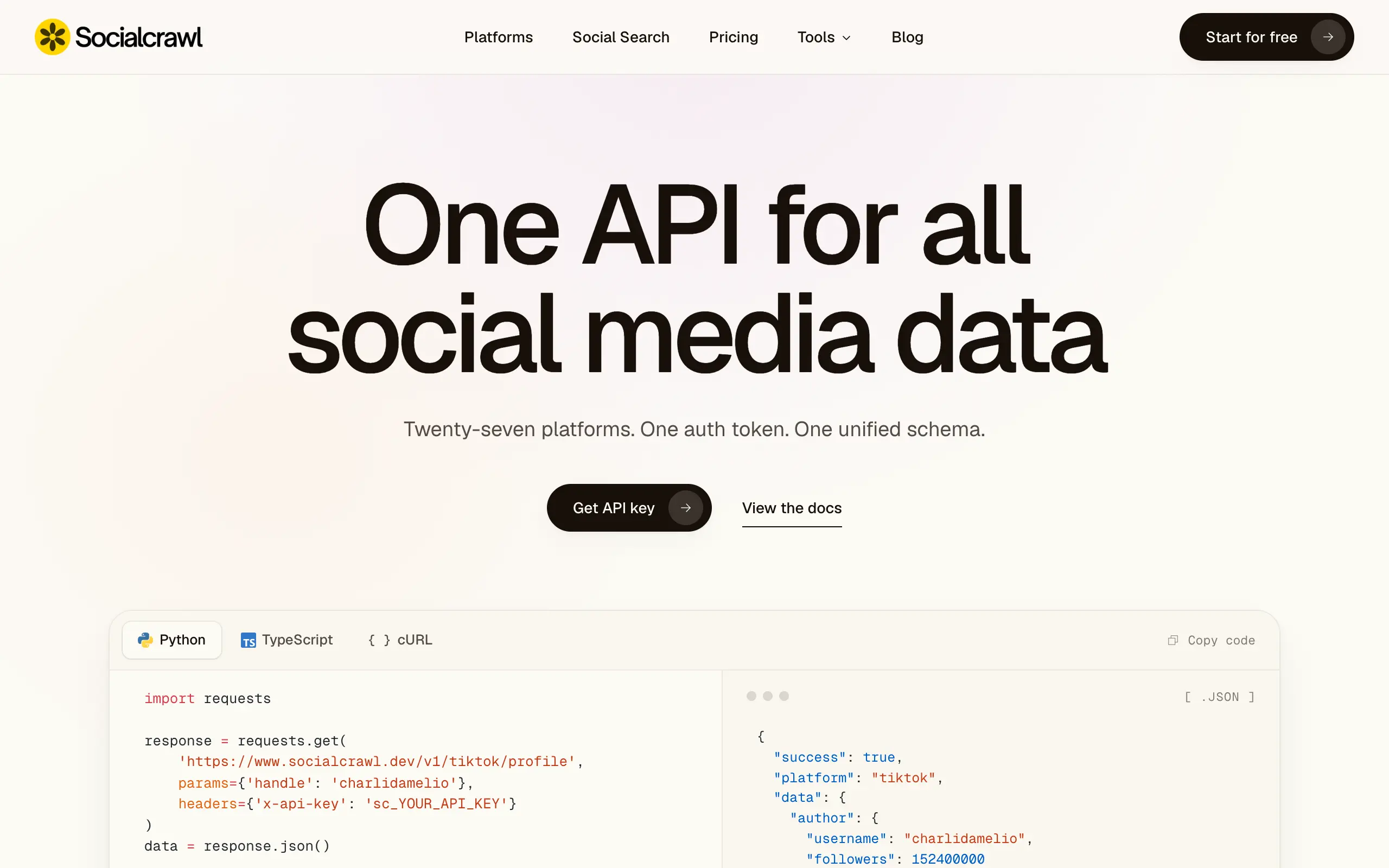
Socialcrawl
Get clean, structured data from 21 platforms like TikTok, Instagram, and YouTube with a single request 📊
Statiko
Monitor any Telegram channel in real time - track posts, edits, deletions, and growth with AI recaps 📡
Shibui
AI website builder - describe your business, pick a niche template, edit by chatting, and publish instantly ✨
Pro Service
Find verified home service professionals, compare quotes, and pay securely through escrow - built for Brazilians across the US 🏠
RankGrow
Fix your SEO with AI agents - connect Search Console, get prioritized tasks, and grow organic traffic 📈
SyncReads
Sync your favorite content for distraction-free reading, save time and replace multiple apps. Anytime, anywhere 🔄
Socialcrawl
Get clean, structured data from 21 platforms like TikTok, Instagram, and YouTube with a single request 📊
Statiko
Monitor any Telegram channel in real time - track posts, edits, deletions, and growth with AI recaps 📡
Shibui
AI website builder - describe your business, pick a niche template, edit by chatting, and publish instantly ✨
Pro Service
Find verified home service professionals, compare quotes, and pay securely through escrow - built for Brazilians across the US 🏠
RankGrow
Fix your SEO with AI agents - connect Search Console, get prioritized tasks, and grow organic traffic 📈
SyncReads
Sync your favorite content for distraction-free reading, save time and replace multiple apps. Anytime, anywhere 🔄
Socialcrawl
Get clean, structured data from 21 platforms like TikTok, Instagram, and YouTube with a single request 📊
Statiko
Monitor any Telegram channel in real time - track posts, edits, deletions, and growth with AI recaps 📡
Shibui
AI website builder - describe your business, pick a niche template, edit by chatting, and publish instantly ✨
Pro Service
Find verified home service professionals, compare quotes, and pay securely through escrow - built for Brazilians across the US 🏠
RankGrow
Fix your SEO with AI agents - connect Search Console, get prioritized tasks, and grow organic traffic 📈
SyncReads
Sync your favorite content for distraction-free reading, save time and replace multiple apps. Anytime, anywhere 🔄
Socialcrawl
Get clean, structured data from 21 platforms like TikTok, Instagram, and YouTube with a single request 📊
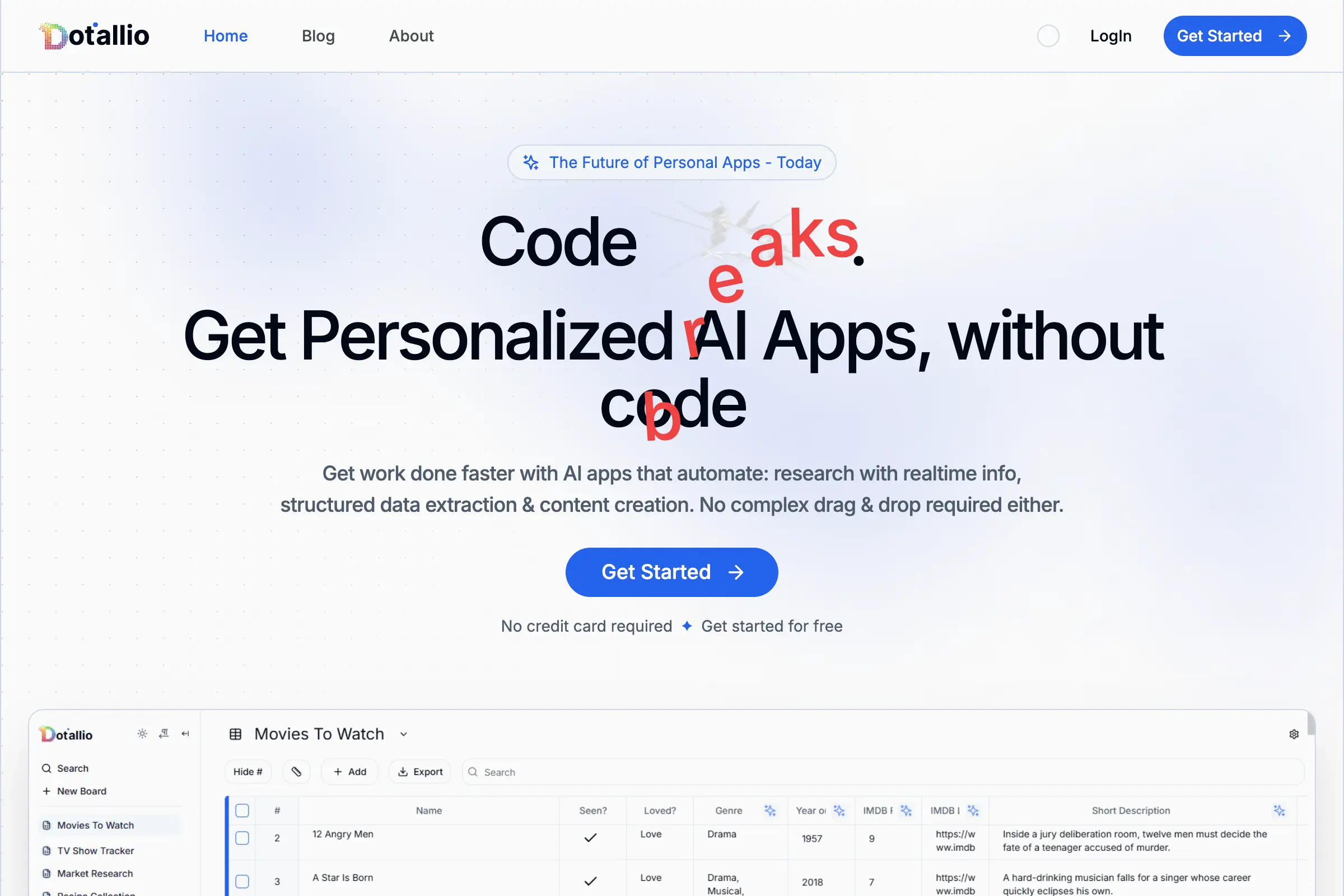
Dotallio
Personalized AI apps that automate research, data extraction, and content creation without code 🤖

Talk to Santa
Enjoy a magical live video chat or receive a unique AI-generated video greeting from Santa Claus 🎅

pozywka.pl
Scalable blog for food journalist, focused on performance and user experience 🌭
zagrodzki.me
Personal blog and portfolio of Bart Zagrodzki, where he shares his knowledge and work 💼
TurboStarter
Ship your startup everywhere. In minutes.
HTML to Markdown
Convert HTML to Markdown with ease, directly in your browser 📄
Dotallio
Personalized AI apps that automate research, data extraction, and content creation without code 🤖
Talk to Santa
Enjoy a magical live video chat or receive a unique AI-generated video greeting from Santa Claus 🎅
pozywka.pl
Scalable blog for food journalist, focused on performance and user experience 🌭
zagrodzki.me
Personal blog and portfolio of Bart Zagrodzki, where he shares his knowledge and work 💼
TurboStarter
Ship your startup everywhere. In minutes.
HTML to Markdown
Convert HTML to Markdown with ease, directly in your browser 📄
Dotallio
Personalized AI apps that automate research, data extraction, and content creation without code 🤖
Talk to Santa
Enjoy a magical live video chat or receive a unique AI-generated video greeting from Santa Claus 🎅
pozywka.pl
Scalable blog for food journalist, focused on performance and user experience 🌭
zagrodzki.me
Personal blog and portfolio of Bart Zagrodzki, where he shares his knowledge and work 💼
TurboStarter
Ship your startup everywhere. In minutes.
HTML to Markdown
Convert HTML to Markdown with ease, directly in your browser 📄
Dotallio
Personalized AI apps that automate research, data extraction, and content creation without code 🤖
Talk to Santa
Enjoy a magical live video chat or receive a unique AI-generated video greeting from Santa Claus 🎅
pozywka.pl
Scalable blog for food journalist, focused on performance and user experience 🌭
zagrodzki.me
Personal blog and portfolio of Bart Zagrodzki, where he shares his knowledge and work 💼
TurboStarter
Ship your startup everywhere. In minutes.
HTML to Markdown
Convert HTML to Markdown with ease, directly in your browser 📄
Omichat
Chat with 50+ AI models, including ChatGPT and Claude, in one place - switch models anytime without losing context 🤖
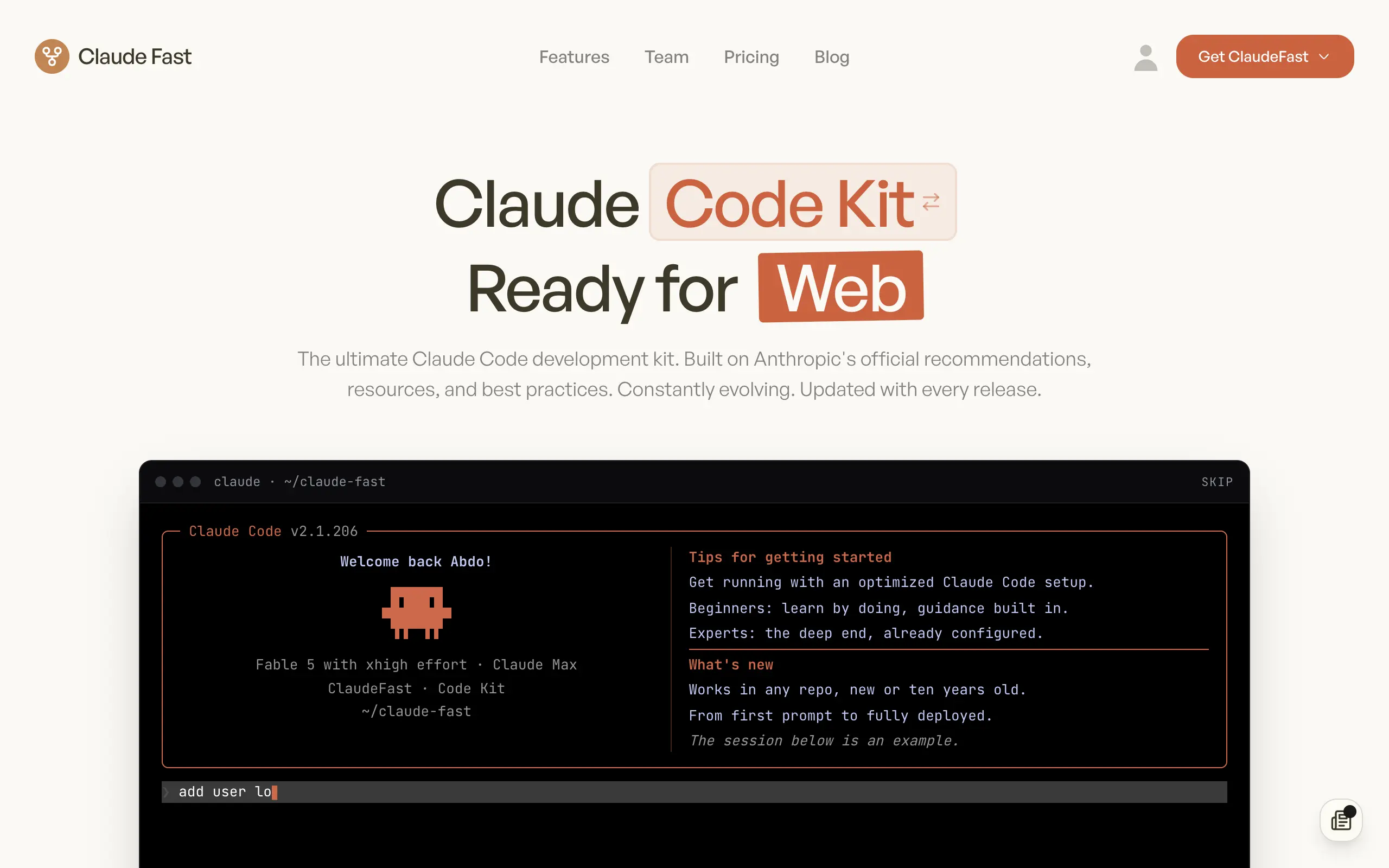
Claude Fast
Supercharge your Claude Code with 6x effective context window and specialized AI agents 🤖
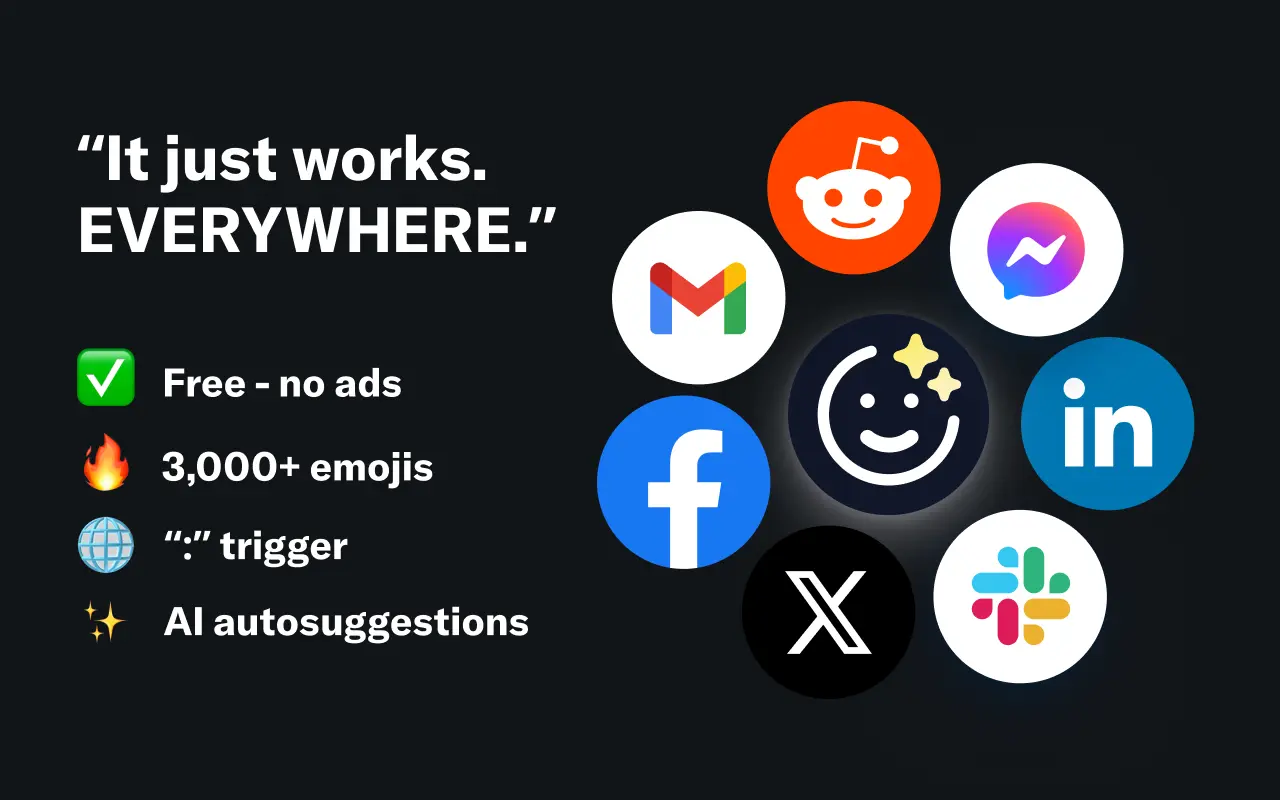
EmojAI
AI-powered emoji picker with smart, context-aware suggestions 🤖
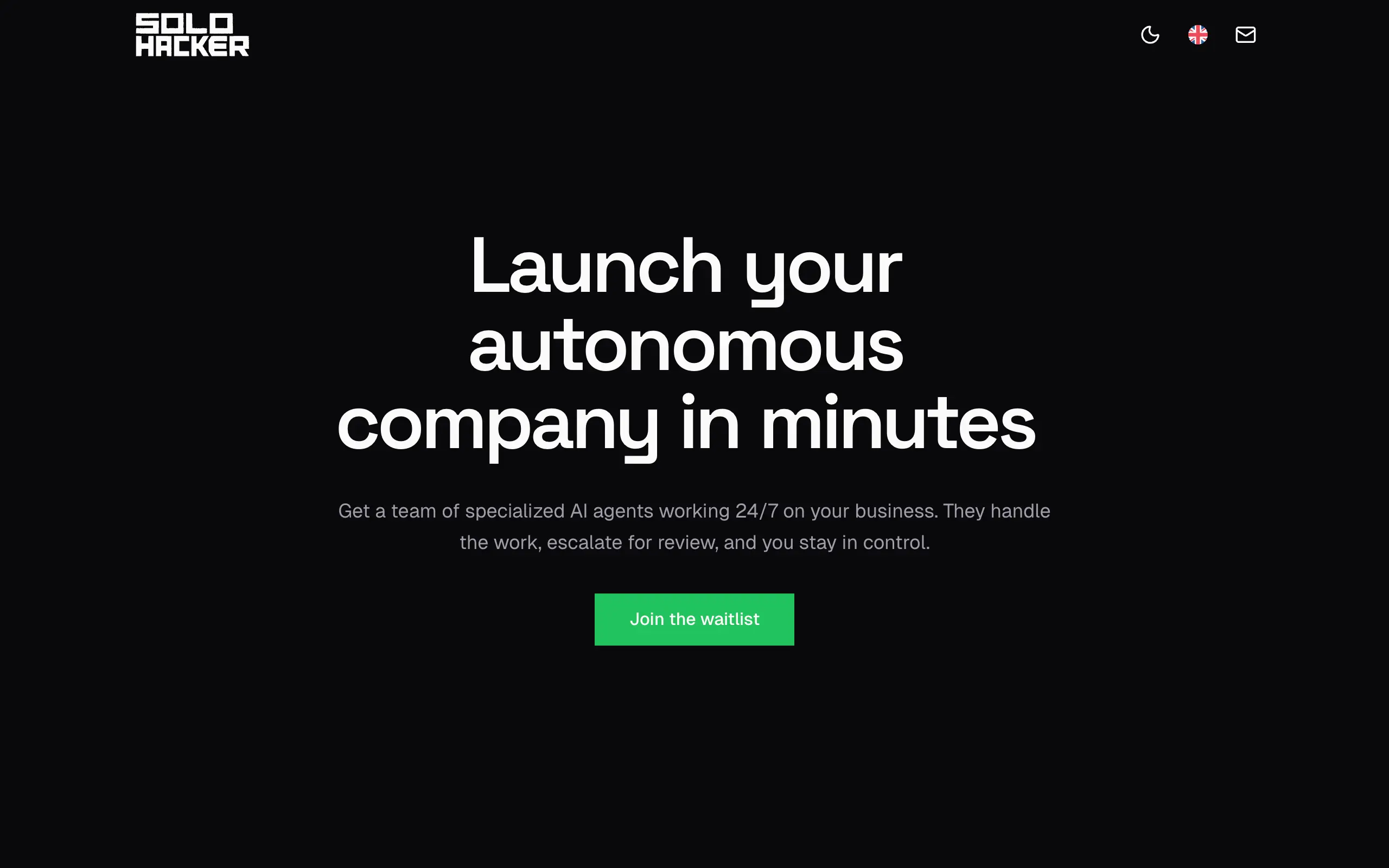
Solohacker
Autonomous company launcher - AI agents work 24/7, escalate what matters, and you stay in control 🤖
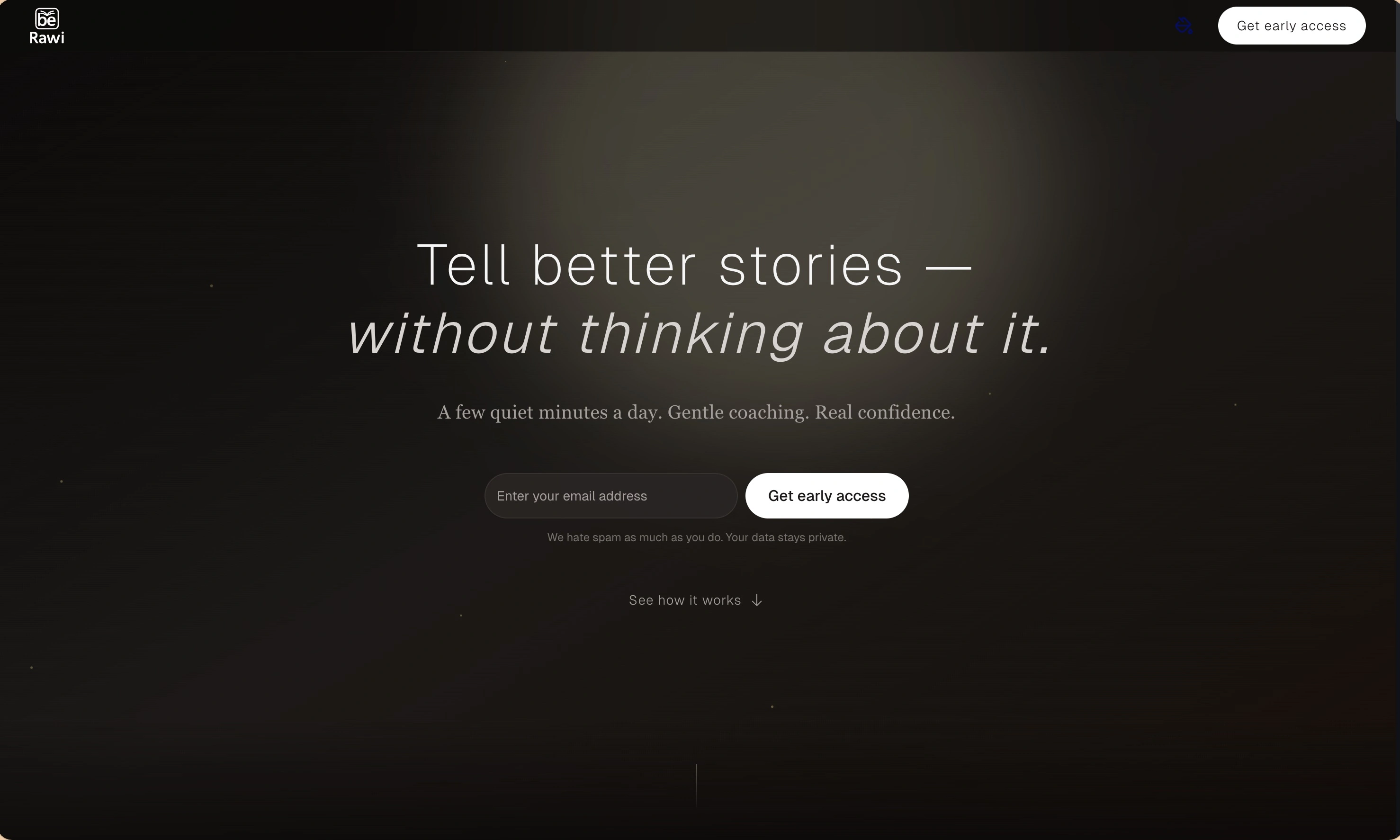
BeRawi: Storytelling Coach
Practice storytelling daily with instant feedback to sound clearer, more engaging, and confident 🎤
Omichat
Chat with 50+ AI models, including ChatGPT and Claude, in one place - switch models anytime without losing context 🤖
Claude Fast
Supercharge your Claude Code with 6x effective context window and specialized AI agents 🤖
EmojAI
AI-powered emoji picker with smart, context-aware suggestions 🤖
Solohacker
Autonomous company launcher - AI agents work 24/7, escalate what matters, and you stay in control 🤖
BeRawi: Storytelling Coach
Practice storytelling daily with instant feedback to sound clearer, more engaging, and confident 🎤
Omichat
Chat with 50+ AI models, including ChatGPT and Claude, in one place - switch models anytime without losing context 🤖
Claude Fast
Supercharge your Claude Code with 6x effective context window and specialized AI agents 🤖
EmojAI
AI-powered emoji picker with smart, context-aware suggestions 🤖
Solohacker
Autonomous company launcher - AI agents work 24/7, escalate what matters, and you stay in control 🤖
BeRawi: Storytelling Coach
Practice storytelling daily with instant feedback to sound clearer, more engaging, and confident 🎤
Omichat
Chat with 50+ AI models, including ChatGPT and Claude, in one place - switch models anytime without losing context 🤖
Claude Fast
Supercharge your Claude Code with 6x effective context window and specialized AI agents 🤖
EmojAI
AI-powered emoji picker with smart, context-aware suggestions 🤖
Solohacker
Autonomous company launcher - AI agents work 24/7, escalate what matters, and you stay in control 🤖
BeRawi: Storytelling Coach
Practice storytelling daily with instant feedback to sound clearer, more engaging, and confident 🎤

Connect with like-minded people
Join our community to get feedback, support, and grow together with 1,000+ builders on board, let's ship it!
Join usShip your startup everywhere. In minutes.
Don't burn tokens on setup and start building features on day one.