GhostGrade AI
AI tool that predicts grades before submission by simulating professor grading patterns using past feedback and rubrics.
what is an AI grade predictor and why it matters
The rise of AI in education has moved far beyond plagiarism detection and grammar correction. Tools like GhostGrade AI represent the next frontier: predictive academic intelligence. Instead of reacting to feedback after submission, students can now anticipate their grades before submitting work.
An AI grade predictor simulates how a professor or grading rubric evaluates assignments. By analyzing historical feedback, rubric structures, and grading patterns, it estimates likely scores and suggests improvements.
This shift addresses a core frustration in education: uncertainty. Students often don’t know whether their work meets expectations until it's too late. GhostGrade AI flips that dynamic, offering proactive insight.
From an SEO and product perspective, the primary keyword cluster includes:
- AI grade predictor
- assignment grading AI
- AI academic feedback tool
- grade prediction software
- AI rubric analysis tool
These terms reflect strong search intent from students, educators, and edtech founders exploring optimization tools.
understanding the target audience
GhostGrade AI sits at the intersection of education, productivity, and AI—meaning its audience is broad but definable.
primary users
-
College and university students
- Want to maximize grades
- Need clarity on expectations
- Often lack personalized feedback before submission
-
Graduate students
- Working on high-stakes writing (theses, research papers)
- Require precision and alignment with academic standards
-
Online learners and bootcamp students
- Often lack direct instructor interaction
- Benefit from simulated feedback loops
secondary users
- Educators
- Can use AI grading simulations to standardize evaluation
- Tutors and academic coaches
- Enhance services with predictive insights
- EdTech platforms
- Integrate grading prediction into LMS systems
user pain points
- Ambiguous grading rubrics
- Delayed feedback cycles
- Inconsistent grading across instructors
- Anxiety around submission quality
- Time constraints for revisions
GhostGrade AI directly addresses all five.
market opportunity and gap analysis
The global EdTech market continues to expand rapidly, with projections exceeding hundreds of billions in value by the end of the decade (reference sources like HolonIQ or Statista for updated figures).
Yet, despite the growth, there’s a clear gap:
Most tools focus on improving content, not predicting outcomes.
existing categories
- Grammar tools (e.g., Grammarly)
- Plagiarism checkers (e.g., Turnitin)
- Writing assistants (e.g., Notion AI)
- AI tutors (e.g., Khanmigo)
what's missing
- Grade simulation based on real grading behavior
- Personalized rubric interpretation
- Predictive scoring before submission
why this gap matters
Students don’t just want better writing—they want better results. GhostGrade AI aligns directly with outcome-driven behavior.
how GhostGrade AI works
At its core, GhostGrade AI combines machine learning, natural language processing, and pattern recognition.
input sources
- Past graded assignments
- Professor feedback comments
- Rubric criteria
- Assignment instructions
processing layer
- NLP models analyze tone, structure, argument strength
- Pattern recognition identifies grading tendencies
- Weighting system maps rubric importance
output
- Predicted grade (e.g., B+, 87%)
- Confidence score
- Detailed breakdown by rubric category
- Actionable suggestions
simplified workflow
core features that drive value
1. predictive grade scoring
The flagship feature estimates final grades based on historical grading behavior.
2. rubric alignment engine
Matches content directly against rubric criteria, highlighting gaps.
3. professor simulation mode
Users can train the AI using past feedback from specific instructors.
4. feedback synthesis
Aggregates recurring feedback themes such as:
- “Needs stronger thesis”
- “Lacks citations”
- “Weak conclusion”
5. iterative improvement loop
Students can revise and resubmit drafts to see grade improvements in real time.
6. explainable AI output
Instead of black-box predictions, the system shows why a grade was predicted.
Why explainability matters
Students trust AI more when they understand how conclusions are reached. Transparent scoring increases adoption and retention.
competitive landscape
Below is a comparison of GhostGrade AI versus existing tools:
| Feature | Grammarly | Turnitin | Notion AI | GhostGrade AI |
|---|---|---|---|---|
| Grade prediction | ❌ | ❌ | ❌ | ✅ |
| Rubric alignment | ❌ | ✅ | ❌ | ✅ |
| Professor simulation | ❌ | ❌ | ❌ | ✅ |
| Writing assistance | ✅ | ❌ | ✅ | ✅ |
key takeaway
GhostGrade AI doesn’t replace existing tools—it sits above them, acting as a strategic decision layer.
recommended tech stack
Building GhostGrade AI requires balancing performance, scalability, and cost.
frontend
Why:
- Fast UI iteration
- Strong ecosystem
- Great for interactive dashboards
backend
- Node.js (with Express or NestJS)
- Python microservices for ML models
AI layer
- OpenAI or similar LLM APIs
- Fine-tuned models for grading simulation
- Embedding-based similarity scoring
database
- PostgreSQL (structured data)
- Vector DB (e.g., Pinecone) for semantic analysis
infrastructure
- Vercel or AWS
- Serverless functions for scalability
trade-offs
- LLM API costs vs self-hosted models
- Accuracy vs latency
- Data privacy vs personalization depth
Privacy consideration
Handling student data and academic records requires strict compliance with privacy regulations like FERPA and GDPR.
monetization strategies
GhostGrade AI has multiple viable revenue streams.
subscription model (primary)
- Free tier: limited predictions
- Pro tier ($10–$20/month): unlimited predictions, rubric analysis
- Premium tier: professor simulation + advanced insights
institutional licensing
- Universities pay for campus-wide access
- LMS integration opportunities
pay-per-use model
- Ideal for occasional users
- Credits for predictions
API access
- EdTech platforms integrate grade prediction into their products
unique selling proposition (USP)
GhostGrade AI stands out because it focuses on predictive academic outcomes, not just writing improvement.
what makes it unique
- Personalized grading simulation
- Outcome-driven feedback
- Continuous improvement loop
- Data-driven academic strategy
positioning statement
“GhostGrade AI is the only tool that tells you your grade before your professor does.”
risks and mitigation strategies
1. inaccurate predictions
Risk: AI predictions may not always match real grades.
Mitigation:
- Use confidence intervals
- Allow user feedback loops
- Continuously retrain models
2. academic integrity concerns
Risk: Institutions may view AI as enabling unfair advantages.
Mitigation:
- Position as a study aid, not a shortcut
- Provide transparency in suggestions
3. data privacy issues
Risk: Handling sensitive academic data
Mitigation:
- Encrypt all data
- Offer local-only analysis mode
- Clear data retention policies
4. over-reliance on AI
Risk: Students may depend too heavily on predictions
Mitigation:
- Encourage critical thinking
- Provide explanation-based feedback
product expansion opportunities
GhostGrade AI can evolve beyond assignment prediction.
future features
- exam performance prediction
- peer review simulation
- scholarship application scoring
- research paper acceptance likelihood
integrations
- LMS platforms (Canvas, Moodle)
- Google Docs plugin
- Notion extension
vertical expansion
- legal writing analysis
- corporate training evaluation
- certification exam prep
implementation roadmap
building faster with modern SaaS tools
Launching GhostGrade AI doesn’t require starting from scratch. Using a SaaS starter kit can dramatically reduce development time.
TurboStarter is particularly useful for:
- Authentication systems
- Payment integrations
- Scalable architecture
- Prebuilt UI components
This allows founders to focus on core AI differentiation, not infrastructure.
go-to-market strategy
1. student-first growth
- TikTok and YouTube demos
- “Predict my grade” viral content
- Reddit and Discord communities
2. campus ambassadors
- Partner with students
- Offer free premium access
3. SEO content engine
Target keywords like:
- “how to predict assignment grades”
- “AI grading tool for students”
- “improve grades before submission”
4. partnerships
- EdTech platforms
- tutoring services
- online course providers
frequently asked questions
Accuracy depends on the quality of input data. With detailed rubrics and past feedback, predictions can closely match actual grades.
The tool does not generate final answers but provides feedback and predictions, making it similar to tutoring tools.
Yes, but predictions improve significantly when trained on specific grading patterns.
final thoughts
GhostGrade AI represents a shift from reactive to proactive education. Instead of waiting for feedback, students can now anticipate outcomes, refine their work, and submit with confidence.
The combination of AI, personalization, and predictive analytics creates a powerful value proposition that aligns perfectly with modern learning behavior.
For founders, this is a rare opportunity to build in an underserved niche with high demand and clear differentiation.
For students, it’s a competitive edge.
And for the EdTech ecosystem, it’s a glimpse into the future of learning.
next steps to bring GhostGrade AI to life
More 🤖 AI Startup SaaS ideas
Discover more innovative ai startup SaaS ideas that are trending in 2026. Each idea is AI-generated with market validation and growth potential to help you find your next profitable venture faster than competitors.
Your competitors are building with TurboStarter
Below are some of the SaaS ideas that have been generated and built with our starter kit.
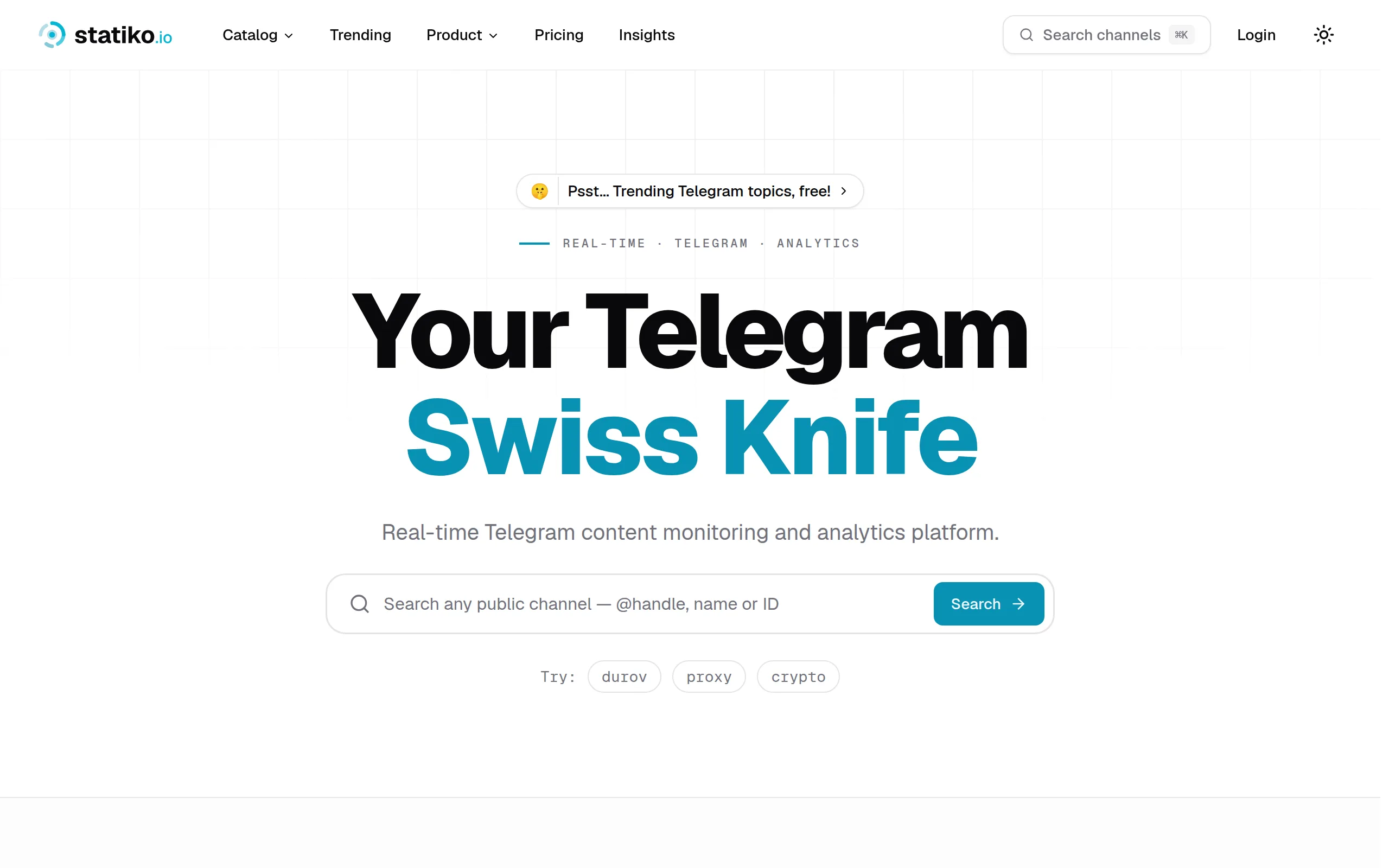
Statiko
Monitor any Telegram channel in real time - track posts, edits, deletions, and growth with AI recaps 📡

Shibui
AI website builder - describe your business, pick a niche template, edit by chatting, and publish instantly ✨

Pro Service
Find verified home service professionals, compare quotes, and pay securely through escrow - built for Brazilians across the US 🏠
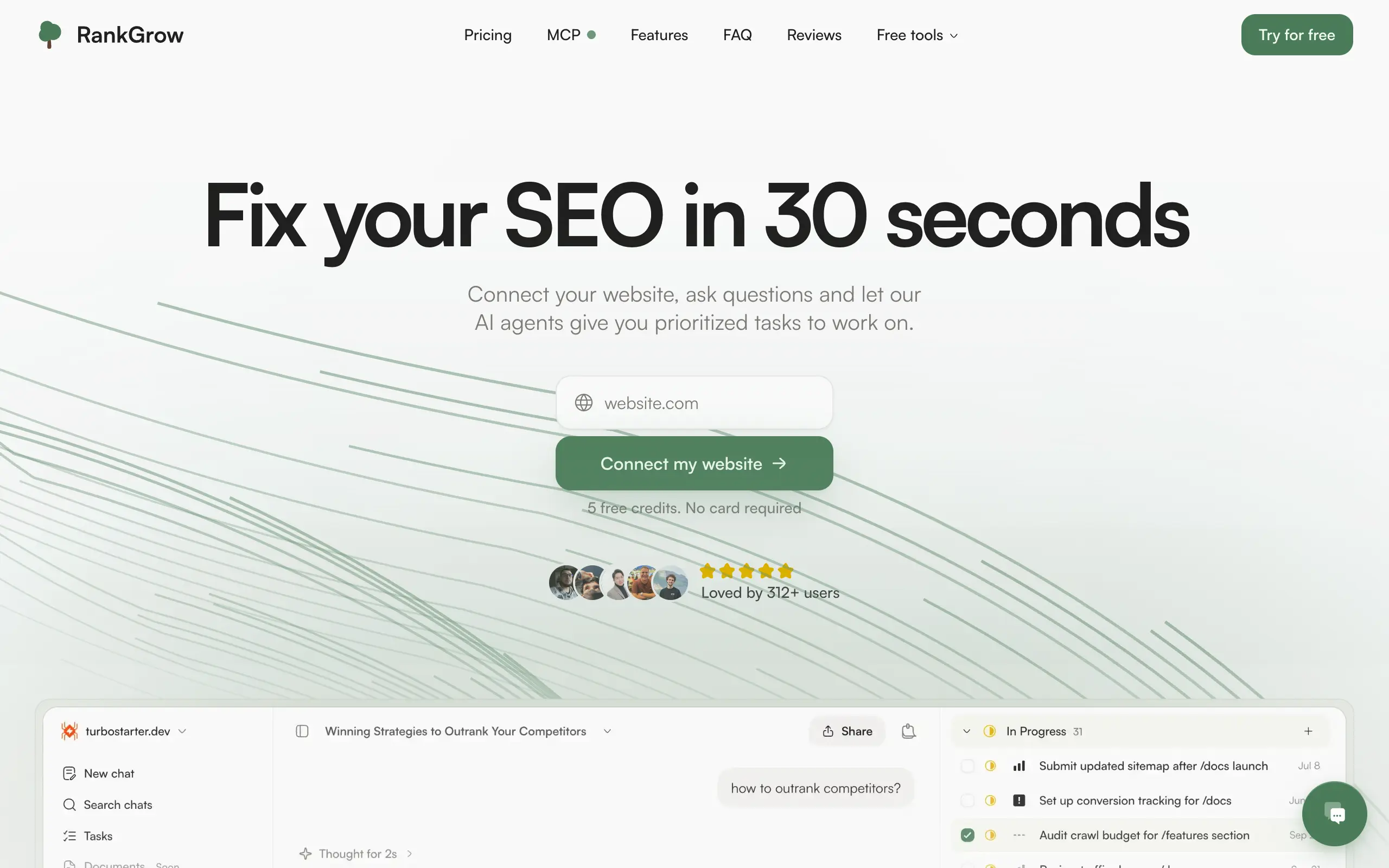
RankGrow
Fix your SEO with AI agents - connect Search Console, get prioritized tasks, and grow organic traffic 📈
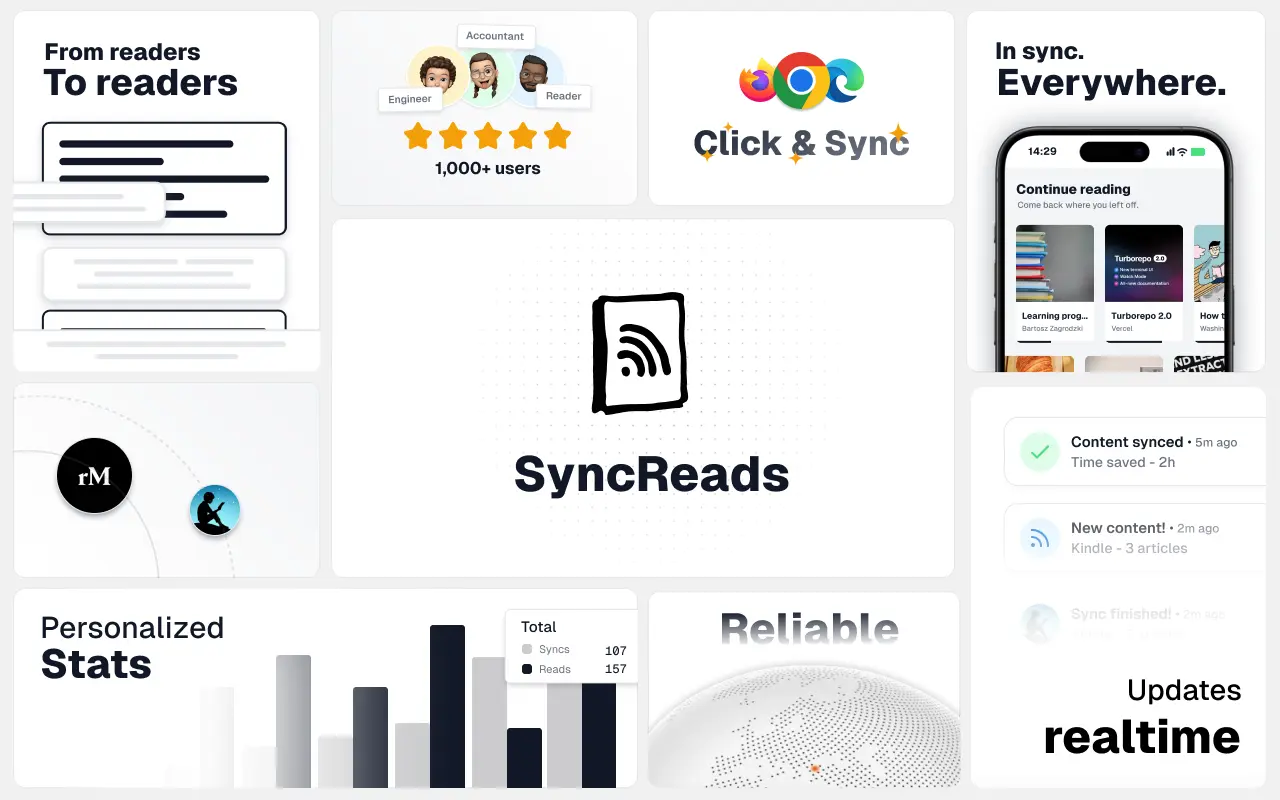
SyncReads
Sync your favorite content for distraction-free reading, save time and replace multiple apps. Anytime, anywhere 🔄
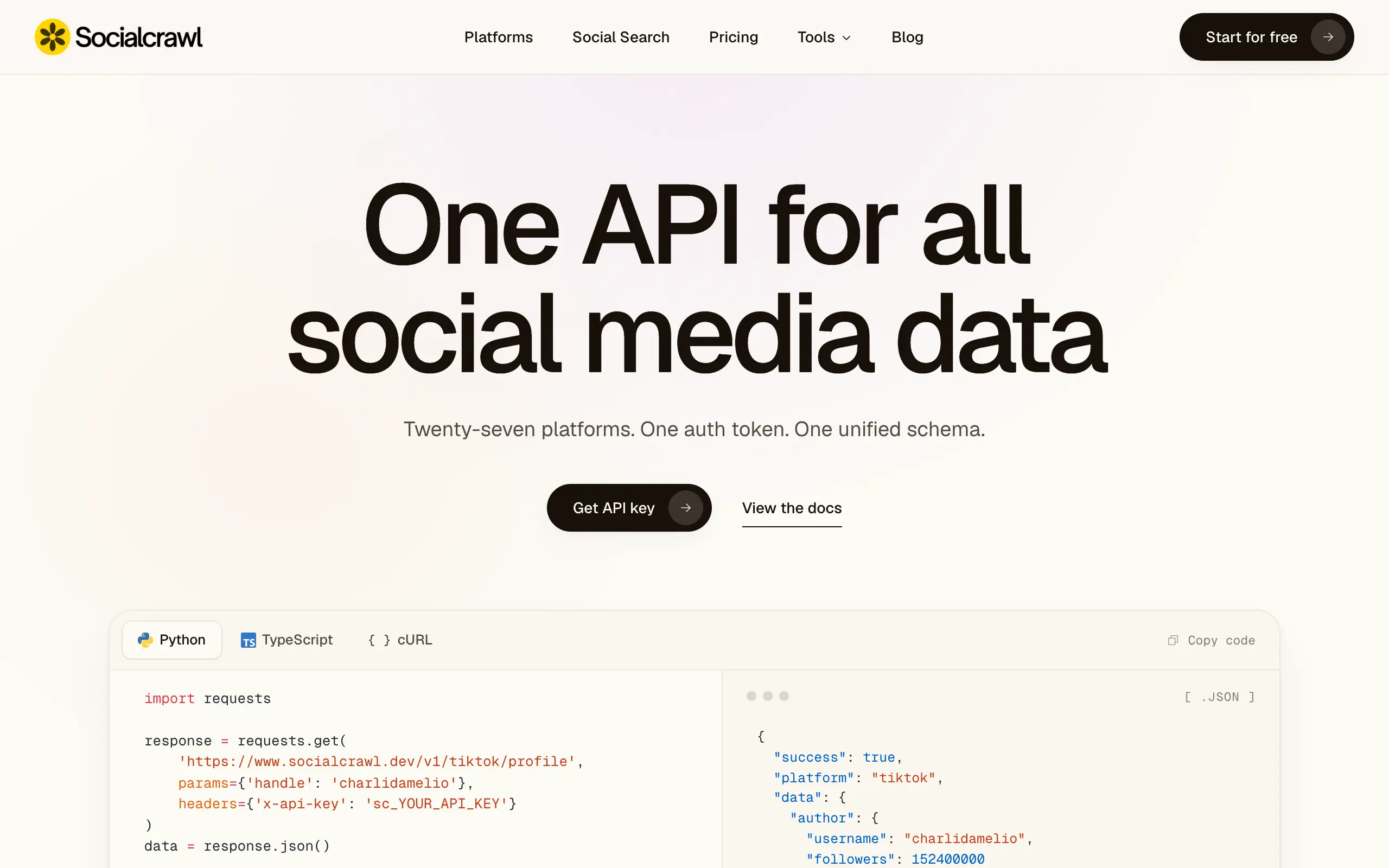
Socialcrawl
Get clean, structured data from 21 platforms like TikTok, Instagram, and YouTube with a single request 📊
Statiko
Monitor any Telegram channel in real time - track posts, edits, deletions, and growth with AI recaps 📡
Shibui
AI website builder - describe your business, pick a niche template, edit by chatting, and publish instantly ✨
Pro Service
Find verified home service professionals, compare quotes, and pay securely through escrow - built for Brazilians across the US 🏠
RankGrow
Fix your SEO with AI agents - connect Search Console, get prioritized tasks, and grow organic traffic 📈
SyncReads
Sync your favorite content for distraction-free reading, save time and replace multiple apps. Anytime, anywhere 🔄
Socialcrawl
Get clean, structured data from 21 platforms like TikTok, Instagram, and YouTube with a single request 📊
Statiko
Monitor any Telegram channel in real time - track posts, edits, deletions, and growth with AI recaps 📡
Shibui
AI website builder - describe your business, pick a niche template, edit by chatting, and publish instantly ✨
Pro Service
Find verified home service professionals, compare quotes, and pay securely through escrow - built for Brazilians across the US 🏠
RankGrow
Fix your SEO with AI agents - connect Search Console, get prioritized tasks, and grow organic traffic 📈
SyncReads
Sync your favorite content for distraction-free reading, save time and replace multiple apps. Anytime, anywhere 🔄
Socialcrawl
Get clean, structured data from 21 platforms like TikTok, Instagram, and YouTube with a single request 📊
Statiko
Monitor any Telegram channel in real time - track posts, edits, deletions, and growth with AI recaps 📡
Shibui
AI website builder - describe your business, pick a niche template, edit by chatting, and publish instantly ✨
Pro Service
Find verified home service professionals, compare quotes, and pay securely through escrow - built for Brazilians across the US 🏠
RankGrow
Fix your SEO with AI agents - connect Search Console, get prioritized tasks, and grow organic traffic 📈
SyncReads
Sync your favorite content for distraction-free reading, save time and replace multiple apps. Anytime, anywhere 🔄
Socialcrawl
Get clean, structured data from 21 platforms like TikTok, Instagram, and YouTube with a single request 📊
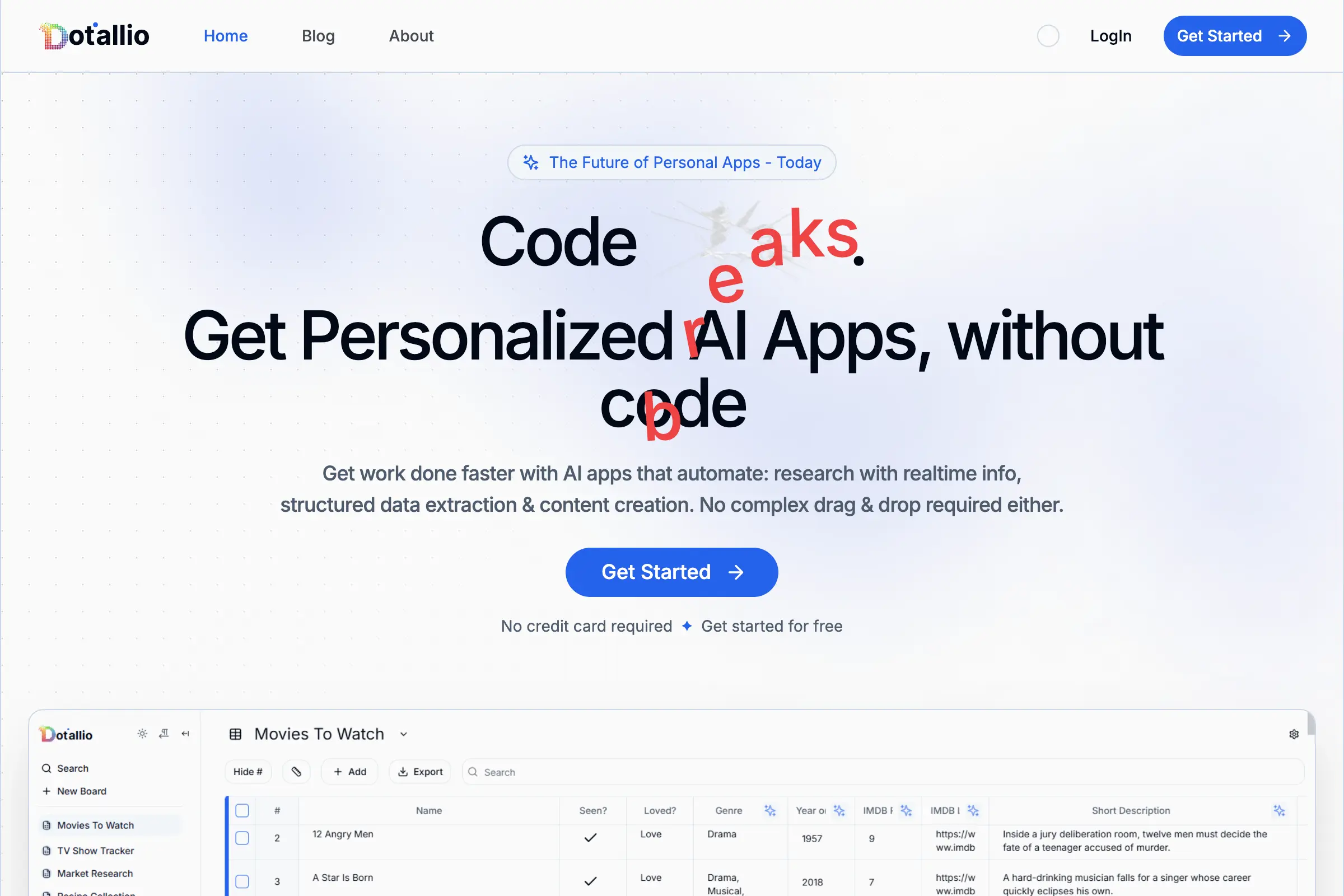
Dotallio
Personalized AI apps that automate research, data extraction, and content creation without code 🤖
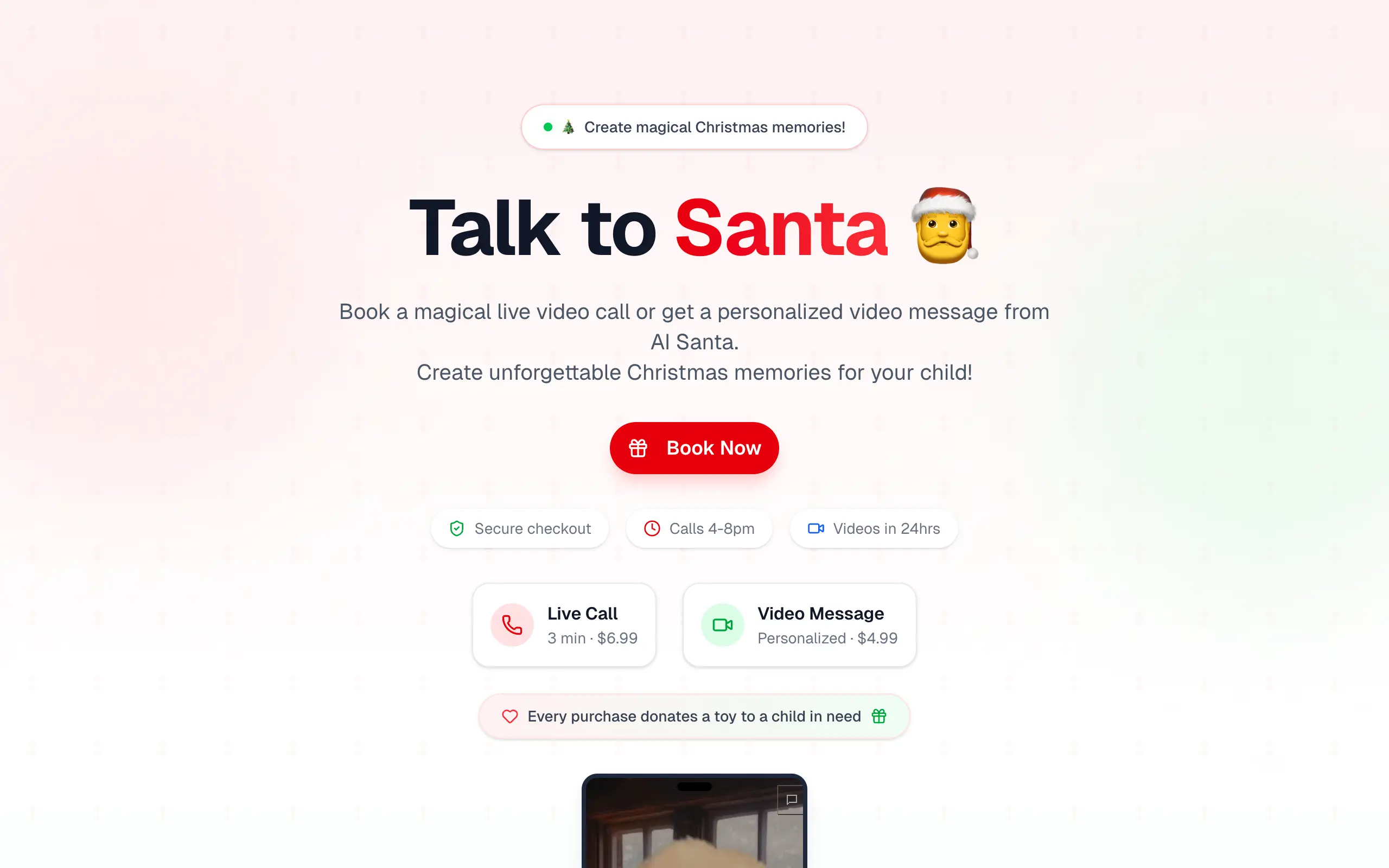
Talk to Santa
Enjoy a magical live video chat or receive a unique AI-generated video greeting from Santa Claus 🎅

pozywka.pl
Scalable blog for food journalist, focused on performance and user experience 🌭
zagrodzki.me
Personal blog and portfolio of Bart Zagrodzki, where he shares his knowledge and work 💼
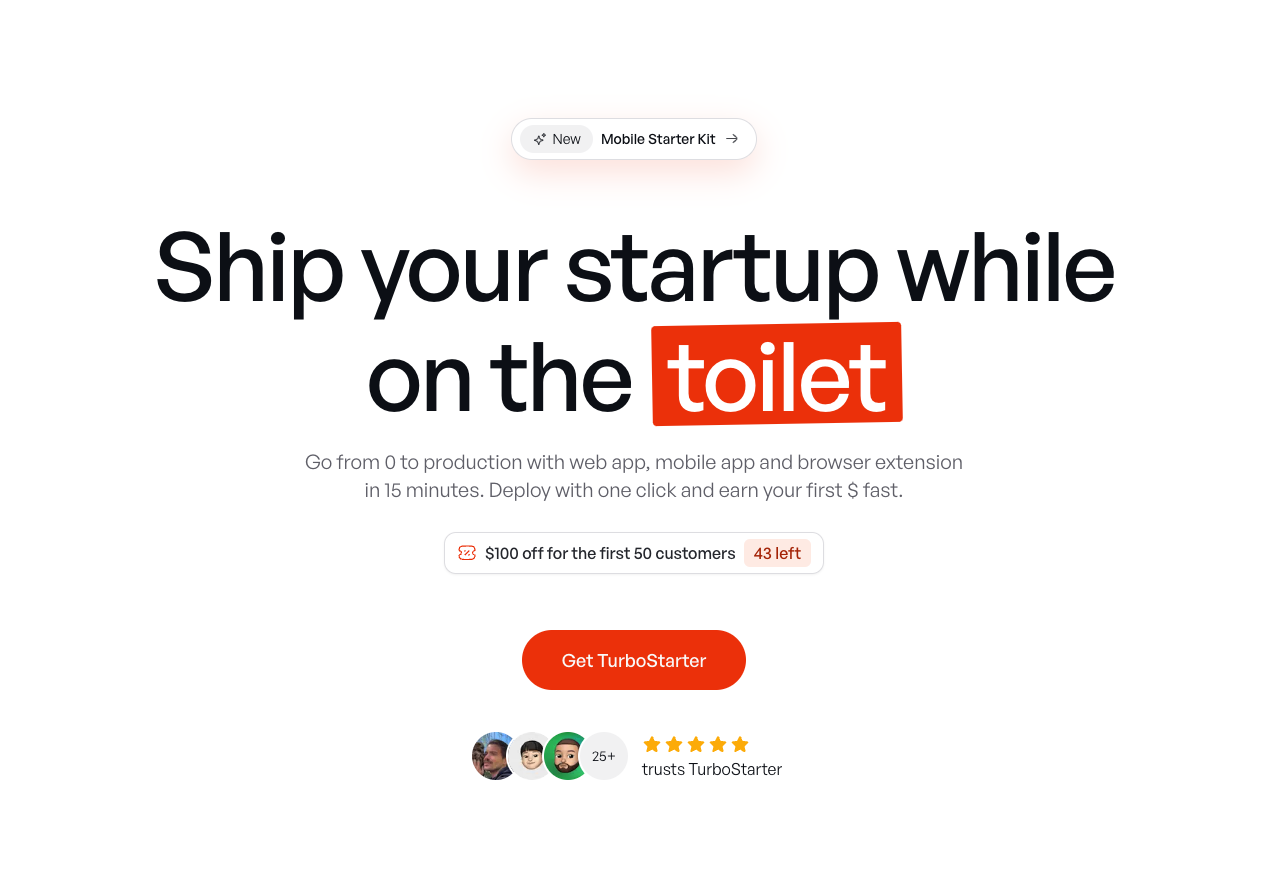
TurboStarter
Ship your startup everywhere. In minutes.
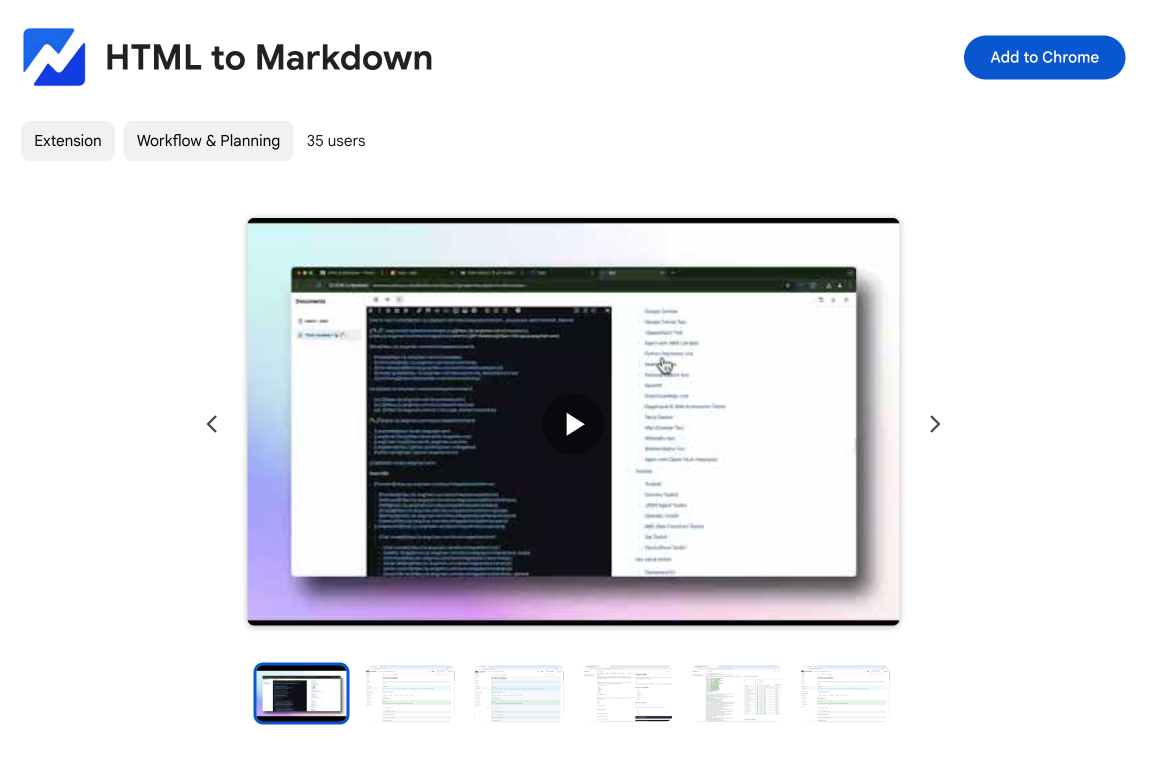
HTML to Markdown
Convert HTML to Markdown with ease, directly in your browser 📄
Dotallio
Personalized AI apps that automate research, data extraction, and content creation without code 🤖
Talk to Santa
Enjoy a magical live video chat or receive a unique AI-generated video greeting from Santa Claus 🎅
pozywka.pl
Scalable blog for food journalist, focused on performance and user experience 🌭
zagrodzki.me
Personal blog and portfolio of Bart Zagrodzki, where he shares his knowledge and work 💼
TurboStarter
Ship your startup everywhere. In minutes.
HTML to Markdown
Convert HTML to Markdown with ease, directly in your browser 📄
Dotallio
Personalized AI apps that automate research, data extraction, and content creation without code 🤖
Talk to Santa
Enjoy a magical live video chat or receive a unique AI-generated video greeting from Santa Claus 🎅
pozywka.pl
Scalable blog for food journalist, focused on performance and user experience 🌭
zagrodzki.me
Personal blog and portfolio of Bart Zagrodzki, where he shares his knowledge and work 💼
TurboStarter
Ship your startup everywhere. In minutes.
HTML to Markdown
Convert HTML to Markdown with ease, directly in your browser 📄
Dotallio
Personalized AI apps that automate research, data extraction, and content creation without code 🤖
Talk to Santa
Enjoy a magical live video chat or receive a unique AI-generated video greeting from Santa Claus 🎅
pozywka.pl
Scalable blog for food journalist, focused on performance and user experience 🌭
zagrodzki.me
Personal blog and portfolio of Bart Zagrodzki, where he shares his knowledge and work 💼
TurboStarter
Ship your startup everywhere. In minutes.
HTML to Markdown
Convert HTML to Markdown with ease, directly in your browser 📄
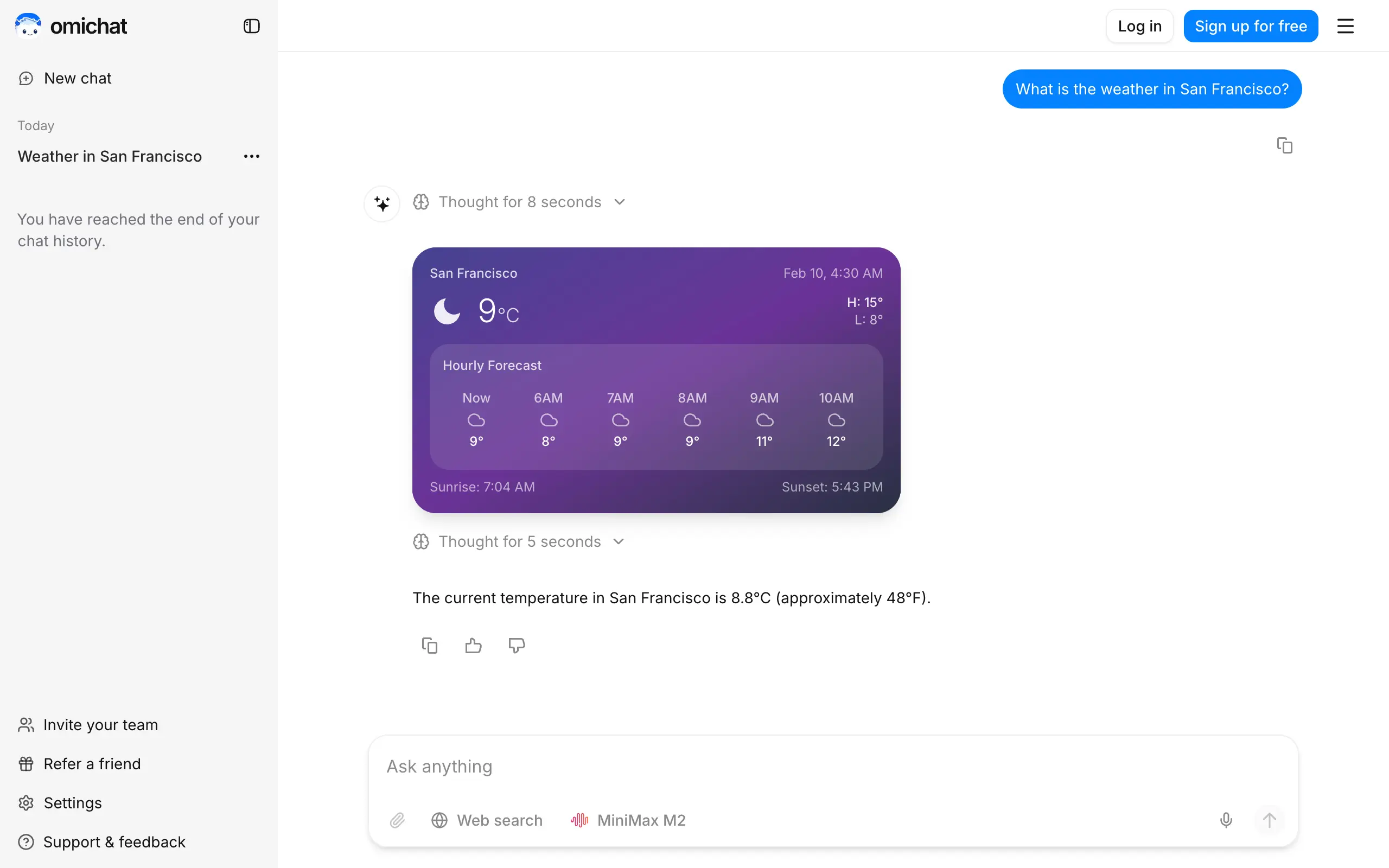
Omichat
Chat with 50+ AI models, including ChatGPT and Claude, in one place - switch models anytime without losing context 🤖
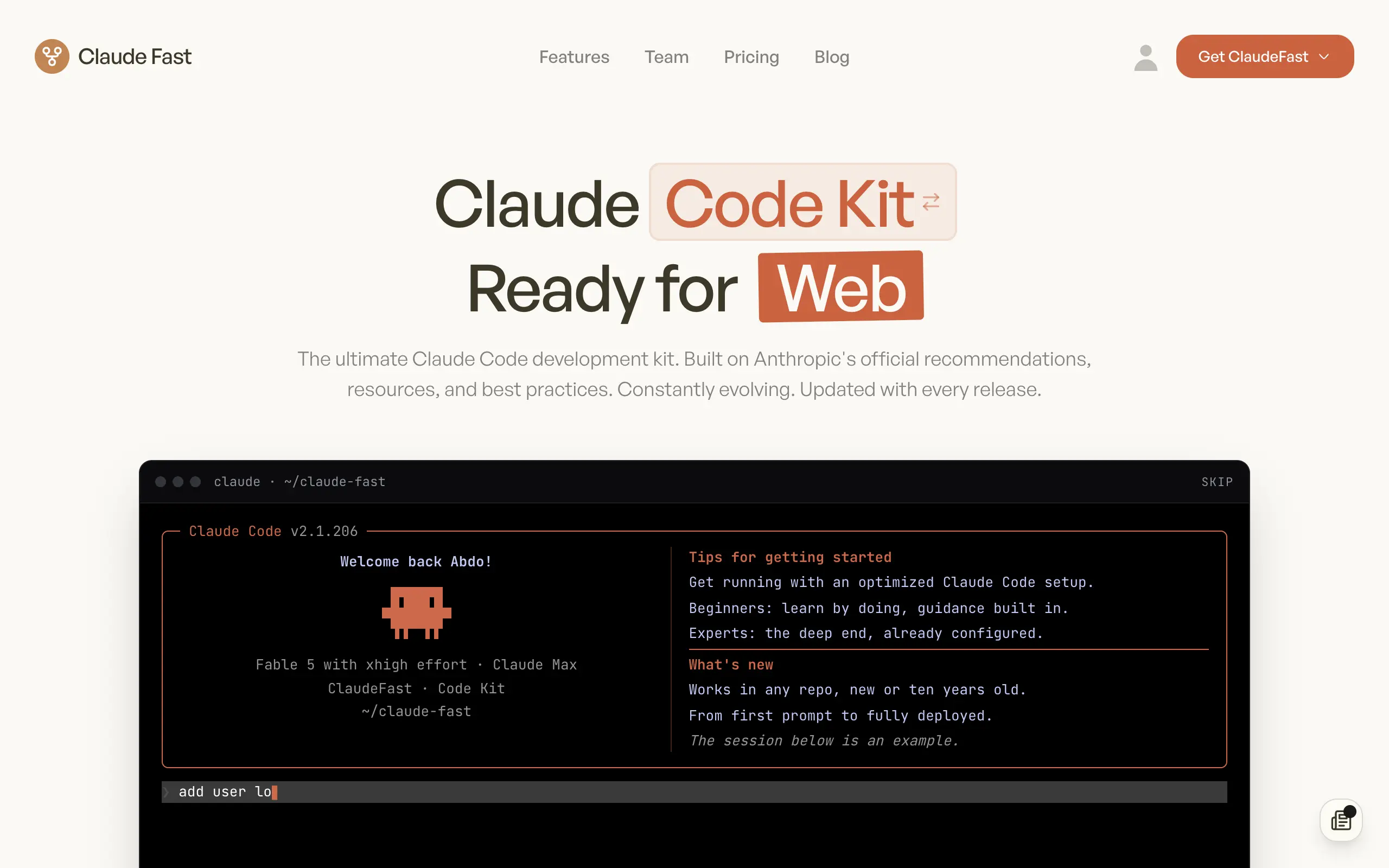
Claude Fast
Supercharge your Claude Code with 6x effective context window and specialized AI agents 🤖
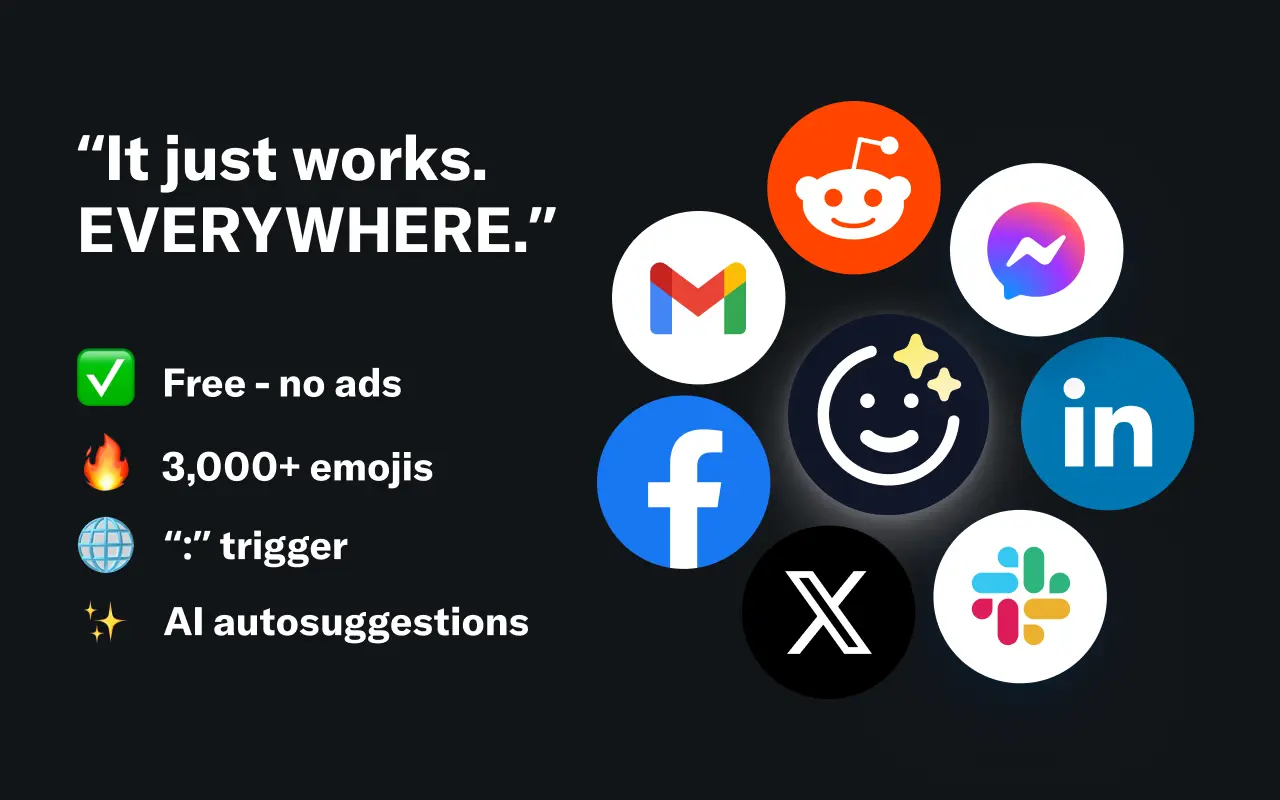
EmojAI
AI-powered emoji picker with smart, context-aware suggestions 🤖
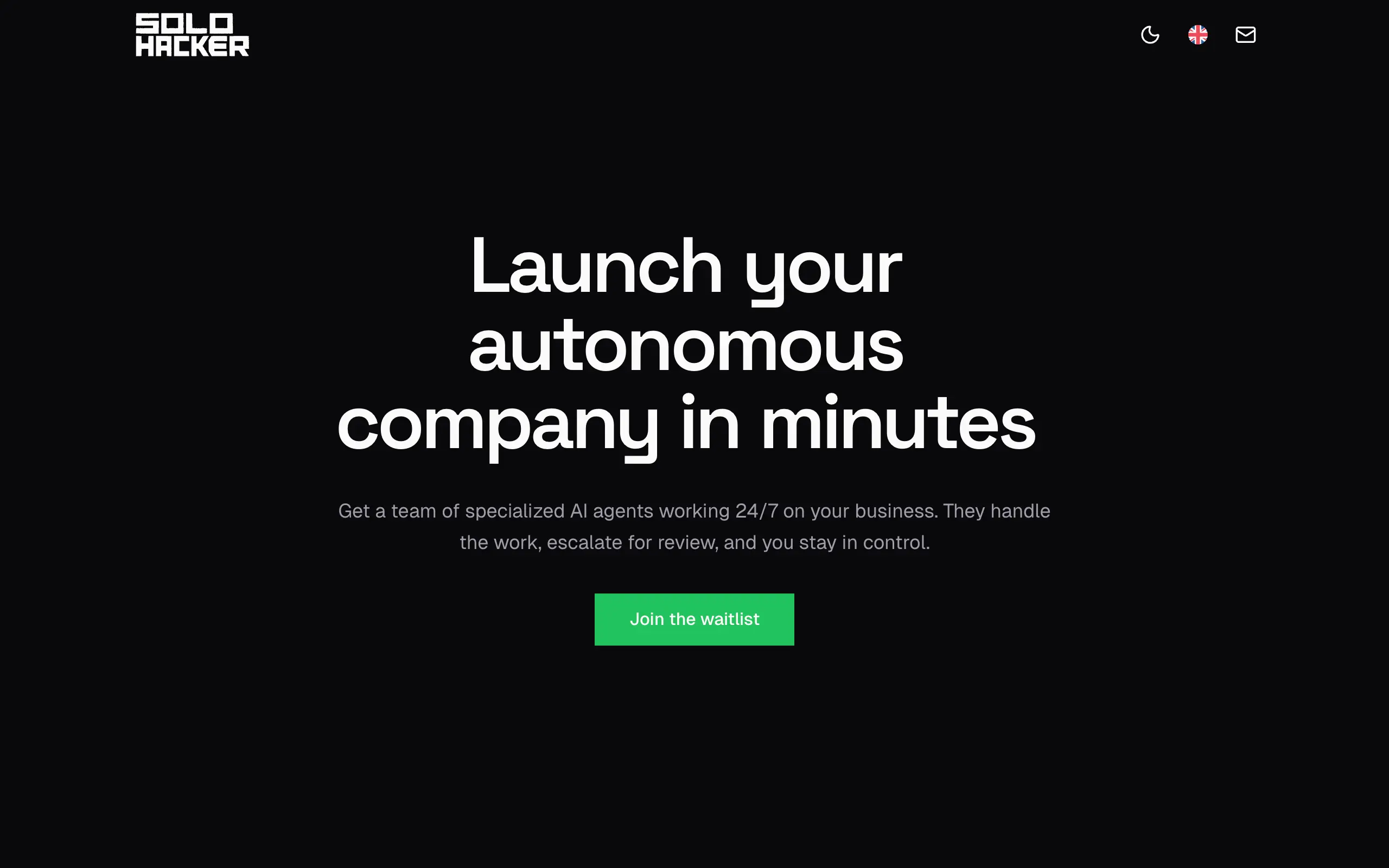
Solohacker
Autonomous company launcher - AI agents work 24/7, escalate what matters, and you stay in control 🤖
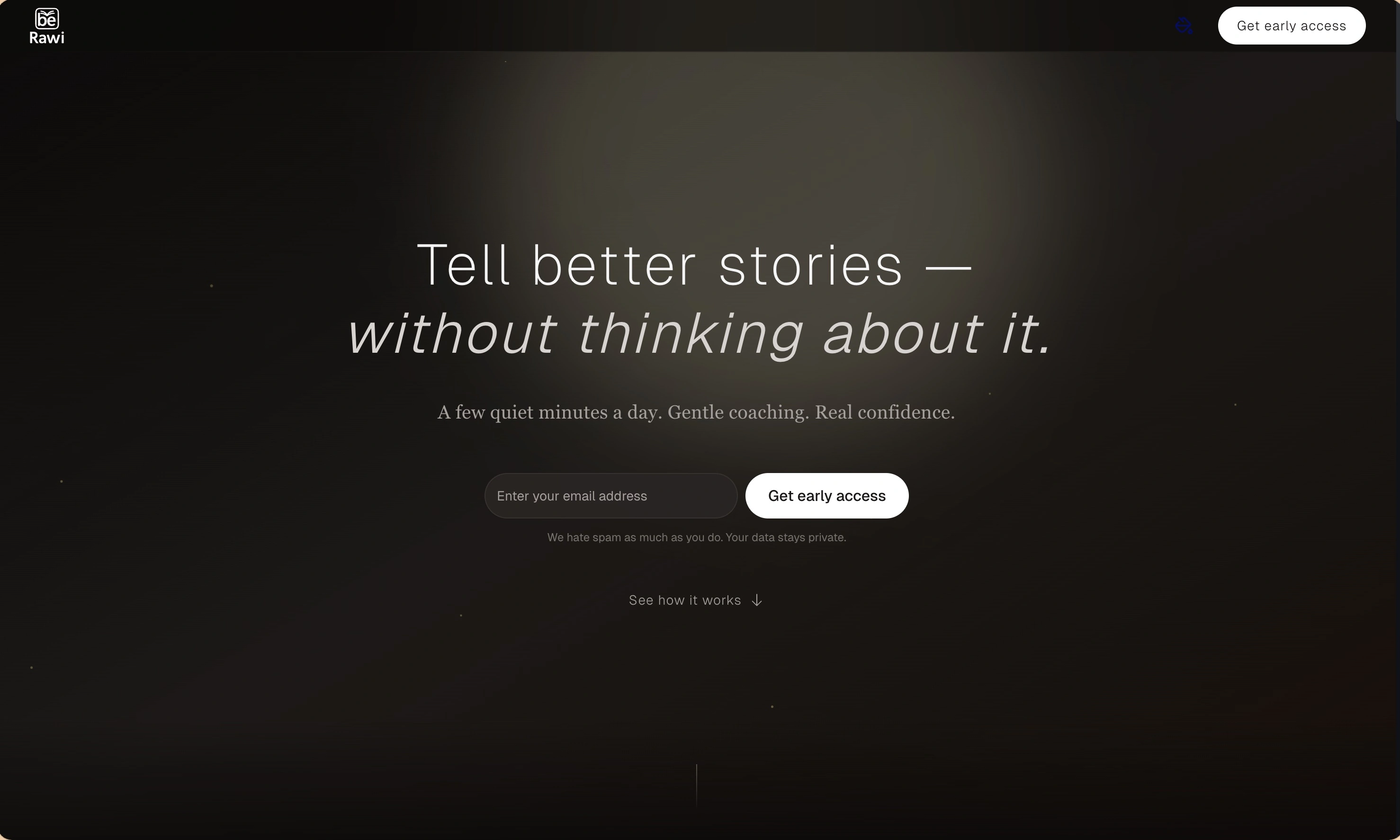
BeRawi: Storytelling Coach
Practice storytelling daily with instant feedback to sound clearer, more engaging, and confident 🎤
Omichat
Chat with 50+ AI models, including ChatGPT and Claude, in one place - switch models anytime without losing context 🤖
Claude Fast
Supercharge your Claude Code with 6x effective context window and specialized AI agents 🤖
EmojAI
AI-powered emoji picker with smart, context-aware suggestions 🤖
Solohacker
Autonomous company launcher - AI agents work 24/7, escalate what matters, and you stay in control 🤖
BeRawi: Storytelling Coach
Practice storytelling daily with instant feedback to sound clearer, more engaging, and confident 🎤
Omichat
Chat with 50+ AI models, including ChatGPT and Claude, in one place - switch models anytime without losing context 🤖
Claude Fast
Supercharge your Claude Code with 6x effective context window and specialized AI agents 🤖
EmojAI
AI-powered emoji picker with smart, context-aware suggestions 🤖
Solohacker
Autonomous company launcher - AI agents work 24/7, escalate what matters, and you stay in control 🤖
BeRawi: Storytelling Coach
Practice storytelling daily with instant feedback to sound clearer, more engaging, and confident 🎤
Omichat
Chat with 50+ AI models, including ChatGPT and Claude, in one place - switch models anytime without losing context 🤖
Claude Fast
Supercharge your Claude Code with 6x effective context window and specialized AI agents 🤖
EmojAI
AI-powered emoji picker with smart, context-aware suggestions 🤖
Solohacker
Autonomous company launcher - AI agents work 24/7, escalate what matters, and you stay in control 🤖
BeRawi: Storytelling Coach
Practice storytelling daily with instant feedback to sound clearer, more engaging, and confident 🎤

Connect with like-minded people
Join our community to get feedback, support, and grow together with 1,000+ builders on board, let's ship it!
Join usShip your startup everywhere. In minutes.
Don't burn tokens on setup and start building features on day one.