GlobalIP Navigator
AI-driven international IP filing platform that maps protection strategies across countries, estimates costs, and auto-generates compliant documentation.
Why an AI-driven international IP filing platform matters now
Protecting intellectual property (IP) across borders has never been more critical—or more complex. As startups scale globally from day one and digital products reach international markets instantly, founders, legal teams, and investors face a pressing question:
How do we efficiently protect IP in multiple jurisdictions without overspending, missing deadlines, or violating local compliance rules?
This is where an AI-driven international IP filing platform like GlobalIP Navigator becomes strategically powerful.
GlobalIP Navigator is designed to:
- Map tailored IP protection strategies across countries
- Estimate filing and maintenance costs with precision
- Auto-generate compliant documentation
- Reduce dependency on manual legal coordination
- Provide centralized visibility across global IP portfolios
In this comprehensive guide, we’ll explore:
- The market opportunity for an AI-powered global IP filing platform
- Target users and their real pain points
- Core features and system architecture
- Monetization models and pricing strategy
- Competitive landscape and differentiation
- Implementation roadmap and technical stack
- Risks and mitigation strategies
If you're evaluating this SaaS idea for validation, investment, or development, this article will give you the depth needed to make informed decisions.
The global IP protection problem
International IP filing is fragmented, expensive, and opaque.
The complexity founders face
A startup seeking patent protection in 10 countries must navigate:
- Different filing systems (PCT vs national filings)
- Local patent agents and law firms
- Language translation requirements
- Country-specific formatting rules
- Variable government fees
- Strict deadlines with legal consequences
- Ongoing maintenance fee tracking
Multiply that by:
- Trademarks
- Design registrations
- Utility models
- Software-related patents
- Trade secret compliance strategies
The result? A compliance maze.
Key pain point
Most early-stage companies overpay or under-protect internationally because they lack a structured, data-driven IP expansion strategy.
Why existing solutions fall short
Traditional IP law firms:
- Operate country-by-country
- Provide limited cost transparency
- Charge high hourly rates
- Require manual documentation exchanges
- Rarely offer predictive cost modeling
Generic IP management software:
- Focuses on tracking deadlines
- Does not generate compliant international filings
- Lacks AI-driven jurisdictional strategy optimization
There’s a clear gap for an AI-first international IP filing platform that bridges strategy, automation, and execution.
Market opportunity and industry trends
1. Global patent and trademark growth
According to the World Intellectual Property Organization (WIPO), global patent filings exceed 3 million annually, with significant cross-border activity. (Refer to WIPO annual IP statistics for updated data.)
Key trends:
- Rise in deep tech startups
- Increase in cross-border SaaS expansion
- Growth of hardware and biotech innovation
- More founders launching globally from inception
2. AI in legal tech
AI is rapidly transforming legal services:
- Automated document generation
- Risk analysis
- Regulatory interpretation
- Cost prediction modeling
Legal tech investment continues to grow, with investors targeting workflow automation and AI-driven compliance tools.
GlobalIP Navigator sits at the intersection of:
- Legal tech
- AI automation
- Global startup infrastructure
- Compliance SaaS
This positions it in a high-growth, under-optimized niche.
Target audience analysis
Understanding user segments is critical to product positioning.
Primary audiences
Startup founders
Early-stage and growth startups expanding internationally and seeking cost-efficient IP protection.
VC-backed scaleups
Companies entering multiple markets and needing structured IP expansion strategy.
In-house legal teams
Corporate legal departments managing international IP portfolios.
IP law firms
Firms seeking automation to reduce operational overhead and scale internationally.
Persona 1: The global SaaS founder
Pain points:
- Unsure which countries to file in
- Limited budget
- No internal IP expertise
- Fear of losing rights due to deadlines
Desired outcome:
- Clear country-by-country strategy
- Predictable cost breakdown
- Automated document generation
- Confidence in compliance
Persona 2: The corporate legal director
Pain points:
- Managing dozens of jurisdictions
- Coordinating external counsel
- Lack of cost forecasting
- Reporting challenges to executives
Desired outcome:
- Centralized dashboard
- Budget forecasting tools
- AI alerts for regulatory changes
- Portfolio analytics
Persona 3: The IP law firm
Pain points:
- Manual drafting workload
- Time spent adapting documents per country
- Difficulty scaling operations
- Competition from alternative legal service providers
Desired outcome:
- Automation without replacing expertise
- Faster turnaround
- Better client experience
- Competitive differentiation
Core features of GlobalIP Navigator
The product must go beyond simple tracking. It should be a strategic AI engine.
1. AI-driven protection strategy mapping
Users input:
- Company stage
- Industry
- Target markets
- Budget constraints
- Product roadmap
The AI engine outputs:
- Recommended filing strategy (PCT vs direct)
- Suggested countries ranked by risk/opportunity
- Defensive filing suggestions
- Timeline projections
2. Cost estimation engine
This is a critical differentiator.
Features:
- Government fee database
- Agent fee benchmarks
- Translation cost modeling
- Multi-year maintenance projections
- Currency conversion
Output:
- Interactive cost map
- 1-year, 5-year, 10-year forecasts
- Budget comparison scenarios
3. Auto-generated compliant documentation
AI should:
- Adapt documents to country-specific rules
- Format according to jurisdictional templates
- Suggest claim modifications
- Highlight compliance gaps
Example backend logic:
interface JurisdictionRule {
  countryCode: string;
  requiresLocalAgent: boolean;
  language: string;
  formattingTemplate: string;
  deadlineStructure: string[];
}

function generateFilingDocument(input, rules: JurisdictionRule) {
  return applyTemplate(
    translateContent(input.content, rules.language),
    rules.formattingTemplate
  );
}
4. Compliance and deadline automation
- Automatic deadline tracking
- Alert system
- Renewal forecasting
- Risk flags for missed filings
5. Portfolio analytics dashboard
Metrics:
- IP coverage heatmap
- Cost distribution by region
- Filing timeline visualization
- Risk exposure scoring
6. Regulatory intelligence updates
AI monitors:
- Policy changes
- Fee adjustments
- Treaty updates
- Country-specific IP reforms
Competitive landscape and differentiation
Let’s compare categories of solutions.
| Feature | Traditional Law Firm | IP Docketing Software | Generic Legal AI | GlobalIP Navigator |
|---|---|---|---|---|
| Strategy modeling | ✅ | ❌ | ❌ | ✅ |
| Cost forecasting | ❌ | ❌ | ❌ | ✅ |
| Auto document generation | ✅ | ❌ | ✅ | ✅ |
| Global compliance mapping | ✅ | ❌ | ❌ | ✅ |
Unique selling proposition (USP)
GlobalIP Navigator differentiates by:
- Combining strategy + cost modeling + compliance automation
- Providing AI-backed recommendations, not just document drafting
- Offering transparency in international IP expansion decisions
- Serving both startups and enterprise legal teams
- Reducing reliance on expensive coordination layers
It is not replacing lawyers—it is augmenting and optimizing them.
Recommended tech stack
Choosing the right stack impacts scalability, security, and compliance.
Frontend
Why:
- Scalable UI architecture
- Strong SEO capability (important for inbound acquisition)
- Fast development cycles
Backend
Options:
- Node.js (TypeScript)
- Python (FastAPI)
Trade-offs:
- Node.js aligns with full-stack TypeScript.
- Python is stronger for AI/ML pipelines.
Recommendation: Hybrid architecture with AI microservices in Python and API layer in Node.
Database
- PostgreSQL (structured IP data)
- Redis (caching regulatory rules)
- S3-compatible storage (document storage)
AI layer
- LLM APIs (with jurisdiction-specific fine-tuning)
- Custom rule engines
- Structured compliance database
Security considerations:
- Encryption at rest
- Regional data compliance (GDPR, etc.)
- Strict access controls
Monetization strategy
1. Tiered SaaS pricing
$99–$299/month
- Limited countries
- Basic cost forecasting
- Filing document generation
- Deadline tracking
$499–$1,499/month
- Multi-country portfolios
- Advanced cost modeling
- Portfolio analytics
- Regulatory updates
Custom pricing
- API access
- Dedicated support
- Compliance customization
- White-label capabilities
2. Transaction-based fees
Charge per:
- Generated filing
- Cost forecast simulation
- Country-specific compliance package
3. Law firm partnerships
Revenue share for:
- Referrals
- Integrated filing services
- White-labeled platform deployments
Risks and mitigation strategies
Mitigation: Clear disclaimers, lawyer review workflows, jurisdiction-specific validation layers.
Mitigation: Rule-based validation before document output, human-in-the-loop review.
Mitigation: SOC 2 compliance roadmap, encrypted storage, audit logs.
Mitigation: Focus on AI-first strategy mapping rather than pure docketing.
Go-to-market strategy
Phase 1: Niche focus
Target:
- Tech startups entering US + EU
- VC-backed SaaS companies
Offer:
- Free strategy audit
- Limited country modeling demo
Phase 2: Content-driven SEO
Create content around:
- “International patent filing cost”
- “How to file patent in multiple countries”
- “PCT vs national filing strategy”
- “Global trademark registration guide”
This drives organic traffic from founders researching expansion.
Phase 3: Partnerships
- Startup accelerators
- VC funds
- Legal tech ecosystems
- Corporate innovation hubs
Implementation roadmap
To accelerate development, consider using a production-ready SaaS foundation like TurboStarter, which provides authentication, billing, and scalable architecture out of the box.
Final strategic assessment
GlobalIP Navigator addresses a high-friction, high-cost global problem:
- International IP complexity
- Cost unpredictability
- Compliance risk
- Manual coordination inefficiencies
By combining:
- AI strategy modeling
- Cost forecasting
- Automated document generation
- Regulatory intelligence
It creates a defensible, scalable SaaS platform in a high-value niche.
The opportunity is strongest among:
- Globally ambitious startups
- Deep tech companies
- VC-backed scaleups
- Enterprise legal teams
With proper execution, strong compliance safeguards, and a carefully designed AI validation layer, GlobalIP Navigator can evolve from a filing assistant into a global IP intelligence platform.
The long-term vision?
A world where protecting innovation internationally is not a legal maze—but a structured, transparent, data-driven decision.
That is the future of AI-powered international IP filing.
More 🤖 AI Startup SaaS ideas
Discover more innovative ai startup SaaS ideas that are trending in 2026. Each idea is AI-generated with market validation and growth potential to help you find your next profitable venture faster than competitors.
Your competitors are building with TurboStarter
Below are some of the SaaS ideas that have been generated and built with our starter kit.

Statiko
Monitor any Telegram channel in real time - track posts, edits, deletions, and growth with AI recaps 📡
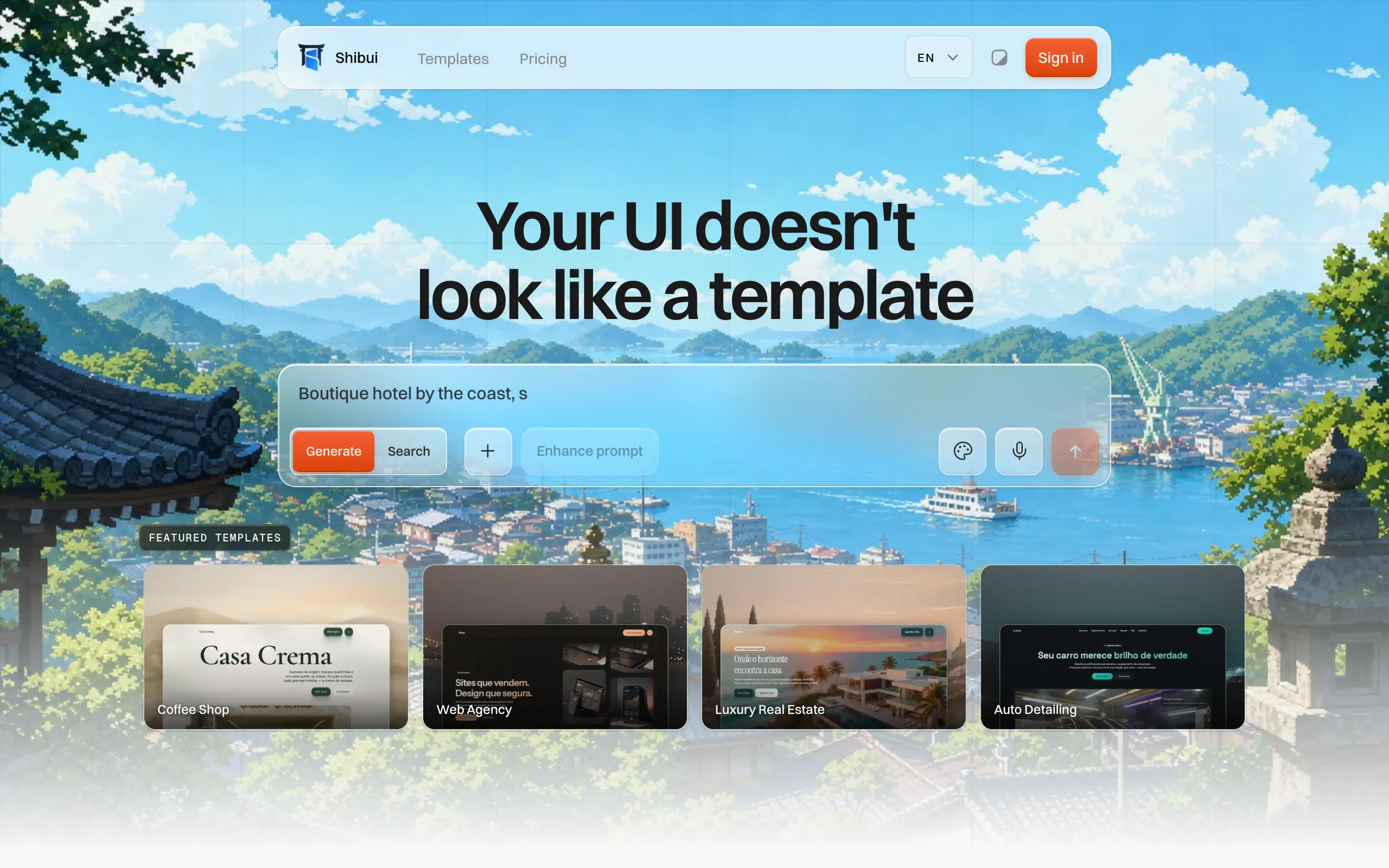
Shibui
AI website builder - describe your business, pick a niche template, edit by chatting, and publish instantly ✨

Pro Service
Find verified home service professionals, compare quotes, and pay securely through escrow - built for Brazilians across the US 🏠
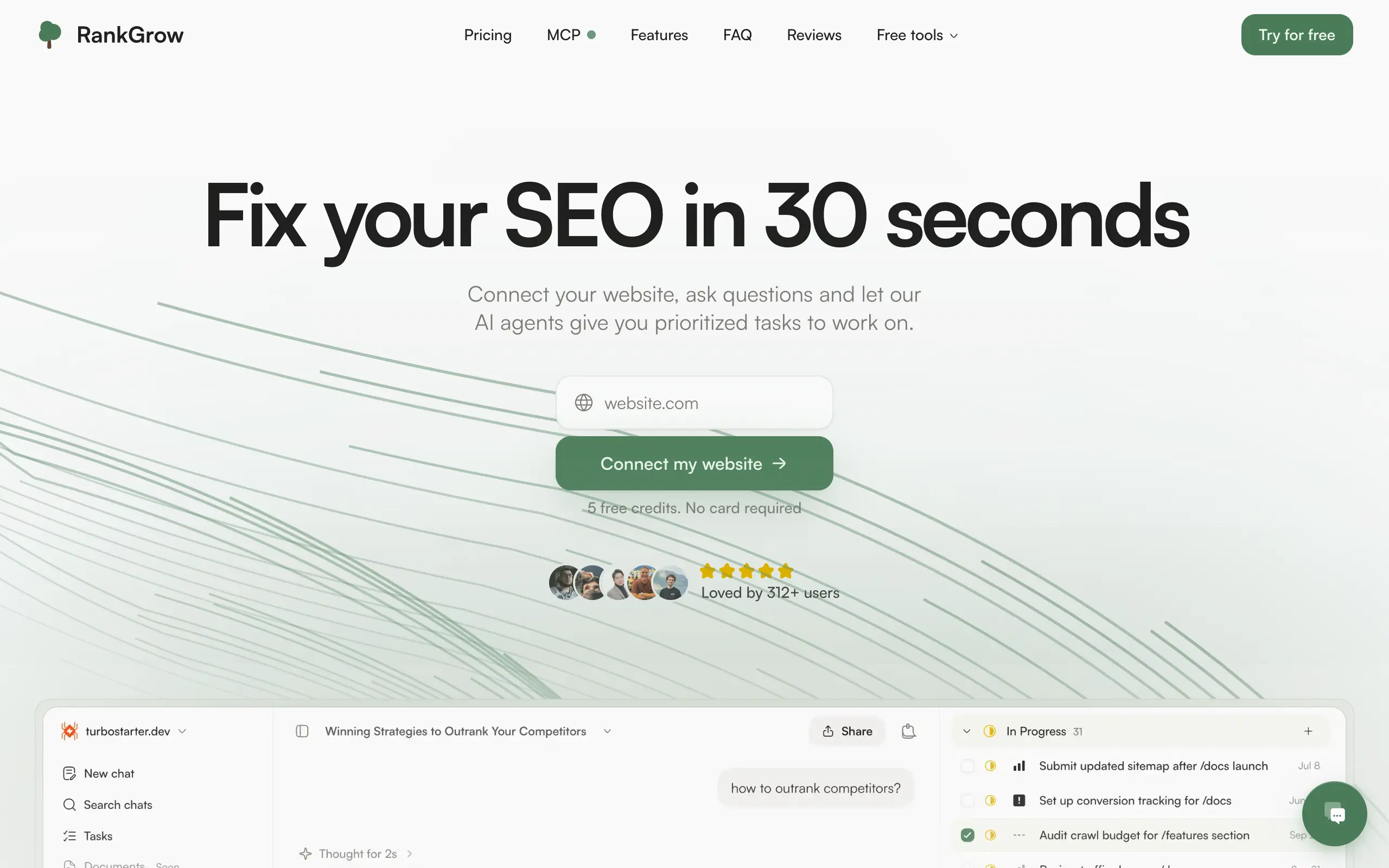
RankGrow
Fix your SEO with AI agents - connect Search Console, get prioritized tasks, and grow organic traffic 📈
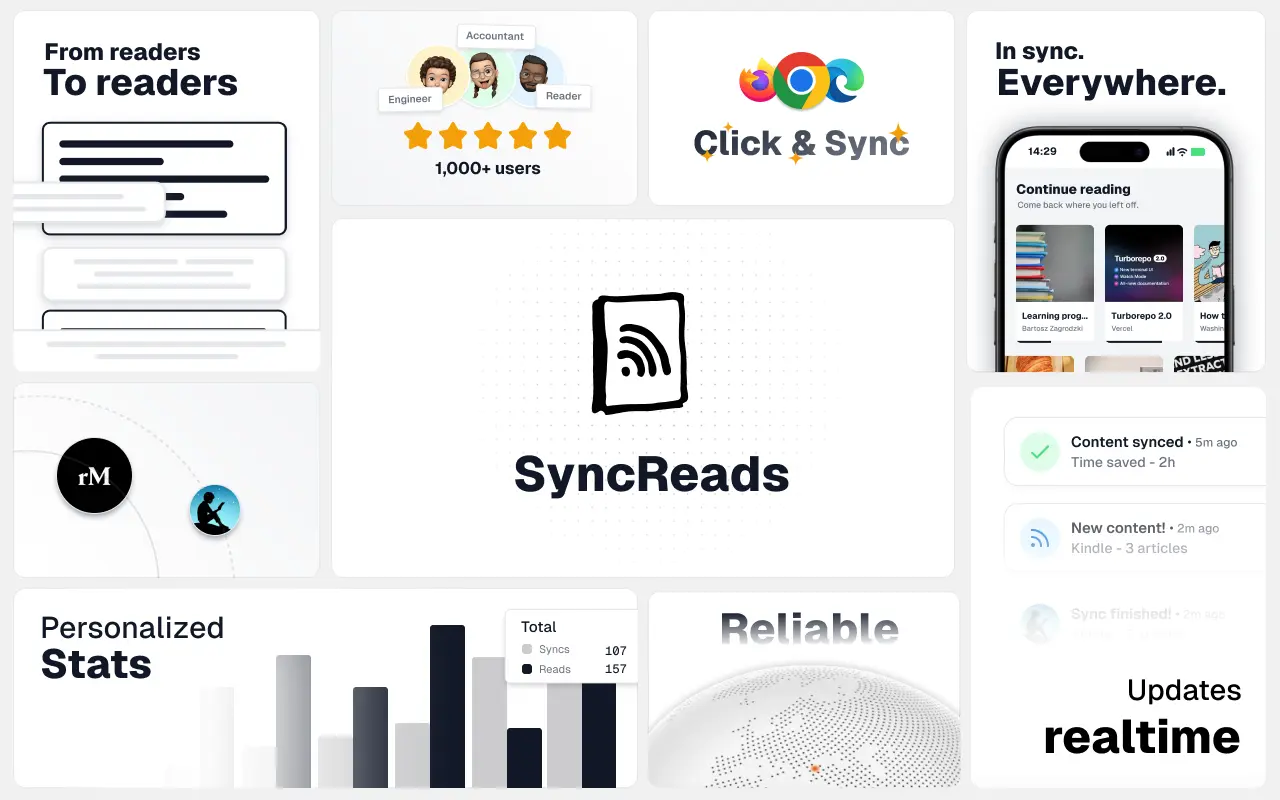
SyncReads
Sync your favorite content for distraction-free reading, save time and replace multiple apps. Anytime, anywhere 🔄
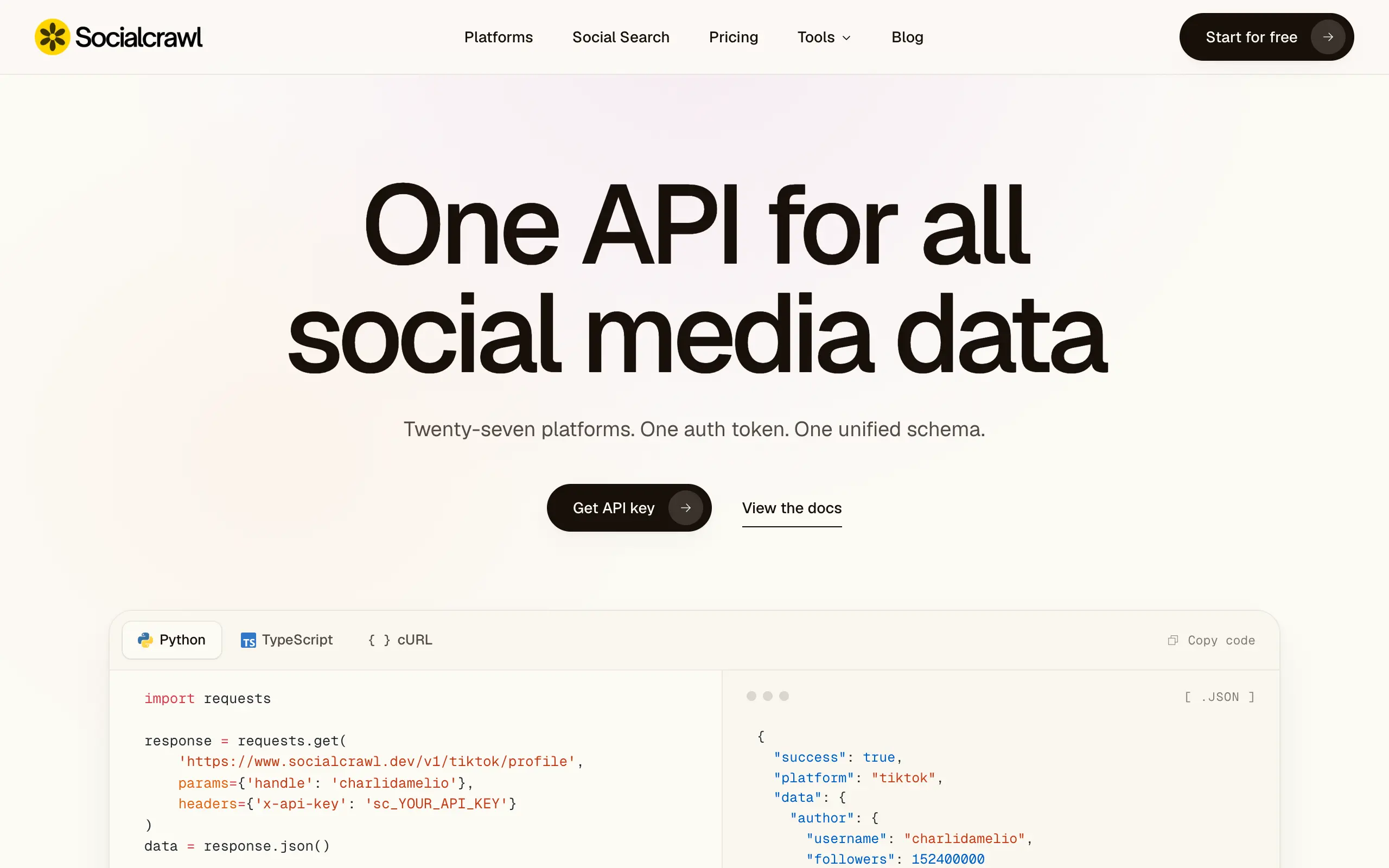
Socialcrawl
Get clean, structured data from 21 platforms like TikTok, Instagram, and YouTube with a single request 📊
Statiko
Monitor any Telegram channel in real time - track posts, edits, deletions, and growth with AI recaps 📡
Shibui
AI website builder - describe your business, pick a niche template, edit by chatting, and publish instantly ✨
Pro Service
Find verified home service professionals, compare quotes, and pay securely through escrow - built for Brazilians across the US 🏠
RankGrow
Fix your SEO with AI agents - connect Search Console, get prioritized tasks, and grow organic traffic 📈
SyncReads
Sync your favorite content for distraction-free reading, save time and replace multiple apps. Anytime, anywhere 🔄
Socialcrawl
Get clean, structured data from 21 platforms like TikTok, Instagram, and YouTube with a single request 📊
Statiko
Monitor any Telegram channel in real time - track posts, edits, deletions, and growth with AI recaps 📡
Shibui
AI website builder - describe your business, pick a niche template, edit by chatting, and publish instantly ✨
Pro Service
Find verified home service professionals, compare quotes, and pay securely through escrow - built for Brazilians across the US 🏠
RankGrow
Fix your SEO with AI agents - connect Search Console, get prioritized tasks, and grow organic traffic 📈
SyncReads
Sync your favorite content for distraction-free reading, save time and replace multiple apps. Anytime, anywhere 🔄
Socialcrawl
Get clean, structured data from 21 platforms like TikTok, Instagram, and YouTube with a single request 📊
Statiko
Monitor any Telegram channel in real time - track posts, edits, deletions, and growth with AI recaps 📡
Shibui
AI website builder - describe your business, pick a niche template, edit by chatting, and publish instantly ✨
Pro Service
Find verified home service professionals, compare quotes, and pay securely through escrow - built for Brazilians across the US 🏠
RankGrow
Fix your SEO with AI agents - connect Search Console, get prioritized tasks, and grow organic traffic 📈
SyncReads
Sync your favorite content for distraction-free reading, save time and replace multiple apps. Anytime, anywhere 🔄
Socialcrawl
Get clean, structured data from 21 platforms like TikTok, Instagram, and YouTube with a single request 📊
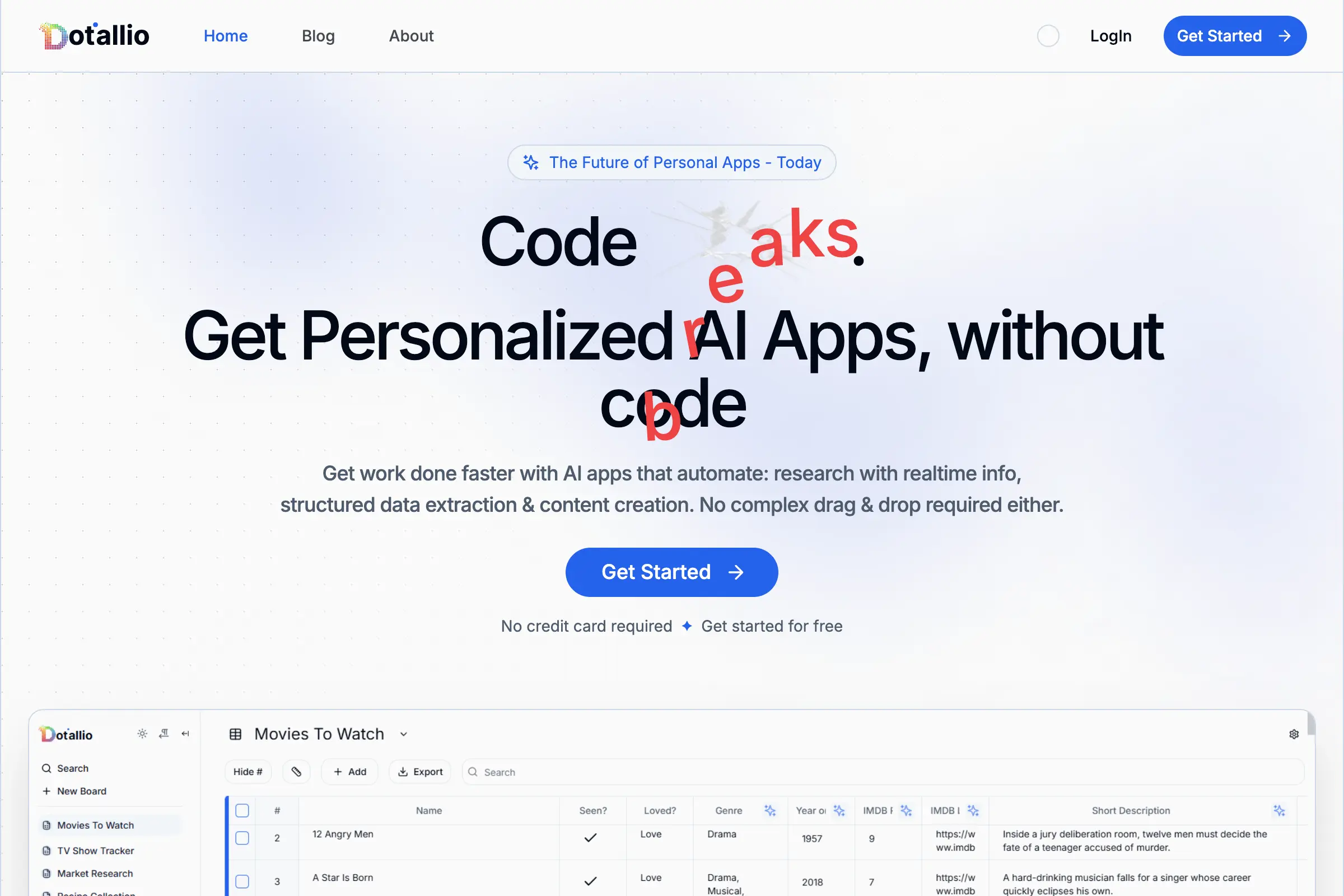
Dotallio
Personalized AI apps that automate research, data extraction, and content creation without code 🤖

Talk to Santa
Enjoy a magical live video chat or receive a unique AI-generated video greeting from Santa Claus 🎅

pozywka.pl
Scalable blog for food journalist, focused on performance and user experience 🌭
zagrodzki.me
Personal blog and portfolio of Bart Zagrodzki, where he shares his knowledge and work 💼
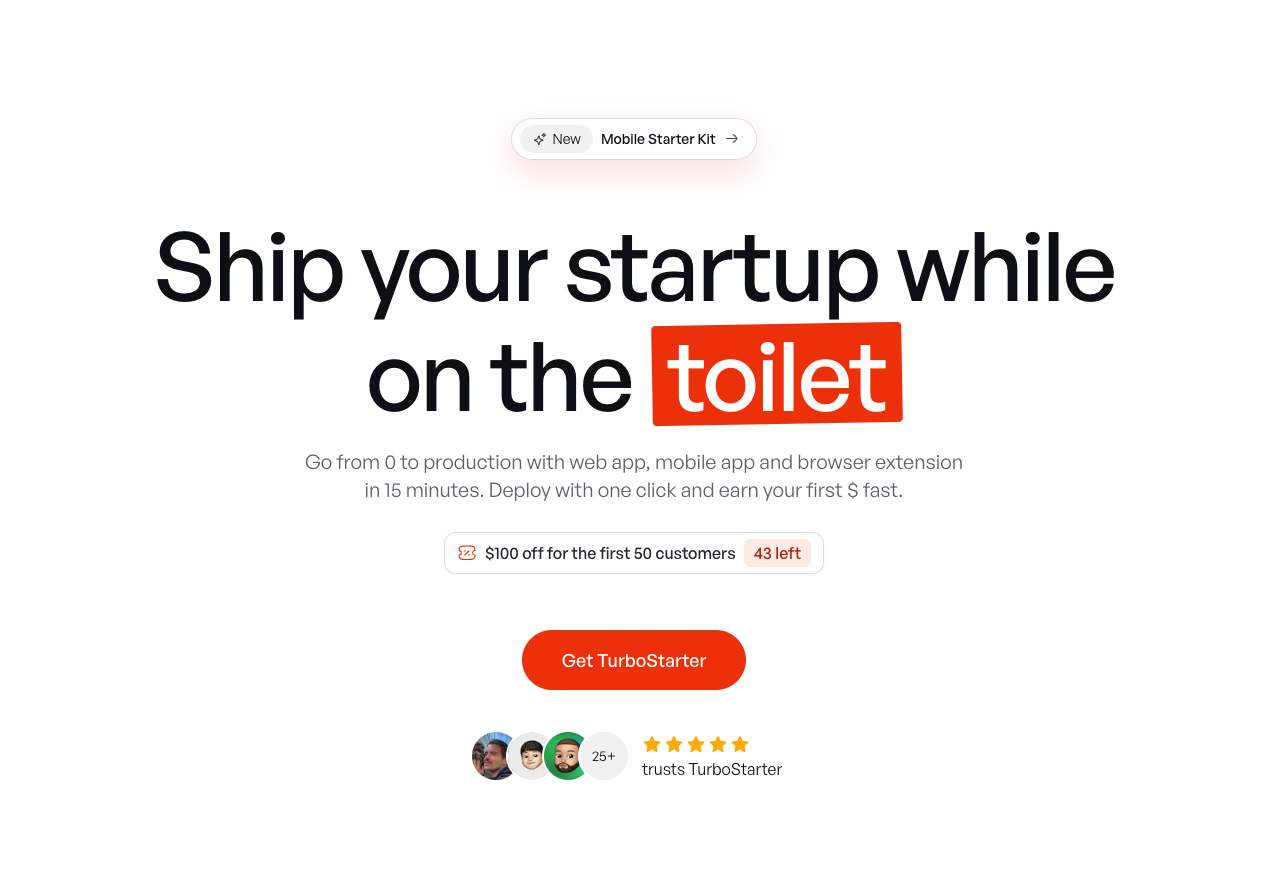
TurboStarter
Ship your startup everywhere. In minutes.
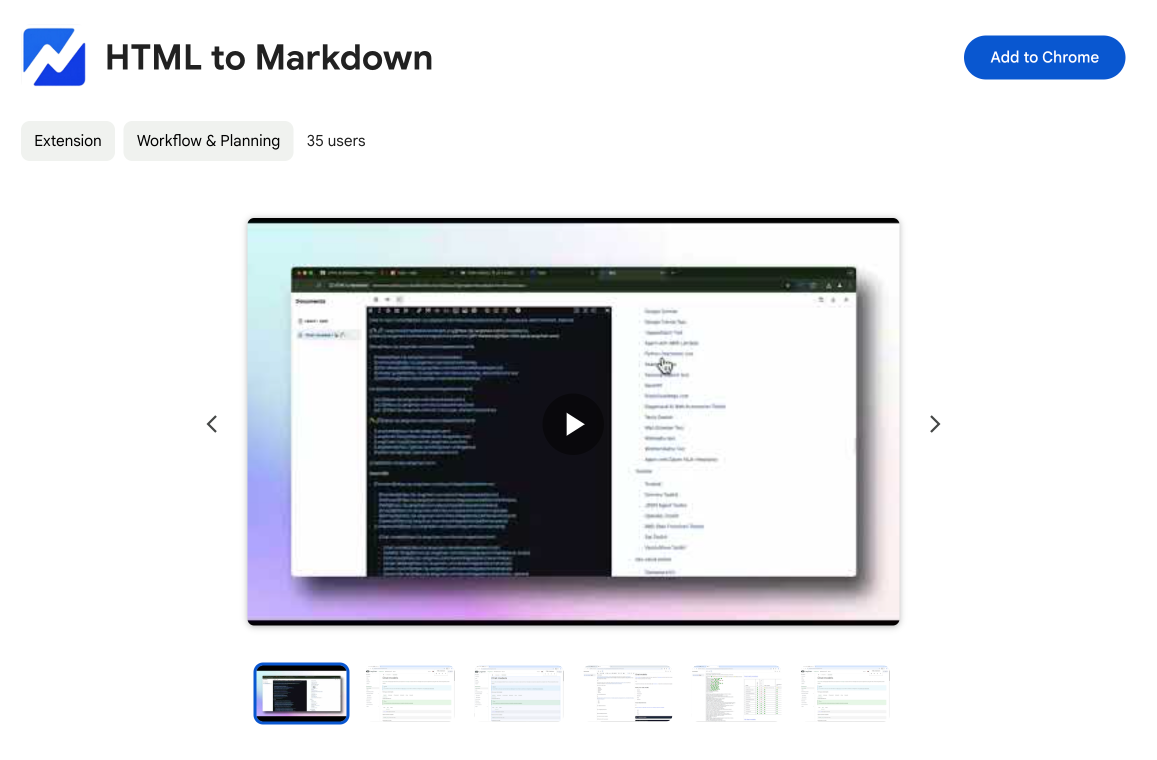
HTML to Markdown
Convert HTML to Markdown with ease, directly in your browser 📄
Dotallio
Personalized AI apps that automate research, data extraction, and content creation without code 🤖
Talk to Santa
Enjoy a magical live video chat or receive a unique AI-generated video greeting from Santa Claus 🎅
pozywka.pl
Scalable blog for food journalist, focused on performance and user experience 🌭
zagrodzki.me
Personal blog and portfolio of Bart Zagrodzki, where he shares his knowledge and work 💼
TurboStarter
Ship your startup everywhere. In minutes.
HTML to Markdown
Convert HTML to Markdown with ease, directly in your browser 📄
Dotallio
Personalized AI apps that automate research, data extraction, and content creation without code 🤖
Talk to Santa
Enjoy a magical live video chat or receive a unique AI-generated video greeting from Santa Claus 🎅
pozywka.pl
Scalable blog for food journalist, focused on performance and user experience 🌭
zagrodzki.me
Personal blog and portfolio of Bart Zagrodzki, where he shares his knowledge and work 💼
TurboStarter
Ship your startup everywhere. In minutes.
HTML to Markdown
Convert HTML to Markdown with ease, directly in your browser 📄
Dotallio
Personalized AI apps that automate research, data extraction, and content creation without code 🤖
Talk to Santa
Enjoy a magical live video chat or receive a unique AI-generated video greeting from Santa Claus 🎅
pozywka.pl
Scalable blog for food journalist, focused on performance and user experience 🌭
zagrodzki.me
Personal blog and portfolio of Bart Zagrodzki, where he shares his knowledge and work 💼
TurboStarter
Ship your startup everywhere. In minutes.
HTML to Markdown
Convert HTML to Markdown with ease, directly in your browser 📄
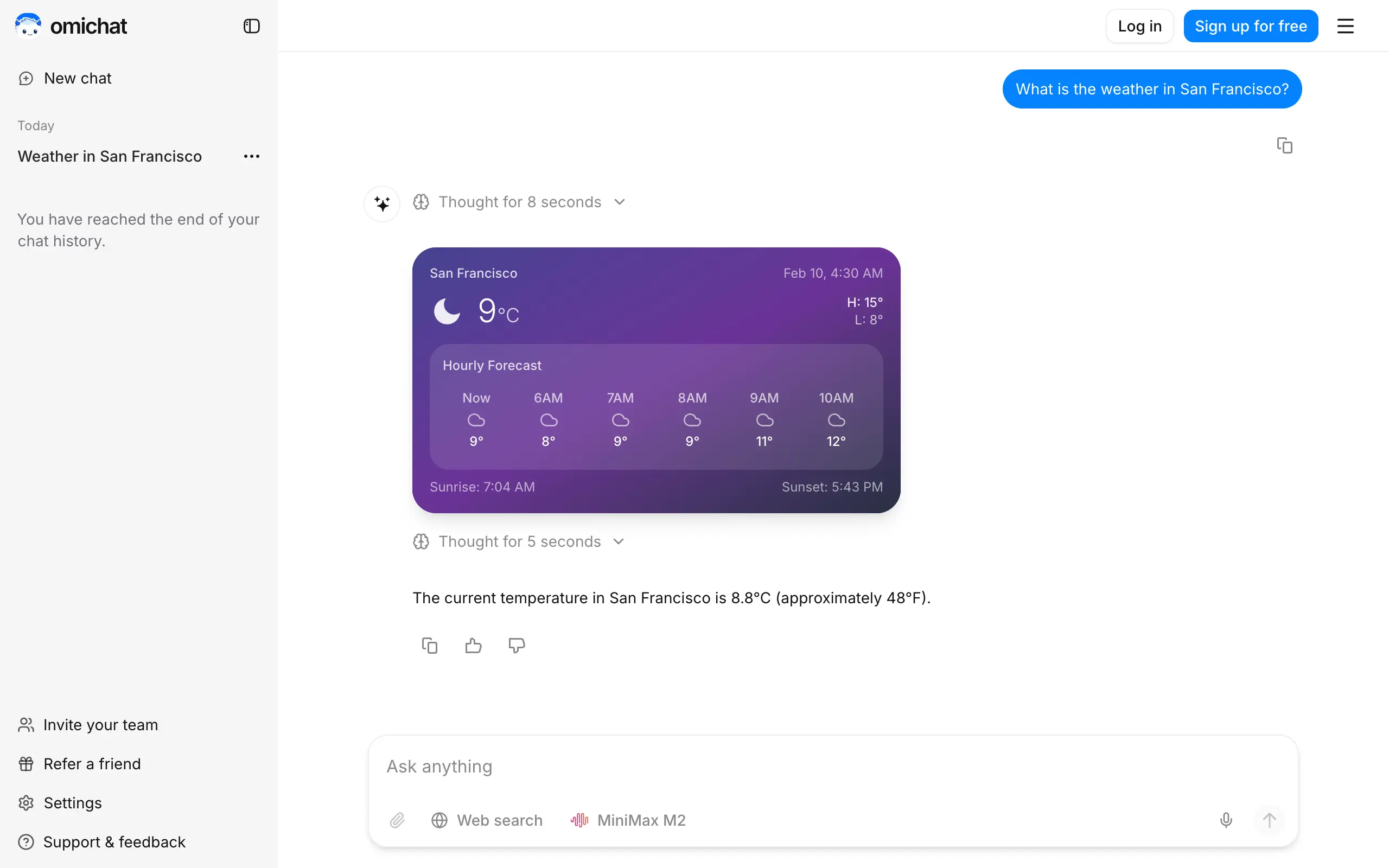
Omichat
Chat with 50+ AI models, including ChatGPT and Claude, in one place - switch models anytime without losing context 🤖
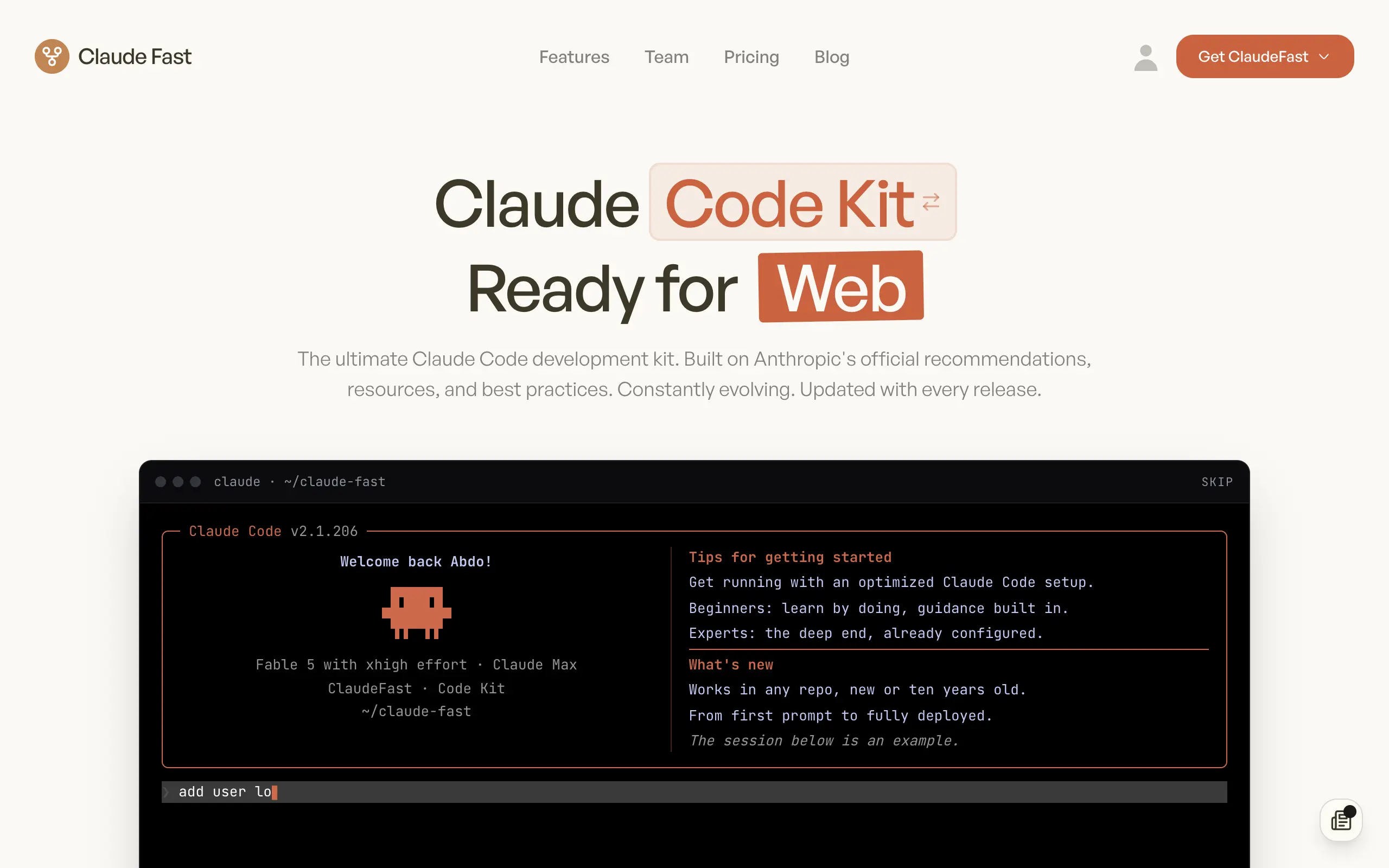
Claude Fast
Supercharge your Claude Code with 6x effective context window and specialized AI agents 🤖
EmojAI
AI-powered emoji picker with smart, context-aware suggestions 🤖

Solohacker
Autonomous company launcher - AI agents work 24/7, escalate what matters, and you stay in control 🤖
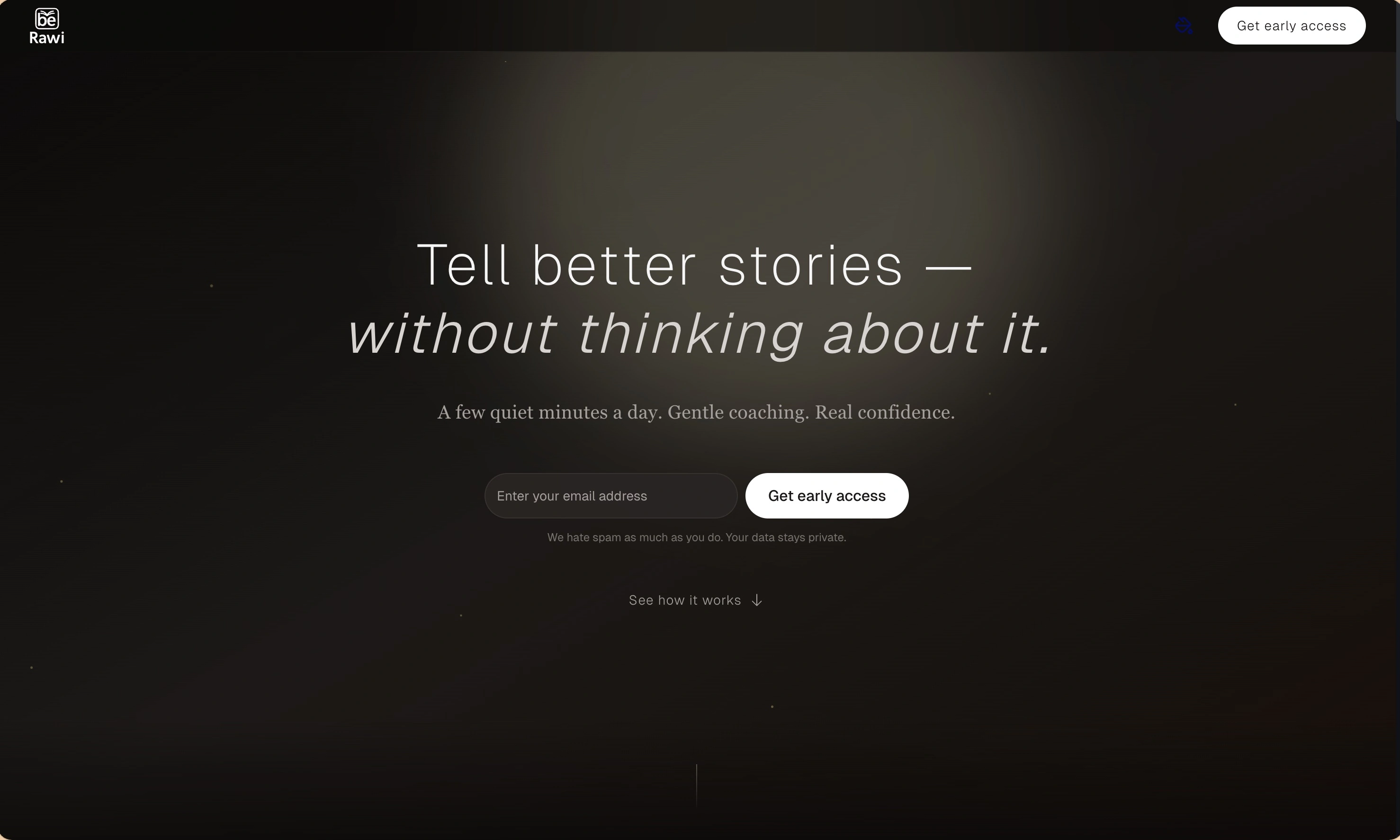
BeRawi: Storytelling Coach
Practice storytelling daily with instant feedback to sound clearer, more engaging, and confident 🎤
Omichat
Chat with 50+ AI models, including ChatGPT and Claude, in one place - switch models anytime without losing context 🤖
Claude Fast
Supercharge your Claude Code with 6x effective context window and specialized AI agents 🤖
EmojAI
AI-powered emoji picker with smart, context-aware suggestions 🤖
Solohacker
Autonomous company launcher - AI agents work 24/7, escalate what matters, and you stay in control 🤖
BeRawi: Storytelling Coach
Practice storytelling daily with instant feedback to sound clearer, more engaging, and confident 🎤
Omichat
Chat with 50+ AI models, including ChatGPT and Claude, in one place - switch models anytime without losing context 🤖
Claude Fast
Supercharge your Claude Code with 6x effective context window and specialized AI agents 🤖
EmojAI
AI-powered emoji picker with smart, context-aware suggestions 🤖
Solohacker
Autonomous company launcher - AI agents work 24/7, escalate what matters, and you stay in control 🤖
BeRawi: Storytelling Coach
Practice storytelling daily with instant feedback to sound clearer, more engaging, and confident 🎤
Omichat
Chat with 50+ AI models, including ChatGPT and Claude, in one place - switch models anytime without losing context 🤖
Claude Fast
Supercharge your Claude Code with 6x effective context window and specialized AI agents 🤖
EmojAI
AI-powered emoji picker with smart, context-aware suggestions 🤖
Solohacker
Autonomous company launcher - AI agents work 24/7, escalate what matters, and you stay in control 🤖
BeRawi: Storytelling Coach
Practice storytelling daily with instant feedback to sound clearer, more engaging, and confident 🎤

Connect with like-minded people
Join our community to get feedback, support, and grow together with 1,000+ builders on board, let's ship it!
Join usShip your startup everywhere. In minutes.
Don't burn tokens on setup and start building features on day one.