GlowGuard Consent
Turn treatment consultations into multilingual AI summaries, informed-consent drafts, and aftercare plans tailored to each med spa client.
Why AI med spa consent software is becoming essential
Medical spas operate at the intersection of client experience, clinical documentation, elective treatment sales, and safety. Every consultation can include a long discussion about goals, medical history, contraindications, expected outcomes, risks, treatment alternatives, consent requirements, recovery instructions, and product-specific aftercare.
That process is valuable, but it is also repetitive, difficult to standardize, and vulnerable to documentation gaps.
GlowGuard Consent is an AI med spa consent software concept designed to turn treatment consultations into structured multilingual summaries, informed-consent drafts, and personalized aftercare plans. The product is built for med spas that want to reduce administrative burden while making clinical communication clearer, more consistent, and easier for clients to understand.
The core opportunity is not to replace licensed clinical judgment. It is to help providers capture what happened during a consultation, organize it into reviewable documentation, and produce patient-friendly materials that can be approved by the responsible clinician before they are shared.
For owners, medical directors, injectors, aestheticians, and front-desk teams, the value proposition is straightforward:
- "Less documentation friction": convert consultation notes into useful drafts instead of starting every document from scratch.
- "More consistent consent workflows": use treatment-specific templates and required review steps across every location and provider.
- "Better client comprehension": provide materials in the client’s preferred language and at an appropriate reading level.
- "Stronger operational visibility": identify incomplete consents, unsigned documents, missing aftercare acknowledgments, and recurring treatment questions.
- "More scalable client care": deliver a premium, organized experience without requiring staff to manually rewrite the same instructions all day.
The primary keyword opportunity is AI med spa consent software, supported by related search terms such as medical spa informed consent software, multilingual consent forms, AI consultation summaries, med spa aftercare automation, treatment consent management, and patient documentation software.
The problem with traditional med spa consent workflows
Most med spas have some version of a consent process already. The problem is that the workflow is often fragmented across intake forms, paper packets, e-signature tools, practice management systems, shared folders, text messages, and provider memory.
A client may complete an intake form before arriving. During the appointment, the provider discusses goals and risks. A consent form may be presented on a tablet. After treatment, the client receives verbal instructions, a printed handout, an email, or sometimes nothing beyond a quick conversation at checkout.
This creates several operational and clinical challenges.
Consultation details are difficult to capture consistently
Providers are focused on the client, not typing. When documentation happens after the consultation, important context can be forgotten or summarized inconsistently.
Commonly missed details include:
- A client’s stated aesthetic goals
- Previous procedures and relevant treatment history
- Allergies, sensitivities, medications, or contraindication flags
- Treatment alternatives discussed
- Questions asked by the client
- Risks reviewed during the conversation
- Follow-up timing and escalation instructions
- The client’s preferred language
A structured AI consultation summary can help turn an approved transcript, dictated note, or provider-entered consultation outline into a clear record. The key is that the output should remain a draft for clinician review, not an autonomous medical record.
Generic consent forms do not feel personalized
A standard consent form can be legally and operationally useful, but it may not reflect the specific treatment plan discussed with the individual client.
For example, a client receiving lip filler, neuromodulator injections, microneedling, laser hair removal, chemical peels, or body contouring may need different information about expected side effects, recovery timelines, contraindications, and warning signs.
Personalization does not mean inventing clinical guidance. It means using approved treatment templates and clinician-selected variables to produce a document that accurately reflects the planned service.
Language barriers can undermine informed consent
A signature alone does not prove comprehension. If a client receives complex treatment information in a language they do not confidently read, the quality of informed consent becomes questionable from both an ethical and operational standpoint.
Multilingual med spa consent software can help clinics deliver approved forms and aftercare materials in the client’s preferred language. However, language support requires careful governance:
- Translations should be reviewed and maintained for high-volume treatments.
- The system should distinguish between machine-generated drafts and approved clinical translations.
- Clinics should document the language used and any interpreter support provided.
- The client must still have a genuine opportunity to ask questions before signing.
Aftercare instructions are often too generic or poorly timed
Aftercare is a critical part of the treatment experience. Yet many med spas rely on static PDFs, verbal instructions, or staff members manually sending messages after every appointment.
The result can be inconsistent. Clients may not know what symptoms are normal, what activities to avoid, when to use a prescribed or recommended product, or when to contact the clinic.
An AI-generated aftercare plan can make instructions more specific to the treatment, clinic protocol, and client circumstances while preserving clinician control over the final content.
Important clinical boundary
GlowGuard Consent should be positioned as a documentation, communication, and workflow platform. It should not diagnose, prescribe, determine treatment eligibility, or make unsupervised clinical decisions. Every consent draft and aftercare plan should follow approved protocols and clinician review rules.
Target audience for GlowGuard Consent
The strongest go-to-market strategy begins with focused customer segments rather than trying to sell to every healthcare organization at once.
GlowGuard Consent is best positioned for aesthetic practices with repeatable consultation workflows, treatment-specific documentation needs, and a high premium on client experience.
Independent med spas
Owner-led practices that need polished workflows without hiring more administrative staff.
Multi-location aesthetics groups
Growing organizations that need standardized consent and aftercare protocols across locations.
Injector-led practices
Nurse injectors and physician-led teams managing high volumes of treatment consultations and follow-ups.
Dermatology and plastic surgery clinics
Specialty practices that want an aesthetics-focused layer for elective treatment communication.
Primary buyer personas
The buyer is not always the daily user. Product messaging should address the concerns of both.
- "Med spa owner": wants fewer operational errors, better client retention, lower staff workload, and a premium brand experience.
- "Medical director": wants consistent documentation, controlled templates, clinical oversight, and audit-ready records.
- "Lead injector or provider": wants to spend more time with clients and less time rewriting notes and aftercare messages.
- "Practice manager": wants predictable workflows, fewer missing forms, easier staff onboarding, and clear reporting.
- "Front-desk coordinator": wants a simple way to send, track, and remind clients about incomplete consent steps.
- "Compliance advisor": wants role-based access, document versioning, retention controls, and a defensible approval process.
Ideal customer profile
The ideal early customer is likely a med spa with two to ten providers, a meaningful volume of injectable, laser, facial, or body-treatment appointments, and a willingness to invest in client experience technology.
These organizations often face the pain of scale before they have an enterprise operations team. They may already use an e-signature tool or practice management platform, but still rely heavily on manual messages, generic forms, and ad hoc staff processes.
That gap is where AI med spa consent software can win.
The market gap for multilingual informed consent automation
The med spa software market includes appointment scheduling, client relationship management, online booking, intake forms, payment processing, marketing automation, electronic health records, and point-of-sale functionality. Many platforms offer consent forms as a feature, but fewer focus deeply on the quality of consultation documentation and post-treatment communication.
GlowGuard Consent can occupy a more defined category:
A clinician-governed AI layer for turning aesthetic consultations into understandable, treatment-specific consent and aftercare workflows.
This category positioning is more defensible than simply calling the product “AI forms.” The solution is not just a document generator. It combines structured clinical templates, multilingual communication, e-signature workflows, review queues, safety guardrails, and client follow-up.
Where existing workflows fall short
| Workflow approach | Consultation summary | Multilingual drafts | Treatment-specific aftercare | Clinician review controls | Consent analytics |
|---|---|---|---|---|---|
| Paper forms | Limited | Limited | Limited | Manual | Limited |
| Generic e-signature tools | Limited | Sometimes | Limited | Basic | Basic |
| Practice management forms | Basic | Sometimes | Basic | Varies | Varies |
| AI med spa consent software | Strong | Strong | Strong | Strong | Strong |
The opportunity is especially compelling for practices that want to improve both compliance operations and hospitality. In aesthetic medicine, the client experience is not a secondary detail. It is a major driver of trust, referrals, repeat visits, treatment plan adherence, and reputation.
Trends supporting the opportunity
Several broader trends strengthen the case for GlowGuard Consent:
-
Consumer demand for personalized healthcare communication
Clients increasingly expect digital, mobile-friendly, understandable communication rather than dense paperwork handed to them at check-in. -
Increased adoption of AI documentation tools
AI-assisted summarization is becoming familiar across healthcare and professional services. The winning products will pair speed with clear human review and strong data controls. -
Growth in multilingual service expectations
Diverse client populations require more accessible communication. Clinics that can offer high-quality language support can improve both trust and market reach. -
Higher scrutiny of privacy and data handling
Healthcare-adjacent businesses must carefully assess privacy obligations, vendor contracts, access controls, and retention practices. For U.S. organizations, product teams should consult authoritative guidance from the HHS Office for Civil Rights and qualified legal counsel. -
Demand for operational standardization across locations
Multi-location aesthetic groups need medical directors to maintain approved protocols while local teams move quickly.
Avoid presenting unsupported market-size claims in early sales content. When publishing a market report, cite a named research provider, state the report date, define the geography, and separate broad aesthetics-market figures from the narrower consent-management software category.
What GlowGuard Consent should include in its core product
A strong minimum viable product should solve one complete, high-value workflow exceptionally well. For GlowGuard Consent, that workflow is:
Consultation input → AI-generated clinician draft → review and edits → e-signature → personalized aftercare → follow-up tracking.
Consultation capture and structured AI summaries
The product should accept several forms of input:
- Provider dictation after a consultation
- Structured provider notes
- Client intake responses
- Approved audio transcription, where legally permitted and with appropriate client notice and consent
- Treatment selections from the practice workflow
- Medical history and contraindication flags from integrated systems
The AI should then generate a concise, structured summary. The summary should clearly distinguish between client-reported information, provider-entered clinical observations, treatment education provided, planned treatment, and follow-up instructions.
A useful summary format could include:
- "Client goals": desired outcomes and concerns in the client’s own terms
- "Relevant history": provider-approved summary of intake information
- "Treatment discussed": selected procedure, area, and planned approach
- "Risks and alternatives reviewed": approved template sections confirmed by the provider
- "Questions and answers": notable client questions and documented responses
- "Next steps": treatment date, aftercare requirements, and follow-up plan
The system should never imply that a risk was discussed unless the provider confirms it. This is a crucial product design principle. AI can organize information, but it should not fabricate the clinical events that create a valid consent record.
Treatment-specific informed consent drafts
The informed-consent builder should use version-controlled templates created or approved by the clinic’s medical director and legal advisors.
Each template can contain:
- Procedure description
- Intended benefits and realistic limitations
- Common and material risks
- Contraindications and screening requirements
- Treatment alternatives
- Pre-treatment instructions
- Post-treatment instructions
- Acknowledgment statements
- Signature blocks
- Provider attestation
- Interpreter or language acknowledgment when applicable
AI personalization should be constrained to approved fields. For example, it may insert the procedure, treatment area, clinician name, appointment date, selected language, and client-specific non-clinical notes. It should not modify the core risk language without authorized template controls.
Multilingual consent and aftercare delivery
Multilingual support is one of GlowGuard Consent’s strongest differentiators. The product should make language accessibility a first-class workflow, not an afterthought.
Key capabilities should include:
- Client language preference captured during intake
- Approved translated templates for high-volume services
- Side-by-side original and translated documents for internal review
- Plain-language versions where clinically appropriate
- Readability guidance for client-facing aftercare
- Documentation of language selection and interpreter involvement
- Provider alerts when a translation is unavailable or requires review
An early launch should focus on a limited group of clinically reviewed languages based on customer demand rather than attempting every language immediately. Quality matters more than a large language count.
Dynamic aftercare plans
The aftercare module should create personalized, mobile-friendly plans based on the treatment, clinic protocol, and provider selections.
For a treatment such as laser resurfacing, a plan may include approved instructions covering cleansing, sun protection, makeup restrictions, expected redness, and escalation signs. For injectables, it may include activity restrictions, expected swelling, product-specific considerations, and follow-up guidance.
Useful features include:
- Immediate post-treatment instructions
- Time-based reminders
- “What is normal” guidance approved by the clinic
- “Contact us now” escalation guidance
- Photo upload requests only when supported by appropriate privacy workflows
- Follow-up check-in forms
- Internal alerts for reported concerns
The product should avoid diagnosing a complication. Instead, it can route messages based on clinic-approved triage rules, such as notifying the appropriate provider when a client selects certain concern categories.
Review, approval, and audit controls
The compliance layer is central to the product’s value. The platform should include:
- Provider review before finalization
- Required fields and completion checks
- Document version history
- E-signature timestamping
- User activity logs
- Role-based permissions
- Medical director template approval
- Location-specific protocol controls
- Client access to signed documents
- Retention and export settings
The AI should generate drafts from approved templates, organize provider-entered consultation details, simplify language where authorized, and prepare aftercare communications. It should not independently decide whether a client is eligible for treatment, select a treatment plan, add undocumented risks, or provide emergency medical advice.
Only as an optional workflow with explicit consent, legal review, clear notice requirements, secure storage, and customer-configured retention policies. A safer MVP may begin with typed notes and provider dictation rather than recording live client conversations.
No. Digital consent supports documentation, but informed consent remains a communication process. The provider must ensure that the client has an opportunity to understand information, ask questions, and make a voluntary decision.
Building a safe AI workflow for medical spa documentation
The AI design should be conservative by default. In a healthcare-adjacent use case, the product’s long-term reputation will depend more on accuracy, traceability, and governance than on flashy generation.
Use retrieval and templates instead of open-ended generation
A generic large language model prompt is not enough. GlowGuard Consent should rely on a controlled content architecture:
- Store approved procedure templates and aftercare protocols in a versioned knowledge base.
- Retrieve only the materials relevant to the selected treatment and location.
- Pass structured client and consultation data into the generation request.
- Generate output within a strict schema.
- Require human review before signature or delivery.
- Preserve the template version and source data used to create the final document.
This retrieval-augmented approach reduces the risk that the model will introduce unapproved recommendations or omit essential sections.
Add safety checks before a draft reaches the provider
Automated checks can identify missing information without making medical decisions.
Examples include:
- No treatment selected
- No provider assigned
- Consent template is outdated
- Client language preference is missing
- Required acknowledgment has not been completed
- A contraindication flag requires provider review
- A translated document has not been approved
- The aftercare plan does not match the selected procedure
A system-generated warning should be framed as a workflow flag, not a diagnosis or treatment recommendation.
Make provenance visible
Trust increases when providers can see where a statement came from. Each AI summary section should be traceable to one of the following:
- Client intake response
- Provider-entered note
- Approved template language
- Clinic-approved aftercare protocol
- Manually added provider text
This creates a practical review experience. A provider should not have to guess whether a sentence came from an intake questionnaire, an old note, or model-generated text.
Recommended tech stack for an AI med spa consent platform
The right stack should support a fast initial release while leaving room for enterprise security, integrations, and workflow complexity.
Application layer
A modern TypeScript stack is a practical choice for the first version.
- "Frontend": React for component-driven interfaces and mature ecosystem support.
- "Full-stack framework": Next.js for server-side rendering, API routes, authentication patterns, and production-ready deployment workflows.
- "Styling": Tailwind CSS for a consistent design system and rapid interface development.
- "Type safety": TypeScript to reduce integration and data-model errors.
- "Database": PostgreSQL for relational data, audit logs, document metadata, permissions, and reporting.
- "ORM": Prisma for typed database access and schema migrations.
For a SaaS founder, starting from TurboStarter can accelerate foundational work such as authentication, billing, user management, and application structure. That allows the product team to spend more time on the differentiated consent workflow.
AI and document generation layer
The system should separate AI orchestration from core clinical and document logic.
A sensible architecture includes:
- A provider abstraction layer that can support multiple model vendors
- Structured JSON outputs validated against schemas
- Prompt and template versioning
- Retrieval from approved clinic knowledge bases
- Background jobs for document generation and reminders
- Human review queues
- PDF rendering for signed document preservation
- Email and SMS integrations for delivery, subject to customer consent and communication rules
The trade-off is clear. A flexible multi-model architecture takes more engineering effort than directly calling one AI API, but it reduces vendor lock-in and helps customers with different security or regional requirements.
Security and privacy architecture
Healthcare data handling should be treated as a product capability, not a legal checkbox.
Core controls should include:
- Encryption in transit and at rest
- Tenant isolation
- Role-based access control
- Multi-factor authentication for administrative roles
- Immutable or tamper-evident audit logs
- Data retention controls
- Secure backups and restoration testing
- Vendor security reviews
- Incident response procedures
- Access logging and anomaly monitoring
- Configurable data processing settings
The exact compliance obligations depend on jurisdiction, business role, integrations, and data flows. U.S. customers may require a Business Associate Agreement where applicable. Product messaging should avoid claiming “HIPAA compliant” as a blanket statement unless the company has documented controls, contract processes, and an ongoing compliance program to support that claim.
Monetization strategy for GlowGuard Consent
The best pricing model should align with how med spas perceive value: reduced staff time, more complete documentation, improved client experience, and scalable compliance workflows.
Recommended pricing structure
A tiered subscription with usage-based AI allowances is likely the best fit.
| Plan | Best for | Suggested pricing logic | Key inclusions | Upgrade trigger |
|---|---|---|---|---|
| Starter | Solo providers | Monthly base fee | Consent templates, e-signatures, basic aftercare | More consultations |
| Growth | Small med spas | Per-location fee | AI summaries, multilingual drafts, automation | More providers or languages |
| Scale | Multi-location groups | Custom annual contract | Advanced roles, analytics, template governance | Centralized operations |
| Enterprise | Large clinic networks | Custom contract | SSO, custom integrations, security review | Complex compliance needs |
Use pricing research with real design partners before publishing final numbers. Med spas vary widely in appointment volume and software budgets, so early packaging should emphasize outcomes rather than arbitrary feature gates.
Potential revenue streams
- Monthly or annual software subscriptions
- Per-location platform fees
- Usage-based AI document generation beyond included limits
- Premium multilingual template packs
- Paid implementation and workflow configuration
- Custom integrations with practice management platforms
- Medical director template governance tools
- White-label client portal options for larger groups
- Enterprise support and security packages
Avoid charging per signature if possible. Clinics may perceive a per-signature fee as a penalty for good documentation practices. Pricing tied to locations, providers, or consultation volume is easier to forecast and explain.
Competitive advantage and defensibility
GlowGuard Consent should not try to compete head-on with every practice management system. Its advantage comes from becoming the trusted workflow layer between the consultation, the signed consent, and the client’s aftercare journey.
The GlowGuard Consent USP
GlowGuard Consent helps aesthetic providers transform consultations into clinician-reviewed, multilingual consent and aftercare workflows without sacrificing control, consistency, or client understanding.
That is more specific than generic AI note-taking and more valuable than a simple digital form builder.
Competitive moats to build over time
-
Specialized treatment template library
Build a clinically governed library for common aesthetic treatments, with versioning and customizable clinic policies. -
Multilingual quality system
Create an approval workflow for translations, terminology, reading level, and clinic-specific wording. -
Workflow intelligence
Learn where consent processes break down, such as unsigned forms, recurring questions, delayed follow-ups, and treatment-specific confusion. -
Deep practice integrations
Integrate with scheduling, intake, CRM, e-signature, and electronic record systems to make GlowGuard part of the daily workflow. -
Trust and auditability
Maintain a clear record of template versions, AI drafts, edits, approvals, signatures, and delivery events. -
Brandable client experience
Enable clinics to offer polished, mobile-first consent and aftercare under their own brand.
The product should not claim that AI itself is the moat. Models change quickly. The durable advantage comes from proprietary workflow data, approved template systems, integrations, security posture, and customer trust.
Risks and how to mitigate them
A thoughtful risk strategy will make GlowGuard Consent more credible to customers, investors, and clinical advisors.
Clinical accuracy risk
AI can summarize inaccurately, omit key facts, or phrase information too confidently.
Mitigation should include:
- Mandatory clinician review before finalization
- Constrained generation from approved source content
- Schema validation and required sections
- Clear AI-draft labeling
- Template governance by medical directors
- Quality audits of generated outputs
- Feedback loops for providers to flag poor drafts
Regulatory and legal risk
Consent rules differ by jurisdiction, treatment type, provider licensure, and organizational structure. A one-size-fits-all legal template is unsafe.
Mitigation should include:
- Jurisdiction-aware template management
- Customer responsibility disclosures for legal review
- Configurable state or country templates
- Partnerships with qualified healthcare counsel
- Clear distinction between software functionality and legal advice
- Strong document versioning and retention tools
Privacy and security risk
The platform may process sensitive personal information, consultation details, images, and signed documents.
Mitigation should include:
- Privacy-by-design architecture
- Least-privilege access
- Encryption and audit logs
- Formal vendor assessment processes
- Data processing agreements where relevant
- Secure deletion and retention controls
- Regular penetration testing and incident response drills
Adoption risk
Providers may distrust AI, fear extra workflow steps, or worry that generated documents will create more work.
Mitigation should include:
- Start with a narrow, high-confidence workflow
- Keep edits fast and transparent
- Show source provenance for AI-generated text
- Measure time saved per consultation
- Offer white-glove template migration
- Create role-specific onboarding for providers and staff
Integration risk
Practice management systems may have limited APIs, inconsistent data models, or changing integration policies.
Mitigation should include:
- Launch with CSV import, secure links, and manual workflows where needed
- Prioritize integrations based on customer concentration
- Build a stable internal integration layer
- Avoid making the product dependent on a single external platform
- Maintain clear fallback processes when data synchronization fails
A practical MVP roadmap
The first release should be narrow enough to validate real demand, yet complete enough that a med spa can use it in production.
Define one initial treatment category, such as injectable consultations or laser treatments, and recruit five to ten design-partner clinics with similar workflows.
Create medically reviewed, version-controlled consent and aftercare templates with clear customization boundaries.
Build consultation intake, provider notes, AI summary drafts, review screens, e-signature delivery, and secure document storage.
Add a small set of approved languages based on design-partner demand, with a clear translation review process.
Measure completion rates, provider editing time, unsigned-consent rates, client satisfaction, and support requests before expanding treatment categories.
First 90-day implementation priorities
A disciplined product team can use the first 90 days to validate the highest-risk assumptions.
Days 1 through 30
- Interview med spa owners, medical directors, injectors, and practice managers.
- Map the existing consultation-to-aftercare workflow.
- Collect anonymized template examples through appropriate agreements.
- Identify the top three treatment categories by volume and documentation burden.
- Define the initial data model and role permissions.
- Establish clinical, legal, privacy, and security advisory support.
Days 31 through 60
- Build the provider workspace and client-facing document flow.
- Implement template versioning and review queues.
- Develop structured AI outputs rather than free-form text generation.
- Add audit logs and basic reporting.
- Pilot one consent and one aftercare workflow internally with synthetic data.
Days 61 through 90
- Run a supervised pilot with design partners.
- Compare generated drafts against provider-written documentation.
- Track how often providers edit, reject, or approve outputs.
- Identify failure modes and tighten prompts, templates, and validation rules.
- Test client comprehension and completion on mobile devices.
- Prepare a case study based on documented workflow outcomes, not vague AI claims.
Do not skip validation
The most important MVP metric is not the number of documents generated. It is whether providers can safely review and approve drafts faster while clients receive clearer, more complete information. Quality, traceability, and adoption should come before automation volume.
How to market an AI med spa consent software platform
The most effective marketing strategy should combine high-intent SEO, educational authority, clinical credibility, and direct partnerships.
SEO content opportunities
GlowGuard Consent can build topical authority around questions that med spa operators actively search for:
- AI med spa consent software
- Digital consent forms for med spas
- Medical spa informed consent checklist
- Multilingual consent forms for aesthetic clinics
- Med spa aftercare automation
- How to document aesthetic consultations
- Injectable consent form workflow
- Laser treatment aftercare software
- Client communication tools for med spas
- How to improve informed consent in aesthetic medicine
Helpful content formats include:
- Treatment-specific consent checklists
- Guides to multilingual client communication
- Documentation workflow templates
- Before-and-after comparisons of manual versus digital processes
- Medical director interviews
- Compliance-oriented implementation guides
- Product comparisons framed around workflow needs rather than unsupported claims
Every medical, legal, or compliance-oriented article should be reviewed by qualified experts before publication. Add author credentials, publication dates, update dates, citations, and a transparent editorial policy to strengthen E-E-A-T signals.
Partnership channels
Potential distribution partners include:
- Medical spa consultants
- Aesthetic training organizations
- Healthcare compliance advisors
- Medical directors serving multiple clinics
- Practice management consultants
- E-signature and patient-engagement vendors
- Aesthetic industry events and communities
The sales motion should begin consultatively. Ask prospects where their consent workflow fails today, then show how GlowGuard Consent can fit around their existing systems.
Final recommendation
GlowGuard Consent has a strong SaaS opportunity because it addresses a real and growing operational need: helping med spas provide clearer, more consistent, and more accessible treatment communication without asking clinical teams to spend hours on repetitive documentation.
The concept is especially compelling when positioned as clinician-governed AI med spa consent software, not as an autonomous medical decision-maker. Its strongest differentiators are multilingual consent support, treatment-specific aftercare, structured consultation summaries, rigorous review controls, and auditable workflow design.
The path to success is to start narrow. Choose a limited set of high-volume treatments, build trusted templates with clinical advisors, require provider approval, and prove that the platform improves both staff efficiency and client understanding.
Once that workflow is validated, GlowGuard Consent can expand into multi-location governance, deeper integrations, client follow-up automation, analytics, and a defensible template ecosystem for aesthetic medicine.
More 🤖 AI Startup SaaS ideas
Discover more innovative ai startup SaaS ideas that are trending in 2026. Each idea is AI-generated with market validation and growth potential to help you find your next profitable venture faster than competitors.
Your competitors are building with TurboStarter
Below are some of the SaaS ideas that have been generated and built with our starter kit.
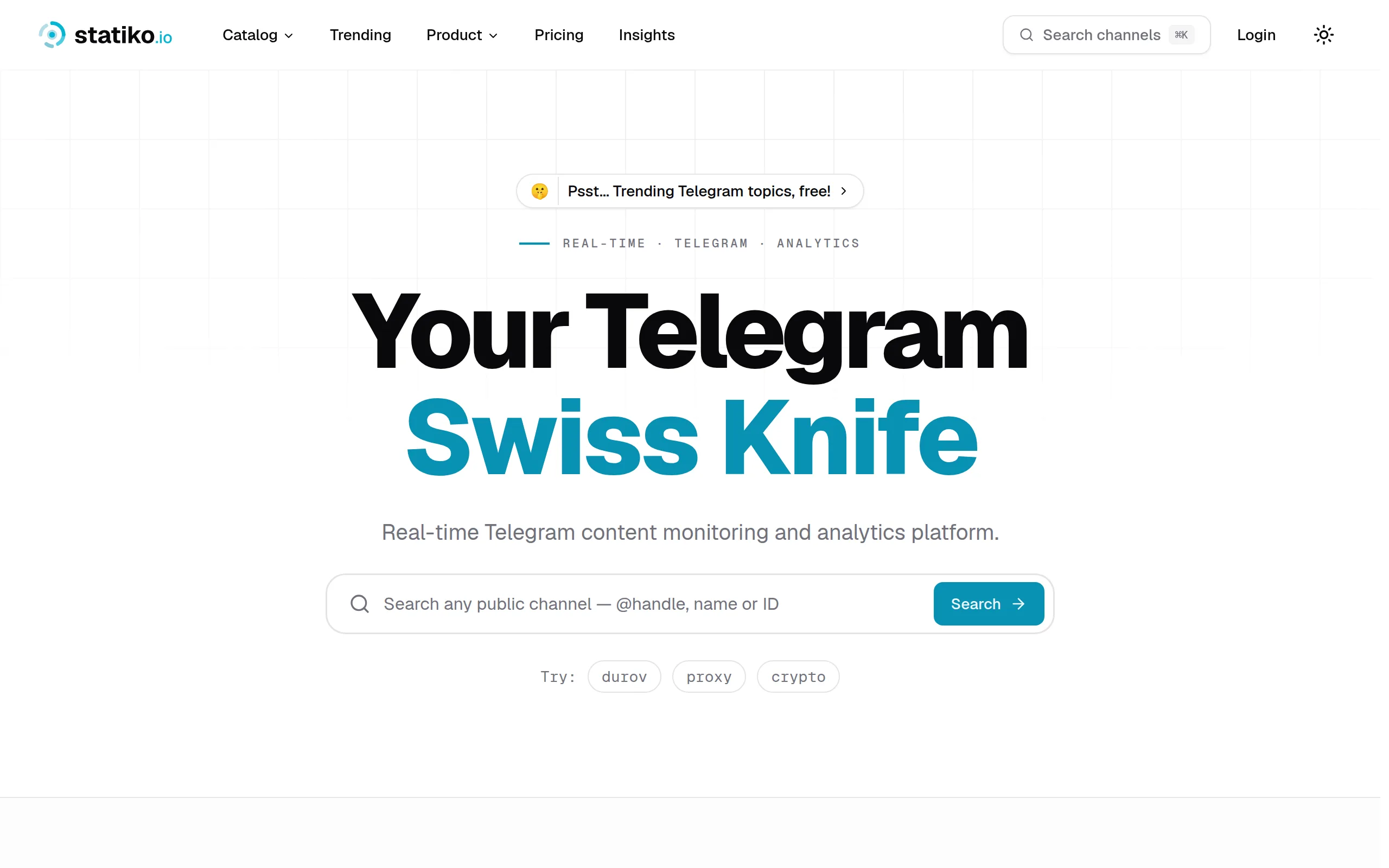
Statiko
Monitor any Telegram channel in real time - track posts, edits, deletions, and growth with AI recaps 📡
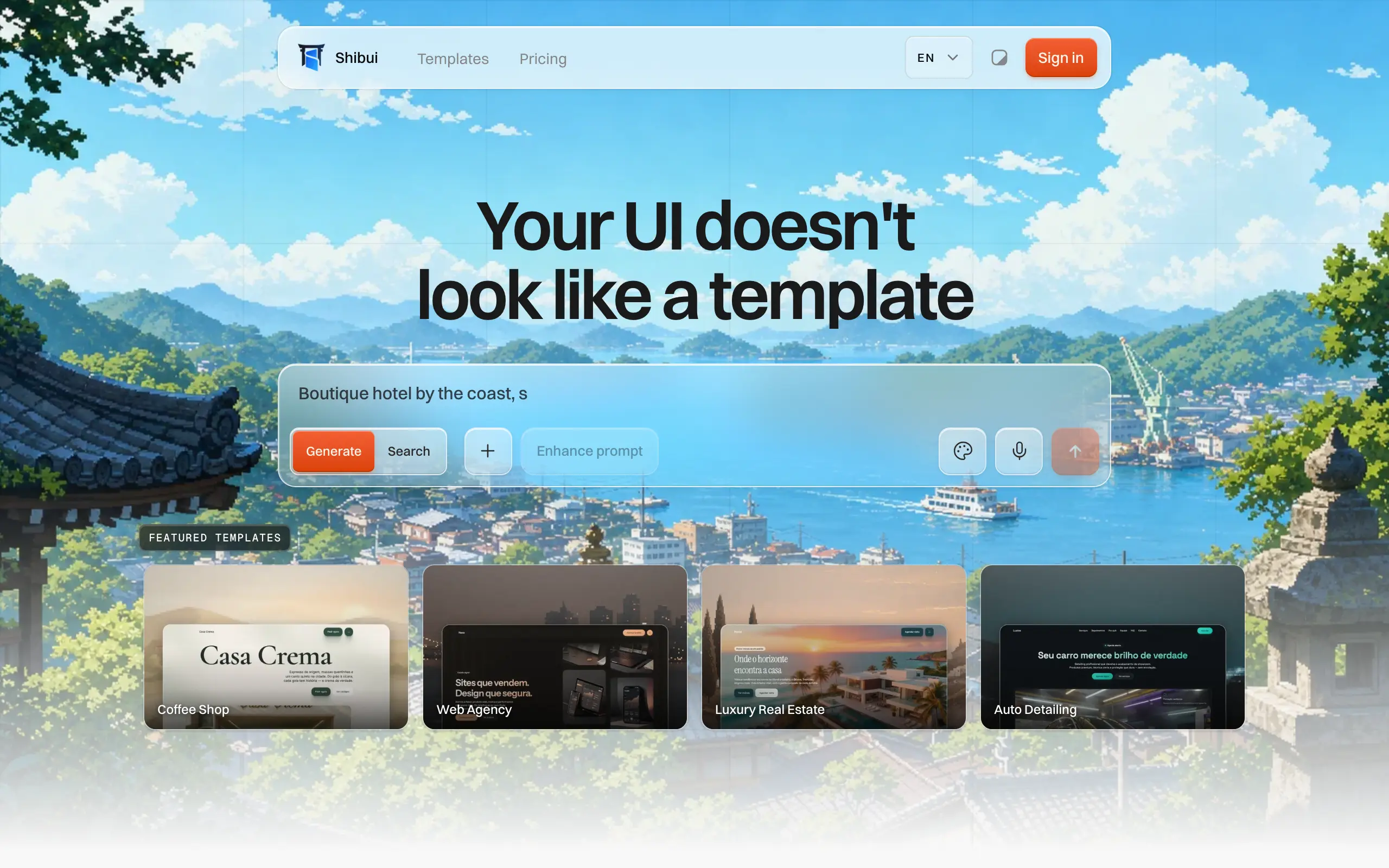
Shibui
AI website builder - describe your business, pick a niche template, edit by chatting, and publish instantly ✨
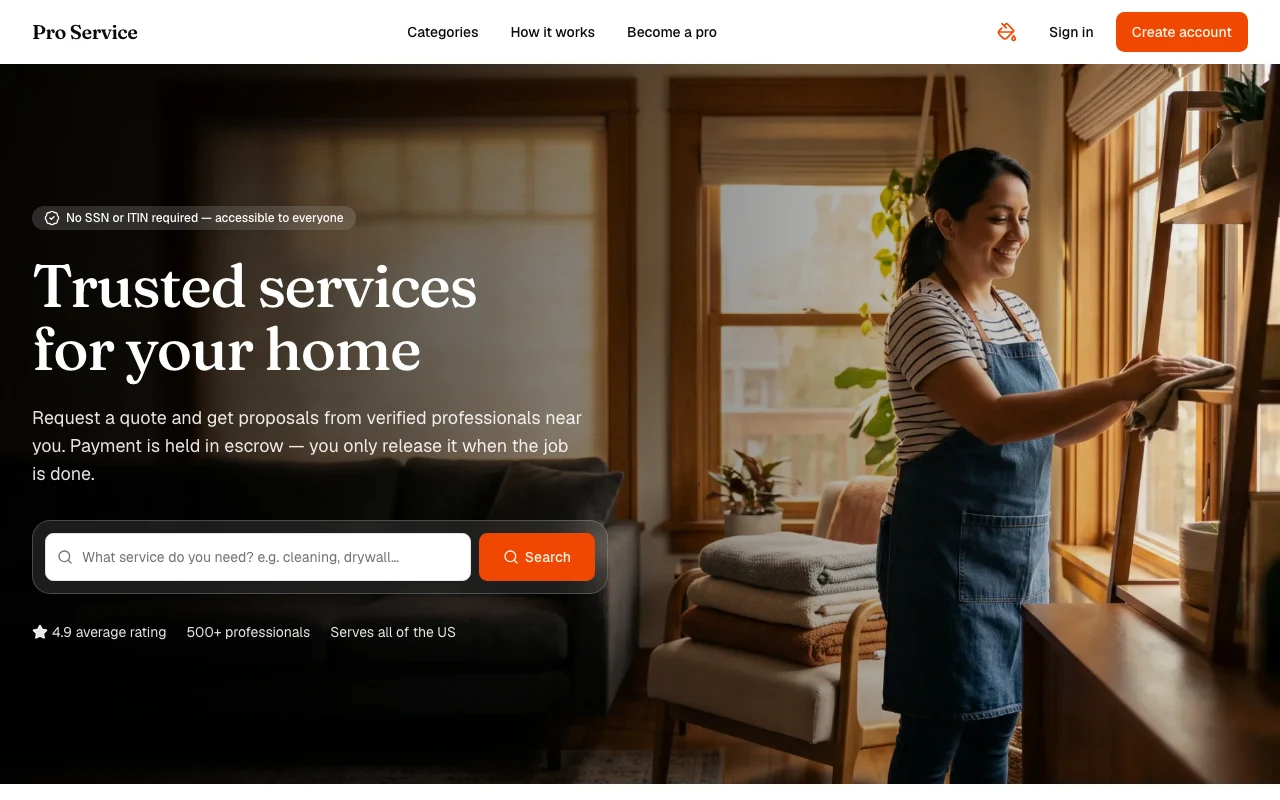
Pro Service
Find verified home service professionals, compare quotes, and pay securely through escrow - built for Brazilians across the US 🏠
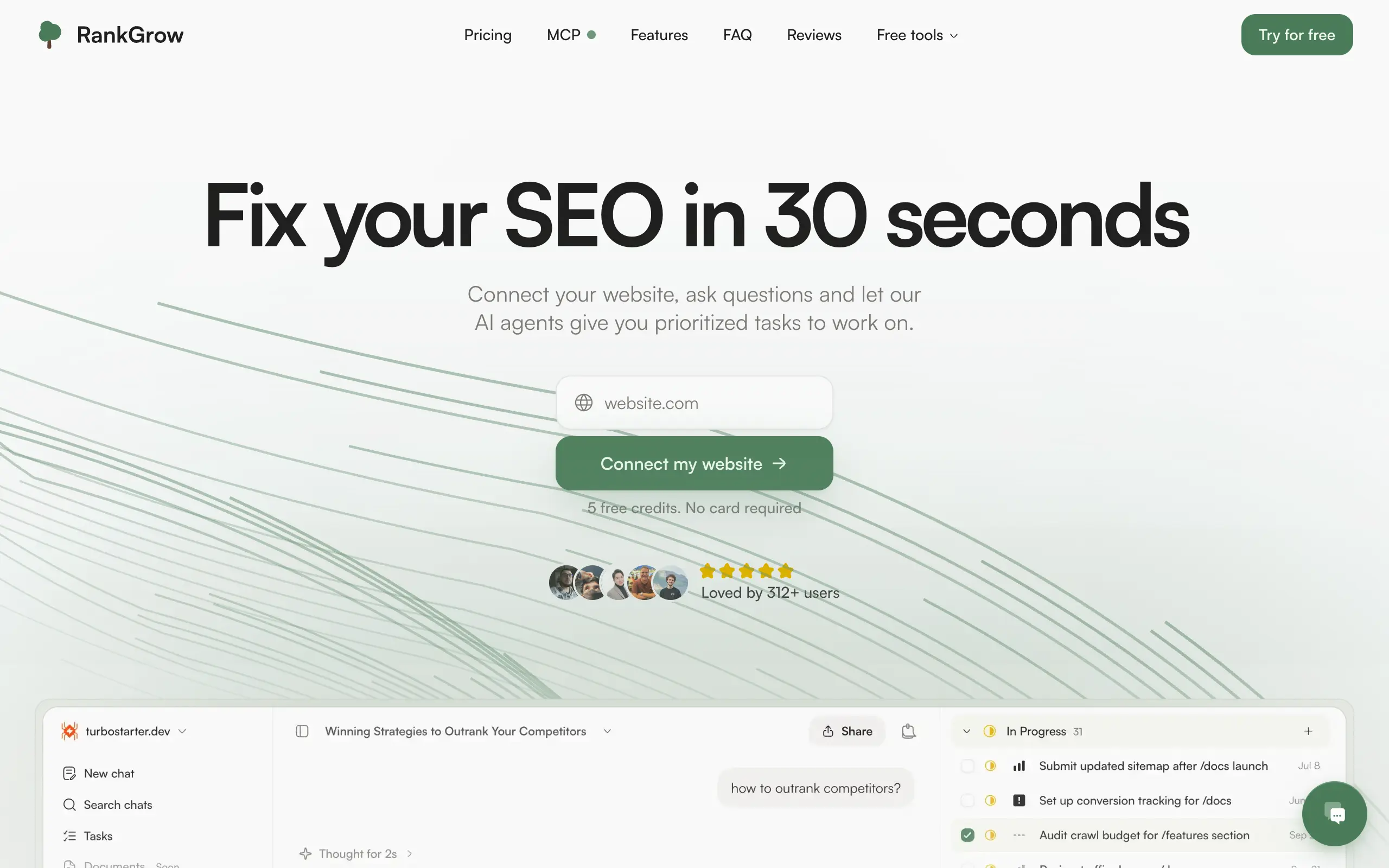
RankGrow
Fix your SEO with AI agents - connect Search Console, get prioritized tasks, and grow organic traffic 📈
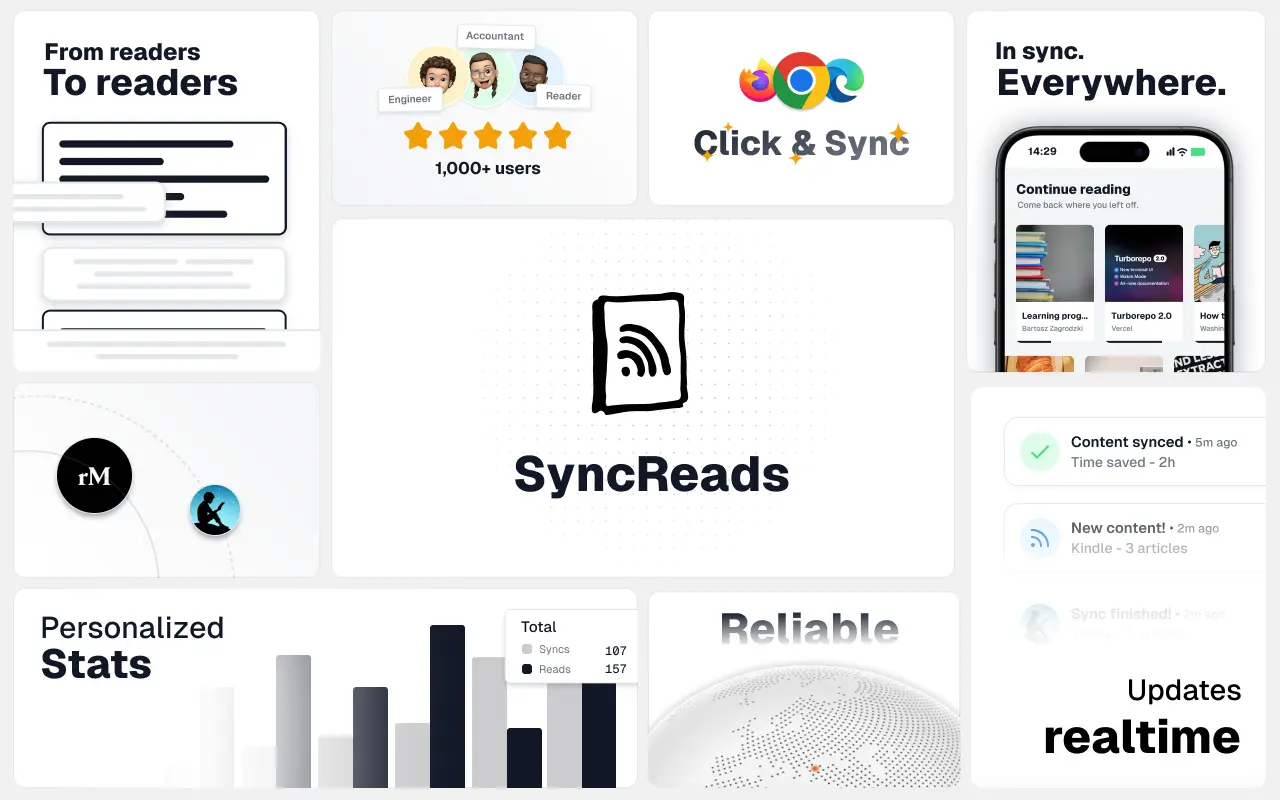
SyncReads
Sync your favorite content for distraction-free reading, save time and replace multiple apps. Anytime, anywhere 🔄
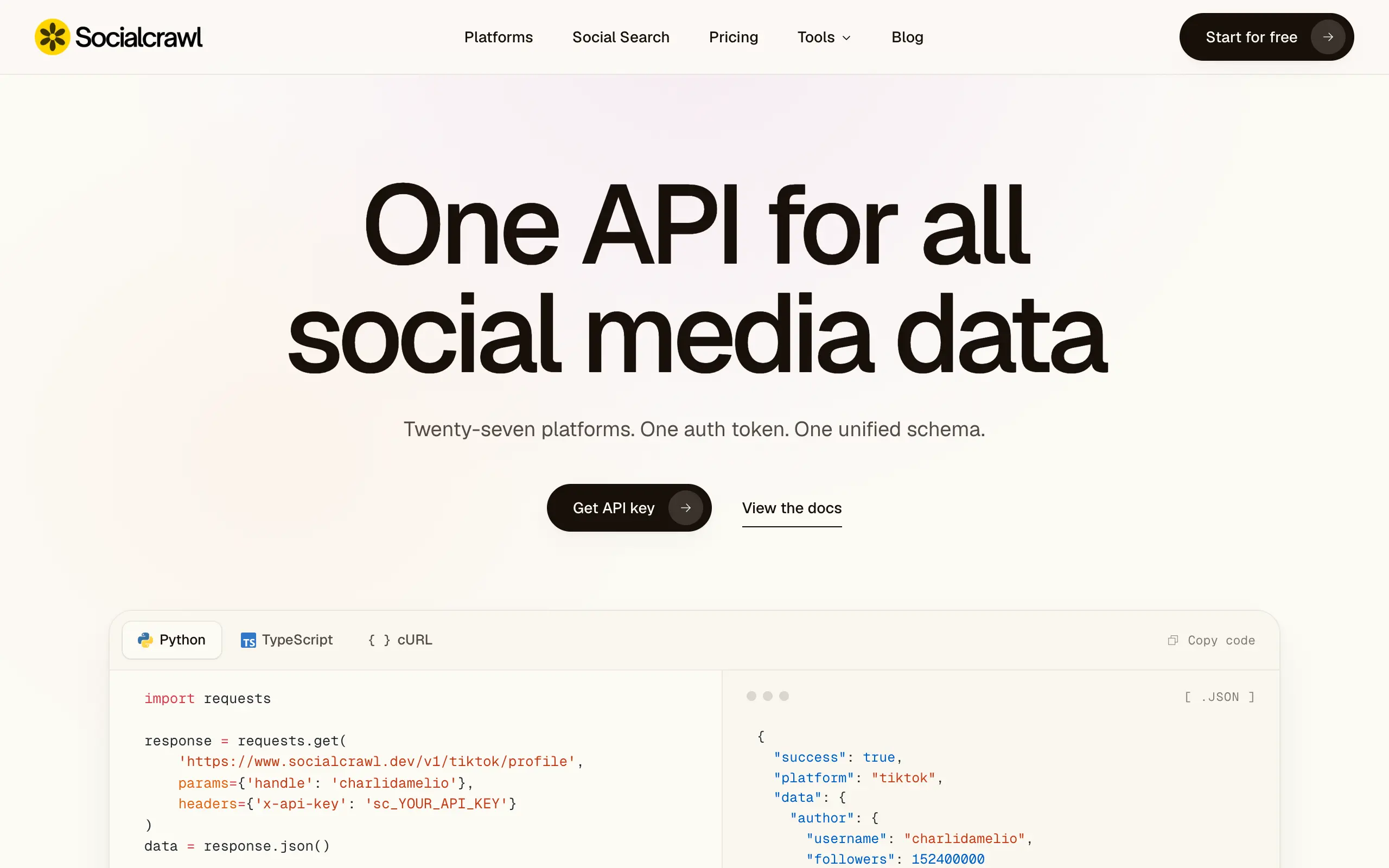
Socialcrawl
Get clean, structured data from 21 platforms like TikTok, Instagram, and YouTube with a single request 📊
Statiko
Monitor any Telegram channel in real time - track posts, edits, deletions, and growth with AI recaps 📡
Shibui
AI website builder - describe your business, pick a niche template, edit by chatting, and publish instantly ✨
Pro Service
Find verified home service professionals, compare quotes, and pay securely through escrow - built for Brazilians across the US 🏠
RankGrow
Fix your SEO with AI agents - connect Search Console, get prioritized tasks, and grow organic traffic 📈
SyncReads
Sync your favorite content for distraction-free reading, save time and replace multiple apps. Anytime, anywhere 🔄
Socialcrawl
Get clean, structured data from 21 platforms like TikTok, Instagram, and YouTube with a single request 📊
Statiko
Monitor any Telegram channel in real time - track posts, edits, deletions, and growth with AI recaps 📡
Shibui
AI website builder - describe your business, pick a niche template, edit by chatting, and publish instantly ✨
Pro Service
Find verified home service professionals, compare quotes, and pay securely through escrow - built for Brazilians across the US 🏠
RankGrow
Fix your SEO with AI agents - connect Search Console, get prioritized tasks, and grow organic traffic 📈
SyncReads
Sync your favorite content for distraction-free reading, save time and replace multiple apps. Anytime, anywhere 🔄
Socialcrawl
Get clean, structured data from 21 platforms like TikTok, Instagram, and YouTube with a single request 📊
Statiko
Monitor any Telegram channel in real time - track posts, edits, deletions, and growth with AI recaps 📡
Shibui
AI website builder - describe your business, pick a niche template, edit by chatting, and publish instantly ✨
Pro Service
Find verified home service professionals, compare quotes, and pay securely through escrow - built for Brazilians across the US 🏠
RankGrow
Fix your SEO with AI agents - connect Search Console, get prioritized tasks, and grow organic traffic 📈
SyncReads
Sync your favorite content for distraction-free reading, save time and replace multiple apps. Anytime, anywhere 🔄
Socialcrawl
Get clean, structured data from 21 platforms like TikTok, Instagram, and YouTube with a single request 📊
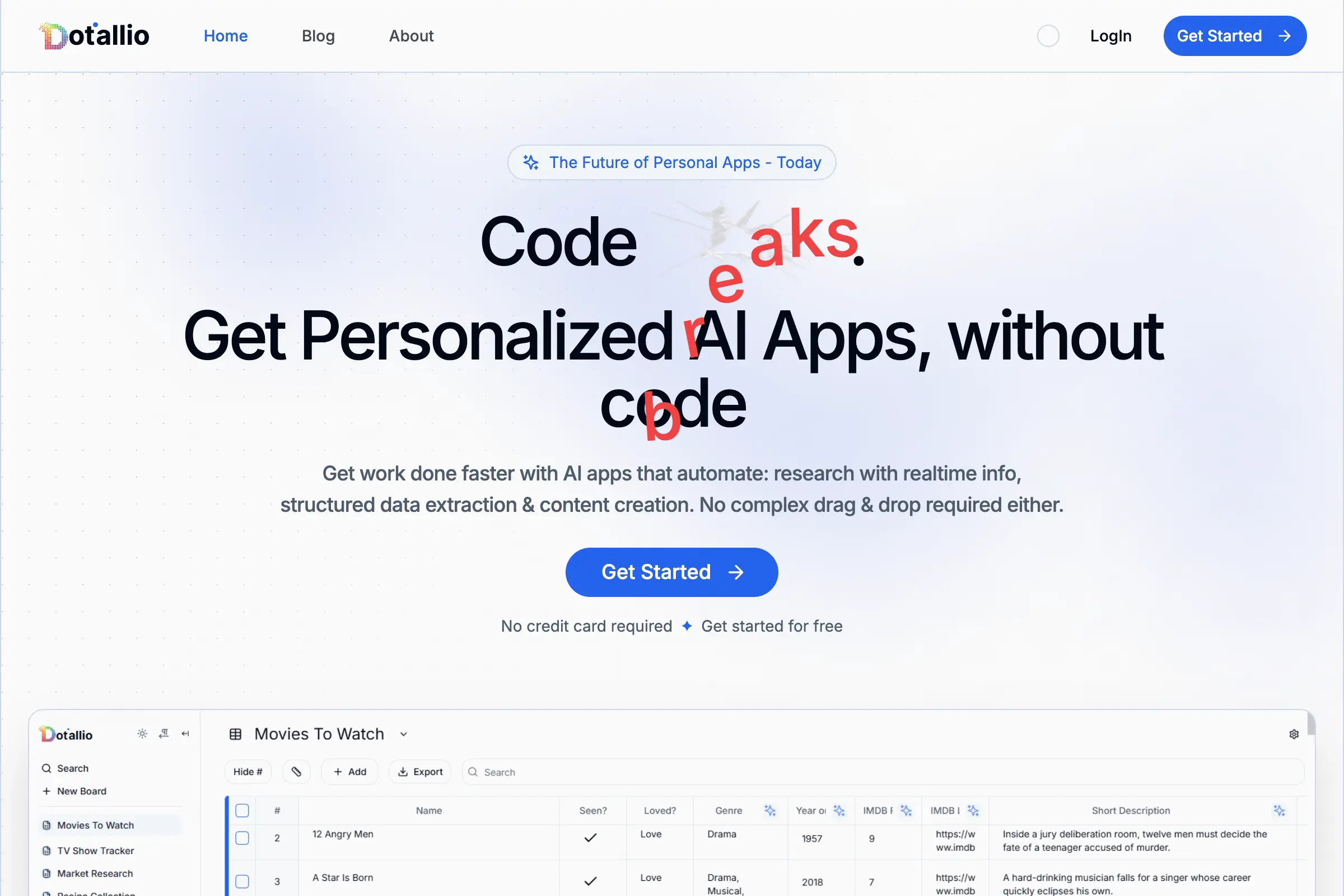
Dotallio
Personalized AI apps that automate research, data extraction, and content creation without code 🤖
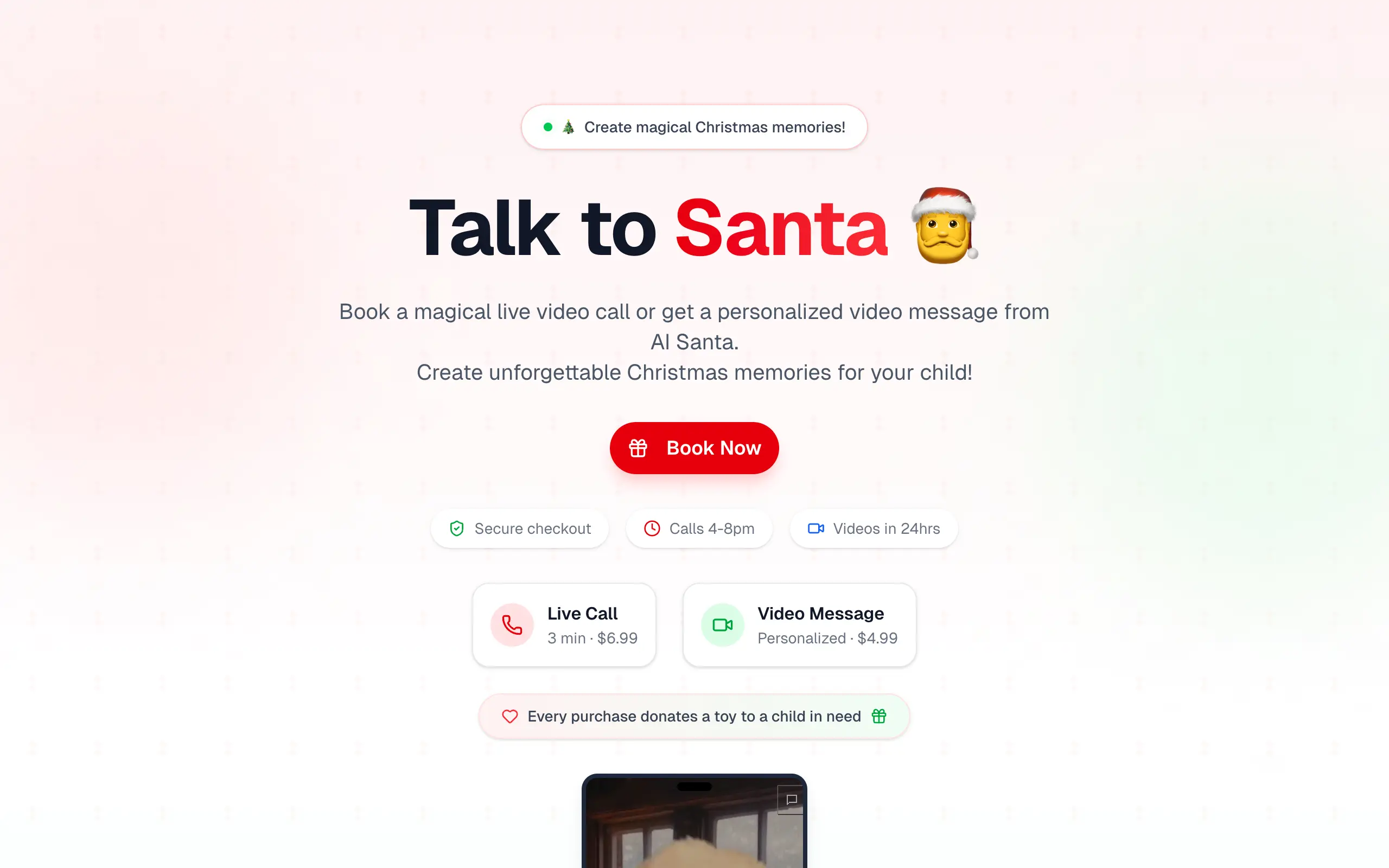
Talk to Santa
Enjoy a magical live video chat or receive a unique AI-generated video greeting from Santa Claus 🎅
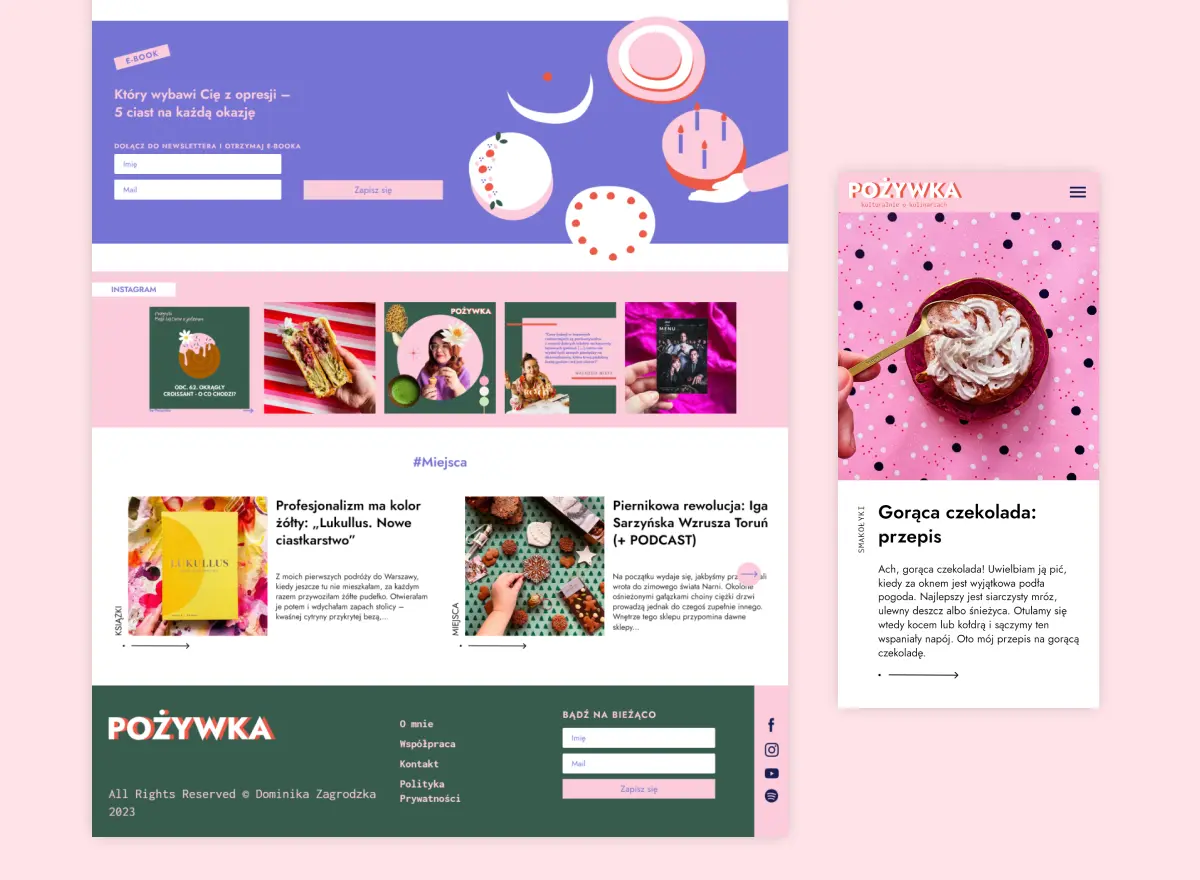
pozywka.pl
Scalable blog for food journalist, focused on performance and user experience 🌭
zagrodzki.me
Personal blog and portfolio of Bart Zagrodzki, where he shares his knowledge and work 💼
TurboStarter
Ship your startup everywhere. In minutes.
HTML to Markdown
Convert HTML to Markdown with ease, directly in your browser 📄
Dotallio
Personalized AI apps that automate research, data extraction, and content creation without code 🤖
Talk to Santa
Enjoy a magical live video chat or receive a unique AI-generated video greeting from Santa Claus 🎅
pozywka.pl
Scalable blog for food journalist, focused on performance and user experience 🌭
zagrodzki.me
Personal blog and portfolio of Bart Zagrodzki, where he shares his knowledge and work 💼
TurboStarter
Ship your startup everywhere. In minutes.
HTML to Markdown
Convert HTML to Markdown with ease, directly in your browser 📄
Dotallio
Personalized AI apps that automate research, data extraction, and content creation without code 🤖
Talk to Santa
Enjoy a magical live video chat or receive a unique AI-generated video greeting from Santa Claus 🎅
pozywka.pl
Scalable blog for food journalist, focused on performance and user experience 🌭
zagrodzki.me
Personal blog and portfolio of Bart Zagrodzki, where he shares his knowledge and work 💼
TurboStarter
Ship your startup everywhere. In minutes.
HTML to Markdown
Convert HTML to Markdown with ease, directly in your browser 📄
Dotallio
Personalized AI apps that automate research, data extraction, and content creation without code 🤖
Talk to Santa
Enjoy a magical live video chat or receive a unique AI-generated video greeting from Santa Claus 🎅
pozywka.pl
Scalable blog for food journalist, focused on performance and user experience 🌭
zagrodzki.me
Personal blog and portfolio of Bart Zagrodzki, where he shares his knowledge and work 💼
TurboStarter
Ship your startup everywhere. In minutes.
HTML to Markdown
Convert HTML to Markdown with ease, directly in your browser 📄
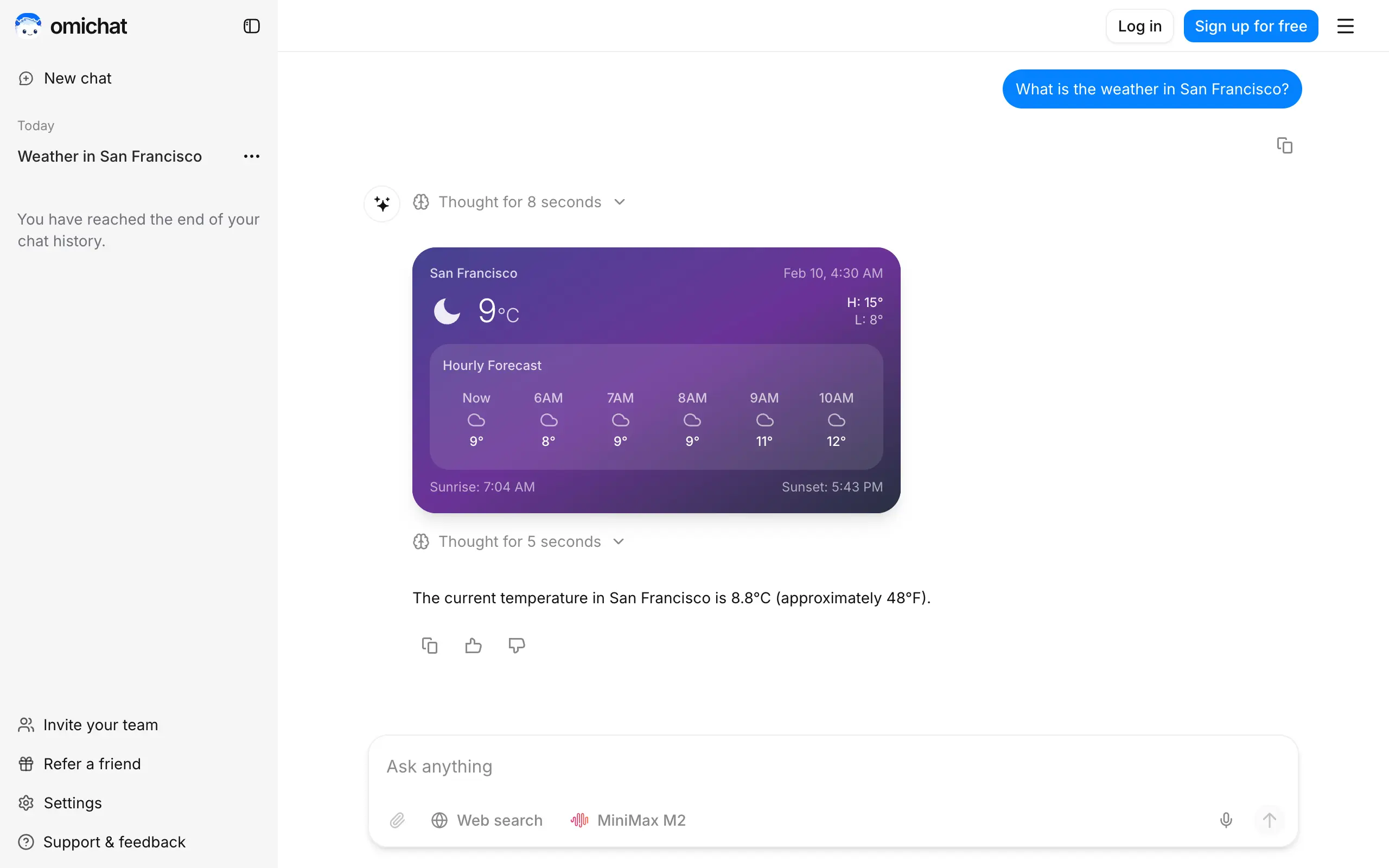
Omichat
Chat with 50+ AI models, including ChatGPT and Claude, in one place - switch models anytime without losing context 🤖
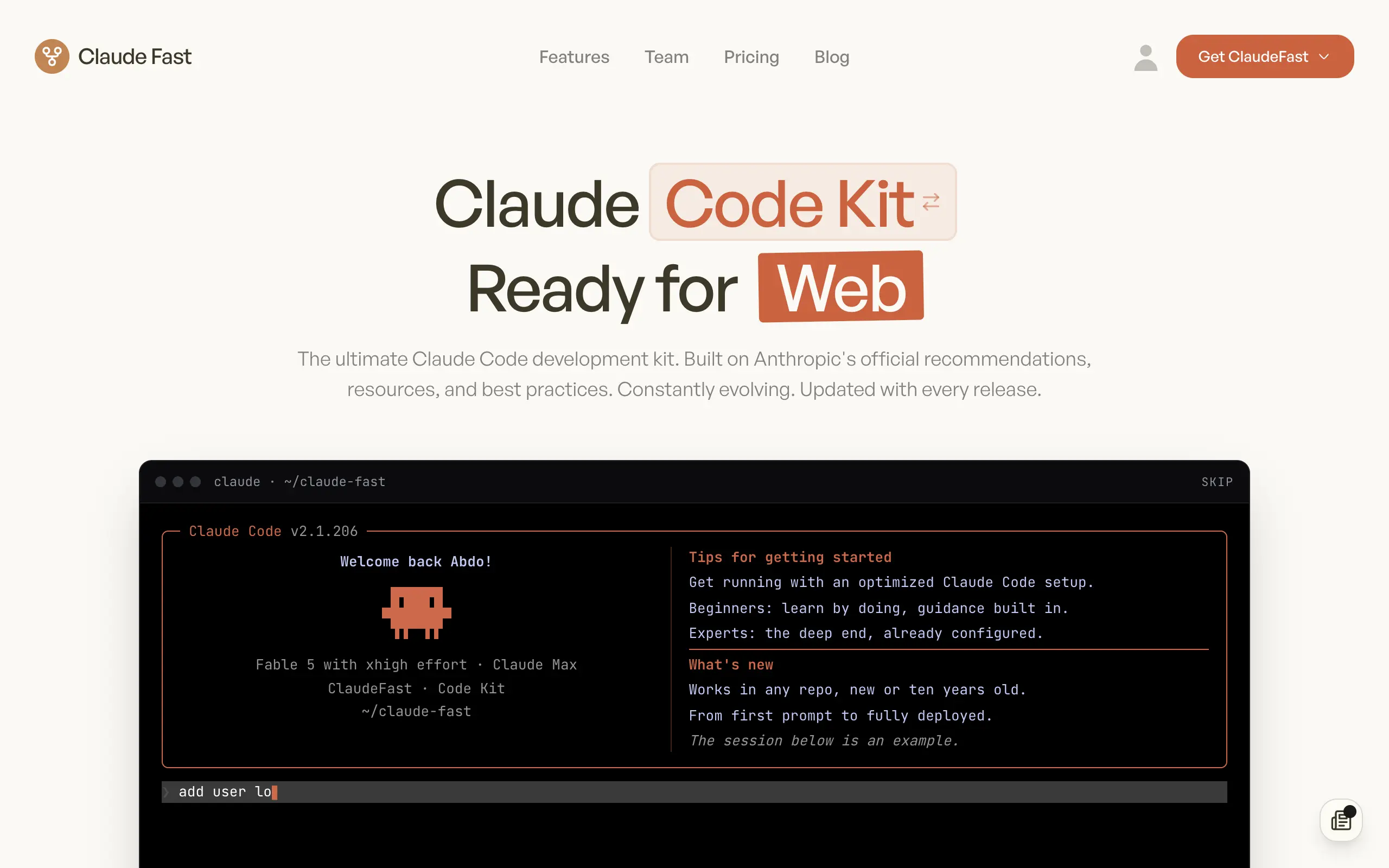
Claude Fast
Supercharge your Claude Code with 6x effective context window and specialized AI agents 🤖
EmojAI
AI-powered emoji picker with smart, context-aware suggestions 🤖
Solohacker
Autonomous company launcher - AI agents work 24/7, escalate what matters, and you stay in control 🤖
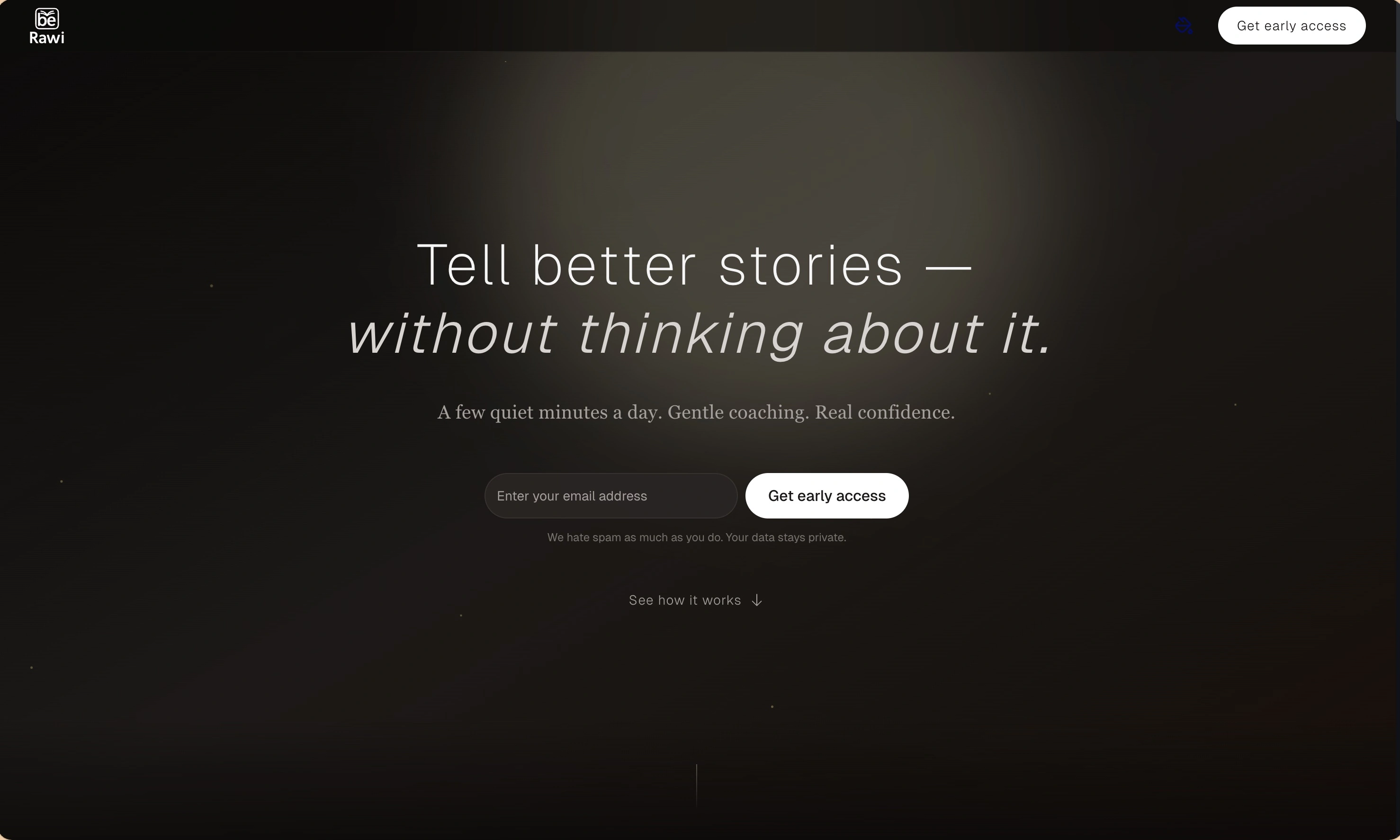
BeRawi: Storytelling Coach
Practice storytelling daily with instant feedback to sound clearer, more engaging, and confident 🎤
Omichat
Chat with 50+ AI models, including ChatGPT and Claude, in one place - switch models anytime without losing context 🤖
Claude Fast
Supercharge your Claude Code with 6x effective context window and specialized AI agents 🤖
EmojAI
AI-powered emoji picker with smart, context-aware suggestions 🤖
Solohacker
Autonomous company launcher - AI agents work 24/7, escalate what matters, and you stay in control 🤖
BeRawi: Storytelling Coach
Practice storytelling daily with instant feedback to sound clearer, more engaging, and confident 🎤
Omichat
Chat with 50+ AI models, including ChatGPT and Claude, in one place - switch models anytime without losing context 🤖
Claude Fast
Supercharge your Claude Code with 6x effective context window and specialized AI agents 🤖
EmojAI
AI-powered emoji picker with smart, context-aware suggestions 🤖
Solohacker
Autonomous company launcher - AI agents work 24/7, escalate what matters, and you stay in control 🤖
BeRawi: Storytelling Coach
Practice storytelling daily with instant feedback to sound clearer, more engaging, and confident 🎤
Omichat
Chat with 50+ AI models, including ChatGPT and Claude, in one place - switch models anytime without losing context 🤖
Claude Fast
Supercharge your Claude Code with 6x effective context window and specialized AI agents 🤖
EmojAI
AI-powered emoji picker with smart, context-aware suggestions 🤖
Solohacker
Autonomous company launcher - AI agents work 24/7, escalate what matters, and you stay in control 🤖
BeRawi: Storytelling Coach
Practice storytelling daily with instant feedback to sound clearer, more engaging, and confident 🎤

Connect with like-minded people
Join our community to get feedback, support, and grow together with 1,000+ builders on board, let's ship it!
Join usShip your startup everywhere. In minutes.
Don't burn tokens on setup and start building features on day one.