GradeFlow AI
Smart grading and feedback platform that analyzes student work, provides personalized feedback, and tracks skill gaps in real time.
The future of smart grading and personalized feedback with AI
Education is undergoing a profound digital transformation. From online classrooms to adaptive learning platforms, technology is redefining how teachers teach and how students learn. Yet one core process remains painfully manual in many institutions: grading and feedback.
Teachers spend hours — often nights and weekends — reviewing assignments, writing comments, and tracking student progress across multiple tools. Meanwhile, students frequently receive feedback too late or too generic to meaningfully improve.
This is where an AI-powered smart grading and feedback platform like GradeFlow AI creates massive value.
GradeFlow AI is designed to:
- Analyze student work automatically
- Provide personalized, actionable feedback
- Track skill gaps in real time
- Help educators focus on high-impact teaching instead of repetitive grading
In this in-depth guide, we’ll explore:
- The market opportunity for AI grading platforms
- Target users and their pain points
- Core features and technical architecture
- Competitive positioning
- Monetization strategies
- Risks and mitigation
- Step-by-step implementation roadmap
If you're evaluating this SaaS idea for validation, building, or investment — this article is your blueprint.
Understanding the search intent behind AI grading platforms
When users search for terms like:
- AI grading software
- automatic essay grading tool
- AI feedback for students
- smart grading platform
- AI for teachers
They typically want one of the following:
- Time-saving tools for educators
- More consistent and objective grading
- Personalized feedback at scale
- Skill gap analytics for students
- Institution-level reporting and insights
GradeFlow AI must directly address these intents.
Market opportunity for AI grading software
The EdTech growth landscape
The global EdTech market has seen rapid expansion, especially post-2020. According to reports from organizations like HolonIQ and UNESCO (recommended for citation in production content), digital learning adoption has accelerated across K–12, higher education, and corporate learning environments.
Key trends driving opportunity:
- Increased remote and hybrid learning
- Teacher burnout and workload pressure
- Demand for measurable learning outcomes
- AI adoption in mainstream productivity tools
- Institutional push toward data-driven education
The grading bottleneck
Grading is:
- Time-consuming
- Inconsistent across evaluators
- Hard to scale in large classrooms
- Often delayed
Teachers can spend 30–50% of their non-classroom time grading, depending on subject and class size.
This inefficiency creates a strong value proposition for:
AI-powered grading and feedback platforms that enhance — not replace — teacher judgment.
Target audience analysis
GradeFlow AI serves multiple educational segments. Understanding each persona is critical for product positioning.
1. K–12 teachers
Pain points:
- Limited time
- Large class sizes
- Need for standards-based grading
- Pressure to provide differentiated instruction
What they want:
- Rubric-aligned grading
- Instant feedback suggestions
- Skill gap tracking
- Easy LMS integration
2. University professors and teaching assistants
Pain points:
- Hundreds of essays per semester
- Subjectivity in grading
- Managing plagiarism checks
- Providing meaningful feedback at scale
What they want:
- Essay analysis and scoring suggestions
- Argument strength evaluation
- Citation checks
- Analytics dashboards
3. Online course creators and EdTech platforms
Pain points:
- Scaling assessment in large cohorts
- Maintaining engagement
- Retention and completion tracking
What they want:
- Automated assessment pipelines
- AI feedback loops
- Skill mastery tracking
4. Educational institutions (districts & universities)
Pain points:
- Lack of unified performance insights
- Curriculum misalignment detection
- Teacher evaluation challenges
What they want:
- Skill-level reporting
- Predictive academic risk signals
- Standardized grading analytics
Core problem GradeFlow AI solves
Let’s summarize the core inefficiencies in current grading workflows.
| Problem | Impact | Manual Effort | AI Opportunity | Current Tools Solve? |
|---|---|---|---|---|
| Slow grading cycles | Delayed feedback | High | Instant scoring | ❌ |
| Generic feedback | Low improvement | High | Personalized suggestions | ❌ |
| Inconsistent scoring | Student frustration | Medium | Rubric-based AI grading | ❌ |
| Hidden skill gaps | Poor outcomes | Very High | Real-time skill tracking | ❌ |
The gap is clear.
Core features of GradeFlow AI
To compete effectively in the AI grading software market, the platform should include the following feature set.
AI-powered grading engine
Analyzes essays, assignments, short answers, and projects using rubric-based and semantic evaluation models.
Personalized feedback generator
Provides constructive, actionable feedback tailored to each student's performance.
Skill gap analytics
Tracks mastery across competencies and identifies weak areas in real time.
Rubric builder & alignment tool
Customizable rubrics mapped to curriculum standards.
LMS integrations
Seamless integration with popular learning management systems.
Deep dive: how the AI grading engine works
GradeFlow AI’s core intelligence layer would consist of:
1. Natural language processing (NLP)
Used to:
- Evaluate essay coherence
- Assess grammar and syntax
- Detect argument structure
- Measure clarity and logic
2. Rubric-based scoring models
Teachers define scoring criteria. The AI:
- Maps student responses to rubric categories
- Scores against defined thresholds
- Provides justification for score suggestions
3. Skill taxonomy mapping
Each assignment maps to:
- Core competencies
- Micro-skills
- Bloom’s taxonomy levels
This enables real-time skill gap tracking.
4. Feedback generation layer
Rather than generic comments, the system generates:
- Strength highlights
- Specific improvement suggestions
- Example rewrites
- Concept reinforcement
Real-time skill gap tracking
One of GradeFlow AI’s strongest differentiators is continuous skill monitoring.
Example flow:
- Student submits essay.
- AI analyzes argument strength, evidence usage, clarity.
- System detects weakness in “evidence integration”.
- Dashboard updates skill gap heatmap.
- Teacher sees class-wide pattern instantly.
This allows:
- Targeted reteaching
- Data-driven lesson planning
- Early intervention
Recommended tech stack for building GradeFlow AI
Choosing the right stack impacts scalability, cost, and performance.
Frontend
- React
- TailwindCSS
- TypeScript
Why:
- Fast UI iteration
- Strong ecosystem
- Enterprise-ready components
Backend
Options:
Node.js
- Good for real-time dashboards
- Unified JavaScript stack
- Strong WebSocket support
Python
- Better AI/ML ecosystem
- Easier integration with NLP libraries
- Ideal for model experimentation
Recommended: Hybrid approach
- Python microservices for AI
- Node.js API layer
AI & ML Layer
- LLM APIs (fine-tuned models)
- Custom evaluation pipelines
- Embedding-based semantic scoring
Database
- PostgreSQL (relational)
- Vector database (for semantic similarity search)
Infrastructure
- Containerized deployment (Docker)
- Scalable cloud hosting
- Secure storage (FERPA/GDPR compliance)
Compliance and data privacy considerations
Education platforms must prioritize trust.
Critical compliance requirements
AI grading platforms handling student data must comply with:
- FERPA (US)
- GDPR (EU)
- COPPA (if under 13)
- Institutional data policies
Security requirements:
- End-to-end encryption
- Role-based access control
- Audit logging
- Data minimization practices
Trust is a competitive advantage.
Monetization strategy
GradeFlow AI can implement a multi-tier pricing model.
1. Individual teacher subscription
- $19–$39/month
- Limited student volume
- Basic analytics
2. School license
- Per-student annual pricing
- Advanced reporting
- LMS integration
3. District/university enterprise plan
- Custom pricing
- Dedicated support
- Advanced analytics
- Custom model tuning
4. API model (B2B2C)
Allow EdTech companies to integrate AI grading via API.
Competitive landscape analysis
Key competitors in AI grading and assessment:
- Automated essay scoring tools
- LMS built-in assessment tools
- General-purpose AI writing evaluators
However, most tools:
- Focus only on grammar
- Lack skill-gap tracking
- Don’t provide curriculum alignment
- Aren’t built for educators specifically
GradeFlow AI’s unique selling proposition (USP)
- Rubric-aligned AI scoring
- Real-time skill heatmaps
- Personalized developmental feedback
- Institution-ready analytics
- Human-in-the-loop override
This positions it as:
A teacher-empowering intelligence platform, not a grading replacement.
Potential risks and mitigation strategies
Risk 1: AI bias in grading
Mitigation:
- Transparent scoring explanations
- Rubric anchoring
- Human review override
- Continuous model evaluation
Risk 2: Teacher distrust
Mitigation:
- Co-pilot model (suggestions, not automatic final grades)
- Editable feedback
- Clear AI reasoning logs
Risk 3: Over-reliance by students
Mitigation:
- Limit preview of feedback before submission
- Use draft-based iterative models
- Track improvement patterns
Go-to-market strategy
Phase 1: Teacher-led adoption
- Offer free beta to educators
- Focus on essay-heavy subjects (English, History)
- Build testimonials
Phase 2: Institutional pilot programs
- Offer pilot analytics dashboards
- Provide measurable impact reports
Phase 3: District-level contracts
- Demonstrate grading time reduction
- Show improvement in learning outcomes
Implementation roadmap
Sample API design concept
// Example grading endpoint (Node.js Express style)

app.post('/api/grade', async (req, res) => {
  const { studentSubmission, rubric } = req.body;

  const evaluation = await aiGradingEngine.evaluate({
    text: studentSubmission,
    rubricCriteria: rubric
  });

  res.json({
    scoreBreakdown: evaluation.scores,
    feedback: evaluation.personalizedFeedback,
    skillGaps: evaluation.detectedWeakSkills
  });
});
This modular structure allows scalable AI grading workflows.
Scaling considerations
As adoption grows:
- Optimize inference costs
- Cache embeddings
- Batch processing for large institutions
- Offer offline grading mode (queued processing)
Cost control is essential for margin protection.
Long-term vision
GradeFlow AI can evolve into:
- Predictive academic performance modeling
- AI curriculum optimization
- Adaptive assignment generation
- Personalized learning pathway engine
This expands from grading software into a full academic intelligence platform.
Why now is the right time
Several macro trends align:
- AI acceptance in education is growing
- Teacher burnout is at high levels
- Data-driven instruction is becoming mandatory
- LLM quality has improved dramatically
Timing is a strategic advantage.
Building GradeFlow AI faster
Instead of starting from scratch, using a modern SaaS starter infrastructure can dramatically reduce development time.
For example, platforms like TurboStarter provide production-ready SaaS foundations — authentication, billing, dashboards, and deployment pipelines — allowing founders to focus on AI innovation rather than boilerplate.
Final actionable checklist
If you're serious about launching GradeFlow AI:
- Validate teacher workflows deeply.
- Start with one subject vertical.
- Build rubric-first grading logic.
- Prioritize explainability.
- Ensure compliance from day one.
- Focus marketing on time saved + student improvement.
- Position AI as assistant, not replacement.
The bottom line
The demand for AI grading software and personalized feedback platforms is accelerating.
GradeFlow AI sits at the intersection of:
- Artificial intelligence
- Education analytics
- Teacher productivity
- Personalized learning
By solving real pain points — grading overload, inconsistent feedback, hidden skill gaps — it delivers tangible value to educators and institutions.
If executed properly, it can evolve from a grading assistant into a full-scale academic intelligence ecosystem.
The opportunity is large. The problem is real. The technology is ready.
Now it’s about building intelligently.
More 🤖 AI Startup SaaS ideas
Discover more innovative ai startup SaaS ideas that are trending in 2026. Each idea is AI-generated with market validation and growth potential to help you find your next profitable venture faster than competitors.
Your competitors are building with TurboStarter
Below are some of the SaaS ideas that have been generated and built with our starter kit.
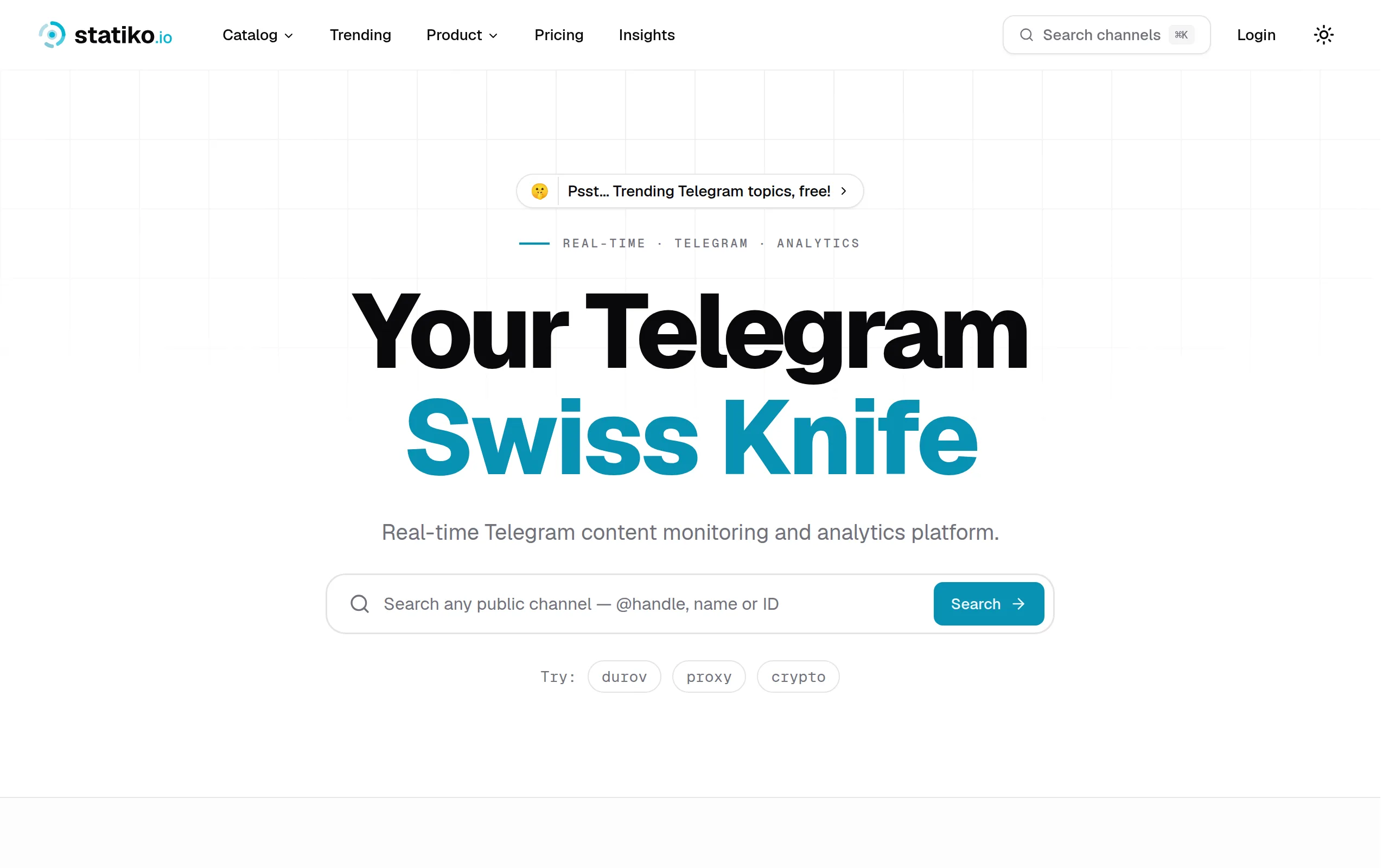
Statiko
Monitor any Telegram channel in real time - track posts, edits, deletions, and growth with AI recaps 📡

Shibui
AI website builder - describe your business, pick a niche template, edit by chatting, and publish instantly ✨

Pro Service
Find verified home service professionals, compare quotes, and pay securely through escrow - built for Brazilians across the US 🏠
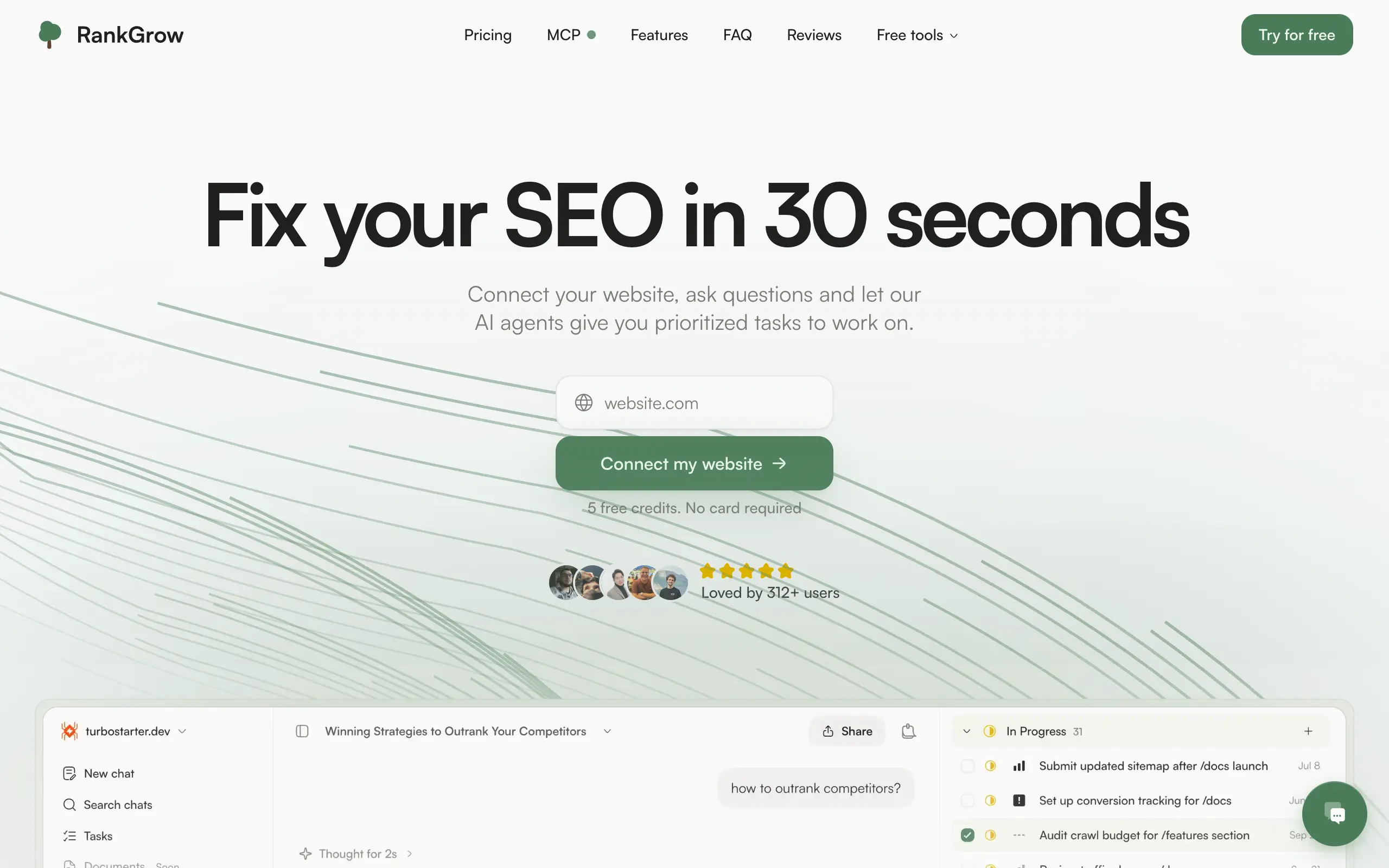
RankGrow
Fix your SEO with AI agents - connect Search Console, get prioritized tasks, and grow organic traffic 📈
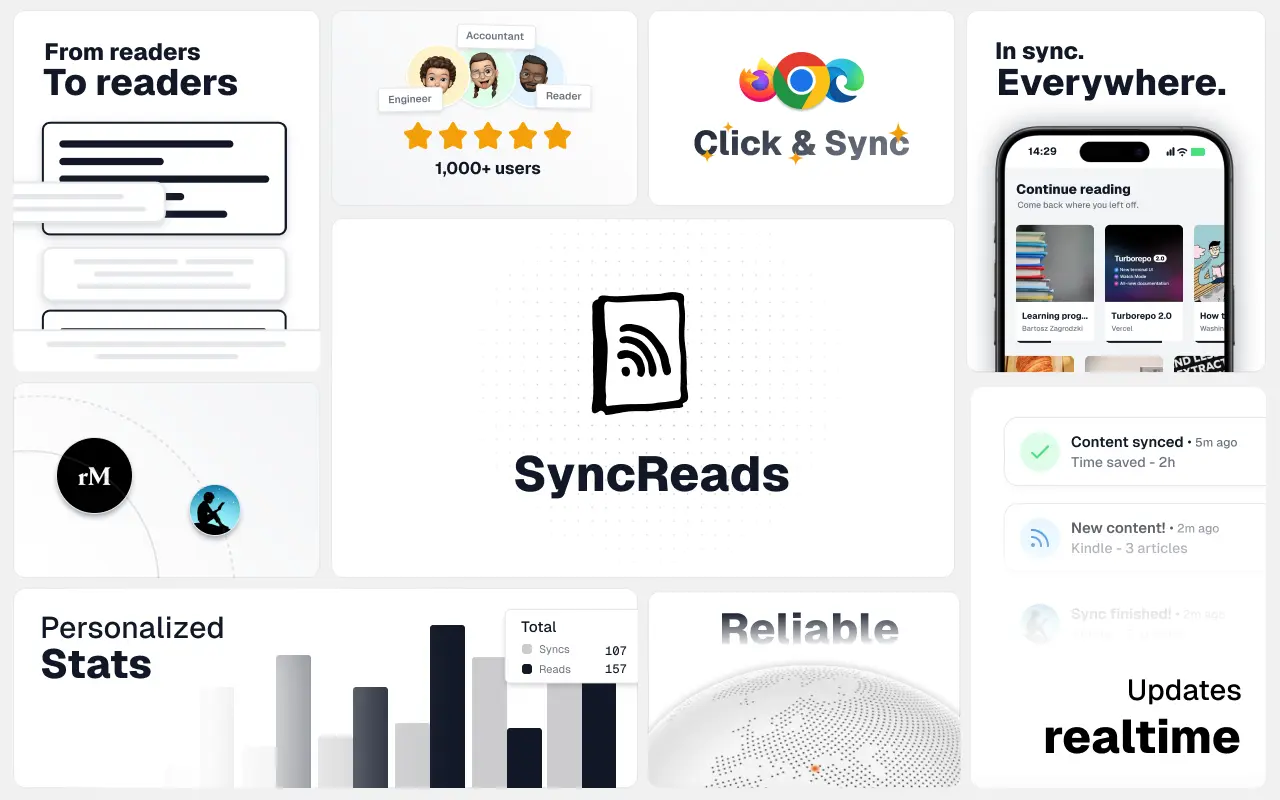
SyncReads
Sync your favorite content for distraction-free reading, save time and replace multiple apps. Anytime, anywhere 🔄
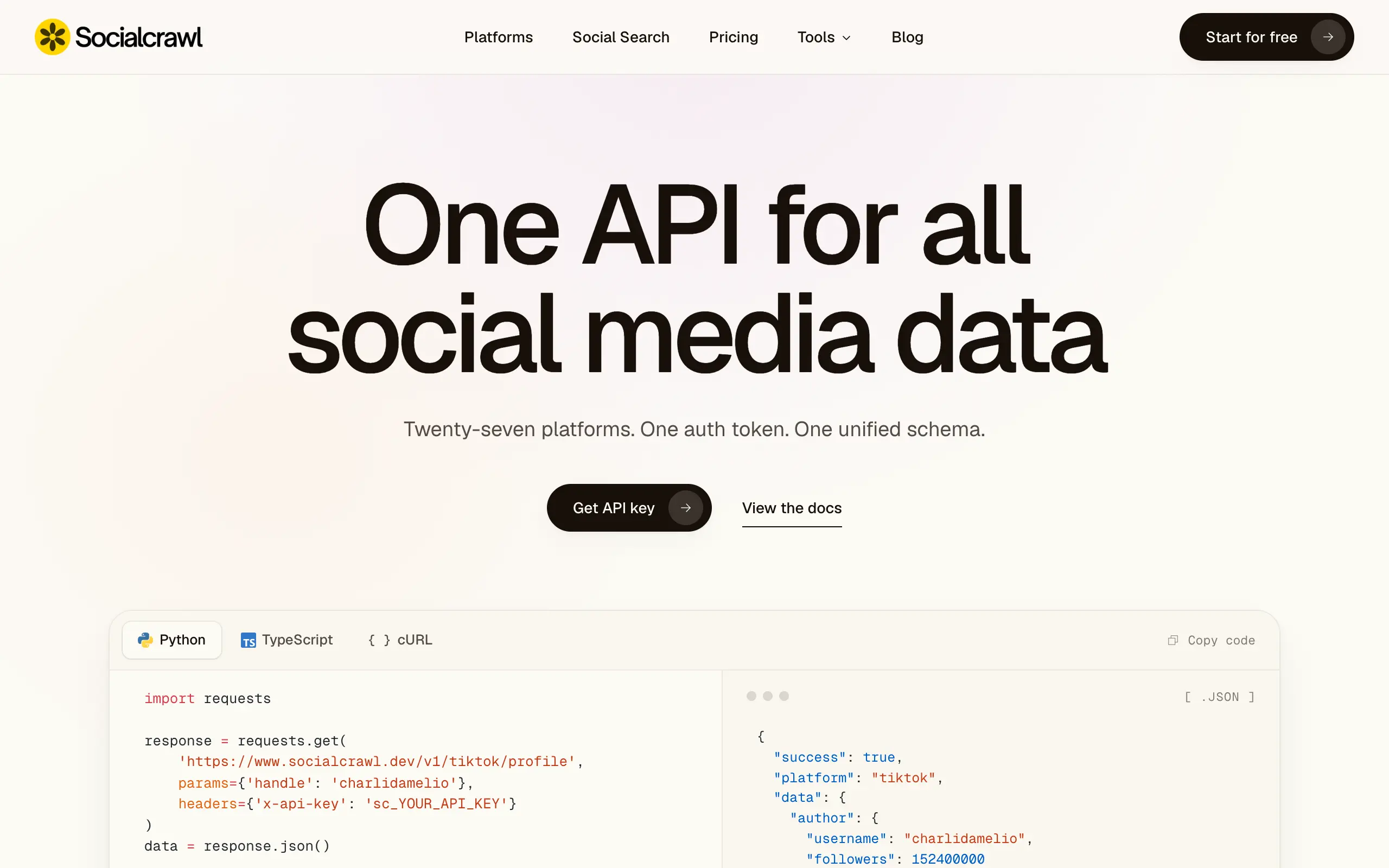
Socialcrawl
Get clean, structured data from 21 platforms like TikTok, Instagram, and YouTube with a single request 📊
Statiko
Monitor any Telegram channel in real time - track posts, edits, deletions, and growth with AI recaps 📡
Shibui
AI website builder - describe your business, pick a niche template, edit by chatting, and publish instantly ✨
Pro Service
Find verified home service professionals, compare quotes, and pay securely through escrow - built for Brazilians across the US 🏠
RankGrow
Fix your SEO with AI agents - connect Search Console, get prioritized tasks, and grow organic traffic 📈
SyncReads
Sync your favorite content for distraction-free reading, save time and replace multiple apps. Anytime, anywhere 🔄
Socialcrawl
Get clean, structured data from 21 platforms like TikTok, Instagram, and YouTube with a single request 📊
Statiko
Monitor any Telegram channel in real time - track posts, edits, deletions, and growth with AI recaps 📡
Shibui
AI website builder - describe your business, pick a niche template, edit by chatting, and publish instantly ✨
Pro Service
Find verified home service professionals, compare quotes, and pay securely through escrow - built for Brazilians across the US 🏠
RankGrow
Fix your SEO with AI agents - connect Search Console, get prioritized tasks, and grow organic traffic 📈
SyncReads
Sync your favorite content for distraction-free reading, save time and replace multiple apps. Anytime, anywhere 🔄
Socialcrawl
Get clean, structured data from 21 platforms like TikTok, Instagram, and YouTube with a single request 📊
Statiko
Monitor any Telegram channel in real time - track posts, edits, deletions, and growth with AI recaps 📡
Shibui
AI website builder - describe your business, pick a niche template, edit by chatting, and publish instantly ✨
Pro Service
Find verified home service professionals, compare quotes, and pay securely through escrow - built for Brazilians across the US 🏠
RankGrow
Fix your SEO with AI agents - connect Search Console, get prioritized tasks, and grow organic traffic 📈
SyncReads
Sync your favorite content for distraction-free reading, save time and replace multiple apps. Anytime, anywhere 🔄
Socialcrawl
Get clean, structured data from 21 platforms like TikTok, Instagram, and YouTube with a single request 📊
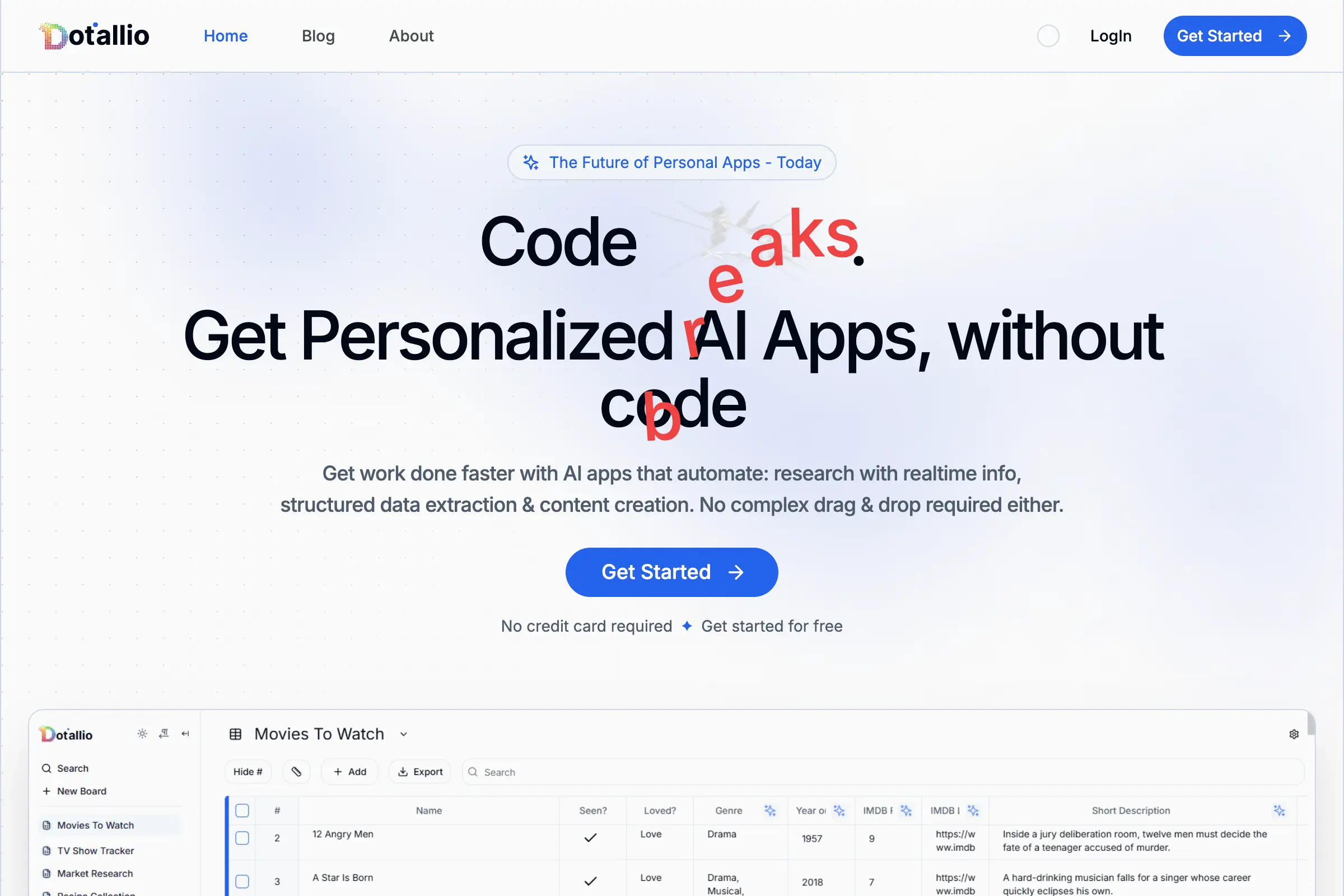
Dotallio
Personalized AI apps that automate research, data extraction, and content creation without code 🤖

Talk to Santa
Enjoy a magical live video chat or receive a unique AI-generated video greeting from Santa Claus 🎅

pozywka.pl
Scalable blog for food journalist, focused on performance and user experience 🌭
zagrodzki.me
Personal blog and portfolio of Bart Zagrodzki, where he shares his knowledge and work 💼
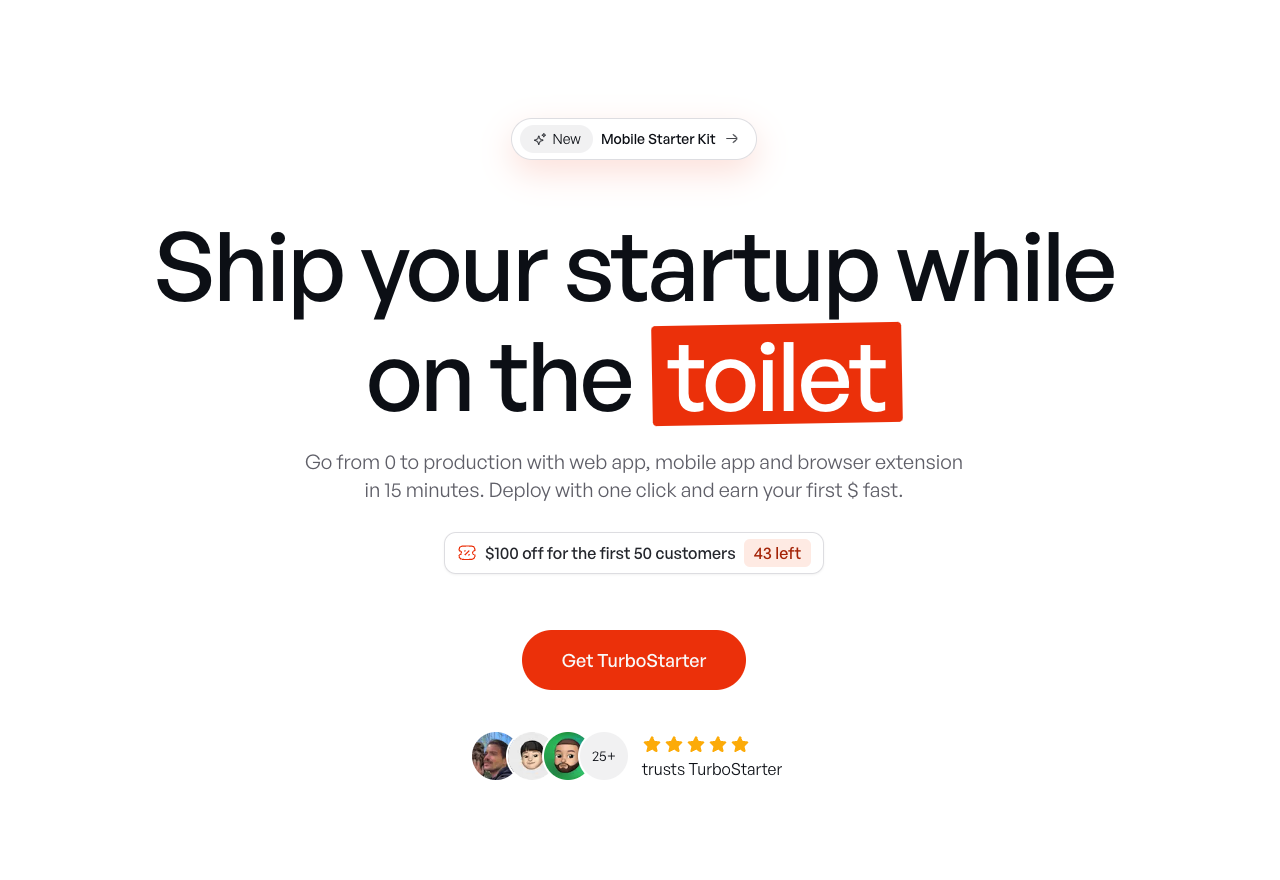
TurboStarter
Ship your startup everywhere. In minutes.
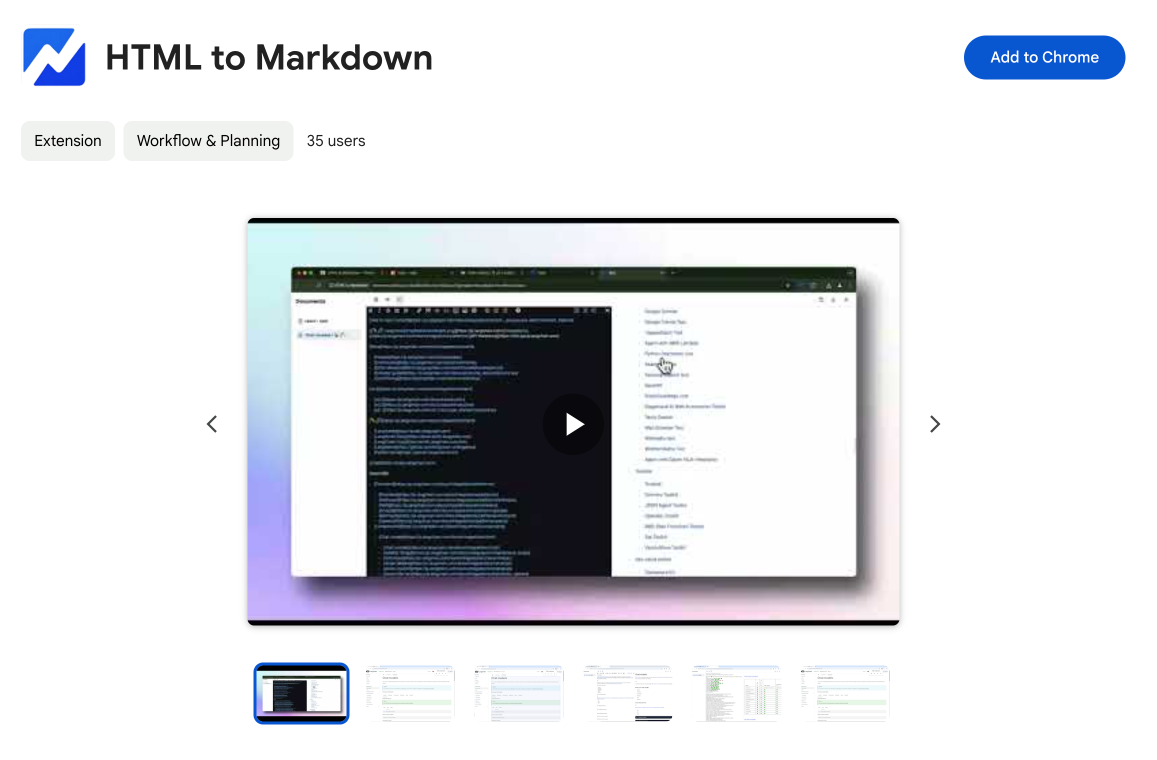
HTML to Markdown
Convert HTML to Markdown with ease, directly in your browser 📄
Dotallio
Personalized AI apps that automate research, data extraction, and content creation without code 🤖
Talk to Santa
Enjoy a magical live video chat or receive a unique AI-generated video greeting from Santa Claus 🎅
pozywka.pl
Scalable blog for food journalist, focused on performance and user experience 🌭
zagrodzki.me
Personal blog and portfolio of Bart Zagrodzki, where he shares his knowledge and work 💼
TurboStarter
Ship your startup everywhere. In minutes.
HTML to Markdown
Convert HTML to Markdown with ease, directly in your browser 📄
Dotallio
Personalized AI apps that automate research, data extraction, and content creation without code 🤖
Talk to Santa
Enjoy a magical live video chat or receive a unique AI-generated video greeting from Santa Claus 🎅
pozywka.pl
Scalable blog for food journalist, focused on performance and user experience 🌭
zagrodzki.me
Personal blog and portfolio of Bart Zagrodzki, where he shares his knowledge and work 💼
TurboStarter
Ship your startup everywhere. In minutes.
HTML to Markdown
Convert HTML to Markdown with ease, directly in your browser 📄
Dotallio
Personalized AI apps that automate research, data extraction, and content creation without code 🤖
Talk to Santa
Enjoy a magical live video chat or receive a unique AI-generated video greeting from Santa Claus 🎅
pozywka.pl
Scalable blog for food journalist, focused on performance and user experience 🌭
zagrodzki.me
Personal blog and portfolio of Bart Zagrodzki, where he shares his knowledge and work 💼
TurboStarter
Ship your startup everywhere. In minutes.
HTML to Markdown
Convert HTML to Markdown with ease, directly in your browser 📄
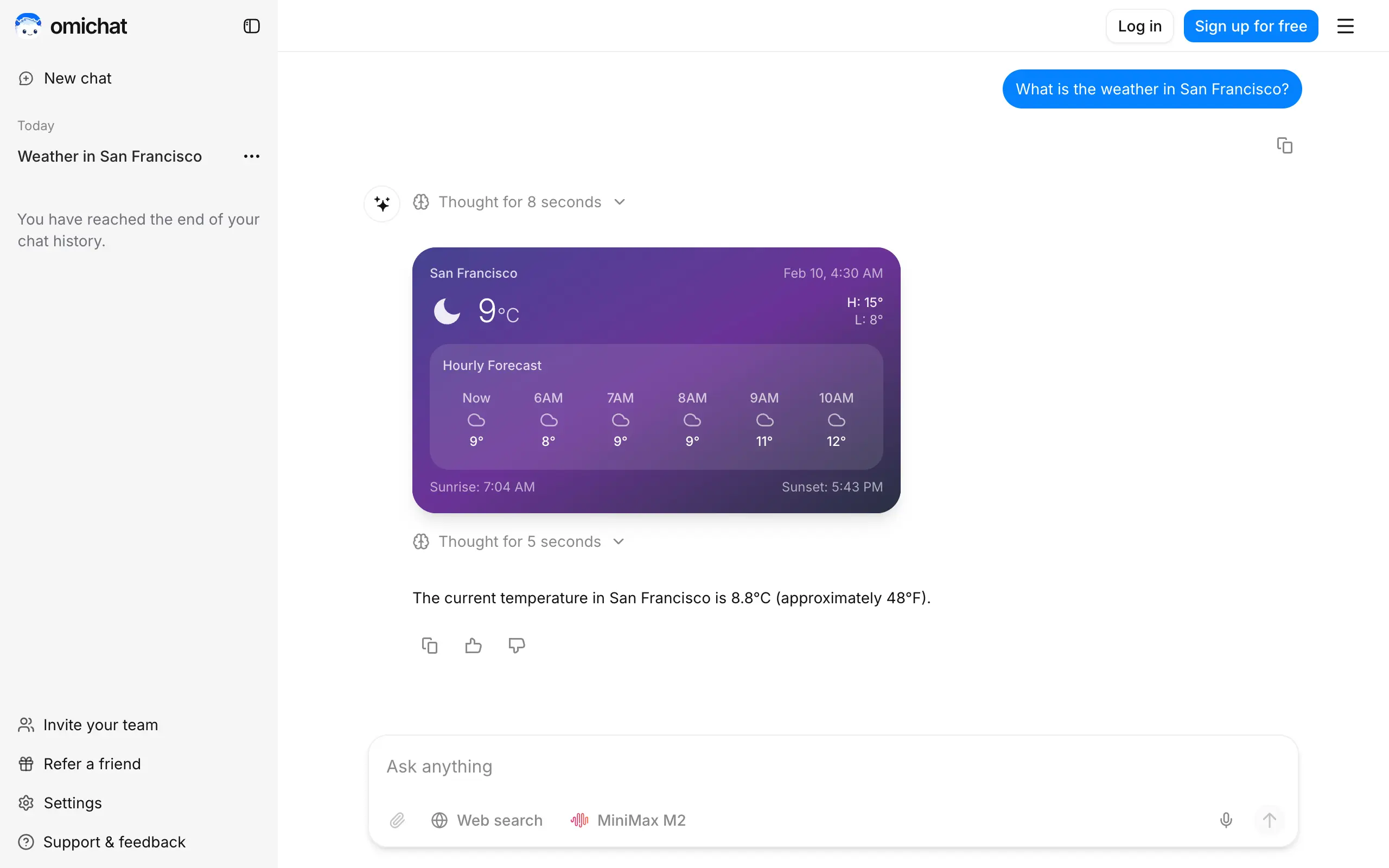
Omichat
Chat with 50+ AI models, including ChatGPT and Claude, in one place - switch models anytime without losing context 🤖
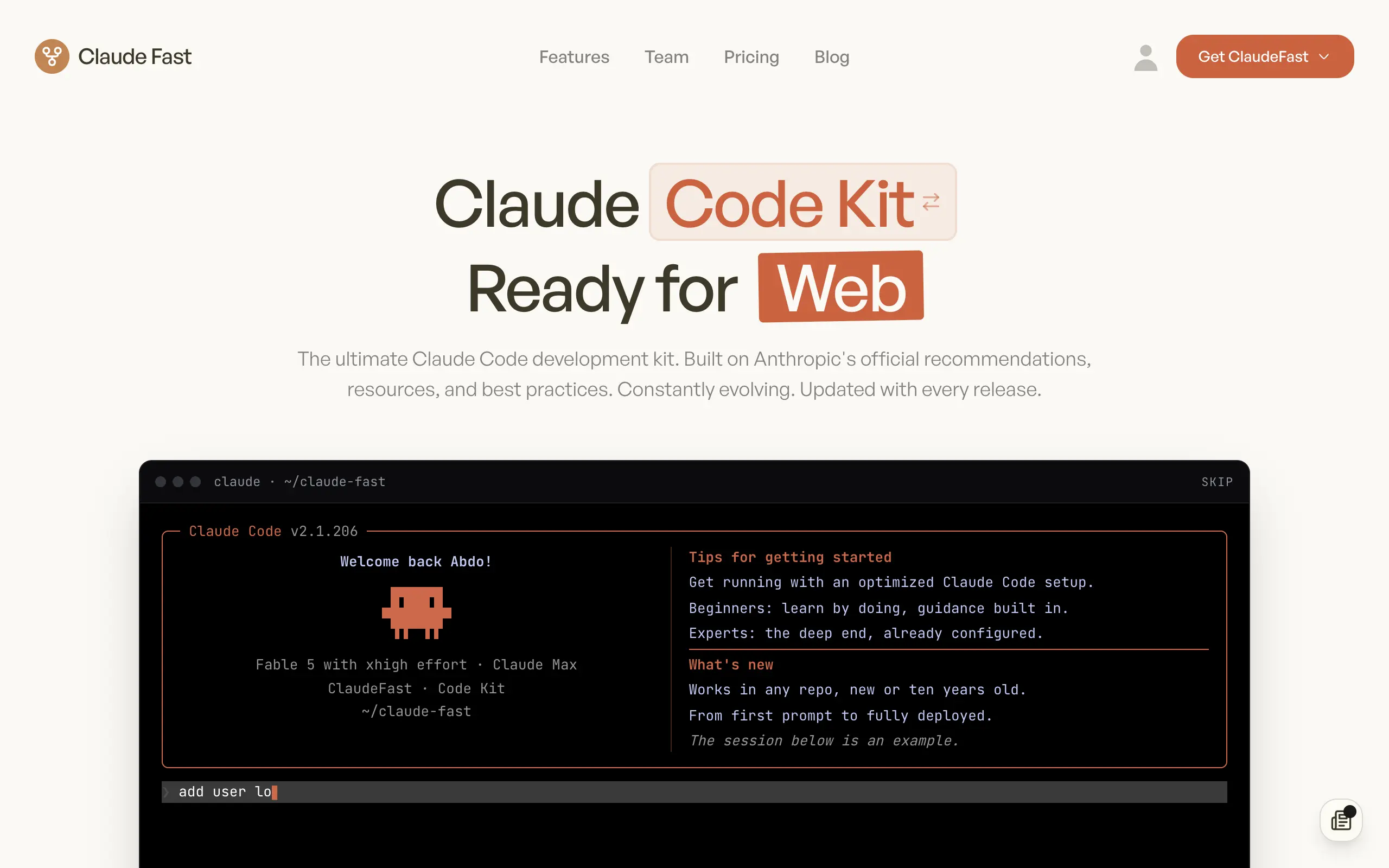
Claude Fast
Supercharge your Claude Code with 6x effective context window and specialized AI agents 🤖
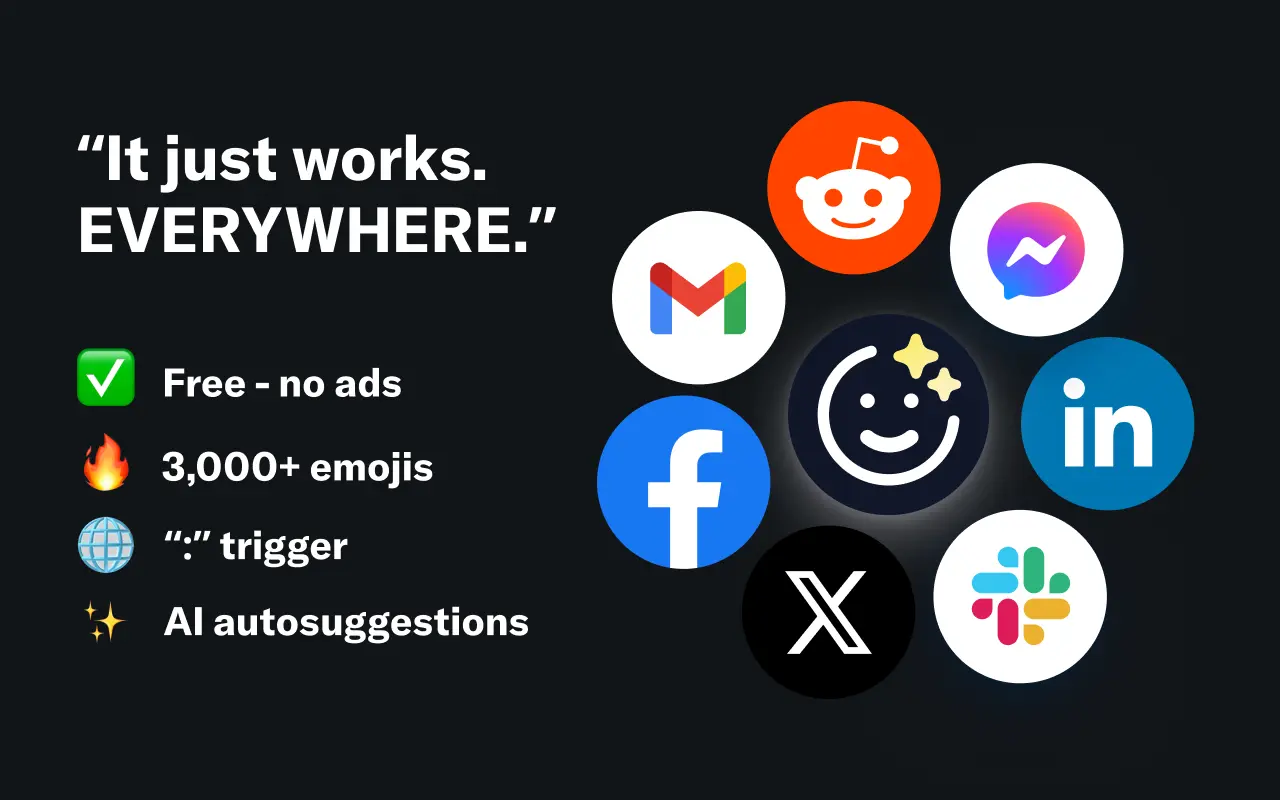
EmojAI
AI-powered emoji picker with smart, context-aware suggestions 🤖
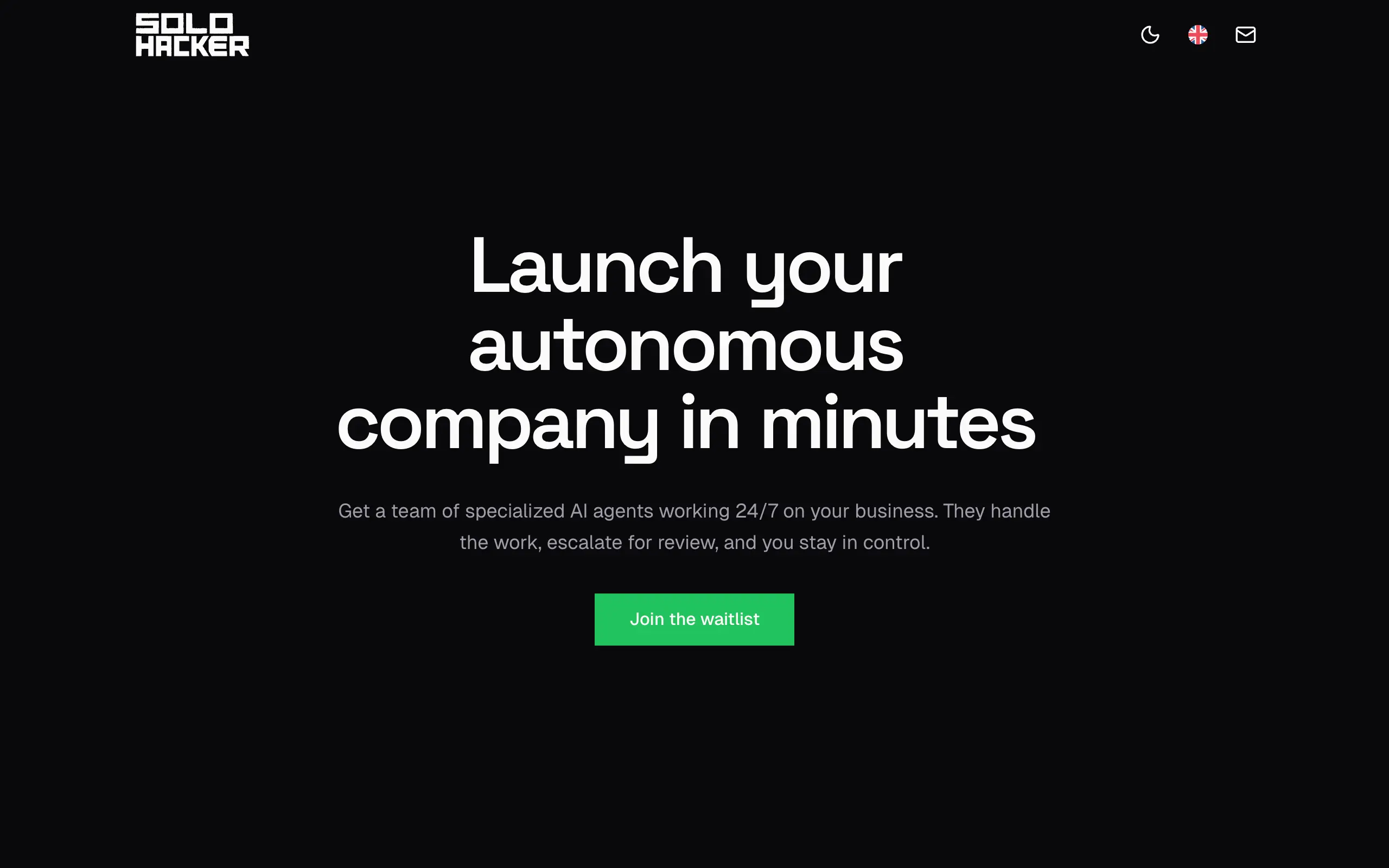
Solohacker
Autonomous company launcher - AI agents work 24/7, escalate what matters, and you stay in control 🤖
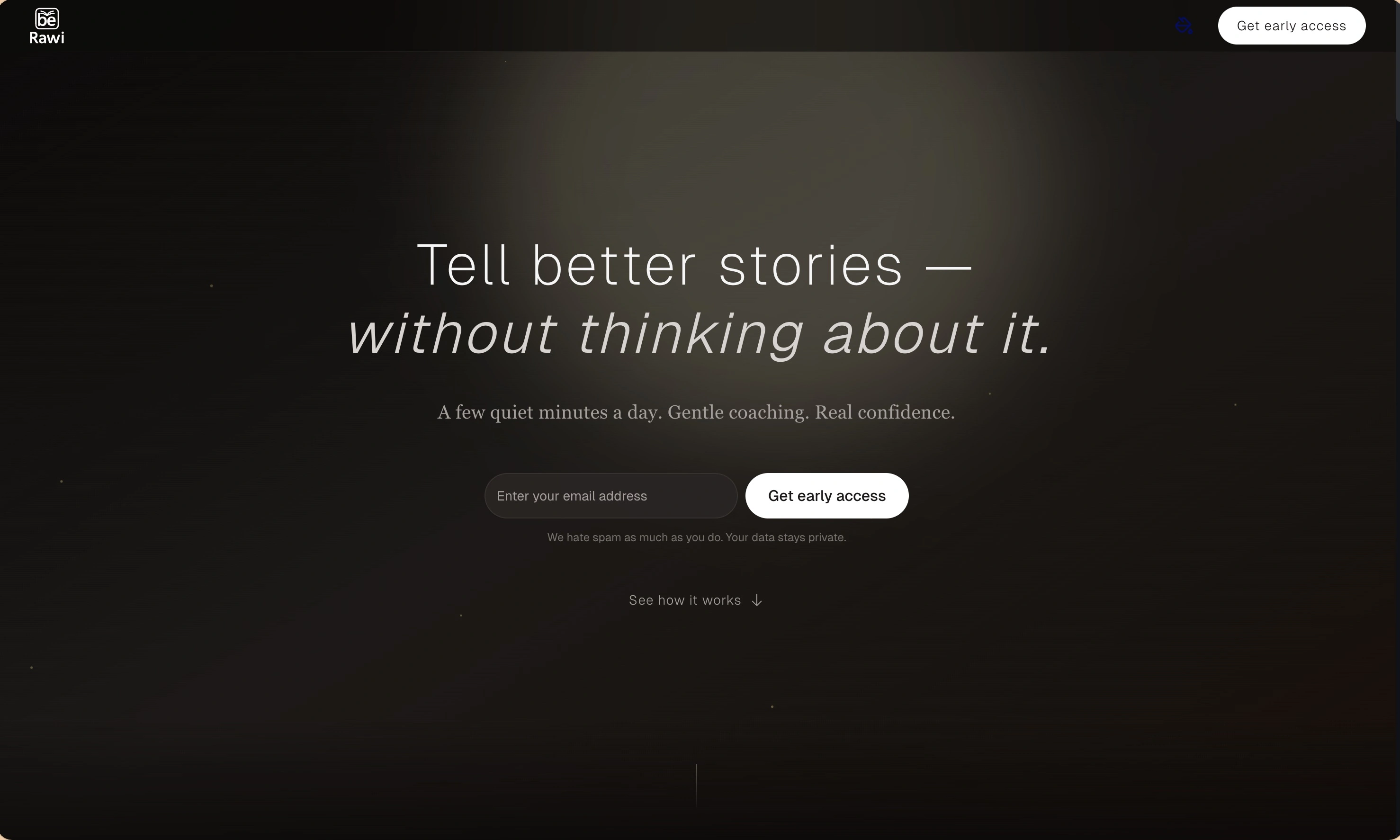
BeRawi: Storytelling Coach
Practice storytelling daily with instant feedback to sound clearer, more engaging, and confident 🎤
Omichat
Chat with 50+ AI models, including ChatGPT and Claude, in one place - switch models anytime without losing context 🤖
Claude Fast
Supercharge your Claude Code with 6x effective context window and specialized AI agents 🤖
EmojAI
AI-powered emoji picker with smart, context-aware suggestions 🤖
Solohacker
Autonomous company launcher - AI agents work 24/7, escalate what matters, and you stay in control 🤖
BeRawi: Storytelling Coach
Practice storytelling daily with instant feedback to sound clearer, more engaging, and confident 🎤
Omichat
Chat with 50+ AI models, including ChatGPT and Claude, in one place - switch models anytime without losing context 🤖
Claude Fast
Supercharge your Claude Code with 6x effective context window and specialized AI agents 🤖
EmojAI
AI-powered emoji picker with smart, context-aware suggestions 🤖
Solohacker
Autonomous company launcher - AI agents work 24/7, escalate what matters, and you stay in control 🤖
BeRawi: Storytelling Coach
Practice storytelling daily with instant feedback to sound clearer, more engaging, and confident 🎤
Omichat
Chat with 50+ AI models, including ChatGPT and Claude, in one place - switch models anytime without losing context 🤖
Claude Fast
Supercharge your Claude Code with 6x effective context window and specialized AI agents 🤖
EmojAI
AI-powered emoji picker with smart, context-aware suggestions 🤖
Solohacker
Autonomous company launcher - AI agents work 24/7, escalate what matters, and you stay in control 🤖
BeRawi: Storytelling Coach
Practice storytelling daily with instant feedback to sound clearer, more engaging, and confident 🎤

Connect with like-minded people
Join our community to get feedback, support, and grow together with 1,000+ builders on board, let's ship it!
Join usShip your startup everywhere. In minutes.
Don't burn tokens on setup and start building features on day one.