GradePilot AI
An AI academic co-pilot that converts lectures, notes, and syllabi into personalized study plans, quizzes, and exam predictions. Built for ambitious students who want smarter—not longer—study hours.
The future of academic productivity with an AI academic co-pilot
Students today are overwhelmed. Between lectures, assignments, side projects, internships, and extracurriculars, the average university student consumes more information in one semester than previous generations did in years. Yet most study workflows haven’t evolved much beyond highlighters and last-minute cramming.
This is where an AI academic co-pilot like GradePilot AI becomes transformative.
Instead of studying longer, students can study smarter—by turning lectures, notes, and syllabi into personalized study plans, adaptive quizzes, and exam predictions.
This article explores:
- The market opportunity behind AI-powered study assistants
- The target audience and unmet needs
- Core features and system design
- Recommended tech stack
- Monetization strategy
- Competitive landscape and differentiation
- Risks and mitigation strategies
- Actionable steps to build and launch
If you're exploring how to build an AI SaaS in education, this deep dive gives you a clear roadmap.
Understanding the problem: why students need an AI academic co-pilot
The traditional study process is inefficient:
- Attend lecture
- Take notes (often incomplete)
- Review slides days later
- Guess what’s important
- Cram before exams
Key pain points
- Information overload
- Lack of structured revision
- No personalized feedback
- Uncertainty about exam scope
- Passive study methods
- Time misallocation (studying low-impact topics)
Ambitious students don't lack motivation. They lack clarity and optimization.
An AI academic co-pilot addresses this by:
- Structuring chaotic information
- Identifying high-yield topics
- Personalizing revision schedules
- Predicting likely exam content
- Generating active recall quizzes
This directly aligns with rising search intent around:
- “AI study planner”
- “AI exam predictor”
- “AI academic assistant”
- “How to study smarter with AI”
- “Best AI tools for students”
Market opportunity in AI education SaaS
The global EdTech market continues expanding, with AI-driven learning solutions experiencing rapid adoption.
Recent industry reports (e.g., HolonIQ market analysis reports) project the global EdTech market to reach hundreds of billions of dollars in the coming years, with AI-powered learning tools driving major growth.
Why now?
Several macro trends converge:
- ✅ Mainstream adoption of large language models
- ✅ Remote and hybrid learning normalization
- ✅ Increased competition for top academic performance
- ✅ Students already using ChatGPT unofficially
- ✅ Universities exploring AI policy integration
The opportunity is not just another AI tool—but a structured academic optimization platform.
Target audience analysis
Primary segment: ambitious university students
Profile:
- Ages 17–25
- Enrolled in STEM, business, law, medicine, or competitive programs
- GPA-conscious
- Likely to pursue internships or grad school
Motivations:
- Improve grades
- Save time
- Reduce stress
- Increase exam confidence
Pain points:
- Unsure what will appear on exams
- Poor time allocation
- Disorganized study resources
- Inefficient revision methods
Secondary segment: high-achieving high school students
Preparing for:
- AP exams
- IB programs
- National entrance exams
- SAT/ACT
These students and their parents are more likely to pay for premium AI tutoring tools.
Tertiary segment: lifelong learners & professional exam candidates
Examples:
- CFA candidates
- Bar exam students
- Medical licensing examinees
These users value exam prediction and structured planning.
Core value proposition of GradePilot AI
GradePilot AI is not a generic chatbot.
It is an AI academic co-pilot that:
- Converts lectures into structured knowledge
- Maps syllabus objectives to study outputs
- Predicts exam likelihood of topics
- Creates adaptive quizzes
- Builds dynamic study plans
Unique selling proposition (USP)
Unlike general AI tools, GradePilot AI:
- Integrates syllabus + notes + past exams
- Uses weighted topic importance modeling
- Continuously adapts based on quiz performance
- Prioritizes exam relevance
It’s not answering questions. It’s optimizing outcomes.
Core features of GradePilot AI
Let’s break down the essential feature stack.
1. Lecture and note ingestion engine
Students upload:
- PDFs
- PowerPoint slides
- Lecture transcripts
- Handwritten note scans
- Syllabus documents
The AI performs:
- Topic extraction
- Concept clustering
- Keyword mapping
- Learning objective alignment
2. Personalized study plan generator
Using:
- Exam date
- Available study hours
- Current mastery level
- Topic weight
The system generates:
- Daily tasks
- Spaced repetition intervals
- Priority tagging
- Milestone checkpoints
Why this matters
Most students fail not because they don’t study—but because they don’t study the right topics at the right time.
3. AI-generated quizzes and active recall
Features include:
- Multiple-choice questions
- Short-answer prompts
- Concept explanation drills
- Scenario-based problem solving
The system adapts:
- If user misses a topic → more frequency
- If user masters it → longer interval
4. Exam prediction engine
This is the most differentiated component.
Using:
- Syllabus weighting
- Historical exam patterns
- Instructor emphasis (from lecture frequency)
- Keyword recurrence
The AI assigns:
- Probability scores per topic
- High-yield ranking
This creates a competitive edge.
5. Performance analytics dashboard
Students see:
- Mastery by topic
- Weak areas
- Predicted exam readiness
- Study time allocation breakdown
Feature comparison with traditional tools
| Feature | Static Notes | Flashcard Apps | Generic AI Chatbot | GradePilot AI | Tutor |
|---|---|---|---|---|---|
| Personalized study plan | ❌ | ❌ | ❌ | ✅ | ✅ |
| Exam prediction | ❌ | ❌ | ❌ | ✅ | ❌ |
| Adaptive quizzes | ❌ | ✅ | ✅ | ✅ | ✅ |
| Cost efficiency | ✅ | ✅ | ✅ | ✅ | ❌ |
Recommended tech stack for building an AI academic co-pilot
A scalable AI SaaS requires a thoughtful architecture.
Frontend
Why?
- Fast UI rendering
- SEO optimization
- Excellent developer ecosystem
Backend
Options:
- Node.js (Express or NestJS)
- Python (FastAPI for AI-heavy workflows)
Python may be preferred for AI-intensive tasks.
AI layer
- Large language model API (OpenAI, Anthropic, or similar)
- Embedding model for semantic search
- Vector database (e.g., Pinecone, Weaviate)
Core architecture:
// Example simplified flow
const syllabusTopics = extractTopics(syllabusPDF);
const embeddings = await embedDocuments(lectureNotes);
const rankedTopics = rankByFrequencyAndWeight(syllabusTopics, embeddings);
const studyPlan = generatePlan(rankedTopics, examDate, availability);
Database
- PostgreSQL (structured data)
- Vector DB (semantic indexing)
Authentication & payments
- Auth: Clerk or custom JWT
- Payments: Stripe
Deployment
- Vercel (frontend)
- AWS / Railway / Render (backend)
- S3 for file storage
Monetization strategy
A well-designed AI study assistant must balance accessibility with revenue.
Freemium model
Free Tier:
- 1 subject
- Limited quiz generations
- Basic study plan
Pro Tier ($12–$25/month):
- Unlimited subjects
- Exam prediction
- Advanced analytics
- Priority AI processing
Premium Tier ($29–$49/month):
- Past exam analysis
- Deep prediction engine
- Performance insights
Alternative monetization models
Institutional licensing
Sell bulk access to universities or tutoring centers.
Exam-specific bundles
Offer specialized packages for CFA, MCAT, Bar exams.
White-label solution
Partner with EdTech platforms to integrate the AI engine.
Competitive landscape
Direct competitors
- AI note summarizers
- Flashcard AI tools
- Generic chatbots
Indirect competitors
- Anki
- Quizlet
- Private tutors
- Study planners
Most competitors lack:
- Syllabus integration
- Exam prediction modeling
- Time-optimization focus
Competitive advantage strategy
To dominate the AI academic co-pilot niche:
1. Own the exam prediction narrative
This is rare and defensible.
2. Focus on measurable outcomes
Market around:
- GPA improvement
- Time saved
- Confidence gain
3. Data network effects
The more students use the system:
- The better prediction models become
- The more accurate weighting gets
Risks and mitigation
Risk 1: AI hallucination
Mitigation:
- Retrieval-augmented generation
- Source citations within outputs
Risk 2: Academic integrity concerns
Mitigation:
- Position as planning & revision tool
- Avoid essay generation features
- Emphasize compliance
Risk 3: Over-reliance on predictions
Mitigation:
- Display probability ranges
- Provide transparency indicators
Risk 4: Competitive AI commoditization
Mitigation:
- Build proprietary datasets
- Focus on structured academic optimization
- Develop habit-forming UX
Go-to-market strategy
Phase 1: Niche domination
Target:
- STEM undergraduates
- Pre-med students
- Business majors
Launch at one or two universities.
Phase 2: Content-led SEO strategy
Create blog content targeting:
- “Best AI study planner”
- “AI exam predictor”
- “How to study efficiently in college”
- “AI tools for GPA improvement”
This captures organic traffic.
Phase 3: Campus ambassador program
- Offer free Pro access
- Incentivize referrals
- Create micro-influencer content
Implementation roadmap
Why build it with speed?
Speed matters in AI SaaS.
Using a pre-built SaaS starter like TurboStarter accelerates:
- Authentication
- Payments
- Dashboard UI
- Subscription management
So you can focus on what truly differentiates GradePilot AI—the intelligence layer.
The long-term vision
GradePilot AI could evolve into:
- A full academic operating system
- Institutional analytics dashboard
- AI mentor for entire degrees
- Performance-based scholarship predictor
Eventually, it becomes:
The default productivity layer for academic success.
Final thoughts: is an AI academic co-pilot worth building?
Absolutely—if built strategically.
The demand for:
- AI study planners
- Exam prediction tools
- Smarter revision systems
is growing rapidly.
Students already use AI. The opportunity is to structure it, optimize it, and make it outcome-driven.
GradePilot AI isn’t about replacing learning. It’s about upgrading how learning is managed.
Build it thoughtfully. Focus on real academic improvement. Leverage personalization. Own exam prediction.
That’s how you win.
Ready to build your AI academic SaaS?
Start with:
- Clear differentiation
- Strong AI architecture
- Focused niche market
- Outcome-driven messaging
And move fast.
The future of studying isn’t longer hours.
It’s intelligent hours.
More 🤖 AI Startup SaaS ideas
Discover more innovative ai startup SaaS ideas that are trending in 2026. Each idea is AI-generated with market validation and growth potential to help you find your next profitable venture faster than competitors.
Your competitors are building with TurboStarter
Below are some of the SaaS ideas that have been generated and built with our starter kit.
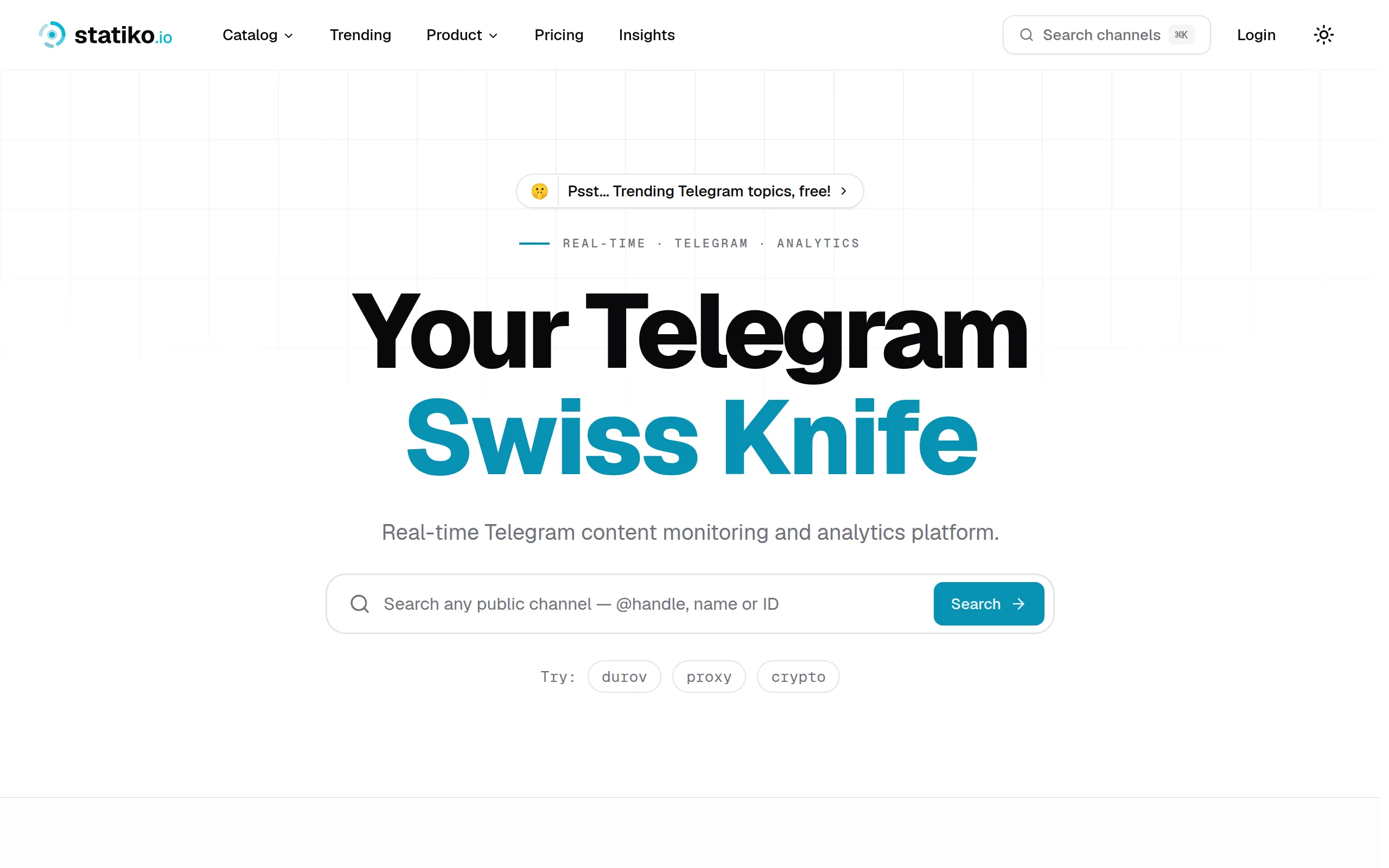
Statiko
Monitor any Telegram channel in real time - track posts, edits, deletions, and growth with AI recaps 📡
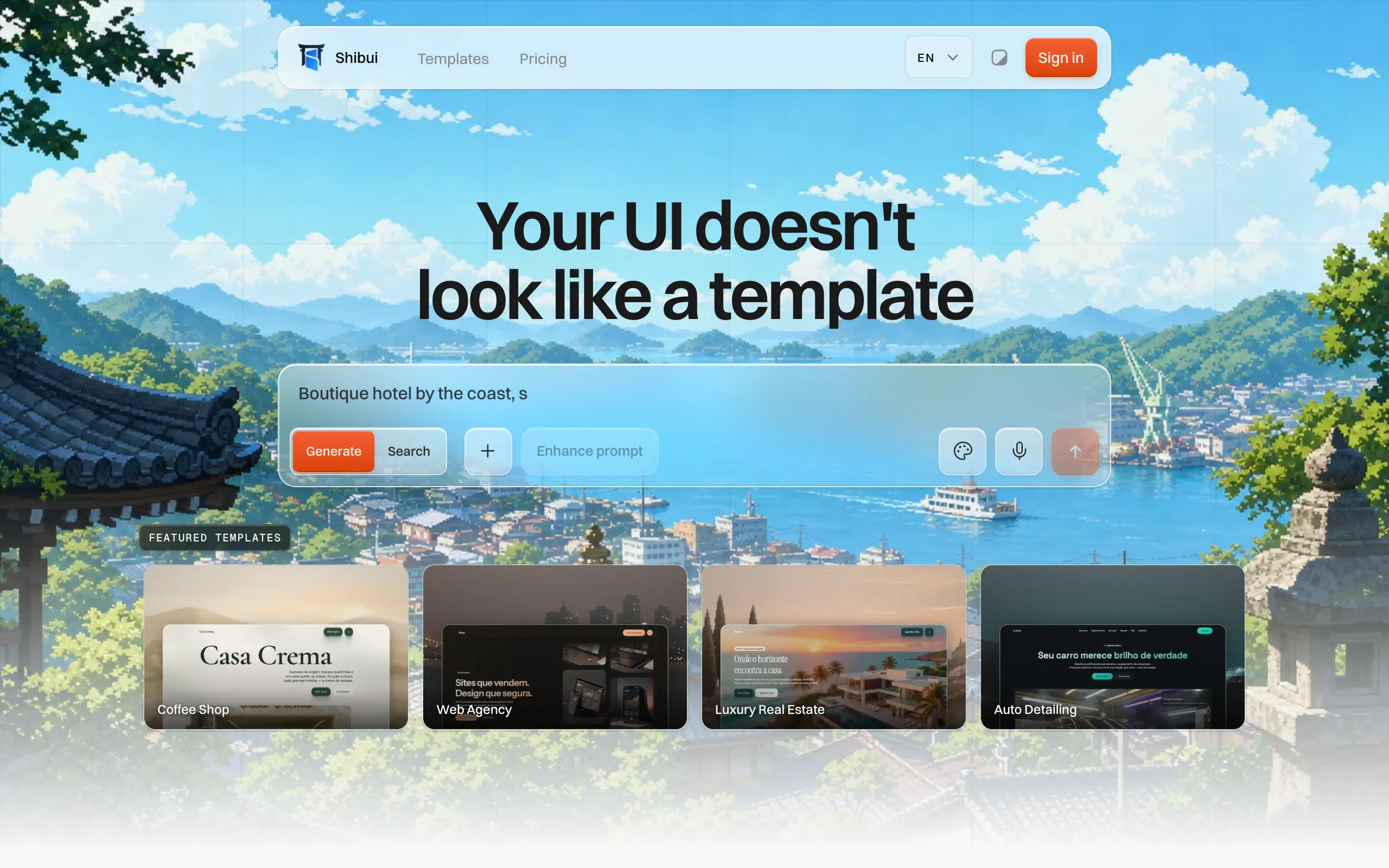
Shibui
AI website builder - describe your business, pick a niche template, edit by chatting, and publish instantly ✨

Pro Service
Find verified home service professionals, compare quotes, and pay securely through escrow - built for Brazilians across the US 🏠
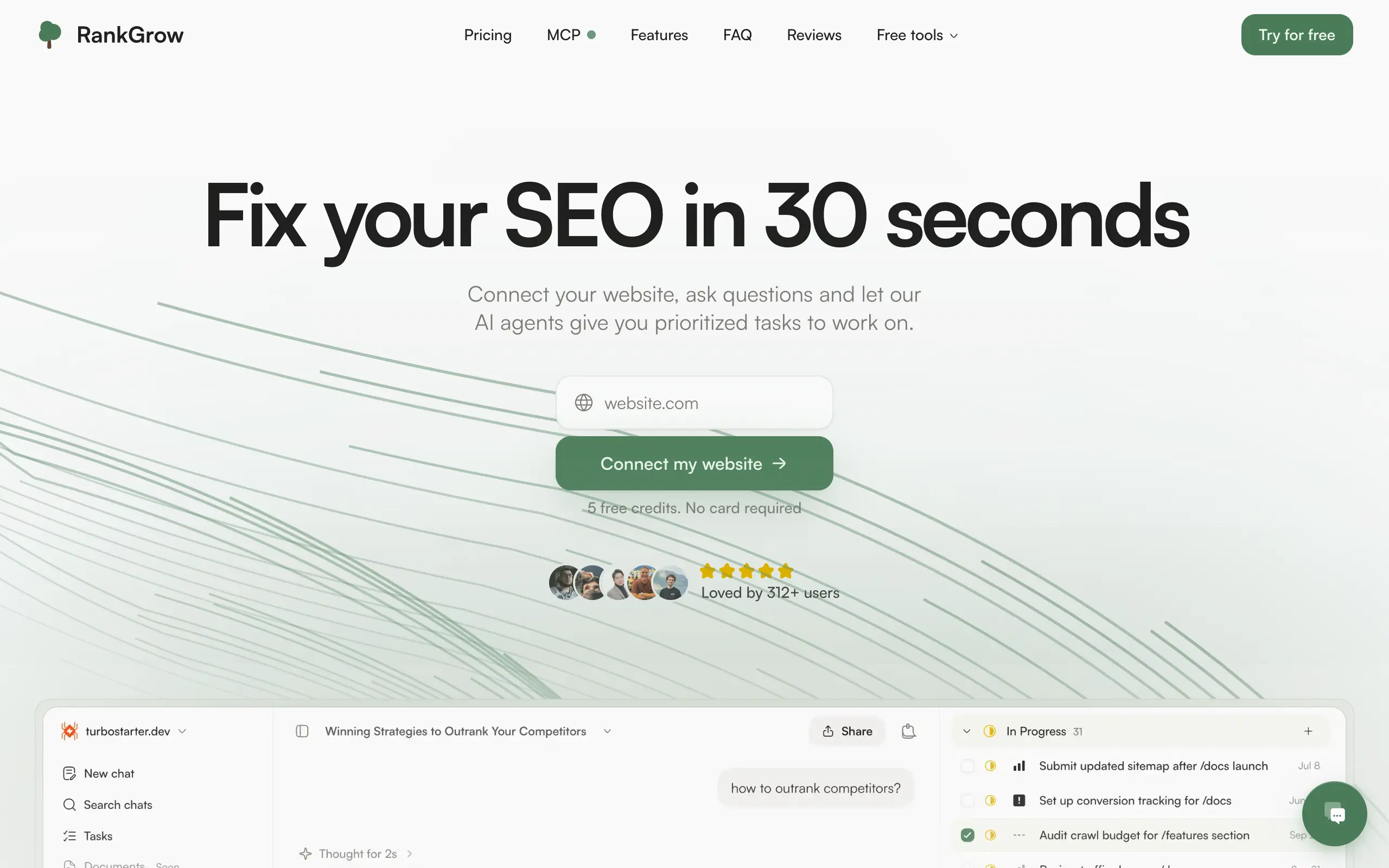
RankGrow
Fix your SEO with AI agents - connect Search Console, get prioritized tasks, and grow organic traffic 📈
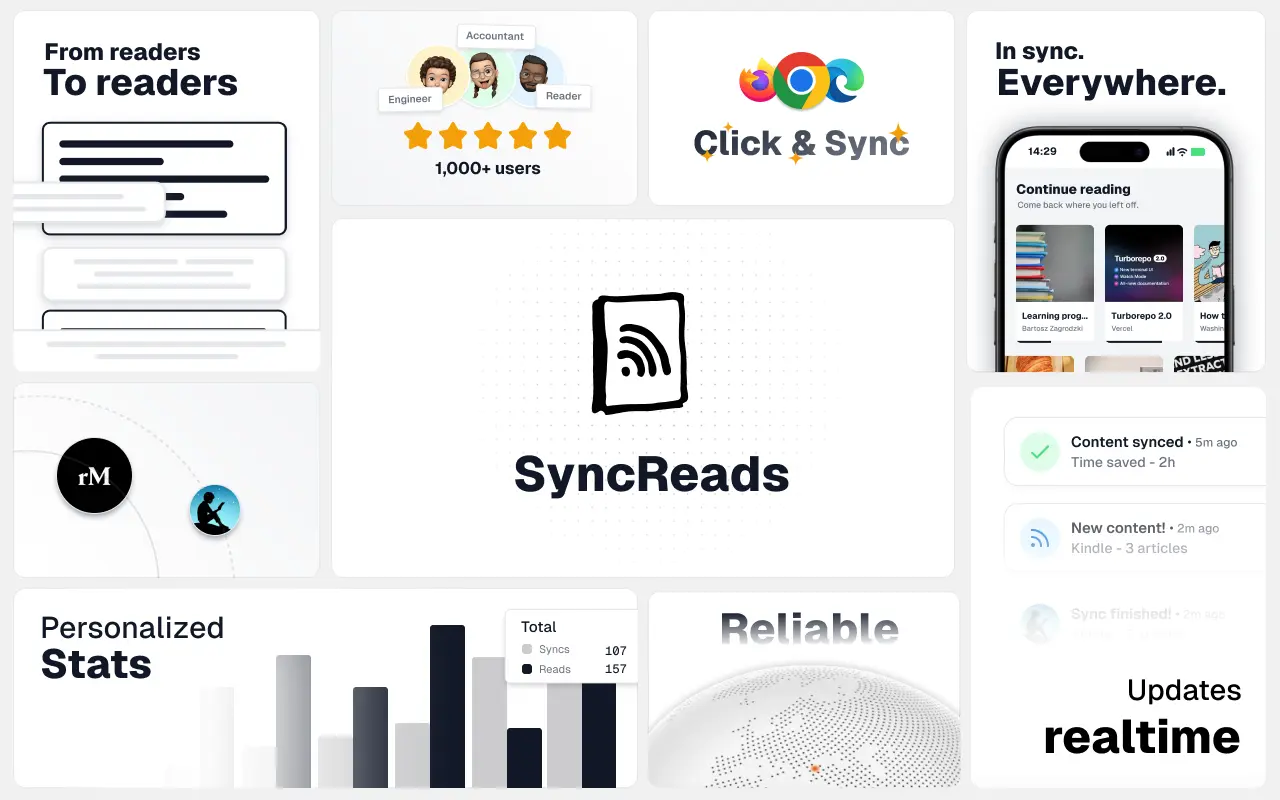
SyncReads
Sync your favorite content for distraction-free reading, save time and replace multiple apps. Anytime, anywhere 🔄
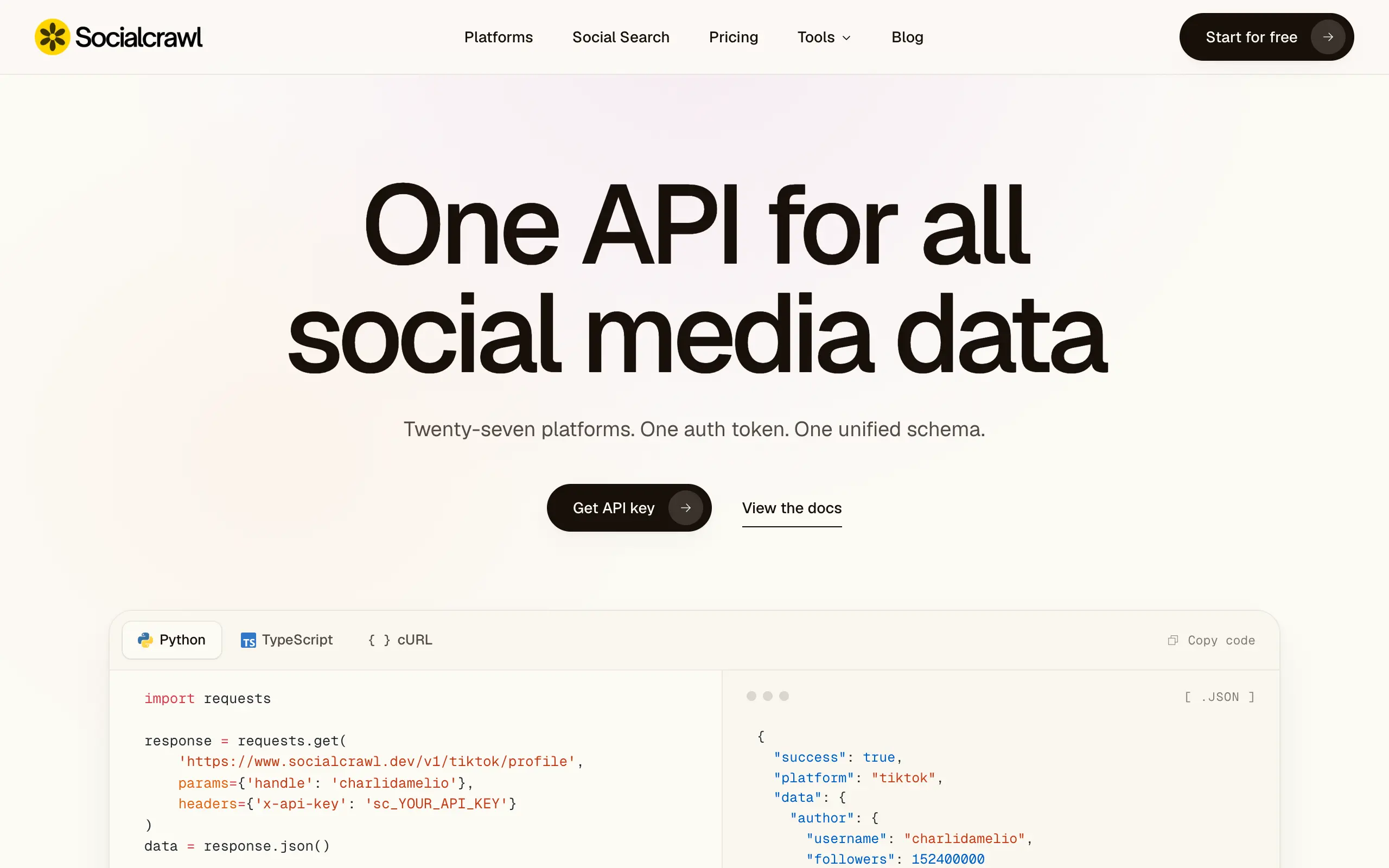
Socialcrawl
Get clean, structured data from 21 platforms like TikTok, Instagram, and YouTube with a single request 📊
Statiko
Monitor any Telegram channel in real time - track posts, edits, deletions, and growth with AI recaps 📡
Shibui
AI website builder - describe your business, pick a niche template, edit by chatting, and publish instantly ✨
Pro Service
Find verified home service professionals, compare quotes, and pay securely through escrow - built for Brazilians across the US 🏠
RankGrow
Fix your SEO with AI agents - connect Search Console, get prioritized tasks, and grow organic traffic 📈
SyncReads
Sync your favorite content for distraction-free reading, save time and replace multiple apps. Anytime, anywhere 🔄
Socialcrawl
Get clean, structured data from 21 platforms like TikTok, Instagram, and YouTube with a single request 📊
Statiko
Monitor any Telegram channel in real time - track posts, edits, deletions, and growth with AI recaps 📡
Shibui
AI website builder - describe your business, pick a niche template, edit by chatting, and publish instantly ✨
Pro Service
Find verified home service professionals, compare quotes, and pay securely through escrow - built for Brazilians across the US 🏠
RankGrow
Fix your SEO with AI agents - connect Search Console, get prioritized tasks, and grow organic traffic 📈
SyncReads
Sync your favorite content for distraction-free reading, save time and replace multiple apps. Anytime, anywhere 🔄
Socialcrawl
Get clean, structured data from 21 platforms like TikTok, Instagram, and YouTube with a single request 📊
Statiko
Monitor any Telegram channel in real time - track posts, edits, deletions, and growth with AI recaps 📡
Shibui
AI website builder - describe your business, pick a niche template, edit by chatting, and publish instantly ✨
Pro Service
Find verified home service professionals, compare quotes, and pay securely through escrow - built for Brazilians across the US 🏠
RankGrow
Fix your SEO with AI agents - connect Search Console, get prioritized tasks, and grow organic traffic 📈
SyncReads
Sync your favorite content for distraction-free reading, save time and replace multiple apps. Anytime, anywhere 🔄
Socialcrawl
Get clean, structured data from 21 platforms like TikTok, Instagram, and YouTube with a single request 📊
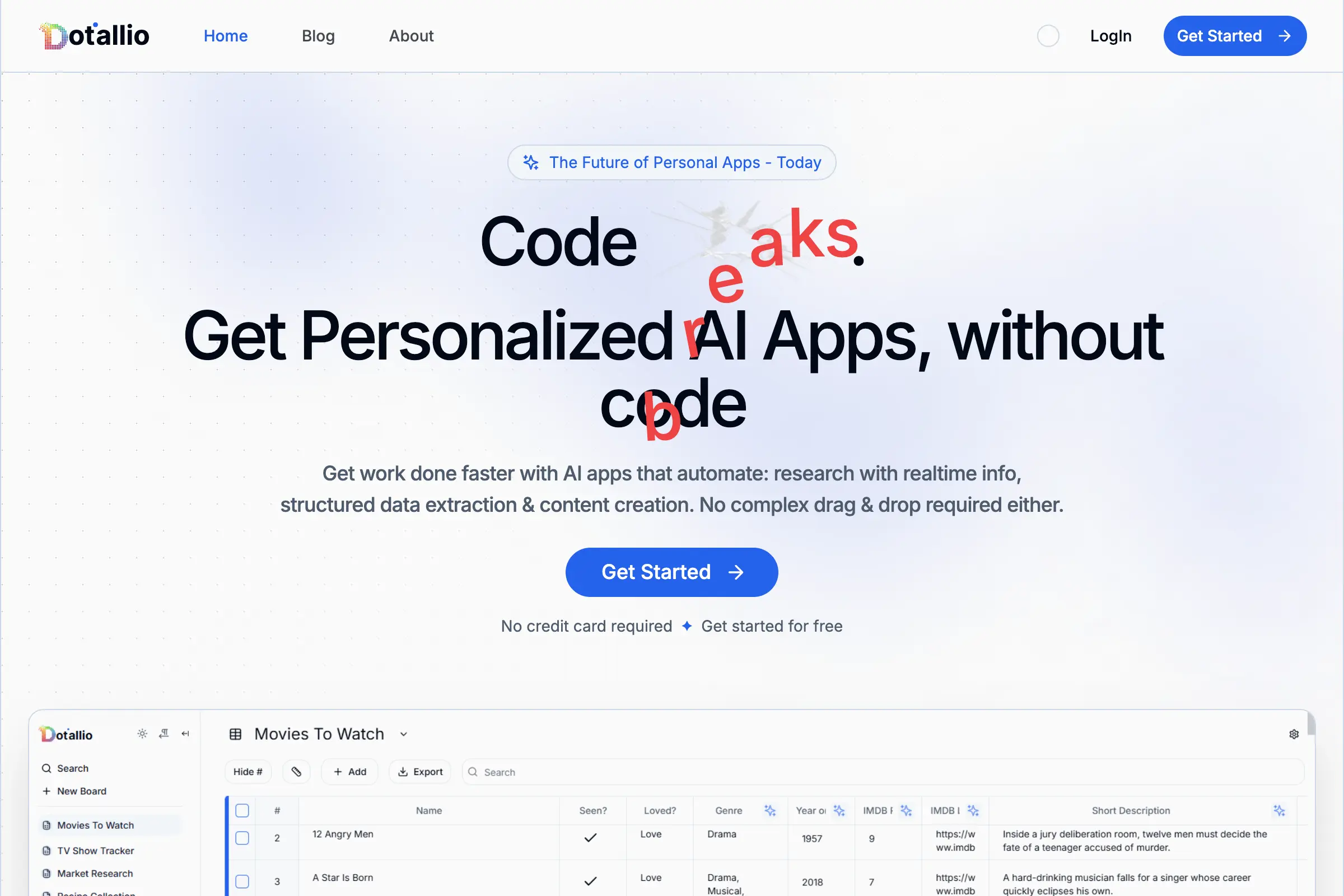
Dotallio
Personalized AI apps that automate research, data extraction, and content creation without code 🤖
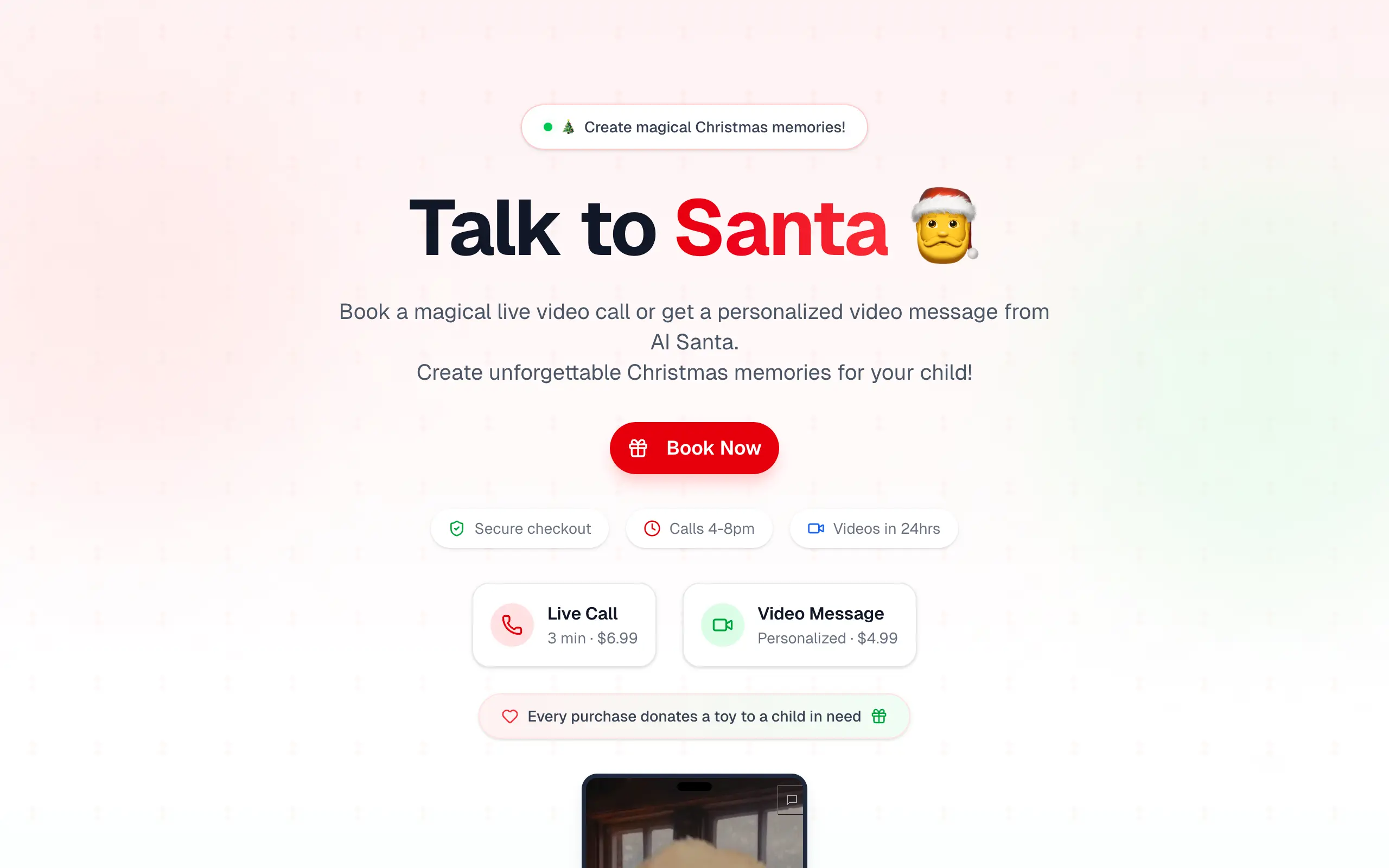
Talk to Santa
Enjoy a magical live video chat or receive a unique AI-generated video greeting from Santa Claus 🎅
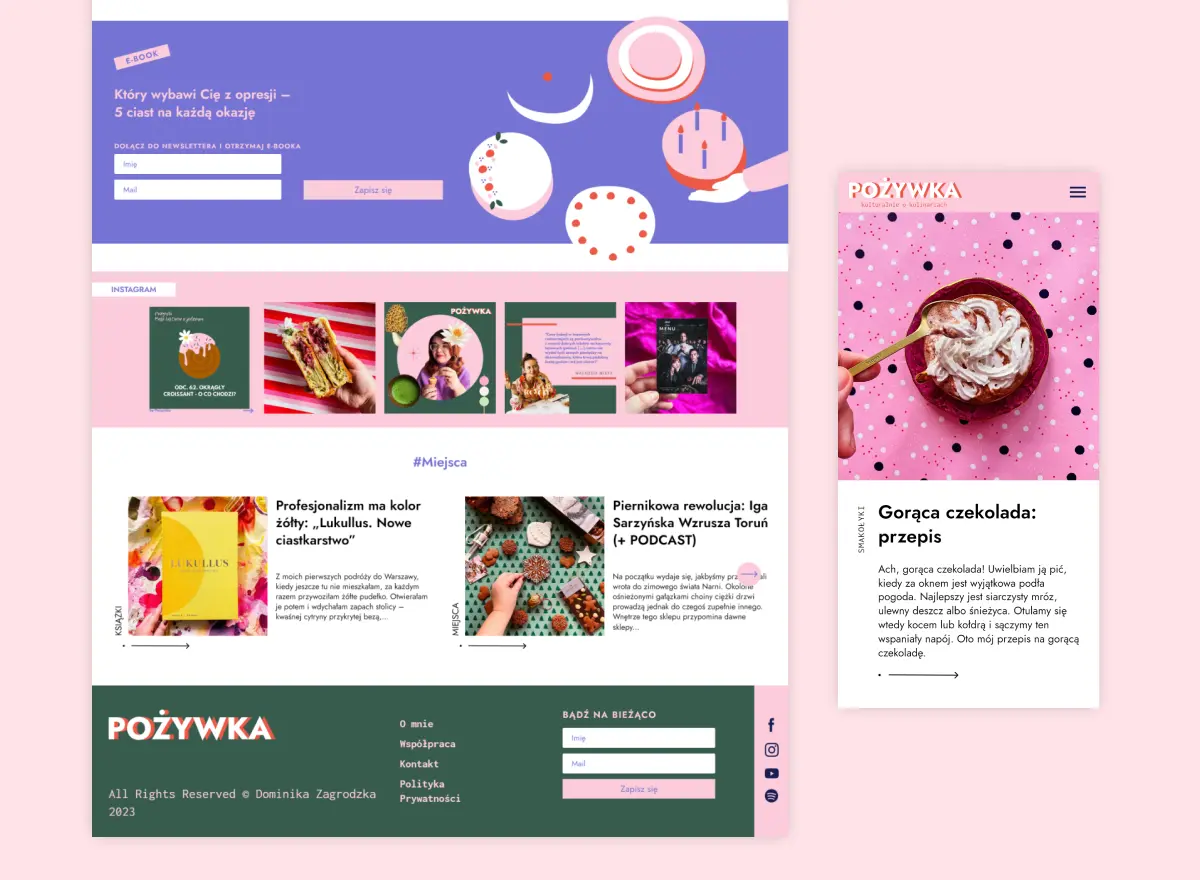
pozywka.pl
Scalable blog for food journalist, focused on performance and user experience 🌭
zagrodzki.me
Personal blog and portfolio of Bart Zagrodzki, where he shares his knowledge and work 💼
TurboStarter
Ship your startup everywhere. In minutes.
HTML to Markdown
Convert HTML to Markdown with ease, directly in your browser 📄
Dotallio
Personalized AI apps that automate research, data extraction, and content creation without code 🤖
Talk to Santa
Enjoy a magical live video chat or receive a unique AI-generated video greeting from Santa Claus 🎅
pozywka.pl
Scalable blog for food journalist, focused on performance and user experience 🌭
zagrodzki.me
Personal blog and portfolio of Bart Zagrodzki, where he shares his knowledge and work 💼
TurboStarter
Ship your startup everywhere. In minutes.
HTML to Markdown
Convert HTML to Markdown with ease, directly in your browser 📄
Dotallio
Personalized AI apps that automate research, data extraction, and content creation without code 🤖
Talk to Santa
Enjoy a magical live video chat or receive a unique AI-generated video greeting from Santa Claus 🎅
pozywka.pl
Scalable blog for food journalist, focused on performance and user experience 🌭
zagrodzki.me
Personal blog and portfolio of Bart Zagrodzki, where he shares his knowledge and work 💼
TurboStarter
Ship your startup everywhere. In minutes.
HTML to Markdown
Convert HTML to Markdown with ease, directly in your browser 📄
Dotallio
Personalized AI apps that automate research, data extraction, and content creation without code 🤖
Talk to Santa
Enjoy a magical live video chat or receive a unique AI-generated video greeting from Santa Claus 🎅
pozywka.pl
Scalable blog for food journalist, focused on performance and user experience 🌭
zagrodzki.me
Personal blog and portfolio of Bart Zagrodzki, where he shares his knowledge and work 💼
TurboStarter
Ship your startup everywhere. In minutes.
HTML to Markdown
Convert HTML to Markdown with ease, directly in your browser 📄
Omichat
Chat with 50+ AI models, including ChatGPT and Claude, in one place - switch models anytime without losing context 🤖
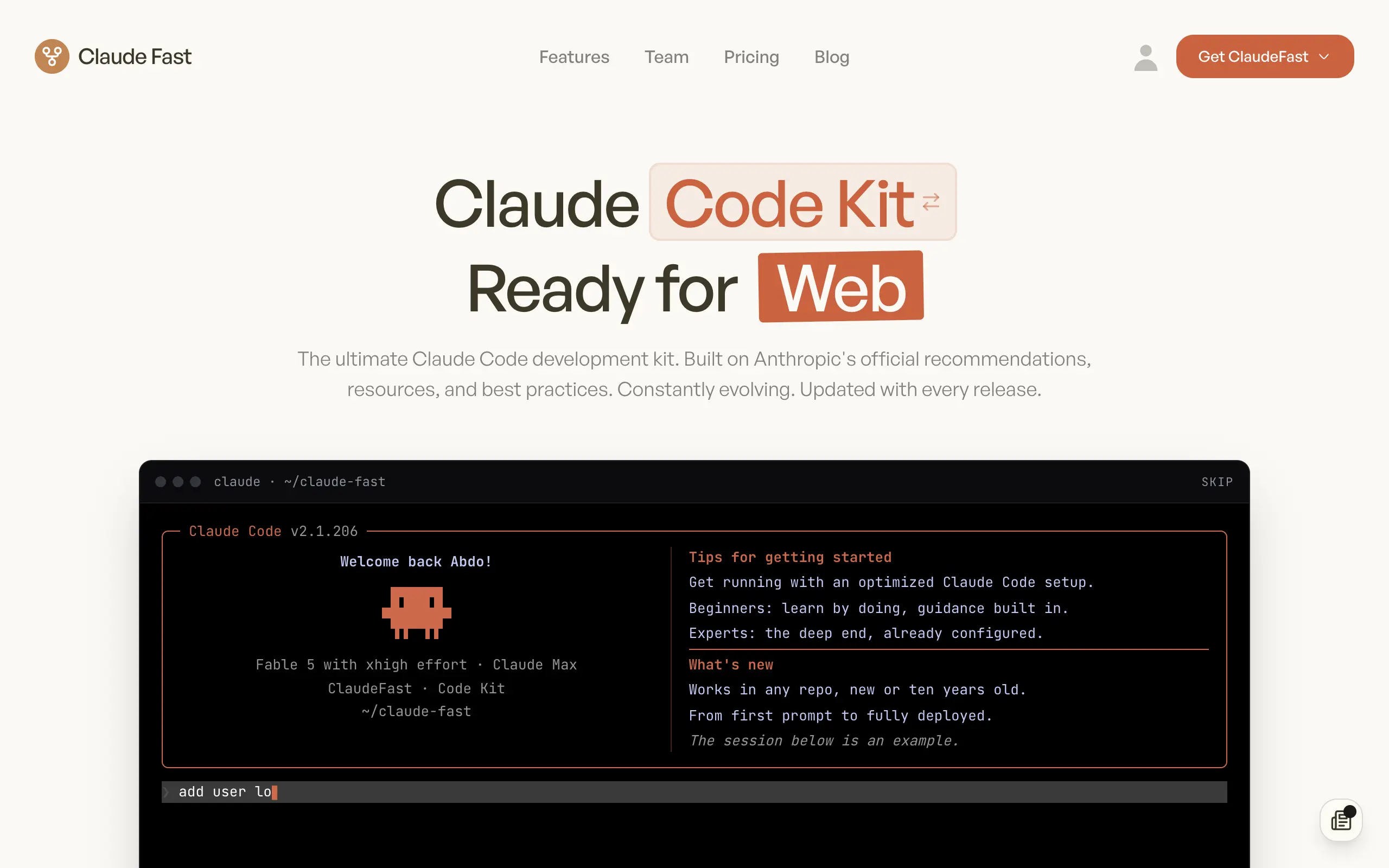
Claude Fast
Supercharge your Claude Code with 6x effective context window and specialized AI agents 🤖
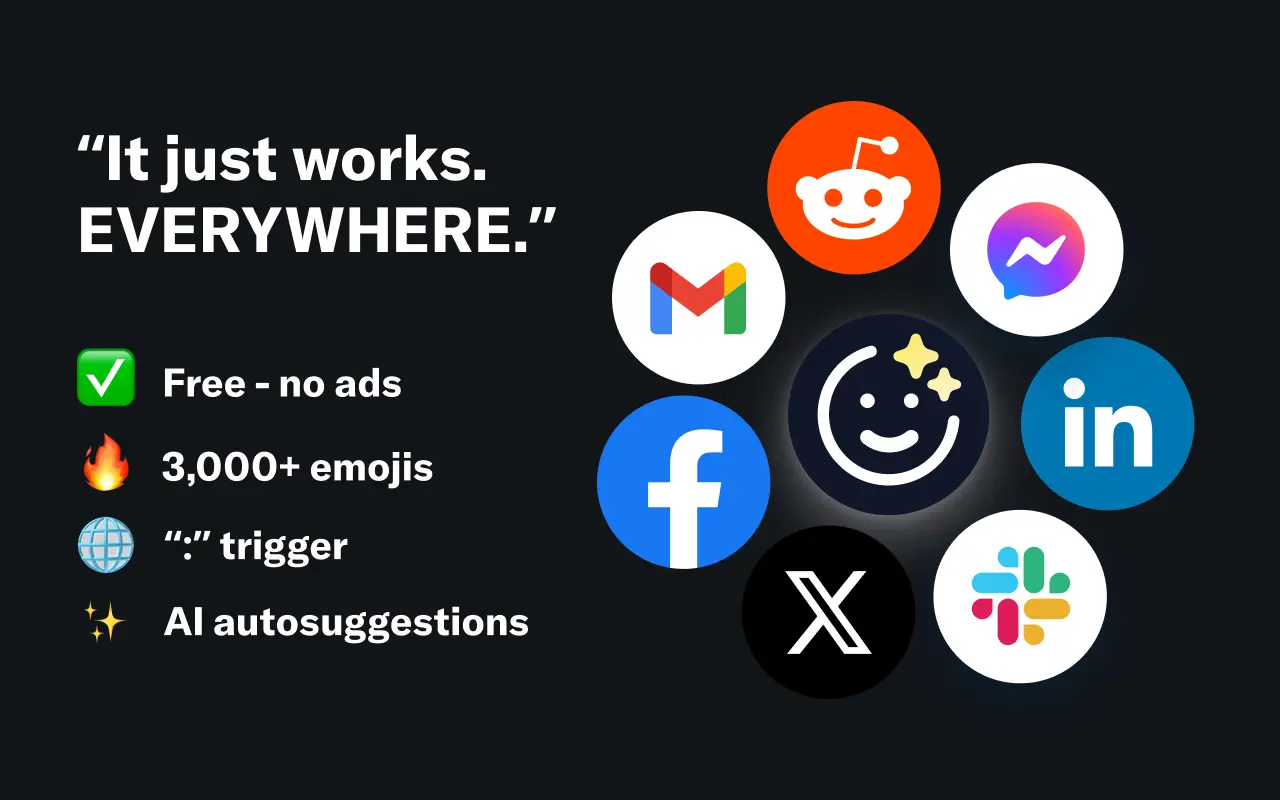
EmojAI
AI-powered emoji picker with smart, context-aware suggestions 🤖
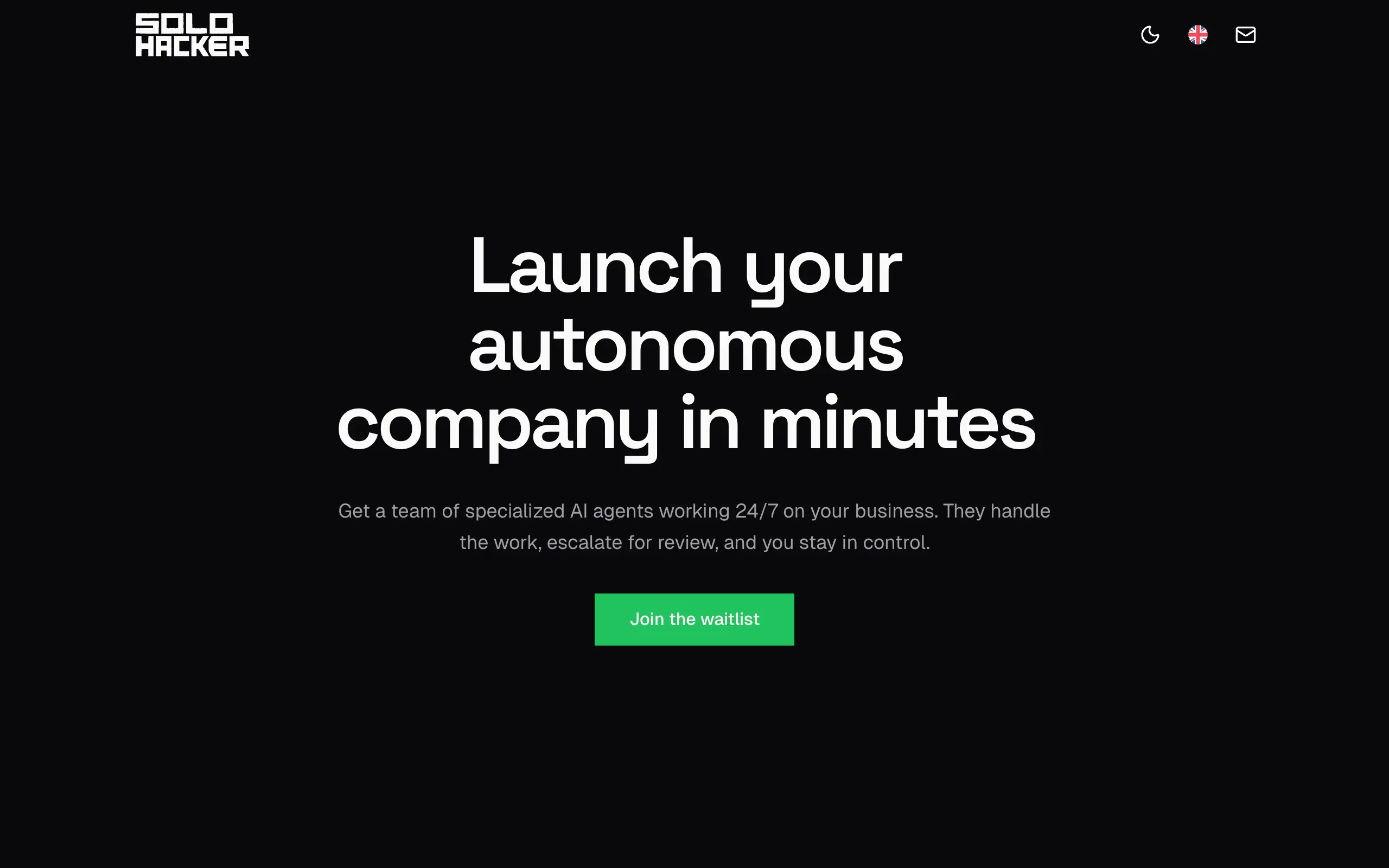
Solohacker
Autonomous company launcher - AI agents work 24/7, escalate what matters, and you stay in control 🤖
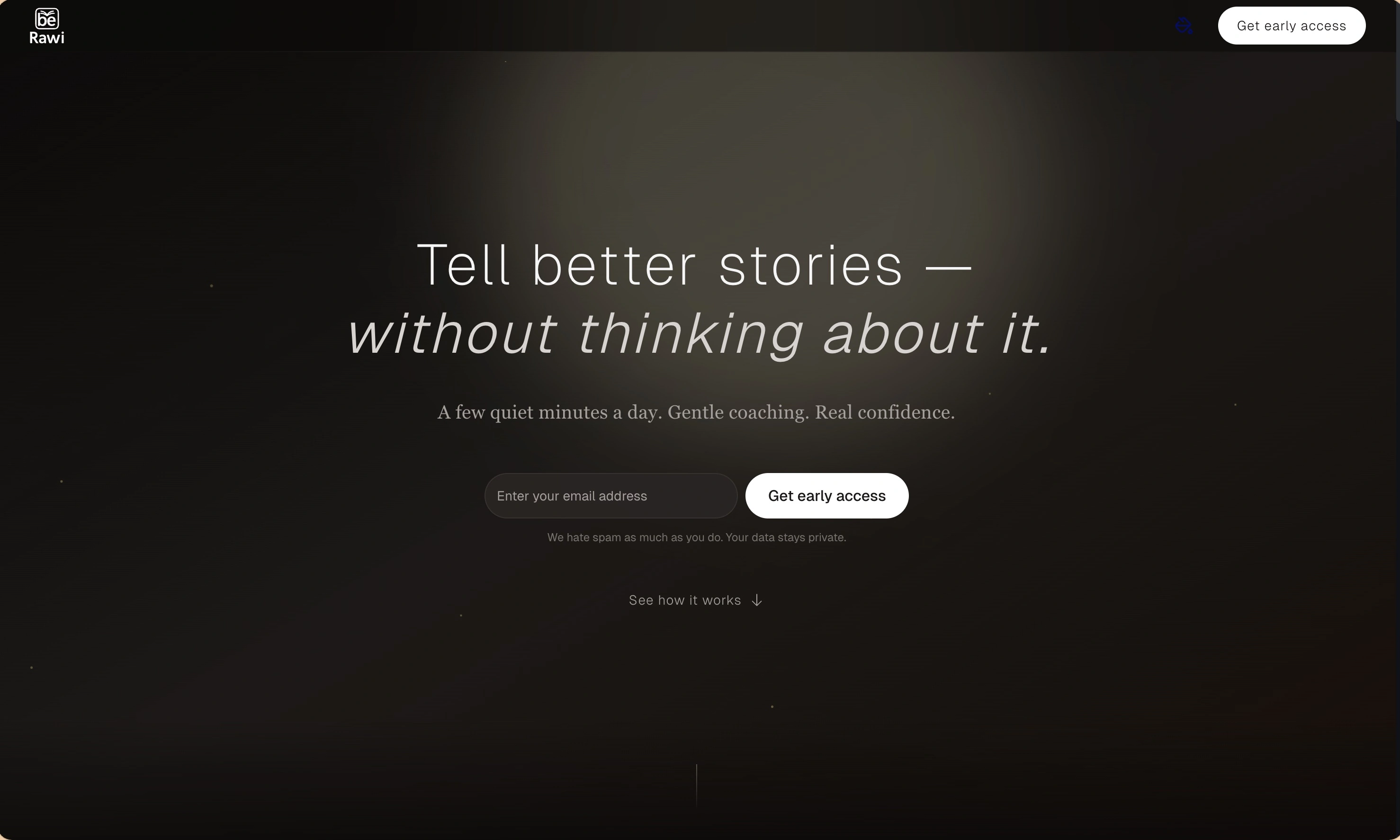
BeRawi: Storytelling Coach
Practice storytelling daily with instant feedback to sound clearer, more engaging, and confident 🎤
Omichat
Chat with 50+ AI models, including ChatGPT and Claude, in one place - switch models anytime without losing context 🤖
Claude Fast
Supercharge your Claude Code with 6x effective context window and specialized AI agents 🤖
EmojAI
AI-powered emoji picker with smart, context-aware suggestions 🤖
Solohacker
Autonomous company launcher - AI agents work 24/7, escalate what matters, and you stay in control 🤖
BeRawi: Storytelling Coach
Practice storytelling daily with instant feedback to sound clearer, more engaging, and confident 🎤
Omichat
Chat with 50+ AI models, including ChatGPT and Claude, in one place - switch models anytime without losing context 🤖
Claude Fast
Supercharge your Claude Code with 6x effective context window and specialized AI agents 🤖
EmojAI
AI-powered emoji picker with smart, context-aware suggestions 🤖
Solohacker
Autonomous company launcher - AI agents work 24/7, escalate what matters, and you stay in control 🤖
BeRawi: Storytelling Coach
Practice storytelling daily with instant feedback to sound clearer, more engaging, and confident 🎤
Omichat
Chat with 50+ AI models, including ChatGPT and Claude, in one place - switch models anytime without losing context 🤖
Claude Fast
Supercharge your Claude Code with 6x effective context window and specialized AI agents 🤖
EmojAI
AI-powered emoji picker with smart, context-aware suggestions 🤖
Solohacker
Autonomous company launcher - AI agents work 24/7, escalate what matters, and you stay in control 🤖
BeRawi: Storytelling Coach
Practice storytelling daily with instant feedback to sound clearer, more engaging, and confident 🎤

Connect with like-minded people
Join our community to get feedback, support, and grow together with 1,000+ builders on board, let's ship it!
Join usShip your startup everywhere. In minutes.
Don't burn tokens on setup and start building features on day one.