GuardianScreen
AI risk-screening platform for independent escorts that analyzes inquiries, flags dangerous clients, and shares anonymized threat intelligence across a private safety network.
The need for AI-powered risk screening in independent escorting
Independent escorts operate in one of the most high-risk, under-protected sectors of the gig economy. Unlike rideshare drivers or delivery workers, they rarely have access to built-in safety infrastructure, background checks, or real-time risk intelligence networks. Most rely on fragmented tools: Google searches, blacklists in private forums, or word-of-mouth referrals.
GuardianScreen is an AI risk-screening platform for independent escorts that analyzes client inquiries, flags dangerous patterns, and shares anonymized threat intelligence across a private safety network.
This article explores:
- The real market gap in escort safety technology
- How an AI risk-screening platform works in practice
- Core features and technical architecture
- Monetization models and regulatory considerations
- Competitive positioning and defensibility
- Actionable implementation steps
The primary keyword focus is AI risk-screening platform for independent escorts, supported by related terms such as escort safety software, client screening AI, escort blacklist automation, and threat intelligence network for sex workers.
Understanding the target audience
A product like GuardianScreen must be built with deep empathy and domain expertise. The user base is nuanced and often underserved.
Primary users: independent escorts
These include:
- Independent full-service providers
- High-end companions
- Online-based escorts managing bookings through email or messaging apps
- International traveling escorts
- LGBTQ+ escorts
- Escorts operating in both legal and semi-legal jurisdictions
Key characteristics:
- Highly privacy-conscious
- Often tech-savvy (manage websites, payment tools, bookings)
- Risk-aware but time-constrained
- Rely on intuition and fragmented data
Core pain points
-
Time-consuming screening
Escorts manually verify clients using:- Reverse image searches
- Forum checks
- Reference requests
- Social media stalking
-
Inconsistent data sources
Blacklists are scattered across:- Private Telegram groups
- Reddit threads
- Local escort boards
- Encrypted messaging channels
-
Lack of structured threat intelligence
There is no centralized, AI-enhanced risk scoring system. -
Fear of retaliation or doxxing
Reporting dangerous clients can expose the escort. -
Legal ambiguity
In some jurisdictions, reporting systems must be extremely careful about data handling.
Secondary stakeholders
- Escort agencies
- Safety collectives
- Harm reduction organizations
- Legal advisors working with independent sex workers
These groups benefit from aggregated, anonymized intelligence.
Market opportunity and gap analysis
The gig economy has safety infrastructure. Escorting largely does not.
Parallel industries already using AI risk screening
- Rideshare platforms use behavioral analytics and driver/passenger ratings.
- Fintech platforms use fraud detection AI.
- Dating apps use moderation AI to detect harassment.
- Online marketplaces use trust scores and reputation systems.
Independent escorts operate without any of this automation.
The gap
There is currently no:
- Dedicated AI client screening engine built specifically for escort inquiries
- Cross-provider anonymized risk intelligence network
- Behavioral pattern detection trained on escort-specific risk signals
This creates a strong SaaS opportunity in:
- Safety automation
- Predictive risk scoring
- Secure networked intelligence sharing
Market demand signals
While hard data is limited due to industry opacity, public harm-reduction organizations consistently highlight violence risk among independent sex workers. Reports from international human rights organizations and academic studies (suggest citing reputable public health or academic journals) show:
- Disproportionate exposure to violence
- Under-reporting due to legal risks
- Lack of systemic safety infrastructure
This signals strong unmet demand for technology-based solutions.
The core solution: how GuardianScreen works
At its heart, GuardianScreen is an AI-powered escort safety platform that:
- Analyzes client inquiries
- Scores risk probability
- Flags suspicious patterns
- Shares anonymized threat intelligence
High-level workflow
Core features of the AI risk-screening platform
1. AI-powered inquiry analysis
The platform analyzes:
- Language tone (aggressive, coercive, evasive)
- Refusal to provide verification
- Pattern repetition across providers
- Metadata (IP region mismatch, disposable email patterns)
- Known aliases or phone numbers
Using natural language processing models (e.g., via OpenAI APIs), the system classifies inquiries into risk tiers:
- ✅ Low risk
- ⚠️ Medium risk
- 🚨 High risk
Privacy-first AI design
The system should avoid storing raw personally identifiable information (PII) long-term. Instead, it can use hashed identifiers and pattern fingerprints.
2. Dynamic risk scoring engine
The AI risk score could be based on:
- Language risk signals
- Network match signals
- Verification compliance
- Historical reports
For example:
type RiskScoreInput = {
  languageRisk: number;      // 0-1
  networkFlags: number;      // 0-1
  verificationScore: number; // 0-1 (inverse weight)
  anomalyScore: number;      // 0-1
};

function calculateRiskScore(input: RiskScoreInput): number {
  return (
    input.languageRisk * 0.35 +
    input.networkFlags * 0.30 +
    (1 - input.verificationScore) * 0.20 +
    input.anomalyScore * 0.15
  );
}
This modular architecture allows continuous tuning.
3. Private safety intelligence network
This is the platform’s defensible moat.
When a user flags a dangerous client:
- Personally identifiable data is hashed
- Behavior traits are abstracted
- Patterns are shared anonymously
This creates a decentralized intelligence model:
- “Phone number hash linked to 3 coercion reports”
- “Alias reused across 4 cities”
- “Email pattern linked to chargeback fraud”
Over time, the platform becomes smarter.
4. Escort-specific dashboard
The dashboard should provide:
- Real-time risk score display
- Inquiry breakdown (why it was flagged)
- Historical patterns
- Safety recommendations
- Community alerts
Use clear, calm UX design. No alarmist tone.
5. Panic mode and logging
Optional feature:
- One-click logging of meeting details
- Encrypted location/time storage
- Emergency export capability
This enhances perceived safety value.
Competitive landscape
There are partial alternatives, but no full-stack AI risk-screening platform for independent escorts.
Existing approaches
- Informal blacklist forums
- Encrypted Telegram groups
- Manual Google checks
- Agency-run screening
Comparison table
| Feature | GuardianScreen | Forums | Telegram Groups | Agencies |
|---|---|---|---|---|
| AI risk scoring | ✅ | ❌ | ❌ | ❌ |
| Anonymized network intelligence | ✅ | ❌ | ✅ | ❌ |
| Structured dashboard | ✅ | ❌ | ❌ | ✅ |
| Independent-friendly | ✅ | ✅ | ✅ | ❌ |
Recommended tech stack for GuardianScreen
Building a secure AI risk-screening SaaS requires careful architectural decisions.
Frontend
Why:
- Fast iteration
- SSR for SEO
- Secure dashboard UX
Backend
- Node.js (API layer)
- Python microservice for ML scoring
- REST or GraphQL API
AI layer
- LLM API for language analysis
- Custom classification model trained on anonymized escort-specific data
- Embedding-based similarity detection
Trade-off:
- LLM = flexible, fast to launch
- Custom model = better long-term defensibility
Database
- PostgreSQL for structured data
- Redis for caching risk lookups
- Encrypted object storage for temporary logs
Security infrastructure
- End-to-end encryption
- Hash-based identifier matching
- Zero-knowledge architecture where possible
Legal compliance is critical
Data handling must comply with GDPR, CCPA, and regional privacy laws. Legal consultation is mandatory before launch.
Monetization strategy options
GuardianScreen should balance accessibility with sustainability.
1. Subscription tiers
-
Basic ($19/month)
- AI inquiry screening
- Limited risk checks
-
Pro ($39/month)
- Full network intelligence
- Advanced analytics
- Unlimited screenings
-
Agency ($99+/month)
- Multi-user accounts
- Team dashboard
2. Pay-per-screen model
For occasional escorts:
- $2–$5 per AI risk scan
3. Community-supported safety fund
Optional:
- Discounted memberships for verified low-income providers
- Sponsored by agencies or advocacy groups
Risks and mitigation strategies
1. Legal risk
Depending on jurisdiction, building tools for escorting may face:
- Payment processor restrictions
- Hosting bans
- Banking issues
Mitigation:
- Work with legal counsel
- Use compliant payment providers
- Focus messaging on safety and harm reduction
2. Data security risk
A breach would be catastrophic.
Mitigation:
- Encryption at rest and in transit
- No storage of explicit booking details
- Regular security audits
3. False positives / false negatives
AI is imperfect.
Mitigation:
- Human override option
- Transparent scoring explanations
- Continuous model training
Unique selling proposition (USP)
GuardianScreen’s USP is:
A dedicated AI risk-screening platform built specifically for independent escorts, powered by a private anonymized threat intelligence network.
Key differentiators:
- Escort-specific language model tuning
- Cross-provider behavioral intelligence
- Privacy-first architecture
- Independent-friendly positioning
Over time, the network effect becomes a powerful moat. The more escorts use it, the smarter and more protective it becomes.
Go-to-market strategy
Phase 1: Private beta
- Invite 50–100 independent escorts
- Focus on high-end providers with strong networks
- Collect feedback on false positives
Phase 2: Community integration
- Partner with harm reduction collectives
- Offer educational webinars on digital safety
- Position as safety infrastructure, not surveillance
Phase 3: International expansion
- Localized risk models
- Region-specific compliance adaptation
Step-by-step implementation roadmap
To accelerate development, founders can leverage production-ready SaaS scaffolding like TurboStarter, which reduces setup time for authentication, billing, and dashboard infrastructure.
Long-term vision
GuardianScreen could evolve into:
- Cross-border safety intelligence
- Insurance-backed risk scoring
- Verified-client credential system
- Safety certification badges
Eventually, it becomes the de facto safety layer for independent escorting.
Frequently asked strategic questions
AI should augment — not replace — human judgment. The platform should clearly position risk scores as guidance tools, not guarantees.
Yes, but risk signals vary culturally. Regional model tuning and localized moderation policies are required.
The anonymized threat intelligence network and escort-specific model training create compounding data advantages.
Final thoughts
An AI risk-screening platform for independent escorts addresses a real, urgent safety gap in an underserved industry. By combining:
- AI-powered inquiry analysis
- Privacy-first data architecture
- Network-driven threat intelligence
- Thoughtful legal compliance
GuardianScreen has the potential to become critical safety infrastructure.
The key to success lies in trust.
Trust in data handling.
Trust in accuracy.
Trust in community alignment.
Build it carefully, launch it privately, and grow it responsibly.
More 🤖 AI Startup SaaS ideas
Discover more innovative ai startup SaaS ideas that are trending in 2026. Each idea is AI-generated with market validation and growth potential to help you find your next profitable venture faster than competitors.
Your competitors are building with TurboStarter
Below are some of the SaaS ideas that have been generated and built with our starter kit.

Statiko
Monitor any Telegram channel in real time - track posts, edits, deletions, and growth with AI recaps 📡

Shibui
AI website builder - describe your business, pick a niche template, edit by chatting, and publish instantly ✨

Pro Service
Find verified home service professionals, compare quotes, and pay securely through escrow - built for Brazilians across the US 🏠
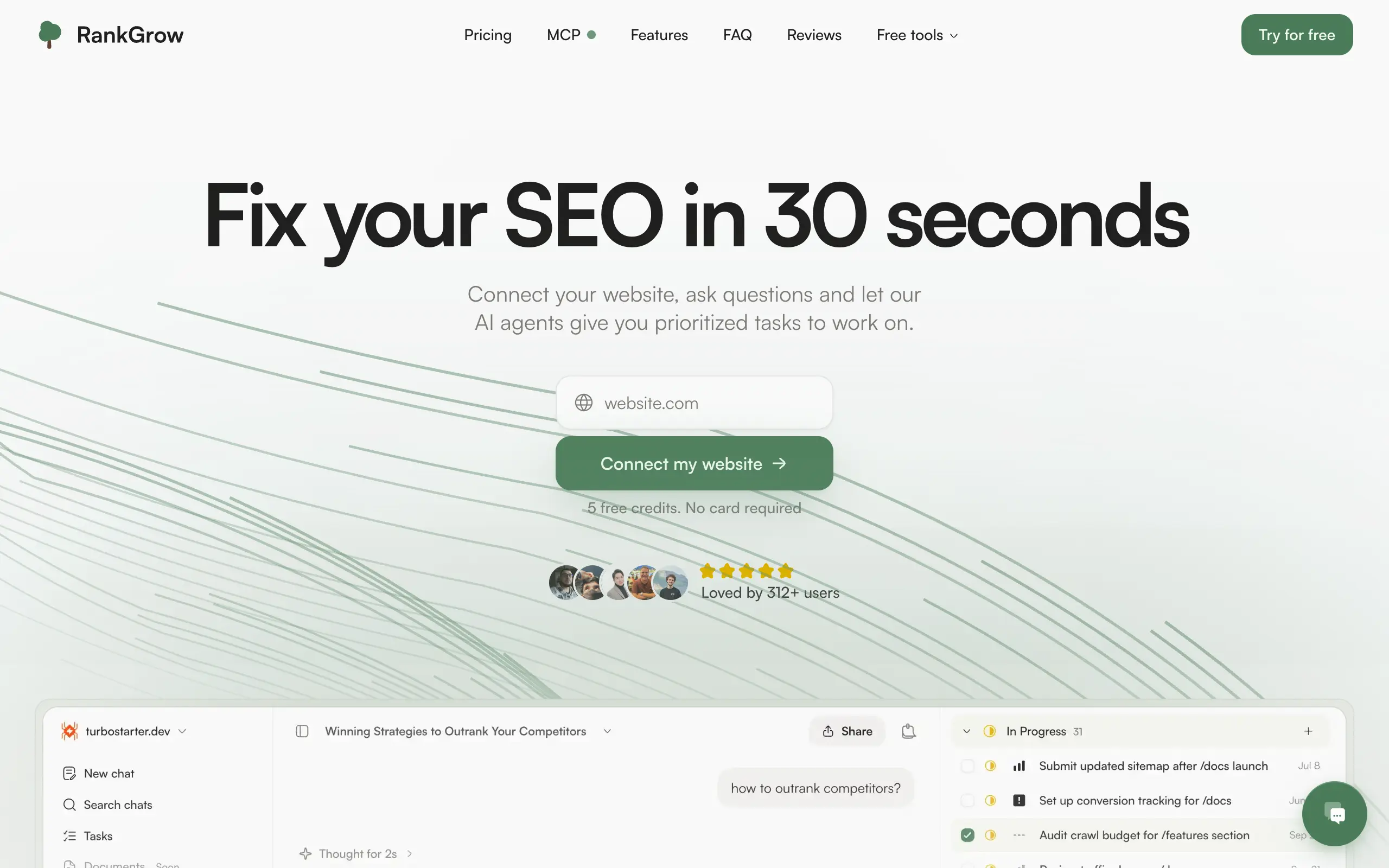
RankGrow
Fix your SEO with AI agents - connect Search Console, get prioritized tasks, and grow organic traffic 📈
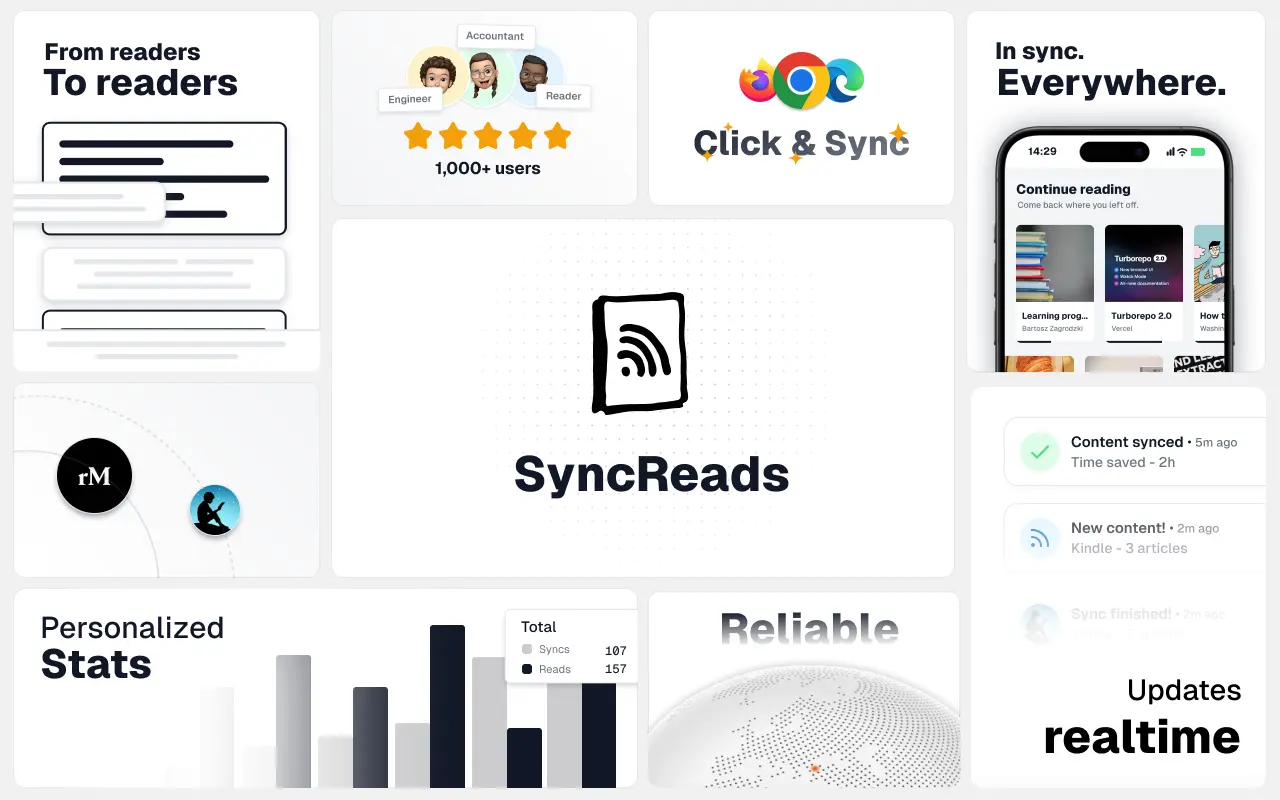
SyncReads
Sync your favorite content for distraction-free reading, save time and replace multiple apps. Anytime, anywhere 🔄
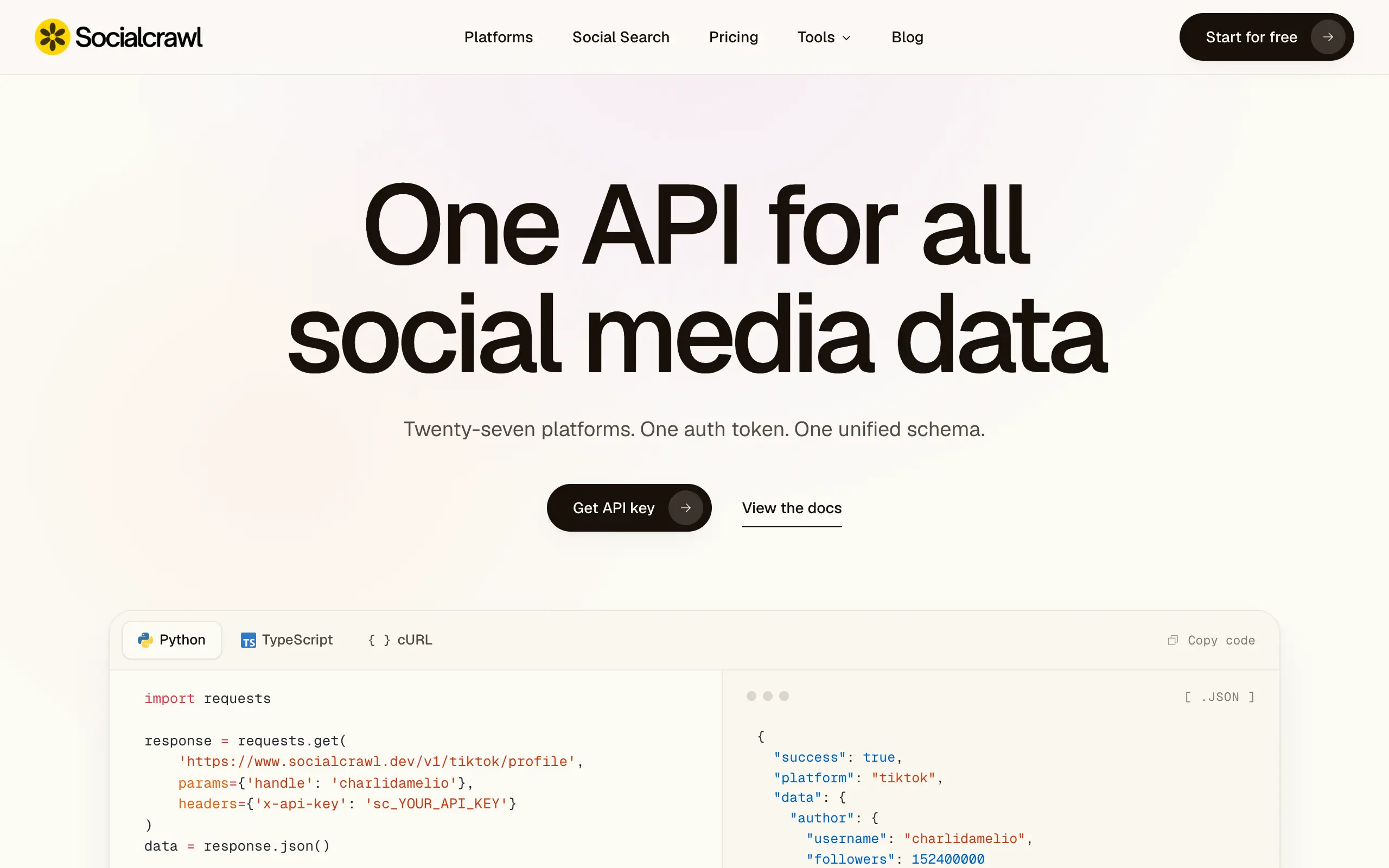
Socialcrawl
Get clean, structured data from 21 platforms like TikTok, Instagram, and YouTube with a single request 📊
Statiko
Monitor any Telegram channel in real time - track posts, edits, deletions, and growth with AI recaps 📡
Shibui
AI website builder - describe your business, pick a niche template, edit by chatting, and publish instantly ✨
Pro Service
Find verified home service professionals, compare quotes, and pay securely through escrow - built for Brazilians across the US 🏠
RankGrow
Fix your SEO with AI agents - connect Search Console, get prioritized tasks, and grow organic traffic 📈
SyncReads
Sync your favorite content for distraction-free reading, save time and replace multiple apps. Anytime, anywhere 🔄
Socialcrawl
Get clean, structured data from 21 platforms like TikTok, Instagram, and YouTube with a single request 📊
Statiko
Monitor any Telegram channel in real time - track posts, edits, deletions, and growth with AI recaps 📡
Shibui
AI website builder - describe your business, pick a niche template, edit by chatting, and publish instantly ✨
Pro Service
Find verified home service professionals, compare quotes, and pay securely through escrow - built for Brazilians across the US 🏠
RankGrow
Fix your SEO with AI agents - connect Search Console, get prioritized tasks, and grow organic traffic 📈
SyncReads
Sync your favorite content for distraction-free reading, save time and replace multiple apps. Anytime, anywhere 🔄
Socialcrawl
Get clean, structured data from 21 platforms like TikTok, Instagram, and YouTube with a single request 📊
Statiko
Monitor any Telegram channel in real time - track posts, edits, deletions, and growth with AI recaps 📡
Shibui
AI website builder - describe your business, pick a niche template, edit by chatting, and publish instantly ✨
Pro Service
Find verified home service professionals, compare quotes, and pay securely through escrow - built for Brazilians across the US 🏠
RankGrow
Fix your SEO with AI agents - connect Search Console, get prioritized tasks, and grow organic traffic 📈
SyncReads
Sync your favorite content for distraction-free reading, save time and replace multiple apps. Anytime, anywhere 🔄
Socialcrawl
Get clean, structured data from 21 platforms like TikTok, Instagram, and YouTube with a single request 📊
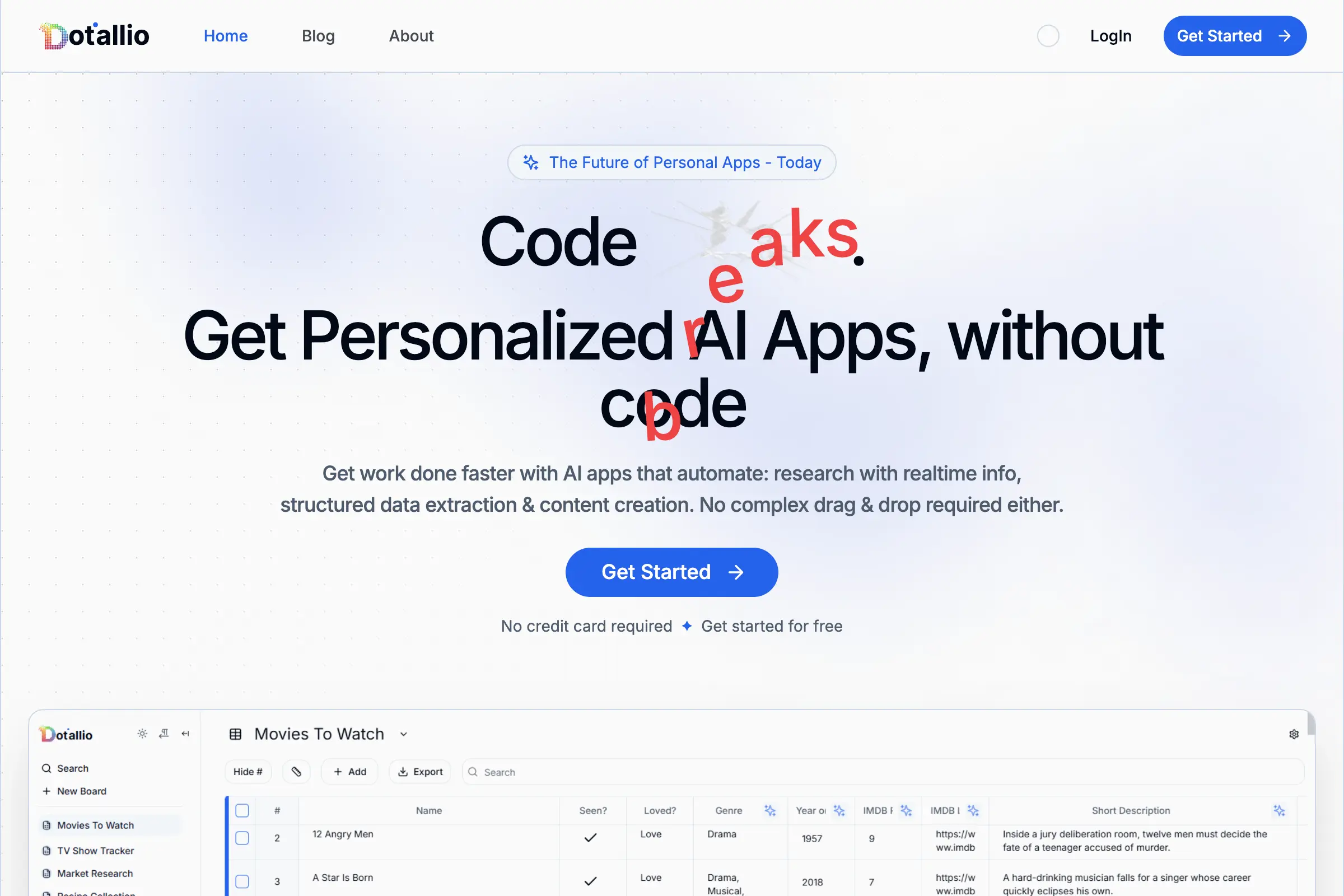
Dotallio
Personalized AI apps that automate research, data extraction, and content creation without code 🤖
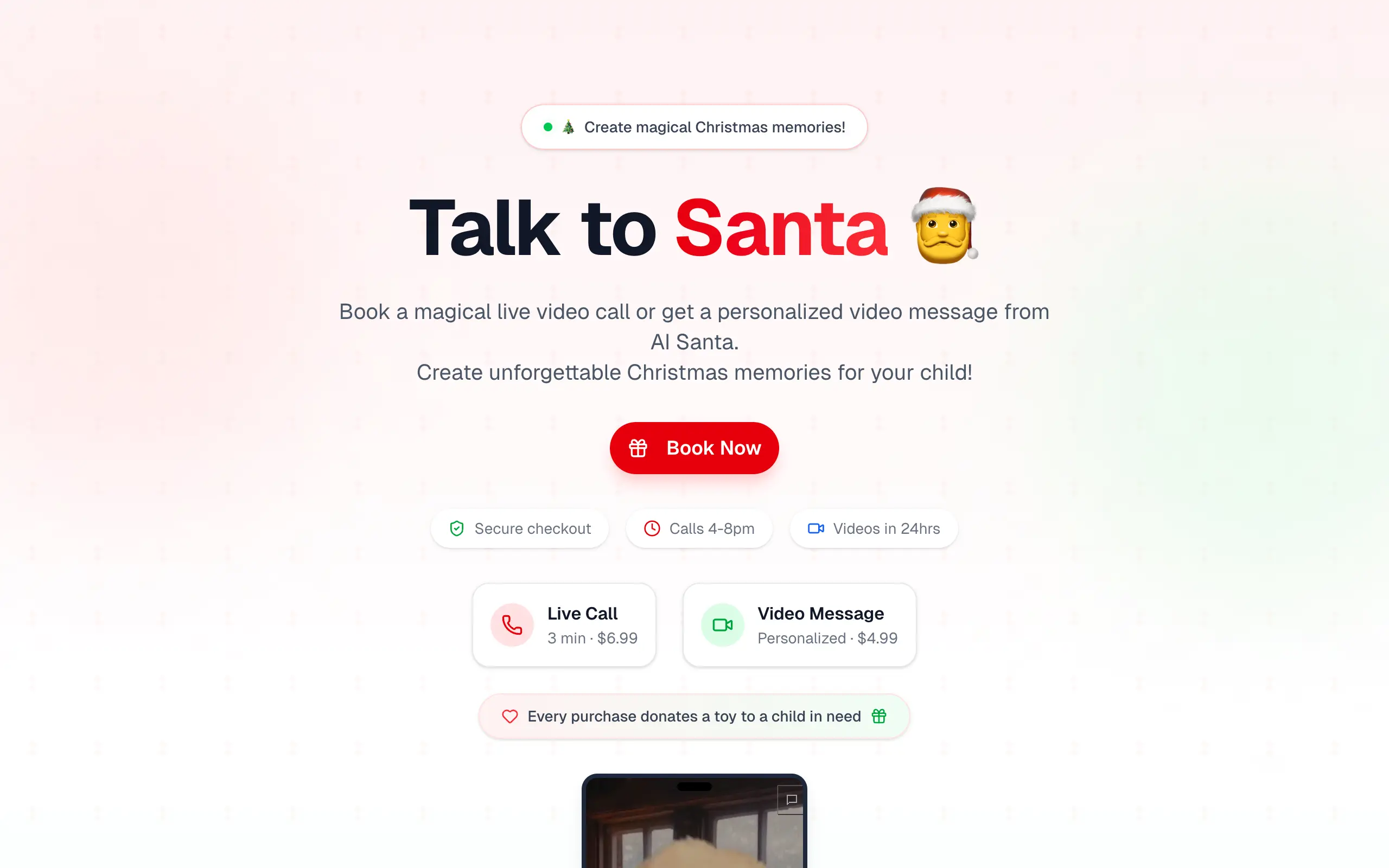
Talk to Santa
Enjoy a magical live video chat or receive a unique AI-generated video greeting from Santa Claus 🎅

pozywka.pl
Scalable blog for food journalist, focused on performance and user experience 🌭
zagrodzki.me
Personal blog and portfolio of Bart Zagrodzki, where he shares his knowledge and work 💼
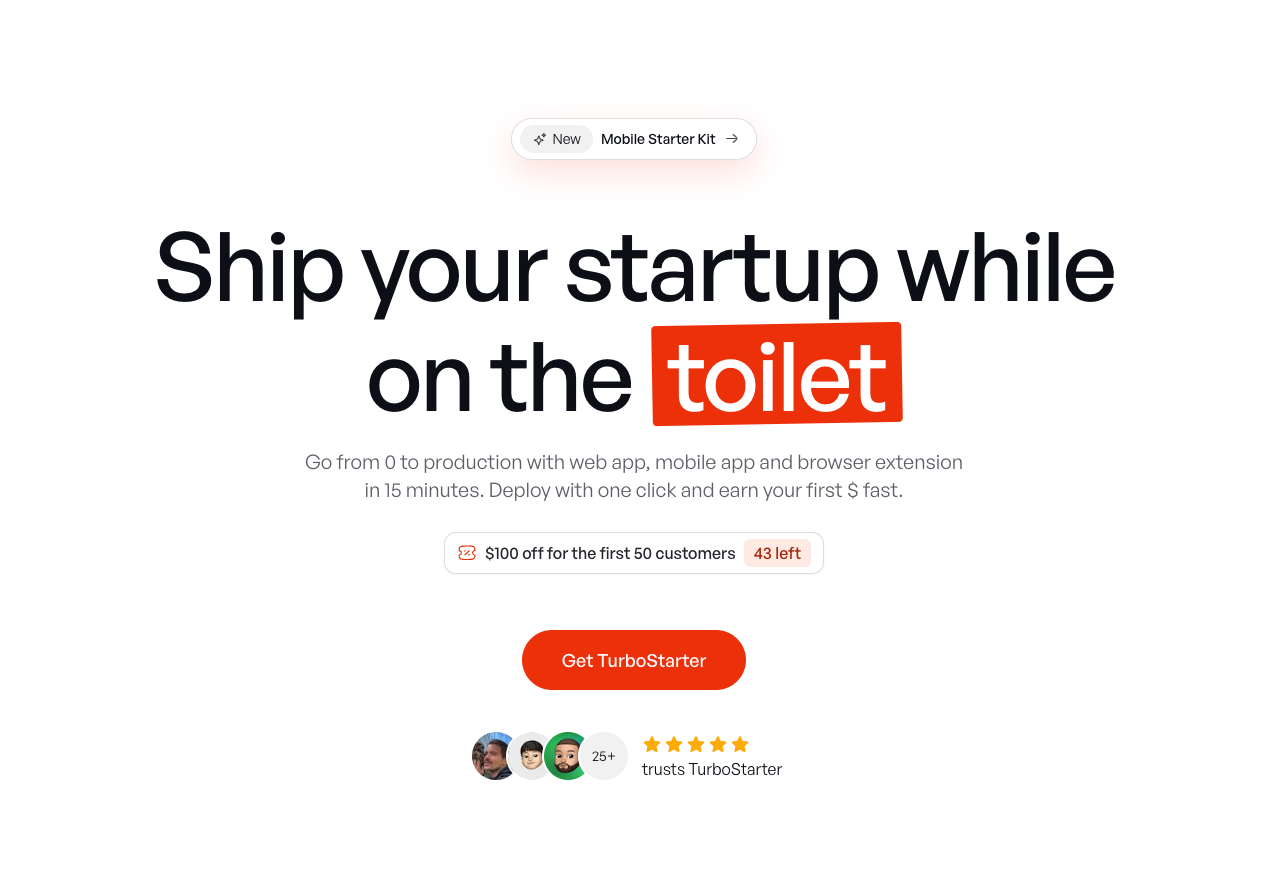
TurboStarter
Ship your startup everywhere. In minutes.
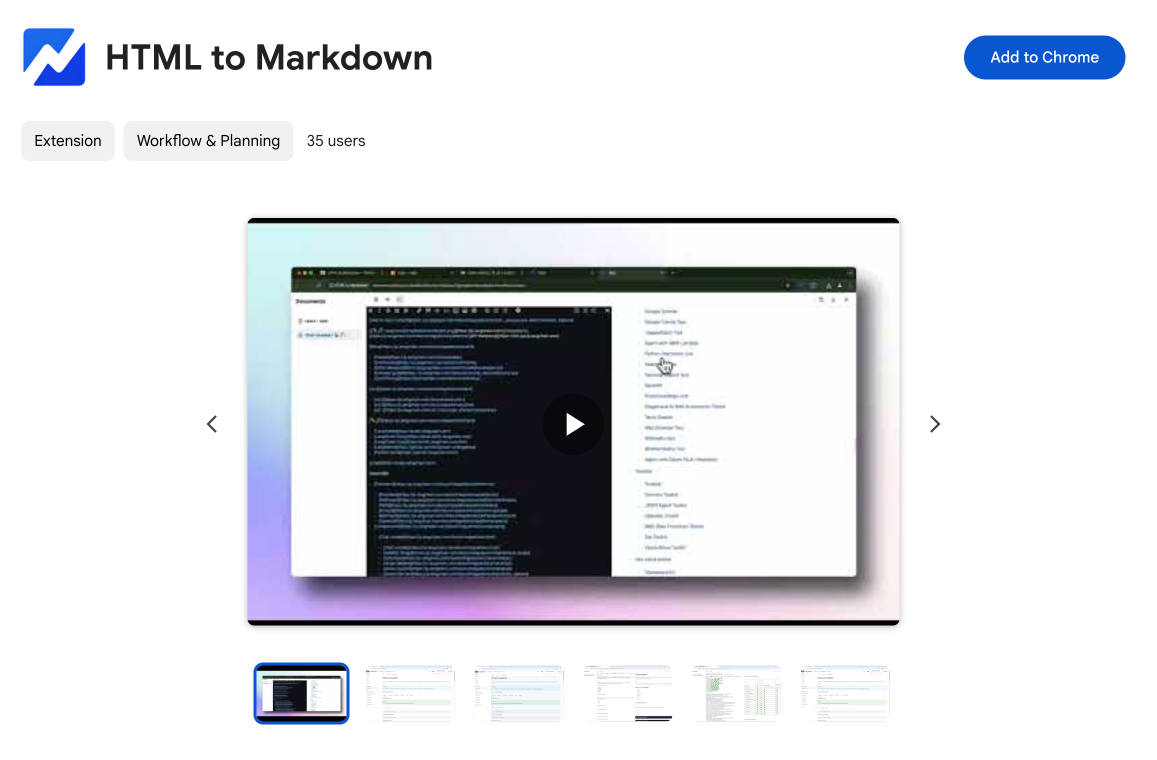
HTML to Markdown
Convert HTML to Markdown with ease, directly in your browser 📄
Dotallio
Personalized AI apps that automate research, data extraction, and content creation without code 🤖
Talk to Santa
Enjoy a magical live video chat or receive a unique AI-generated video greeting from Santa Claus 🎅
pozywka.pl
Scalable blog for food journalist, focused on performance and user experience 🌭
zagrodzki.me
Personal blog and portfolio of Bart Zagrodzki, where he shares his knowledge and work 💼
TurboStarter
Ship your startup everywhere. In minutes.
HTML to Markdown
Convert HTML to Markdown with ease, directly in your browser 📄
Dotallio
Personalized AI apps that automate research, data extraction, and content creation without code 🤖
Talk to Santa
Enjoy a magical live video chat or receive a unique AI-generated video greeting from Santa Claus 🎅
pozywka.pl
Scalable blog for food journalist, focused on performance and user experience 🌭
zagrodzki.me
Personal blog and portfolio of Bart Zagrodzki, where he shares his knowledge and work 💼
TurboStarter
Ship your startup everywhere. In minutes.
HTML to Markdown
Convert HTML to Markdown with ease, directly in your browser 📄
Dotallio
Personalized AI apps that automate research, data extraction, and content creation without code 🤖
Talk to Santa
Enjoy a magical live video chat or receive a unique AI-generated video greeting from Santa Claus 🎅
pozywka.pl
Scalable blog for food journalist, focused on performance and user experience 🌭
zagrodzki.me
Personal blog and portfolio of Bart Zagrodzki, where he shares his knowledge and work 💼
TurboStarter
Ship your startup everywhere. In minutes.
HTML to Markdown
Convert HTML to Markdown with ease, directly in your browser 📄
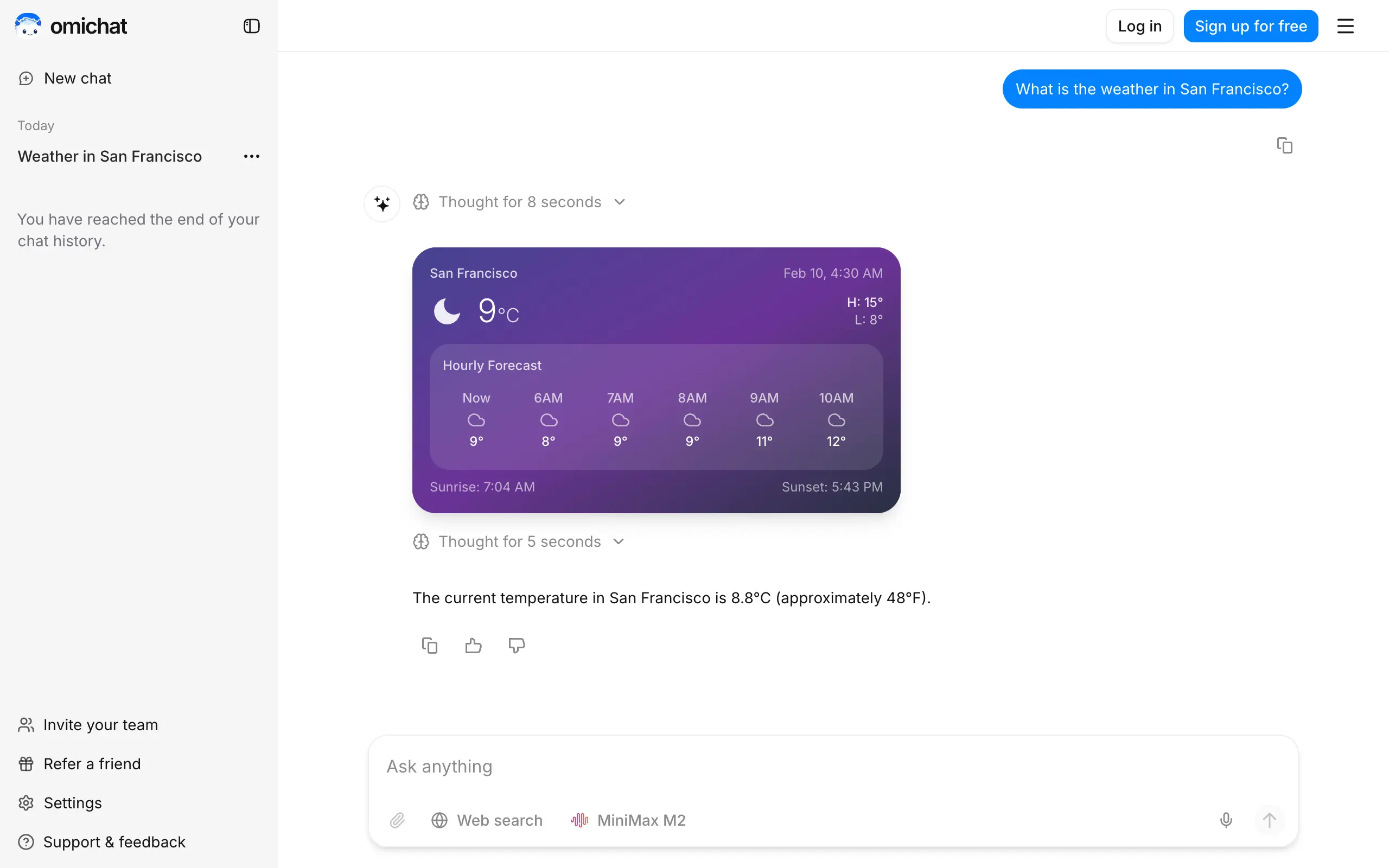
Omichat
Chat with 50+ AI models, including ChatGPT and Claude, in one place - switch models anytime without losing context 🤖
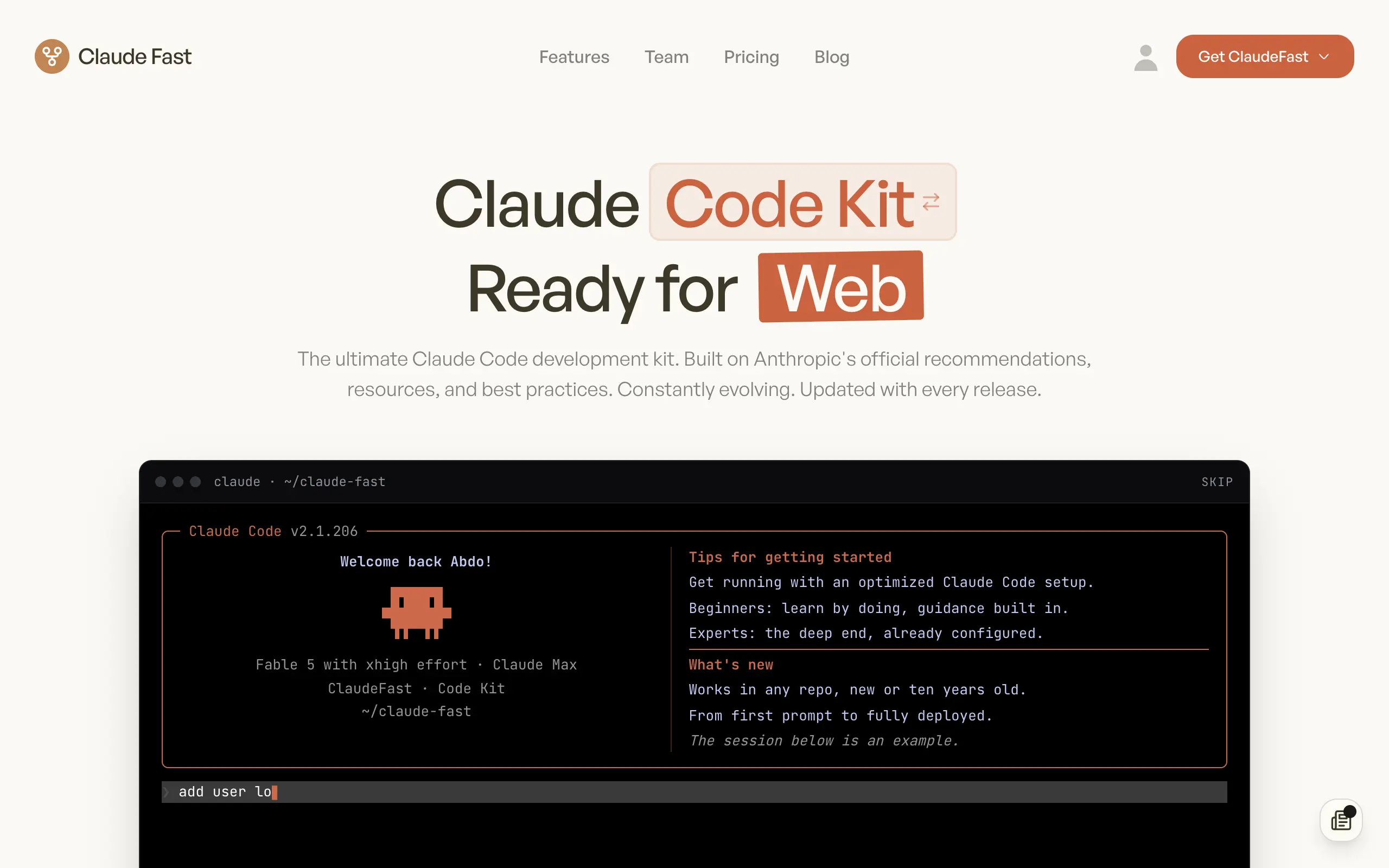
Claude Fast
Supercharge your Claude Code with 6x effective context window and specialized AI agents 🤖
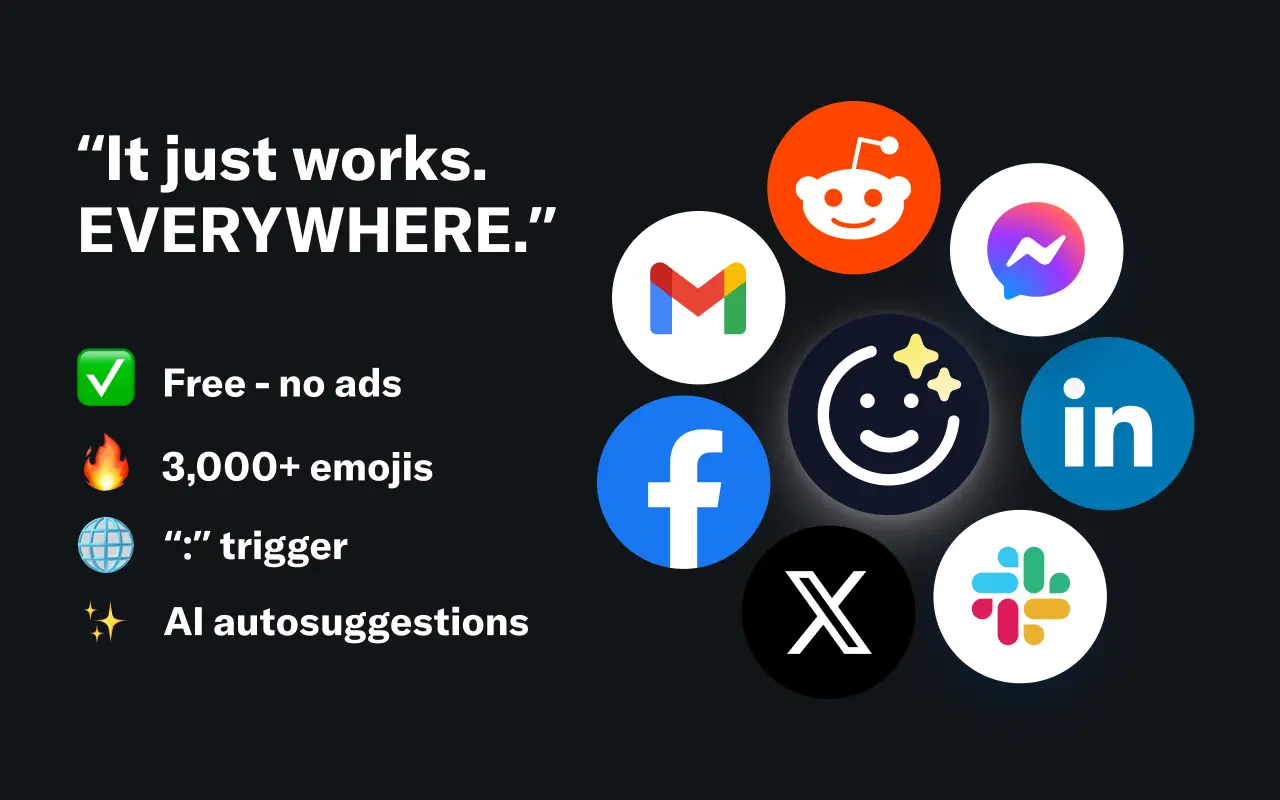
EmojAI
AI-powered emoji picker with smart, context-aware suggestions 🤖

Solohacker
Autonomous company launcher - AI agents work 24/7, escalate what matters, and you stay in control 🤖

BeRawi: Storytelling Coach
Practice storytelling daily with instant feedback to sound clearer, more engaging, and confident 🎤
Omichat
Chat with 50+ AI models, including ChatGPT and Claude, in one place - switch models anytime without losing context 🤖
Claude Fast
Supercharge your Claude Code with 6x effective context window and specialized AI agents 🤖
EmojAI
AI-powered emoji picker with smart, context-aware suggestions 🤖
Solohacker
Autonomous company launcher - AI agents work 24/7, escalate what matters, and you stay in control 🤖
BeRawi: Storytelling Coach
Practice storytelling daily with instant feedback to sound clearer, more engaging, and confident 🎤
Omichat
Chat with 50+ AI models, including ChatGPT and Claude, in one place - switch models anytime without losing context 🤖
Claude Fast
Supercharge your Claude Code with 6x effective context window and specialized AI agents 🤖
EmojAI
AI-powered emoji picker with smart, context-aware suggestions 🤖
Solohacker
Autonomous company launcher - AI agents work 24/7, escalate what matters, and you stay in control 🤖
BeRawi: Storytelling Coach
Practice storytelling daily with instant feedback to sound clearer, more engaging, and confident 🎤
Omichat
Chat with 50+ AI models, including ChatGPT and Claude, in one place - switch models anytime without losing context 🤖
Claude Fast
Supercharge your Claude Code with 6x effective context window and specialized AI agents 🤖
EmojAI
AI-powered emoji picker with smart, context-aware suggestions 🤖
Solohacker
Autonomous company launcher - AI agents work 24/7, escalate what matters, and you stay in control 🤖
BeRawi: Storytelling Coach
Practice storytelling daily with instant feedback to sound clearer, more engaging, and confident 🎤

Connect with like-minded people
Join our community to get feedback, support, and grow together with 1,000+ builders on board, let's ship it!
Join usShip your startup everywhere. In minutes.
Don't burn tokens on setup and start building features on day one.