GymFlow Optimizer
AI-driven gym management tool that predicts peak hours, optimizes equipment usage, and automates class scheduling to maximize member satisfaction and retention.
Understanding the need for AI-driven gym management
The fitness industry is experiencing a rapid digital transformation. Gym owners and managers are under increasing pressure to deliver seamless member experiences, maximize equipment utilization, and optimize operational efficiency. Traditional gym management software often falls short in providing actionable insights, especially when it comes to predicting peak hours, automating class schedules, and ensuring optimal equipment usage.
GymFlow Optimizer addresses these challenges head-on by leveraging artificial intelligence to automate and enhance core gym operations. This article provides a comprehensive analysis of GymFlow Optimizer, exploring its target audience, market opportunity, core features, recommended tech stack, monetization strategies, risks, competitive advantages, and actionable steps for implementation.
Who benefits from GymFlow Optimizer? Target audience analysis
Understanding the target audience is crucial for any SaaS product’s success. GymFlow Optimizer is designed for:
- Independent gym owners seeking to streamline operations and reduce manual workload.
- Franchise gym managers who need to standardize processes across multiple locations.
- Fitness studio operators offering group classes and personal training.
- Corporate wellness coordinators managing on-site fitness facilities.
- Boutique fitness brands aiming to deliver premium, data-driven experiences.
Key pain points addressed
- Unpredictable peak hours leading to overcrowding or underutilization.
- Manual class scheduling that is time-consuming and error-prone.
- Inefficient equipment usage resulting in wear, downtime, or member dissatisfaction.
- Lack of actionable data for decision-making and resource allocation.
By focusing on these user segments and their specific pain points, GymFlow Optimizer aligns its features and messaging to deliver maximum value.
Market opportunity and gap analysis
The global fitness industry is projected to reach over $100 billion by 2025 (source: Statista). Despite this growth, many gyms still rely on outdated management tools or manual processes. The rise of AI and data analytics presents a significant opportunity to disrupt this space.
Current market landscape
- Legacy gym management software: Focuses on membership management, billing, and basic scheduling, but lacks predictive analytics and automation.
- Niche scheduling tools: Offer class booking but do not optimize for equipment usage or predict peak times.
- Manual spreadsheets and ad-hoc solutions: Still prevalent in small and mid-sized gyms, leading to inefficiencies.
Identified market gaps
- Lack of AI-driven insights: Most solutions do not leverage machine learning to forecast demand or optimize resources.
- Fragmented workflows: Gym managers juggle multiple tools for scheduling, equipment tracking, and analytics.
- Limited automation: Manual intervention is still required for class scheduling and resource allocation.
GymFlow Optimizer fills these gaps by providing an integrated, AI-powered platform that automates and optimizes key operational tasks.
Core features and solution details
GymFlow Optimizer’s value proposition lies in its intelligent automation and predictive capabilities. Here’s a breakdown of its core features:
1. AI-powered peak hour prediction
- Analyzes historical attendance data to forecast busy periods.
- Real-time monitoring of check-ins and equipment usage.
- Dynamic alerts for staff to prepare for surges or lulls.
2. Equipment usage optimization
- Tracks equipment utilization rates and identifies underused assets.
- Suggests maintenance schedules based on usage patterns.
- Recommends equipment layout changes to improve flow and reduce bottlenecks.
3. Automated class scheduling
- AI-driven scheduling engine that considers instructor availability, member preferences, and predicted demand.
- Conflict resolution to avoid double-booking or resource clashes.
- Automated notifications to members and staff about schedule changes.
4. Actionable analytics dashboard
- Visualizes key metrics: attendance trends, equipment usage, class popularity.
- Customizable reports for different roles (owners, managers, trainers).
- Exportable data for further analysis or integration with other tools.
5. Seamless integrations
- Connects with popular gym access systems (e.g., RFID, barcode).
- APIs for third-party fitness apps and CRM platforms.
- Data import/export for easy onboarding and migration.
Predict peak hours
Leverage AI to forecast gym traffic and optimize staffing.
Optimize equipment usage
Maximize ROI on equipment and reduce downtime.
Automate class scheduling
Save time and eliminate manual errors with intelligent scheduling.
Actionable analytics
Make data-driven decisions with real-time dashboards.
Recommended tech stack for GymFlow Optimizer
Selecting the right technology stack is critical for scalability, performance, and maintainability. Here’s a recommended stack for building GymFlow Optimizer, along with trade-offs to consider:
Frontend
- React: Modern, component-based UI development.
- TailwindCSS: Utility-first CSS framework for rapid styling.
- Next.js: Server-side rendering and API routes for improved SEO and performance.
Backend
- Node.js with Express: Scalable, event-driven backend.
- Python (for AI/ML modules): Rich ecosystem for machine learning (e.g., TensorFlow, scikit-learn).
Database
- PostgreSQL: Robust relational database for structured data.
- Redis: In-memory caching for real-time analytics.
AI/ML infrastructure
- TensorFlow or PyTorch: For building and deploying predictive models.
- Docker: Containerization for reproducible environments.
Hosting & DevOps
- AWS or Google Cloud: Scalable cloud infrastructure.
- GitHub Actions: CI/CD pipelines for automated testing and deployment.
Trade-offs to consider
- Python vs. Node.js for AI: Python offers superior ML libraries, but integrating with a Node.js backend may require additional API layers.
- Monolithic vs. microservices: Microservices offer scalability but add complexity; a modular monolith may suffice for early-stage MVPs.
- Cloud provider lock-in: Using managed AI services can accelerate development but may limit portability.
Pro tip
Start with a modular monolith architecture and migrate to microservices as your user base grows.
Monetization strategy options
A sustainable SaaS business model is essential for long-term success. GymFlow Optimizer can explore several monetization strategies:
1. Subscription-based pricing
- Tiered plans based on gym size, number of members, or feature access.
- Monthly or annual billing with discounts for longer commitments.
2. Usage-based pricing
- Pay-as-you-go for advanced analytics or AI-driven features.
- Add-ons for integrations or premium support.
3. White-label solutions
- Custom branding for franchise chains or large fitness brands.
- API access for integration with existing gym management systems.
4. Affiliate partnerships
- Partner with equipment manufacturers or fitness app providers for cross-promotions.
- Revenue sharing for referrals or bundled offerings.
Consider your target market's willingness to pay, competitor pricing, and the value delivered by your AI features. Start with a simple tiered subscription and iterate based on customer feedback.
Potential risks and mitigation strategies
Launching an AI-driven SaaS product in the fitness industry comes with unique challenges. Here are some potential risks and how to address them:
1. Data privacy and security
- Risk: Handling sensitive member data (attendance, preferences).
- Mitigation: Implement robust encryption, comply with GDPR/CCPA, and conduct regular security audits.
2. AI model accuracy
- Risk: Inaccurate predictions could lead to poor scheduling or resource allocation.
- Mitigation: Continuously retrain models with fresh data, allow manual overrides, and provide transparency in AI decisions.
3. Integration complexity
- Risk: Difficulty connecting with legacy gym systems or hardware.
- Mitigation: Offer flexible APIs, detailed documentation, and onboarding support.
4. Change management
- Risk: Resistance from staff accustomed to manual processes.
- Mitigation: Provide training, highlight time savings, and demonstrate quick wins.
| Risk | Likelihood | Impact | Mitigation | Status |
|---|---|---|---|---|
| Data privacy | Medium | High | Encryption, compliance | Ongoing |
| AI accuracy | Medium | Medium | Retraining, manual override | Planned |
Competitive advantage analysis
To stand out in a crowded market, GymFlow Optimizer must offer clear, defensible advantages:
Unique selling proposition (USP)
- True AI-driven automation: Unlike legacy tools, GymFlow Optimizer uses machine learning to predict, optimize, and automate—reducing manual effort and improving outcomes.
- Integrated platform: Combines scheduling, equipment management, and analytics in one seamless solution.
- Actionable insights: Delivers not just data, but recommendations and automated actions.
- Scalable for all gym sizes: From boutique studios to large franchises.
How GymFlow Optimizer compares
- AI-powered predictions and automation
- Unified dashboard for all operations
- Seamless integrations and APIs
- Scalable pricing for any gym size
- Basic scheduling and billing
- Limited analytics, no AI
- Siloed features, poor integrations
- Often expensive and inflexible
- Time-consuming manual work
- High risk of errors
- No predictive insights
- Difficult to scale
Implementation steps: How to launch GymFlow Optimizer
Ready to bring GymFlow Optimizer to life? Here’s a step-by-step roadmap:
Conclusion: Why GymFlow Optimizer is the future of gym management
The fitness industry is ripe for disruption, and AI-driven solutions like GymFlow Optimizer are leading the charge. By automating complex tasks, predicting demand, and optimizing resources, gym owners and managers can focus on what matters most: delivering exceptional member experiences and growing their business.
Whether you’re a boutique studio or a large franchise, adopting an AI-powered gym management tool is no longer a luxury—it’s a competitive necessity. With its unique blend of predictive analytics, automation, and actionable insights, GymFlow Optimizer is poised to become the go-to platform for forward-thinking fitness businesses.
Frequently asked questions
The platform analyzes historical attendance data, real-time check-ins, and external factors (like weather or local events) to forecast busy periods. This enables proactive staffing and resource allocation.
Yes, the platform offers flexible APIs and data import/export features to ensure smooth integration with most popular gym management systems.
Absolutely. The platform uses industry-standard encryption and complies with major data privacy regulations to protect sensitive information.
Its core differentiator is the use of AI for predictive analytics and automation, delivering actionable insights and reducing manual workload for gym staff.
Further resources
- TurboStarter — Accelerate your SaaS MVP development.
- React — Official documentation for building modern UIs.
- TailwindCSS — Utility-first CSS framework.
- TensorFlow — Open-source platform for machine learning.
- Statista — For up-to-date fitness industry statistics (suggested reference).
By embracing AI-driven gym management with GymFlow Optimizer, fitness businesses can unlock new levels of efficiency, member satisfaction, and growth. Now is the time to optimize your gym’s flow—intelligently.
More 🤖 AI Startup SaaS ideas
Discover more innovative ai startup SaaS ideas that are trending in 2026. Each idea is AI-generated with market validation and growth potential to help you find your next profitable venture faster than competitors.
Your competitors are building with TurboStarter
Below are some of the SaaS ideas that have been generated and built with our starter kit.

Statiko
Monitor any Telegram channel in real time - track posts, edits, deletions, and growth with AI recaps 📡

Shibui
AI website builder - describe your business, pick a niche template, edit by chatting, and publish instantly ✨

Pro Service
Find verified home service professionals, compare quotes, and pay securely through escrow - built for Brazilians across the US 🏠
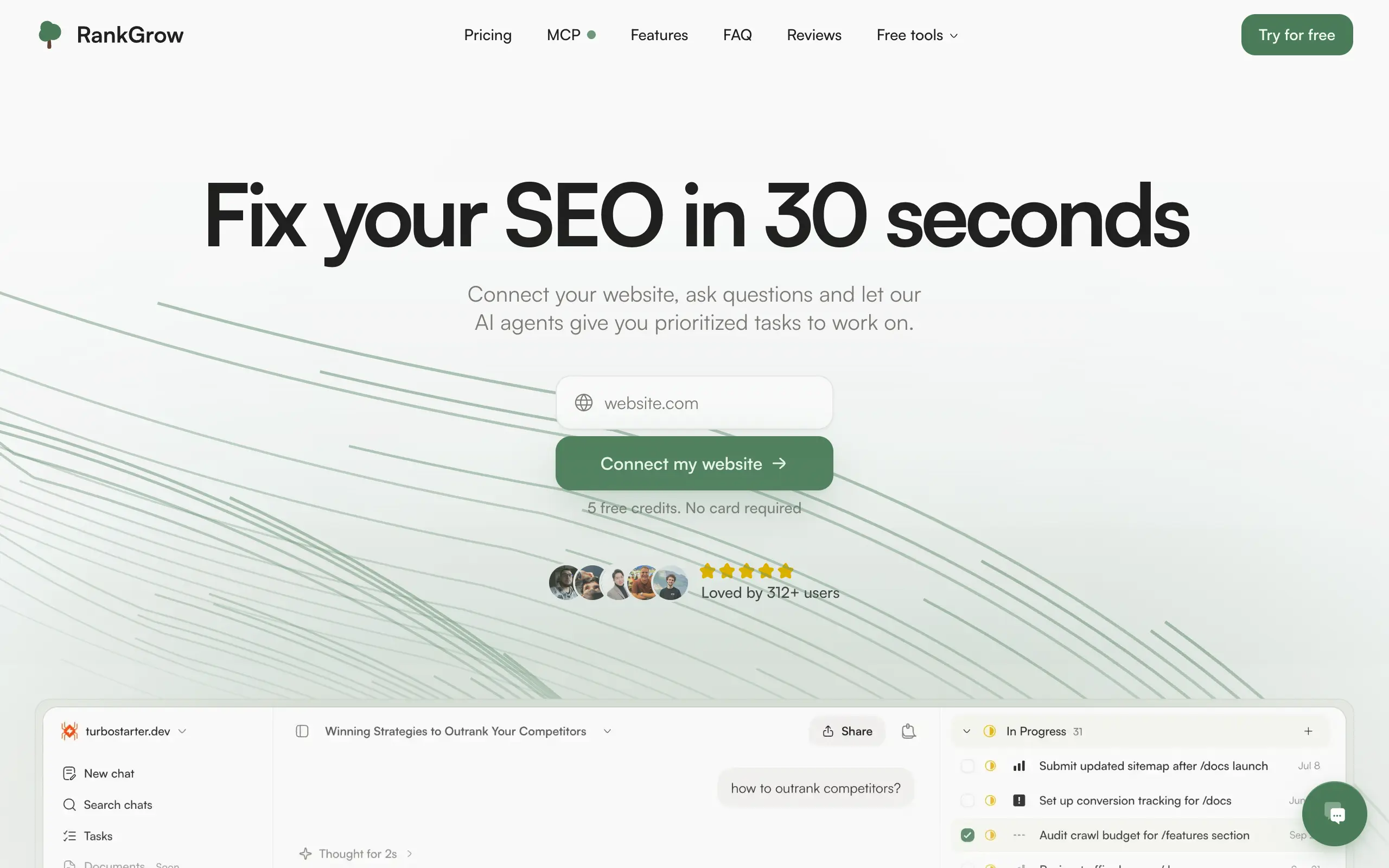
RankGrow
Fix your SEO with AI agents - connect Search Console, get prioritized tasks, and grow organic traffic 📈
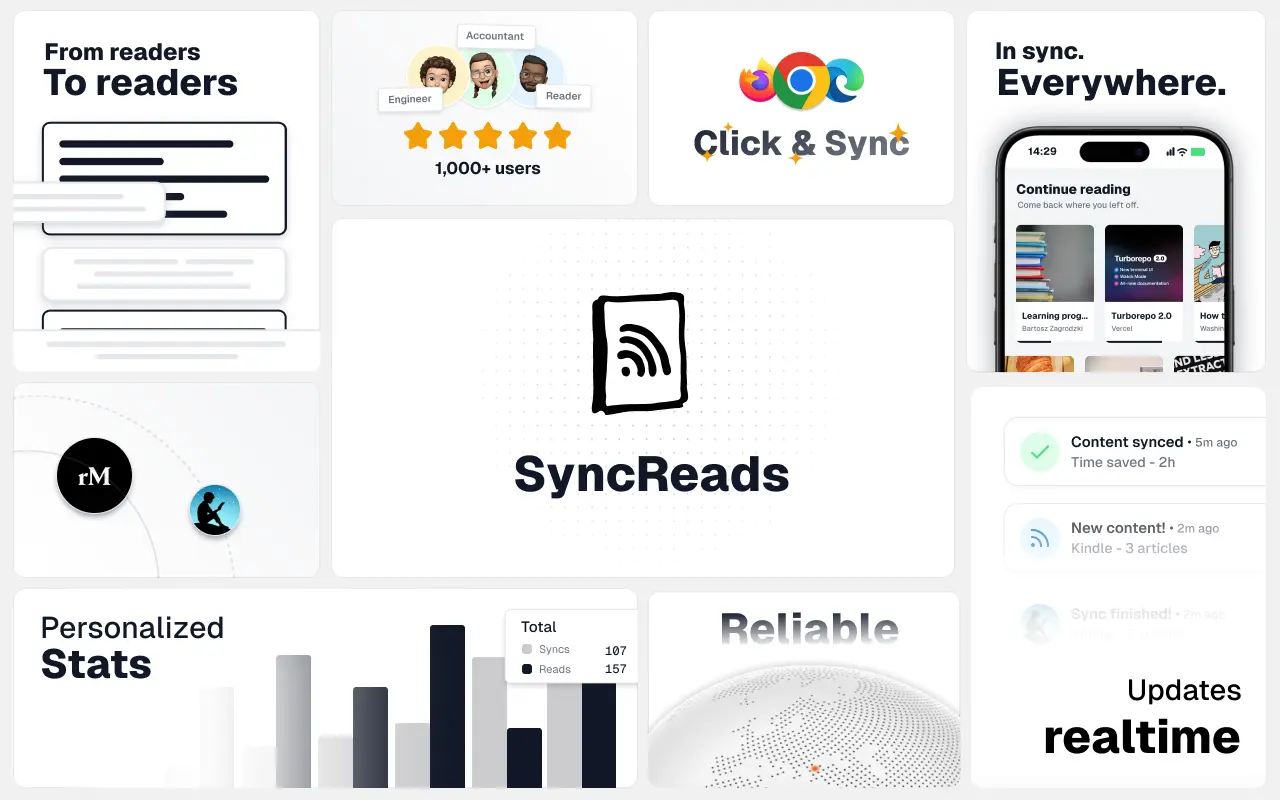
SyncReads
Sync your favorite content for distraction-free reading, save time and replace multiple apps. Anytime, anywhere 🔄
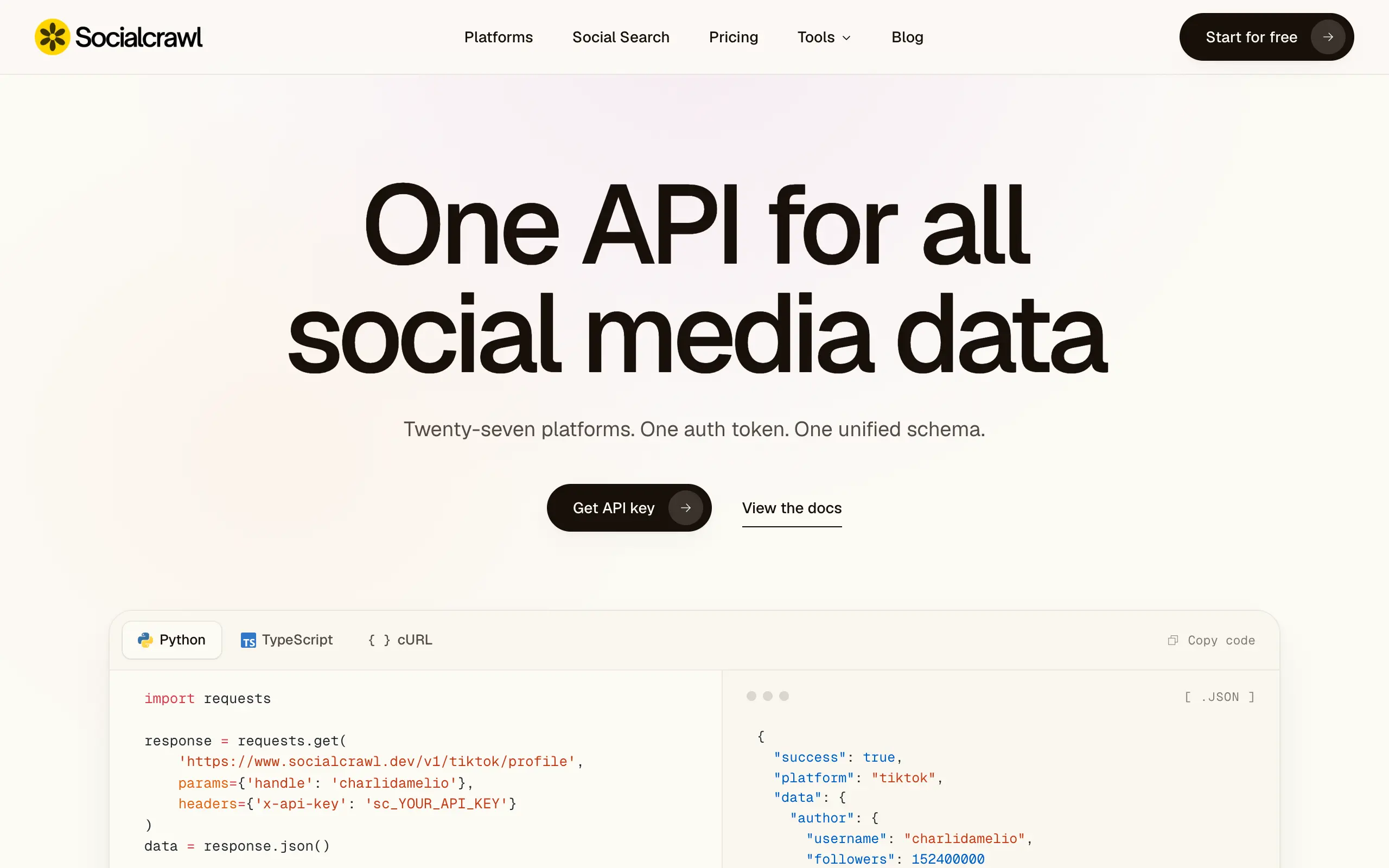
Socialcrawl
Get clean, structured data from 21 platforms like TikTok, Instagram, and YouTube with a single request 📊
Statiko
Monitor any Telegram channel in real time - track posts, edits, deletions, and growth with AI recaps 📡
Shibui
AI website builder - describe your business, pick a niche template, edit by chatting, and publish instantly ✨
Pro Service
Find verified home service professionals, compare quotes, and pay securely through escrow - built for Brazilians across the US 🏠
RankGrow
Fix your SEO with AI agents - connect Search Console, get prioritized tasks, and grow organic traffic 📈
SyncReads
Sync your favorite content for distraction-free reading, save time and replace multiple apps. Anytime, anywhere 🔄
Socialcrawl
Get clean, structured data from 21 platforms like TikTok, Instagram, and YouTube with a single request 📊
Statiko
Monitor any Telegram channel in real time - track posts, edits, deletions, and growth with AI recaps 📡
Shibui
AI website builder - describe your business, pick a niche template, edit by chatting, and publish instantly ✨
Pro Service
Find verified home service professionals, compare quotes, and pay securely through escrow - built for Brazilians across the US 🏠
RankGrow
Fix your SEO with AI agents - connect Search Console, get prioritized tasks, and grow organic traffic 📈
SyncReads
Sync your favorite content for distraction-free reading, save time and replace multiple apps. Anytime, anywhere 🔄
Socialcrawl
Get clean, structured data from 21 platforms like TikTok, Instagram, and YouTube with a single request 📊
Statiko
Monitor any Telegram channel in real time - track posts, edits, deletions, and growth with AI recaps 📡
Shibui
AI website builder - describe your business, pick a niche template, edit by chatting, and publish instantly ✨
Pro Service
Find verified home service professionals, compare quotes, and pay securely through escrow - built for Brazilians across the US 🏠
RankGrow
Fix your SEO with AI agents - connect Search Console, get prioritized tasks, and grow organic traffic 📈
SyncReads
Sync your favorite content for distraction-free reading, save time and replace multiple apps. Anytime, anywhere 🔄
Socialcrawl
Get clean, structured data from 21 platforms like TikTok, Instagram, and YouTube with a single request 📊
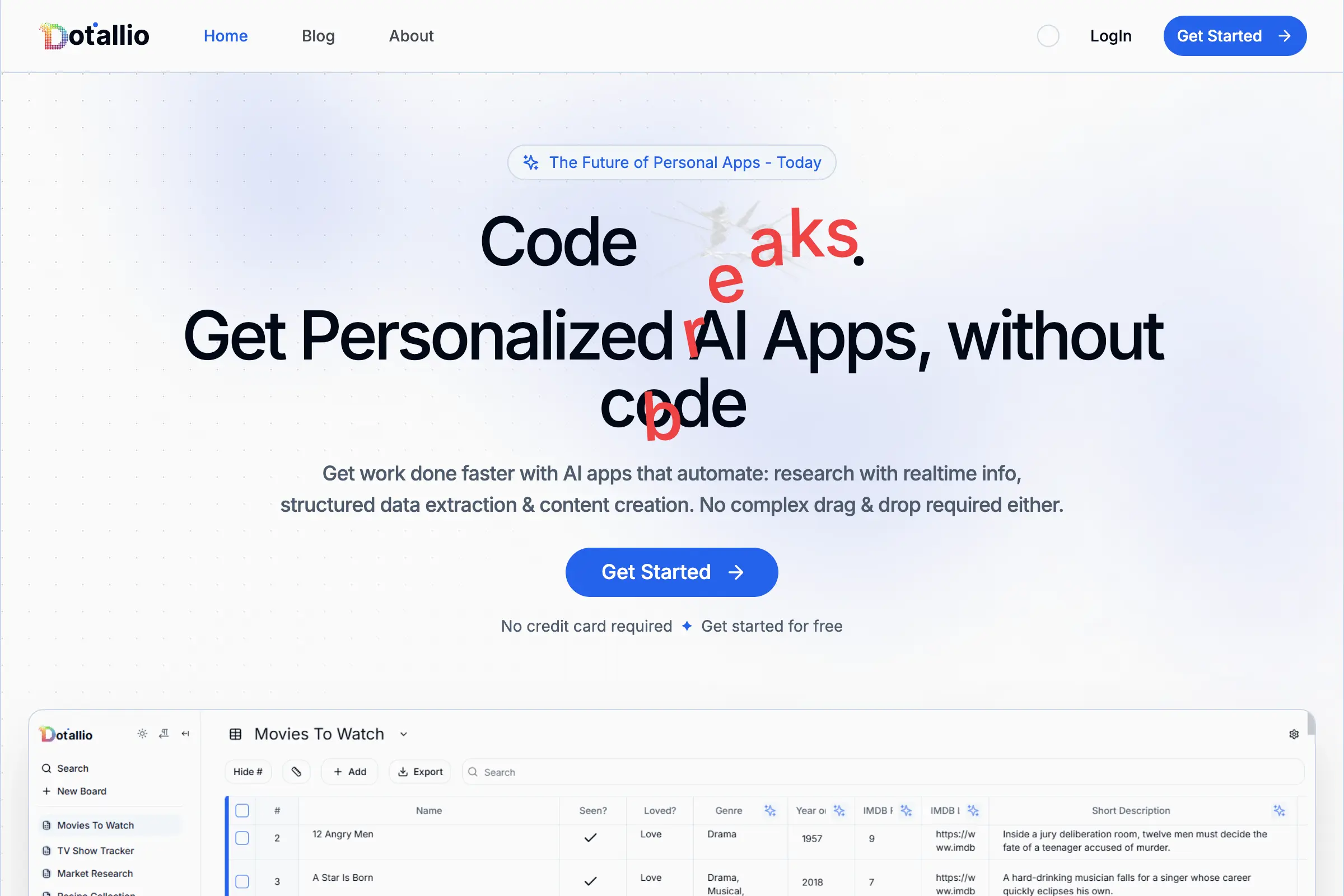
Dotallio
Personalized AI apps that automate research, data extraction, and content creation without code 🤖

Talk to Santa
Enjoy a magical live video chat or receive a unique AI-generated video greeting from Santa Claus 🎅
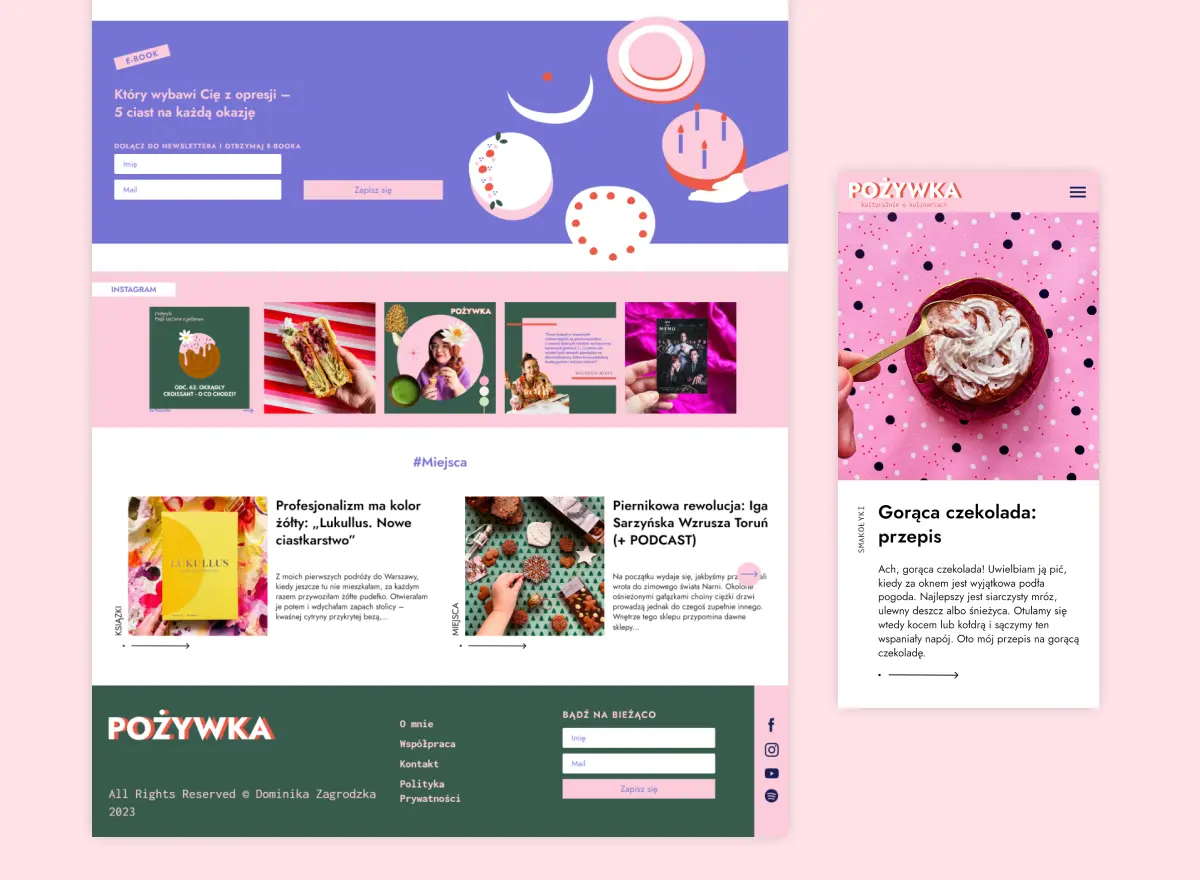
pozywka.pl
Scalable blog for food journalist, focused on performance and user experience 🌭
zagrodzki.me
Personal blog and portfolio of Bart Zagrodzki, where he shares his knowledge and work 💼
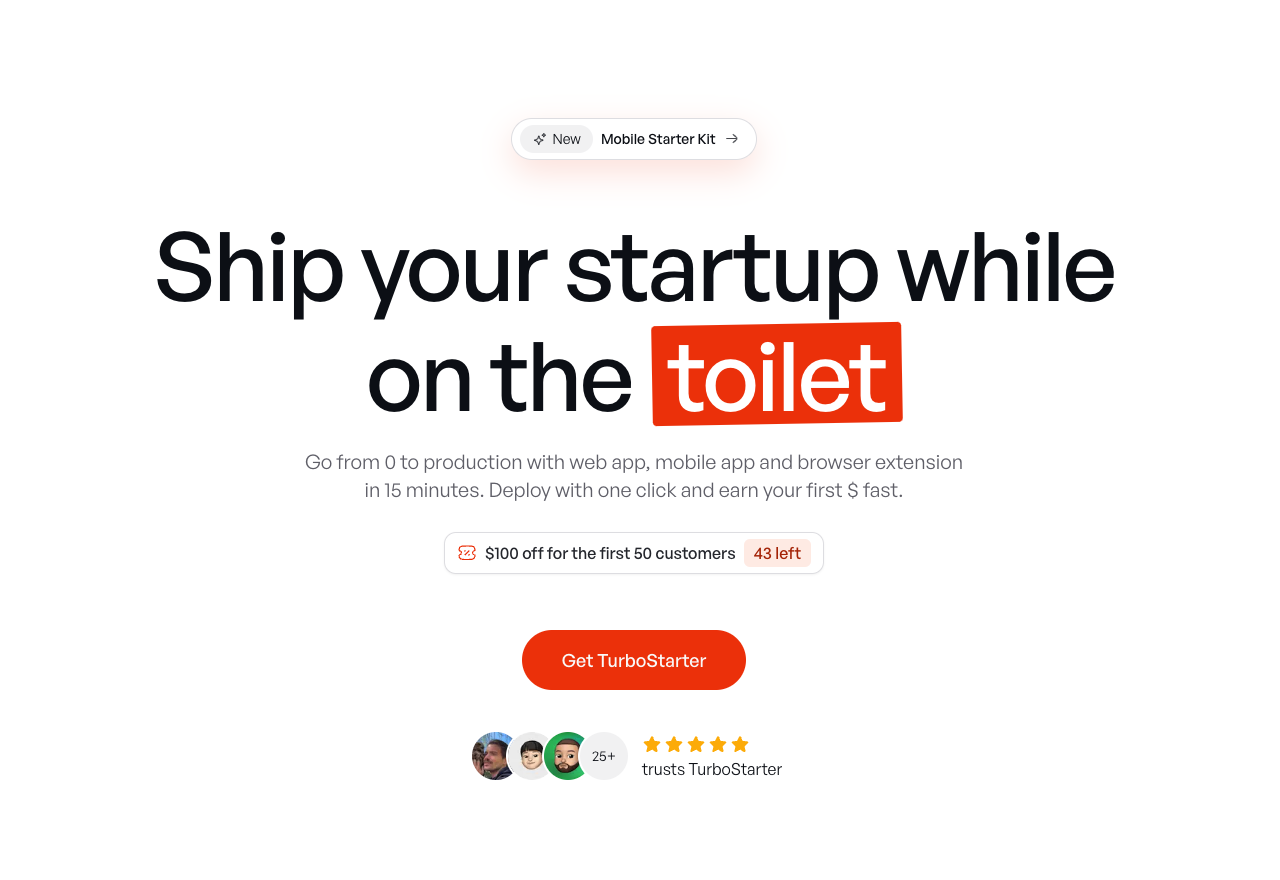
TurboStarter
Ship your startup everywhere. In minutes.
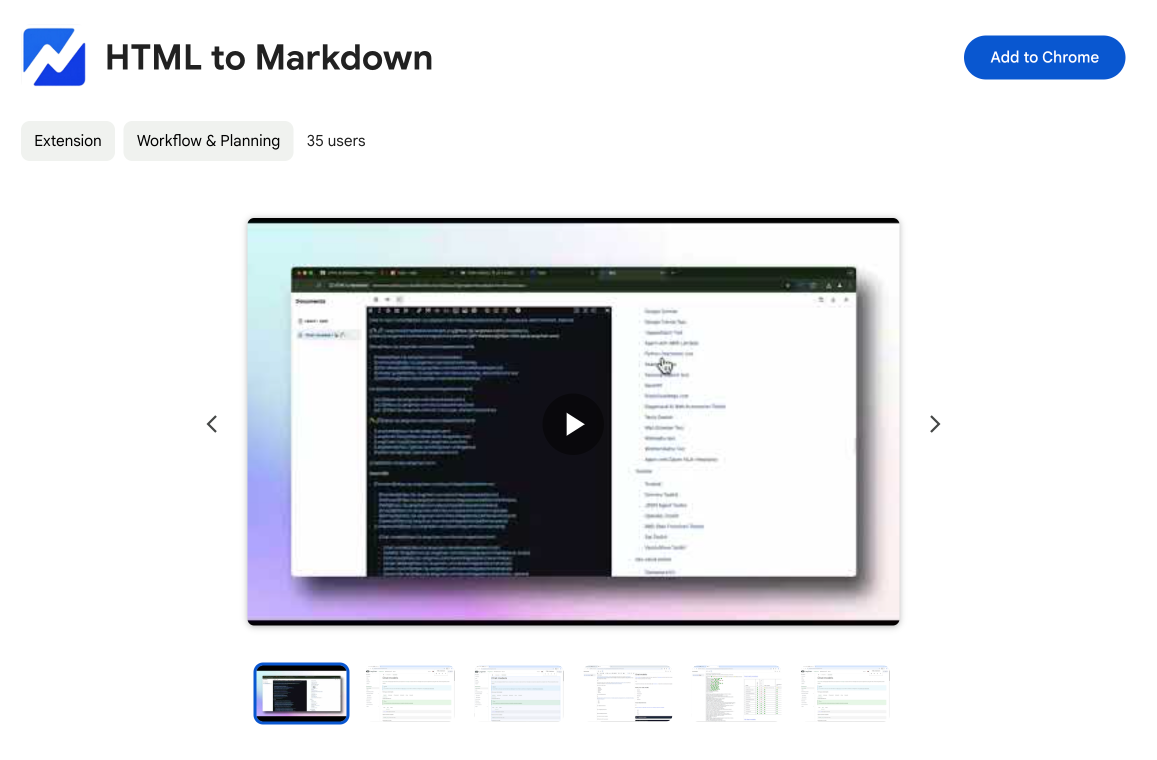
HTML to Markdown
Convert HTML to Markdown with ease, directly in your browser 📄
Dotallio
Personalized AI apps that automate research, data extraction, and content creation without code 🤖
Talk to Santa
Enjoy a magical live video chat or receive a unique AI-generated video greeting from Santa Claus 🎅
pozywka.pl
Scalable blog for food journalist, focused on performance and user experience 🌭
zagrodzki.me
Personal blog and portfolio of Bart Zagrodzki, where he shares his knowledge and work 💼
TurboStarter
Ship your startup everywhere. In minutes.
HTML to Markdown
Convert HTML to Markdown with ease, directly in your browser 📄
Dotallio
Personalized AI apps that automate research, data extraction, and content creation without code 🤖
Talk to Santa
Enjoy a magical live video chat or receive a unique AI-generated video greeting from Santa Claus 🎅
pozywka.pl
Scalable blog for food journalist, focused on performance and user experience 🌭
zagrodzki.me
Personal blog and portfolio of Bart Zagrodzki, where he shares his knowledge and work 💼
TurboStarter
Ship your startup everywhere. In minutes.
HTML to Markdown
Convert HTML to Markdown with ease, directly in your browser 📄
Dotallio
Personalized AI apps that automate research, data extraction, and content creation without code 🤖
Talk to Santa
Enjoy a magical live video chat or receive a unique AI-generated video greeting from Santa Claus 🎅
pozywka.pl
Scalable blog for food journalist, focused on performance and user experience 🌭
zagrodzki.me
Personal blog and portfolio of Bart Zagrodzki, where he shares his knowledge and work 💼
TurboStarter
Ship your startup everywhere. In minutes.
HTML to Markdown
Convert HTML to Markdown with ease, directly in your browser 📄
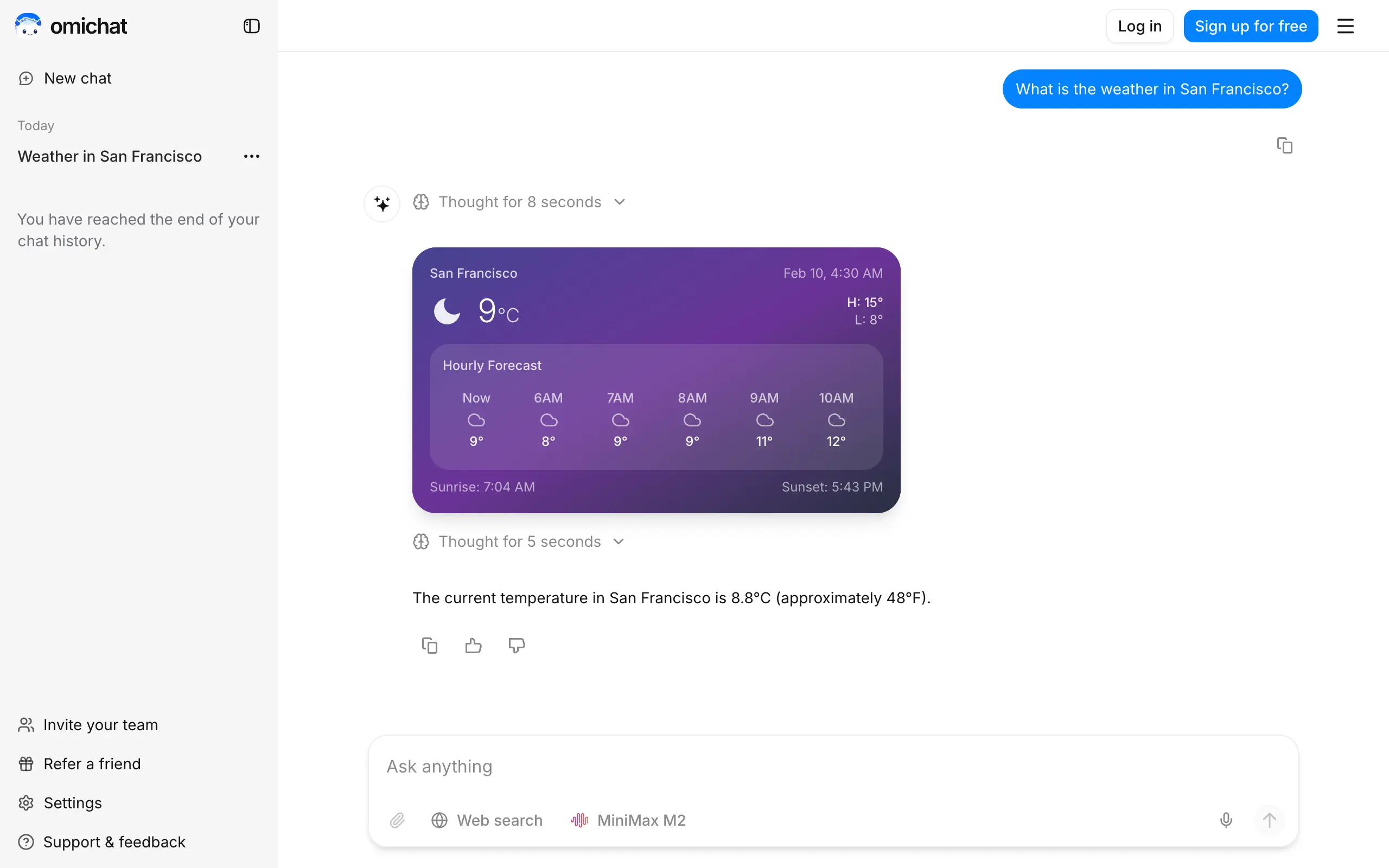
Omichat
Chat with 50+ AI models, including ChatGPT and Claude, in one place - switch models anytime without losing context 🤖
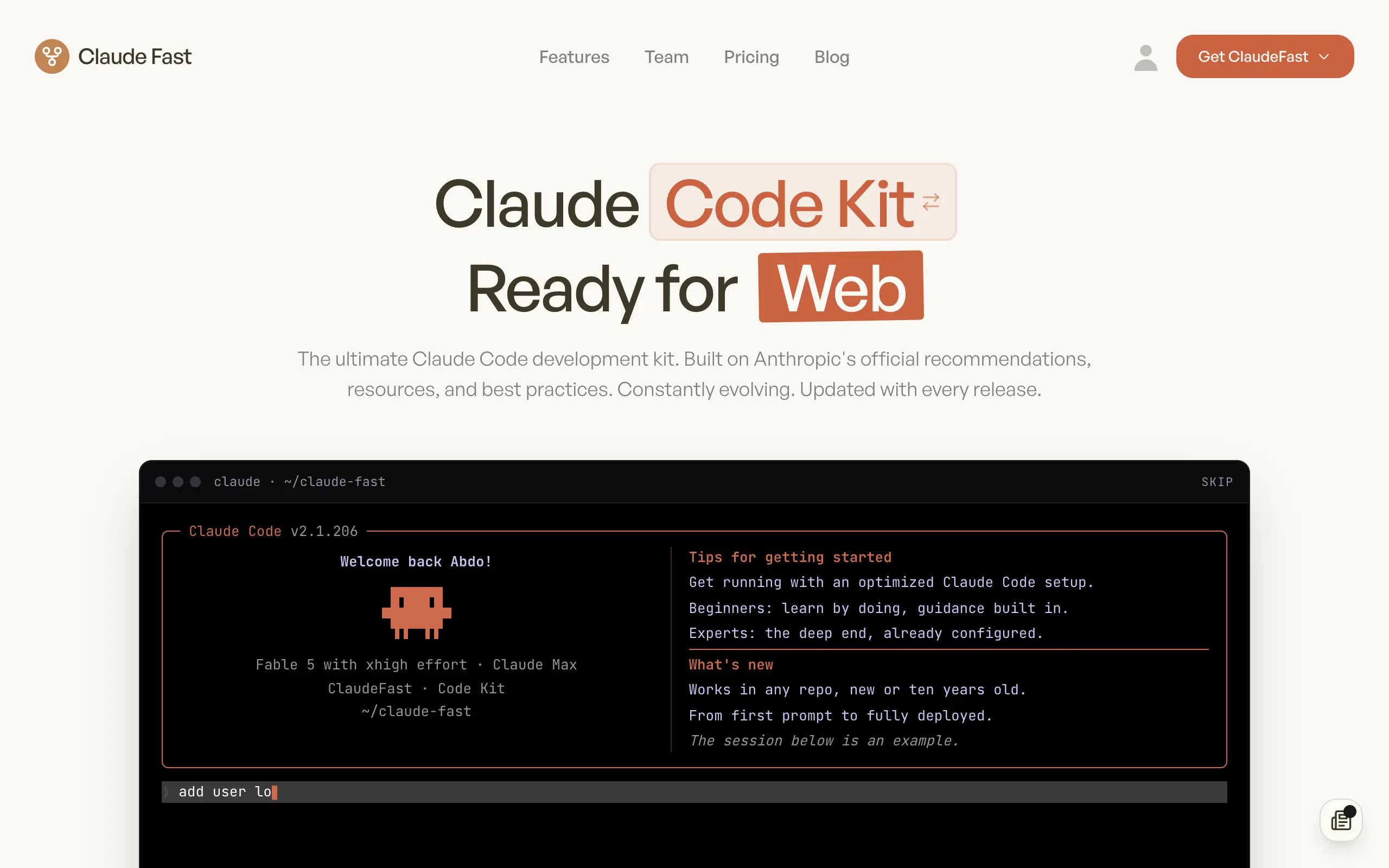
Claude Fast
Supercharge your Claude Code with 6x effective context window and specialized AI agents 🤖
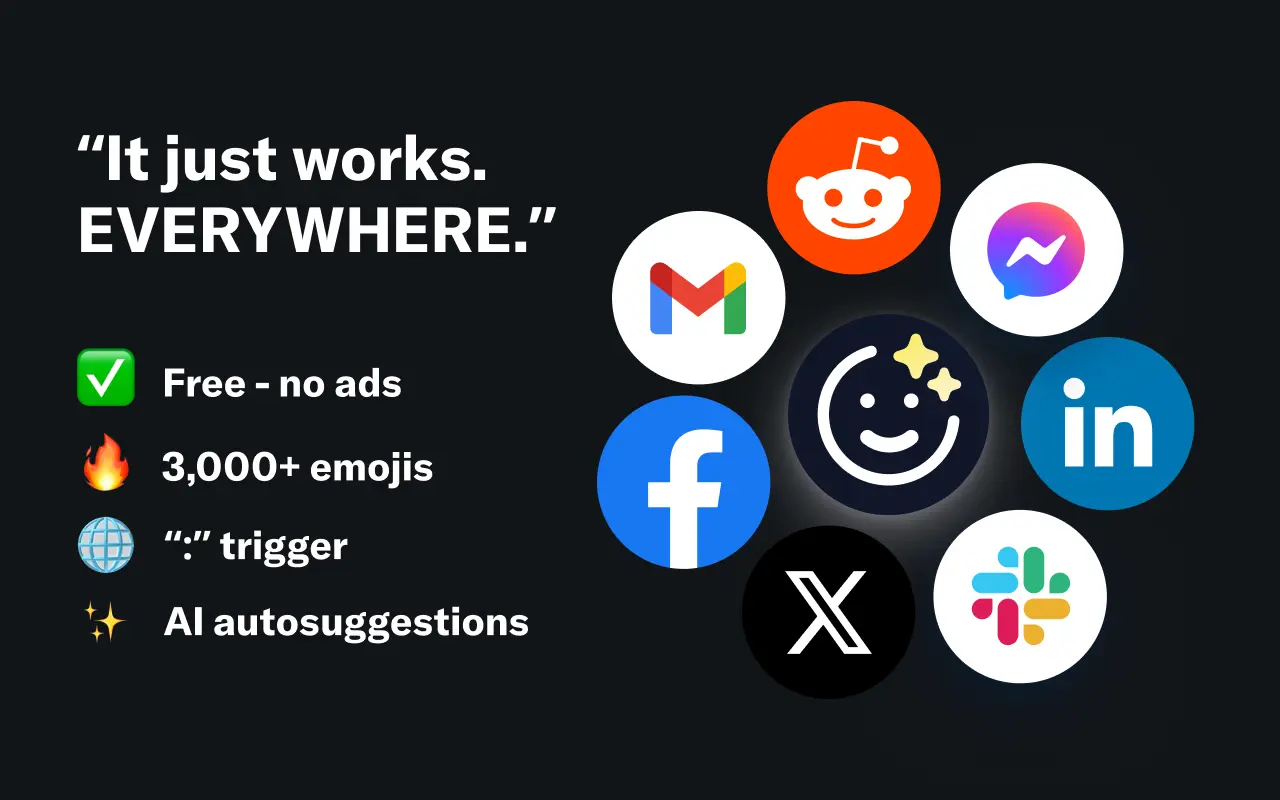
EmojAI
AI-powered emoji picker with smart, context-aware suggestions 🤖
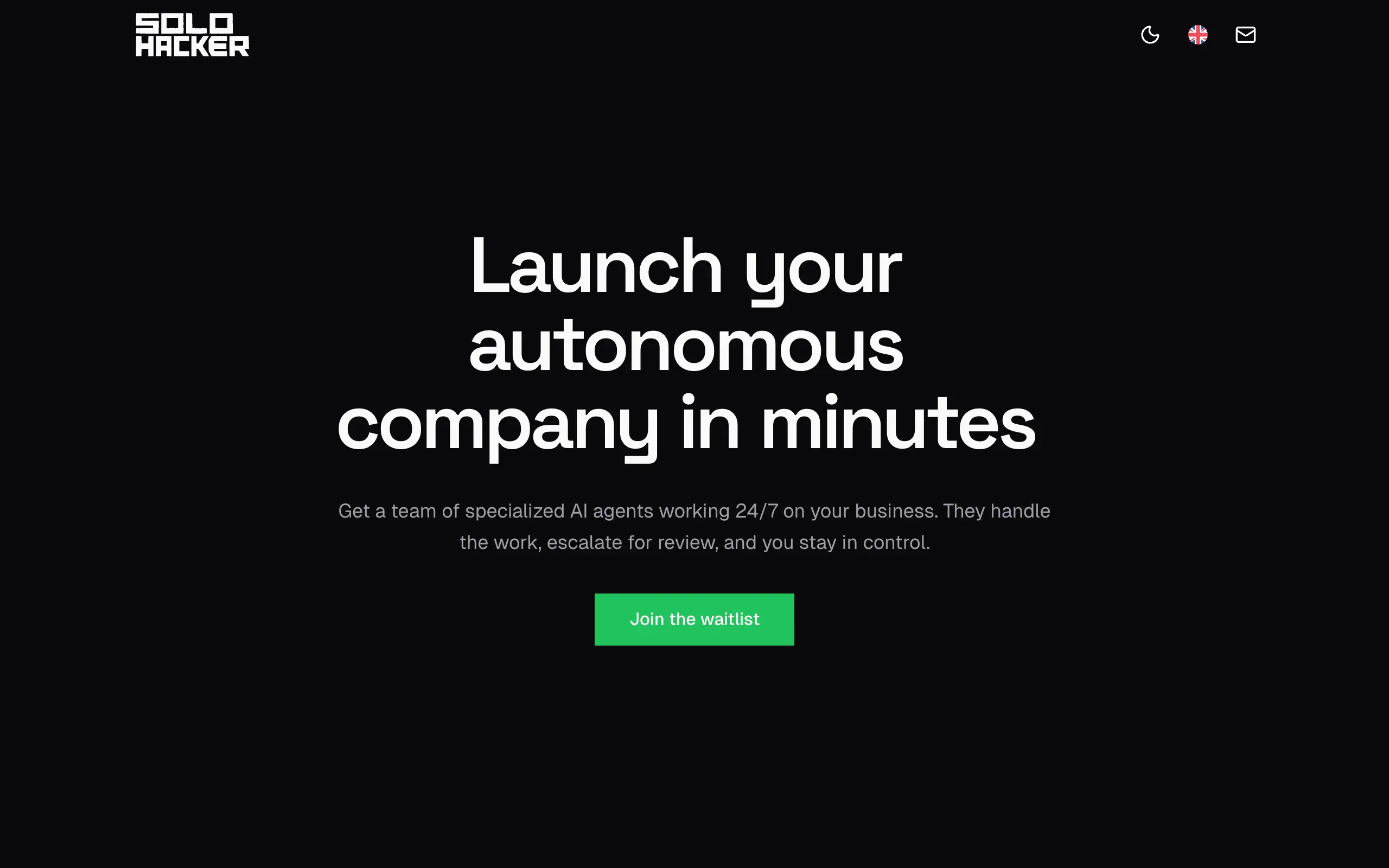
Solohacker
Autonomous company launcher - AI agents work 24/7, escalate what matters, and you stay in control 🤖
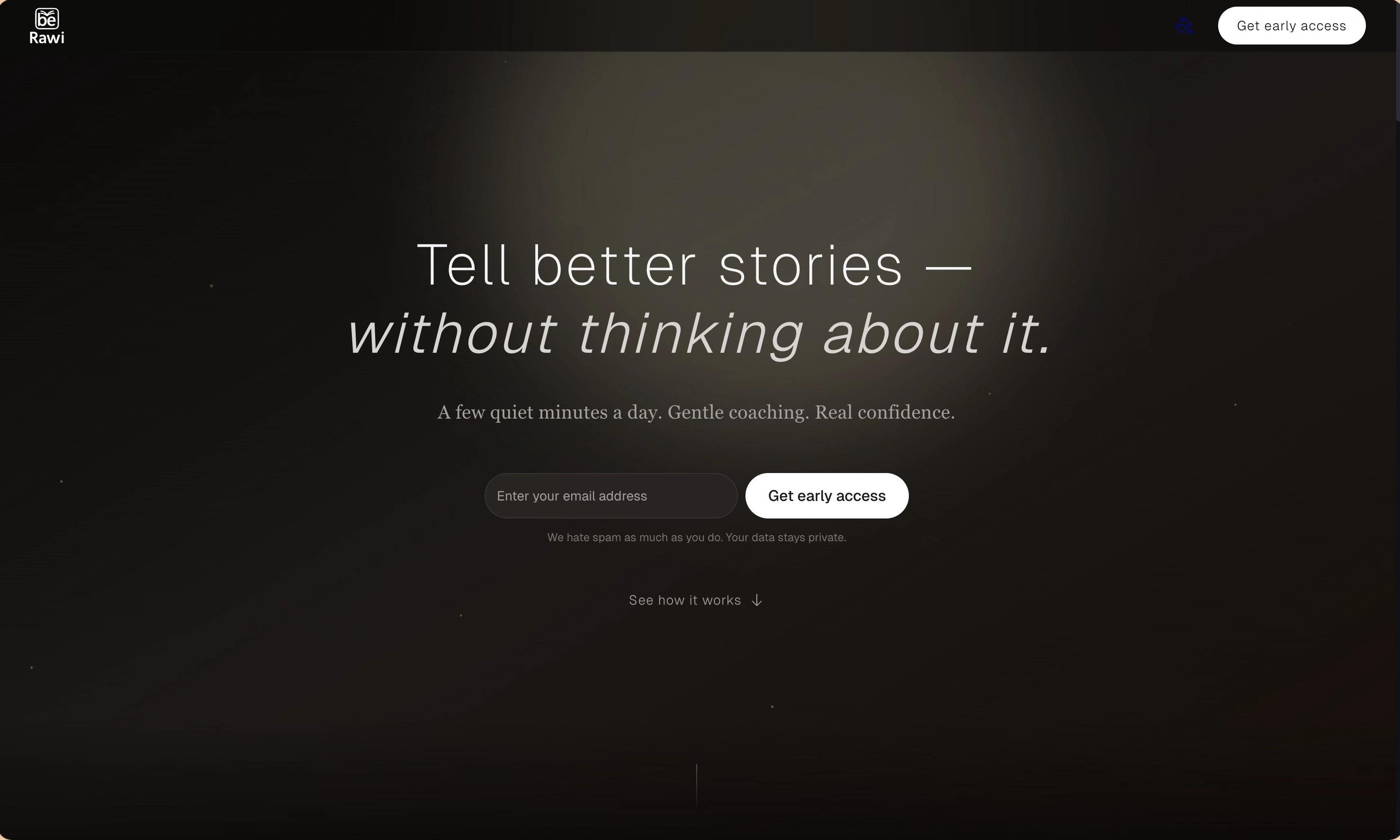
BeRawi: Storytelling Coach
Practice storytelling daily with instant feedback to sound clearer, more engaging, and confident 🎤
Omichat
Chat with 50+ AI models, including ChatGPT and Claude, in one place - switch models anytime without losing context 🤖
Claude Fast
Supercharge your Claude Code with 6x effective context window and specialized AI agents 🤖
EmojAI
AI-powered emoji picker with smart, context-aware suggestions 🤖
Solohacker
Autonomous company launcher - AI agents work 24/7, escalate what matters, and you stay in control 🤖
BeRawi: Storytelling Coach
Practice storytelling daily with instant feedback to sound clearer, more engaging, and confident 🎤
Omichat
Chat with 50+ AI models, including ChatGPT and Claude, in one place - switch models anytime without losing context 🤖
Claude Fast
Supercharge your Claude Code with 6x effective context window and specialized AI agents 🤖
EmojAI
AI-powered emoji picker with smart, context-aware suggestions 🤖
Solohacker
Autonomous company launcher - AI agents work 24/7, escalate what matters, and you stay in control 🤖
BeRawi: Storytelling Coach
Practice storytelling daily with instant feedback to sound clearer, more engaging, and confident 🎤
Omichat
Chat with 50+ AI models, including ChatGPT and Claude, in one place - switch models anytime without losing context 🤖
Claude Fast
Supercharge your Claude Code with 6x effective context window and specialized AI agents 🤖
EmojAI
AI-powered emoji picker with smart, context-aware suggestions 🤖
Solohacker
Autonomous company launcher - AI agents work 24/7, escalate what matters, and you stay in control 🤖
BeRawi: Storytelling Coach
Practice storytelling daily with instant feedback to sound clearer, more engaging, and confident 🎤

Connect with like-minded people
Join our community to get feedback, support, and grow together with 1,000+ builders on board, let's ship it!
Join usShip your startup everywhere. In minutes.
Don't burn tokens on setup and start building features on day one.