GymTwin
Create your AI fitness twin that simulates workout outcomes, predicts plateaus, and suggests optimal training paths for faster results.
What is an AI fitness twin and why it matters now
The concept of an AI fitness twin is quickly moving from science fiction into practical, high-impact health technology. A platform like GymTwin represents this shift by creating a personalized, data-driven simulation of your body that can predict workout outcomes, detect plateaus before they happen, and recommend optimal training strategies.
Unlike traditional fitness apps that rely on static plans or reactive adjustments, an AI fitness twin continuously learns from your performance, recovery, habits, and biometrics to model your future progress. This transforms fitness from trial-and-error into a predictive, optimized system.
This article explores the full SaaS opportunity behind GymTwin, including market positioning, core features, technical architecture, monetization strategies, and actionable steps to build it.
Understanding the user intent behind AI fitness twin platforms
People searching for solutions like GymTwin typically fall into these intent categories:
- Fitness enthusiasts looking to break plateaus
- Beginners wanting a clear, guided path with predictable outcomes
- Athletes seeking performance optimization
- Personal trainers wanting scalable coaching tools
- Biohackers and quantified-self users tracking detailed metrics
Their core questions include:
- “Why am I not progressing despite consistent workouts?”
- “What’s the most efficient way to reach my goal?”
- “How do I know if my current plan will work?”
- “Can AI predict my fitness progress?”
GymTwin directly answers these by offering predictive modeling instead of guesswork.
Market opportunity for AI-powered fitness prediction tools
The global fitness app market continues to grow rapidly, with projections often cited in industry reports (e.g., Statista or McKinsey fitness trends analyses). Key trends driving this opportunity:
- Increased adoption of wearables (Apple Watch, Fitbit, Whoop)
- Rising demand for personalized fitness experiences
- Growth in AI-driven health optimization tools
- Expansion of remote coaching and digital fitness ecosystems
The gap GymTwin fills
Most current solutions fall into three categories:
- Tracking apps (e.g., MyFitnessPal, Strava)
- Workout apps (e.g., Nike Training Club)
- Coaching platforms (human-driven)
What’s missing is:
- Predictive insights
- Adaptive long-term modeling
- Plateau forecasting
- Outcome simulation
GymTwin sits at the intersection of all three — adding a simulation layer that current tools lack.
Target audience breakdown
1. Data-driven fitness enthusiasts
- Age: 20–40
- Already using wearables and tracking apps
- Interested in optimization and analytics
- Willing to pay for premium insights
2. Intermediate lifters hitting plateaus
- Gym-goers with 6–24 months of experience
- Frustrated by stalled progress
- Need structured progression guidance
3. Online coaches and trainers
- Want to scale personalized coaching
- Need predictive tools for client planning
- Interested in automation
4. Biohackers and quantified-self users
- Track sleep, HRV, recovery, nutrition
- Seek integrated insights across systems
- Value predictive modeling
Core product vision: how GymTwin works
At its core, GymTwin creates a dynamic digital replica of a user’s fitness profile, continuously updated with new data.
Key inputs
- Workout history (sets, reps, weights)
- Body metrics (weight, fat %, measurements)
- Wearable data (HRV, sleep, heart rate)
- Nutrition logs
- Recovery indicators
AI modeling layer
- Predicts strength progression
- Simulates muscle growth or fat loss
- Detects fatigue accumulation
- Identifies plateau risk
Output layer
- Personalized workout adjustments
- Training path recommendations
- Recovery optimization
- Performance forecasts
Core features that define GymTwin
1. AI workout outcome simulation
Users can test “what if” scenarios:
- What happens if I train 5x/week instead of 3x?
- What if I increase protein intake?
- What if I focus on hypertrophy vs strength?
2. Plateau prediction engine
Instead of reacting to stagnation, GymTwin predicts it:
- Detects slowing progress trends
- Identifies overtraining patterns
- Suggests proactive adjustments
3. Adaptive training plans
Unlike static plans:
- Adjusts weekly based on performance
- Modifies volume and intensity dynamically
- Aligns with long-term goals
4. Recovery intelligence
Integrates wearable data:
- Sleep quality
- HRV trends
- Rest recommendations
5. Visual progress forecasting
Shows projected:
- Strength gains
- Muscle growth
- Fat loss timelines
6. Coaching dashboard (B2B layer)
For trainers:
- Manage multiple clients
- Use AI predictions for programming
- Automate adjustments
Competitive landscape analysis
| Platform | Predictive AI | Wearable Integration | Adaptive Plans | Simulation Engine |
|---|---|---|---|---|
| MyFitnessPal | ❌ | ✅ | ❌ | ❌ |
| Strava | ❌ | ✅ | ❌ | ❌ |
| Future | ❌ | ✅ | ✅ | ❌ |
| GymTwin | ✅ | ✅ | ✅ | ✅ |
Key competitive advantage
GymTwin’s differentiator is clear:
- Predictive intelligence vs reactive tracking
- Simulation vs static planning
- Automation vs manual coaching
Recommended tech stack for building GymTwin
Frontend
- React for UI
- TailwindCSS for styling
- Chart libraries (Recharts or D3) for visualization
Backend
- Node.js (scalable API layer)
- Python microservices for ML modeling
- GraphQL for flexible data queries
AI/ML layer
- Time-series forecasting models
- Reinforcement learning for training optimization
- Bayesian models for uncertainty prediction
Data integrations
- Apple HealthKit
- Google Fit
- Wearable APIs (Fitbit, Whoop, Garmin)
Infrastructure
- AWS or GCP
- Serverless functions for scalability
- Real-time data pipelines
Example: predictive model logic (simplified)
function predictStrengthProgress(currentLift, weeklyIncreaseRate, fatigueFactor) {
  const baseGrowth = currentLift * (1 + weeklyIncreaseRate);
  const adjustedGrowth = baseGrowth * (1 - fatigueFactor);

  return adjustedGrowth;
}
This simplified example demonstrates how performance predictions can factor in both growth and fatigue variables.
Monetization strategies for GymTwin
1. Subscription model (primary)
- Free tier: basic tracking
- Pro tier ($15–$30/month):
- AI predictions
- Simulation tools
- Advanced analytics
2. Coaching SaaS (B2B)
- Monthly fee per coach
- Client management dashboard
- White-label options
3. Add-ons
- Custom training plans
- Nutrition integrations
- Premium analytics reports
4. Affiliate revenue
- Supplement partnerships
- Equipment recommendations
Risks and challenges (and how to mitigate them)
1. Data accuracy limitations
AI predictions depend on quality data.
Mitigation:
- Encourage consistent tracking
- Integrate multiple data sources
- Use probabilistic models
2. Overpromising results
Fitness outcomes are inherently variable.
Mitigation:
- Show confidence intervals
- Use ranges instead of exact predictions
Important
Avoid positioning GymTwin as a guaranteed results engine. Frame it as a decision-support system, not a deterministic predictor.
3. User drop-off
Fitness apps often suffer from churn.
Mitigation:
- Gamification
- Progress visualization
- Weekly insights and reports
4. Privacy concerns
Sensitive health data requires trust.
Mitigation:
- Strong encryption
- Transparent data policies
- Compliance with regulations (GDPR, HIPAA where applicable)
Unique selling proposition (USP)
GymTwin’s USP can be summarized as:
“Your future fitness progress, simulated and optimized before you even lift.”
This shifts the paradigm from:
- Tracking → predicting
- Reacting → optimizing
- Guessing → modeling
Go-to-market strategy
Phase 1: niche launch
Target:
- Intermediate lifters
- Reddit fitness communities
- Biohacking audiences
Phase 2: influencer partnerships
- Fitness YouTubers
- Coaches and trainers
- Wearable tech influencers
Phase 3: B2B expansion
- Gym chains
- Coaching platforms
- Corporate wellness programs
Product roadmap
Feature expansion opportunities
Nutrition AI integration
Predict impact of diet changes on performance and physique.
Injury prevention insights
Detect risky patterns and suggest safer training modifications.
Social competition layer
Compare predicted vs actual results with peers.
Implementation blueprint for founders
Step 1: validate demand
- Build landing page
- Collect emails
- Offer early access
Step 2: build MVP
Focus on:
- Workout tracking
- Basic predictions
- Simple dashboard
Step 3: test predictive value
- Compare predictions vs actual outcomes
- Improve model accuracy
Step 4: scale AI capabilities
- Add more variables
- Improve personalization
Step 5: monetize
- Introduce premium features
- Launch B2B offering
Why timing is perfect for GymTwin
Several converging trends make this idea especially strong:
- AI adoption is mainstream
- Wearable data is richer than ever
- Users demand personalization
- Fitness is shifting toward optimization
This creates a perfect storm for predictive fitness platforms.
FAQs about AI fitness twin platforms
Accuracy depends on data quality and model sophistication. While not perfect, modern AI can provide highly useful directional insights.
Not required, but highly recommended for better predictions and recovery insights.
It can augment or partially replace coaching, but many users will benefit from combining both.
Final thoughts: building the future of fitness optimization
GymTwin isn’t just another fitness app — it represents a shift toward predictive, personalized health optimization.
The biggest opportunity lies in:
- Turning fitness into a data-driven system
- Helping users avoid wasted effort
- Providing clarity in a space full of guesswork
If executed well, GymTwin could become:
- A daily decision engine for fitness
- A core layer in the health-tech ecosystem
- A platform that bridges AI and human performance
Ready to build GymTwin?
If you're serious about launching a SaaS like this, speed and structure matter. Using a proven foundation can dramatically reduce development time and help you focus on differentiation instead of boilerplate.
Start building faster with TurboStarter, a powerful SaaS starter kit designed to accelerate AI product development.
By combining predictive modeling, real-time data, and adaptive training, GymTwin has the potential to redefine how people approach fitness — not as a grind, but as a strategic, optimized journey guided by intelligence.
More 🤖 AI Startup SaaS ideas
Discover more innovative ai startup SaaS ideas that are trending in 2026. Each idea is AI-generated with market validation and growth potential to help you find your next profitable venture faster than competitors.
Your competitors are building with TurboStarter
Below are some of the SaaS ideas that have been generated and built with our starter kit.
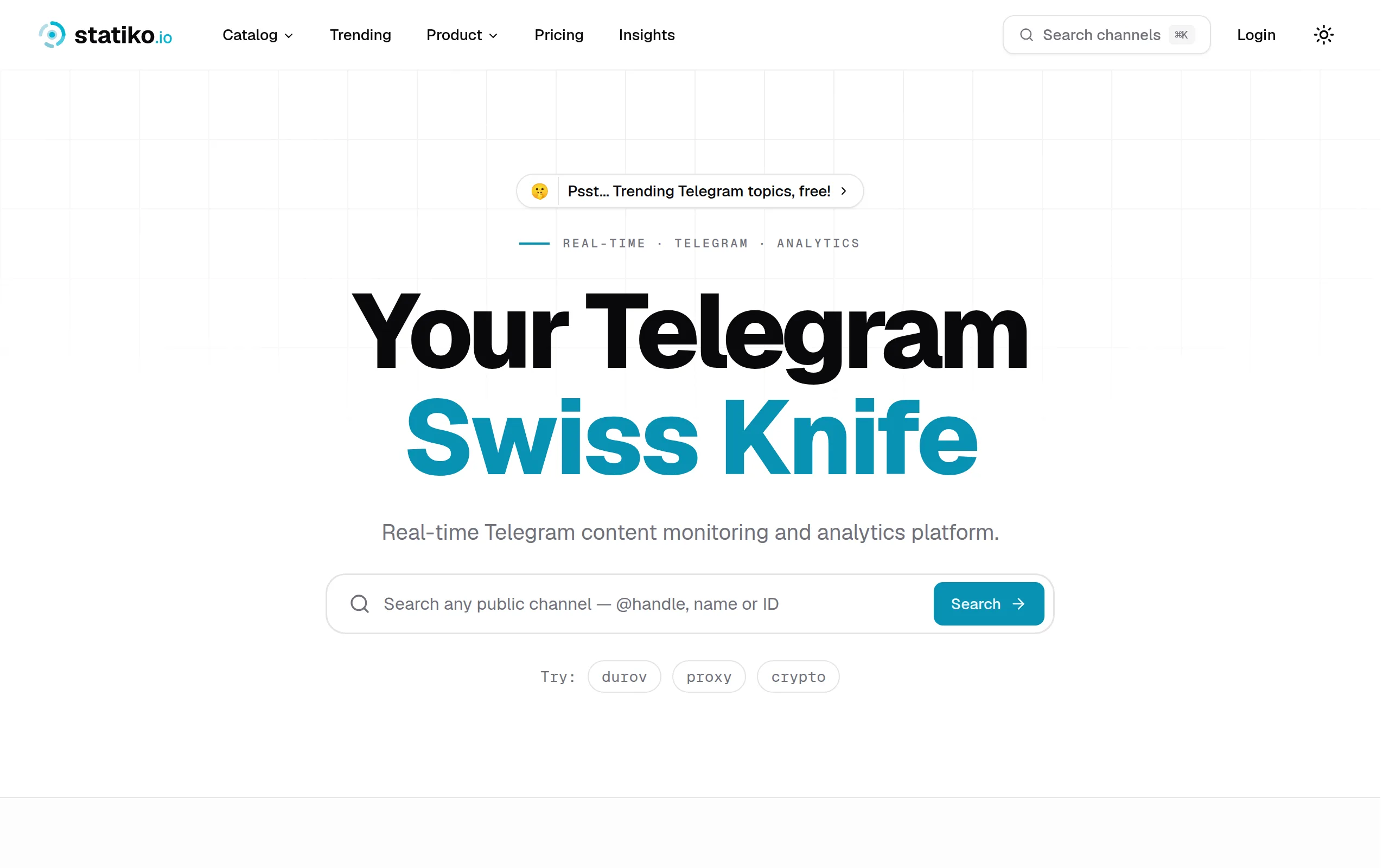
Statiko
Monitor any Telegram channel in real time - track posts, edits, deletions, and growth with AI recaps 📡

Shibui
AI website builder - describe your business, pick a niche template, edit by chatting, and publish instantly ✨

Pro Service
Find verified home service professionals, compare quotes, and pay securely through escrow - built for Brazilians across the US 🏠
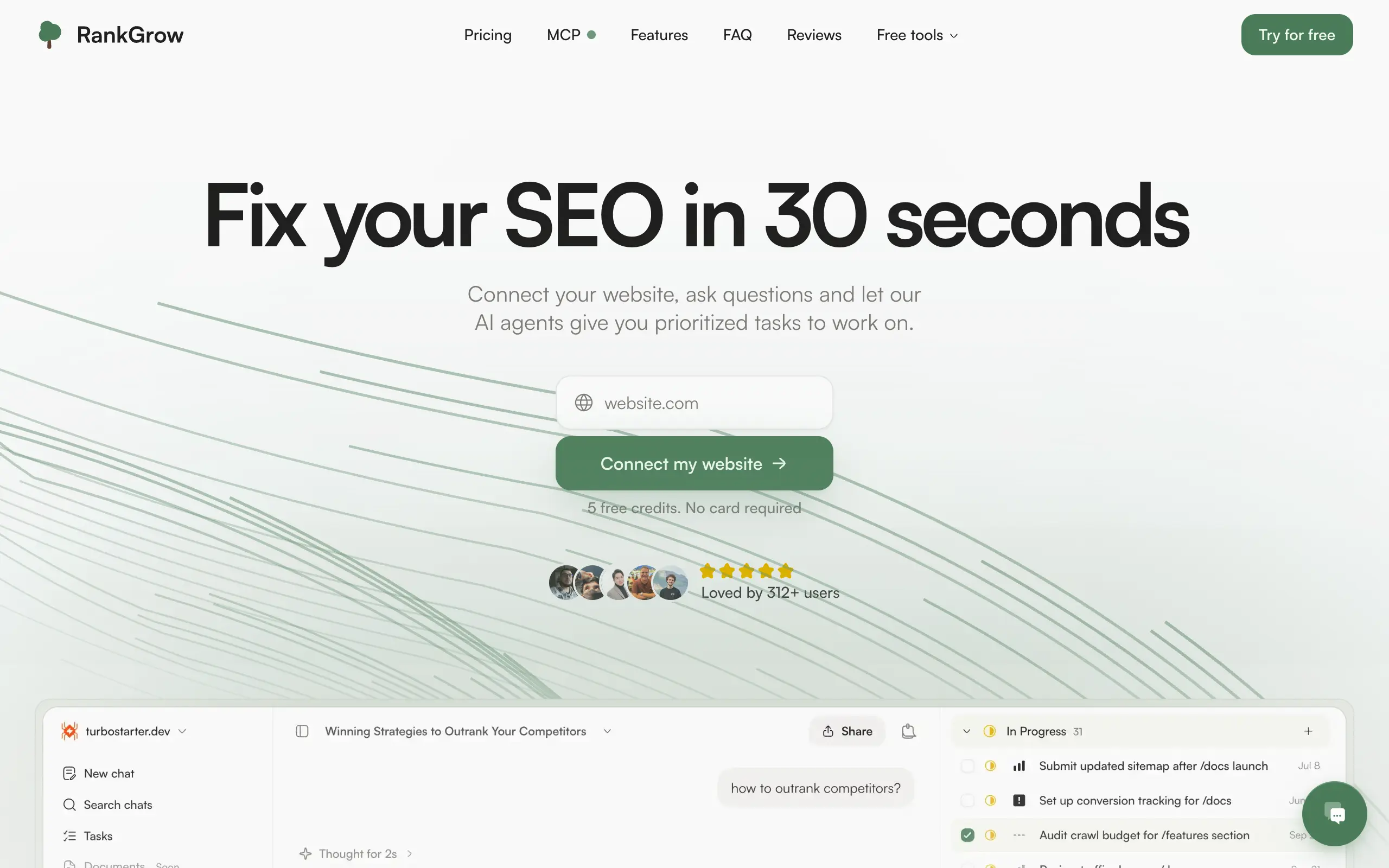
RankGrow
Fix your SEO with AI agents - connect Search Console, get prioritized tasks, and grow organic traffic 📈
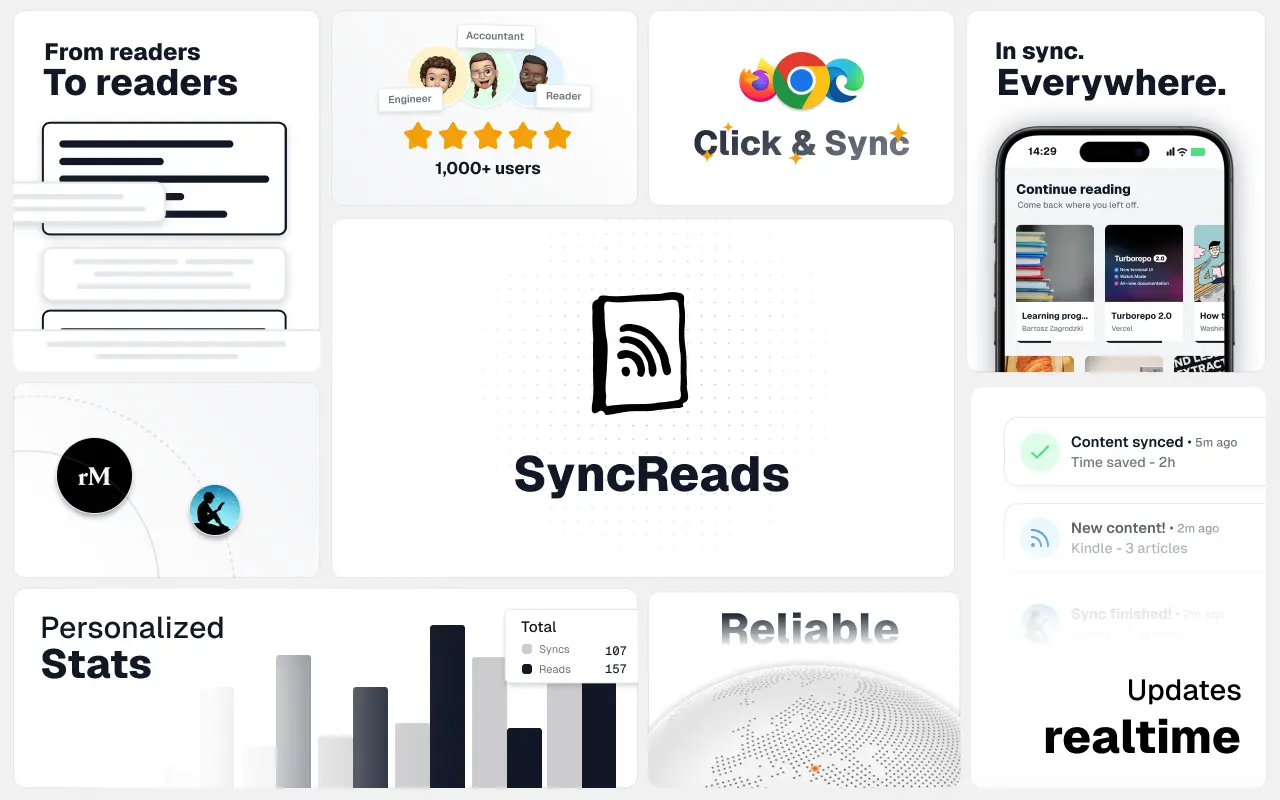
SyncReads
Sync your favorite content for distraction-free reading, save time and replace multiple apps. Anytime, anywhere 🔄
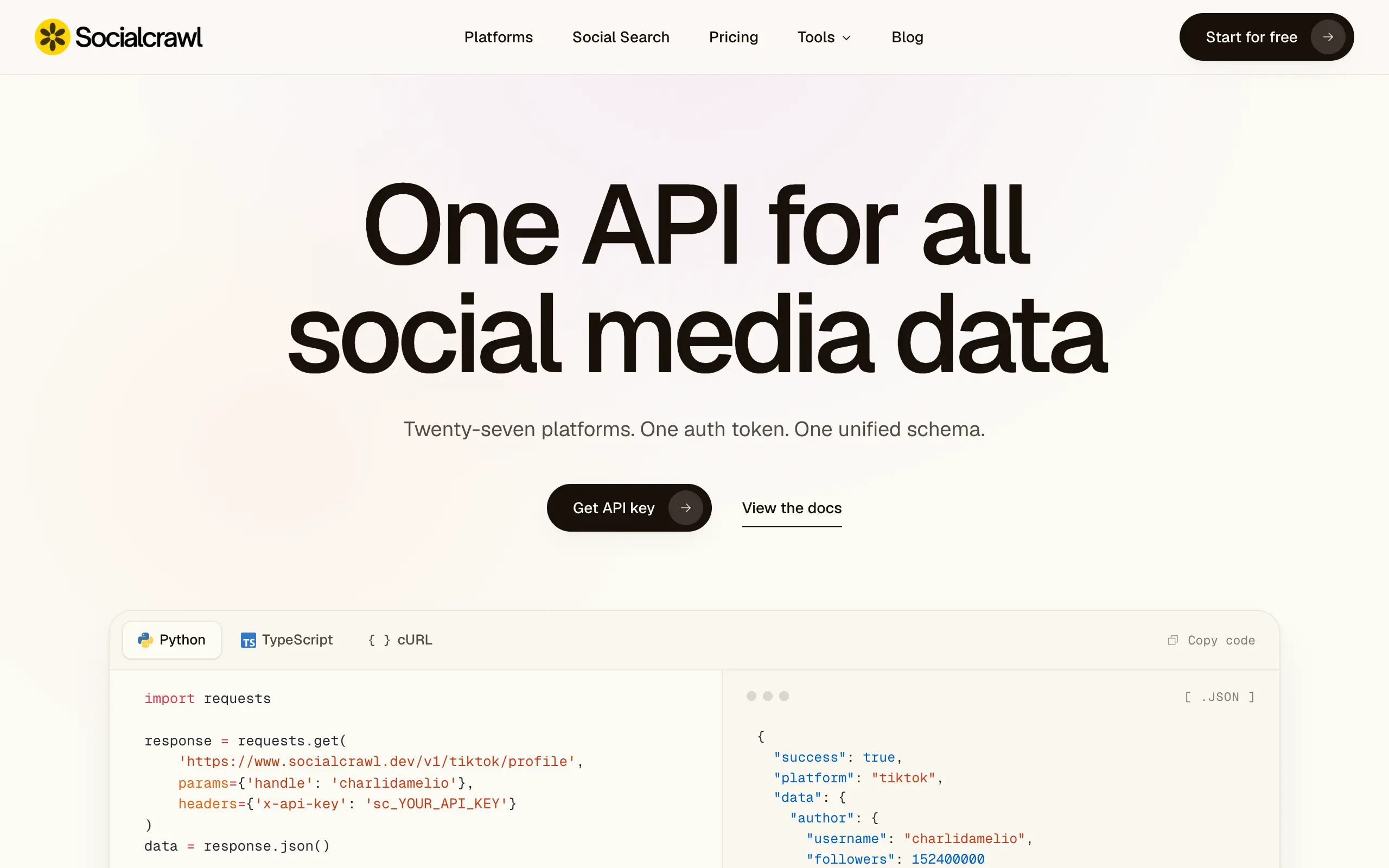
Socialcrawl
Get clean, structured data from 21 platforms like TikTok, Instagram, and YouTube with a single request 📊
Statiko
Monitor any Telegram channel in real time - track posts, edits, deletions, and growth with AI recaps 📡
Shibui
AI website builder - describe your business, pick a niche template, edit by chatting, and publish instantly ✨
Pro Service
Find verified home service professionals, compare quotes, and pay securely through escrow - built for Brazilians across the US 🏠
RankGrow
Fix your SEO with AI agents - connect Search Console, get prioritized tasks, and grow organic traffic 📈
SyncReads
Sync your favorite content for distraction-free reading, save time and replace multiple apps. Anytime, anywhere 🔄
Socialcrawl
Get clean, structured data from 21 platforms like TikTok, Instagram, and YouTube with a single request 📊
Statiko
Monitor any Telegram channel in real time - track posts, edits, deletions, and growth with AI recaps 📡
Shibui
AI website builder - describe your business, pick a niche template, edit by chatting, and publish instantly ✨
Pro Service
Find verified home service professionals, compare quotes, and pay securely through escrow - built for Brazilians across the US 🏠
RankGrow
Fix your SEO with AI agents - connect Search Console, get prioritized tasks, and grow organic traffic 📈
SyncReads
Sync your favorite content for distraction-free reading, save time and replace multiple apps. Anytime, anywhere 🔄
Socialcrawl
Get clean, structured data from 21 platforms like TikTok, Instagram, and YouTube with a single request 📊
Statiko
Monitor any Telegram channel in real time - track posts, edits, deletions, and growth with AI recaps 📡
Shibui
AI website builder - describe your business, pick a niche template, edit by chatting, and publish instantly ✨
Pro Service
Find verified home service professionals, compare quotes, and pay securely through escrow - built for Brazilians across the US 🏠
RankGrow
Fix your SEO with AI agents - connect Search Console, get prioritized tasks, and grow organic traffic 📈
SyncReads
Sync your favorite content for distraction-free reading, save time and replace multiple apps. Anytime, anywhere 🔄
Socialcrawl
Get clean, structured data from 21 platforms like TikTok, Instagram, and YouTube with a single request 📊
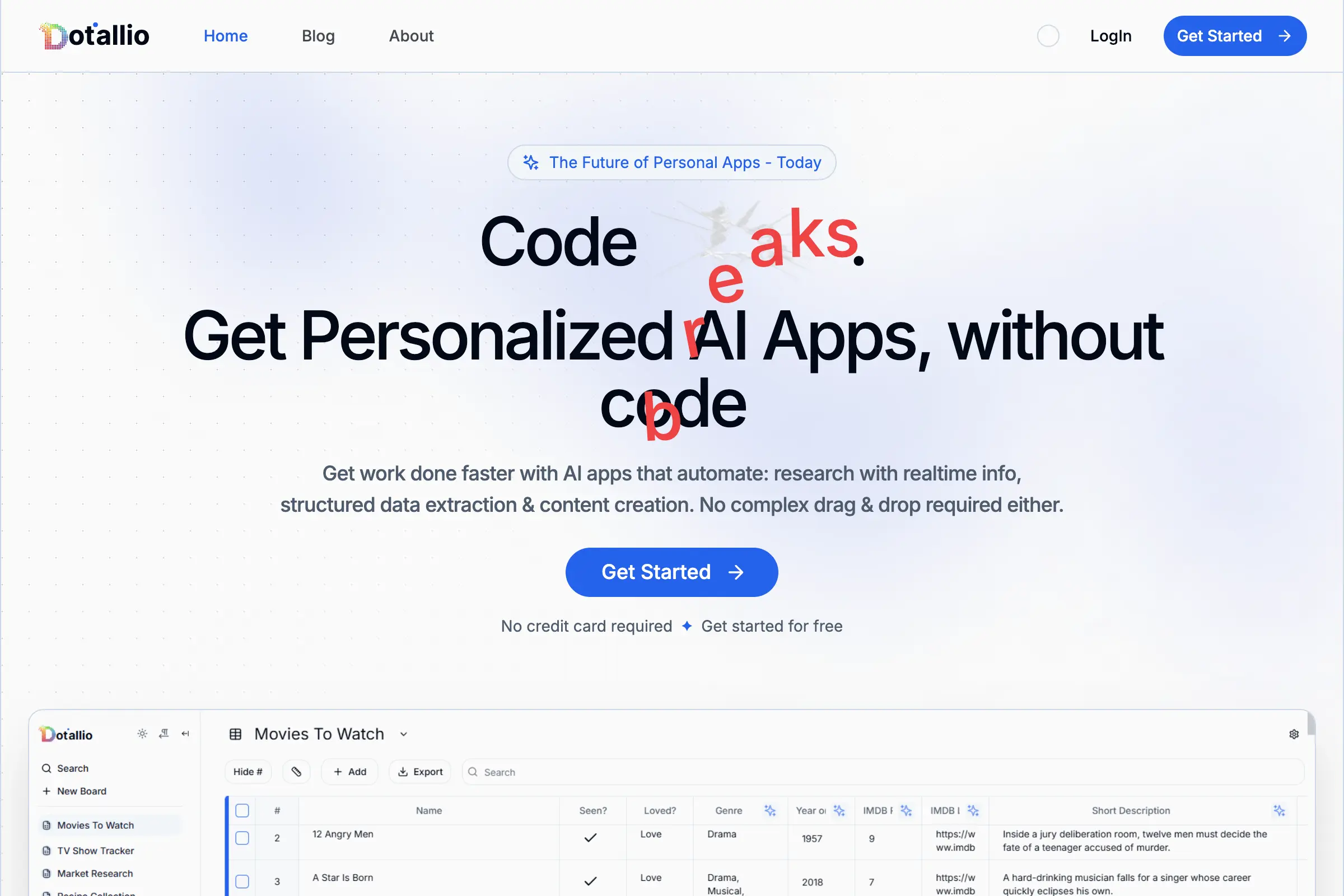
Dotallio
Personalized AI apps that automate research, data extraction, and content creation without code 🤖

Talk to Santa
Enjoy a magical live video chat or receive a unique AI-generated video greeting from Santa Claus 🎅

pozywka.pl
Scalable blog for food journalist, focused on performance and user experience 🌭
zagrodzki.me
Personal blog and portfolio of Bart Zagrodzki, where he shares his knowledge and work 💼
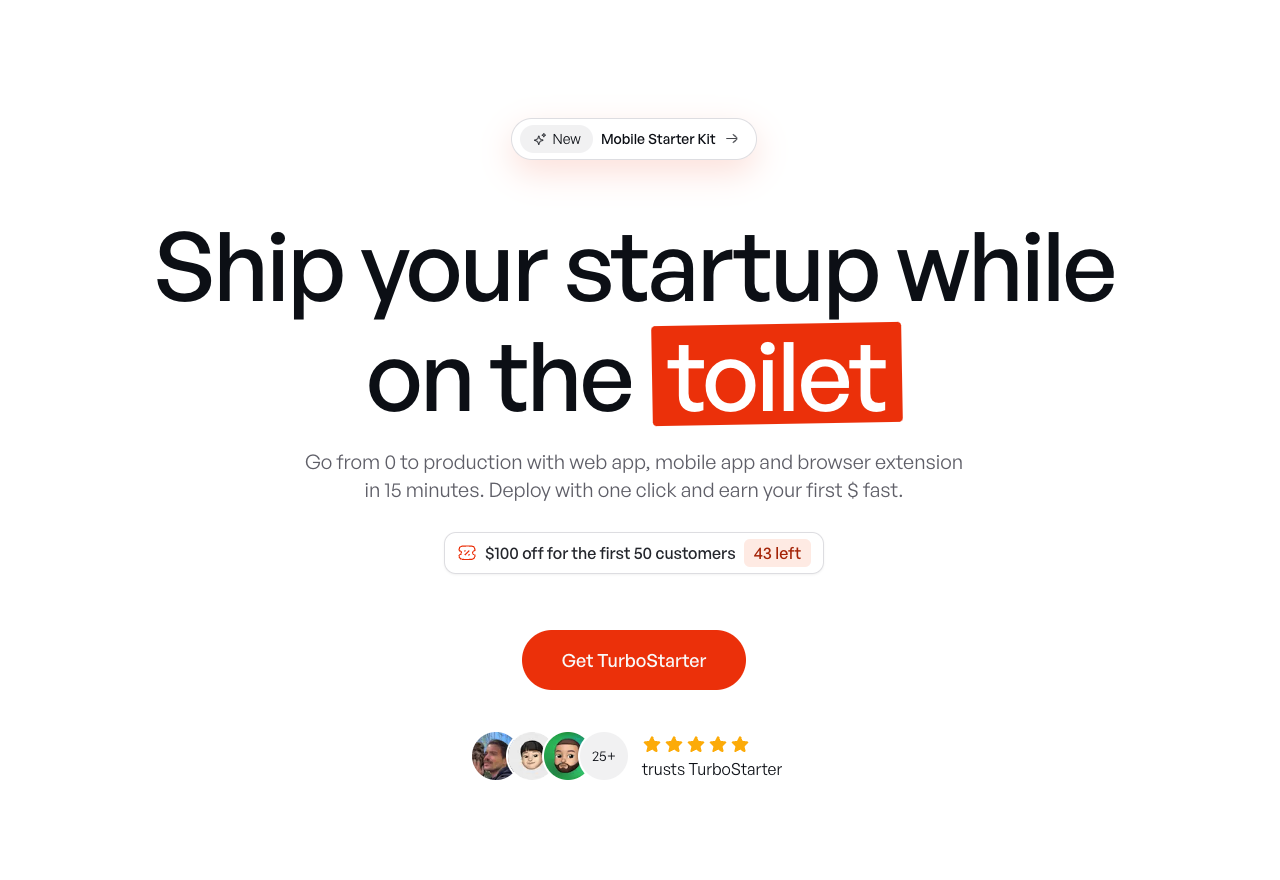
TurboStarter
Ship your startup everywhere. In minutes.
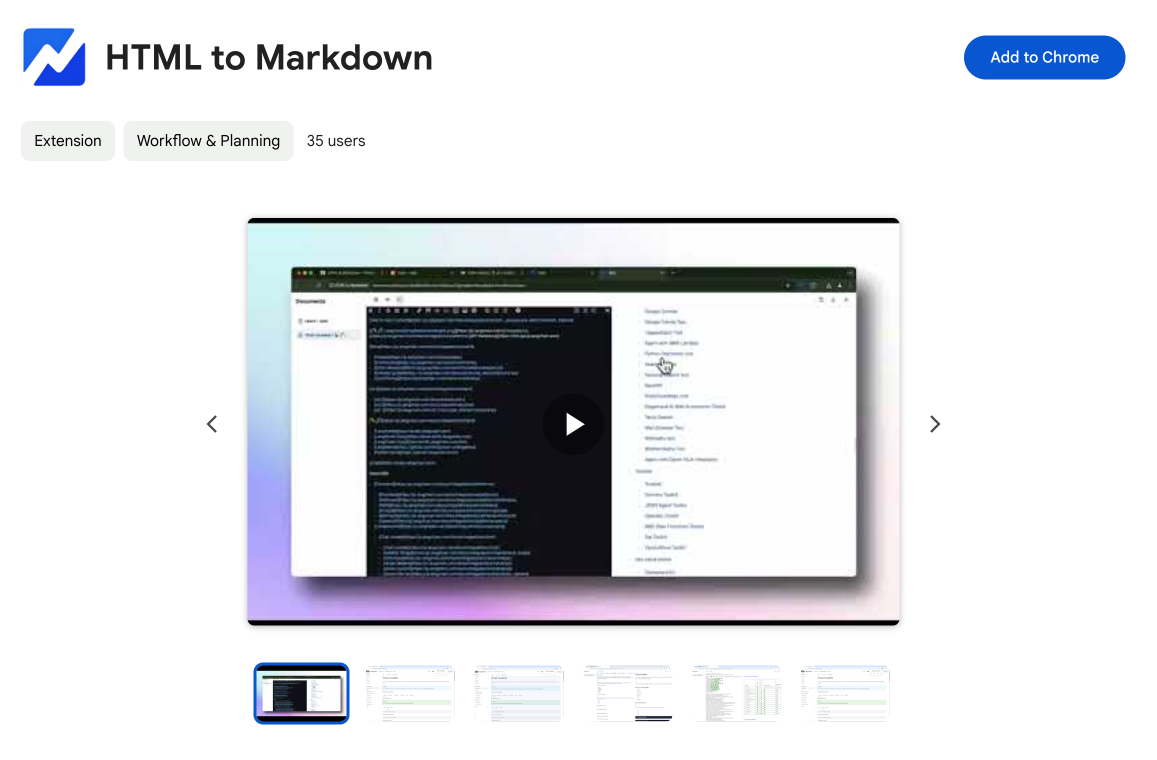
HTML to Markdown
Convert HTML to Markdown with ease, directly in your browser 📄
Dotallio
Personalized AI apps that automate research, data extraction, and content creation without code 🤖
Talk to Santa
Enjoy a magical live video chat or receive a unique AI-generated video greeting from Santa Claus 🎅
pozywka.pl
Scalable blog for food journalist, focused on performance and user experience 🌭
zagrodzki.me
Personal blog and portfolio of Bart Zagrodzki, where he shares his knowledge and work 💼
TurboStarter
Ship your startup everywhere. In minutes.
HTML to Markdown
Convert HTML to Markdown with ease, directly in your browser 📄
Dotallio
Personalized AI apps that automate research, data extraction, and content creation without code 🤖
Talk to Santa
Enjoy a magical live video chat or receive a unique AI-generated video greeting from Santa Claus 🎅
pozywka.pl
Scalable blog for food journalist, focused on performance and user experience 🌭
zagrodzki.me
Personal blog and portfolio of Bart Zagrodzki, where he shares his knowledge and work 💼
TurboStarter
Ship your startup everywhere. In minutes.
HTML to Markdown
Convert HTML to Markdown with ease, directly in your browser 📄
Dotallio
Personalized AI apps that automate research, data extraction, and content creation without code 🤖
Talk to Santa
Enjoy a magical live video chat or receive a unique AI-generated video greeting from Santa Claus 🎅
pozywka.pl
Scalable blog for food journalist, focused on performance and user experience 🌭
zagrodzki.me
Personal blog and portfolio of Bart Zagrodzki, where he shares his knowledge and work 💼
TurboStarter
Ship your startup everywhere. In minutes.
HTML to Markdown
Convert HTML to Markdown with ease, directly in your browser 📄
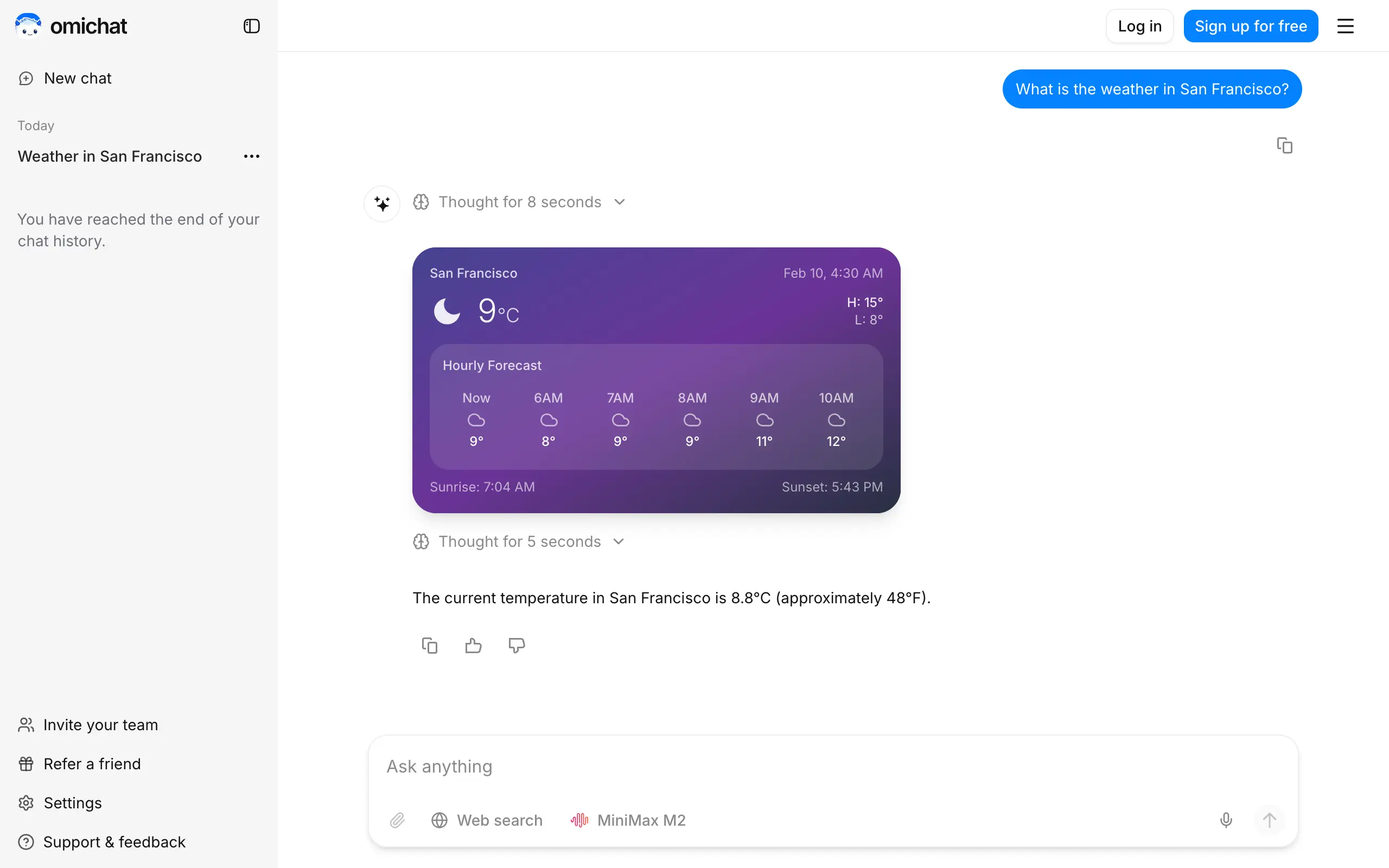
Omichat
Chat with 50+ AI models, including ChatGPT and Claude, in one place - switch models anytime without losing context 🤖
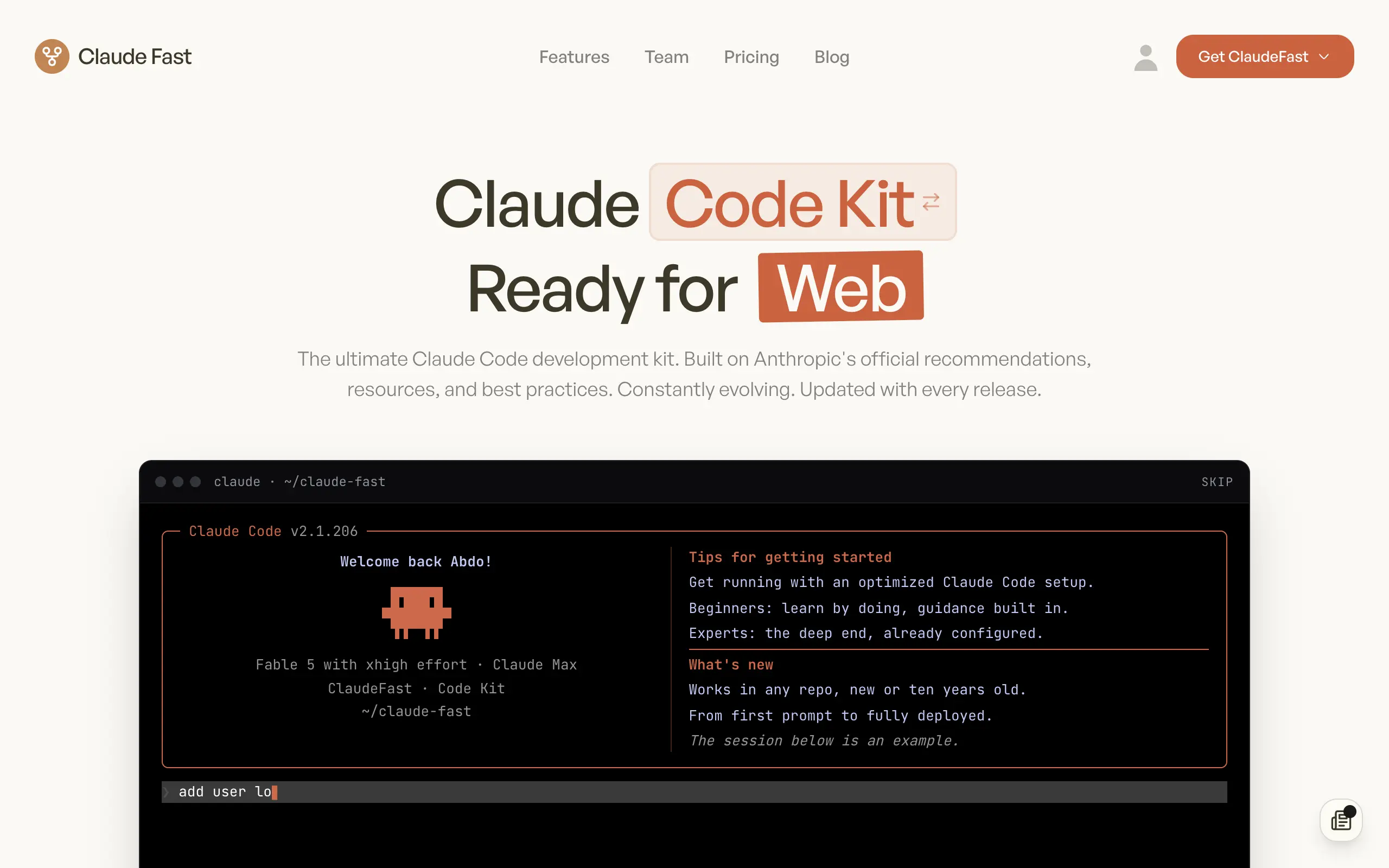
Claude Fast
Supercharge your Claude Code with 6x effective context window and specialized AI agents 🤖
EmojAI
AI-powered emoji picker with smart, context-aware suggestions 🤖
Solohacker
Autonomous company launcher - AI agents work 24/7, escalate what matters, and you stay in control 🤖
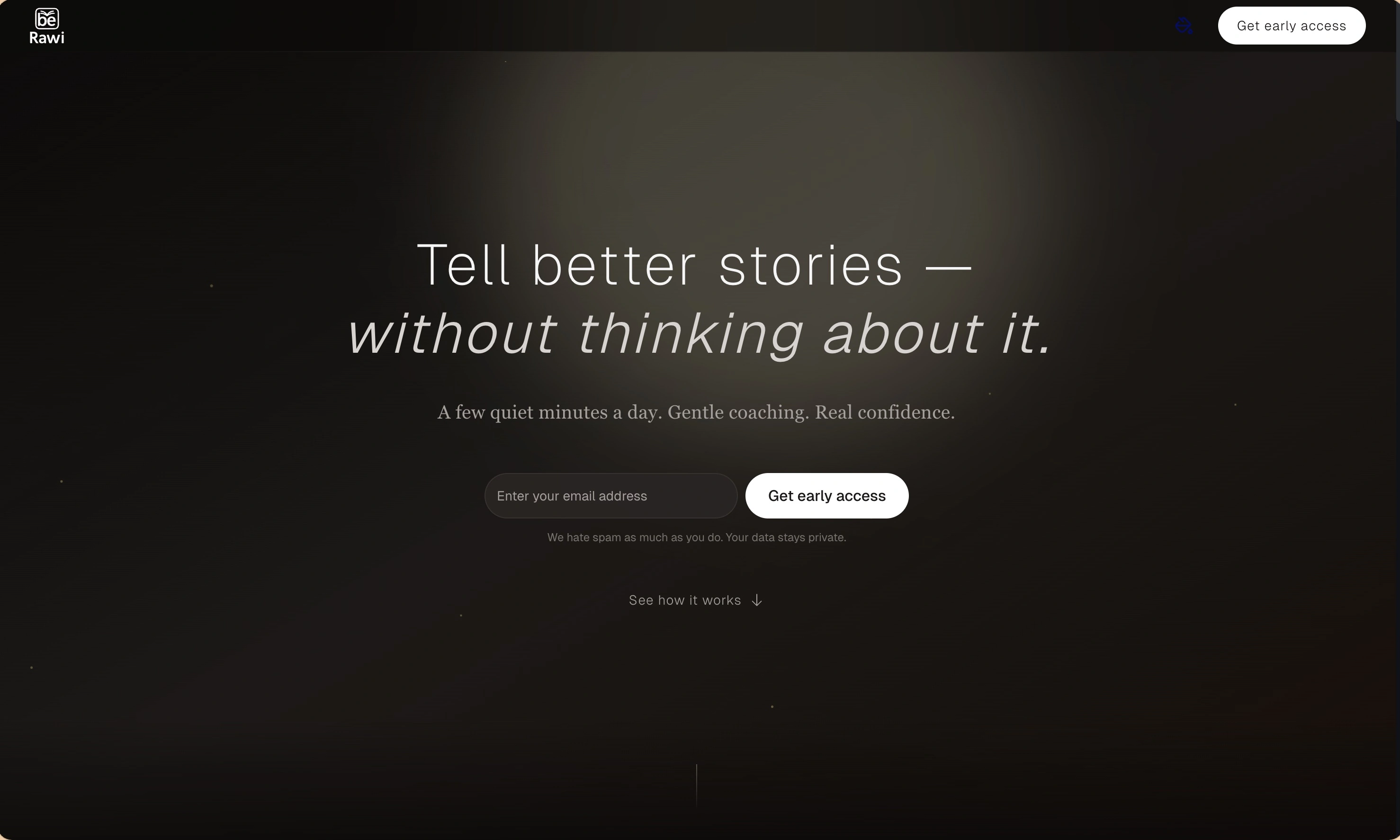
BeRawi: Storytelling Coach
Practice storytelling daily with instant feedback to sound clearer, more engaging, and confident 🎤
Omichat
Chat with 50+ AI models, including ChatGPT and Claude, in one place - switch models anytime without losing context 🤖
Claude Fast
Supercharge your Claude Code with 6x effective context window and specialized AI agents 🤖
EmojAI
AI-powered emoji picker with smart, context-aware suggestions 🤖
Solohacker
Autonomous company launcher - AI agents work 24/7, escalate what matters, and you stay in control 🤖
BeRawi: Storytelling Coach
Practice storytelling daily with instant feedback to sound clearer, more engaging, and confident 🎤
Omichat
Chat with 50+ AI models, including ChatGPT and Claude, in one place - switch models anytime without losing context 🤖
Claude Fast
Supercharge your Claude Code with 6x effective context window and specialized AI agents 🤖
EmojAI
AI-powered emoji picker with smart, context-aware suggestions 🤖
Solohacker
Autonomous company launcher - AI agents work 24/7, escalate what matters, and you stay in control 🤖
BeRawi: Storytelling Coach
Practice storytelling daily with instant feedback to sound clearer, more engaging, and confident 🎤
Omichat
Chat with 50+ AI models, including ChatGPT and Claude, in one place - switch models anytime without losing context 🤖
Claude Fast
Supercharge your Claude Code with 6x effective context window and specialized AI agents 🤖
EmojAI
AI-powered emoji picker with smart, context-aware suggestions 🤖
Solohacker
Autonomous company launcher - AI agents work 24/7, escalate what matters, and you stay in control 🤖
BeRawi: Storytelling Coach
Practice storytelling daily with instant feedback to sound clearer, more engaging, and confident 🎤

Connect with like-minded people
Join our community to get feedback, support, and grow together with 1,000+ builders on board, let's ship it!
Join usShip your startup everywhere. In minutes.
Don't burn tokens on setup and start building features on day one.