GymVision AI
AI-powered form analysis tool using computer vision to correct exercise technique, prevent injuries, and optimize performance for fitness enthusiasts and trainers.
Understanding the user intent behind GymVision AI
When users search for "AI-powered form analysis tool" or "computer vision for exercise technique," their intent is clear: they want to discover innovative solutions that help improve workout performance, prevent injuries, and provide actionable feedback—either for themselves as fitness enthusiasts or for their clients as trainers. They may be seeking:
- Inspiration for new fitness technology
- Validation of the market need for AI in exercise form correction
- Technical details on how such a system works
- Market analysis to assess opportunity and competition
- Implementation steps for building or adopting such a solution
This article addresses all these needs, providing a comprehensive, expert-level overview of GymVision AI, its market fit, technical underpinnings, and actionable steps for implementation.
Who is GymVision AI for? Target audience analysis
Understanding the target audience is crucial for any SaaS product, especially in the rapidly evolving fitness technology sector. GymVision AI is designed for:
- Fitness enthusiasts: Individuals who want to optimize their workouts, avoid injuries, and receive real-time feedback on their exercise form.
- Personal trainers and coaches: Professionals seeking scalable tools to monitor multiple clients, provide remote coaching, and ensure client safety.
- Gyms and fitness centers: Facilities aiming to differentiate themselves with cutting-edge technology, enhance member experience, and reduce liability from injuries.
- Physical therapists and rehabilitation specialists: Experts who require precise movement analysis to guide recovery and prevent re-injury.
- Sports teams and athletes: Those who need advanced performance optimization and injury prevention.
Key user needs:
- Accurate, real-time feedback on exercise form
- Actionable suggestions for improvement
- Injury prevention insights
- Progress tracking and performance analytics
- Seamless integration with existing fitness workflows
Identifying the market opportunity and gap
The global fitness industry is experiencing a digital transformation, with AI and computer vision at the forefront. According to recent industry reports, the fitness app market is projected to surpass $15 billion by 2028 (source: suggest referencing Statista or Grand View Research). However, most current solutions focus on tracking workouts, not on analyzing form or preventing injuries.
Market gaps GymVision AI addresses:
- Lack of real-time, automated form correction: Most apps rely on manual input or basic motion tracking, missing nuanced biomechanical errors.
- Limited accessibility to expert feedback: Not everyone can afford personal trainers; AI democratizes access to high-quality guidance.
- Injury prevention is often reactive, not proactive: GymVision AI shifts the paradigm by identifying risky movements before injuries occur.
- Remote and hybrid fitness models: As online coaching grows, trainers need tools to monitor clients without being physically present.
Core features and solution details
GymVision AI leverages state-of-the-art computer vision and machine learning to deliver a robust, user-friendly experience. Here’s how it stands out:
Real-time form analysis
- Camera-based motion capture: Uses smartphone or webcam to track user movements.
- Pose estimation algorithms: Identifies key body joints and angles during exercises.
- Immediate feedback: Alerts users to incorrect posture, range of motion, or unsafe technique.
Personalized exercise correction
- AI-driven suggestions: Offers tailored cues (e.g., "straighten your back," "deepen your squat") based on detected errors.
- Progressive learning: Adapts feedback as the user improves, avoiding repetitive or irrelevant tips.
Injury prevention and risk alerts
- Biomechanical risk assessment: Flags movements that could lead to strain or injury.
- Historical analysis: Tracks patterns over time to identify chronic issues.
Performance optimization
- Repetition and set counting: Automatically logs workout data.
- Form score and analytics: Quantifies technique quality, enabling users to track improvement.
- Video playback with annotations: Allows users and trainers to review sessions with visual highlights of errors.
Trainer and client management
- Remote monitoring: Trainers can review client sessions, provide feedback, and track progress.
- Multi-user dashboards: Gyms and teams can manage multiple athletes or members.
Seamless integrations
- Fitness app APIs: Syncs with popular platforms (e.g., Apple Health, Google Fit).
- Wearable compatibility: Optionally integrates with smartwatches or heart rate monitors for holistic insights.
Real-time feedback
Instant, actionable cues to correct form during workouts.
Injury prevention
AI flags risky movements before they cause harm.
Trainer tools
Remote monitoring and analytics for fitness professionals.
Recommended tech stack for GymVision AI
Building a robust, scalable AI-powered form analysis tool requires a thoughtful selection of technologies. Here’s a recommended stack, with trade-offs considered:
Frontend
- React: For building a responsive, interactive user interface.
- TailwindCSS: Enables rapid, consistent UI styling.
- WebRTC or MediaRecorder API: For real-time video capture and streaming.
Backend
- Node.js: Scalable server-side logic and API endpoints.
- Python (for AI/ML services): Leverage libraries like OpenCV, TensorFlow, or PyTorch for computer vision and pose estimation.
AI/ML
- TensorFlow or PyTorch: For training and deploying pose estimation and movement analysis models.
- OpenCV: For image processing and video analysis.
- Pre-trained models: Such as MediaPipe for pose detection, fine-tuned for exercise-specific accuracy.
Cloud and DevOps
- AWS / Google Cloud: For scalable compute, storage, and AI model hosting.
- Docker: Containerization for consistent deployment.
- TurboStarter: Accelerate SaaS development with boilerplate, authentication, and billing modules.
Trade-offs
- On-device vs. cloud processing: On-device (edge) AI offers privacy and low latency but may be limited by hardware. Cloud processing enables more complex models but introduces latency and privacy concerns.
- Web vs. native app: Web apps are accessible and easy to update, but native apps (iOS/Android) can leverage device-specific optimizations for video and AI.
React offers a component-based architecture ideal for dynamic UIs, while TailwindCSS accelerates styling and ensures design consistency.
For basic pose estimation, yes—modern smartphones can run lightweight models. For advanced analysis, cloud-based inference may be necessary.
Monetization strategy options
A successful SaaS must balance value delivery with sustainable revenue. GymVision AI can explore several monetization models:
1. Freemium with premium features
- Free tier: Basic form analysis, limited history, and standard feedback.
- Premium tier: Advanced analytics, injury risk alerts, trainer dashboards, and video annotation.
2. B2B licensing
- Gyms and fitness centers: Offer branded solutions or bulk licenses.
- Trainers and coaches: Subscription plans for managing multiple clients.
3. Pay-per-use or session credits
- Users purchase credits for detailed analysis or trainer reviews.
4. API as a service
- Offer the core AI/vision engine as an API for integration into third-party fitness apps.
5. White-label solutions
- Custom deployments for large fitness brands or sports teams.
| Freemium | B2B | API | Credits | White-label |
|---|---|---|---|---|
| ✅ | ❌ | ❌ | ✅ | ❌ |
| ✅ | ❌ | ✅ | ✅ | ❌ |
Potential risks and mitigation strategies
Launching an AI-powered fitness SaaS comes with unique challenges. Here’s how to address them:
1. Accuracy and reliability of AI analysis
- Risk: False positives/negatives in form correction could erode trust or cause harm.
- Mitigation: Use large, diverse training datasets; regularly update models; allow user/trainer feedback to refine AI.
2. Privacy and data security
- Risk: Handling sensitive video data raises privacy concerns.
- Mitigation: Offer on-device processing where possible; encrypt all data; comply with GDPR and HIPAA where relevant.
3. User adoption and engagement
- Risk: Users may find setup cumbersome or feedback intrusive.
- Mitigation: Prioritize intuitive UX; provide onboarding tutorials; allow customization of feedback frequency.
4. Device and environment variability
- Risk: Lighting, camera quality, and background noise can affect accuracy.
- Mitigation: Use robust computer vision models; guide users on optimal setup; offer fallback manual input.
5. Regulatory and liability issues
- Risk: Incorrect advice could lead to injury and legal exposure.
- Mitigation: Include clear disclaimers; position as a guidance tool, not a medical device; consult legal experts.
Important
Always communicate that GymVision AI is a guidance tool and not a substitute for professional medical advice.
Competitive advantage analysis
While several fitness apps and wearables offer basic motion tracking, GymVision AI’s unique selling proposition (USP) lies in its deep, exercise-specific form analysis powered by advanced AI and computer vision.
How GymVision AI stands out:
- Granular, real-time feedback: Goes beyond rep counting to analyze joint angles, posture, and movement quality.
- Injury prevention focus: Proactively flags risky patterns, not just performance metrics.
- Trainer and client synergy: Enables remote coaching with annotated video reviews and progress analytics.
- Flexible deployment: Works on web, mobile, and integrates with existing fitness platforms.
- Continuous learning: AI models improve with user feedback and new data, ensuring relevance and accuracy.
Comparison with alternatives
Most competitors either:
- Focus on general fitness tracking (e.g., steps, calories)
- Offer limited form analysis (e.g., only for squats or push-ups)
- Require expensive hardware (e.g., motion sensors, wearables)
GymVision AI delivers comprehensive, accessible, and affordable form correction for a wide range of exercises, making it a game-changer for both individuals and professionals.
Actionable implementation steps
Ready to bring GymVision AI to life or integrate it into your fitness business? Here’s a step-by-step roadmap:
Conclusion: Why GymVision AI is the future of smart fitness
GymVision AI is more than just another fitness app—it's a transformative platform that empowers users and trainers with AI-driven, real-time form analysis, injury prevention, and performance optimization. By leveraging cutting-edge computer vision, a user-centric design, and flexible monetization, it fills a critical gap in the fitness technology landscape.
Whether you're a developer, fitness entrepreneur, or gym owner, now is the time to harness the power of AI to revolutionize exercise safety and results. Start building with the right tech stack, focus on user trust and privacy, and position GymVision AI as the go-to solution for smart, data-driven fitness.
Frequently asked questions
While AI can detect many common form errors with high accuracy, especially for well-defined exercises, it may not yet match the nuanced judgment of an experienced trainer. However, it offers consistent, scalable feedback and improves over time with more data.
The core system is designed for smartphones, tablets, and laptops with cameras. For best results, ensure good lighting and a clear background.
Yes. Prioritize on-device processing where possible, encrypt all data, and comply with relevant privacy regulations.
Trainers can remotely monitor client sessions, review annotated videos, and provide personalized feedback—enabling scalable, high-quality coaching.
By combining AI, computer vision, and a deep understanding of fitness needs, GymVision AI is poised to set a new standard for safe, effective, and engaging workouts.
More 🤖 AI Startup SaaS ideas
Discover more innovative ai startup SaaS ideas that are trending in 2026. Each idea is AI-generated with market validation and growth potential to help you find your next profitable venture faster than competitors.
Your competitors are building with TurboStarter
Below are some of the SaaS ideas that have been generated and built with our starter kit.

Statiko
Monitor any Telegram channel in real time - track posts, edits, deletions, and growth with AI recaps 📡

Shibui
AI website builder - describe your business, pick a niche template, edit by chatting, and publish instantly ✨

Pro Service
Find verified home service professionals, compare quotes, and pay securely through escrow - built for Brazilians across the US 🏠

RankGrow
Fix your SEO with AI agents - connect Search Console, get prioritized tasks, and grow organic traffic 📈

SyncReads
Sync your favorite content for distraction-free reading, save time and replace multiple apps. Anytime, anywhere 🔄
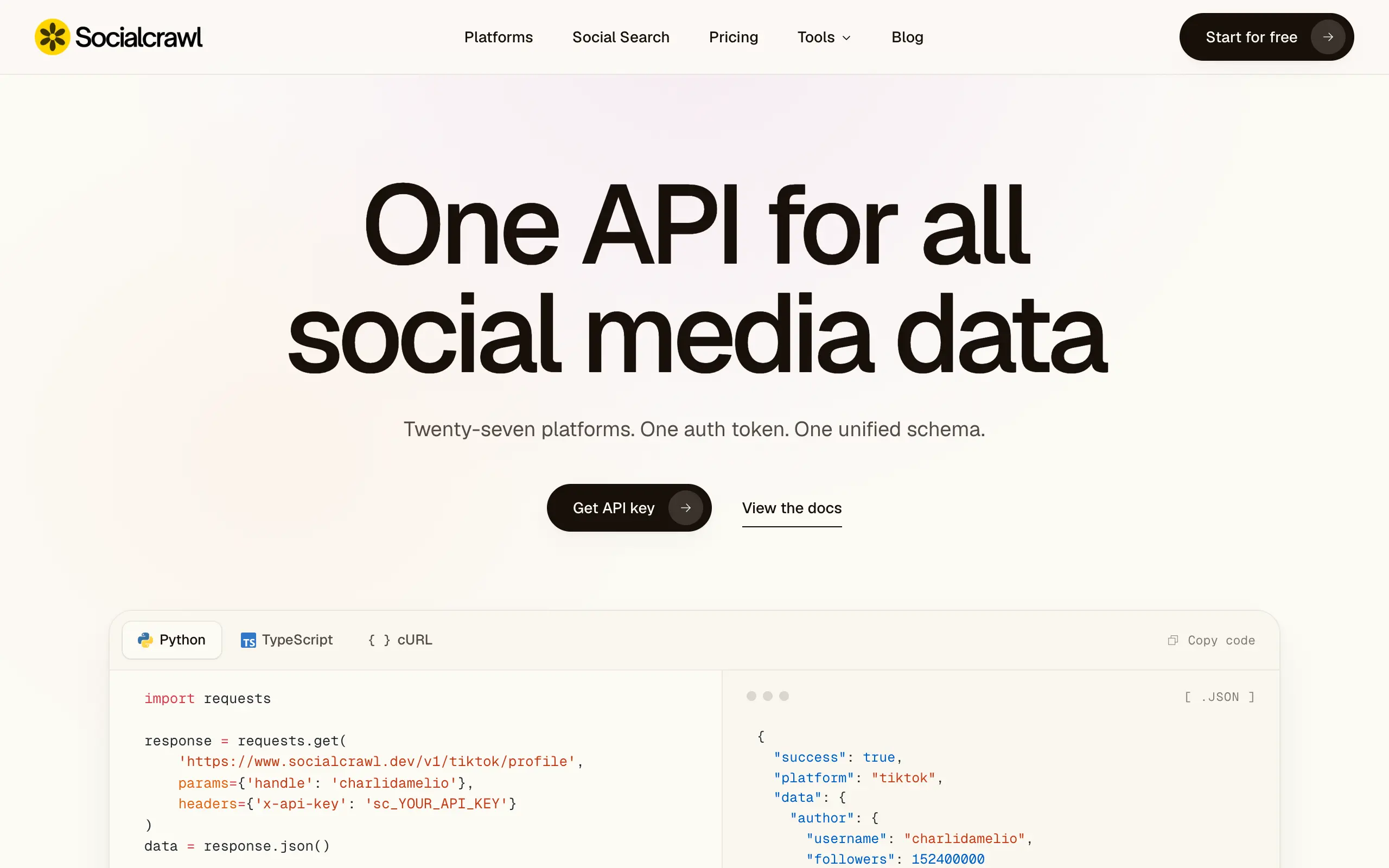
Socialcrawl
Get clean, structured data from 21 platforms like TikTok, Instagram, and YouTube with a single request 📊
Statiko
Monitor any Telegram channel in real time - track posts, edits, deletions, and growth with AI recaps 📡
Shibui
AI website builder - describe your business, pick a niche template, edit by chatting, and publish instantly ✨
Pro Service
Find verified home service professionals, compare quotes, and pay securely through escrow - built for Brazilians across the US 🏠
RankGrow
Fix your SEO with AI agents - connect Search Console, get prioritized tasks, and grow organic traffic 📈
SyncReads
Sync your favorite content for distraction-free reading, save time and replace multiple apps. Anytime, anywhere 🔄
Socialcrawl
Get clean, structured data from 21 platforms like TikTok, Instagram, and YouTube with a single request 📊
Statiko
Monitor any Telegram channel in real time - track posts, edits, deletions, and growth with AI recaps 📡
Shibui
AI website builder - describe your business, pick a niche template, edit by chatting, and publish instantly ✨
Pro Service
Find verified home service professionals, compare quotes, and pay securely through escrow - built for Brazilians across the US 🏠
RankGrow
Fix your SEO with AI agents - connect Search Console, get prioritized tasks, and grow organic traffic 📈
SyncReads
Sync your favorite content for distraction-free reading, save time and replace multiple apps. Anytime, anywhere 🔄
Socialcrawl
Get clean, structured data from 21 platforms like TikTok, Instagram, and YouTube with a single request 📊
Statiko
Monitor any Telegram channel in real time - track posts, edits, deletions, and growth with AI recaps 📡
Shibui
AI website builder - describe your business, pick a niche template, edit by chatting, and publish instantly ✨
Pro Service
Find verified home service professionals, compare quotes, and pay securely through escrow - built for Brazilians across the US 🏠
RankGrow
Fix your SEO with AI agents - connect Search Console, get prioritized tasks, and grow organic traffic 📈
SyncReads
Sync your favorite content for distraction-free reading, save time and replace multiple apps. Anytime, anywhere 🔄
Socialcrawl
Get clean, structured data from 21 platforms like TikTok, Instagram, and YouTube with a single request 📊
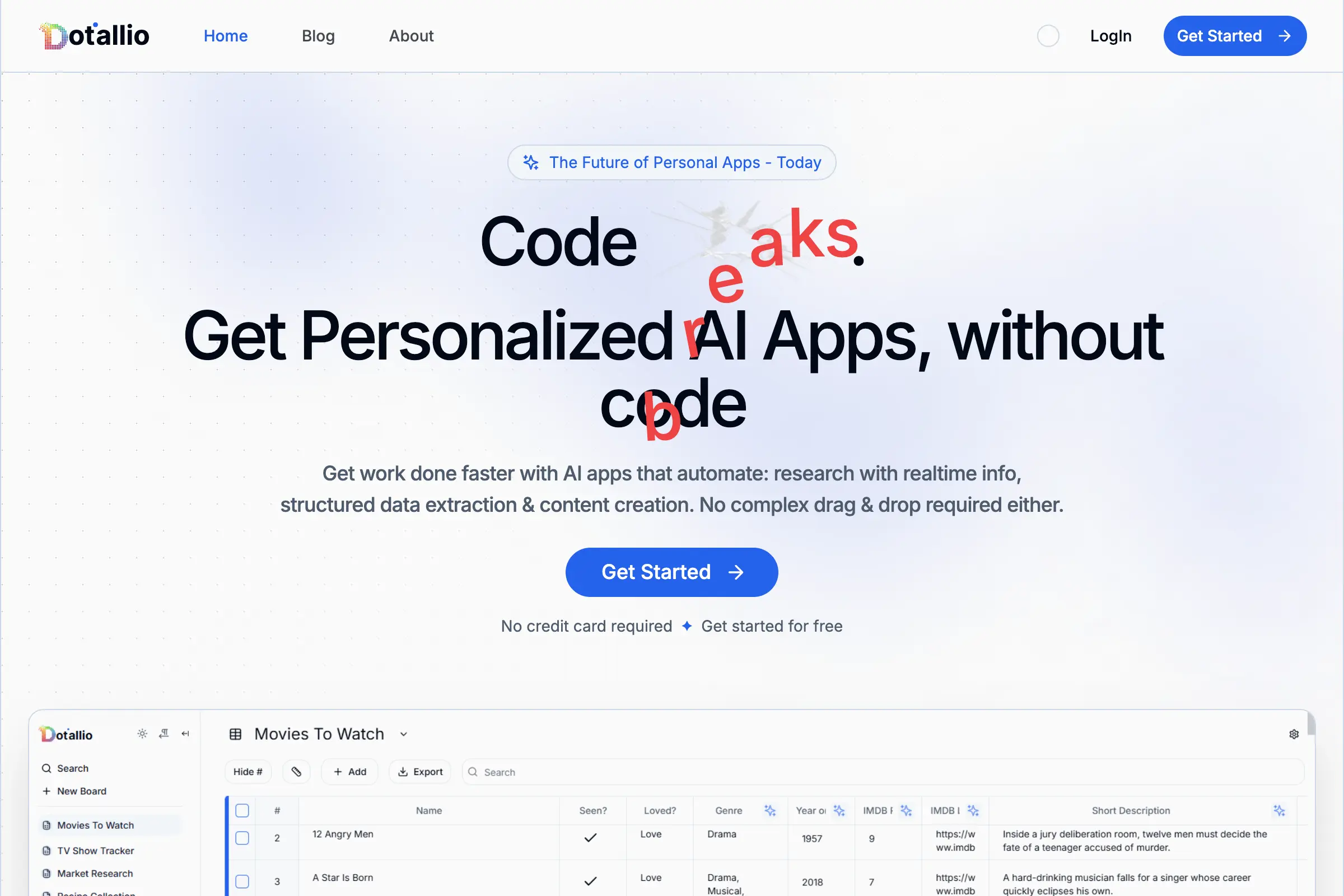
Dotallio
Personalized AI apps that automate research, data extraction, and content creation without code 🤖

Talk to Santa
Enjoy a magical live video chat or receive a unique AI-generated video greeting from Santa Claus 🎅

pozywka.pl
Scalable blog for food journalist, focused on performance and user experience 🌭
zagrodzki.me
Personal blog and portfolio of Bart Zagrodzki, where he shares his knowledge and work 💼
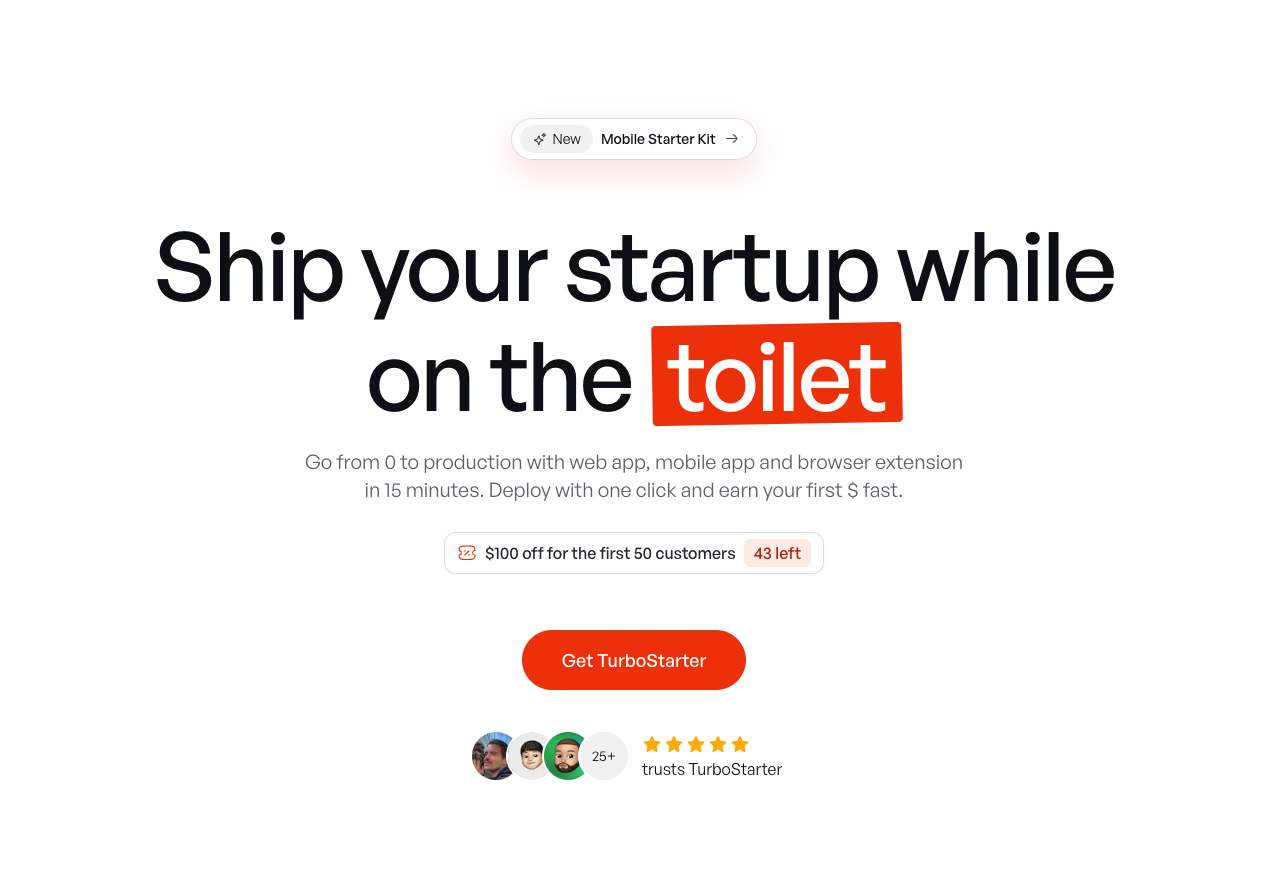
TurboStarter
Ship your startup everywhere. In minutes.
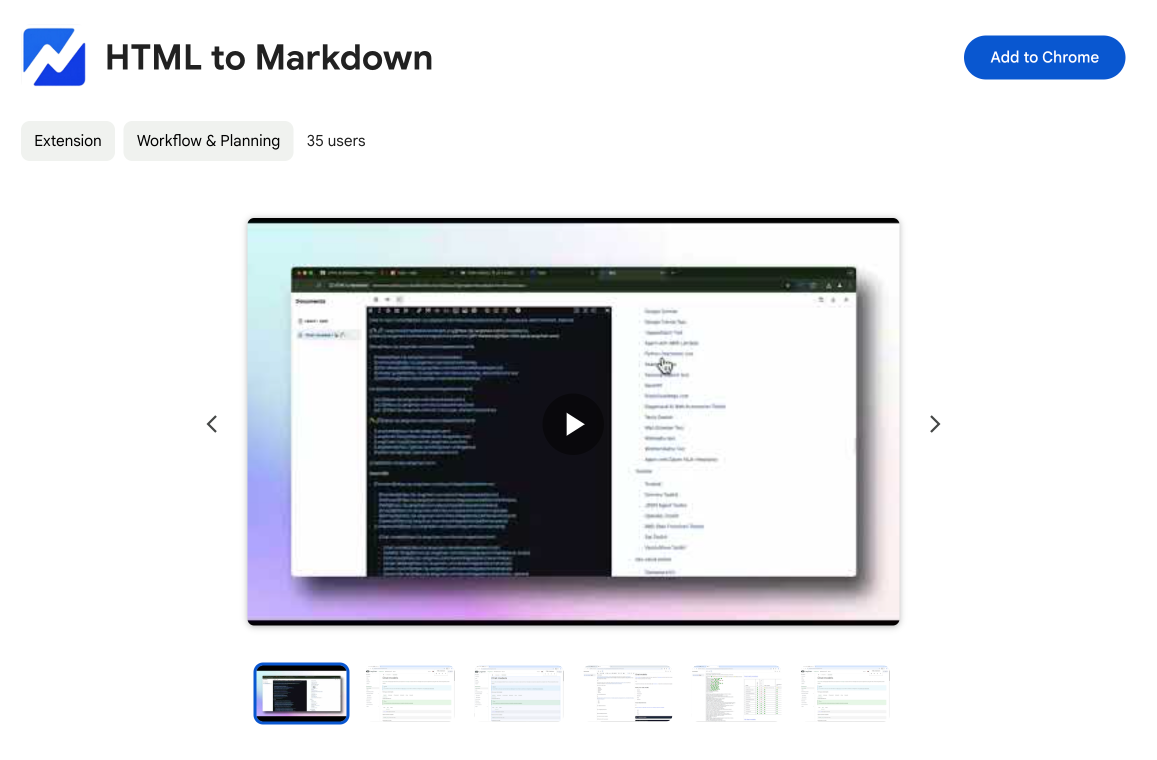
HTML to Markdown
Convert HTML to Markdown with ease, directly in your browser 📄
Dotallio
Personalized AI apps that automate research, data extraction, and content creation without code 🤖
Talk to Santa
Enjoy a magical live video chat or receive a unique AI-generated video greeting from Santa Claus 🎅
pozywka.pl
Scalable blog for food journalist, focused on performance and user experience 🌭
zagrodzki.me
Personal blog and portfolio of Bart Zagrodzki, where he shares his knowledge and work 💼
TurboStarter
Ship your startup everywhere. In minutes.
HTML to Markdown
Convert HTML to Markdown with ease, directly in your browser 📄
Dotallio
Personalized AI apps that automate research, data extraction, and content creation without code 🤖
Talk to Santa
Enjoy a magical live video chat or receive a unique AI-generated video greeting from Santa Claus 🎅
pozywka.pl
Scalable blog for food journalist, focused on performance and user experience 🌭
zagrodzki.me
Personal blog and portfolio of Bart Zagrodzki, where he shares his knowledge and work 💼
TurboStarter
Ship your startup everywhere. In minutes.
HTML to Markdown
Convert HTML to Markdown with ease, directly in your browser 📄
Dotallio
Personalized AI apps that automate research, data extraction, and content creation without code 🤖
Talk to Santa
Enjoy a magical live video chat or receive a unique AI-generated video greeting from Santa Claus 🎅
pozywka.pl
Scalable blog for food journalist, focused on performance and user experience 🌭
zagrodzki.me
Personal blog and portfolio of Bart Zagrodzki, where he shares his knowledge and work 💼
TurboStarter
Ship your startup everywhere. In minutes.
HTML to Markdown
Convert HTML to Markdown with ease, directly in your browser 📄
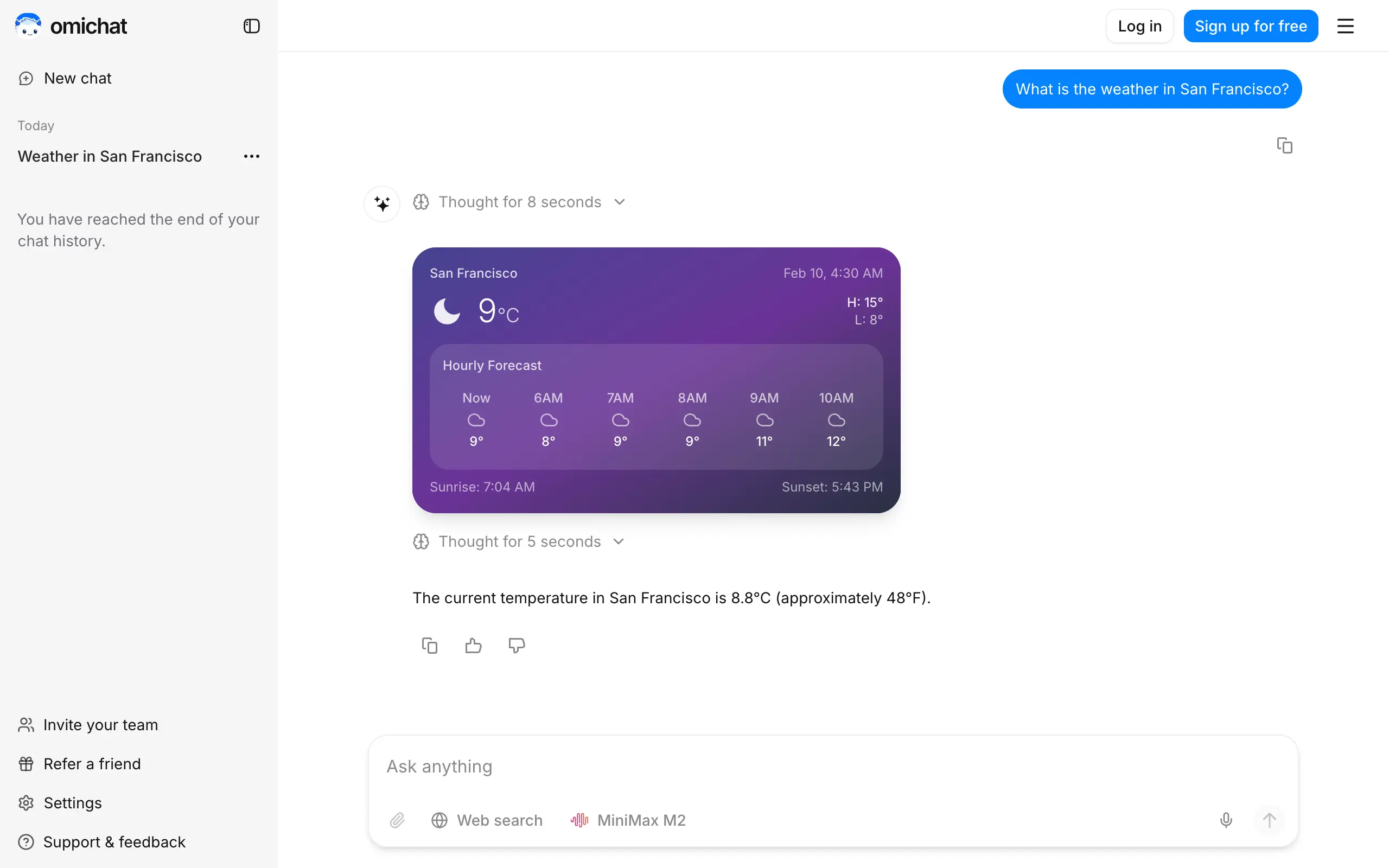
Omichat
Chat with 50+ AI models, including ChatGPT and Claude, in one place - switch models anytime without losing context 🤖
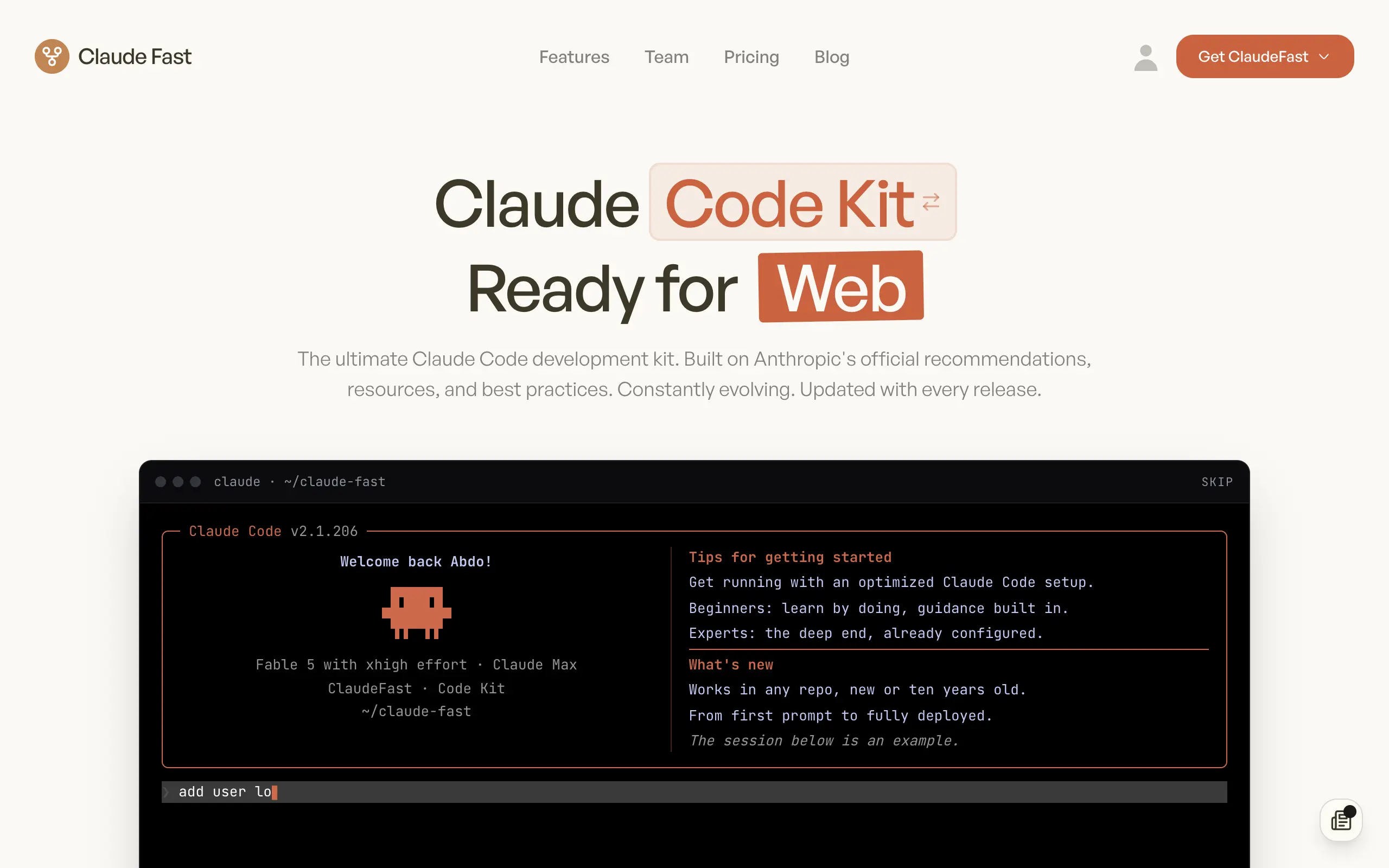
Claude Fast
Supercharge your Claude Code with 6x effective context window and specialized AI agents 🤖
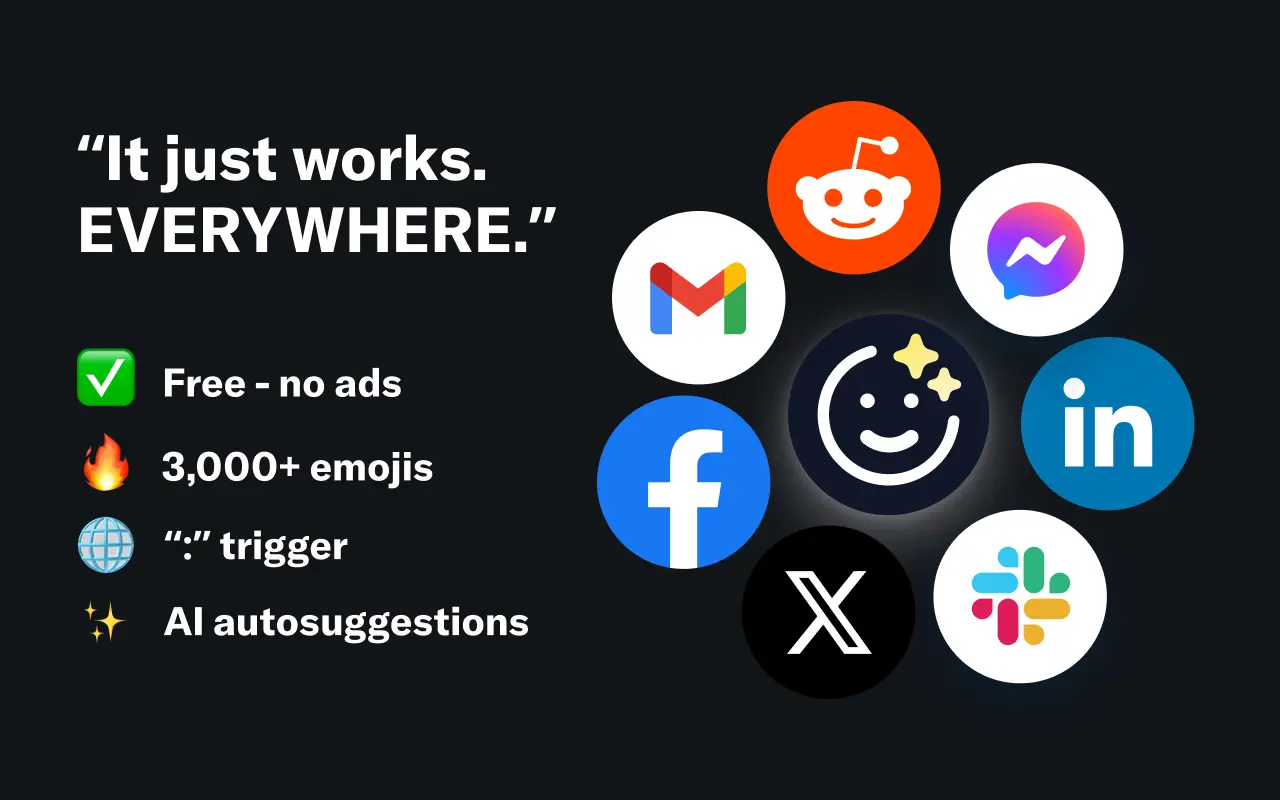
EmojAI
AI-powered emoji picker with smart, context-aware suggestions 🤖

Solohacker
Autonomous company launcher - AI agents work 24/7, escalate what matters, and you stay in control 🤖
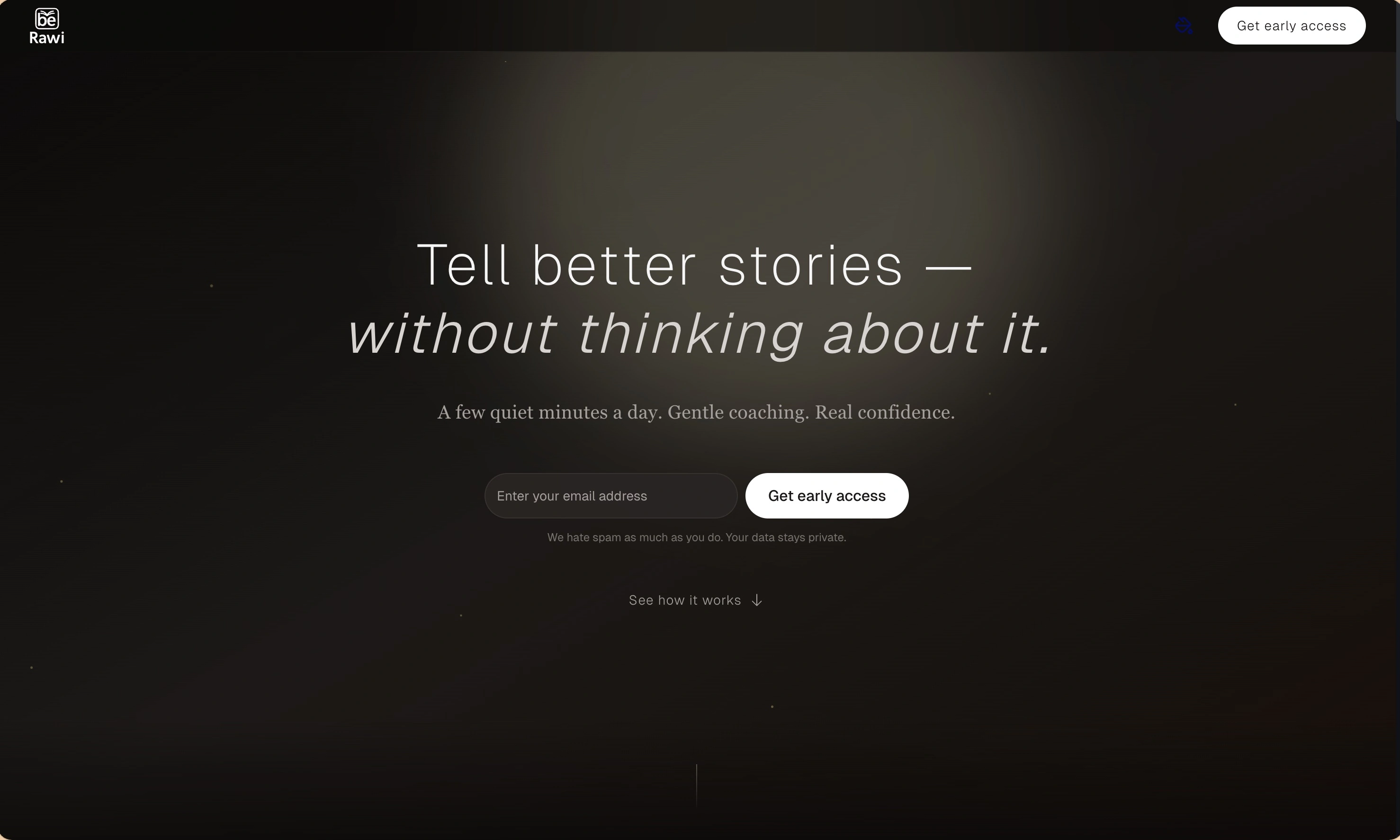
BeRawi: Storytelling Coach
Practice storytelling daily with instant feedback to sound clearer, more engaging, and confident 🎤
Omichat
Chat with 50+ AI models, including ChatGPT and Claude, in one place - switch models anytime without losing context 🤖
Claude Fast
Supercharge your Claude Code with 6x effective context window and specialized AI agents 🤖
EmojAI
AI-powered emoji picker with smart, context-aware suggestions 🤖
Solohacker
Autonomous company launcher - AI agents work 24/7, escalate what matters, and you stay in control 🤖
BeRawi: Storytelling Coach
Practice storytelling daily with instant feedback to sound clearer, more engaging, and confident 🎤
Omichat
Chat with 50+ AI models, including ChatGPT and Claude, in one place - switch models anytime without losing context 🤖
Claude Fast
Supercharge your Claude Code with 6x effective context window and specialized AI agents 🤖
EmojAI
AI-powered emoji picker with smart, context-aware suggestions 🤖
Solohacker
Autonomous company launcher - AI agents work 24/7, escalate what matters, and you stay in control 🤖
BeRawi: Storytelling Coach
Practice storytelling daily with instant feedback to sound clearer, more engaging, and confident 🎤
Omichat
Chat with 50+ AI models, including ChatGPT and Claude, in one place - switch models anytime without losing context 🤖
Claude Fast
Supercharge your Claude Code with 6x effective context window and specialized AI agents 🤖
EmojAI
AI-powered emoji picker with smart, context-aware suggestions 🤖
Solohacker
Autonomous company launcher - AI agents work 24/7, escalate what matters, and you stay in control 🤖
BeRawi: Storytelling Coach
Practice storytelling daily with instant feedback to sound clearer, more engaging, and confident 🎤

Connect with like-minded people
Join our community to get feedback, support, and grow together with 1,000+ builders on board, let's ship it!
Join usShip your startup everywhere. In minutes.
Don't burn tokens on setup and start building features on day one.