HabitLoop AI
A smart micro-habit coach that adapts daily routines based on mood, schedule, and progress. Designed to help young adults build consistency without burnout.
Why an AI-powered micro-habit coach is the future of consistency
Building habits sounds simple: set a goal, repeat daily, stay disciplined. In reality, most young adults struggle with consistency—not because they lack motivation, but because life is unpredictable. University deadlines, shifting work schedules, social obligations, mental health fluctuations, and digital distractions all interfere with rigid routines.
That’s where an AI-powered micro-habit coach like HabitLoop AI becomes transformative.
HabitLoop AI is designed as a smart, adaptive micro-habit system that adjusts daily routines based on mood, schedule, and progress. Instead of forcing users into static streak-based systems, it dynamically recalibrates habit intensity to prevent burnout and maintain long-term momentum.
This article provides a comprehensive breakdown of:
- The target audience and behavioral psychology behind micro-habits
- The market opportunity and competitive gap
- Core features and AI architecture
- Recommended tech stack and trade-offs
- Monetization models
- Risks and mitigation strategies
- A sustainable competitive advantage
- Actionable steps to build and launch
Understanding the user intent behind “micro-habit app” and “AI habit tracker”
Users searching for:
- “Best habit tracker for students”
- “AI habit tracker app”
- “How to build habits without burnout”
- “Micro-habit app for busy people”
…are not just looking for a checklist tool.
They are seeking:
- Accountability without pressure
- Flexibility without losing structure
- Personalization beyond static streaks
- Emotional awareness in productivity
HabitLoop AI directly addresses these needs by combining:
- Behavioral science
- AI-driven personalization
- Emotional state adaptation
- Sustainable consistency models
Target audience analysis: who HabitLoop AI is built for
Primary audience: young adults (18–30)
This includes:
- University students
- Early-career professionals
- Digital freelancers
- Creatives and remote workers
Core pain points:
- Irregular schedules
- Burnout cycles (over-motivation → crash → guilt)
- Mental health fluctuations
- Overwhelming self-improvement content
- “All or nothing” habit mindset
Secondary audience:
- ADHD-prone individuals
- Wellness-focused Gen Z users
- Productivity enthusiasts
- Self-improvement communities
The psychology behind micro-habits (and why AI matters)
Micro-habits are grounded in behavioral science principles such as:
- Habit stacking
- Cue-routine-reward loops
- Cognitive load reduction
- Progressive reinforcement
Traditional apps rely on static goals:
“Meditate 10 minutes daily.”
But human energy fluctuates.
HabitLoop AI adapts like this:
- Bad sleep? → Suggest 2-minute meditation.
- Packed day? → Suggest 5 pushups instead of full workout.
- On a streak? → Gradually increase challenge.
- Feeling overwhelmed? → Reduce load to preserve continuity.
This approach prevents:
- Streak shame
- Drop-off after missed days
- Motivation crashes
Market opportunity: is there room for another habit app?
The productivity and mental wellness app market is growing rapidly. According to publicly available industry reports (e.g., Grand View Research), the global mental wellness market continues expanding due to increased awareness and digital adoption.
However, current market leaders focus on:
- Tracking (Habitica, Streaks)
- Gamification
- Meditation (Headspace, Calm)
- Productivity (Todoist, Notion)
Few combine:
- Real-time schedule adaptation
- Mood-based dynamic adjustments
- Micro-scaling intensity
- AI coaching logic
The market gap
Most habit apps:
- Penalize missed days
- Emphasize streaks
- Assume fixed routines
- Ignore emotional state
Young adults need adaptive systems, not rigid frameworks.
Competitive landscape comparison
| Feature | Traditional Habit Apps | Gamified Trackers | Meditation Apps | HabitLoop AI |
|---|---|---|---|---|
| AI personalization | ❌ | ❌ | ❌ | ✅ |
| Mood-based adaptation | ❌ | ❌ | ✅ (limited) | ✅ |
| Micro-habit scaling | ❌ | ✅ | ❌ | ✅ |
| Burnout prevention logic | ❌ | ❌ | ❌ | ✅ |
Core features of HabitLoop AI
AI daily adaptation engine
Adjusts habit intensity based on mood, calendar, and recent performance trends.
Micro-scaling habit ladder
Breaks habits into progressive tiers (1-minute → 5-minute → 15-minute).
Mood-based check-ins
Daily 10-second emotional input to recalibrate effort level.
Burnout detection system
Identifies overexertion patterns and automatically reduces load.
Streak-free progress model
Focuses on consistency score instead of fragile streak counters.
How the AI adaptation engine works
At a high level, HabitLoop AI combines:
- User inputs (mood, available time)
- Behavioral data (completion rate)
- Trend detection (burnout signals)
- Adaptive scaling rules
Example decision logic
function adjustHabitIntensity({
  mood,
  timeAvailable,
  recentCompletionRate
}) {
  let intensity = 1;

  if (mood === "low") intensity -= 1;
  if (timeAvailable < 15) intensity -= 1;
  if (recentCompletionRate > 0.8) intensity += 1;
  if (recentCompletionRate < 0.4) intensity -= 1;

  return Math.max(1, Math.min(intensity, 5));
}
Over time, this rule-based system can evolve into:
- Reinforcement learning models
- Personalized prediction scoring
- Energy modeling algorithms
Recommended tech stack for HabitLoop AI
Frontend
Why?
- Fast development
- SEO-friendly rendering
- Mobile-responsive UI
- Strong ecosystem
Backend
- Node.js with Express or Next.js API routes
- PostgreSQL for structured data
- Redis for quick session caching
AI Layer
Options:
- LLM-based reasoning layer (OpenAI-style APIs)
- Custom lightweight behavioral model
- Hybrid rules + AI approach (recommended)
Infrastructure
- Vercel (frontend)
- Supabase or managed PostgreSQL
- Edge functions for real-time habit recalibration
Trade-offs to consider
Pros:
- Easier to build
- Transparent logic
- Predictable outputs
- Low cost
Cons:
- Limited personalization
- Hard to scale complexity
Pros:
- Highly adaptive
- Long-term personalization
- Competitive moat
Cons:
- Higher cost
- Data requirements
- Complexity
A phased approach is recommended:
- Launch rule-based MVP
- Collect user data
- Transition to ML personalization
Monetization strategy for HabitLoop AI
1. Freemium model (recommended)
Free:
- 3 active habits
- Basic adaptation
- Mood check-ins
Premium ($8–15/month):
- Unlimited habits
- Advanced AI personalization
- Burnout analytics
- Calendar sync
- Weekly performance insights
2. Student pricing tier
Discounted subscription for .edu emails.
3. B2B partnerships
- Universities
- Wellness programs
- Remote-first startups
4. Affiliate wellness ecosystem
Potential integration with:
- Fitness platforms
- Meditation apps
- Digital planners
Revenue projection model (example)
Assume:
- 20,000 users in year 1
- 5% conversion rate
- $10/month average price
Revenue:
20,000 × 0.05 × $10 × 12 = $120,000 ARR
With strong retention, this compounds significantly.
Key risks and mitigation strategies
Risk 1: User churn after novelty phase
Mitigation:
- Adaptive habit evolution
- Weekly AI summaries
- Personalized milestone moments
Risk 2: Over-reliance on AI hallucination
Important
AI should not replace behavioral science logic. Use constrained prompts and rule boundaries to prevent unrealistic recommendations.
Risk 3: Data privacy concerns
Mitigation:
- Transparent privacy policy
- Minimal data collection
- Encryption at rest
- No data resale
Young adults are highly privacy-aware.
Unique selling proposition (USP)
HabitLoop AI is not a habit tracker.
It is a consistency-preservation system.
Key differentiators:
- Adapts downward as well as upward
- Designed specifically for burnout prevention
- Emotion-aware habit scaling
- Streak-free psychology
- Built for chaotic schedules
Go-to-market strategy
Phase 1: niche domination
Target:
- University productivity communities
- TikTok self-improvement creators
- Reddit self-discipline forums
Offer:
- Beta access
- Free premium trial
- Ambassador program
Phase 2: content SEO strategy
Create content targeting:
- “How to build habits in college”
- “Best micro habit app”
- “How to stay consistent without burnout”
SEO content can drive compounding traffic.
Implementation roadmap
Building fast with the right foundation
To accelerate development:
- Use modern SaaS architecture
- Pre-build authentication
- Integrate payments early
- Ensure analytics tracking from day one
A starter infrastructure like TurboStarter can significantly reduce time-to-market by handling boilerplate setup, allowing you to focus on AI logic and user experience.
Long-term vision: from micro-habits to adaptive life systems
HabitLoop AI can evolve into:
- Career habit coaching
- Fitness progression intelligence
- Emotional resilience tracking
- AI accountability companion
The long-term moat lies in:
- Behavioral data accumulation
- Personalization models
- Emotional adaptation datasets
The more users interact, the smarter it becomes.
Why now is the perfect time
Several trends converge:
- AI personalization acceptance
- Mental health prioritization
- Burnout awareness among Gen Z
- Micro-productivity movement
- Subscription-based app normalization
Users are ready for:
Gentle structure instead of aggressive discipline.
Final thoughts: building consistency without breaking people
The self-improvement industry often glorifies intensity.
But sustainable growth comes from adaptability.
HabitLoop AI stands out because it recognizes a simple truth:
Consistency is not about doing more. It’s about never stopping.
By combining AI adaptation, micro-habit scaling, emotional awareness, and burnout prevention, HabitLoop AI positions itself as a next-generation habit platform built specifically for modern young adults.
If executed with strong UX, thoughtful AI constraints, and community-driven growth, it has the potential to redefine how consistency is built in the digital age.
More 🤖 AI Startup SaaS ideas
Discover more innovative ai startup SaaS ideas that are trending in 2026. Each idea is AI-generated with market validation and growth potential to help you find your next profitable venture faster than competitors.
Your competitors are building with TurboStarter
Below are some of the SaaS ideas that have been generated and built with our starter kit.
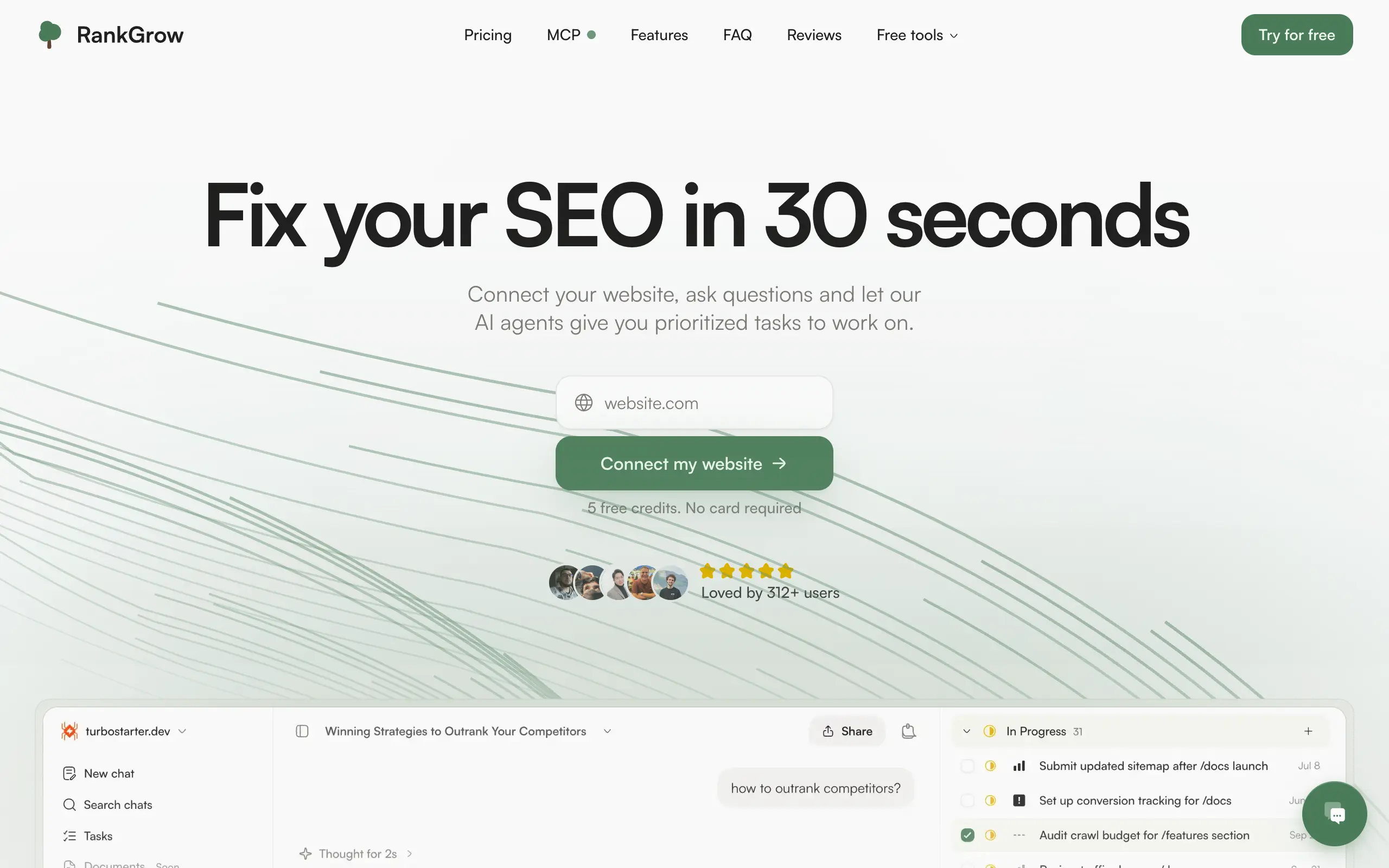
RankGrow
Fix your SEO with AI agents - connect Search Console, get prioritized tasks, and grow organic traffic 📈
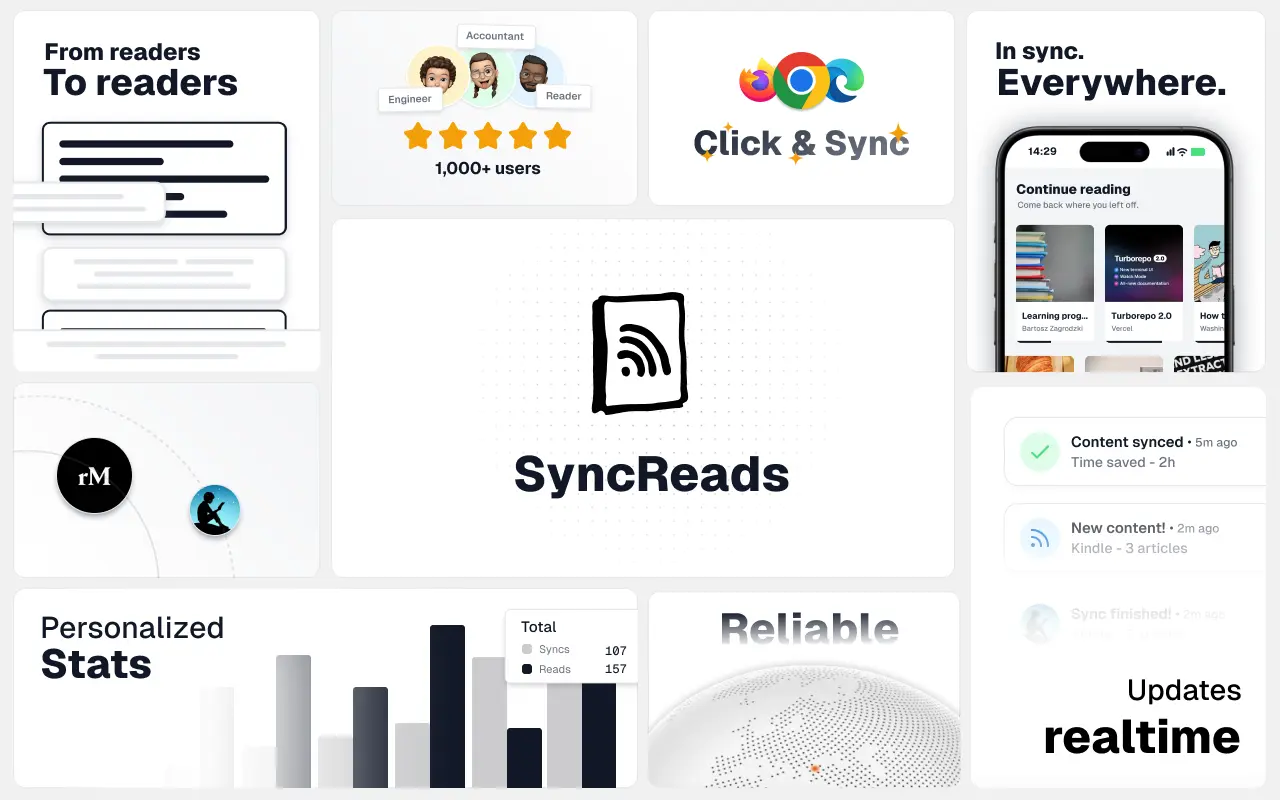
SyncReads
Sync your favorite content for distraction-free reading, save time and replace multiple apps. Anytime, anywhere 🔄
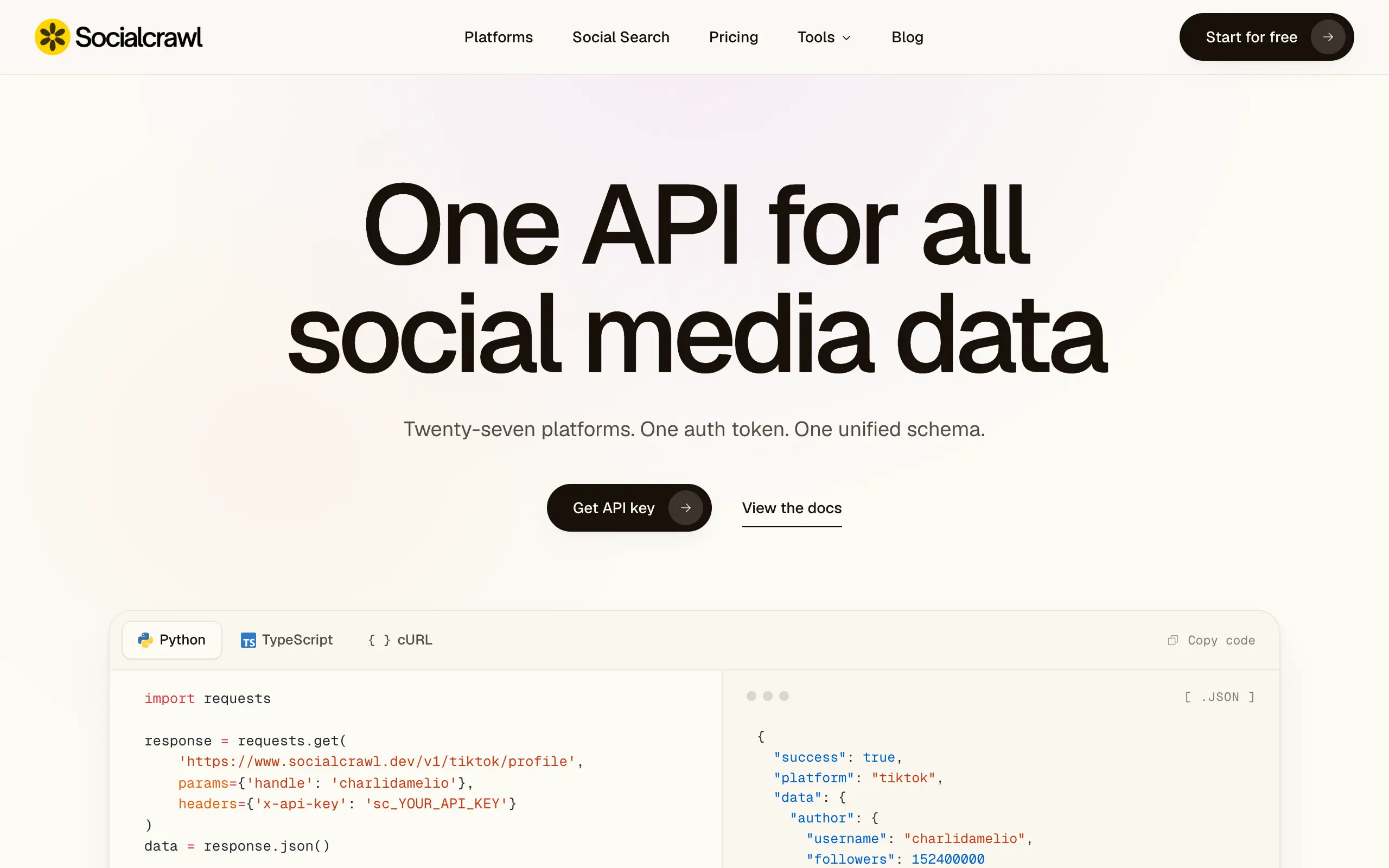
Socialcrawl
Get clean, structured data from 21 platforms like TikTok, Instagram, and YouTube with a single request 📊
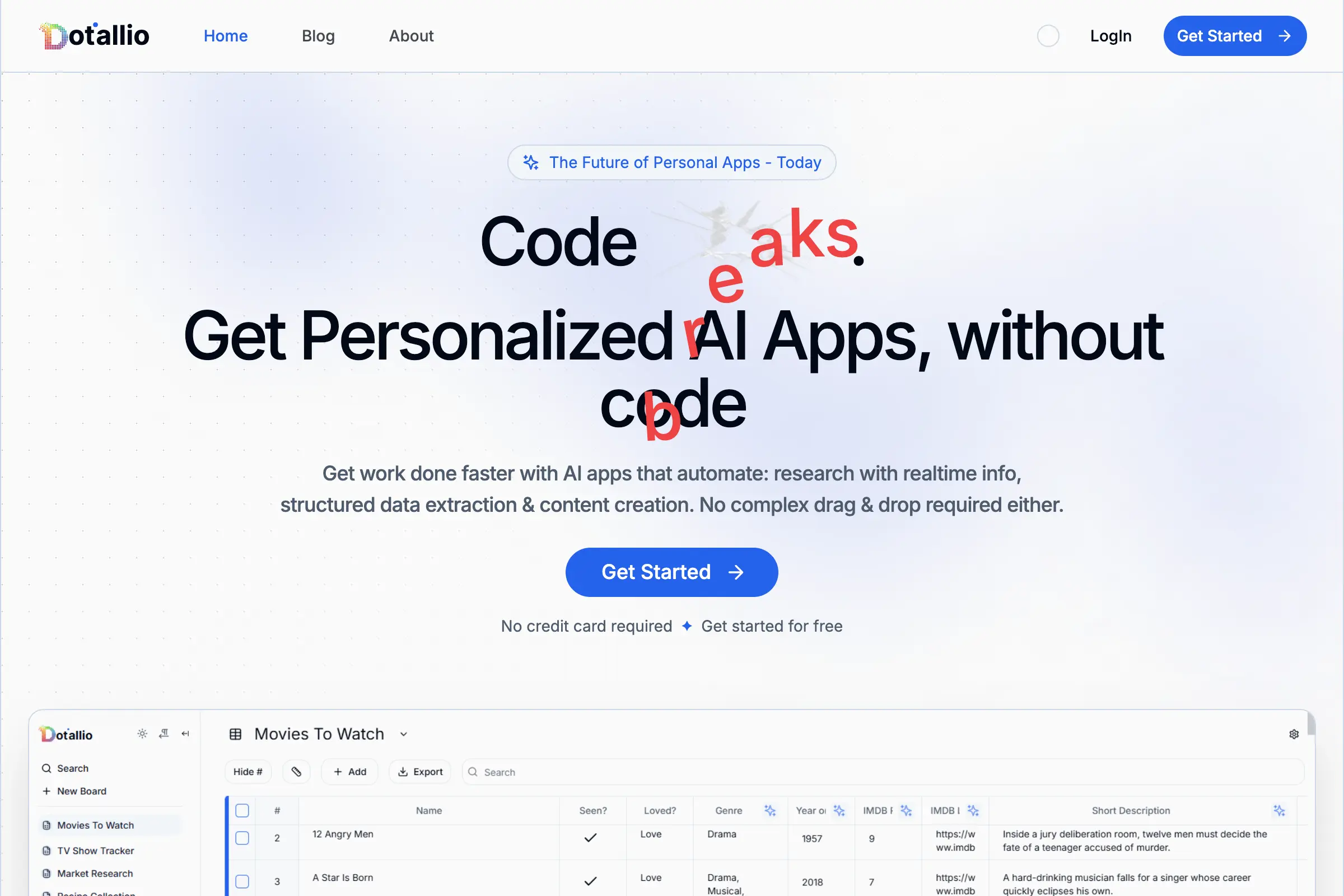
Dotallio
Personalized AI apps that automate research, data extraction, and content creation without code 🤖

Talk to Santa
Enjoy a magical live video chat or receive a unique AI-generated video greeting from Santa Claus 🎅
RankGrow
Fix your SEO with AI agents - connect Search Console, get prioritized tasks, and grow organic traffic 📈
SyncReads
Sync your favorite content for distraction-free reading, save time and replace multiple apps. Anytime, anywhere 🔄
Socialcrawl
Get clean, structured data from 21 platforms like TikTok, Instagram, and YouTube with a single request 📊
Dotallio
Personalized AI apps that automate research, data extraction, and content creation without code 🤖
Talk to Santa
Enjoy a magical live video chat or receive a unique AI-generated video greeting from Santa Claus 🎅
RankGrow
Fix your SEO with AI agents - connect Search Console, get prioritized tasks, and grow organic traffic 📈
SyncReads
Sync your favorite content for distraction-free reading, save time and replace multiple apps. Anytime, anywhere 🔄
Socialcrawl
Get clean, structured data from 21 platforms like TikTok, Instagram, and YouTube with a single request 📊
Dotallio
Personalized AI apps that automate research, data extraction, and content creation without code 🤖
Talk to Santa
Enjoy a magical live video chat or receive a unique AI-generated video greeting from Santa Claus 🎅
RankGrow
Fix your SEO with AI agents - connect Search Console, get prioritized tasks, and grow organic traffic 📈
SyncReads
Sync your favorite content for distraction-free reading, save time and replace multiple apps. Anytime, anywhere 🔄
Socialcrawl
Get clean, structured data from 21 platforms like TikTok, Instagram, and YouTube with a single request 📊
Dotallio
Personalized AI apps that automate research, data extraction, and content creation without code 🤖
Talk to Santa
Enjoy a magical live video chat or receive a unique AI-generated video greeting from Santa Claus 🎅

pozywka.pl
Scalable blog for food journalist, focused on performance and user experience 🌭
zagrodzki.me
Personal blog and portfolio of Bart Zagrodzki, where he share his knowledge and work 💼
TurboStarter
Ship your startup everywhere. In minutes.
HTML to Markdown
Convert HTML to Markdown with ease, directly in your browser 📄
Omichat
Chat with 50+ AI models, including ChatGPT and Claude, in one place - switch models anytime without losing context 🤖
pozywka.pl
Scalable blog for food journalist, focused on performance and user experience 🌭
zagrodzki.me
Personal blog and portfolio of Bart Zagrodzki, where he share his knowledge and work 💼
TurboStarter
Ship your startup everywhere. In minutes.
HTML to Markdown
Convert HTML to Markdown with ease, directly in your browser 📄
Omichat
Chat with 50+ AI models, including ChatGPT and Claude, in one place - switch models anytime without losing context 🤖
pozywka.pl
Scalable blog for food journalist, focused on performance and user experience 🌭
zagrodzki.me
Personal blog and portfolio of Bart Zagrodzki, where he share his knowledge and work 💼
TurboStarter
Ship your startup everywhere. In minutes.
HTML to Markdown
Convert HTML to Markdown with ease, directly in your browser 📄
Omichat
Chat with 50+ AI models, including ChatGPT and Claude, in one place - switch models anytime without losing context 🤖
pozywka.pl
Scalable blog for food journalist, focused on performance and user experience 🌭
zagrodzki.me
Personal blog and portfolio of Bart Zagrodzki, where he share his knowledge and work 💼
TurboStarter
Ship your startup everywhere. In minutes.
HTML to Markdown
Convert HTML to Markdown with ease, directly in your browser 📄
Omichat
Chat with 50+ AI models, including ChatGPT and Claude, in one place - switch models anytime without losing context 🤖
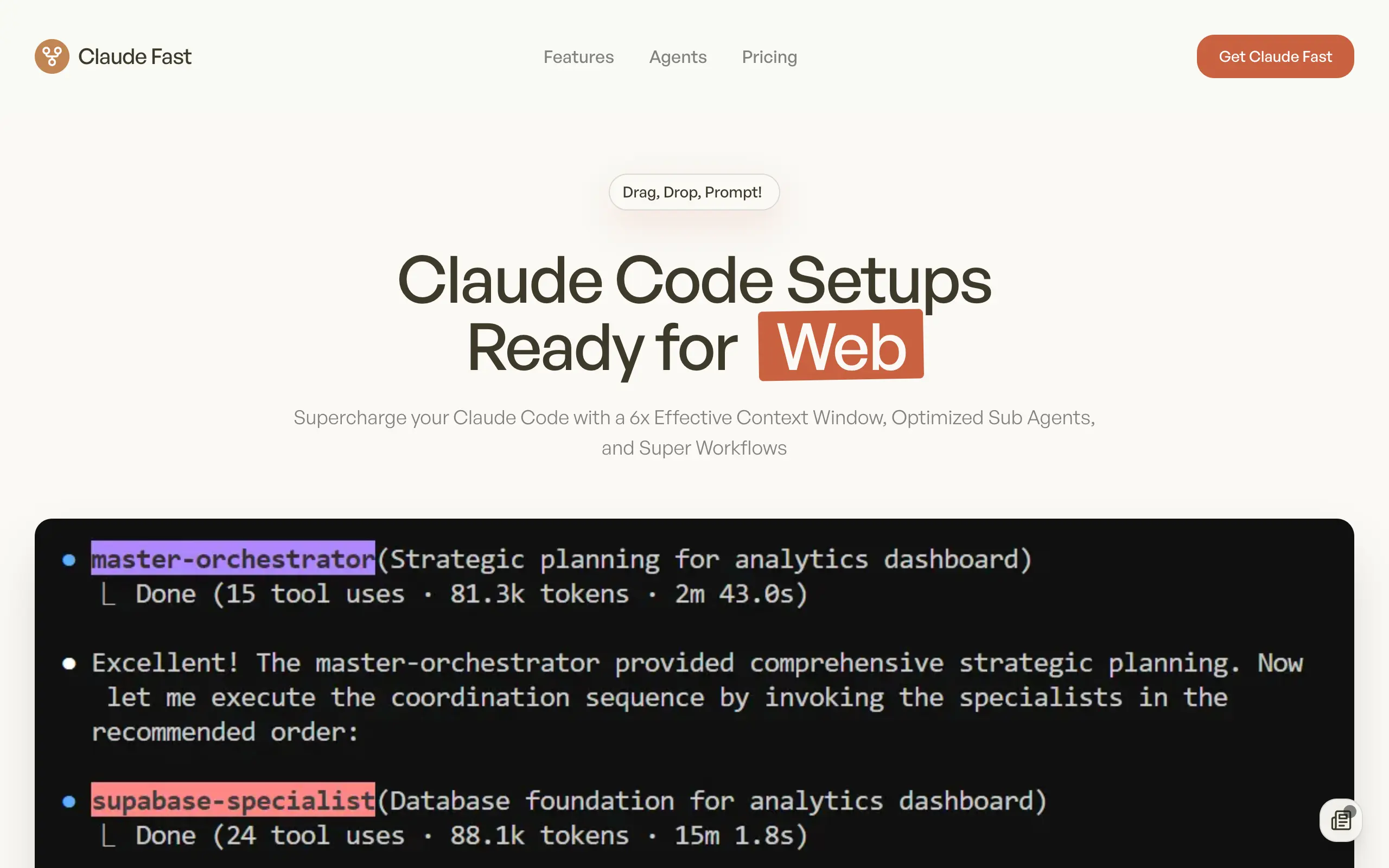
Claude Fast
Supercharge your Claude Code with 6x effective context window and specialized AI agents 🤖
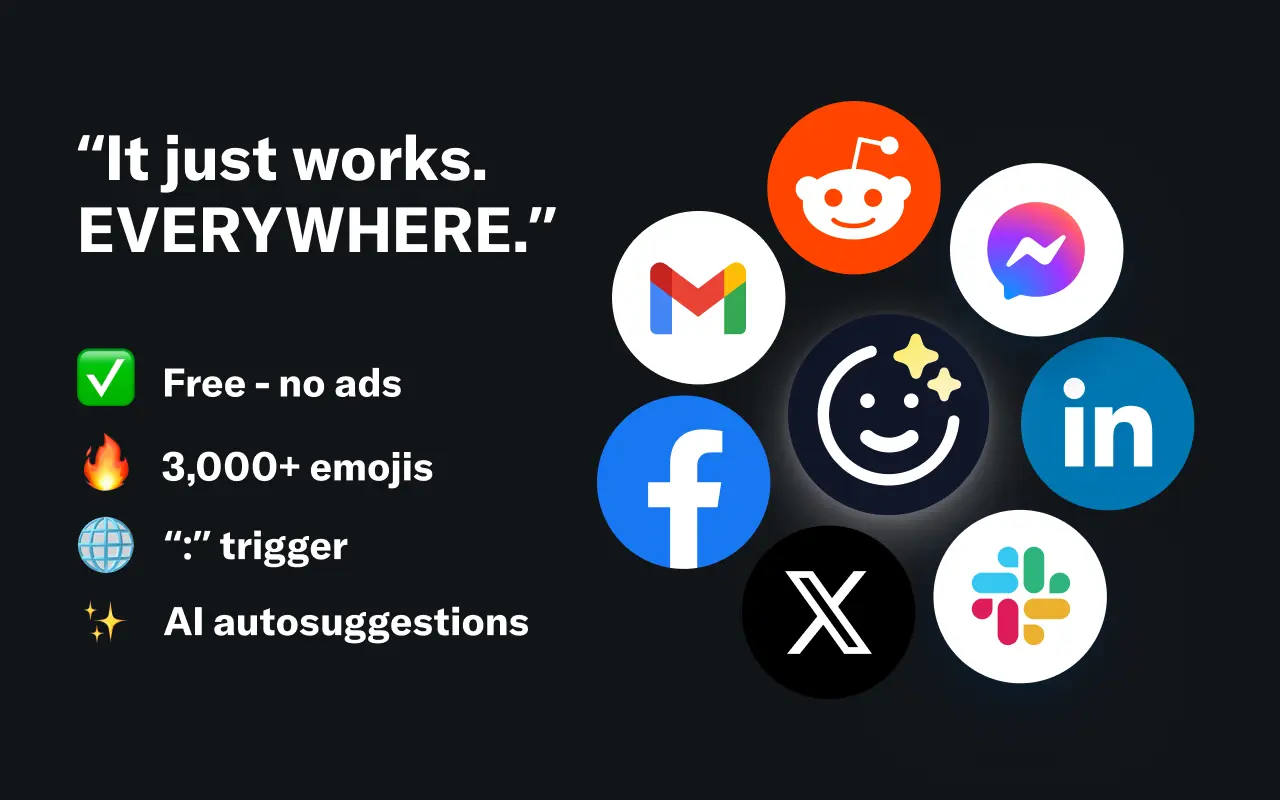
EmojAI
AI-powered emoji picker with smart, context-aware suggestions 🤖

Solohacker
Autonomous company launcher—AI agents work 24/7, escalate what matters, and you stay in control 🤖

BeRawi: Storytelling Coach
Practice storytelling daily with instant feedback to sound clearer, more engaging, and confident 🎤
Claude Fast
Supercharge your Claude Code with 6x effective context window and specialized AI agents 🤖
EmojAI
AI-powered emoji picker with smart, context-aware suggestions 🤖
Solohacker
Autonomous company launcher—AI agents work 24/7, escalate what matters, and you stay in control 🤖
BeRawi: Storytelling Coach
Practice storytelling daily with instant feedback to sound clearer, more engaging, and confident 🎤
Claude Fast
Supercharge your Claude Code with 6x effective context window and specialized AI agents 🤖
EmojAI
AI-powered emoji picker with smart, context-aware suggestions 🤖
Solohacker
Autonomous company launcher—AI agents work 24/7, escalate what matters, and you stay in control 🤖
BeRawi: Storytelling Coach
Practice storytelling daily with instant feedback to sound clearer, more engaging, and confident 🎤
Claude Fast
Supercharge your Claude Code with 6x effective context window and specialized AI agents 🤖
EmojAI
AI-powered emoji picker with smart, context-aware suggestions 🤖
Solohacker
Autonomous company launcher—AI agents work 24/7, escalate what matters, and you stay in control 🤖
BeRawi: Storytelling Coach
Practice storytelling daily with instant feedback to sound clearer, more engaging, and confident 🎤

Connect with like-minded people
Join our community to get feedback, support, and grow together with 600+ builders on board, let's ship it!
Join usShip your startup everywhere. In minutes.
Skip the complex setups and start building features on day one.