HandoffIQ
Turn scattered engineering discussions into reliable project handoffs. AI extracts decisions, owners, blockers, and deadlines from team tools so IT project managers can keep work moving.
HandoffIQ is an AI project handoff platform designed to turn scattered engineering conversations into clear, accountable next steps. It listens across the tools teams already use, identifies decisions, owners, blockers, and deadlines, and gives IT project managers a dependable view of what needs to happen next.
The opportunity is not simply to summarize more messages. It is to help teams preserve the context behind decisions and convert that context into work that stays visible after a meeting ends, a Slack thread goes quiet, or a project changes hands.
What is an AI project handoff platform?
An AI project handoff platform collects relevant information from team conversations and project tools, then organizes it into a structured handoff. Instead of asking a project manager to search through chat messages, meeting notes, issue trackers, and documents, the software finds the information that matters and presents it in a consistent format.
For HandoffIQ, the core handoff record might include:
- Decision: What the team agreed to do and why.
- Owner: The person or team responsible for the next action.
- Blocker: A dependency, risk, or unanswered question that could delay progress.
- Deadline: A date or time commitment, including its source and confidence.
- Context: The discussion, document, or ticket that supports the extracted information.
- Status: Whether the item is new, confirmed, completed, or still unresolved.
The distinction between a useful AI handoff and a generic conversation summary is important. A summary describes what happened. A handoff makes clear what happens next, who is accountable, and where a reader can verify the underlying information.
Why engineering handoffs break down
Engineering work is rarely documented in one place. A team may discuss a release in chat, agree on a technical direction during a call, create implementation tasks in an issue tracker, and record customer requirements in a project document. Each tool may hold part of the story, but no single view tells a new project owner what has been decided and what remains open.
This fragmentation creates recurring problems:
- Decisions are hard to find: A key agreement may be buried in a long thread or meeting transcript.
- Ownership is ambiguous: Several people may be mentioned, but no one is explicitly assigned the next action.
- Deadlines lose context: A date might appear in a conversation without clarifying whether it is a firm commitment or a tentative target.
- Blockers surface late: Teams may discuss a dependency without connecting it to the project plan.
- Handoffs depend on memory: A departing engineer or busy project manager may need to reconstruct context manually.
- Status meetings repeat old conversations: People spend time rebuilding a shared understanding instead of resolving new issues.
The cost is not limited to missed deadlines. Poor handoffs can lead to duplicate work, unnecessary escalation, slow onboarding, and decisions being revisited because their rationale was lost. These costs vary by organization, so a product team should measure them in customer interviews and pilot programs rather than relying on a generic industry estimate.
Who HandoffIQ should serve
HandoffIQ can support several roles, but the initial product should focus on a buyer with a frequent, measurable handoff problem. A narrow starting audience makes it easier to design useful workflows, demonstrate value, and make integration decisions.
Primary audience: IT project managers
IT project managers coordinate work across engineering, operations, security, support, and business teams. They often have responsibility for delivery without direct control over every contributor or tool.
HandoffIQ can help them:
- Prepare concise project status updates.
- Track decisions and action items between meetings.
- Identify owners and missing ownership.
- Find blockers before they become schedule surprises.
- Transfer a project to another manager or delivery team.
- Answer questions about why a plan changed.
The product is especially relevant when a project spans several teams and the manager cannot rely on one shared communication channel.
Secondary audience: engineering managers and team leads
Engineering managers need enough context to make decisions without reading every message in every channel. HandoffIQ can provide a project-level record of commitments, unresolved questions, and cross-team dependencies.
For team leads, the key benefit is continuity. If a lead is on leave, changes teams, or hands a feature to another engineer, the project should not depend on a private collection of remembered details.
Other potential users
- Technical program managers coordinating multi-team initiatives.
- IT operations teams managing service changes and infrastructure work.
- Implementation consultants handing customer projects from sales or discovery into delivery.
- Customer success teams coordinating technical onboarding and escalations.
- Product managers tracking decisions across design, engineering, and stakeholder discussions.
- Security and compliance teams reviewing ownership, approvals, and outstanding remediation items.
These groups share a need for continuity, but their workflows are not identical. HandoffIQ should avoid trying to serve all of them with one generic workflow at launch.
The market opportunity and product gap
Most teams already have tools for chat, video meetings, documentation, and task management. The gap is often the connection between those systems: information is created in one place, transformed informally by a person, and then copied into another system.
A basic summary feature does not fully address this gap. Teams need a reliable process that turns unstructured discussion into structured, reviewable work. That process must preserve provenance, support corrections, and fit existing workflows.
Where existing approaches fall short
A team may attempt to solve handoffs with:
- Manual meeting notes.
- Project status templates.
- Chat search.
- AI meeting summaries.
- Issue tracker comments.
- Shared project documents.
- Internal scripts that copy selected data between systems.
Each approach can be useful. The opportunity for HandoffIQ is to connect them into a dependable handoff workflow rather than replace every tool.
The product should be assessed against the job customers need done, not just against a list of AI features. A buyer may already have access to an AI assistant or meeting transcription product. HandoffIQ needs to demonstrate that it does more than produce another summary: it creates an accurate, traceable, actionable project record.
A practical way to validate demand
Before building broad integrations, interview project managers and ask them to walk through a recent handoff. Ask for examples of:
- The tools and channels involved.
- The information they had to collect manually.
- A decision or commitment that was difficult to verify.
- The consequences of missing an owner, blocker, or deadline.
- The process they use today to confirm that a handoff is complete.
- The security and approval requirements for connecting team tools.
Look for repeated evidence of a costly workflow. Strong validation includes a customer willing to share a realistic project dataset, test an integration, or pay for a limited pilot. General enthusiasm about AI is weaker evidence than a commitment to change an existing process.
HandoffIQ’s core features
The product should begin with a focused set of capabilities that support the full path from discussion to confirmed action.
1. Connectors for the tools teams already use
HandoffIQ needs permissioned access to relevant sources, such as team chat, project management software, meeting transcripts, and documentation. The first integrations should reflect the chosen customer segment rather than aim for broad coverage.
An integration should support:
- Clear authorization and revocation.
- Workspace and project selection.
- A visible sync status.
- Incremental updates where supported.
- Retry behavior when a source is temporarily unavailable.
- Data deletion when a workspace disconnects.
- Source links that take users back to the original material.
Customers should be able to limit the scope of access. For example, an administrator may connect only selected channels or projects instead of granting access to an entire workspace.
2. AI extraction of decisions, owners, blockers, and deadlines
The extraction system should identify structured information from messages and transcripts while distinguishing explicit facts from uncertain interpretations.
A robust extraction result should include:
- The extracted statement.
- The type of item.
- The identified person or team, if available.
- A date or time expression, if present.
- A confidence score or review status.
- A source reference.
- The relevant surrounding context.
For example, “Maya will confirm the migration window by Thursday” contains a likely owner and deadline. “We should probably review the migration window soon” does not establish a confirmed owner or date. The product must preserve that distinction.
3. Human review and correction
AI-generated project records should be treated as drafts until they meet an appropriate confidence threshold or are confirmed by a user. A project manager should be able to:
- Confirm or reject an extracted item.
- Edit an owner, date, or description.
- Mark an item as tentative.
- Merge duplicate records.
- Flag an extraction as incorrect.
- See which source material informed the suggestion.
This review loop supports trust and creates useful feedback for improving extraction quality. It also prevents the product from silently converting ambiguous language into commitments.
4. A living handoff brief
HandoffIQ should create a project brief that stays current as new information arrives. A practical brief could include:
- Project purpose and scope.
- Current status.
- Confirmed decisions and their rationale.
- Open actions and owners.
- Blockers and dependencies.
- Key dates and milestones.
- Outstanding questions.
- Recent changes.
- Links to source conversations and relevant project records.
The brief should make changes visible. A user should be able to distinguish a newly added blocker from an old unresolved item and understand why a deadline changed.
5. Notifications and workflow integration
Notifications should direct attention to meaningful changes, not reproduce every extracted statement. Useful triggers may include:
- A blocker that remains unassigned.
- A deadline that is approaching.
- A new decision that conflicts with an existing record.
- A handoff that has not been reviewed.
- A project update that changes a milestone.
Where possible, HandoffIQ should send users to the workflow they already use rather than requiring them to check another dashboard constantly. Notifications should be configurable to reduce alert fatigue.
6. Search and questions with source evidence
A natural-language interface can help users ask questions such as “What is preventing the deployment?” or “Who owns the customer data review?” Answers should include the relevant project record and links to supporting source material.
The system should communicate uncertainty. If it cannot find a reliable answer, it should say so instead of inventing one. A missing answer is safer than a confident but unsupported claim about a deadline or decision.
7. Permissions, audit history, and administration
Project records can contain sensitive technical, customer, or operational information. Enterprise teams will expect clear controls, including:
- Role-based access.
- Workspace and project-level permissions.
- An audit history for edits and approvals.
- Retention and deletion settings.
- Administrative controls for integrations.
- Clear explanations of how data is processed.
- A way to export or remove customer data.
Security and governance are not optional add-ons for a product that reads internal conversations. They are part of the value proposition.
How the AI workflow should operate
A trustworthy HandoffIQ workflow should be explainable and testable. A practical processing pipeline might look like this:
- Ingest: Retrieve only the content allowed by the customer’s integration settings.
- Normalize: Convert source records into a consistent internal format while retaining source identifiers.
- Filter: Remove irrelevant or duplicate content where possible.
- Extract: Identify candidate decisions, owners, blockers, deadlines, and questions.
- Validate: Check for unsupported dates, ambiguous people, conflicting records, and missing evidence.
- Review: Ask a user to confirm low-confidence or high-impact items.
- Publish: Update the handoff brief and connected workflows.
- Monitor: Record corrections and evaluate extraction quality over time.
A structured output schema can reduce the chance of inconsistent AI responses:
type HandoffItem = {
  id: string;
  projectId: string;
  kind: "decision" | "action" | "blocker" | "deadline" | "question";
  summary: string;
  ownerId?: string;
  dueAt?: string;
  status: "suggested" | "confirmed" | "in_progress" | "done" | "dismissed";
  confidence: number;
  sourceIds: string[];
  rationale?: string;
};
The schema is only a starting point. In production, teams should define how time zones, recurring deadlines, deleted source content, conflicting owners, and edits from connected tools are handled.
Recommended technology stack
The best stack depends on the team’s existing expertise, compliance requirements, and integration priorities. The following options offer a practical foundation for an early SaaS product.
Web application and API
A TypeScript application using React can support a responsive project dashboard, handoff review screens, and administration tools. A framework such as Next.js can provide routing, server-side rendering where useful, and server-side application logic.
The trade-off is architectural complexity. A single application is often a productive way to launch, but long-running ingestion and AI processing should not depend on a user-facing request remaining open. Use background jobs for synchronization, extraction, retries, and scheduled notifications.
Database and search
PostgreSQL is a strong primary database for users, organizations, projects, source records, handoff items, permissions, and audit events. Its relational model is well suited to the relationships between these entities.
A separate search or vector index may be useful as usage grows, but it should not become the source of truth for confirmed project records. Start with a clear relational model and introduce specialized retrieval infrastructure only when search requirements justify it.
Queue and background processing
Use a durable job queue for tasks such as:
- Syncing messages and project updates.
- Processing meeting transcripts.
- Retrying failed API requests.
- Running extraction jobs.
- Sending notifications.
- Recalculating project summaries.
Background jobs make the system more resilient to rate limits, temporary outages, and variable model response times. Make jobs idempotent so a retry does not create duplicate handoff items.
AI and retrieval
The model layer should be replaceable. Build an internal interface that separates application logic from a particular model provider, allowing the team to compare quality, latency, cost, and data handling options.
Use retrieval to provide only relevant, permission-checked context to a model. Apply access controls before assembling context, not merely after generating a response. For consequential records, require source references and validate structured output before saving it.
Integrations and authentication
Use official APIs and OAuth flows wherever available. Integrations should request the minimum permissions required for the selected use case. Store credentials securely, rotate secrets when needed, and support disconnection and revocation.
For an early product, it may be better to support two well-designed integrations than six fragile ones. A connector should be treated as a product surface with error handling, user-visible sync status, and maintenance responsibilities.
Hosting and observability
Choose cloud infrastructure that supports secure secret management, encryption, monitoring, backups, and environment separation. Instrument the application so the team can identify sync failures, slow extraction jobs, model errors, and unusual changes in usage.
Track operational metrics without collecting unnecessary sensitive content in logs. Logs should help diagnose system behavior while respecting data minimization requirements.
Competitive advantage and positioning
HandoffIQ’s strongest positioning is not “AI for project management.” That category is broad and crowded. A sharper position is AI-powered project continuity for engineering and IT teams.
A durable advantage can come from combining several capabilities:
- Cross-tool context: Connect the discussion to the project record without requiring users to move every conversation.
- Action-oriented output: Capture owners, blockers, decisions, and deadlines rather than producing only summaries.
- Evidence and provenance: Show where each extracted item came from.
- Human confirmation: Make it easy to correct uncertain interpretations.
- Continuity over time: Maintain a living handoff instead of generating a one-time meeting recap.
- Workflow fit: Send confirmed information into tools teams already use.
- Governance: Provide permissions, auditability, and retention controls suitable for internal work.
The defensibility of the product is unlikely to come from a single language model feature. Competitors can add summarization, and model capabilities can change quickly. A stronger advantage comes from workflow integration, customer trust, high-quality feedback loops, and a project record that becomes more useful as teams rely on it.
Competitive landscape
HandoffIQ will encounter several kinds of alternatives, even if none has precisely the same product description.
| Alternative | Typical strength | Potential gap HandoffIQ can address |
|---|---|---|
| Meeting transcription tools | Capture and summarize calls | Limited visibility into work discussed in chat, tickets, and project documents |
| Project management software | Track assigned tasks and milestones | Important commitments may remain outside the system |
| Team chat search | Find messages and discussions | Requires users to know what to search for and interpret results |
| General-purpose AI assistants | Answer broad questions and draft summaries | May not maintain a governed, project-specific handoff record |
| Manual status documents | Flexible and familiar | Depend on consistent human updates and can become stale |
This comparison is a hypothesis to validate, not a claim that every competing product lacks these features. Product capabilities change, and buyers may already have overlapping tools. HandoffIQ should interview prospects about the products they use and test whether the proposed workflow solves a problem those products do not solve well.
Monetization strategy
Pricing should reflect the customer’s value metric and deployment needs. HandoffIQ can test several models before committing to a complex pricing structure.
Per-seat subscription
A per-user plan is familiar to SaaS buyers and can work if project managers and team members actively use the product. The risk is that organizations may hesitate to invite every contributor, particularly if contributors only need occasional access.
Workspace or project-based pricing
A workspace tier or project allowance can fit teams that want broad visibility without counting every occasional participant. Usage limits may be based on active projects, connected sources, or processing volume.
The trade-off is complexity. Customers need to understand what counts toward usage and should not be surprised by a bill when a project becomes active.
Enterprise plan
Larger organizations may pay for features such as:
- Advanced identity and access management.
- Custom retention policies.
- Audit and administrative controls.
- Higher integration limits.
- Security reviews and procurement support.
- Dedicated deployment or support arrangements.
Enterprise pricing should be tied to real operational requirements rather than a vague promise of “AI at scale.”
Paid pilot
A time-limited pilot can help a buyer test accuracy and workflow fit on a defined set of projects. The pilot should establish success criteria in advance, such as reduced time to prepare a handoff, fewer unassigned actions, or improved visibility into open blockers.
Avoid claiming a specific productivity gain before collecting evidence. A credible case study should explain the customer context, baseline, measurement method, and limitations.
Risks and how to mitigate them
Incorrect extraction
An AI system may misidentify a person, treat a suggestion as a decision, or infer a deadline that was never agreed upon.
Mitigation: Require evidence, preserve uncertainty, route ambiguous items for review, and measure precision on representative customer examples. Prioritize accuracy over extracting every possible item.
Missing or stale information
Integration outages, API changes, and permission changes can leave the handoff brief incomplete.
Mitigation: Display last-sync timestamps, surface connector failures, retry safely, and avoid presenting stale information as current. Give users a way to refresh or report missing context.
Privacy and access-control failures
A project manager should not gain access to content they could not otherwise view merely because HandoffIQ connected to a workspace.
Mitigation: Enforce source permissions throughout ingestion, retrieval, search, and response generation. Test access boundaries explicitly and maintain a clear audit trail.
Alert fatigue
If every extraction generates a notification, users may ignore all alerts.
Mitigation: Notify users only about meaningful changes, make notification preferences configurable, and measure whether alerts lead to useful action.
Low adoption
A product can generate a good handoff brief but still fail if it creates extra work or requires teams to change established habits.
Mitigation: Integrate with existing tools, make review fast, provide value before asking for process change, and involve both project managers and engineers in usability testing.
Model and provider dependence
Changes to model pricing, behavior, or availability can affect cost and quality.
Mitigation: Keep the model layer modular, evaluate alternatives regularly, cache results where appropriate, and use deterministic validation for dates, permissions, and required fields.
Long enterprise sales cycles
Security reviews, procurement, and integration approvals can slow adoption, especially for a product that processes internal discussions.
Mitigation: Build a security and privacy narrative early. Start with a narrowly scoped pilot, document data flows, and offer administrators clear control over connected sources and retention.
Metrics to measure product-market fit
The team should track both product usage and the quality of the handoff process. Useful early metrics include:
- Time from connecting a source to creating a useful first handoff.
- Percentage of suggested items confirmed, edited, or dismissed.
- Accuracy by item type, such as owner extraction versus deadline extraction.
- Percentage of confirmed actions with an assigned owner.
- Number of blockers resolved or escalated through the workflow.
- Weekly active projects and returning project managers.
- Sync reliability and time to recover from connector errors.
- Time users report spending preparing project updates or handoffs.
A high number of extracted items is not necessarily a sign of success. If users reject many suggestions or cannot trace them to reliable evidence, volume may indicate noise rather than value.
Implementation roadmap
A focused launch plan reduces the risk of building a broad integration platform before proving the core workflow.
Choose one initial customer segment
Start with a specific group, such as IT project managers coordinating engineering and operations work. Identify the projects they manage, their existing tools, and the moments when a handoff becomes necessary.
Validate the workflow with real examples
Conduct interviews and observe how users prepare status updates or transfer project ownership. With permission, review sample conversations and documents to understand the language, ambiguity, and privacy constraints involved.
Define a narrow minimum viable product
Build a small workflow that connects a limited number of sources, extracts candidate handoff items, supports human confirmation, and publishes a project brief with source links.
Test extraction quality before automating actions
Create an evaluation set using realistic, permissioned examples. Measure false positives and missed items separately. Do not automatically create high-impact tasks or deadlines until the system meets an agreed quality bar.
Run a paid or tightly scoped pilot
Agree on the project scope, success measures, data access, and review process before the pilot begins. Gather feedback from project managers, engineers, administrators, and security stakeholders.
Improve the product around repeated friction
Use pilot evidence to decide which integrations, notifications, review controls, and reporting features deserve investment. Expand the product only when a repeated customer need supports the expansion.
A practical first release should make one handoff meaningfully better. It does not need to replace a project management platform or answer every question across an organization. It needs to reliably surface important project context, make uncertainty visible, and help the right person take the next step.
Building HandoffIQ efficiently
A SaaS product with authentication, billing, integrations, background processing, and administration has many foundational requirements beyond its AI feature. Reusing a well-structured starting point can help a small team focus on validating the workflow and improving extraction quality.
TurboStarter can provide a foundation for building a SaaS application, helping teams move faster on common product infrastructure while they focus on HandoffIQ’s distinctive handoff experience.
Keep trust central
For a product that interprets internal work conversations, trust is a feature. Show the source, distinguish suggestions from confirmed commitments, respect permissions, and make it easy to correct the record.
Actionable next steps
The strongest HandoffIQ launch is likely to begin with one audience, one high-value handoff workflow, and a small number of integrations. From there, the team can validate whether customers value a living, evidence-backed project record enough to adopt and pay for it.
Prioritize these actions:
- Interview project managers about recent handoffs, not hypothetical interest in AI.
- Identify the most common sources of decisions, owners, blockers, and deadlines.
- Build an evaluation set and define acceptable extraction quality.
- Prototype a reviewable handoff brief with source evidence.
- Test permissions and data handling before expanding integrations.
- Run a scoped pilot with clear success measures.
- Use observed behavior to refine pricing, positioning, and the product roadmap.
HandoffIQ’s unique selling proposition is its focus on project continuity: it turns fragmented engineering discussions into traceable, reviewable next steps. If the product can do that accurately, fit naturally into existing workflows, and earn the trust of teams handling sensitive internal information, it can stand out from tools that stop at transcription, search, or generic summaries.
More 🤖 AI Startup SaaS ideas
Discover more innovative ai startup SaaS ideas that are trending in 2026. Each idea is AI-generated with market validation and growth potential to help you find your next profitable venture faster than competitors.
Your competitors are building with TurboStarter
Below are some of the SaaS ideas that have been generated and built with our starter kit.
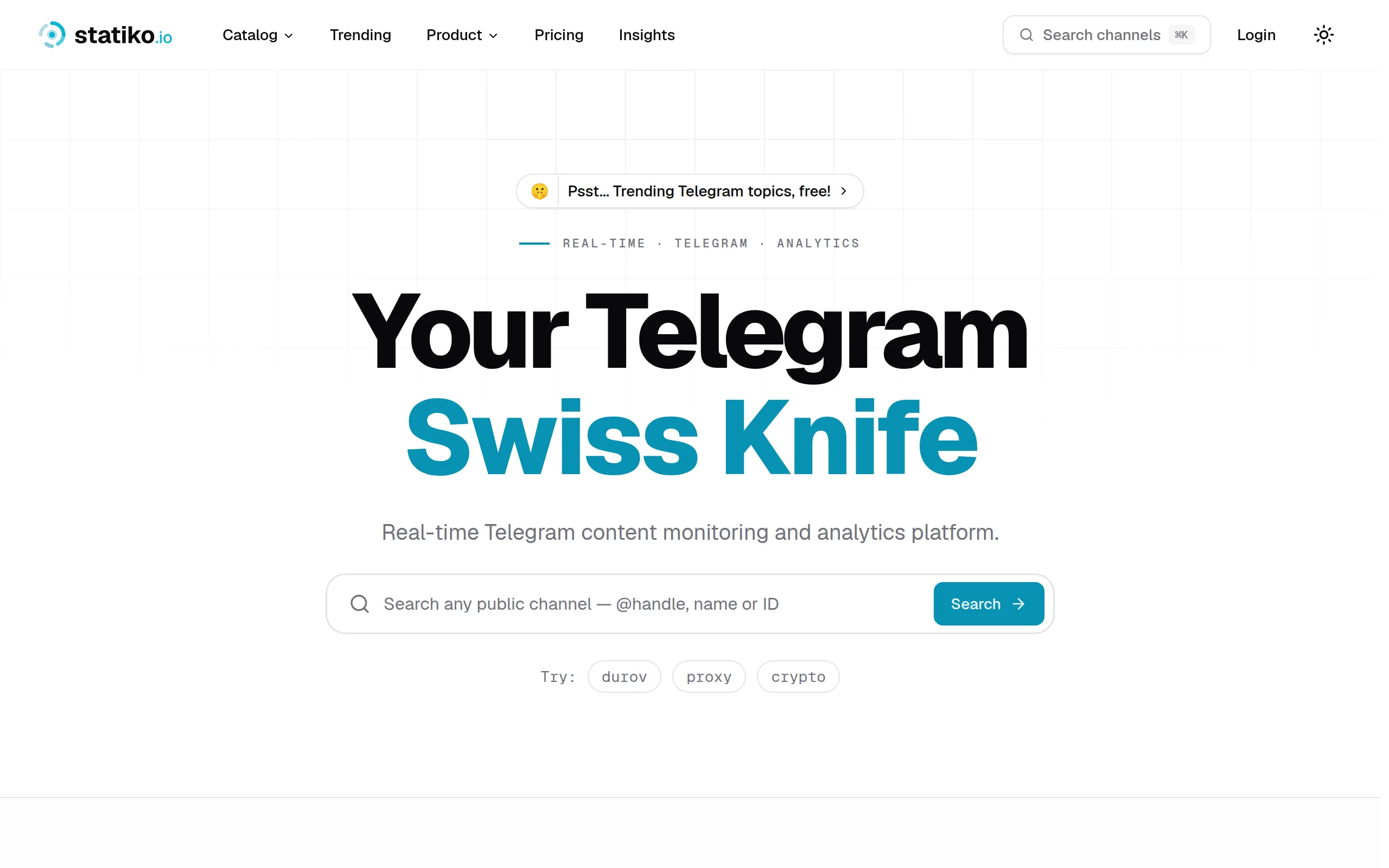
Statiko
Monitor any Telegram channel in real time - track posts, edits, deletions, and growth with AI recaps 📡

Shibui
AI website builder - describe your business, pick a niche template, edit by chatting, and publish instantly ✨

Pro Service
Find verified home service professionals, compare quotes, and pay securely through escrow - built for Brazilians across the US 🏠
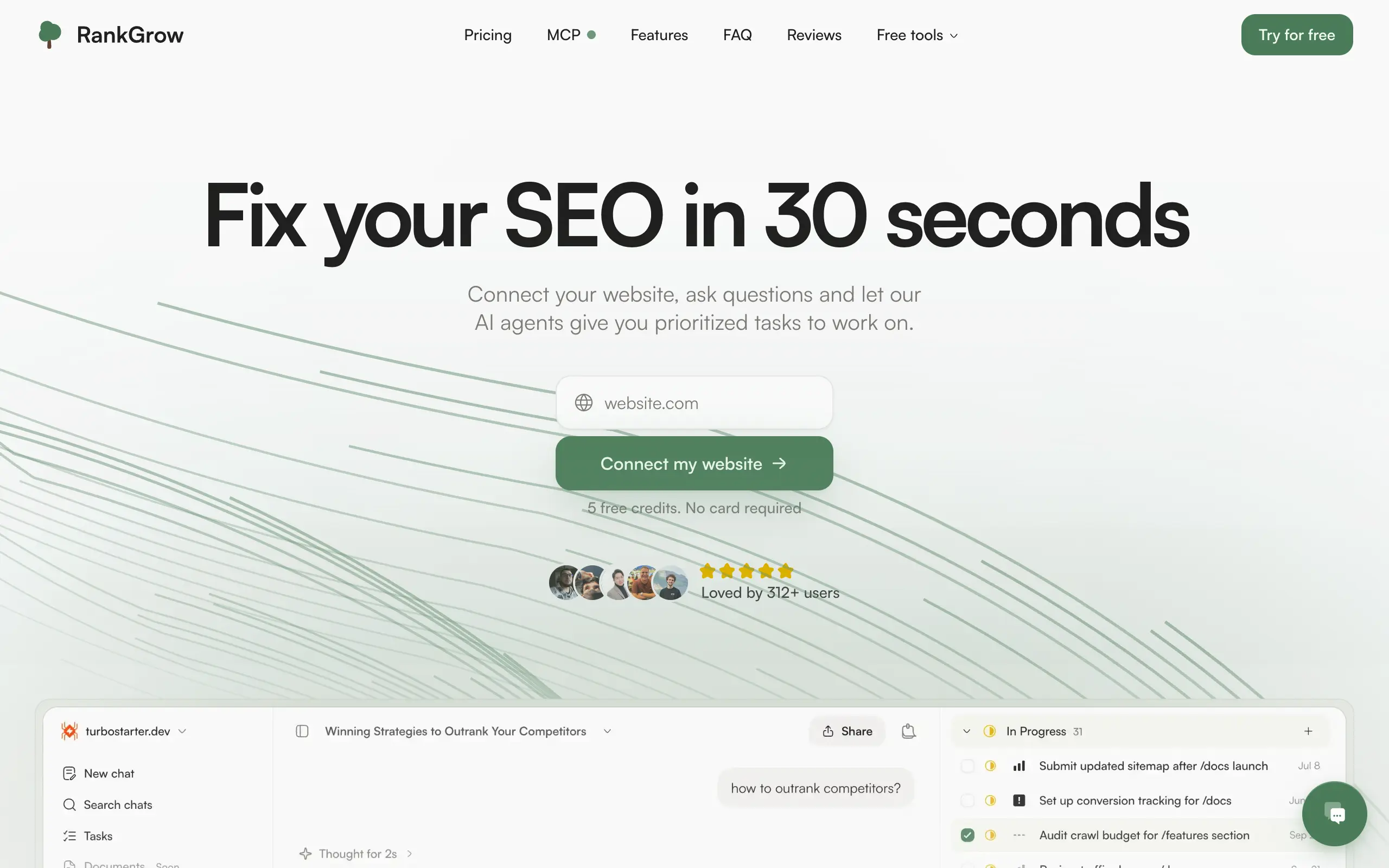
RankGrow
Fix your SEO with AI agents - connect Search Console, get prioritized tasks, and grow organic traffic 📈
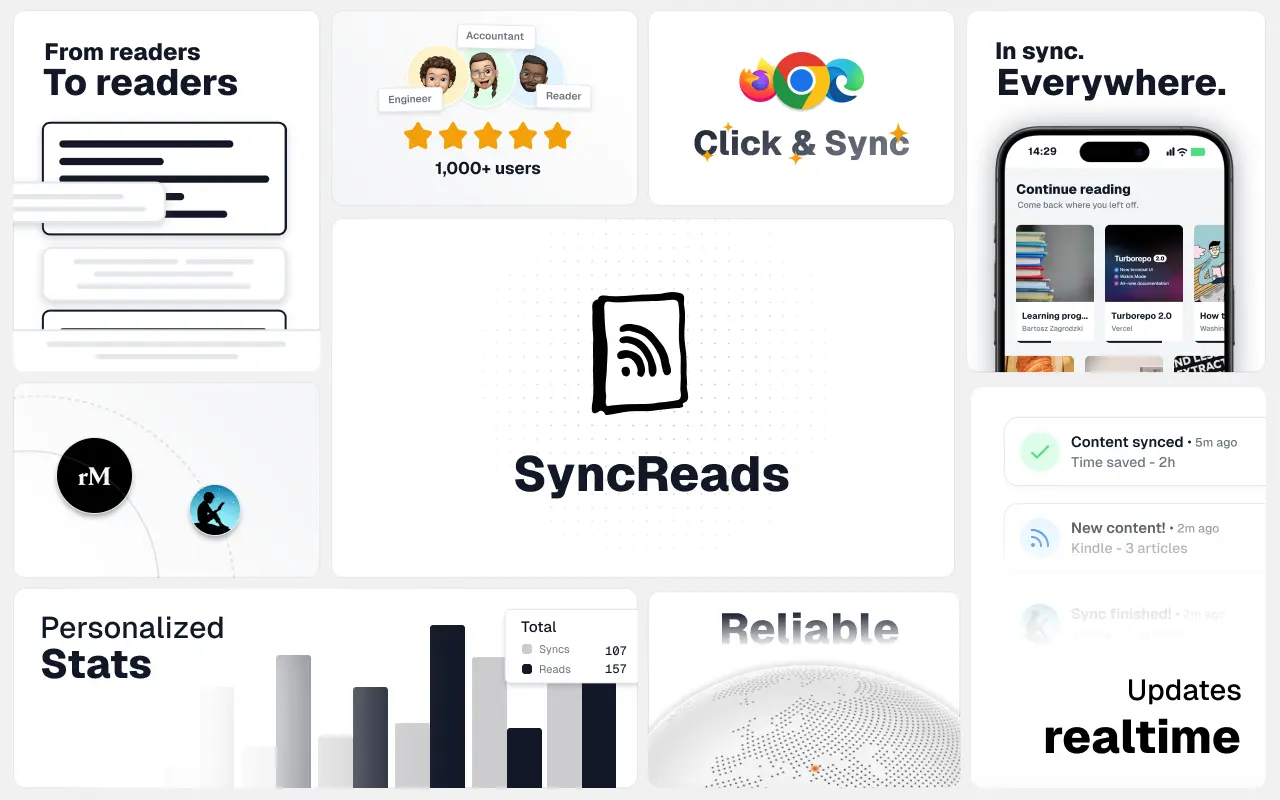
SyncReads
Sync your favorite content for distraction-free reading, save time and replace multiple apps. Anytime, anywhere 🔄
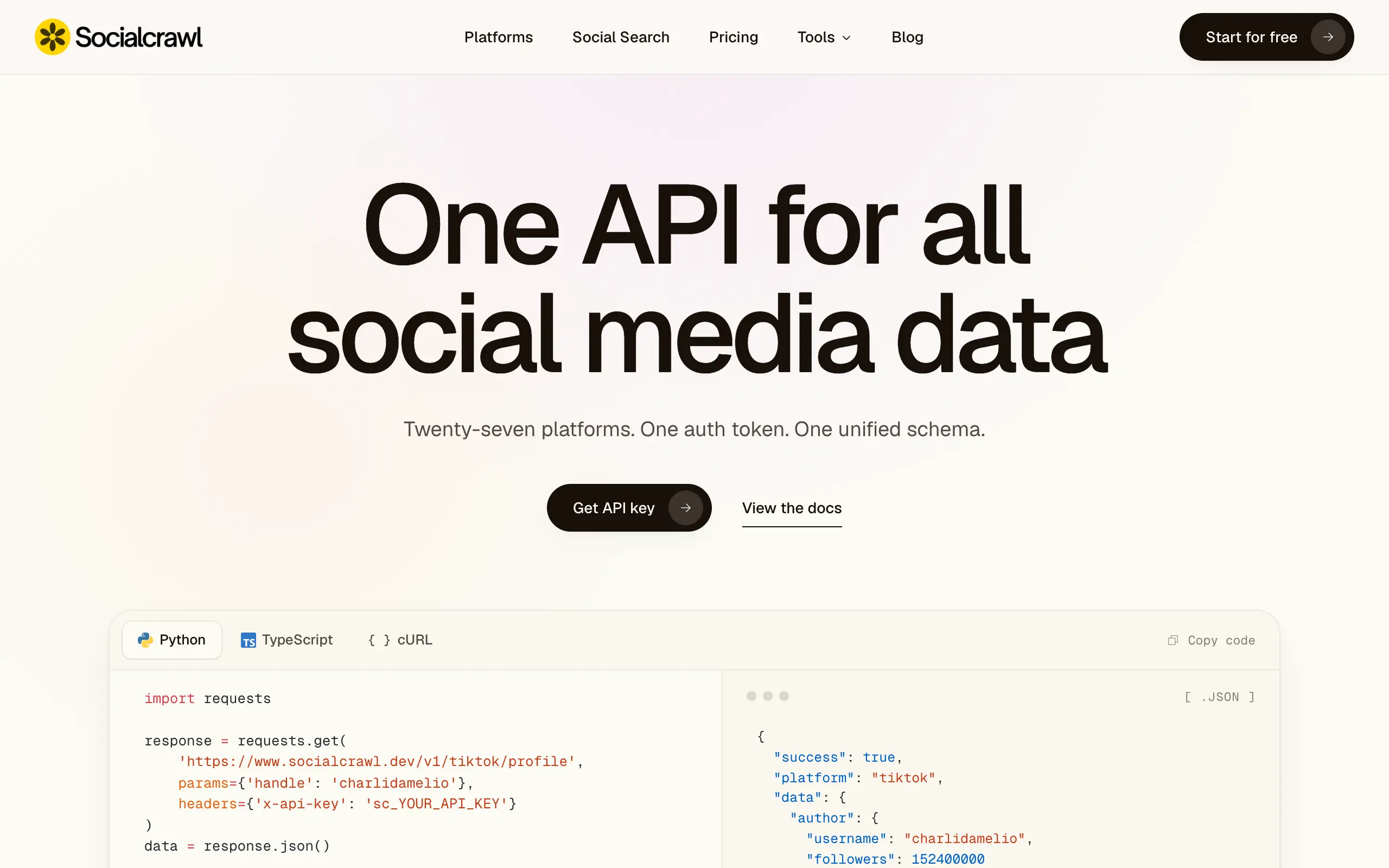
Socialcrawl
Get clean, structured data from 21 platforms like TikTok, Instagram, and YouTube with a single request 📊
Statiko
Monitor any Telegram channel in real time - track posts, edits, deletions, and growth with AI recaps 📡
Shibui
AI website builder - describe your business, pick a niche template, edit by chatting, and publish instantly ✨
Pro Service
Find verified home service professionals, compare quotes, and pay securely through escrow - built for Brazilians across the US 🏠
RankGrow
Fix your SEO with AI agents - connect Search Console, get prioritized tasks, and grow organic traffic 📈
SyncReads
Sync your favorite content for distraction-free reading, save time and replace multiple apps. Anytime, anywhere 🔄
Socialcrawl
Get clean, structured data from 21 platforms like TikTok, Instagram, and YouTube with a single request 📊
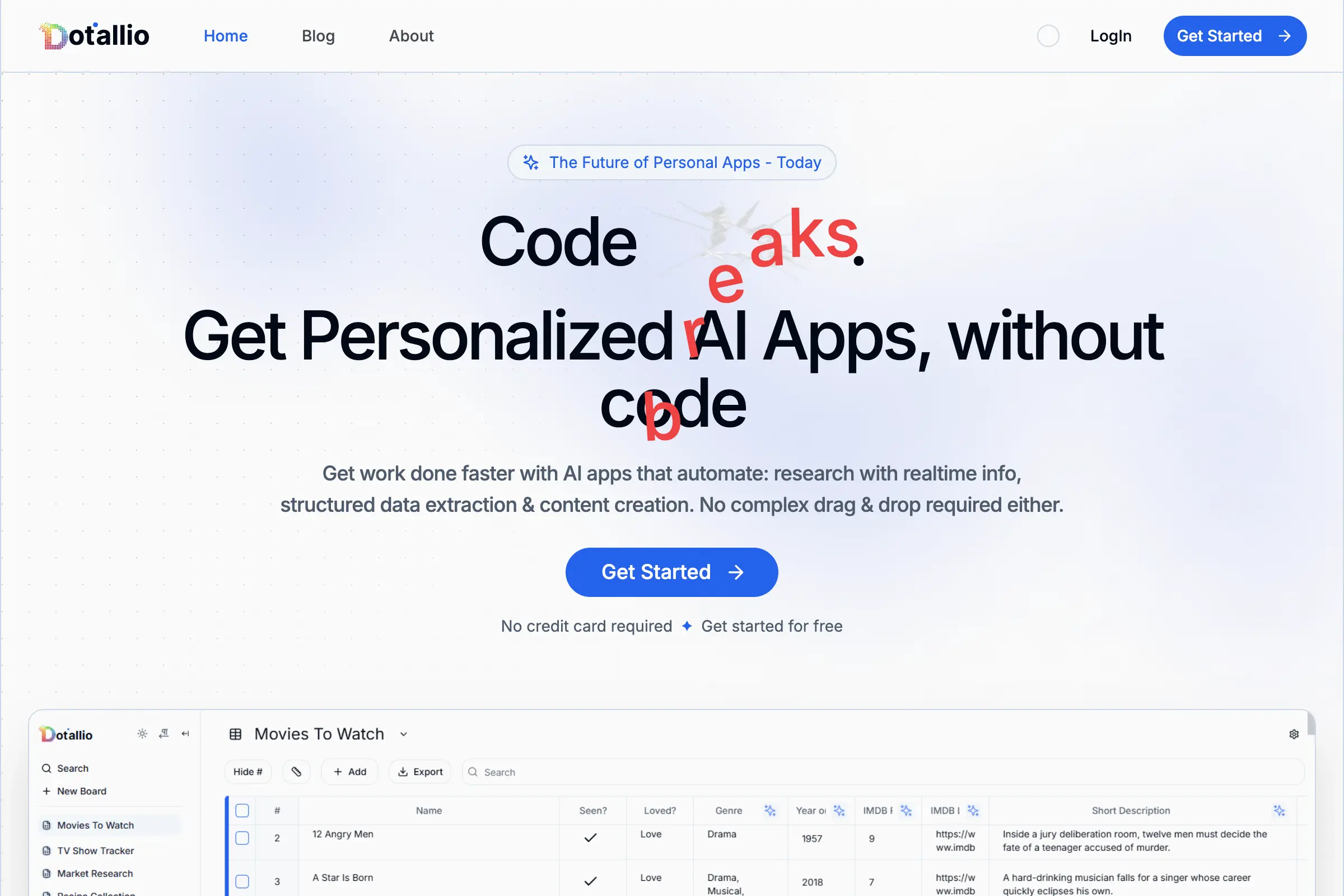
Dotallio
Personalized AI apps that automate research, data extraction, and content creation without code 🤖
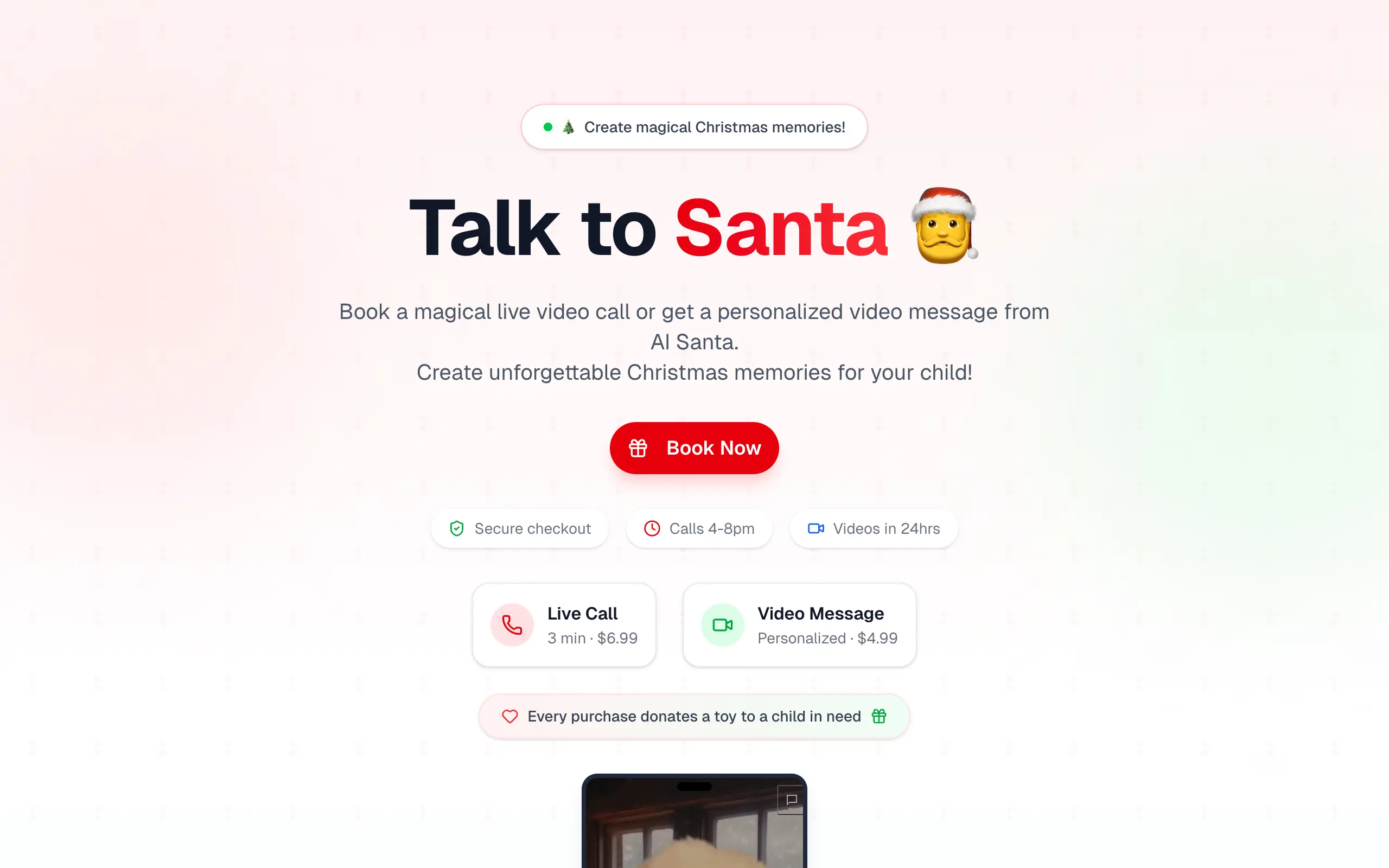
Talk to Santa
Enjoy a magical live video chat or receive a unique AI-generated video greeting from Santa Claus 🎅
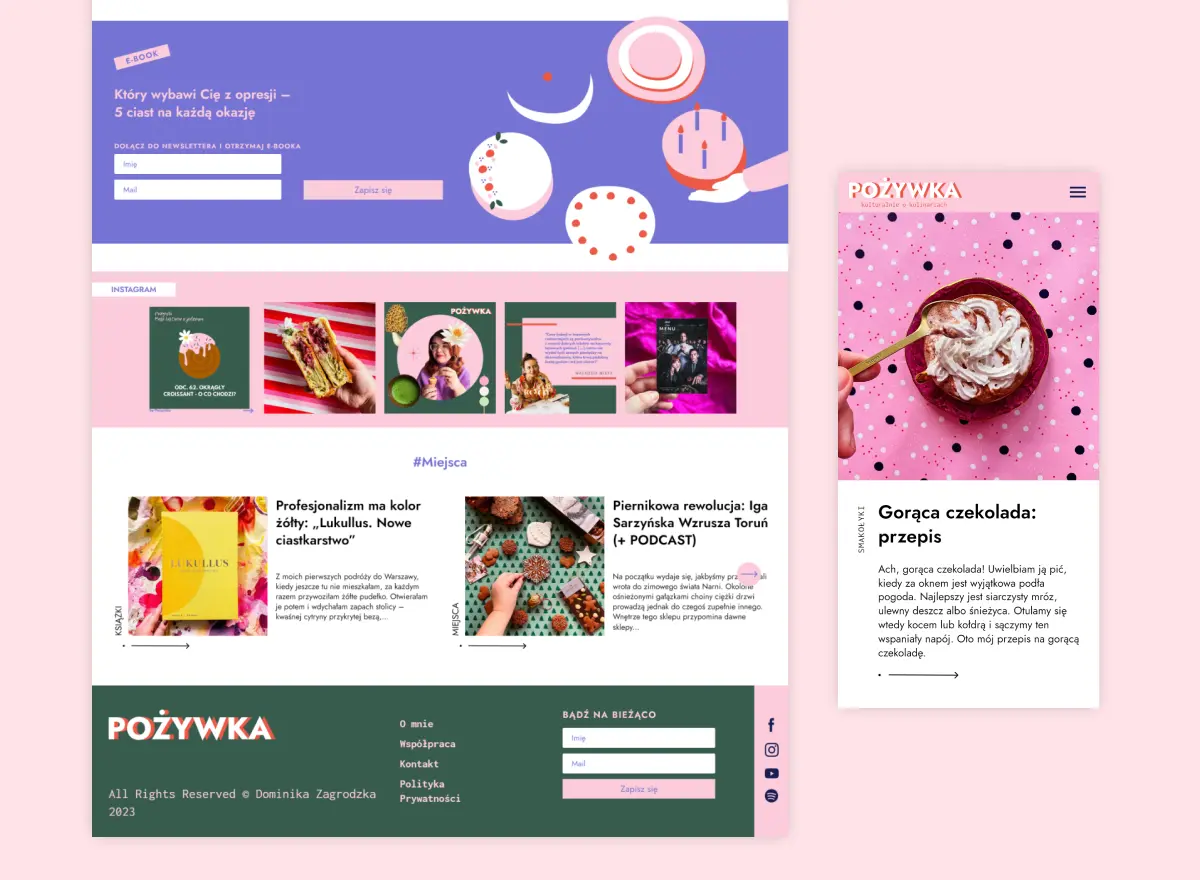
pozywka.pl
Scalable blog for food journalist, focused on performance and user experience 🌭
zagrodzki.me
Personal blog and portfolio of Bart Zagrodzki, where he shares his knowledge and work 💼
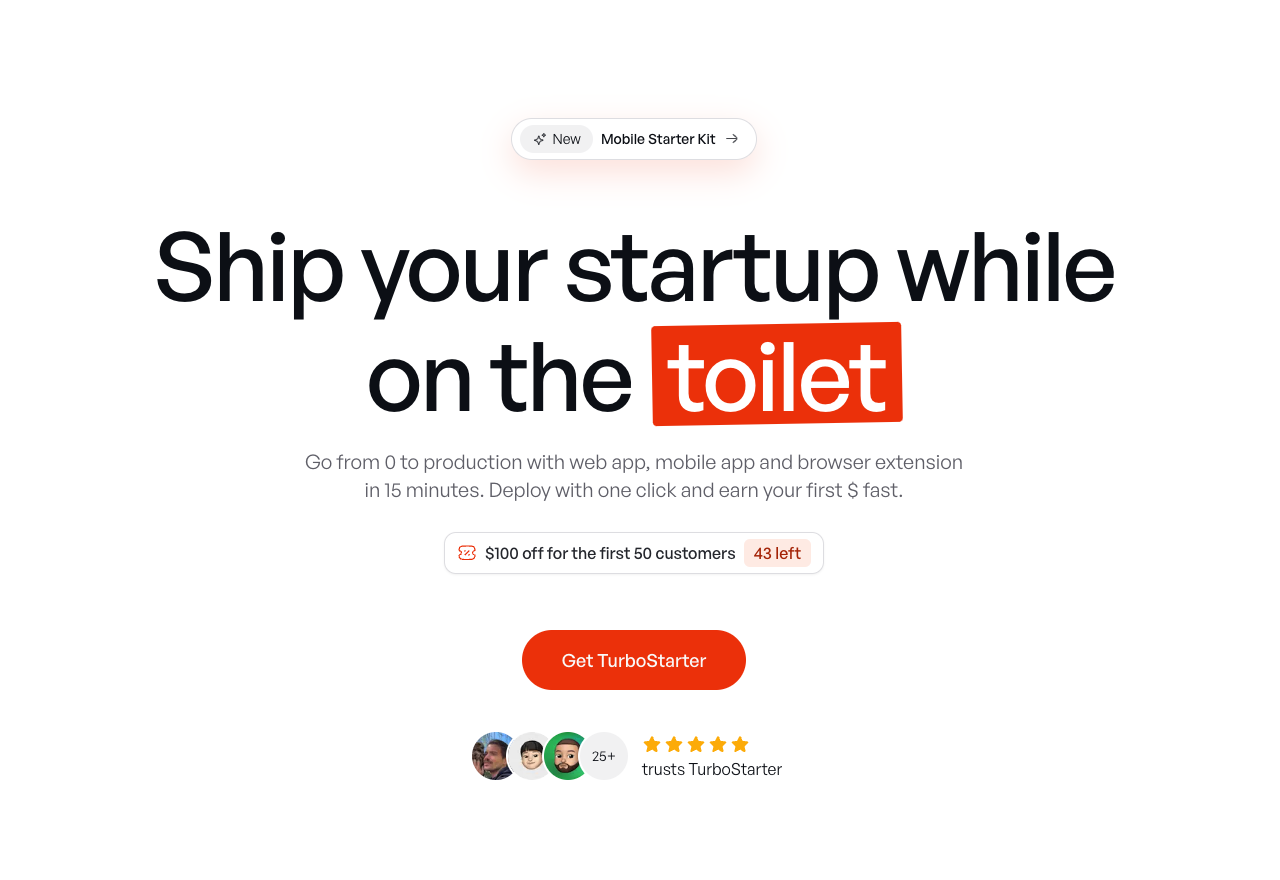
TurboStarter
Ship your startup everywhere. In minutes.
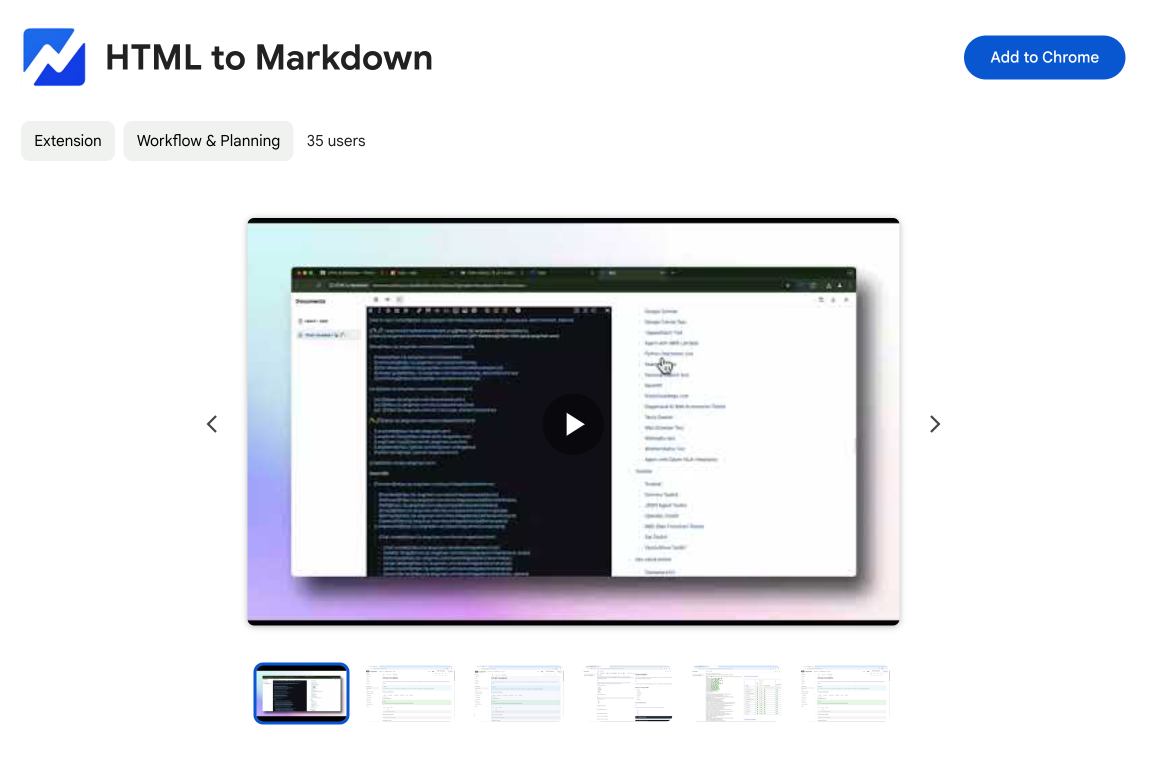
HTML to Markdown
Convert HTML to Markdown with ease, directly in your browser 📄
Dotallio
Personalized AI apps that automate research, data extraction, and content creation without code 🤖
Talk to Santa
Enjoy a magical live video chat or receive a unique AI-generated video greeting from Santa Claus 🎅
pozywka.pl
Scalable blog for food journalist, focused on performance and user experience 🌭
zagrodzki.me
Personal blog and portfolio of Bart Zagrodzki, where he shares his knowledge and work 💼
TurboStarter
Ship your startup everywhere. In minutes.
HTML to Markdown
Convert HTML to Markdown with ease, directly in your browser 📄
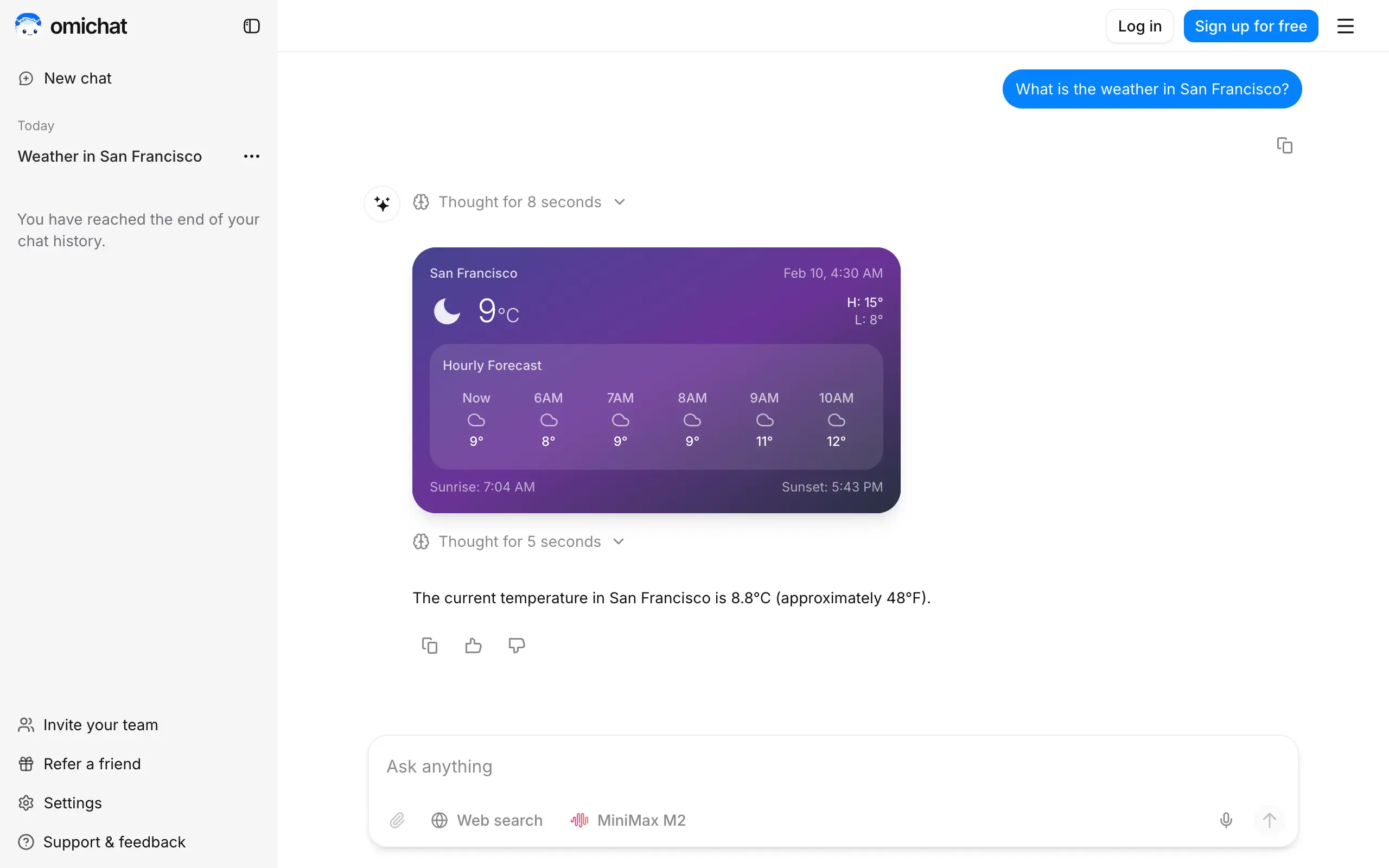
Omichat
Chat with 50+ AI models, including ChatGPT and Claude, in one place - switch models anytime without losing context 🤖
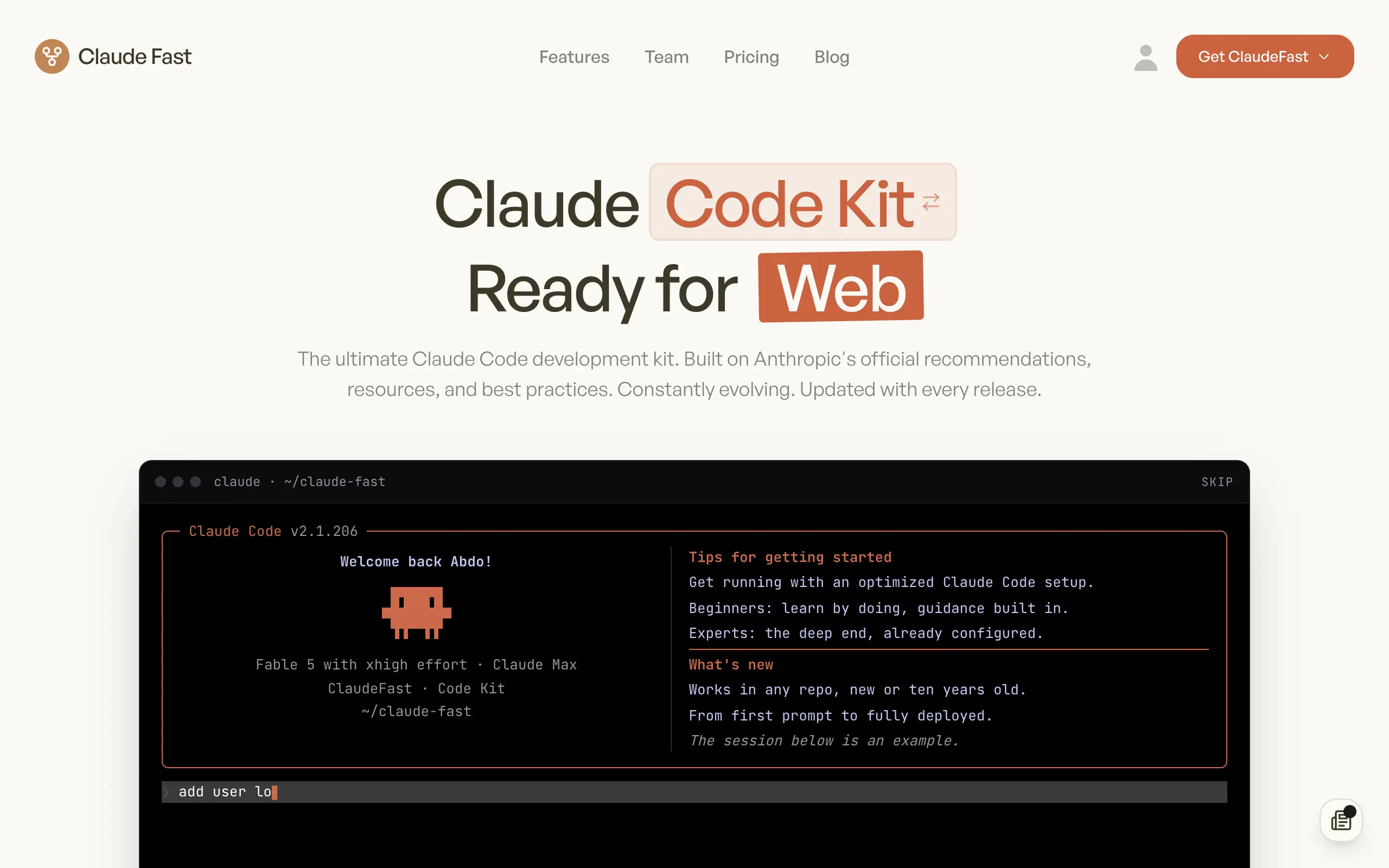
Claude Fast
Supercharge your Claude Code with 6x effective context window and specialized AI agents 🤖
EmojAI
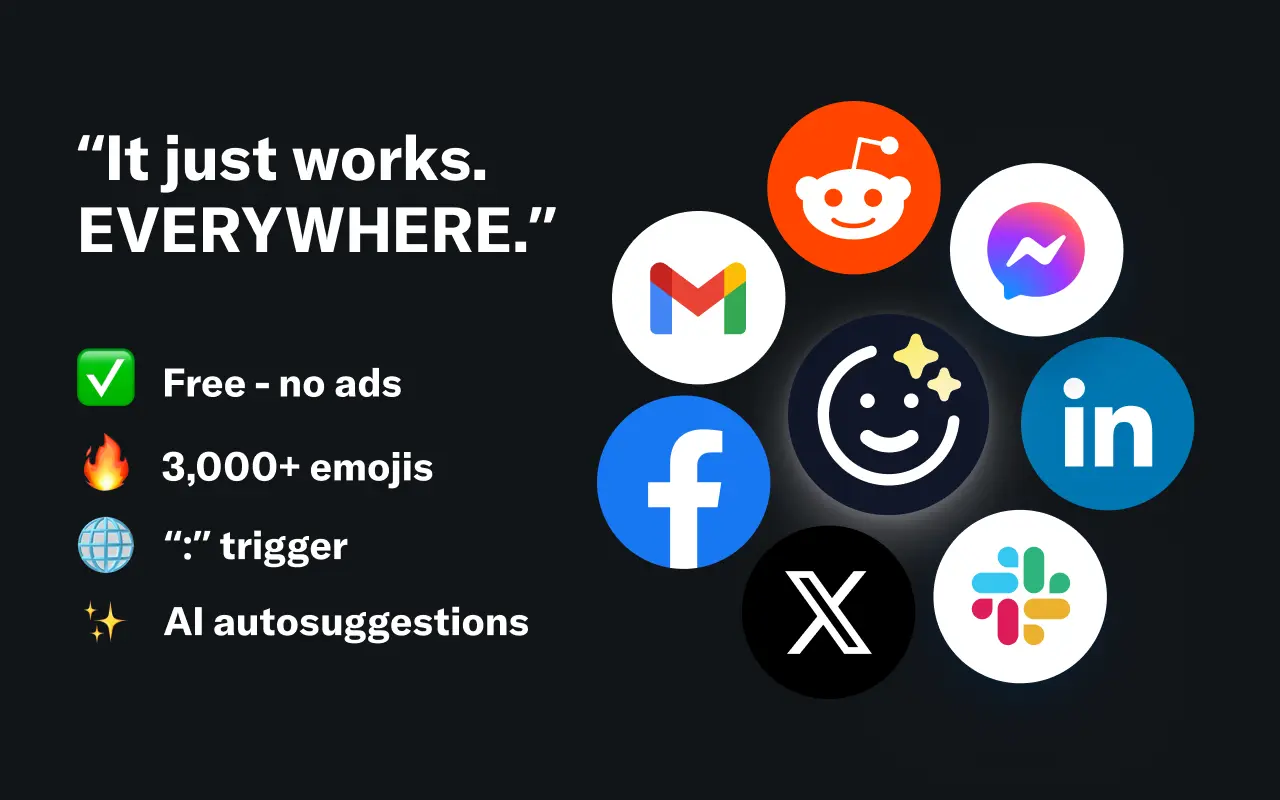
AI-powered emoji picker with smart, context-aware suggestions 🤖
Solohacker
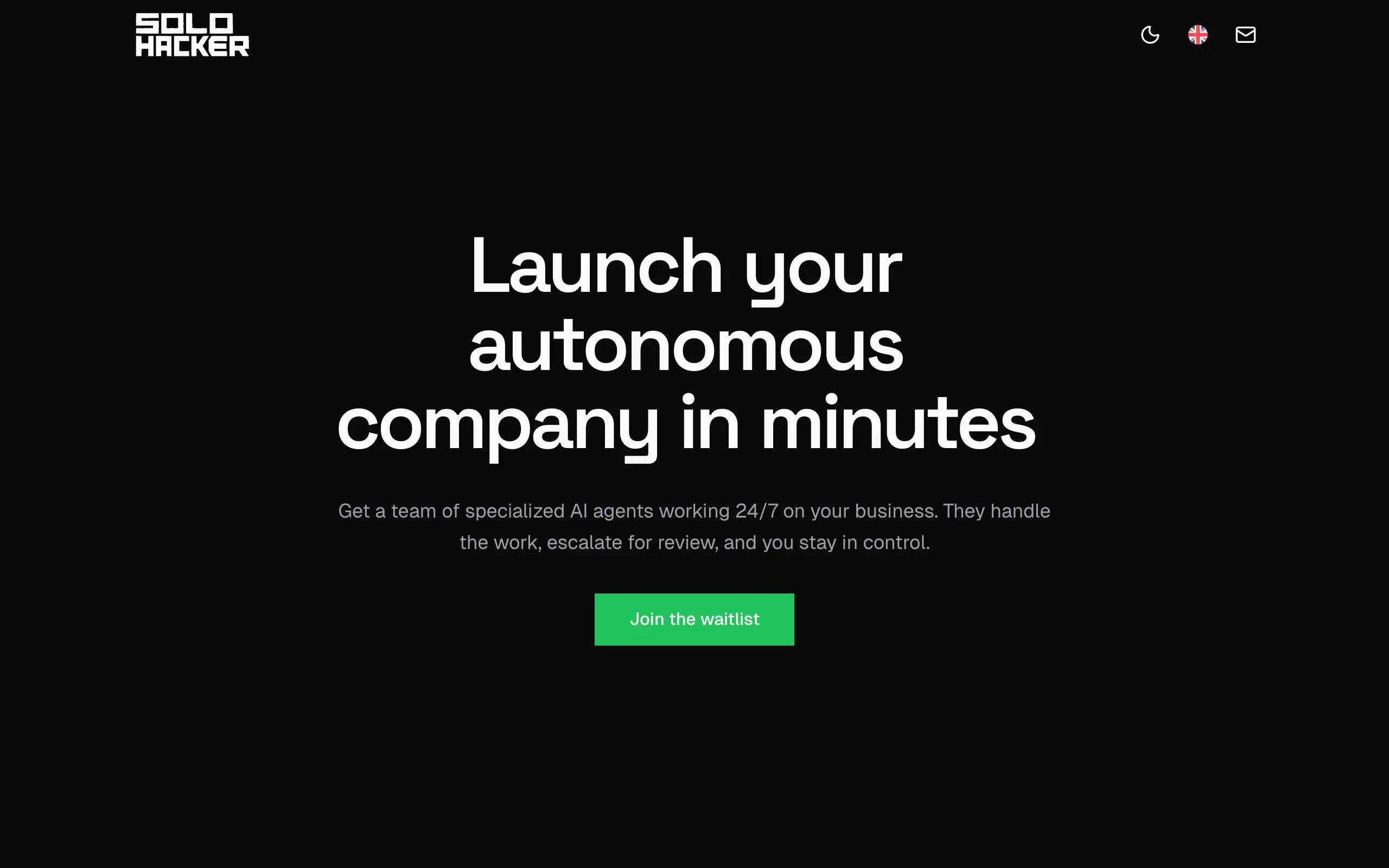
Autonomous company launcher - AI agents work 24/7, escalate what matters, and you stay in control 🤖
BeRawi: Storytelling Coach
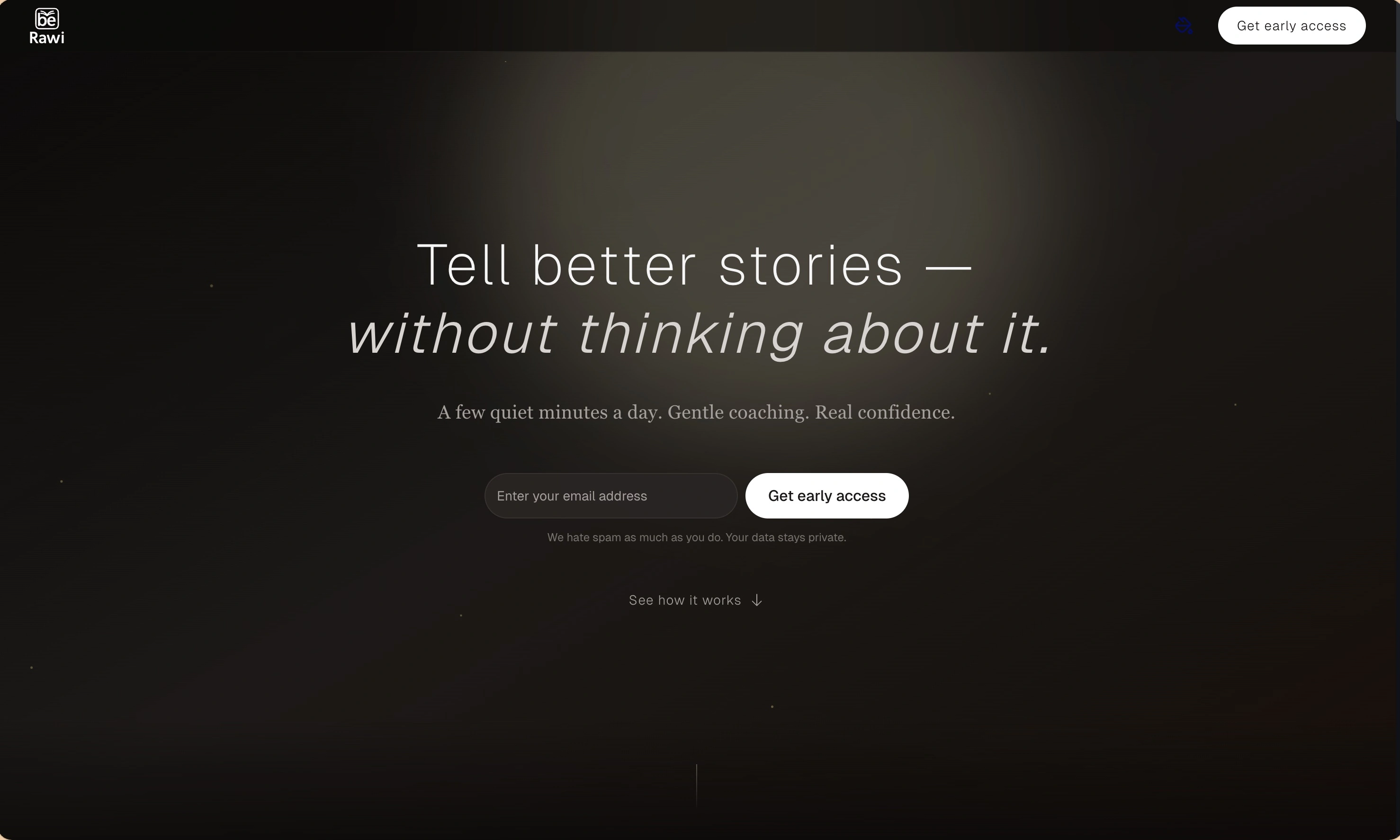
Practice storytelling daily with instant feedback to sound clearer, more engaging, and confident 🎤
Omichat
Chat with 50+ AI models, including ChatGPT and Claude, in one place - switch models anytime without losing context 🤖
Claude Fast
Supercharge your Claude Code with 6x effective context window and specialized AI agents 🤖
EmojAI
AI-powered emoji picker with smart, context-aware suggestions 🤖
Solohacker
Autonomous company launcher - AI agents work 24/7, escalate what matters, and you stay in control 🤖
BeRawi: Storytelling Coach
Practice storytelling daily with instant feedback to sound clearer, more engaging, and confident 🎤

Connect with like-minded people
Join our community to get feedback, support, and grow together with 1,000+ builders on board, let's ship it!
Join usShip your startup everywhere. In minutes.
Don't burn tokens on setup and start building features on day one.