HikeHack
AI-powered hiking challenges that gamify the outdoors. Compete in viral weekend quests, auto-share stats, and unlock sponsor-backed rewards.
The rise of AI-powered hiking challenges and why the market is ready
Outdoor recreation is booming. According to publicly available reports from organizations like the Outdoor Industry Association, participation in outdoor activities in the U.S. has grown significantly over the past few years, with hiking consistently ranking among the most popular activities. At the same time, fitness apps, social gamification, and AI-driven personalization are redefining how people engage with health and lifestyle habits.
Yet most hiking experiences remain:
- Solo and unstructured
- Difficult to track in a meaningful way
- Detached from rewards or competition
- Poorly integrated with social media
HikeHack introduces a new category: AI-powered hiking challenges that gamify outdoor adventures. It combines viral weekend quests, auto-generated performance stats, and sponsor-backed rewards into a single, social-first platform.
This article explores the full business, technical, and strategic blueprint for building and scaling an AI-powered hiking challenge SaaS like HikeHack.
What is HikeHack? A new model for AI-powered hiking challenges
HikeHack is an AI-powered hiking challenge platform that:
- Creates dynamic, location-aware weekend quests
- Tracks hikes through GPS integrations
- Uses AI to generate insights, performance highlights, and shareable content
- Gamifies participation through points, badges, and leaderboards
- Unlocks real-world sponsor-backed rewards
The core idea is simple:
Turn every hike into a story, every weekend into a quest, and every milestone into a reward.
Unlike generic fitness apps, HikeHack is purpose-built for hiking culture — combining adventure, community, and social status into one cohesive experience.
Understanding user intent: who is searching for this?
Users searching for terms like:
- “AI hiking app”
- “gamified hiking challenges”
- “outdoor fitness app with rewards”
- “weekend hiking competition”
- “hiking leaderboard app”
are typically looking for one of the following:
- Motivation – They want accountability and fun.
- Community – They want to connect with other hikers.
- Recognition – They want their achievements noticed.
- Rewards – They want tangible incentives.
- Better tracking – They want insights beyond basic step counts.
HikeHack directly addresses all five.
Target audience analysis
To build a successful AI-powered hiking challenge SaaS, clarity around target segments is essential.
1. Gen Z & Millennial outdoor enthusiasts
Profile:
- Ages 18–35
- Active on Instagram, TikTok, Strava
- Enjoy viral trends and challenges
- Care about aesthetics and storytelling
Pain points:
- Hiking feels repetitive
- Achievements get buried in fitness apps
- Lack of social competition
Opportunity:
Create highly shareable challenge formats and automated highlight reels.
2. Casual hikers seeking motivation
Profile:
- Ages 25–50
- Weekend hikers
- Health-focused but not competitive athletes
Pain points:
- Inconsistent exercise habits
- Need external motivation
- Want fun goals without complexity
Opportunity:
Offer beginner-friendly AI-curated quests like:
- “Climb 1,000m this weekend”
- “Sunrise summit challenge”
3. Brands & outdoor sponsors
Profile:
- Outdoor gear companies
- Local tourism boards
- Nutrition and hydration brands
Pain points:
- Hard to engage authentic outdoor audiences
- Limited measurable ROI from sponsorships
Opportunity:
HikeHack becomes a performance-based sponsorship platform.
Market gap: why existing apps fall short
Let’s compare HikeHack to current alternatives.
Traditional fitness apps (e.g., general tracking apps)
- Good at tracking
- Weak at gamification
- No sponsor-backed rewards
- Generic UX
Strava-style platforms
- Strong social network
- Competitive segments
- Not AI-curated challenges
- Limited reward mechanisms
Step challenge apps
- Urban-focused
- Not hiking-specific
- No terrain-based scoring
HikeHack’s gap lies in combining:
- AI personalization
- Real outdoor terrain intelligence
- Social virality
- Reward economy
Core features of an AI-powered hiking challenge platform
Below is the feature architecture required for a competitive AI hiking SaaS.
AI-generated weekend quests
Location-aware hiking challenges dynamically generated based on weather, terrain, and user level.
Smart performance analysis
AI turns raw GPS data into shareable stats and personalized insights.
Viral sharing engine
Auto-generated highlight cards and short recap videos.
Sponsor reward marketplace
Unlock real-world rewards for completing verified challenges.
1. AI-generated hiking challenges
This is the core differentiator.
The AI system can:
- Analyze user history
- Detect elevation difficulty
- Adjust for weather forecasts
- Set achievable but motivating goals
Example challenges:
- “Conquer 1,200m elevation gain before Sunday 6PM”
- “Explore 3 new trails within 15km radius”
- “Complete a night hike safely”
AI personalization increases:
- Engagement
- Retention
- Perceived value
2. Intelligent stat breakdowns
Instead of raw data, HikeHack generates:
- “You climbed the equivalent of 150 floors”
- “Your pace improved 12% vs last weekend”
- “You burned the equivalent of 3 cheeseburgers”
This transforms fitness data into emotionally compelling insights.
3. Social gamification & viral mechanics
Gamification elements include:
- Global leaderboards
- City-based competitions
- Friend squads
- Limited-time weekend events
AI can auto-create shareable assets like:
- Instagram-ready stat cards
- Animated recap videos
- “HikeHack Champion” badges
4. Sponsor-backed reward engine
Sponsors provide:
- Discount codes
- Free gear
- Event invites
- Gift cards
Users unlock them by completing verified AI-powered hiking challenges.
This creates a three-sided marketplace:
- Hikers
- Sponsors
- Platform
Competitive analysis
| Feature | Strava | AllTrails | Generic Step Apps | HikeHack |
|---|---|---|---|---|
| AI-generated challenges | ❌ | ❌ | ❌ | ✅ |
| Sponsor-backed rewards | Limited | ❌ | ❌ | ✅ |
| Hiking-specific gamification | Partial | ❌ | ❌ | ✅ |
HikeHack’s competitive advantage lies in vertical specialization + AI personalization + reward monetization.
Recommended tech stack for building HikeHack
Choosing the right stack determines scalability and performance.
Frontend
- React for web app
- Next.js for SSR and SEO
- TailwindCSS for rapid UI development
Why?
- Fast iteration
- Excellent developer ecosystem
- SEO-friendly architecture
Mobile app
Option 1:
- React Native (shared logic)
Option 2:
- Native iOS (Swift) + Android (Kotlin)
Trade-off:
- React Native = faster MVP
- Native = better GPS + battery optimization
Backend
- Node.js with NestJS
- PostgreSQL for relational data
- Redis for leaderboard caching
AI layer
- LLM APIs for challenge generation
- ML models for terrain analysis
- Route difficulty classification
Example logic for challenge generation:
function generateWeekendChallenge(user) {
  const elevationGoal = user.avgElevation * 1.15;
  return {
    title: "Weekend Elevation Quest",
    goal: `${Math.round(elevationGoal)}m total climb`,
    difficulty: "Intermediate"
  };
}
GPS & integrations
- Apple HealthKit
- Google Fit
- GPX file import
- Optional Strava API sync
Monetization strategy for AI-powered hiking challenges
A multi-layer revenue model increases resilience.
1. Freemium subscription model
Free:
- Basic tracking
- Limited challenges
Pro ($8–$15/month):
- Advanced AI insights
- Exclusive quests
- Priority rewards
- Squad competitions
2. Sponsor marketplace revenue
Revenue models:
- CPA (cost per achievement)
- CPC on reward unlock
- Fixed campaign sponsorship
Brands pay to host:
- “The North Summit Challenge”
- “Hydration Hero Weekend”
3. Event-based premium challenges
Charge for:
- Seasonal global tournaments
- Regional competitions
- Sponsored outdoor festivals
4. Data insights (anonymized)
Aggregate, privacy-compliant data could provide:
- Trail popularity trends
- Performance insights
- Regional engagement heatmaps
Privacy first
Any data monetization must be transparent, opt-in, and compliant with GDPR and other regulations. Trust is critical for long-term brand success.
Risks and mitigation strategies
Risk 1: User safety
Outdoor hiking carries inherent risk.
Mitigation:
- Weather alerts
- Terrain risk warnings
- Emergency location sharing
Risk 2: GPS fraud
Users may fake data.
Mitigation:
- Speed anomaly detection
- Elevation validation
- AI fraud scoring
Risk 3: Seasonal churn
Hiking activity dips in winter.
Mitigation:
- Indoor stair challenges
- Snow hike quests
- Regional adaptive challenges
Risk 4: Sponsor dependency
Mitigation:
- Strong subscription base
- Diversified revenue streams
Building a defensible moat
To create long-term value, HikeHack must develop:
1. Community network effects
- Squad competitions
- Regional leaderboards
- Referral challenges
The more friends join, the stronger the lock-in.
2. AI personalization dataset
Over time, the AI improves through:
- Historical performance
- Terrain adaptation
- Engagement pattern learning
This creates a data advantage competitors cannot easily replicate.
3. Brand partnerships moat
Exclusive outdoor brand partnerships make replication harder.
Implementation roadmap
Go-to-market strategy
Phase 1: Niche domination
Target:
- Urban hikers in 2–3 cities
- College outdoor clubs
- Hiking influencers
Phase 2: Viral loops
- Share-to-unlock rewards
- Squad invitations
- Public leaderboards
Phase 3: Brand amplification
- Partner with outdoor brands
- Run co-branded challenges
- Sponsor micro-influencers
Why now is the perfect time for AI-powered hiking challenges
Three macro trends converge:
- AI personalization becoming mainstream
- Outdoor recreation growth
- Gamification culture via TikTok & short-form content
HikeHack sits at the intersection of all three.
Actionable steps to build HikeHack today
- Define the first core challenge type (e.g., elevation-based quests).
- Build a simple MVP using TurboStarter for rapid SaaS scaffolding.
- Integrate basic GPS tracking and AI summary generation.
- Recruit 100 beta hikers via outdoor communities.
- Partner with a small gear brand for initial rewards.
- Launch a limited “Founders Weekend Quest.”
Final thoughts: turning hikes into viral adventures
HikeHack isn’t just another fitness app. It’s a new category:
AI-powered hiking challenges with real-world rewards.
By combining AI, gamification, and sponsorship economics, the platform creates:
- Motivation
- Social engagement
- Monetization
- Brand value
For founders, this is a rare opportunity to build a high-growth SaaS at the intersection of AI, outdoor culture, and community-driven competition.
The trails are already there.
The hikers are already active.
The missing piece is the AI engine that turns every hike into a challenge worth sharing.
That’s the opportunity HikeHack is positioned to capture.
More 🤖 AI Startup SaaS ideas
Discover more innovative ai startup SaaS ideas that are trending in 2026. Each idea is AI-generated with market validation and growth potential to help you find your next profitable venture faster than competitors.
Your competitors are building with TurboStarter
Below are some of the SaaS ideas that have been generated and built with our starter kit.
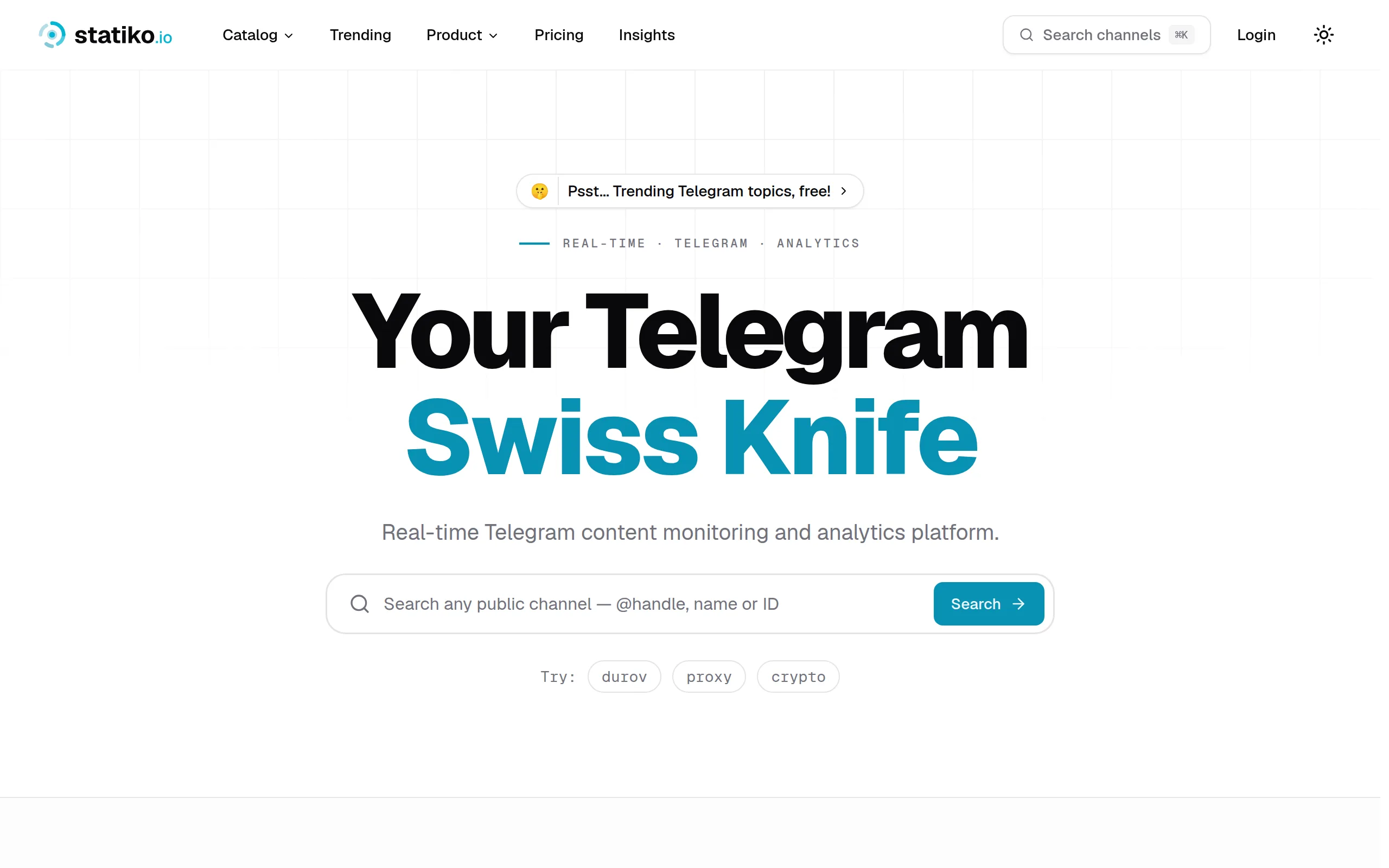
Statiko
Monitor any Telegram channel in real time - track posts, edits, deletions, and growth with AI recaps 📡

Shibui
AI website builder - describe your business, pick a niche template, edit by chatting, and publish instantly ✨

Pro Service
Find verified home service professionals, compare quotes, and pay securely through escrow - built for Brazilians across the US 🏠
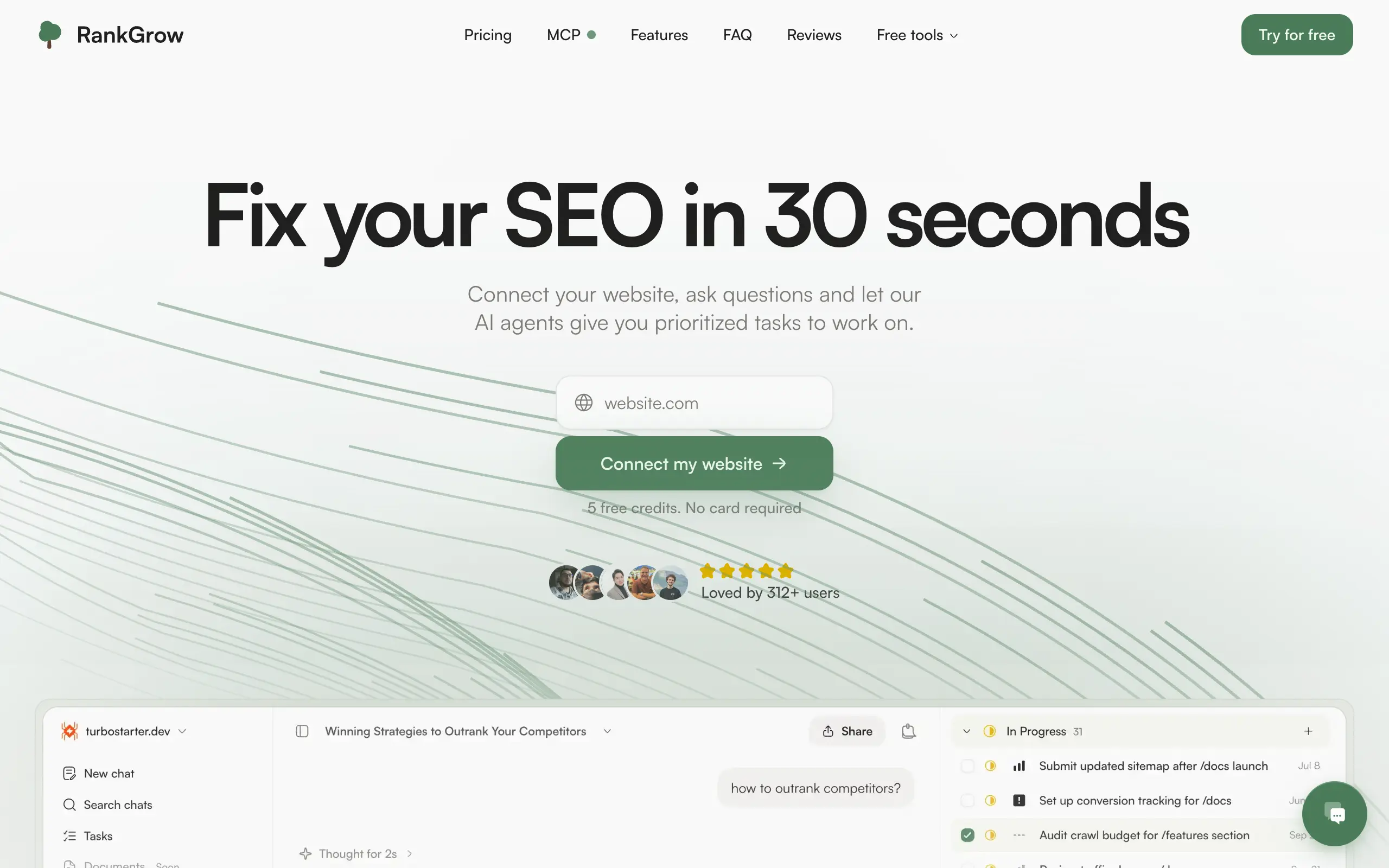
RankGrow
Fix your SEO with AI agents - connect Search Console, get prioritized tasks, and grow organic traffic 📈
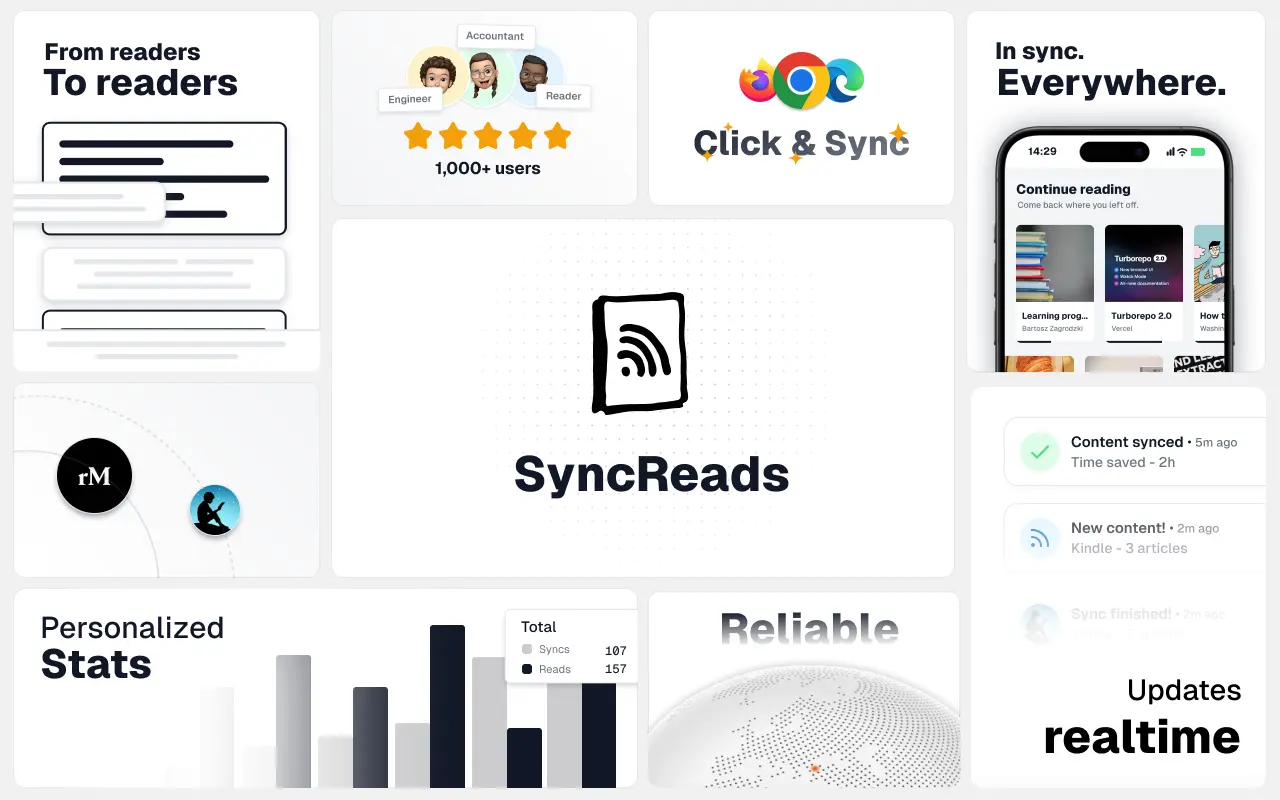
SyncReads
Sync your favorite content for distraction-free reading, save time and replace multiple apps. Anytime, anywhere 🔄
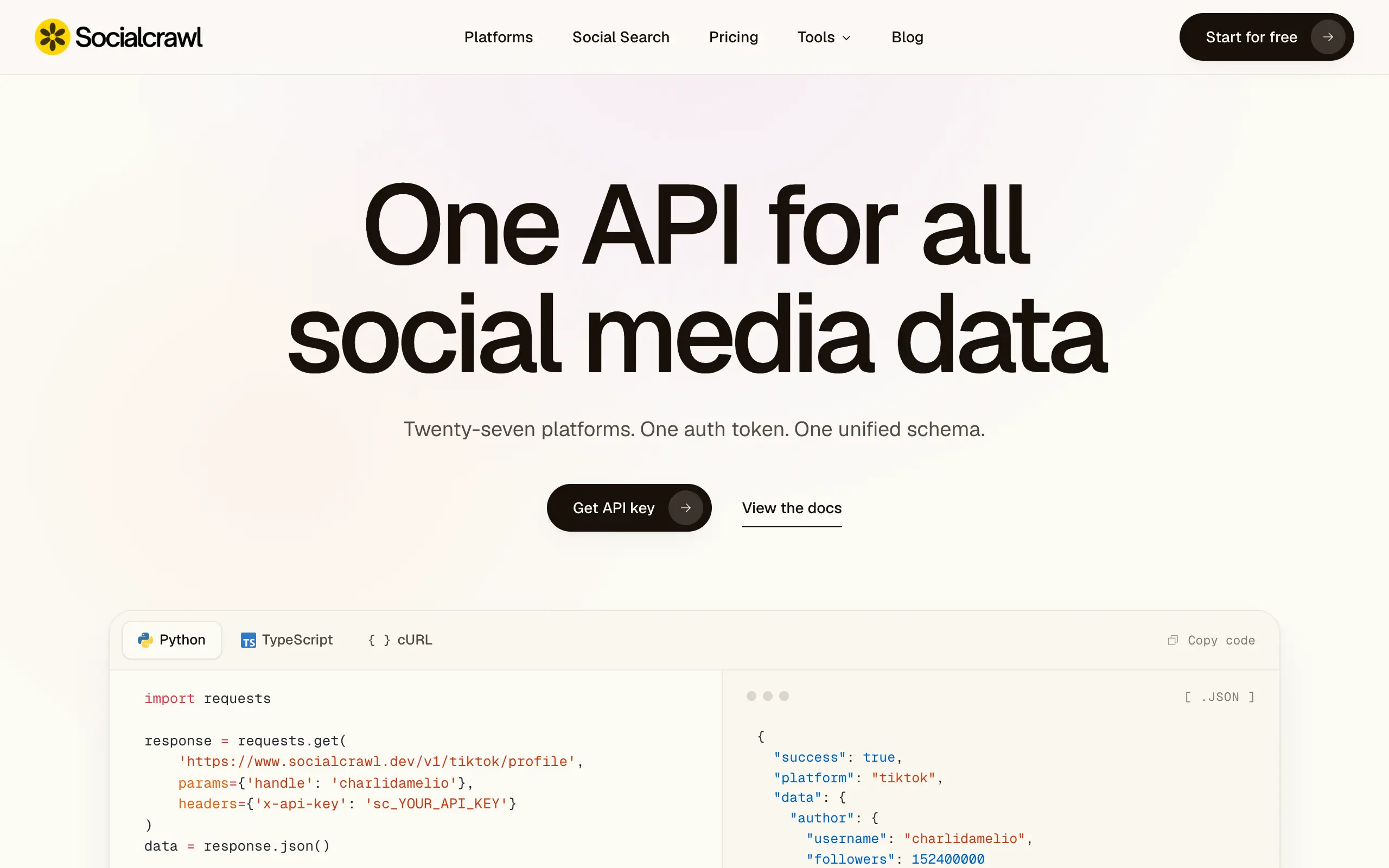
Socialcrawl
Get clean, structured data from 21 platforms like TikTok, Instagram, and YouTube with a single request 📊
Statiko
Monitor any Telegram channel in real time - track posts, edits, deletions, and growth with AI recaps 📡
Shibui
AI website builder - describe your business, pick a niche template, edit by chatting, and publish instantly ✨
Pro Service
Find verified home service professionals, compare quotes, and pay securely through escrow - built for Brazilians across the US 🏠
RankGrow
Fix your SEO with AI agents - connect Search Console, get prioritized tasks, and grow organic traffic 📈
SyncReads
Sync your favorite content for distraction-free reading, save time and replace multiple apps. Anytime, anywhere 🔄
Socialcrawl
Get clean, structured data from 21 platforms like TikTok, Instagram, and YouTube with a single request 📊
Statiko
Monitor any Telegram channel in real time - track posts, edits, deletions, and growth with AI recaps 📡
Shibui
AI website builder - describe your business, pick a niche template, edit by chatting, and publish instantly ✨
Pro Service
Find verified home service professionals, compare quotes, and pay securely through escrow - built for Brazilians across the US 🏠
RankGrow
Fix your SEO with AI agents - connect Search Console, get prioritized tasks, and grow organic traffic 📈
SyncReads
Sync your favorite content for distraction-free reading, save time and replace multiple apps. Anytime, anywhere 🔄
Socialcrawl
Get clean, structured data from 21 platforms like TikTok, Instagram, and YouTube with a single request 📊
Statiko
Monitor any Telegram channel in real time - track posts, edits, deletions, and growth with AI recaps 📡
Shibui
AI website builder - describe your business, pick a niche template, edit by chatting, and publish instantly ✨
Pro Service
Find verified home service professionals, compare quotes, and pay securely through escrow - built for Brazilians across the US 🏠
RankGrow
Fix your SEO with AI agents - connect Search Console, get prioritized tasks, and grow organic traffic 📈
SyncReads
Sync your favorite content for distraction-free reading, save time and replace multiple apps. Anytime, anywhere 🔄
Socialcrawl
Get clean, structured data from 21 platforms like TikTok, Instagram, and YouTube with a single request 📊
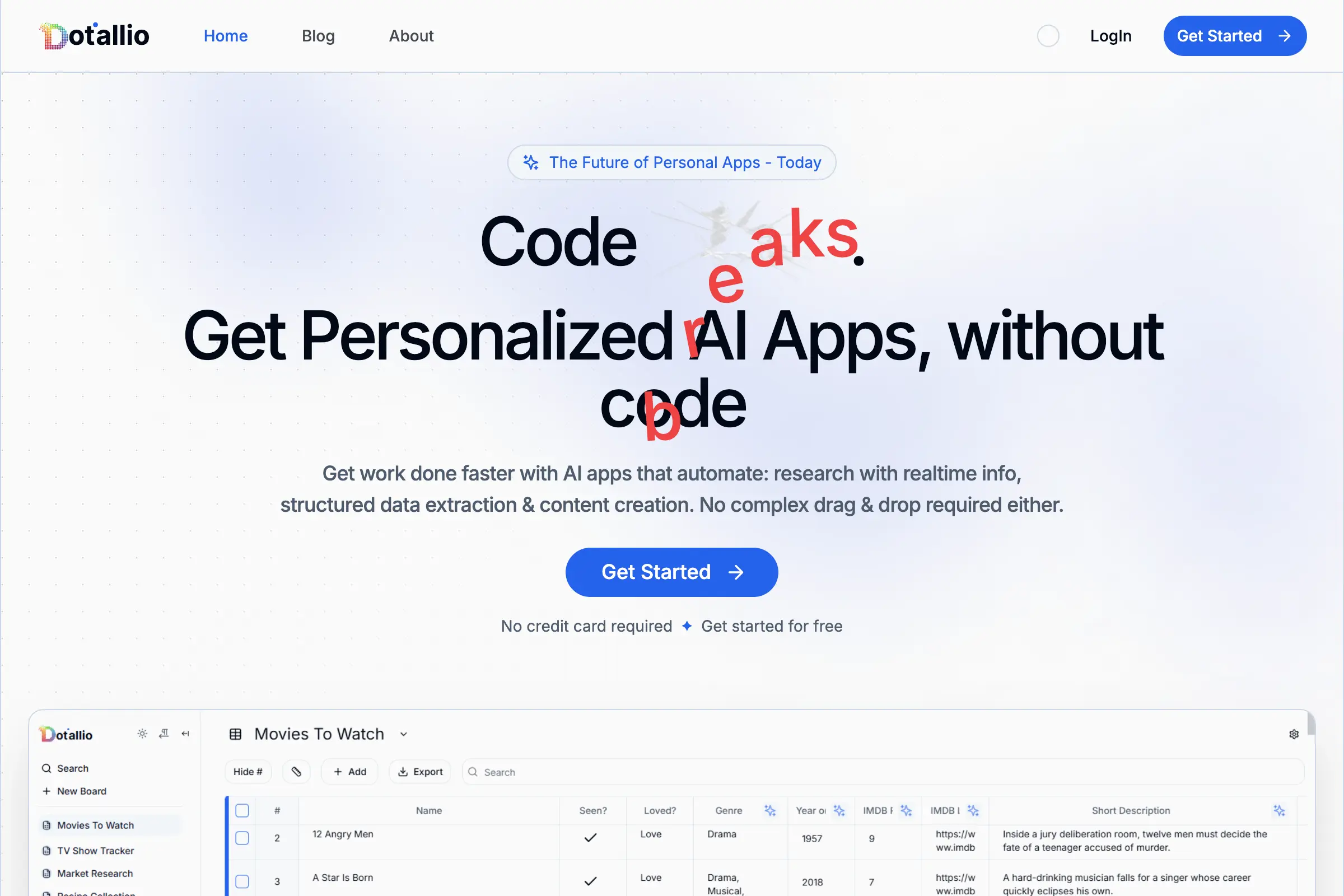
Dotallio
Personalized AI apps that automate research, data extraction, and content creation without code 🤖
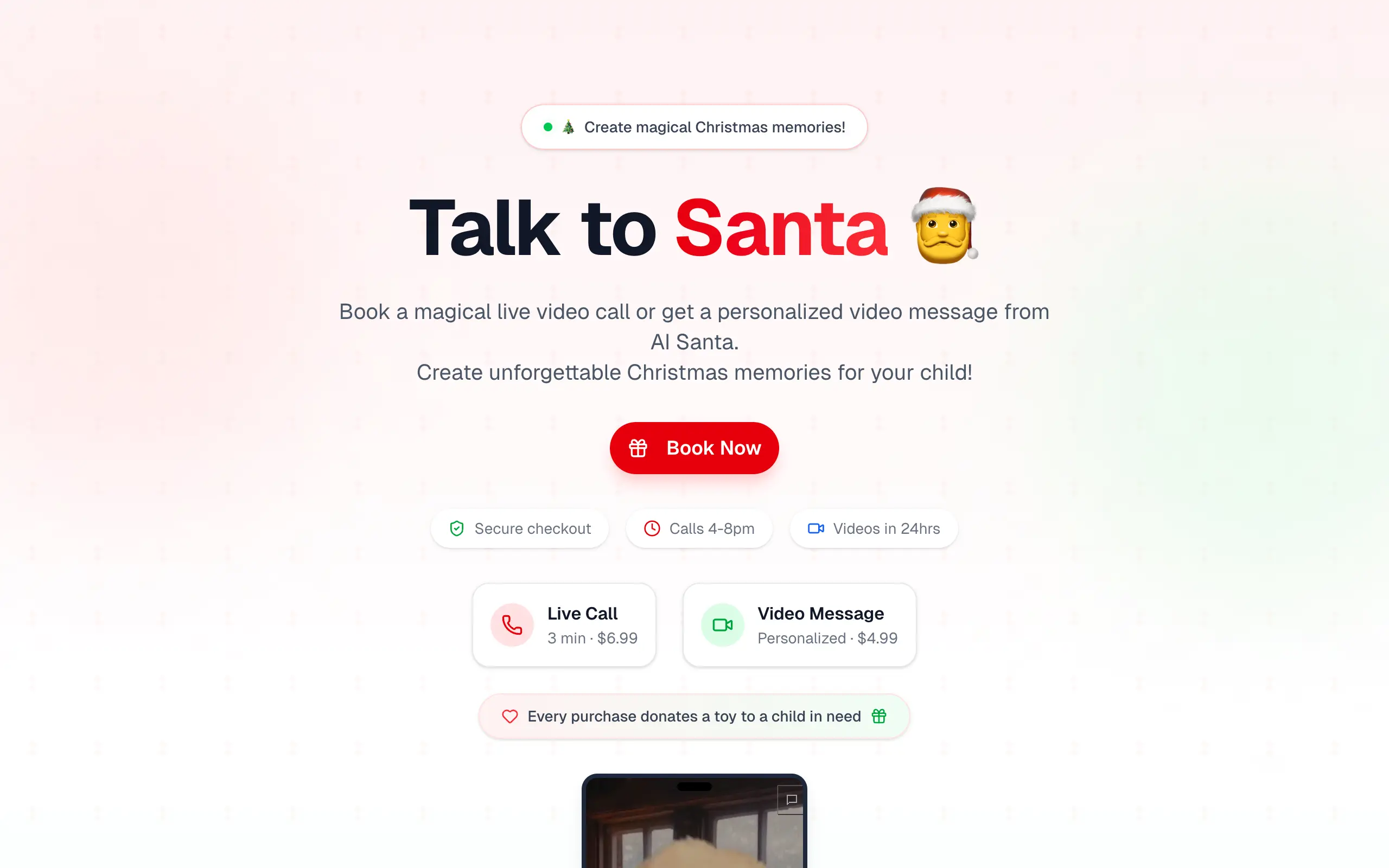
Talk to Santa
Enjoy a magical live video chat or receive a unique AI-generated video greeting from Santa Claus 🎅

pozywka.pl
Scalable blog for food journalist, focused on performance and user experience 🌭
zagrodzki.me
Personal blog and portfolio of Bart Zagrodzki, where he shares his knowledge and work 💼
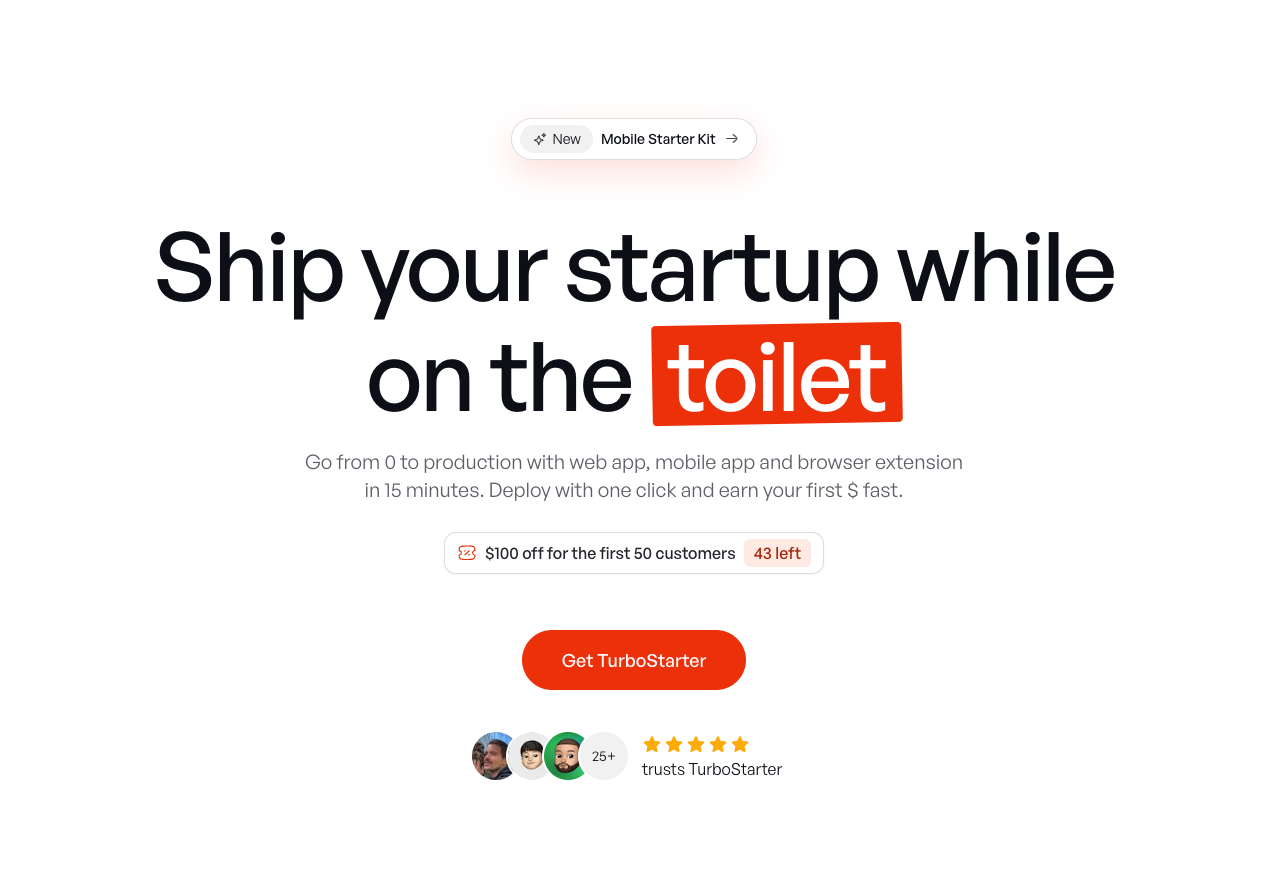
TurboStarter
Ship your startup everywhere. In minutes.
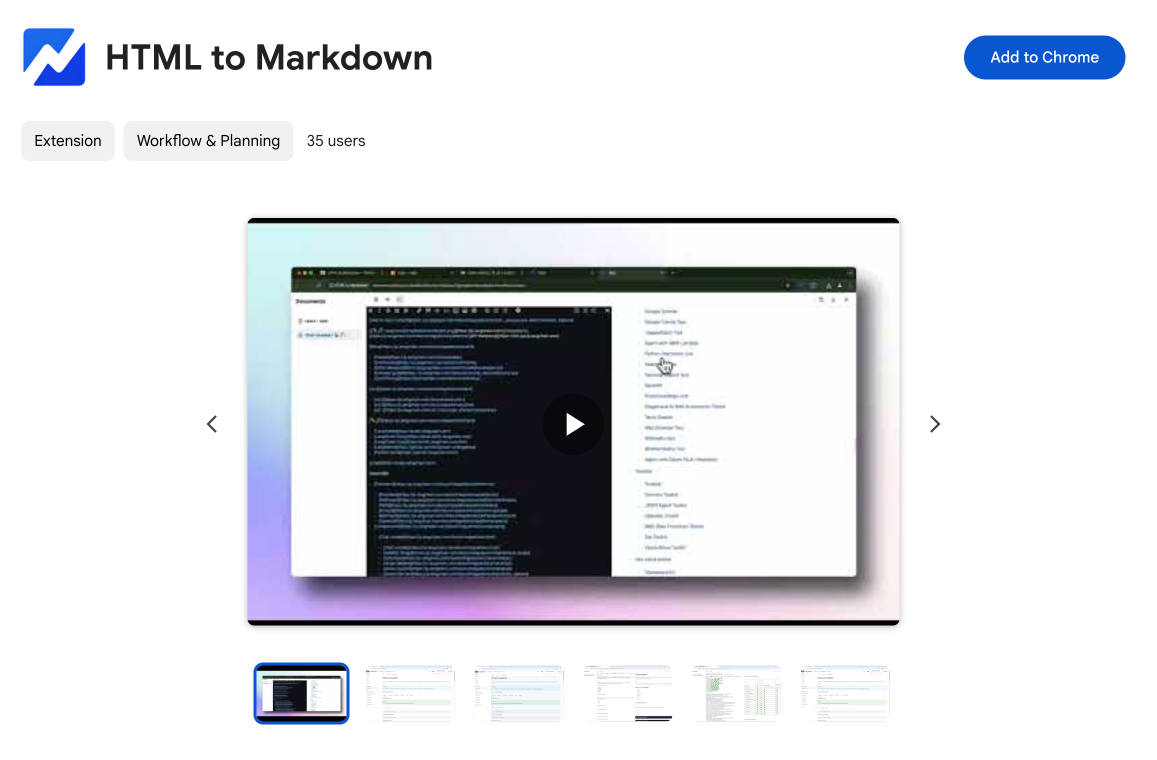
HTML to Markdown
Convert HTML to Markdown with ease, directly in your browser 📄
Dotallio
Personalized AI apps that automate research, data extraction, and content creation without code 🤖
Talk to Santa
Enjoy a magical live video chat or receive a unique AI-generated video greeting from Santa Claus 🎅
pozywka.pl
Scalable blog for food journalist, focused on performance and user experience 🌭
zagrodzki.me
Personal blog and portfolio of Bart Zagrodzki, where he shares his knowledge and work 💼
TurboStarter
Ship your startup everywhere. In minutes.
HTML to Markdown
Convert HTML to Markdown with ease, directly in your browser 📄
Dotallio
Personalized AI apps that automate research, data extraction, and content creation without code 🤖
Talk to Santa
Enjoy a magical live video chat or receive a unique AI-generated video greeting from Santa Claus 🎅
pozywka.pl
Scalable blog for food journalist, focused on performance and user experience 🌭
zagrodzki.me
Personal blog and portfolio of Bart Zagrodzki, where he shares his knowledge and work 💼
TurboStarter
Ship your startup everywhere. In minutes.
HTML to Markdown
Convert HTML to Markdown with ease, directly in your browser 📄
Dotallio
Personalized AI apps that automate research, data extraction, and content creation without code 🤖
Talk to Santa
Enjoy a magical live video chat or receive a unique AI-generated video greeting from Santa Claus 🎅
pozywka.pl
Scalable blog for food journalist, focused on performance and user experience 🌭
zagrodzki.me
Personal blog and portfolio of Bart Zagrodzki, where he shares his knowledge and work 💼
TurboStarter
Ship your startup everywhere. In minutes.
HTML to Markdown
Convert HTML to Markdown with ease, directly in your browser 📄
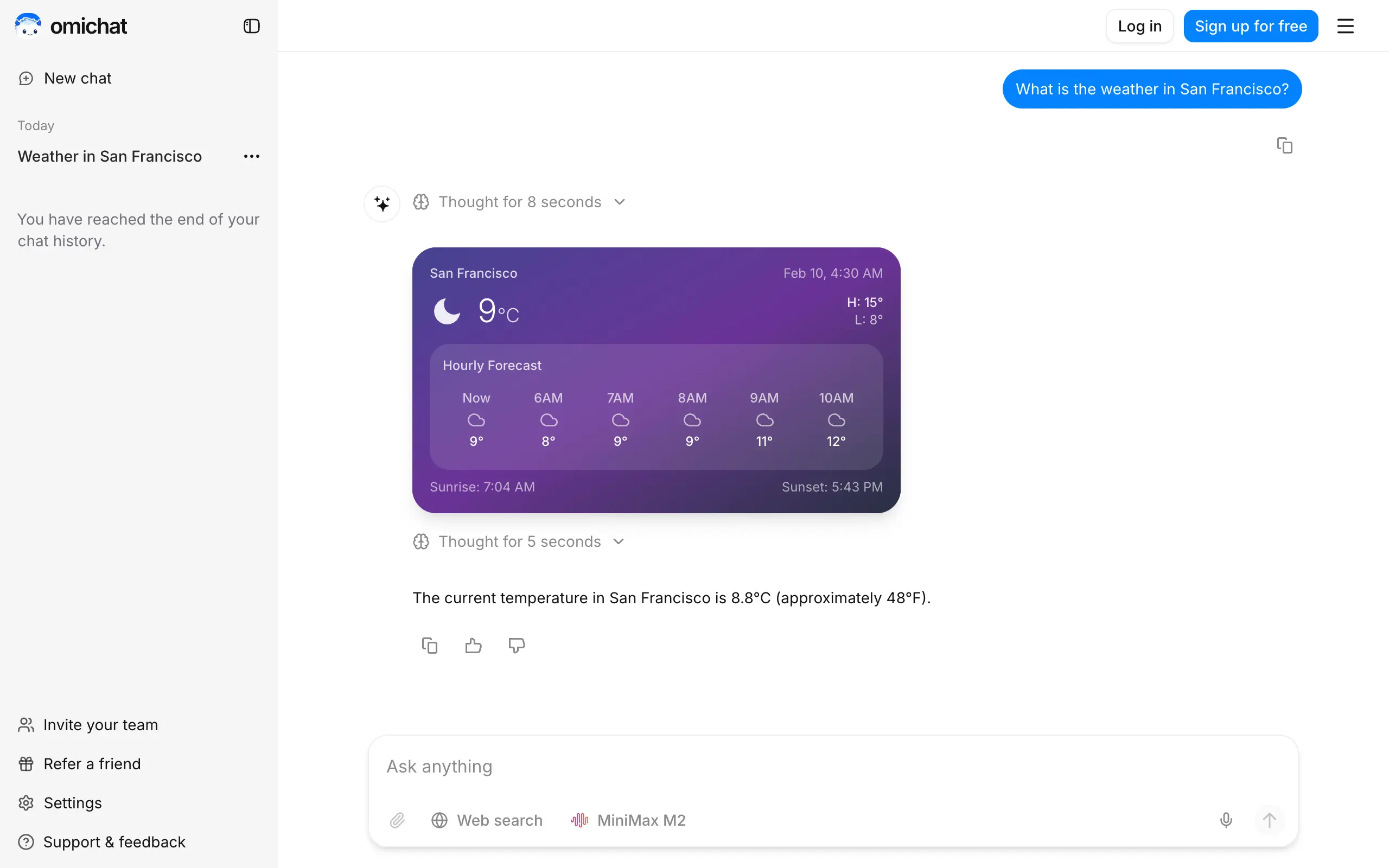
Omichat
Chat with 50+ AI models, including ChatGPT and Claude, in one place - switch models anytime without losing context 🤖
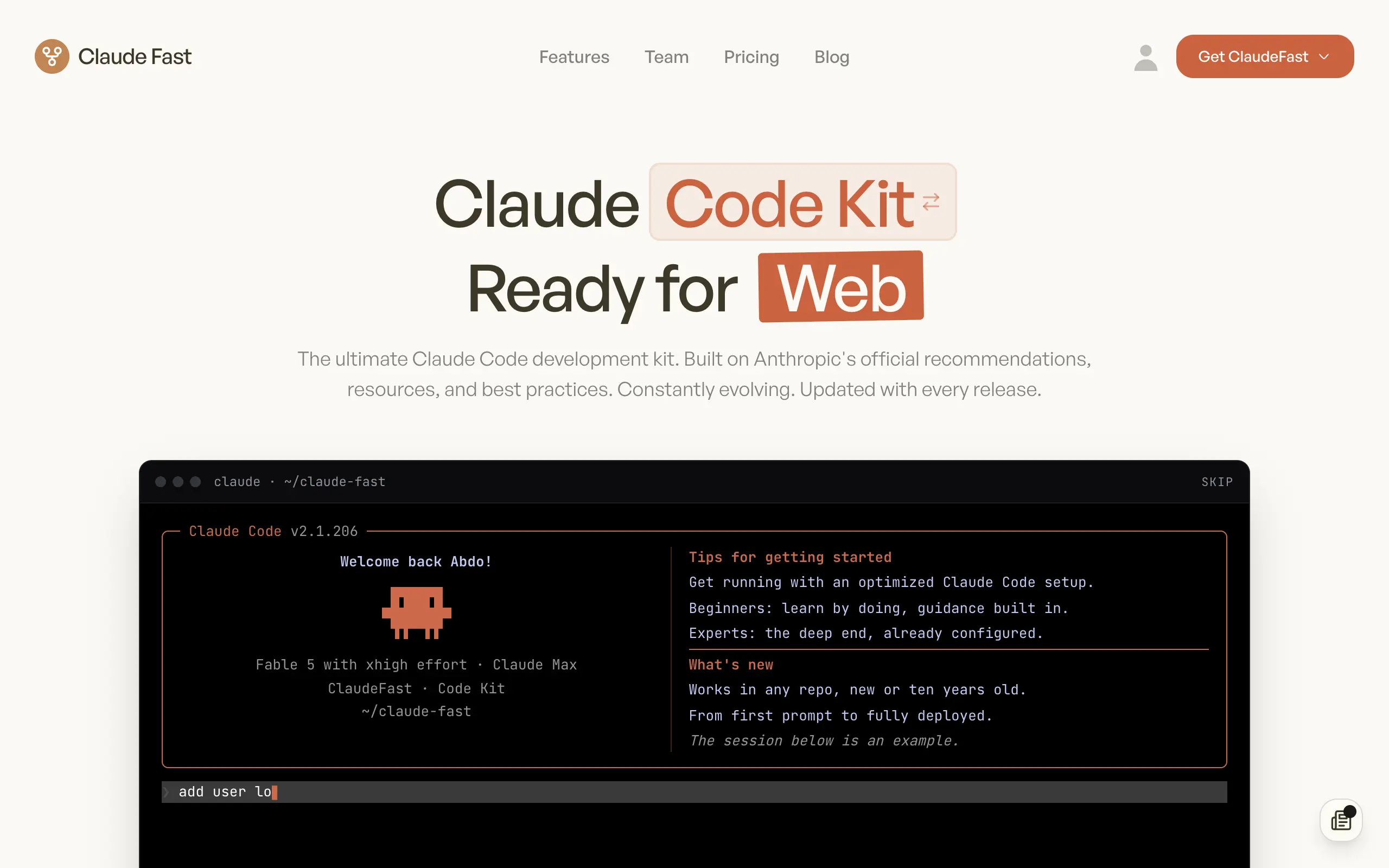
Claude Fast
Supercharge your Claude Code with 6x effective context window and specialized AI agents 🤖
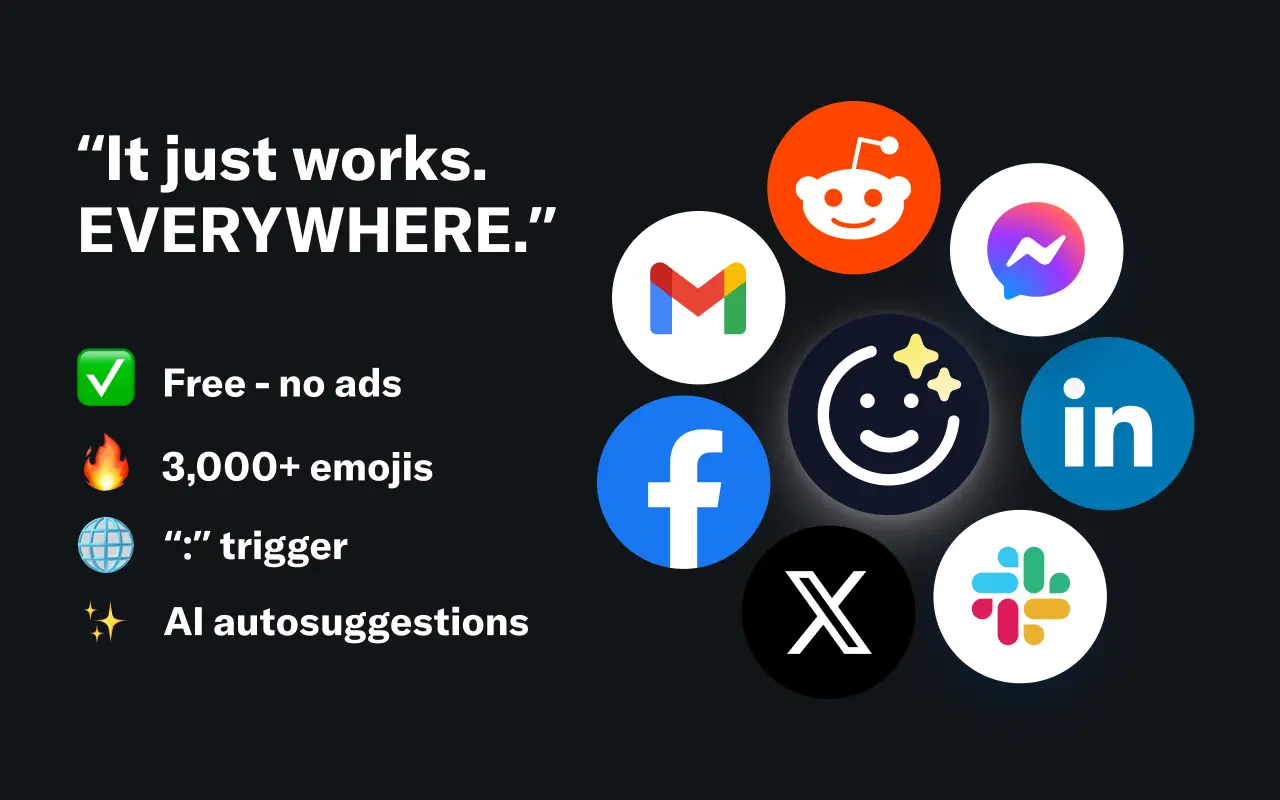
EmojAI
AI-powered emoji picker with smart, context-aware suggestions 🤖
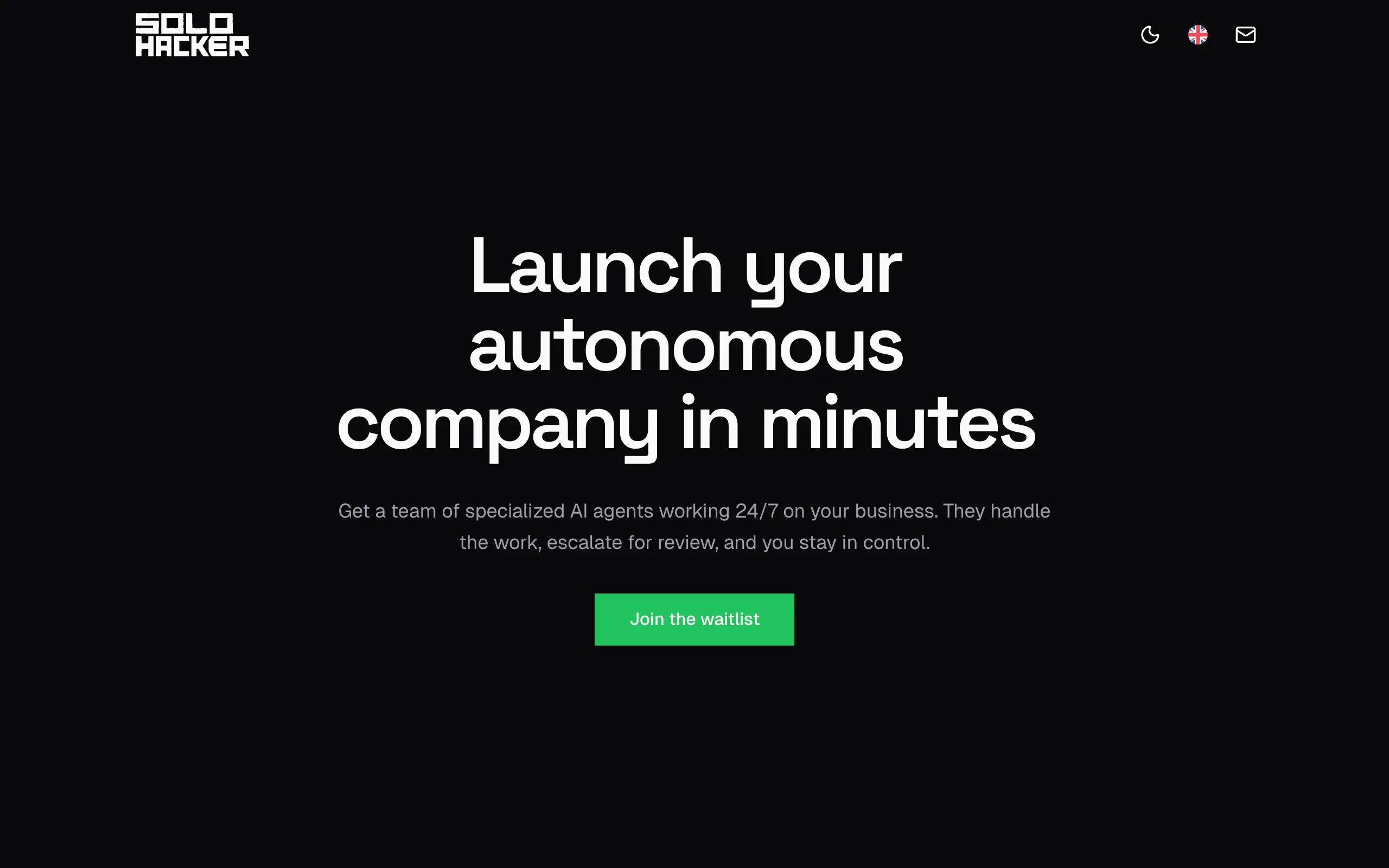
Solohacker
Autonomous company launcher - AI agents work 24/7, escalate what matters, and you stay in control 🤖
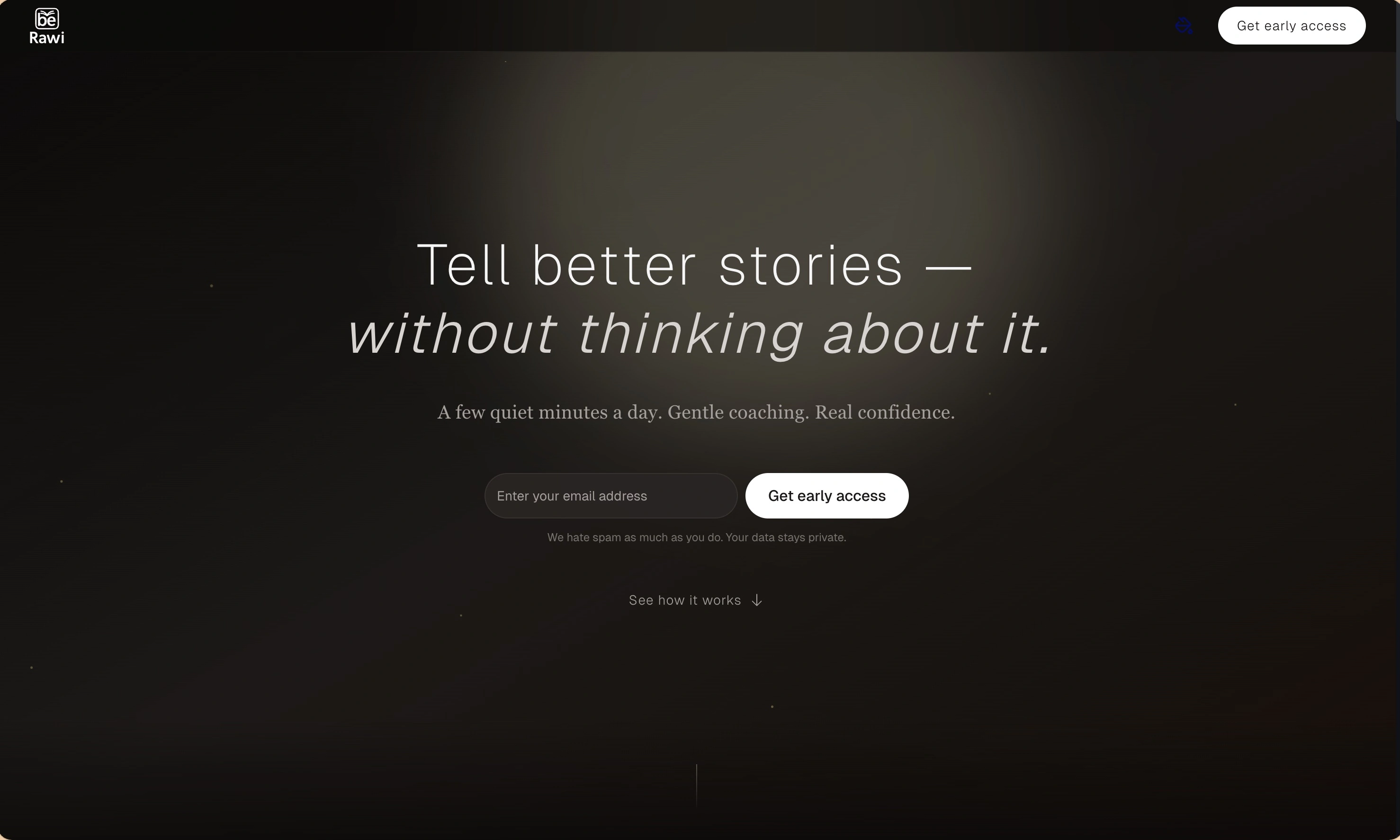
BeRawi: Storytelling Coach
Practice storytelling daily with instant feedback to sound clearer, more engaging, and confident 🎤
Omichat
Chat with 50+ AI models, including ChatGPT and Claude, in one place - switch models anytime without losing context 🤖
Claude Fast
Supercharge your Claude Code with 6x effective context window and specialized AI agents 🤖
EmojAI
AI-powered emoji picker with smart, context-aware suggestions 🤖
Solohacker
Autonomous company launcher - AI agents work 24/7, escalate what matters, and you stay in control 🤖
BeRawi: Storytelling Coach
Practice storytelling daily with instant feedback to sound clearer, more engaging, and confident 🎤
Omichat
Chat with 50+ AI models, including ChatGPT and Claude, in one place - switch models anytime without losing context 🤖
Claude Fast
Supercharge your Claude Code with 6x effective context window and specialized AI agents 🤖
EmojAI
AI-powered emoji picker with smart, context-aware suggestions 🤖
Solohacker
Autonomous company launcher - AI agents work 24/7, escalate what matters, and you stay in control 🤖
BeRawi: Storytelling Coach
Practice storytelling daily with instant feedback to sound clearer, more engaging, and confident 🎤
Omichat
Chat with 50+ AI models, including ChatGPT and Claude, in one place - switch models anytime without losing context 🤖
Claude Fast
Supercharge your Claude Code with 6x effective context window and specialized AI agents 🤖
EmojAI
AI-powered emoji picker with smart, context-aware suggestions 🤖
Solohacker
Autonomous company launcher - AI agents work 24/7, escalate what matters, and you stay in control 🤖
BeRawi: Storytelling Coach
Practice storytelling daily with instant feedback to sound clearer, more engaging, and confident 🎤

Connect with like-minded people
Join our community to get feedback, support, and grow together with 1,000+ builders on board, let's ship it!
Join usShip your startup everywhere. In minutes.
Don't burn tokens on setup and start building features on day one.