HomeFlow
A shared AI household planner that organizes groceries, chores, expenses, family schedules, and refill reminders from one simple chat.
What an AI household planner like HomeFlow solves
Modern households run on fragmented systems. One person keeps a grocery list in a notes app, another tracks school events in a calendar, receipts sit in email inboxes, and recurring chores live in memory until someone forgets them. The result is not simply disorganization. It is a constant stream of small, invisible coordination tasks that create stress, missed purchases, duplicated spending, and household friction.
HomeFlow is an AI household planner designed to centralize those jobs through a simple shared chat. A household member can say, “We are out of dishwasher tablets,” “Add Maya’s dentist appointment next Tuesday,” or “Split the electricity bill,” and the system turns that natural-language request into an organized action.
The core promise is compelling because it meets people where they already are. Instead of requiring users to learn separate workflows for groceries, schedules, chores, budgets, and replenishment, HomeFlow makes household management conversational, collaborative, and proactive.
This is more than a family organizer app. It is a shared household operating system that reduces the mental load associated with running a home.
The central product insight
The best household planner is not the one with the most tabs. It is the one that reliably captures a task in the few seconds when a household member remembers it.
Why the AI household planner market has room for HomeFlow
The household management market is crowded with individual point solutions. Families can choose grocery list apps, shared calendars, chore trackers, budgeting tools, meal planners, and smart-home platforms. Yet the category remains fragmented because most products optimize one workflow rather than the coordination layer between them.
That gap creates an opportunity for an AI-powered family organizer that can understand context across household activities.
For example, a traditional app may let someone add “buy dog food” to a list. A stronger AI household planner can recognize the item, connect it to prior purchase intervals, ask whether the usual brand is still preferred, notify the person who typically shops, and surface a reminder before the household runs out.
The product category is especially timely for several reasons.
- Conversational interfaces have become familiar through AI assistants, customer support bots, and voice interfaces.
- Families are increasingly app-fatigued and reluctant to maintain multiple tools manually.
- Remote and hybrid work blur home and work scheduling, increasing the need for visible shared coordination.
- Recurring household costs are under scrutiny, making shared expense visibility more valuable.
- Caregiving households need coordination tools for children, aging parents, pets, medications, appointments, and supplies.
When presenting market-sizing claims to investors or customers, avoid unsupported figures. Instead, cite established research in a traceable format, such as a report title, publisher, year, and page number from organizations like Gartner, Pew Research Center, Statista, or official government statistical agencies. The stronger story is not that every household needs another app. It is that millions of multi-person households need fewer disconnected systems.
Target audience for HomeFlow
HomeFlow should not initially try to serve every type of household equally. Household operations differ significantly based on life stage, number of residents, caregiving responsibilities, and financial structure. A focused initial segment will produce better onboarding, clearer messaging, and more useful AI personalization.
Primary audience: busy couples and young families
The strongest early audience is likely couples and families with children who already feel the pain of shared coordination.
These users often manage:
- School and childcare schedules
- Work calendars and appointments
- Grocery planning and recurring household purchases
- Chores and maintenance tasks
- Shared bills and ad hoc expenses
- Meal planning and household routines
- Communication about pickups, activities, and caregiving
Their primary need is not a better to-do list. They need a trusted shared memory that prevents important details from falling between people.
A useful positioning message could be: “Tell HomeFlow what your household needs. It handles the follow-through.”
Secondary audience: roommates and shared homes
Roommates have a distinct but valuable use case. They need lower-friction coordination around chores, supplies, rent-related expenses, guests, and shared responsibilities.
For this group, transparency matters more than deep family planning. The product should make it easy to answer questions such as:
- Who bought the last shared cleaning supply?
- Whose turn is it to take out the bins?
- Has everyone paid their share of the internet bill?
- Which household items need replacing this week?
A roommate-focused onboarding path can make HomeFlow valuable without requiring users to share highly personal schedule or financial details.
High-value audience: caregivers and multigenerational households
Caregivers experience some of the highest coordination burdens. They may manage medication reminders, medical appointments, transportation, shopping, meal support, home maintenance, and status updates across several family members.
This group needs careful product design. A household management app for caregivers should prioritize permission controls, clear notification settings, accessibility, audit histories, and privacy. It should avoid presenting itself as a medical decision-maker.
Families with children
Need a shared source of truth for activities, meals, supplies, chores, and frequent schedule changes.
Roommates
Need fairness, visibility, and lightweight coordination around costs, chores, and shared household inventory.
Caregiving households
Need dependable reminders, role-based access, and reduced coordination burden across family members.
The core HomeFlow product experience
The defining HomeFlow experience should feel simple. Users should not need to decide whether something belongs in a calendar, task manager, grocery list, expense tracker, or reminder tool. They should be able to state their intent and let the system classify it.
A user might write:
“We need laundry detergent, book the boiler service next month, and remind Alex to pay the water bill.”
HomeFlow should detect three separate actions:
- Add laundry detergent to the shared shopping list.
- Create a future household maintenance task.
- Create an expense reminder assigned to Alex.
The app can then show a brief confirmation that is clear, editable, and non-intrusive.
Conversational capture and intent detection
Natural-language capture is the core interaction model. It should work through typed chat first, with voice input added when the basic experience is reliable.
The AI should identify:
- Intent, such as a task, shopping item, calendar event, expense, reminder, or note
- Entities, including people, dates, stores, amounts, locations, and household items
- Urgency and recurrence
- Assignment and ownership
- Relevant household context
- Confidence level and required follow-up questions
The product must also handle ambiguity gracefully. If someone says, “Add milk for tomorrow,” HomeFlow might ask whether it should add milk to the grocery list or create a reminder to buy milk. If the household has an established behavior pattern, it can make a suggested action while still allowing correction.
Shared groceries and smart refill reminders
A shared grocery list is a familiar entry point, but HomeFlow can differentiate with intelligence rather than merely replicating a checklist.
Useful capabilities include:
- Auto-categorization into produce, pantry, cleaning, pet supplies, and other sections
- Household-specific item aliases such as “the kids’ cereal”
- Quantity and brand preferences
- Refill cadence suggestions based on completed purchases
- Expiry-aware reminders for recurring consumables
- Store-based list sorting
- Assignment for who is shopping
- Duplicate detection when multiple people add the same item
Refill reminders should be suggestions, not unexplained automation. For example, “You usually restock coffee every 18 to 24 days. Add it to this week’s list?” gives the user control and builds trust.
Chore management without the guilt-driven dashboard
Many chore apps fail because they make household work feel like a scorekeeping exercise. HomeFlow should support accountability while minimizing social friction.
An effective chore system includes:
- Recurring schedules for daily, weekly, and seasonal work
- Rotation rules for shared responsibilities
- A simple “done” action from chat or a task view
- Flexible reassignment when routines change
- Gentle reminders based on agreed household preferences
- Completion history for transparency
- Optional workload balancing insights
The product should frame chores as a shared operating rhythm, not a compliance system. A useful insight might say, “Kitchen cleanup has been completed mostly by Jordan this month. Would you like to rotate it next week?” It should not shame users or surface overly detailed household comparisons by default.
Shared expenses and bill awareness
Expense tracking is a meaningful differentiator, but the first version should avoid trying to replace a full personal finance platform. HomeFlow’s role is household coordination.
Core expense workflows include:
- Logging a shared purchase through chat
- Splitting an amount equally, by percentage, or by custom share
- Tracking who paid and who owes
- Recording recurring bills and due dates
- Sending opt-in payment reminders
- Showing a monthly household expense summary
- Exporting expense data in a common format such as CSV
For trust, expense calculations need transparent logic. Users should be able to see the original amount, split method, adjustments, and settlement status. If HomeFlow later integrates with payments, it must be explicit about what information it accesses and what it does not.
Family scheduling and coordination
Calendar coordination is valuable because it connects directly to groceries, chores, transportation, meals, and reminders.
A family scheduling feature should support:
- Shared household events
- Individual visibility preferences
- School activities and appointments
- Pickup and drop-off responsibilities
- Conflict detection
- Event-linked tasks
- Time-zone-aware scheduling for traveling family members
- Calendar integrations with clear permission boundaries
A useful AI workflow could turn “Sam has soccer Thursdays at 5 until June” into a recurring event, a pickup responsibility, and a reminder to pack equipment. That is where an AI family organizer becomes more valuable than a standalone shared calendar.
The HomeFlow feature priority matrix
A common SaaS mistake is building every promising feature before validating the product’s daily habit. For HomeFlow, the MVP should prioritize high-frequency actions and dependable shared visibility.
| Feature area | User value | MVP priority | Why it matters |
|---|---|---|---|
| Shared AI chat | Very high | Essential | Creates the low-friction capture habit that powers the whole product. |
| Groceries and reminders | Very high | Essential | Frequent, intuitive use cases provide fast user value. |
| Chores and assignments | High | Essential | Turns household intentions into visible shared responsibility. |
| Expense splitting | High | Phase two | Useful retention feature but requires especially clear trust and calculation rules. |
| Deep smart-home integrations | Variable | Later | Add only after validating a repeatable core household workflow. |
Building trustworthy AI for household management
The AI in HomeFlow should feel helpful, predictable, and controllable. Household data is personal. It can include children’s schedules, locations, spending details, routines, and interpersonal responsibilities. A product that gets the AI interaction wrong will lose user trust quickly.
Use AI for interpretation, not unchecked authority
The model should translate user language into structured actions, summarize household activity, propose reminders, and surface relevant context. It should not silently make consequential changes.
For high-impact actions, such as inviting a new member, deleting expense history, changing household permissions, or sending repeated notifications, require confirmation.
A robust interaction pattern is:
- The user sends a natural-language message.
- HomeFlow extracts structured intent.
- The application displays the proposed result.
- The user can confirm, edit, or undo it.
- The system stores both the action and the underlying structured data.
This design reduces the cost of AI errors and makes the app easier to debug.
Build an explicit household memory model
A common mistake is treating chat history as the product database. It is not reliable enough for long-term household operations.
HomeFlow should maintain a structured household memory model with entities such as:
- Household members and roles
- Items, brands, quantities, and categories
- Tasks, routines, and assignments
- Events, dates, and participation
- Expenses, splits, and settlement status
- Preferences for reminders and notifications
- Consent and privacy settings
The language model can reference this structured context, but the application database should remain the source of truth.
type HouseholdAction = {
  kind: "grocery_item" | "task" | "event" | "expense" | "reminder";
  title: string;
  householdId: string;
  assignedMemberIds?: string[];
  dueAt?: string;
  recurrence?: "daily" | "weekly" | "monthly" | "custom";
  confidence: number;
  requiresConfirmation: boolean;
};
This approach makes it easier to support audit logs, user corrections, analytics, notifications, and future integrations.
Privacy, safety, and permissions are product features
HomeFlow should adopt privacy-by-design principles from the first release.
Key safeguards include:
- Separate household membership from individual account identity
- Role-based permissions for adults, teenagers, guests, and caregivers
- Clear controls for what each member can view
- A visible history of changes to shared plans and expenses
- Account export and deletion flows
- Encryption in transit and at rest
- Minimal data retention for AI processing where possible
- Clear disclosures about whether conversation content is used to improve models
For users in regulated regions, get qualified legal guidance on privacy obligations such as the GDPR, UK GDPR, CCPA, and CPRA. The product should never imply legal, financial, or medical compliance without a verified basis.
Avoid an over-automated first release
Auto-adding groceries can be convenient. Automatically messaging a partner, changing a calendar, or interpreting financial obligations without confirmation can create real household conflict. Start with suggestions and user control.
Recommended tech stack for an AI household planner
HomeFlow needs a stack that supports fast iteration, secure multi-tenant data, real-time collaboration, reliable background jobs, and structured AI outputs. The exact stack can vary, but the architecture should separate the user interface, application logic, durable data, asynchronous work, and AI orchestration.
Frontend and product experience
A web-first responsive product is a practical starting point. It gives users broad access, enables quick iteration, and supports installation as a progressive web app if desired.
Recommended options include:
- Next.js for the web application, server rendering, routing, and API capabilities
- React for reusable interactive UI components
- TypeScript for safer shared types across the application
- Tailwind CSS for rapid, consistent interface development
- React Native later if native mobile push, widgets, and offline workflows become central to retention
The trade-off is straightforward. A responsive web app lowers initial complexity, while native mobile applications can create a more seamless notification and voice-capture experience. Validate daily engagement before committing to fully separate mobile codebases.
Backend, database, and real-time updates
A relational database is well suited to household coordination because entities have important relationships. An expense belongs to a household, may have multiple participants, can generate settlement records, and might connect to reminders or attachments.
A sensible foundation includes:
- PostgreSQL for durable relational data
- Prisma for type-safe database access and schema management
- Supabase as an alternative managed platform for authentication, PostgreSQL, storage, and real-time features
- Redis for rate limiting, caching, queues, and short-lived state where needed
- Stripe for subscription billing and customer payment management
For a small team, Supabase can shorten time to market. For a product with specialized infrastructure needs, a dedicated PostgreSQL deployment and custom authentication architecture may offer more control. Neither decision is permanent, but data access patterns and tenant isolation should be designed carefully from day one.
AI orchestration and background jobs
AI actions should run through a controlled service layer rather than allowing the model to call arbitrary application functions.
The application should:
- Define approved tool schemas for each action type
- Validate model outputs against strict structured schemas
- Log action proposals and results
- Apply permission checks before execution
- Queue slow work such as reminders, summaries, and calendar syncs
- Retry transient failures safely
- Monitor token cost, latency, and error rates
A background job system is essential for recurring chores, refill prediction, notifications, and integrations. Do not run these tasks only when a user opens the app. Reliability is part of the product value.
Monetization strategy for HomeFlow
The best pricing model should align with household value rather than charging separately for every person. HomeFlow becomes more useful as a household adds members, so restrictive per-seat pricing can weaken adoption.
Freemium household subscription
A freemium model is likely the strongest starting point.
A free tier can include:
- One household
- A limited number of members
- Shared grocery lists
- Basic chores and reminders
- A capped number of AI actions each month
A paid household plan can include:
- More members or multiple household spaces
- Unlimited or higher AI usage
- Advanced recurring routines
- Expense insights and exports
- Calendar integrations
- Priority support
- Expanded activity history
- Enhanced household roles and permissions
This model gives users enough value to establish a shared habit before they need to pay.
Premium add-ons for distinct needs
Rather than putting every feature in one plan, HomeFlow can test add-ons for high-value segments.
Potential add-ons include:
- Caregiver coordination tools
- Advanced expense reporting
- Additional household spaces for vacation homes or co-parenting arrangements
- AI meal planning and pantry management
- Shared document storage for appliance warranties and household records
Add-ons should solve a clearly differentiated problem. Avoid monetizing basic collaboration too aggressively, because collaboration is the product’s core network effect.
B2B2C and partnership opportunities
Longer term, HomeFlow could explore partnerships with employers, property managers, insurers, family service providers, or retailers. These channels can lower customer acquisition costs, but they introduce longer sales cycles and more complex privacy expectations.
The consumer product must prove retention first. Partnerships should amplify a proven use case, not compensate for weak direct demand.
Competitive advantage analysis
HomeFlow will compete indirectly with calendar apps, task managers, grocery list tools, expense splitters, digital family organizers, and general AI assistants. Winning does not require replacing all of them on day one. It requires owning the cross-category coordination layer.
HomeFlow’s defensible advantage
The unique selling proposition is shared household intelligence through one conversational interface.
Its advantage comes from combining several elements:
- Unified capture — users describe a need once instead of opening the correct app first.
- Shared context — the AI understands household members, routines, preferences, and ownership.
- Structured execution — messages become real tasks, events, list items, or expenses.
- Proactive coordination — the system can suggest refills, flag upcoming conflicts, and surface incomplete household work.
- Trust-centered controls — users see, edit, approve, and undo meaningful actions.
- Household-specific memory — value increases as the system learns routines without requiring burdensome manual setup.
A generic AI chatbot can answer, “How do I organize chores?” HomeFlow can know who usually handles the bins, when collection day occurs, whether the task was completed, and whether a reminder is appropriate. That operational context is difficult to replicate with a one-off conversation.
Avoid competing on “AI” alone
AI features are increasingly easy for competitors to announce. The defensible layer is not the chat box. It is the reliable system underneath it.
That system includes:
- Household data models
- Permission architecture
- Notification logic
- Integrations
- High-quality action extraction
- User correction loops
- Routine and preference history
- Product trust earned through dependable behavior
The strongest product message should lead with reduced mental load and smoother coordination. AI is the mechanism, not the entire benefit.
Risks and how to mitigate them
Every household SaaS product faces execution risks. Naming them early improves product strategy and investor credibility.
Household apps can become “set up once, forget later” products. Mitigate this by focusing on frequent workflows such as grocery capture, reminders, and daily schedules. Measure time to first shared action, weekly active households, completed actions, and multi-member participation rather than downloads alone.
Use structured outputs, confidence thresholds, confirmation flows, and clear undo controls. Start with assistive recommendations before introducing autonomous workflows. Review common correction patterns to improve intent extraction.
Design onboarding so every member receives a clear reason to participate. Make it effortless to complete tasks, add items, and acknowledge reminders. Avoid requiring one person to manually maintain all household information.
Collect only what the product needs, provide transparent privacy controls, enforce roles and permissions, and make data export and deletion straightforward. Conduct security reviews before adding financial, location, or caregiving features.
Keep the initial scope centered on capture, organization, shared visibility, and follow-through. Integrate with existing calendars and payment tools before attempting to rebuild every specialized category.
Metrics that validate HomeFlow’s product-market fit
A household management SaaS should measure collaborative outcomes, not only individual activity. The ideal signal is that several household members rely on HomeFlow to coordinate real-world actions.
Track metrics such as:
- Activation rate for households that add at least two members
- Time from signup to first completed shared action
- Weekly active households instead of only weekly active users
- Percentage of households with two or more active members
- Number of chat messages successfully converted into structured actions
- Action completion rate for chores, reminders, and shopping items
- Reminder dismissal, completion, and snooze rates
- AI correction rate by action type
- Free-to-paid household conversion rate
- Monthly household retention and churn reasons
- Customer support issues involving incorrect AI behavior or privacy concerns
Qualitative research matters just as much. Interview active households and churned households separately. Ask what they used before HomeFlow, what coordination issue it replaced, which member finds it most useful, and when the product failed them. Household workflows are emotional and situational, so direct user stories often reveal more than aggregate dashboards.
An actionable HomeFlow implementation roadmap
A successful launch should focus on a narrow promise: capture household needs naturally, turn them into clear shared actions, and ensure people follow through.
Define the first ideal customer profile. Start with two-adult households or families with young children who already use at least one shared list or calendar.
Conduct 15 to 25 customer discovery interviews. Map real household coordination moments, including forgotten purchases, last-minute schedule conflicts, chore disagreements, and bill reminders.
Build the core household data model before building broad AI capabilities. Include members, permissions, tasks, items, events, reminders, and audit history.
Launch an MVP with shared chat, grocery lists, chores, reminders, household invitations, and confirmation-based AI action creation.
Test the product with a small cohort of real households for several weeks. Watch for repeated use, not only positive initial feedback.
Improve the highest-frequency workflows using actual conversation logs, correction behavior, and support requests. Add calendar and expense features only when the core capture loop is dependable.
Introduce paid plans after users consistently experience shared household value. Price per household and make the upgrade tied to meaningful collaboration benefits.
For founders who want to move quickly, a production-ready SaaS foundation can reduce time spent rebuilding authentication, billing, teams, dashboards, and deployment conventions. TurboStarter can provide a practical starting point so development effort stays focused on HomeFlow’s household intelligence and user experience.
Final perspective on building an AI family organizer
HomeFlow has a strong SaaS opportunity because it addresses a persistent, emotionally relevant problem: the mental burden of keeping a household running. The winning version will not be the most complicated household management platform. It will be the most dependable shared assistant.
The product should make household coordination feel lighter. A user should be able to say what needs attention, trust that HomeFlow understands the request, see exactly what will happen, and know the right people have the context to act.
That combination of conversational simplicity, shared structure, proactive reminders, and privacy-first collaboration gives HomeFlow a clear position in the AI household planner market. Start with the daily moments that households already struggle to coordinate. Earn trust through accuracy and control. Then use the resulting household context to build an assistant that becomes increasingly valuable over time.
More 🤖 AI Startup SaaS ideas
Discover more innovative ai startup SaaS ideas that are trending in 2026. Each idea is AI-generated with market validation and growth potential to help you find your next profitable venture faster than competitors.
Your competitors are building with TurboStarter
Below are some of the SaaS ideas that have been generated and built with our starter kit.
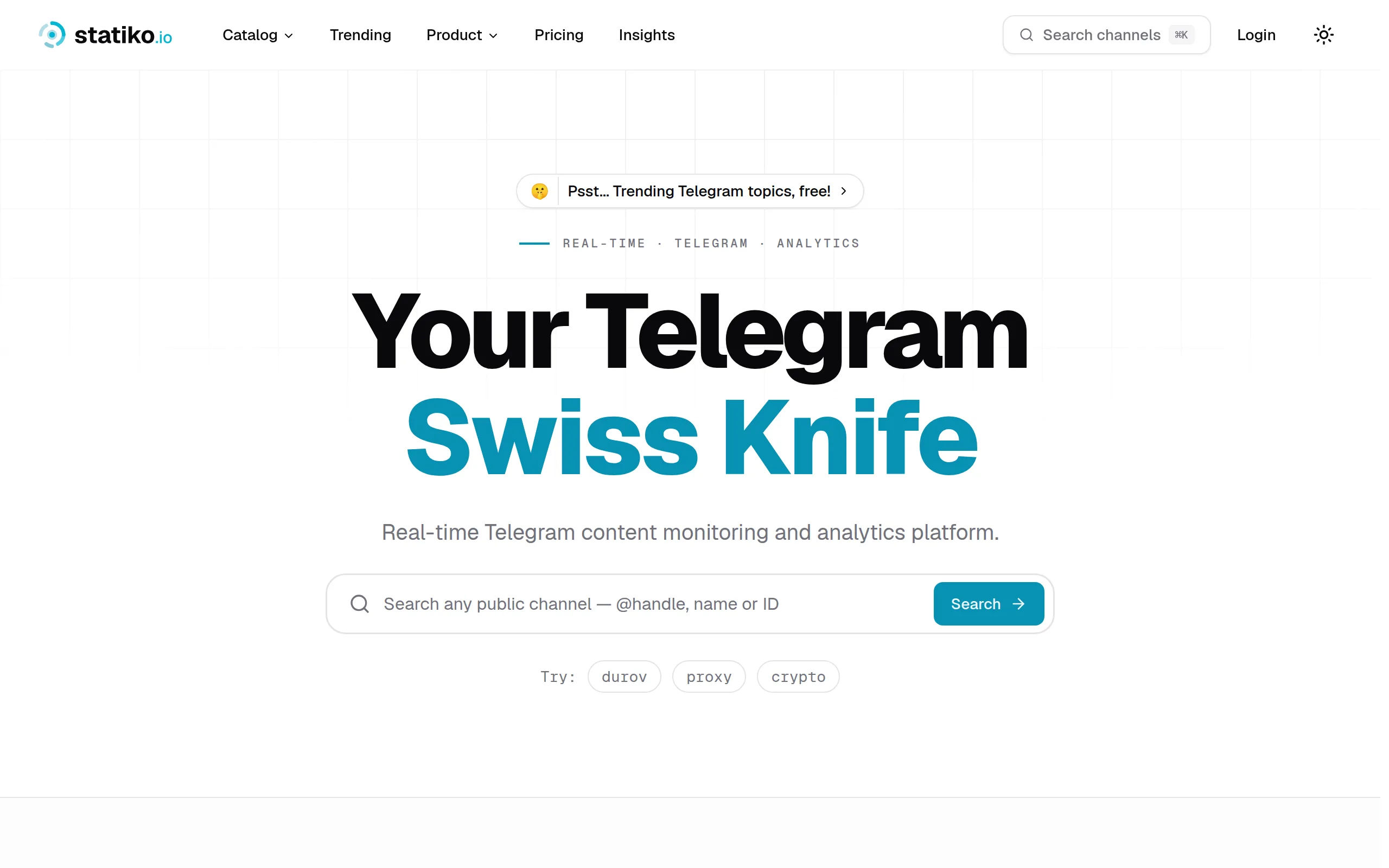
Statiko
Monitor any Telegram channel in real time - track posts, edits, deletions, and growth with AI recaps 📡

Shibui
AI website builder - describe your business, pick a niche template, edit by chatting, and publish instantly ✨

Pro Service
Find verified home service professionals, compare quotes, and pay securely through escrow - built for Brazilians across the US 🏠
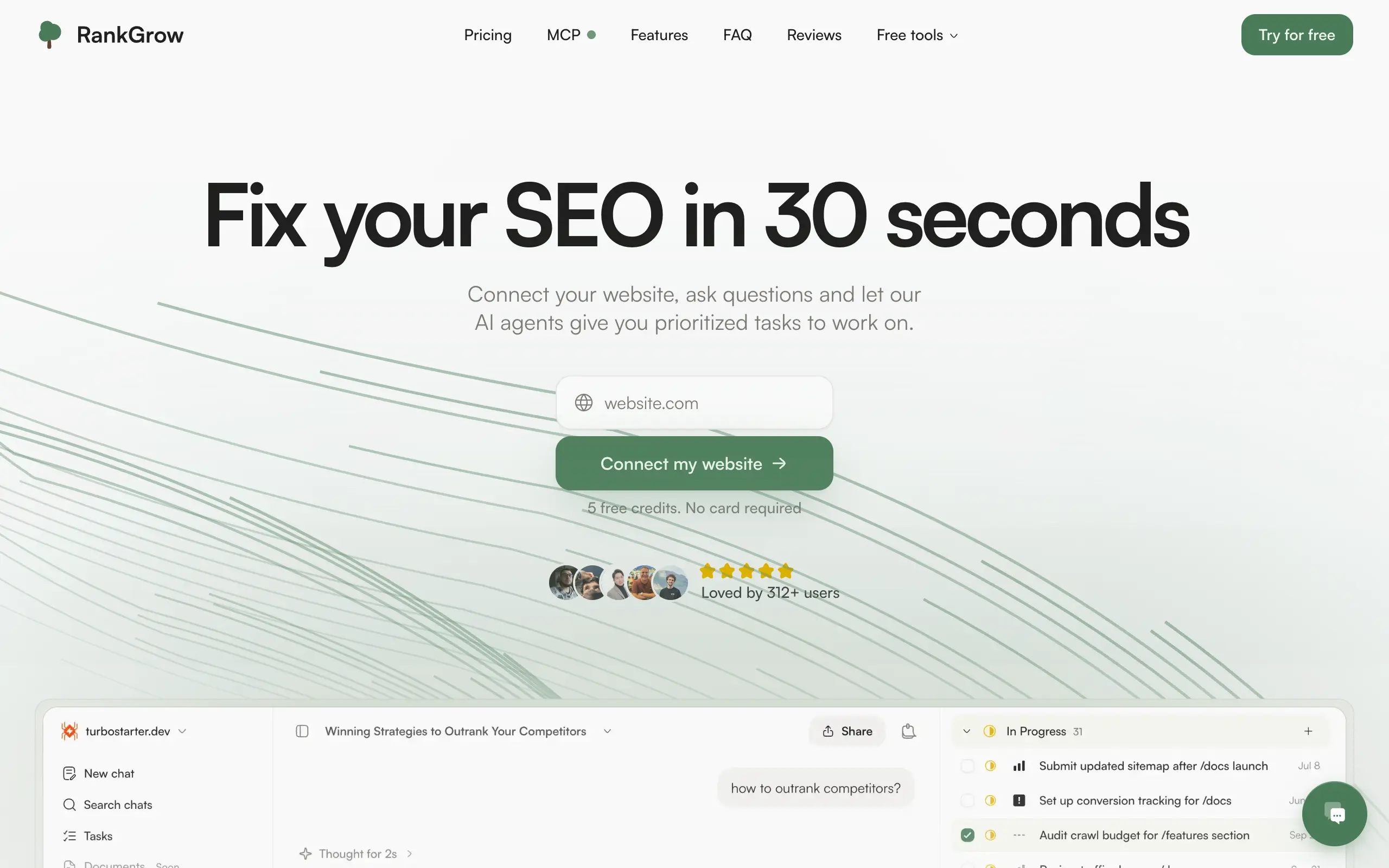
RankGrow
Fix your SEO with AI agents - connect Search Console, get prioritized tasks, and grow organic traffic 📈
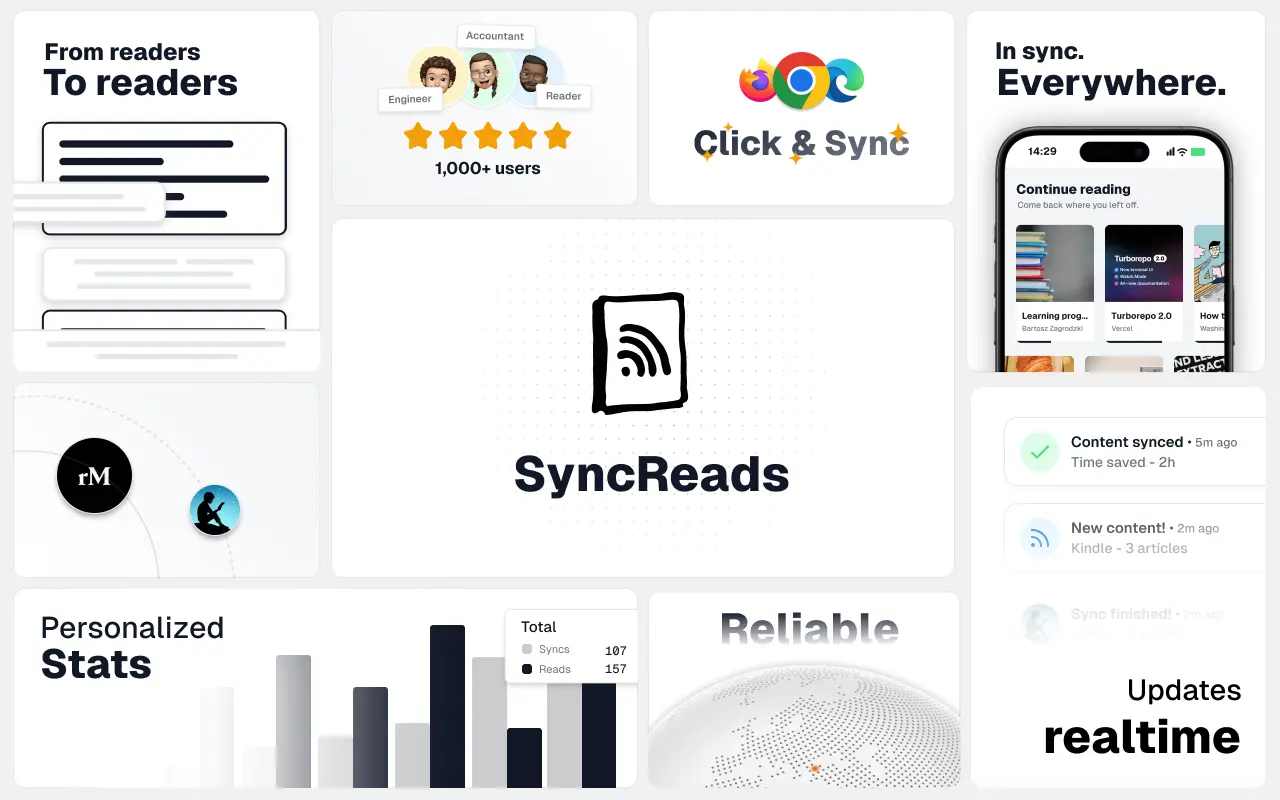
SyncReads
Sync your favorite content for distraction-free reading, save time and replace multiple apps. Anytime, anywhere 🔄

Socialcrawl
Get clean, structured data from 21 platforms like TikTok, Instagram, and YouTube with a single request 📊
Statiko
Monitor any Telegram channel in real time - track posts, edits, deletions, and growth with AI recaps 📡
Shibui
AI website builder - describe your business, pick a niche template, edit by chatting, and publish instantly ✨
Pro Service
Find verified home service professionals, compare quotes, and pay securely through escrow - built for Brazilians across the US 🏠
RankGrow
Fix your SEO with AI agents - connect Search Console, get prioritized tasks, and grow organic traffic 📈
SyncReads
Sync your favorite content for distraction-free reading, save time and replace multiple apps. Anytime, anywhere 🔄
Socialcrawl
Get clean, structured data from 21 platforms like TikTok, Instagram, and YouTube with a single request 📊
Statiko
Monitor any Telegram channel in real time - track posts, edits, deletions, and growth with AI recaps 📡
Shibui
AI website builder - describe your business, pick a niche template, edit by chatting, and publish instantly ✨
Pro Service
Find verified home service professionals, compare quotes, and pay securely through escrow - built for Brazilians across the US 🏠
RankGrow
Fix your SEO with AI agents - connect Search Console, get prioritized tasks, and grow organic traffic 📈
SyncReads
Sync your favorite content for distraction-free reading, save time and replace multiple apps. Anytime, anywhere 🔄
Socialcrawl
Get clean, structured data from 21 platforms like TikTok, Instagram, and YouTube with a single request 📊
Statiko
Monitor any Telegram channel in real time - track posts, edits, deletions, and growth with AI recaps 📡
Shibui
AI website builder - describe your business, pick a niche template, edit by chatting, and publish instantly ✨
Pro Service
Find verified home service professionals, compare quotes, and pay securely through escrow - built for Brazilians across the US 🏠
RankGrow
Fix your SEO with AI agents - connect Search Console, get prioritized tasks, and grow organic traffic 📈
SyncReads
Sync your favorite content for distraction-free reading, save time and replace multiple apps. Anytime, anywhere 🔄
Socialcrawl
Get clean, structured data from 21 platforms like TikTok, Instagram, and YouTube with a single request 📊
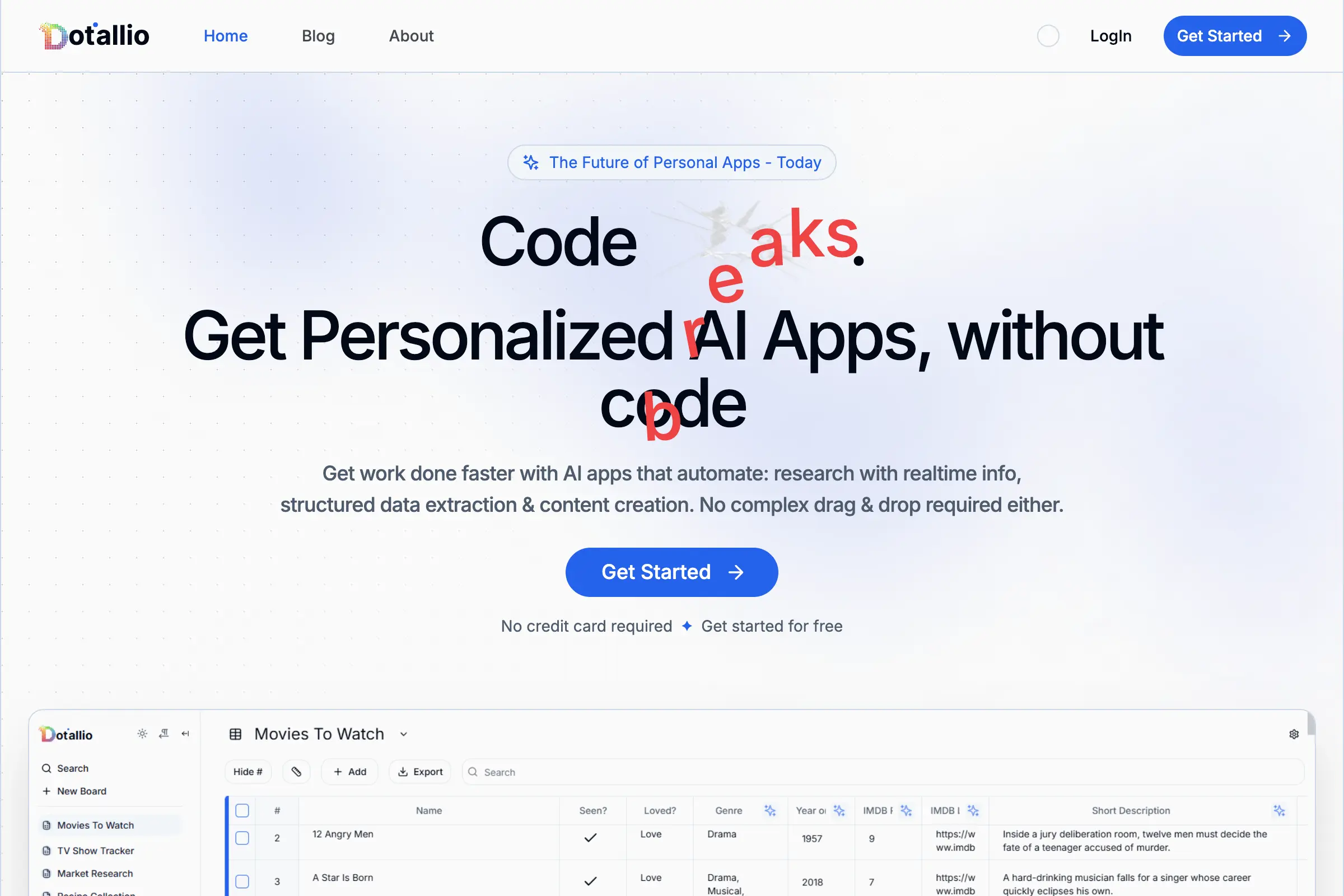
Dotallio
Personalized AI apps that automate research, data extraction, and content creation without code 🤖

Talk to Santa
Enjoy a magical live video chat or receive a unique AI-generated video greeting from Santa Claus 🎅
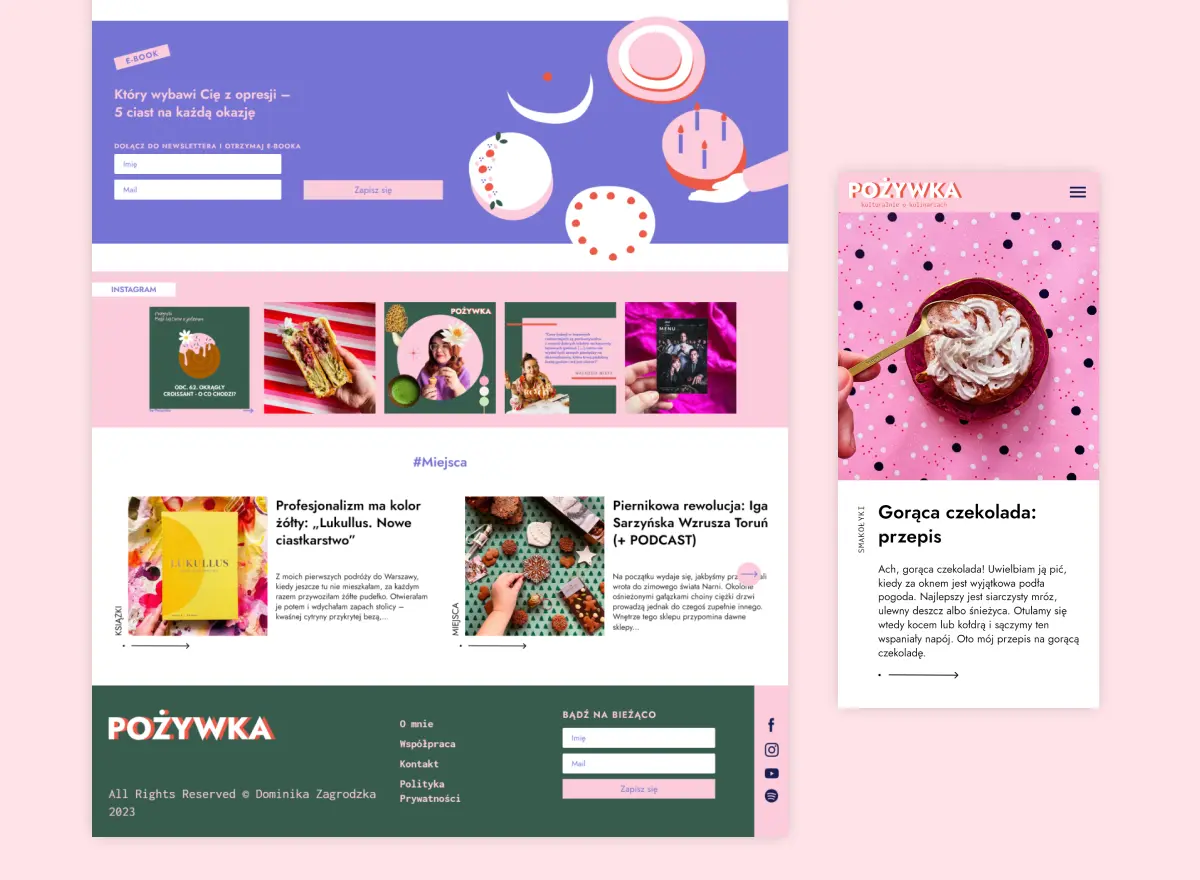
pozywka.pl
Scalable blog for food journalist, focused on performance and user experience 🌭
zagrodzki.me
Personal blog and portfolio of Bart Zagrodzki, where he shares his knowledge and work 💼
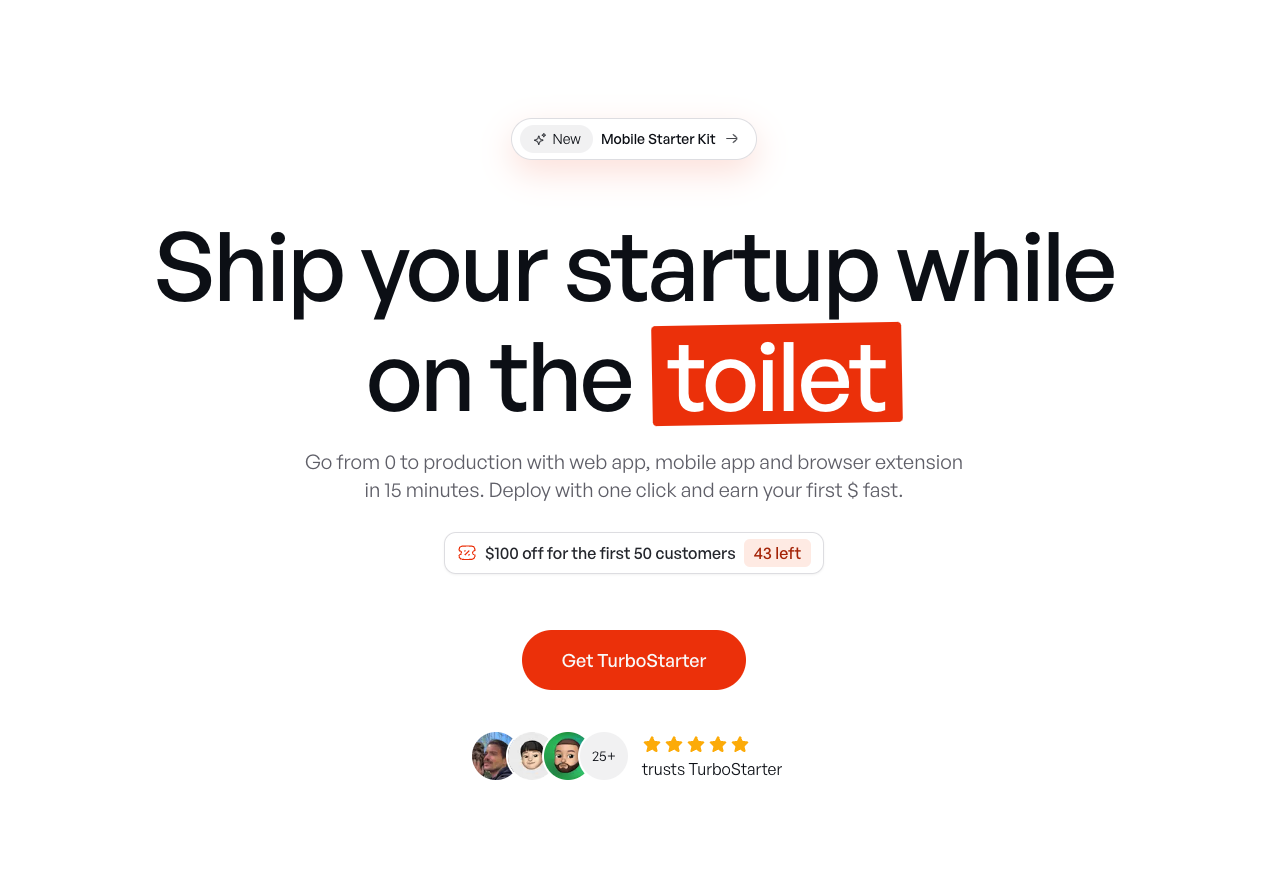
TurboStarter
Ship your startup everywhere. In minutes.
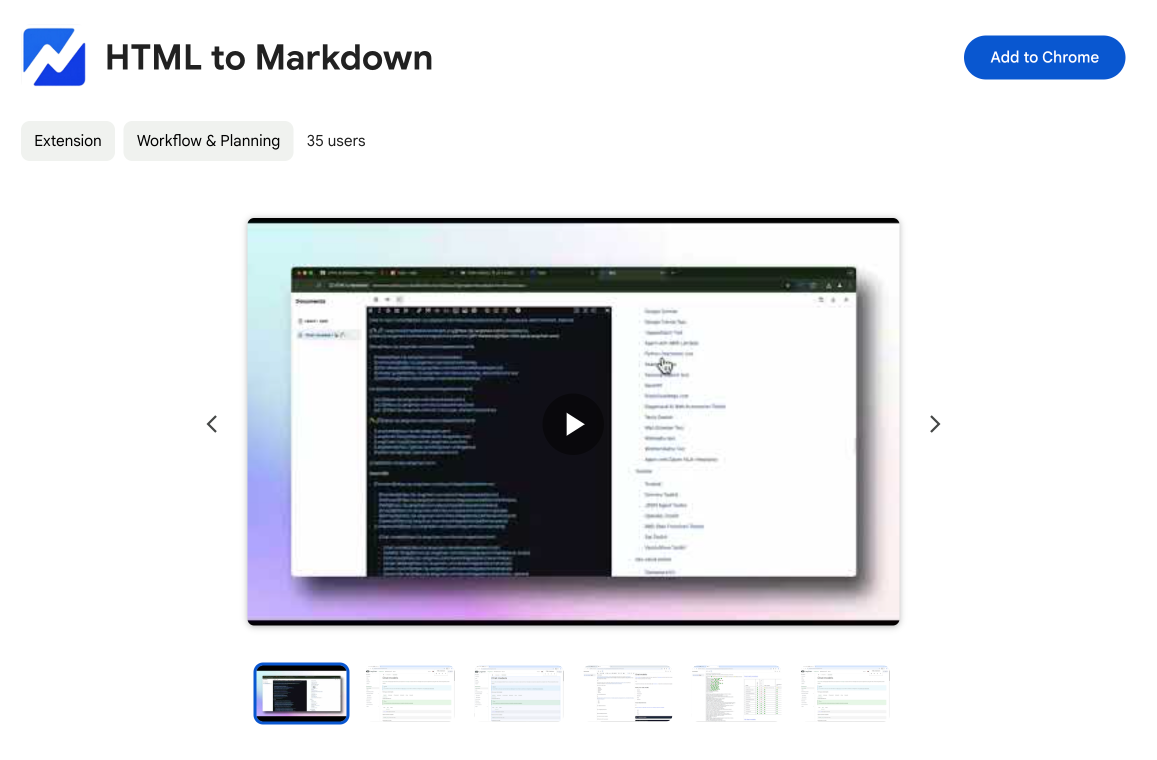
HTML to Markdown
Convert HTML to Markdown with ease, directly in your browser 📄
Dotallio
Personalized AI apps that automate research, data extraction, and content creation without code 🤖
Talk to Santa
Enjoy a magical live video chat or receive a unique AI-generated video greeting from Santa Claus 🎅
pozywka.pl
Scalable blog for food journalist, focused on performance and user experience 🌭
zagrodzki.me
Personal blog and portfolio of Bart Zagrodzki, where he shares his knowledge and work 💼
TurboStarter
Ship your startup everywhere. In minutes.
HTML to Markdown
Convert HTML to Markdown with ease, directly in your browser 📄
Dotallio
Personalized AI apps that automate research, data extraction, and content creation without code 🤖
Talk to Santa
Enjoy a magical live video chat or receive a unique AI-generated video greeting from Santa Claus 🎅
pozywka.pl
Scalable blog for food journalist, focused on performance and user experience 🌭
zagrodzki.me
Personal blog and portfolio of Bart Zagrodzki, where he shares his knowledge and work 💼
TurboStarter
Ship your startup everywhere. In minutes.
HTML to Markdown
Convert HTML to Markdown with ease, directly in your browser 📄
Dotallio
Personalized AI apps that automate research, data extraction, and content creation without code 🤖
Talk to Santa
Enjoy a magical live video chat or receive a unique AI-generated video greeting from Santa Claus 🎅
pozywka.pl
Scalable blog for food journalist, focused on performance and user experience 🌭
zagrodzki.me
Personal blog and portfolio of Bart Zagrodzki, where he shares his knowledge and work 💼
TurboStarter
Ship your startup everywhere. In minutes.
HTML to Markdown
Convert HTML to Markdown with ease, directly in your browser 📄
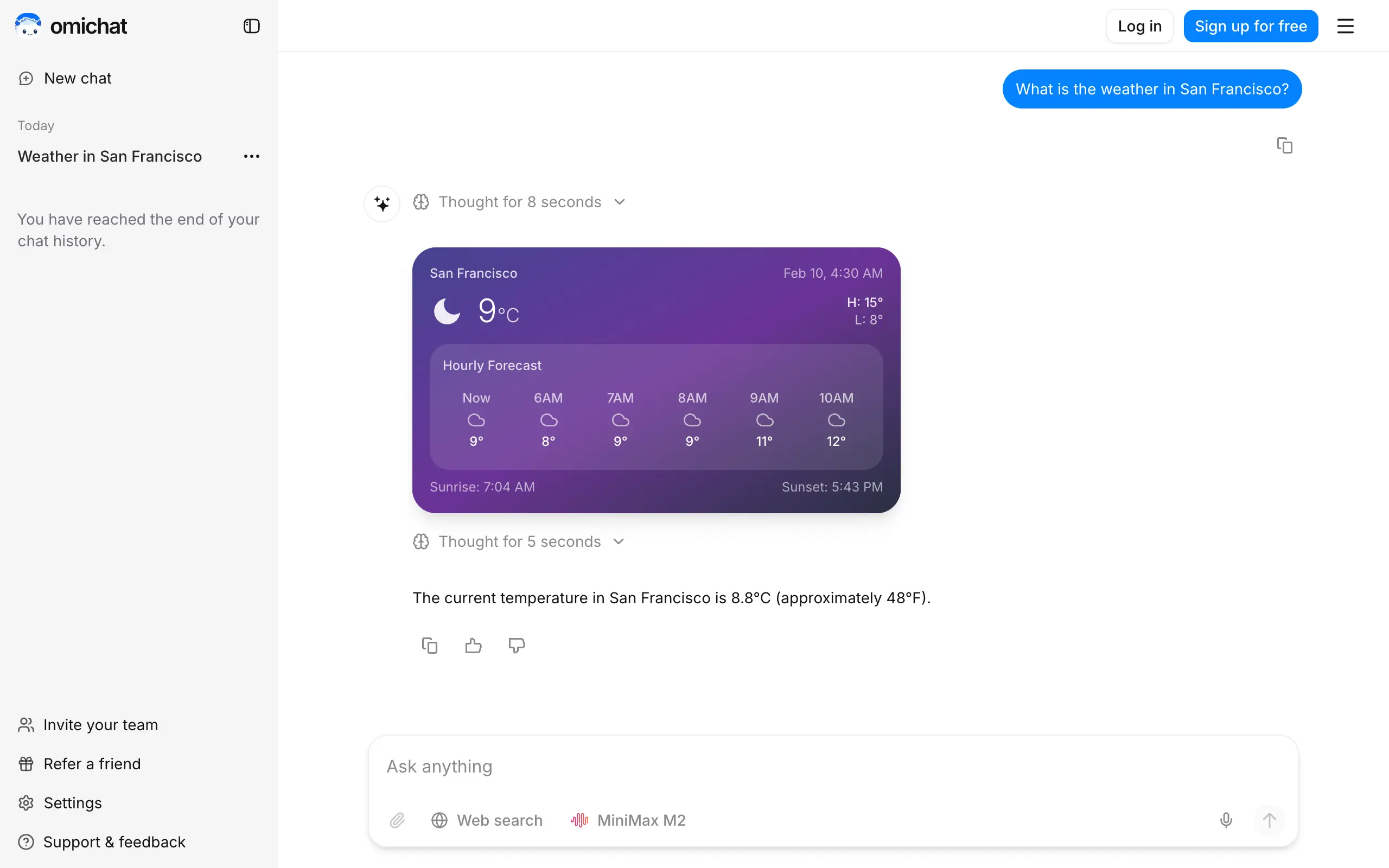
Omichat
Chat with 50+ AI models, including ChatGPT and Claude, in one place - switch models anytime without losing context 🤖
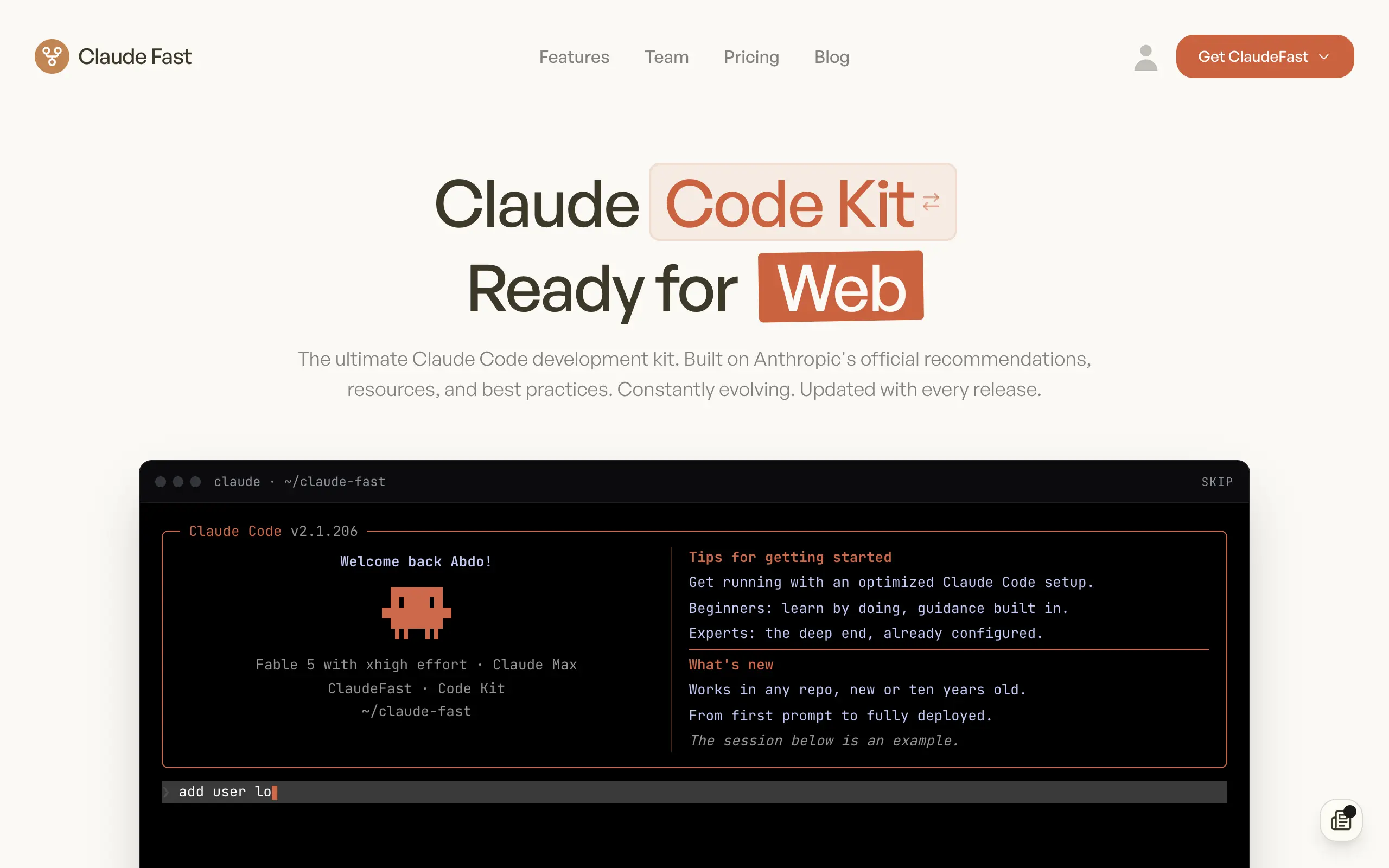
Claude Fast
Supercharge your Claude Code with 6x effective context window and specialized AI agents 🤖
EmojAI
AI-powered emoji picker with smart, context-aware suggestions 🤖
Solohacker
Autonomous company launcher - AI agents work 24/7, escalate what matters, and you stay in control 🤖

BeRawi: Storytelling Coach
Practice storytelling daily with instant feedback to sound clearer, more engaging, and confident 🎤
Omichat
Chat with 50+ AI models, including ChatGPT and Claude, in one place - switch models anytime without losing context 🤖
Claude Fast
Supercharge your Claude Code with 6x effective context window and specialized AI agents 🤖
EmojAI
AI-powered emoji picker with smart, context-aware suggestions 🤖
Solohacker
Autonomous company launcher - AI agents work 24/7, escalate what matters, and you stay in control 🤖
BeRawi: Storytelling Coach
Practice storytelling daily with instant feedback to sound clearer, more engaging, and confident 🎤
Omichat
Chat with 50+ AI models, including ChatGPT and Claude, in one place - switch models anytime without losing context 🤖
Claude Fast
Supercharge your Claude Code with 6x effective context window and specialized AI agents 🤖
EmojAI
AI-powered emoji picker with smart, context-aware suggestions 🤖
Solohacker
Autonomous company launcher - AI agents work 24/7, escalate what matters, and you stay in control 🤖
BeRawi: Storytelling Coach
Practice storytelling daily with instant feedback to sound clearer, more engaging, and confident 🎤
Omichat
Chat with 50+ AI models, including ChatGPT and Claude, in one place - switch models anytime without losing context 🤖
Claude Fast
Supercharge your Claude Code with 6x effective context window and specialized AI agents 🤖
EmojAI
AI-powered emoji picker with smart, context-aware suggestions 🤖
Solohacker
Autonomous company launcher - AI agents work 24/7, escalate what matters, and you stay in control 🤖
BeRawi: Storytelling Coach
Practice storytelling daily with instant feedback to sound clearer, more engaging, and confident 🎤

Connect with like-minded people
Join our community to get feedback, support, and grow together with 1,000+ builders on board, let's ship it!
Join usShip your startup everywhere. In minutes.
Don't burn tokens on setup and start building features on day one.