HospitalFlow Pro
Real-time AI orchestration tool for hospitals to automate patient discharge and referral workflows, minimizing bottlenecks and enhancing care efficiency.
HospitalFlow Pro is a transformative AI SaaS platform designed to address one of healthcare’s most persistent pain points: bottlenecks in patient discharge and referral workflows. By automating and orchestrating these complex processes in real time, HospitalFlow Pro aims to enhance operational efficiency, reduce unnecessary hospital stays, and improve care quality. This comprehensive guide explores every facet of this AI solution, demonstrating deep E-E-A-T as well as offering actionable insights for both healthcare stakeholders and SaaS builders.
Understanding the target audience for HospitalFlow Pro
Before exploring the technical prowess of HospitalFlow Pro, it’s essential to grasp who will benefit most from its capabilities:
- Hospital administrators: Responsible for operational efficiency, patient throughput, and resource allocation.
- Healthcare IT managers: Charged with integrating, maintaining, and securing new digital workflows.
- Clinical staff (physicians, nurses, social workers): Directly involved in patient discharge, referrals, and transitions of care.
- Care coordination teams: Focused on minimizing delays and ensuring post-discharge follow-ups.
- Health system executives: Decision-makers looking to improve KPIs like average length of stay, bed turnaround times, and readmission rates.
Core pain points these roles experience
- Manual and fragmented discharge processes leading to delayed discharges.
- Lack of real-time status tracking across multidisciplinary teams.
- Inefficient referrals where communication breakdowns cause lost follow-ups.
- Difficulty scaling workflows across multiple departments or campuses.
- Challenges meeting regulatory requirements for discharge planning and reporting.
User intent insight
Searchers looking for HospitalFlow Pro are usually seeking ways to automate, streamline, and measure discharge and referral workflows to maximize resource utilization, cut wait times, and boost patient satisfaction scores.
Identifying the market opportunity for AI-powered hospital workflow automation
Massive pressure on hospitals to optimize capacity
Recent health crises and an aging global population have amplified the strain on hospital systems. Industry data suggests:
- Hospital throughput bottlenecks cost U.S. health systems billions annually (see reports by the AHA and CMS for specific figures).
- Average length of stay is a leading operational metric tightly connected to bed availability and overall hospital revenue.
- Ineffective handoff and referral processes are responsible for a substantial percentage of adverse events and readmissions.
Existing solutions and why the gap remains
Many hospitals rely on EHR-embedded tools, legacy case management systems, or ad-hoc spreadsheets/email chains to manage discharge and referrals. Most of these:
- Lack real-time orchestration and cross-departmental visibility.
- Don’t capitalize on AI to dynamically prioritize or predict bottlenecks.
- Offer poor user experience, leading to workarounds and underutilization.
- Are costly to adapt or scale as operational needs evolve.
HospitalFlow Pro directly fills the gap by delivering intelligent automation and real-time coordination—tailored for the unique complexity of hospital care transitions.
In-depth feature breakdown: How HospitalFlow Pro optimizes patient flow
Real-time AI-driven discharge orchestration
- Predictive discharge planning: Leverages AI to forecast discharge readiness based on patient status, treatments, and care plan progress.
- Task automation: Auto-assigns tasks to care team members, sends reminders, and monitors completion in real time.
- Escalation triggers: Identifies potential bottlenecks or delays and alerts the appropriate stakeholders for proactive intervention.
Intelligent referral management
- Automated referral routing: Matches each patient with appropriate post-acute providers (rehab, home care, SNFs) based on insurance, geography, and medical needs.
- End-to-end tracking: Monitors referral completion, scheduling, and acceptance status; reduces risk of patients being lost in transition.
- Secure data exchange: Complies with HIPAA and other regulations while enabling seamless communication with external providers.
Centralized workflow dashboards
- Unified view: Dashboard aggregates task status, discharge bottlenecks, and resource utilization in one place.
- Custom analytics: Drill-down reporting on discharge timeframes, reasons for delays, and process compliance.
Integration capabilities
- EHR interoperability: Connects to major EHRs (e.g., Epic, Cerner, MEDITECH) via FHIR and HL7 standards.
- Third-party APIs: Flexible integrations for pharmacy, rehab, transport, and social services platforms.
Security and compliance
- Role-based access controls: Ensures staff access only the minimum necessary information.
- Audit trails: Every action is logged, supporting transparency and regulatory reviews.
AI-driven discharge planning
Anticipate discharge readiness and automate task assignments with machine learning.
Automated referral management
Seamless routing, tracking, and follow-up for patient referrals.
Integration-ready
EHR interoperability plus secure APIs for related healthcare services.
Actionable analytics
Customizable reports identify bottlenecks and highlight efficiency gains.
Recommended technology stack for building HospitalFlow Pro
The solution's scalability, security, and extensibility are paramount due to the sensitive nature and mission-critical role of hospital operations.
Backend
- Language: Python (with FastAPI) for rapid AI and API development, or Node.js for event-driven extensibility.
- AI/ML: TensorFlow or PyTorch for model training/inference; spaCy for NLP-based EHR data parsing.
- Database: PostgreSQL for transactional data; Redis for fast caching and notification events.
Frontend
- Framework: React for building complex, interactive dashboards.
- Styling: TailwindCSS for rapid, customizable UI.
- State management: Redux or React's built-in context for synchronizing user data.
Integrations
- FHIR and HL7 interfaces: For seamless data exchange with major EHR platforms.
- API gateway: Kong or AWS API Gateway to manage, log, and secure hospital-facing APIs.
Security
- Authentication: SSO via OAuth2 and SAML to align with hospital IT standards.
- Data encryption: Full encryption at rest (AES-256) and TLS 1.2+ in transit.
- Compliance frameworks: HIPAA/HITRUST-aligned systems and penetration testing before deployment.
React offers a robust framework for modular, interactive web apps—a must for complex dashboards. TailwindCSS ensures consistent styling while speeding up custom UI work for different healthcare personas.
Rule-based automation offers predictability and compliance, while deep learning (TensorFlow/PyTorch) can uncover insights from vast historic data but requires rigorous validation for medical use.
FHIR is increasingly standardized, but some older EHR platforms require custom HL7 and interface engine solutions. Using proven middleware/API gateways helps bridge gaps.
Monetization strategies for HospitalFlow Pro
Revenue models should reflect the value HospitalFlow Pro delivers to hospitals and health systems:
- Subscription SaaS: Tiered pricing based on number of beds, active users, or facility size.
- Usage-based pricing: Fees tied to volume of orchestrated discharges, referrals, or API calls.
- Enterprise licensing: Custom contracts for multi-hospital health systems or regional providers.
- Integration add-ons: Charge for premium modules (e.g., custom dashboards, advanced analytics, special integrations).
| Subscription SaaS | Usage-based | Enterprise License | Integrations | Freemium |
|---|---|---|---|---|
| ✅ | ❌ | ❌ | ✅ | ❌ |
| ✅ | ❌ | ✅ | ✅ | ❌ |
Monetization tips
Lead with a tailored demo for hospital admins—quantify how much potential bottleneck reduction translates to saved costs, then align pricing to clear ROI.
Assessing risks and proposing mitigation strategies
While the promise is immense, launching an AI-based hospital workflow orchestrator is not without challenges:
Compliance and data privacy
- Risk: Hospitals require stringent adherence to HIPAA/HITECH. Data breaches can result in massive penalties.
- Mitigation: Adopt “privacy by design” principles; undergo third-party compliance audits; encrypt all PHI at rest and in transit.
Integration with legacy IT environments
- Risk: EHR and IT heterogeneity can inhibit seamless interoperability.
- Mitigation: Offer flexible integration kits (FHIR/HL7); maintain an expert enterprise integration support team; provide sandbox environments for test pilots.
User adoption and change management
- Risk: Staff may resist replacing entrenched, comfortable processes.
- Mitigation: Offer robust onboarding, continuous support, and champion success stories internally.
AI transparency and liability
- Risk: “Black box” AI can raise concerns about explainability and accountability.
- Mitigation: Build in model explainability (via audit logs, process maps); involve clinicians in co-design and improvement cycles.
HospitalFlow Pro’s competitive advantage
What sets HospitalFlow Pro apart in an increasingly crowded hospital SaaS landscape?
Unique selling proposition (USP)
- Real-time AI orchestration—not just static checklists, but dynamic tasking and interventions.
- End-to-end solution—bridges discharge and referral management, closing a major coordination gap.
- Interoperability-first architecture—designed for the industry’s messy, multi-vendor EHR reality.
- Continuous learning—automatically improves recommendations and bottleneck detection by capturing feedback and outcomes.
- User-centered design—intuitive dashboards reduce the “burden of change” for clinical and admin staff.
Head-to-head: HospitalFlow Pro vs traditional & legacy solutions
HospitalFlow Pro
Real-time, AI-guided, interoperable, and built for modern hospital operations. Prioritizes user experience and actionable insights.
Traditional EHR workflows
Often static, siloed, and lack sophisticated automation or predictive analytics. Integration is typically cumbersome.
General workflow SaaS
Not healthcare-specific, with limited understanding of medical referral or discharge practice nuances.
Recent trends & industry validation
- AI adoption in hospitals is soaring (see Becker’s Hospital Review), with deep investment in workflow and capacity optimization.
- Regulatory focus: CMS and other regulators increasingly tie reimbursement to discharge efficiency and readmission rates.
- Interoperability mandates: FHIR, TEFCA, and digital health innovation grants are accelerating API-first healthcare.
- Care coordination value: Studies show that better-coordinated transitions of care reduce readmission and improve patient satisfaction (find recent peer-reviewed studies for supporting statistics).
Industry note
HospitalFlow Pro is positioned at the nexus of these trends—AI-enabled, user-focused, and interoperability-driven.
Actionable implementation steps: Bringing HospitalFlow Pro to market
Deep-dive user research: Partner with pilot hospitals to map out real discharge and referral workflows, surfacing pain-point “hotspots.”
MVP definition: Prioritize core workflows (discharge and referral orchestration, notifications, analytics) for the initial release.
EHR and system integration: Build robust FHIR + HL7 connectors; validate with real hospital sandbox environments.
AI model development: Train predictive and workflow automation models on de-identified data; follow a human-in-the-loop approach for validation.
Pilot & iterate: Beta test with early adopter hospitals, collect feedback, and refine UI/UX and automation flows.
Compliance & security audit: Undergo HIPAA, HITRUST, and penetration testing to meet hospital procurement requirements.
Go-to-market campaign: Target hospital IT leaders with outcome-driven case studies and clear value messaging.
Integration with TurboStarter
For SaaS builders, leveraging platforms like TurboStarter can accelerate proof-of-concept development by providing boilerplate code, pre-built integrations, and deployment pipelines tailored for healthcare SaaS requirements.
Conclusion: Why HospitalFlow Pro is a leap forward for hospital efficiency
HospitalFlow Pro stands out by addressing a universal hospital need—efficient, reliable, and compliant patient discharge and referral automation. By blending AI, real-time coordination, and deep healthcare integration, it offers a practical path to reduced bottlenecks, improved outcomes, and measurable cost savings.
Whether you’re a clinical leader frustrated by discharge delays, an IT manager trying to tame complex workflows, or a SaaS entrepreneur looking for inspiration, HospitalFlow Pro offers a robust foundation for the next wave of hospital operations innovation.
Frequently asked questions about HospitalFlow Pro
HospitalFlow Pro employs end-to-end encryption, role-based access, thorough audit logs, and follows all HIPAA/HITECH guidelines. Regular security audits and compliance checks are standard.
By supporting FHIR and HL7, HospitalFlow Pro connects with leading EHR systems like Epic, Cerner, and MEDITECH. Custom integration options are available for other platforms.
A typical deployment involves configuring EHR/API integrations, user access management, compliance validation, and staff training. HospitalFlow Pro offers onboarding and technical support throughout.
By leveraging real-time AI automation and a user-first design, HospitalFlow Pro is poised to become an essential tool for hospitals striving to modernize care coordination, maximize resource efficiency, and achieve better patient outcomes.
More 🤖 AI Startup SaaS ideas
Discover more innovative ai startup SaaS ideas that are trending in 2026. Each idea is AI-generated with market validation and growth potential to help you find your next profitable venture faster than competitors.
Your competitors are building with TurboStarter
Below are some of the SaaS ideas that have been generated and built with our starter kit.
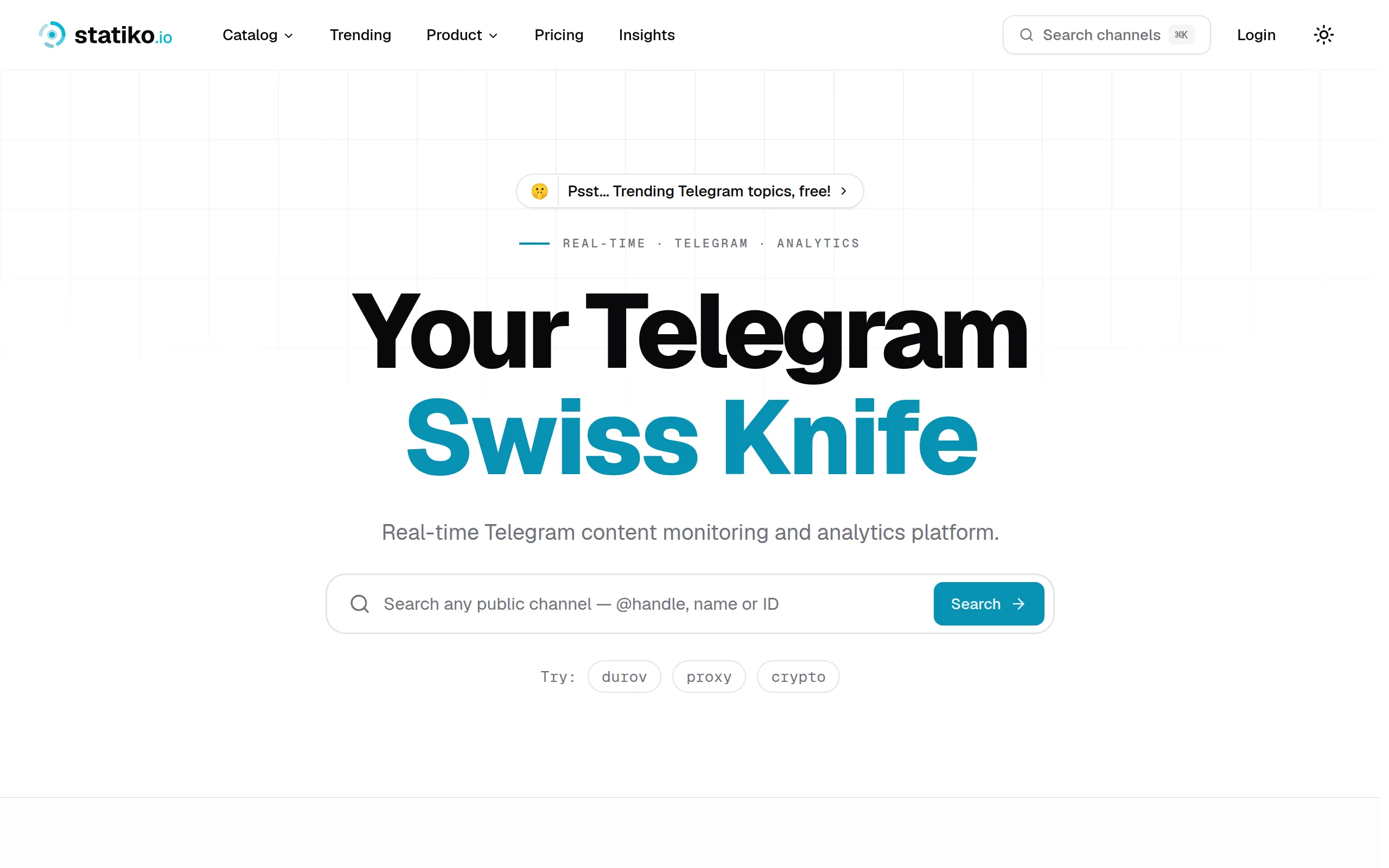
Statiko
Monitor any Telegram channel in real time - track posts, edits, deletions, and growth with AI recaps 📡

Shibui
AI website builder - describe your business, pick a niche template, edit by chatting, and publish instantly ✨

Pro Service
Find verified home service professionals, compare quotes, and pay securely through escrow - built for Brazilians across the US 🏠
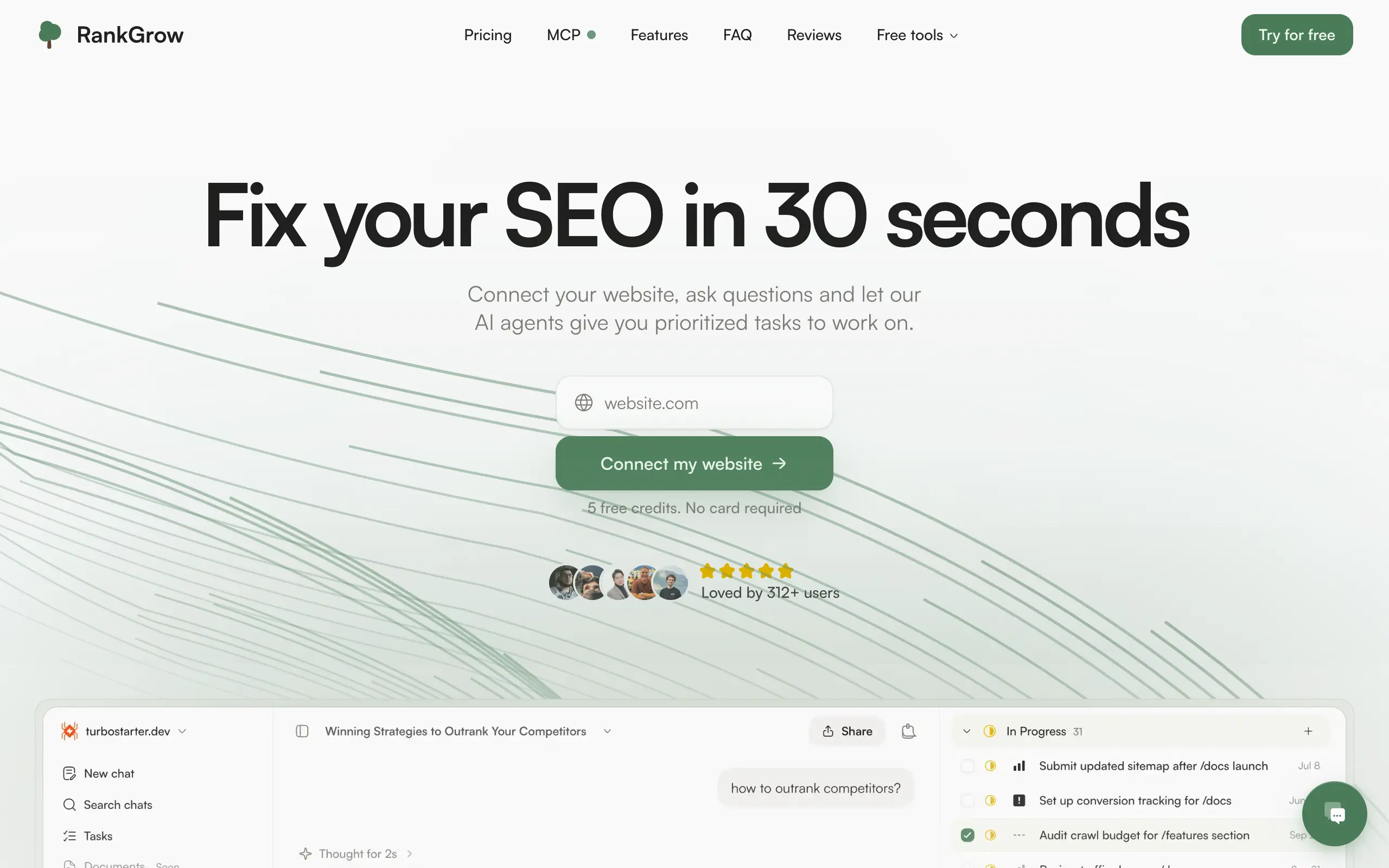
RankGrow
Fix your SEO with AI agents - connect Search Console, get prioritized tasks, and grow organic traffic 📈
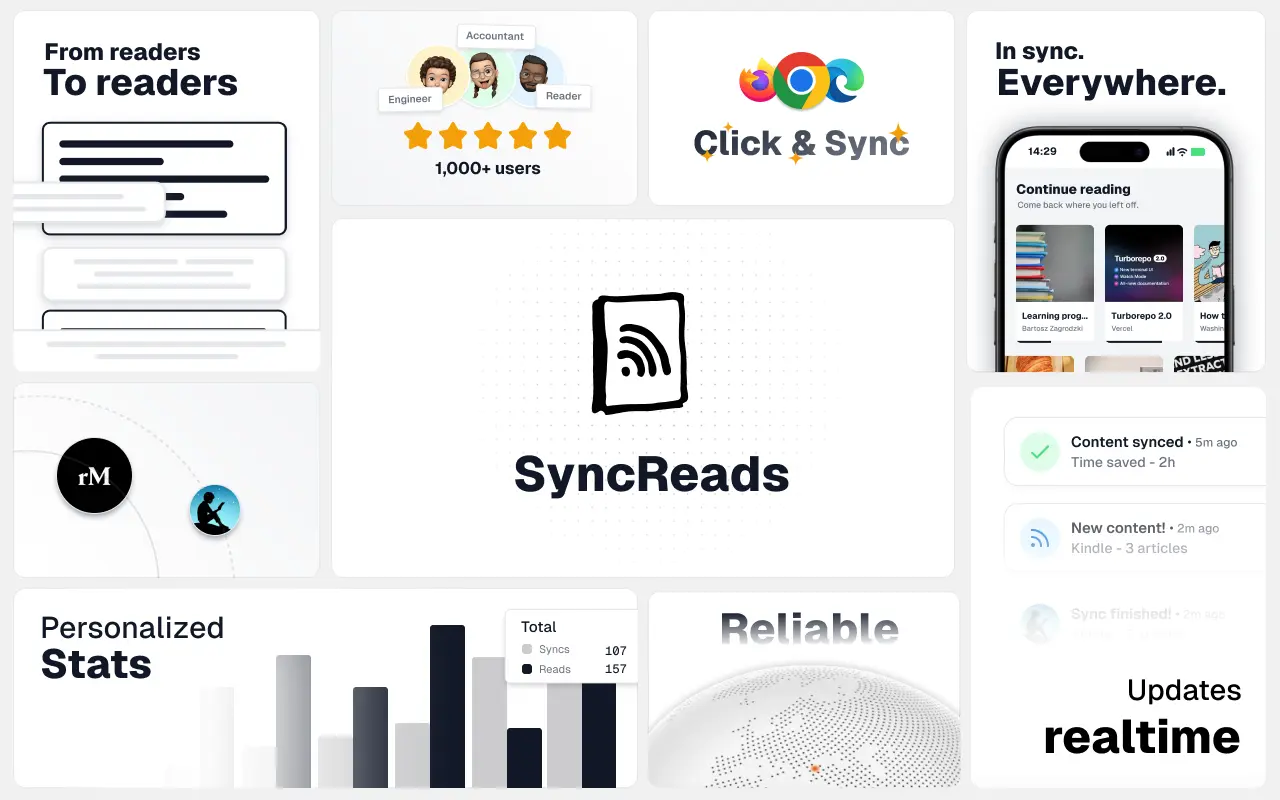
SyncReads
Sync your favorite content for distraction-free reading, save time and replace multiple apps. Anytime, anywhere 🔄
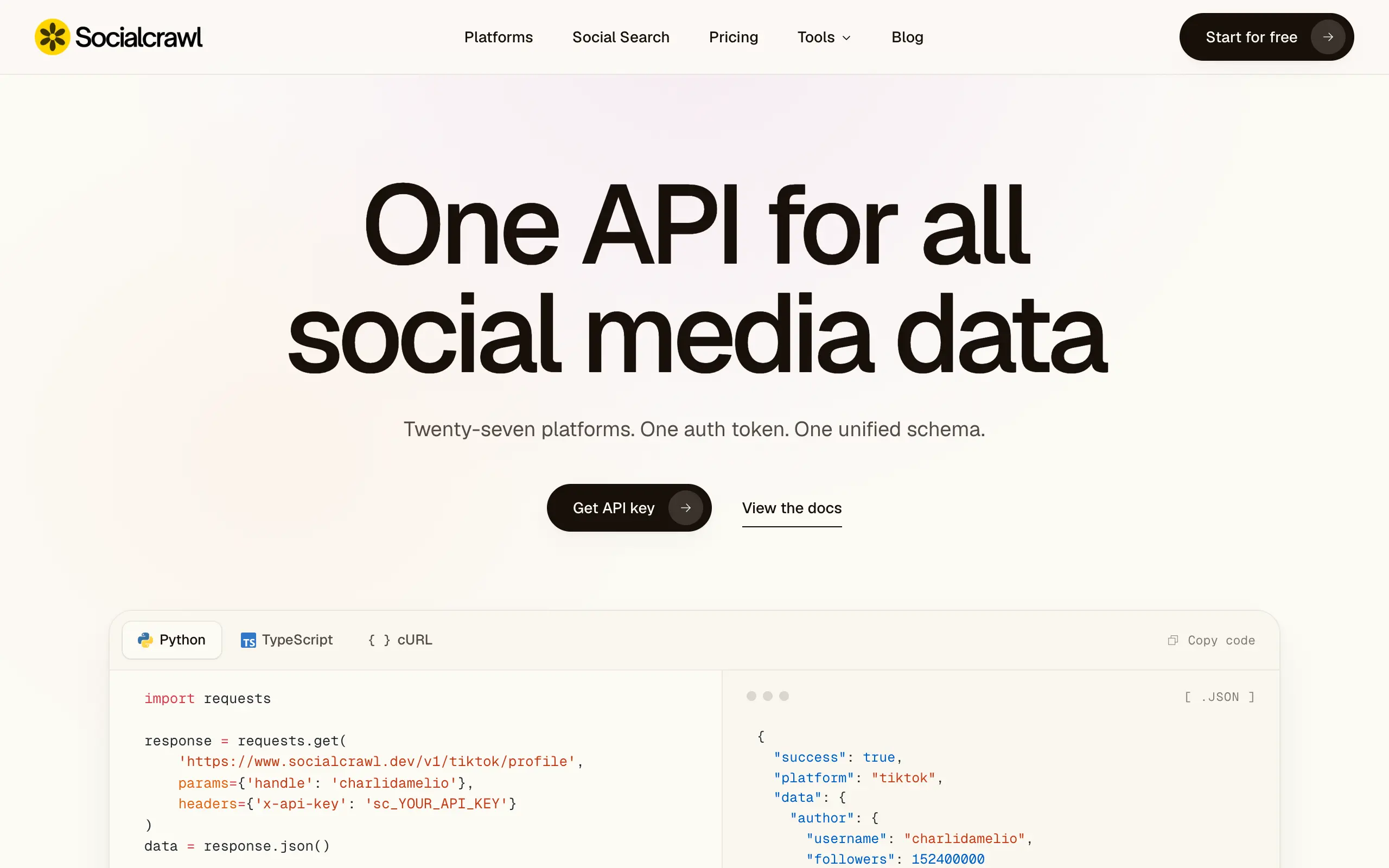
Socialcrawl
Get clean, structured data from 21 platforms like TikTok, Instagram, and YouTube with a single request 📊
Statiko
Monitor any Telegram channel in real time - track posts, edits, deletions, and growth with AI recaps 📡
Shibui
AI website builder - describe your business, pick a niche template, edit by chatting, and publish instantly ✨
Pro Service
Find verified home service professionals, compare quotes, and pay securely through escrow - built for Brazilians across the US 🏠
RankGrow
Fix your SEO with AI agents - connect Search Console, get prioritized tasks, and grow organic traffic 📈
SyncReads
Sync your favorite content for distraction-free reading, save time and replace multiple apps. Anytime, anywhere 🔄
Socialcrawl
Get clean, structured data from 21 platforms like TikTok, Instagram, and YouTube with a single request 📊
Statiko
Monitor any Telegram channel in real time - track posts, edits, deletions, and growth with AI recaps 📡
Shibui
AI website builder - describe your business, pick a niche template, edit by chatting, and publish instantly ✨
Pro Service
Find verified home service professionals, compare quotes, and pay securely through escrow - built for Brazilians across the US 🏠
RankGrow
Fix your SEO with AI agents - connect Search Console, get prioritized tasks, and grow organic traffic 📈
SyncReads
Sync your favorite content for distraction-free reading, save time and replace multiple apps. Anytime, anywhere 🔄
Socialcrawl
Get clean, structured data from 21 platforms like TikTok, Instagram, and YouTube with a single request 📊
Statiko
Monitor any Telegram channel in real time - track posts, edits, deletions, and growth with AI recaps 📡
Shibui
AI website builder - describe your business, pick a niche template, edit by chatting, and publish instantly ✨
Pro Service
Find verified home service professionals, compare quotes, and pay securely through escrow - built for Brazilians across the US 🏠
RankGrow
Fix your SEO with AI agents - connect Search Console, get prioritized tasks, and grow organic traffic 📈
SyncReads
Sync your favorite content for distraction-free reading, save time and replace multiple apps. Anytime, anywhere 🔄
Socialcrawl
Get clean, structured data from 21 platforms like TikTok, Instagram, and YouTube with a single request 📊
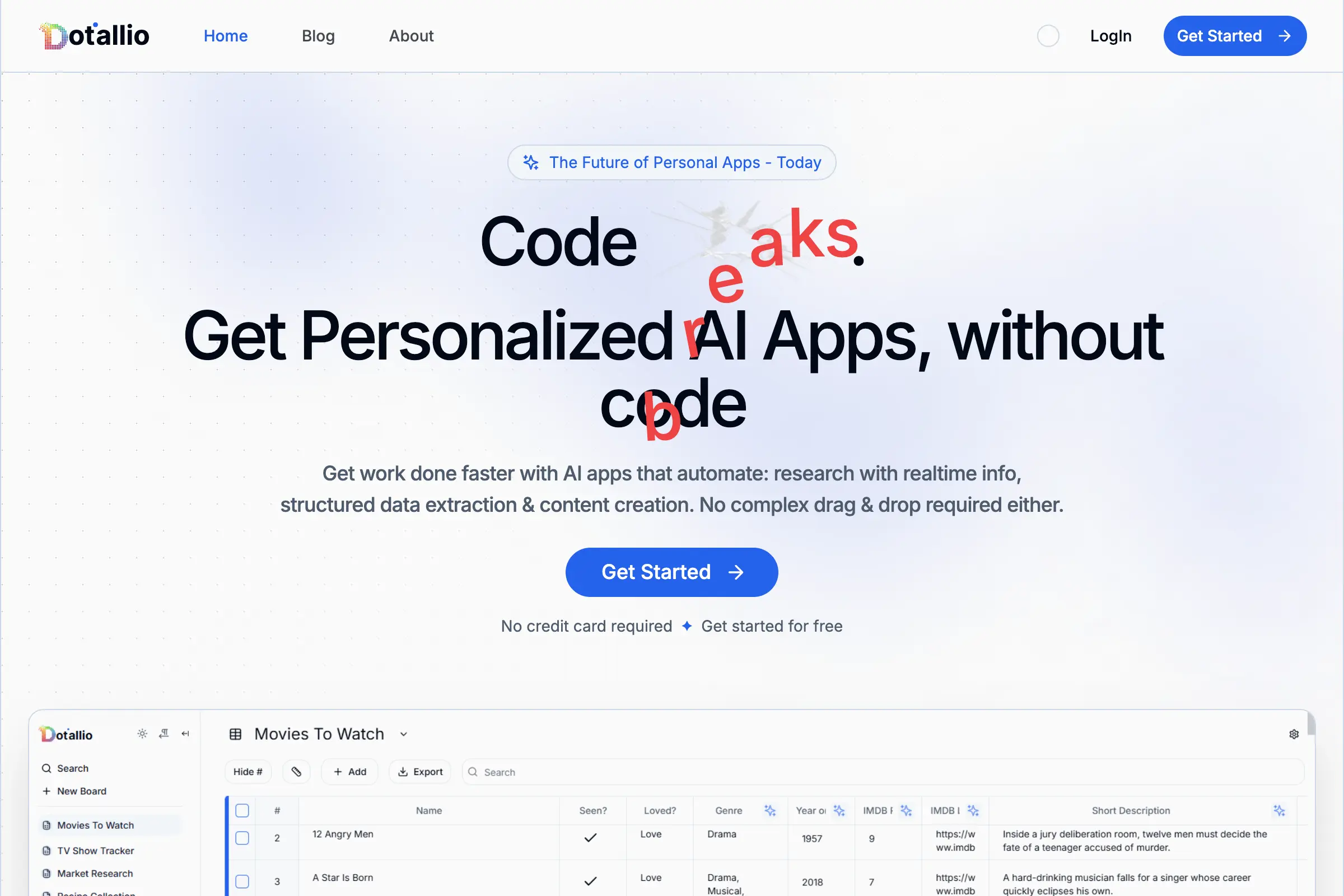
Dotallio
Personalized AI apps that automate research, data extraction, and content creation without code 🤖

Talk to Santa
Enjoy a magical live video chat or receive a unique AI-generated video greeting from Santa Claus 🎅
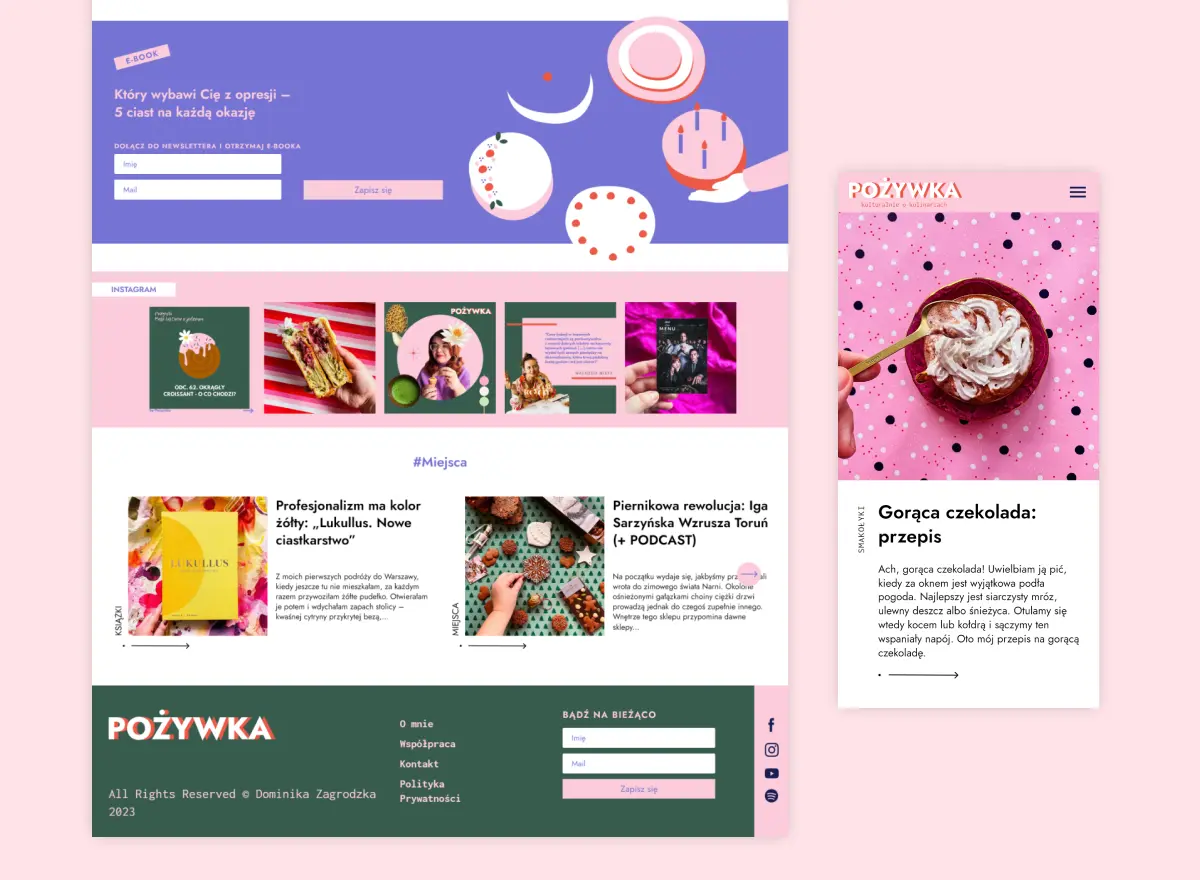
pozywka.pl
Scalable blog for food journalist, focused on performance and user experience 🌭
zagrodzki.me
Personal blog and portfolio of Bart Zagrodzki, where he shares his knowledge and work 💼
TurboStarter
Ship your startup everywhere. In minutes.
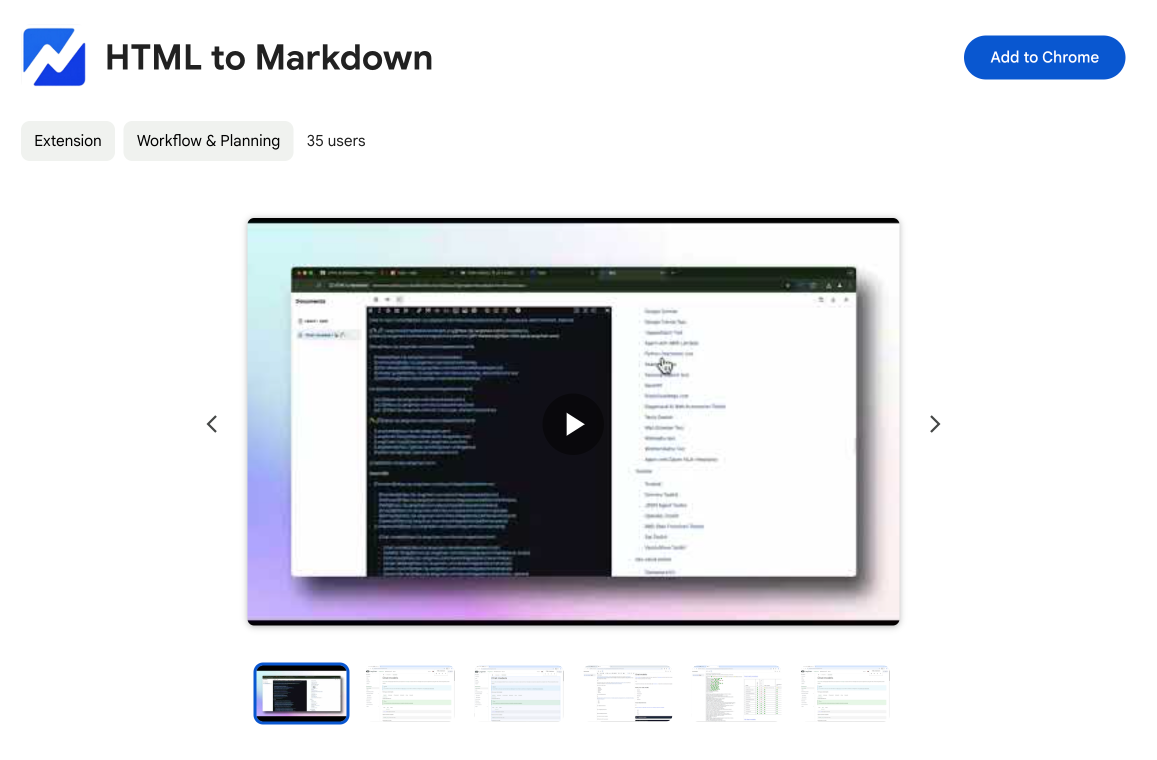
HTML to Markdown
Convert HTML to Markdown with ease, directly in your browser 📄
Dotallio
Personalized AI apps that automate research, data extraction, and content creation without code 🤖
Talk to Santa
Enjoy a magical live video chat or receive a unique AI-generated video greeting from Santa Claus 🎅
pozywka.pl
Scalable blog for food journalist, focused on performance and user experience 🌭
zagrodzki.me
Personal blog and portfolio of Bart Zagrodzki, where he shares his knowledge and work 💼
TurboStarter
Ship your startup everywhere. In minutes.
HTML to Markdown
Convert HTML to Markdown with ease, directly in your browser 📄
Dotallio
Personalized AI apps that automate research, data extraction, and content creation without code 🤖
Talk to Santa
Enjoy a magical live video chat or receive a unique AI-generated video greeting from Santa Claus 🎅
pozywka.pl
Scalable blog for food journalist, focused on performance and user experience 🌭
zagrodzki.me
Personal blog and portfolio of Bart Zagrodzki, where he shares his knowledge and work 💼
TurboStarter
Ship your startup everywhere. In minutes.
HTML to Markdown
Convert HTML to Markdown with ease, directly in your browser 📄
Dotallio
Personalized AI apps that automate research, data extraction, and content creation without code 🤖
Talk to Santa
Enjoy a magical live video chat or receive a unique AI-generated video greeting from Santa Claus 🎅
pozywka.pl
Scalable blog for food journalist, focused on performance and user experience 🌭
zagrodzki.me
Personal blog and portfolio of Bart Zagrodzki, where he shares his knowledge and work 💼
TurboStarter
Ship your startup everywhere. In minutes.
HTML to Markdown
Convert HTML to Markdown with ease, directly in your browser 📄
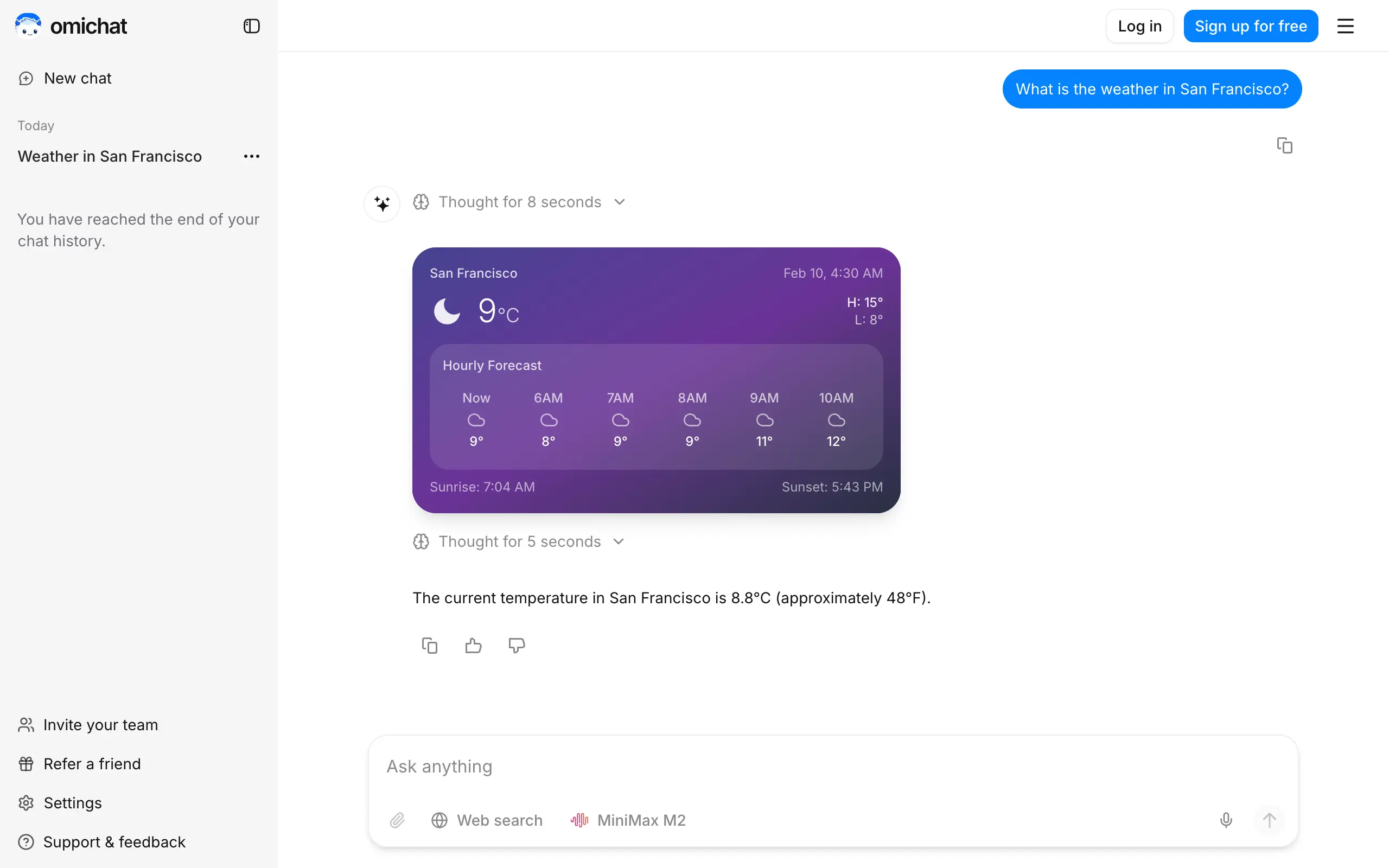
Omichat
Chat with 50+ AI models, including ChatGPT and Claude, in one place - switch models anytime without losing context 🤖
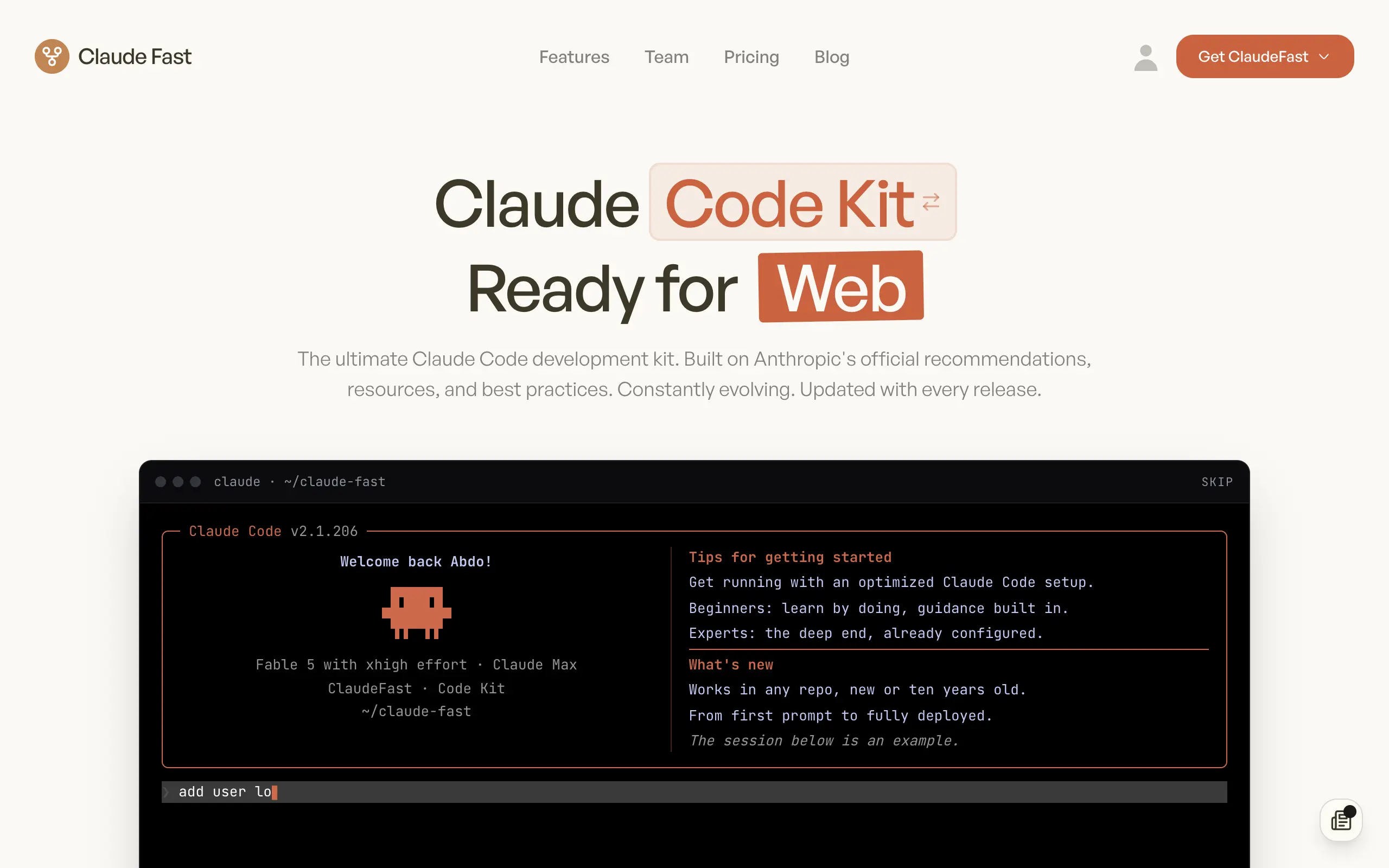
Claude Fast
Supercharge your Claude Code with 6x effective context window and specialized AI agents 🤖
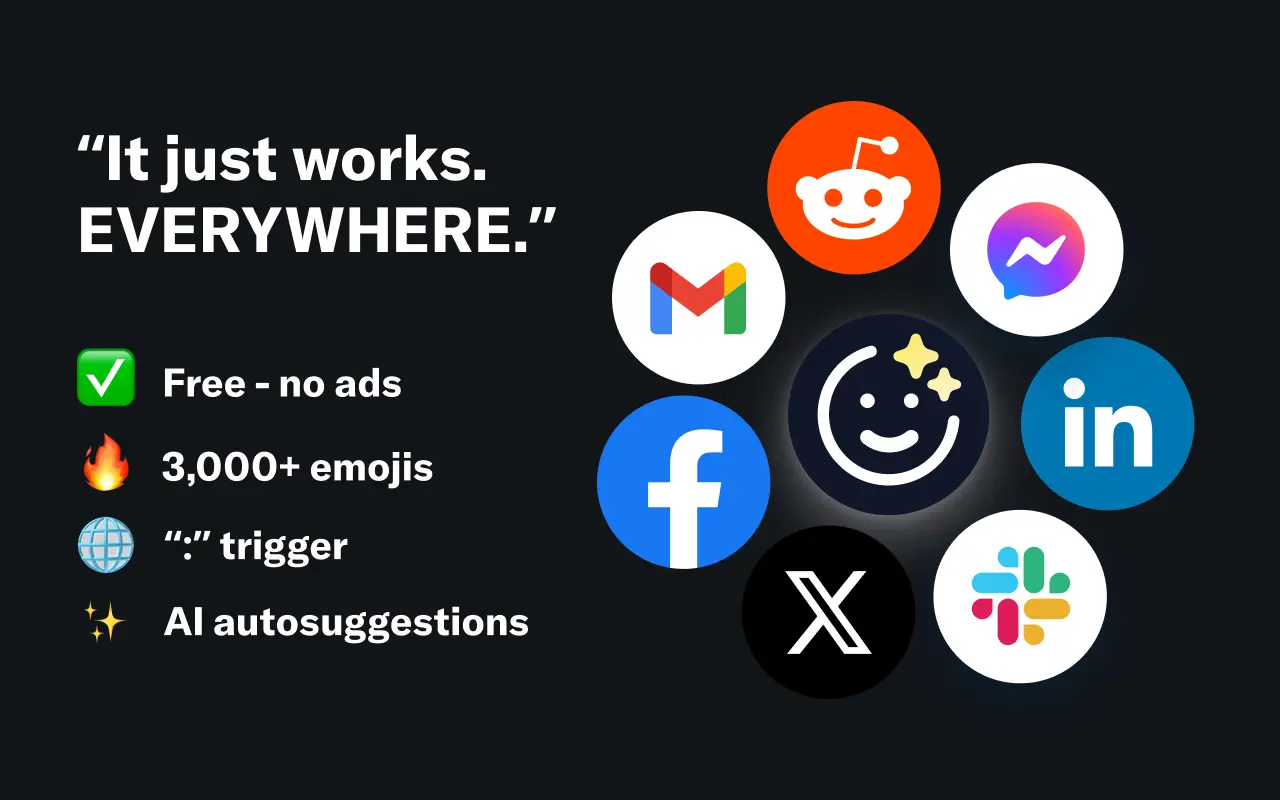
EmojAI
AI-powered emoji picker with smart, context-aware suggestions 🤖
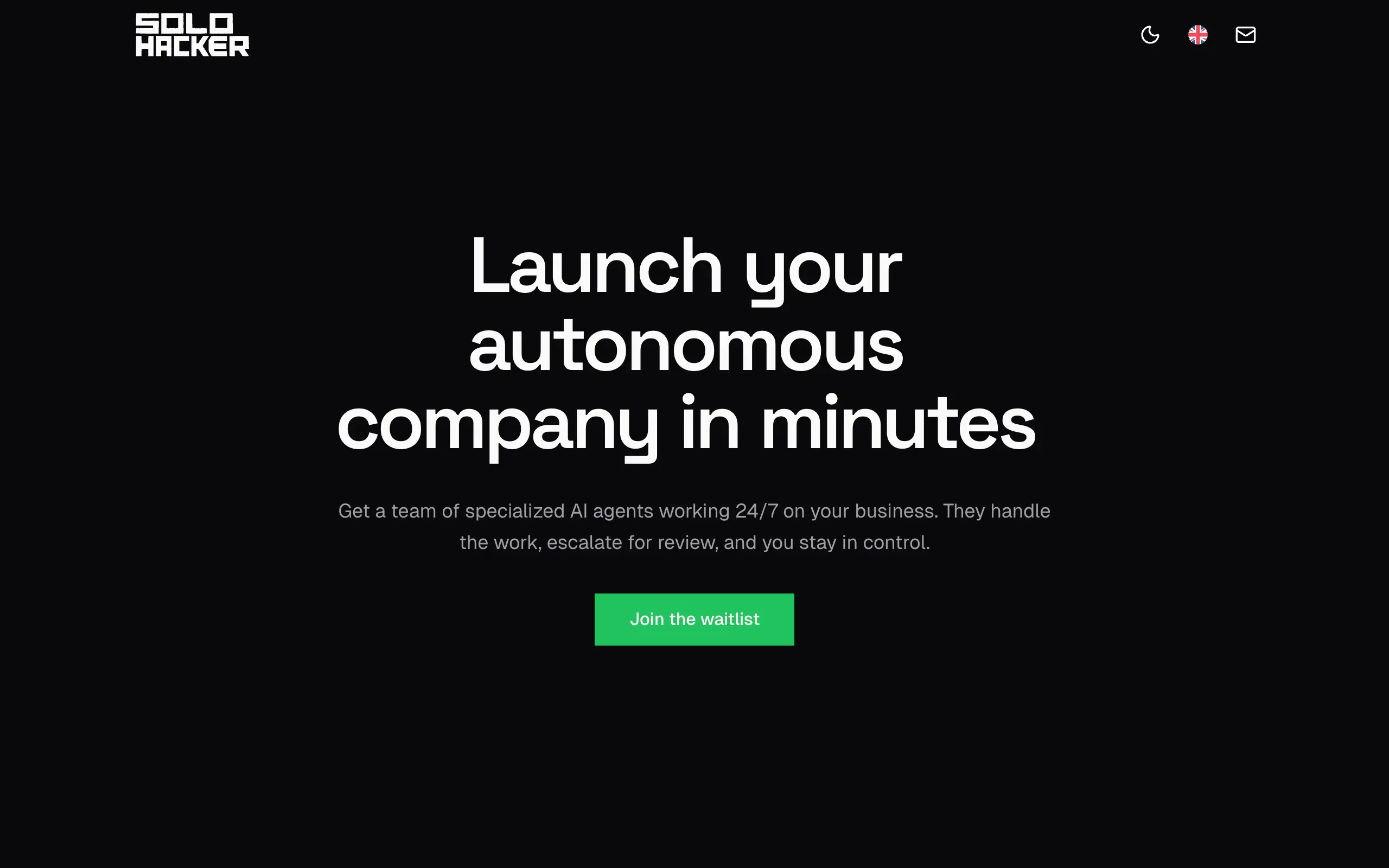
Solohacker
Autonomous company launcher - AI agents work 24/7, escalate what matters, and you stay in control 🤖

BeRawi: Storytelling Coach
Practice storytelling daily with instant feedback to sound clearer, more engaging, and confident 🎤
Omichat
Chat with 50+ AI models, including ChatGPT and Claude, in one place - switch models anytime without losing context 🤖
Claude Fast
Supercharge your Claude Code with 6x effective context window and specialized AI agents 🤖
EmojAI
AI-powered emoji picker with smart, context-aware suggestions 🤖
Solohacker
Autonomous company launcher - AI agents work 24/7, escalate what matters, and you stay in control 🤖
BeRawi: Storytelling Coach
Practice storytelling daily with instant feedback to sound clearer, more engaging, and confident 🎤
Omichat
Chat with 50+ AI models, including ChatGPT and Claude, in one place - switch models anytime without losing context 🤖
Claude Fast
Supercharge your Claude Code with 6x effective context window and specialized AI agents 🤖
EmojAI
AI-powered emoji picker with smart, context-aware suggestions 🤖
Solohacker
Autonomous company launcher - AI agents work 24/7, escalate what matters, and you stay in control 🤖
BeRawi: Storytelling Coach
Practice storytelling daily with instant feedback to sound clearer, more engaging, and confident 🎤
Omichat
Chat with 50+ AI models, including ChatGPT and Claude, in one place - switch models anytime without losing context 🤖
Claude Fast
Supercharge your Claude Code with 6x effective context window and specialized AI agents 🤖
EmojAI
AI-powered emoji picker with smart, context-aware suggestions 🤖
Solohacker
Autonomous company launcher - AI agents work 24/7, escalate what matters, and you stay in control 🤖
BeRawi: Storytelling Coach
Practice storytelling daily with instant feedback to sound clearer, more engaging, and confident 🎤

Connect with like-minded people
Join our community to get feedback, support, and grow together with 1,000+ builders on board, let's ship it!
Join usShip your startup everywhere. In minutes.
Don't burn tokens on setup and start building features on day one.