HostelHelp AI
A private AI concierge for hostel life, helping Banasthali students manage complaints, leave applications, rules, and daily routines.
Hostel life is full of small but consequential tasks: submitting a leave request before a deadline, understanding a mess timing rule, reporting a maintenance problem clearly, or finding the right escalation path when a complaint remains unresolved. For students, especially those living away from home for the first time, these tasks can create avoidable anxiety.
HostelHelp AI is an AI concierge concept designed for Banasthali students who need fast, private, accurate guidance on hostel rules, complaints, leave applications, daily routines, and support processes. Rather than replacing hostel administration, the platform can act as an always-available first layer of assistance that helps students understand what to do, prepare the right information, and route requests correctly.
The strongest opportunity is not simply “an AI chatbot for students.” It is a hostel operations assistant built around institutional policies, student workflows, privacy, and safe escalation. When implemented responsibly, HostelHelp AI can reduce repetitive administrative questions while giving students a more approachable way to access reliable help.
Core value proposition
HostelHelp AI should provide policy-grounded guidance, complaint drafting, leave-request support, and routine planning without pretending to make administrative decisions or exposing sensitive student information.
Why an AI hostel concierge solves a real student problem
Students in residential campuses regularly face fragmented information. Rules may appear in handbooks, notices, circulars, WhatsApp groups, notice boards, emails, and informal conversations. Even when information exists, locating the latest approved version can be difficult.
A student might ask questions such as:
- “What should I include in a hostel leave application?”
- “Who should I contact if my room has a water issue?”
- “What are the expected steps for reporting a safety concern?”
- “Can I leave the hostel for a family emergency?”
- “How can I plan my study schedule around meals, classes, and hostel timings?”
- “What should I do if my complaint has not been acknowledged?”
Today, many students either ask friends, wait for office hours, search old messages, or submit incomplete requests. Staff members then spend valuable time answering repetitive questions, requesting missing details, and manually guiding students through basic processes.
An AI hostel concierge can make the first interaction significantly easier. It can explain the relevant workflow in plain language, provide an approved template, ask for missing non-sensitive details, and direct the student to the correct official channel.
This is especially valuable in a women’s residential education environment, where safety, privacy, clarity, and accessible support need to be treated as product requirements rather than optional features.
The target audience for HostelHelp AI
A successful campus SaaS product needs to recognize that “the user” is not one group. HostelHelp AI has several audiences with different needs, incentives, and levels of access.
Primary users: hostel residents
The primary users are Banasthali students living in hostels. Their needs vary by year of study, familiarity with campus processes, language comfort, and the urgency of the issue.
Common student segments include:
- "First-year residents": Need orientation support, rule explanations, routine guidance, and confidence about asking for help.
- "Senior students": Need efficient self-service for leave applications, maintenance reporting, and administrative follow-ups.
- "Students with urgent issues": Need clear safety-first escalation guidance rather than generic conversational answers.
- "Students with limited access to office hours": Need help outside standard administrative timings.
- "Students who prefer privacy": Need a non-judgmental way to understand processes before speaking with staff.
The product should not assume every student has identical digital confidence. The interface should be simple, mobile-first, readable, and available in language options that match the campus community’s needs. English and Hindi support would be a practical starting point, with answers written in respectful, plain language.
Secondary users: wardens and hostel administration
Wardens, residence staff, and administrators are not merely platform buyers. They are operational users who need accurate routing, manageable workflows, and accountability.
Their primary needs include:
- Reducing repeated “where do I submit this?” questions
- Receiving structured complaint reports instead of vague messages
- Prioritizing urgent maintenance and safety-related concerns
- Reviewing AI answers against approved institutional rules
- Identifying common student pain points through aggregated trends
- Preserving appropriate human oversight for decisions
A well-designed staff dashboard should never become a surveillance tool. Its purpose should be operational clarity: understanding request volume, identifying unresolved categories, and improving service response times.
Decision-makers: institutional leadership and technology teams
Campus leadership, IT teams, and student welfare departments will evaluate HostelHelp AI through a different lens. Their concerns are likely to include data privacy, administrative workload, implementation cost, liability, security, integration requirements, and student adoption.
For this audience, the product must demonstrate that it can be governed responsibly. That means clear data retention policies, role-based access, audit logs, content approval processes, and a reliable fallback to human support.
Students
Need fast, private, easy-to-understand answers and guided next steps.
Hostel staff
Need structured requests, fewer repetitive questions, and clear escalation queues.
Institution leaders
Need security, measurable outcomes, policy governance, and low operational risk.
The market gap in hostel management software
Most hostel management systems focus on records and administration. They may offer room allocation, attendance, fee records, visitor logs, inventory, and leave tracking. Those functions matter, but they do not automatically solve the student experience problem.
A typical hostel portal can tell a student where a form exists. It often cannot explain:
- What information belongs in the form
- Which request category applies to a specific situation
- What to do if the student is unsure about a rule
- How to phrase a respectful complaint
- What happens after submission
- When an issue should be escalated to a human immediately
General-purpose AI assistants have the opposite limitation. They can draft an application or explain generic hostel etiquette, but they do not know verified institution-specific rules unless those rules are securely provided as approved source material.
That creates a clear market gap for a policy-aware AI concierge for hostel operations. HostelHelp AI can combine conversational support with a curated institutional knowledge base and workflow-specific actions.
Why generic chatbots are not enough
A generic chatbot may give confident but inaccurate answers. In the hostel context, that can cause students to miss deadlines, follow outdated instructions, share inappropriate personal information, or misunderstand safety procedures.
HostelHelp AI should be built on a constrained model of assistance:
- It retrieves answers from institution-approved sources.
- It cites or references the relevant policy title and update date where appropriate.
- It clearly distinguishes guidance from official approval.
- It routes high-risk or ambiguous issues to a human.
- It avoids inventing policies when the knowledge base does not contain an answer.
This approach is commonly called retrieval-augmented generation, or RAG. Instead of relying solely on a large language model’s broad training data, the system searches an approved library of documents before generating an answer.
Safety and accuracy requirement
HostelHelp AI should never imply that it has approved a leave request, resolved a disciplinary issue, or replaced emergency services. It can help students prepare and route requests, but authorized staff must retain decision-making authority.
Core features for an AI hostel concierge
The first version of HostelHelp AI should focus on high-frequency, low-risk workflows that create immediate student value and measurable administrative savings. Avoid trying to automate every hostel operation at launch.
Policy-aware question answering
The foundation of HostelHelp AI is a conversational knowledge assistant trained on approved institutional materials. It should answer common questions about routines, facilities, attendance expectations, leave procedures, mess schedules, visitor guidelines, and complaint processes.
Every answer should prioritize clarity. For example, instead of returning a long policy excerpt, the assistant could provide:
- A direct answer in two or three sentences
- The steps the student should take next
- The documents or details likely required
- A link or reference to the official policy source within the platform
- A note when staff confirmation is necessary
The content management process matters as much as the AI model. Administrators need a simple way to upload and approve circulars, hostel rules, standard operating procedures, and FAQs. Each document should have an owner, version, status, and review date.
Smart leave application assistant
Leave applications are an ideal early workflow because they are familiar, structured, and often repetitive. The AI can guide students through an approved application format without making the final leave decision.
A leave assistant could collect:
- Leave dates and expected return date
- Reason category selected by the student
- Parent or guardian contact requirement, when applicable
- Travel destination or local address if required by policy
- Emergency contact details
- Supporting-document reminder when relevant
The platform can then generate a polished application draft that the student reviews and submits through the official workflow. It should label the output as a draft until a designated authority approves it.
Complaint and maintenance reporting
Students often report maintenance issues through informal messages that lack enough detail for quick resolution. HostelHelp AI can turn an unstructured complaint into a complete ticket.
For example, a student reporting “The bathroom tap is broken” can be guided to add hostel block, floor, room or location, issue type, severity, whether water leakage is active, and optional photo attachment.
Useful categories include:
- Plumbing and water supply
- Electricity and lighting
- Internet or connectivity
- Cleanliness and sanitation
- Furniture or room repair
- Mess and food service feedback
- Safety concern
- Other administrative issue
The AI should detect urgent language such as “sparks,” “gas smell,” “unsafe,” “harassment,” or “medical emergency.” In these cases, it should stop the ordinary ticket flow and show a prominent human escalation path.
Daily routine and student wellbeing guidance
HostelHelp AI can also become useful between administrative tasks. Students may want help planning routines around classes, meal timings, self-study, laundry, exam preparation, or sleep.
This feature should be positioned carefully. It can offer practical planning suggestions, reminders, and wellness-oriented general information. It should not present itself as medical, psychological, or legal advice.
Helpful routine features include:
- Personalized but optional study schedule templates
- Meal, hydration, and sleep habit prompts
- Checklist for returning from leave
- New-resident orientation checklist
- Packing checklist for vacations or internships
- Reminder system for application deadlines
Human escalation and status tracking
The strongest trust signal is knowing when the AI is not the right channel. Students need a clear option to reach a human, particularly when the matter involves safety, health, harassment, severe distress, or time-sensitive travel.
A complaint status page can reduce uncertainty after submission. Students should be able to see simple stages such as received, assigned, in progress, resolved, or needs more information. They should also have a mechanism to reopen an unresolved issue or provide additional context.
What the ideal user journey looks like
The best experience is not a free-form chat window that leaves users unsure what happens next. It is a guided interaction that moves from question to action.
This workflow reduces friction while protecting institutional control. The AI helps a student move forward; it does not become an unaccountable decision-maker.
Recommended tech stack for HostelHelp AI
A reliable MVP should use mature, maintainable technologies. The initial technical goal is not to build a novel foundation model. It is to create a secure product layer around existing AI capabilities, verified campus content, structured workflows, and careful permissions.
Frontend and application framework
A strong web stack could use Next.js with React. This combination supports responsive interfaces, server-side rendering, authenticated user experiences, and API routes in a single ecosystem.
For styling, Tailwind CSS can help a lean product team create a consistent mobile-first design system quickly. HostelHelp AI should prioritize accessible typography, high contrast, large touch targets, and clear status indicators over decorative complexity.
A progressive web app approach is also worth considering. Many students use mobile devices as their primary access point, and a PWA can provide app-like convenience without requiring an immediate native iOS or Android build.
Backend, database, and authentication
A relational database such as PostgreSQL is a strong fit for users, hostel blocks, ticket records, approval steps, permissions, audit logs, and reporting. Its reliability and structured-query support are especially valuable for administrative workflows.
For authentication, an institution may eventually require single sign-on. In an MVP, email or phone-based verification can work, but the long-term architecture should support campus identity integration. Access roles should include students, wardens, maintenance staff, super administrators, and content reviewers.
Every role needs strict permission boundaries. A student should not be able to access another student’s complaint history. A maintenance user should only see the details needed to resolve assigned issues. Sensitive reports should have restricted visibility.
AI and retrieval layer
The AI layer should use a reputable model API with a retrieval system that searches only approved hostel resources. Documents can be split into meaningful sections, embedded into a vector database, and retrieved based on the student’s question.
Possible vector storage options include pgvector alongside PostgreSQL or a dedicated vector database. Using pgvector can reduce infrastructure complexity for an early-stage product. A dedicated service may become more attractive at larger scale when search performance, advanced filtering, or tenant isolation needs increase.
The system prompt should enforce critical behavior:
const assistantRules = [
  "Answer from approved hostel knowledge when available.",
  "Do not invent rules, dates, permissions, or contacts.",
  "State when human confirmation is required.",
  "Escalate safety, harassment, medical, and emergency concerns.",
  "Do not claim that an application or complaint is approved."
];
The important trade-off is between conversational freedom and reliability. A highly open-ended assistant may feel more natural, but a guided assistant with verified retrieval, workflows, and safety rules is better suited to institutional use.
Notifications and workflow automation
Email, SMS, and WhatsApp-style notifications can help students track tickets and deadlines, but notifications must be consent-based and minimal. Students should be able to control non-essential reminders.
For operational workflows, event-driven design is useful. When a ticket is created, assigned, updated, or overdue, the system can generate an event that triggers the appropriate notification or dashboard update.
Data privacy, security, and responsible AI design
Trust is the central product challenge for HostelHelp AI. Students will only use a private AI concierge if they believe it will handle their information respectfully and securely.
The platform should collect only the information necessary for each workflow. For example, a maintenance complaint needs a location and issue description. It does not need access to a student’s entire academic history.
Key safeguards should include:
- "Data minimization": Request only the details needed to answer or process a request.
- "Role-based access": Limit each staff member’s visibility to the minimum information needed for their work.
- "Encryption": Protect data in transit and at rest using standard security practices.
- "Audit logs": Record staff actions on sensitive tickets without exposing unnecessary data.
- "Retention controls": Define when closed tickets, chat records, and attachments are deleted or anonymized.
- "Consent": Explain what is stored and why before students submit sensitive information.
- "Human review": Ensure sensitive categories are handled by authorized people, not automated decisions alone.
India’s privacy landscape continues to evolve, so the product should be reviewed by qualified legal and institutional stakeholders before processing personal data at scale. Product teams should also maintain a documented incident-response plan for security events.
Sensitive issue handling must be designed, not improvised
Certain subjects require a distinct user flow. These can include harassment, self-harm concerns, medical emergencies, threats, stalking, serious safety risks, or violence. The AI should not attempt extended conversational problem-solving in those situations.
Instead, it should provide brief supportive language, show emergency contacts and campus-approved support routes, encourage immediate human help, and offer a fast escalation button. Exact protocols must be configured and approved by the institution.
If the approved knowledge base does not contain a clear answer, the assistant should say so plainly. It can offer to create a question for the relevant hostel office or direct the student to the official contact channel. A transparent limitation is safer than a plausible but incorrect answer.
No. HostelHelp AI can validate that required fields are present, create a well-formatted draft, and route it to the appropriate authority. Approval, rejection, and final resolution should remain with authorized human staff.
No. Access should follow the principle of least privilege. General support conversations can be retained only as needed, while sensitive reports should have stricter access controls and carefully defined escalation permissions.
Monetization strategy for HostelHelp AI
The best commercial model is likely B2B SaaS for educational institutions, not direct student subscriptions. Students should not have to pay to understand hostel procedures or access safety-related support.
Institution subscription model
A tiered annual subscription can be based on the number of hostel residents, properties, or active users. This creates predictable revenue and aligns pricing with institutional scale.
Possible plans include:
- "Starter": FAQ assistant, policy knowledge base, and basic leave drafts.
- "Professional": Complaint ticketing, dashboard analytics, reminders, multilingual support, and workflow customization.
- "Enterprise": Single sign-on, API integrations, custom data retention, dedicated onboarding, advanced reporting, and service-level support.
Implementation and onboarding fees
Many institutions need help converting scattered rules and manuals into a reliable knowledge base. A one-time onboarding fee can cover policy ingestion, workflow mapping, staff training, content review, and configuration.
This is not merely a revenue lever. It is essential quality assurance. Poor source content will create poor AI answers, regardless of the model used.
Optional add-ons
Optional add-ons may include:
- Multilingual content configuration
- WhatsApp or SMS notification integration
- Advanced maintenance vendor workflows
- Custom reporting exports
- White-label institutional branding
- Dedicated support and policy review services
Avoid monetization that conflicts with student trust, such as advertising, behavioral profiling, or selling student data. A privacy-first positioning is a far stronger long-term advantage.
Competitive advantage and USP
The core competitive advantage of HostelHelp AI is its combination of institution-specific knowledge, student-friendly conversational guidance, and safe operational workflows.
It is not trying to be a broad campus ERP replacement. It is not a generic chatbot that makes unsupported claims. It is a specialized layer that helps students navigate hostel life while making staff workflows more structured.
| Capability | Generic chatbot | Traditional hostel portal | HostelHelp AI | Student value |
|---|---|---|---|---|
| Policy-aware answers | Sometimes | Limited | Yes | Reliable guidance |
| Complaint drafting | Generic | No | Structured | Faster resolution |
| Human escalation | Inconsistent | Manual | Built in | Safer support |
| Workflow status tracking | No | Sometimes | Yes | Less uncertainty |
The product can become harder to replace over time because its value compounds through approved policy content, workflow configuration, operational analytics, and institutional trust. However, this advantage only holds if the team maintains content quality and avoids overpromising AI autonomy.
Risks and mitigation strategies
Every AI product in education faces meaningful risks. Addressing them early is more credible than treating them as edge cases.
Risk of inaccurate or outdated answers
Hostel rules can change due to new circulars, holidays, safety notices, or administrative decisions. An answer that was correct last semester may become misleading.
Mitigation should include document versioning, effective dates, review reminders, an approval workflow, and answer-level source references. The platform should display “last updated” metadata for important policy answers.
Risk of low student adoption
Students may ignore another portal if it feels slow, formal, or unhelpful. Adoption improves when the product solves immediate daily problems in fewer steps than existing alternatives.
Start with high-demand tasks. Measure time to first useful answer, completion rate for leave drafts, complaint submission quality, and repeat usage. Student feedback should directly shape the interface and language.
Risk of staff resistance
Staff may worry that AI will create more tickets, reduce their authority, or introduce inaccurate information. These concerns are legitimate.
The rollout should involve wardens and administrators from the beginning. Let them approve categories, escalation rules, templates, and knowledge sources. Position the tool as workload support, not a replacement for staff judgment.
Risk of privacy or security failures
Because hostel requests can involve location, health, family, and safety information, a breach could damage students and institutional trust.
Mitigate with security testing, least-privilege access, strong authentication, encrypted storage, vendor due diligence, privacy reviews, and incident response procedures. Do not use student conversations to train models without explicit, informed institutional and user consent.
Risk of over-automation in sensitive cases
Automation can be harmful if it delays urgent human support. Safety workflows should prioritize escalation rather than conversational completion.
Create clear “red flag” categories, test them with scenario-based reviews, and have campus stakeholders validate every emergency message and contact path before launch.
Metrics that prove HostelHelp AI is working
A product should be judged by outcomes, not by the novelty of its AI. The most useful metrics connect student experience with administrative efficiency.
Track metrics such as:
- "First-response time": How quickly students receive useful guidance.
- "Ticket completeness": Whether reports include enough detail for staff action.
- "Resolution time": How long it takes to close maintenance or service issues.
- "Deflection rate": How many repetitive questions are resolved without staff intervention.
- "Escalation accuracy": Whether sensitive cases reach the right human channel promptly.
- "Student satisfaction": A short post-interaction rating and optional qualitative feedback.
- "Content gap rate": How often the AI cannot find an approved answer.
- "Policy freshness": Percentage of active documents reviewed within the defined period.
Do not treat deflection rate as the only success metric. If fewer students contact staff because they are confused or discouraged, that is not success. Quality, safety, and successful resolution matter more than reducing human interactions at all costs.
A practical implementation roadmap
A focused MVP can be launched faster and more safely than a broad “AI everything” product. Start with a single hostel or pilot cohort, validate the workflows, then expand.
Phase one: validate the highest-value workflows
Interview students, wardens, maintenance personnel, and administrative staff. Collect examples of common questions, incomplete leave applications, delayed complaints, and recurring policy confusion.
Map each workflow from student request to staff resolution. Identify where information is missing, where delays happen, and which decisions must remain human-led.
Phase two: build the trusted knowledge base
Gather approved rules, application formats, notices, and standard operating procedures. Remove duplicate or outdated material. Assign every document an owner and review date.
Create a controlled taxonomy for topics such as leave, maintenance, mess, attendance, safety, routine, and emergency support. This taxonomy will improve retrieval quality and reporting.
Phase three: launch a narrow MVP
The first MVP should include:
- Policy question answering with approved-source retrieval
- Leave application drafting
- Basic maintenance complaint intake
- Human escalation paths
- Student login and role-based staff dashboard
- Feedback collection and content-gap reporting
Do not begin with autonomous approvals, broad mental health counseling, or deep integrations that delay validation.
Phase four: test, audit, and iterate
Run scenario testing with real but anonymized examples. Include unclear questions, conflicting policies, urgent language, Hindi and English queries, and malicious prompt attempts.
Review AI conversations regularly for unsupported answers, confusing wording, missed escalations, and content gaps. Update the knowledge base and safety rules before expanding access.
Phase five: scale with integrations and analytics
Once the pilot demonstrates value, add identity integration, notification workflows, advanced reporting, and connections to existing hostel systems where appropriate. Build these integrations only after confirming that the underlying workflows are stable.
For founders who want to move quickly with a production-ready SaaS foundation, TurboStarter can reduce time spent assembling standard application infrastructure and leave more focus for the hostel-specific AI, security, and workflow layers.
Final perspective
HostelHelp AI has a compelling opportunity because it addresses a recurring, high-friction student experience: navigating residential campus life when the right answer is difficult to find and staff availability is limited.
Its success will depend less on having the most advanced chatbot and more on delivering trustworthy answers, privacy-respecting workflows, clear human escalation, and tangible improvements for both students and hostel staff.
The winning product position is simple: a private, policy-aware AI concierge that helps students take the right next step in hostel life. By starting with verified knowledge, structured leave and complaint workflows, thoughtful safety controls, and a small pilot, HostelHelp AI can earn the trust required to become essential campus infrastructure.
More 🤖 AI Startup SaaS ideas
Discover more innovative ai startup SaaS ideas that are trending in 2026. Each idea is AI-generated with market validation and growth potential to help you find your next profitable venture faster than competitors.
Your competitors are building with TurboStarter
Below are some of the SaaS ideas that have been generated and built with our starter kit.
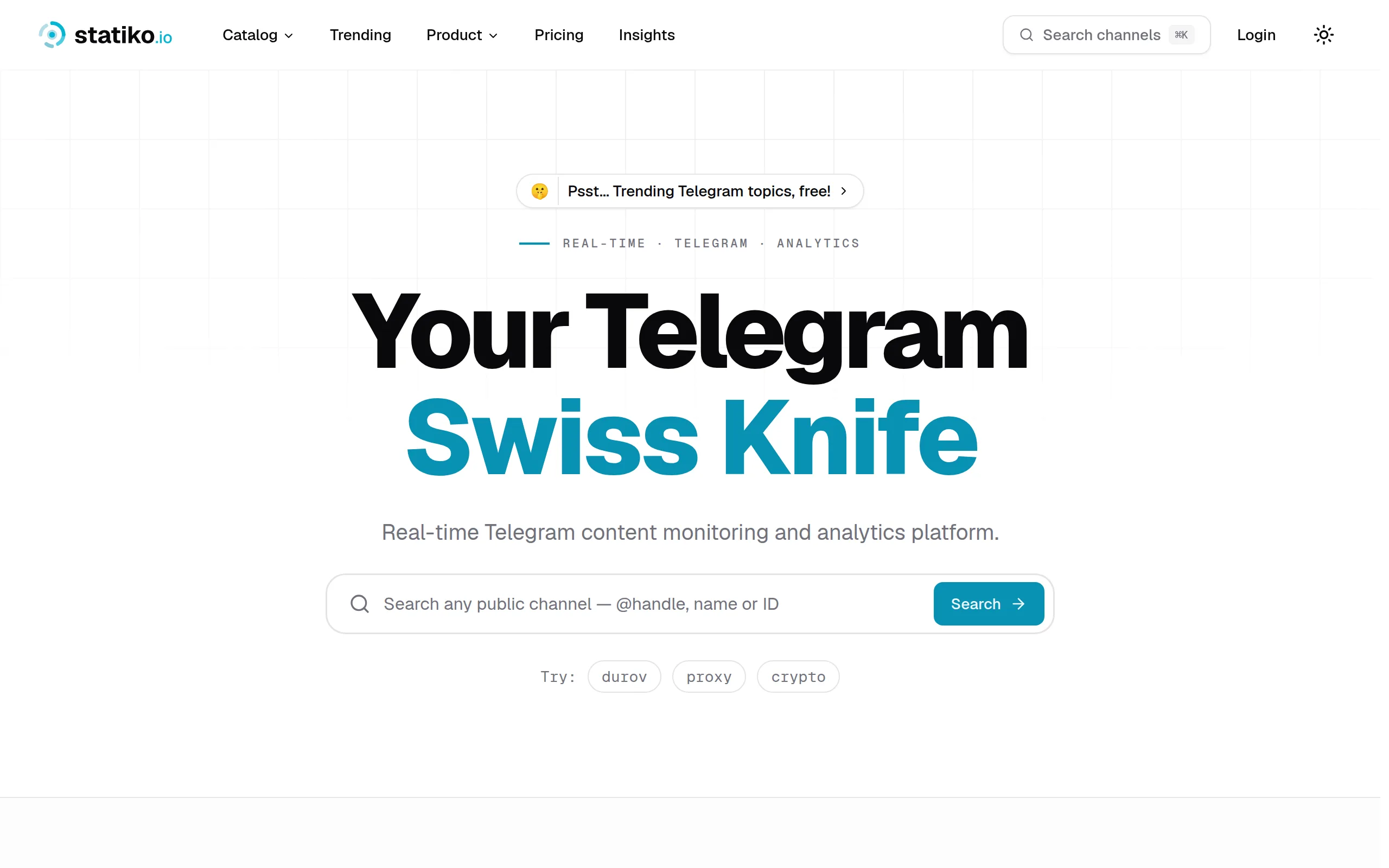
Statiko
Monitor any Telegram channel in real time - track posts, edits, deletions, and growth with AI recaps 📡

Shibui
AI website builder - describe your business, pick a niche template, edit by chatting, and publish instantly ✨
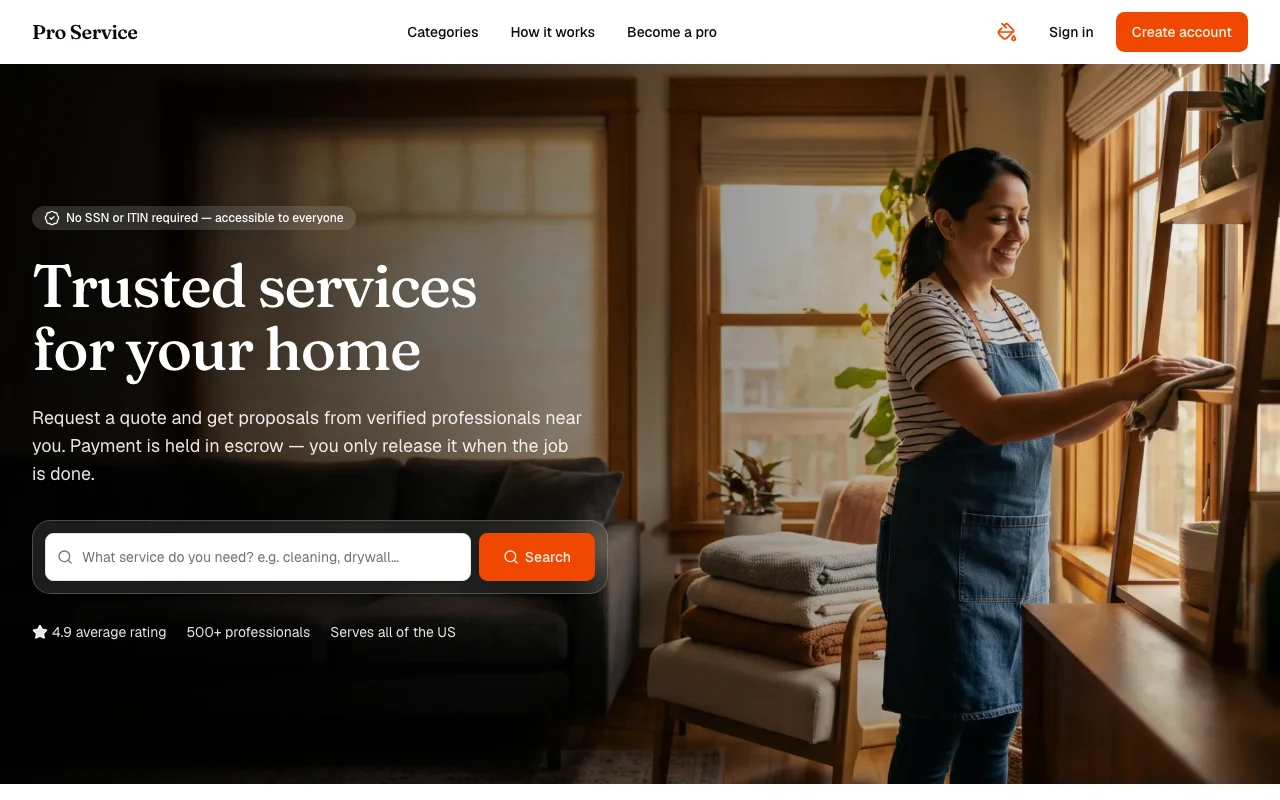
Pro Service
Find verified home service professionals, compare quotes, and pay securely through escrow - built for Brazilians across the US 🏠
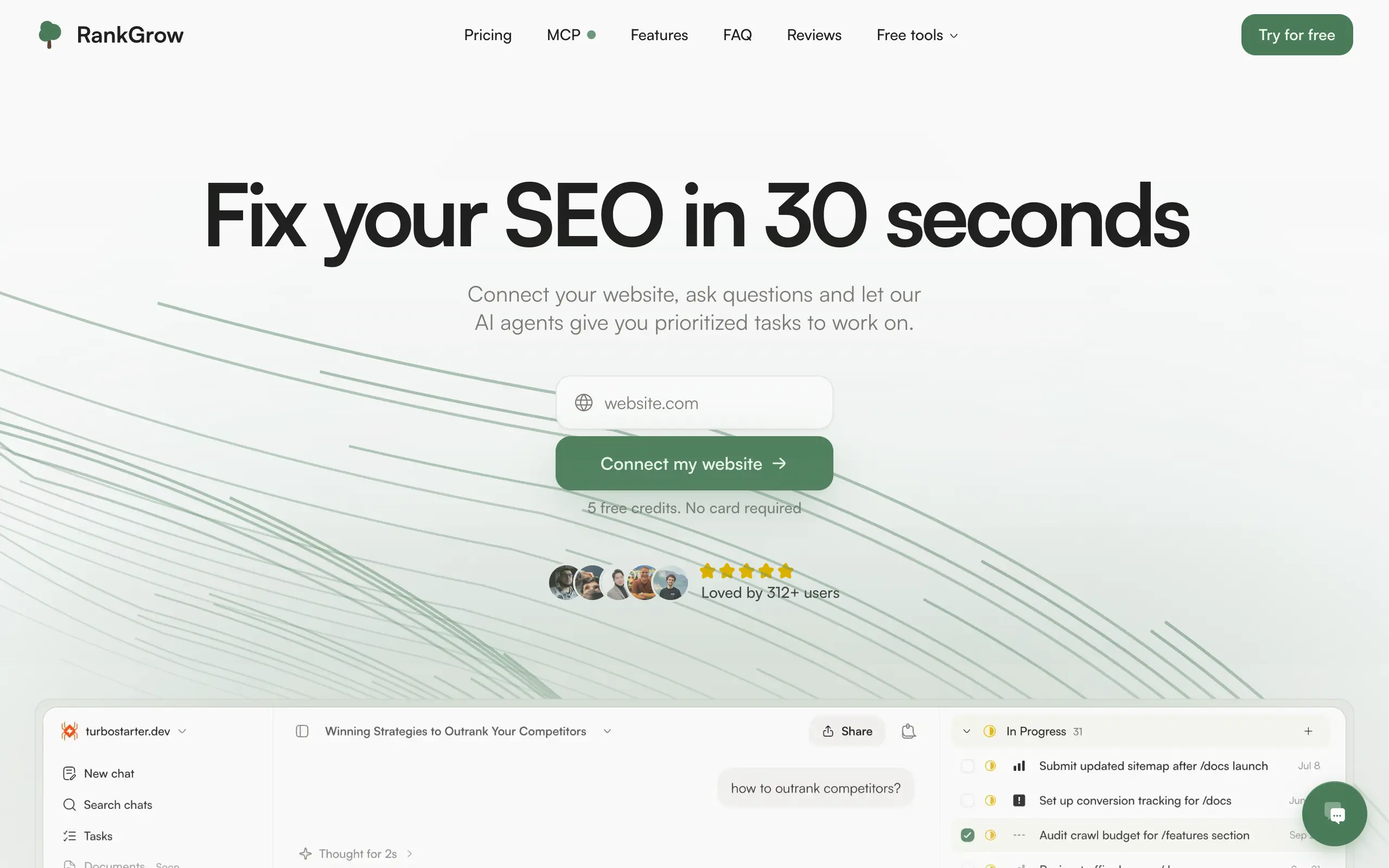
RankGrow
Fix your SEO with AI agents - connect Search Console, get prioritized tasks, and grow organic traffic 📈
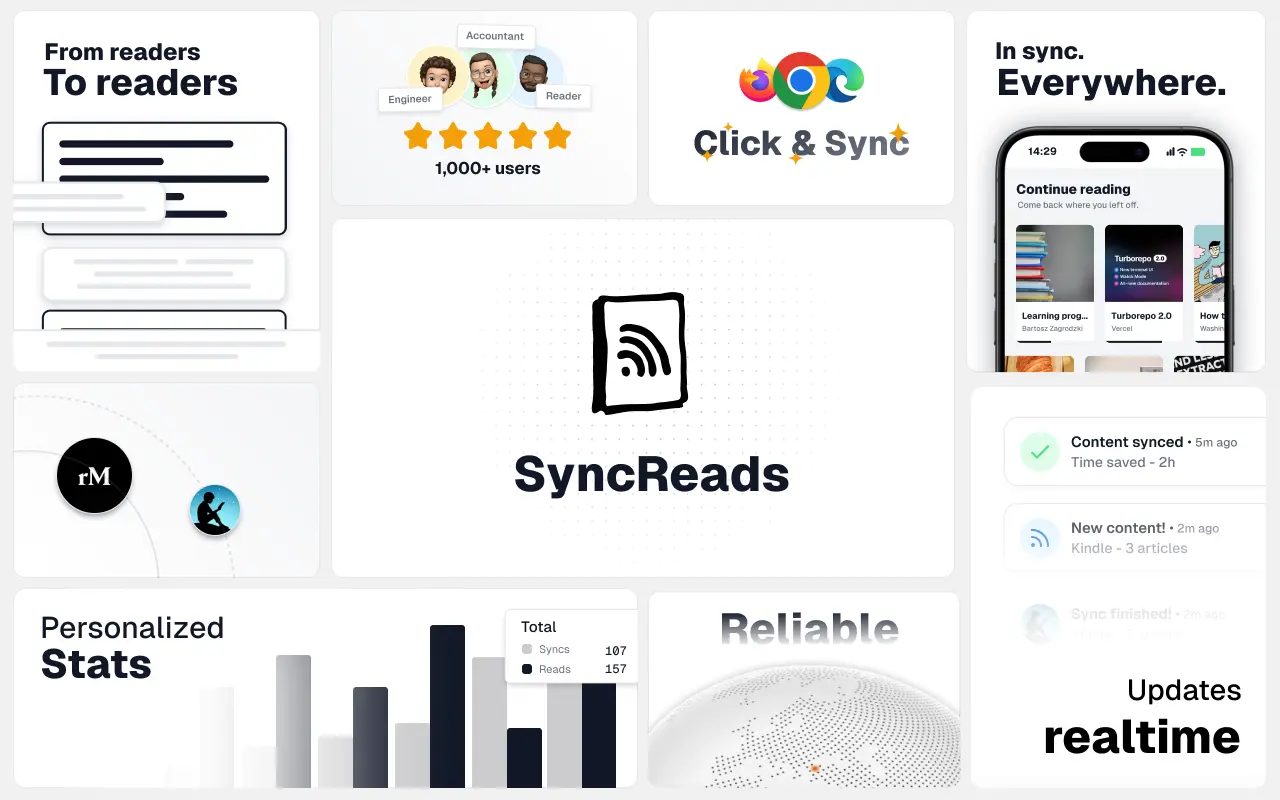
SyncReads
Sync your favorite content for distraction-free reading, save time and replace multiple apps. Anytime, anywhere 🔄
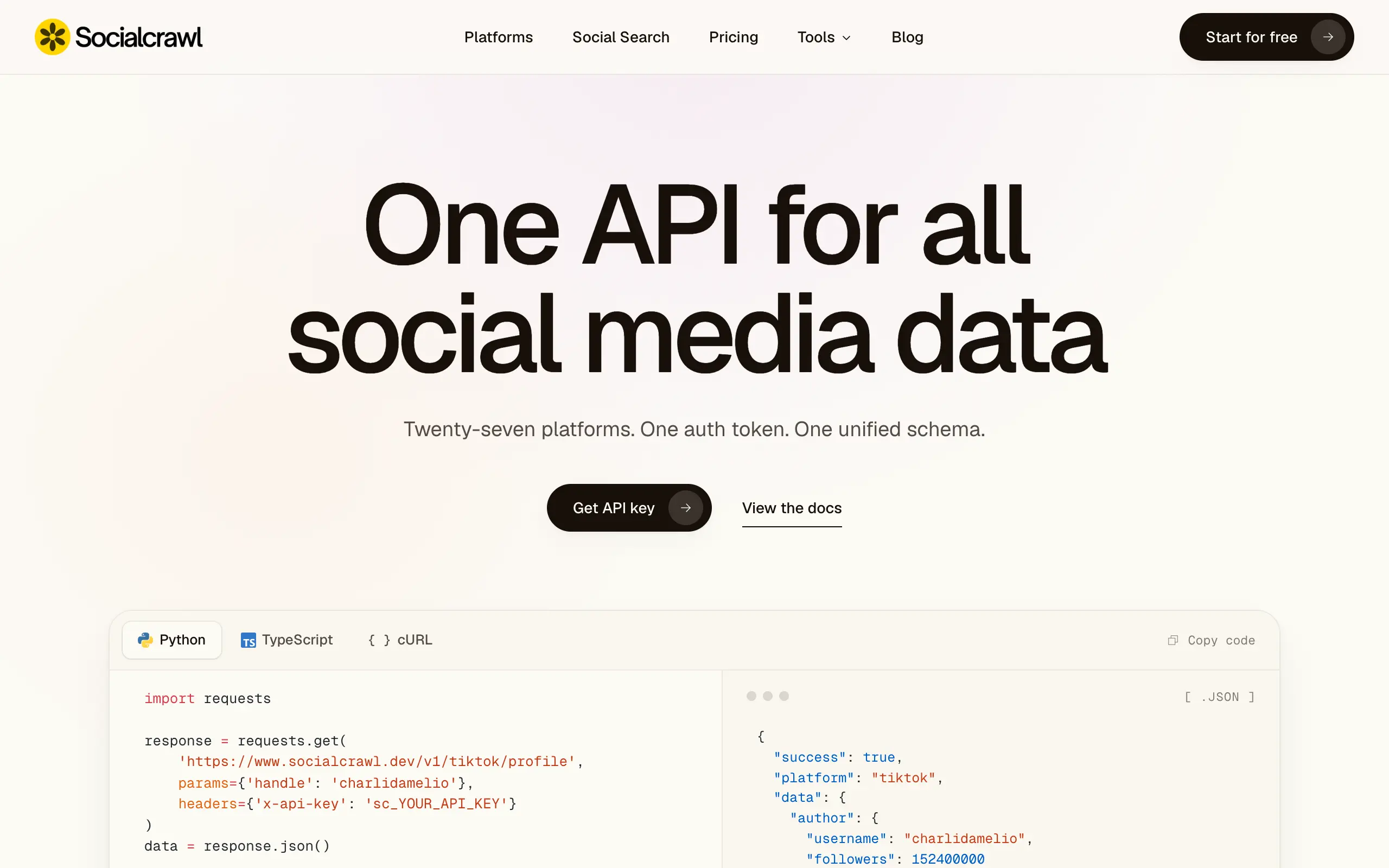
Socialcrawl
Get clean, structured data from 21 platforms like TikTok, Instagram, and YouTube with a single request 📊
Statiko
Monitor any Telegram channel in real time - track posts, edits, deletions, and growth with AI recaps 📡
Shibui
AI website builder - describe your business, pick a niche template, edit by chatting, and publish instantly ✨
Pro Service
Find verified home service professionals, compare quotes, and pay securely through escrow - built for Brazilians across the US 🏠
RankGrow
Fix your SEO with AI agents - connect Search Console, get prioritized tasks, and grow organic traffic 📈
SyncReads
Sync your favorite content for distraction-free reading, save time and replace multiple apps. Anytime, anywhere 🔄
Socialcrawl
Get clean, structured data from 21 platforms like TikTok, Instagram, and YouTube with a single request 📊
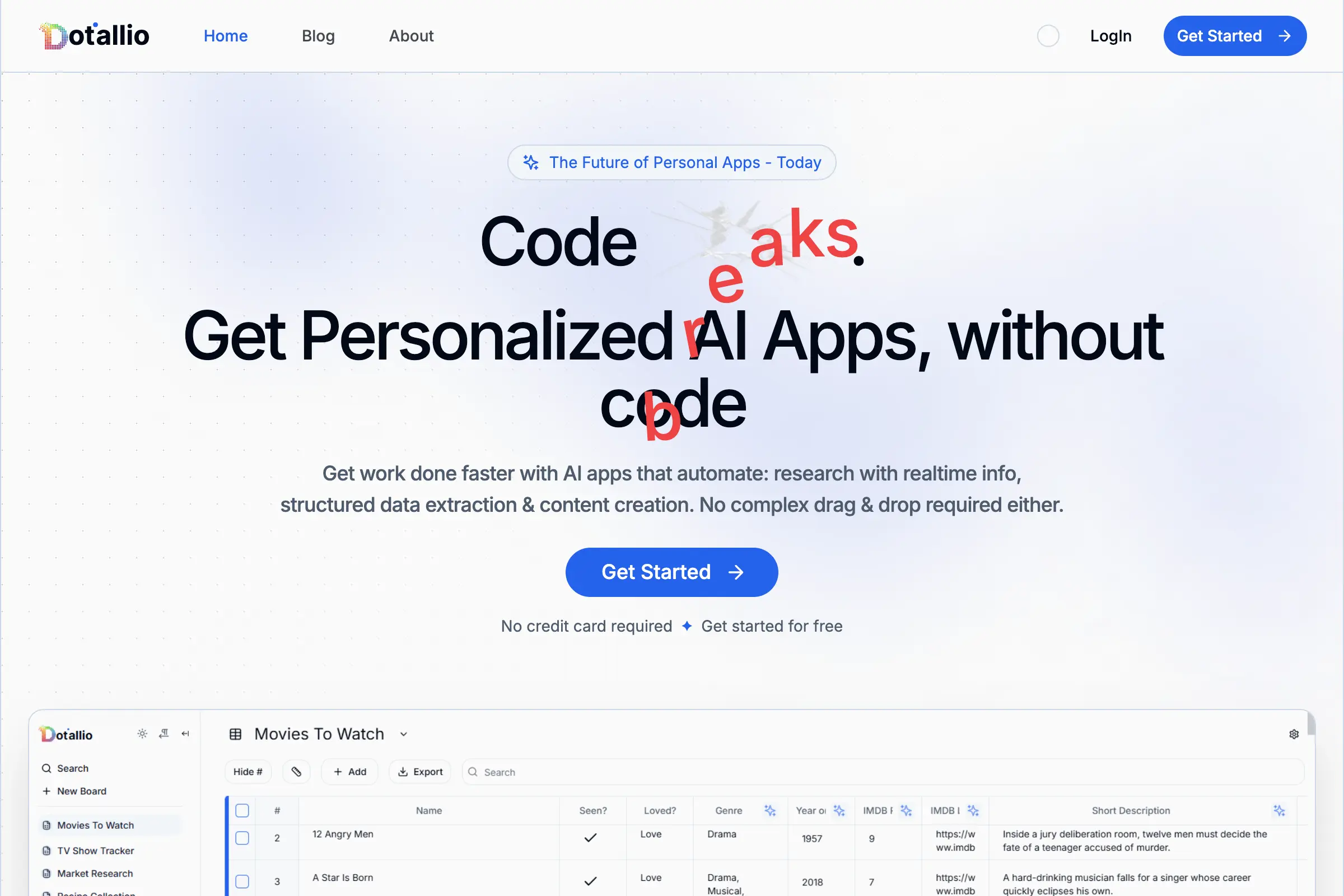
Dotallio
Personalized AI apps that automate research, data extraction, and content creation without code 🤖
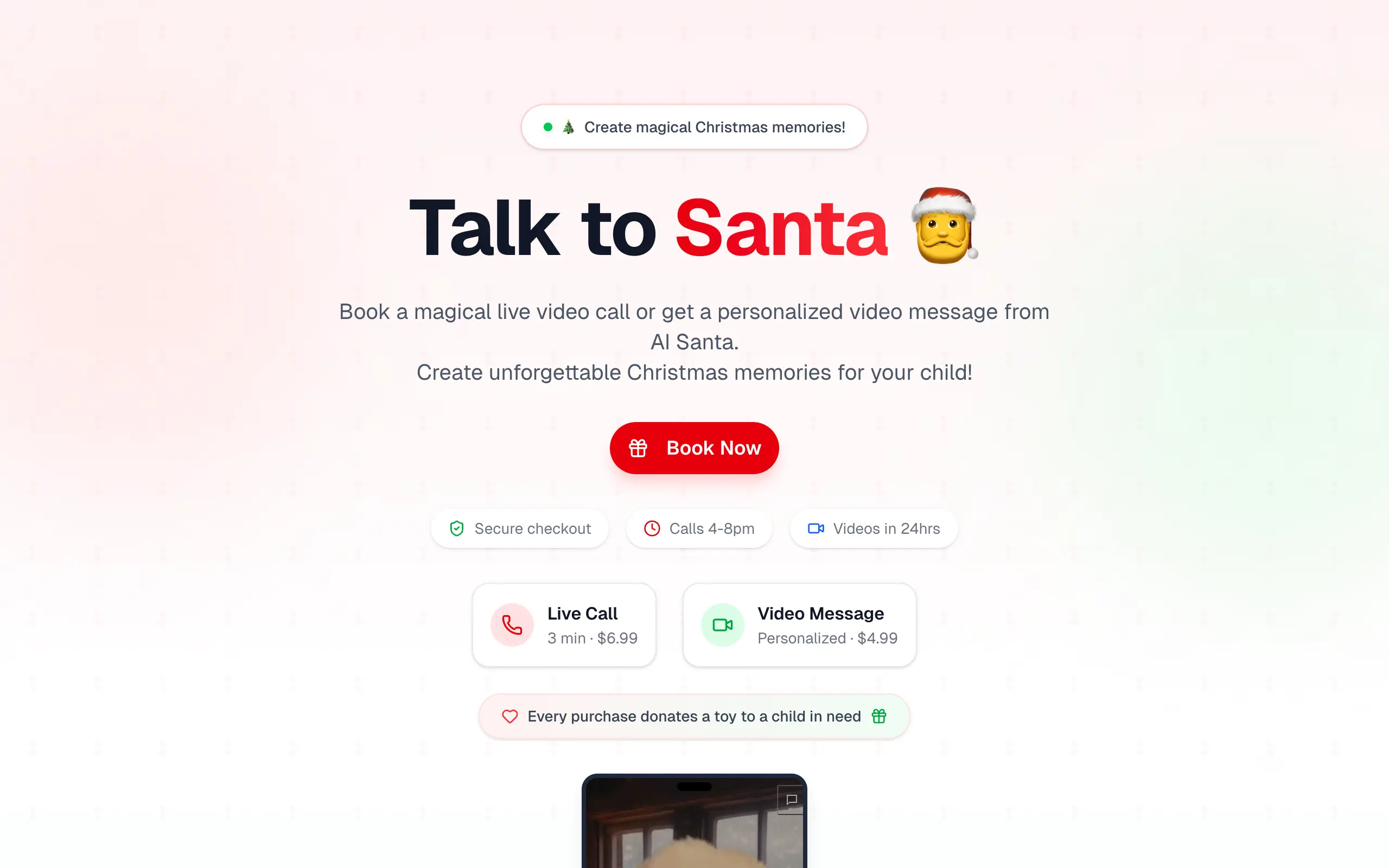
Talk to Santa
Enjoy a magical live video chat or receive a unique AI-generated video greeting from Santa Claus 🎅
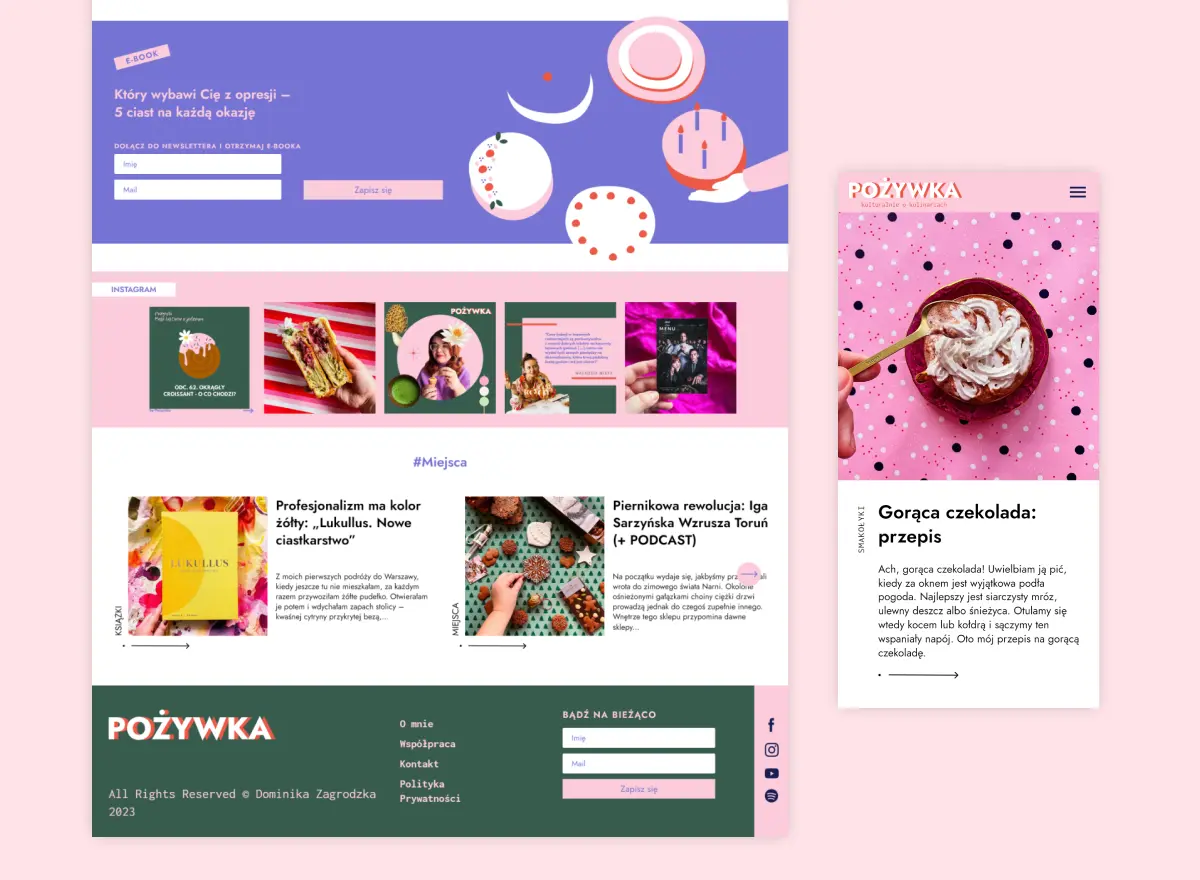
pozywka.pl
Scalable blog for food journalist, focused on performance and user experience 🌭
zagrodzki.me
Personal blog and portfolio of Bart Zagrodzki, where he shares his knowledge and work 💼
TurboStarter
Ship your startup everywhere. In minutes.
HTML to Markdown
Convert HTML to Markdown with ease, directly in your browser 📄
Dotallio
Personalized AI apps that automate research, data extraction, and content creation without code 🤖
Talk to Santa
Enjoy a magical live video chat or receive a unique AI-generated video greeting from Santa Claus 🎅
pozywka.pl
Scalable blog for food journalist, focused on performance and user experience 🌭
zagrodzki.me
Personal blog and portfolio of Bart Zagrodzki, where he shares his knowledge and work 💼
TurboStarter
Ship your startup everywhere. In minutes.
HTML to Markdown
Convert HTML to Markdown with ease, directly in your browser 📄
Omichat
Chat with 50+ AI models, including ChatGPT and Claude, in one place - switch models anytime without losing context 🤖
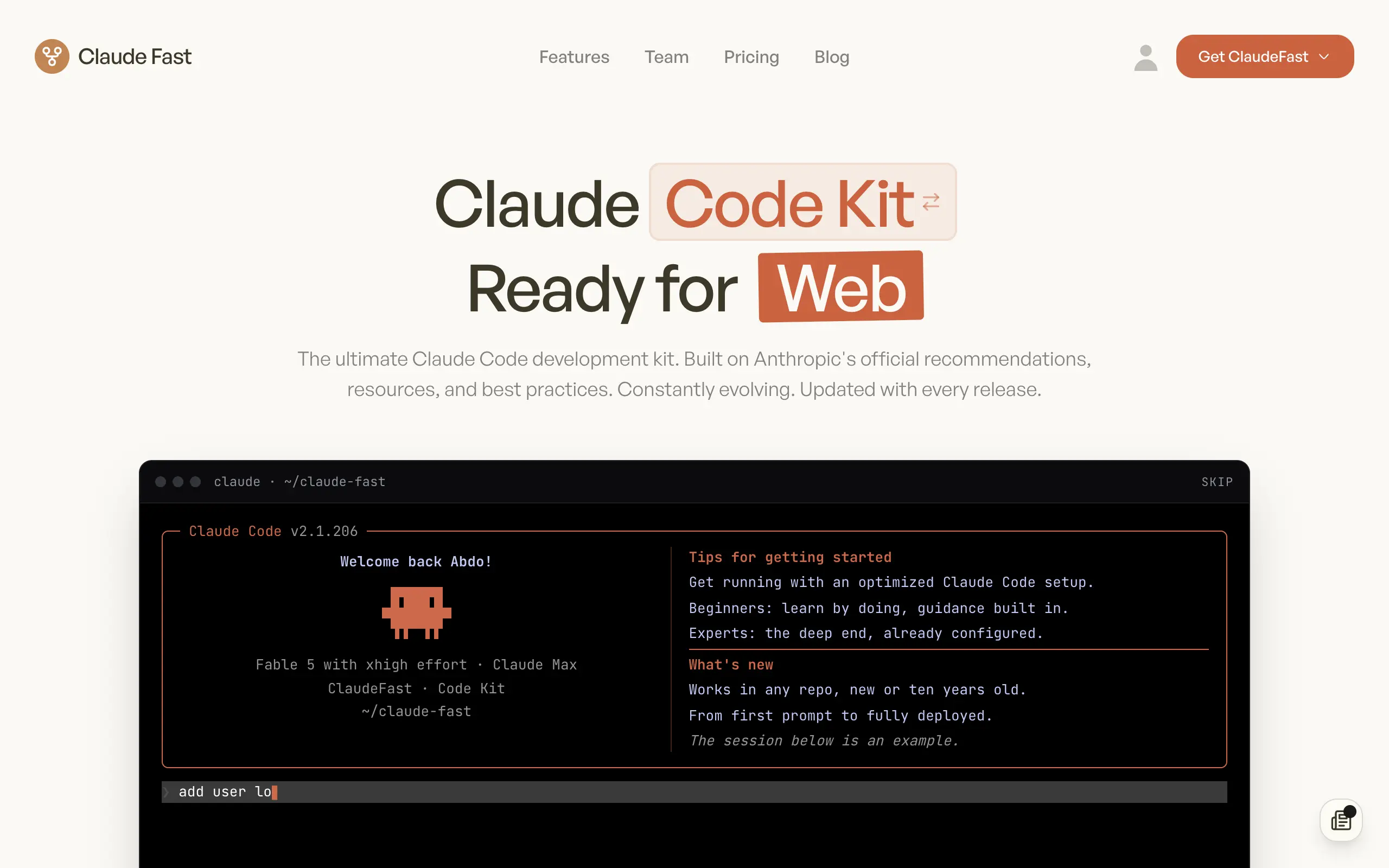
Claude Fast
Supercharge your Claude Code with 6x effective context window and specialized AI agents 🤖
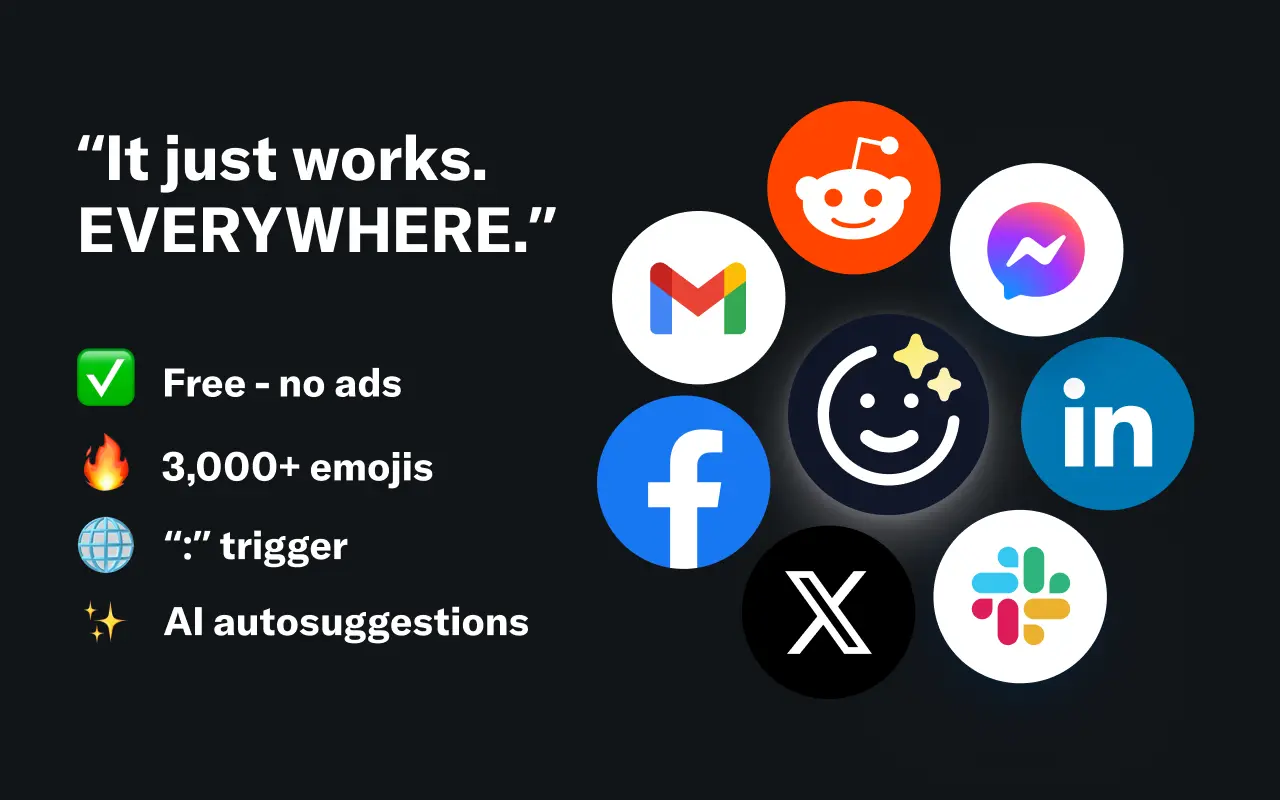
EmojAI
AI-powered emoji picker with smart, context-aware suggestions 🤖
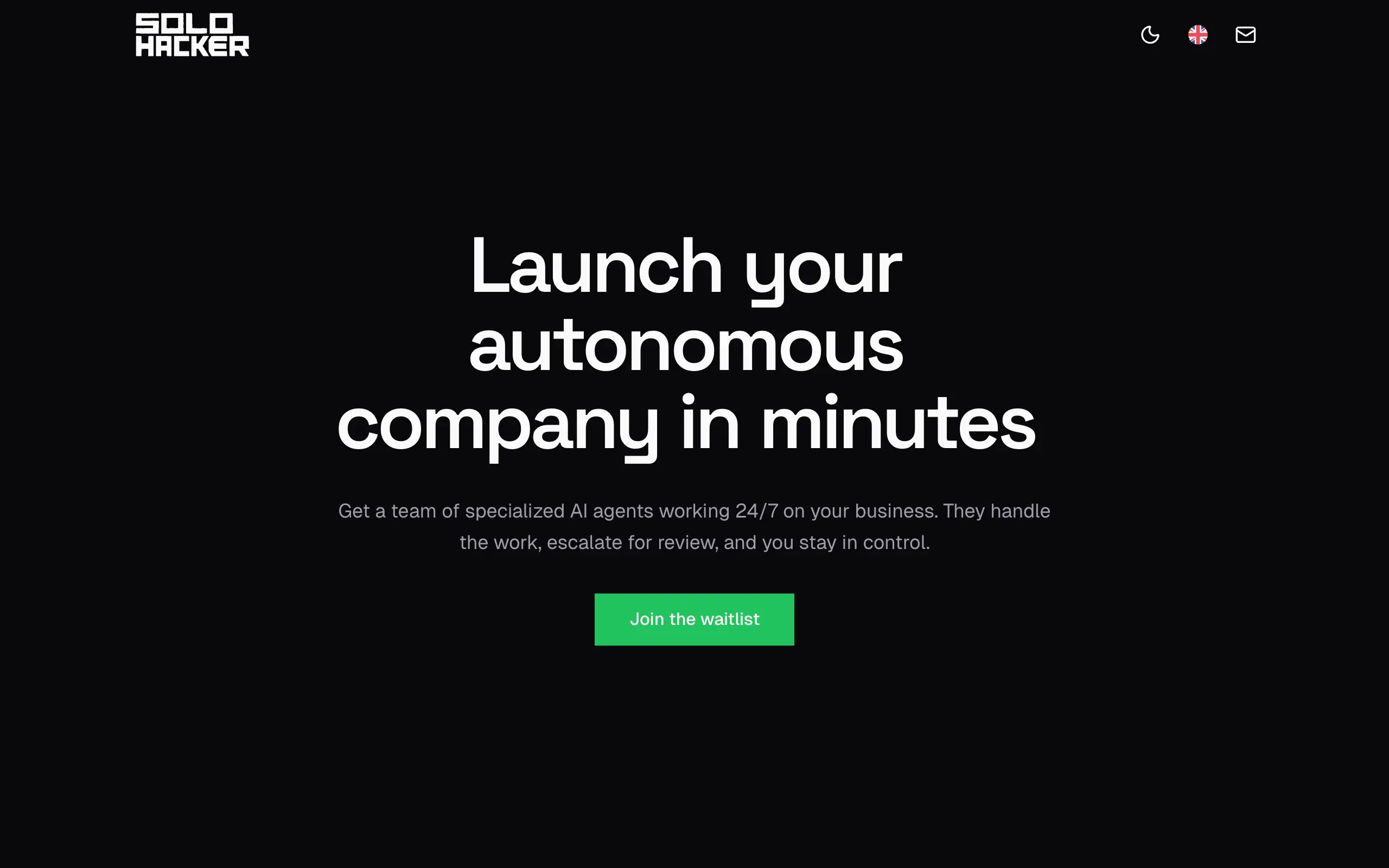
Solohacker
Autonomous company launcher - AI agents work 24/7, escalate what matters, and you stay in control 🤖
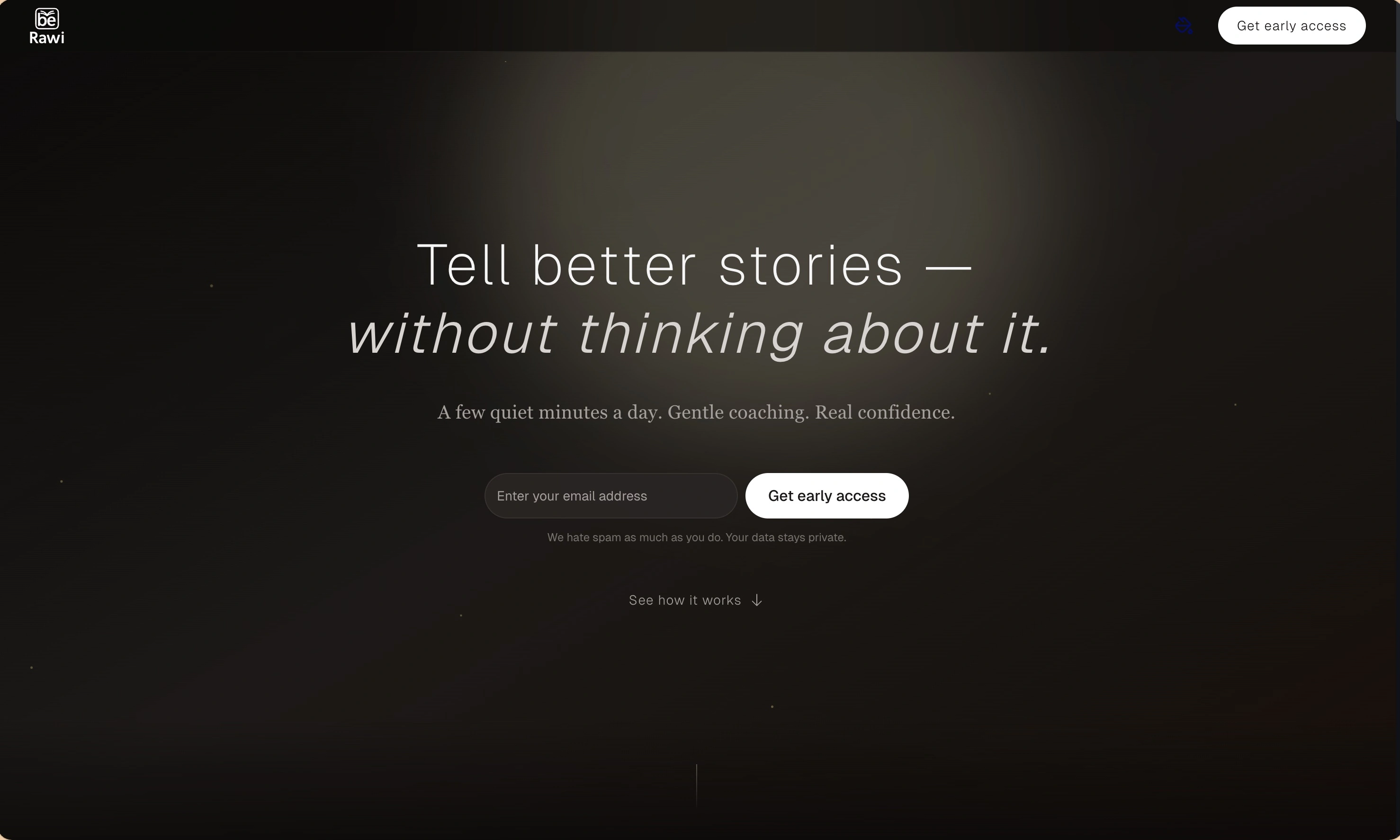
BeRawi: Storytelling Coach
Practice storytelling daily with instant feedback to sound clearer, more engaging, and confident 🎤
Omichat
Chat with 50+ AI models, including ChatGPT and Claude, in one place - switch models anytime without losing context 🤖
Claude Fast
Supercharge your Claude Code with 6x effective context window and specialized AI agents 🤖
EmojAI
AI-powered emoji picker with smart, context-aware suggestions 🤖
Solohacker
Autonomous company launcher - AI agents work 24/7, escalate what matters, and you stay in control 🤖
BeRawi: Storytelling Coach
Practice storytelling daily with instant feedback to sound clearer, more engaging, and confident 🎤

Connect with like-minded people
Join our community to get feedback, support, and grow together with 1,000+ builders on board, let's ship it!
Join usShip your startup everywhere. In minutes.
Don't burn tokens on setup and start building features on day one.