InboxSieve AI
Create disposable inboxes with AI spam risk scores and instant attachment warnings. Developers can safely test signups, OTPs, and email flows.
Why AI disposable inboxes are becoming essential developer infrastructure
Modern SaaS teams depend on email workflows for nearly every critical product action. Account creation, password resets, magic links, purchase receipts, security alerts, webhook notifications, and one-time passwords all require reliable email delivery. Yet testing those flows safely is surprisingly difficult.
Developers often use personal inboxes, shared QA mailboxes, or conventional temporary email services. Each approach creates avoidable risks. Personal inboxes expose real addresses to third-party lists. Shared mailboxes create privacy and coordination issues. Generic disposable inbox providers may be blocked by signup systems, fail to retain attachments, or offer little visibility into whether an incoming message is actually suspicious.
InboxSieve AI is positioned as an AI disposable inbox platform for developers who need to test email flows without blindly opening risky messages or attachments. It combines temporary email addresses with AI spam risk scoring, attachment warnings, OTP capture, and developer-friendly APIs.
The opportunity is not merely to offer another temp mail service. The stronger product category is secure email testing infrastructure: a platform that helps engineering, QA, security, and growth teams receive, inspect, classify, and automate test email workflows.
The key positioning
InboxSieve AI should lead with safe email testing for developers, not anonymous throwaway email. Disposable inboxes are the mechanism. AI risk analysis, attachment safety signals, and test automation are the premium outcome.
The target audience for InboxSieve AI
The best early customers are not necessarily consumers seeking a temporary address. They are technical teams with recurring email QA needs, a measurable security concern, and enough workflow complexity to justify a paid tool.
SaaS engineering teams
Product engineers regularly need fresh inboxes to verify:
- Signup confirmation messages
- Email verification links
- Password reset flows
- Magic-link authentication
- Transactional email templates
- Notification preferences
- Account deletion confirmations
- Email suppression behavior
- Localization and rendering across clients
A developer may test these manually during feature work, while a QA engineer validates them during release preparation. InboxSieve AI can reduce that friction by creating inboxes programmatically and exposing messages through an API, dashboard, webhook, or browser-friendly test view.
The core value proposition for this segment is straightforward: test every email state without exposing a real mailbox or depending on fragile shared inboxes.
QA and test automation teams
Quality assurance teams often struggle with email assertions in end-to-end testing. A test needs to create a user, receive a confirmation message, extract a verification URL, and continue the browser flow. If inbox access is slow, stateful, or difficult to automate, email tests become unreliable.
InboxSieve AI can serve this audience with:
- Isolated inboxes for every test run
- API endpoints for retrieving messages
- Structured extraction of OTPs and links
- Webhooks for event-driven workflows
- Message retention controls
- Deterministic cleanup after test completion
- Risk labels that prevent unsafe attachments from entering CI environments
This is a high-value audience because email testing is often a source of flaky end-to-end tests. A platform that lowers flakiness can earn a place in a team’s development tooling budget.
Security-conscious developers and researchers
Security engineers, malware analysts, support teams, and developers evaluating unfamiliar vendors may need a safer place to receive potentially untrusted email. They may sign up for a trial, request a demo, test an integration, or inspect an automated email sequence.
Conventional inboxes do not make this safe by default. InboxSieve AI can provide a practical safety layer by warning users before they interact with suspicious attachments, unusual sender patterns, credential-harvesting language, or potentially malicious links.
This audience should not be promised a full malware sandbox unless the product actually provides one. Instead, the product should clearly communicate that it offers risk scoring and actionable warnings, while allowing organizations to configure deeper inspection or quarantine policies.
Growth, lifecycle, and CRM operations teams
Lifecycle marketers and CRM specialists need to verify campaigns, event triggers, segmentation, and unsubscribe behavior. They often receive test sends in personal inboxes, where production and testing messages become mixed together.
Dedicated disposable inboxes are useful for validating:
- Drip campaigns
- Trial onboarding sequences
- Abandoned-cart reminders
- Referral notifications
- Pricing and localization variants
- Unsubscribe and preference-center links
- Promotional deliverability behavior
For this audience, a polished visual inbox and easy message sharing may matter as much as APIs. A secure share link with expiration controls can make review cycles faster without exposing a team member’s real email address.
Agencies and integration consultants
Agencies that build SaaS products, implement CRMs, or configure authentication systems face a repeated version of the same problem across many clients. They need distinct test identities, reliable inbox access, and auditable separation between projects.
A workspace model with client projects, team permissions, inbox tags, and retention policies would make InboxSieve AI especially compelling for agencies. This is also a channel opportunity: consultants can introduce the product during implementation work and retain it as part of their standard delivery stack.
The market gap in disposable email and secure inbox testing
Temporary email services are abundant, but most are optimized for anonymous, consumer-style usage. Their product experience often centers on quickly generating an address and viewing messages in a basic inbox.
That is useful, but it does not solve the entire developer workflow.
Developers need reliability, automation, safety, observability, and predictable retention. They need to know when an email arrives, inspect its metadata, retrieve its HTML safely, capture an OTP, parse a link, and remove the inbox when the test ends. Security-minded teams also need a clear explanation of whether an attachment or message appears risky.
The gap is between disposable email and trustworthy email test infrastructure.
| Capability | Basic temp mail | Email test sandbox | InboxSieve AI opportunity | Customer impact |
|---|---|---|---|---|
| Fast inbox creation | Usually included | Usually included | Included | Faster manual testing |
| API and webhooks | Often limited | Strong | Core feature | Automated email QA |
| AI spam risk scoring | Rare | Variable | Core differentiator | Safer message review |
| Attachment warnings | Rare | Sometimes available | Core differentiator | Lower exposure risk |
| Disposable test identities | Included | Not always included | Included | Cleaner test isolation |
The market opportunity becomes stronger as software teams increase automation and as phishing methods become more convincing. Generative AI has lowered the cost of writing polished, personalized scam messages. Meanwhile, every SaaS company continues to add email-driven authentication and notification flows.
For market-sizing claims, the eventual website and investor materials should cite current reports from recognized sources such as cybersecurity vendors, email delivery providers, and industry research firms. Use a reference format such as “Source: [publisher], [report title], [publication year]” rather than relying on unattributed statistics.
The unique selling proposition of InboxSieve AI
InboxSieve AI should own a concise promise:
Create temporary inboxes for testing email flows, while AI identifies suspicious messages and warns you before risky attachments are opened.
That statement combines practical developer utility with security value. It also avoids an overly broad claim that the service can stop all threats.
The product’s USP is the combination of five capabilities:
- Instant disposable inboxes for signups, OTPs, and transactional email testing.
- AI spam risk scores that prioritize suspicious messages and explain why they were flagged.
- Attachment risk warnings before users download or preview potentially dangerous files.
- Automation-ready APIs and webhooks for CI pipelines and end-to-end test suites.
- Developer-grade controls such as retention settings, workspaces, audit logs, and project isolation.
A generic temp-mail product can offer an email address. InboxSieve AI should offer a safer, observable testing environment.
Test faster
Generate isolated inboxes for every signup, OTP, password reset, and transactional email test.
Review more safely
Use explainable AI risk scores and attachment warnings before interacting with unknown content.
Automate confidently
Connect inbox events to CI, browser tests, webhooks, and internal QA tooling.
Core features for an AI disposable inbox platform
The initial product should solve the core email testing job exceptionally well before expanding into advanced security tooling.
Disposable inbox creation and domain management
Users need to create a new inbox in seconds. Each inbox should have a unique local part and a selectable domain from a controlled pool. Teams on higher plans may connect or provision custom testing domains.
Important configuration options include:
- Inbox expiration from minutes to days
- Manual deletion controls
- Inbox labels and project assignment
- Configurable message retention
- Alias generation for test variants
- Optional inbound-only mode
- Domain allowlists for controlled testing
- Team-level domain restrictions
Disposable does not need to mean anonymous. For professional users, every inbox should belong to a workspace, project, and permission model. This supports auditability and makes cleanup easier.
Real-time message capture
A high-quality inbox experience needs low-latency message delivery and a clear status model. The UI should show whether a message is received, being analyzed, quarantined, expired, or available for safe viewing.
The platform should store message components separately where possible:
- Envelope metadata
- Sender and recipient information
- Headers
- Plain-text body
- Sanitized HTML body
- Attachments
- Extracted links
- Authentication results
- AI analysis output
Separating these artifacts helps the product safely render messages and makes later API access more predictable.
AI spam risk scoring
The AI spam risk score is central to the InboxSieve AI brand. It should not be a mysterious number. Users need an understandable classification and evidence.
A useful score can combine deterministic signals with machine learning or language-model analysis:
- SPF, DKIM, and DMARC alignment results
- Domain age or reputation data where legally and operationally appropriate
- Sender-display-name mismatches
- Suspicious URL patterns
- Urgency or impersonation language
- Credential collection requests
- Unexpected attachment types
- Message structure anomalies
- Known spam indicators
- Similarity to prior malicious campaigns
The output should be a score from 0 to 100 plus a severity tier such as low, medium, high, or critical. It should also include short, actionable explanations.
For example, a warning might say:
High risk because the display name resembles a known brand, the sender domain does not align with the claimed organization, and the message contains a password-protected archive.
This is more useful than a generic “spam detected” label.
Attachment warnings and safe handling
Attachments are a major reason the product can stand apart. The interface should treat them as untrusted by default.
At minimum, InboxSieve AI should identify:
- File name and declared MIME type
- File extension mismatches
- Executable or script-like formats
- Macro-enabled office documents
- Password-protected archives
- Double-extension filenames
- Unusually large files
- Hashes for downstream security workflows
- Scan status and analysis availability
A risk warning should appear before downloading any suspicious file. For high-risk files, the default action can be quarantine rather than download. Enterprise customers may want policy controls that block categories such as executable files, macro documents, archives, or unscanned attachments.
Be precise about what the product does. A warning is not malware detection. If InboxSieve AI later integrates malware scanning, sandboxing, or threat intelligence feeds, the product can communicate those capabilities separately with documented limitations.
OTP and verification link extraction
Email testing becomes much easier when the platform understands common message patterns. InboxSieve AI should detect:
- Numeric one-time passwords
- Magic links
- Email verification links
- Password reset URLs
- Invitation links
- Expiration timestamps when present
- Call-to-action buttons in HTML emails
The user interface can show these values in a compact test panel, while the API can return normalized fields. This saves developers from brittle regular expressions and HTML parsing in every test repository.
API, webhooks, and SDKs
A developer-first platform needs a clean API from day one. The first version should make the common workflow easy:
- Create an inbox.
- Trigger the product flow under test.
- Wait for a message.
- Read the message or extracted OTP.
- Follow a verification link.
- Delete the inbox.
A TypeScript SDK can become the easiest adoption path for web teams. Documentation should include examples for API testing, end-to-end testing, and CI workflows.
const inbox = await inboxSieve.inboxes.create({
  projectId: "proj_checkout",
  expiresInMinutes: 30,
})

await page.getByLabel("Email address").fill(inbox.address)
await page.getByRole("button", { name: "Create account" }).click()

const message = await inboxSieve.messages.waitFor(inbox.id, {
  timeoutMs: 30_000,
  subjectIncludes: "Verify your email",
})

if (message.risk.level === "high") {
  throw new Error("Test email was flagged for review")
}

await page.goto(message.extracted.verificationLink)
Webhooks can support teams that prefer event-driven architecture. Useful events include message.received, message.analyzed, attachment.quarantined, inbox.expired, and risk.threshold_exceeded.
Safe email rendering
Raw email HTML can contain tracking pixels, remote images, deceptive layouts, and unsafe link behavior. InboxSieve AI should render HTML within a sandboxed environment, block active content, and make remote asset loading an explicit user decision.
The interface should provide several views:
- Sanitized rendered email
- Plain-text view
- Raw source view
- Header inspection
- Link inventory
- Authentication result panel
- Attachment analysis panel
This gives developers the fidelity needed for email template QA without forcing them to interact with unsafe content.
How AI risk scoring should work in practice
AI is valuable here only when it improves decisions. A vague AI label can reduce trust, especially among security and engineering teams.
The best approach is a hybrid pipeline.
Run lightweight checks immediately when an email arrives. These include header validation, file type analysis, link parsing, sender-domain comparisons, and rule-based phishing indicators. This keeps initial results fast and predictable.
Analyze the subject, text, sender context, and extracted links with a classification model. The model can identify urgency, impersonation, credential theft language, invoice fraud signals, or unusual social-engineering patterns.
Present a score, severity level, and concise reasons. Users should see which signals drove the result and what action is recommended, such as preview safely, review carefully, or quarantine.
Avoid presenting a model’s result as certainty. False positives and false negatives are inevitable in spam and phishing classification. The UI should allow users to mark a message as safe or suspicious, generating feedback for evaluation and future model improvement.
For enterprise customers, privacy controls matter. Clearly document whether message content is retained, whether it is used to train models, where processing occurs, and how customers can disable certain AI features. A privacy-preserving architecture can become a competitive advantage rather than a compliance footnote.
Recommended tech stack for InboxSieve AI
The technical architecture must prioritize inbound email reliability, secure content handling, fast retrieval, and multi-tenant isolation.
Frontend and application layer
A practical SaaS foundation includes React and Next.js for the dashboard, documentation, authentication flows, and API-adjacent application surface. Tailwind CSS can accelerate a clean, consistent interface for inbox lists, risk badges, message viewers, and settings screens.
For a production SaaS product, use server-side authorization checks rather than relying on client-side workspace state. Every inbox, message, attachment, and API token request must be scoped to an authenticated organization and project.
Inbound email processing
Receiving email requires a robust SMTP ingestion strategy. The service can run dedicated SMTP receivers or use a trusted inbound email provider during the earliest stage. The key design principle is to accept incoming mail quickly, persist the raw message safely, and move expensive analysis to asynchronous workers.
A recommended flow looks like this:
This event-driven model protects inbox delivery from slow AI calls or file-analysis delays. It also allows the platform to retry failed jobs without accepting duplicate emails as distinct messages.
Data storage and queues
PostgreSQL is a strong default for tenant records, inbox metadata, message indexes, audit logs, subscriptions, and policy configuration. Use object storage for raw MIME files and attachment binaries rather than placing large blobs directly in the relational database.
A queue and cache layer such as Redis can support job coordination, rate limits, temporary waiting behavior, and real-time updates. However, do not treat a cache as the only durable source of truth for email events. Message ingestion and processing require durable storage and idempotent jobs.
AI and security analysis services
The initial scoring model can use a combination of rules and an external language model API. For more control, the platform may later adopt specialized classifiers for phishing detection and local models for sensitive enterprise deployments.
The trade-off is important:
- External AI APIs accelerate initial product development and improve language reasoning.
- Local or self-hosted models can improve data control and predictable cost at scale.
- Rule-based checks are explainable and cheap, but they struggle with novel social engineering.
- Threat intelligence enrichments can add useful context, but they introduce licensing, privacy, and latency considerations.
A mature architecture should make risk signals modular. This allows the team to add or remove providers without redesigning the inbox product.
Deployment and observability
Docker is useful for consistent parsing and analysis workers. Container isolation is particularly important when processing malformed email content and attachments. For global edge routing and request protection, Cloudflare can be useful, while background workers should run in an environment suited to longer processing workloads.
Observability should include:
- SMTP acceptance rates
- Message-processing latency
- Queue depth
- Classification failures
- Attachment parsing errors
- Webhook delivery success
- API error rates
- Per-tenant storage consumption
- Abuse and suspicious-signup signals
Teams should also maintain an internal corpus of safe, spam, phishing, and malformed email samples for regression testing. Treat the email parser and sanitizer as security-sensitive components.
Monetization strategies for InboxSieve AI
A freemium model is likely the strongest starting point. Developers need to try inbox creation and API workflows before they commit, while power users will pay for automation, higher retention, and team controls.
| Plan | Ideal customer | Primary limits | Premium value | Pricing model |
|---|---|---|---|---|
| Free | Individual developers | Inbox count and short retention | Basic risk scoring | Free with fair-use controls |
| Pro | Freelancers and small teams | Higher message and API limits | Webhooks, projects, longer retention | Monthly subscription |
| Team | QA and product teams | Shared workspace limits | Roles, audit logs, CI concurrency | Seat plus usage pricing |
| Enterprise | Security-conscious organizations | Custom contracts | SSO, custom domains, policies, support | Annual contract |
Usage-based pricing can be layered on top of subscriptions for high-volume API calls, long-term storage, advanced AI analysis, custom domain volume, or deep attachment scanning. This aligns revenue with real infrastructure costs.
Do not charge only for inboxes. Inbox count is easy to compare and easy to commoditize. Charge for the outcomes that save teams time and reduce risk:
- Reliable test automation
- High API concurrency
- Team governance
- Extended retention
- Security policy controls
- Advanced analysis
- Custom domain management
- Compliance support
Competitive advantage and market positioning
InboxSieve AI will compete indirectly with temporary email providers, email testing platforms, transactional email tools, and security products. The advantage comes from selecting a narrow but valuable intersection.
The product should not try to replace a full email delivery platform. It does not need to compete with vendors that send production campaigns or manage outbound transactional email infrastructure. It should complement them by making inbound testing and risky-email inspection simpler.
The strongest positioning statement is:
InboxSieve AI is the disposable inbox platform built for secure, automated email testing.
That positioning differentiates the product in four ways.
It is developer-native
API-first design, SDKs, test-run isolation, webhooks, and CI examples make the product feel like infrastructure rather than a consumer utility.
It is security-aware without becoming overwhelming
Most developers do not want a security operations center dashboard just to test a password reset email. They want clear warnings, a useful score, and safe defaults. InboxSieve AI can provide this without forcing users through complex workflows.
It turns inbox data into test assertions
OTP extraction, verification-link detection, structured headers, and wait-for-message methods help teams use email as a dependable part of automated tests.
It can earn trust through transparency
Explainable risk results, documented retention, clear data-handling policies, and visible service status are especially important. Trust is a feature in email infrastructure.
Risks and mitigation strategies
The main risks are operational, security-related, legal, and product-positioning concerns.
Disposable email services can attract spam registrations, phishing operations, or attempts to evade platform controls. Require authenticated accounts for API access, apply rate limits, monitor domain behavior, restrict bulk inbox creation, and maintain an abuse response process. The product should not market itself as a tool for bypassing verification systems.
A risk score can be wrong. Use severity bands, explain contributing signals, provide user feedback controls, and avoid claims that messages are definitively safe. Keep deterministic signals separate from model-generated reasoning for easier auditing.
Test emails can contain personally identifiable information, tokens, invoices, and internal links. Use encryption, short default retention, configurable deletion, scoped access controls, audit logs, and documented data-processing practices.
Parsing email attachments is inherently risky. Use isolated workers, block direct execution, quarantine suspicious files, scan content asynchronously, and ensure that download URLs are short-lived and authorization-checked.
Public disposable domains can be blocked by services. Maintain multiple domains, support customer-owned test domains, monitor reputation, and clearly separate compliant QA use cases from abuse-prone behavior.
A further business risk is overbuilding the AI layer before validating the core inbox experience. The first version must reliably receive email, expose it via API, and help users test faster. AI analysis should improve that workflow, not delay it.
Actionable implementation steps
A disciplined MVP can launch quickly if the roadmap focuses on a narrow, high-frequency job.
Phase one: validate the workflow
Interview developers, QA engineers, and security practitioners who currently test email flows. Ask them to demonstrate their current process. Look for repeated pain around waiting for emails, sharing credentials, extracting links, managing OTPs, and opening attachments safely.
Build a landing page around the primary use case: AI disposable inboxes for signup, OTP, and email flow testing. Measure conversion by waitlist signup, API key requests, and completed test inbox creation.
Phase two: ship the reliable inbox MVP
The first usable release should include:
- Authenticated workspaces
- Disposable inbox creation
- Managed receiving domains
- Real-time message display
- Message API
- OTP and link extraction
- Basic risk labels
- Attachment metadata and warnings
- Short retention periods
- Inbox deletion
- API documentation
Prioritize delivery reliability over feature breadth. A developer who cannot consistently receive a verification email will not care how polished the AI explanation is.
Phase three: add automation and team features
Once teams use the product manually, introduce the features that create retention:
- Webhooks
- TypeScript SDK
- Wait-for-message endpoint
- CI examples
- Project-based access controls
- Inbox templates
- Test-run labels
- Shared message views
- Audit logs
- Slack or issue-tracker notifications where appropriate
For fast SaaS execution, TurboStarter can provide a practical foundation for common application needs such as authentication, billing, dashboard structure, and production-oriented SaaS workflows, letting the team focus engineering time on the inbox ingestion and analysis pipeline.
Phase four: harden the security differentiation
After the inbox workflow is trusted, expand the security layer with explainable scoring, configurable quarantine policies, attachment scanning integrations, sender intelligence, and enterprise controls.
Create evaluation datasets before claiming high detection quality. Measure precision, recall, false-positive rates, classification latency, and user override behavior. Publish methodology where possible. Technical buyers will value transparent evaluation much more than vague claims about “AI-powered protection.”
Final recommendation
InboxSieve AI has a credible SaaS opportunity because it solves a persistent developer problem while adding a timely security layer. The product should avoid competing as a generic disposable email service. Instead, it should become the trusted environment where teams test email workflows, retrieve OTPs, inspect verification links, and review untrusted attachments with more context.
The winning product strategy is to make the basic workflow effortless, make automation dependable, and make AI risk scores transparent enough to earn trust. If InboxSieve AI delivers reliable inbox infrastructure first and layered security intelligence second, it can build a defensible position in developer tooling, QA automation, and secure email operations.
More 🤖 AI Startup SaaS ideas
Discover more innovative ai startup SaaS ideas that are trending in 2026. Each idea is AI-generated with market validation and growth potential to help you find your next profitable venture faster than competitors.
Your competitors are building with TurboStarter
Below are some of the SaaS ideas that have been generated and built with our starter kit.
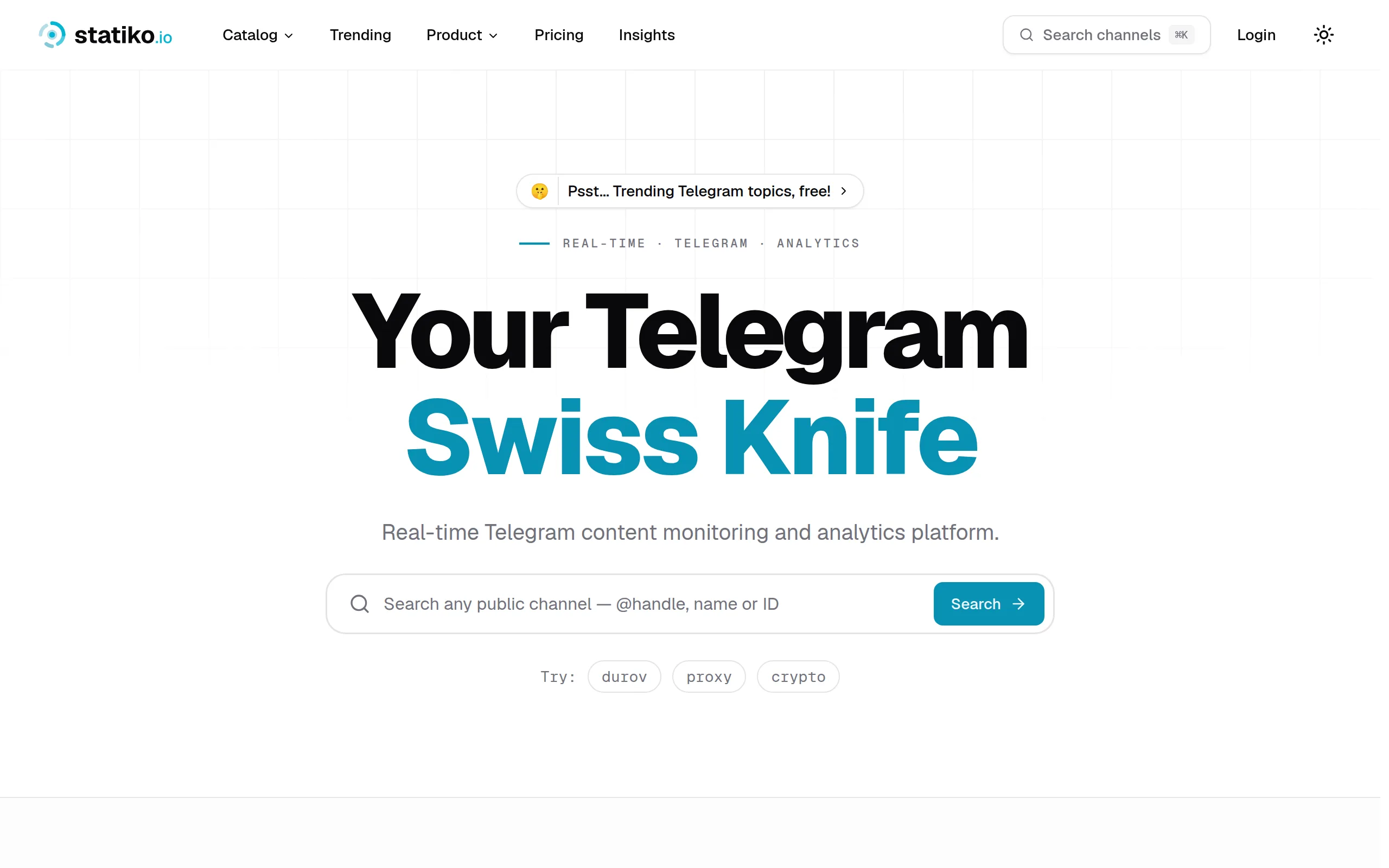
Statiko
Monitor any Telegram channel in real time - track posts, edits, deletions, and growth with AI recaps 📡

Shibui
AI website builder - describe your business, pick a niche template, edit by chatting, and publish instantly ✨

Pro Service
Find verified home service professionals, compare quotes, and pay securely through escrow - built for Brazilians across the US 🏠
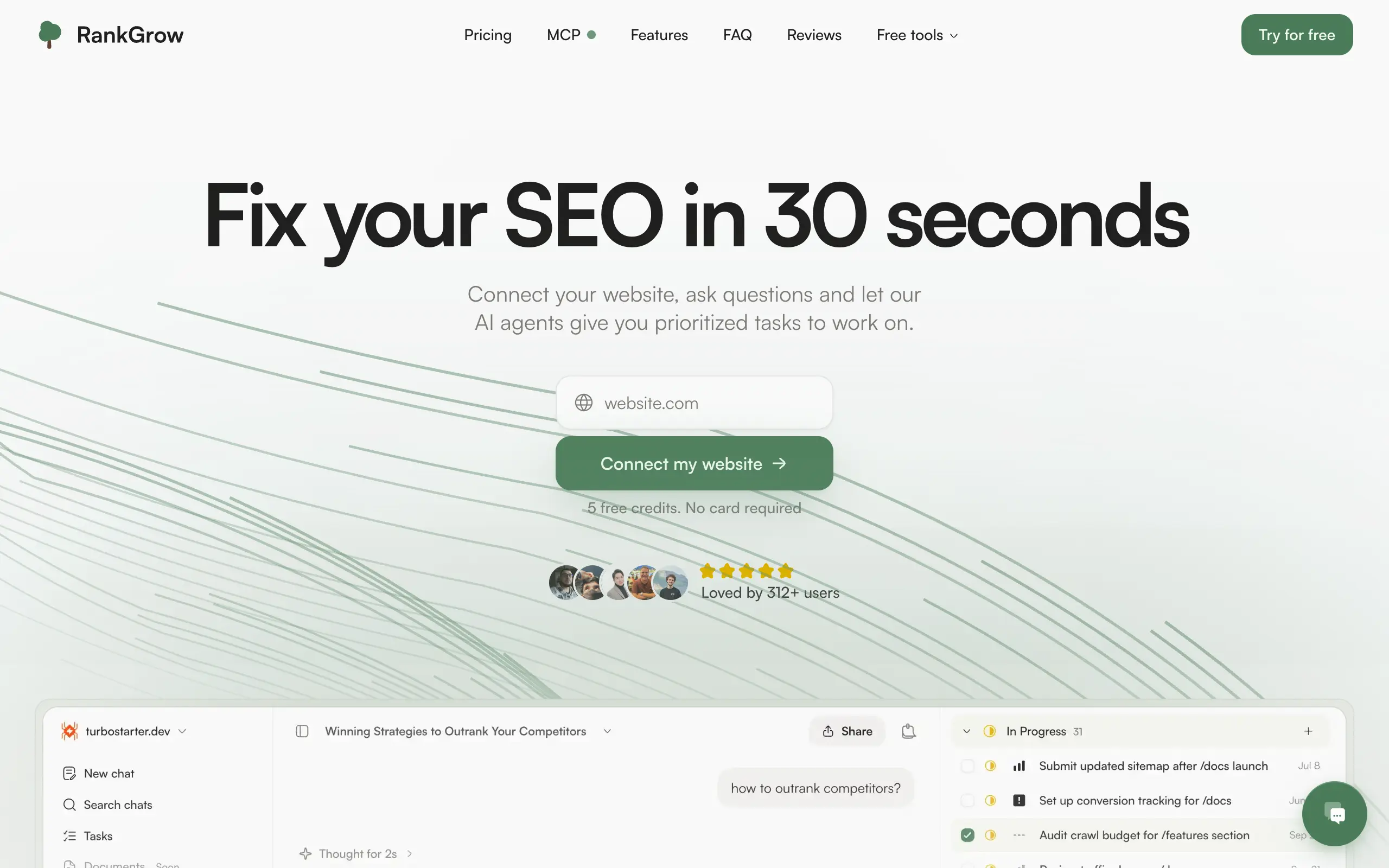
RankGrow
Fix your SEO with AI agents - connect Search Console, get prioritized tasks, and grow organic traffic 📈
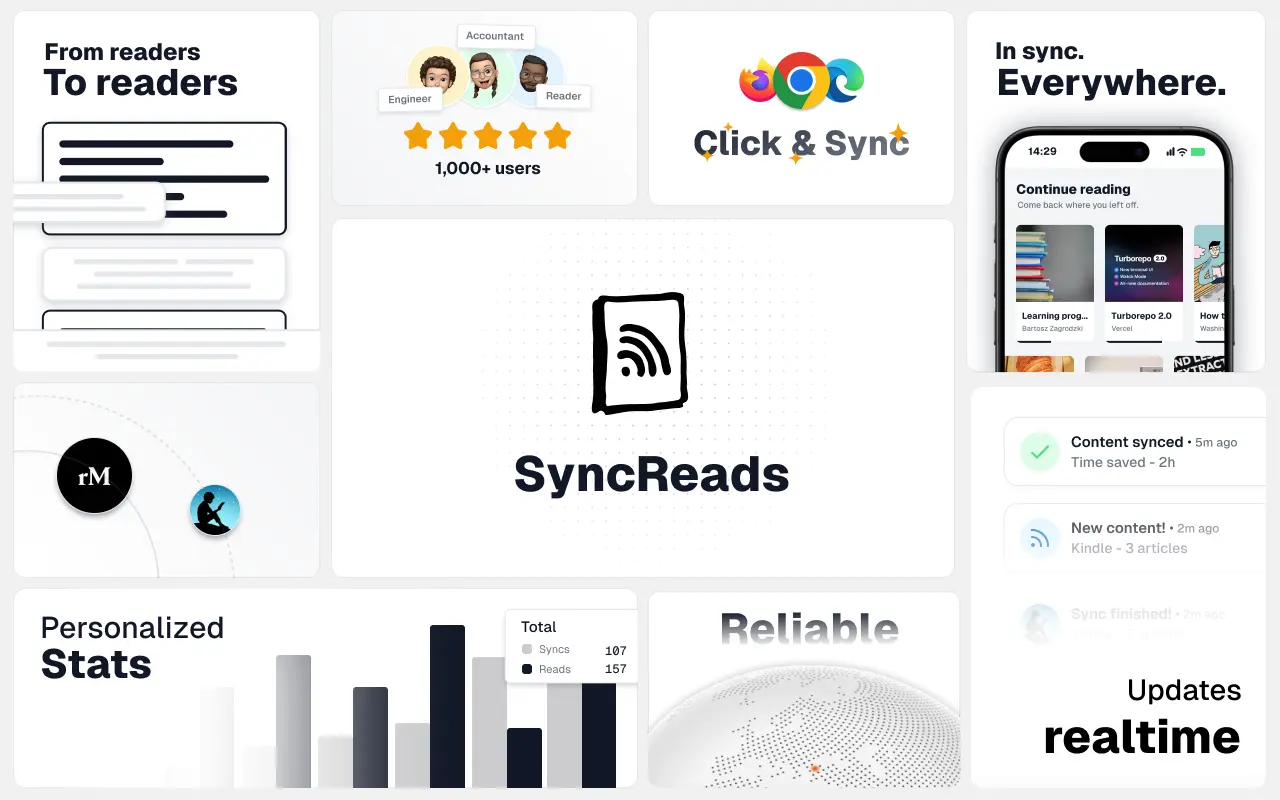
SyncReads
Sync your favorite content for distraction-free reading, save time and replace multiple apps. Anytime, anywhere 🔄
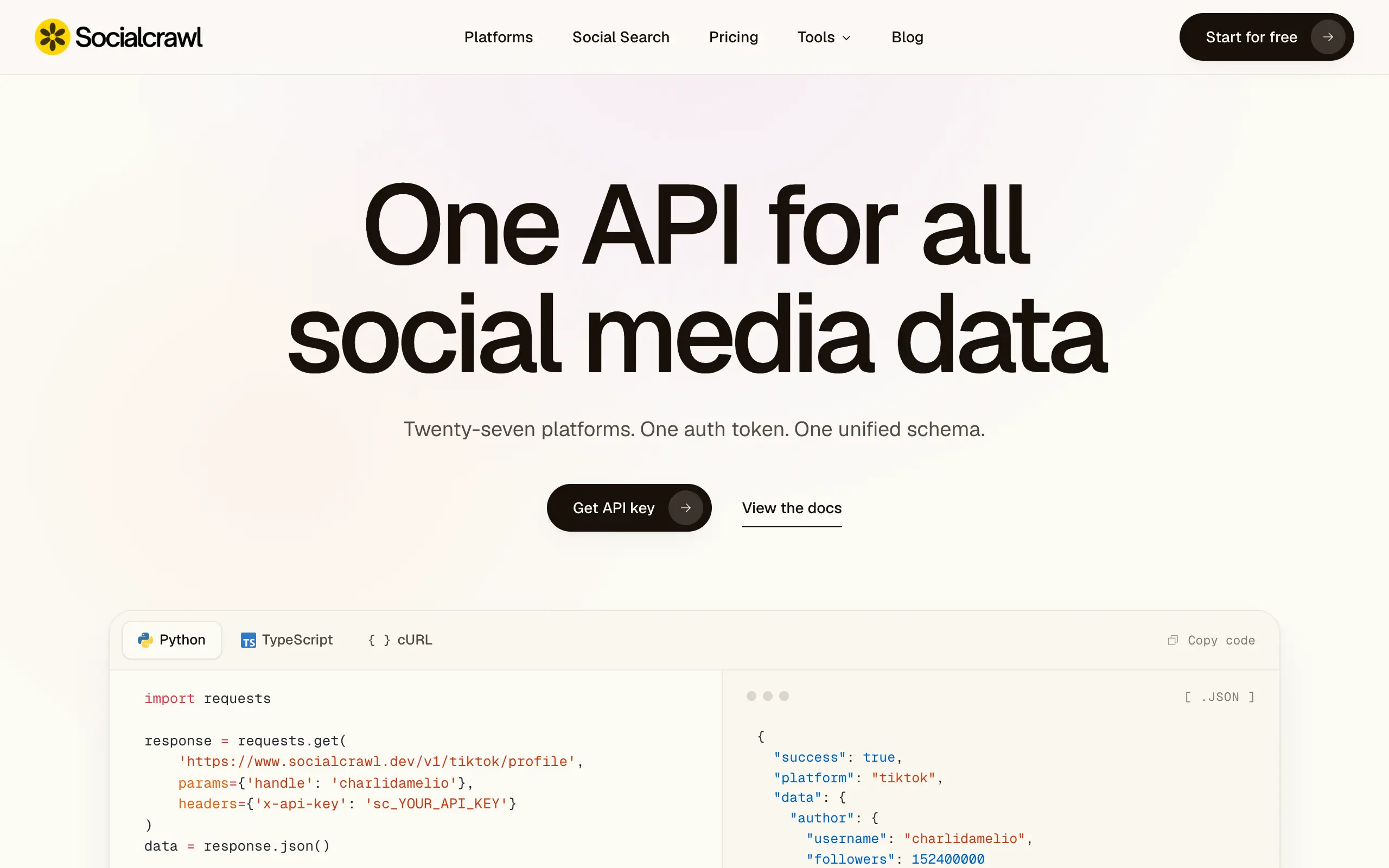
Socialcrawl
Get clean, structured data from 21 platforms like TikTok, Instagram, and YouTube with a single request 📊
Statiko
Monitor any Telegram channel in real time - track posts, edits, deletions, and growth with AI recaps 📡
Shibui
AI website builder - describe your business, pick a niche template, edit by chatting, and publish instantly ✨
Pro Service
Find verified home service professionals, compare quotes, and pay securely through escrow - built for Brazilians across the US 🏠
RankGrow
Fix your SEO with AI agents - connect Search Console, get prioritized tasks, and grow organic traffic 📈
SyncReads
Sync your favorite content for distraction-free reading, save time and replace multiple apps. Anytime, anywhere 🔄
Socialcrawl
Get clean, structured data from 21 platforms like TikTok, Instagram, and YouTube with a single request 📊
Statiko
Monitor any Telegram channel in real time - track posts, edits, deletions, and growth with AI recaps 📡
Shibui
AI website builder - describe your business, pick a niche template, edit by chatting, and publish instantly ✨
Pro Service
Find verified home service professionals, compare quotes, and pay securely through escrow - built for Brazilians across the US 🏠
RankGrow
Fix your SEO with AI agents - connect Search Console, get prioritized tasks, and grow organic traffic 📈
SyncReads
Sync your favorite content for distraction-free reading, save time and replace multiple apps. Anytime, anywhere 🔄
Socialcrawl
Get clean, structured data from 21 platforms like TikTok, Instagram, and YouTube with a single request 📊
Statiko
Monitor any Telegram channel in real time - track posts, edits, deletions, and growth with AI recaps 📡
Shibui
AI website builder - describe your business, pick a niche template, edit by chatting, and publish instantly ✨
Pro Service
Find verified home service professionals, compare quotes, and pay securely through escrow - built for Brazilians across the US 🏠
RankGrow
Fix your SEO with AI agents - connect Search Console, get prioritized tasks, and grow organic traffic 📈
SyncReads
Sync your favorite content for distraction-free reading, save time and replace multiple apps. Anytime, anywhere 🔄
Socialcrawl
Get clean, structured data from 21 platforms like TikTok, Instagram, and YouTube with a single request 📊
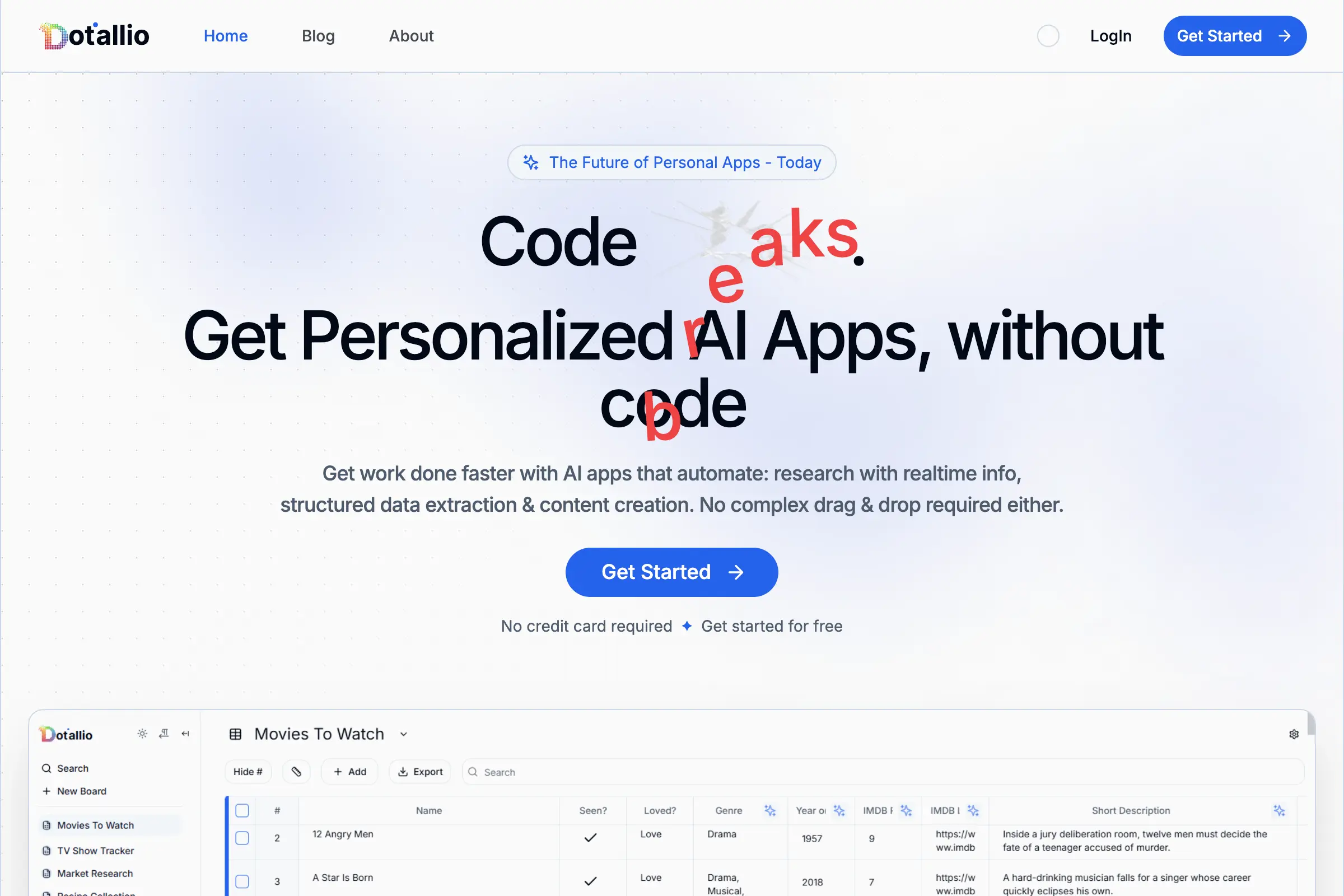
Dotallio
Personalized AI apps that automate research, data extraction, and content creation without code 🤖

Talk to Santa
Enjoy a magical live video chat or receive a unique AI-generated video greeting from Santa Claus 🎅
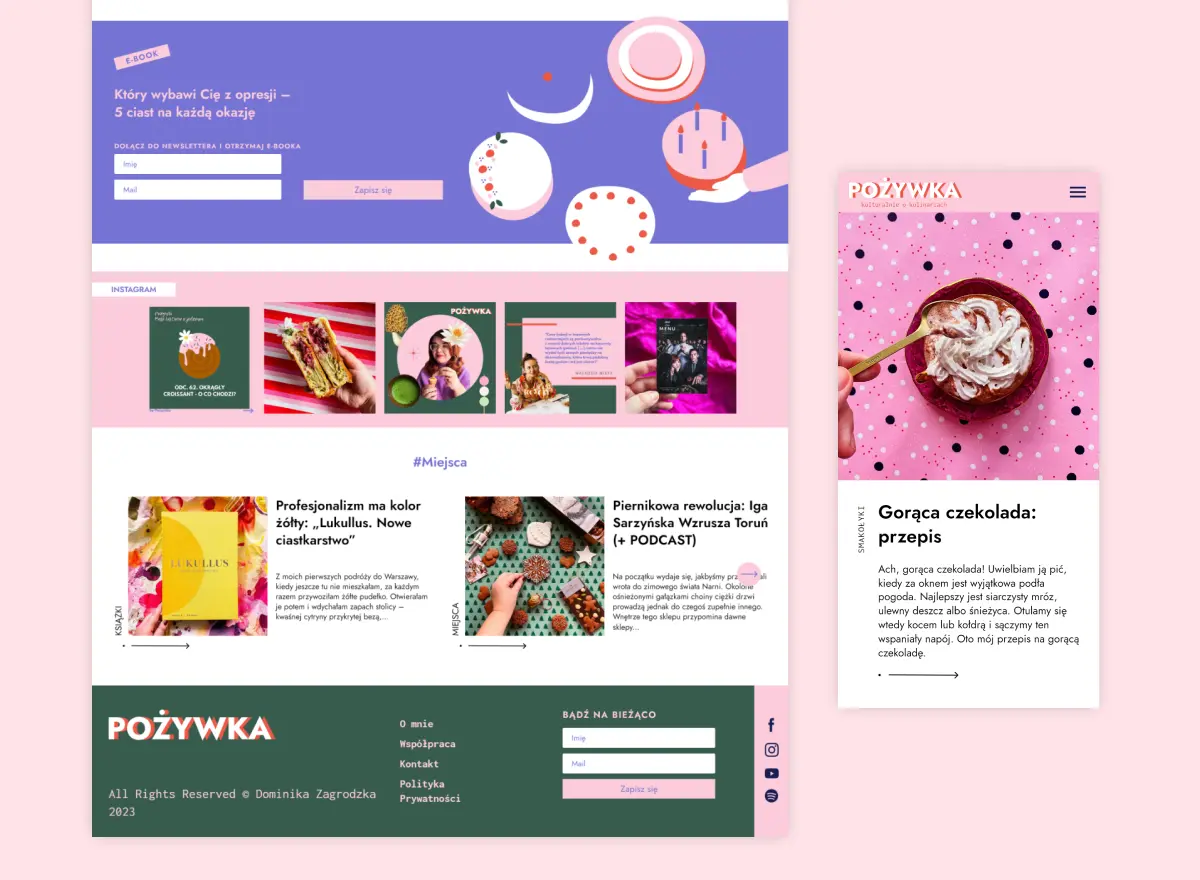
pozywka.pl
Scalable blog for food journalist, focused on performance and user experience 🌭
zagrodzki.me
Personal blog and portfolio of Bart Zagrodzki, where he shares his knowledge and work 💼
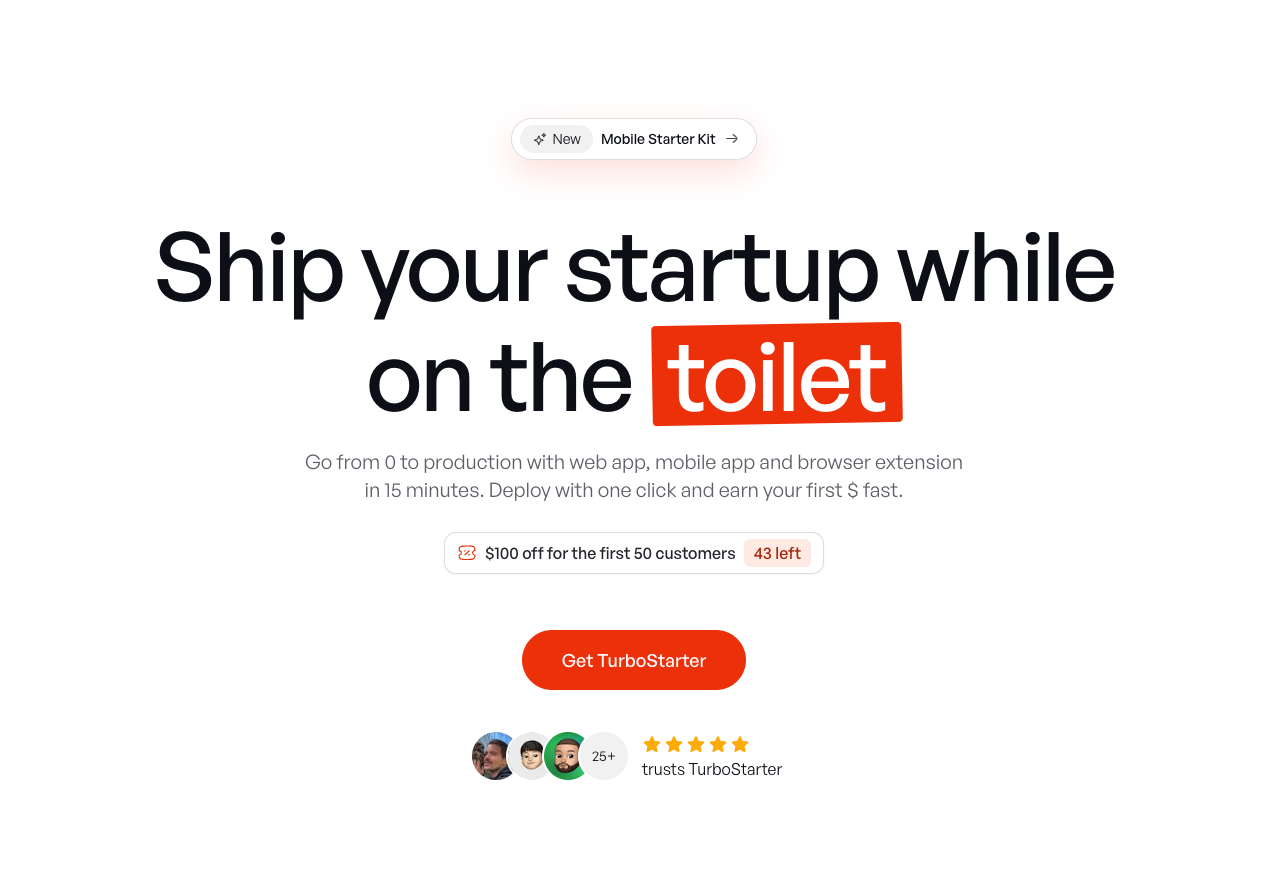
TurboStarter
Ship your startup everywhere. In minutes.
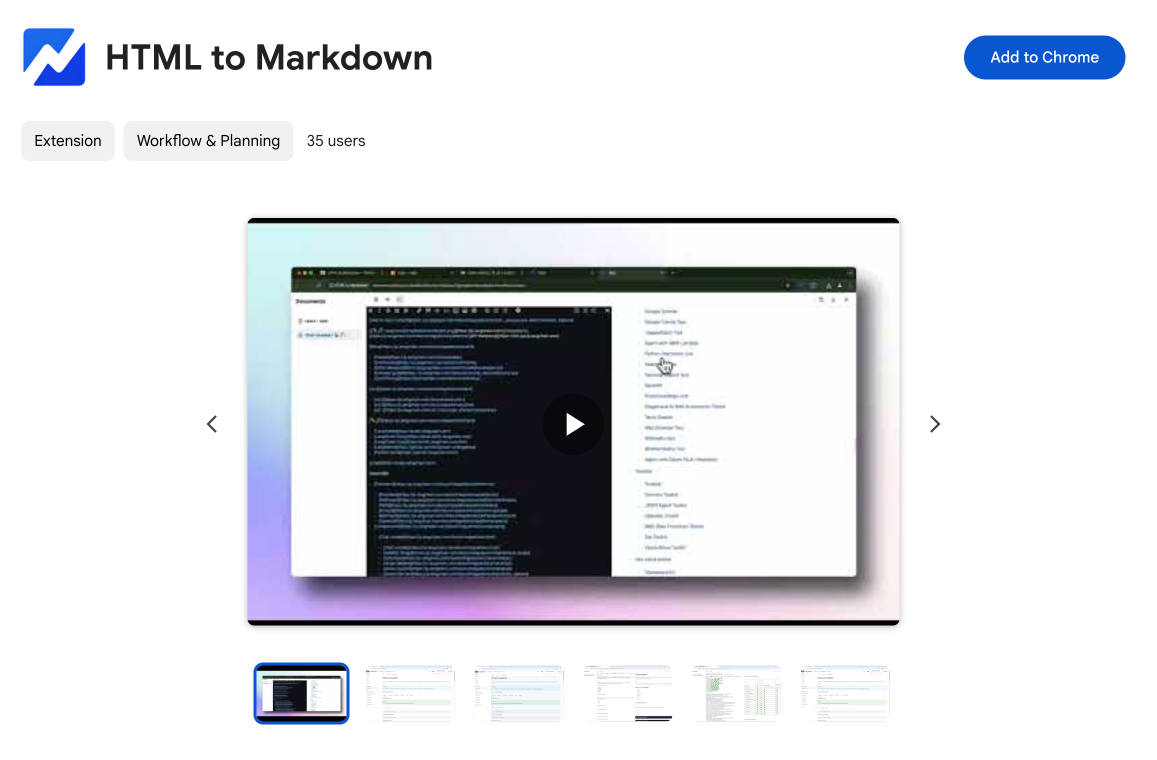
HTML to Markdown
Convert HTML to Markdown with ease, directly in your browser 📄
Dotallio
Personalized AI apps that automate research, data extraction, and content creation without code 🤖
Talk to Santa
Enjoy a magical live video chat or receive a unique AI-generated video greeting from Santa Claus 🎅
pozywka.pl
Scalable blog for food journalist, focused on performance and user experience 🌭
zagrodzki.me
Personal blog and portfolio of Bart Zagrodzki, where he shares his knowledge and work 💼
TurboStarter
Ship your startup everywhere. In minutes.
HTML to Markdown
Convert HTML to Markdown with ease, directly in your browser 📄
Dotallio
Personalized AI apps that automate research, data extraction, and content creation without code 🤖
Talk to Santa
Enjoy a magical live video chat or receive a unique AI-generated video greeting from Santa Claus 🎅
pozywka.pl
Scalable blog for food journalist, focused on performance and user experience 🌭
zagrodzki.me
Personal blog and portfolio of Bart Zagrodzki, where he shares his knowledge and work 💼
TurboStarter
Ship your startup everywhere. In minutes.
HTML to Markdown
Convert HTML to Markdown with ease, directly in your browser 📄
Dotallio
Personalized AI apps that automate research, data extraction, and content creation without code 🤖
Talk to Santa
Enjoy a magical live video chat or receive a unique AI-generated video greeting from Santa Claus 🎅
pozywka.pl
Scalable blog for food journalist, focused on performance and user experience 🌭
zagrodzki.me
Personal blog and portfolio of Bart Zagrodzki, where he shares his knowledge and work 💼
TurboStarter
Ship your startup everywhere. In minutes.
HTML to Markdown
Convert HTML to Markdown with ease, directly in your browser 📄
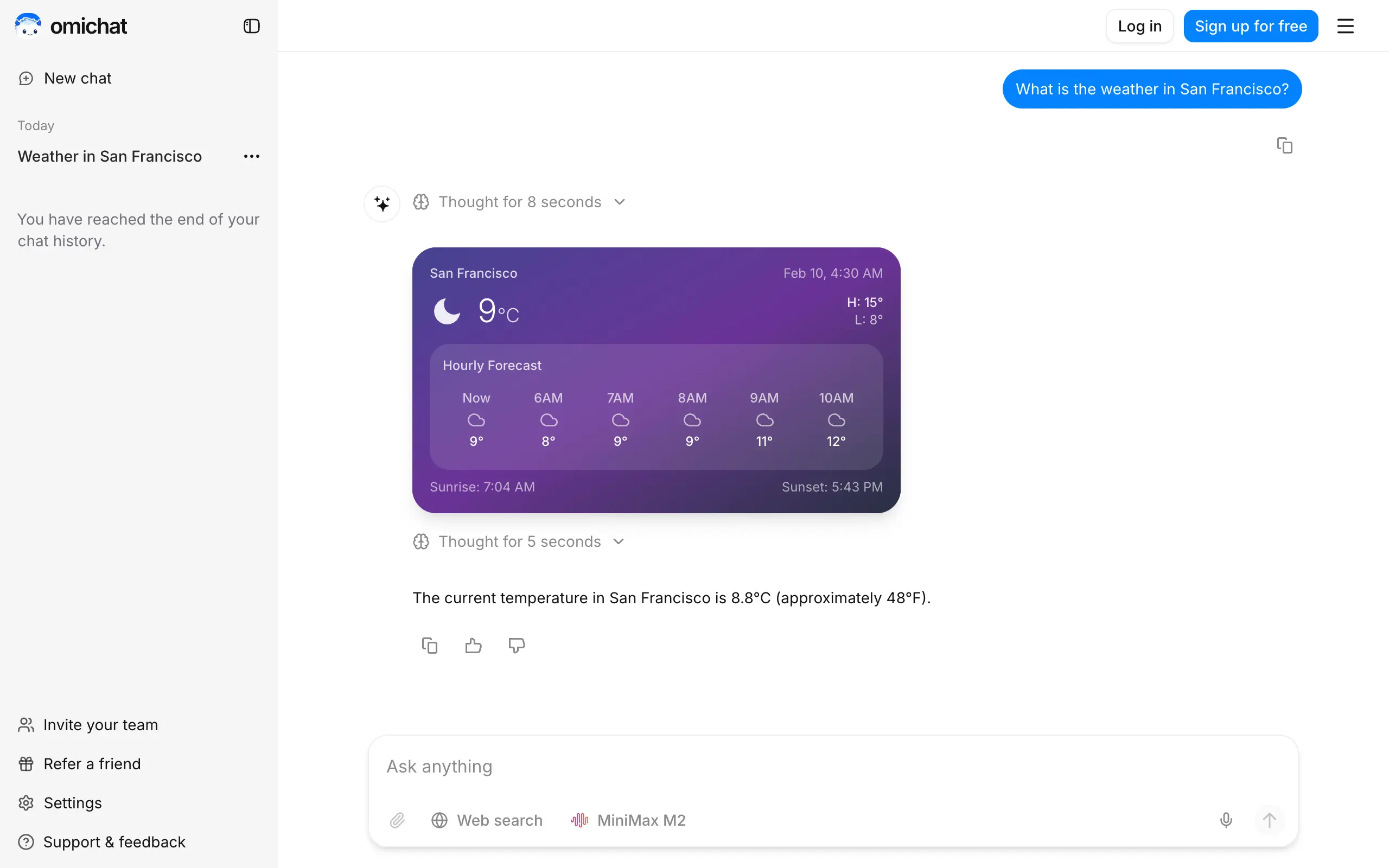
Omichat
Chat with 50+ AI models, including ChatGPT and Claude, in one place - switch models anytime without losing context 🤖
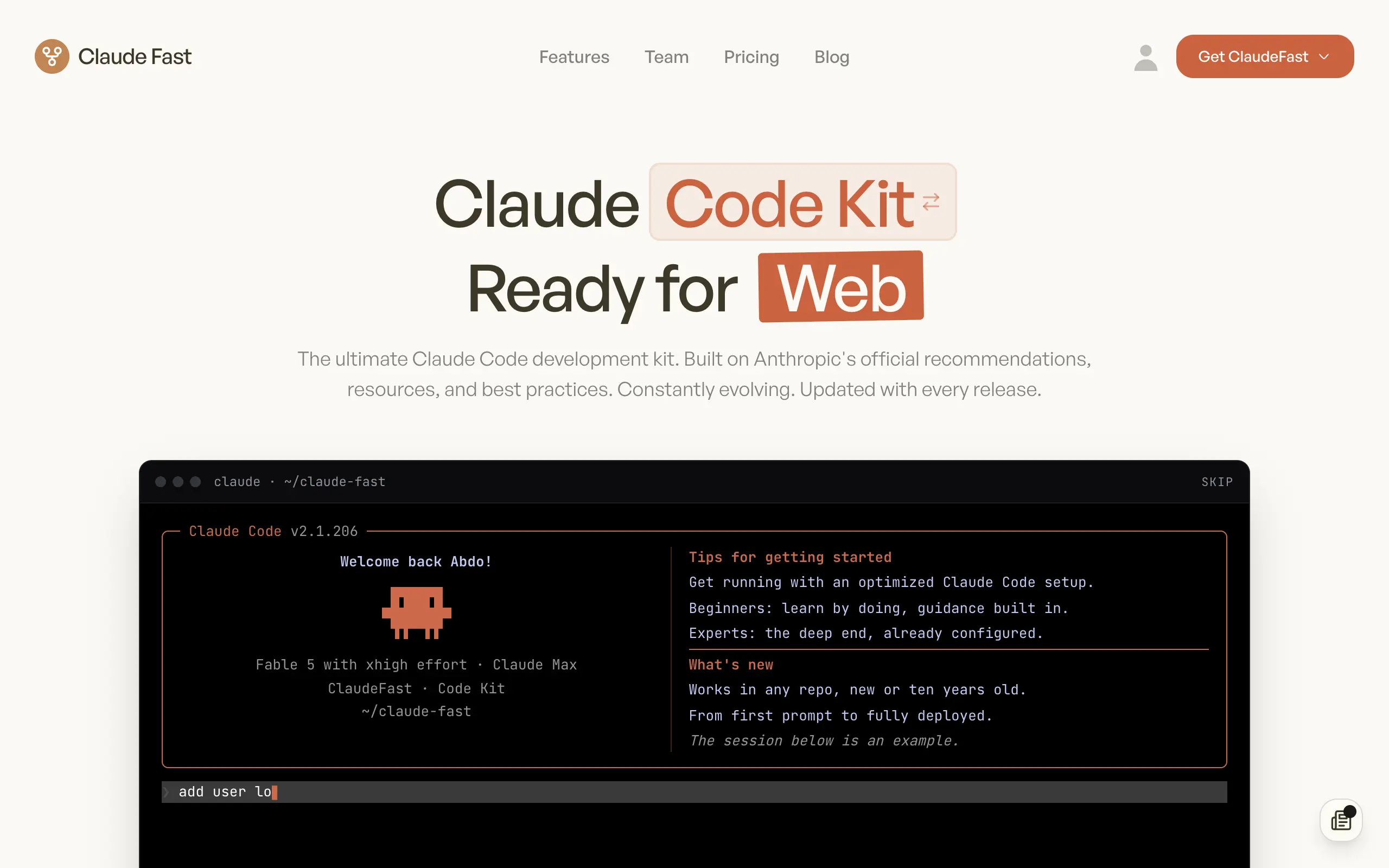
Claude Fast
Supercharge your Claude Code with 6x effective context window and specialized AI agents 🤖
EmojAI
AI-powered emoji picker with smart, context-aware suggestions 🤖

Solohacker
Autonomous company launcher - AI agents work 24/7, escalate what matters, and you stay in control 🤖

BeRawi: Storytelling Coach
Practice storytelling daily with instant feedback to sound clearer, more engaging, and confident 🎤
Omichat
Chat with 50+ AI models, including ChatGPT and Claude, in one place - switch models anytime without losing context 🤖
Claude Fast
Supercharge your Claude Code with 6x effective context window and specialized AI agents 🤖
EmojAI
AI-powered emoji picker with smart, context-aware suggestions 🤖
Solohacker
Autonomous company launcher - AI agents work 24/7, escalate what matters, and you stay in control 🤖
BeRawi: Storytelling Coach
Practice storytelling daily with instant feedback to sound clearer, more engaging, and confident 🎤
Omichat
Chat with 50+ AI models, including ChatGPT and Claude, in one place - switch models anytime without losing context 🤖
Claude Fast
Supercharge your Claude Code with 6x effective context window and specialized AI agents 🤖
EmojAI
AI-powered emoji picker with smart, context-aware suggestions 🤖
Solohacker
Autonomous company launcher - AI agents work 24/7, escalate what matters, and you stay in control 🤖
BeRawi: Storytelling Coach
Practice storytelling daily with instant feedback to sound clearer, more engaging, and confident 🎤
Omichat
Chat with 50+ AI models, including ChatGPT and Claude, in one place - switch models anytime without losing context 🤖
Claude Fast
Supercharge your Claude Code with 6x effective context window and specialized AI agents 🤖
EmojAI
AI-powered emoji picker with smart, context-aware suggestions 🤖
Solohacker
Autonomous company launcher - AI agents work 24/7, escalate what matters, and you stay in control 🤖
BeRawi: Storytelling Coach
Practice storytelling daily with instant feedback to sound clearer, more engaging, and confident 🎤

Connect with like-minded people
Join our community to get feedback, support, and grow together with 1,000+ builders on board, let's ship it!
Join usShip your startup everywhere. In minutes.
Don't burn tokens on setup and start building features on day one.