InboxTarget AI
InboxTarget AI analyzes audience behavior, predicts optimal send times, and dynamically adapts subject lines and copy for higher open and conversion rates.
InboxTarget AI is a cutting-edge SaaS platform designed for a new era of email marketing — where data-driven decisions, automation, and learning algorithms work seamlessly together to boost email campaign performance. This article provides a comprehensive exploration of InboxTarget AI, addressing user search intent with authoritative insights into market opportunity, user needs, solution details, competitive advantages, and practical steps for implementation.
Understanding the user intent: Who is searching for InboxTarget AI?
A significant segment of marketing professionals, SaaS founders, ecommerce managers, growth hackers, and agencies are increasingly seeking tools that help them cut through inbox noise and drive real, measurable results from email campaigns. Searchers landing here typically want:
- Validation: Is InboxTarget AI a proven way to increase open rates and conversions?
- Capability deep-dive: Can it integrate with existing tools and workflows? How does its AI actually work?
- Market context: What makes InboxTarget AI different from Mailchimp, Klaviyo, or other well-known ESPs?
- Implementation clarity: Is it easy and cost-effective to start using? What tech is required?
- Monetization & risk: Is this a viable SaaS business model? What should founders or marketing leaders expect?
This article addresses these needs comprehensively while naturally integrating relevant SEO keywords and maintaining user-friendly readability.
Target audience analysis: Who benefits from InboxTarget AI?
InboxTarget AI appeals to several high-value audience segments:
- Ecommerce brands (DTC and marketplace sellers)
- Marketing agencies and consultants
- SaaS and subscription businesses
- B2B content marketers and newsletter operators
- Event and webinar organizers
Key audience pain points addressed:
- Stagnant or declining email open rates
- Difficulty predicting optimal send times across segments and time zones
- Poor subject line performance and lack of personalized messaging
- Insufficient insight into real-time subscriber behavior
- Manual and non-adaptive campaign workflows
Ecommerce Marketer
Needs better timing and messaging to stand out and boost revenue per campaign.
Marketing Agency
Seeks scalable, client-ready AI automations for better ROI and reporting.
Content Publisher
Wants higher engagement for newsletters and reader retention without extra manual copywriting.
Market opportunity & gap identification
The email marketing landscape in 2024
- Email remains among the highest-ROI digital marketing channels, with returns frequently cited between $36–$42 for every $1 spent (source: industry reports — reference [DMA.org.uk] or [Statista]).
- Users are increasingly overwhelmed: Average business users receive over 120 emails daily (reference: [Radicati Group]).
- Top ESPs provide bulk sending and basic A/B testing, but most lack advanced real-time AI capabilities for content and timing personalization.
The market gap: Why InboxTarget AI is timely and differentiated
- Existing ESPs excel at delivery, not behavioral learning.
- Most struggle with send time predictions beyond generic windows, and rarely auto-adapt content pre-send.
- AI-powered subject and copy optimization is in early stages.
- Available features are often locked behind expensive enterprise plans, slow to update, and generic.
- Marketers want plug-and-play AI, with minimal learning curve.
- InboxTarget AI aims for intuitive onboarding and automation, not another dashboard to configure endlessly.
Market trend
AI-powered content and timing optimization is rapidly increasing in adoption, with leading brands investing heavily. SMB and mid-market companies have a widening gap to close — presenting a prime SaaS opportunity for solutions like InboxTarget AI.
Solution deep-dive: Core features of InboxTarget AI
InboxTarget AI is purpose-built to analyze behavioral data, predict optimal send times, and automatically adapt both subject lines and body copy. Here’s a closer look at its unique offering:
1. Behavioral audience analysis
- Tracks subscriber engagement patterns (opens, clicks, conversions) over time.
- Clusters audience segments dynamically using AI/ML to identify preferences.
- Visualizes activity patterns (heatmaps, best send-day/time by segment).
2. Optimal send time prediction
- Learns from historical data (your list + global patterns).
- Utilizes predictive models to suggest or auto-select the best send times for each segment or even individual subscribers.
- Factors in time zones, device preferences, and recent behavior.
3. Dynamic subject line and copy optimization
- Automatically rewrites subject lines using AI (natural language generation) based on recent high-performing phrases, urgency, and personalization data.
- Optionally adapts body copy (offers, CTAs) for different subscriber types.
- A/B/n tests variants automatically, optimizing toward conversion.
4. Real-time feedback and continuous improvement
- Live campaign performance dashboards, highlighting what the AI learns with each email blast.
- Adaptive algorithms: as more data accumulates, recommendations get sharper.
5. Seamless integrations
- Connects with leading ESPs (e.g., Mailchimp, Klaviyo, Sendgrid, ActiveCampaign) without cumbersome migration.
- API + Zapier support for custom workflows.
Feature highlights table
| Behavior Analysis | Send Time AI | Subject Optimizer | Copy Adaptation | Direct ESP Integration |
|---|---|---|---|---|
| ✅ | ❌ | ❌ | ✅ | ❌ |
| ✅ | ❌ | ✅ | ✅ | ❌ |
Recommended tech stack for InboxTarget AI
Choosing the right technologies for building a performant, scalable, and secure AI SaaS matters. Here’s a stack suitable for InboxTarget AI, along with trade-off notes:
1. Frontend
- React: Widely adopted, component-based, suited to building responsive UIs and data visualizations.
- TailwindCSS: Rapid UI prototyping, theming consistency.
Trade-off: React is mature and scalable, but can be overkill for basic interfaces. Alternatives (e.g., Vue.js) may offer smaller bundle sizes for mobile-first needs.
2. Backend & AI
- Python + FastAPI: For performant, asynchronous API endpoints and AI/ML service integration.
- TensorFlow / PyTorch: For building and deploying machine learning models (behavior prediction, NLG for subject lines).
- PostgreSQL: Relational database for campaign, user, and analytics data.
Trade-off: While Python is standard for AI, high-concurrency email workflow could strain synchronous tools—consider serverless or event-driven architectures for large scale.
3. Integrations
- Zapier / native APIs to connect major ESPs and automate workflows.
- Docker for containerized deployments and scalable orchestration.
4. Hosting & DevOps
- AWS (Lambda, EC2, S3) / Google Cloud for scalability, managed AI services, storage.
Example: Predicting ideal send times (simplified)
from datetime import datetime
import numpy as np

def calculate_optimal_send_time(user_data):
    open_times = [d['opened_at'].hour for d in user_data if d['opened']]
    if not open_times:
        return "Default time: 10:00 AM"
    peak_hour = int(np.median(open_times))
    return f"Optimal send time: {peak_hour}:00"
(For illustration – actual model would use clustering and advanced time-series analysis.)
Monetization strategy options
A SaaS like InboxTarget AI offers multiple avenues for revenue:
- Subscription-based pricing: Tiered monthly plans based on contact list size, number of campaigns, or AI features enabled (e.g., subject line optimization only in higher tiers).
- Usage-based upcharges: Additional fees for high-volume API requests, premium reports, or deliverability analytics.
- White-label/agency accounts: Bulk licensing or co-branded portals for agencies managing multiple client campaigns.
- Affiliate partnerships: Revenue share from integrations/extensions installed via third-party ESPs.
| Plan Type | Key Features | Typical Price Point |
|---|---|---|
| Starter | Basic analysis, predictions | $29–$49/mo |
| Growth | Dynamic content, API access | $79–$149/mo |
| Agency/White-label | Multi-account, all features | $299+/mo |
Tip: A freemium entry level with capped campaign volume can accelerate adoption.
Risks and mitigation strategies
Launching and scaling an AI-powered SaaS in email marketing involves several risks. Proactive strategies help ensure long-term success:
InboxTarget AI must adhere strictly to data protection laws (GDPR, CCPA). By implementing robust security measures—data encryption, opt-in audits, and anonymization—the platform minimizes compliance risk and builds user trust.
Overly aggressive optimization could trigger spam filters. Mitigation: AI must constantly learn from feedback, and transparent control for users must be provided to override automation when needed.
Diverse ESPs and API changes can break automations. Comprehensive API monitoring, versioning, and fallback options reduce downtime for users.
Users may distrust “black box” changes to their messaging. InboxTarget AI can offer “What the AI changed and why” report cards for peace of mind.
Competitive advantage analysis
InboxTarget AI stands out in the crowded email SaaS market due to deep behavioral analytics, seamless AI-powered content/timing optimization, and an emphasis on accessibility for non-technical users.
Unique selling propositions (USPs)
- True end-to-end automation: Not just analytics, InboxTarget AI adapts actual send time and content, not just pointing out what you could do.
- Instant integrations: Plug into most ESPs with minimal setup. No forced platform switch.
- Transparent, actionable insights: Reports clarify what’s working and why, helping build user trust.
- Continuous learning: The more you use it, the smarter it gets—no manual model training required.
- Accessible AI: Designed for marketers, not data scientists, with simple interfaces and help at every step.
Competitive comparison highlights
InboxTarget AI vs. Conventional Email Marketing Platforms
| Feature | InboxTarget AI | Typical ESP (Mailchimp, etc.) |
|---|---|---|
| AI-powered send time optimization | ✅ | ❌/Limited |
| Dynamic subject/copy rewriting | ✅ | ❌/Manual |
| Plug-and-play with multiple ESPs | ✅ | ❌ |
| Real-time campaign adaptation | ✅ | ❌ |
| Visualization of behavioral data | ✅ | ✅/Basic |
Recent trends driving adoption
- In 2024, email personalization and automation top the priority list for 79% of marketers (industry reference: HubSpot’s State of Marketing).
- AI-generated copy and send time optimization have moved from “future promise” to “business critical,” especially with shifts in privacy (e.g., Apple’s Mail Privacy Protection).
- Increasing use of multi-touch attribution models underscores the need for tools providing granular behavioral insight.
Actionable implementation steps
Ready to bring InboxTarget AI to life or integrate it into your marketing workflow? Here’s a distilled, step-by-step guide for founders and marketing leaders.
Define your core target audience and value proposition. Use data on existing subscribers and campaign pain points to prioritize which features (send time, subject optimization) deliver the quickest ROI.
Design the behavioral data model. Map the user actions you want to track—opens, clicks, time on site—and set up robust connection points to your ESP or campaign platform.
Develop machine learning models. Train algorithms on historical email data for send time prediction, subject rewriting, and segment clustering. Start with open-source tools; refine based on actual user feedback.
Launch an MVP with essential integrations. Enable at least one or two major ESPs (Mailchimp, Klaviyo). Test AI performance with live campaigns and compare against previous results.
Iterate and expand. Collect user feedback, improve UI/UX, and gradually roll out advanced features like real-time optimization and custom API support.
Prioritize compliance and transparency. Build in consent management, data export, and “explainable AI” dashboards from the start to foster trust.
Final thoughts: The future of AI-driven email marketing
InboxTarget AI exemplifies where email marketing is headed: hyper-personalized, always-learning, and deeply integrated into existing workflows. Its focus on behavioral analysis, adaptive timing, and content optimization—coupled with true ease of use—creates a path for marketers of all sizes to drive open rates and conversions, not just send more emails.
To accelerate your journey—whether as a product founder, marketing ops leader, or agency pro—use ready-made SaaS building platforms like TurboStarter to streamline development and drastically reduce engineering overhead.
InboxTarget AI stands positioned at the intersection of demand for personalization, deliverability, and automation—offering a scalable, robust solution that adapts and performs, campaign after campaign.
For the latest best practices, keep learning from leading digital marketing resources and data privacy authorities. Always validate compliance for your region before deploying new technology, especially in email and AI contexts.
More 🤖 AI Startup SaaS ideas
Discover more innovative ai startup SaaS ideas that are trending in 2026. Each idea is AI-generated with market validation and growth potential to help you find your next profitable venture faster than competitors.
Your competitors are building with TurboStarter
Below are some of the SaaS ideas that have been generated and built with our starter kit.
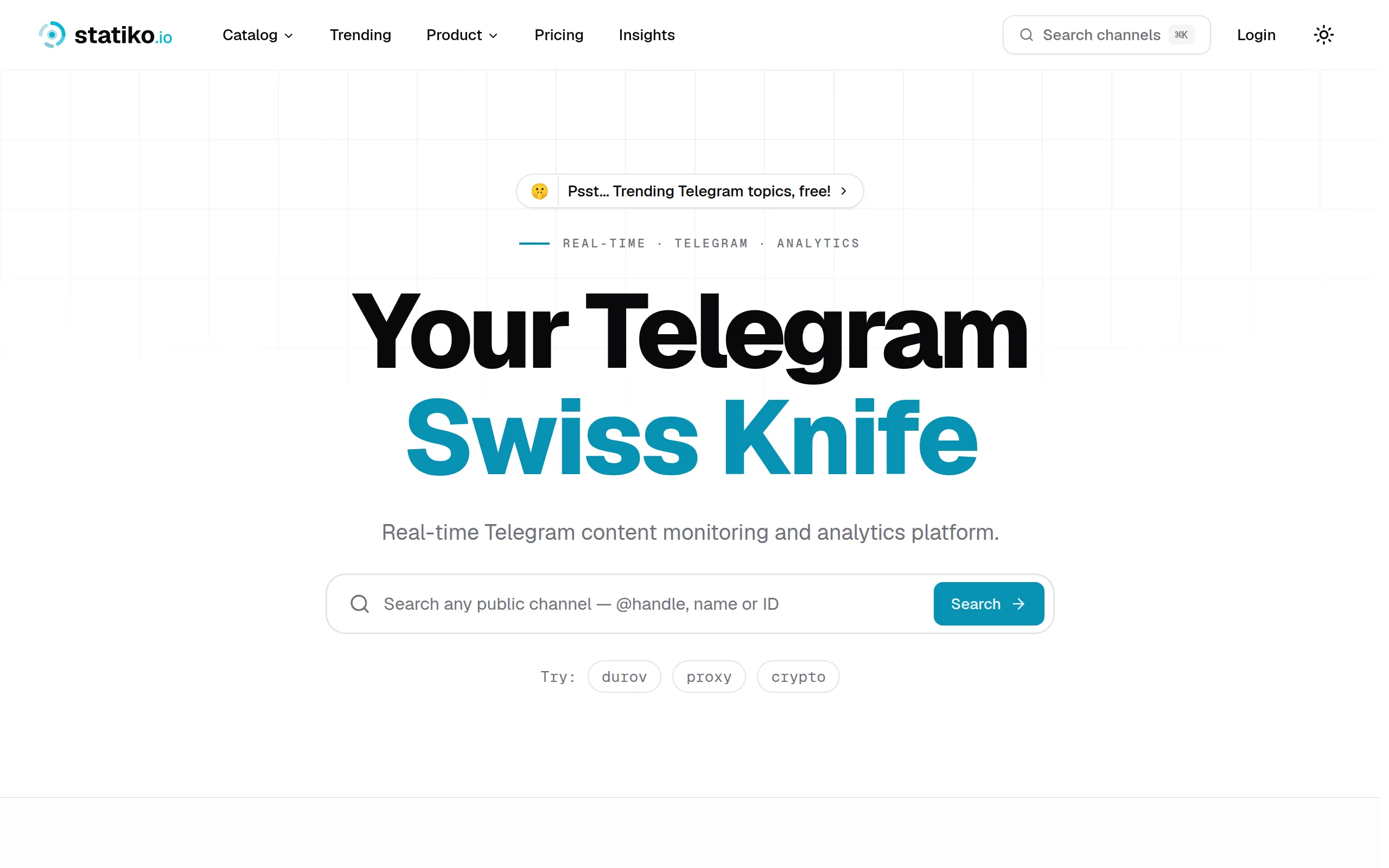
Statiko
Monitor any Telegram channel in real time - track posts, edits, deletions, and growth with AI recaps 📡
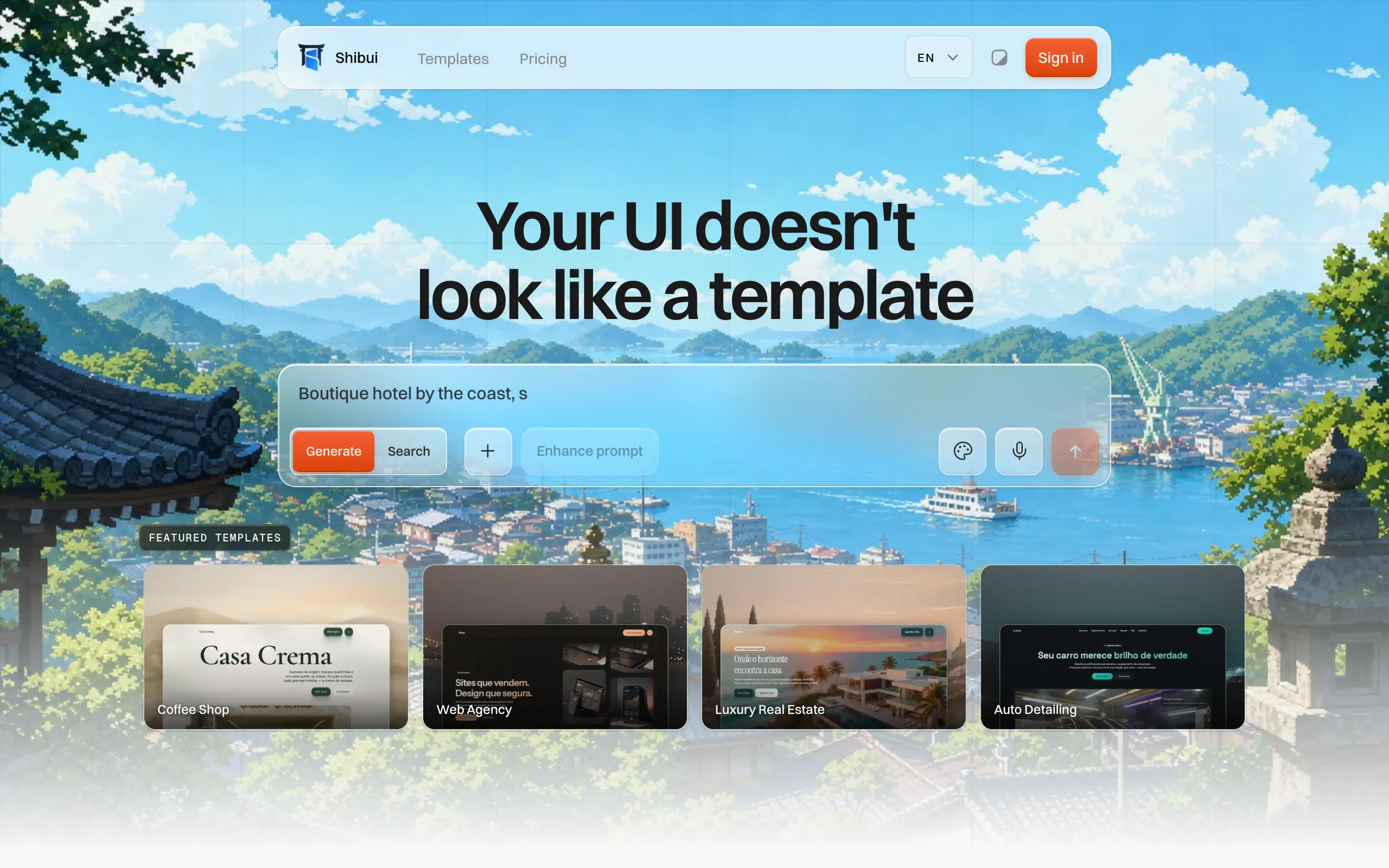
Shibui
AI website builder - describe your business, pick a niche template, edit by chatting, and publish instantly ✨

Pro Service
Find verified home service professionals, compare quotes, and pay securely through escrow - built for Brazilians across the US 🏠
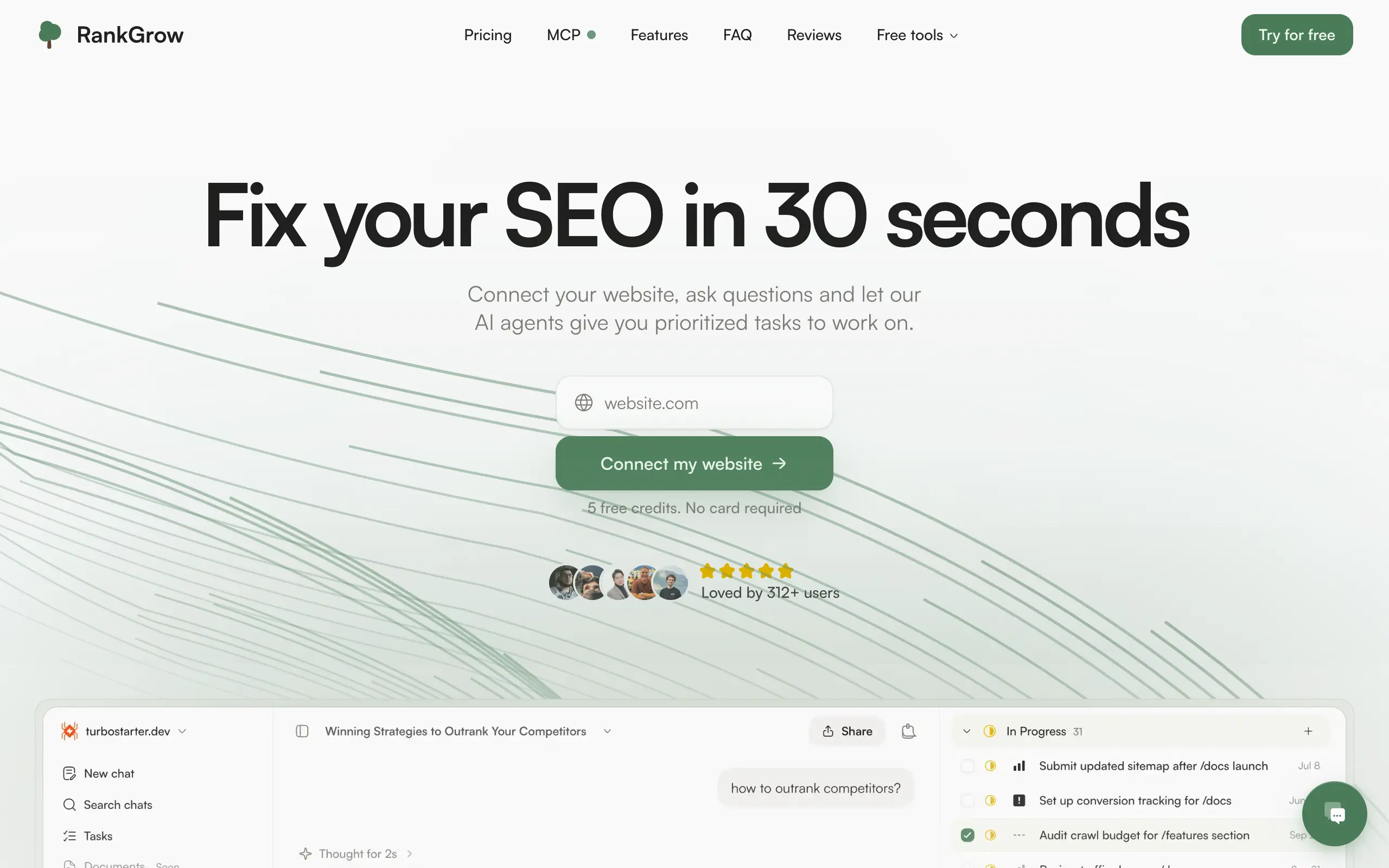
RankGrow
Fix your SEO with AI agents - connect Search Console, get prioritized tasks, and grow organic traffic 📈
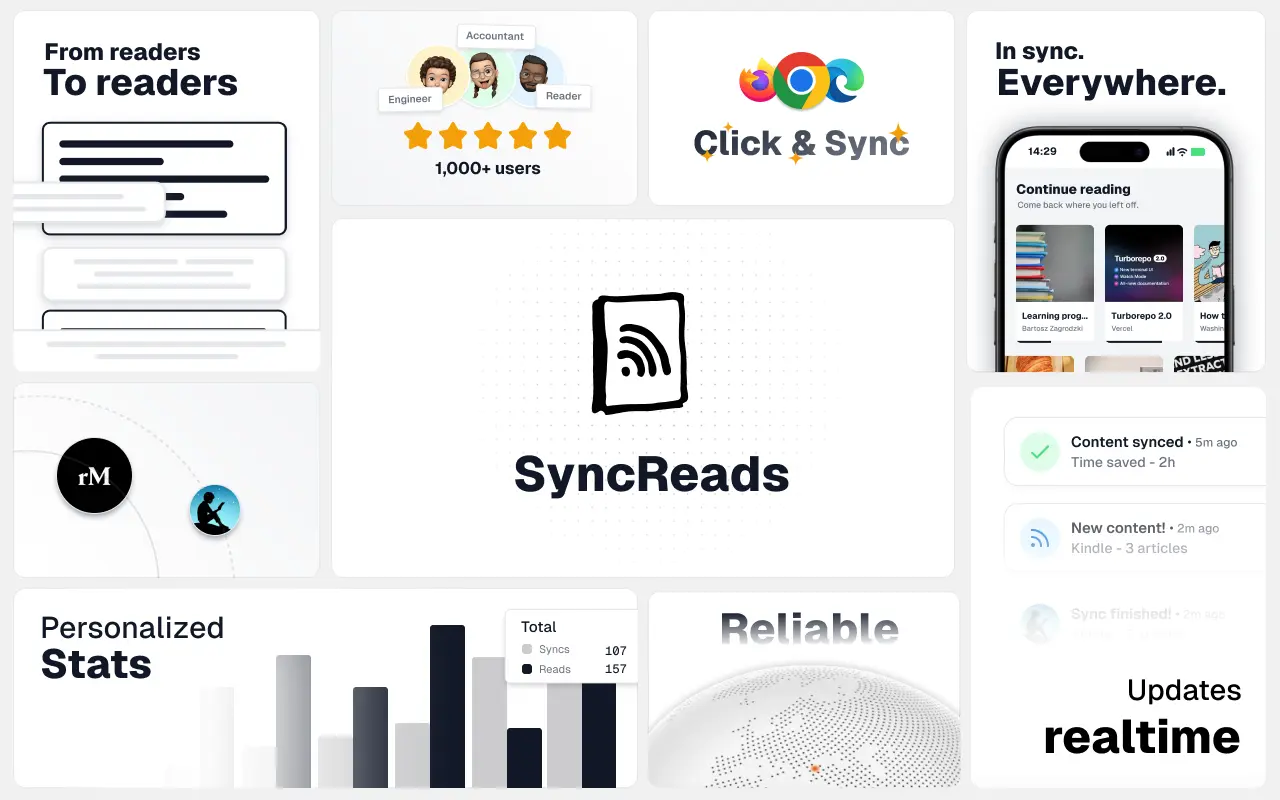
SyncReads
Sync your favorite content for distraction-free reading, save time and replace multiple apps. Anytime, anywhere 🔄
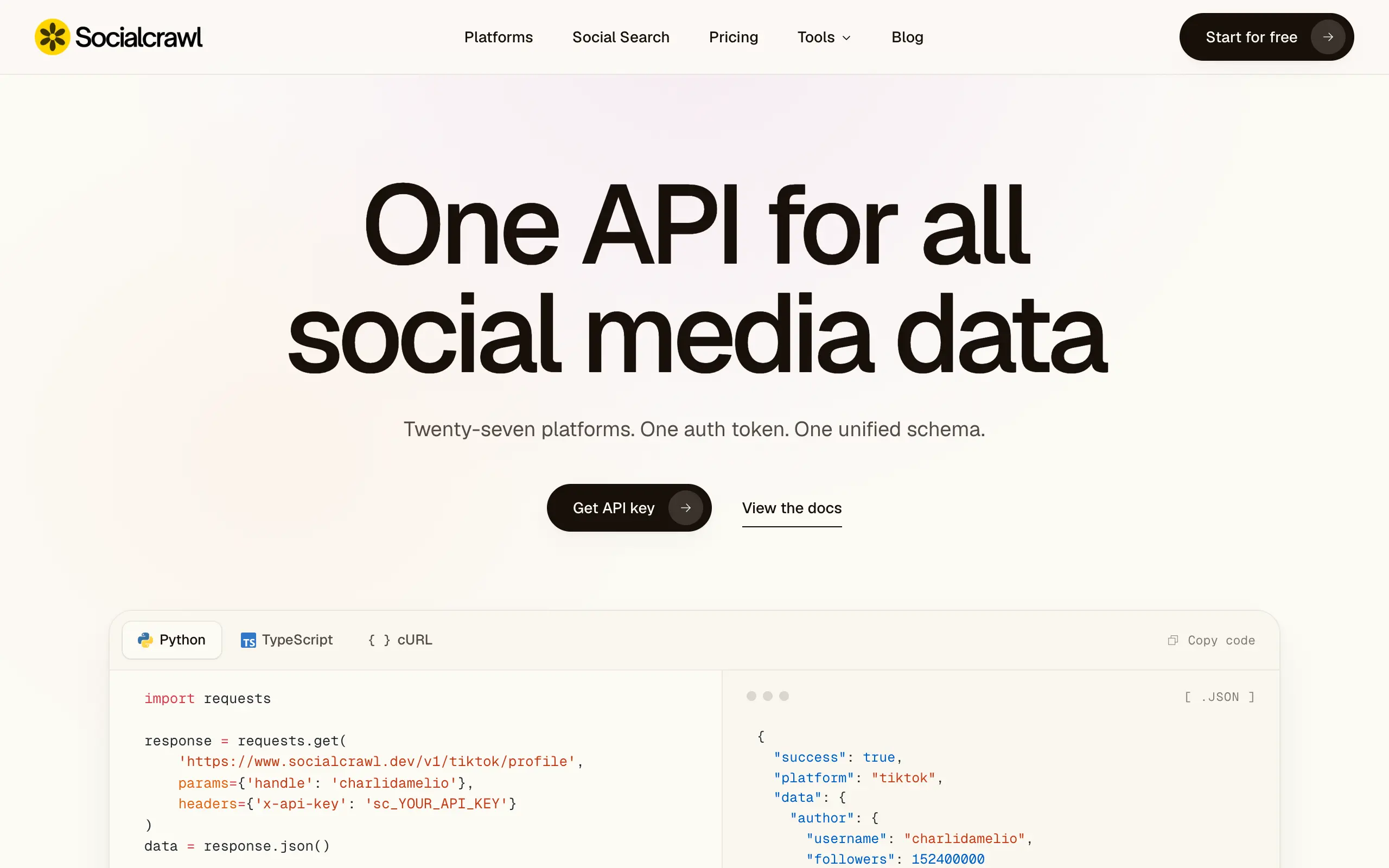
Socialcrawl
Get clean, structured data from 21 platforms like TikTok, Instagram, and YouTube with a single request 📊
Statiko
Monitor any Telegram channel in real time - track posts, edits, deletions, and growth with AI recaps 📡
Shibui
AI website builder - describe your business, pick a niche template, edit by chatting, and publish instantly ✨
Pro Service
Find verified home service professionals, compare quotes, and pay securely through escrow - built for Brazilians across the US 🏠
RankGrow
Fix your SEO with AI agents - connect Search Console, get prioritized tasks, and grow organic traffic 📈
SyncReads
Sync your favorite content for distraction-free reading, save time and replace multiple apps. Anytime, anywhere 🔄
Socialcrawl
Get clean, structured data from 21 platforms like TikTok, Instagram, and YouTube with a single request 📊
Statiko
Monitor any Telegram channel in real time - track posts, edits, deletions, and growth with AI recaps 📡
Shibui
AI website builder - describe your business, pick a niche template, edit by chatting, and publish instantly ✨
Pro Service
Find verified home service professionals, compare quotes, and pay securely through escrow - built for Brazilians across the US 🏠
RankGrow
Fix your SEO with AI agents - connect Search Console, get prioritized tasks, and grow organic traffic 📈
SyncReads
Sync your favorite content for distraction-free reading, save time and replace multiple apps. Anytime, anywhere 🔄
Socialcrawl
Get clean, structured data from 21 platforms like TikTok, Instagram, and YouTube with a single request 📊
Statiko
Monitor any Telegram channel in real time - track posts, edits, deletions, and growth with AI recaps 📡
Shibui
AI website builder - describe your business, pick a niche template, edit by chatting, and publish instantly ✨
Pro Service
Find verified home service professionals, compare quotes, and pay securely through escrow - built for Brazilians across the US 🏠
RankGrow
Fix your SEO with AI agents - connect Search Console, get prioritized tasks, and grow organic traffic 📈
SyncReads
Sync your favorite content for distraction-free reading, save time and replace multiple apps. Anytime, anywhere 🔄
Socialcrawl
Get clean, structured data from 21 platforms like TikTok, Instagram, and YouTube with a single request 📊
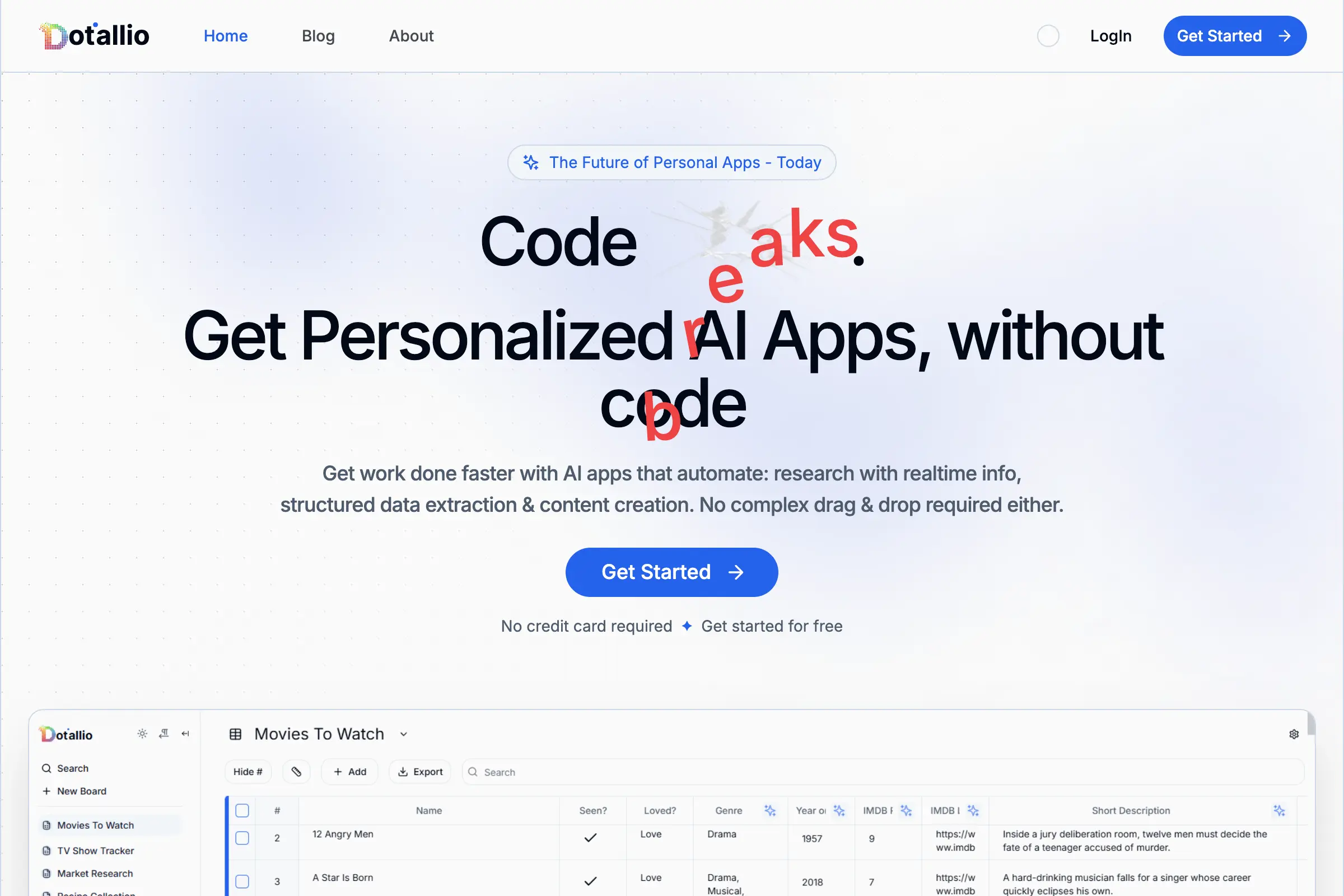
Dotallio
Personalized AI apps that automate research, data extraction, and content creation without code 🤖
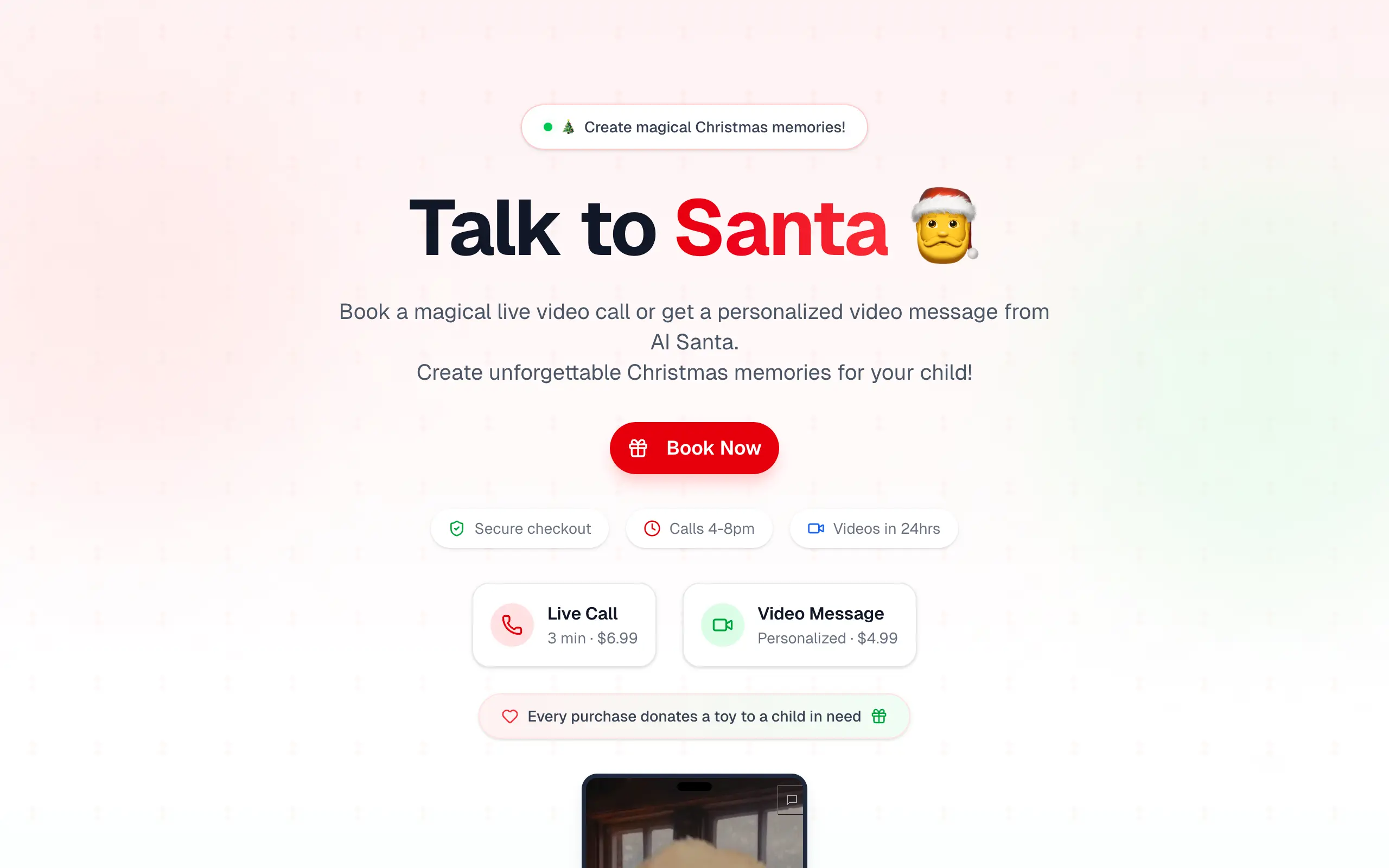
Talk to Santa
Enjoy a magical live video chat or receive a unique AI-generated video greeting from Santa Claus 🎅
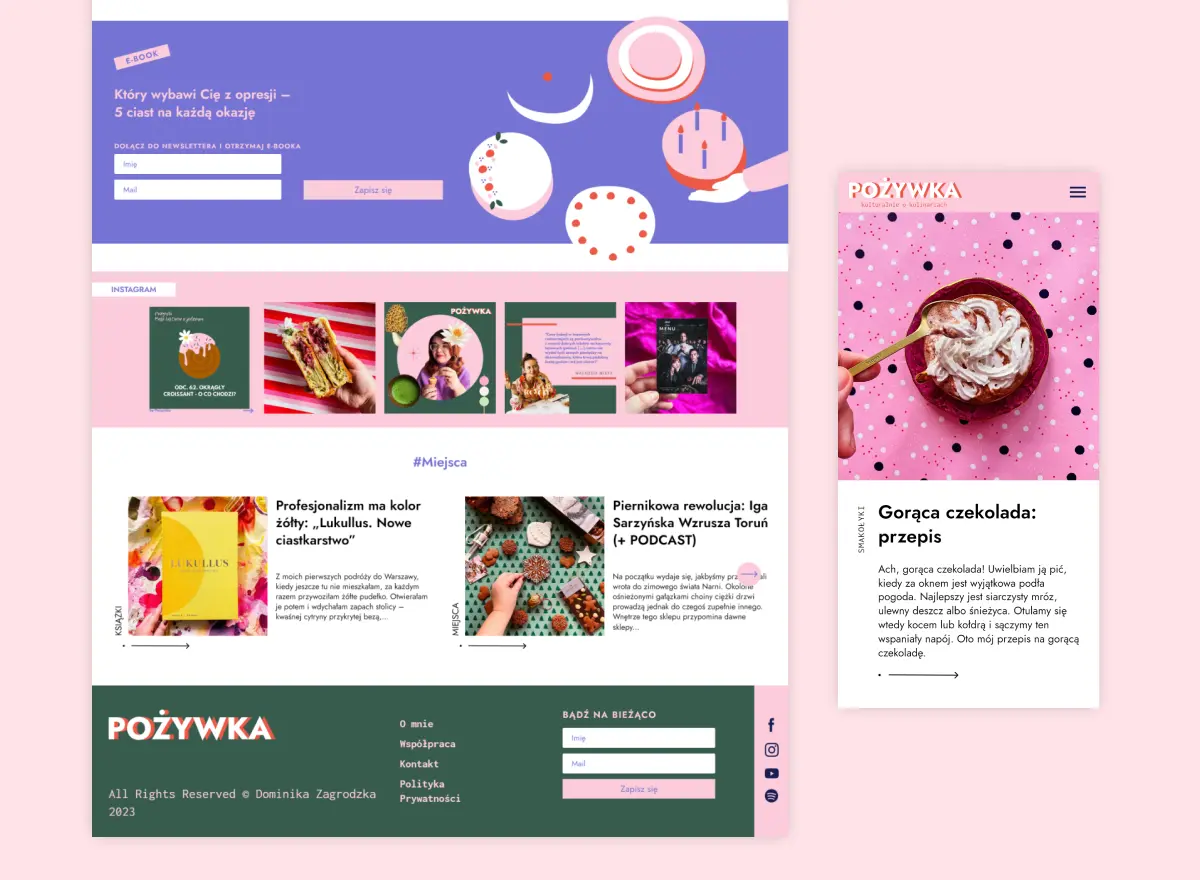
pozywka.pl
Scalable blog for food journalist, focused on performance and user experience 🌭
zagrodzki.me
Personal blog and portfolio of Bart Zagrodzki, where he shares his knowledge and work 💼
TurboStarter
Ship your startup everywhere. In minutes.
HTML to Markdown
Convert HTML to Markdown with ease, directly in your browser 📄
Dotallio
Personalized AI apps that automate research, data extraction, and content creation without code 🤖
Talk to Santa
Enjoy a magical live video chat or receive a unique AI-generated video greeting from Santa Claus 🎅
pozywka.pl
Scalable blog for food journalist, focused on performance and user experience 🌭
zagrodzki.me
Personal blog and portfolio of Bart Zagrodzki, where he shares his knowledge and work 💼
TurboStarter
Ship your startup everywhere. In minutes.
HTML to Markdown
Convert HTML to Markdown with ease, directly in your browser 📄
Dotallio
Personalized AI apps that automate research, data extraction, and content creation without code 🤖
Talk to Santa
Enjoy a magical live video chat or receive a unique AI-generated video greeting from Santa Claus 🎅
pozywka.pl
Scalable blog for food journalist, focused on performance and user experience 🌭
zagrodzki.me
Personal blog and portfolio of Bart Zagrodzki, where he shares his knowledge and work 💼
TurboStarter
Ship your startup everywhere. In minutes.
HTML to Markdown
Convert HTML to Markdown with ease, directly in your browser 📄
Dotallio
Personalized AI apps that automate research, data extraction, and content creation without code 🤖
Talk to Santa
Enjoy a magical live video chat or receive a unique AI-generated video greeting from Santa Claus 🎅
pozywka.pl
Scalable blog for food journalist, focused on performance and user experience 🌭
zagrodzki.me
Personal blog and portfolio of Bart Zagrodzki, where he shares his knowledge and work 💼
TurboStarter
Ship your startup everywhere. In minutes.
HTML to Markdown
Convert HTML to Markdown with ease, directly in your browser 📄
Omichat
Chat with 50+ AI models, including ChatGPT and Claude, in one place - switch models anytime without losing context 🤖
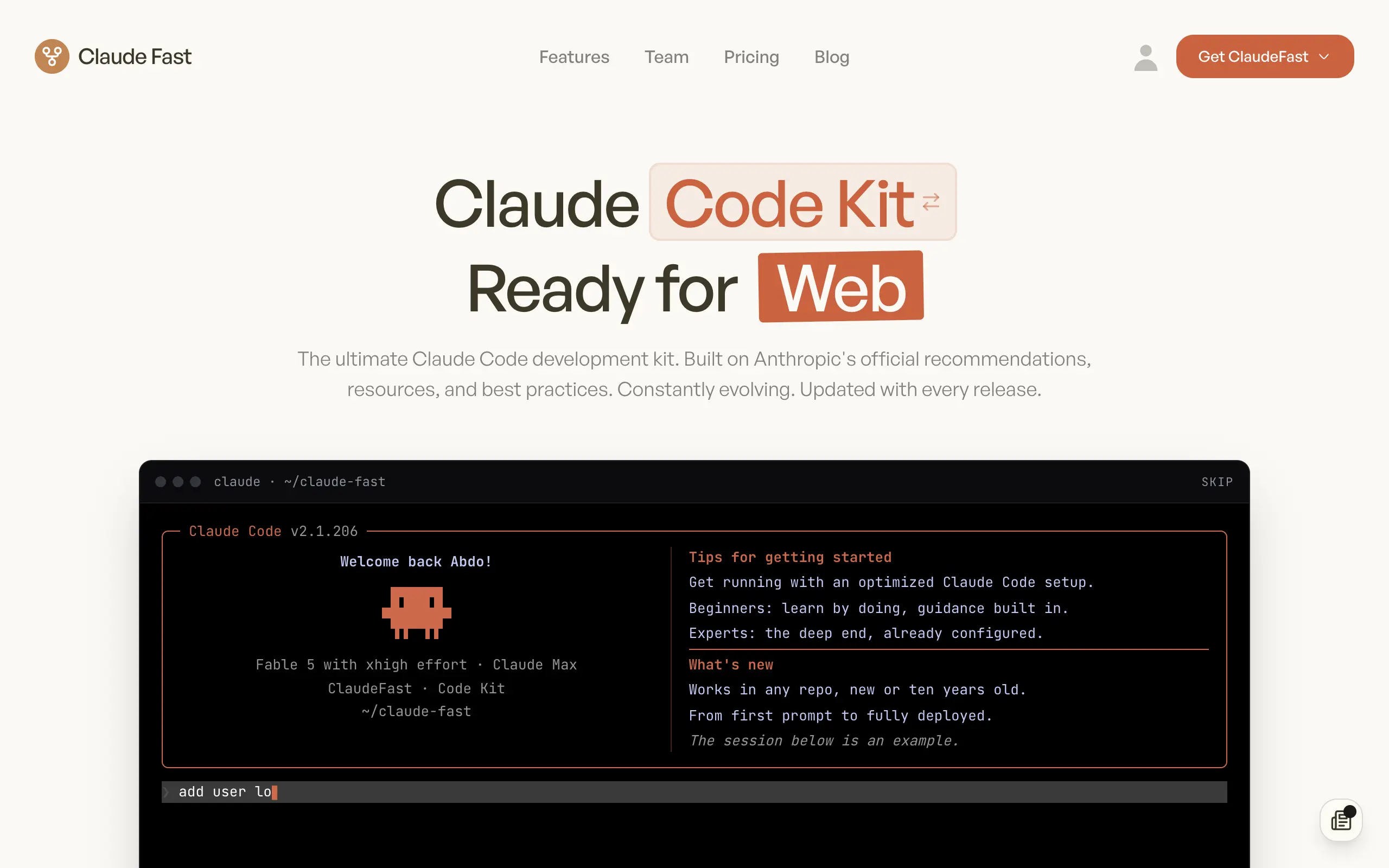
Claude Fast
Supercharge your Claude Code with 6x effective context window and specialized AI agents 🤖
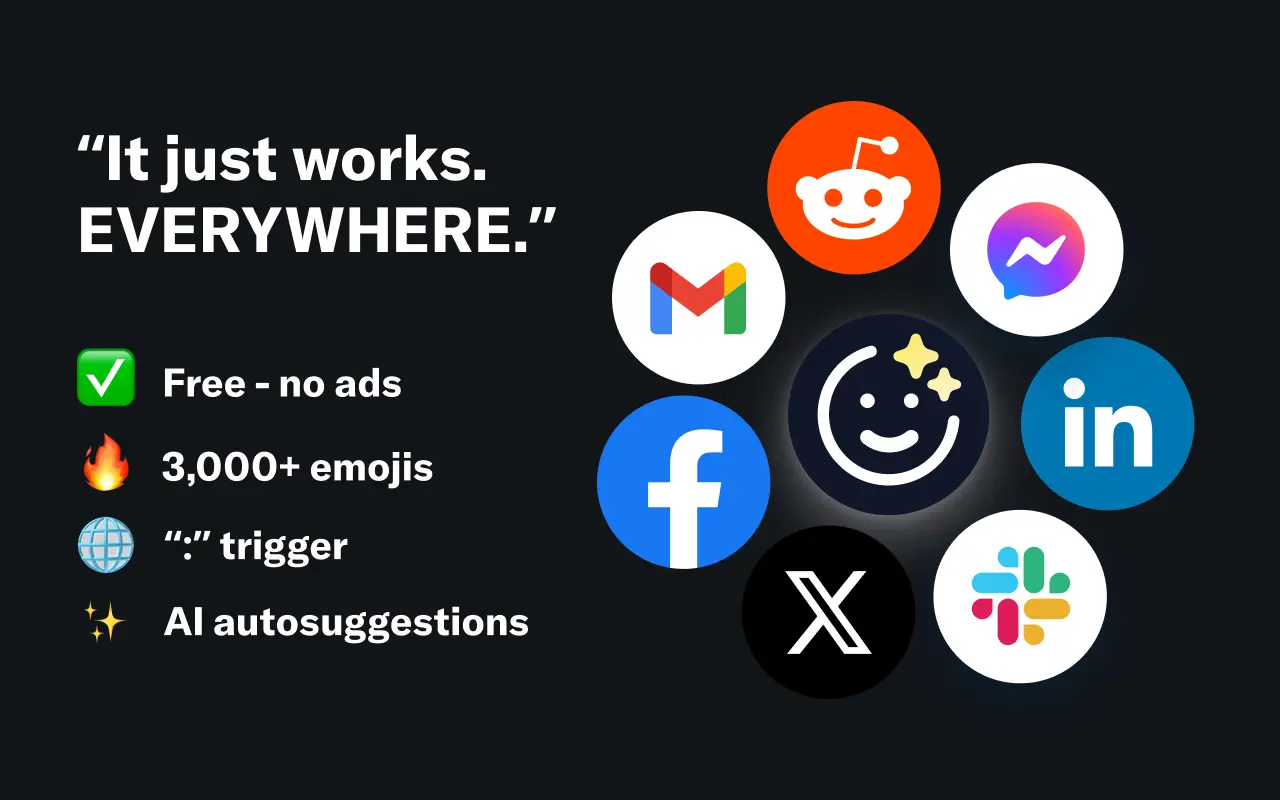
EmojAI
AI-powered emoji picker with smart, context-aware suggestions 🤖
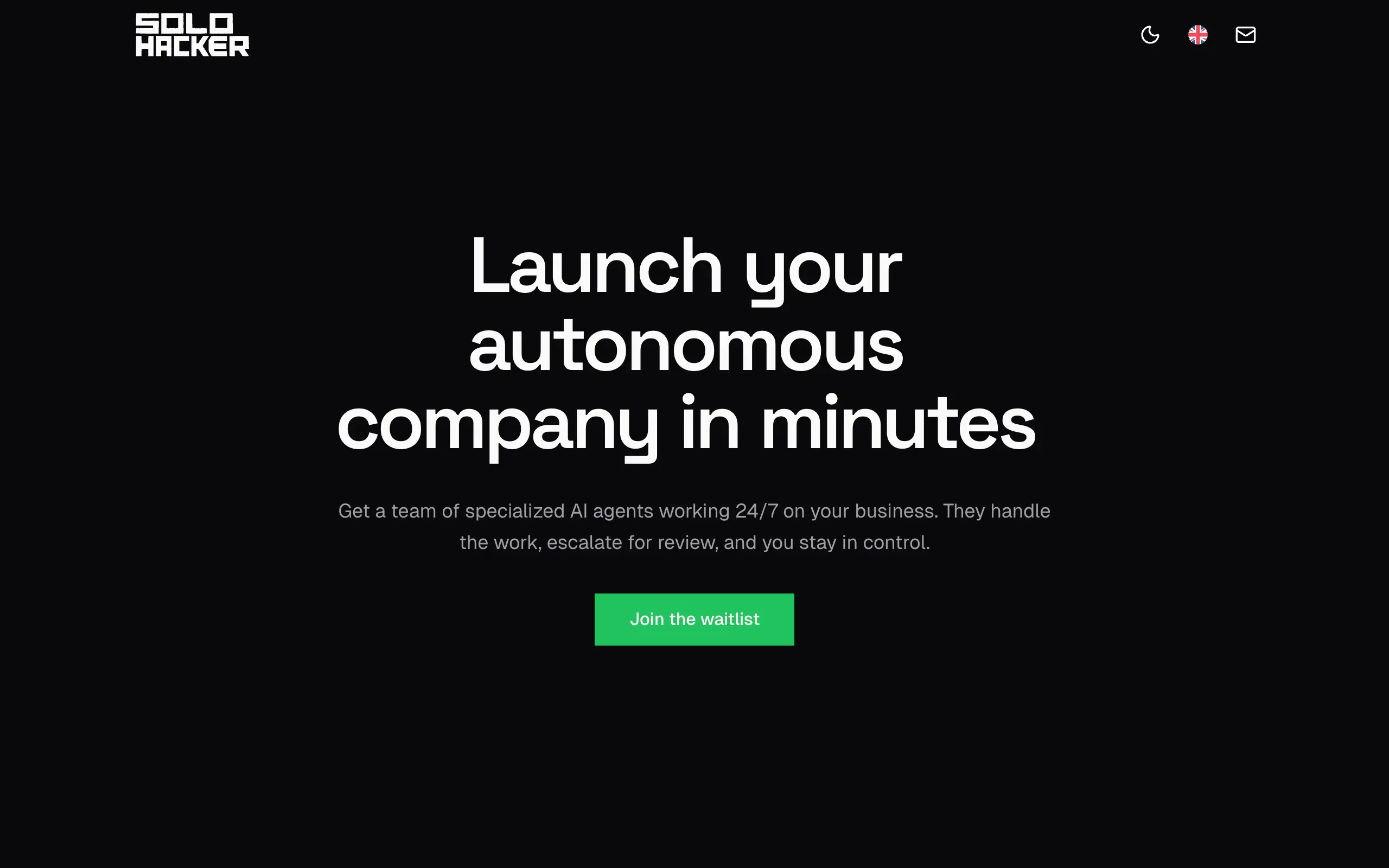
Solohacker
Autonomous company launcher - AI agents work 24/7, escalate what matters, and you stay in control 🤖
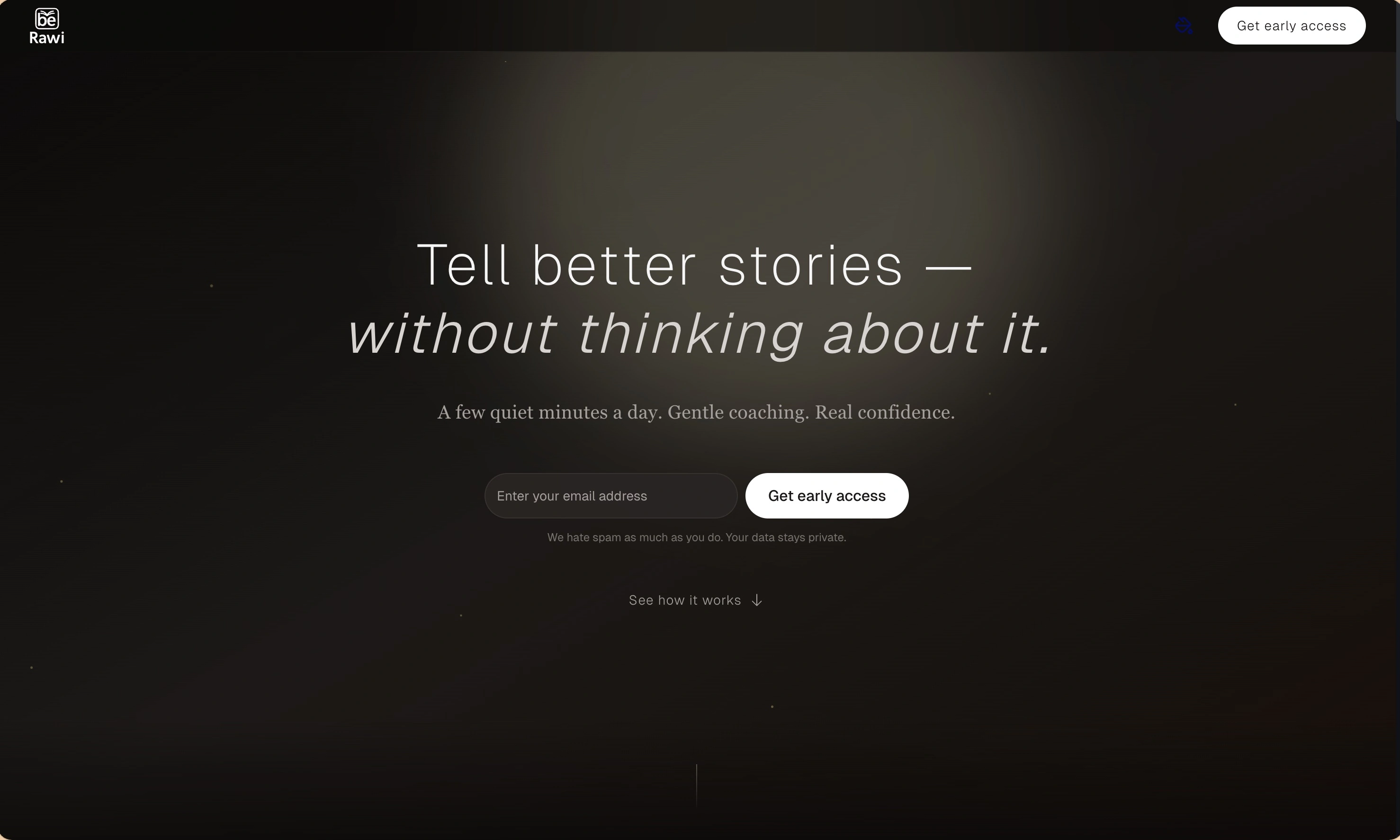
BeRawi: Storytelling Coach
Practice storytelling daily with instant feedback to sound clearer, more engaging, and confident 🎤
Omichat
Chat with 50+ AI models, including ChatGPT and Claude, in one place - switch models anytime without losing context 🤖
Claude Fast
Supercharge your Claude Code with 6x effective context window and specialized AI agents 🤖
EmojAI
AI-powered emoji picker with smart, context-aware suggestions 🤖
Solohacker
Autonomous company launcher - AI agents work 24/7, escalate what matters, and you stay in control 🤖
BeRawi: Storytelling Coach
Practice storytelling daily with instant feedback to sound clearer, more engaging, and confident 🎤
Omichat
Chat with 50+ AI models, including ChatGPT and Claude, in one place - switch models anytime without losing context 🤖
Claude Fast
Supercharge your Claude Code with 6x effective context window and specialized AI agents 🤖
EmojAI
AI-powered emoji picker with smart, context-aware suggestions 🤖
Solohacker
Autonomous company launcher - AI agents work 24/7, escalate what matters, and you stay in control 🤖
BeRawi: Storytelling Coach
Practice storytelling daily with instant feedback to sound clearer, more engaging, and confident 🎤
Omichat
Chat with 50+ AI models, including ChatGPT and Claude, in one place - switch models anytime without losing context 🤖
Claude Fast
Supercharge your Claude Code with 6x effective context window and specialized AI agents 🤖
EmojAI
AI-powered emoji picker with smart, context-aware suggestions 🤖
Solohacker
Autonomous company launcher - AI agents work 24/7, escalate what matters, and you stay in control 🤖
BeRawi: Storytelling Coach
Practice storytelling daily with instant feedback to sound clearer, more engaging, and confident 🎤

Connect with like-minded people
Join our community to get feedback, support, and grow together with 1,000+ builders on board, let's ship it!
Join usShip your startup everywhere. In minutes.
Don't burn tokens on setup and start building features on day one.