InfraPredict
Predictive infrastructure monitoring tool that forecasts outages and performance drops using historical patterns and proactive anomaly detection.
What is predictive infrastructure monitoring and why it matters now
Modern applications live in a world where downtime is expensive, user expectations are unforgiving, and infrastructure complexity grows faster than most teams can manage. Traditional monitoring tools alert you after something breaks. That’s no longer enough.
Predictive infrastructure monitoring flips that model. Instead of reacting to failures, it uses historical data, machine learning, and anomaly detection to forecast outages and performance degradation before they happen.
InfraPredict is positioned precisely in this space. It’s an AI-powered predictive infrastructure monitoring platform designed to help DevOps teams, SREs, and engineering leaders move from reactive firefighting to proactive reliability management.
The shift toward predictive systems aligns with broader trends like:
- AI-driven observability
- Autonomous operations (AIOps)
- Increasing system complexity due to microservices and distributed architectures
- The rising cost of downtime (often cited in industry reports like those from Gartner or IBM)
If you’re building, evaluating, or investing in a tool like InfraPredict, understanding the full landscape—from users to tech stack—is essential. This guide breaks it all down.
Target audience and ideal users
InfraPredict serves a technically sophisticated audience, but its value spans multiple roles within engineering organizations.
Primary users
-
Site Reliability Engineers (SREs)
Focused on uptime, SLAs, and system resilience. They benefit most from predictive alerts and anomaly detection. -
DevOps engineers
Responsible for CI/CD pipelines, infrastructure automation, and deployment stability. -
Platform engineering teams
Managing internal developer platforms where reliability and performance consistency are critical. -
Cloud infrastructure teams
Especially those managing Kubernetes clusters, multi-cloud environments, or hybrid systems.
Secondary stakeholders
-
CTOs and VP of Engineering
Interested in reducing downtime costs and improving operational efficiency. -
Product managers
Concerned with user experience and minimizing disruptions. -
FinOps teams
Can use predictive insights to optimize infrastructure cost usage patterns.
Pain points InfraPredict addresses
- Alert fatigue from noisy monitoring tools
- Lack of visibility into future failures
- Difficulty correlating signals across distributed systems
- High Mean Time To Resolution (MTTR)
- Reactive incident management workflows
Market opportunity and gap analysis
The observability and monitoring market is massive and still growing rapidly. Tools like Datadog, New Relic, Prometheus, and Grafana dominate—but they mostly operate in a reactive or near-real-time paradigm.
Where existing tools fall short
Most current solutions provide:
- Metrics dashboards
- Logs aggregation
- Tracing systems
- Alert thresholds
But they struggle with:
- Predicting failures before thresholds are crossed
- Learning from historical patterns at scale
- Contextual anomaly detection across services
- Reducing alert noise intelligently
The opportunity for InfraPredict
InfraPredict enters the AIOps and predictive monitoring niche, which is still underdeveloped compared to traditional observability.
Key opportunity areas:
- Forecasting outages hours or days in advance
- Detecting subtle degradation trends
- Correlating cross-service anomalies
- Providing actionable insights instead of raw alerts
Market validation signals
- Increasing adoption of AIOps platforms
- Growing investment in AI for DevOps (AI/ML in IT operations)
- Rising cloud complexity (Kubernetes, serverless, edge computing)
- Demand for cost optimization alongside reliability
Industry trend
According to widely cited analyst reports (e.g., Gartner), AIOps platforms are expected to become standard in enterprise IT operations due to their ability to reduce noise and automate incident response.
Core features of InfraPredict
A successful predictive infrastructure monitoring tool needs to go beyond dashboards. InfraPredict should deliver intelligence, not just data.
1. predictive anomaly detection
Using machine learning models trained on historical infrastructure metrics:
- Detect deviations from normal patterns
- Identify early warning signals
- Reduce false positives compared to static thresholds
2. outage forecasting engine
This is the core differentiator.
- Predict likely outages based on:
- CPU/memory trends
- traffic spikes
- error rates
- dependency failures
- Provide time-to-failure estimates
- Assign confidence scores to predictions
3. multi-source data ingestion
InfraPredict should integrate with:
- Metrics (Prometheus, CloudWatch)
- Logs (ELK stack, Loki)
- Traces (OpenTelemetry)
- Cloud providers (AWS, GCP, Azure)
4. intelligent alerting system
Instead of flooding teams with alerts:
- Prioritize alerts based on risk
- Group related anomalies
- Provide context-aware notifications
5. root cause analysis (RCA) assistance
AI-assisted RCA can:
- Suggest likely causes of anomalies
- Correlate metrics across services
- Reduce debugging time
6. performance degradation tracking
Not all failures are outages.
InfraPredict should:
- Detect gradual slowdowns
- Monitor latency trends
- Flag suboptimal performance before users notice
7. visualization and forecasting dashboards
Key UI features:
- Time-series projections
- Risk heatmaps
- Service dependency graphs
- Predictive timelines
8. automation and remediation hooks
Integration with tools like:
- PagerDuty
- Slack
- Kubernetes auto-scaling
- CI/CD pipelines
how InfraPredict compares to traditional monitoring tools
| Feature | Traditional monitoring | Observability platforms | AIOps tools | InfraPredict |
|---|---|---|---|---|
| Real-time alerts | ✅ | ✅ | ✅ | ✅ |
| Historical analysis | ✅ | ✅ | ✅ | ✅ |
| Predictive insights | ❌ | ❌ | ✅ | ✅ (core) |
| Automated RCA | ❌ | ⚠️ limited | ✅ | ✅ |
| Noise reduction | ❌ | ⚠️ partial | ✅ | ✅ |
recommended tech stack for building InfraPredict
Building a predictive infrastructure monitoring SaaS requires careful architectural decisions.
frontend
- React
- TailwindCSS
- Visualization libraries:
- Recharts
- D3.js (for advanced graphs)
backend
- Node.js (fast ecosystem, good for APIs)
- Python (for ML-heavy components)
A hybrid approach works best:
- Node.js for API orchestration
- Python for ML pipelines
data pipeline
- Apache Kafka (real-time streaming)
- Apache Flink or Spark (stream processing)
- TimescaleDB or InfluxDB (time-series storage)
machine learning stack
- Python (NumPy, Pandas)
- TensorFlow or PyTorch
- Prophet (for time-series forecasting)
- Scikit-learn for anomaly detection models
infrastructure
- Kubernetes (container orchestration)
- Docker
- Cloud provider (AWS/GCP/Azure)
observability integrations
- OpenTelemetry (https://opentelemetry.io)
- Prometheus (https://prometheus.io)
- Grafana (https://grafana.com)
example anomaly detection snippet
from sklearn.ensemble import IsolationForest
import numpy as np

# Sample CPU usage data
data = np.array([[30], [32], [31], [29], [90]])

model = IsolationForest(contamination=0.1)
model.fit(data)

predictions = model.predict(data)

print(predictions)  # -1 = anomaly, 1 = normal
trade-offs to consider
- Accuracy vs latency: Real-time predictions may sacrifice model complexity
- Cost vs scalability: Streaming pipelines can get expensive
- Model explainability vs performance: Complex models are harder to interpret
monetization strategy options
InfraPredict can adopt multiple SaaS pricing models depending on target market.
1. usage-based pricing
- Charge based on:
- number of hosts
- data ingested (GB)
- API calls
Best for:
- scaling startups
- cloud-native companies
2. tiered subscription
- Free tier (limited features)
- Pro tier (full predictive capabilities)
- Enterprise tier (custom ML models, SLA guarantees)
3. enterprise licensing
- Custom pricing
- Dedicated support
- On-prem deployment option
4. add-ons
- advanced forecasting models
- custom integrations
- compliance modules
Starter tier
Basic anomaly detection, limited integrations, suitable for small teams.
Growth tier
Full predictive monitoring, alert prioritization, and RCA assistance.
Enterprise tier
Custom ML models, dedicated infrastructure, and compliance features.
competitive landscape and differentiation
key competitors
- Datadog
- New Relic
- Dynatrace
- Splunk Observability
- Moogsoft (AIOps)
InfraPredict’s unique selling proposition (USP)
InfraPredict should focus on:
- Prediction-first architecture (not an add-on feature)
- Time-to-failure forecasting
- Cross-system anomaly correlation
- Actionable insights instead of raw data
differentiation strategy
- Simpler UX compared to complex enterprise tools
- Faster setup with pre-trained models
- Transparent AI explanations (why something is flagged)
- Lower noise than traditional alerting systems
potential risks and mitigation strategies
1. false positives and trust issues
If predictions are inaccurate, users lose trust.
Mitigation:
- Use ensemble models
- Provide confidence scores
- Allow user feedback loops
2. data quality problems
Bad data leads to bad predictions.
Mitigation:
- Data validation pipelines
- Missing data handling
- Noise filtering
3. high infrastructure costs
Streaming + ML = expensive.
Mitigation:
- Tiered processing (real-time vs batch)
- Efficient storage strategies
- Autoscaling infrastructure
4. integration complexity
Teams already use many tools.
Mitigation:
- Provide plug-and-play integrations
- Use OpenTelemetry standards
5. competition from incumbents
Large players may add similar features.
Mitigation:
- Focus on speed of innovation
- Niche specialization
- Better UX and onboarding
implementation roadmap
Building InfraPredict requires staged development.
MVP scope
Start with:
- Metrics ingestion (Prometheus)
- Basic anomaly detection
- Alerting dashboard
Avoid:
- Overbuilding ML models early
- Supporting too many integrations
go-to-market strategy
initial niche
Target:
- Kubernetes-heavy startups
- DevOps-first companies
- Teams already struggling with alert fatigue
acquisition channels
- Developer communities (Reddit, Hacker News)
- Technical blogs (SEO content)
- Open-source integrations
- Product Hunt launch
content strategy
Focus on:
- "How to predict outages before they happen"
- "Reducing alert fatigue in DevOps"
- "AI in infrastructure monitoring"
future trends shaping predictive monitoring
InfraPredict aligns with several emerging trends:
1. autonomous infrastructure
Systems that self-heal without human intervention.
2. AI copilots for DevOps
AI tools assisting engineers in real time.
3. edge and distributed systems
More complexity → more need for prediction.
4. cost-aware infrastructure
Prediction tied to cost optimization.
actionable steps to start building InfraPredict
If you're serious about launching this SaaS:
- Validate demand with DevOps teams
- Build a lightweight MVP with anomaly detection
- Focus on one integration (e.g., Prometheus)
- Ship early and gather feedback
- Iterate toward predictive capabilities
- Invest in UX and clarity of insights
- Scale infrastructure gradually
One of the fastest ways to accelerate development is using a production-ready SaaS starter kit like TurboStarter, which helps you skip boilerplate and focus on core product logic.
final thoughts
Predictive infrastructure monitoring is not just a feature—it’s the future of DevOps and SRE practices.
InfraPredict sits at the intersection of:
- AI-driven insights
- infrastructure reliability
- operational efficiency
The real opportunity lies in moving from reactive alerts to proactive intelligence. Teams don’t just want to know when something breaks—they want to know what will break and how to prevent it.
If executed well, InfraPredict can become an essential layer in modern infrastructure stacks, helping teams achieve higher uptime, lower costs, and significantly less operational stress.
More 🤖 AI Startup SaaS ideas
Discover more innovative ai startup SaaS ideas that are trending in 2026. Each idea is AI-generated with market validation and growth potential to help you find your next profitable venture faster than competitors.
Your competitors are building with TurboStarter
Below are some of the SaaS ideas that have been generated and built with our starter kit.

Statiko
Monitor any Telegram channel in real time - track posts, edits, deletions, and growth with AI recaps 📡

Shibui
AI website builder - describe your business, pick a niche template, edit by chatting, and publish instantly ✨

Pro Service
Find verified home service professionals, compare quotes, and pay securely through escrow - built for Brazilians across the US 🏠
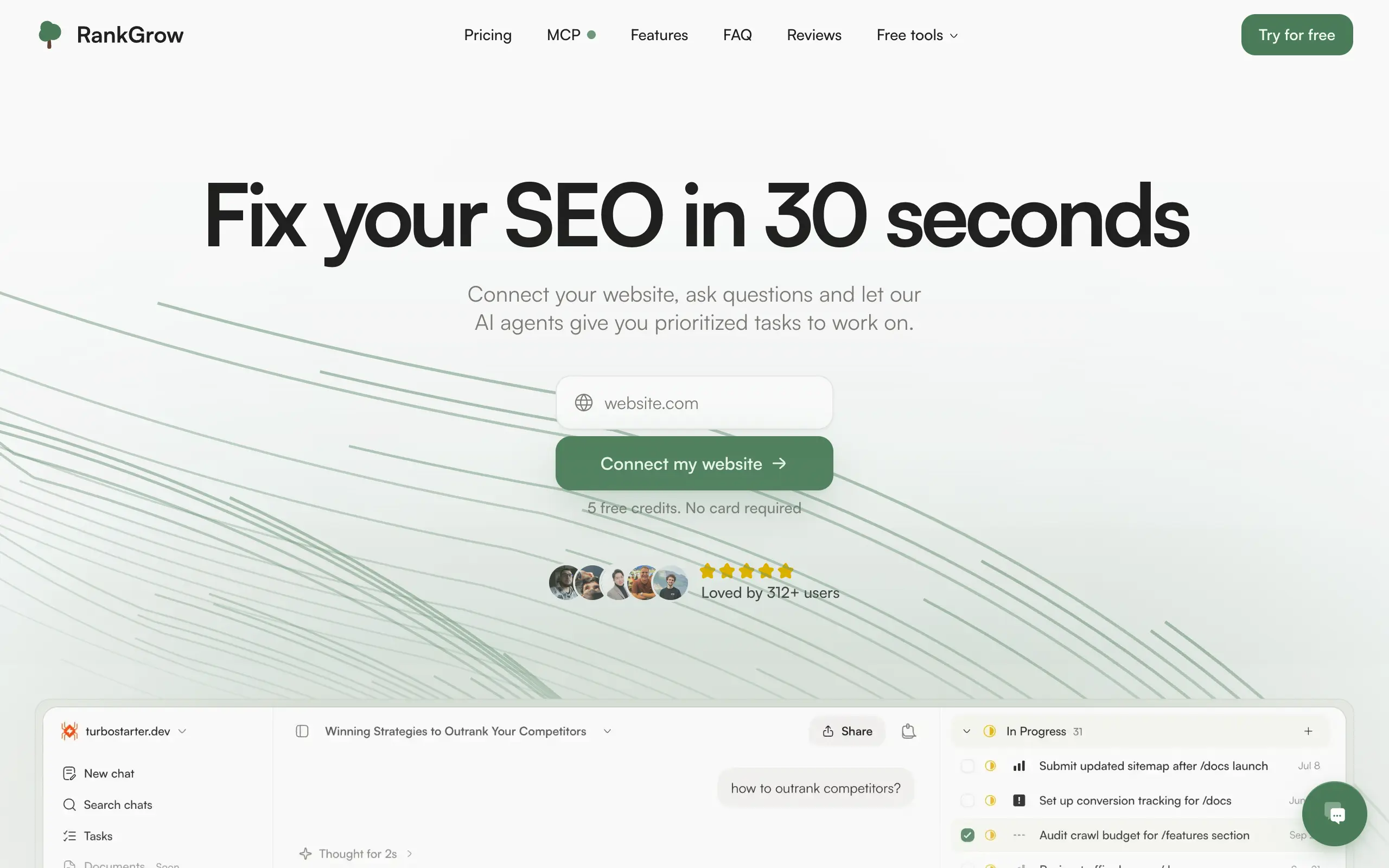
RankGrow
Fix your SEO with AI agents - connect Search Console, get prioritized tasks, and grow organic traffic 📈
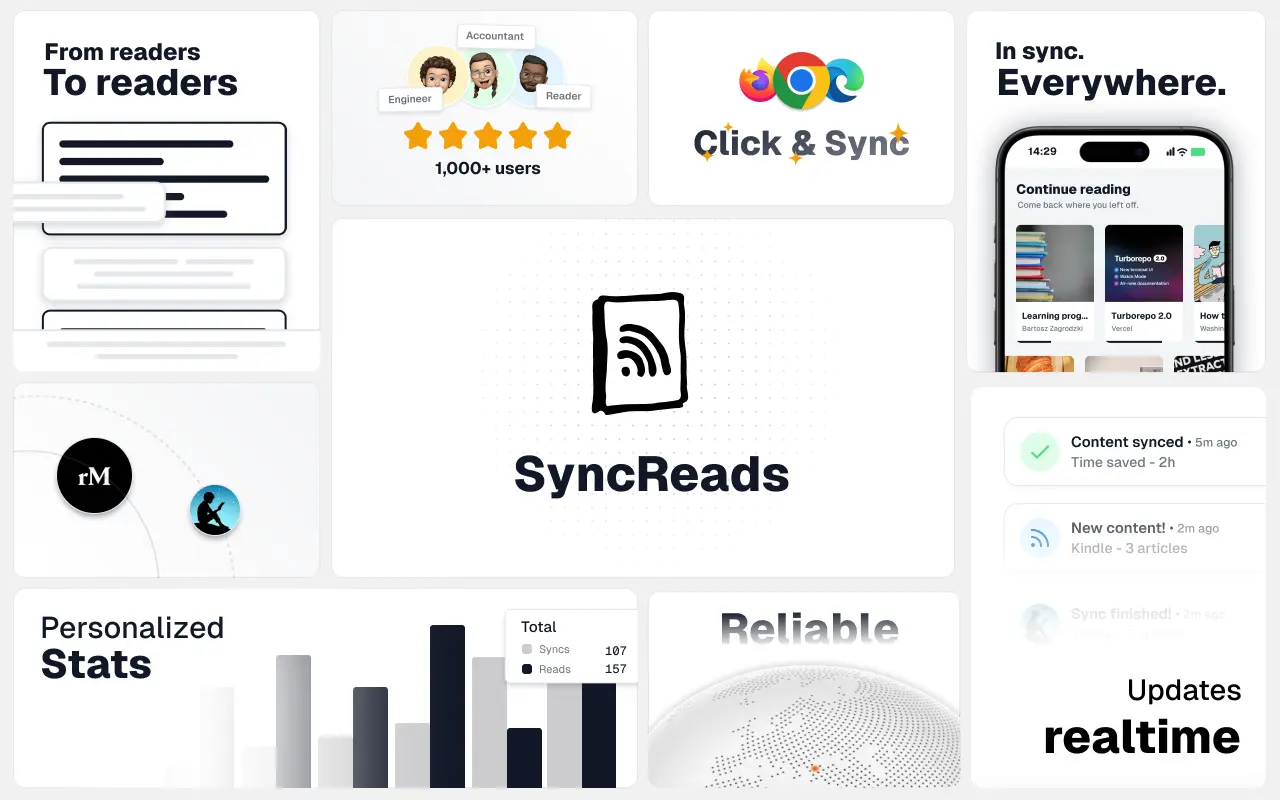
SyncReads
Sync your favorite content for distraction-free reading, save time and replace multiple apps. Anytime, anywhere 🔄
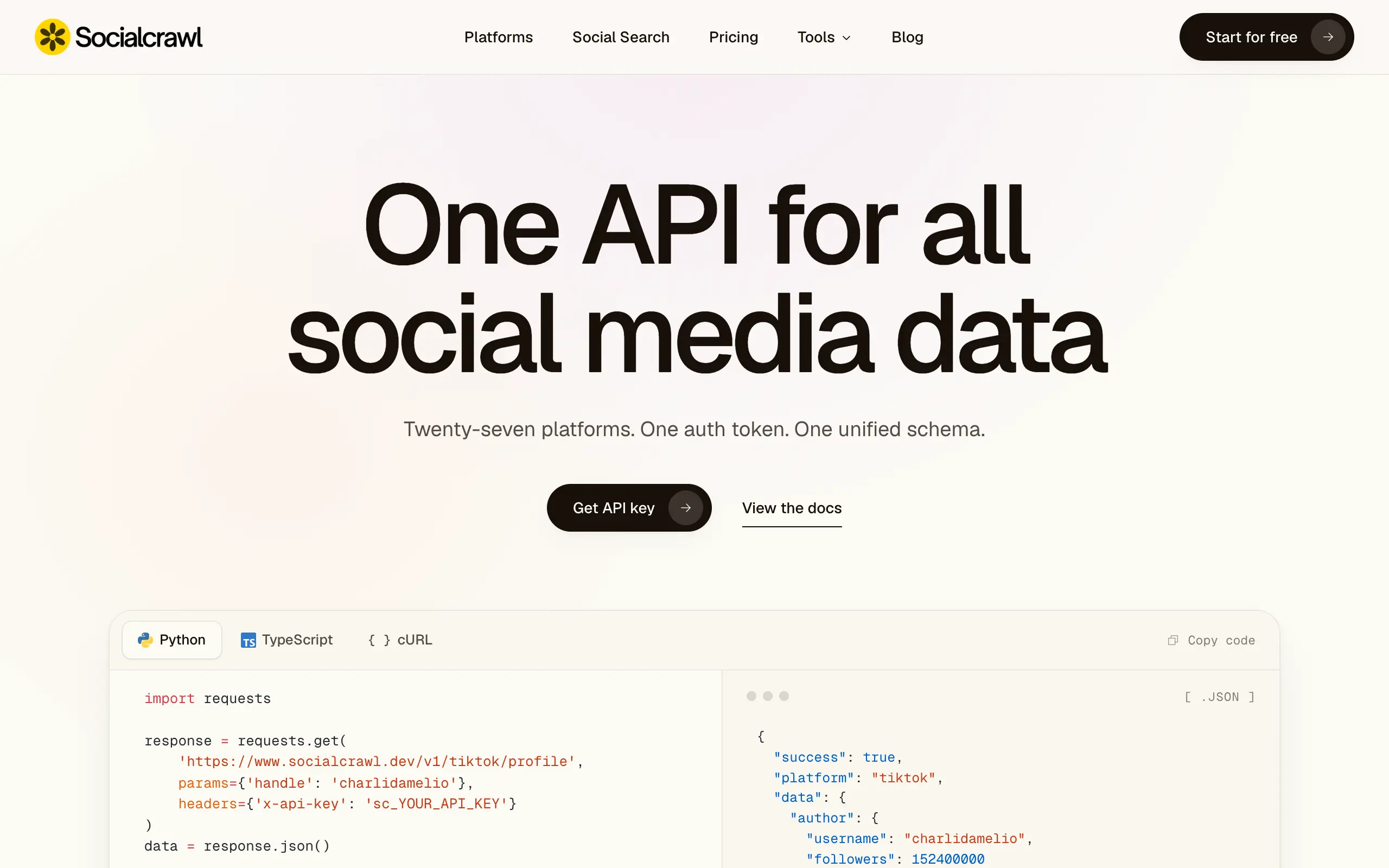
Socialcrawl
Get clean, structured data from 21 platforms like TikTok, Instagram, and YouTube with a single request 📊
Statiko
Monitor any Telegram channel in real time - track posts, edits, deletions, and growth with AI recaps 📡
Shibui
AI website builder - describe your business, pick a niche template, edit by chatting, and publish instantly ✨
Pro Service
Find verified home service professionals, compare quotes, and pay securely through escrow - built for Brazilians across the US 🏠
RankGrow
Fix your SEO with AI agents - connect Search Console, get prioritized tasks, and grow organic traffic 📈
SyncReads
Sync your favorite content for distraction-free reading, save time and replace multiple apps. Anytime, anywhere 🔄
Socialcrawl
Get clean, structured data from 21 platforms like TikTok, Instagram, and YouTube with a single request 📊
Statiko
Monitor any Telegram channel in real time - track posts, edits, deletions, and growth with AI recaps 📡
Shibui
AI website builder - describe your business, pick a niche template, edit by chatting, and publish instantly ✨
Pro Service
Find verified home service professionals, compare quotes, and pay securely through escrow - built for Brazilians across the US 🏠
RankGrow
Fix your SEO with AI agents - connect Search Console, get prioritized tasks, and grow organic traffic 📈
SyncReads
Sync your favorite content for distraction-free reading, save time and replace multiple apps. Anytime, anywhere 🔄
Socialcrawl
Get clean, structured data from 21 platforms like TikTok, Instagram, and YouTube with a single request 📊
Statiko
Monitor any Telegram channel in real time - track posts, edits, deletions, and growth with AI recaps 📡
Shibui
AI website builder - describe your business, pick a niche template, edit by chatting, and publish instantly ✨
Pro Service
Find verified home service professionals, compare quotes, and pay securely through escrow - built for Brazilians across the US 🏠
RankGrow
Fix your SEO with AI agents - connect Search Console, get prioritized tasks, and grow organic traffic 📈
SyncReads
Sync your favorite content for distraction-free reading, save time and replace multiple apps. Anytime, anywhere 🔄
Socialcrawl
Get clean, structured data from 21 platforms like TikTok, Instagram, and YouTube with a single request 📊
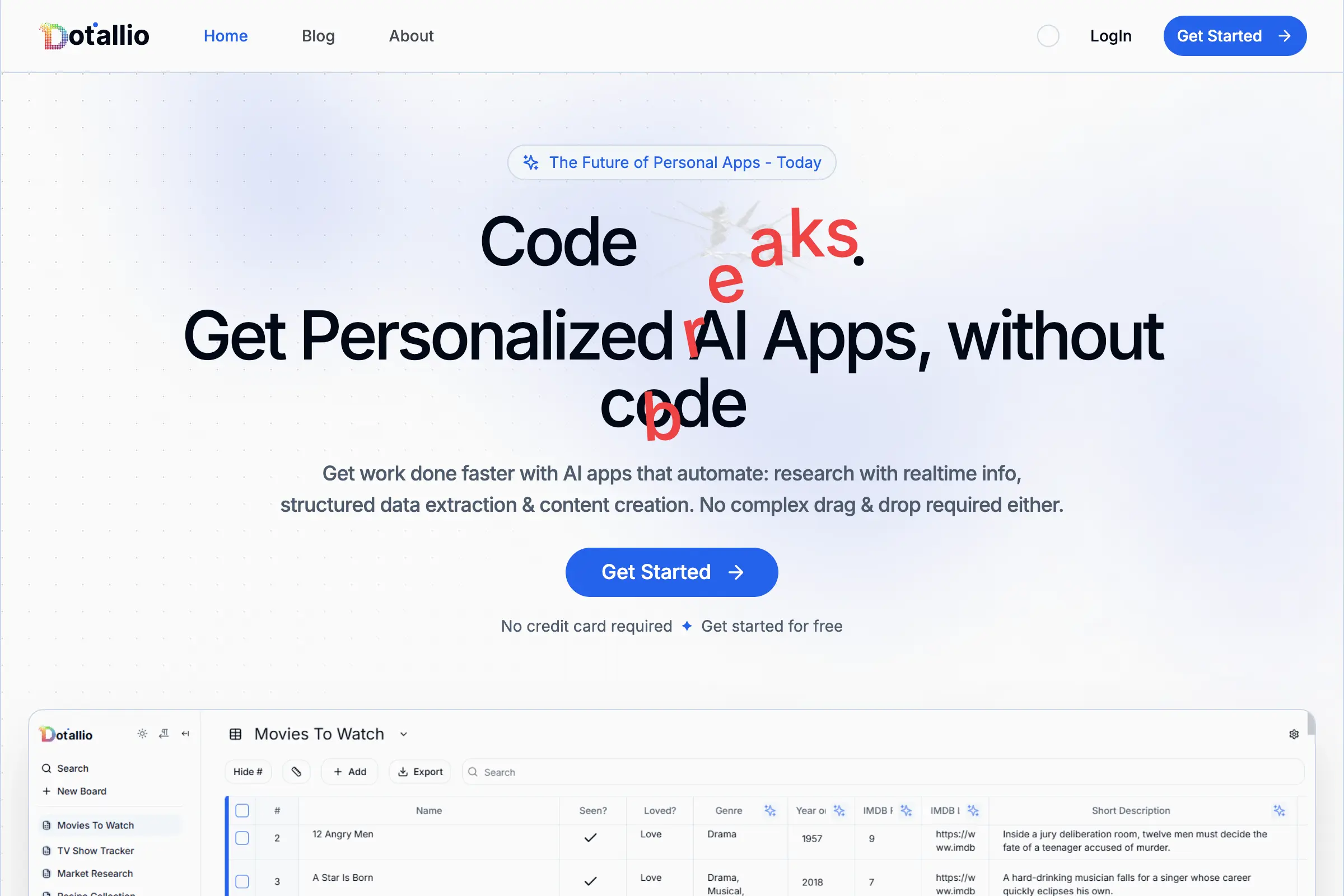
Dotallio
Personalized AI apps that automate research, data extraction, and content creation without code 🤖

Talk to Santa
Enjoy a magical live video chat or receive a unique AI-generated video greeting from Santa Claus 🎅

pozywka.pl
Scalable blog for food journalist, focused on performance and user experience 🌭
zagrodzki.me
Personal blog and portfolio of Bart Zagrodzki, where he shares his knowledge and work 💼
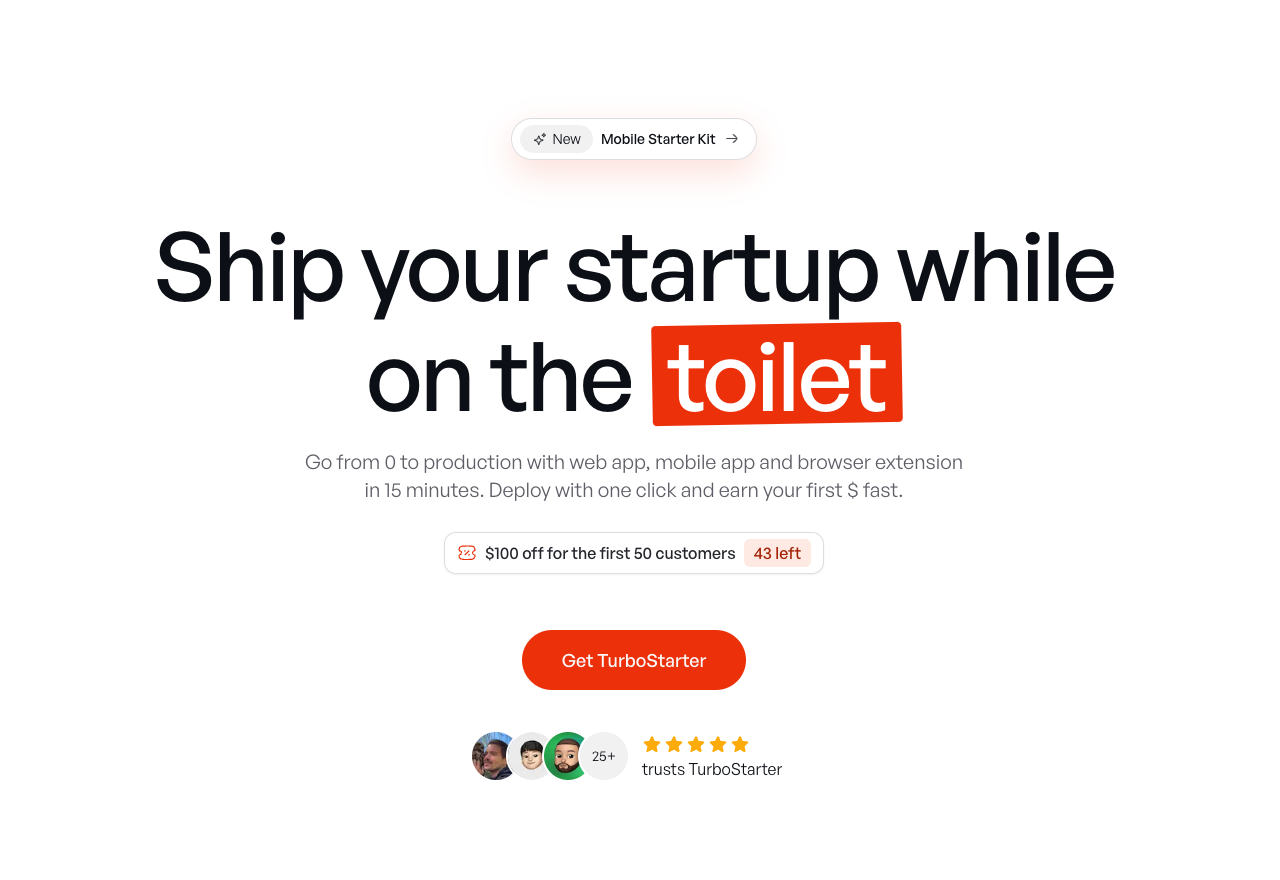
TurboStarter
Ship your startup everywhere. In minutes.
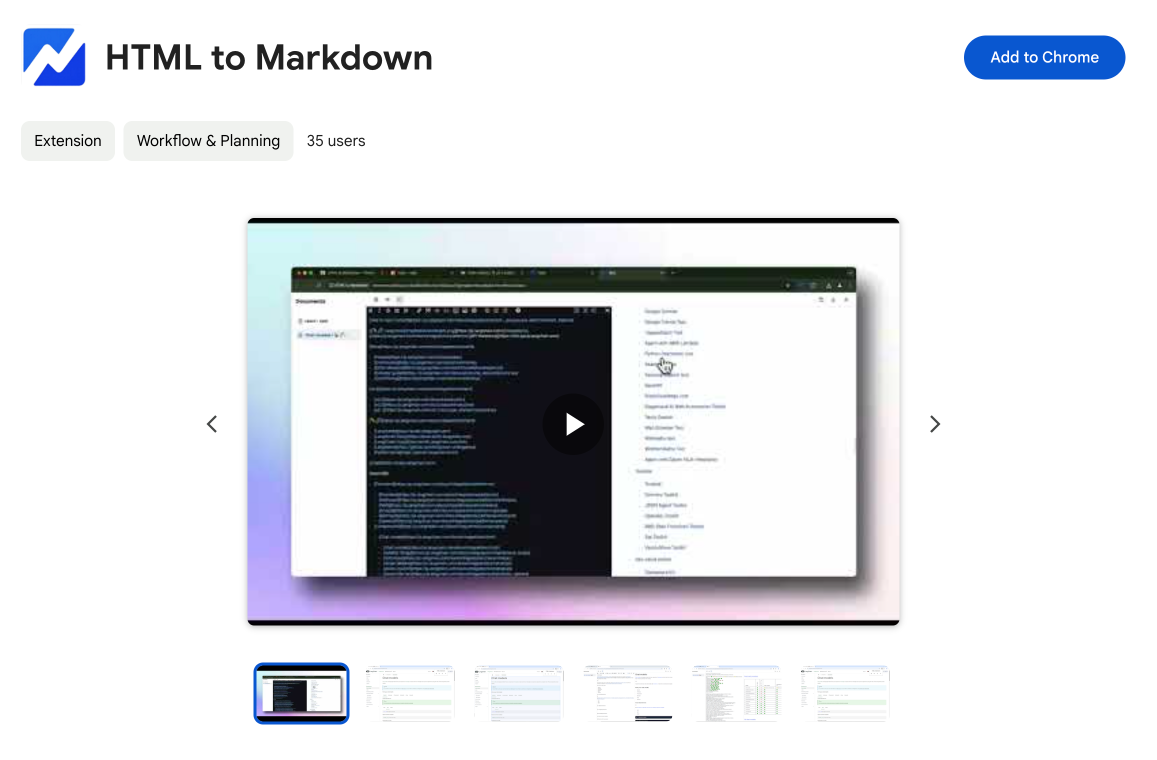
HTML to Markdown
Convert HTML to Markdown with ease, directly in your browser 📄
Dotallio
Personalized AI apps that automate research, data extraction, and content creation without code 🤖
Talk to Santa
Enjoy a magical live video chat or receive a unique AI-generated video greeting from Santa Claus 🎅
pozywka.pl
Scalable blog for food journalist, focused on performance and user experience 🌭
zagrodzki.me
Personal blog and portfolio of Bart Zagrodzki, where he shares his knowledge and work 💼
TurboStarter
Ship your startup everywhere. In minutes.
HTML to Markdown
Convert HTML to Markdown with ease, directly in your browser 📄
Dotallio
Personalized AI apps that automate research, data extraction, and content creation without code 🤖
Talk to Santa
Enjoy a magical live video chat or receive a unique AI-generated video greeting from Santa Claus 🎅
pozywka.pl
Scalable blog for food journalist, focused on performance and user experience 🌭
zagrodzki.me
Personal blog and portfolio of Bart Zagrodzki, where he shares his knowledge and work 💼
TurboStarter
Ship your startup everywhere. In minutes.
HTML to Markdown
Convert HTML to Markdown with ease, directly in your browser 📄
Dotallio
Personalized AI apps that automate research, data extraction, and content creation without code 🤖
Talk to Santa
Enjoy a magical live video chat or receive a unique AI-generated video greeting from Santa Claus 🎅
pozywka.pl
Scalable blog for food journalist, focused on performance and user experience 🌭
zagrodzki.me
Personal blog and portfolio of Bart Zagrodzki, where he shares his knowledge and work 💼
TurboStarter
Ship your startup everywhere. In minutes.
HTML to Markdown
Convert HTML to Markdown with ease, directly in your browser 📄
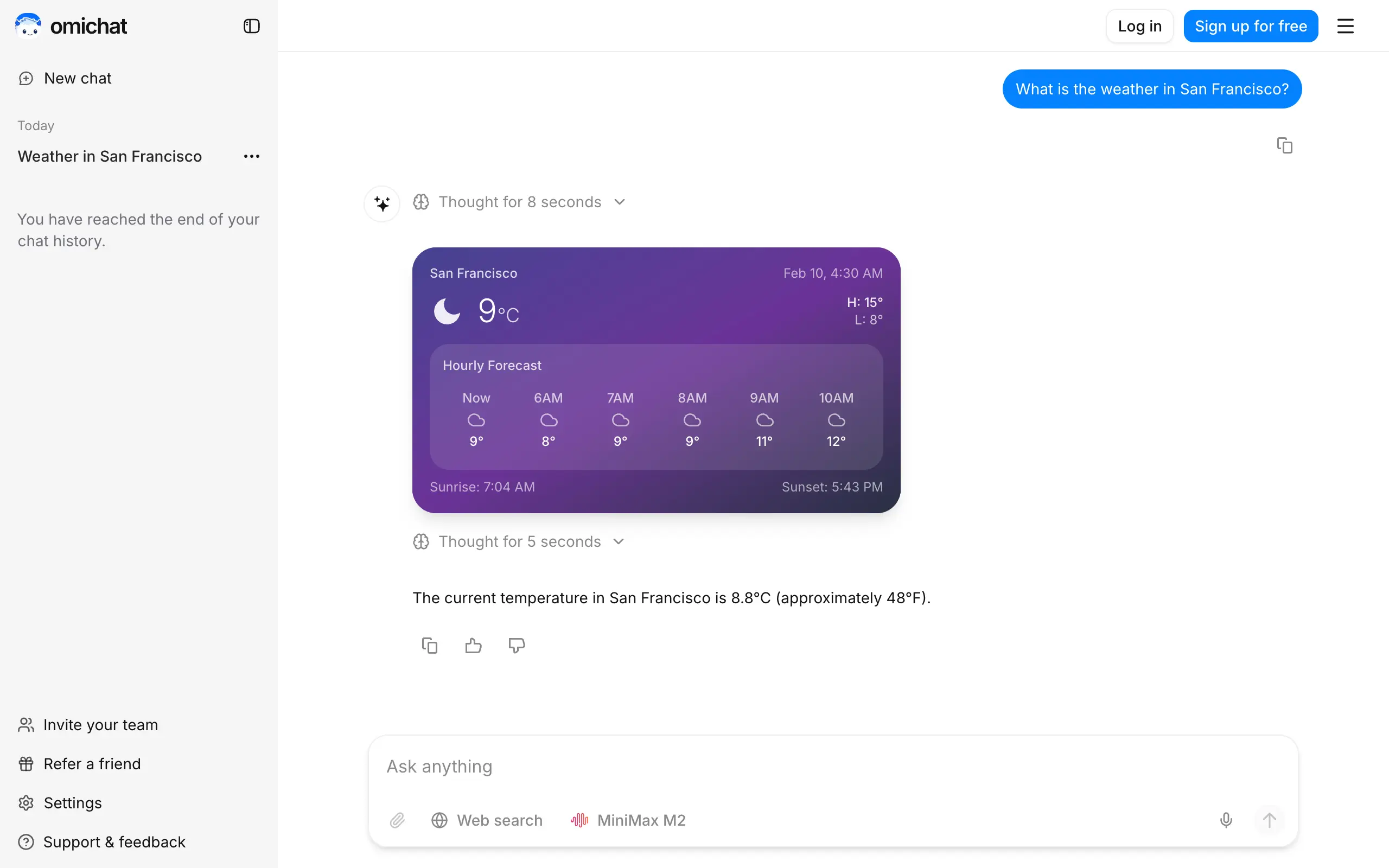
Omichat
Chat with 50+ AI models, including ChatGPT and Claude, in one place - switch models anytime without losing context 🤖
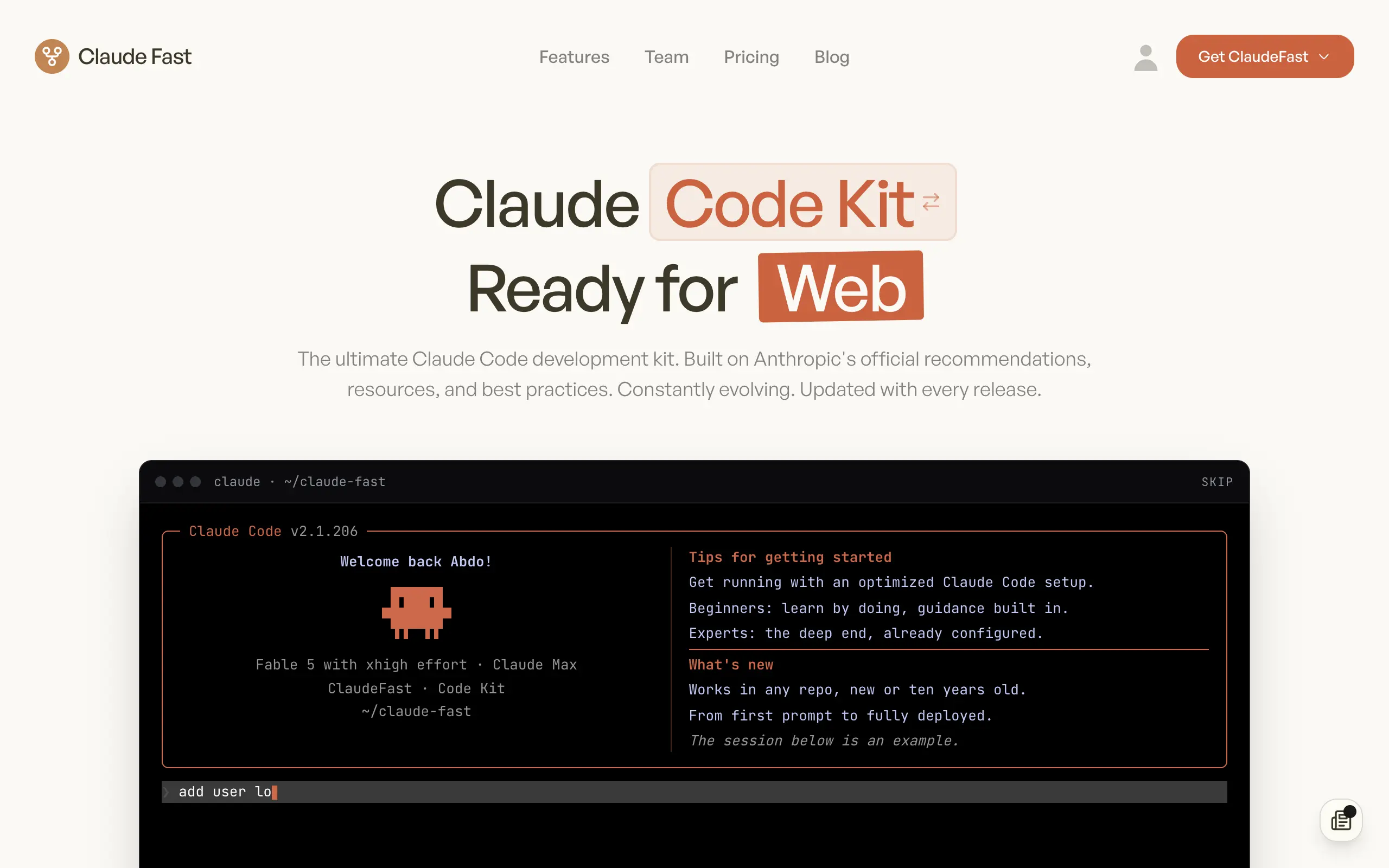
Claude Fast
Supercharge your Claude Code with 6x effective context window and specialized AI agents 🤖
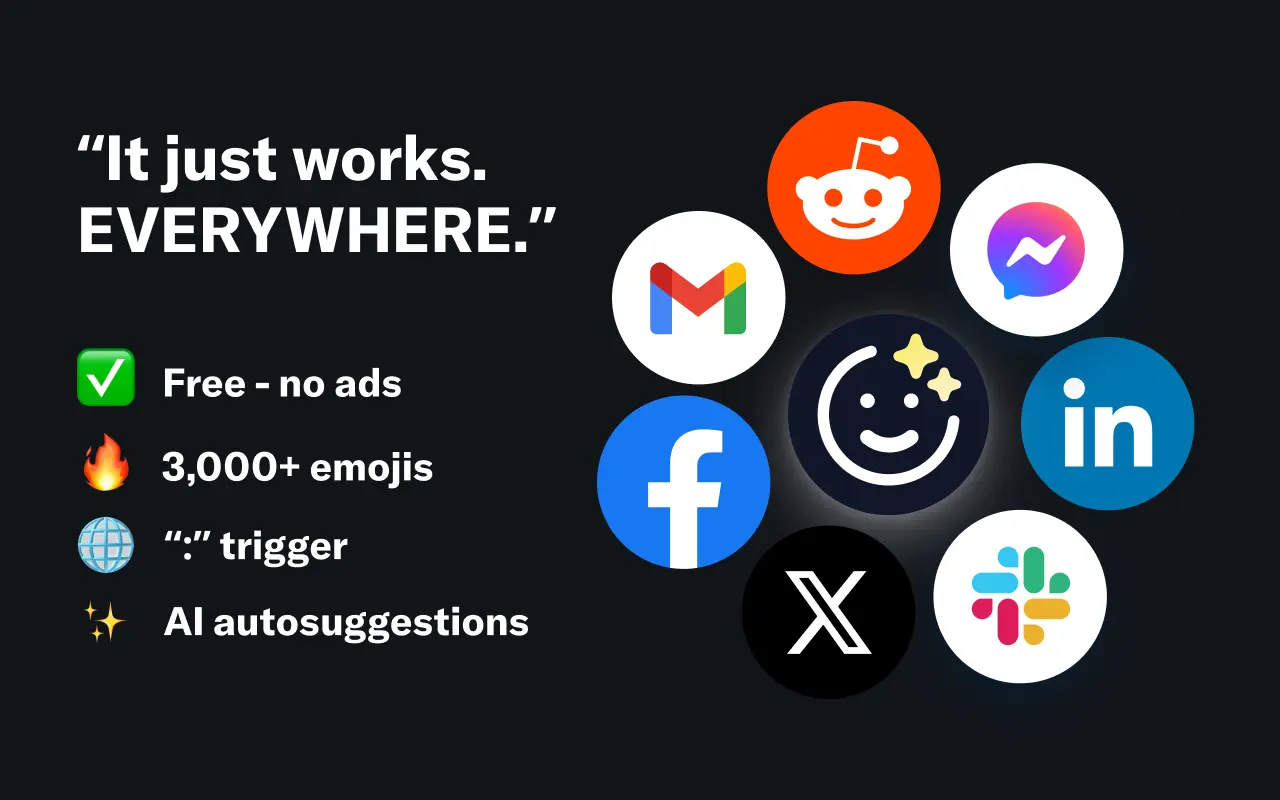
EmojAI
AI-powered emoji picker with smart, context-aware suggestions 🤖
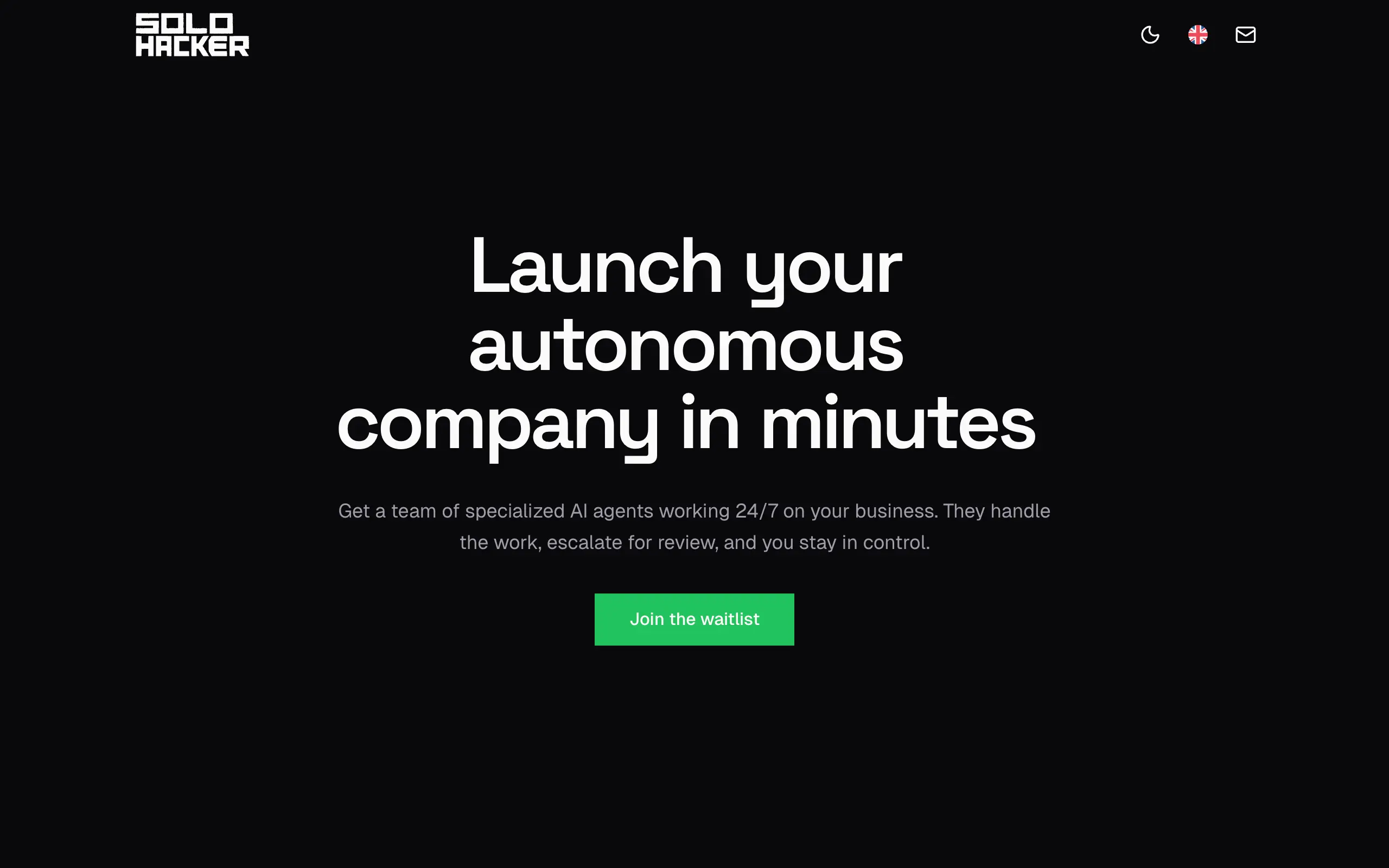
Solohacker
Autonomous company launcher - AI agents work 24/7, escalate what matters, and you stay in control 🤖

BeRawi: Storytelling Coach
Practice storytelling daily with instant feedback to sound clearer, more engaging, and confident 🎤
Omichat
Chat with 50+ AI models, including ChatGPT and Claude, in one place - switch models anytime without losing context 🤖
Claude Fast
Supercharge your Claude Code with 6x effective context window and specialized AI agents 🤖
EmojAI
AI-powered emoji picker with smart, context-aware suggestions 🤖
Solohacker
Autonomous company launcher - AI agents work 24/7, escalate what matters, and you stay in control 🤖
BeRawi: Storytelling Coach
Practice storytelling daily with instant feedback to sound clearer, more engaging, and confident 🎤
Omichat
Chat with 50+ AI models, including ChatGPT and Claude, in one place - switch models anytime without losing context 🤖
Claude Fast
Supercharge your Claude Code with 6x effective context window and specialized AI agents 🤖
EmojAI
AI-powered emoji picker with smart, context-aware suggestions 🤖
Solohacker
Autonomous company launcher - AI agents work 24/7, escalate what matters, and you stay in control 🤖
BeRawi: Storytelling Coach
Practice storytelling daily with instant feedback to sound clearer, more engaging, and confident 🎤
Omichat
Chat with 50+ AI models, including ChatGPT and Claude, in one place - switch models anytime without losing context 🤖
Claude Fast
Supercharge your Claude Code with 6x effective context window and specialized AI agents 🤖
EmojAI
AI-powered emoji picker with smart, context-aware suggestions 🤖
Solohacker
Autonomous company launcher - AI agents work 24/7, escalate what matters, and you stay in control 🤖
BeRawi: Storytelling Coach
Practice storytelling daily with instant feedback to sound clearer, more engaging, and confident 🎤

Connect with like-minded people
Join our community to get feedback, support, and grow together with 1,000+ builders on board, let's ship it!
Join usShip your startup everywhere. In minutes.
Don't burn tokens on setup and start building features on day one.