InjectIQ Inventory
Forecast injectable and skincare demand using bookings, seasonality, and provider patterns to reduce expiry waste and stockouts.
Why AI injectable inventory forecasting matters for aesthetic practices
Injectable and skincare inventory management is one of the most financially sensitive operational challenges in medical aesthetics. Every vial, syringe, cannula, skincare product, and consumable has a carrying cost. Many items also have expiry constraints, cold-chain requirements, lot-level traceability needs, and uneven demand patterns across providers.
InjectIQ Inventory is an AI injectable inventory forecasting platform designed to help med spas, aesthetic clinics, dermatology practices, and multi-location providers predict product demand using appointment bookings, seasonality, treatment mix, and provider behavior. Its goal is simple: reduce costly expiry waste without creating treatment-disrupting stockouts.
Traditional inventory systems tell a clinic what it has on hand. Injectable inventory forecasting software should help the clinic understand what it will need next week, next month, and during the next high-demand seasonal period.
That distinction matters.
A practice can have a technically accurate stock count and still make poor purchasing decisions because it does not account for:
- Upcoming booked procedures
- Provider-specific product preferences
- Historic appointment conversion patterns
- Seasonal demand changes
- Marketing campaigns and promotions
- Supplier lead times
- Product expiry dates
- Multi-location stock imbalances
- Substitute products or treatment protocols
InjectIQ Inventory addresses the gap between inventory visibility and inventory intelligence. Instead of relying on manual spreadsheets, memory, or generic reorder points, clinics can use AI-powered forecasting to make purchasing decisions based on likely clinical demand.
The core opportunity
Aesthetic practices do not need another static inventory spreadsheet. They need a forecasting layer that turns bookings, treatment history, provider behavior, and expiry data into clear replenishment recommendations.
The target audience for injectable inventory forecasting software
The ideal customer for InjectIQ Inventory is not every healthcare organization. The product should focus on businesses where injectables and skincare inventory represent a meaningful revenue driver, operational risk, and working-capital expense.
Primary audience: med spas and aesthetic clinics
Independent med spas and aesthetic clinics are the strongest initial market because they often face a difficult combination of high product costs and lightweight operations.
Many growing practices still manage inventory through:
- Spreadsheets updated inconsistently
- Physical counts performed weekly or monthly
- Manual purchase orders
- Staff memory and informal reorder rules
- Separate booking, POS, and inventory systems
- Reactive ordering after a treatment cannot be performed
These clinics need a practical inventory planning tool that is easy to adopt without requiring an enterprise resource planning implementation.
Their highest-priority outcomes include:
- Fewer expired neuromodulators, fillers, and skincare products
- Fewer appointment delays caused by missing products
- Better cash flow through lower excess stock
- Clear accountability across staff and locations
- More confidence when placing supplier orders
Secondary audience: multi-location aesthetic groups
Multi-location med spa groups experience a more complex version of the same problem. They may have adequate stock in one location while another site faces a stockout. They may also use different ordering habits across locations, making it difficult for leadership to identify waste or standardize purchasing.
For this segment, InjectIQ Inventory should emphasize:
- Location-level demand forecasting
- Inter-location transfer recommendations
- Centralized purchasing visibility
- Provider and clinic benchmarking
- Shared product catalogs and supplier rules
- Forecast accuracy tracking by location
Tertiary audience: dermatology, plastic surgery, and wellness clinics
Dermatology practices, plastic surgery groups, and wellness clinics may carry injectables alongside prescription skincare, post-procedure kits, regenerative treatments, and retail products.
Their needs are similar, but their workflows can vary more significantly. A dermatologist may need a system that supports medical and cosmetic treatment lines, while a plastic surgery practice may need inventory planning linked to surgery schedules and post-operative retail recommendations.
Important buyer roles
A successful go-to-market strategy should speak differently to each buyer.
| Buyer role | Primary concern | InjectIQ Inventory value | Likely objection | Best message |
|---|---|---|---|---|
| Owner or founder | Cash flow and margin | Less waste and smarter purchasing | Will the team use it? | Show financial impact quickly |
| Practice manager | Operational consistency | Automated reorder guidance | Is setup time realistic? | Reduce manual inventory work |
| Lead injector | Treatment readiness | Fewer stockouts and substitutions | Will it disrupt care? | Protect the patient experience |
| Operations leader | Standardization at scale | Multi-site visibility and controls | Can it integrate? | Turn local data into group insight |
The market gap: inventory systems record the past, not the future
Most inventory software is built around counts, thresholds, purchase orders, and stock movement. Those capabilities are useful, but they often treat demand as fixed or assume that a single reorder point works indefinitely.
That assumption fails in aesthetics.
Demand for injectable treatments is influenced by many dynamic variables:
- Seasonal events and holidays
- Wedding and event seasons
- New treatment launches
- Marketing promotions
- Provider availability
- Local demographics
- Patient loyalty and rebooking behavior
- Changes in product mix
- Supplier shipment delays
- Appointment cancellations and no-shows
For example, a clinic may see increased demand for neuromodulators before holiday events, summer travel, weddings, or major local occasions. A static reorder threshold cannot distinguish between ordinary demand and a calendar period where future bookings signal an elevated need.
A clinic also may have two injectors who use different products, treatment protocols, dilution approaches, or preferred brands. A generic system can see total product consumption, but it cannot easily forecast that one provider's fully booked schedule will create an unusually high need for a particular SKU.
This creates a clear SaaS opportunity: AI inventory forecasting for aesthetic practices that connects operational signals to recommended purchasing actions.
Why expiry waste is especially painful in aesthetics
Expiry waste is more than a bookkeeping problem. It can affect margins, staff confidence, purchasing behavior, and compliance processes.
When teams repeatedly experience expiry losses, they may overcorrect by ordering too conservatively. That reduces waste in the short term but can increase stockouts. Stockouts then create rushed orders, costly shipping, inconvenient substitutions, rescheduled appointments, and lost patient trust.
InjectIQ Inventory should position itself as a system for balancing two competing risks:
- Overstocking risk, which increases expiry waste and ties up working capital.
- Understocking risk, which threatens revenue, patient experience, and provider productivity.
The product's central promise is not simply to reduce inventory. It is to help clinics hold the right inventory level for their expected demand and supply constraints.
How InjectIQ Inventory solves the injectable inventory problem
InjectIQ Inventory should combine operational data with forecasting models to create a reliable, explainable inventory decision system.
The platform should not present AI as a black box. Clinic operators need to understand why a forecast changed and what action they should take.
A useful recommendation should answer questions such as:
- What product should we order?
- How many units should we order?
- When should we order it?
- Why is that recommendation being made?
- Which upcoming bookings are influencing demand?
- What happens if we do not order?
- Which current stock is closest to expiry?
- Can another location transfer product instead?
The demand forecasting engine
The forecasting engine is the foundation of InjectIQ Inventory. It should estimate expected consumption by product, location, provider, and time period.
Inputs can include:
- Historical product usage
- Appointment bookings
- Procedure type
- Scheduled provider
- Appointment date
- Appointment status
- Cancellation history
- Treatment package sales
- Membership usage patterns
- Product lot and expiry information
- Supplier lead times
- Product substitutions
- Promotional calendar data
- Local holidays and clinic closures
- Inventory adjustments and waste events
The AI model should forecast at several useful levels:
- Daily demand for short shelf-life or urgent restocking decisions
- Weekly demand for standard replenishment
- Monthly demand for purchasing and cash-flow planning
- Seasonal demand for promotional and staffing planning
A practical first version does not need to solve every forecasting problem at once. It should start with high-confidence use cases, such as predicting weekly injectable demand from booked appointments and historical treatment consumption.
Booking-aware inventory planning
Booking-aware forecasting is a major differentiator.
A standard inventory system may notice that a clinic used 40 units of a product last month. InjectIQ Inventory should identify that the next two weeks already contain 24 booked procedures associated with that product category, with a high historical completion rate.
That distinction enables more precise recommendations.
For instance, the product could say:
Based on confirmed bookings, historical provider usage, expected cancellations, and current on-hand stock, order 12 additional units by Tuesday to maintain the recommended safety stock through the next supplier delivery window.
This recommendation becomes even more valuable when it includes transparent drivers:
- 18 confirmed appointments require the relevant product category
- 3 tentative bookings have a 65% historical completion probability
- Current stock includes 4 units expiring within 21 days
- Supplier lead time is 5 business days
- Demand is forecast to rise 18% compared with the prior four-week average
The exact percentages should always be calculated from the clinic's own data. Avoid presenting model outputs as certain facts. The product should use confidence ranges and explain uncertainty clearly.
Expiry-first inventory management
Injectables and skincare products need more than quantity tracking. They require lot-level awareness.
InjectIQ Inventory should support:
- Lot numbers
- Expiration dates
- Product receipt dates
- Storage locations
- Opened versus unopened status when relevant
- Units per package
- Transfer history
- Waste reasons
- Supplier and purchase order details
The system can then make expiry-first recommendations, such as prioritizing a product lot for use before opening newer stock.
For eligible products and workflows, the platform could surface operational prompts such as:
- Use lot A before lot B because it expires sooner
- Review 8 units at risk of expiring within 30 days
- Avoid ordering product X this week because current inventory covers forecasted demand
- Transfer two units from location B to location A before placing a new order
The interface should clearly distinguish between clinical guidance and inventory guidance. The application should never override provider judgment, product labeling, storage requirements, or clinical protocols.
Provider pattern analysis
Providers can differ materially in the products they use and the services they perform. A strong AI inventory forecasting platform should recognize these patterns without turning performance data into punitive surveillance.
Provider analytics should focus on operational planning:
- Treatment mix by provider
- Average product usage by service category
- Demand trends by provider schedule
- Product preference patterns
- Forecast variance compared with planned inventory
- Training or process opportunities when usage is unusually inconsistent
The system should frame these insights carefully. Variation may be clinically appropriate based on patient needs, provider technique, or service mix. InjectIQ Inventory should help operators ask better questions, not make simplistic judgments.
Core features for an MVP and future product roadmap
A focused MVP will create more value than an overly broad first release. The initial product should make inventory managers more effective within the first week of using it.
Demand forecasting
Predict product-level demand from bookings, history, seasonality, and provider patterns.
Smart replenishment
Recommend what to order, when to order it, and how much safety stock to maintain.
Expiry intelligence
Identify at-risk inventory and prioritize lots that should be used first.
Inventory alerts
Notify teams before stockouts, expiry events, or unusual demand shifts become costly.
MVP features to prioritize
The MVP should include the smallest set of features that proves the core value proposition.
-
Product catalog and inventory ledger
Clinics need a trustworthy source of truth for products, packs, units, lots, expiry dates, and stock movement.
-
Booking and procedure data import
The platform needs booking context. Start with CSV import if direct integrations are not available, then add connectors to popular scheduling and practice management systems.
-
Forecast dashboard
Show projected usage, on-hand inventory, inventory at risk, and estimated stockout dates by product.
-
Reorder recommendations
Create a clear purchasing queue that includes recommended quantity, recommended order date, supplier lead time, and rationale.
-
Expiry alerts
Flag products approaching expiry and show their financial value, location, and likely utilization before expiration.
-
Weekly digest
Send a concise email or in-app report that tells the practice manager what requires attention this week.
-
Audit history
Track who adjusted inventory, when changes were made, and why. This feature supports trust and operational accountability.
Features for the expansion roadmap
Once the MVP demonstrates demand forecasting value, the roadmap can expand into higher-leverage workflows.
- Automated purchase order creation
- Supplier catalog integrations
- Multi-location transfers
- Barcode and mobile scanning
- Treatment protocol templates
- Budget and cash-flow forecasting
- Inventory variance reporting
- Promotion scenario planning
- Role-based approvals
- Supplier performance analytics
- Forecast confidence scoring
- Natural-language inventory assistant
- Benchmarking based on anonymized aggregate data
A useful AI assistant use case
A conversational interface can help busy operators ask questions without navigating multiple reports.
Examples include:
- “Which products are most likely to stock out before next Friday?”
- “What inventory is at risk of expiry in the next 45 days?”
- “How much filler should we order for our March schedule?”
- “Why did the forecast for this SKU increase?”
- “Which location has excess stock that could be transferred?”
The assistant should retrieve answers from auditable data sources and link every recommendation to its underlying assumptions. In a high-trust operational product, explainability matters more than flashy AI language.
Do not over-automate clinical decisions
InjectIQ Inventory should forecast inventory needs and streamline operational decisions. It should not recommend patient treatment plans, dosages, substitutions, or clinical protocols without appropriate clinical governance.
Recommended tech stack for InjectIQ Inventory
The technical architecture should support fast iteration, secure data handling, background forecasting jobs, and reliable integrations.
A modern SaaS stack can deliver those requirements without creating unnecessary early complexity.
Frontend and application layer
For the web application, Next.js is a strong choice because it supports modern React development, server rendering, route handlers, authentication patterns, and production deployment workflows.
Use React for the user interface and Tailwind CSS for a consistent, efficient design system.
Recommended frontend capabilities include:
- Responsive dashboards for desktop and tablet workflows
- Accessible data tables and filters
- Exportable reports
- Clear alert prioritization
- Permission-aware navigation
- Mobile barcode workflows later in the roadmap
Backend and database
A relational database is a strong fit because inventory data depends on reliable relationships between products, lots, locations, suppliers, appointments, providers, and stock movements.
PostgreSQL is an excellent default. It supports transactional integrity, robust querying, row-level security patterns, and analytical workloads.
Use an ORM such as Prisma when development speed and type safety are priorities. The trade-off is that complex reporting queries may require raw SQL or carefully designed database views as the product matures.
A core data model may include:
type InventoryLot = {
  id: string
  organizationId: string
  locationId: string
  productId: string
  lotNumber: string
  expiresAt: Date
  quantityOnHand: number
  unitCostCents: number
  receivedAt: Date
}

type DemandForecast = {
  id: string
  locationId: string
  productId: string
  forecastDate: Date
  expectedUnits: number
  lowerBoundUnits: number
  upperBoundUnits: number
  confidenceScore: number
  modelVersion: string
}
Forecasting and AI infrastructure
Forecasting can begin with interpretable statistical methods before introducing more advanced machine learning.
A sensible progression is:
- Moving averages and seasonal baselines
- Booking-adjusted demand models
- Provider and service-level regression features
- Probabilistic forecasts with confidence intervals
- Advanced time-series models for larger datasets
- LLM-based explanation and query interfaces
Python remains practical for forecasting workloads because of its mature ecosystem. Python services can run scheduled forecasting jobs, evaluate model accuracy, and generate prediction intervals.
The trade-off is operational complexity. A separate Python service adds deployment, observability, and data synchronization requirements. For an MVP, teams can keep the main product in TypeScript and use a small Python forecasting worker only where it adds clear value.
Background jobs and event processing
Inventory forecasting is not a request-response-only workflow. The platform needs scheduled jobs to ingest bookings, recalculate forecasts, send alerts, and monitor data quality.
Use a queue or managed job system for:
- Nightly forecast runs
- Booking synchronization
- Alert delivery
- Report generation
- Purchase order recommendations
- Integration retries
- Forecast model evaluation
The key engineering principle is idempotency. If an integration sync runs twice, it should not duplicate appointments, inventory movements, or purchase order recommendations.
Security and privacy requirements
Even when the primary use case is inventory forecasting, booking systems may expose patient-related information. The product should minimize sensitive data collection and retain only what is needed for forecasting.
Security priorities include:
- Encryption in transit and at rest
- Strict tenant isolation
- Role-based access control
- Audit logging
- Secure secrets management
- Data retention policies
- Backup and recovery testing
- Vendor security reviews
- Signed webhook verification
- Least-privilege integration permissions
If the product processes protected health information in the United States, founders should obtain legal and compliance guidance on applicable HIPAA obligations. Do not assume that a scheduling integration is harmless simply because the product's purpose is inventory management.
Monetization strategies for InjectIQ Inventory
InjectIQ Inventory should use pricing that aligns with customer value while remaining easy for clinic operators to understand.
The strongest model is likely a subscription plan based on location count, inventory complexity, or forecasted operational scale.
Recommended pricing structure
A tiered SaaS model could look like this:
- "Starter": one location, core inventory tracking, forecasts, expiry alerts, and CSV imports.
- "Growth": multiple providers, advanced forecasting, automated alerts, purchase recommendations, and standard integrations.
- "Multi-location": cross-site inventory transfers, centralized controls, advanced analytics, and priority support.
- "Enterprise": custom integrations, single sign-on, contractual security review, implementation support, and customized reporting.
Avoid charging purely by user seat in the early stages. Inventory decisions often involve front-desk staff, practice managers, injectors, owners, and operations leaders. Seat-based pricing can discourage adoption.
Value-based pricing logic
The product should be priced against measurable savings and revenue protection.
Potential value drivers include:
- Reduced expired product value
- Fewer emergency supplier orders
- Lower excess inventory carrying costs
- Prevented appointment rescheduling
- Better staff productivity
- Stronger supplier purchasing decisions
- Improved consistency across locations
A practical sales conversation should ask prospects to estimate:
- Monthly inventory spend
- Historical expiry write-offs
- Frequency of stockouts
- Cost of rush shipping
- Number of locations
- Hours spent on inventory counts and ordering
The team can then present a conservative return-on-investment estimate. Use customer-specific assumptions rather than exaggerated generic claims.
Additional revenue opportunities
Over time, InjectIQ Inventory could introduce optional revenue streams:
- Implementation and data migration services
- Premium forecasting and planning modules
- Supplier integration packages
- Custom reporting
- Multi-location governance tools
- Inventory audit support
- API access for larger groups
- White-label partnerships with practice management consultants
Supplier partnerships may be commercially attractive, but they introduce trust risks. The platform should remain vendor-neutral in its recommendations. If a supplier relationship exists, disclose it clearly and prevent commercial incentives from influencing inventory guidance.
Competitive advantage and product positioning
InjectIQ Inventory should not compete as a generic inventory management platform. Generic systems are often broader, older, and deeply embedded in accounting or point-of-sale workflows.
The product should own a narrow but valuable category: booking-aware AI inventory forecasting for injectables and skincare.
The core USP
The unique selling proposition is:
InjectIQ Inventory predicts injectable and skincare demand from real clinic signals, then turns that forecast into explainable actions that reduce expiry waste and prevent stockouts.
This positioning is stronger than “AI inventory management” because it defines the industry, data advantage, operational outcome, and user benefit.
What makes the product defensible
The defensibility comes from workflow depth and accumulated operational data, not merely from adding an AI chat box.
Potential moats include:
- Product-specific demand models trained on clinic workflows
- Booking-to-consumption mapping
- Provider pattern intelligence
- Expiry-aware reorder logic
- Multi-location transfer optimization
- Integration connectors
- Historical forecast accuracy data
- Embedded purchasing and inventory routines
- Trust built through transparent recommendations
The product should also create a data flywheel. As a clinic records actual consumption, appointment outcomes, waste events, and supplier delivery times, the forecasts should improve.
However, the company must earn the right to use that data. Customers should understand how data is processed, what is isolated by tenant, and whether anonymized aggregate analysis is optional.
Risks and mitigation strategies
A strong SaaS strategy recognizes that inventory forecasting is difficult because data quality and operational adoption can be inconsistent.
Data quality risk
Many clinics have incomplete product usage records, inconsistent item naming, or unreliable inventory counts.
Mitigation approaches include:
- Product catalog normalization
- Guided onboarding templates
- CSV validation before import
- Data quality scoring
- Required reason codes for major adjustments
- Reconciliation workflows
- Progressive adoption, starting with top revenue products
- Clear warnings when forecast confidence is low
Do not hide poor data quality. A forecast should state when it is based on limited history or uncertain inputs.
Integration risk
Practice management and booking systems vary widely. API access may be limited, costly, or inconsistent.
Mitigation approaches include:
- Start with reliable CSV imports
- Build a canonical internal data model
- Prioritize integrations based on customer demand
- Support secure scheduled imports
- Use integration health monitoring
- Create manual fallback workflows
- Avoid promising integrations before technical validation
Change-management risk
Staff may perceive inventory tracking as extra work, especially if they already feel overextended.
Mitigation approaches include:
- Minimize data entry
- Use barcode scanning where practical
- Offer role-specific dashboards
- Deliver weekly action lists instead of overwhelming reports
- Show early wins from prevented waste
- Include onboarding checklists
- Make recommendations explainable
Regulatory and clinical risk
Inventory platforms operating near healthcare workflows must avoid drifting into unvalidated clinical decision-making.
Mitigation approaches include:
- Keep the product focused on operations
- Use clear disclaimers and role boundaries
- Maintain robust audit logs
- Consult legal and compliance experts
- Support configurable workflows rather than hard-coded clinical rules
- Require human approval for purchase and transfer actions
AI trust risk
If the system gives recommendations that feel arbitrary, customers will ignore it.
Mitigation approaches include:
- Show forecast drivers
- Display confidence intervals
- Track actual versus forecasted consumption
- Let users provide feedback on recommendations
- Make model versions auditable
- Start with conservative recommendations
- Use rules-based guardrails around AI outputs
Start with the highest-value, most frequently used injectable and skincare products. These products usually have enough historical activity to support useful forecasts and create measurable savings when waste or stockouts are reduced.
Yes. Smaller practices often have less buffer for expensive expired products and fewer staff members available to manage spreadsheets, counts, and emergency orders. The product should offer a lightweight plan and simple onboarding for this segment.
Not for every task. Basic rules and historical averages can solve simple inventory problems. AI becomes valuable when demand is affected by bookings, provider behavior, seasonality, cancellations, and multiple locations. The best product combines understandable rules with forecasting models.
Actionable implementation steps for launching InjectIQ Inventory
The fastest path to product-market fit is to validate operational pain before building a large integration or machine-learning platform.
Interview 20 to 30 med spa owners, practice managers, and lead injectors. Ask for examples of recent expiry losses, stockouts, emergency orders, and inventory workflows.
Choose a narrow initial segment, such as multi-provider med spas with one to five locations and meaningful injectable inventory spend.
Build a data import workflow for products, lots, expiry dates, historical usage, and upcoming bookings. CSV uploads are acceptable for the first validation stage.
Launch a forecasting MVP for a limited set of high-value SKUs. Include forecasted demand, projected stockout date, expiry risk, and reorder suggestions.
Run a concierge pilot with five to ten clinics. Review recommendations with users weekly and compare forecasts with actual usage.
Measure product outcomes, including expiry value avoided, stockout events prevented, inventory carrying value, forecast error, and time saved during ordering.
Use pilot feedback to prioritize integrations, barcode workflows, multi-location transfers, and automated purchase order capabilities.
For the first pilots, focus on proving one repeatable business outcome: the clinic makes better purchase decisions because it can see likely demand before inventory becomes a problem.
A useful implementation dashboard should track:
- Forecast accuracy by product
- Products approaching stockout
- Products approaching expiry
- Recommended versus actual orders
- Inventory dollars at risk
- Waste events by reason
- Booking-driven demand changes
- Time saved in inventory review
Founders should also document customer evidence carefully. With permission, turn early wins into anonymized case studies that explain the starting problem, implementation process, measurable result, and operational lesson.
When technical execution needs to move quickly, TurboStarter can provide a foundation for building a production-ready SaaS application with common business features already considered.
Final perspective: build the intelligence layer for aesthetic inventory
InjectIQ Inventory has a compelling opportunity because it solves a painful, recurring, and expensive problem for aesthetic businesses. Clinics already understand the cost of expired injectables, excess skincare inventory, and last-minute stockouts. What they often lack is a system that transforms fragmented operational data into confident actions.
The winning product will not be the one that makes the broadest AI claims. It will be the one that helps a practice manager open a dashboard, understand what needs attention, trust the reasoning, and take action in minutes.
By combining booking-aware forecasts, provider pattern analysis, expiry intelligence, lot-level inventory controls, and explainable replenishment recommendations, InjectIQ Inventory can become a high-value operating system for injectable and skincare inventory planning.
The most effective starting point is narrow, measurable, and customer-led: forecast a clinic’s highest-value products accurately, prevent a few costly inventory failures, and build from real workflow trust.
More 🤖 AI Startup SaaS ideas
Discover more innovative ai startup SaaS ideas that are trending in 2026. Each idea is AI-generated with market validation and growth potential to help you find your next profitable venture faster than competitors.
Your competitors are building with TurboStarter
Below are some of the SaaS ideas that have been generated and built with our starter kit.
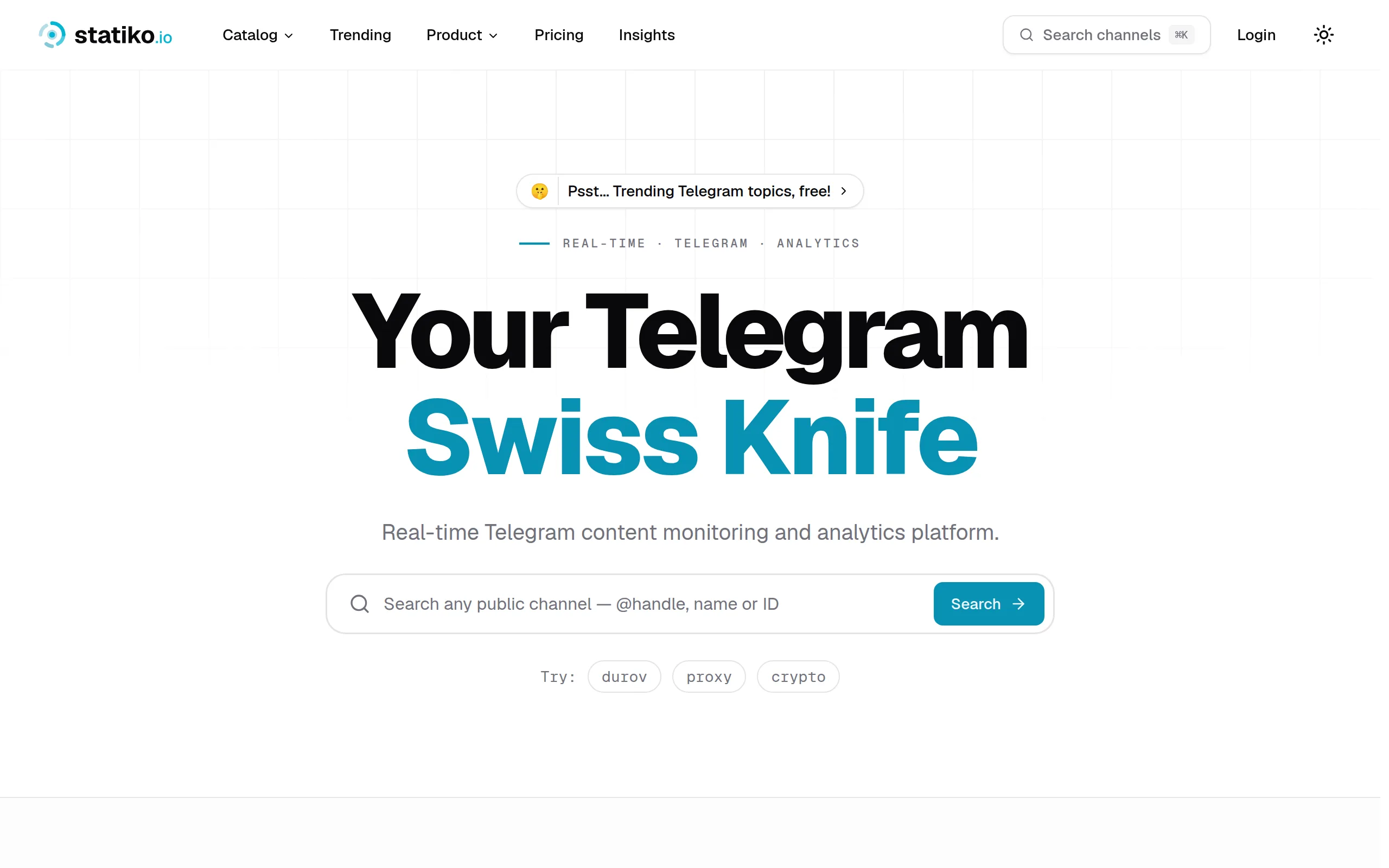
Statiko
Monitor any Telegram channel in real time - track posts, edits, deletions, and growth with AI recaps 📡

Shibui
AI website builder - describe your business, pick a niche template, edit by chatting, and publish instantly ✨

Pro Service
Find verified home service professionals, compare quotes, and pay securely through escrow - built for Brazilians across the US 🏠
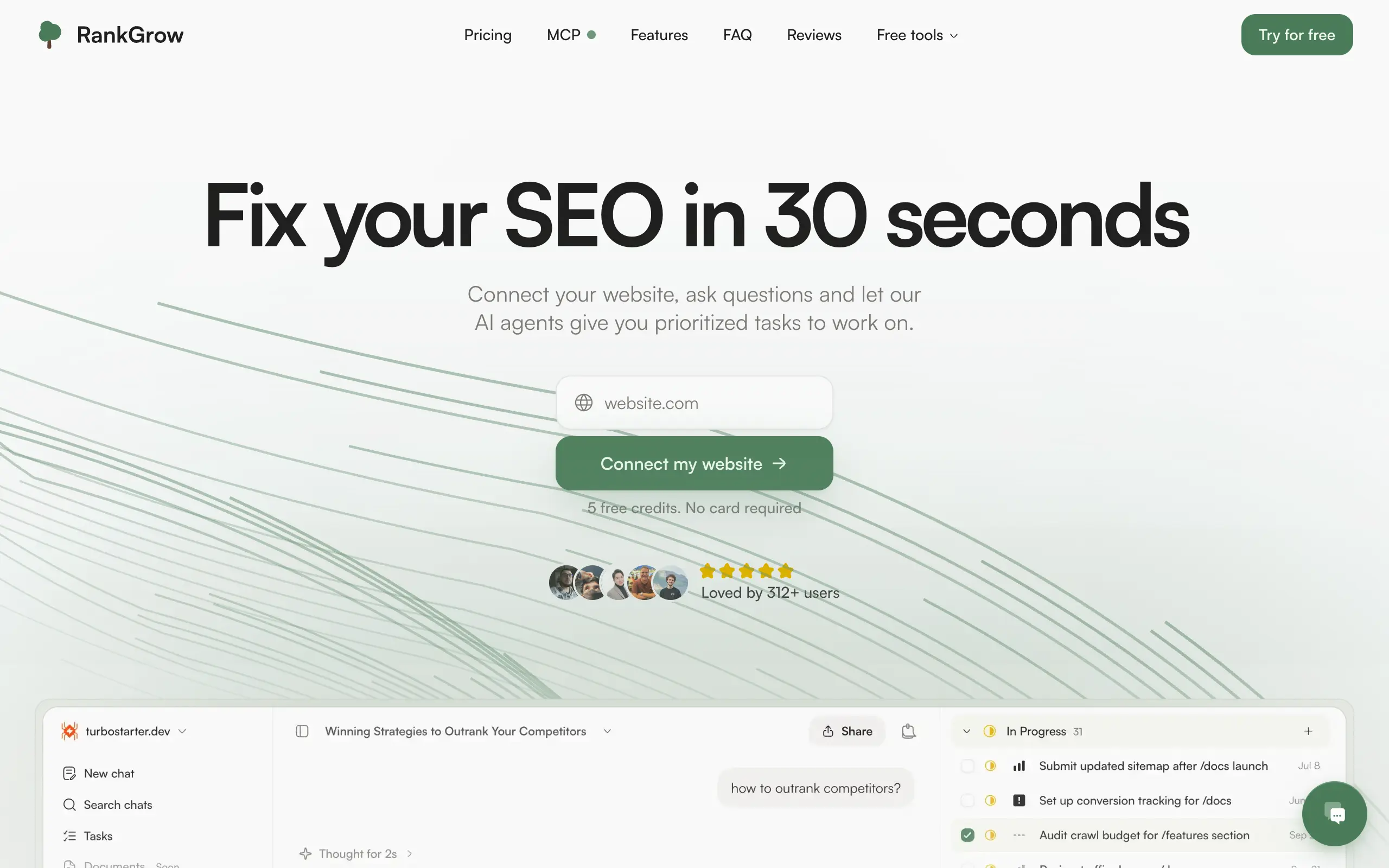
RankGrow
Fix your SEO with AI agents - connect Search Console, get prioritized tasks, and grow organic traffic 📈
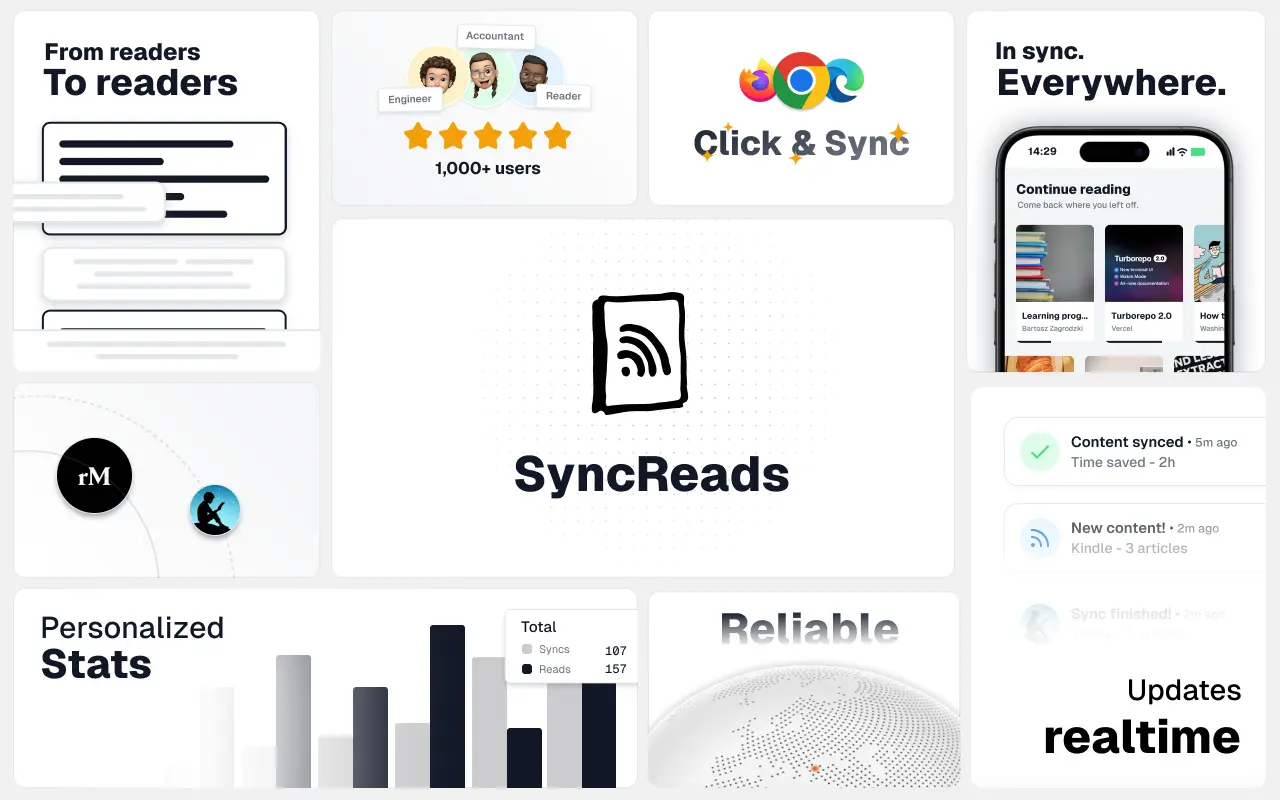
SyncReads
Sync your favorite content for distraction-free reading, save time and replace multiple apps. Anytime, anywhere 🔄
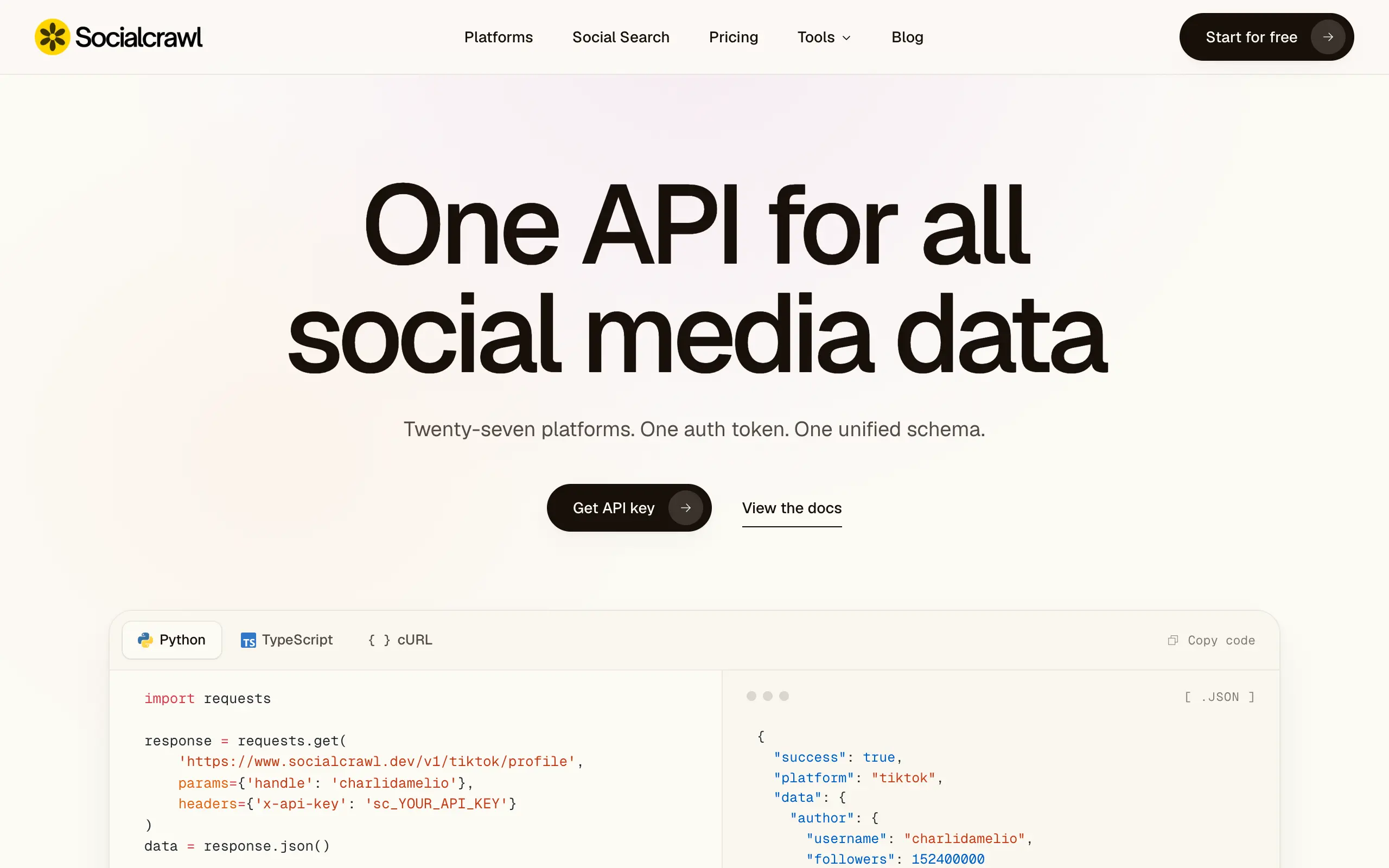
Socialcrawl
Get clean, structured data from 21 platforms like TikTok, Instagram, and YouTube with a single request 📊
Statiko
Monitor any Telegram channel in real time - track posts, edits, deletions, and growth with AI recaps 📡
Shibui
AI website builder - describe your business, pick a niche template, edit by chatting, and publish instantly ✨
Pro Service
Find verified home service professionals, compare quotes, and pay securely through escrow - built for Brazilians across the US 🏠
RankGrow
Fix your SEO with AI agents - connect Search Console, get prioritized tasks, and grow organic traffic 📈
SyncReads
Sync your favorite content for distraction-free reading, save time and replace multiple apps. Anytime, anywhere 🔄
Socialcrawl
Get clean, structured data from 21 platforms like TikTok, Instagram, and YouTube with a single request 📊
Statiko
Monitor any Telegram channel in real time - track posts, edits, deletions, and growth with AI recaps 📡
Shibui
AI website builder - describe your business, pick a niche template, edit by chatting, and publish instantly ✨
Pro Service
Find verified home service professionals, compare quotes, and pay securely through escrow - built for Brazilians across the US 🏠
RankGrow
Fix your SEO with AI agents - connect Search Console, get prioritized tasks, and grow organic traffic 📈
SyncReads
Sync your favorite content for distraction-free reading, save time and replace multiple apps. Anytime, anywhere 🔄
Socialcrawl
Get clean, structured data from 21 platforms like TikTok, Instagram, and YouTube with a single request 📊
Statiko
Monitor any Telegram channel in real time - track posts, edits, deletions, and growth with AI recaps 📡
Shibui
AI website builder - describe your business, pick a niche template, edit by chatting, and publish instantly ✨
Pro Service
Find verified home service professionals, compare quotes, and pay securely through escrow - built for Brazilians across the US 🏠
RankGrow
Fix your SEO with AI agents - connect Search Console, get prioritized tasks, and grow organic traffic 📈
SyncReads
Sync your favorite content for distraction-free reading, save time and replace multiple apps. Anytime, anywhere 🔄
Socialcrawl
Get clean, structured data from 21 platforms like TikTok, Instagram, and YouTube with a single request 📊
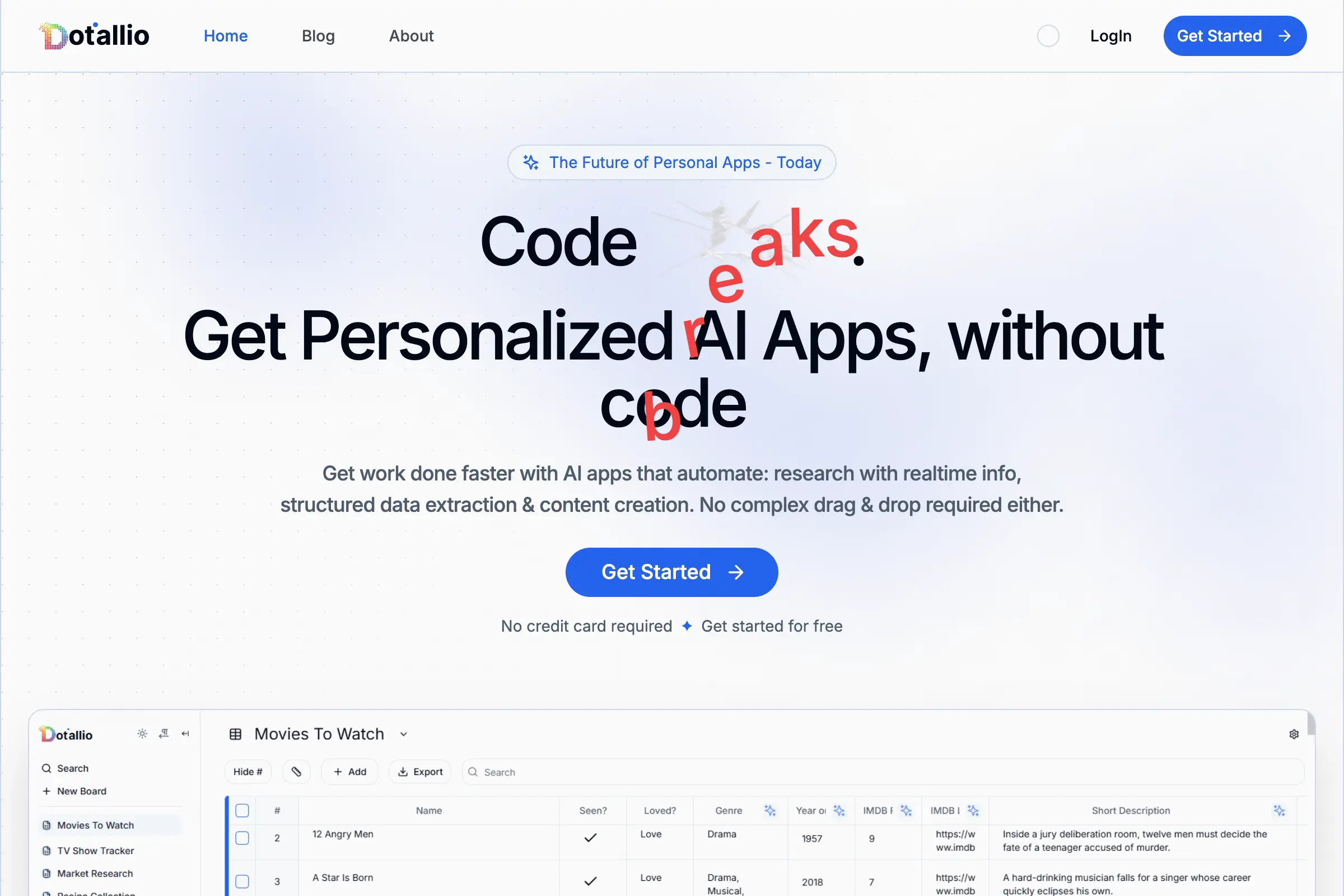
Dotallio
Personalized AI apps that automate research, data extraction, and content creation without code 🤖

Talk to Santa
Enjoy a magical live video chat or receive a unique AI-generated video greeting from Santa Claus 🎅
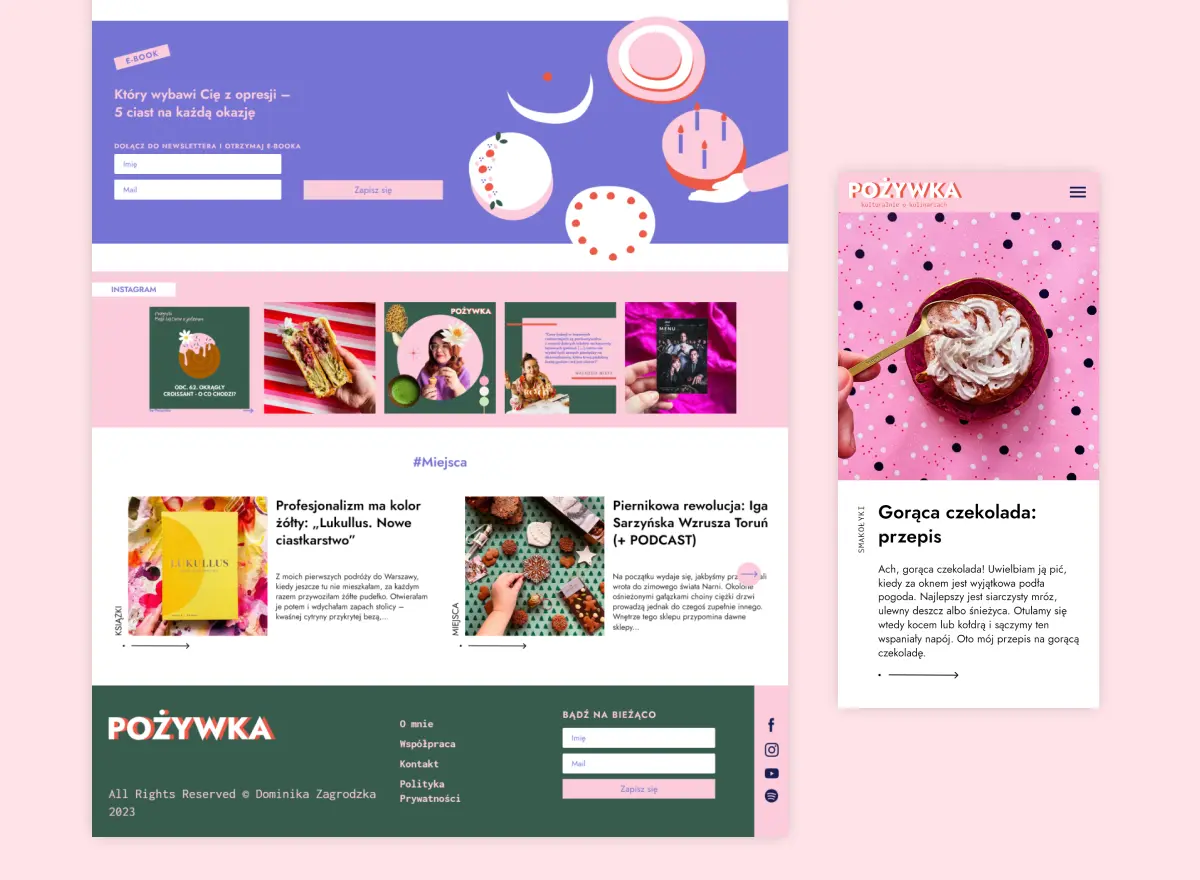
pozywka.pl
Scalable blog for food journalist, focused on performance and user experience 🌭
zagrodzki.me
Personal blog and portfolio of Bart Zagrodzki, where he shares his knowledge and work 💼
TurboStarter
Ship your startup everywhere. In minutes.
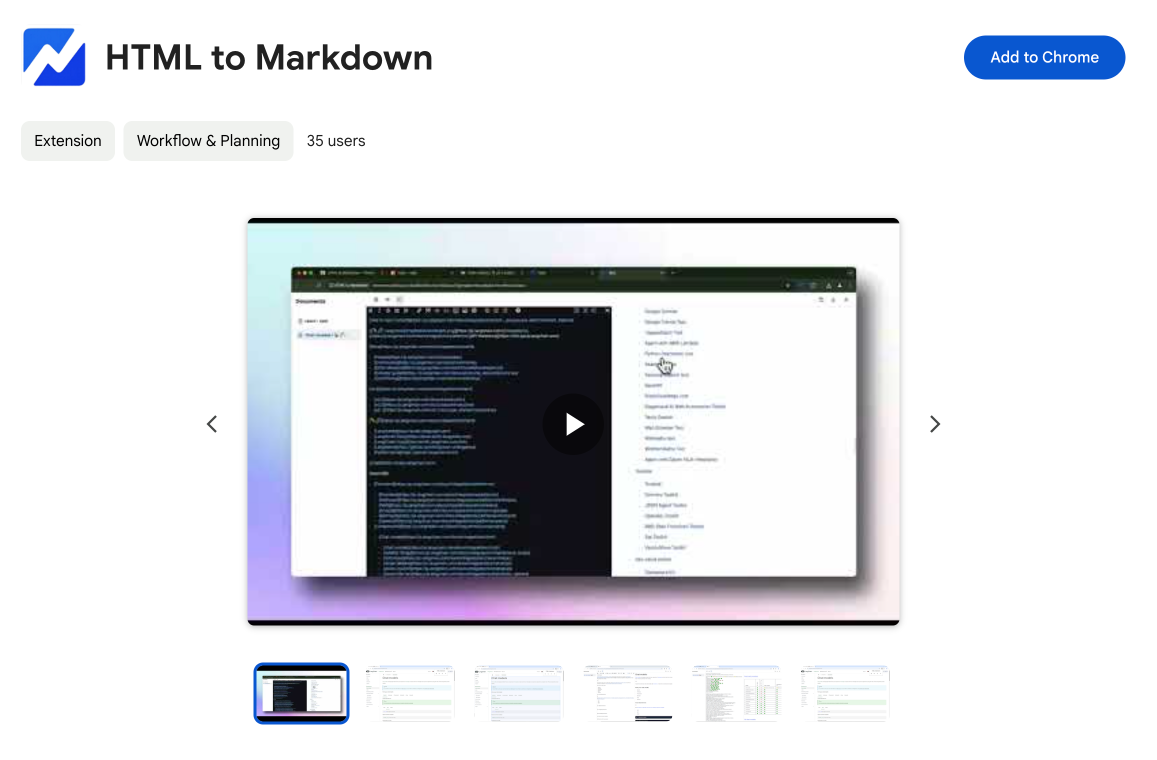
HTML to Markdown
Convert HTML to Markdown with ease, directly in your browser 📄
Dotallio
Personalized AI apps that automate research, data extraction, and content creation without code 🤖
Talk to Santa
Enjoy a magical live video chat or receive a unique AI-generated video greeting from Santa Claus 🎅
pozywka.pl
Scalable blog for food journalist, focused on performance and user experience 🌭
zagrodzki.me
Personal blog and portfolio of Bart Zagrodzki, where he shares his knowledge and work 💼
TurboStarter
Ship your startup everywhere. In minutes.
HTML to Markdown
Convert HTML to Markdown with ease, directly in your browser 📄
Dotallio
Personalized AI apps that automate research, data extraction, and content creation without code 🤖
Talk to Santa
Enjoy a magical live video chat or receive a unique AI-generated video greeting from Santa Claus 🎅
pozywka.pl
Scalable blog for food journalist, focused on performance and user experience 🌭
zagrodzki.me
Personal blog and portfolio of Bart Zagrodzki, where he shares his knowledge and work 💼
TurboStarter
Ship your startup everywhere. In minutes.
HTML to Markdown
Convert HTML to Markdown with ease, directly in your browser 📄
Dotallio
Personalized AI apps that automate research, data extraction, and content creation without code 🤖
Talk to Santa
Enjoy a magical live video chat or receive a unique AI-generated video greeting from Santa Claus 🎅
pozywka.pl
Scalable blog for food journalist, focused on performance and user experience 🌭
zagrodzki.me
Personal blog and portfolio of Bart Zagrodzki, where he shares his knowledge and work 💼
TurboStarter
Ship your startup everywhere. In minutes.
HTML to Markdown
Convert HTML to Markdown with ease, directly in your browser 📄
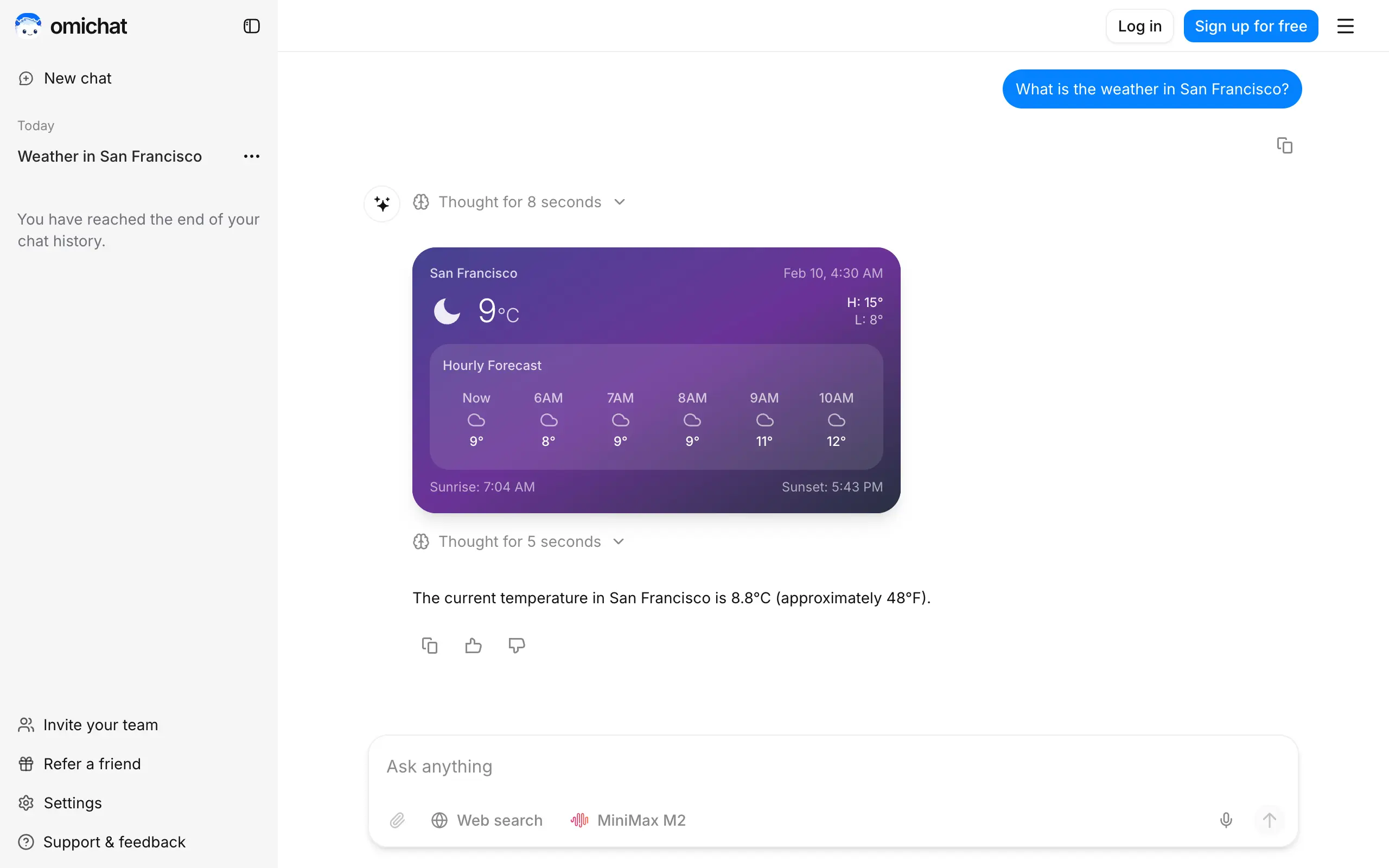
Omichat
Chat with 50+ AI models, including ChatGPT and Claude, in one place - switch models anytime without losing context 🤖
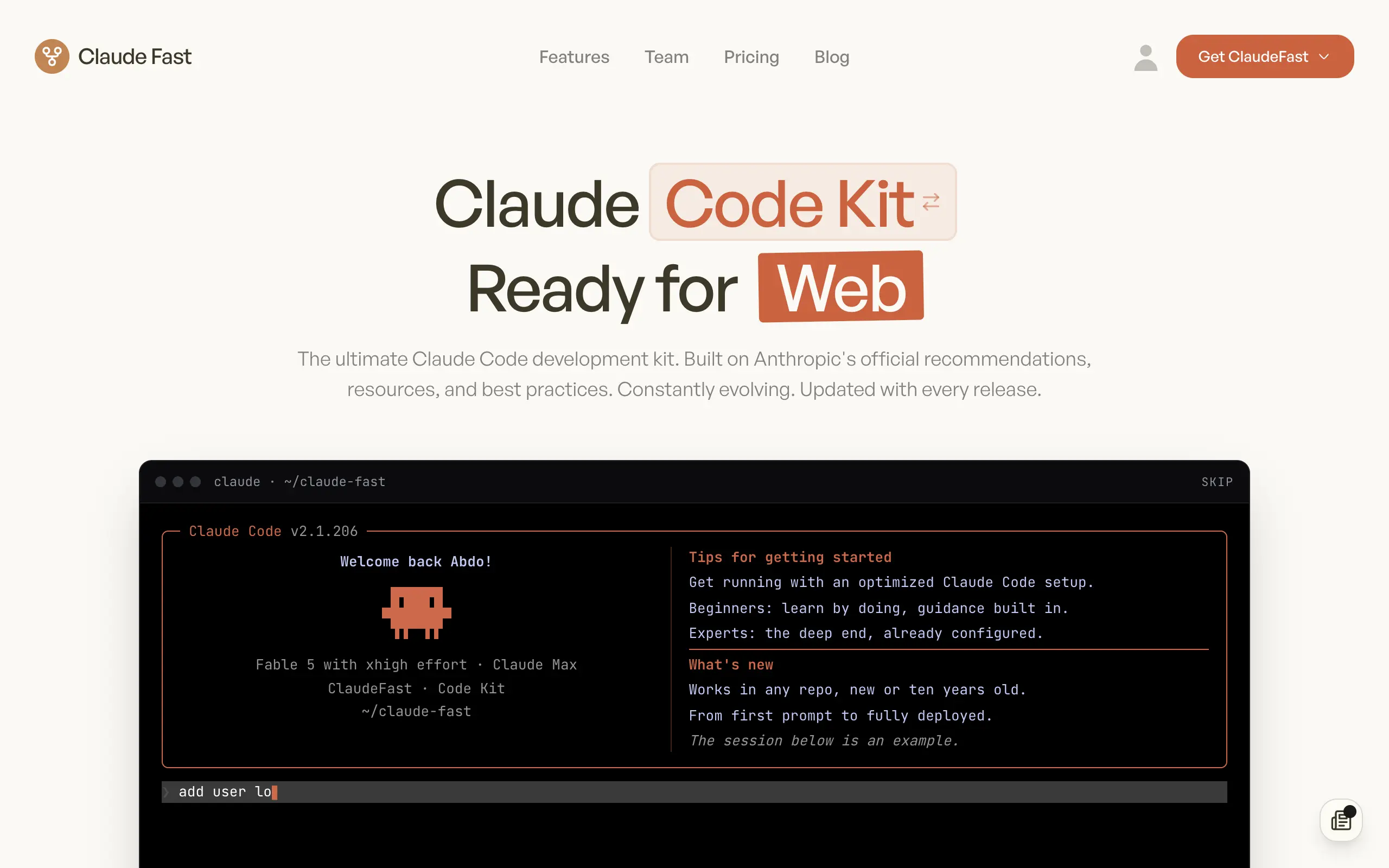
Claude Fast
Supercharge your Claude Code with 6x effective context window and specialized AI agents 🤖
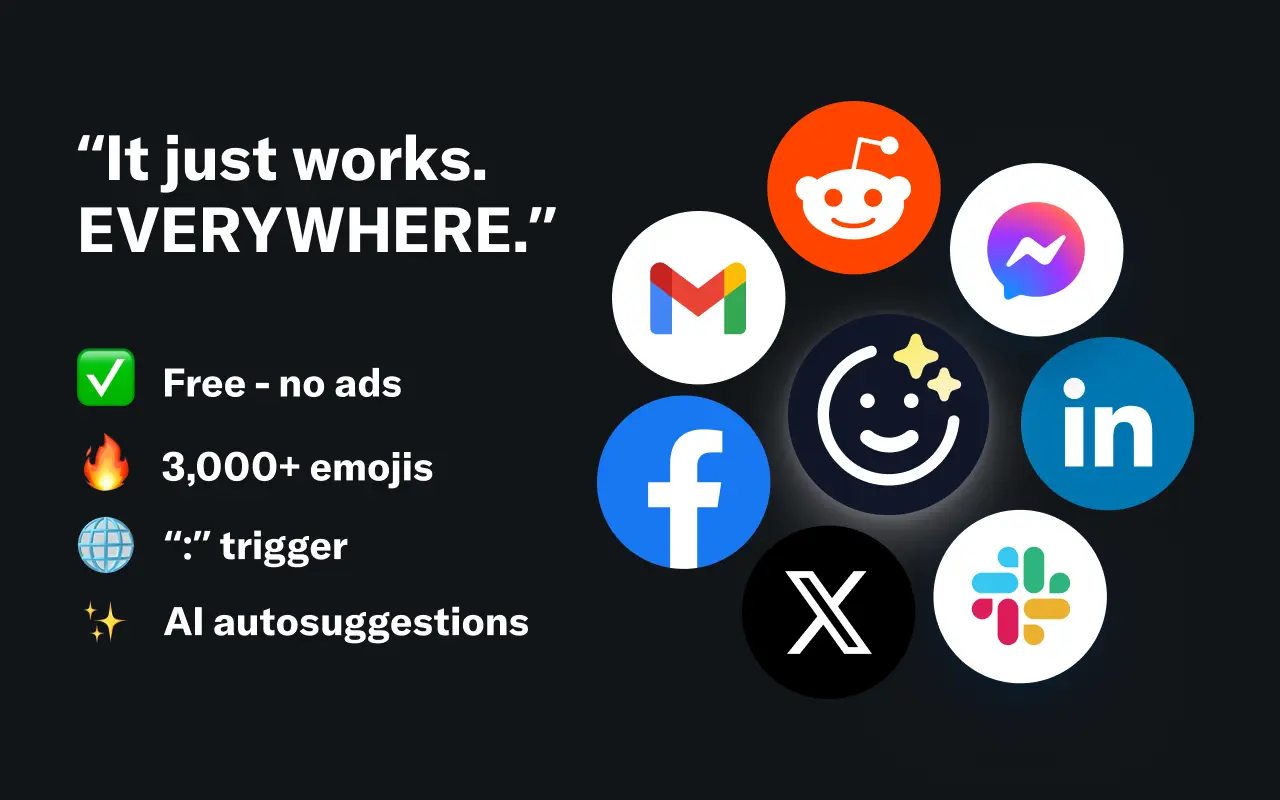
EmojAI
AI-powered emoji picker with smart, context-aware suggestions 🤖
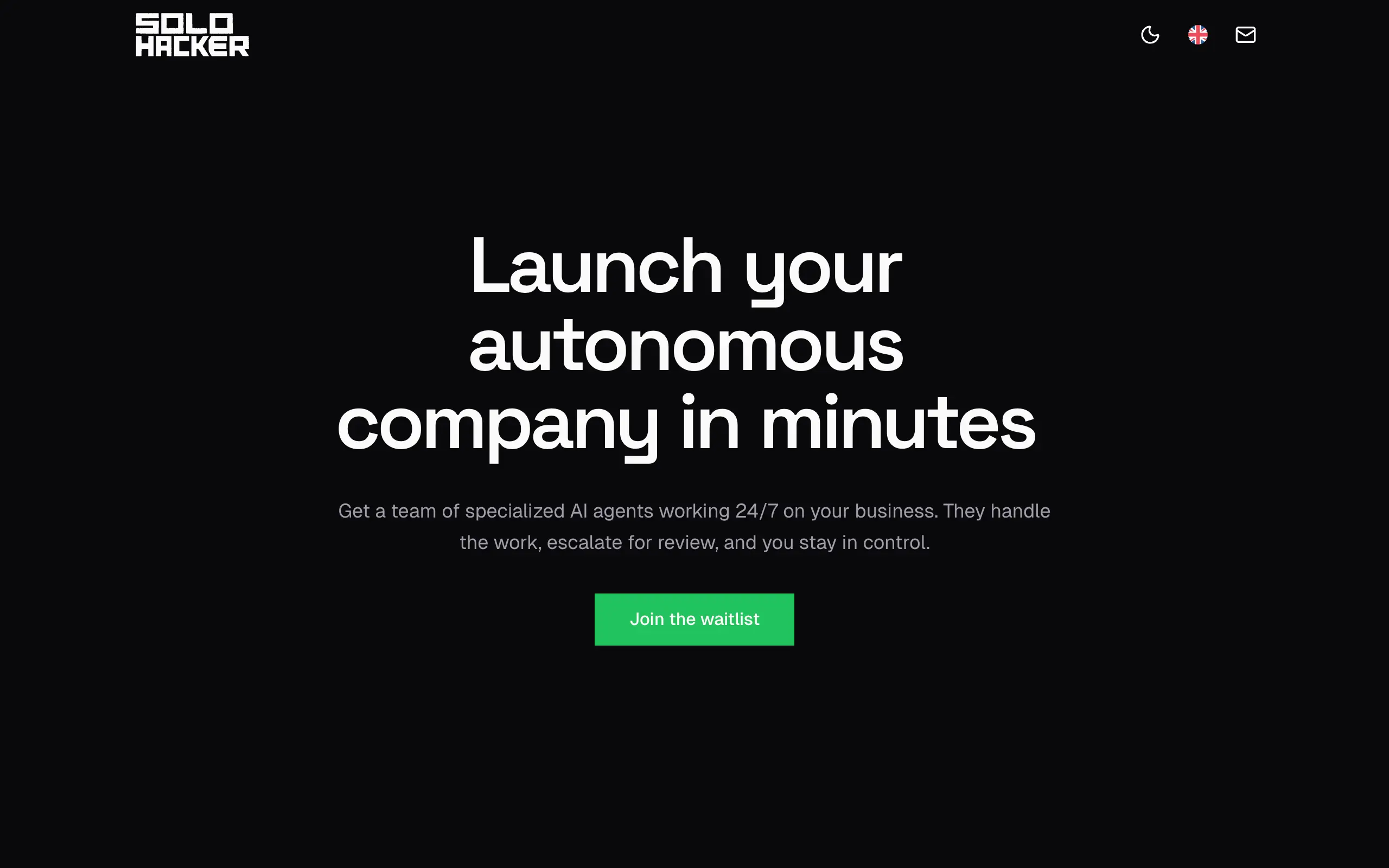
Solohacker
Autonomous company launcher - AI agents work 24/7, escalate what matters, and you stay in control 🤖
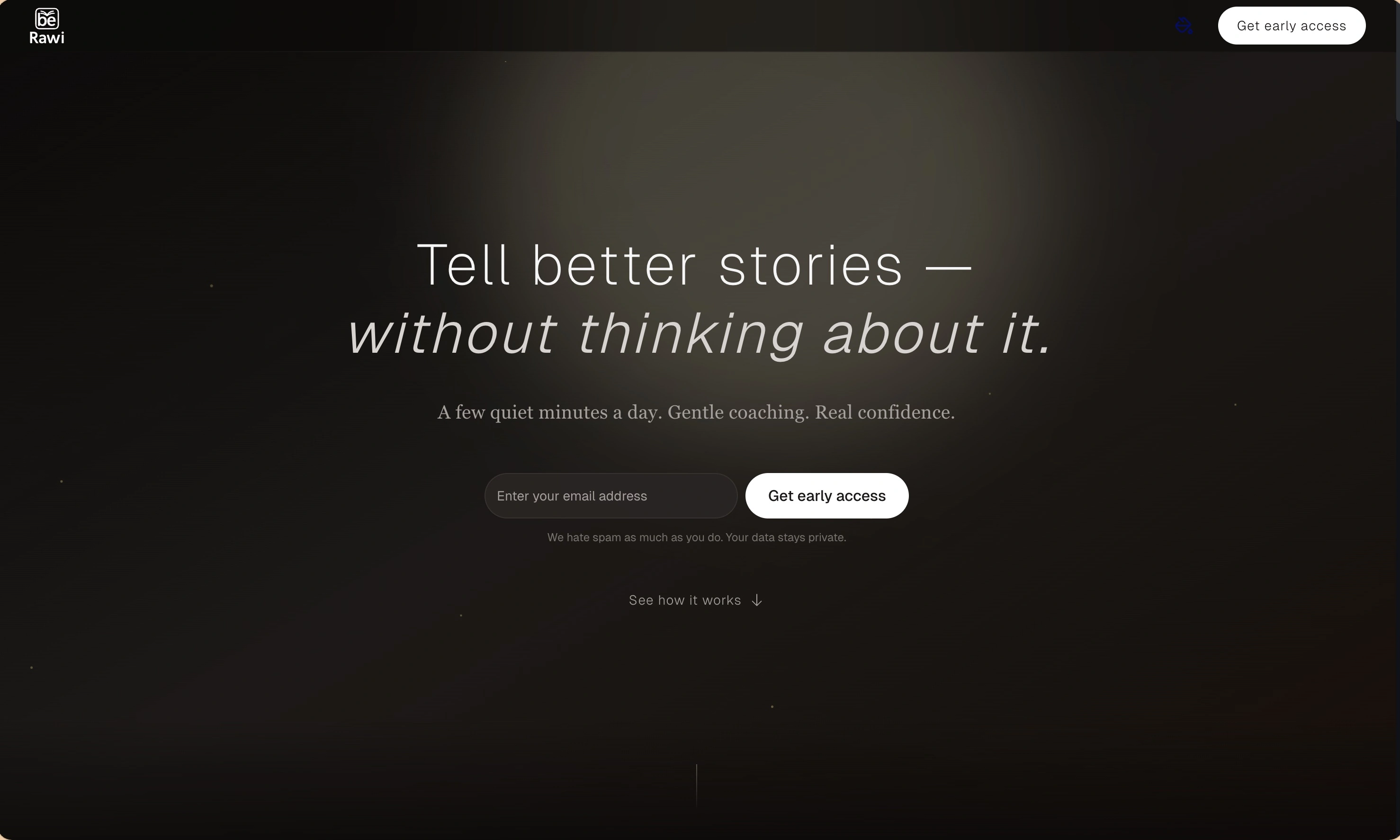
BeRawi: Storytelling Coach
Practice storytelling daily with instant feedback to sound clearer, more engaging, and confident 🎤
Omichat
Chat with 50+ AI models, including ChatGPT and Claude, in one place - switch models anytime without losing context 🤖
Claude Fast
Supercharge your Claude Code with 6x effective context window and specialized AI agents 🤖
EmojAI
AI-powered emoji picker with smart, context-aware suggestions 🤖
Solohacker
Autonomous company launcher - AI agents work 24/7, escalate what matters, and you stay in control 🤖
BeRawi: Storytelling Coach
Practice storytelling daily with instant feedback to sound clearer, more engaging, and confident 🎤
Omichat
Chat with 50+ AI models, including ChatGPT and Claude, in one place - switch models anytime without losing context 🤖
Claude Fast
Supercharge your Claude Code with 6x effective context window and specialized AI agents 🤖
EmojAI
AI-powered emoji picker with smart, context-aware suggestions 🤖
Solohacker
Autonomous company launcher - AI agents work 24/7, escalate what matters, and you stay in control 🤖
BeRawi: Storytelling Coach
Practice storytelling daily with instant feedback to sound clearer, more engaging, and confident 🎤
Omichat
Chat with 50+ AI models, including ChatGPT and Claude, in one place - switch models anytime without losing context 🤖
Claude Fast
Supercharge your Claude Code with 6x effective context window and specialized AI agents 🤖
EmojAI
AI-powered emoji picker with smart, context-aware suggestions 🤖
Solohacker
Autonomous company launcher - AI agents work 24/7, escalate what matters, and you stay in control 🤖
BeRawi: Storytelling Coach
Practice storytelling daily with instant feedback to sound clearer, more engaging, and confident 🎤

Connect with like-minded people
Join our community to get feedback, support, and grow together with 1,000+ builders on board, let's ship it!
Join usShip your startup everywhere. In minutes.
Don't burn tokens on setup and start building features on day one.