InsightFlow
AI-powered business intelligence platform that automates data analysis, generates actionable insights, and crafts visual reports for decision-makers.
Understanding the need for AI-powered business intelligence
In today's data-driven world, organizations are inundated with information from countless sources—sales, marketing, operations, customer feedback, and more. Yet, transforming this raw data into actionable insights remains a significant challenge. Traditional business intelligence (BI) tools often require manual data wrangling, technical expertise, and time-consuming report generation. This is where AI-powered business intelligence platforms like InsightFlow come into play, automating data analysis, surfacing actionable insights, and delivering visual reports tailored for decision-makers.
This article provides a comprehensive exploration of InsightFlow, covering its target audience, market opportunity, core features, recommended tech stack, monetization strategies, risk factors, competitive advantages, and actionable steps for implementation. Whether you're seeking inspiration, validation, or a roadmap for launching a similar SaaS, you'll find expert guidance here.
Who benefits from InsightFlow? Target audience analysis
Understanding the target audience is crucial for any SaaS product, especially in the competitive BI landscape. InsightFlow is designed for:
- Business decision-makers: Executives, managers, and team leads who need quick, reliable insights to inform strategy.
- Data analysts and BI professionals: Those seeking to automate repetitive analysis and focus on higher-value tasks.
- Small and medium-sized businesses (SMBs): Organizations lacking dedicated data teams but requiring robust analytics.
- Enterprise teams: Departments within large organizations aiming to democratize data access and insight generation.
- Consultants and agencies: Professionals delivering analytics and reporting services to clients.
Key user pain points InsightFlow addresses:
- Time-consuming manual data analysis
- Difficulty in identifying actionable insights from complex datasets
- Lack of technical expertise to use traditional BI tools
- Delays in report generation and distribution
- Inconsistent or error-prone data interpretation
Tip
For maximum adoption, InsightFlow should offer intuitive onboarding and integrations with popular data sources (e.g., Google Analytics, Salesforce, Excel).
Market opportunity and gap analysis
The global business intelligence market is projected to surpass $40 billion by 2027 (source: suggest referencing a recent Gartner or Statista report). Despite this growth, several gaps persist:
- Complexity of existing BI tools: Many platforms require steep learning curves and technical expertise.
- Manual effort: Data preparation, analysis, and report creation are often labor-intensive.
- Lack of actionable insights: Traditional BI tools focus on dashboards, not on surfacing specific, actionable recommendations.
- Slow time-to-insight: Decision-makers need real-time or near-real-time insights, not static monthly reports.
How InsightFlow fills the gap:
- AI-driven automation: Reduces manual effort and accelerates insight generation.
- Natural language insights: Presents findings in plain English, making analytics accessible to non-technical users.
- Automated visual reporting: Crafts compelling, easy-to-understand reports with minimal user intervention.
- Proactive recommendations: Surfaces trends, anomalies, and opportunities without requiring users to dig through data.
Traditional BI
Manual, complex, and often slow. Requires technical expertise.
InsightFlow
Automated, user-friendly, and fast. Delivers actionable insights for all.
Core features and solution details
InsightFlow's value proposition lies in its ability to automate the entire analytics workflow, from data ingestion to insight delivery. Here’s a breakdown of its core features:
1. Automated data integration
- Connects to multiple data sources: Cloud databases, spreadsheets, CRM systems, marketing platforms, and more.
- Real-time data sync: Ensures insights are always based on the latest information.
- Data cleansing and normalization: Uses AI to detect and correct inconsistencies.
2. AI-powered data analysis
- Pattern recognition: Identifies trends, correlations, and anomalies across datasets.
- Predictive analytics: Forecasts future outcomes using machine learning models.
- Natural language processing (NLP): Allows users to ask questions in plain English and receive instant answers.
3. Actionable insight generation
- Automated recommendations: Suggests next steps, highlights risks, and uncovers opportunities.
- Customizable alerts: Notifies users of significant changes or anomalies.
- Contextual explanations: Provides reasoning behind each insight for transparency.
4. Visual report creation
- Dynamic dashboards: Interactive, customizable, and shareable.
- Automated report generation: Crafts presentations and summaries tailored to different stakeholders.
- Export options: PDF, PowerPoint, and web-embeddable formats.
5. Collaboration and sharing
- Role-based access control: Ensures data security and appropriate visibility.
- Commenting and annotation: Facilitates team discussions directly within reports.
- Scheduled distribution: Automates report delivery to stakeholders.
InsightFlow leverages advanced machine learning and NLP to not only analyze data but also interpret and communicate findings in natural language, making insights accessible to all users—not just data experts.
Yes, with robust API support and data connectors, InsightFlow can pull data from both modern cloud platforms and on-premise legacy systems.
Recommended tech stack for building InsightFlow
Selecting the right technology stack is critical for scalability, performance, and maintainability. Here’s a recommended stack for an AI-powered business intelligence platform like InsightFlow:
Frontend
- React: For building dynamic, responsive user interfaces.
- TailwindCSS: For rapid, consistent, and customizable styling.
- D3.js: For advanced data visualizations and interactive charts.
Backend
- Node.js: Scalable server-side JavaScript runtime.
- Python: For AI/ML components, leveraging libraries like scikit-learn, pandas, and TensorFlow.
- FastAPI: High-performance API framework for Python.
Data storage and processing
- PostgreSQL: Reliable, scalable relational database.
- Apache Spark: For large-scale data processing and analytics.
- Redis: For caching and real-time data needs.
AI/ML infrastructure
- TensorFlow or PyTorch: For building and deploying machine learning models.
- Hugging Face Transformers: For state-of-the-art NLP capabilities.
Cloud and DevOps
- AWS or Google Cloud: For scalable hosting, storage, and managed AI services.
- Docker: For containerization and deployment.
- Kubernetes: For orchestration and scaling.
Trade-offs to consider
- Python vs. Node.js for backend: Python excels in AI/ML, while Node.js offers high concurrency for API endpoints. A hybrid approach can leverage both.
- Self-hosted vs. managed cloud services: Managed services reduce operational overhead but may increase costs and limit customization.
- Custom visualization vs. off-the-shelf libraries: D3.js offers flexibility but requires more development effort compared to libraries like Chart.js.
| Tech | AI/ML | Visualization | Scalability | Ease of Use |
|---|---|---|---|---|
| Python | ✅ | ❌ | ✅ | ❌ |
| React | ❌ | ✅ | ✅ | ✅ |
Monetization strategy options
A robust monetization strategy ensures sustainability and growth. For InsightFlow, consider these models:
1. Subscription-based SaaS
- Tiered pricing: Offer plans based on features, data volume, or user seats (e.g., Basic, Pro, Enterprise).
- Free trial or freemium: Attract users with limited free access, upsell advanced features.
2. Usage-based pricing
- Pay-as-you-go: Charge based on data processed, reports generated, or API calls.
- Add-ons: Monetize premium integrations, advanced AI modules, or custom visualizations.
3. Enterprise licensing
- Custom contracts: For large organizations needing on-premise deployment, white-labeling, or dedicated support.
4. Professional services
- Consulting and onboarding: Offer data migration, custom analytics, and training as paid services.
Industry trend
According to recent SaaS benchmarks (suggest referencing OpenView or SaaS Capital), hybrid pricing models combining subscription and usage-based fees are gaining traction in the BI space.
Potential risks and mitigation strategies
Launching an AI-powered business intelligence platform involves several risks. Here’s how to anticipate and address them:
1. Data privacy and security
- Risk: Handling sensitive business data increases exposure to breaches and compliance violations.
- Mitigation: Implement end-to-end encryption, role-based access, regular security audits, and compliance with standards like GDPR and SOC 2.
2. Data quality and integration challenges
- Risk: Inconsistent or incomplete data can lead to inaccurate insights.
- Mitigation: Use AI-driven data cleansing, provide clear data source documentation, and offer user-friendly data mapping tools.
3. Overpromising AI capabilities
- Risk: Users may expect the AI to answer any question or solve all problems.
- Mitigation: Set clear expectations, provide transparent explanations, and allow human-in-the-loop validation for critical decisions.
4. Market competition
- Risk: Established BI vendors (e.g., Tableau, Power BI) have significant market share.
- Mitigation: Focus on unique AI-driven features, superior user experience, and rapid time-to-insight.
5. Scalability and performance
- Risk: As data volume and user base grow, performance bottlenecks may arise.
- Mitigation: Architect for scalability from the outset, leverage cloud infrastructure, and monitor system health proactively.
Competitive advantage analysis
To succeed, InsightFlow must differentiate itself from both legacy BI tools and emerging AI analytics platforms. Here’s how:
Unique selling propositions (USPs)
- End-to-end automation: From data ingestion to insight delivery, minimizing manual intervention.
- Natural language interface: Democratizes analytics, enabling non-technical users to extract value.
- Proactive, actionable insights: Goes beyond dashboards to recommend specific actions.
- Rapid deployment: Cloud-based, with plug-and-play integrations for fast onboarding.
- Transparent AI: Explains the reasoning behind insights, building user trust.
How InsightFlow stands out
- Traditional BI: Focuses on dashboards and manual analysis; often complex and slow.
- InsightFlow: Delivers automated, AI-powered insights in plain language, with visual reports ready for decision-makers.
Automated insights
No more manual data crunching—let AI do the heavy lifting.
Accessible analytics
Empower every team member, regardless of technical skill.
Faster decisions
Get real-time recommendations, not just static reports.
Actionable implementation steps
Ready to bring an AI-powered business intelligence platform like InsightFlow to life? Here’s a step-by-step roadmap:
Conclusion: Why InsightFlow is the future of business intelligence
The future of business intelligence is automated, accessible, and actionable. InsightFlow embodies this vision by leveraging AI to transform raw data into clear, impactful insights—empowering decision-makers at every level. By focusing on user experience, transparency, and rapid value delivery, InsightFlow stands out in a crowded market.
Whether you're an entrepreneur, product manager, or data leader, now is the time to embrace AI-powered analytics. Platforms like TurboStarter can accelerate your SaaS journey, providing the tools and frameworks needed to build, launch, and scale innovative solutions like InsightFlow.
Frequently asked questions
Absolutely. InsightFlow is designed to be user-friendly and scalable, making it ideal for SMBs as well as large enterprises.
By implementing industry-standard encryption, access controls, and compliance with regulations such as GDPR and SOC 2.
Yes, advanced users can fine-tune models or integrate their own, depending on the chosen plan.
Ready to automate your analytics and unlock actionable insights? The time to innovate is now.
More 🤖 AI Startup SaaS ideas
Discover more innovative ai startup SaaS ideas that are trending in 2026. Each idea is AI-generated with market validation and growth potential to help you find your next profitable venture faster than competitors.
Your competitors are building with TurboStarter
Below are some of the SaaS ideas that have been generated and built with our starter kit.
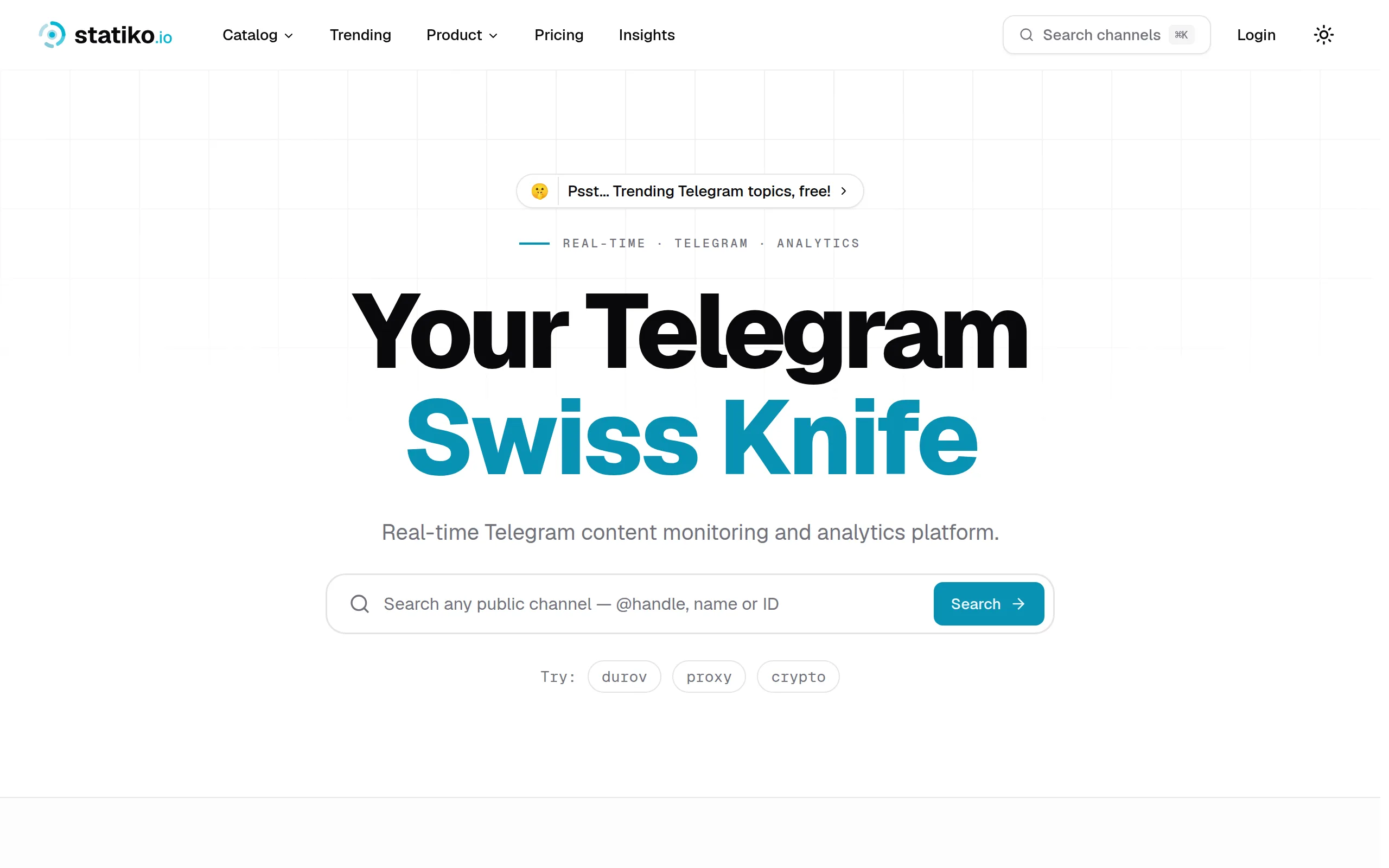
Statiko
Monitor any Telegram channel in real time - track posts, edits, deletions, and growth with AI recaps 📡
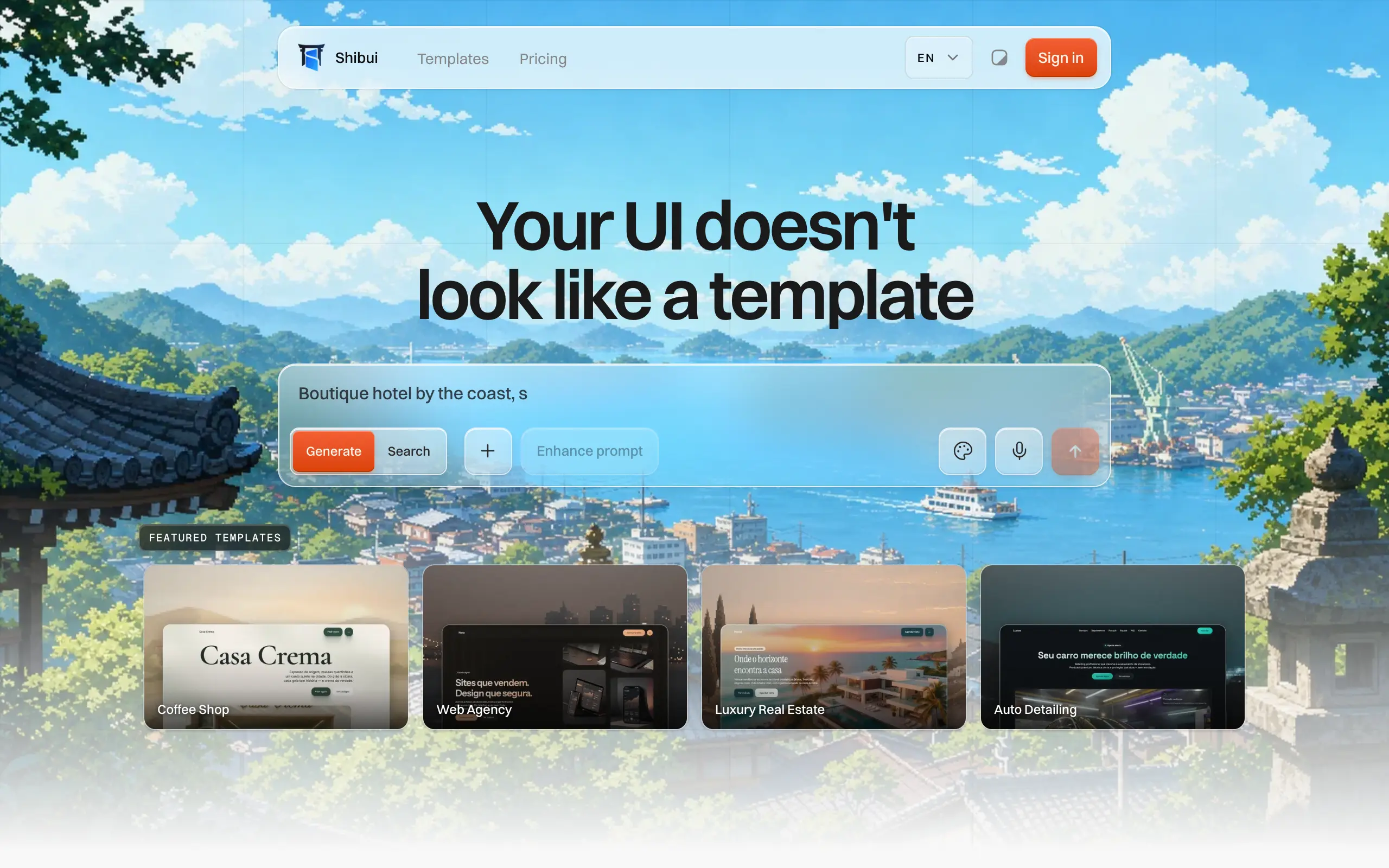
Shibui
AI website builder - describe your business, pick a niche template, edit by chatting, and publish instantly ✨

Pro Service
Find verified home service professionals, compare quotes, and pay securely through escrow - built for Brazilians across the US 🏠
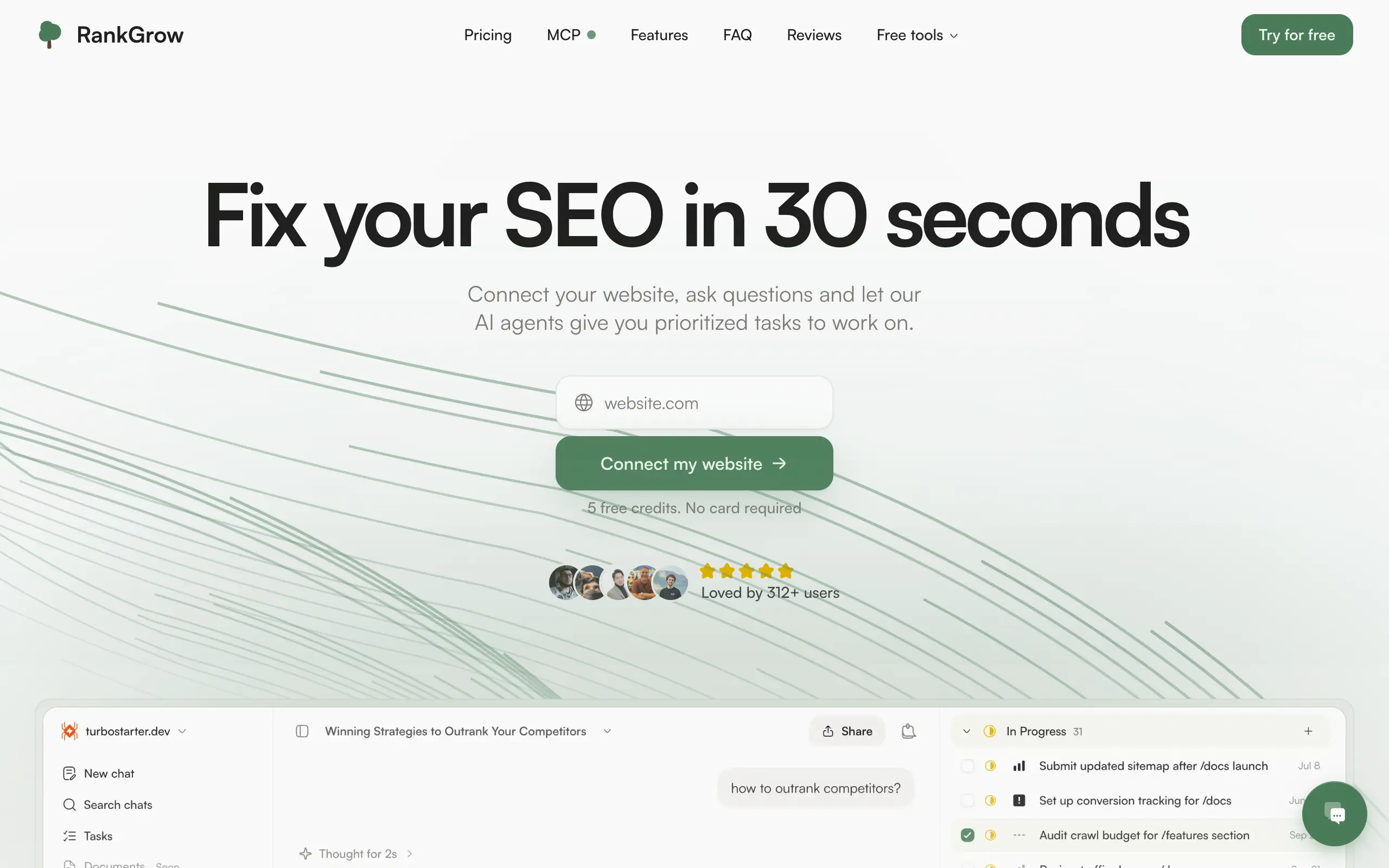
RankGrow
Fix your SEO with AI agents - connect Search Console, get prioritized tasks, and grow organic traffic 📈
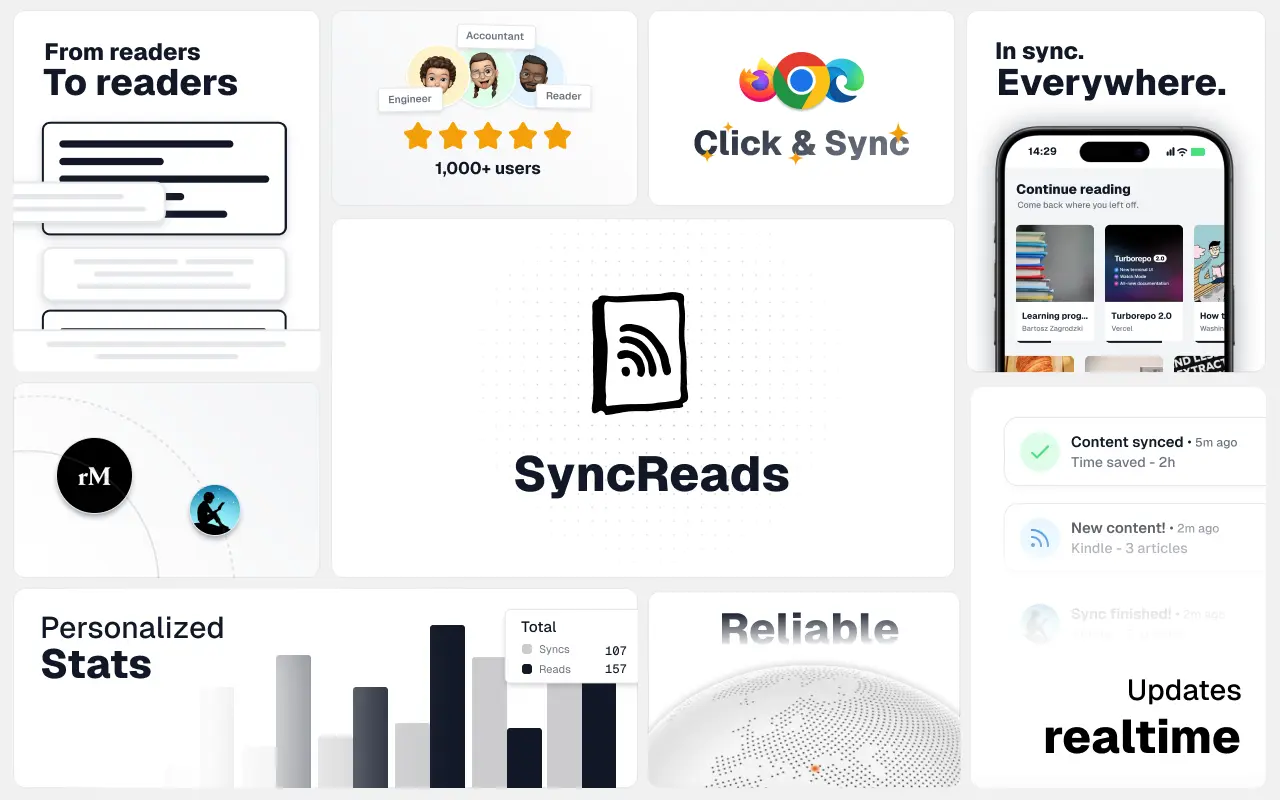
SyncReads
Sync your favorite content for distraction-free reading, save time and replace multiple apps. Anytime, anywhere 🔄
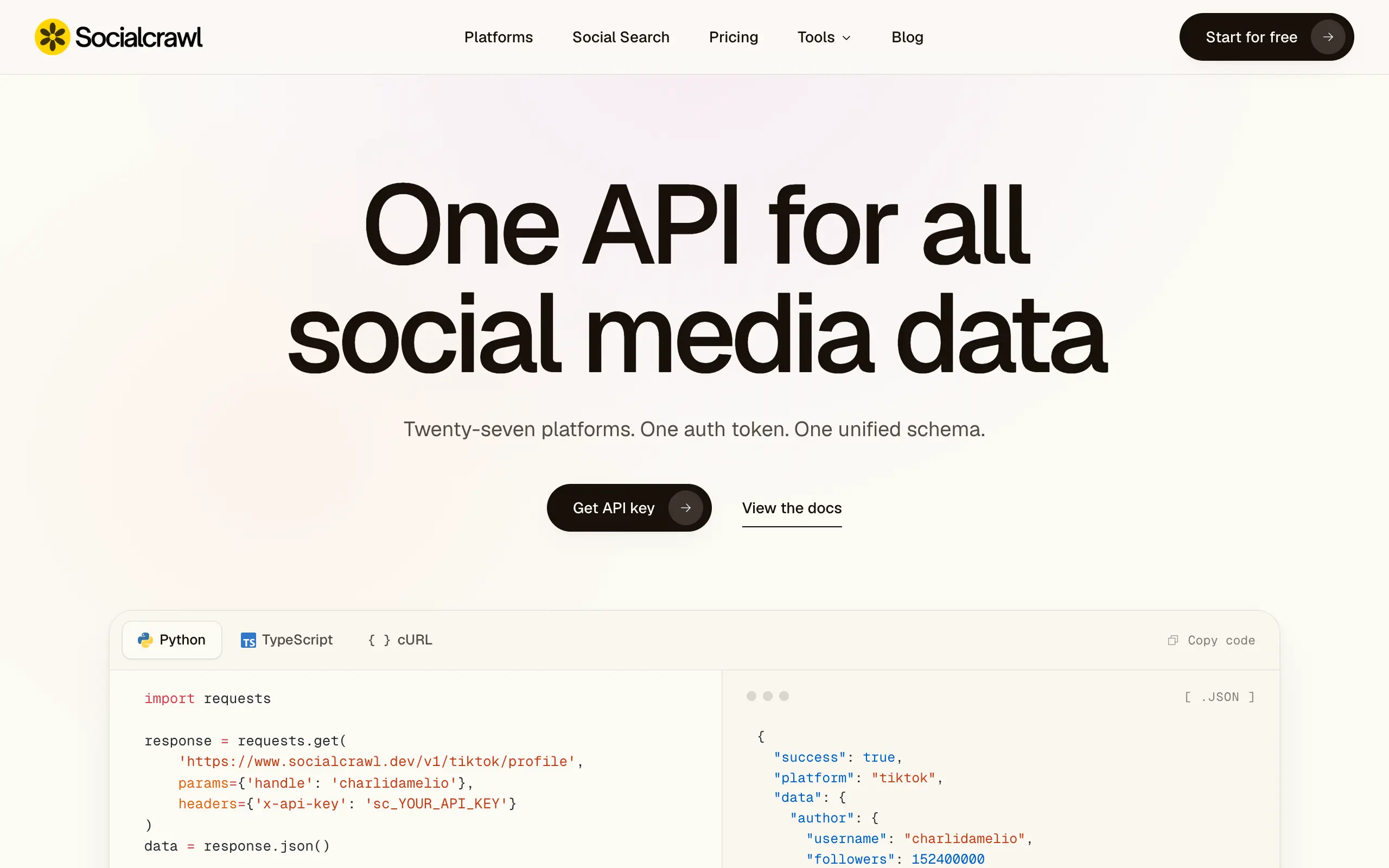
Socialcrawl
Get clean, structured data from 21 platforms like TikTok, Instagram, and YouTube with a single request 📊
Statiko
Monitor any Telegram channel in real time - track posts, edits, deletions, and growth with AI recaps 📡
Shibui
AI website builder - describe your business, pick a niche template, edit by chatting, and publish instantly ✨
Pro Service
Find verified home service professionals, compare quotes, and pay securely through escrow - built for Brazilians across the US 🏠
RankGrow
Fix your SEO with AI agents - connect Search Console, get prioritized tasks, and grow organic traffic 📈
SyncReads
Sync your favorite content for distraction-free reading, save time and replace multiple apps. Anytime, anywhere 🔄
Socialcrawl
Get clean, structured data from 21 platforms like TikTok, Instagram, and YouTube with a single request 📊
Statiko
Monitor any Telegram channel in real time - track posts, edits, deletions, and growth with AI recaps 📡
Shibui
AI website builder - describe your business, pick a niche template, edit by chatting, and publish instantly ✨
Pro Service
Find verified home service professionals, compare quotes, and pay securely through escrow - built for Brazilians across the US 🏠
RankGrow
Fix your SEO with AI agents - connect Search Console, get prioritized tasks, and grow organic traffic 📈
SyncReads
Sync your favorite content for distraction-free reading, save time and replace multiple apps. Anytime, anywhere 🔄
Socialcrawl
Get clean, structured data from 21 platforms like TikTok, Instagram, and YouTube with a single request 📊
Statiko
Monitor any Telegram channel in real time - track posts, edits, deletions, and growth with AI recaps 📡
Shibui
AI website builder - describe your business, pick a niche template, edit by chatting, and publish instantly ✨
Pro Service
Find verified home service professionals, compare quotes, and pay securely through escrow - built for Brazilians across the US 🏠
RankGrow
Fix your SEO with AI agents - connect Search Console, get prioritized tasks, and grow organic traffic 📈
SyncReads
Sync your favorite content for distraction-free reading, save time and replace multiple apps. Anytime, anywhere 🔄
Socialcrawl
Get clean, structured data from 21 platforms like TikTok, Instagram, and YouTube with a single request 📊
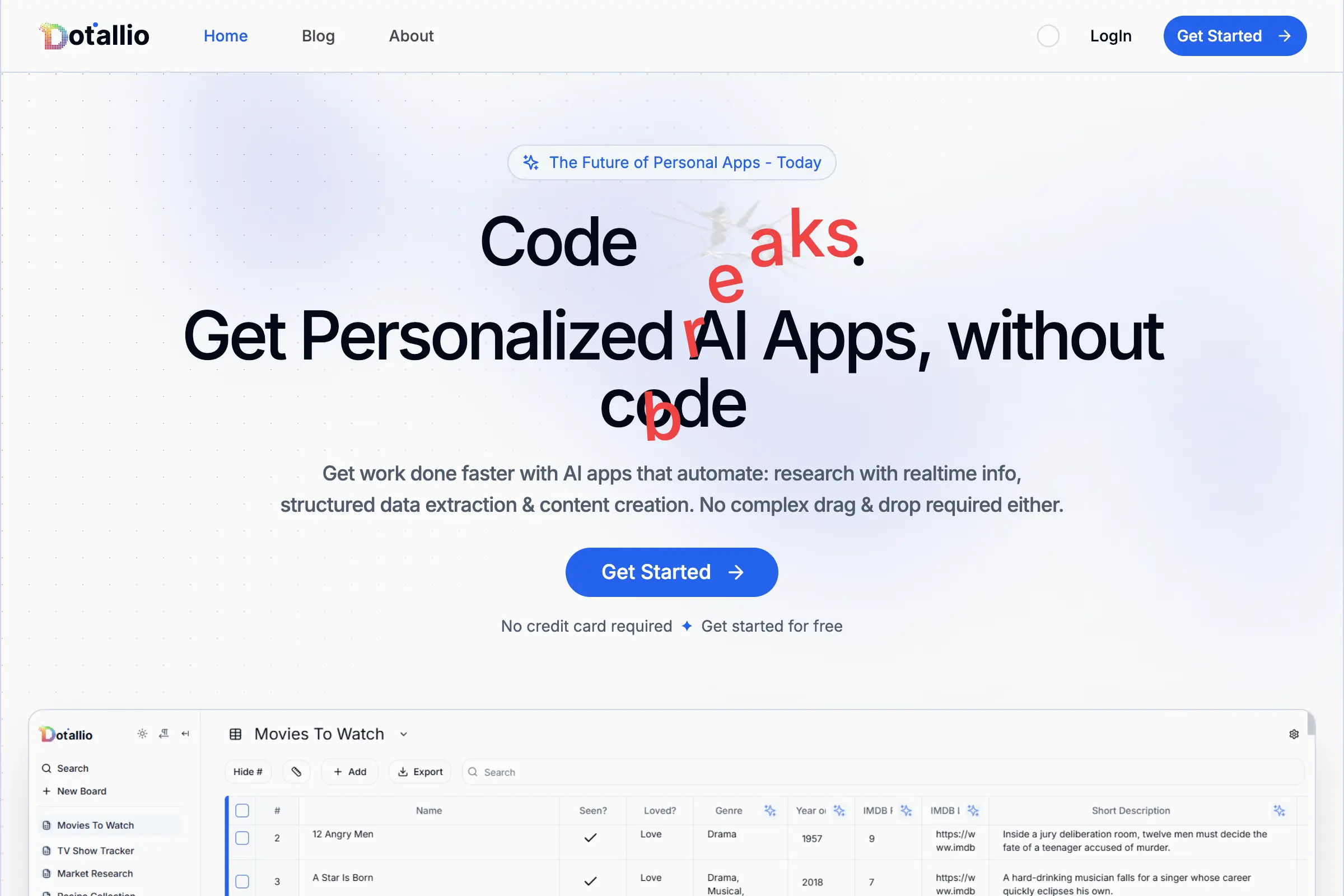
Dotallio
Personalized AI apps that automate research, data extraction, and content creation without code 🤖

Talk to Santa
Enjoy a magical live video chat or receive a unique AI-generated video greeting from Santa Claus 🎅
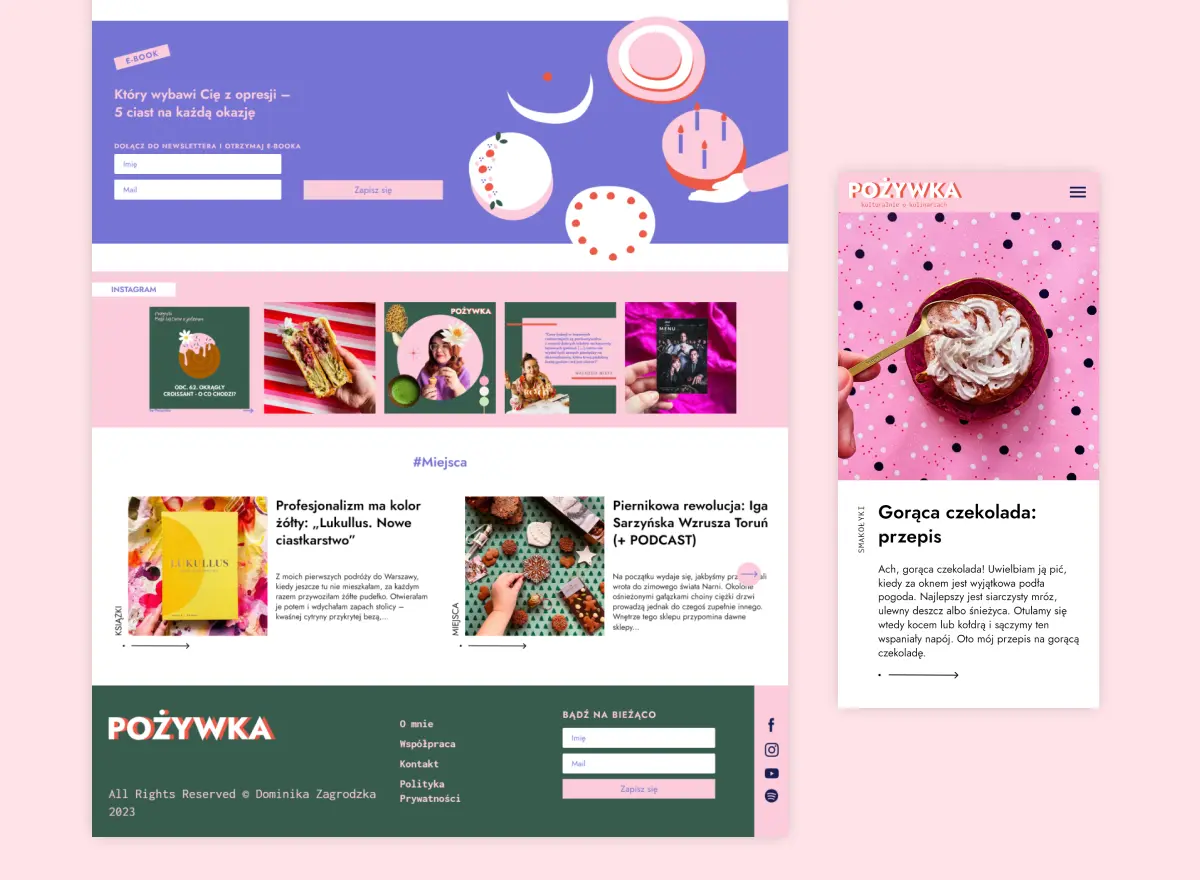
pozywka.pl
Scalable blog for food journalist, focused on performance and user experience 🌭
zagrodzki.me
Personal blog and portfolio of Bart Zagrodzki, where he shares his knowledge and work 💼
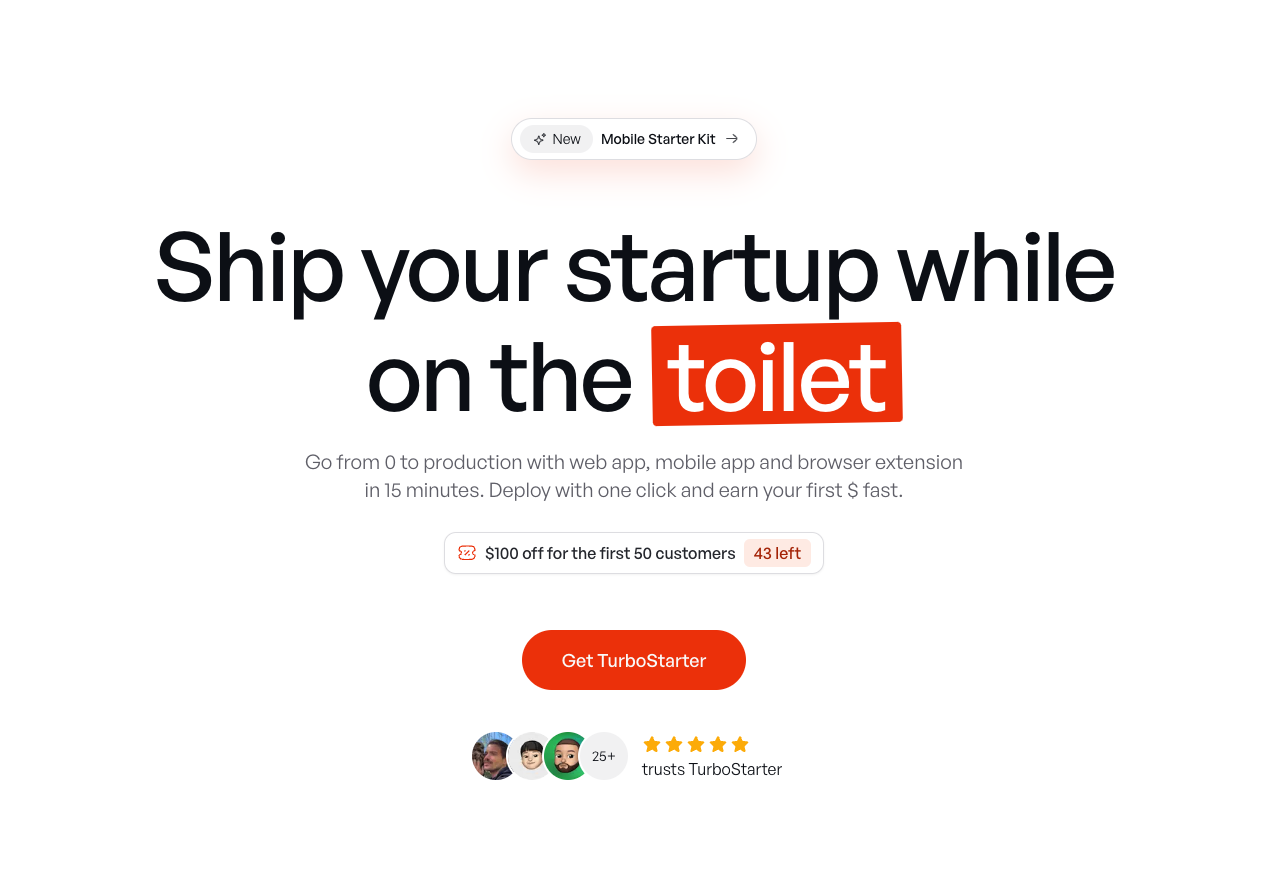
TurboStarter
Ship your startup everywhere. In minutes.
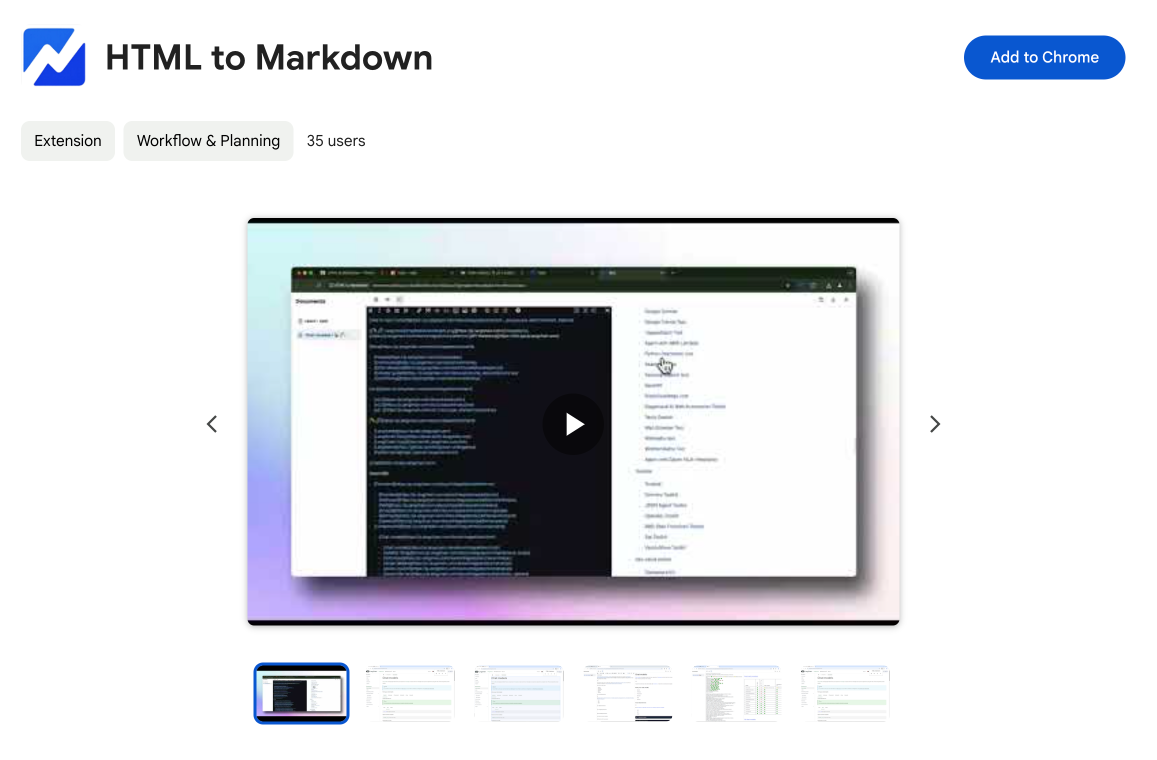
HTML to Markdown
Convert HTML to Markdown with ease, directly in your browser 📄
Dotallio
Personalized AI apps that automate research, data extraction, and content creation without code 🤖
Talk to Santa
Enjoy a magical live video chat or receive a unique AI-generated video greeting from Santa Claus 🎅
pozywka.pl
Scalable blog for food journalist, focused on performance and user experience 🌭
zagrodzki.me
Personal blog and portfolio of Bart Zagrodzki, where he shares his knowledge and work 💼
TurboStarter
Ship your startup everywhere. In minutes.
HTML to Markdown
Convert HTML to Markdown with ease, directly in your browser 📄
Dotallio
Personalized AI apps that automate research, data extraction, and content creation without code 🤖
Talk to Santa
Enjoy a magical live video chat or receive a unique AI-generated video greeting from Santa Claus 🎅
pozywka.pl
Scalable blog for food journalist, focused on performance and user experience 🌭
zagrodzki.me
Personal blog and portfolio of Bart Zagrodzki, where he shares his knowledge and work 💼
TurboStarter
Ship your startup everywhere. In minutes.
HTML to Markdown
Convert HTML to Markdown with ease, directly in your browser 📄
Dotallio
Personalized AI apps that automate research, data extraction, and content creation without code 🤖
Talk to Santa
Enjoy a magical live video chat or receive a unique AI-generated video greeting from Santa Claus 🎅
pozywka.pl
Scalable blog for food journalist, focused on performance and user experience 🌭
zagrodzki.me
Personal blog and portfolio of Bart Zagrodzki, where he shares his knowledge and work 💼
TurboStarter
Ship your startup everywhere. In minutes.
HTML to Markdown
Convert HTML to Markdown with ease, directly in your browser 📄
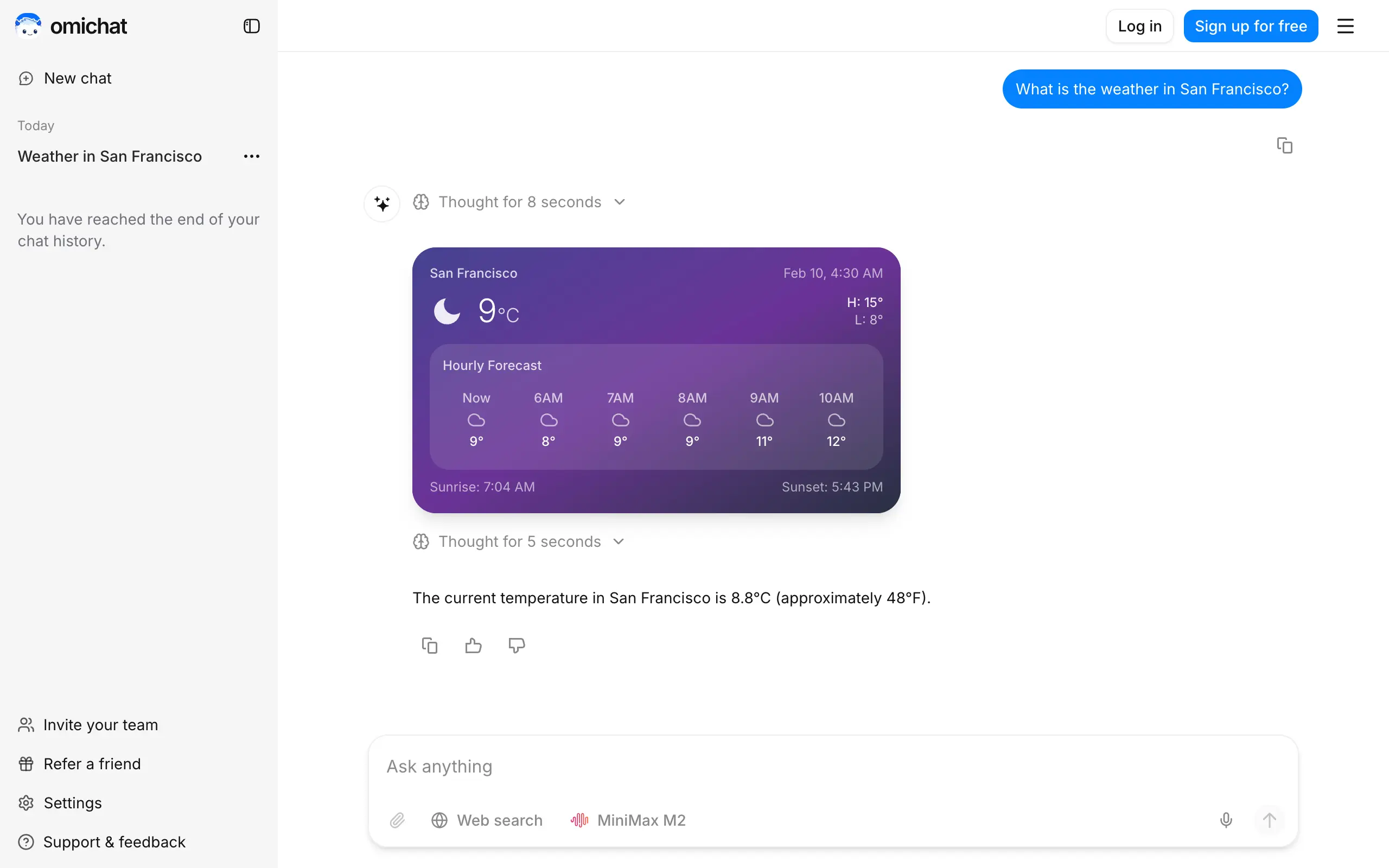
Omichat
Chat with 50+ AI models, including ChatGPT and Claude, in one place - switch models anytime without losing context 🤖
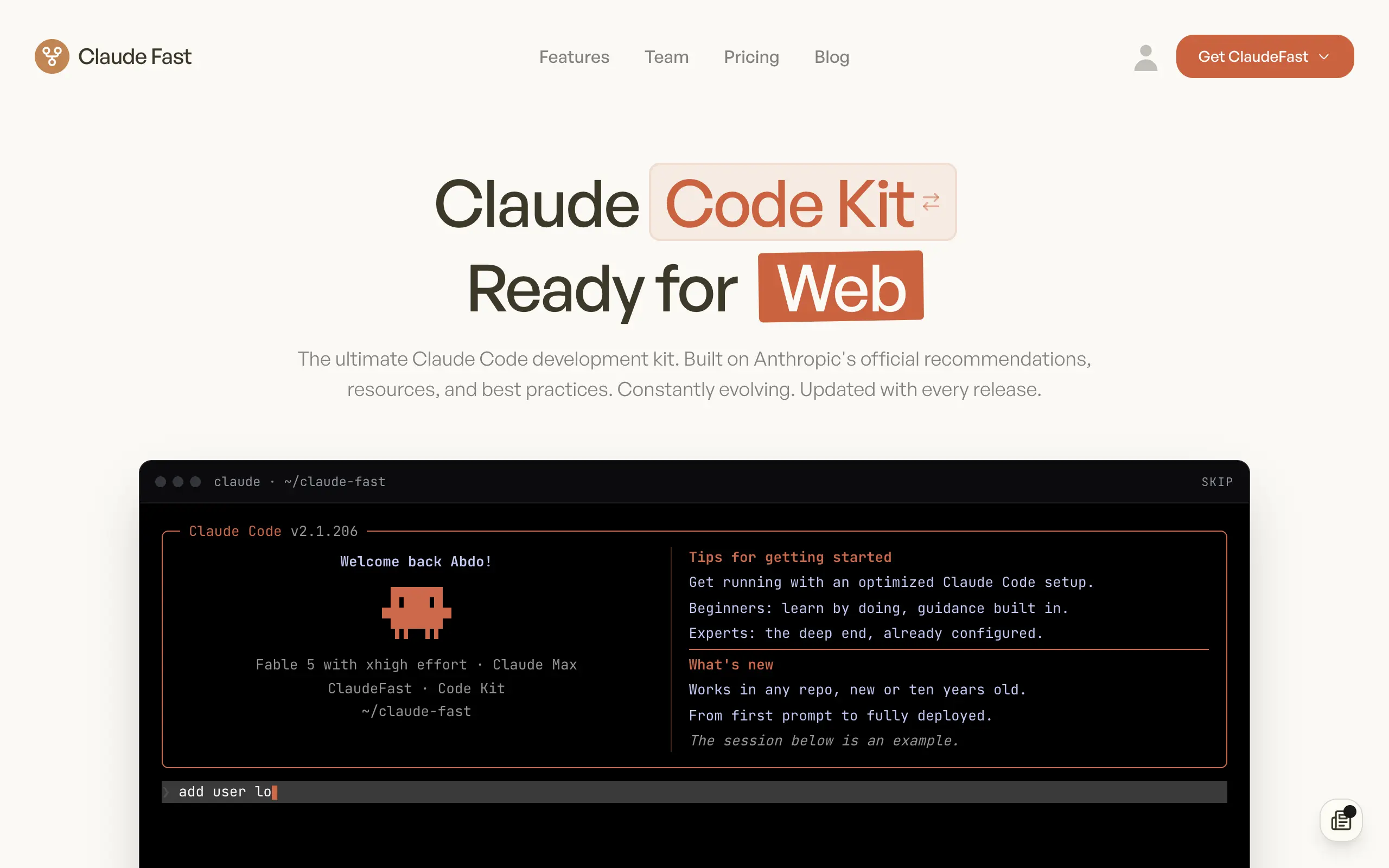
Claude Fast
Supercharge your Claude Code with 6x effective context window and specialized AI agents 🤖
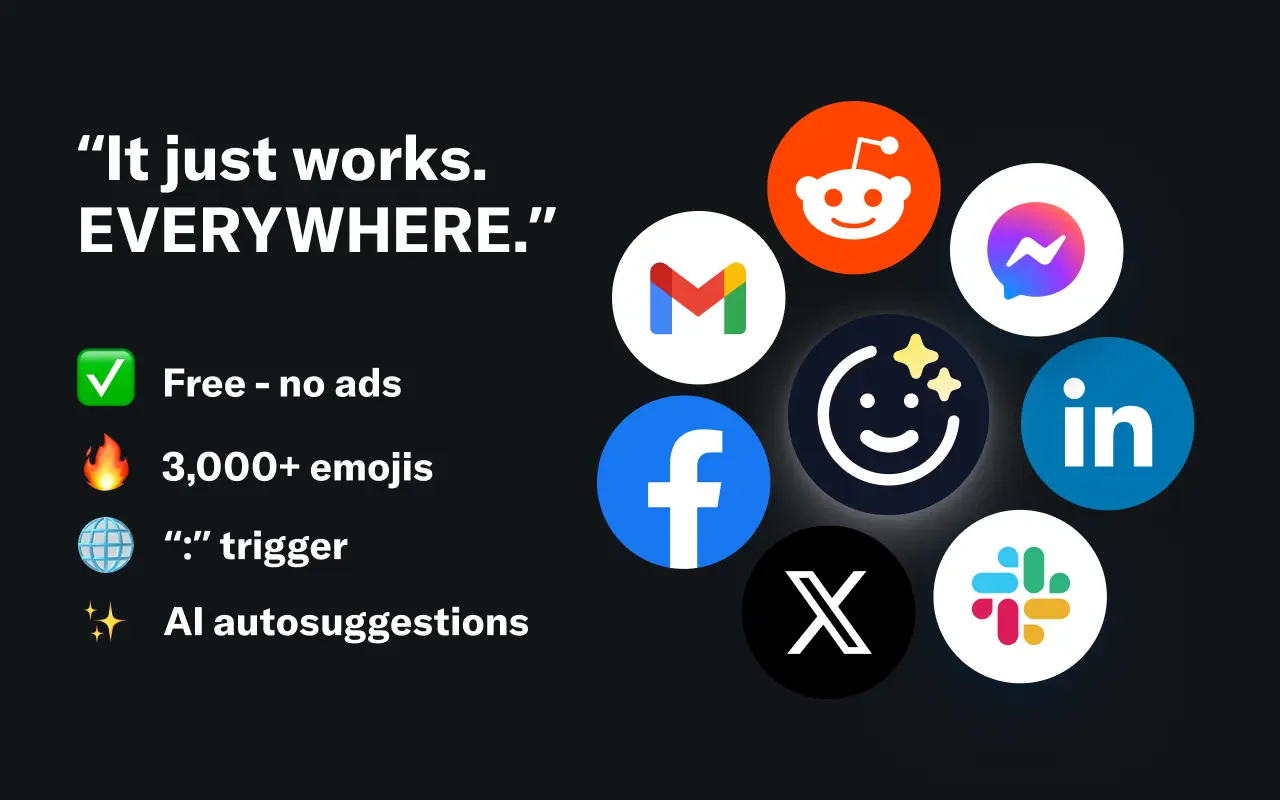
EmojAI
AI-powered emoji picker with smart, context-aware suggestions 🤖
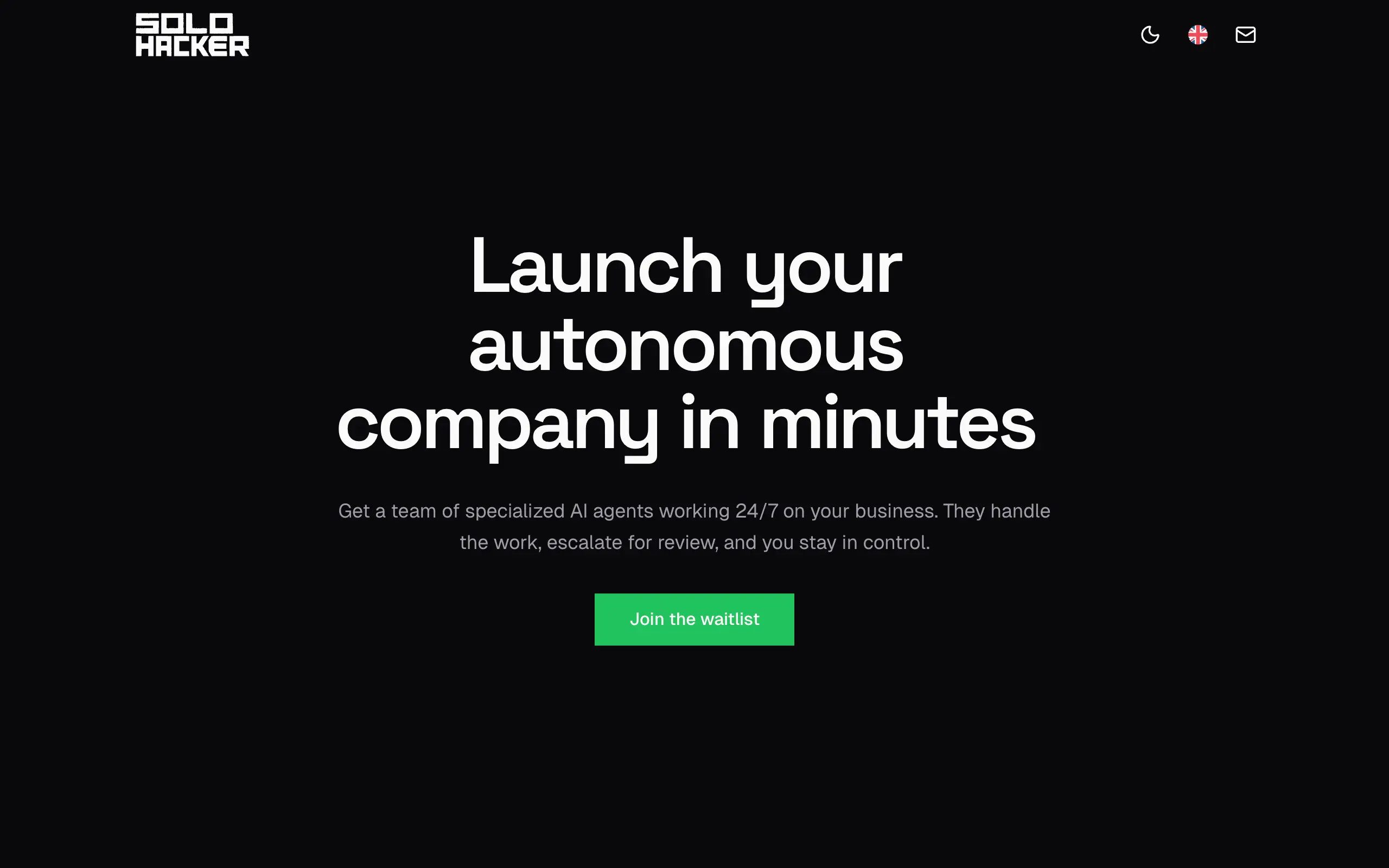
Solohacker
Autonomous company launcher - AI agents work 24/7, escalate what matters, and you stay in control 🤖
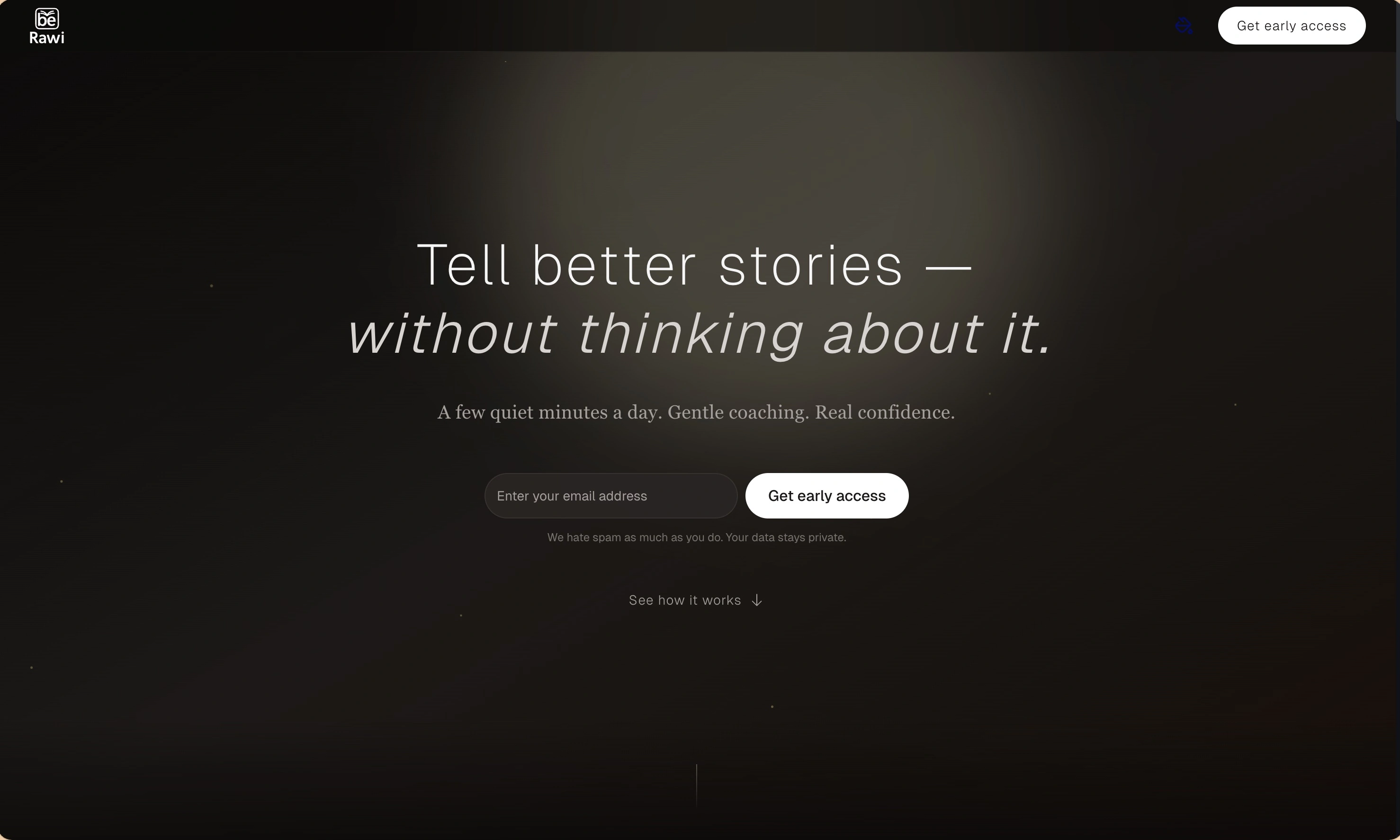
BeRawi: Storytelling Coach
Practice storytelling daily with instant feedback to sound clearer, more engaging, and confident 🎤
Omichat
Chat with 50+ AI models, including ChatGPT and Claude, in one place - switch models anytime without losing context 🤖
Claude Fast
Supercharge your Claude Code with 6x effective context window and specialized AI agents 🤖
EmojAI
AI-powered emoji picker with smart, context-aware suggestions 🤖
Solohacker
Autonomous company launcher - AI agents work 24/7, escalate what matters, and you stay in control 🤖
BeRawi: Storytelling Coach
Practice storytelling daily with instant feedback to sound clearer, more engaging, and confident 🎤
Omichat
Chat with 50+ AI models, including ChatGPT and Claude, in one place - switch models anytime without losing context 🤖
Claude Fast
Supercharge your Claude Code with 6x effective context window and specialized AI agents 🤖
EmojAI
AI-powered emoji picker with smart, context-aware suggestions 🤖
Solohacker
Autonomous company launcher - AI agents work 24/7, escalate what matters, and you stay in control 🤖
BeRawi: Storytelling Coach
Practice storytelling daily with instant feedback to sound clearer, more engaging, and confident 🎤
Omichat
Chat with 50+ AI models, including ChatGPT and Claude, in one place - switch models anytime without losing context 🤖
Claude Fast
Supercharge your Claude Code with 6x effective context window and specialized AI agents 🤖
EmojAI
AI-powered emoji picker with smart, context-aware suggestions 🤖
Solohacker
Autonomous company launcher - AI agents work 24/7, escalate what matters, and you stay in control 🤖
BeRawi: Storytelling Coach
Practice storytelling daily with instant feedback to sound clearer, more engaging, and confident 🎤

Connect with like-minded people
Join our community to get feedback, support, and grow together with 1,000+ builders on board, let's ship it!
Join usShip your startup everywhere. In minutes.
Don't burn tokens on setup and start building features on day one.