InsightfulAI
A business intelligence tool that uses AI to analyze market trends and customer behavior, offering actionable insights for strategic decision-making. Perfect for small to medium-sized enterprises looking to leverage data for growth.
This business intelligence solution leverages the power of artificial intelligence to help small to medium-sized enterprises make strategic decisions. Its capability to analyze market trends and customer behavior is designed for modern businesses competing in an increasingly data-driven world.
Target Audience
This tool is built for business leaders, data analysts, and decision-makers who are looking to harness the power of data without having to invest heavily in complex in-house technologies. It’s especially valuable for:
- Small to Medium-Sized Enterprises (SMEs): Companies with limited resources that want to gain a competitive edge.
- Marketing Teams: Professionals needing real-time insights for targeted campaign strategies.
- Sales Departments: Teams seeking customer behavior insights to refine lead generation and conversion efforts.
- Data Enthusiasts: Analysts who require accessible, actionable insights without the need for advanced coding skills.
Many business owners find that deciphering data trends can be overwhelming. This solution simplifies that process with intuitive dashboards, automated reporting, and clear visualizations that reduce the learning curve. By putting actionable insights at the center, the product allows teams to make quick, informed decisions without getting bogged down in technical details.
Market Opportunity
The global business intelligence market is experiencing exponential growth, driven by the relentless increase of data and the necessity to transform it into actionable intelligence. In today’s fast-paced market environment, companies are in constant search of tools that make sense of big data quickly. Consider the following points:
- Increased Demand for Data-Driven Insights: As companies gather more data across various channels, the need for analytical tools that convert data into actionable insights is more urgent than ever.
- Competitive Landscape: With many enterprises still struggling to effectively use data, there exists a significant opportunity to capture market share by targeting niche SME segments.
- Emerging Technologies: Advances in artificial intelligence have made it possible to derive deeper insights and predictions, improving strategic planning and operational efficiency.
A growing number of businesses recognize that strategic decisions backed by data analysis can reduce risks and increase profitability. This trend, combined with an increase in digital transactions, means the product is well-positioned to tap into a rapidly expanding market. The potential customer base is not limited to a single sector; industries such as retail, finance, healthcare, and manufacturing can all benefit from the insights provided by this tool.
Technology Stack and Development Strategy
Developing a sophisticated AI-driven tool requires a robust and flexible technology stack. It is essential that the product scales quickly and integrates the latest AI models and data processing algorithms. Here’s an overview of the tech stack:
- Front-End: React for dynamic user interfaces, enhanced with frameworks like Next.js for server-side rendering.
- Back-End: Node.js or Python-based frameworks (e.g., FastAPI) that efficiently handle API requests to process large datasets.
- Database: Scalable solutions such as PostgreSQL and MongoDB to combine structured and unstructured data storage.
- AI and ML Models: Use of TensorFlow or PyTorch, leveraging pre-trained models for natural language processing, prediction, and data classification.
- Cloud Infrastructure: AWS, Google Cloud, or Azure for hosting, ensuring high availability and scalability.
For organizations looking to accelerate their development, leveraging a starter kit like TurboStarter might be beneficial. It offers a comprehensive framework for web, mobile, and even browser extension projects while cutting down the time required to set up the environment and integrate essential features. Here is an example of a basic initialization using modern technologies:
const test = () => {
  console.log("this is a code snippet!");
}
This snippet, while simple, demonstrates the type of agility and modern coding standards applied throughout the product’s development process. The adoption of such a starter kit not only accelerates development but also ensures consistency in coding practices, reducing bugs and improving maintainability.
Monetization Strategy
When considering how to generate revenue, it’s important to create a model that aligns with the needs of the target audience while maintaining flexibility as the user base grows. Here are some straightforward monetization strategies:
- Subscription-Based Model: Tiered subscription plans can cater to different sizes and usage needs, allowing businesses to choose a plan that fits their requirements.
- Freemium Model: Offering basic tools for free with an option to upgrade to gain access to advanced features encourages experimentation and gradual adoption.
- Pay-Per-Use: Particularly attractive for businesses that need occasional insights rather than continuous support. This model offers flexibility and reduces upfront costs.
- Custom Enterprise Solutions: Providing tailored solutions for larger enterprises or businesses with unique needs, allowing for premium pricing in exchange for bespoke features and dedicated support.
Each of these strategies can be further tailored based on customer feedback and market dynamics. The key is to provide enough value in the free version to attract users, then offer advanced tools as paid upgrades. This ensures that customers feel a clear progression in features and performance as their needs evolve.
Key Monetization Benefit
Flexible pricing models designed to accommodate businesses of all sizes.
Risks and Mitigation Strategies
Introducing an innovative product into an already competitive marketplace carries inherent risks. Being proactive about potential obstacles can help mitigate these issues:
- Data Security and Privacy: Handling sensitive data demands strict compliance with regulations like GDPR and CCPA. Regular security audits and robust encryption methods will be essential.
- Technology Adoption: Resistance from potential customers due to the complexity of implementing new technologies. Overcoming this requires excellent onboarding experiences and responsive customer support.
- Competitive Pressure: The market for business intelligence tools is crowded. Continual innovation and strong branding are essential to differentiate the product from established players.
- Data Accuracy: AI models need continuous training and updates to maintain accuracy. This means investing in a dedicated research and development team to oversee model performance and adjustments.
To address these risks, a multi-pronged approach will be used:
- Develop a comprehensive data protection strategy that uses state-of-the-art encryption and compliance checks.
- Invest in building a community through webinars, workshops, and customer support centers to help users effectively integrate the product.
- Regularly update and refine AI algorithms based on feedback and new data trends.
- Ensure competitive pricing with robust features that stand out in a crowded market.
Tip
Regular updates and customer engagement are keys to mitigating evolving market risks.
Competitive Advantages
What truly sets this business intelligence tool apart in the market? Several factors contribute to its unique value proposition:
- Actionable Insights: Unlike many analytics tools that only present raw data, this solution translates data into clear, actionable insights to help drive real decisions.
- User-Friendly Interface: With an intuitive design and interactive dashboards, even users without extensive data analytics backgrounds can navigate the tool with ease.
- AI-Powered Analysis: Leveraging advanced machine learning, the product identifies trends that might be missed by manual analysis, ensuring no key information goes unnoticed.
- Scalability and Flexibility: Designed with a flexible tech stack, it easily adapts to the rapid changes within dynamic industries.
- Rapid Deployment: By integrating frameworks like TurboStarter, setup and deployment times are significantly reduced compared to traditional solutions.
Competitive advantages are further amplified through a strong focus on customer feedback and iterative improvements offering:
- Real-Time Data Processing: Immediate insights to empower quick decision-making.
- Customizable Reporting: Users can tailor dashboards and reports to meet their specific business requirements.
- Integration Capabilities: Seamless interoperability with existing CRM, ERP, and marketing automation tools enhances overall value.
By utilizing AI-driven data insights, the tool provides deep-dive analyses into market trends that inform strategic business planning.
Instantly accessible real-time reporting enables users to quickly adjust strategies based on the latest market data.
Steps to Drive Implementation
Turning the concept into a fully functional product involves careful planning, strategic development, and phased execution. The following steps outline a roadmap for implementing the product effectively:
Each of these steps is designed to streamline the process of transforming innovative ideas into a reliable, market-ready product. The development cycles are intentionally iterative – feedback is incorporated to ensure that the tool remains agile and responsive to customer needs.
Strategic Development and Future Vision
To maintain a leading position in the business intelligence market, ongoing innovation is crucial. The roadmap includes plans for future enhancements such as:
- Predictive Analytics: Integrate forecasting capabilities to not only analyze past and present data, but also predict future trends.
- Enhanced Customization: Offer advanced customization features allowing users to tailor the analytics dashboard to unique business goals.
- Mobile Integration: Develop mobile applications to enable decision-makers to access insights on the go, ensuring that critical data is always at their fingertips.
- Collaboration Tools: Incorporate features that support team-based analysis and collaborative decision-making.
- Expanded Data Sources: Broaden the range of data sources integrated into the tool, including social media, IoT devices, and more traditional datasets.
One of the major benefits of this forward-looking vision is the ability to consistently adapt to rapidly shifting market dynamics. Several industries find that static solutions quickly become obsolete. In contrast, products that are built on scalable, adaptable technologies are far more likely to meet emerging challenges and customer needs.
Concluding Implementation Steps
As we approach the final phase of establishing this business intelligence platform, the key focus is on seamless execution and rapid market entry. The final phase is structured around the following initiatives:
-
Refinement and Testing:
- Continue refining AI models with new datasets.
- Conduct user testing sessions to gather real-world feedback.
- Adjust the user interface based on usability studies.
-
Infrastructure Optimization:
- Scale cloud infrastructure to support growing user demands.
- Optimize database queries for faster performance.
- Enhance security protocols as new vulnerabilities are identified.
-
Customer Onboarding and Support:
- Develop comprehensive documentation and video tutorials.
- Host webinars to guide early adopters through the tool's functionalities.
- Build a responsive customer support channel for quick issue resolution.
-
Marketing and User Acquisition:
- Launch a targeted digital marketing campaign emphasizing actionable insights and ease of use.
- Leverage social media channels and content marketing to build brand awareness.
- Create customer success stories and case studies that highlight real-world benefits.
-
Iterative Improvement and Expansion:
- Monitor usage analytics to pinpoint areas for improvement.
- Roll out frequent updates based on feedback and evolving market trends.
- Explore new revenue streams and potential partnerships with industry leaders.
For companies that want a head start on the development curve, a pre-built configuration like
A rapid, yet methodical approach to product development will ensure that the tool remains robust, secure, and aligned with the dynamic needs of its users. This is more than just a software solution—it is a competitive asset for any business determined to harness data for growth.
In summary, leveraging modern technologies such as React, TensorFlow, and cloud services combined with a robust monetization and development strategy creates a fertile environment for success. By focusing on core user needs, continuous improvement, and securing competitive advantages, this product is poised to redefine the way SMEs use data to drive strategic decision-making. As businesses increasingly depend on real-time insights, offering an intuitive, AI-powered tool addresses a critical market need and positions the company as a disruptive force in the field of business intelligence.
Following these steps and continuously iterating based on user feedback will be key to long-term success. The careful balance of innovation, security, and user experience sets this tool apart, ensuring it not only competes in an oversaturated market but also paves the way for smarter decision-making across various industries.
Embarking on this journey requires commitment and vision, but with the right strategies and tools in place, it will be a transformative experience for both developers and end users alike.
More 🤖 AI Startup SaaS ideas
Discover more innovative ai startup SaaS ideas that are trending in 2026. Each idea is AI-generated with market validation and growth potential to help you find your next profitable venture faster than competitors.
Your competitors are building with TurboStarter
Below are some of the SaaS ideas that have been generated and built with our starter kit.

Statiko
Monitor any Telegram channel in real time - track posts, edits, deletions, and growth with AI recaps 📡

Shibui
AI website builder - describe your business, pick a niche template, edit by chatting, and publish instantly ✨

Pro Service
Find verified home service professionals, compare quotes, and pay securely through escrow - built for Brazilians across the US 🏠
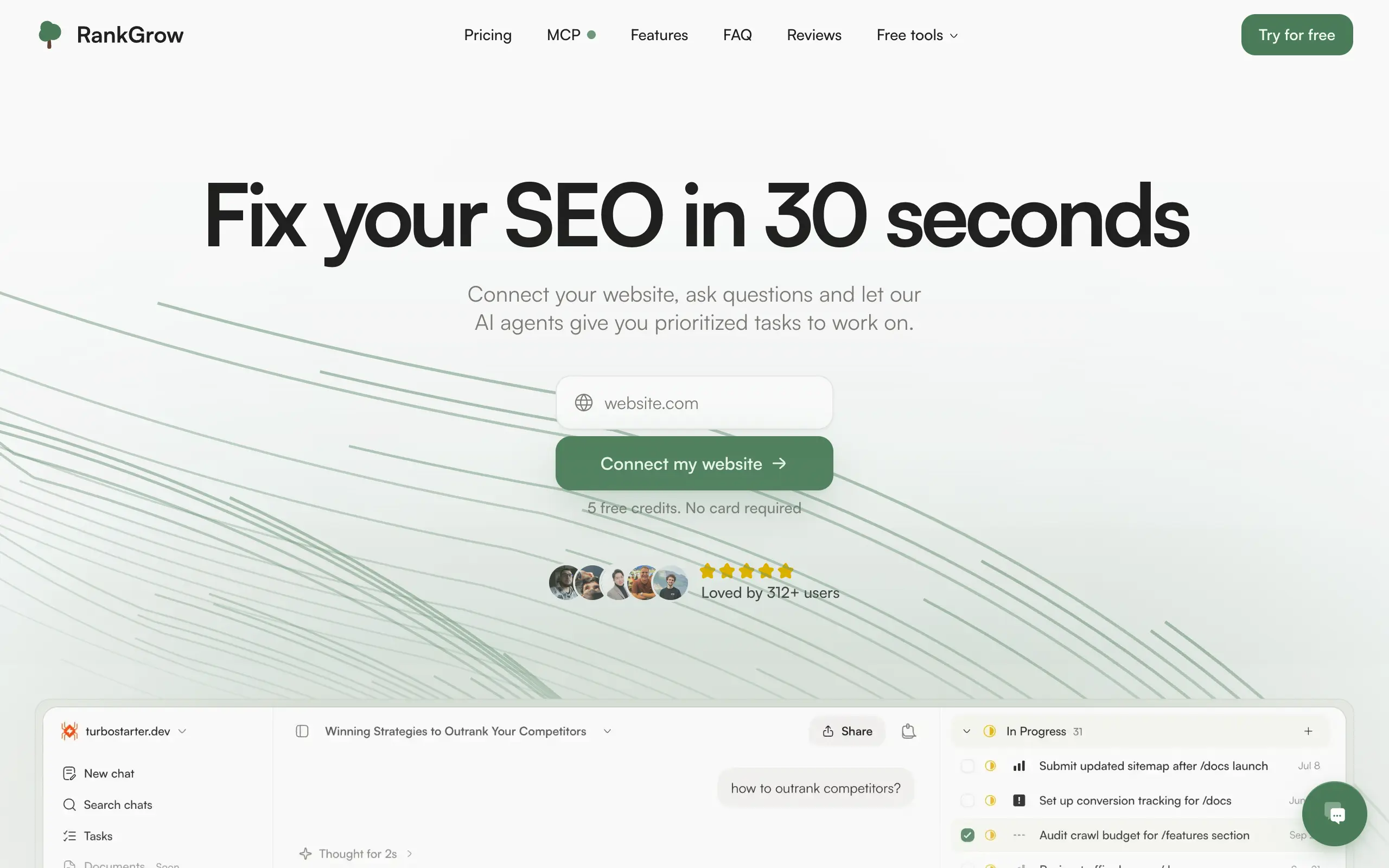
RankGrow
Fix your SEO with AI agents - connect Search Console, get prioritized tasks, and grow organic traffic 📈
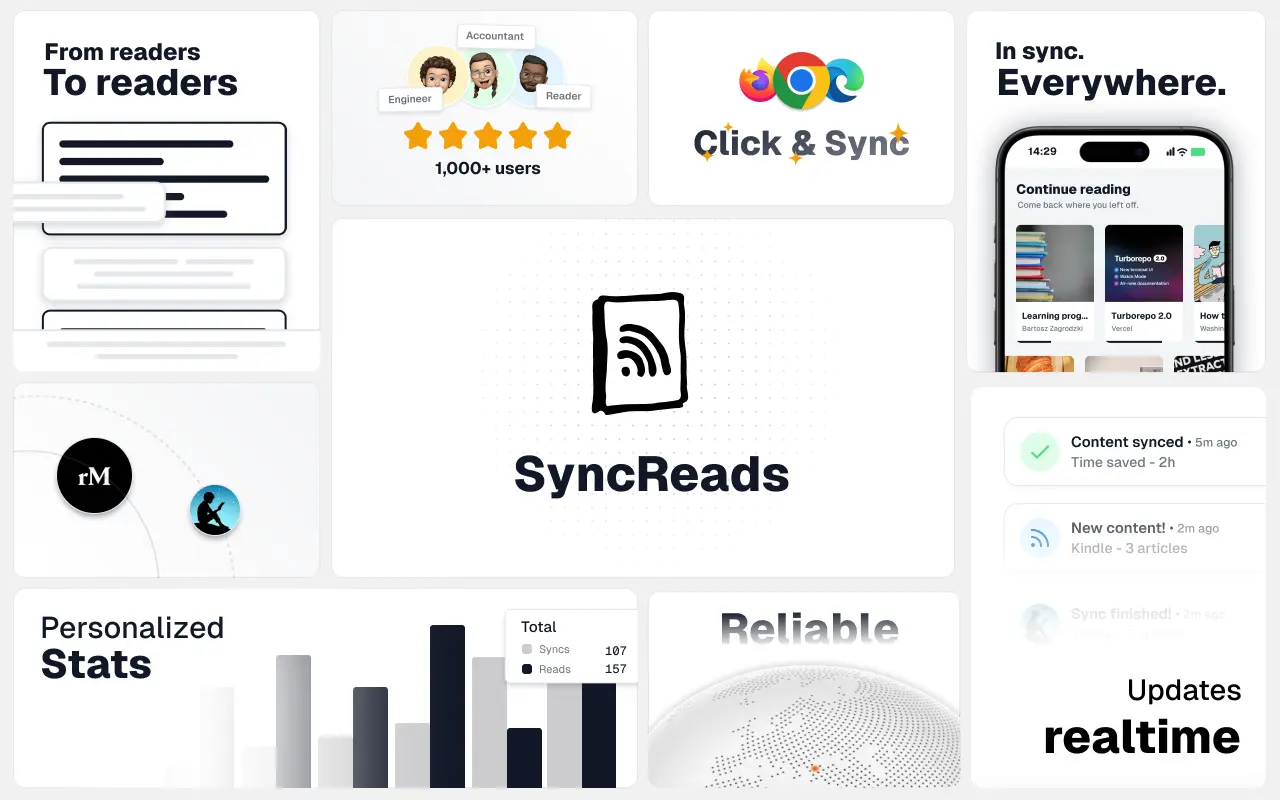
SyncReads
Sync your favorite content for distraction-free reading, save time and replace multiple apps. Anytime, anywhere 🔄
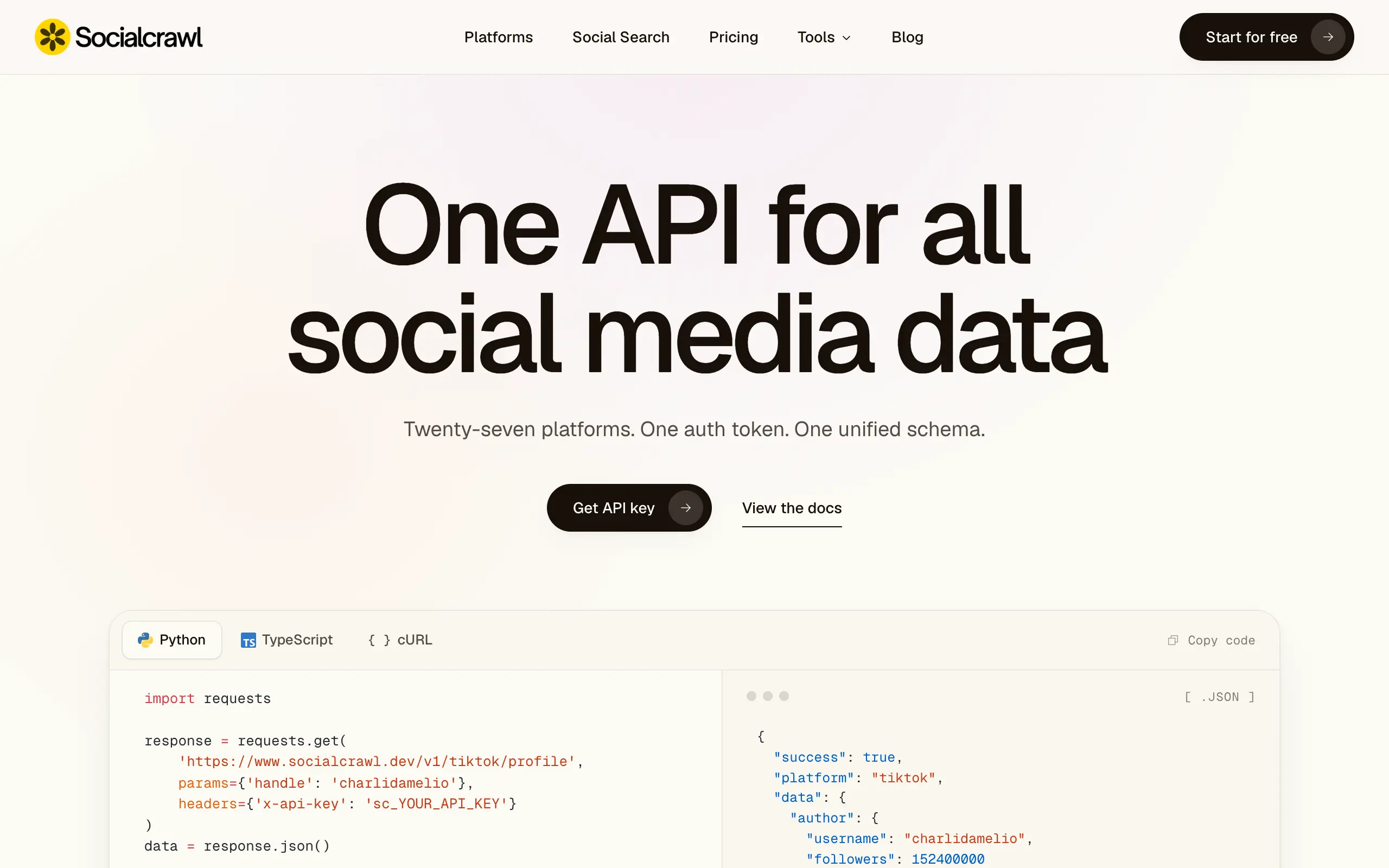
Socialcrawl
Get clean, structured data from 21 platforms like TikTok, Instagram, and YouTube with a single request 📊
Statiko
Monitor any Telegram channel in real time - track posts, edits, deletions, and growth with AI recaps 📡
Shibui
AI website builder - describe your business, pick a niche template, edit by chatting, and publish instantly ✨
Pro Service
Find verified home service professionals, compare quotes, and pay securely through escrow - built for Brazilians across the US 🏠
RankGrow
Fix your SEO with AI agents - connect Search Console, get prioritized tasks, and grow organic traffic 📈
SyncReads
Sync your favorite content for distraction-free reading, save time and replace multiple apps. Anytime, anywhere 🔄
Socialcrawl
Get clean, structured data from 21 platforms like TikTok, Instagram, and YouTube with a single request 📊
Statiko
Monitor any Telegram channel in real time - track posts, edits, deletions, and growth with AI recaps 📡
Shibui
AI website builder - describe your business, pick a niche template, edit by chatting, and publish instantly ✨
Pro Service
Find verified home service professionals, compare quotes, and pay securely through escrow - built for Brazilians across the US 🏠
RankGrow
Fix your SEO with AI agents - connect Search Console, get prioritized tasks, and grow organic traffic 📈
SyncReads
Sync your favorite content for distraction-free reading, save time and replace multiple apps. Anytime, anywhere 🔄
Socialcrawl
Get clean, structured data from 21 platforms like TikTok, Instagram, and YouTube with a single request 📊
Statiko
Monitor any Telegram channel in real time - track posts, edits, deletions, and growth with AI recaps 📡
Shibui
AI website builder - describe your business, pick a niche template, edit by chatting, and publish instantly ✨
Pro Service
Find verified home service professionals, compare quotes, and pay securely through escrow - built for Brazilians across the US 🏠
RankGrow
Fix your SEO with AI agents - connect Search Console, get prioritized tasks, and grow organic traffic 📈
SyncReads
Sync your favorite content for distraction-free reading, save time and replace multiple apps. Anytime, anywhere 🔄
Socialcrawl
Get clean, structured data from 21 platforms like TikTok, Instagram, and YouTube with a single request 📊
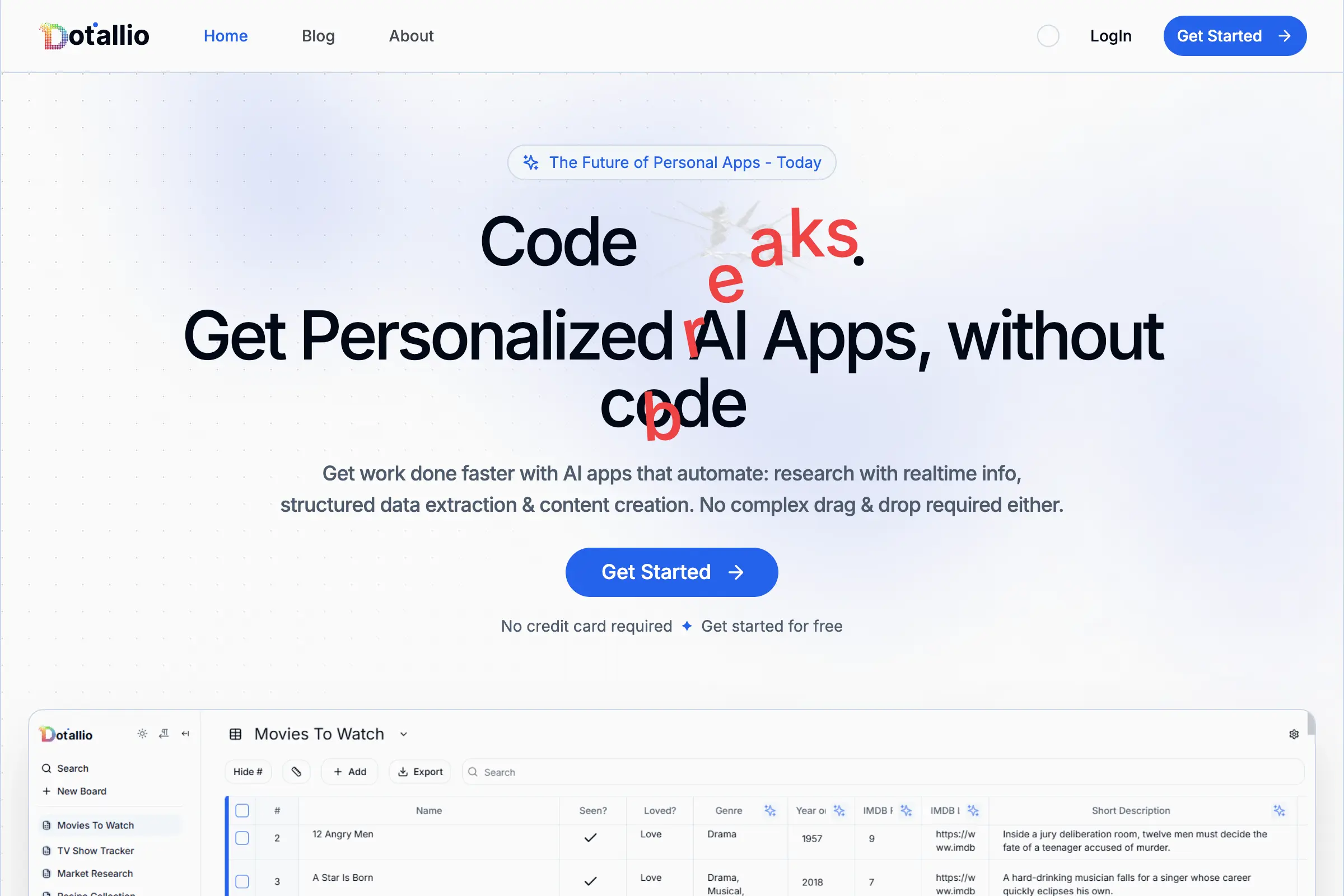
Dotallio
Personalized AI apps that automate research, data extraction, and content creation without code 🤖

Talk to Santa
Enjoy a magical live video chat or receive a unique AI-generated video greeting from Santa Claus 🎅
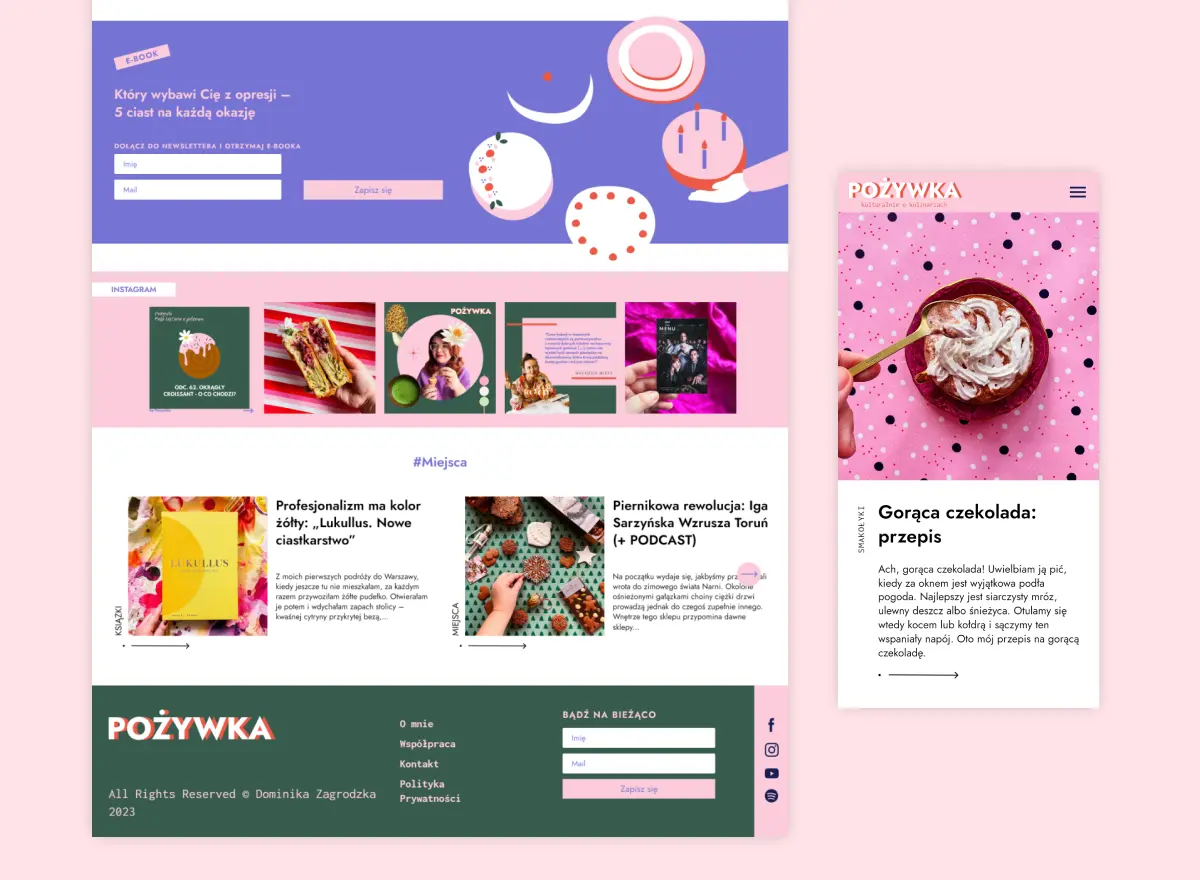
pozywka.pl
Scalable blog for food journalist, focused on performance and user experience 🌭
zagrodzki.me
Personal blog and portfolio of Bart Zagrodzki, where he shares his knowledge and work 💼
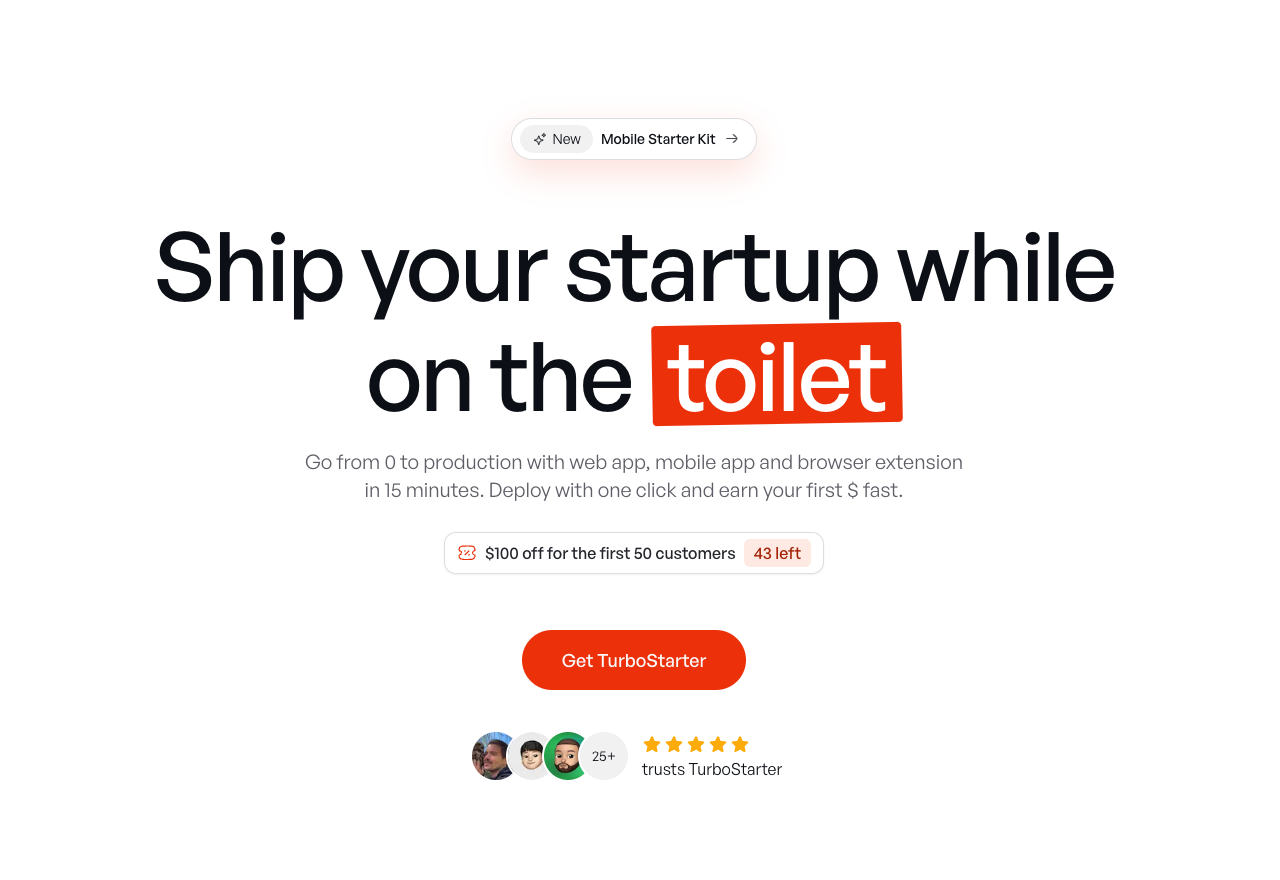
TurboStarter
Ship your startup everywhere. In minutes.
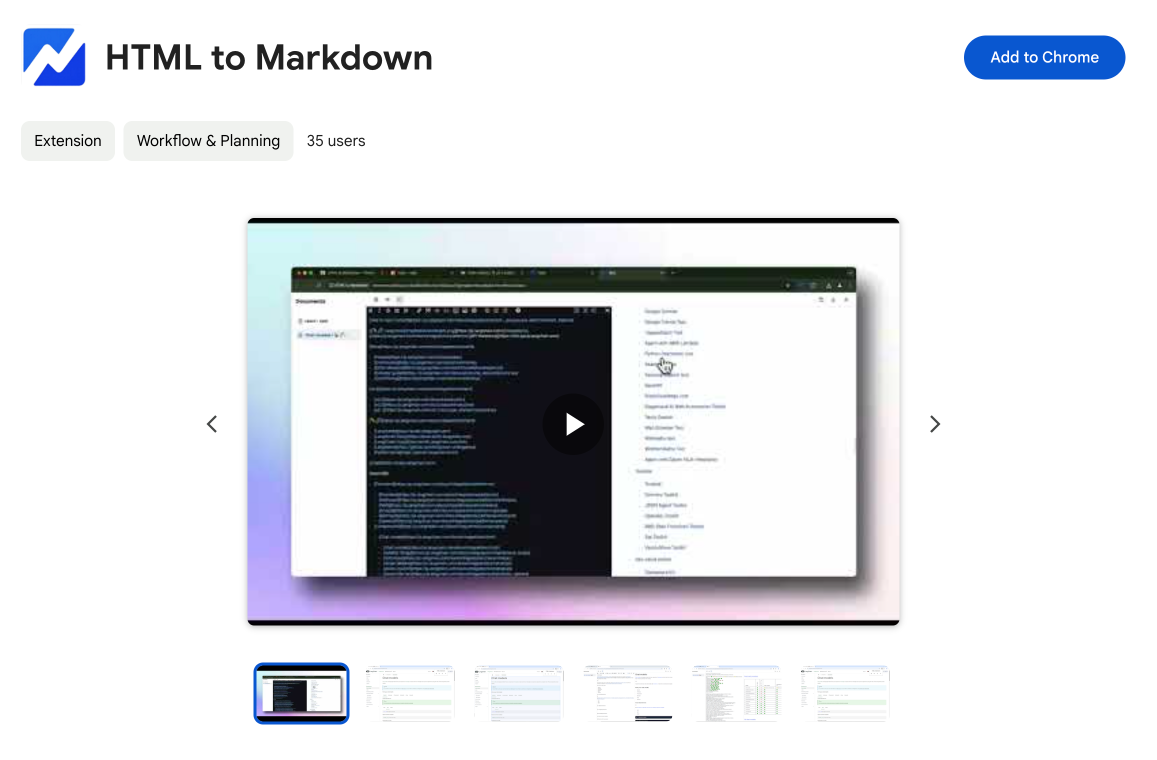
HTML to Markdown
Convert HTML to Markdown with ease, directly in your browser 📄
Dotallio
Personalized AI apps that automate research, data extraction, and content creation without code 🤖
Talk to Santa
Enjoy a magical live video chat or receive a unique AI-generated video greeting from Santa Claus 🎅
pozywka.pl
Scalable blog for food journalist, focused on performance and user experience 🌭
zagrodzki.me
Personal blog and portfolio of Bart Zagrodzki, where he shares his knowledge and work 💼
TurboStarter
Ship your startup everywhere. In minutes.
HTML to Markdown
Convert HTML to Markdown with ease, directly in your browser 📄
Dotallio
Personalized AI apps that automate research, data extraction, and content creation without code 🤖
Talk to Santa
Enjoy a magical live video chat or receive a unique AI-generated video greeting from Santa Claus 🎅
pozywka.pl
Scalable blog for food journalist, focused on performance and user experience 🌭
zagrodzki.me
Personal blog and portfolio of Bart Zagrodzki, where he shares his knowledge and work 💼
TurboStarter
Ship your startup everywhere. In minutes.
HTML to Markdown
Convert HTML to Markdown with ease, directly in your browser 📄
Dotallio
Personalized AI apps that automate research, data extraction, and content creation without code 🤖
Talk to Santa
Enjoy a magical live video chat or receive a unique AI-generated video greeting from Santa Claus 🎅
pozywka.pl
Scalable blog for food journalist, focused on performance and user experience 🌭
zagrodzki.me
Personal blog and portfolio of Bart Zagrodzki, where he shares his knowledge and work 💼
TurboStarter
Ship your startup everywhere. In minutes.
HTML to Markdown
Convert HTML to Markdown with ease, directly in your browser 📄
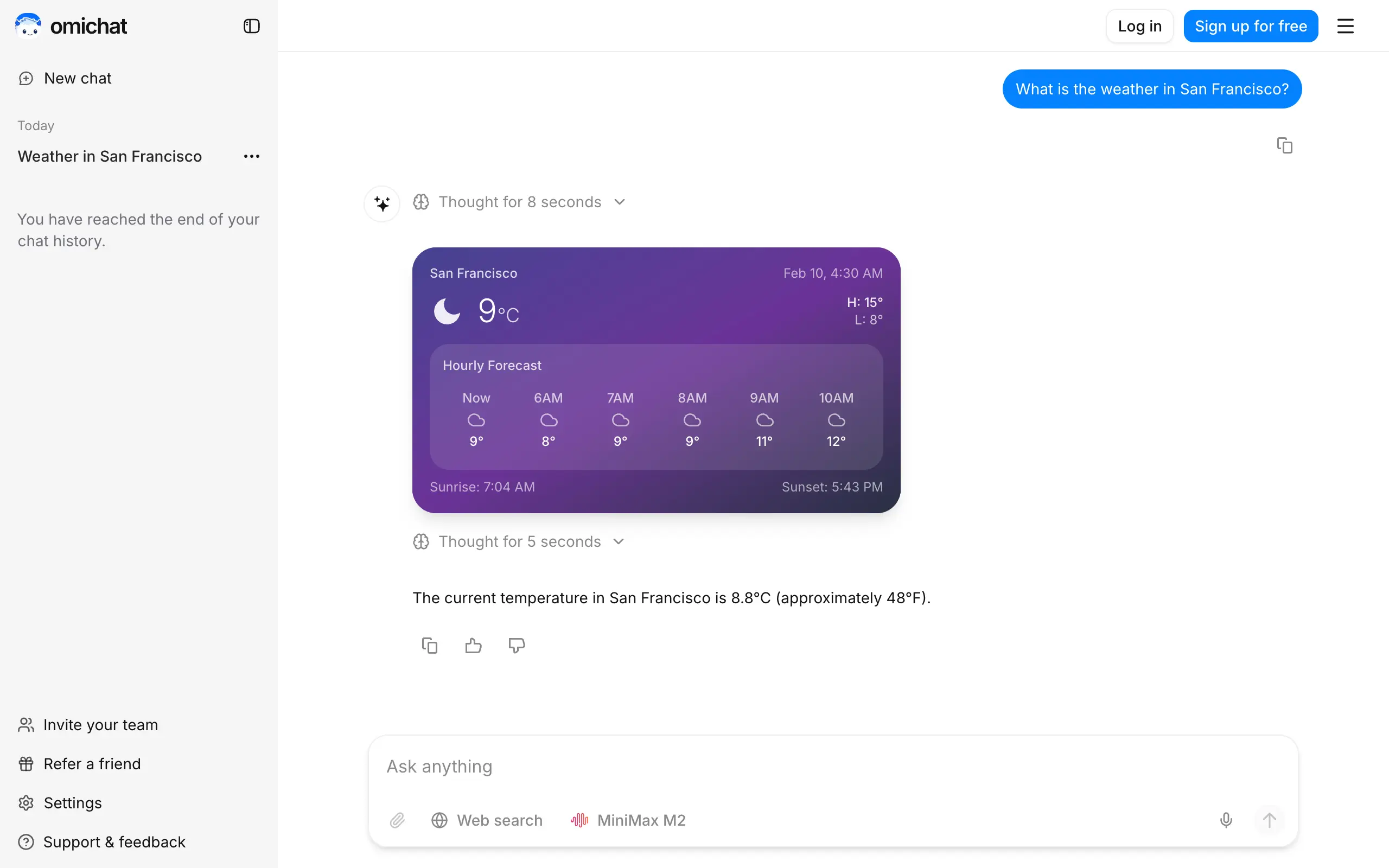
Omichat
Chat with 50+ AI models, including ChatGPT and Claude, in one place - switch models anytime without losing context 🤖
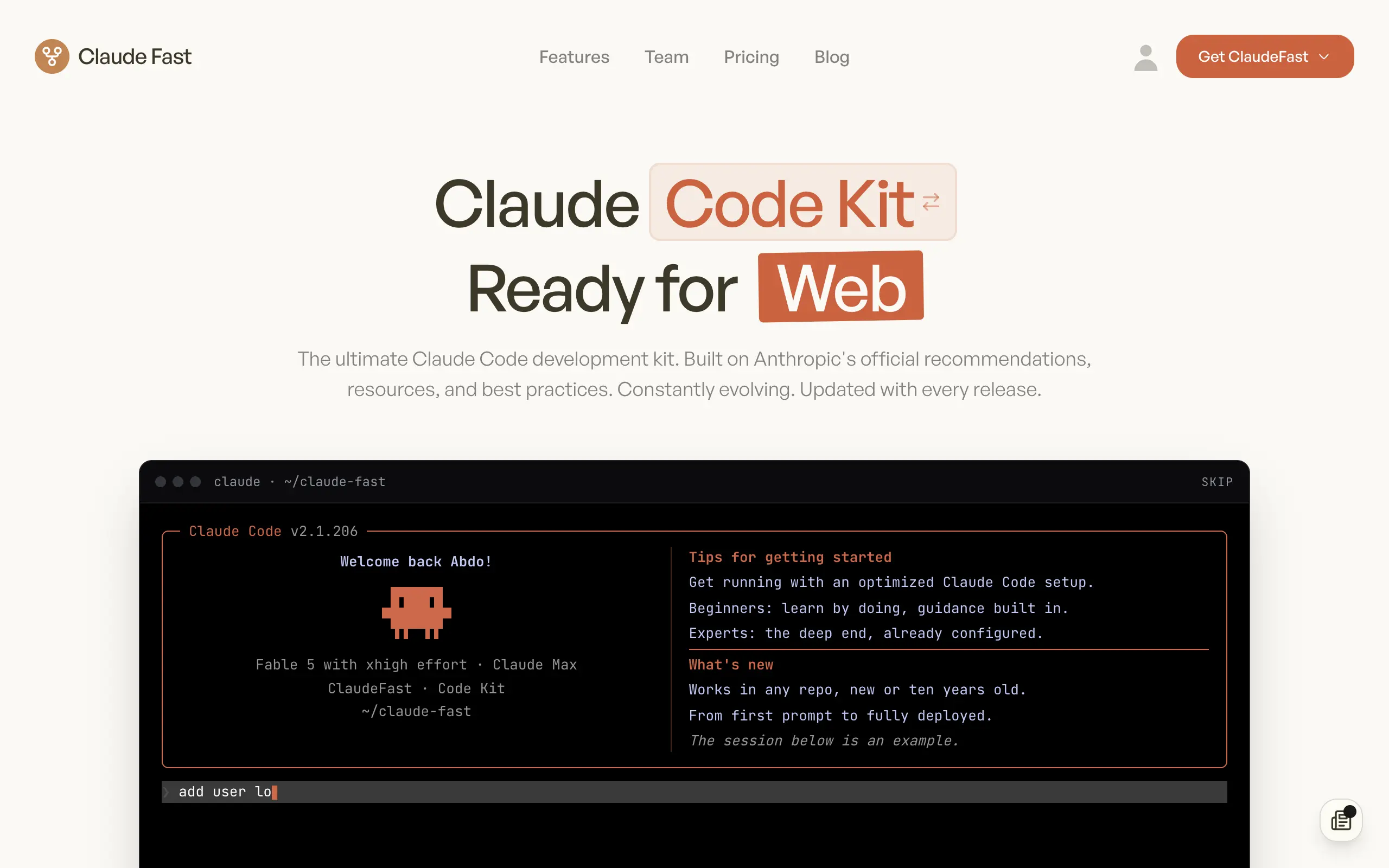
Claude Fast
Supercharge your Claude Code with 6x effective context window and specialized AI agents 🤖
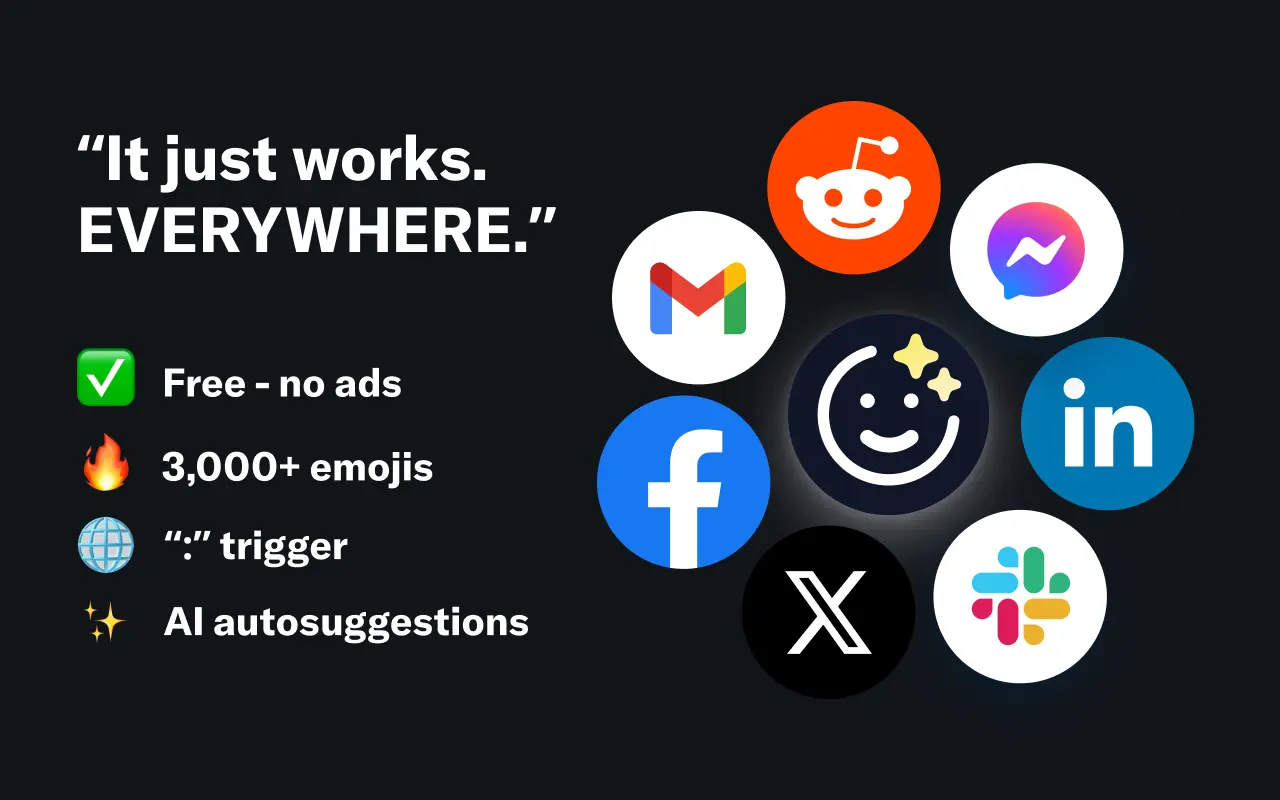
EmojAI
AI-powered emoji picker with smart, context-aware suggestions 🤖
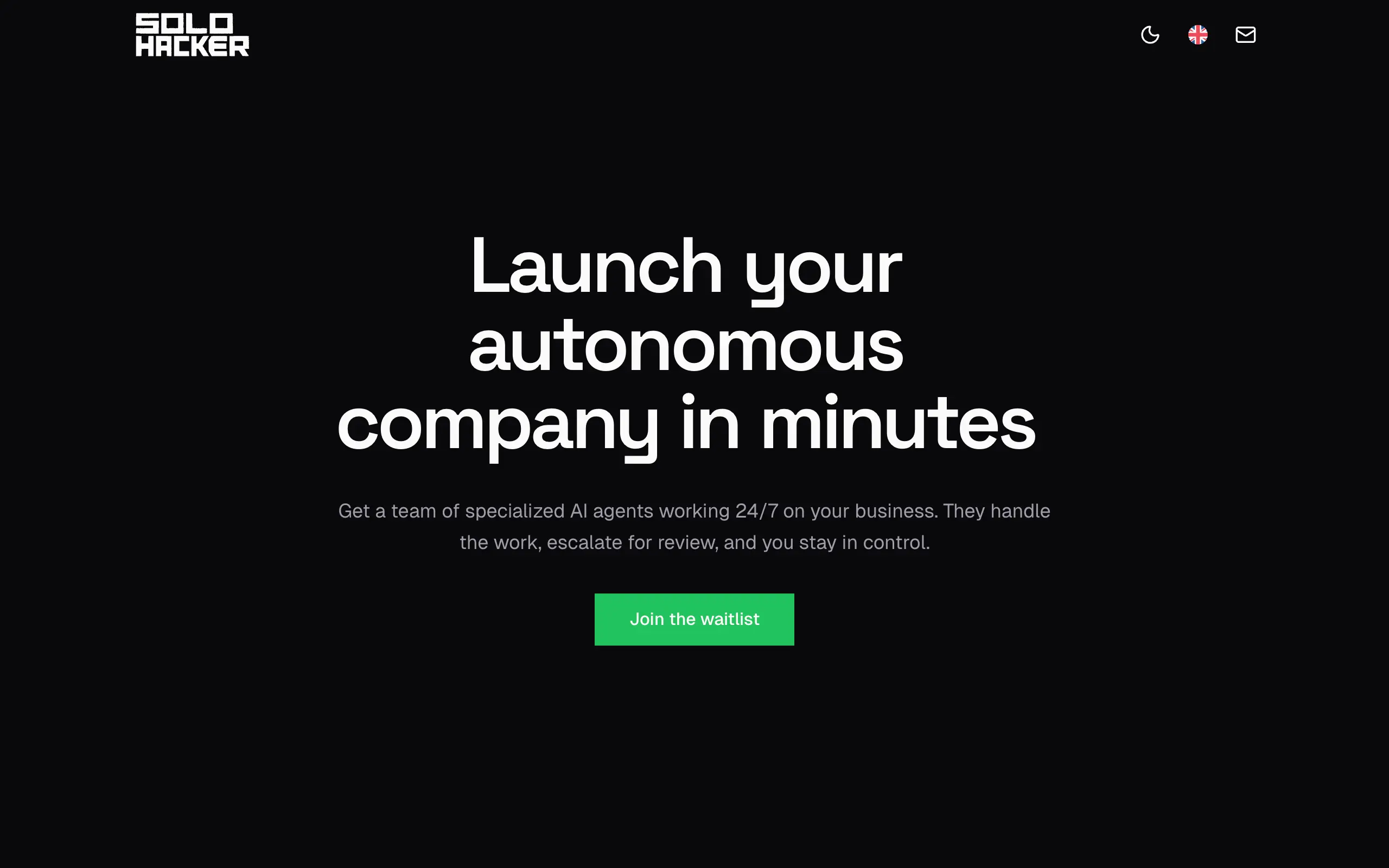
Solohacker
Autonomous company launcher - AI agents work 24/7, escalate what matters, and you stay in control 🤖

BeRawi: Storytelling Coach
Practice storytelling daily with instant feedback to sound clearer, more engaging, and confident 🎤
Omichat
Chat with 50+ AI models, including ChatGPT and Claude, in one place - switch models anytime without losing context 🤖
Claude Fast
Supercharge your Claude Code with 6x effective context window and specialized AI agents 🤖
EmojAI
AI-powered emoji picker with smart, context-aware suggestions 🤖
Solohacker
Autonomous company launcher - AI agents work 24/7, escalate what matters, and you stay in control 🤖
BeRawi: Storytelling Coach
Practice storytelling daily with instant feedback to sound clearer, more engaging, and confident 🎤
Omichat
Chat with 50+ AI models, including ChatGPT and Claude, in one place - switch models anytime without losing context 🤖
Claude Fast
Supercharge your Claude Code with 6x effective context window and specialized AI agents 🤖
EmojAI
AI-powered emoji picker with smart, context-aware suggestions 🤖
Solohacker
Autonomous company launcher - AI agents work 24/7, escalate what matters, and you stay in control 🤖
BeRawi: Storytelling Coach
Practice storytelling daily with instant feedback to sound clearer, more engaging, and confident 🎤
Omichat
Chat with 50+ AI models, including ChatGPT and Claude, in one place - switch models anytime without losing context 🤖
Claude Fast
Supercharge your Claude Code with 6x effective context window and specialized AI agents 🤖
EmojAI
AI-powered emoji picker with smart, context-aware suggestions 🤖
Solohacker
Autonomous company launcher - AI agents work 24/7, escalate what matters, and you stay in control 🤖
BeRawi: Storytelling Coach
Practice storytelling daily with instant feedback to sound clearer, more engaging, and confident 🎤

Connect with like-minded people
Join our community to get feedback, support, and grow together with 1,000+ builders on board, let's ship it!
Join usShip your startup everywhere. In minutes.
Don't burn tokens on setup and start building features on day one.