InsightLayer AI
AI-powered customer research assistant that turns sales calls, support tickets, and reviews into actionable product insights in minutes.
The rise of AI-powered customer research assistants
Modern SaaS teams are drowning in customer feedback.
Sales calls are recorded in Zoom. Support tickets pile up in Zendesk. Reviews live on G2, Capterra, and app stores. Product feedback is scattered across Slack threads and NPS surveys. The data is there — but extracting actionable product insights from it is slow, manual, and inconsistent.
This is where an AI-powered customer research assistant like InsightLayer AI creates transformative value.
InsightLayer AI automatically analyzes sales calls, support tickets, and reviews, transforming raw customer conversations into structured, prioritized, and strategic insights in minutes. Instead of spending weeks synthesizing qualitative data, product teams get clarity in near real time.
In this in-depth guide, we’ll explore:
- The market opportunity for AI customer research tools
- Target audience and use cases
- Core features and solution architecture
- Technical stack recommendations
- Monetization models
- Competitive landscape and differentiation
- Risks and mitigation strategies
- Step-by-step implementation plan
This article is designed for founders, product leaders, and SaaS operators evaluating or building a product like InsightLayer AI.
Understanding the user search intent
People searching for terms like:
- “AI customer research tool”
- “analyze sales calls with AI”
- “turn support tickets into product insights”
- “AI for product discovery”
- “customer feedback analysis software”
are typically looking for one of the following:
- Validation — Does this idea solve a real problem?
- Market analysis — Is there demand?
- Feature inspiration — What should this tool include?
- Implementation guidance — How do I build it?
- Competitive comparison — How is this different from Gong, Dovetail, etc.?
This article addresses all five intents, ensuring it serves founders and operators at different stages of validation and execution.
The problem: feedback is abundant, insight is scarce
Customer-centric companies say, “We listen to our users.”
But in practice:
- Product managers skim transcripts.
- Sales notes are incomplete.
- Support tags are inconsistent.
- Reviews are analyzed once per quarter.
- Insights live in someone’s Notion page.
The bottleneck isn’t data collection — it’s synthesis and prioritization.
Why manual analysis fails
Manual customer research processes suffer from:
- Bias – PMs focus on recent conversations.
- Inconsistency – Different people tag issues differently.
- Time cost – Reviewing 50 one-hour sales calls = 50 hours.
- Fragmentation – Data is siloed across tools.
As companies scale, this problem compounds.
Market opportunity for AI customer research
The opportunity for InsightLayer AI sits at the intersection of three fast-growing markets:
- Product analytics & research tools
- Conversation intelligence (sales call analysis)
- AI-powered business intelligence
Industry tailwinds
- Remote work → more recorded sales calls
- AI adoption → acceptance of AI summarization and tagging
- PLG growth → more user-generated feedback
- Competitive SaaS markets → need for faster product iteration
According to publicly available reports (e.g., Gartner and McKinsey AI adoption studies), enterprise AI usage has accelerated significantly since 2023, particularly in customer service and product functions.
There is a clear shift toward:
“AI copilots” embedded directly into operational workflows.
InsightLayer AI fits this trend perfectly.
Target audience analysis
InsightLayer AI primarily serves B2B SaaS companies, but different roles have distinct motivations.
1. Product managers
Pain points:
- Hard to validate feature prioritization
- No centralized voice-of-customer repository
- Manual research synthesis
Desired outcome:
- Ranked feature requests
- Clear problem statements
- Evidence-backed roadmap decisions
2. Founders (early-stage SaaS)
Pain points:
- Too many conversations, not enough clarity
- Limited time for deep research
- Fear of building the wrong thing
Desired outcome:
- Fast signal detection
- Clear ICP understanding
- Insight into churn reasons
3. Customer success & support leaders
Pain points:
- Repetitive ticket analysis
- Unclear escalation patterns
- Lack of feedback loop with product
Desired outcome:
- Trending issue reports
- Churn risk signals
- Structured insight export to product teams
4. Revenue teams (Sales + RevOps)
Pain points:
- Objection trends are anecdotal
- Hard to track competitor mentions
- No structured insight repository
Desired outcome:
- Objection clustering
- Competitive intelligence summaries
- Persona-based patterns
Core value proposition of InsightLayer AI
InsightLayer AI transforms unstructured customer conversations into:
- ✅ Structured themes
- ✅ Prioritized feature requests
- ✅ Objection analysis
- ✅ Churn indicators
- ✅ Persona-based insight clusters
- ✅ Competitive intelligence
All within minutes of data ingestion.
The USP is simple but powerful:
Turn every customer conversation into strategic product intelligence — automatically.
Core features and solution details
Let’s break down the essential features that make InsightLayer AI a category-defining product.
1. Multi-source data ingestion
InsightLayer AI should integrate with:
- Zoom (recordings + transcripts)
- Gong / Chorus (optional API integrations)
- Zendesk
- Intercom
- HubSpot
- Slack
- CSV uploads
- G2 review scraping (compliant with policies)
Key requirement: Near real-time ingestion pipeline.
2. AI transcription normalization
Even when transcripts exist, they vary in quality.
Steps:
- Clean transcript formatting
- Remove filler words
- Attribute speakers
- Extract timestamps
This improves downstream NLP accuracy.
3. Intelligent theme clustering
Using large language models (LLMs), InsightLayer AI:
- Detects recurring topics
- Clusters semantically similar issues
- Labels themes automatically
Example themes:
- “Onboarding friction”
- “Pricing confusion”
- “Missing API endpoints”
- “Competitor X comparisons”
4. Feature request extraction & prioritization
The system should:
- Extract feature requests
- Identify frequency
- Detect urgency language
- Weight by account value
You can use a scoring formula like:
Priority Score = (Frequency × Revenue Weight × Sentiment Intensity)This makes roadmap planning evidence-based.
5. Sentiment and emotion detection
Not just positive/negative — but:
- Frustration
- Confusion
- Excitement
- Urgency
Emotion analysis adds prioritization nuance.
6. Persona-level insight breakdown
Segment insights by:
- Industry
- Company size
- Plan tier
- Revenue segment
- Role (e.g., CTO vs Marketing Lead)
This allows targeted product development.
7. Competitive intelligence detection
Automatically detect:
- Competitor mentions
- Comparison phrases
- Switching triggers
- Win/loss patterns
This is highly valuable for product marketing.
8. Executive-ready reports
Generate:
- Weekly insight digests
- Board-level summaries
- Product sprint briefs
- Quarterly voice-of-customer reports
Example system architecture
Below is a simplified architecture overview.
// High-level architecture sketch (conceptual)

DataSources -> IngestionAPI -> ProcessingQueue ->
LLMAnalysisService -> InsightDatabase ->
DashboardAPI -> FrontendApp
Key architectural components
- Event-driven ingestion (webhooks)
- Asynchronous processing
- Vector embeddings for clustering
- Structured relational storage for reporting
Recommended tech stack (with trade-offs)
Choosing the right stack determines scalability and cost.
Frontend
Why?
- Mature ecosystem
- SSR support for SEO
- Fast iteration
Backend
- Node.js (TypeScript)
- Python (for ML-heavy pipelines)
Trade-off:
Python excels at AI processing. Node simplifies full-stack TypeScript consistency.
AI & NLP layer
- OpenAI API (LLM + embeddings)
- Vector database (e.g., Pinecone or pgvector)
Trade-off:
OpenAI → speed and reliability
Open-source models → cost control but higher infrastructure burden
Database
- PostgreSQL (primary structured data)
- Vector extension for semantic search
Infrastructure
- Vercel (frontend)
- AWS / GCP for backend workers
- Background job queue (e.g., BullMQ)
Authentication
- Auth0 or Clerk
- Role-based access control (enterprise ready)
Feature comparison vs competitors
InsightLayer AI competes indirectly with multiple categories.
| Capability | Gong | Dovetail | Zendesk | InsightLayer AI |
|---|---|---|---|---|
| Sales call analysis | ✅ | ❌ | ❌ | ✅ |
| Cross-source insight unification | ❌ | ⚠️ | ❌ | ✅ |
| Automated feature prioritization | ❌ | ❌ | ❌ | ✅ |
| Executive-ready summaries | ⚠️ | ✅ | ❌ | ✅ |
Key differentiation:
InsightLayer AI unifies feedback across sales, support, and reviews — not just one channel.
Monetization strategy
InsightLayer AI is ideal for SaaS subscription pricing.
Option 1: Usage-based pricing
Charge by:
- Number of analyzed conversations
- Volume of processed words
- Seats + data volume
Best for scaling startups.
Option 2: Tiered SaaS model
Starter
Up to 1,000 conversations/month, core clustering, basic reports.
Growth
Advanced segmentation, competitor detection, integrations.
Enterprise
Custom integrations, SOC2 support, dedicated AI tuning.
Option 3: Hybrid pricing
Base subscription + usage overage.
This model balances predictability and scalability.
Potential risks and mitigation
1. AI hallucination
LLMs may misinterpret context.
Mitigation:
- Store source citation snippets
- Show evidence behind insights
- Use structured extraction prompts
2. Data privacy concerns
Sensitive sales conversations require compliance.
Mitigation:
- SOC2 roadmap
- Encryption at rest and transit
- Data retention controls
- Private model deployment for enterprise
3. Competitive encroachment
Gong or Intercom could add similar features.
Mitigation:
- Focus on cross-source unification
- Build deep product analytics layer
- Create proprietary prioritization scoring
Competitive advantage analysis
InsightLayer AI wins by:
- Being cross-functional (sales + support + reviews)
- Focusing on product insight, not just sales coaching
- Delivering prioritized outputs, not just summaries
- Providing executive-level synthesis
The shift from “conversation intelligence” to “strategic intelligence” is the category leap.
Step-by-step implementation plan
Go-to-market strategy
Phase 1: Founder-led sales
Target:
- Seed to Series B SaaS companies
- 10–100 employees
- Product-led or sales-assisted models
Phase 2: Content-driven SEO
Create content around:
- “How to analyze sales calls with AI”
- “Turn support tickets into product insights”
- “Voice of customer analysis tools”
Phase 3: Product-led growth
- Free trial with transcript upload
- Instant insight report
- Shareable executive summary
Future expansion opportunities
InsightLayer AI can evolve into:
- AI roadmap assistant
- AI churn prediction tool
- AI persona builder
- AI competitor tracking engine
- AI-powered product marketing assistant
The foundation is the structured insight layer.
Why InsightLayer AI stands out
The core strength lies in:
- Speed (minutes, not weeks)
- Unification (multi-source)
- Prioritization (not just tagging)
- Executive-readiness
Most tools stop at transcription or summarization.
InsightLayer AI goes further — into decision intelligence.
Building InsightLayer AI efficiently
To accelerate development:
- Use production-ready SaaS architecture
- Implement multi-tenant design from day one
- Invest early in AI prompt engineering
- Optimize cost-per-analysis
If you're building a SaaS like InsightLayer AI, starting with a robust boilerplate can dramatically reduce time-to-market. TurboStarter provides a scalable SaaS foundation with authentication, billing, and modern architecture patterns ready out of the box — allowing you to focus on your AI differentiation instead of rebuilding infrastructure.
Final thoughts
Customer conversations are the most underutilized strategic asset in SaaS.
Every objection, feature request, complaint, and compliment contains signals. But without structured analysis, they remain noise.
InsightLayer AI transforms that noise into clarity.
In a world where product velocity determines survival, the teams that win will not be the ones with more data — but the ones with faster insight synthesis.
An AI-powered customer research assistant is no longer a luxury.
It’s becoming a competitive necessity.
More 🤖 AI Startup SaaS ideas
Discover more innovative ai startup SaaS ideas that are trending in 2026. Each idea is AI-generated with market validation and growth potential to help you find your next profitable venture faster than competitors.
Your competitors are building with TurboStarter
Below are some of the SaaS ideas that have been generated and built with our starter kit.
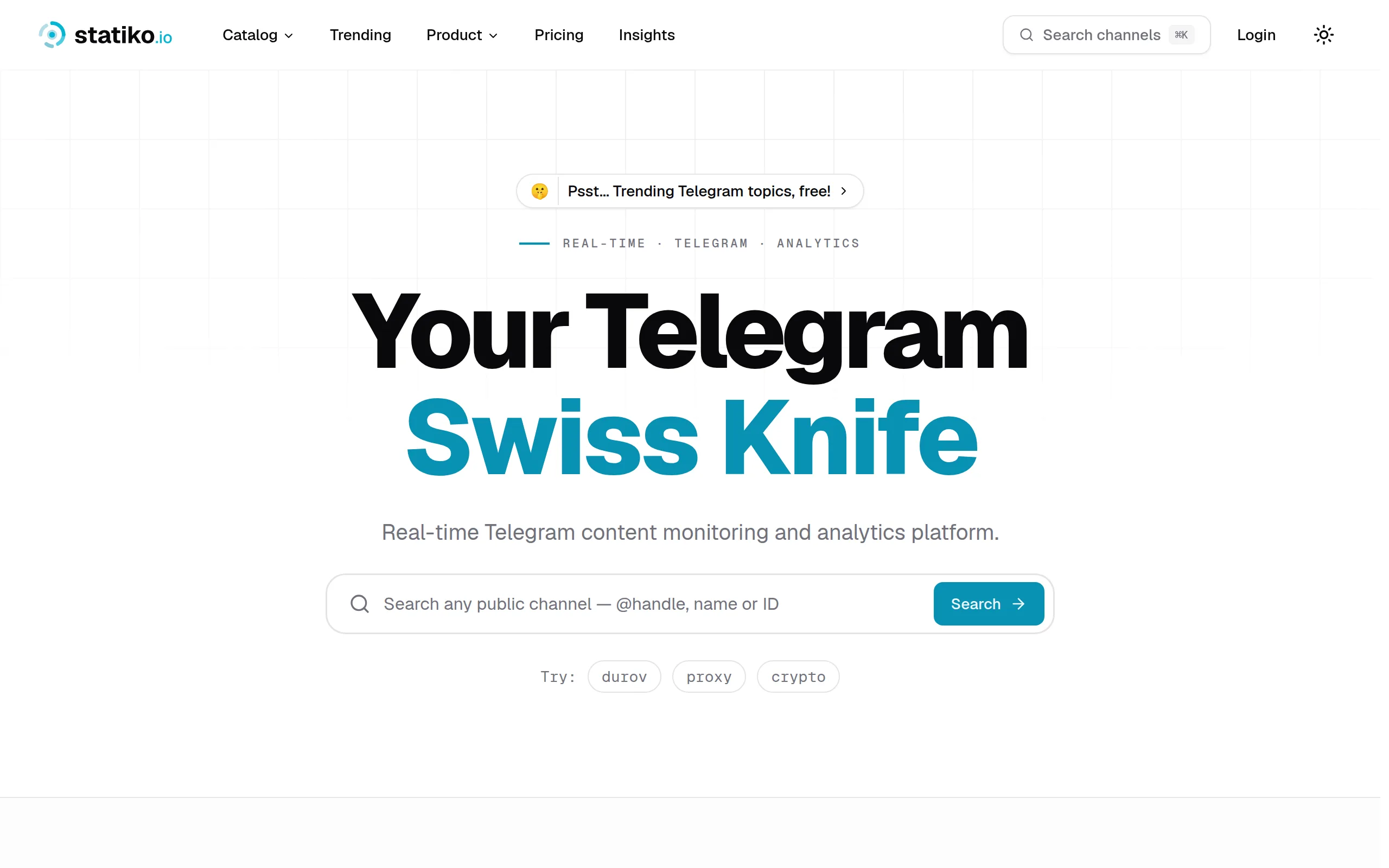
Statiko
Monitor any Telegram channel in real time - track posts, edits, deletions, and growth with AI recaps 📡

Shibui
AI website builder - describe your business, pick a niche template, edit by chatting, and publish instantly ✨

Pro Service
Find verified home service professionals, compare quotes, and pay securely through escrow - built for Brazilians across the US 🏠
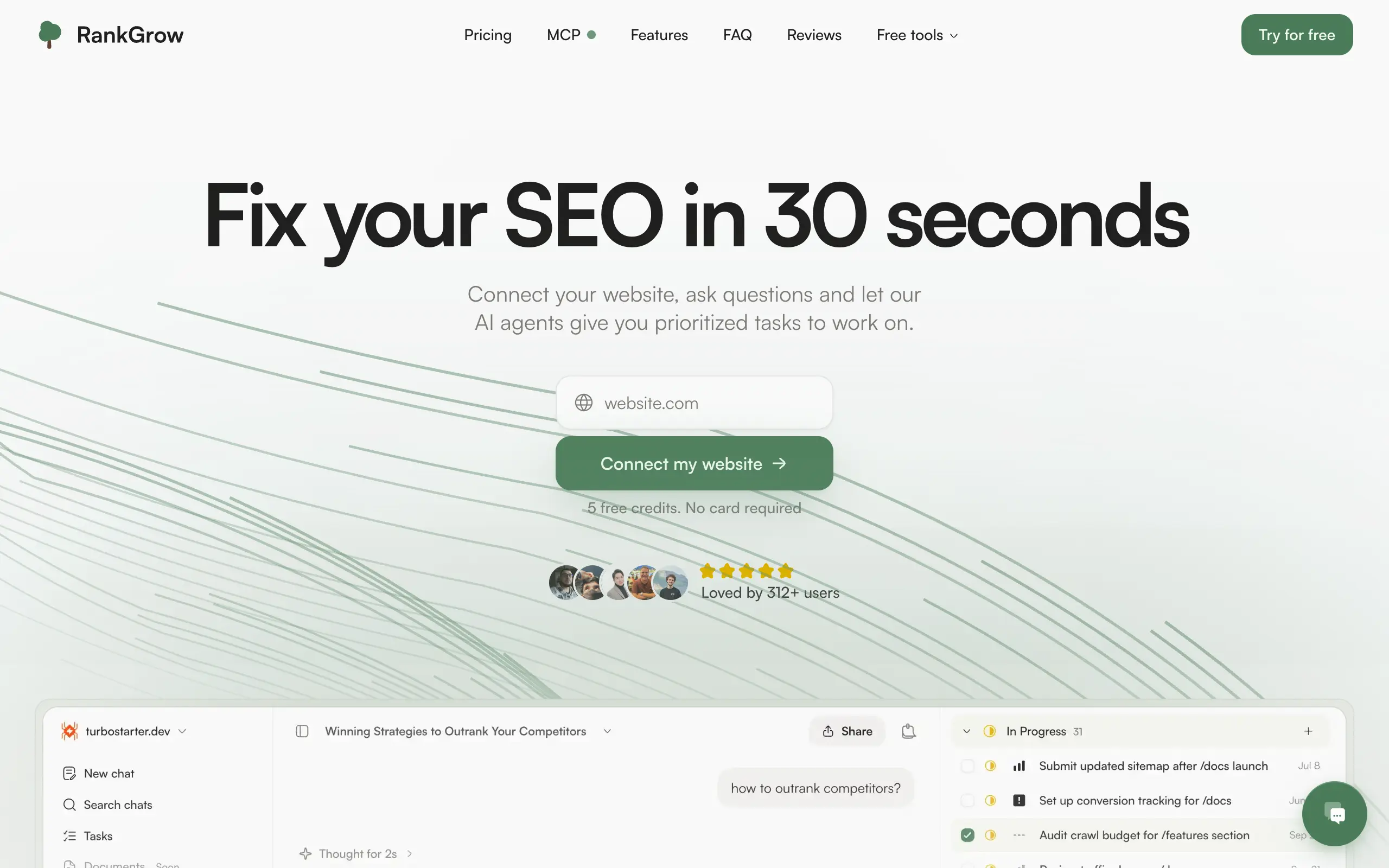
RankGrow
Fix your SEO with AI agents - connect Search Console, get prioritized tasks, and grow organic traffic 📈
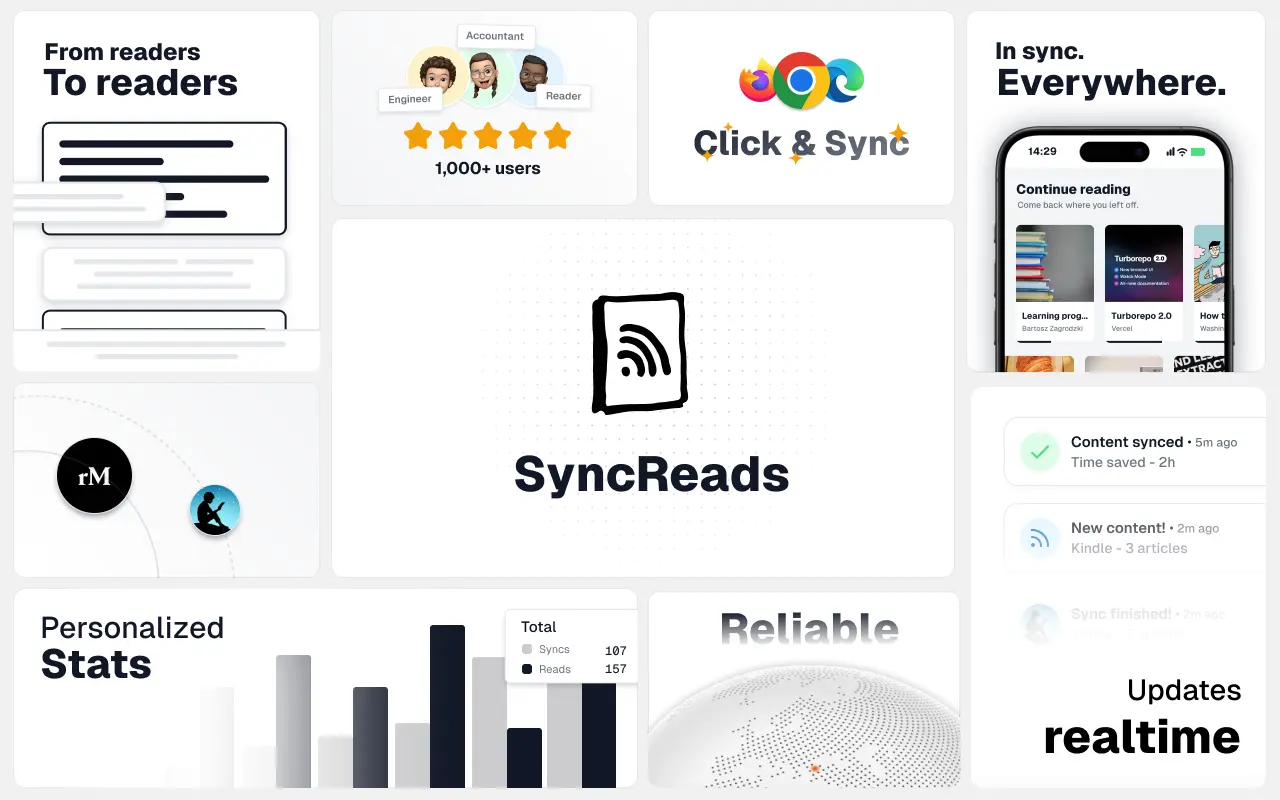
SyncReads
Sync your favorite content for distraction-free reading, save time and replace multiple apps. Anytime, anywhere 🔄
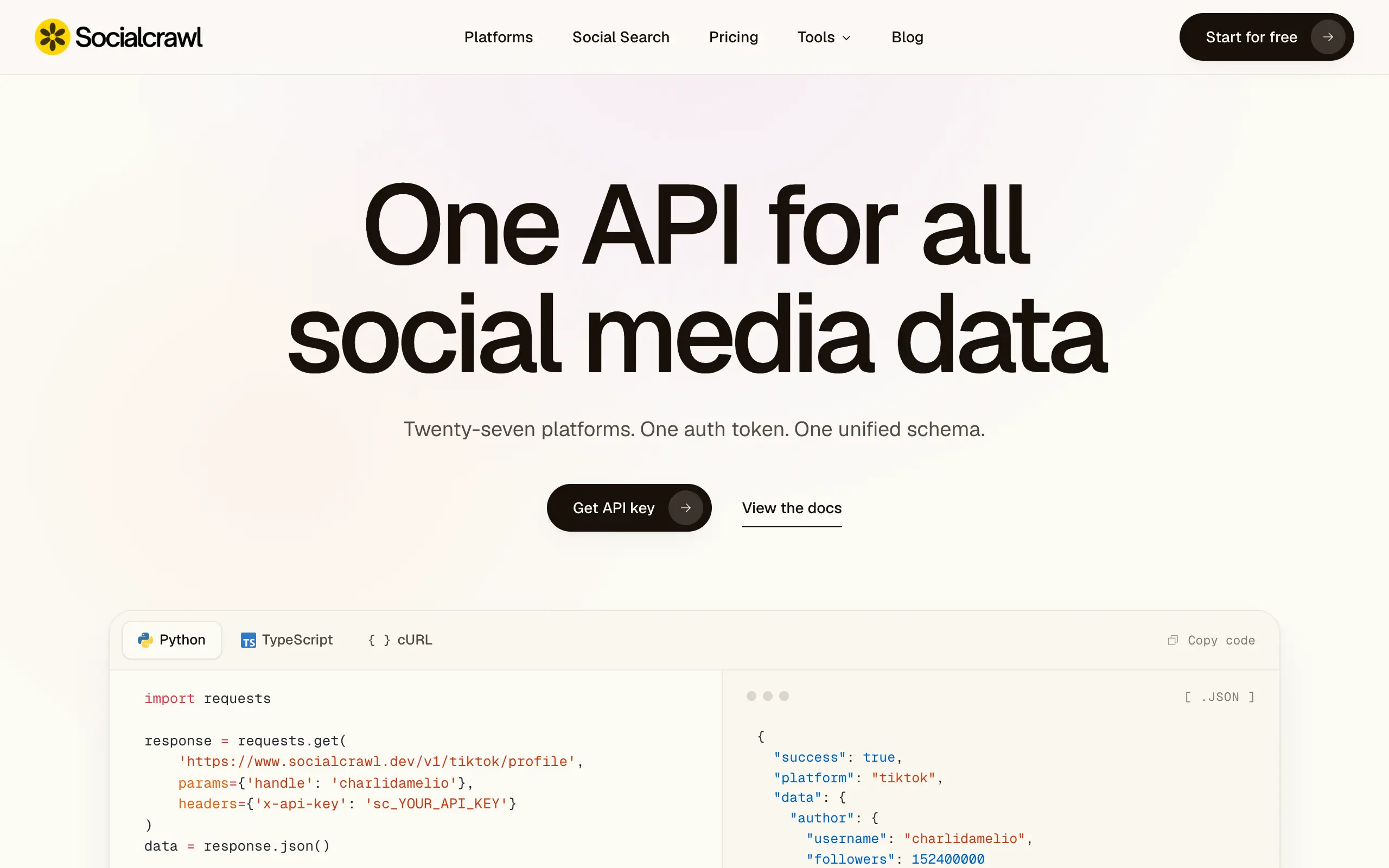
Socialcrawl
Get clean, structured data from 21 platforms like TikTok, Instagram, and YouTube with a single request 📊
Statiko
Monitor any Telegram channel in real time - track posts, edits, deletions, and growth with AI recaps 📡
Shibui
AI website builder - describe your business, pick a niche template, edit by chatting, and publish instantly ✨
Pro Service
Find verified home service professionals, compare quotes, and pay securely through escrow - built for Brazilians across the US 🏠
RankGrow
Fix your SEO with AI agents - connect Search Console, get prioritized tasks, and grow organic traffic 📈
SyncReads
Sync your favorite content for distraction-free reading, save time and replace multiple apps. Anytime, anywhere 🔄
Socialcrawl
Get clean, structured data from 21 platforms like TikTok, Instagram, and YouTube with a single request 📊
Statiko
Monitor any Telegram channel in real time - track posts, edits, deletions, and growth with AI recaps 📡
Shibui
AI website builder - describe your business, pick a niche template, edit by chatting, and publish instantly ✨
Pro Service
Find verified home service professionals, compare quotes, and pay securely through escrow - built for Brazilians across the US 🏠
RankGrow
Fix your SEO with AI agents - connect Search Console, get prioritized tasks, and grow organic traffic 📈
SyncReads
Sync your favorite content for distraction-free reading, save time and replace multiple apps. Anytime, anywhere 🔄
Socialcrawl
Get clean, structured data from 21 platforms like TikTok, Instagram, and YouTube with a single request 📊
Statiko
Monitor any Telegram channel in real time - track posts, edits, deletions, and growth with AI recaps 📡
Shibui
AI website builder - describe your business, pick a niche template, edit by chatting, and publish instantly ✨
Pro Service
Find verified home service professionals, compare quotes, and pay securely through escrow - built for Brazilians across the US 🏠
RankGrow
Fix your SEO with AI agents - connect Search Console, get prioritized tasks, and grow organic traffic 📈
SyncReads
Sync your favorite content for distraction-free reading, save time and replace multiple apps. Anytime, anywhere 🔄
Socialcrawl
Get clean, structured data from 21 platforms like TikTok, Instagram, and YouTube with a single request 📊
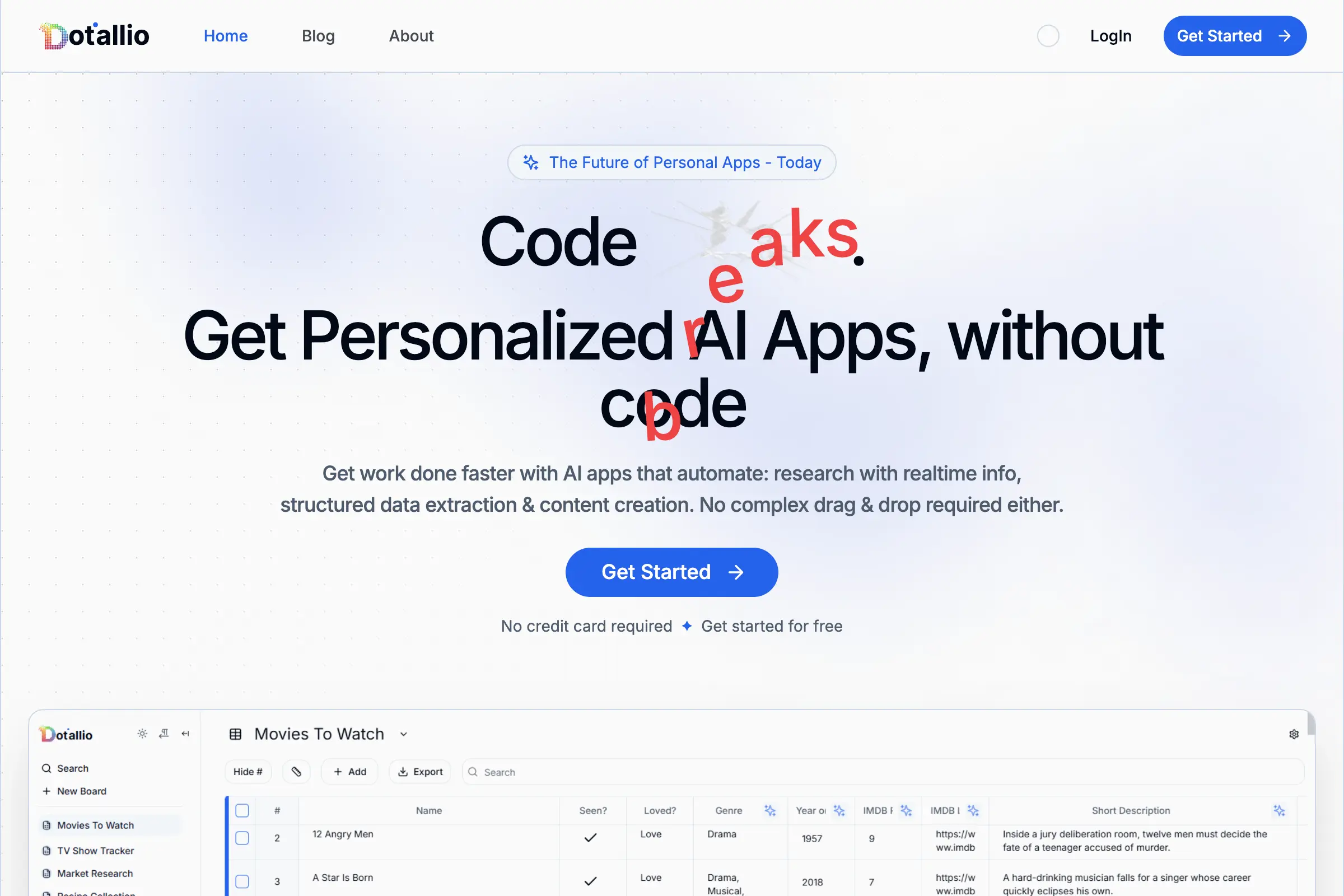
Dotallio
Personalized AI apps that automate research, data extraction, and content creation without code 🤖

Talk to Santa
Enjoy a magical live video chat or receive a unique AI-generated video greeting from Santa Claus 🎅
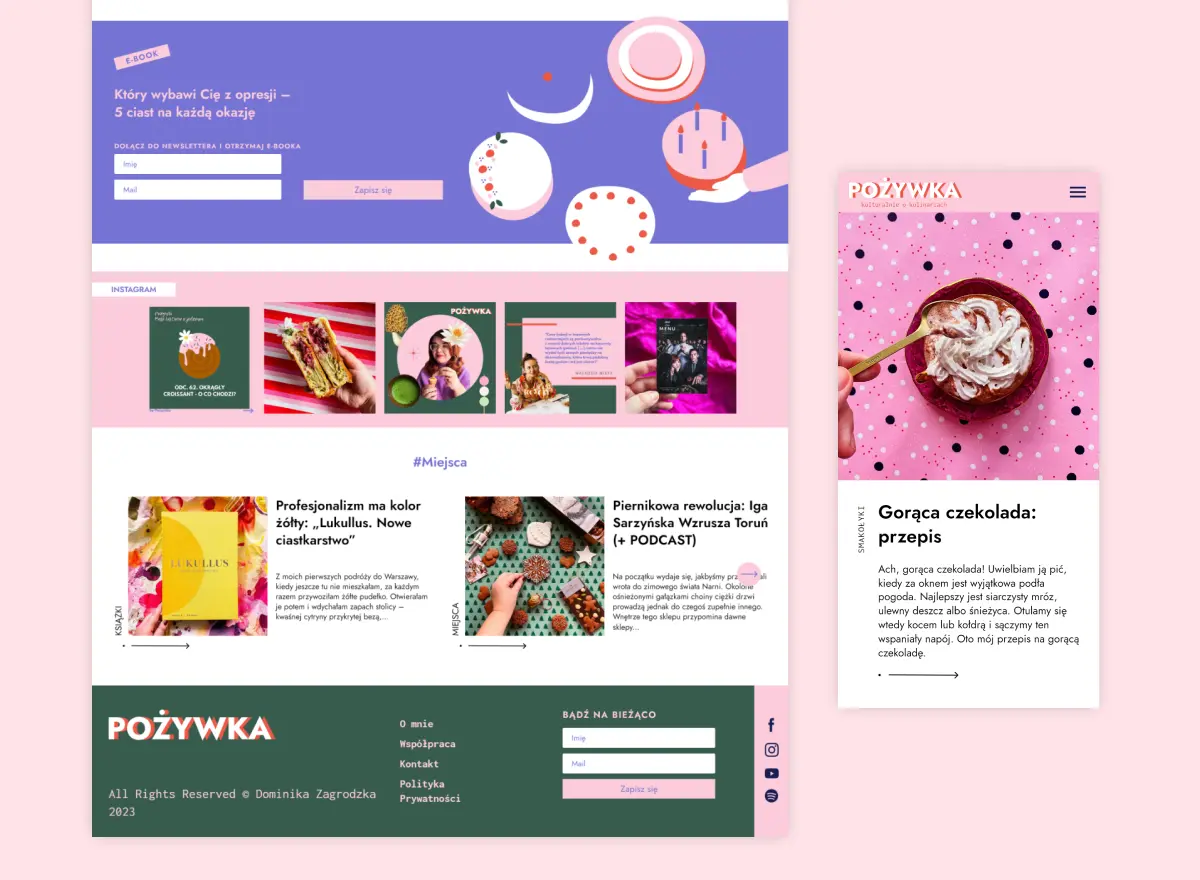
pozywka.pl
Scalable blog for food journalist, focused on performance and user experience 🌭
zagrodzki.me
Personal blog and portfolio of Bart Zagrodzki, where he shares his knowledge and work 💼
TurboStarter
Ship your startup everywhere. In minutes.
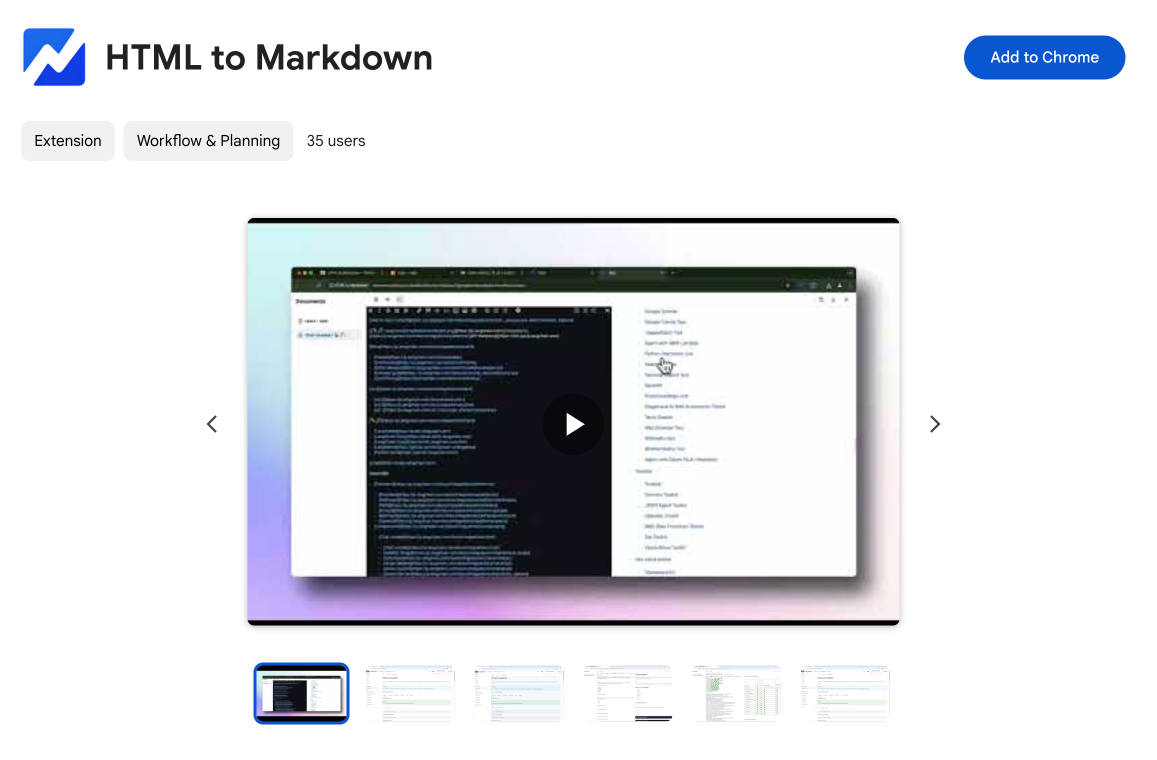
HTML to Markdown
Convert HTML to Markdown with ease, directly in your browser 📄
Dotallio
Personalized AI apps that automate research, data extraction, and content creation without code 🤖
Talk to Santa
Enjoy a magical live video chat or receive a unique AI-generated video greeting from Santa Claus 🎅
pozywka.pl
Scalable blog for food journalist, focused on performance and user experience 🌭
zagrodzki.me
Personal blog and portfolio of Bart Zagrodzki, where he shares his knowledge and work 💼
TurboStarter
Ship your startup everywhere. In minutes.
HTML to Markdown
Convert HTML to Markdown with ease, directly in your browser 📄
Dotallio
Personalized AI apps that automate research, data extraction, and content creation without code 🤖
Talk to Santa
Enjoy a magical live video chat or receive a unique AI-generated video greeting from Santa Claus 🎅
pozywka.pl
Scalable blog for food journalist, focused on performance and user experience 🌭
zagrodzki.me
Personal blog and portfolio of Bart Zagrodzki, where he shares his knowledge and work 💼
TurboStarter
Ship your startup everywhere. In minutes.
HTML to Markdown
Convert HTML to Markdown with ease, directly in your browser 📄
Dotallio
Personalized AI apps that automate research, data extraction, and content creation without code 🤖
Talk to Santa
Enjoy a magical live video chat or receive a unique AI-generated video greeting from Santa Claus 🎅
pozywka.pl
Scalable blog for food journalist, focused on performance and user experience 🌭
zagrodzki.me
Personal blog and portfolio of Bart Zagrodzki, where he shares his knowledge and work 💼
TurboStarter
Ship your startup everywhere. In minutes.
HTML to Markdown
Convert HTML to Markdown with ease, directly in your browser 📄
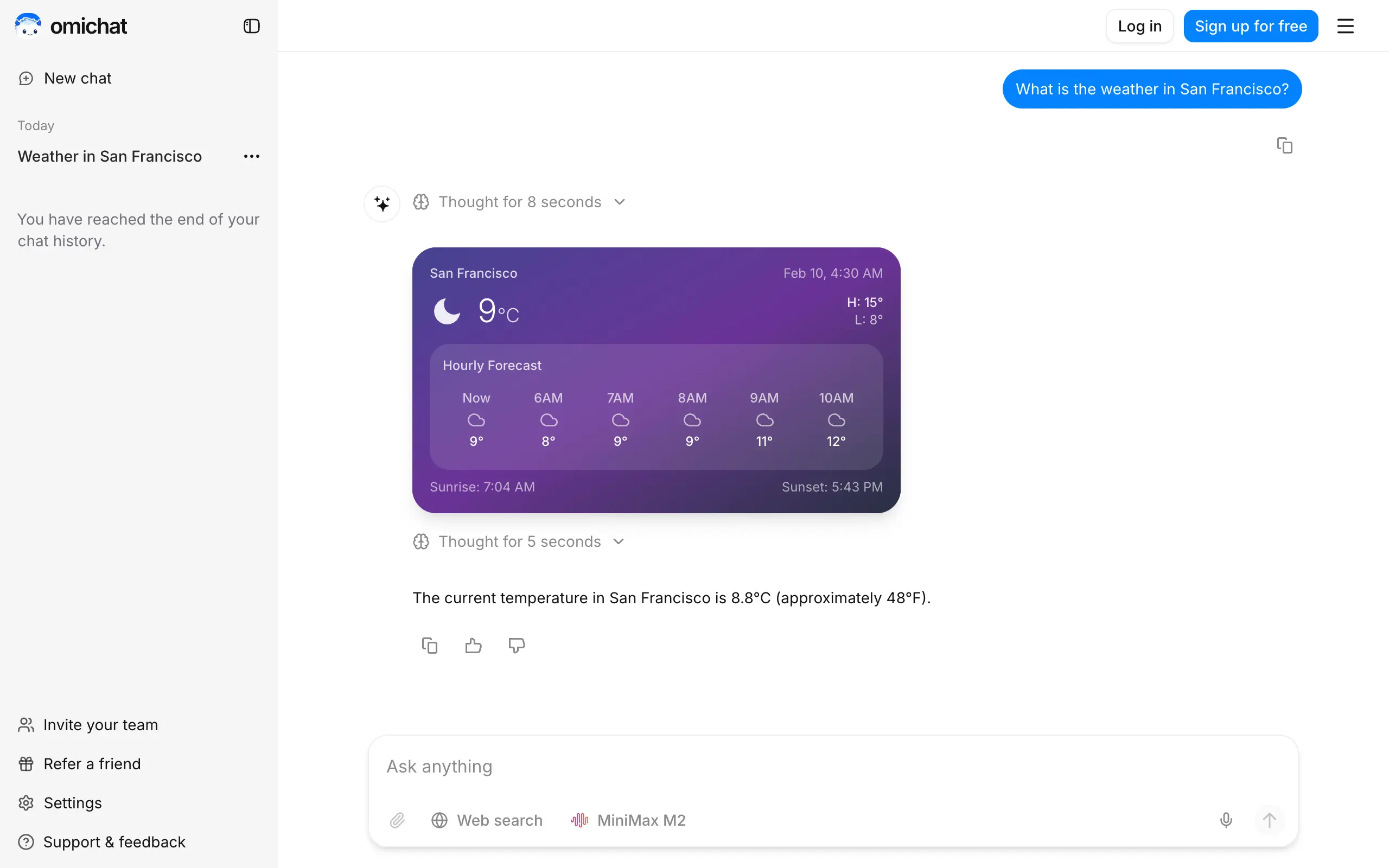
Omichat
Chat with 50+ AI models, including ChatGPT and Claude, in one place - switch models anytime without losing context 🤖
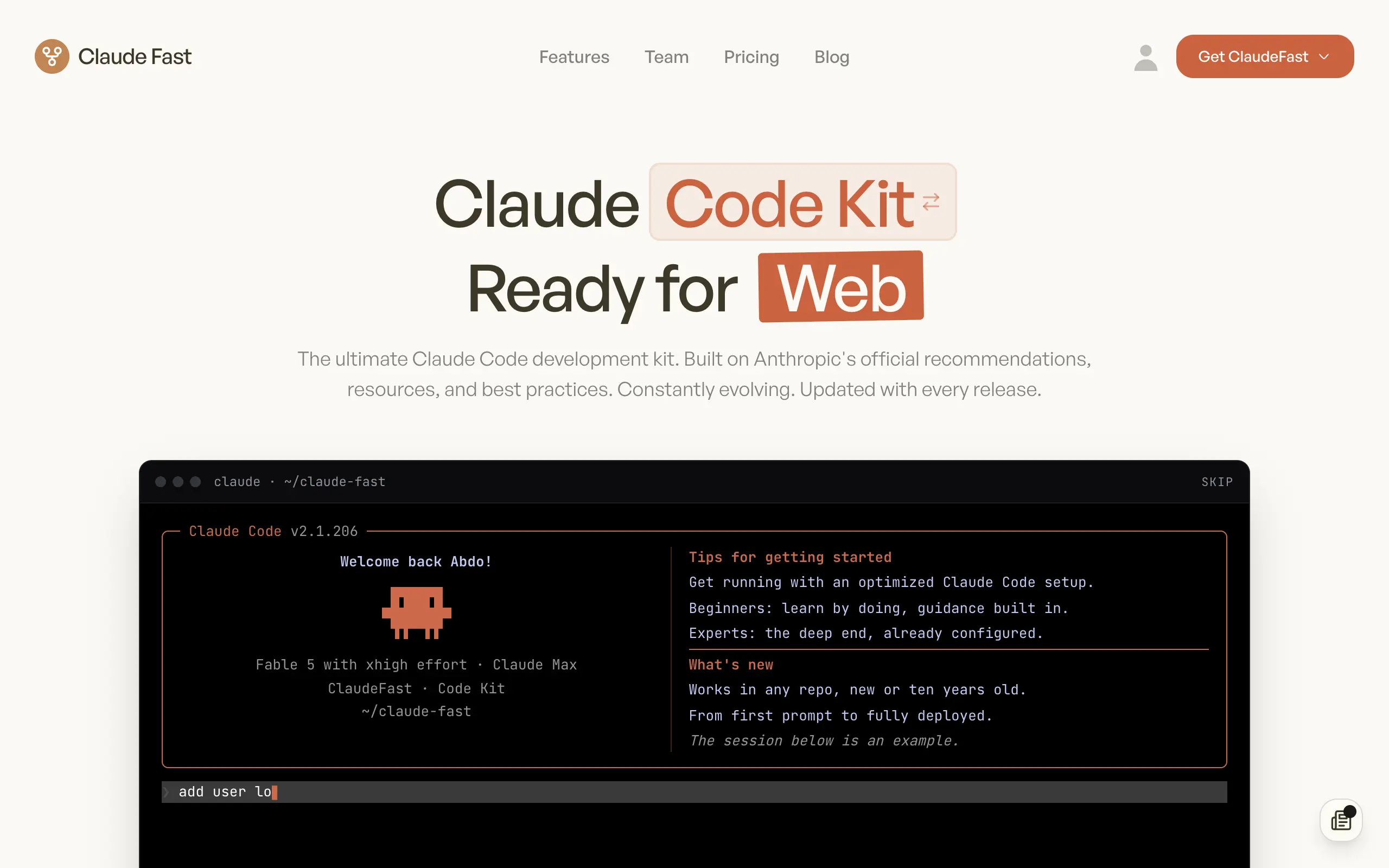
Claude Fast
Supercharge your Claude Code with 6x effective context window and specialized AI agents 🤖
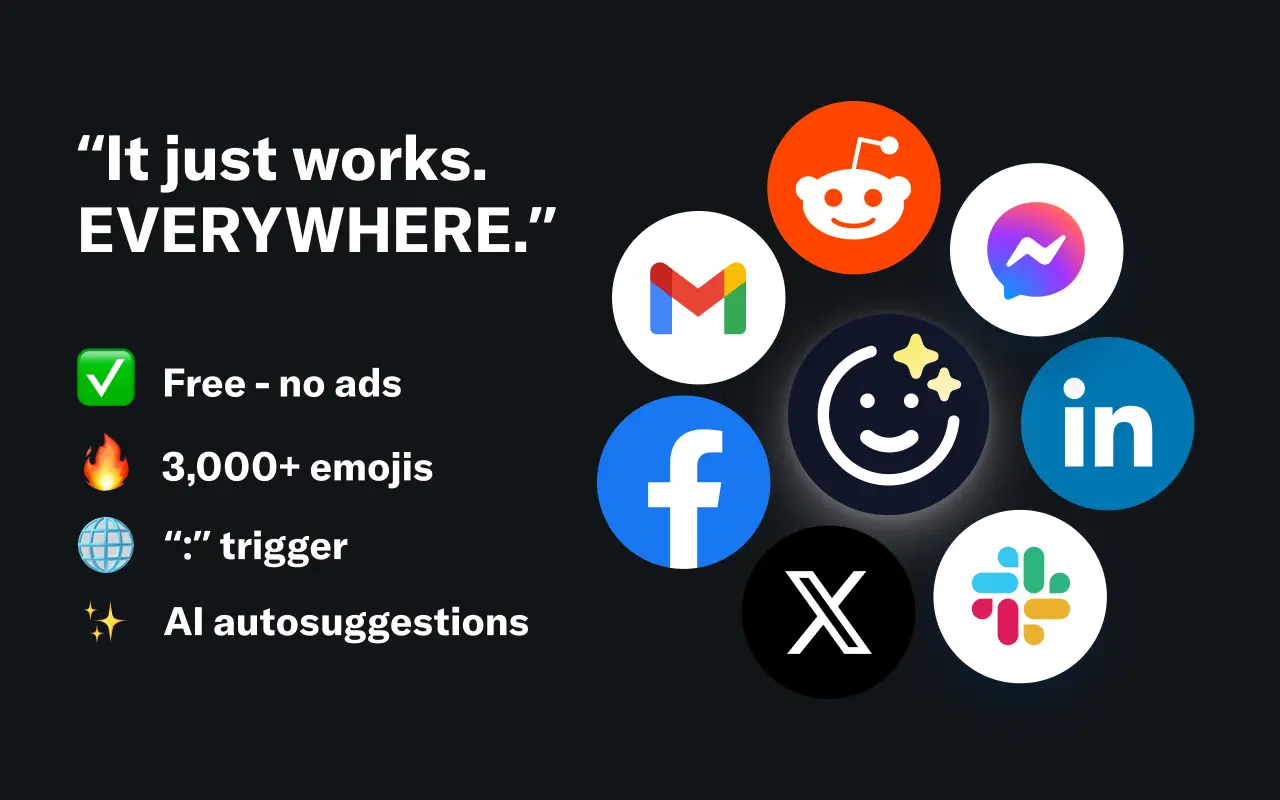
EmojAI
AI-powered emoji picker with smart, context-aware suggestions 🤖
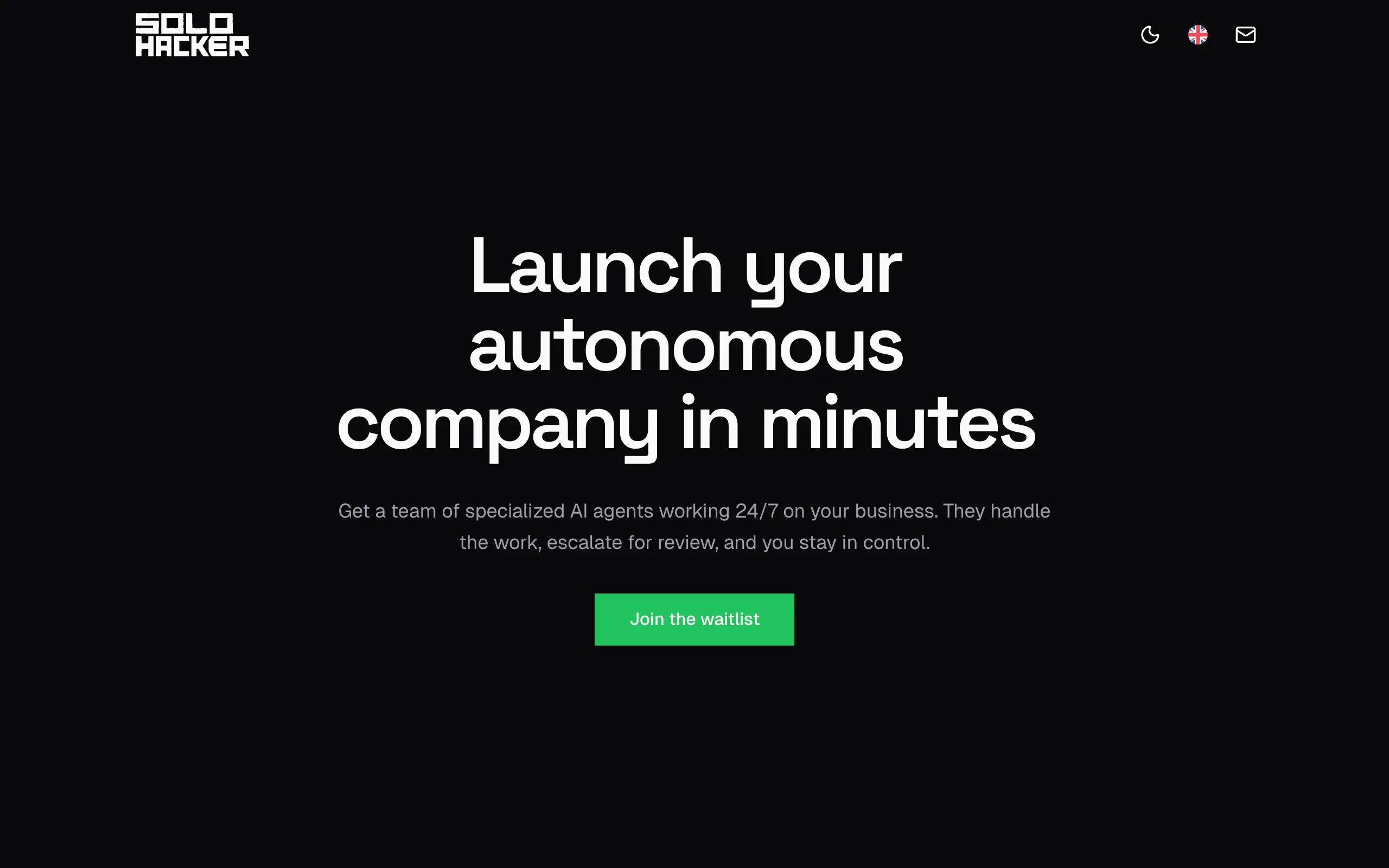
Solohacker
Autonomous company launcher - AI agents work 24/7, escalate what matters, and you stay in control 🤖
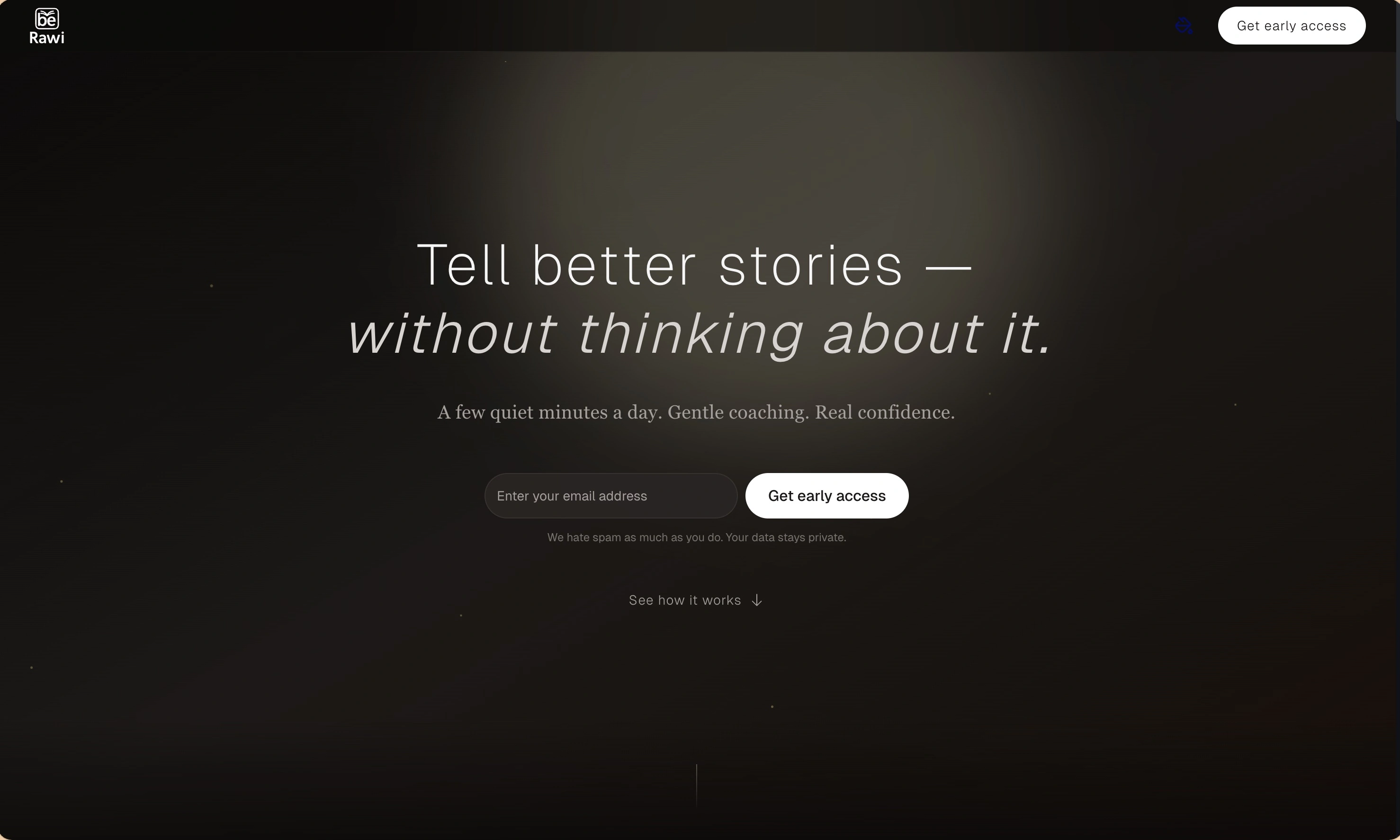
BeRawi: Storytelling Coach
Practice storytelling daily with instant feedback to sound clearer, more engaging, and confident 🎤
Omichat
Chat with 50+ AI models, including ChatGPT and Claude, in one place - switch models anytime without losing context 🤖
Claude Fast
Supercharge your Claude Code with 6x effective context window and specialized AI agents 🤖
EmojAI
AI-powered emoji picker with smart, context-aware suggestions 🤖
Solohacker
Autonomous company launcher - AI agents work 24/7, escalate what matters, and you stay in control 🤖
BeRawi: Storytelling Coach
Practice storytelling daily with instant feedback to sound clearer, more engaging, and confident 🎤
Omichat
Chat with 50+ AI models, including ChatGPT and Claude, in one place - switch models anytime without losing context 🤖
Claude Fast
Supercharge your Claude Code with 6x effective context window and specialized AI agents 🤖
EmojAI
AI-powered emoji picker with smart, context-aware suggestions 🤖
Solohacker
Autonomous company launcher - AI agents work 24/7, escalate what matters, and you stay in control 🤖
BeRawi: Storytelling Coach
Practice storytelling daily with instant feedback to sound clearer, more engaging, and confident 🎤
Omichat
Chat with 50+ AI models, including ChatGPT and Claude, in one place - switch models anytime without losing context 🤖
Claude Fast
Supercharge your Claude Code with 6x effective context window and specialized AI agents 🤖
EmojAI
AI-powered emoji picker with smart, context-aware suggestions 🤖
Solohacker
Autonomous company launcher - AI agents work 24/7, escalate what matters, and you stay in control 🤖
BeRawi: Storytelling Coach
Practice storytelling daily with instant feedback to sound clearer, more engaging, and confident 🎤

Connect with like-minded people
Join our community to get feedback, support, and grow together with 1,000+ builders on board, let's ship it!
Join usShip your startup everywhere. In minutes.
Don't burn tokens on setup and start building features on day one.