InsightPilot AI
AI-powered customer interview analyzer that turns calls, surveys, and support chats into actionable product insights in minutes.
What is InsightPilot AI and why it matters now
Customer feedback is everywhere—Zoom interviews, Typeform surveys, Intercom chats, support tickets, NPS responses, community threads. Yet most product teams struggle to turn this raw, qualitative data into clear, prioritized, and actionable product insights.
InsightPilot AI is an AI-powered customer interview analyzer that transforms calls, surveys, and support conversations into structured insights in minutes. Instead of manually tagging transcripts, building spreadsheets, and debating themes for hours, teams receive:
- Key pain points grouped by theme
- Feature requests ranked by frequency and impact
- Sentiment analysis across segments
- Quotable customer evidence
- Clear product recommendations
In a world where product velocity is increasing and competition is global, the ability to extract insight quickly from qualitative data is a major competitive advantage.
This article explores the full opportunity behind InsightPilot AI—from market gap and target audience to core features, tech stack, monetization, competitive advantage, and implementation roadmap.
The market problem: qualitative data is underutilized
Modern product teams talk to customers more than ever. Between product discovery interviews, churn interviews, onboarding calls, and support tickets, companies generate massive amounts of unstructured feedback.
However:
- Most insights stay trapped in Notion docs.
- Tagging and clustering interviews is manual and slow.
- Only a small portion of feedback influences the roadmap.
- Bias creeps into manual analysis.
- Scaling research is difficult without hiring researchers.
The hidden cost of manual analysis
A typical workflow looks like this:
- Conduct 10–20 customer interviews.
- Transcribe them.
- Manually tag themes.
- Create affinity maps.
- Synthesize into a summary.
- Present to stakeholders.
This process can take 8–20+ hours per batch of interviews.
Now multiply that by:
- Multiple product squads
- Weekly support calls
- Ongoing NPS surveys
- Continuous discovery processes
The result: valuable signals get buried.
Why now is the perfect time
Three macro trends make InsightPilot AI highly relevant:
- AI maturity – Large language models (LLMs) can now summarize, classify, and cluster qualitative data reliably.
- Remote-first research – More calls and chats mean more transcript data.
- Product-led growth (PLG) – Continuous user feedback is critical for retention and growth.
AI-driven qualitative analysis is no longer experimental—it’s practical and scalable.
Target audience analysis
InsightPilot AI is not for everyone. Its success depends on focusing on high-intent, feedback-heavy segments.
Primary audience: product teams
Product managers (PMs)
- Need structured insights fast
- Struggle to justify roadmap decisions
- Want evidence-backed prioritization
Product designers / UX researchers
- Conduct interviews regularly
- Spend hours synthesizing findings
- Need clean research reports
Head of Product / CPOs
- Want visibility into customer trends
- Need executive-ready summaries
- Seek scalable research systems
Secondary audience: customer-facing teams
Customer success teams
- Want to surface churn risks
- Need patterns from onboarding calls
Support teams
- Want recurring issue clustering
- Need feedback loops to product
Growth teams
- Analyze churn surveys
- Extract value propositions from user feedback
Ideal customer profile (ICP)
- SaaS companies (Seed to Series C)
- 5–200 employees
- Running regular customer interviews
- Using tools like Zoom, Intercom, HubSpot, Typeform
- Already storing transcripts somewhere
High-value niche focus
The strongest early niche is B2B SaaS startups practicing continuous discovery. These teams feel the pain acutely and are willing to pay for speed and clarity.
Market opportunity and gap analysis
Existing tools fall into three categories
- Transcription tools (e.g., Otter-style products)
- Survey platforms (Typeform, SurveyMonkey)
- Product feedback aggregators (feature request boards)
None of these fully solve end-to-end qualitative insight synthesis.
The gap
| Problem | Existing Solution | Gap |
|---|---|---|
| Transcription | Converts audio to text | No structured insight generation |
| Survey analysis | Basic analytics | Weak open-text clustering |
| Manual research | Flexible | Slow and non-scalable |
InsightPilot AI bridges the gap by:
- Ingesting multiple sources
- Automatically clustering themes
- Prioritizing insights
- Generating roadmap-ready output
Core features of InsightPilot AI
Below is a detailed breakdown of what makes the product powerful and differentiated.
1. Multi-source ingestion
InsightPilot AI should support:
- Zoom / Google Meet transcripts
- Uploaded audio files
- Survey CSV exports
- Intercom / Zendesk chats
- HubSpot ticket exports
- Manual text pasting
The goal is centralized qualitative intelligence.
2. AI-powered thematic clustering
Using LLM-based embeddings and clustering:
- Detect recurring themes
- Group related quotes
- Surface frequency counts
- Identify edge-case insights
This replaces manual affinity mapping.
3. Sentiment and urgency scoring
Each theme should include:
- Overall sentiment (positive/neutral/negative)
- Emotional intensity
- Impact score
- Segment breakdown
Example:
- “Pricing confusion” – High negative sentiment, High frequency
- “Missing integrations” – Medium frequency, High urgency
4. Feature request extraction
Automatically detect:
- Explicit feature requests
- Implicit feature needs
- Workarounds mentioned by users
Then cluster and rank them.
5. Customer persona segmentation
Allow tagging by:
- User role
- Plan tier
- Industry
- Account size
Then filter insights by segment.
6. Insight summary generator
One-click outputs:
- Executive summary
- Research report
- Roadmap recommendations
- Slack-ready summaries
7. Evidence-backed insights
Every theme should include:
- Verbatim quotes
- Number of mentions
- Sample transcripts
- Confidence score
This increases stakeholder trust.
Example workflow
Time saved: 10+ hours per research cycle.
Technical architecture and recommended tech stack
Building an AI-powered customer interview analyzer requires thoughtful trade-offs between scalability, cost, and accuracy.
Frontend
Why:
- Component-based architecture
- Excellent developer ecosystem
- Fast iteration
- SEO-friendly
Backend
Options:
Node.js
- Great for real-time processing
- Strong ecosystem
- Easy integration with frontend
Python
- Rich AI/ML ecosystem
- Strong data processing libraries
- Ideal for advanced NLP pipelines
Recommendation:
- Hybrid approach: Node.js API + Python microservice for AI processing.
AI layer
Core components:
- LLM for summarization
- Embeddings for clustering
- Vector database (e.g., Pinecone-style systems)
- Custom scoring logic
Trade-offs:
- API-based LLM → Faster development, variable cost
- Self-hosted models → Lower long-term cost, higher infra complexity
Database
- PostgreSQL for structured data
- Vector DB for semantic search
- Object storage for transcripts
Security and compliance
Because transcripts contain sensitive data:
- SOC 2 roadmap
- Encryption at rest and in transit
- Role-based access
- Data retention controls
Privacy is critical
Customer interviews often contain confidential business details. Security and compliance are not optional—they are central to product trust and enterprise adoption.
Competitive landscape and differentiation
Potential competitors include:
- Transcription platforms adding AI summaries
- Research tools like Dovetail
- Product feedback tools
- Generic AI chat tools
Competitive comparison
| Capability | Transcription Tools | Research Platforms | Generic AI | InsightPilot AI |
|---|---|---|---|---|
| Thematic clustering | ❌ | ✅ | ❌ | ✅ |
| Roadmap recommendations | ❌ | ❌ | ❌ | ✅ |
| Multi-source ingestion | ✅ | ✅ | ❌ | ✅ |
Unique selling proposition (USP)
InsightPilot AI is not just an analyzer—it is a product decision intelligence engine.
It goes beyond summarization by:
- Ranking insights by impact
- Linking feedback to roadmap themes
- Providing segment-level breakdowns
- Delivering executive-ready output
Monetization strategy
Tiered SaaS pricing
Starter – $49–$79/month
- Limited transcripts
- Basic clustering
- Export summaries
Growth – $149–$299/month
- Higher transcript volume
- Advanced segmentation
- Integrations
Pro – $499+/month
- Unlimited processing
- Priority AI processing
- API access
- Team collaboration
- Compliance features
Usage-based model
Charge per:
- Transcript processed
- Minutes analyzed
- Number of insights generated
Hybrid pricing (base + usage) may be optimal.
Enterprise strategy
- Annual contracts
- SOC 2 compliance
- Dedicated onboarding
- Custom integrations
Potential risks and mitigation
Risk 1: AI hallucinations
Mitigation:
- Evidence-backed quotes
- Confidence scores
- Human review workflows
Risk 2: Market saturation
Mitigation:
- Narrow positioning (B2B SaaS product teams)
- Superior UX
- Clear ROI messaging
Risk 3: Data privacy concerns
Mitigation:
- Transparent policies
- Encryption
- Data deletion options
Risk 4: Model costs
Mitigation:
- Intelligent batching
- Tiered processing
- Fine-tuned smaller models for clustering
Growth strategy
Content marketing
Target SEO keywords like:
- AI customer interview analysis
- Customer feedback analysis tool
- Product discovery AI tool
- How to analyze user interviews
- Thematic analysis software
Create:
- Case studies
- Research methodology guides
- Product discovery templates
- Benchmark reports
Community-driven growth
- Product-led growth model
- Integrations with Slack
- Shareable insight reports
- Free trial with limited transcripts
Partnerships
- Product coaching communities
- UX research networks
- Startup accelerators
Implementation roadmap
MVP feature scope
Focus on:
- Transcript upload
- Theme clustering
- Sentiment scoring
- Insight summary export
Avoid:
- Overbuilding integrations early
- Complex dashboard analytics
- Enterprise features
Sample clustering logic (simplified)
import { clusterEmbeddings } from "./clustering";
import { generateSummary } from "./llm";

async function processTranscripts(transcripts: string[]) {
  const embeddings = await createEmbeddings(transcripts);
  const clusters = clusterEmbeddings(embeddings);
  const summaries = await Promise.all(
    clusters.map(cluster => generateSummary(cluster.texts))
  );

  return summaries;
}
This simplified flow:
- Create embeddings
- Cluster semantically similar content
- Generate summaries per cluster
Why InsightPilot AI can win
Success depends on:
- Sharp positioning
- UX simplicity
- Trustworthy AI outputs
- Clear ROI
The average product manager values time at $50–$150/hour. If InsightPilot saves 10 hours per month, it pays for itself instantly.
This is a strong ROI-driven value proposition.
Final thoughts and next steps
InsightPilot AI addresses a real, painful, and growing problem: turning unstructured customer feedback into actionable product insight.
The opportunity lies in:
- AI-powered thematic clustering
- Roadmap-ready recommendations
- Evidence-backed insights
- Fast processing
- Strong data security
The key is not building a “generic AI summary tool,” but positioning it as a decision intelligence system for product teams.
If you're building InsightPilot AI, focus on:
- A narrow, high-value niche
- Measurable ROI
- Strong UX and trust
- Incremental AI improvement
- Clear differentiation from transcription tools
When building your MVP and scaling infrastructure, using a production-ready SaaS foundation can dramatically reduce time to market. Tools like TurboStarter can help accelerate your development with authentication, billing, and core SaaS architecture already in place.
The future of product development belongs to teams who can listen better—and act faster. InsightPilot AI is positioned to become the operating system for customer-driven product decisions.
More 🤖 AI Startup SaaS ideas
Discover more innovative ai startup SaaS ideas that are trending in 2026. Each idea is AI-generated with market validation and growth potential to help you find your next profitable venture faster than competitors.
Your competitors are building with TurboStarter
Below are some of the SaaS ideas that have been generated and built with our starter kit.
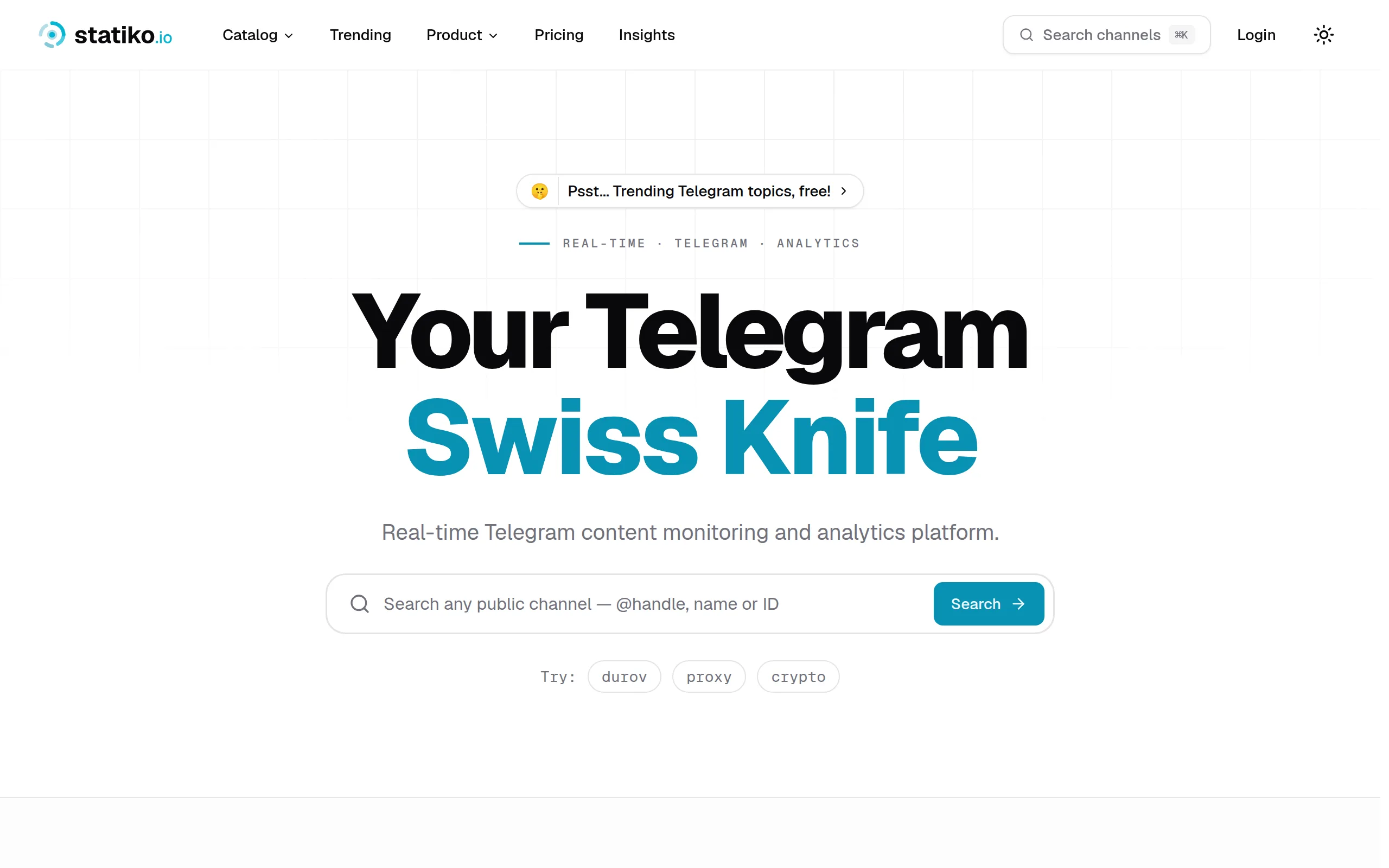
Statiko
Monitor any Telegram channel in real time - track posts, edits, deletions, and growth with AI recaps 📡

Shibui
AI website builder - describe your business, pick a niche template, edit by chatting, and publish instantly ✨

Pro Service
Find verified home service professionals, compare quotes, and pay securely through escrow - built for Brazilians across the US 🏠
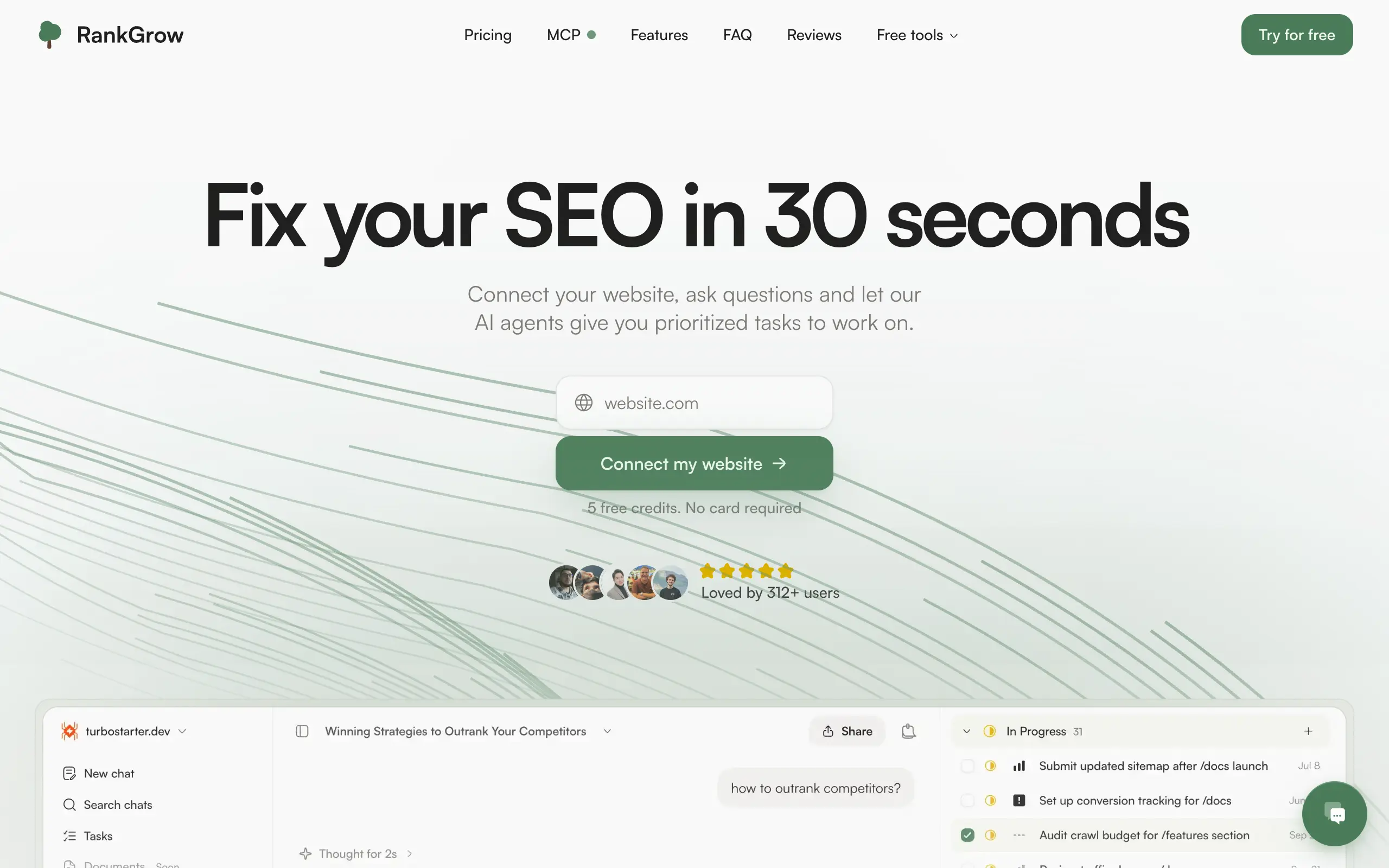
RankGrow
Fix your SEO with AI agents - connect Search Console, get prioritized tasks, and grow organic traffic 📈
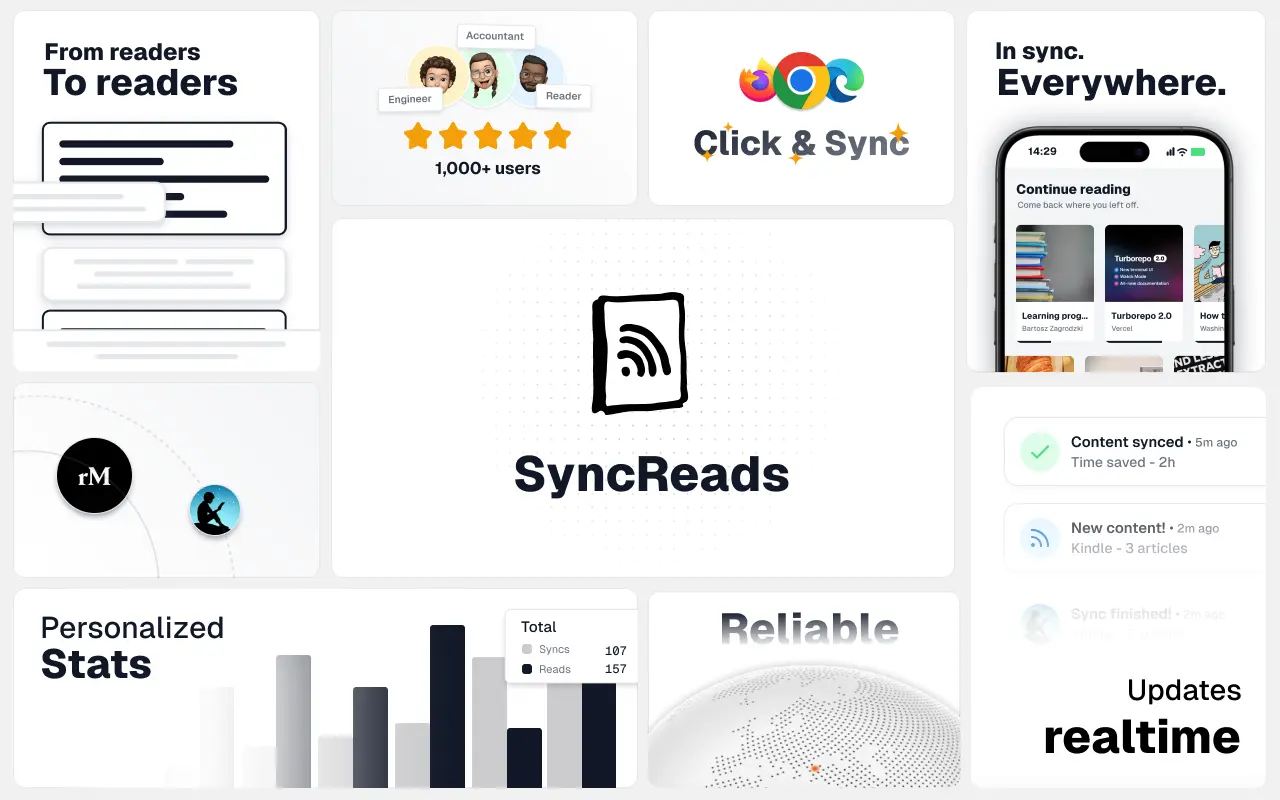
SyncReads
Sync your favorite content for distraction-free reading, save time and replace multiple apps. Anytime, anywhere 🔄
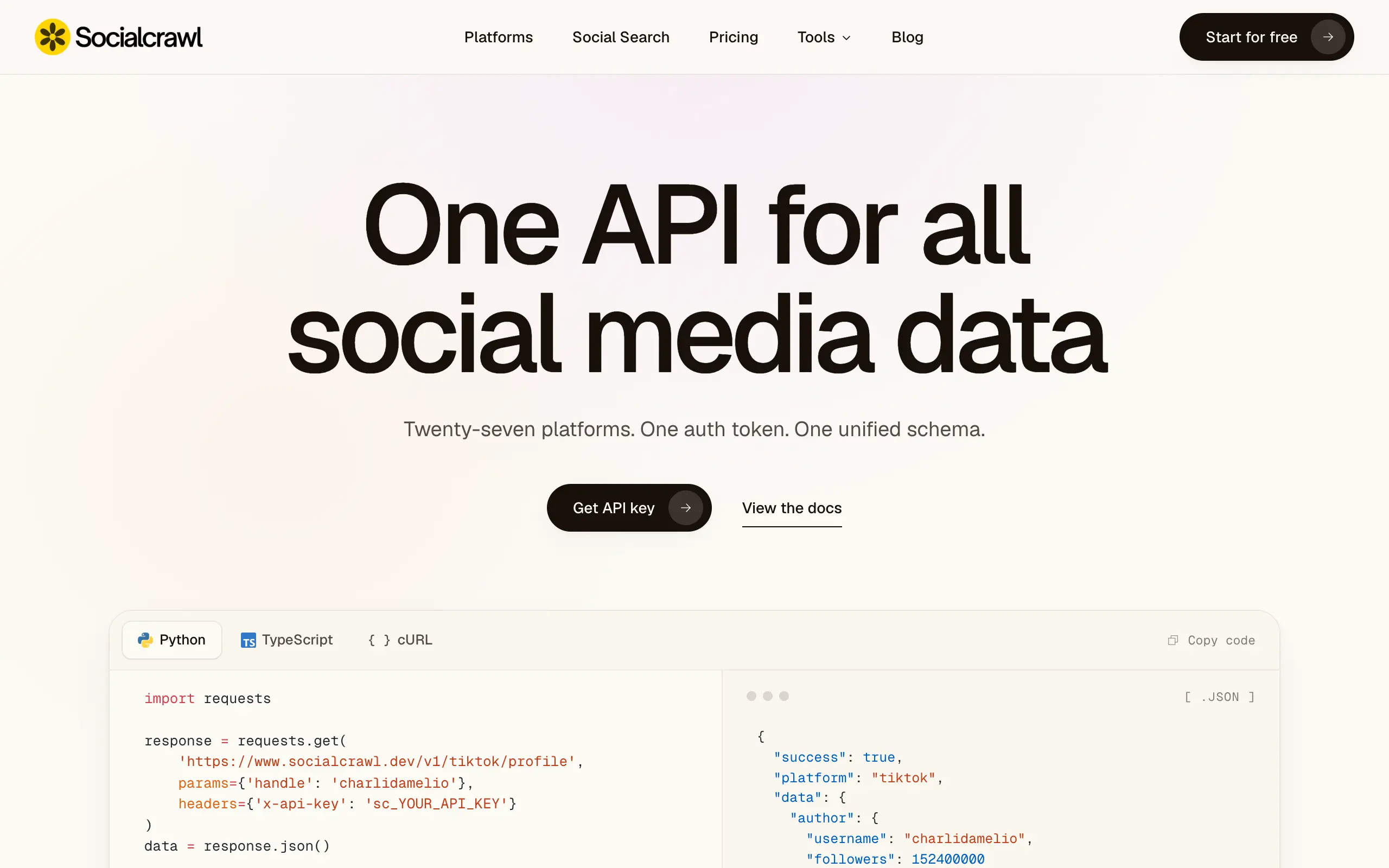
Socialcrawl
Get clean, structured data from 21 platforms like TikTok, Instagram, and YouTube with a single request 📊
Statiko
Monitor any Telegram channel in real time - track posts, edits, deletions, and growth with AI recaps 📡
Shibui
AI website builder - describe your business, pick a niche template, edit by chatting, and publish instantly ✨
Pro Service
Find verified home service professionals, compare quotes, and pay securely through escrow - built for Brazilians across the US 🏠
RankGrow
Fix your SEO with AI agents - connect Search Console, get prioritized tasks, and grow organic traffic 📈
SyncReads
Sync your favorite content for distraction-free reading, save time and replace multiple apps. Anytime, anywhere 🔄
Socialcrawl
Get clean, structured data from 21 platforms like TikTok, Instagram, and YouTube with a single request 📊
Statiko
Monitor any Telegram channel in real time - track posts, edits, deletions, and growth with AI recaps 📡
Shibui
AI website builder - describe your business, pick a niche template, edit by chatting, and publish instantly ✨
Pro Service
Find verified home service professionals, compare quotes, and pay securely through escrow - built for Brazilians across the US 🏠
RankGrow
Fix your SEO with AI agents - connect Search Console, get prioritized tasks, and grow organic traffic 📈
SyncReads
Sync your favorite content for distraction-free reading, save time and replace multiple apps. Anytime, anywhere 🔄
Socialcrawl
Get clean, structured data from 21 platforms like TikTok, Instagram, and YouTube with a single request 📊
Statiko
Monitor any Telegram channel in real time - track posts, edits, deletions, and growth with AI recaps 📡
Shibui
AI website builder - describe your business, pick a niche template, edit by chatting, and publish instantly ✨
Pro Service
Find verified home service professionals, compare quotes, and pay securely through escrow - built for Brazilians across the US 🏠
RankGrow
Fix your SEO with AI agents - connect Search Console, get prioritized tasks, and grow organic traffic 📈
SyncReads
Sync your favorite content for distraction-free reading, save time and replace multiple apps. Anytime, anywhere 🔄
Socialcrawl
Get clean, structured data from 21 platforms like TikTok, Instagram, and YouTube with a single request 📊
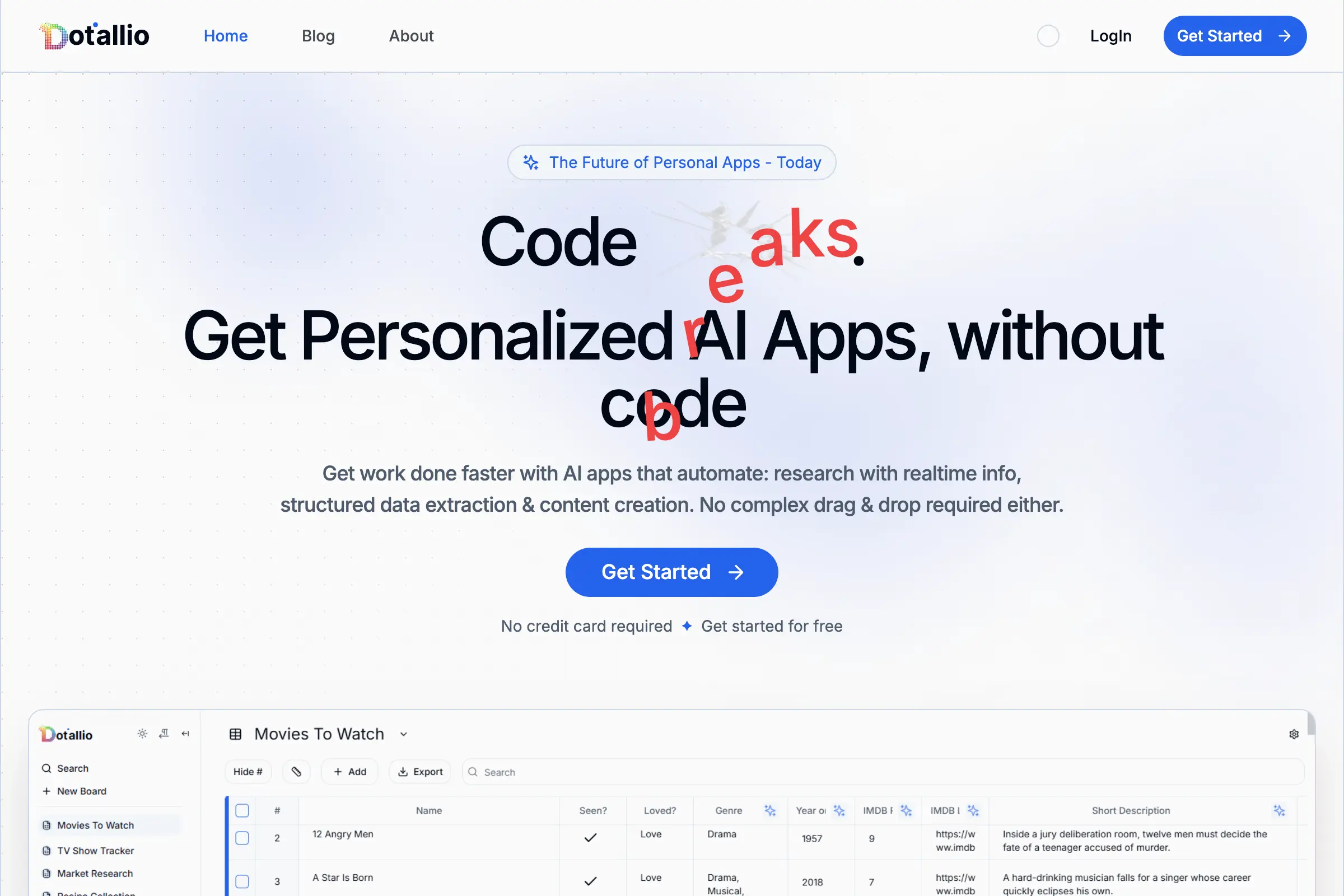
Dotallio
Personalized AI apps that automate research, data extraction, and content creation without code 🤖

Talk to Santa
Enjoy a magical live video chat or receive a unique AI-generated video greeting from Santa Claus 🎅
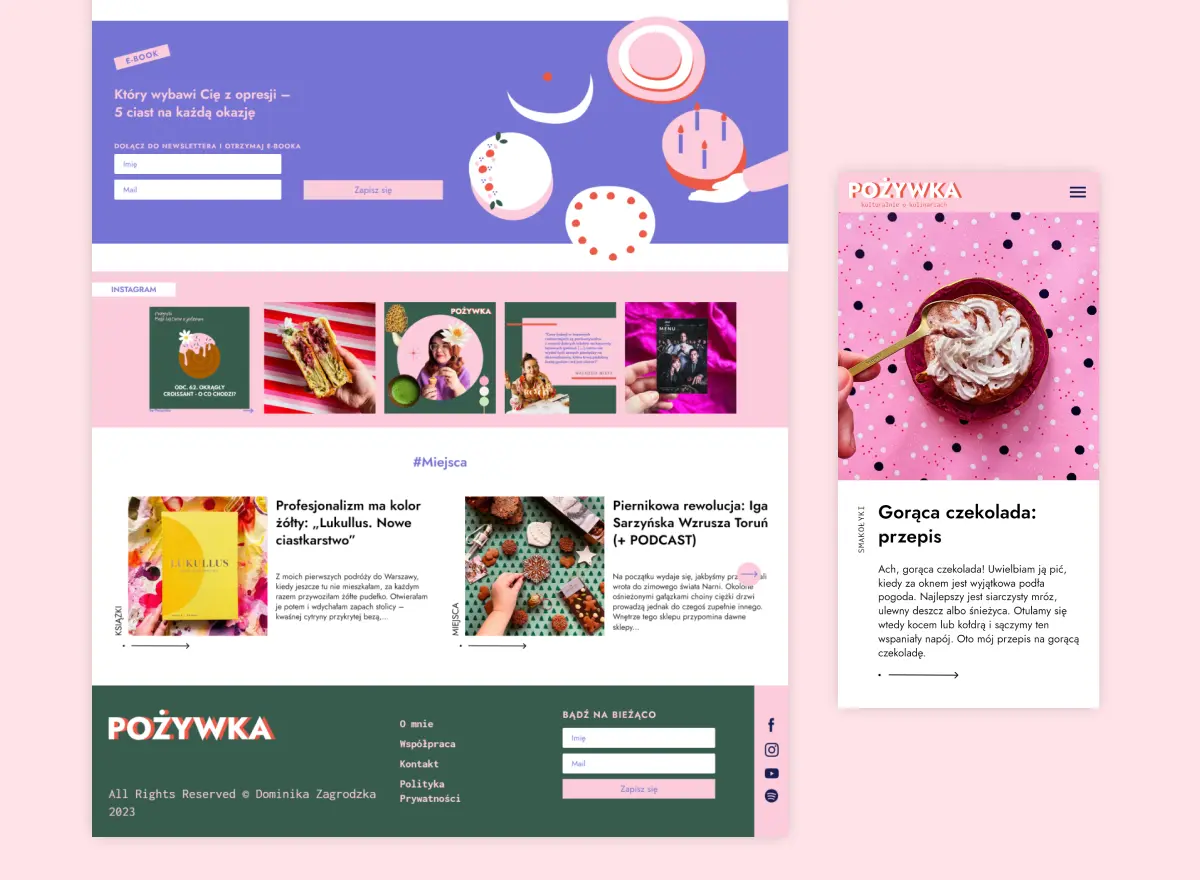
pozywka.pl
Scalable blog for food journalist, focused on performance and user experience 🌭
zagrodzki.me
Personal blog and portfolio of Bart Zagrodzki, where he shares his knowledge and work 💼
TurboStarter
Ship your startup everywhere. In minutes.
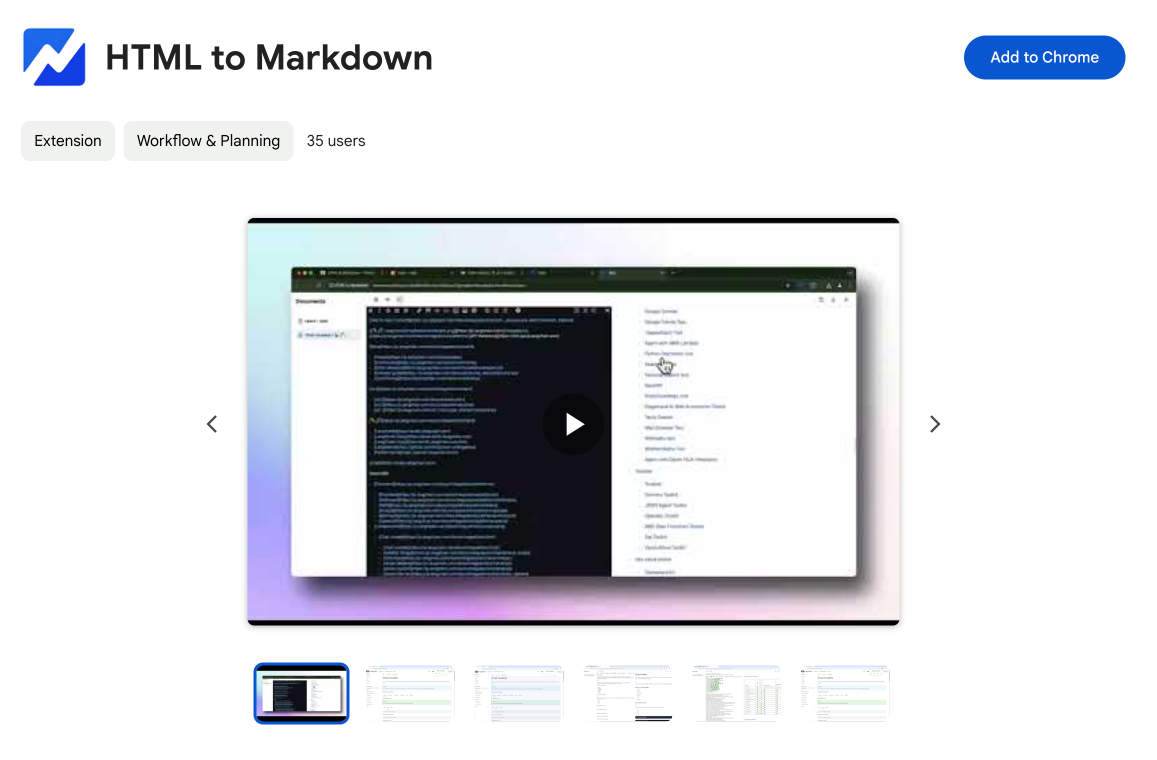
HTML to Markdown
Convert HTML to Markdown with ease, directly in your browser 📄
Dotallio
Personalized AI apps that automate research, data extraction, and content creation without code 🤖
Talk to Santa
Enjoy a magical live video chat or receive a unique AI-generated video greeting from Santa Claus 🎅
pozywka.pl
Scalable blog for food journalist, focused on performance and user experience 🌭
zagrodzki.me
Personal blog and portfolio of Bart Zagrodzki, where he shares his knowledge and work 💼
TurboStarter
Ship your startup everywhere. In minutes.
HTML to Markdown
Convert HTML to Markdown with ease, directly in your browser 📄
Dotallio
Personalized AI apps that automate research, data extraction, and content creation without code 🤖
Talk to Santa
Enjoy a magical live video chat or receive a unique AI-generated video greeting from Santa Claus 🎅
pozywka.pl
Scalable blog for food journalist, focused on performance and user experience 🌭
zagrodzki.me
Personal blog and portfolio of Bart Zagrodzki, where he shares his knowledge and work 💼
TurboStarter
Ship your startup everywhere. In minutes.
HTML to Markdown
Convert HTML to Markdown with ease, directly in your browser 📄
Dotallio
Personalized AI apps that automate research, data extraction, and content creation without code 🤖
Talk to Santa
Enjoy a magical live video chat or receive a unique AI-generated video greeting from Santa Claus 🎅
pozywka.pl
Scalable blog for food journalist, focused on performance and user experience 🌭
zagrodzki.me
Personal blog and portfolio of Bart Zagrodzki, where he shares his knowledge and work 💼
TurboStarter
Ship your startup everywhere. In minutes.
HTML to Markdown
Convert HTML to Markdown with ease, directly in your browser 📄
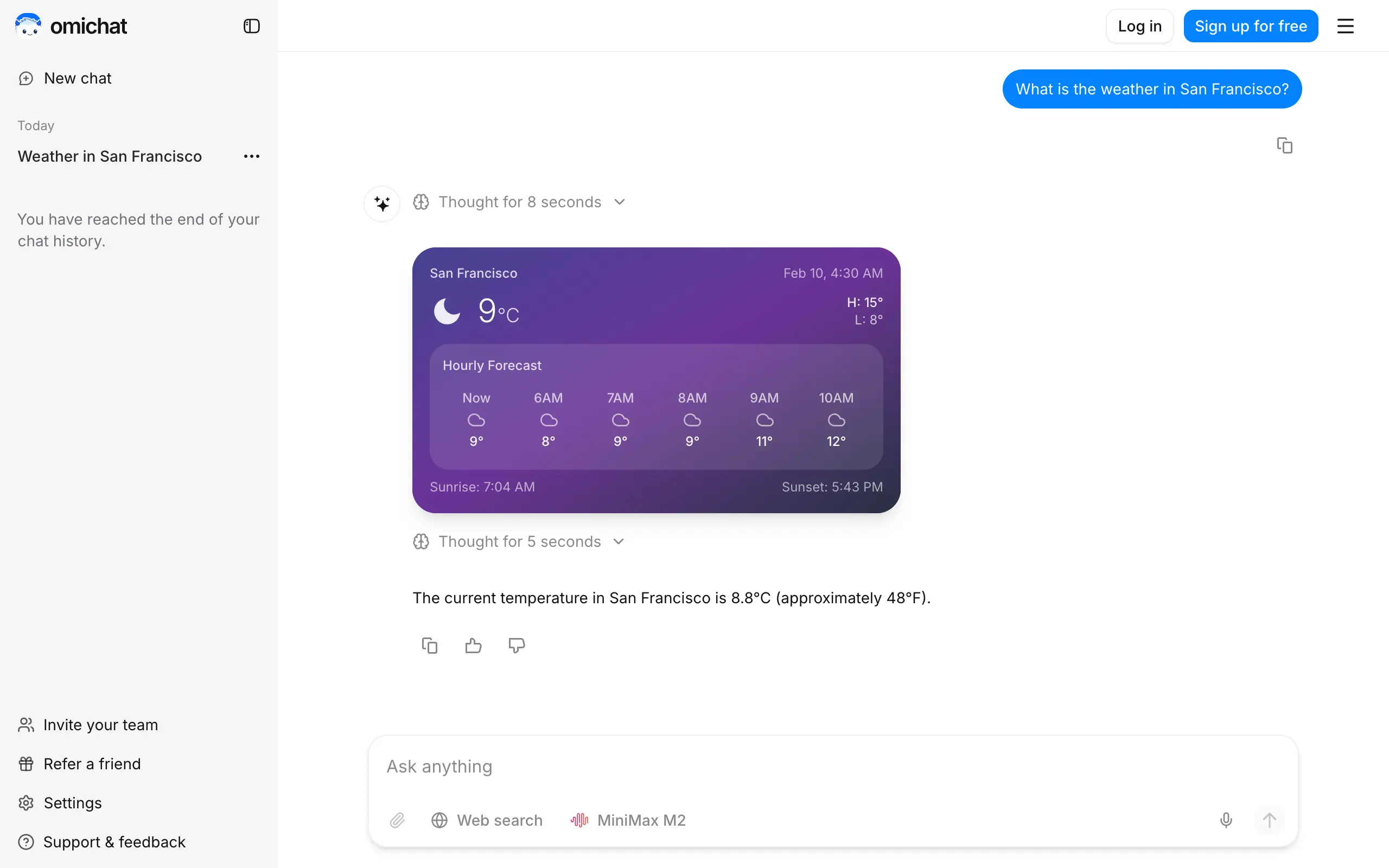
Omichat
Chat with 50+ AI models, including ChatGPT and Claude, in one place - switch models anytime without losing context 🤖
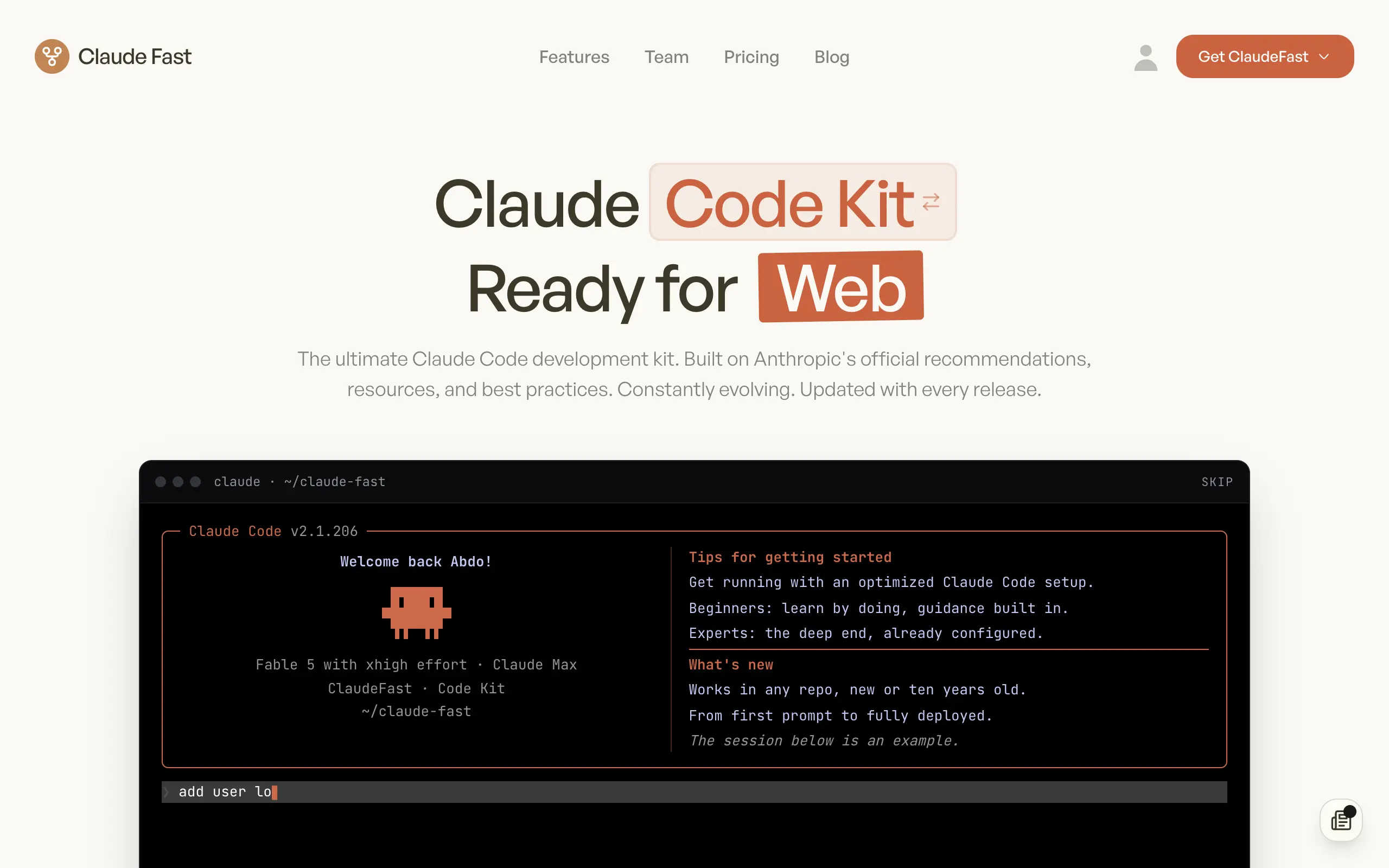
Claude Fast
Supercharge your Claude Code with 6x effective context window and specialized AI agents 🤖
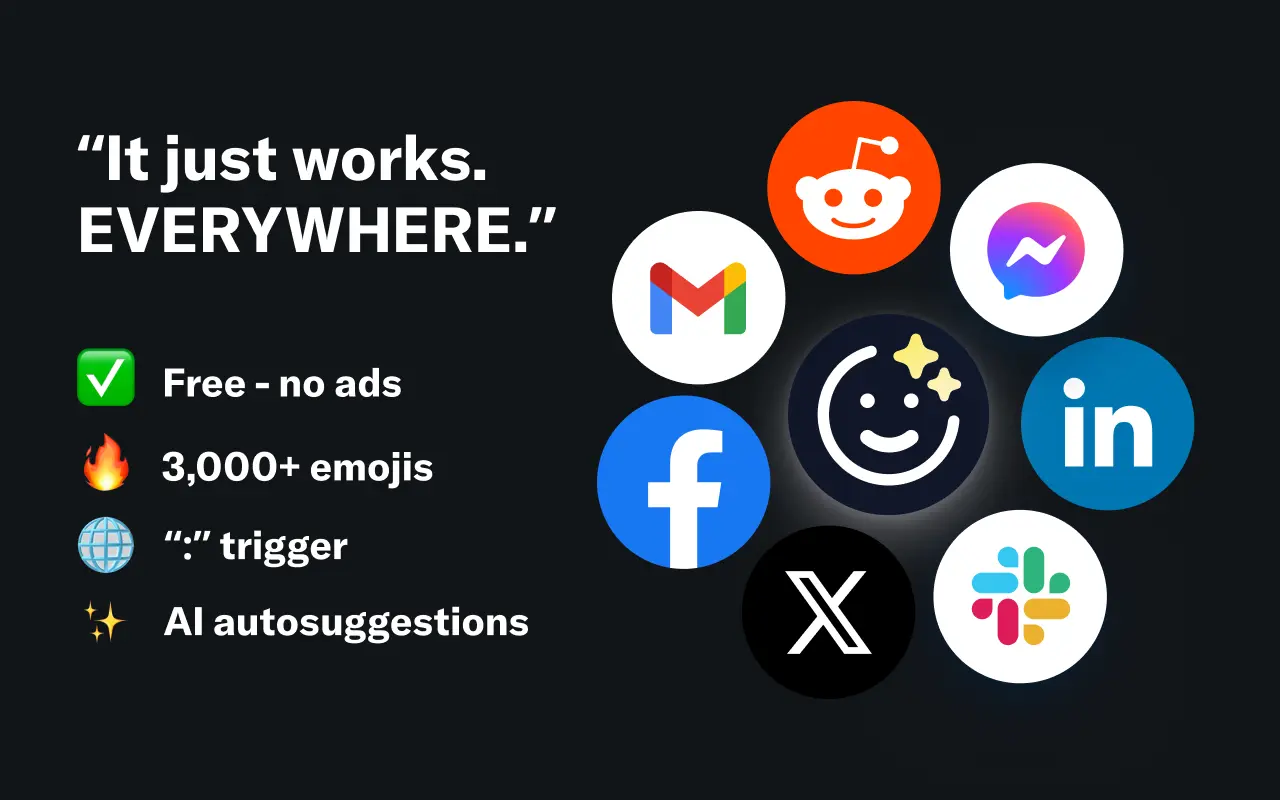
EmojAI
AI-powered emoji picker with smart, context-aware suggestions 🤖
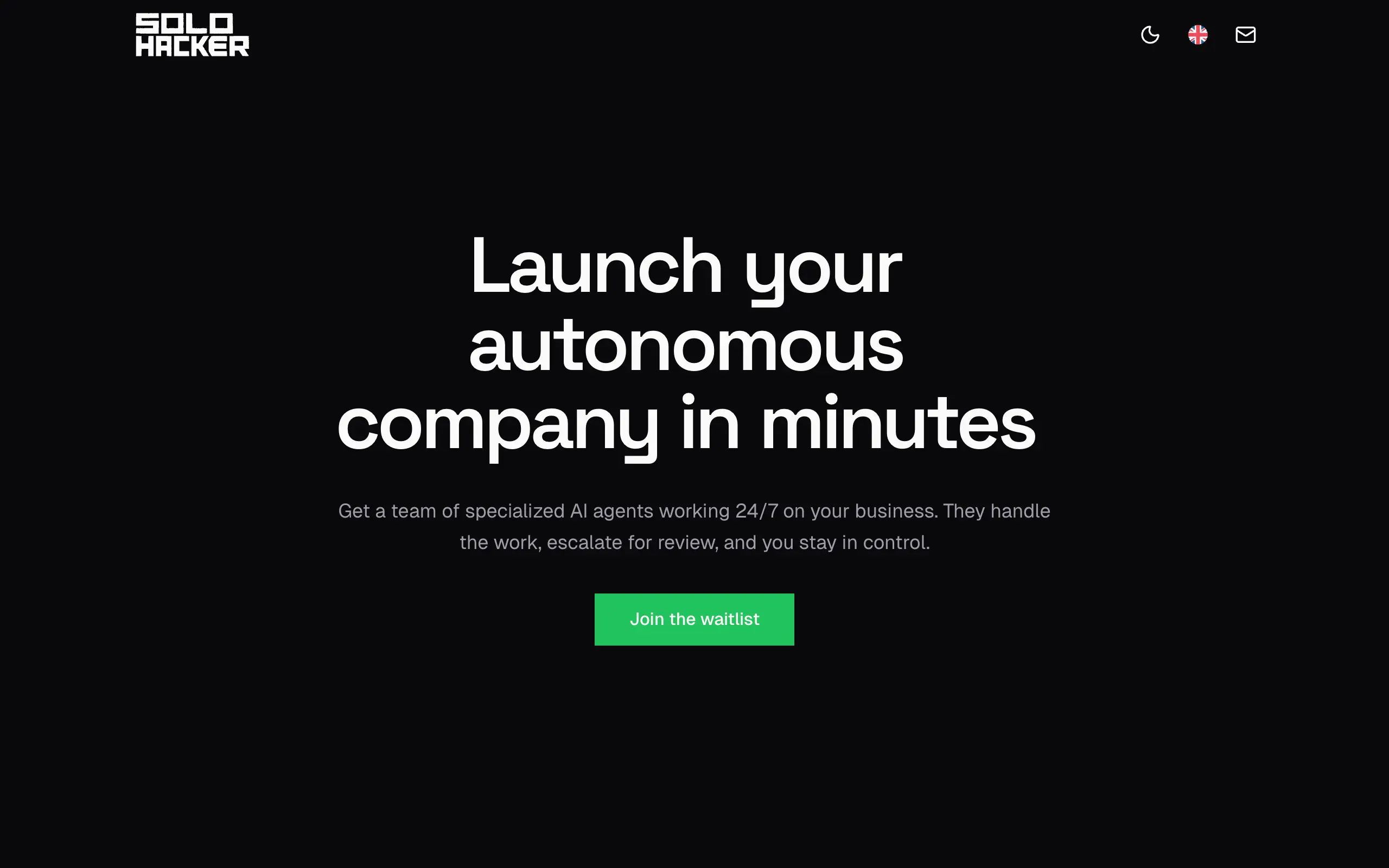
Solohacker
Autonomous company launcher - AI agents work 24/7, escalate what matters, and you stay in control 🤖
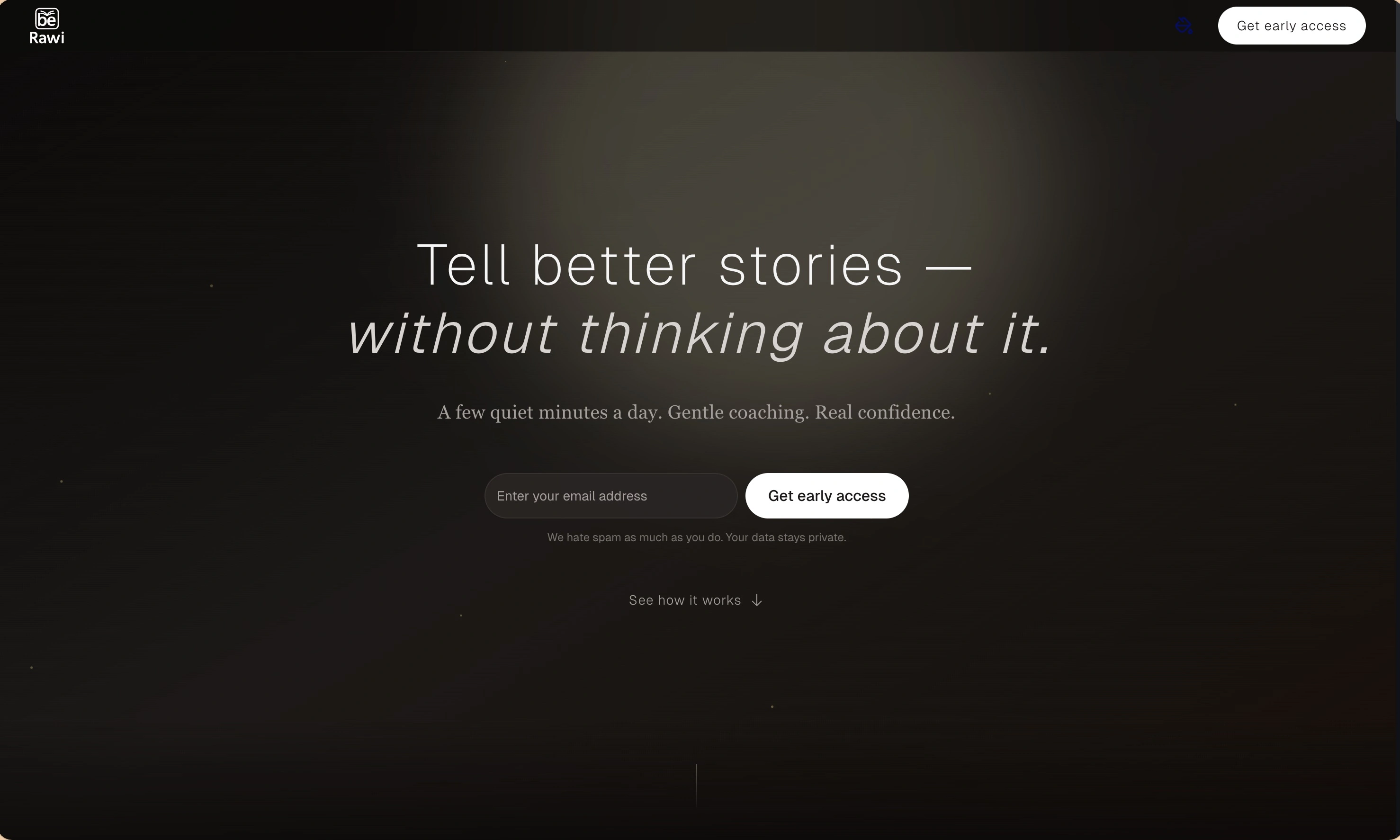
BeRawi: Storytelling Coach
Practice storytelling daily with instant feedback to sound clearer, more engaging, and confident 🎤
Omichat
Chat with 50+ AI models, including ChatGPT and Claude, in one place - switch models anytime without losing context 🤖
Claude Fast
Supercharge your Claude Code with 6x effective context window and specialized AI agents 🤖
EmojAI
AI-powered emoji picker with smart, context-aware suggestions 🤖
Solohacker
Autonomous company launcher - AI agents work 24/7, escalate what matters, and you stay in control 🤖
BeRawi: Storytelling Coach
Practice storytelling daily with instant feedback to sound clearer, more engaging, and confident 🎤
Omichat
Chat with 50+ AI models, including ChatGPT and Claude, in one place - switch models anytime without losing context 🤖
Claude Fast
Supercharge your Claude Code with 6x effective context window and specialized AI agents 🤖
EmojAI
AI-powered emoji picker with smart, context-aware suggestions 🤖
Solohacker
Autonomous company launcher - AI agents work 24/7, escalate what matters, and you stay in control 🤖
BeRawi: Storytelling Coach
Practice storytelling daily with instant feedback to sound clearer, more engaging, and confident 🎤
Omichat
Chat with 50+ AI models, including ChatGPT and Claude, in one place - switch models anytime without losing context 🤖
Claude Fast
Supercharge your Claude Code with 6x effective context window and specialized AI agents 🤖
EmojAI
AI-powered emoji picker with smart, context-aware suggestions 🤖
Solohacker
Autonomous company launcher - AI agents work 24/7, escalate what matters, and you stay in control 🤖
BeRawi: Storytelling Coach
Practice storytelling daily with instant feedback to sound clearer, more engaging, and confident 🎤

Connect with like-minded people
Join our community to get feedback, support, and grow together with 1,000+ builders on board, let's ship it!
Join usShip your startup everywhere. In minutes.
Don't burn tokens on setup and start building features on day one.