InstructorFlow AI
AI marketplace that matches learner drivers with vetted instructors by availability, location, language, and teaching style, with instant booking.
What InstructorFlow AI solves for learner drivers and instructors
Finding the right driving instructor is still far more difficult than it should be. Learner drivers often rely on word-of-mouth recommendations, outdated directories, local social media groups, or trial-and-error calls to instructors who may not have appointments for weeks. The problem becomes even more frustrating when a learner needs an instructor who speaks a specific language, serves a particular neighborhood, teaches automatic or manual transmission, or has experience supporting nervous drivers.
InstructorFlow AI is an AI driving instructor marketplace designed to make that matching process faster, more trustworthy, and more personalized. It connects learner drivers with vetted driving instructors based on location, real-time availability, language, vehicle type, price range, teaching style, learner goals, and scheduling preferences. Instead of asking learners to scroll through generic profiles, the platform can recommend the best-fit instructor and enable instant lesson booking.
For instructors, the platform addresses the other side of the marketplace problem. Independent instructors and driving schools frequently lose leads because they cannot answer messages quickly, have fragmented booking systems, or lack strong digital visibility. InstructorFlow AI can help them fill unused slots, manage availability, reduce administrative work, and attract learners who are more likely to convert and stay engaged.
The opportunity is not simply to build another local directory. The defensible product is a smart driving lesson booking platform that creates confidence before the first lesson, supports the learner across the booking journey, and gives instructors a practical operating system for managing demand.
Core positioning
InstructorFlow AI should position itself as the trusted matching and booking layer between learner drivers and qualified instructors, not merely as a lead-generation directory.
Why the driving instructor marketplace opportunity is growing
Driving lessons are a high-intent, locally purchased service. Most learners do not browse driving instructors casually. They search when they have a direct need, such as preparing for a practical test, booking their first lesson, switching instructors, learning in a new country, or building confidence after a failed test.
That intent creates favorable marketplace conditions. Learners need relevant local supply, while instructors need a predictable way to generate bookings. However, the market remains fragmented in many cities because instructors often operate as solo businesses with limited marketing capacity.
Several market shifts make an AI driving instructor marketplace especially timely.
- "Consumer expectations": People now expect real-time availability, mobile booking, online payments, reminders, and clear reviews for local services.
- "Personalization": Learners increasingly expect recommendations based on their needs rather than a static list sorted only by distance.
- "Diverse urban populations": Language matching and culturally responsive teaching can be meaningful selection factors in multilingual cities.
- "Instructor supply constraints": Where instructor availability is limited, better scheduling and cancellation recovery can create material economic value.
- "Digital operations": Independent service providers are adopting lightweight scheduling, payment, CRM, and messaging software to reduce back-office work.
- "AI-assisted service discovery": Conversational search and recommendation engines can translate vague learner needs into practical instructor matches.
For market sizing, the team should use regional licensing authority data, transport department reports, and reputable industry research rather than relying on broad global estimates. A strong investor or SEO content asset can cite the relevant national road safety agency, driver licensing body, or local transport regulator for data on learner permits, practical test volumes, pass rates, and instructor licensing.
The initial addressable market is especially promising in dense metropolitan areas where learners have many choices but poor information. A single launch city can offer enough demand density to make matching accurate, while concentrating supply makes it easier to manage instructor quality.
Target audience for an AI driving instructor marketplace
InstructorFlow AI has two primary user groups, but successful product strategy must also account for driving schools, parents, employers, and licensing ecosystems.
Learner drivers seeking the right instructor
The central customer is the learner driver who wants a safe, convenient, and confidence-building path to passing their practical driving test.
Important learner segments include the following.
First-time learners
New drivers who need foundational lessons, clear guidance, and a patient instructor with predictable availability.
Test-ready learners
Learners who need focused mock tests, local route familiarity, and last-minute availability before an exam.
Nervous or returning drivers
Adults who may have delayed learning, failed a prior test, or need supportive confidence-based instruction.
International learners
New residents who need instructors familiar with local licensing rules and able to teach in their preferred language.
Learners evaluate instructors using a mix of practical and emotional criteria. Price matters, but it is rarely the only decision factor. They also need assurance that the instructor is qualified, available, patient, nearby, and a good fit for their learning style.
A strong learner onboarding flow should ask simple, useful questions:
- Which area do you want lessons in?
- Do you need automatic, manual, or either vehicle type?
- What is your experience level?
- When would you like to start?
- What language do you prefer for lessons?
- Are you preparing for a test date?
- What teaching environment helps you feel comfortable?
- What is your typical lesson budget?
The AI matching system can turn these answers into explainable recommendations rather than a black-box ranking.
Independent driving instructors
Independent instructors are likely to be the most important supply-side segment for the initial marketplace. Many already have a steady stream of referrals, but they can struggle with inconsistent demand, manual scheduling, no-show risk, and the time spent responding to messages.
Their primary needs include:
- Filling open lesson slots without spending heavily on advertising
- Setting working areas, teaching preferences, and availability
- Reducing text-message scheduling back and forth
- Receiving secure and predictable payments
- Building a credible public reputation through verified reviews
- Managing cancellations and waitlists
- Avoiding low-quality leads that do not convert
To win instructor trust, InstructorFlow AI must be transparent about fees, payment timing, customer support, review moderation, and ranking logic. Instructors may be skeptical of platforms that appear to extract value while controlling customer relationships. The product must show that it helps instructors run better businesses.
Driving schools and multi-instructor operators
Driving schools may be a later but valuable segment. They need fleet management, dispatcher tools, instructor assignment, branch-level reporting, student records, and branded booking pages.
The marketplace can support schools in two ways:
- "Marketplace distribution": Schools list instructor availability and acquire learners through InstructorFlow AI.
- "SaaS operations layer": Schools use scheduling, payments, messaging, and analytics tools even for learners acquired through their own channels.
This hybrid model can make the business more resilient than a marketplace-only product. Marketplace growth may take time, while software subscriptions can provide recurring revenue.
The market gap in driving lesson booking
The main gap is not a lack of instructor listings. It is a lack of trusted, context-aware matching combined with immediate bookability.
Traditional directories often fail in predictable ways:
- Profiles are incomplete or outdated.
- Availability is not visible before contacting an instructor.
- Users cannot easily filter for language, transmission type, accessibility, or teaching approach.
- Reviews may be unverified or too generic to support a meaningful decision.
- Instructors respond slowly because they are teaching.
- Booking, rescheduling, payment, and reminders happen across separate channels.
- Learners cannot tell why one instructor is recommended over another.
InstructorFlow AI can close this gap by treating the booking journey as a continuous workflow. The product should move users from discovery to match, booking, payment, lesson reminders, post-lesson progress, and repeat booking without forcing them to leave the platform.
The unique selling proposition
The most compelling USP is:
InstructorFlow AI helps learner drivers find and instantly book a vetted driving instructor who fits their real needs, not just their postcode.
That promise combines several differentiators:
- AI matching that considers practical and personal preferences
- Verified instructor credentials and insurance requirements
- Live lesson availability rather than inquiry-only listings
- Language and teaching-style matching
- Transparent pricing and cancellation policies
- Instant booking with automated reminders
- Learning progress signals that encourage repeat bookings
- Supply-side scheduling tools that improve instructor utilization
The teaching-style component deserves careful product design. Rather than making vague claims about personality, allow instructors to select specific, learner-facing attributes such as patient pacing, structured lesson plans, test-focused coaching, confidence-building support, communication style, and experience with beginner learners.
Core features for InstructorFlow AI
A focused minimum viable product should solve one complete job exceptionally well: help a qualified learner find and book an appropriate instructor quickly.
AI-powered instructor matching
The matching engine is the product's strategic center. It should use a weighted combination of learner preferences, instructor settings, marketplace performance signals, and real-time availability.
Relevant matching inputs can include:
- Distance between learner and instructor service area
- Instructor availability during the learner's preferred times
- Automatic or manual transmission compatibility
- Language preference
- Lesson pricing and learner budget
- Learner experience level
- Teaching-style preferences
- Instructor ratings and verified review themes
- Test date urgency
- Cancellation history and booking reliability
- Instructor response quality and profile completeness
The first version does not need a complex proprietary model. A transparent rules-based scoring engine can deliver value early and produces easier-to-explain results. Over time, anonymized booking, retention, rescheduling, and review data can help refine ranking quality.
A recommendation explanation is essential for trust. For example:
Recommended because this instructor teaches automatic lessons within 3 km of your pickup area, is available this weekend, speaks Spanish, and is highly rated by nervous first-time learners.
This kind of explanation is more useful than presenting an unexplained “best match.”
Vetted instructor onboarding
Safety and credibility are non-negotiable in a driving instructor marketplace. InstructorFlow AI should establish clear verification workflows before an instructor appears as bookable.
The verification process may include:
- Valid instructor license or certification review
- Identity verification
- Proof of appropriate insurance where required
- Vehicle details and transmission type
- Service area confirmation
- Background-check requirements based on local law
- Agreement to platform standards and cancellation policy
- Payout account verification
Verification requirements vary significantly by jurisdiction. The product should never imply that platform verification replaces government licensing or regulatory oversight. The legal language, verification steps, and claims displayed on profiles should be reviewed by counsel in each launch market.
Instant booking and calendar management
Instant booking creates the clearest conversion advantage over inquiry-based directories. Learners should be able to select a lesson type, pickup location, date, time, and payment method in a short mobile-friendly flow.
On the instructor side, calendar controls should support:
- Recurring availability
- Buffer time between lessons
- Service-area limits
- Blocked dates
- Minimum notice periods
- Manual approval mode when needed
- Automatic confirmation settings
- Calendar syncing
- Waitlist activation for high-demand periods
Calendar accuracy matters more than visual sophistication. A marketplace loses trust quickly if learners book lessons that instructors later cannot honor.
Secure payments, payouts, and cancellation handling
Payments should be integrated into the booking experience from the beginning. Letting learners reserve a lesson without payment may increase no-shows and create instructor frustration.
The payments system should support:
- Upfront payment or deposits
- Saved payment methods for repeat booking
- Instructor payout schedules
- Refund handling
- Configurable cancellation windows
- Receipts and transaction histories
- Promotional credits
- Gift cards or parent-paid lessons as a future feature
The cancellation policy should be plain-language and consistent. Learners must understand the consequences of changing a lesson, while instructors need protection against last-minute cancellations that leave paid working time empty.
Reviews, safety reporting, and quality controls
Reviews can drive conversion, but they must be carefully designed in a safety-sensitive local service marketplace.
A trustworthy review system should include:
- Verified booking requirement before a review is published
- Structured rating prompts beyond a single star score
- Moderation for abuse, discriminatory content, and privacy violations
- Instructor response options with clear guidelines
- A private issue-reporting flow for serious concerns
- Internal quality flags for recurring complaints
Useful review prompts could ask whether the instructor was punctual, communicated clearly, matched the listing description, and helped the learner feel comfortable. These are more actionable than generic review text.
Learner progress and retention tools
The most valuable marketplace transaction is usually not the first lesson. Learners often need repeated sessions over several weeks or months. Retention tools can increase learner success and improve lifetime value.
Potential features include:
- Lesson history
- Instructor lesson notes
- Personalized practice goals
- Estimated skill milestones
- Test-date countdown
- Recommended next lesson timing
- Mock-test booking
- Learning plans for beginners
- Automated reminders to rebook
The platform should avoid making guarantees about passing a driving test. Instead, frame progress tools as planning and communication features that help learners and instructors stay organized.
Building the AI matching experience responsibly
AI should make InstructorFlow AI feel simpler and more useful, not more opaque. The product does not need to market every workflow as artificial intelligence. Users care about getting a good instructor and an available lesson.
Use AI for high-value matching tasks
Practical AI use cases include:
- Converting natural-language requests into searchable filters
- Summarizing instructor profiles and verified review themes
- Recommending lesson packages based on learner goals
- Identifying schedule openings that fit learner preferences
- Generating instructor profile drafts from structured onboarding data
- Drafting customer support responses for human review
- Detecting suspicious duplicate listings or review patterns
- Predicting likely rebooking windows
A conversational matching assistant could accept a request such as, “I need an automatic instructor near downtown who speaks Arabic and is patient with anxious beginners.” It can translate that request into explicit criteria and show the learner relevant, available options.
Keep recommendations explainable
Avoid ranking systems that disadvantage new instructors or create unfair feedback loops. If only highly reviewed instructors receive visibility, newer but qualified instructors may never get enough bookings to establish credibility.
A balanced ranking strategy should include:
- Relevance to learner needs
- Verified qualification status
- Real-time availability
- Reliability and service quality
- Fair exposure for new, verified instructors
- Paid placement only when it is clearly disclosed
- Human review for edge cases and disputes
Avoid opaque matching
Do not use sensitive personal attributes to infer teaching compatibility. Match on explicit learner preferences and observable service criteria, then explain why each recommendation appears.
Build privacy into the product architecture
InstructorFlow AI will handle personal data, payment data, location information, schedules, and potentially learner notes. Privacy should be part of the product design rather than a policy drafted after launch.
Key safeguards include:
- Collect only the data needed to deliver the service
- Make location sharing precise only when operationally required
- Separate public profile fields from private account data
- Restrict instructor access to learner information before confirmation
- Define data retention rules
- Encrypt sensitive data in transit and at rest
- Log administrative access to sensitive records
- Provide clear consent and account deletion flows
The exact compliance obligations depend on operating regions. Businesses serving people in the European Economic Area, the United Kingdom, California, or other regulated markets should obtain legal advice on privacy, consumer rights, data processing agreements, and cross-border transfers.
Recommended tech stack for an AI driving instructor marketplace
The right technology stack should support fast iteration, reliable booking workflows, secure payments, and future marketplace scale. It should also be approachable for a small founding team.
A practical web-first stack could use Next.js with React, TypeScript, and Tailwind CSS.
| Layer | Recommended option | Why it fits | Trade-off | Priority |
|---|---|---|---|---|
| Frontend | Next.js and React | SEO-friendly pages and fast product iteration | Requires disciplined server and client boundaries | High |
| Database | PostgreSQL | Strong relational model for bookings and payouts | Needs careful schema design for availability | High |
| Authentication | Managed auth provider | Faster secure account setup | Vendor dependency | High |
| Payments | Stripe Connect | Designed for marketplace payment flows | Regional availability and compliance constraints | High |
| Maps | Geocoding and map provider | Supports service areas and location search | Usage costs can rise with scale | Medium |
Database design considerations
The booking domain is more complex than a standard appointment app. The database needs to preserve accurate records of instructor availability, lesson status, payout state, cancellations, refunds, and learner-instructor relationships.
Core entities should include:
- User
- Learner profile
- Instructor profile
- Instructor verification
- Vehicle
- Service area
- Availability rule
- Calendar exception
- Lesson type
- Booking
- Payment
- Payout
- Review
- Message thread
- Lesson note
- Support case
- Audit event
PostgreSQL is a strong choice because booking systems benefit from transactions, relational integrity, date-time capabilities, and clear reporting queries. To prevent double-booking, use transactional availability checks and database-level constraints where possible rather than relying only on client-side validation.
Search and matching architecture
For an early version, PostgreSQL queries plus geospatial support can handle filtering by service area, time range, language, price, and vehicle type. A dedicated search service can be added when query complexity, ranking needs, or marketplace inventory expands.
The initial matching service can calculate a score such as:
type MatchInput = {
  distanceScore: number;
  availabilityScore: number;
  languageScore: number;
  vehicleScore: number;
  teachingStyleScore: number;
  qualityScore: number;
};

export function calculateMatchScore(input: MatchInput) {
  return (
    input.distanceScore * 0.2 +
    input.availabilityScore * 0.3 +
    input.languageScore * 0.15 +
    input.vehicleScore * 0.15 +
    input.teachingStyleScore * 0.1 +
    input.qualityScore * 0.1
  );
}
The weights should not be fixed forever. Instrument the funnel, interview users, and test whether recommended matches lead to completed lessons, repeat bookings, and positive reviews.
AI provider strategy
Use a model API for language understanding and profile summarization, but avoid allowing an AI model to make irreversible decisions about instructor verification, refunds, account suspension, or safety reports without human review.
A robust implementation should include:
- Structured outputs for predictable filtering
- Input validation before database queries
- Prompt-injection protections for user-generated text
- Rate limits and monitoring
- Redaction of unnecessary personal data
- Human escalation for safety-sensitive conversations
- Evaluation sets built from realistic learner search requests
The AI system should be treated as an assistive layer. The authoritative records remain the platform database, verified documents, payment provider, and booking state machine.
Monetization strategies for InstructorFlow AI
A marketplace should not depend on only one revenue source, especially during early supply acquisition. The best model balances learner conversion, instructor incentives, and sustainable unit economics.
Booking commission
The simplest approach is a commission on completed lessons. This aligns platform revenue with marketplace value because the business earns when a learner successfully books an instructor.
Advantages include low upfront friction for instructors and easy revenue attribution. The challenge is fee sensitivity. Instructors may resist high commissions if they feel the platform is simply reselling leads.
A reasonable approach is to keep the fee transparent, charge only on confirmed or completed lessons, and provide clear value through payments, scheduling, and demand generation.
Instructor subscriptions
A subscription plan can complement commissions or become the preferred model for established instructors.
Possible paid features include:
- Advanced calendar controls
- Automated waitlists
- Priority support
- Performance analytics
- Lower booking commission
- Custom profile branding
- CRM exports
- Team access for schools
- Promotional tools with disclosure
Subscriptions create predictable recurring revenue, but they should be introduced after the platform has demonstrated tangible booking value.
Learner service fees and packages
Learners may accept a modest service fee when the platform provides instant booking, protection, flexible cancellation, customer support, and accurate instructor information. However, fee disclosure must be clear early in the checkout flow.
Lesson bundles can improve retention and cash flow. Examples include beginner packages, test-preparation bundles, and intensive weekly lesson plans. The platform should avoid pressuring users into packages that do not match their needs.
B2B software for driving schools
A longer-term SaaS offering for driving schools can be particularly attractive. Schools could pay monthly for scheduling, instructor management, payment collection, reporting, learner communications, and embedded booking tools.
This creates a strategic advantage because schools may become software customers even before they are willing to depend fully on an external marketplace for demand.
Competitive advantage and defensibility
Local services marketplaces can be difficult to defend if the product is only a searchable list of providers. InstructorFlow AI can build defensibility through a combination of trusted supply, superior matching data, operational workflows, and localized marketplace density.
Build a high-quality supply moat
The first moat is supply quality. Verification, reliable profiles, accurate calendars, review integrity, and responsive support create a marketplace learners trust. It is better to launch with fewer excellent instructors than hundreds of unverified or unavailable listings.
Create proprietary match-quality data
Every completed booking can improve the system. Over time, the platform can learn which combinations of learner needs and instructor characteristics lead to confirmed bookings, repeat sessions, fewer cancellations, and better reviews.
The goal is not to treat learners as data points. It is to use aggregated, privacy-conscious behavioral data to reduce bad matches and improve service quality.
Own operational workflows
When instructors use InstructorFlow AI for scheduling, deposits, reminders, lesson notes, waitlists, payouts, and customer communication, the platform becomes embedded in their daily operations. This is stronger than a one-time lead marketplace relationship.
Win local density before expanding
Marketplace liquidity matters more than national coverage in the first stage. A learner searching in a launch area should see genuinely available, relevant instructors. An instructor should receive enough quality demand to continue updating their calendar.
A focused city-by-city launch can produce better outcomes than broad but shallow supply across many regions.
Key risks and how to mitigate them
InstructorFlow AI operates in a regulated, safety-sensitive category. Product quality, legal diligence, and operational controls are as important as growth tactics.
A marketplace can fail when learners cannot find availability or instructors do not receive enough valuable bookings. Start with a narrow geography, recruit supply before broad marketing, and focus acquisition around high-demand test centers, universities, relocation communities, and transit-connected neighborhoods.
Verification errors can damage trust and create serious legal exposure. Use documented verification workflows, recurring credential checks, clear reporting mechanisms, and human escalation for safety concerns. Never claim that a profile is fully vetted unless the stated process has actually been completed.
Learners and instructors may attempt to book directly after an initial introduction. Reduce this incentive by providing ongoing value through payment protection, rebooking, progress tracking, reminders, support, loyalty benefits, and convenient scheduling.
Incorrect availability leads directly to failed bookings and poor reviews. Use calendar sync, booking buffers, clear instructor controls, automated reminders, and penalties or quality interventions for repeated calendar conflicts.
Instructor licensing, insurance, consumer protection, taxes, and marketplace obligations differ by location. Launch in one jurisdiction first, work with local legal advisors, and build policy configuration into the platform rather than assuming one global rule set.
Go-to-market strategy for the first launch city
The first goal is not maximum traffic. It is marketplace liquidity: enough verified instructors and active learner demand for a high percentage of searches to become bookable matches.
Acquire supply before demand
Begin by recruiting a carefully selected group of instructors in one tightly defined market. Offer founding-instructor benefits such as no commission for an introductory period, concierge onboarding, professional profile setup, early access to scheduling tools, and direct input into feature development.
The onboarding pitch should center on business outcomes:
- Fewer empty lesson slots
- Less administrative scheduling
- Better-quality leads
- Secure online payments
- More visibility to relevant learners
- A simpler repeat-booking experience
Build local SEO around high-intent searches
Local SEO can become a durable acquisition channel for an AI driving instructor marketplace. Create useful, differentiated pages only where real supply exists and the page has unique value.
Examples of content themes include:
- Driving instructors in a specific city or district
- Automatic driving lessons in a local area
- Manual driving instructors near a test center
- Driving lessons in a particular language
- How to choose a driving instructor
- What to expect during a first driving lesson
- How to prepare for a practical driving test
Avoid thin pages generated for every possible neighborhood-language-vehicle combination. Search engines and users both benefit more from pages with real instructor inventory, original local guidance, transparent selection criteria, and relevant FAQs.
Partner with trusted local communities
Partnerships can accelerate trust more effectively than generic paid advertising. Consider relationships with:
- Universities and student organizations
- Newcomer and relocation services
- Community language organizations
- Employers with relocation programs
- Automotive education businesses
- Test-preparation communities
- Insurance or mobility partners where permitted
Partnership messaging should remain accurate. The platform can help learners find instructors, but it should not imply affiliation with government licensing agencies unless a formal relationship exists.
Actionable implementation roadmap
The fastest path is to validate the core marketplace workflow before investing heavily in advanced AI, native apps, or nationwide expansion.
A rapid launch does not require rebuilding commodity infrastructure from scratch. A production-ready SaaS foundation such as TurboStarter can help founders move faster on authentication, billing patterns, application structure, and deployment workflows, leaving more time for the marketplace logic that makes InstructorFlow AI distinct.
Final perspective on building InstructorFlow AI
InstructorFlow AI has the potential to modernize a frustrating but essential local service journey. Its success will depend less on calling itself an AI product and more on delivering a reliable outcome: learners can quickly find an instructor they feel comfortable with, while instructors receive well-matched bookings and useful business tools.
The winning product will combine trusted verification, accurate availability, transparent marketplace policies, intelligent matching, and a genuinely better booking experience. Start narrowly, earn trust in one market, prove that matches lead to completed lessons and repeat bookings, then use that operational foundation to scale city by city.
In a category where safety, confidence, and personal fit matter deeply, the strongest competitive advantage is not just technology. It is a trusted system that helps people take an important step toward independence.
More 🤖 AI Startup SaaS ideas
Discover more innovative ai startup SaaS ideas that are trending in 2026. Each idea is AI-generated with market validation and growth potential to help you find your next profitable venture faster than competitors.
Your competitors are building with TurboStarter
Below are some of the SaaS ideas that have been generated and built with our starter kit.

Statiko
Monitor any Telegram channel in real time - track posts, edits, deletions, and growth with AI recaps 📡
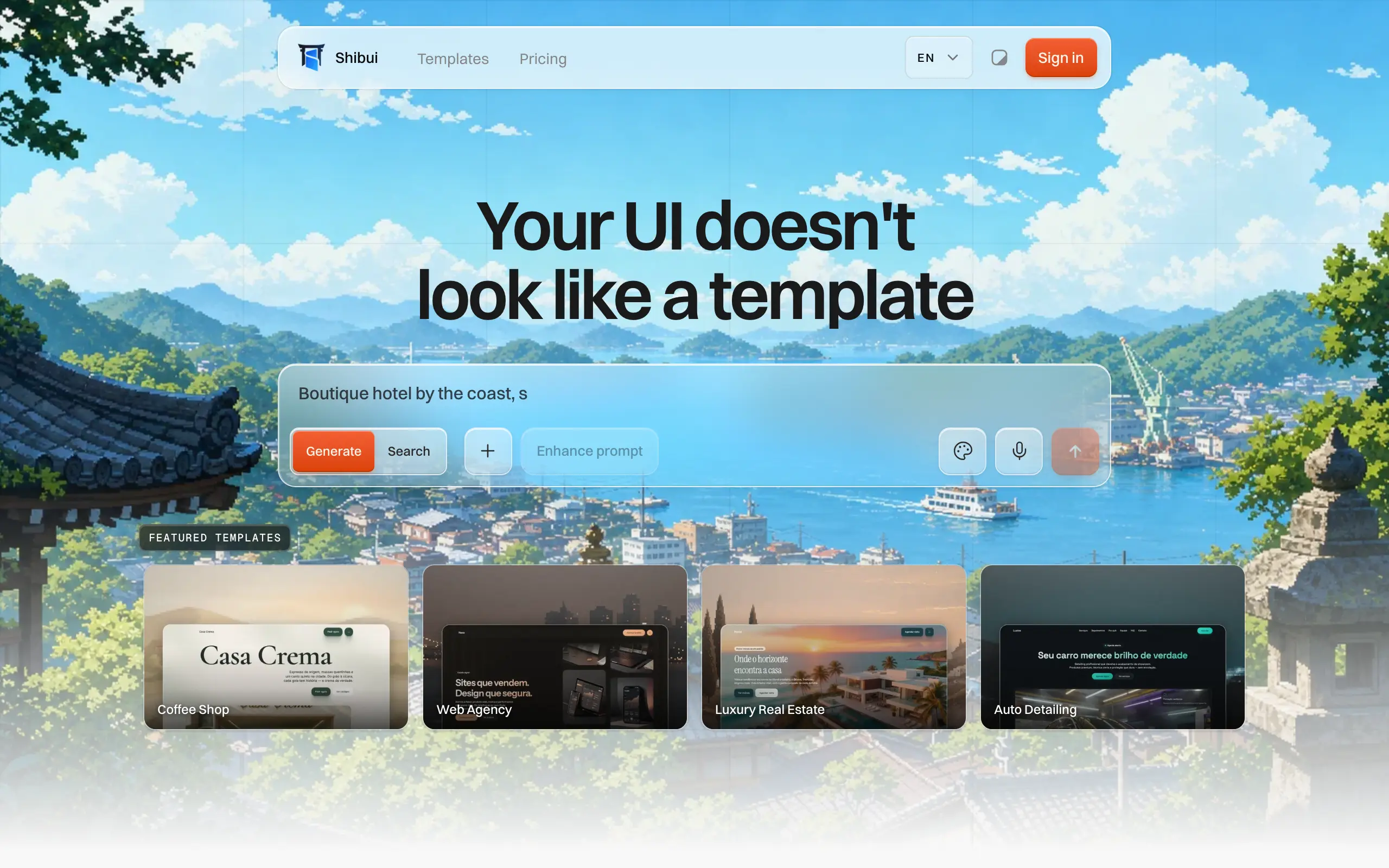
Shibui
AI website builder - describe your business, pick a niche template, edit by chatting, and publish instantly ✨

Pro Service
Find verified home service professionals, compare quotes, and pay securely through escrow - built for Brazilians across the US 🏠
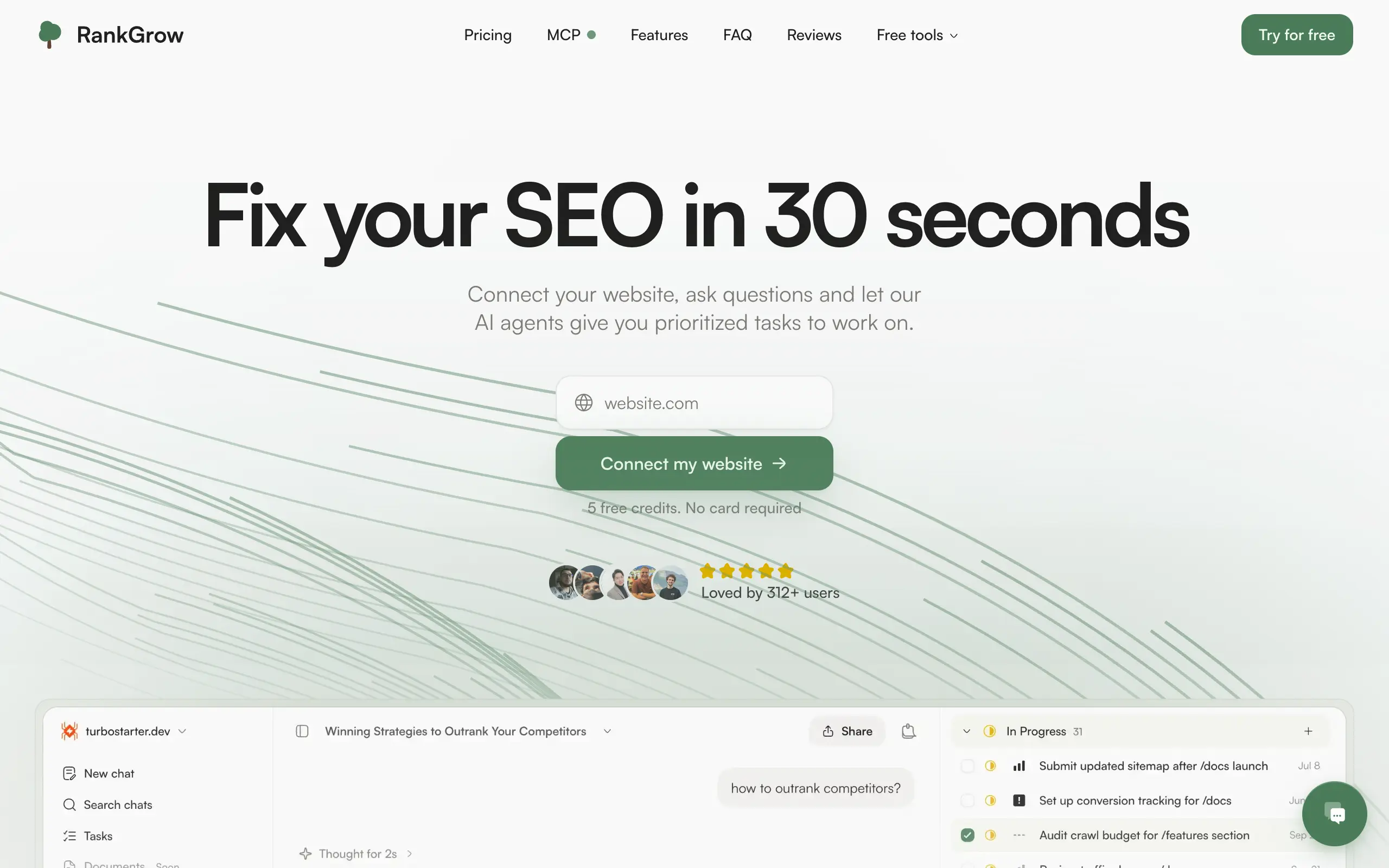
RankGrow
Fix your SEO with AI agents - connect Search Console, get prioritized tasks, and grow organic traffic 📈
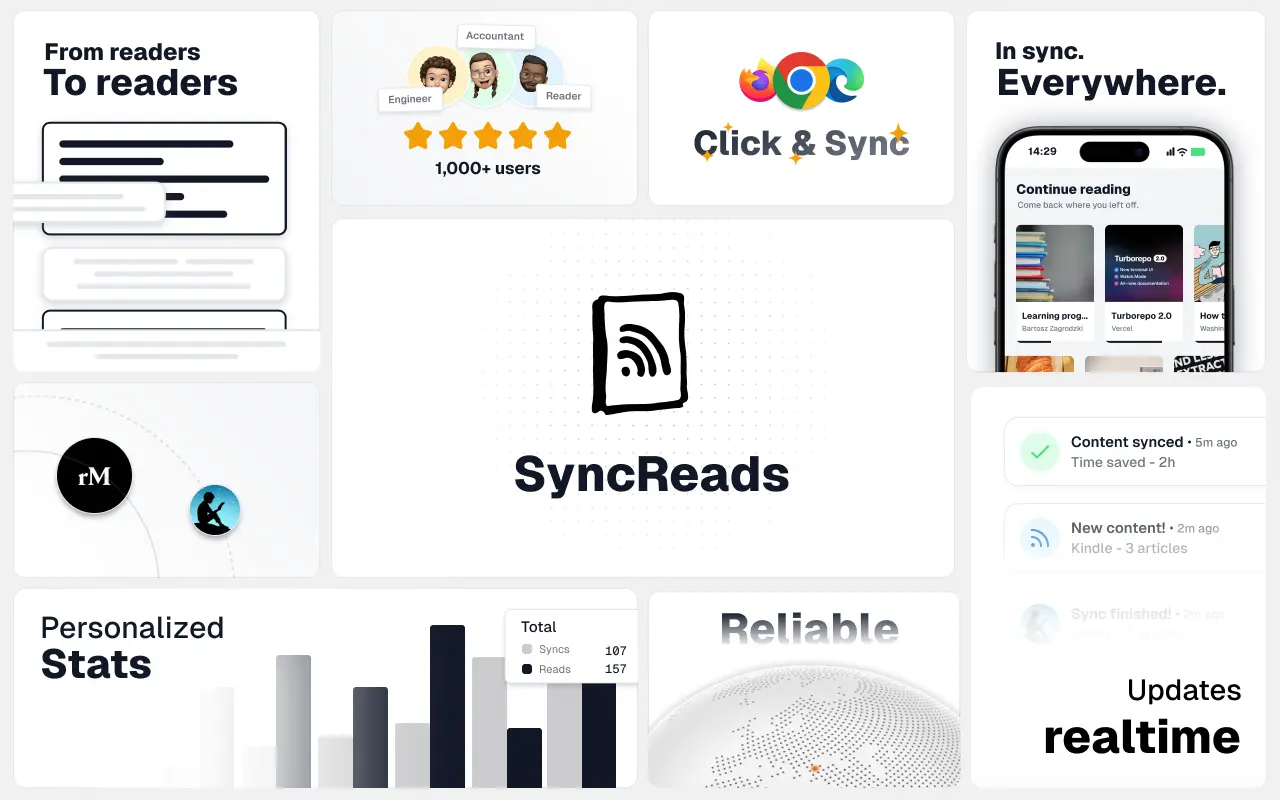
SyncReads
Sync your favorite content for distraction-free reading, save time and replace multiple apps. Anytime, anywhere 🔄
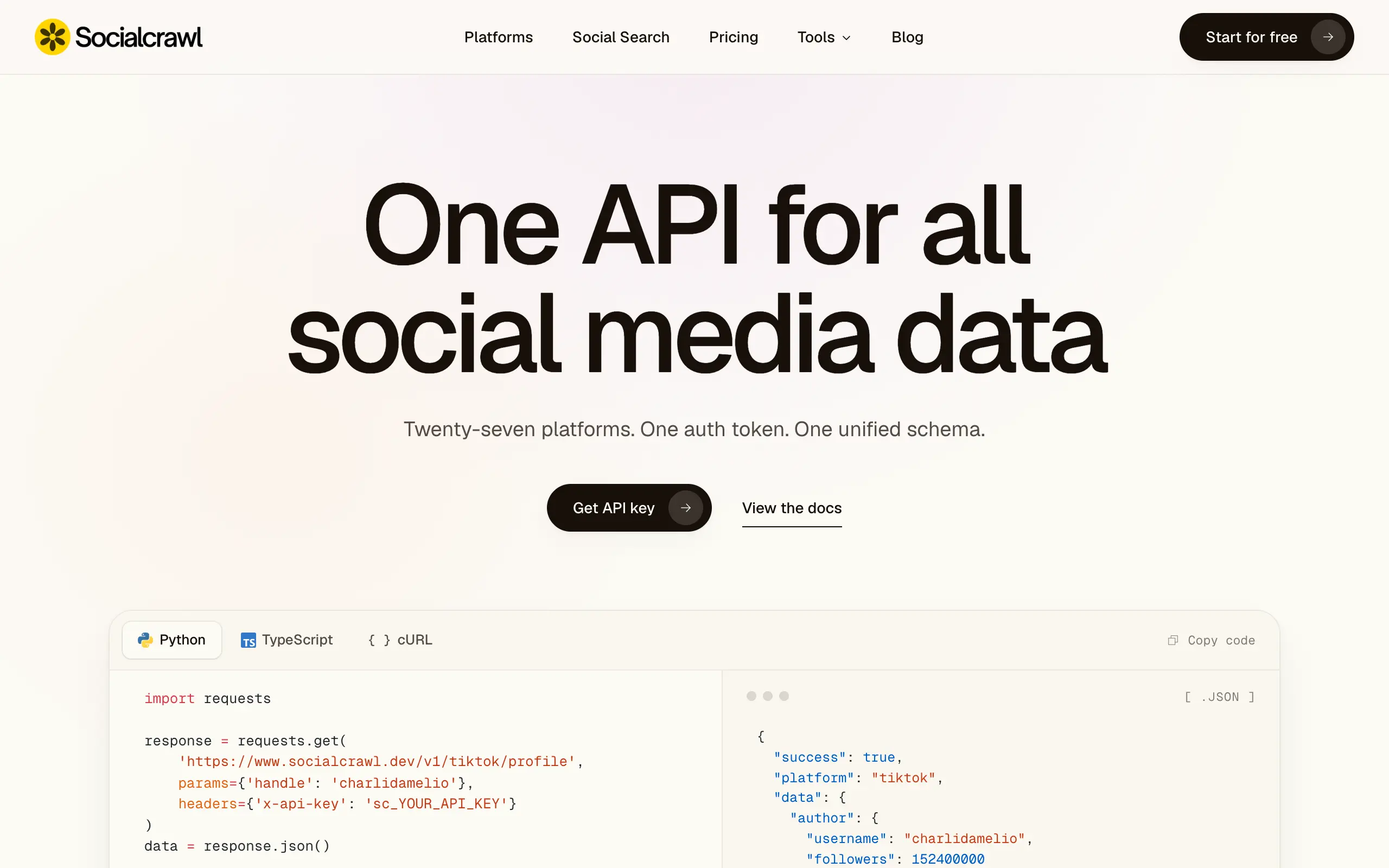
Socialcrawl
Get clean, structured data from 21 platforms like TikTok, Instagram, and YouTube with a single request 📊
Statiko
Monitor any Telegram channel in real time - track posts, edits, deletions, and growth with AI recaps 📡
Shibui
AI website builder - describe your business, pick a niche template, edit by chatting, and publish instantly ✨
Pro Service
Find verified home service professionals, compare quotes, and pay securely through escrow - built for Brazilians across the US 🏠
RankGrow
Fix your SEO with AI agents - connect Search Console, get prioritized tasks, and grow organic traffic 📈
SyncReads
Sync your favorite content for distraction-free reading, save time and replace multiple apps. Anytime, anywhere 🔄
Socialcrawl
Get clean, structured data from 21 platforms like TikTok, Instagram, and YouTube with a single request 📊
Statiko
Monitor any Telegram channel in real time - track posts, edits, deletions, and growth with AI recaps 📡
Shibui
AI website builder - describe your business, pick a niche template, edit by chatting, and publish instantly ✨
Pro Service
Find verified home service professionals, compare quotes, and pay securely through escrow - built for Brazilians across the US 🏠
RankGrow
Fix your SEO with AI agents - connect Search Console, get prioritized tasks, and grow organic traffic 📈
SyncReads
Sync your favorite content for distraction-free reading, save time and replace multiple apps. Anytime, anywhere 🔄
Socialcrawl
Get clean, structured data from 21 platforms like TikTok, Instagram, and YouTube with a single request 📊
Statiko
Monitor any Telegram channel in real time - track posts, edits, deletions, and growth with AI recaps 📡
Shibui
AI website builder - describe your business, pick a niche template, edit by chatting, and publish instantly ✨
Pro Service
Find verified home service professionals, compare quotes, and pay securely through escrow - built for Brazilians across the US 🏠
RankGrow
Fix your SEO with AI agents - connect Search Console, get prioritized tasks, and grow organic traffic 📈
SyncReads
Sync your favorite content for distraction-free reading, save time and replace multiple apps. Anytime, anywhere 🔄
Socialcrawl
Get clean, structured data from 21 platforms like TikTok, Instagram, and YouTube with a single request 📊
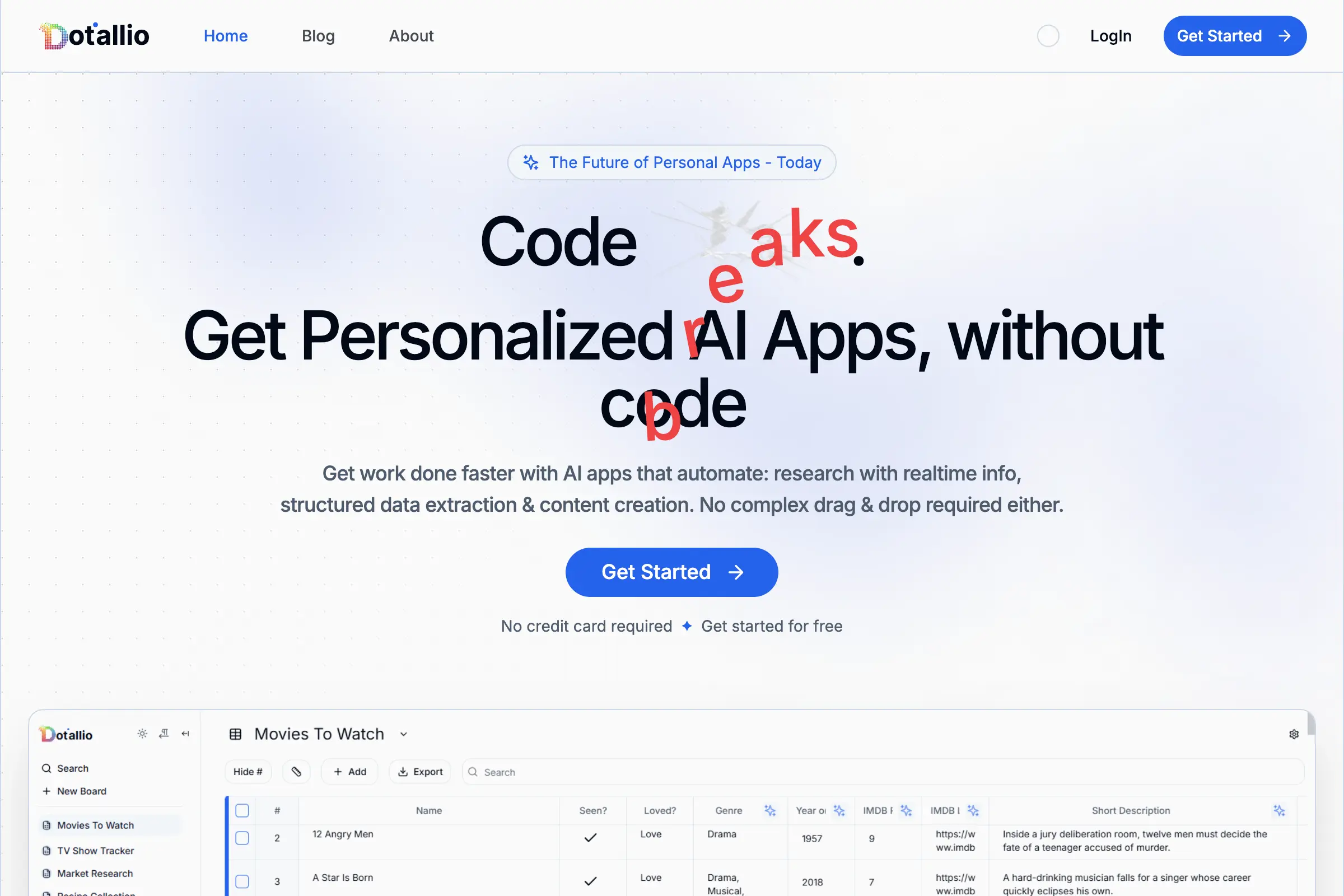
Dotallio
Personalized AI apps that automate research, data extraction, and content creation without code 🤖
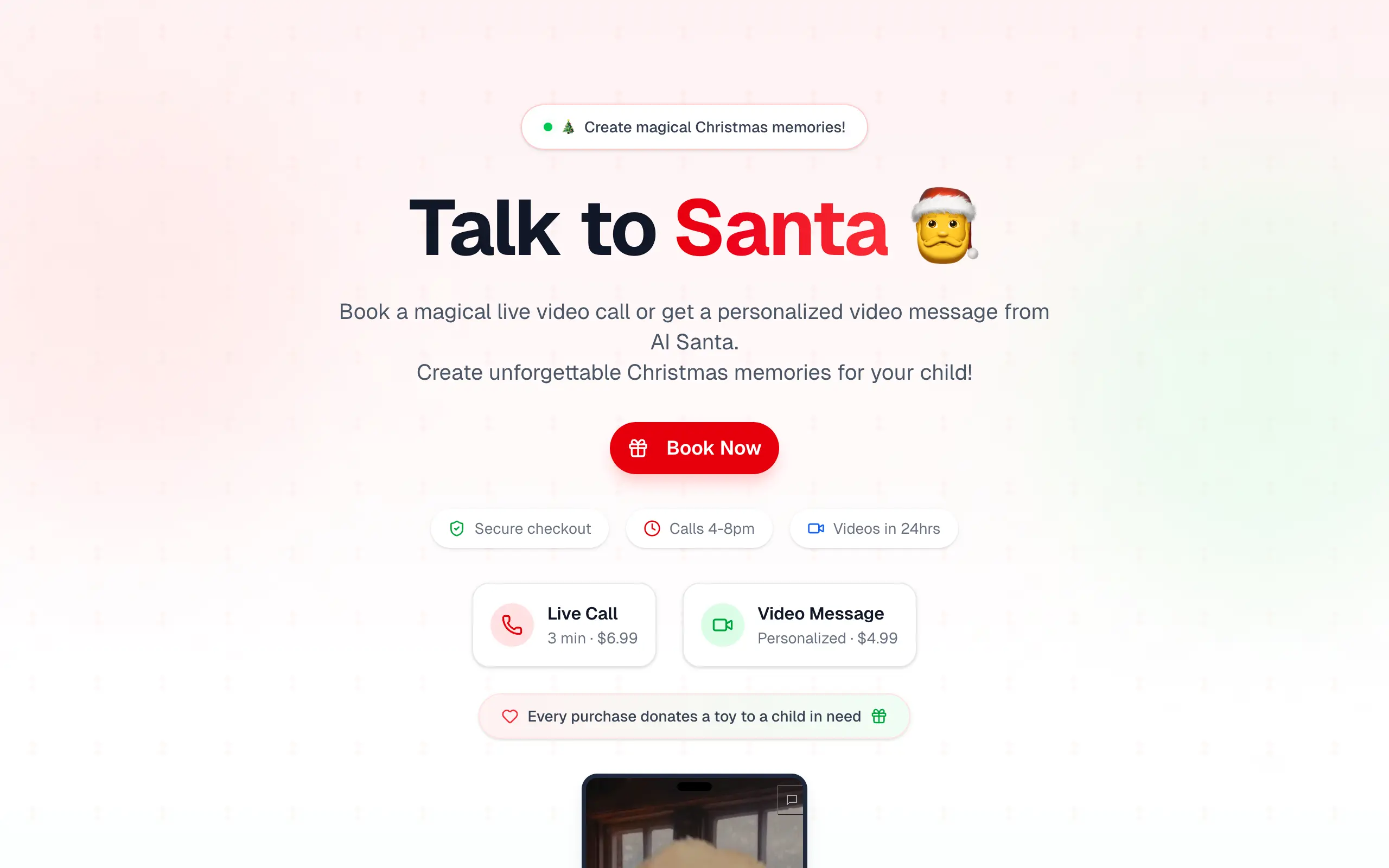
Talk to Santa
Enjoy a magical live video chat or receive a unique AI-generated video greeting from Santa Claus 🎅
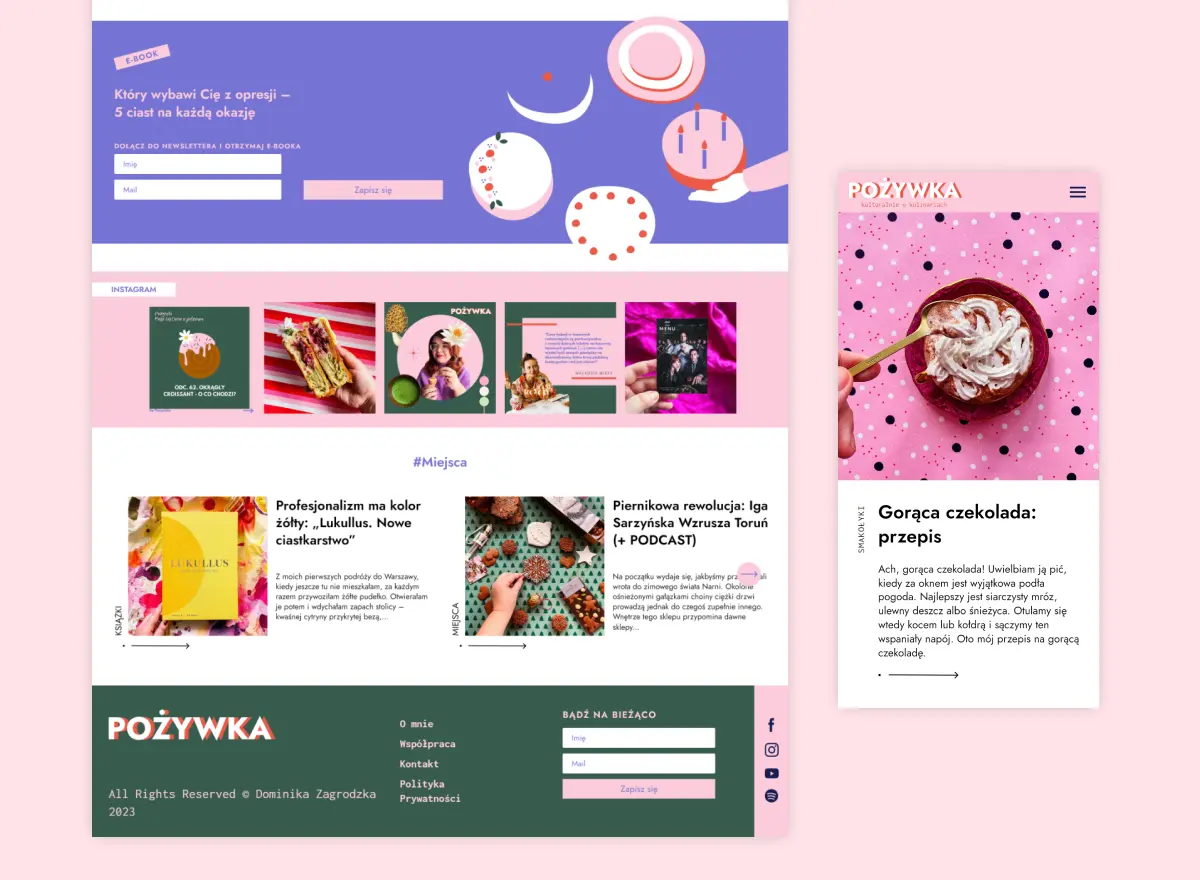
pozywka.pl
Scalable blog for food journalist, focused on performance and user experience 🌭
zagrodzki.me
Personal blog and portfolio of Bart Zagrodzki, where he shares his knowledge and work 💼
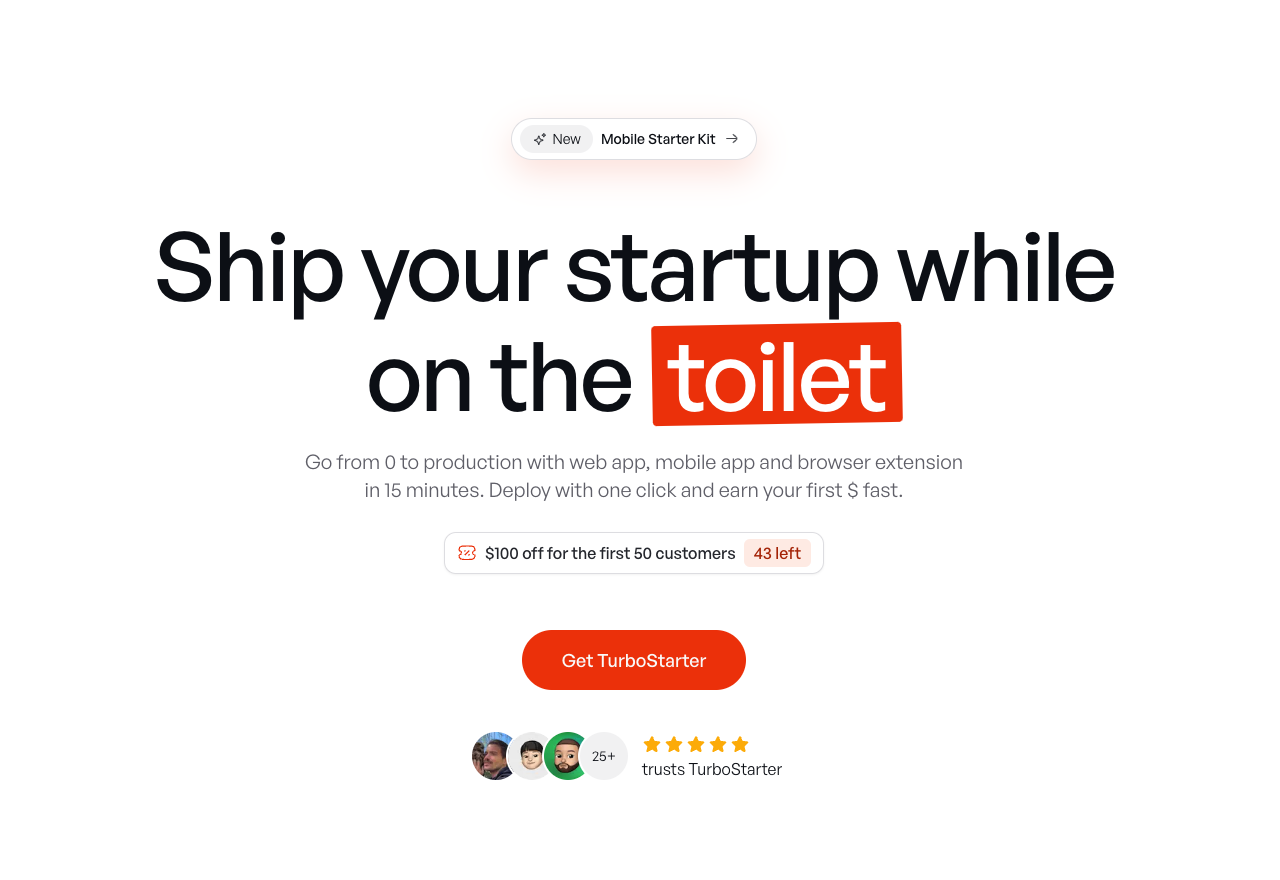
TurboStarter
Ship your startup everywhere. In minutes.
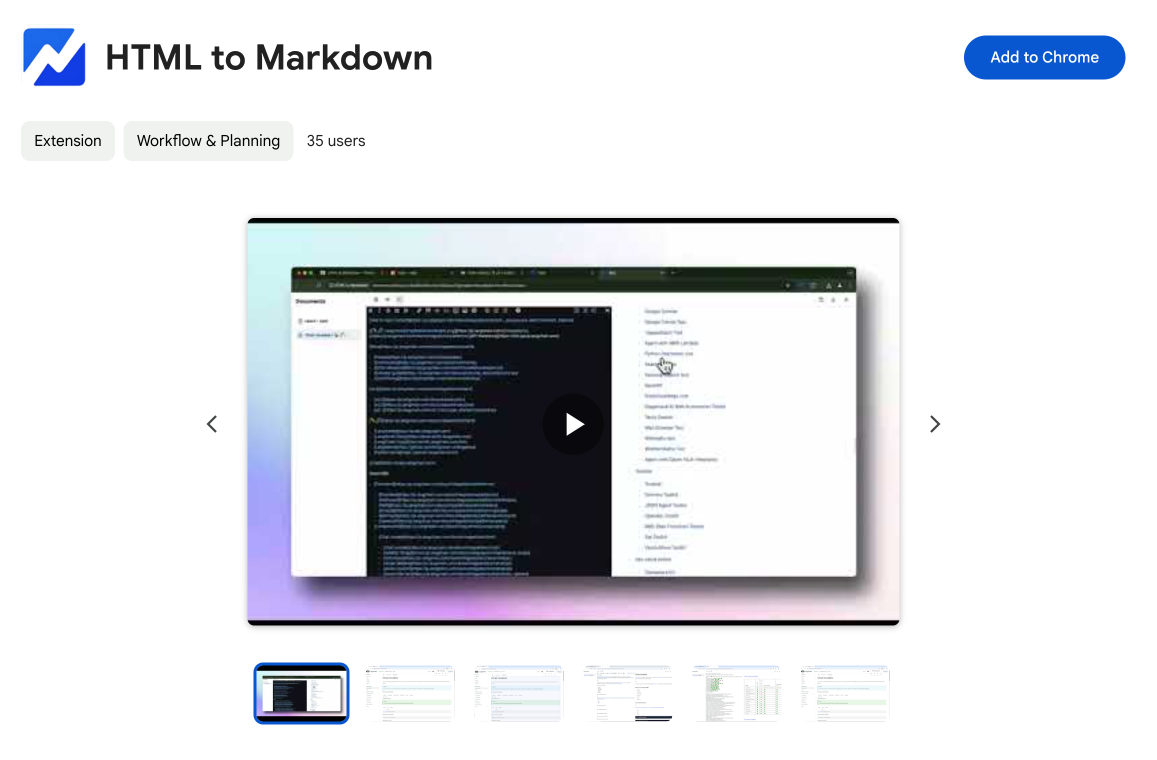
HTML to Markdown
Convert HTML to Markdown with ease, directly in your browser 📄
Dotallio
Personalized AI apps that automate research, data extraction, and content creation without code 🤖
Talk to Santa
Enjoy a magical live video chat or receive a unique AI-generated video greeting from Santa Claus 🎅
pozywka.pl
Scalable blog for food journalist, focused on performance and user experience 🌭
zagrodzki.me
Personal blog and portfolio of Bart Zagrodzki, where he shares his knowledge and work 💼
TurboStarter
Ship your startup everywhere. In minutes.
HTML to Markdown
Convert HTML to Markdown with ease, directly in your browser 📄
Dotallio
Personalized AI apps that automate research, data extraction, and content creation without code 🤖
Talk to Santa
Enjoy a magical live video chat or receive a unique AI-generated video greeting from Santa Claus 🎅
pozywka.pl
Scalable blog for food journalist, focused on performance and user experience 🌭
zagrodzki.me
Personal blog and portfolio of Bart Zagrodzki, where he shares his knowledge and work 💼
TurboStarter
Ship your startup everywhere. In minutes.
HTML to Markdown
Convert HTML to Markdown with ease, directly in your browser 📄
Dotallio
Personalized AI apps that automate research, data extraction, and content creation without code 🤖
Talk to Santa
Enjoy a magical live video chat or receive a unique AI-generated video greeting from Santa Claus 🎅
pozywka.pl
Scalable blog for food journalist, focused on performance and user experience 🌭
zagrodzki.me
Personal blog and portfolio of Bart Zagrodzki, where he shares his knowledge and work 💼
TurboStarter
Ship your startup everywhere. In minutes.
HTML to Markdown
Convert HTML to Markdown with ease, directly in your browser 📄
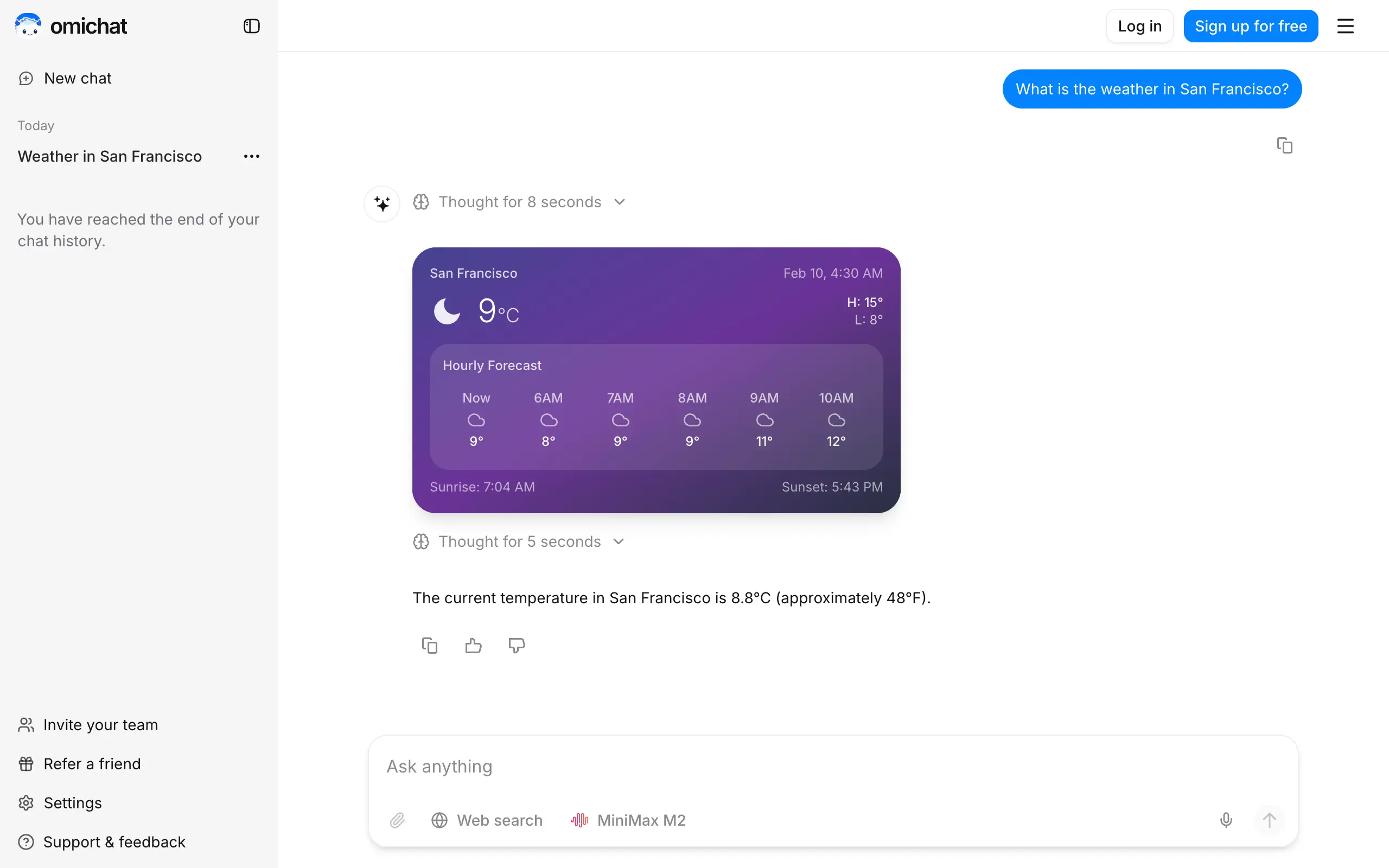
Omichat
Chat with 50+ AI models, including ChatGPT and Claude, in one place - switch models anytime without losing context 🤖
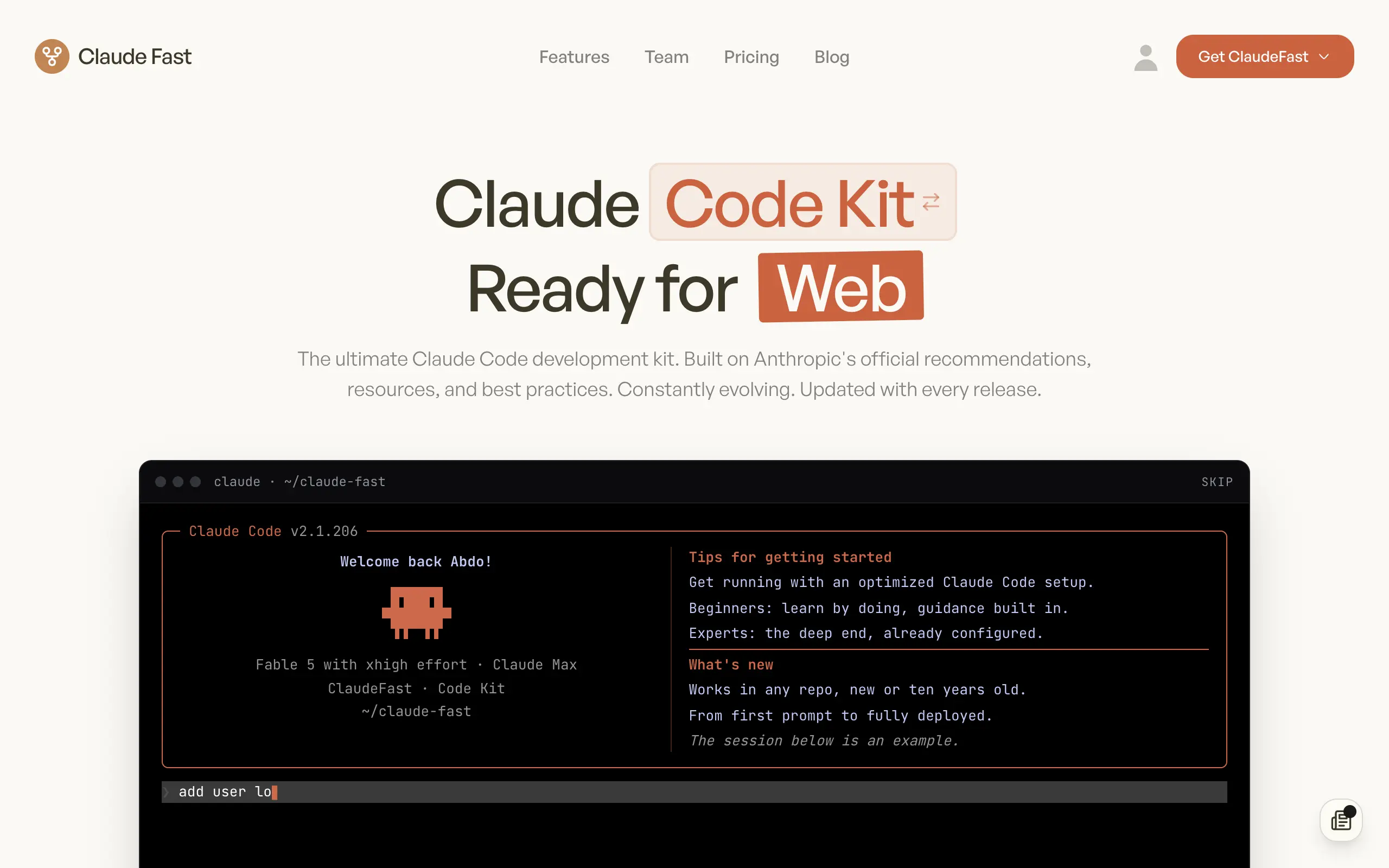
Claude Fast
Supercharge your Claude Code with 6x effective context window and specialized AI agents 🤖
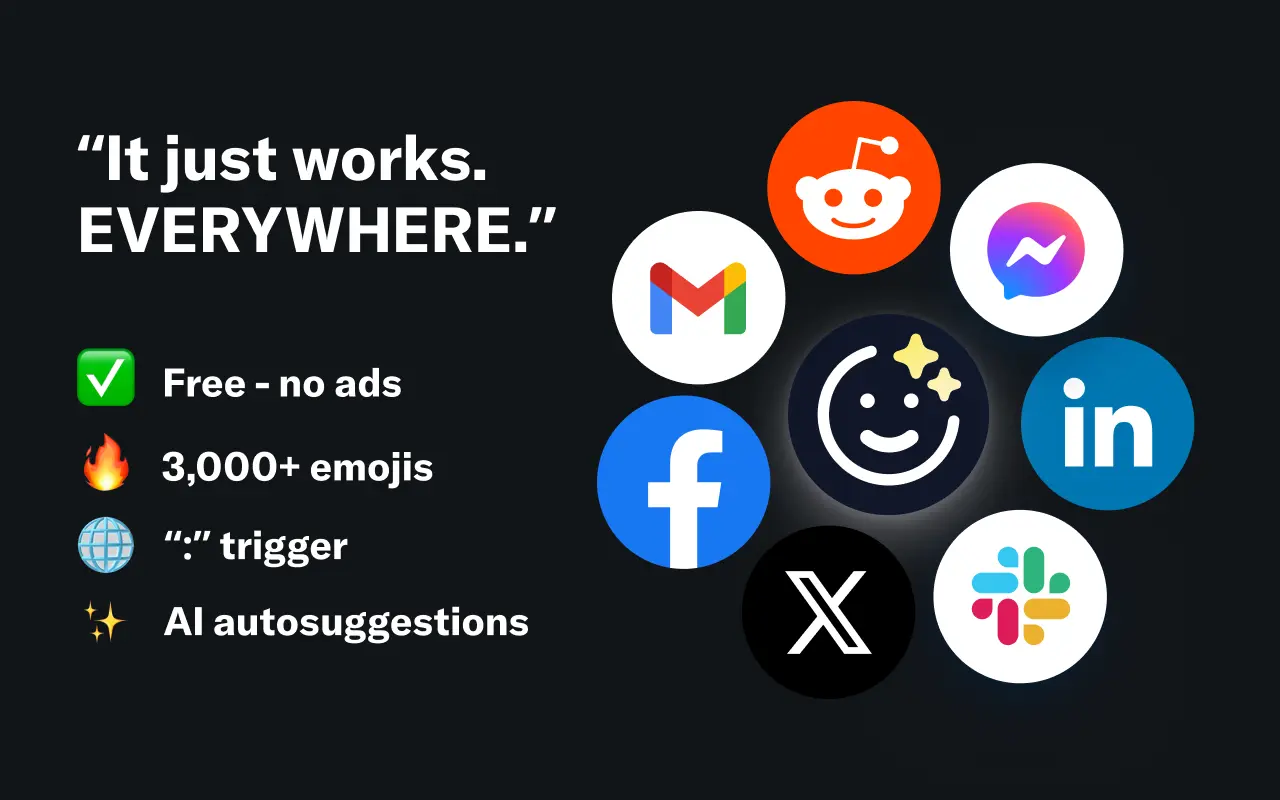
EmojAI
AI-powered emoji picker with smart, context-aware suggestions 🤖
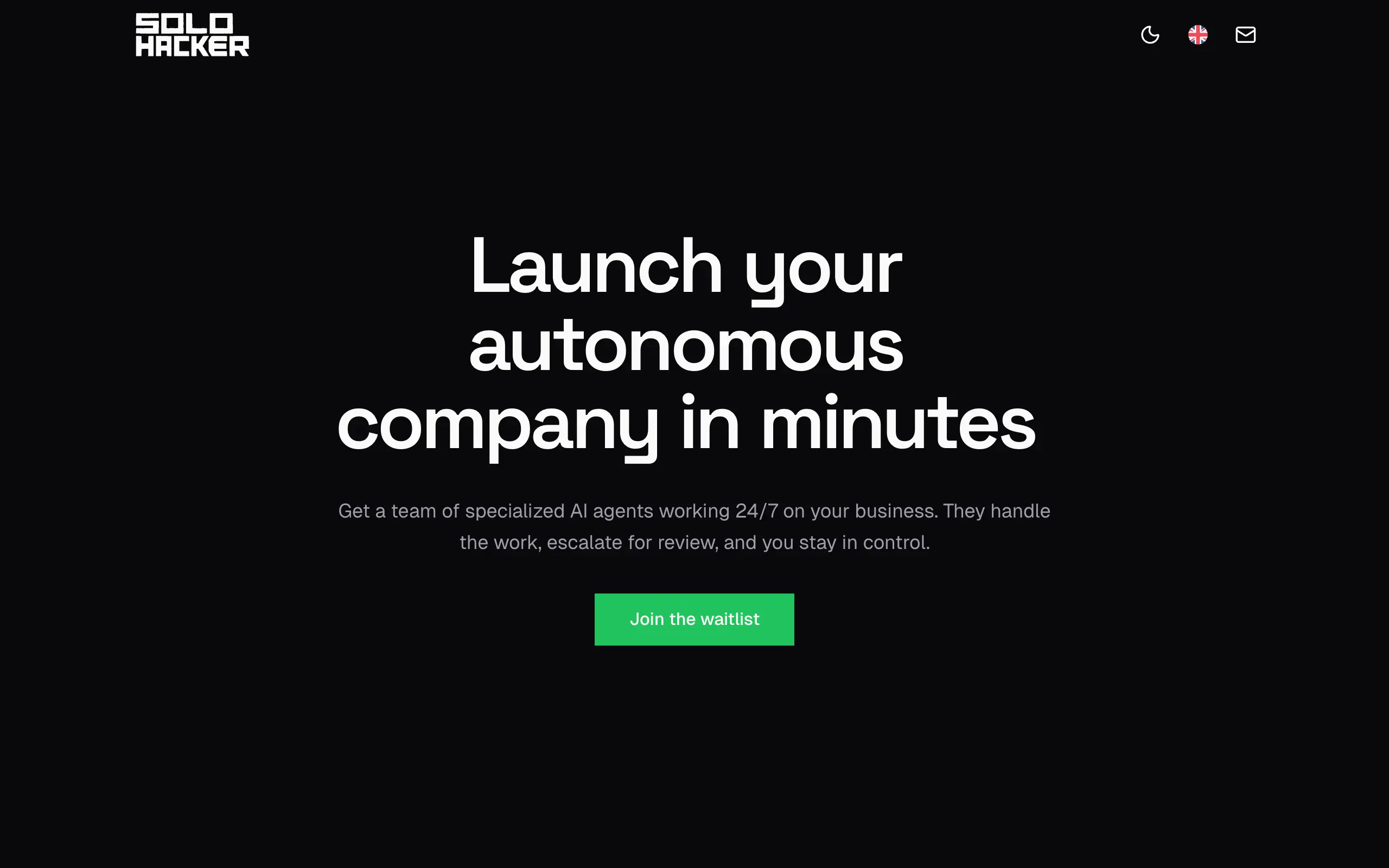
Solohacker
Autonomous company launcher - AI agents work 24/7, escalate what matters, and you stay in control 🤖
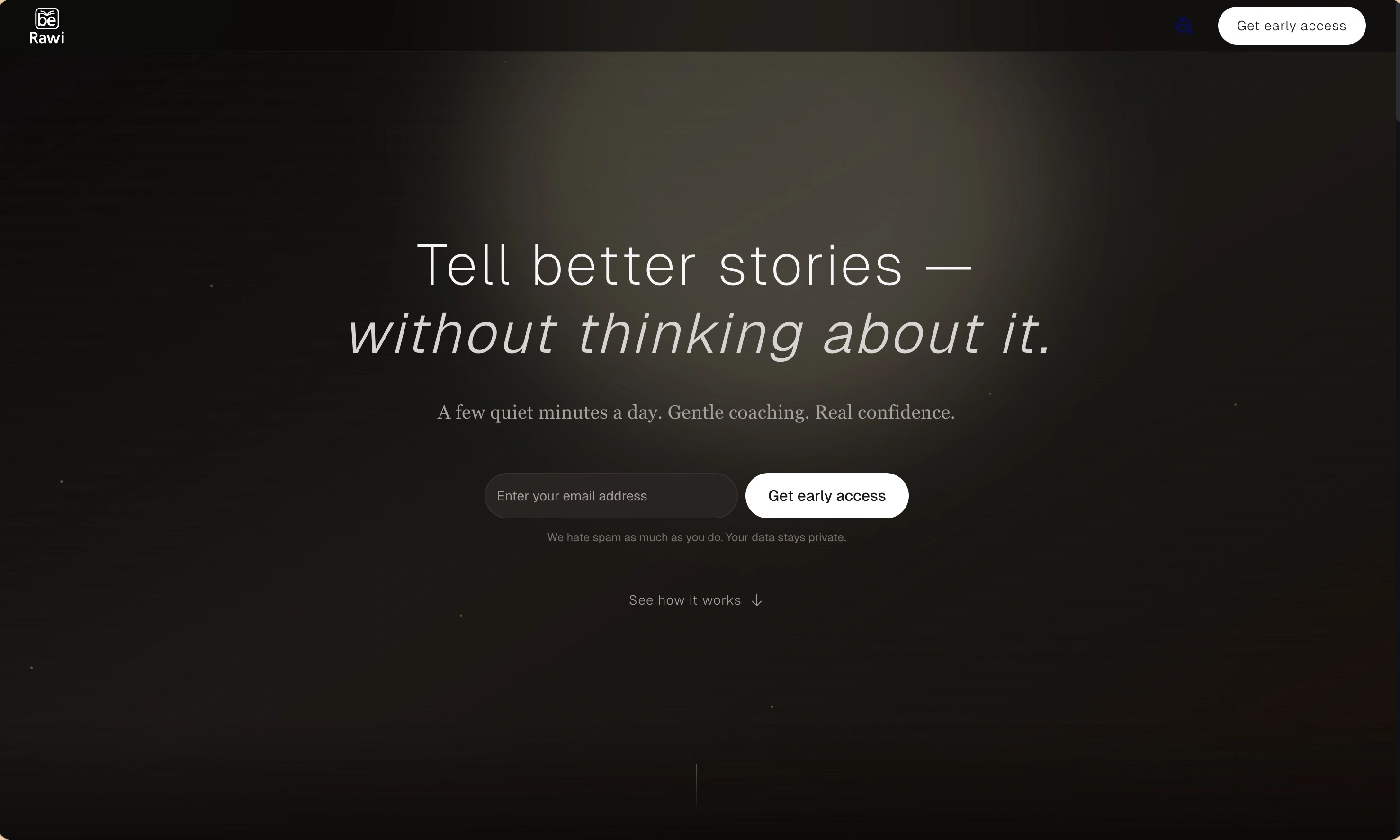
BeRawi: Storytelling Coach
Practice storytelling daily with instant feedback to sound clearer, more engaging, and confident 🎤
Omichat
Chat with 50+ AI models, including ChatGPT and Claude, in one place - switch models anytime without losing context 🤖
Claude Fast
Supercharge your Claude Code with 6x effective context window and specialized AI agents 🤖
EmojAI
AI-powered emoji picker with smart, context-aware suggestions 🤖
Solohacker
Autonomous company launcher - AI agents work 24/7, escalate what matters, and you stay in control 🤖
BeRawi: Storytelling Coach
Practice storytelling daily with instant feedback to sound clearer, more engaging, and confident 🎤
Omichat
Chat with 50+ AI models, including ChatGPT and Claude, in one place - switch models anytime without losing context 🤖
Claude Fast
Supercharge your Claude Code with 6x effective context window and specialized AI agents 🤖
EmojAI
AI-powered emoji picker with smart, context-aware suggestions 🤖
Solohacker
Autonomous company launcher - AI agents work 24/7, escalate what matters, and you stay in control 🤖
BeRawi: Storytelling Coach
Practice storytelling daily with instant feedback to sound clearer, more engaging, and confident 🎤
Omichat
Chat with 50+ AI models, including ChatGPT and Claude, in one place - switch models anytime without losing context 🤖
Claude Fast
Supercharge your Claude Code with 6x effective context window and specialized AI agents 🤖
EmojAI
AI-powered emoji picker with smart, context-aware suggestions 🤖
Solohacker
Autonomous company launcher - AI agents work 24/7, escalate what matters, and you stay in control 🤖
BeRawi: Storytelling Coach
Practice storytelling daily with instant feedback to sound clearer, more engaging, and confident 🎤

Connect with like-minded people
Join our community to get feedback, support, and grow together with 1,000+ builders on board, let's ship it!
Join usShip your startup everywhere. In minutes.
Don't burn tokens on setup and start building features on day one.