Integration Scout
AI analyzes customer integration requests to rank connector demand, estimate revenue impact, and generate implementation-ready API specs.
Why AI integration request analysis is becoming a SaaS priority
Product teams rarely lack ideas for integrations. They lack a defensible way to decide which connector should be built next.
Customer requests arrive through support tickets, sales calls, CRM notes, product feedback boards, customer success reviews, email threads, community posts, and implementation meetings. A request for “HubSpot integration” may be repeated hundreds of times, but each mention can have a different meaning:
- A prospect may require bidirectional contact sync before signing.
- An enterprise customer may need SSO-adjacent provisioning through an identity platform.
- A power user may only need CSV import, Zapier automation, or a webhook.
- A churn-risk account may need one specific API endpoint rather than a full native connector.
- A sales representative may tag an opportunity as blocked by an integration without documenting the deal value.
Without structured analysis, teams often prioritize the loudest request, the newest enterprise prospect, or the integration with the most internal visibility. That approach creates expensive connector roadmaps that do not necessarily improve retention, conversion, expansion, or strategic differentiation.
Integration Scout is an AI integration request analysis platform designed to turn unstructured customer feedback into integration intelligence. It analyzes requests, identifies connector demand, estimates revenue impact, clusters related feedback, surfaces hidden implementation requirements, and generates implementation-ready API specifications.
The core opportunity is not simply building “another integration tracker.” It is creating a decision system that answers the questions product leaders, revenue teams, and engineering managers actually need answered:
- Which integrations are truly in demand?
- Which requests are tied to revenue or retention risk?
- Which requests represent the same underlying workflow?
- Can a lightweight workaround satisfy demand before native development?
- What technical work would a connector require?
- Which API limitations, authentication methods, rate limits, and data models must be considered before committing roadmap capacity?
The strategic shift
The winning integration strategy is moving from request counting to evidence-based prioritization. The highest-value connector is not always the most-mentioned app; it is the integration that unlocks the strongest combination of revenue, retention, customer fit, and feasible implementation effort.
Who needs AI integration request analysis software
The ideal customers for Integration Scout are B2B SaaS companies with growing customer feedback volume and a product that must coexist within a broader software ecosystem. These organizations generally have enough integration demand that spreadsheets, product boards, and anecdotal evidence no longer provide reliable prioritization.
Product leaders managing connector roadmaps
VPs of Product, product directors, and product managers need a repeatable way to justify integration investments. They are accountable for roadmaps, but raw request counts provide weak evidence when engineering capacity is constrained.
Their key needs include:
- A normalized view of integration demand across every feedback source.
- Revenue-aware prioritization rather than vote-based prioritization.
- Visibility into customer segments requesting a connector.
- Clear distinction between native integration needs and automation-platform needs.
- Evidence they can use in product planning, executive reviews, and roadmap conversations.
- Requirements summaries that reduce discovery time after a build decision is made.
For this persona, Integration Scout should make the integration roadmap measurable. A product leader should be able to explain why Salesforce, Microsoft Teams, NetSuite, Slack, or an industry-specific platform is prioritized using transparent data rather than intuition.
Revenue and sales operations teams
Sales teams frequently learn about integration blockers first. However, critical context is often scattered across call recordings, CRM fields, opportunity notes, and emails.
Revenue leaders need to know whether a requested integration is:
- A one-off procurement requirement.
- A repeatable source of pipeline friction.
- A requirement from high-value accounts in a target segment.
- A competitive weakness.
- A reason a deal is expanding in scope or slowing down.
- An opportunity to establish a partner-led sales motion.
A strong AI integration request analysis workflow can quantify integration-related pipeline impact. Rather than saying “several prospects asked for Workday,” a sales leader can identify how many open opportunities are affected, the associated annual contract value, the stage distribution, and whether the need is mandatory or merely preferred.
Customer success and support leaders
Support teams see the operational cost of missing integrations. Customer success managers see whether the gap threatens adoption, renewal, expansion, or executive satisfaction.
This audience benefits from:
- Detection of churn-risk language around integration limitations.
- A consolidated view of recurring workflow pain.
- Automatic routing of requests to the correct product area.
- Alerts when strategically important accounts mention the same connector.
- A way to differentiate missing functionality from poor onboarding or documentation.
The product should not frame every request as a commitment to build. Instead, it should help customer-facing teams respond honestly with validated status, available workarounds, and evidence-backed product feedback.
Engineering and platform teams
Engineering leaders are often asked to estimate integrations before requirements are clear. They need technical discovery artifacts that are grounded in actual user demand.
For platform engineers, the value proposition is reduced ambiguity:
- Common workflows extracted from customer language.
- Requested objects, events, and sync directions.
- Authentication expectations such as OAuth 2.0, API keys, service accounts, or SAML-related provisioning.
- Potential API endpoints and webhook events.
- Rate limit and pagination concerns.
- Data mapping assumptions and edge cases.
- A preliminary definition of what a minimum viable connector should include.
Integration Scout should never imply that AI-generated API specifications eliminate engineering review. The product accelerates discovery and creates a structured starting point; it does not replace technical validation, security assessment, or solution architecture.
The market gap in integration demand management
Many SaaS companies use a patchwork of systems to manage integration feedback:
- Product feedback platforms capture feature requests.
- Help desks contain support tickets.
- CRMs hold deal context and opportunity values.
- Conversation intelligence tools store call transcripts.
- Project management tools document decisions.
- Internal chat tools host informal feedback.
- Spreadsheets attempt to consolidate all of the above.
Each tool is useful in isolation. The gap exists between collection and prioritization.
Traditional product feedback platforms can group requests, but they generally do not deeply understand the technical implications of an integration request. A sales CRM can report pipeline value, but it cannot determine whether “connect to ERP” means an accounting export, invoice sync, procurement approval flow, or master-data integration. Generic AI summarization tools can create notes, but they do not create an auditable integration demand model tied to revenue, customer segments, and implementation feasibility.
This creates a strong opening for specialized AI integration request analysis software.
Why request volume alone fails
A simple tally can be misleading for several reasons:
-
Duplicate terminology
Customers may say “Microsoft,” “Teams,” “Office 365,” “Azure AD,” or “Entra” while describing overlapping or separate requirements. -
Unequal account value
Ten free-plan users should not automatically outweigh two enterprise accounts with significant expansion potential. -
Different levels of urgency
“Would be nice” and “cannot proceed without this” are fundamentally different signals. -
Different technical scope
A request for data export is not equivalent to a bidirectional real-time synchronization system. -
Workarounds can change priority
An automation via Zapier, Make, webhooks, or CSV may solve demand sufficiently while a native connector is delayed. -
Strategic segment fit matters
A vertical SaaS company may prioritize an industry-standard platform with fewer requests because it unlocks a profitable customer segment.
The product category should therefore focus on a weighted prioritization model that combines quantitative and qualitative data.
A practical integration opportunity score
Integration Scout can make prioritization transparent using a configurable model. The exact formula should vary by company, but a basic framework might include the following inputs:
| Signal | What it measures | Why it matters | Typical data source | Weighting approach |
|---|---|---|---|---|
| Demand frequency | Unique accounts requesting the connector | Shows repeatable market need | Tickets, feedback, calls | Moderate |
| Revenue influence | ARR, pipeline, renewal, or expansion tied to the request | Connects roadmap work to business value | CRM, billing, success platform | High |
| Urgency | Whether the request blocks adoption, purchase, or renewal | Separates preference from critical need | AI sentiment and intent extraction | High |
| Strategic fit | Alignment with ICP, vertical, and partner strategy | Prevents short-term noise from driving the roadmap | Account firmographics and internal rules | High |
| Implementation effort | Estimated engineering complexity and operational cost | Protects capacity and delivery predictability | API research and engineering review | Balancing factor |
A useful scoring system should explain itself. Users must be able to open an integration score and see the underlying accounts, request excerpts, revenue fields, inferred workflows, and assumptions. Explainability is especially important when AI affects roadmap decisions that influence enterprise commitments.
The unique value proposition of Integration Scout
The unique selling proposition is the combination of customer demand intelligence, commercial impact analysis, and technical implementation preparation in one workflow.
Most tools stop at one of these layers:
- Feedback tools identify demand.
- CRM reports identify commercial value.
- Engineering discovery identifies technical scope.
- API documentation tools help teams build.
Integration Scout connects all four. That makes it especially useful for SaaS companies where integrations are strategic product investments rather than incidental feature requests.
From unstructured feedback to ranked demand
Classify and cluster requests across support, CRM, calls, surveys, and internal discussions.
From request count to revenue impact
Connect connector demand to pipeline, retained revenue, expansion potential, customer tier, and strategic segment.
From vague ask to technical brief
Generate workflow summaries, data models, endpoint hypotheses, authentication requirements, and implementation questions.
The product should position itself as a connector prioritization and integration intelligence platform, not as an autonomous integration builder. This distinction protects credibility. Product and engineering teams want AI acceleration, but they also need control, reviewability, and accurate source attribution.
Core features for an AI integration prioritization platform
A compelling initial product needs enough functionality to create a complete loop from incoming signal to roadmap decision. It should avoid becoming a generic customer feedback platform or a broad integration-platform-as-a-service solution.
Unified feedback ingestion
The ingestion layer should bring request data into one normalized model. Prioritize source systems that contain recurring integration signals and commercial context.
Recommended early integrations include:
- HubSpot for deals, companies, notes, and pipeline context.
- Salesforce for enterprise CRM data.
- Zendesk for support tickets and tags.
- Intercom for customer conversations.
- Slack for internal sales and support escalation channels.
- Jira for engineering linkage and delivery status.
- CSV import for teams that need a quick proof of value before connecting systems.
Data ingestion should retain source metadata, timestamps, account IDs, user identity when appropriate, permission scopes, and direct links back to the original record. Source traceability is mandatory for trust.
AI request extraction and normalization
The AI layer should identify when a customer is requesting an integration, even when the request is indirect.
Examples include:
- “Can we push completed reviews into our ATS?”
- “Our finance team needs invoices to appear in NetSuite.”
- “We need this in the Microsoft ecosystem.”
- “Our reps are manually copying contacts from HubSpot.”
- “This is a blocker for rollout.”
- “Could we trigger a workflow when an account reaches a risk threshold?”
The system should extract structured fields such as:
- Target platform or application.
- Requested workflow.
- Relevant source and destination objects.
- Sync direction.
- Trigger or schedule expectation.
- Stated business outcome.
- Urgency level.
- Deal, account, or ticket context.
- Confidence score.
- Evidence snippets.
Entity resolution is particularly important. For example, the platform should recognize that “Azure AD” and “Microsoft Entra ID” may be related identity terminology while avoiding false assumptions that all Microsoft requests refer to the same connector.
Demand clustering and taxonomy management
Integration Scout needs a taxonomy that blends automated classification with human control.
A practical hierarchy could be:
- Integration family.
- Specific platform.
- Workflow category.
- Data object.
- Request type.
- Customer segment.
- Business impact.
For example, an integration family might be “CRM,” the platform might be “HubSpot,” the workflow category might be “contact synchronization,” and the request type might be “native bidirectional sync.”
Administrators should be able to merge duplicates, split overly broad categories, rename connectors, set aliases, and correct AI classifications. Every correction should feed into evaluation and model-improvement workflows.
Revenue impact estimation
Revenue attribution is one of the most valuable and most sensitive capabilities. The platform should clearly distinguish among:
- Revenue explicitly linked to an integration request.
- Revenue inferred from account-level association.
- At-risk revenue based on churn or renewal language.
- Pipeline value where the request appears in deal notes.
- Expansion value where the integration supports a new team or use case.
- Strategic value assigned manually by leadership.
Avoid presenting inference as fact. A dashboard label such as “$480,000 influenced pipeline” is more trustworthy when it includes an explanation of attribution logic and a confidence range.
Implementation-ready API specs
This feature makes Integration Scout distinct from general AI product feedback software. Once an integration is approved for exploration, users should be able to generate a technical discovery brief.
A high-quality brief should include:
- Customer-requested workflows ranked by frequency and value.
- Proposed minimum viable scope.
- Candidate source and destination objects.
- Data field mapping assumptions.
- Authentication options.
- Recommended sync architecture.
- Webhook and polling considerations.
- Idempotency requirements.
- Error handling and retry expectations.
- Rate-limit risks.
- Pagination and backfill strategy.
- Security and privacy questions.
- Open questions for solution architects and partner teams.
- Links to official API documentation where available.
The brief must label AI-generated content as a draft. It should cite the original customer signals and permit engineering teams to approve, reject, or edit each recommendation.
type IntegrationBrief = {
  connector: "HubSpot";
  primaryWorkflow: "Bidirectional contact synchronization";
  authMethod: "OAuth 2.0";
  syncModel: "Webhook-triggered updates with scheduled reconciliation";
  requiredObjects: ["contacts", "companies", "owners"];
  openQuestions: [
    "Which system is authoritative for contact lifecycle stage?",
    "Is deletion propagation required?",
    "What is the acceptable synchronization latency?"
  ];
};
Decision workflows and roadmap exports
Insight is only useful when it results in a decision. The product should support lifecycle states such as:
- Detected
- Validating
- Workaround available
- Planned
- In discovery
- Building
- Released
- Declined
Each state should have an audit trail with rationale, owner, date, affected accounts, and customer-facing messaging. Exporting approved opportunities to Jira, Linear, Notion, or product planning tools can reduce operational friction.
Recommended tech stack and architecture
Integration Scout handles customer feedback, CRM data, and potentially sensitive commercial information. The technical stack should support secure multi-tenancy, reliable ingestion, AI evaluation, and traceable outputs.
Recommended application stack
A pragmatic SaaS stack could include:
- Next.js for the web application, server rendering, API routes, and a cohesive TypeScript workflow.
- React for interactive dashboards and review interfaces.
- TypeScript for safer domain models across ingestion, scoring, and UI layers.
- PostgreSQL for transactional data, tenant isolation strategies, and relational reporting.
- Prisma or a comparable type-safe data layer for database access.
- Redis for rate-limited jobs, caching, queue coordination, and short-lived session data.
- OpenAI or an alternative model provider for classification, extraction, summarization, and draft specification generation.
- pgvector for semantic retrieval directly alongside relational customer data.
- Sentry for error monitoring and performance observability.
- Stripe for subscriptions, usage tracking, and billing.
For teams looking to reduce boilerplate while moving quickly, TurboStarter can provide a production-oriented starting point for authentication, billing, database setup, and SaaS foundations.
Trade-offs between vector search and relational reporting
A common architecture mistake is treating all integration demand data as embeddings. Semantic search is useful, but roadmap prioritization requires reliable structured reporting.
Use relational storage for:
- Account and opportunity relationships.
- Request timestamps.
- Revenue values.
- Workflow state.
- User permissions.
- Score components.
- Audit logs.
- Human review decisions.
Use vector search for:
- Detecting semantically similar requests.
- Retrieving representative feedback for AI summaries.
- Identifying terminology variations.
- Finding related workflows across unstructured text.
The strongest architecture is hybrid. PostgreSQL remains the system of record, while embeddings support recall and clustering.
AI pipeline design
The AI pipeline should be asynchronous and versioned. A durable workflow might look like this:
Version every prompt, model choice, classifier rule, score formula, and generated output. If a customer asks why an integration was ranked highly six months ago, the team should be able to reproduce the decision context.
Security, privacy, and enterprise readiness
Because the product may process CRM records, call transcripts, and customer support conversations, security is a central buying criterion rather than a later feature.
Minimum safeguards should include:
- Encryption in transit and at rest.
- Strict tenant isolation.
- Role-based access control.
- SSO and SCIM support for enterprise plans.
- Granular connector permissions.
- Data retention controls.
- Audit logs for exports, changes, and AI-generated decisions.
- PII minimization and redaction options.
- Clear policies for model-provider data handling.
- Regional data hosting strategy where required.
- A documented incident response process.
For market credibility, work toward SOC 2 controls and provide a clear security overview. Avoid claiming compliance until it has been independently validated. Buyers will value precision more than vague security marketing.
Do not let the model make silent decisions
AI can prioritize evidence, detect patterns, and draft specifications. It should not silently commit a roadmap item, change customer status, or transmit data to a third-party system without explicit, permissioned workflows.
Monetization options for Integration Scout
The most viable monetization model is a tiered B2B subscription that reflects value from data sources, AI processing volume, commercial impact reporting, and collaboration needs.
Recommended pricing structure
A simple packaging model could include:
| Plan | Best for | Primary limits | Key value | Sales motion |
|---|---|---|---|---|
| Starter | Early-stage SaaS teams | Sources, monthly records, users | Request detection and demand dashboard | Self-serve |
| Growth | Scaling product and revenue teams | Higher volume, advanced scoring, more seats | CRM enrichment and API briefs | Product-led with sales assist |
| Enterprise | Complex multi-team organizations | Custom volume and retention policies | SSO, audit logs, custom scoring, security support | Sales-led |
Potential billable value metrics include:
- Number of connected sources.
- Number of processed feedback records.
- Number of active tracked connectors.
- AI-generated implementation briefs.
- Revenue intelligence and CRM enrichment modules.
- Premium data retention.
- Additional business units or workspaces.
Avoid charging solely by seats. The product’s core value is organizational intelligence, and many stakeholders need read access. A usage-based component tied to processed records or AI analysis volume better aligns price with cost and customer value.
Professional services as an early revenue lever
During the early phase, an integration intelligence audit can be a valuable service offering. The service may include:
- Connecting and cleaning historical feedback sources.
- Creating an integration taxonomy.
- Reviewing high-value connector opportunities.
- Validating AI classifications.
- Building a first integration roadmap.
- Training product, sales, and success teams.
This does more than generate revenue. It helps identify recurring onboarding challenges, improves the data model, and produces case-study-ready outcomes. Over time, the service can be standardized or offered through certified partners.
Competitive advantage and defensibility
The market includes product feedback platforms, customer intelligence tools, conversation intelligence systems, API management tools, iPaaS platforms, and AI meeting assistants. Integration Scout needs a narrow, credible wedge.
The defensible wedge
The initial advantage comes from building an integration-specific decision graph that links:
- Customer requests.
- Accounts and segments.
- Deals, renewals, and expansion opportunities.
- Connectors and aliases.
- Workflows and data objects.
- Technical requirements.
- Engineering estimates.
- Roadmap status.
- Outcomes after release.
A generic AI tool can summarize text. It cannot easily recreate years of normalized integration demand, account context, technical assumptions, and decision history. The data model becomes more valuable as customers use the platform to make and evaluate roadmap choices.
How to outperform broad feedback tools
The positioning should emphasize specialization:
- Integration-specific entity resolution.
- Workflow-level rather than app-level analysis.
- Revenue-linked prioritization.
- Technical discovery artifacts.
- API readiness insights.
- Workaround recommendations.
- Evidence traceability for every recommendation.
For example, a general feedback tool might report 80 requests for “Salesforce.” Integration Scout should report that 31 unique enterprise accounts requested Salesforce, 14 requests relate specifically to opportunity synchronization, $1.2 million in qualified pipeline is explicitly blocked, and the minimum viable scope is likely account and contact sync with OAuth-based authentication and daily reconciliation.
That is a materially more actionable output.
Building a proprietary benchmark over time
With explicit customer permission and robust anonymization, a future benchmark product could show aggregated market signals:
- Fastest-growing requested integration categories.
- Common connector requirements by SaaS vertical.
- Average time from request detection to roadmap decision.
- Most common integration blockers in enterprise deals.
- Native connector versus automation-platform preference.
This must be approached carefully. Customer data should never be exposed, and benchmark participation should be opt-in. When executed responsibly, anonymized benchmarks can create thought leadership, SEO opportunities, and a network-effect moat.
Risks and mitigation strategies
Every AI SaaS product that touches customer data and strategic decisions faces meaningful risks. A strong go-to-market strategy addresses these directly.
AI may confuse similarly named platforms, infer requirements not stated by users, or group distinct workflows too aggressively.
Mitigation includes confidence thresholds, source citations, editable taxonomies, human review queues, evaluation datasets, and clear separation between extracted facts and AI-generated recommendations.
Many companies have incomplete deal notes, inconsistent account IDs, or unreliable opportunity fields. Revenue estimates can become misleading if data quality is poor.
Mitigation includes attribution confidence labels, configurable matching rules, data-quality diagnostics, manual overrides, and a distinction between directly linked and inferred revenue.
If prospects must connect six systems and clean years of data before seeing insights, adoption will stall.
Mitigation includes CSV imports, one-click connectors for the most common systems, prebuilt taxonomy templates, historical backfill options, and an onboarding flow that produces a first demand report quickly.
Access to CRM, support, and call data raises justified procurement concerns.
Mitigation includes least-privilege scopes, strong documentation, audit logs, encryption, DPA readiness, SSO on enterprise plans, and a transparent architecture overview.
The phrase “implementation-ready API specs” can create unrealistic expectations that the platform will build and maintain production connectors automatically.
Mitigation includes precise messaging. Position generated specs as engineering-ready discovery documents, not production code or a substitute for security, partner, and QA review.
Go-to-market strategy for an integration intelligence SaaS
The best early buyers are companies already feeling integration roadmap pain. Look for B2B SaaS firms with sales-assisted motions, multiple customer-facing systems, recurring enterprise integration requests, and product teams that have delayed connector decisions.
Start with a focused ideal customer profile
A strong initial ICP may have:
- Annual recurring revenue between approximately $2 million and $50 million.
- A B2B product with at least several hundred active customers.
- A CRM plus help desk and customer success function.
- At least one product manager responsible for platform or ecosystem strategy.
- Repeated integration questions in sales and support.
- A meaningful difference between enterprise and self-serve customer needs.
Vertical SaaS is especially promising because industry-specific systems can create a high-value long-tail connector problem. Examples include HR technology, healthcare operations, fintech, legal technology, logistics, and property technology.
Lead with an integration demand audit
An effective acquisition offer is a limited-scope analysis:
- Import a sample of support tickets, CRM notes, or feedback exports.
- Identify the top requested integration families.
- Estimate commercial impact with available account data.
- Deliver a ranked connector opportunity report.
- Show the implementation brief for one high-priority connector.
This creates a tangible “before and after” moment. Prospects can see how many requests were missed, how duplicate terminology obscured demand, and where high-value opportunities were hidden.
Content and SEO opportunities
Integration Scout can earn qualified traffic by publishing practical, evidence-led content around problems buyers already search for:
- How to prioritize SaaS integrations.
- How to calculate integration ROI.
- Product roadmap prioritization frameworks.
- Native integration versus Zapier decision guides.
- API integration discovery checklists.
- CRM integration requirements templates.
- Enterprise SaaS integration strategy.
- How to analyze feature requests with AI.
- Integration request tracking templates.
- Customer feedback analysis for product teams.
The content should avoid unsupported claims. For industry statistics, cite or recommend citations from recognized sources such as public analyst research, official vendor reports, regulatory guidance, or first-party benchmark methodology. Publish methodology whenever sharing proprietary benchmark findings.
Actionable implementation plan
The fastest path is not to build every connector, every dashboard, and every AI agent. Build the smallest workflow that produces a trusted prioritization outcome.
Phase one: validate the problem manually
Interview product, sales, customer success, and engineering leaders at 15 to 25 B2B SaaS companies. Ask for real examples of integration decisions that were delayed, wrong, expensive, or contentious.
Look for repeated pain around:
- No single source of truth.
- Unclear revenue impact.
- Duplicate or inconsistent request language.
- Difficult engineering discovery.
- Weak customer communication after a request is logged.
Offer to analyze sanitized exports manually or with internal prototypes. The objective is to learn the language users employ and validate whether they will pay for clearer decisions.
Phase two: build the minimum lovable workflow
The MVP should include:
- CSV import plus one help desk integration.
- AI extraction of app name, workflow, urgency, and evidence.
- Canonical connector grouping.
- A ranked demand dashboard.
- Manual account value input or basic CRM enrichment.
- Evidence-backed summaries.
- A review interface for correcting classifications.
- Exportable integration opportunity briefs.
Do not begin with autonomous API specification generation as the primary feature. First prove that the demand ranking is accurate and useful. Technical briefs become much more valuable after customers trust the underlying signals.
Phase three: add commercial and technical depth
After early customers validate the ranking workflow, add:
- CRM integrations and pipeline influence.
- Account segmentation.
- Churn and renewal risk signals.
- Configurable opportunity scoring.
- Advanced request clustering.
- API documentation retrieval.
- Draft implementation-ready API specs.
- Jira or Linear exports.
- Team alerts for high-value demand changes.
Phase four: operationalize trust
Before pursuing larger enterprise customers, invest in:
- Data retention controls.
- Audit logs.
- SSO and role-based permissions.
- Evaluation dashboards for AI quality.
- Prompt and model versioning.
- Security documentation.
- Clear attribution methodology.
- Customer-facing confidence indicators.
A trusted AI system wins because users can inspect and correct it. In product strategy, a slightly less magical tool with strong evidence often outperforms a more autonomous tool that cannot explain itself.
Final recommendation
Integration Scout addresses a real and expensive SaaS problem: deciding which integrations deserve scarce product and engineering capacity. Its strongest market position is not as an AI assistant that summarizes feedback, but as an integration intelligence platform that transforms fragmented customer signals into revenue-aware, implementation-ready decisions.
The clearest path to traction is to focus on the complete decision loop:
- Collect integration signals from existing systems.
- Normalize connector names and requested workflows.
- Connect demand to customer and revenue context.
- Rank opportunities with transparent scoring.
- Generate evidence-backed technical discovery briefs.
- Track the final roadmap decision and outcome.
If the platform consistently helps teams avoid one low-value connector build, rescue one enterprise renewal, or accelerate one strategic integration decision, the ROI will be easy for buyers to understand. That practical, measurable value is the foundation for durable product-market fit in AI integration request analysis software.
More 🤖 AI Startup SaaS ideas
Discover more innovative ai startup SaaS ideas that are trending in 2026. Each idea is AI-generated with market validation and growth potential to help you find your next profitable venture faster than competitors.
Your competitors are building with TurboStarter
Below are some of the SaaS ideas that have been generated and built with our starter kit.
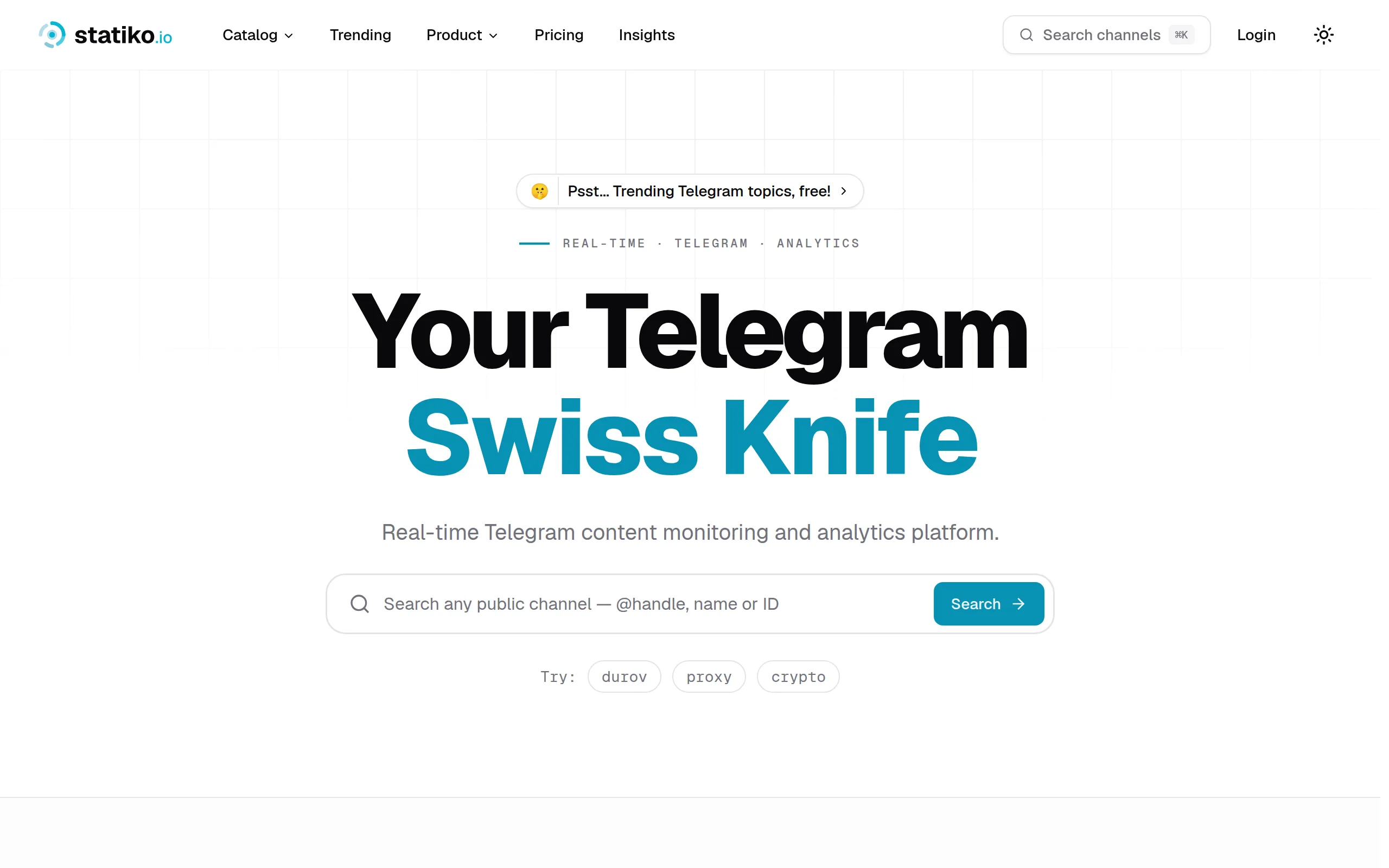
Statiko
Monitor any Telegram channel in real time - track posts, edits, deletions, and growth with AI recaps 📡

Shibui
AI website builder - describe your business, pick a niche template, edit by chatting, and publish instantly ✨

Pro Service
Find verified home service professionals, compare quotes, and pay securely through escrow - built for Brazilians across the US 🏠
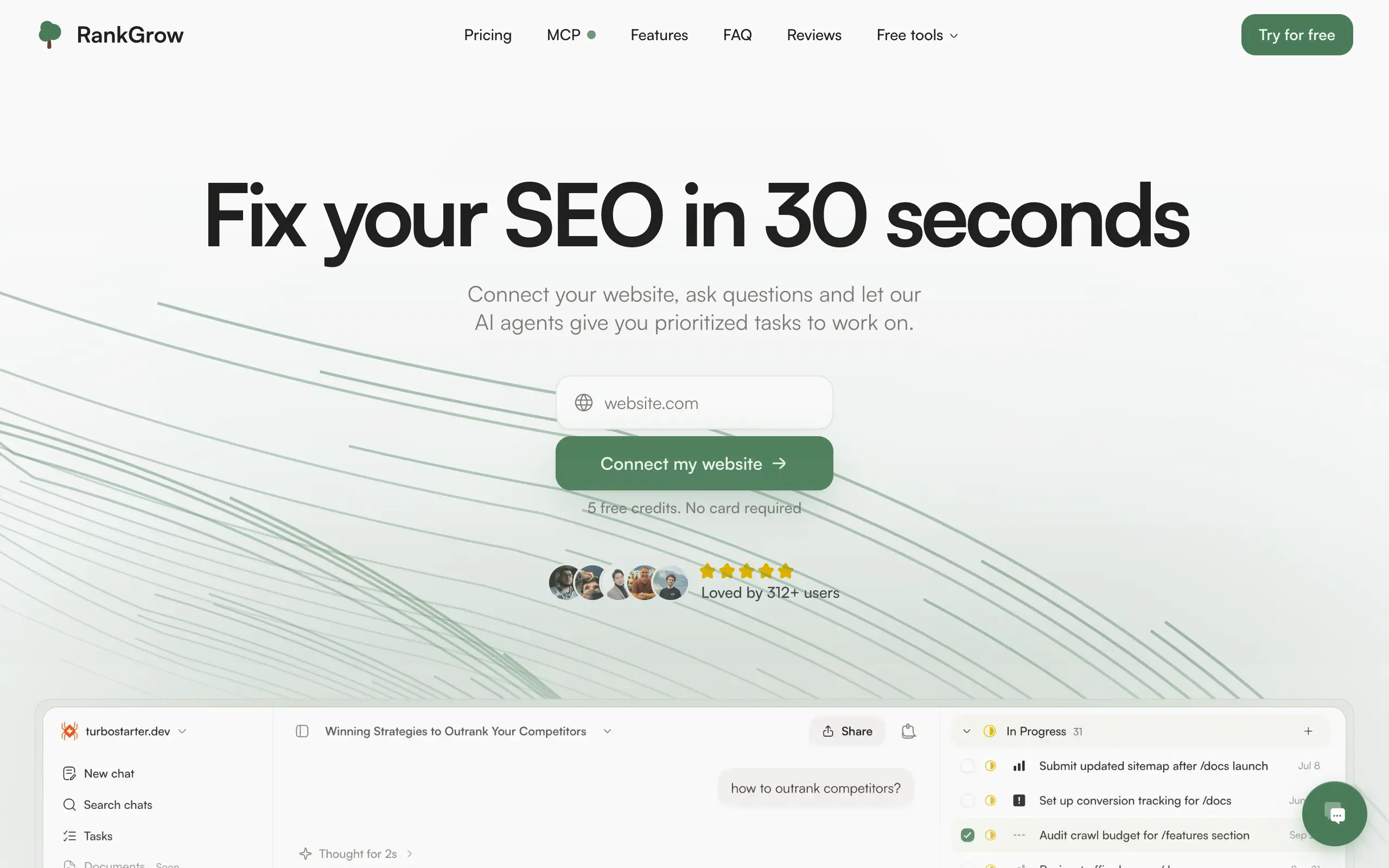
RankGrow
Fix your SEO with AI agents - connect Search Console, get prioritized tasks, and grow organic traffic 📈
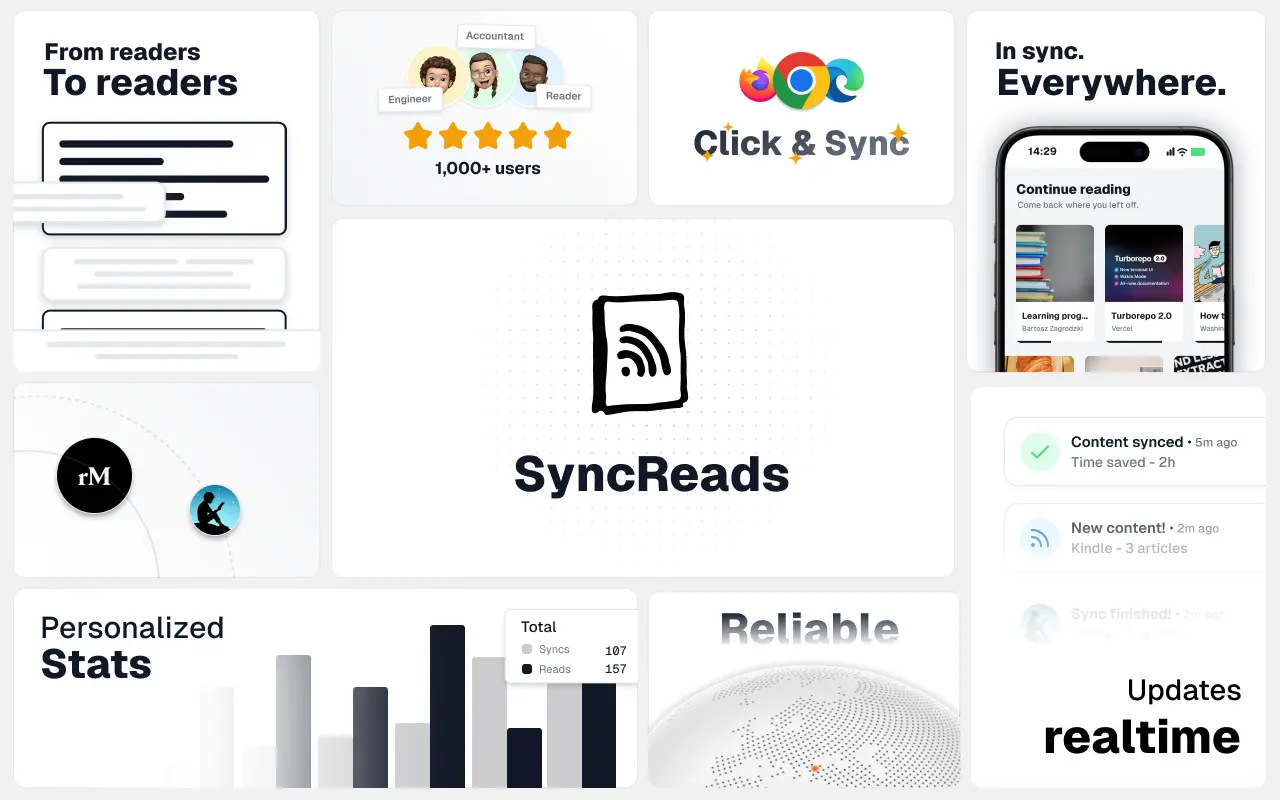
SyncReads
Sync your favorite content for distraction-free reading, save time and replace multiple apps. Anytime, anywhere 🔄
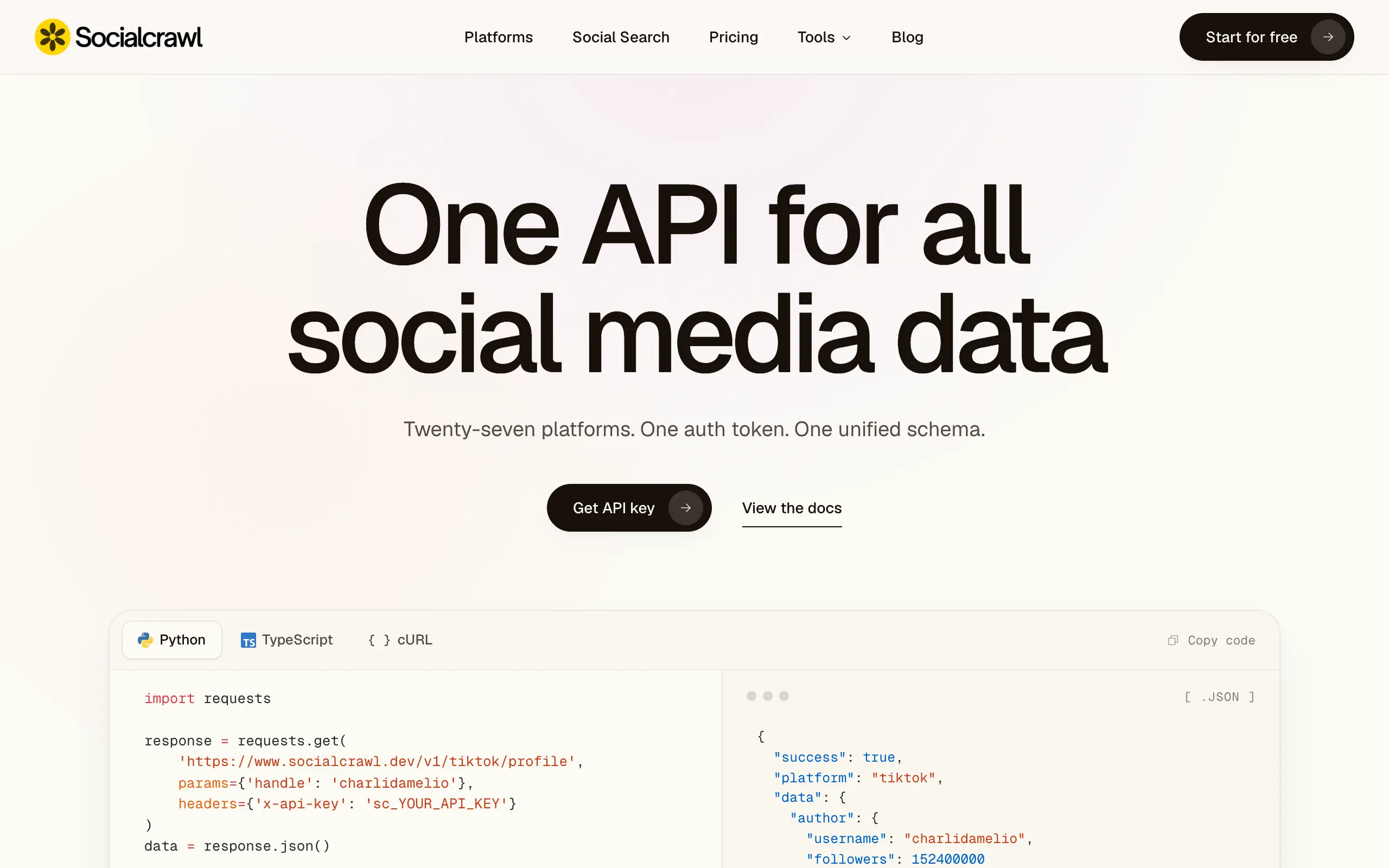
Socialcrawl
Get clean, structured data from 21 platforms like TikTok, Instagram, and YouTube with a single request 📊
Statiko
Monitor any Telegram channel in real time - track posts, edits, deletions, and growth with AI recaps 📡
Shibui
AI website builder - describe your business, pick a niche template, edit by chatting, and publish instantly ✨
Pro Service
Find verified home service professionals, compare quotes, and pay securely through escrow - built for Brazilians across the US 🏠
RankGrow
Fix your SEO with AI agents - connect Search Console, get prioritized tasks, and grow organic traffic 📈
SyncReads
Sync your favorite content for distraction-free reading, save time and replace multiple apps. Anytime, anywhere 🔄
Socialcrawl
Get clean, structured data from 21 platforms like TikTok, Instagram, and YouTube with a single request 📊
Statiko
Monitor any Telegram channel in real time - track posts, edits, deletions, and growth with AI recaps 📡
Shibui
AI website builder - describe your business, pick a niche template, edit by chatting, and publish instantly ✨
Pro Service
Find verified home service professionals, compare quotes, and pay securely through escrow - built for Brazilians across the US 🏠
RankGrow
Fix your SEO with AI agents - connect Search Console, get prioritized tasks, and grow organic traffic 📈
SyncReads
Sync your favorite content for distraction-free reading, save time and replace multiple apps. Anytime, anywhere 🔄
Socialcrawl
Get clean, structured data from 21 platforms like TikTok, Instagram, and YouTube with a single request 📊
Statiko
Monitor any Telegram channel in real time - track posts, edits, deletions, and growth with AI recaps 📡
Shibui
AI website builder - describe your business, pick a niche template, edit by chatting, and publish instantly ✨
Pro Service
Find verified home service professionals, compare quotes, and pay securely through escrow - built for Brazilians across the US 🏠
RankGrow
Fix your SEO with AI agents - connect Search Console, get prioritized tasks, and grow organic traffic 📈
SyncReads
Sync your favorite content for distraction-free reading, save time and replace multiple apps. Anytime, anywhere 🔄
Socialcrawl
Get clean, structured data from 21 platforms like TikTok, Instagram, and YouTube with a single request 📊
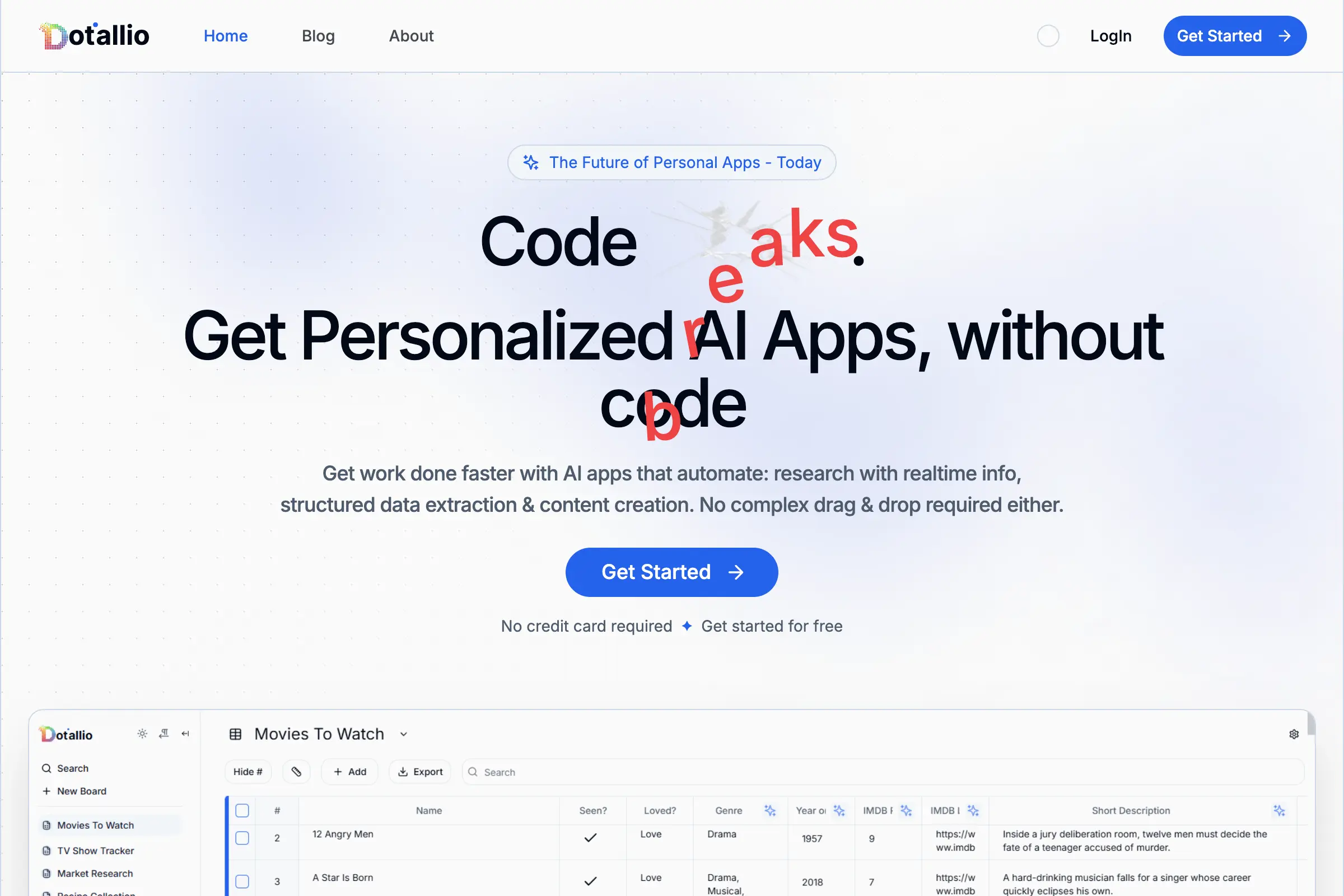
Dotallio
Personalized AI apps that automate research, data extraction, and content creation without code 🤖

Talk to Santa
Enjoy a magical live video chat or receive a unique AI-generated video greeting from Santa Claus 🎅

pozywka.pl
Scalable blog for food journalist, focused on performance and user experience 🌭
zagrodzki.me
Personal blog and portfolio of Bart Zagrodzki, where he shares his knowledge and work 💼
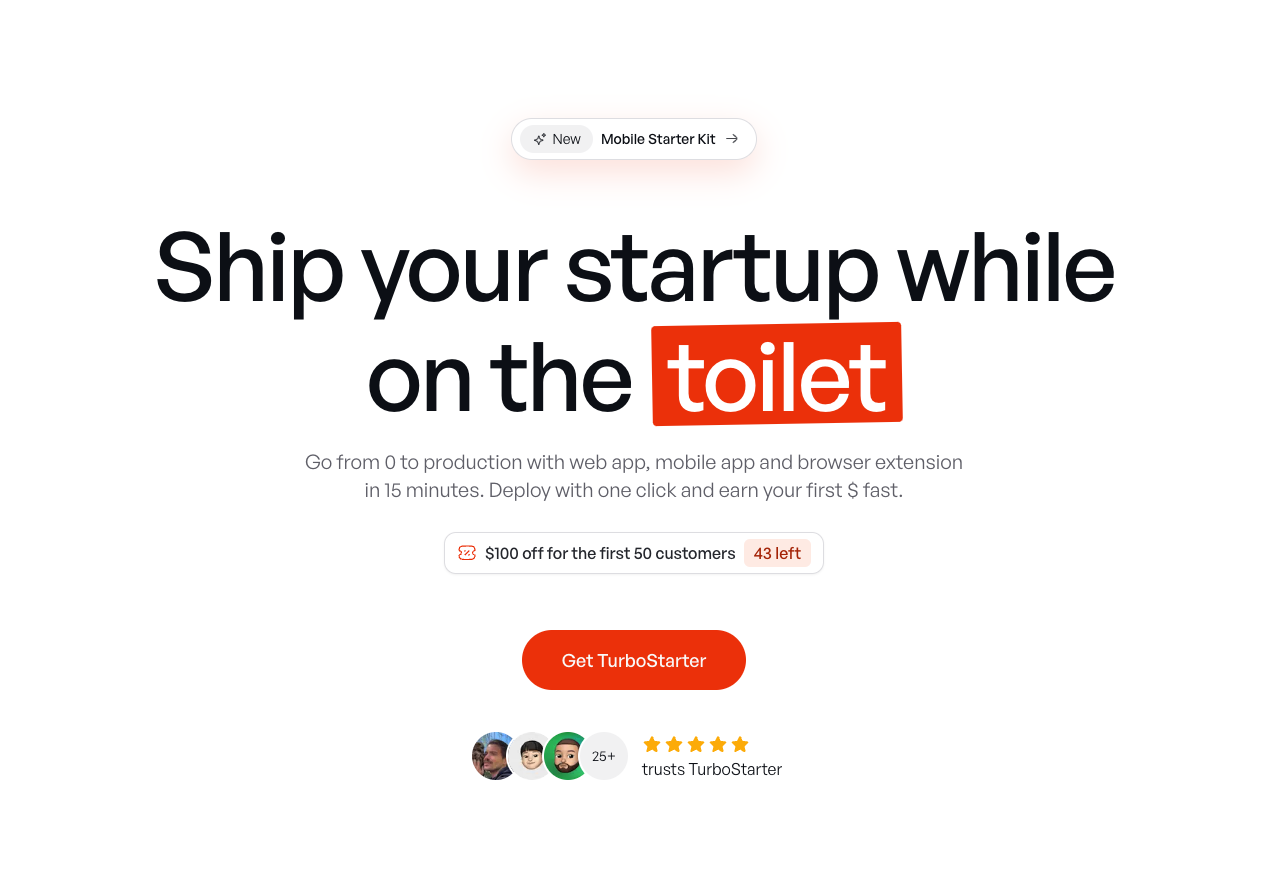
TurboStarter
Ship your startup everywhere. In minutes.
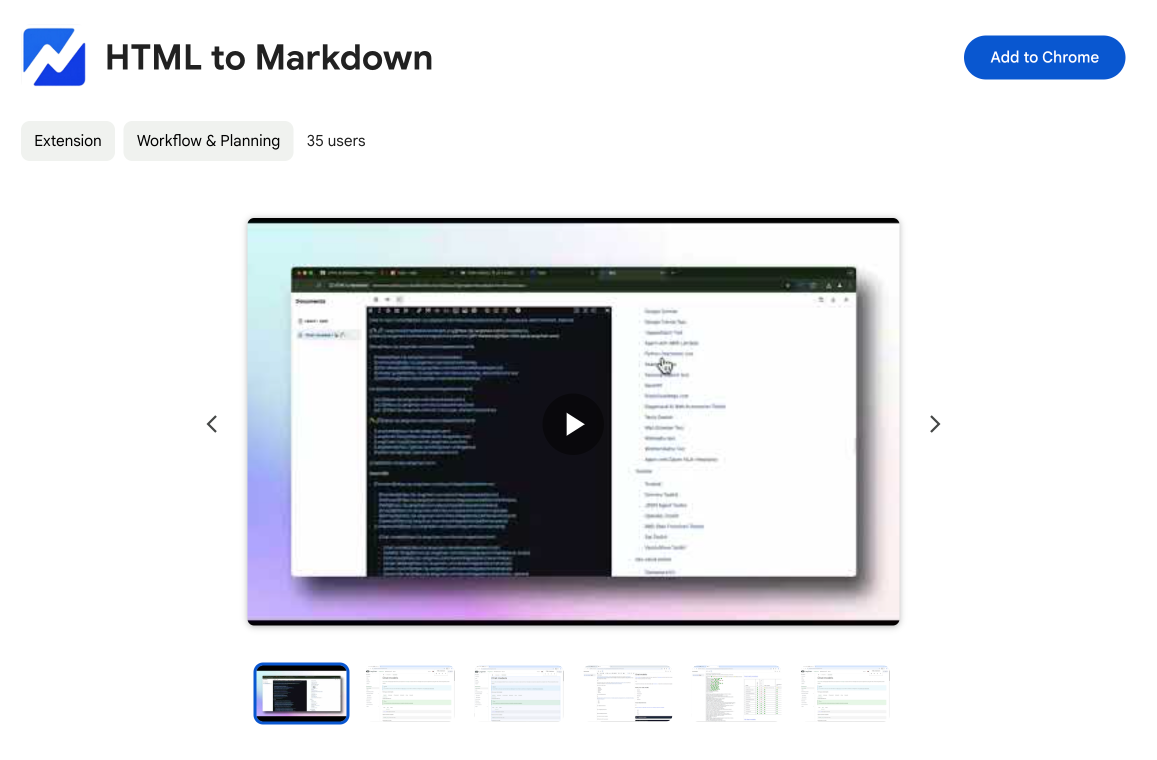
HTML to Markdown
Convert HTML to Markdown with ease, directly in your browser 📄
Dotallio
Personalized AI apps that automate research, data extraction, and content creation without code 🤖
Talk to Santa
Enjoy a magical live video chat or receive a unique AI-generated video greeting from Santa Claus 🎅
pozywka.pl
Scalable blog for food journalist, focused on performance and user experience 🌭
zagrodzki.me
Personal blog and portfolio of Bart Zagrodzki, where he shares his knowledge and work 💼
TurboStarter
Ship your startup everywhere. In minutes.
HTML to Markdown
Convert HTML to Markdown with ease, directly in your browser 📄
Dotallio
Personalized AI apps that automate research, data extraction, and content creation without code 🤖
Talk to Santa
Enjoy a magical live video chat or receive a unique AI-generated video greeting from Santa Claus 🎅
pozywka.pl
Scalable blog for food journalist, focused on performance and user experience 🌭
zagrodzki.me
Personal blog and portfolio of Bart Zagrodzki, where he shares his knowledge and work 💼
TurboStarter
Ship your startup everywhere. In minutes.
HTML to Markdown
Convert HTML to Markdown with ease, directly in your browser 📄
Dotallio
Personalized AI apps that automate research, data extraction, and content creation without code 🤖
Talk to Santa
Enjoy a magical live video chat or receive a unique AI-generated video greeting from Santa Claus 🎅
pozywka.pl
Scalable blog for food journalist, focused on performance and user experience 🌭
zagrodzki.me
Personal blog and portfolio of Bart Zagrodzki, where he shares his knowledge and work 💼
TurboStarter
Ship your startup everywhere. In minutes.
HTML to Markdown
Convert HTML to Markdown with ease, directly in your browser 📄
Omichat
Chat with 50+ AI models, including ChatGPT and Claude, in one place - switch models anytime without losing context 🤖
Claude Fast
Supercharge your Claude Code with 6x effective context window and specialized AI agents 🤖
EmojAI
AI-powered emoji picker with smart, context-aware suggestions 🤖
Solohacker
Autonomous company launcher - AI agents work 24/7, escalate what matters, and you stay in control 🤖

BeRawi: Storytelling Coach
Practice storytelling daily with instant feedback to sound clearer, more engaging, and confident 🎤
Omichat
Chat with 50+ AI models, including ChatGPT and Claude, in one place - switch models anytime without losing context 🤖
Claude Fast
Supercharge your Claude Code with 6x effective context window and specialized AI agents 🤖
EmojAI
AI-powered emoji picker with smart, context-aware suggestions 🤖
Solohacker
Autonomous company launcher - AI agents work 24/7, escalate what matters, and you stay in control 🤖
BeRawi: Storytelling Coach
Practice storytelling daily with instant feedback to sound clearer, more engaging, and confident 🎤
Omichat
Chat with 50+ AI models, including ChatGPT and Claude, in one place - switch models anytime without losing context 🤖
Claude Fast
Supercharge your Claude Code with 6x effective context window and specialized AI agents 🤖
EmojAI
AI-powered emoji picker with smart, context-aware suggestions 🤖
Solohacker
Autonomous company launcher - AI agents work 24/7, escalate what matters, and you stay in control 🤖
BeRawi: Storytelling Coach
Practice storytelling daily with instant feedback to sound clearer, more engaging, and confident 🎤
Omichat
Chat with 50+ AI models, including ChatGPT and Claude, in one place - switch models anytime without losing context 🤖
Claude Fast
Supercharge your Claude Code with 6x effective context window and specialized AI agents 🤖
EmojAI
AI-powered emoji picker with smart, context-aware suggestions 🤖
Solohacker
Autonomous company launcher - AI agents work 24/7, escalate what matters, and you stay in control 🤖
BeRawi: Storytelling Coach
Practice storytelling daily with instant feedback to sound clearer, more engaging, and confident 🎤

Connect with like-minded people
Join our community to get feedback, support, and grow together with 1,000+ builders on board, let's ship it!
Join usShip your startup everywhere. In minutes.
Don't burn tokens on setup and start building features on day one.