InternshipPilot
AI job-search workspace for students that tailors resumes, tracks applications and generates evidence-based interview practice from job listings.
Why an AI internship job search workspace matters now
Students searching for internships face a problem that traditional job boards do not solve: the process is fragmented, repetitive, and difficult to personalize at scale. A candidate may find roles on LinkedIn, Handshake, company career pages, university portals, and student communities, then manually copy details into a spreadsheet, rewrite a resume, draft an application response, and try to prepare for an interview with limited context.
InternshipPilot is positioned as an AI internship job search workspace that brings these disconnected tasks together. It can help students tailor resumes to specific job listings, manage every internship application in one place, and create evidence-based interview practice from the actual responsibilities and skills employers request.
The opportunity is not simply to build another AI resume generator. The stronger product category is an AI-powered internship application management platform that helps students make better decisions throughout the full internship search lifecycle.
A successful solution should support the workflow from first saved listing through interview preparation and offer evaluation. The product must also protect students from a common risk of generic AI tools: producing polished but inaccurate content that does not reflect their real experience.
The core positioning
InternshipPilot should position itself as a student’s internship command center, not just an AI writing tool. The durable value comes from connecting job discovery, resume tailoring, application tracking, and interview readiness around verified candidate evidence.
Who InternshipPilot should serve first
The initial market should be narrow enough to create a clear product experience and focused enough for efficient acquisition. “All job seekers” is too broad. Internship applicants have distinct constraints, timelines, confidence barriers, and qualification patterns.
Primary audience: university students seeking competitive internships
The strongest early audience includes undergraduate and graduate students who are applying for internships in fields with structured hiring processes.
High-potential segments include:
- "Computer science and engineering students" applying for software, data, cybersecurity, product, or IT internships
- "Business students" applying for consulting, finance, marketing, operations, and sales internships
- "Design students" seeking UX, product design, visual design, and research placements
- "International students" who need help organizing visa-aware opportunities and explaining their qualifications clearly
- "First-generation college students" who may have less access to informal career coaching or professional networks
- "Career switchers and bootcamp students" building early experience in a new field
- "Graduate students" applying for research, analyst, MBA, and specialized industry roles
These candidates often have an urgent need for structure. They may apply to dozens of roles over a short recruitment window while balancing coursework, part-time employment, and extracurricular commitments.
Secondary audience: university career teams and student organizations
Career centers, departments, student societies, bootcamps, and workforce programs can become a meaningful business-to-business distribution channel.
These organizations need to help more students without requiring career counselors to manually review every resume or run repetitive interview sessions. InternshipPilot can support them with a guided student workflow while preserving human oversight for high-impact coaching.
Potential institutional use cases include:
- "Career services" that provide an approved application preparation platform
- "Computer science departments" that support internship readiness before recruiting season
- "Student organizations" that offer member benefits and application workshops
- "Bootcamps" that include a job-search workspace as part of career services
- "Scholarship and workforce programs" that need measurable employment readiness outcomes
Student pain points worth solving
The most valuable product decisions should be tied to specific recurring frustrations rather than vague promises of productivity.
Too many disconnected tools
Students switch between job boards, spreadsheets, document editors, AI chat tools, calendars, and company websites just to manage one application.
Generic applications
Candidates know tailoring matters but lack the time and confidence to map their actual experience to every role.
Weak interview preparation
Students often practice broad interview questions instead of questions grounded in a specific job description and employer needs.
A compelling AI internship job search platform removes this operational overhead while helping students make honest, evidence-backed claims.
The market gap in internship application tools
The market contains strong point solutions. Job boards help candidates find opportunities. Applicant tracking spreadsheets help them monitor status. Resume builders improve formatting. General-purpose AI assistants help draft text. Interview platforms provide generic question banks.
However, most tools leave an important gap: they do not create a reliable bridge between a student’s verified experience and each target internship listing.
That bridge is the strategic opportunity for InternshipPilot.
Existing alternatives and their limitations
Students commonly use a mix of solutions:
- "Spreadsheets and Notion boards" provide flexibility but require extensive manual maintenance
- "Job boards" centralize listings but do not deeply personalize the application package
- "Resume builders" improve layout but may not connect resumes to live role requirements
- "General AI chat tools" can write quickly but do not automatically maintain a structured application history
- "Mock interview platforms" can improve practice but may not understand the candidate’s resume and target role together
- "Career coaching" offers high-value expertise but is difficult to scale and may be inaccessible to many students
InternshipPilot can combine the best aspects of these tools without trying to replace the human counselor or mentor. Its role is to make the student more prepared before they seek human feedback.
The opportunity is workflow intelligence
The product should not treat a job description as static text. It should turn the listing into structured, actionable information.
For each internship opportunity, the platform can identify:
- "Core responsibilities" that indicate what the intern will actually do
- "Required qualifications" that need direct evidence in the resume
- "Preferred qualifications" that may influence optional projects or cover letter content
- "Hard skills" such as Python, Excel, Figma, SQL, Salesforce, or laboratory methods
- "Soft skills" such as stakeholder communication, ownership, teamwork, and analytical thinking
- "Business context" such as industry, team function, customer type, or product area
- "Interview signals" that suggest likely behavioral, technical, or case-style questions
- "Deadline and hiring stage" to prioritize the next best action
This transforms a listing into an application plan. That is much more useful than merely generating a new resume version.
Why evidence-based AI is a competitive moat
AI-generated job-search content can be harmful when it invents achievements, exaggerates technical proficiency, or encourages a candidate to claim experience they cannot defend in an interview. InternshipPilot should explicitly solve this issue through an evidence model.
Every suggested resume bullet, response, or interview answer should trace back to student-provided facts such as projects, coursework, work experience, volunteer roles, leadership positions, certifications, and portfolio work.
The product can use an internal evidence hierarchy:
- Direct professional experience and measurable outcomes
- Academic projects with clear contribution details
- Research, student organization, volunteer, and leadership experience
- Coursework and practical assignments
- Skills self-assessments, clearly labeled by confidence level
This creates a trust advantage. Rather than saying “AI writes the best resume,” InternshipPilot can say “AI helps you present real experience for the role you want.”
The core InternshipPilot product experience
The ideal experience starts with minimal setup and becomes more personalized as the student uses the product. The onboarding flow should ask for enough structured information to deliver immediate value without feeling like another long application.
Build a reusable student evidence profile
The profile is the foundation of an AI internship job search workspace. Students should be able to upload an existing resume, import a LinkedIn PDF if they choose, or complete a guided profile form.
The system should extract and organize:
- "Education" including degree, major, graduation date, GPA if the student opts in, relevant coursework, and academic honors
- "Experience" including responsibilities, achievements, metrics, tools, and dates
- "Projects" including objective, scope, methods, stack, contribution, and result
- "Skills" grouped by technical tools, business tools, languages, and interpersonal strengths
- "Portfolio assets" including GitHub repositories, websites, case studies, writing samples, and design portfolios
- "Preferences" including location, remote availability, target functions, industries, work authorization, and compensation expectations
The interface should make it easy to edit extracted content. A student must remain in control of the facts that become application materials.
Analyze job listings with a structured fit report
Students should be able to paste a job description, submit a supported job URL where permitted, or enter essential listing information manually.
The AI then produces a fit report. Instead of a simplistic match score, show why the role fits and what needs attention.
A useful report includes:
- "Role summary" written in plain language
- "Top employer priorities" ranked by importance
- "Matched evidence" from the student’s profile
- "Missing or weak evidence" with honest labels
- "Resume keywords" that are relevant and supportable
- "Suggested stories" for behavioral interviews
- "Application risks" such as missing work authorization, graduation-date mismatch, or required technical experience
- "Recommended next action" such as tailor resume, complete assessment prep, research company, or deprioritize
A strong match has clear evidence for most must-have qualifications. The system should recommend focused tailoring, application completion, and early interview preparation.
A partial match has promising overlap but visible gaps. The platform should suggest truthful framing, relevant projects, and realistic upskilling tasks before submission.
A low match lacks several non-negotiable requirements. InternshipPilot should explain the gap respectfully and suggest adjacent roles rather than encouraging wasted applications.
This approach promotes quality over blind application volume.
Generate tailored resumes without fabricating claims
Resume tailoring should work as a guided editing system, not an opaque “rewrite everything” button.
For each job listing, InternshipPilot can recommend:
- Reordering existing bullets to prioritize relevant evidence
- Rewriting approved bullets for clarity, specificity, and keyword alignment
- Recommending which projects to feature
- Identifying skills to add only when they exist in the student profile
- Creating role-specific resume versions with clear naming and history
- Flagging unsupported keywords before export
- Producing applicant tracking system-friendly formatting
The platform should show a side-by-side comparison between the base resume and tailored version. Students need to understand what changed and why.
Here is the kind of structured output an internal tailoring engine might produce:
type ResumeRecommendation = {
  jobRequirement: string;
  candidateEvidence: string[];
  recommendation: string;
  confidence: "high" | "medium" | "low";
  requiresStudentReview: boolean;
};

const recommendation: ResumeRecommendation = {
  jobRequirement: "Analyze customer data using SQL and Excel",
  candidateEvidence: [
    "Built SQL queries for a university analytics project",
    "Created Excel dashboards for a student organization budget",
  ],
  recommendation:
    "Move the analytics project above unrelated coursework and clarify the dashboard outcome.",
  confidence: "high",
  requiresStudentReview: true,
};
The requiresStudentReview principle is important. Career-related AI should prioritize candidate ownership over frictionless automation.
Track internship applications from discovery to decision
A built-in internship application tracker is not a secondary feature. It is the connective layer that makes the workspace habit-forming.
Each application record should include:
- "Company and role" with location and work arrangement
- "Source" such as job board, referral, campus portal, career fair, or company site
- "Application status" including saved, preparing, applied, assessment, interview, offer, rejected, and withdrawn
- "Deadlines" for applications, assessments, interviews, and follow-ups
- "Documents" including the tailored resume, cover letter, portfolio, and notes
- "Contacts" such as recruiter, referral, hiring manager, alumni contact, or interviewer
- "Interview activity" including question sets, practice attempts, and feedback
- "Outcome data" including rejection reason when known and lessons learned
A kanban board can be useful, but it should be paired with a calendar and an action queue. Students do not need another static database. They need to know what to do today.
Create job-specific interview practice
Interview practice is where InternshipPilot can become distinctly more valuable than a resume tool. The platform should generate questions from three inputs:
- The target job listing
- The student’s approved evidence profile
- The company and role context the student provides or researches
Question generation should cover multiple formats:
- "Behavioral questions" such as collaboration, conflict, initiative, leadership, learning, and ambiguity
- "Resume deep dives" based on projects and experience visible to interviewers
- "Technical questions" appropriate to the role’s stated requirements
- "Case and situational questions" for consulting, product, operations, and business roles
- "Motivation questions" including why this company, why this role, and career direction
- "Questions to ask the interviewer" that demonstrate preparation without sounding scripted
The AI feedback should assess answer structure, relevance, specificity, evidence, concision, and alignment with the role. It should avoid presenting itself as a guaranteed predictor of interview outcomes.
Do not optimize for keyword matching alone
A high “match score” can create false confidence. InternshipPilot should surface requirements, evidence, and gaps rather than imply that an automated score determines whether a student will get an interview.
How InternshipPilot can stand out from AI resume builders
The unique selling proposition is not simply “AI for internships.” It is an evidence-first, role-aware workspace that turns every internship listing into a tailored application and interview plan.
That positioning creates differentiation across the student journey.
| Capability | Generic AI chat | Resume builder | Spreadsheet tracker | InternshipPilot |
|---|---|---|---|---|
| Role-specific resume guidance | Sometimes | Often | No | Yes, evidence-linked |
| Application tracking | No | Limited | Yes, manual | Yes, action-oriented |
| Job-specific interview practice | Manual prompting | Rarely | No | Yes |
| Claim verification workflow | Rarely | Limited | No | Central product principle |
Defensible advantages to build over time
AI features are relatively easy for competitors to copy at the surface level. InternshipPilot’s defensibility should come from product data, workflow design, and distribution.
Potential advantages include:
- "Student evidence graph" that improves recommendations across resumes, applications, and interview practice
- "Application outcome learning" that identifies patterns while protecting individual privacy
- "Vertical templates" tailored to specific internship paths such as software engineering, finance, consulting, UX design, and marketing
- "University partnerships" that create trust and lower student acquisition costs
- "Career coach review workflows" that keep humans in the loop for institutional plans
- "Trust and transparency" through citations to the student’s own profile and visible AI reasoning
Recommended tech stack for an AI internship platform
The best stack should support fast iteration, secure document handling, reliable background processing, and structured AI output. Students will expect a polished mobile-friendly experience, but the first version does not need native mobile apps.
Frontend and application architecture
A practical web stack includes Next.js with React and TypeScript. This combination supports server-rendered pages for SEO, responsive application interfaces, API endpoints, and a broad ecosystem of deployment and authentication options.
For the interface layer, Tailwind CSS supports rapid design iteration and consistent responsive styling. Form-heavy workflows benefit from a component system with clear validation states, autosaving, document previews, and accessible keyboard navigation.
Recommended frontend considerations:
- Responsive design for students who apply from laptops and phones
- Autosave for profile and application notes
- Clear version history for every resume variation
- Accessibility aligned with WCAG expectations
- Export previews that show page breaks before PDF download
- Explicit disclosures when content is AI-generated or AI-modified
Backend, data, and storage
Use a relational database such as PostgreSQL for users, profiles, applications, job listings, document versions, interview sessions, and billing data. Relational models are especially useful because the product is built around connected entities.
A typical data model might include:
- "User" linked to one or more resumes and evidence entries
- "Job listing" linked to applications, analysis results, and interview plans
- "Application" linked to status events, deadlines, documents, and contacts
- "Evidence item" linked to experiences, skills, achievements, and source documents
- "AI generation" linked to source evidence, prompt version, and user approval state
For document storage, use private object storage with expiring access URLs, server-side encryption, retention controls, and deletion workflows. Resumes contain personal data, so security should be part of the initial architecture rather than a later compliance project.
AI orchestration and retrieval design
The AI layer should use structured outputs rather than free-form prose whenever possible. A resume recommendation should return validated fields such as requirement, supporting evidence, proposed edit, confidence, and review status.
A retrieval-augmented generation approach can ground responses in student-approved profile information and the current job listing. The model should not receive irrelevant historical data by default.
Key implementation practices include:
- "Prompt templates" versioned and tested for each feature
- "Structured JSON outputs" validated against schemas
- "Evidence citations" returned with every important recommendation
- "Model routing" that uses lower-cost models for classification and stronger models for nuanced coaching
- "Rate limits and quotas" to manage cost and prevent abuse
- "Evaluation datasets" using anonymized, consented examples or synthetic profiles
- "Human review flags" for low-confidence or high-impact suggestions
Build fast without creating long-term debt
A product founder can accelerate the first release with TurboStarter, especially when the goal is to validate onboarding, billing, authentication, dashboards, and core SaaS workflows quickly.
The trade-off is that speed should not lead to generic product behavior. The differentiating investment must remain in InternshipPilot’s evidence model, job-listing intelligence, document versioning, and trustworthy interview feedback.
Monetization options for InternshipPilot
Students are price-sensitive, especially before they have internship income. The pricing model should provide meaningful free value while reserving high-cost AI usage and premium outcomes for paid plans.
Freemium subscription for individual students
A free plan can include:
- One base resume upload and profile
- A limited number of saved jobs
- Basic application tracking
- A small number of job analyses per month
- Limited interview questions or feedback credits
A premium plan can include:
- Unlimited or high-volume job analyses
- Multiple tailored resume versions
- Advanced application dashboards and reminders
- Full interview practice plans
- Cover letter and outreach support
- Portfolio and project positioning guidance
- Priority processing and document exports
Avoid pricing that feels punitive during recruiting season. A monthly plan with a short-term seasonal option may match student behavior better than a high annual commitment.
Credits for intensive AI features
Credit packs can work for students who only need support during a narrow application period. Credits may apply to high-cost actions such as in-depth resume analysis, audio interview feedback, or advanced role-specific practice plans.
This model lowers the barrier for users who do not want a subscription. However, credits can make the experience feel transactional if every meaningful action is metered. Keep core tracking and profile management available without friction.
Institution and cohort licensing
Universities, bootcamps, student organizations, and workforce programs can pay for cohort access. This model may offer stronger retention and lower customer acquisition costs than direct-to-student acquisition alone.
Institutional tiers can include:
- "Career team dashboard" with adoption and readiness metrics
- "Branded resource libraries" for resume standards and recruiting guidance
- "Coach review queues" for selected student submissions
- "Department-specific templates" for common career paths
- "Privacy controls" that ensure institutions cannot access personal data without student consent
- "Aggregated reporting" that avoids exposing sensitive individual information
The strongest institutional pitch is not “replace career counselors.” It is “help counselors spend more time on coaching and less time on repetitive preparation.”
Risks, ethics, and mitigation strategies
A trustworthy AI internship platform must directly address the risks that arise when software influences high-stakes career decisions.
Risk of inaccurate or embellished application content
The most serious product risk is helping users submit claims they cannot defend. This can damage the student’s credibility and potentially harm their employment prospects.
Mitigation should include:
- Mandatory user approval before exports
- Evidence links behind every suggested claim
- Warnings for unsupported skills or achievements
- Clear labels separating rewrite suggestions from verified experience
- A “remove unsupported claim” action that improves future recommendations
- Prompting that emphasizes accuracy and candidate ownership
Risk of biased or opaque recommendations
A model may infer fit unfairly from school names, names, locations, or other proxy variables. It may also overvalue conventional experience and undervalue nontraditional backgrounds.
Mitigation should include:
- Avoiding demographic inference in recommendation logic
- Giving users control over optional profile fields
- Explaining why a recommendation was made
- Testing outputs across diverse student profiles
- Evaluating whether advice differs unfairly by background
- Offering alternatives instead of binary “qualified” or “unqualified” labels
Risk of privacy and student data exposure
Resumes, work authorization information, contact details, and application history are sensitive. Students should understand how data is stored and how AI providers process it.
Core safeguards include:
- Clear privacy notices written in student-friendly language
- Encryption in transit and at rest
- Data minimization and configurable retention
- User-controlled export and account deletion
- Strict separation between individual data and aggregate analytics
- Vendor due diligence for AI, analytics, and document-processing services
Risk of overreliance on automation
Students may believe that a polished AI-generated document is enough to secure an internship. It is not. Networking, academic performance, portfolio quality, timing, interviewing, and role availability all matter.
InternshipPilot should encourage productive behavior, such as practicing answers aloud, verifying documents, preparing targeted questions, and following up professionally. The product should communicate uncertainty honestly.
Not by default. Job-board terms, employer rights, data quality, and API availability vary. The product can begin with user-submitted job descriptions, approved integrations, and structured manual entry. This approach reduces legal and maintenance risk while still delivering the highest-value analysis workflow.
No. It can help students prepare more effectively, but it should never promise interviews, offers, salary outcomes, or applicant tracking system success. Trust is strengthened by clear limits and measurable process improvements instead.
No. Start with a few well-defined internship categories where job descriptions and interview formats have recurring patterns. Expand after validating that tailored recommendations improve user confidence and application completion.
Go-to-market strategy for an AI internship job search platform
The strongest go-to-market plan combines high-intent search content, student communities, and trusted institutional channels.
Capture high-intent search demand
Create useful, non-generic resources around searches students already make. Examples include:
- "How to tailor a resume for a software engineering internship"
- "Best way to track internship applications"
- "How to prepare for a behavioral internship interview"
- "Internship resume examples for students with no experience"
- "How to turn class projects into resume bullet points"
- "What to include in an internship application tracker"
Each article should solve a real problem first, then demonstrate where InternshipPilot helps. Avoid thin comparison content or pages designed only to rank for keywords.
For current market data, reference authoritative sources such as university career outcomes reports, employer recruiting reports, and government labor data. Before publishing specific statistics, verify the source date, methodology, geography, and population.
Partner with trusted student communities
Student clubs, teaching assistants, campus ambassadors, alumni groups, and career-focused creators can drive authentic adoption. The best partnerships are educational rather than purely promotional.
Examples include co-hosted workshops on:
- Building evidence-based resume bullets
- Organizing internship applications before recruiting season
- Practicing behavioral interviews with the STAR method
- Preparing a portfolio for design or software internships
- Finding transferable experience when formal internships are limited
Offer a workshop template and a student-friendly onboarding flow that lets attendees experience value in minutes.
Measure activation, not just signups
A signup is not evidence of product-market fit. Activation should be based on student outcomes that indicate the workspace has become useful.
Potential metrics include:
- Percentage of users who complete an evidence profile
- Time from signup to first analyzed job listing
- Number of saved or tracked applications per active user
- Percentage of AI recommendations reviewed and accepted
- Resume versions created per recruiting period
- Interview practice sessions completed before a real interview
- Weekly active users during recruiting cycles
- Subscription conversion after users experience a complete workflow
Product analytics should also measure whether students return for the next stage of the process. A user who tracks a job, tailors a resume, and practices for an interview is receiving much deeper value than someone who generates one document and leaves.
A practical implementation roadmap
The fastest path to a valuable launch is to focus on a complete narrow workflow rather than an oversized feature list.
Validate the problem with 20 to 30 students across two target majors. Ask them to show their current job-search workflow, tools, documents, and most recent application process. Observe behavior instead of relying only on feature requests.
Build the evidence profile, job description input, structured fit analysis, and application tracker. These components create the core data foundation for every later feature.
Add evidence-linked resume tailoring with mandatory review. Ensure every recommendation can point back to a project, experience entry, or student-confirmed skill.
Launch job-specific interview practice for one or two target role categories. Measure whether students complete practice sessions and report greater preparedness.
Introduce billing after the end-to-end workflow is reliable. Test monthly, seasonal, and institutional pricing with clear limits and transparent AI usage policies.
Expand through university partnerships, career communities, and SEO content only after activation metrics demonstrate that students receive repeatable value.
The minimum viable product should not try to become an all-in-one job board, social network, and career coaching marketplace. It should make one crucial workflow dramatically better: turning a target internship listing into a truthful, organized, interview-ready application.
Final takeaways for building InternshipPilot
InternshipPilot has a credible opportunity because the internship search is still operationally messy and emotionally stressful for students. The market does not need another generic AI writer that produces interchangeable application text. It needs a trustworthy AI internship job search workspace that helps students connect their real experience to the opportunities they care about.
The most important strategic choices are clear:
- Build around a verified student evidence profile
- Convert job listings into transparent fit analysis and next actions
- Make tailored resumes accurate, reviewable, and applicant tracking system-friendly
- Connect application tracking to deadlines, documents, and interview preparation
- Use job-specific interview practice to create deeper recurring value
- Start with a focused student segment and a complete workflow
- Protect student privacy and avoid overstated hiring promises
- Create institutional tools that complement, rather than replace, career counselors
If InternshipPilot consistently helps students submit more relevant applications, stay organized through recruiting season, and speak confidently about their real experience in interviews, it can earn the trust required to become a long-term career companion.
More 🤖 AI Startup SaaS ideas
Discover more innovative ai startup SaaS ideas that are trending in 2026. Each idea is AI-generated with market validation and growth potential to help you find your next profitable venture faster than competitors.
Your competitors are building with TurboStarter
Below are some of the SaaS ideas that have been generated and built with our starter kit.
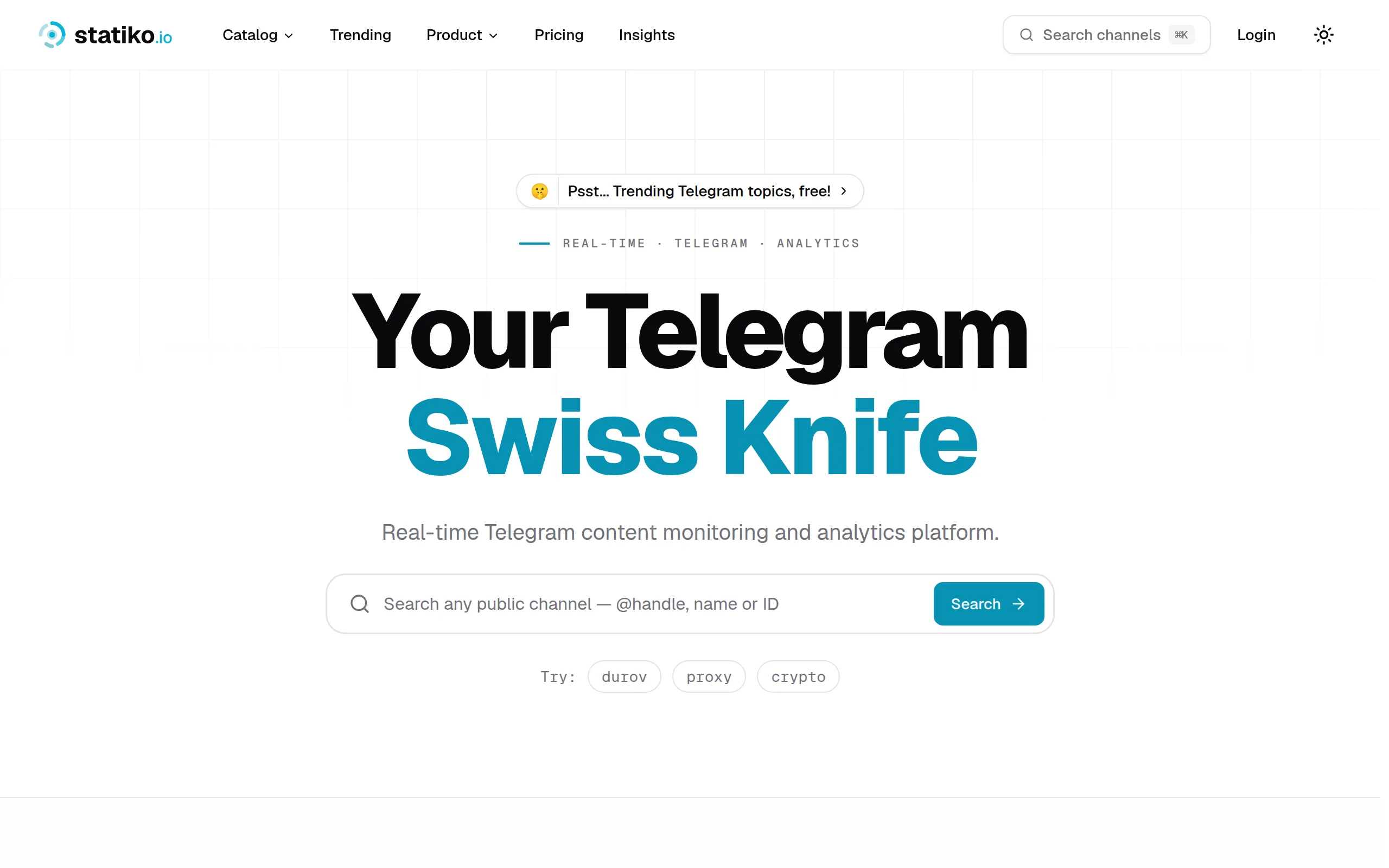
Statiko
Monitor any Telegram channel in real time - track posts, edits, deletions, and growth with AI recaps 📡

Shibui
AI website builder - describe your business, pick a niche template, edit by chatting, and publish instantly ✨

Pro Service
Find verified home service professionals, compare quotes, and pay securely through escrow - built for Brazilians across the US 🏠
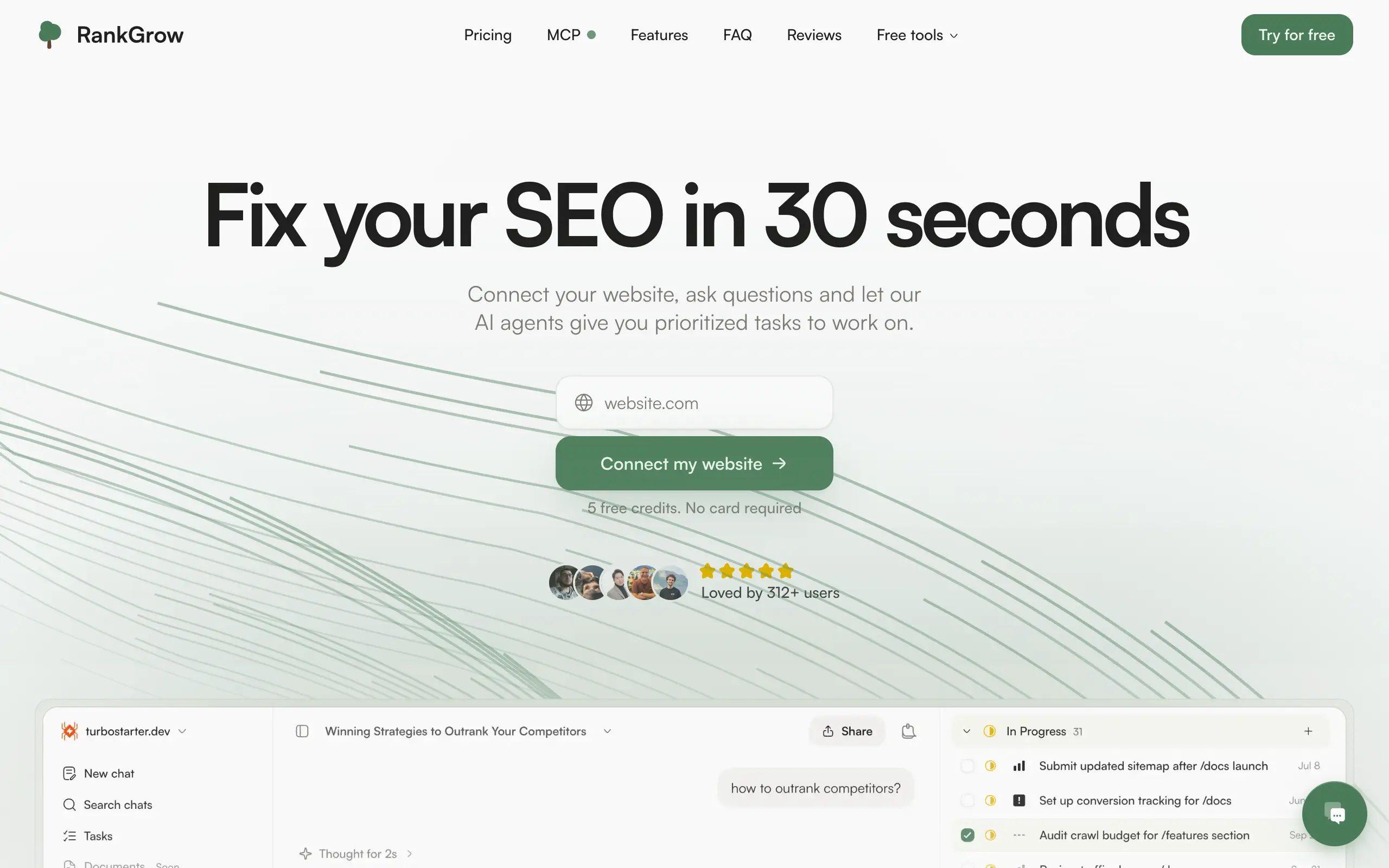
RankGrow
Fix your SEO with AI agents - connect Search Console, get prioritized tasks, and grow organic traffic 📈
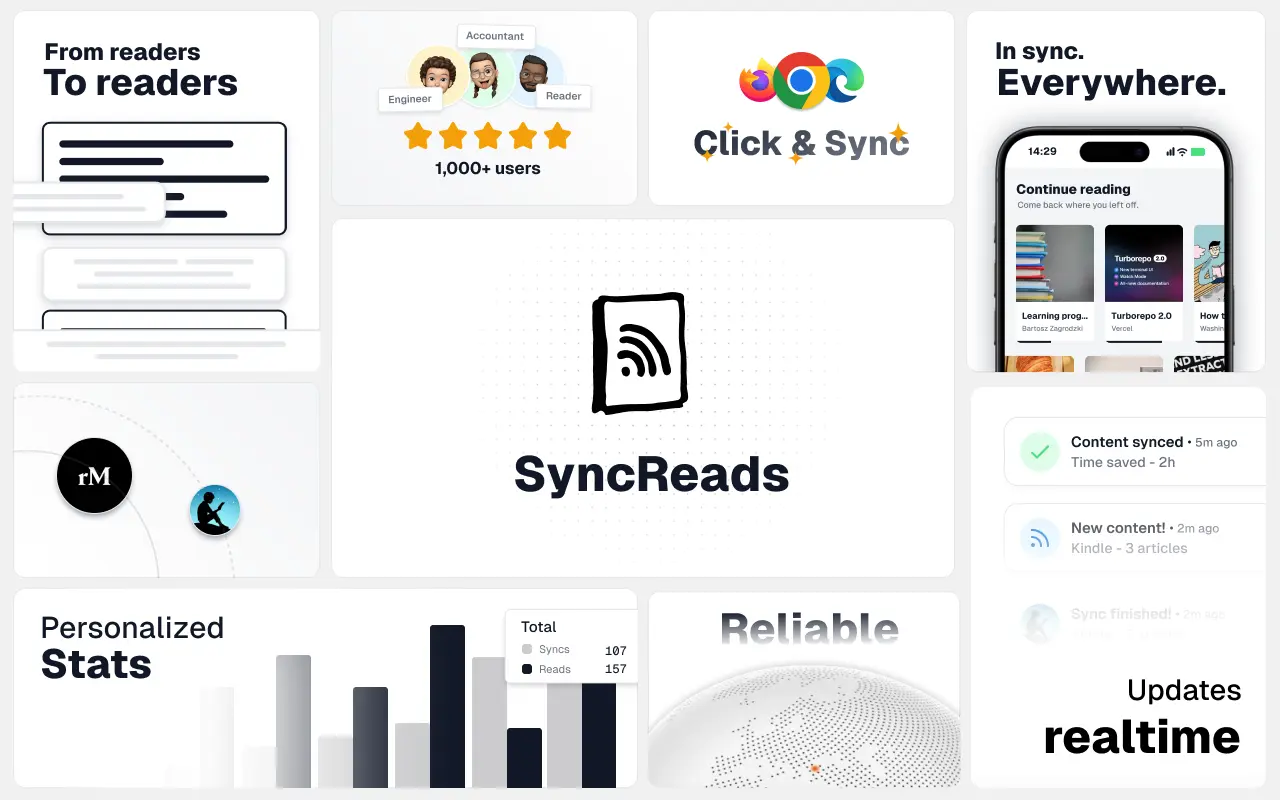
SyncReads
Sync your favorite content for distraction-free reading, save time and replace multiple apps. Anytime, anywhere 🔄
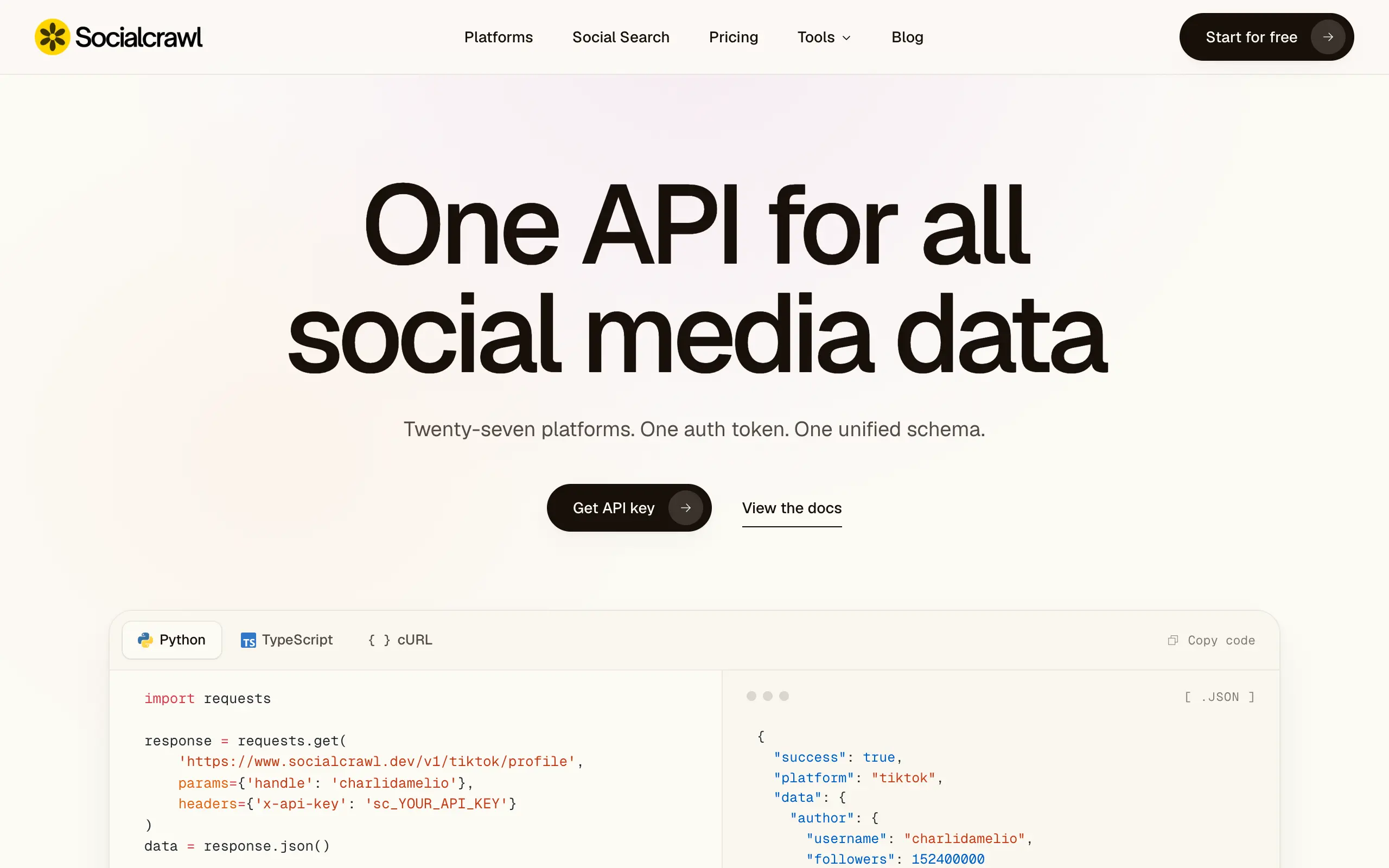
Socialcrawl
Get clean, structured data from 21 platforms like TikTok, Instagram, and YouTube with a single request 📊
Statiko
Monitor any Telegram channel in real time - track posts, edits, deletions, and growth with AI recaps 📡
Shibui
AI website builder - describe your business, pick a niche template, edit by chatting, and publish instantly ✨
Pro Service
Find verified home service professionals, compare quotes, and pay securely through escrow - built for Brazilians across the US 🏠
RankGrow
Fix your SEO with AI agents - connect Search Console, get prioritized tasks, and grow organic traffic 📈
SyncReads
Sync your favorite content for distraction-free reading, save time and replace multiple apps. Anytime, anywhere 🔄
Socialcrawl
Get clean, structured data from 21 platforms like TikTok, Instagram, and YouTube with a single request 📊
Statiko
Monitor any Telegram channel in real time - track posts, edits, deletions, and growth with AI recaps 📡
Shibui
AI website builder - describe your business, pick a niche template, edit by chatting, and publish instantly ✨
Pro Service
Find verified home service professionals, compare quotes, and pay securely through escrow - built for Brazilians across the US 🏠
RankGrow
Fix your SEO with AI agents - connect Search Console, get prioritized tasks, and grow organic traffic 📈
SyncReads
Sync your favorite content for distraction-free reading, save time and replace multiple apps. Anytime, anywhere 🔄
Socialcrawl
Get clean, structured data from 21 platforms like TikTok, Instagram, and YouTube with a single request 📊
Statiko
Monitor any Telegram channel in real time - track posts, edits, deletions, and growth with AI recaps 📡
Shibui
AI website builder - describe your business, pick a niche template, edit by chatting, and publish instantly ✨
Pro Service
Find verified home service professionals, compare quotes, and pay securely through escrow - built for Brazilians across the US 🏠
RankGrow
Fix your SEO with AI agents - connect Search Console, get prioritized tasks, and grow organic traffic 📈
SyncReads
Sync your favorite content for distraction-free reading, save time and replace multiple apps. Anytime, anywhere 🔄
Socialcrawl
Get clean, structured data from 21 platforms like TikTok, Instagram, and YouTube with a single request 📊
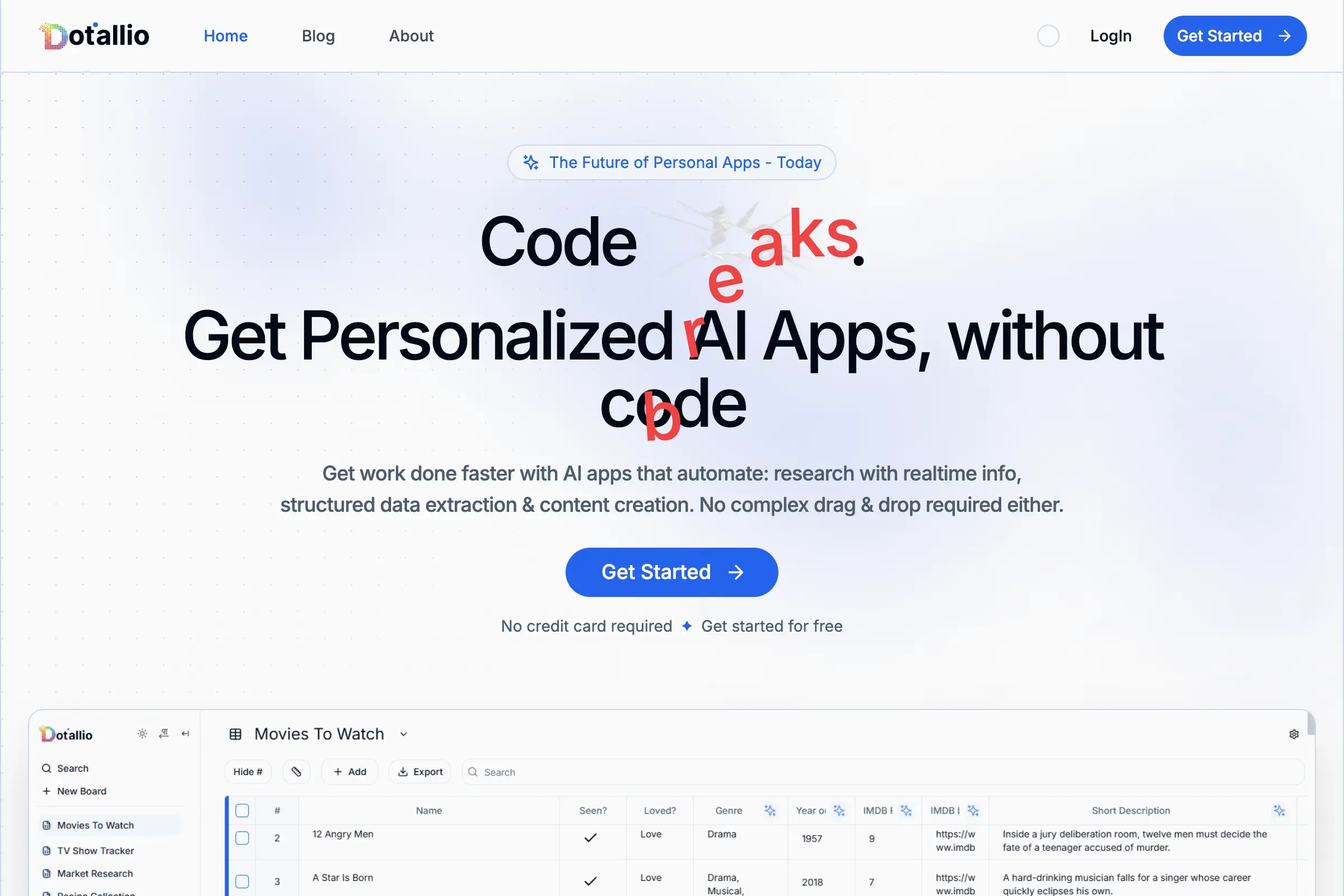
Dotallio
Personalized AI apps that automate research, data extraction, and content creation without code 🤖
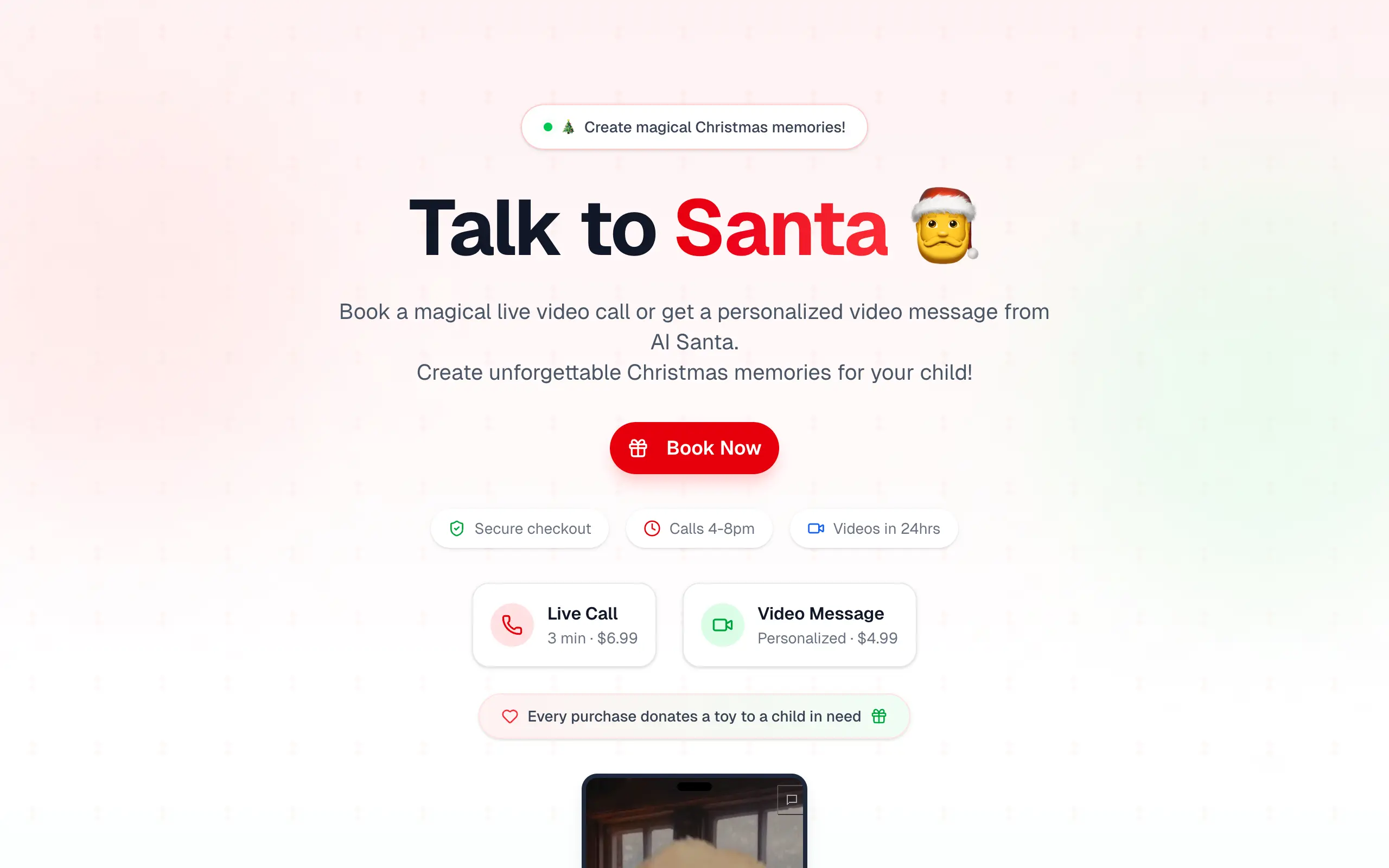
Talk to Santa
Enjoy a magical live video chat or receive a unique AI-generated video greeting from Santa Claus 🎅

pozywka.pl
Scalable blog for food journalist, focused on performance and user experience 🌭
zagrodzki.me
Personal blog and portfolio of Bart Zagrodzki, where he shares his knowledge and work 💼
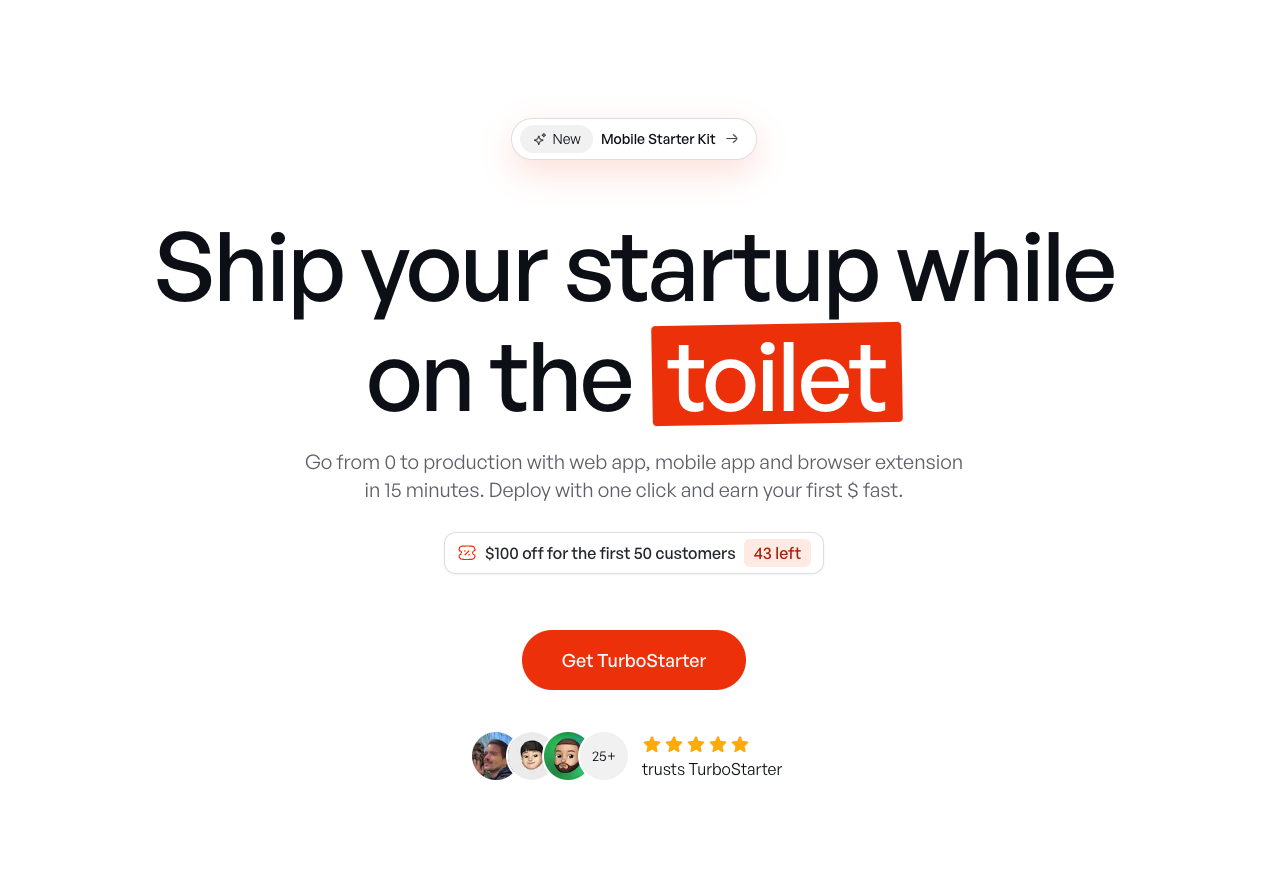
TurboStarter
Ship your startup everywhere. In minutes.
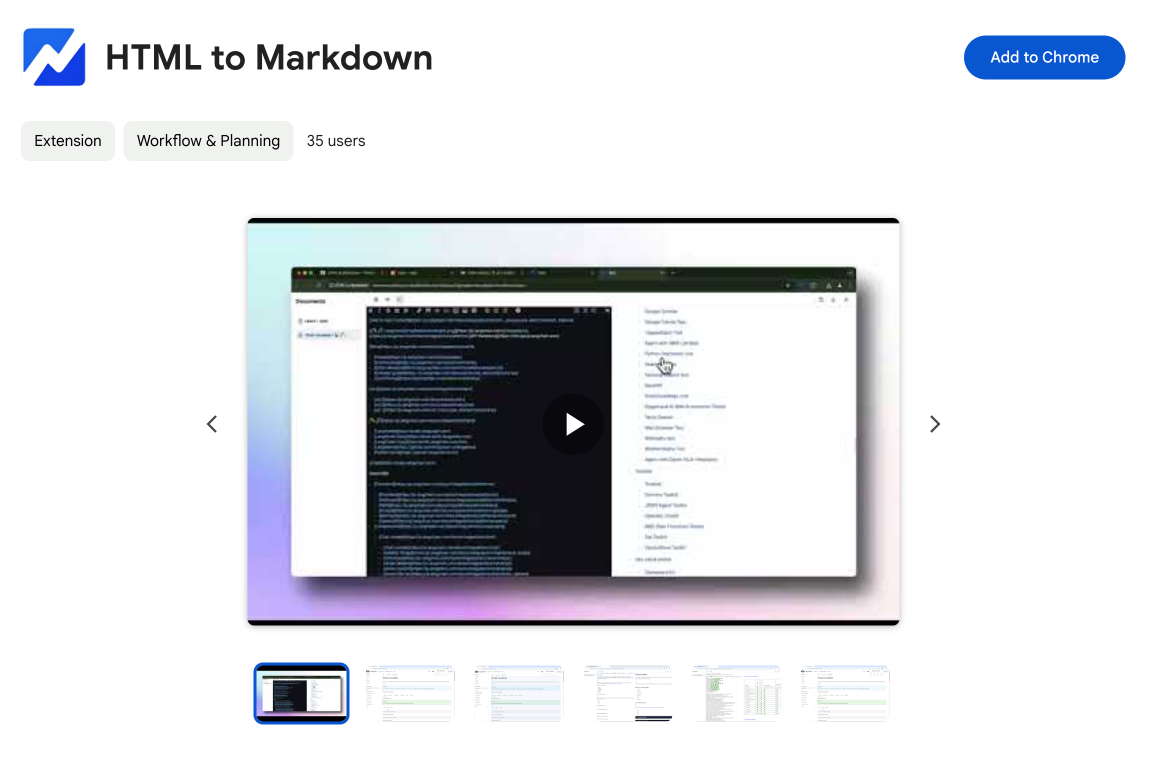
HTML to Markdown
Convert HTML to Markdown with ease, directly in your browser 📄
Dotallio
Personalized AI apps that automate research, data extraction, and content creation without code 🤖
Talk to Santa
Enjoy a magical live video chat or receive a unique AI-generated video greeting from Santa Claus 🎅
pozywka.pl
Scalable blog for food journalist, focused on performance and user experience 🌭
zagrodzki.me
Personal blog and portfolio of Bart Zagrodzki, where he shares his knowledge and work 💼
TurboStarter
Ship your startup everywhere. In minutes.
HTML to Markdown
Convert HTML to Markdown with ease, directly in your browser 📄
Dotallio
Personalized AI apps that automate research, data extraction, and content creation without code 🤖
Talk to Santa
Enjoy a magical live video chat or receive a unique AI-generated video greeting from Santa Claus 🎅
pozywka.pl
Scalable blog for food journalist, focused on performance and user experience 🌭
zagrodzki.me
Personal blog and portfolio of Bart Zagrodzki, where he shares his knowledge and work 💼
TurboStarter
Ship your startup everywhere. In minutes.
HTML to Markdown
Convert HTML to Markdown with ease, directly in your browser 📄
Dotallio
Personalized AI apps that automate research, data extraction, and content creation without code 🤖
Talk to Santa
Enjoy a magical live video chat or receive a unique AI-generated video greeting from Santa Claus 🎅
pozywka.pl
Scalable blog for food journalist, focused on performance and user experience 🌭
zagrodzki.me
Personal blog and portfolio of Bart Zagrodzki, where he shares his knowledge and work 💼
TurboStarter
Ship your startup everywhere. In minutes.
HTML to Markdown
Convert HTML to Markdown with ease, directly in your browser 📄
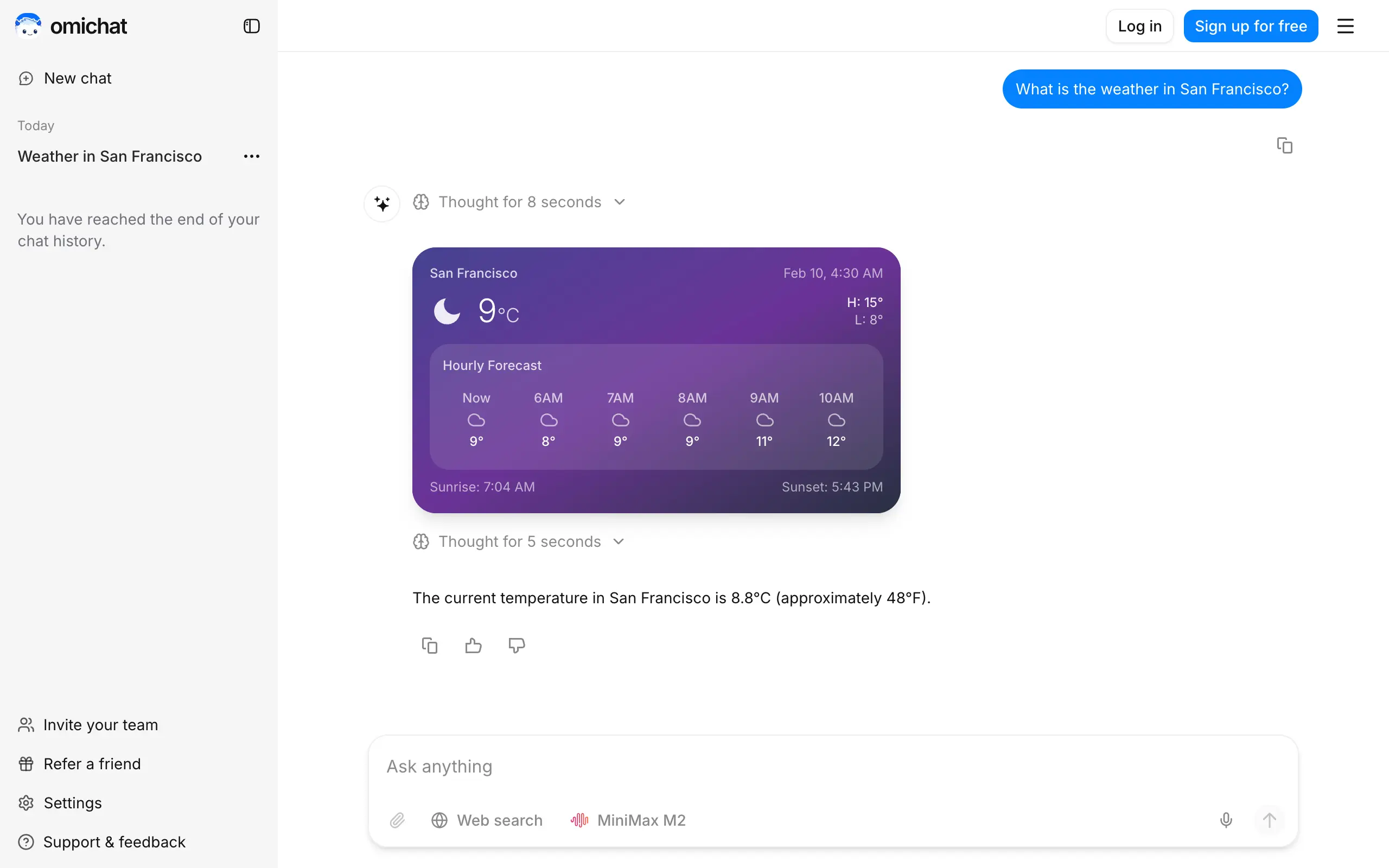
Omichat
Chat with 50+ AI models, including ChatGPT and Claude, in one place - switch models anytime without losing context 🤖
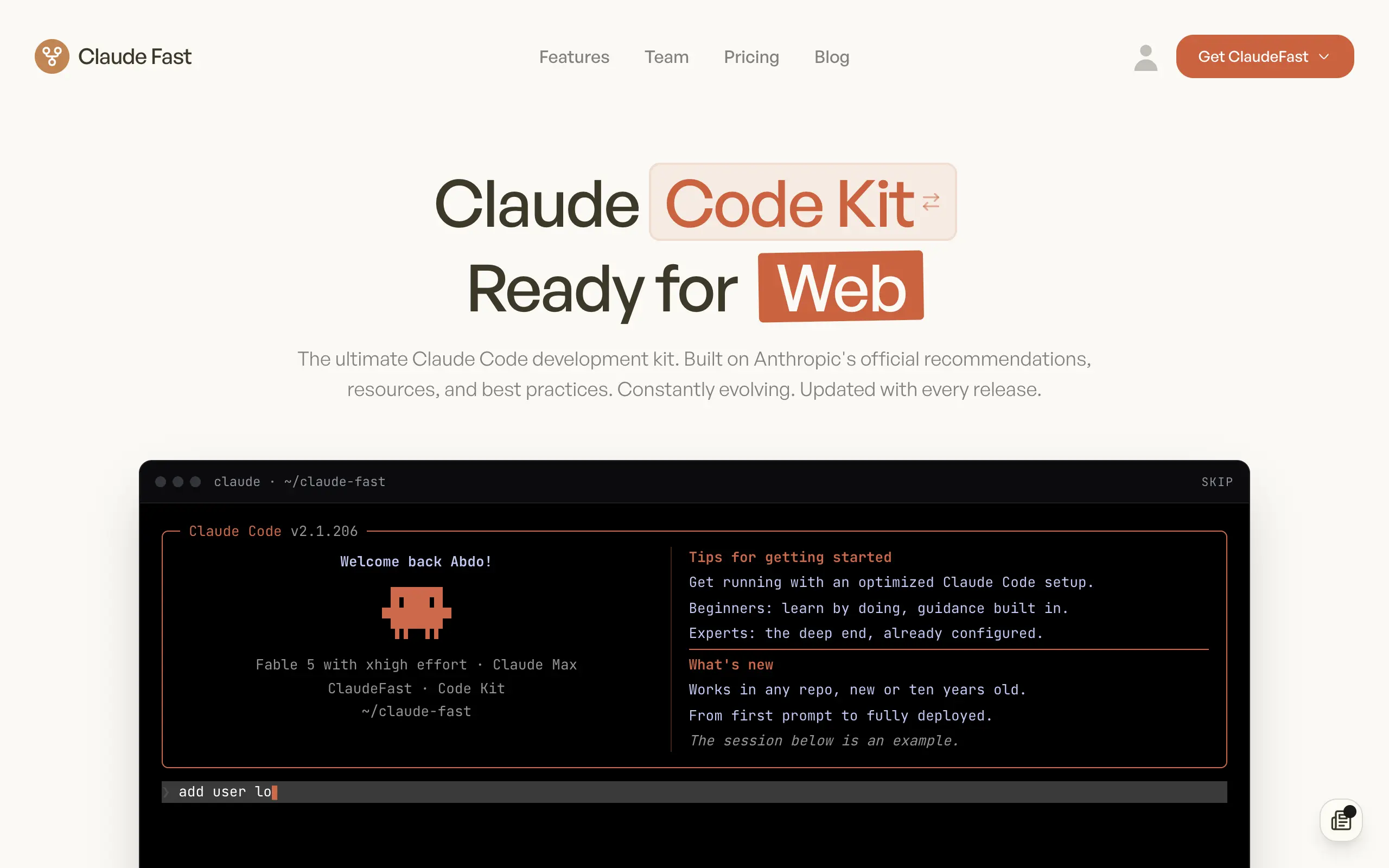
Claude Fast
Supercharge your Claude Code with 6x effective context window and specialized AI agents 🤖
EmojAI
AI-powered emoji picker with smart, context-aware suggestions 🤖
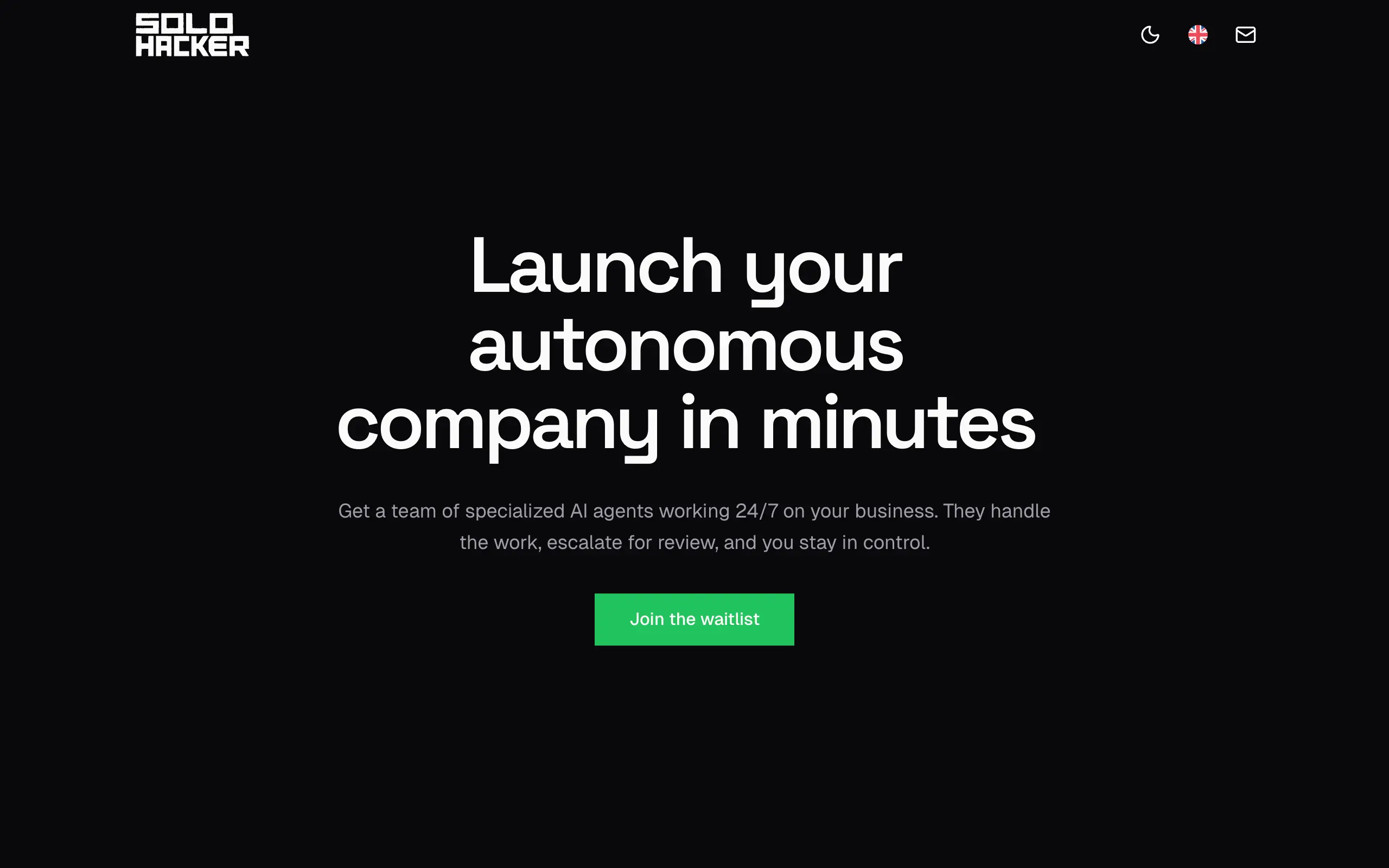
Solohacker
Autonomous company launcher - AI agents work 24/7, escalate what matters, and you stay in control 🤖
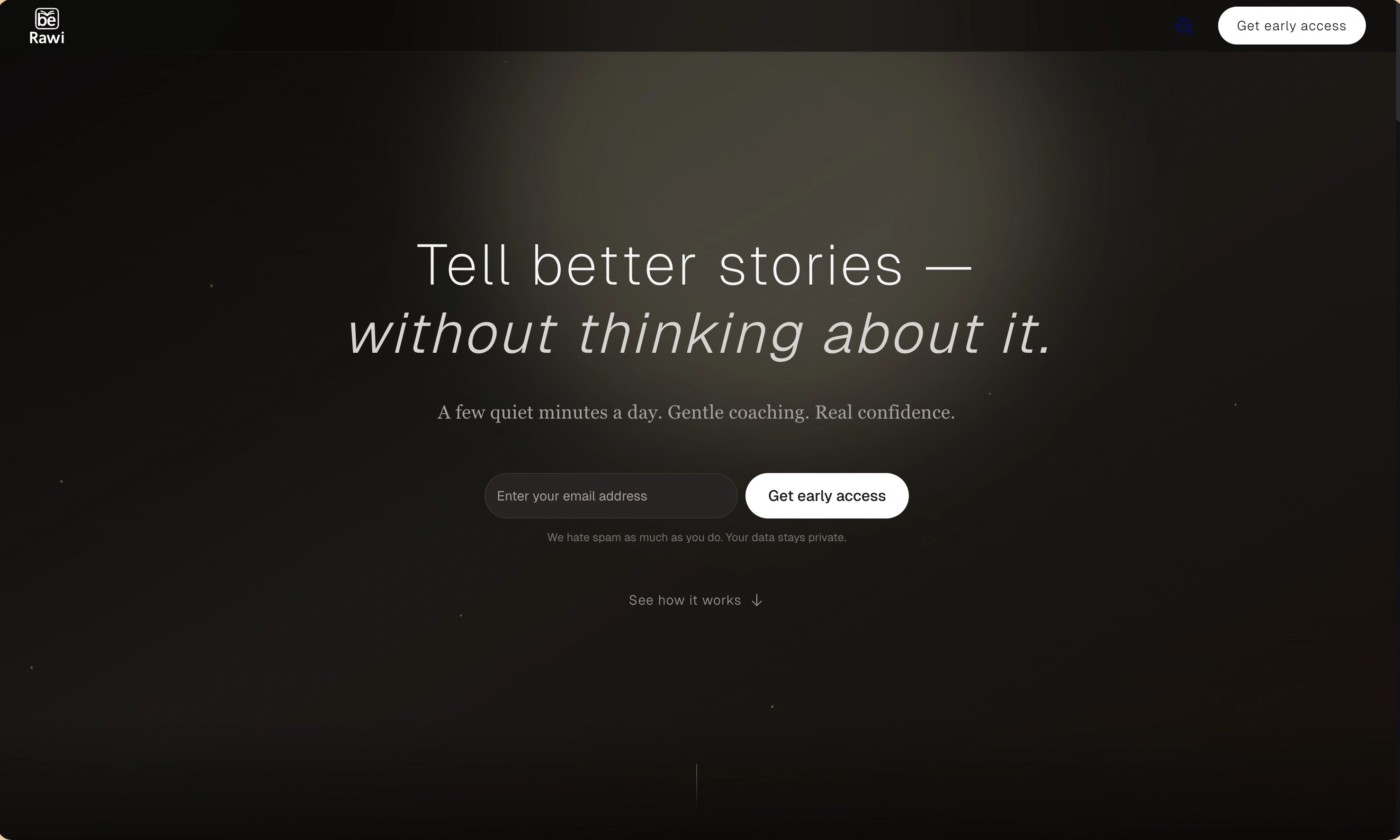
BeRawi: Storytelling Coach
Practice storytelling daily with instant feedback to sound clearer, more engaging, and confident 🎤
Omichat
Chat with 50+ AI models, including ChatGPT and Claude, in one place - switch models anytime without losing context 🤖
Claude Fast
Supercharge your Claude Code with 6x effective context window and specialized AI agents 🤖
EmojAI
AI-powered emoji picker with smart, context-aware suggestions 🤖
Solohacker
Autonomous company launcher - AI agents work 24/7, escalate what matters, and you stay in control 🤖
BeRawi: Storytelling Coach
Practice storytelling daily with instant feedback to sound clearer, more engaging, and confident 🎤
Omichat
Chat with 50+ AI models, including ChatGPT and Claude, in one place - switch models anytime without losing context 🤖
Claude Fast
Supercharge your Claude Code with 6x effective context window and specialized AI agents 🤖
EmojAI
AI-powered emoji picker with smart, context-aware suggestions 🤖
Solohacker
Autonomous company launcher - AI agents work 24/7, escalate what matters, and you stay in control 🤖
BeRawi: Storytelling Coach
Practice storytelling daily with instant feedback to sound clearer, more engaging, and confident 🎤
Omichat
Chat with 50+ AI models, including ChatGPT and Claude, in one place - switch models anytime without losing context 🤖
Claude Fast
Supercharge your Claude Code with 6x effective context window and specialized AI agents 🤖
EmojAI
AI-powered emoji picker with smart, context-aware suggestions 🤖
Solohacker
Autonomous company launcher - AI agents work 24/7, escalate what matters, and you stay in control 🤖
BeRawi: Storytelling Coach
Practice storytelling daily with instant feedback to sound clearer, more engaging, and confident 🎤

Connect with like-minded people
Join our community to get feedback, support, and grow together with 1,000+ builders on board, let's ship it!
Join usShip your startup everywhere. In minutes.
Don't burn tokens on setup and start building features on day one.