InventarioFácil AI
Sistema de gestión de inventario con IA que predice faltantes, optimiza pedidos y reduce pérdidas para minimercados, completamente en español.
InventarioFácil AI is an innovative SaaS solution designed to revolutionize inventory management for minimarkets across Spanish-speaking regions. By leveraging artificial intelligence, it predicts stockouts, optimizes ordering, and reduces losses—addressing the unique challenges faced by small retailers. This comprehensive guide explores the market need, core features, technical considerations, and actionable steps to launch and scale InventarioFácil AI.
Understanding the target audience for InventarioFácil AI
A deep understanding of the target audience is crucial for any SaaS product’s success. InventarioFácil AI is tailored for:
- Minimarkets and small grocery stores: Typically family-owned or independently operated, often with limited staff and resources.
- Convenience stores (tiendas de conveniencia): High product turnover, frequent restocking needs, and tight margins.
- Small supermarket chains: Regional players seeking to modernize operations without the complexity or cost of enterprise solutions.
- Store managers and owners: Usually non-technical, seeking intuitive, Spanish-language tools that save time and money.
Key pain points:
- Manual inventory tracking is error-prone and time-consuming.
- Stockouts lead to lost sales and dissatisfied customers.
- Overstocking ties up capital and increases spoilage, especially for perishables.
- Lack of actionable insights for smarter purchasing decisions.
- Existing solutions are often too complex, expensive, or not localized for Spanish-speaking users.
Why focus on minimarkets?
Minimarkets represent a massive, underserved segment in Latin America and Spain. According to industry reports, small retailers account for over 60% of grocery sales in many Latin American countries. Yet, digital adoption remains low, and most inventory management is still manual or spreadsheet-based.
Market opportunity and gap analysis
The current landscape
The inventory management software market is crowded, but most solutions target large retailers or are generic, lacking AI-driven features and Spanish-language support. Key observations:
- Low digital adoption: Many minimarkets still rely on pen-and-paper or basic spreadsheets.
- Language barrier: Most SaaS tools are English-first, with limited or poor Spanish localization.
- AI is underutilized: Predictive analytics and automation are rare in solutions for small retailers.
- Cost and complexity: Enterprise-grade systems are overkill for small stores, both in price and features.
Market trends and data
- AI adoption in retail is accelerating, with global AI in retail projected to reach $31.18 billion by 2028 (source: suggest referencing a Statista or Grand View Research report).
- Latin America’s retail sector is rapidly digitizing, but small businesses lag behind due to lack of tailored solutions.
- Inventory shrinkage (losses from theft, spoilage, or mismanagement) costs retailers billions annually.
The gap InventarioFácil AI fills
- Localized, Spanish-first experience: Full interface and support in Spanish.
- AI-powered insights: Predicts stockouts, automates ordering, and reduces waste.
- Affordability and simplicity: Designed for non-technical users with clear, actionable dashboards.
- Mobile-friendly: Accessible on smartphones and tablets, crucial for on-the-go store owners.
Core features and solution details
InventarioFácil AI stands out by combining essential inventory management with advanced AI capabilities, all in an easy-to-use, Spanish-language platform.
Essential inventory management
- Product catalog management: Add, edit, and categorize products with ease.
- Stock tracking: Real-time updates on inventory levels, with alerts for low stock.
- Supplier management: Track suppliers, purchase orders, and delivery schedules.
- Sales integration: Sync with POS systems or manually record sales to update inventory automatically.
AI-powered features
- Stockout prediction: Machine learning models analyze sales trends, seasonality, and supplier lead times to forecast when items will run out.
- Automated order suggestions: The system recommends optimal reorder quantities and timing, reducing manual guesswork.
- Loss reduction analytics: Identifies patterns of shrinkage or spoilage, suggesting corrective actions.
- Demand forecasting: Anticipates high-demand periods (e.g., holidays, local events) to optimize stock levels.
User experience and accessibility
- 100% Spanish interface: All menus, help content, and support are in Spanish.
- Mobile and desktop access: Responsive design for any device.
- Intuitive dashboards: Visual, easy-to-understand analytics and alerts.
- Role-based access: Owners, managers, and staff can have different permissions.
Integration and extensibility
- POS system integration: Connect with popular Latin American POS providers.
- Export/import tools: Easily migrate data from spreadsheets or other systems.
- API access: For advanced users or integration with other business tools.
Predicción de faltantes
Evita quiebres de stock con alertas inteligentes y recomendaciones automáticas.
Optimización de pedidos
Ahorra tiempo y dinero con sugerencias de compra basadas en IA.
Reducción de pérdidas
Identifica y corrige patrones de merma o caducidad antes de que impacten tus ganancias.
Recommended tech stack for InventarioFácil AI
Choosing the right technology stack is critical for scalability, maintainability, and user experience. Here’s a recommended stack, with trade-offs considered:
Frontend
- React: Modern, component-based UI, excellent for building responsive dashboards.
- TailwindCSS: Utility-first CSS framework for rapid, consistent styling.
- i18next: For robust internationalization and Spanish language support.
Trade-off: React offers flexibility and a large ecosystem, but may require more initial setup than simpler frameworks.
Backend
- Node.js with Express: Fast, scalable, and well-supported for REST APIs.
- Python (for AI modules): Leverage libraries like scikit-learn or TensorFlow for machine learning models.
Trade-off: Node.js is excellent for real-time APIs, while Python excels in AI/ML. Using both increases complexity but allows best-in-class performance for each domain.
Database
- PostgreSQL: Reliable, open-source relational database with strong support for complex queries.
- Redis: For caching and real-time notifications.
Hosting and DevOps
- Vercel or Netlify: For frontend hosting and CI/CD.
- AWS or Google Cloud: For backend, database, and AI model hosting.
Integrations
- Twilio or WhatsApp Business API: For sending inventory alerts via SMS or WhatsApp.
- Zapier: For connecting with other business tools.
Why not go no-code?
While no-code platforms can accelerate MVP development, they often lack the flexibility and AI integration needed for a robust, scalable inventory management system.
Monetization strategy options
A sustainable SaaS business model is essential. For InventarioFácil AI, consider these monetization strategies:
1. Subscription-based pricing
- Tiered plans: Offer Basic, Pro, and Premium plans based on features, number of users, or store locations.
- Monthly and annual billing: Incentivize annual subscriptions with discounts.
2. Freemium model
- Free tier: Limited features (e.g., basic inventory tracking) to attract users.
- Paid upgrades: Unlock AI-powered features, integrations, and advanced analytics.
3. Transaction-based fees
- Order automation: Charge a small fee per automated supplier order or integration.
4. Add-on services
- Premium support: Priority customer service or onboarding assistance.
- Custom integrations: For larger clients needing bespoke solutions.
| Modelo | Ingreso recurrente | Accesibilidad | Escalabilidad | Complejidad operativa |
|---|---|---|---|---|
| ✅ | ❌ | ❌ | ✅ | ❌ |
| ✅ | ❌ | ✅ | ✅ | ❌ |
Potential risks and mitigation strategies
Launching a SaaS like InventarioFácil AI comes with challenges. Here’s how to anticipate and address them:
1. Low digital literacy among target users
- Mitigation: Invest in onboarding tutorials, in-app guidance, and responsive Spanish-language support.
2. Data privacy and security concerns
- Mitigation: Implement robust encryption, comply with local data protection laws (e.g., GDPR for Spain, LGPD for Latin America), and be transparent about data usage.
3. Resistance to change
- Mitigation: Highlight quick wins (e.g., time saved, fewer stockouts), offer a free trial, and share testimonials from similar businesses.
4. AI model accuracy
- Mitigation: Continuously retrain models with new data, allow user feedback to correct predictions, and provide manual override options.
5. Competition from established players
- Mitigation: Double down on Spanish localization, AI-driven features, and customer-centric support.
Offer offline mode for basic inventory tracking, syncing data when connectivity is restored.
Use a public roadmap and prioritize based on user impact and technical feasibility.
Competitive advantage analysis
InventarioFácil AI’s unique selling proposition (USP) is its combination of AI-driven inventory optimization and a Spanish-first, user-friendly experience for minimarkets. Here’s how it stands out:
- AI for small retailers: Most competitors offer only basic tracking; InventarioFácil AI brings predictive analytics to the masses.
- Full Spanish localization: Not just translated, but culturally adapted for Latin American and Spanish markets.
- Simplicity and accessibility: Designed for non-technical users, with mobile-first design and clear dashboards.
- Affordable pricing: Tailored to the budgets of small businesses, unlike enterprise solutions.
- Community and support: Localized help, onboarding, and a user community for sharing best practices.
Actionable implementation steps
Ready to bring InventarioFácil AI to life? Here’s a step-by-step roadmap:
Example: AI-powered stockout prediction (code snippet)
Here’s a simplified example of how a stockout prediction model might be implemented using Python and scikit-learn:
import pandas as pd
from sklearn.ensemble import RandomForestRegressor

# Load historical sales data
data = pd.read_csv('sales_data.csv')

# Features: previous sales, day of week, holidays, lead time
X = data[['prev_sales', 'day_of_week', 'is_holiday', 'lead_time']]
y = data['days_until_stockout']

# Train model
model = RandomForestRegressor()
model.fit(X, y)

# Predict days until stockout for a new product entry
new_entry = [[20, 2, 0, 3]]  # Example values
prediction = model.predict(new_entry)
print(f'Days until stockout: {prediction[0]:.2f}')
This is a starting point; production systems would require more robust data pipelines, model monitoring, and user feedback loops.
Conclusion: Why InventarioFácil AI is the future of inventory management for minimarkets
InventarioFácil AI addresses a massive, underserved market with a solution that’s both powerful and accessible. By combining AI-driven insights, Spanish-first design, and a deep understanding of minimarket needs, it empowers small retailers to compete, grow, and thrive in a rapidly digitizing world.
Whether you’re an entrepreneur, developer, or investor, now is the time to seize this opportunity. With the right execution, InventarioFácil AI can become the go-to inventory management platform for Spanish-speaking minimarkets.
Frequently asked questions
While optimized for minimarkets, the platform can be adapted for other small retailers, convenience stores, and specialty shops.
The system continuously analyzes sales and inventory data, retraining models to improve prediction accuracy over time.
Full Spanish-language support, onboarding tutorials, and a knowledge base are included in all plans.
Additional resources
- React
- TailwindCSS
- TurboStarter
- For industry statistics, see reports from Statista, Grand View Research, or local retail associations.
By following this guide, you’ll be well-equipped to validate, build, and launch InventarioFácil AI—delivering real value to minimarkets and transforming inventory management in the Spanish-speaking world.
More 🤖 AI Startup SaaS ideas
Discover more innovative ai startup SaaS ideas that are trending in 2026. Each idea is AI-generated with market validation and growth potential to help you find your next profitable venture faster than competitors.
Your competitors are building with TurboStarter
Below are some of the SaaS ideas that have been generated and built with our starter kit.

Statiko
Monitor any Telegram channel in real time - track posts, edits, deletions, and growth with AI recaps 📡

Shibui
AI website builder - describe your business, pick a niche template, edit by chatting, and publish instantly ✨

Pro Service
Find verified home service professionals, compare quotes, and pay securely through escrow - built for Brazilians across the US 🏠

RankGrow
Fix your SEO with AI agents - connect Search Console, get prioritized tasks, and grow organic traffic 📈
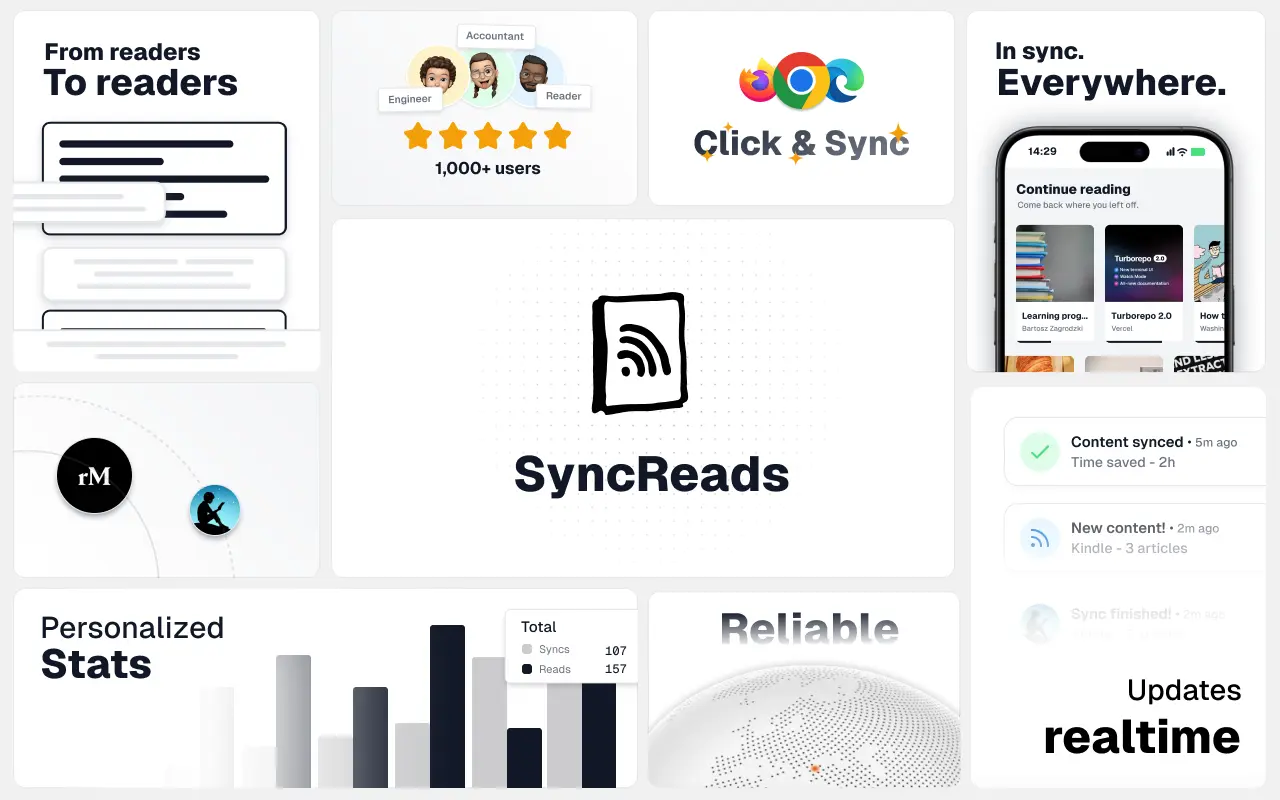
SyncReads
Sync your favorite content for distraction-free reading, save time and replace multiple apps. Anytime, anywhere 🔄
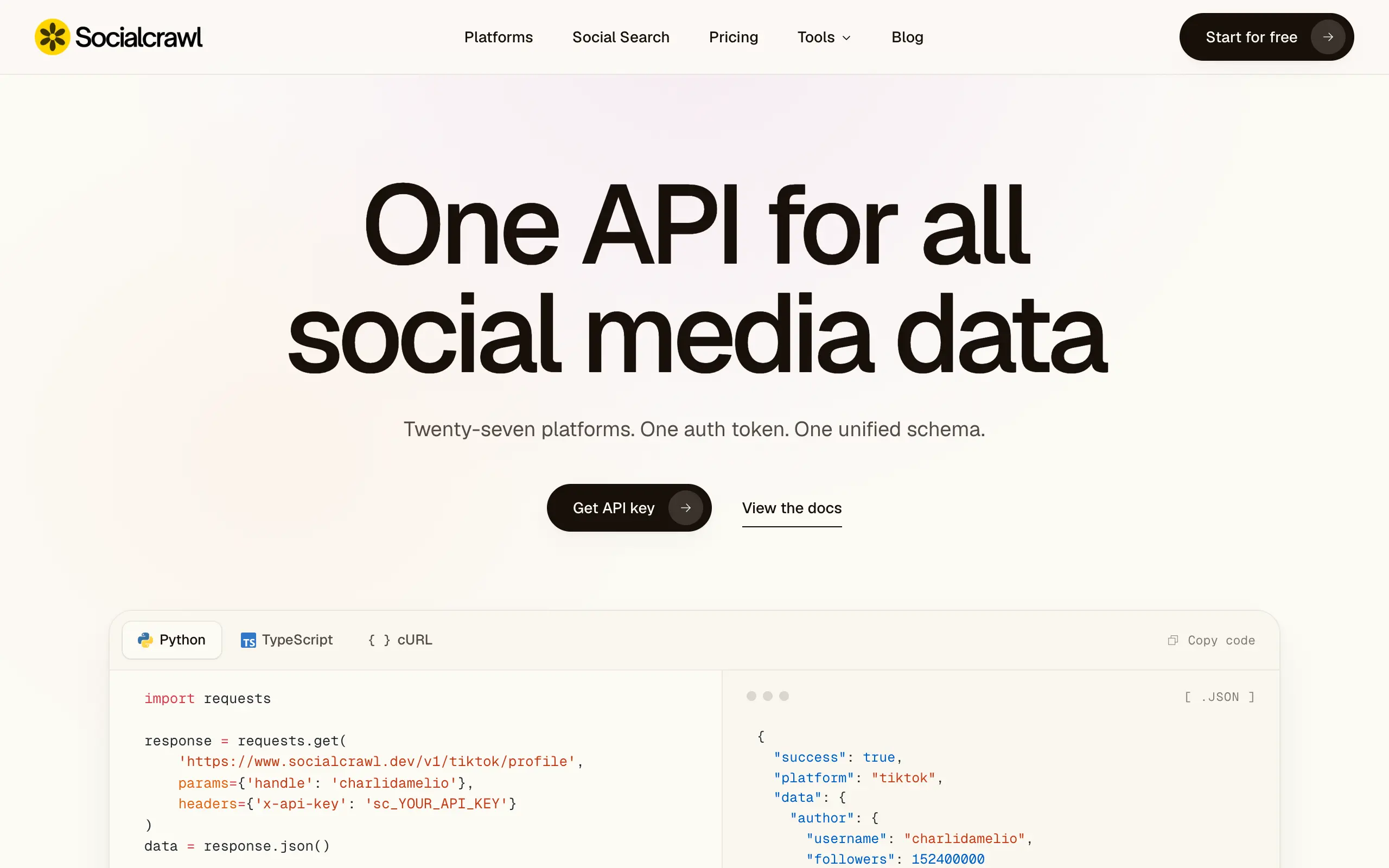
Socialcrawl
Get clean, structured data from 21 platforms like TikTok, Instagram, and YouTube with a single request 📊
Statiko
Monitor any Telegram channel in real time - track posts, edits, deletions, and growth with AI recaps 📡
Shibui
AI website builder - describe your business, pick a niche template, edit by chatting, and publish instantly ✨
Pro Service
Find verified home service professionals, compare quotes, and pay securely through escrow - built for Brazilians across the US 🏠
RankGrow
Fix your SEO with AI agents - connect Search Console, get prioritized tasks, and grow organic traffic 📈
SyncReads
Sync your favorite content for distraction-free reading, save time and replace multiple apps. Anytime, anywhere 🔄
Socialcrawl
Get clean, structured data from 21 platforms like TikTok, Instagram, and YouTube with a single request 📊
Statiko
Monitor any Telegram channel in real time - track posts, edits, deletions, and growth with AI recaps 📡
Shibui
AI website builder - describe your business, pick a niche template, edit by chatting, and publish instantly ✨
Pro Service
Find verified home service professionals, compare quotes, and pay securely through escrow - built for Brazilians across the US 🏠
RankGrow
Fix your SEO with AI agents - connect Search Console, get prioritized tasks, and grow organic traffic 📈
SyncReads
Sync your favorite content for distraction-free reading, save time and replace multiple apps. Anytime, anywhere 🔄
Socialcrawl
Get clean, structured data from 21 platforms like TikTok, Instagram, and YouTube with a single request 📊
Statiko
Monitor any Telegram channel in real time - track posts, edits, deletions, and growth with AI recaps 📡
Shibui
AI website builder - describe your business, pick a niche template, edit by chatting, and publish instantly ✨
Pro Service
Find verified home service professionals, compare quotes, and pay securely through escrow - built for Brazilians across the US 🏠
RankGrow
Fix your SEO with AI agents - connect Search Console, get prioritized tasks, and grow organic traffic 📈
SyncReads
Sync your favorite content for distraction-free reading, save time and replace multiple apps. Anytime, anywhere 🔄
Socialcrawl
Get clean, structured data from 21 platforms like TikTok, Instagram, and YouTube with a single request 📊
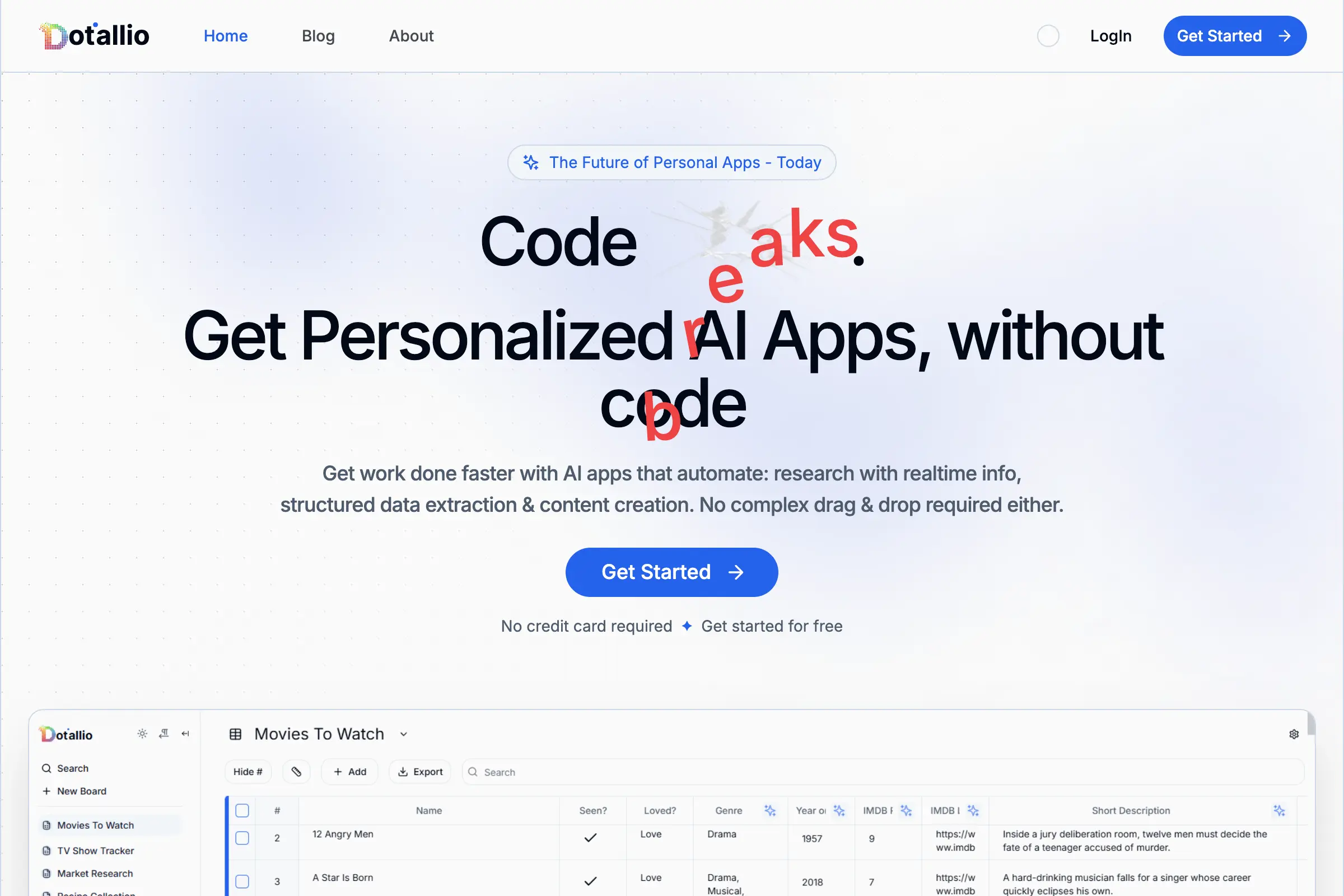
Dotallio
Personalized AI apps that automate research, data extraction, and content creation without code 🤖

Talk to Santa
Enjoy a magical live video chat or receive a unique AI-generated video greeting from Santa Claus 🎅

pozywka.pl
Scalable blog for food journalist, focused on performance and user experience 🌭
zagrodzki.me
Personal blog and portfolio of Bart Zagrodzki, where he shares his knowledge and work 💼
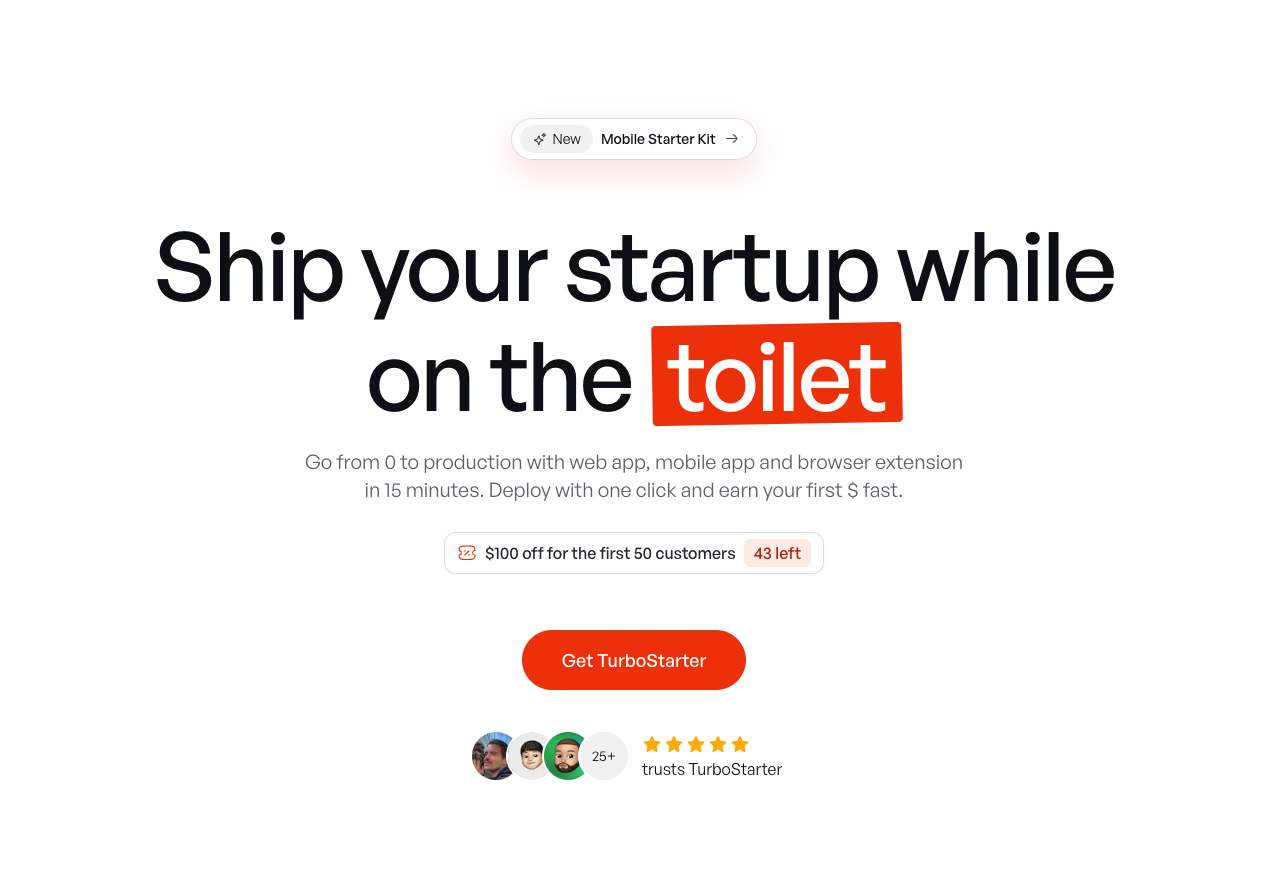
TurboStarter
Ship your startup everywhere. In minutes.
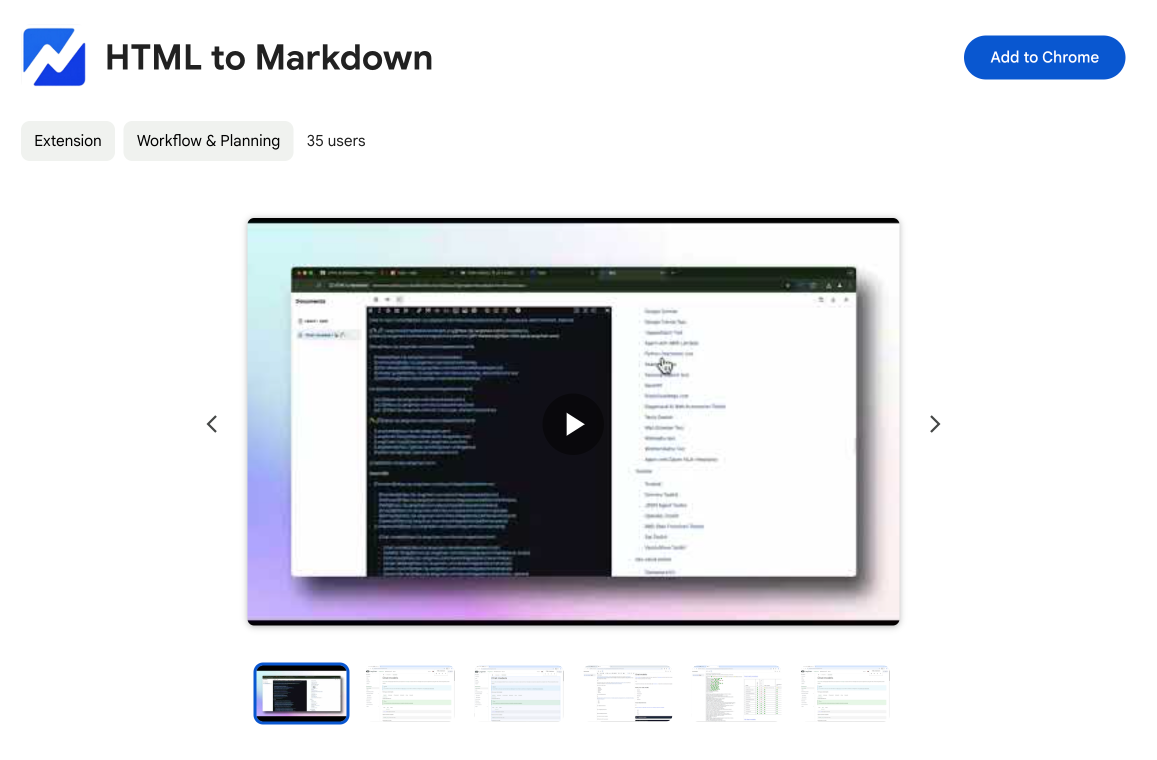
HTML to Markdown
Convert HTML to Markdown with ease, directly in your browser 📄
Dotallio
Personalized AI apps that automate research, data extraction, and content creation without code 🤖
Talk to Santa
Enjoy a magical live video chat or receive a unique AI-generated video greeting from Santa Claus 🎅
pozywka.pl
Scalable blog for food journalist, focused on performance and user experience 🌭
zagrodzki.me
Personal blog and portfolio of Bart Zagrodzki, where he shares his knowledge and work 💼
TurboStarter
Ship your startup everywhere. In minutes.
HTML to Markdown
Convert HTML to Markdown with ease, directly in your browser 📄
Dotallio
Personalized AI apps that automate research, data extraction, and content creation without code 🤖
Talk to Santa
Enjoy a magical live video chat or receive a unique AI-generated video greeting from Santa Claus 🎅
pozywka.pl
Scalable blog for food journalist, focused on performance and user experience 🌭
zagrodzki.me
Personal blog and portfolio of Bart Zagrodzki, where he shares his knowledge and work 💼
TurboStarter
Ship your startup everywhere. In minutes.
HTML to Markdown
Convert HTML to Markdown with ease, directly in your browser 📄
Dotallio
Personalized AI apps that automate research, data extraction, and content creation without code 🤖
Talk to Santa
Enjoy a magical live video chat or receive a unique AI-generated video greeting from Santa Claus 🎅
pozywka.pl
Scalable blog for food journalist, focused on performance and user experience 🌭
zagrodzki.me
Personal blog and portfolio of Bart Zagrodzki, where he shares his knowledge and work 💼
TurboStarter
Ship your startup everywhere. In minutes.
HTML to Markdown
Convert HTML to Markdown with ease, directly in your browser 📄
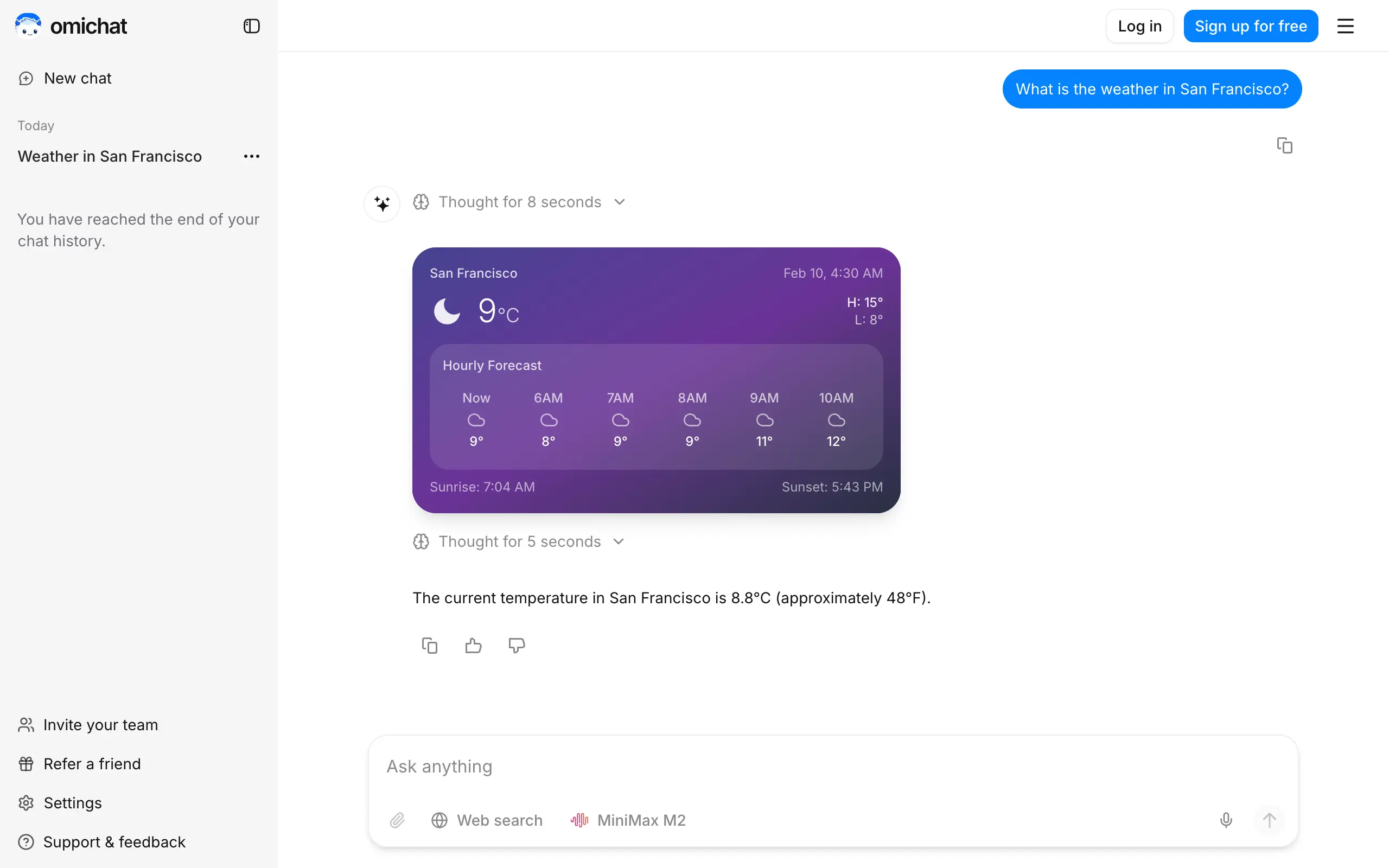
Omichat
Chat with 50+ AI models, including ChatGPT and Claude, in one place - switch models anytime without losing context 🤖
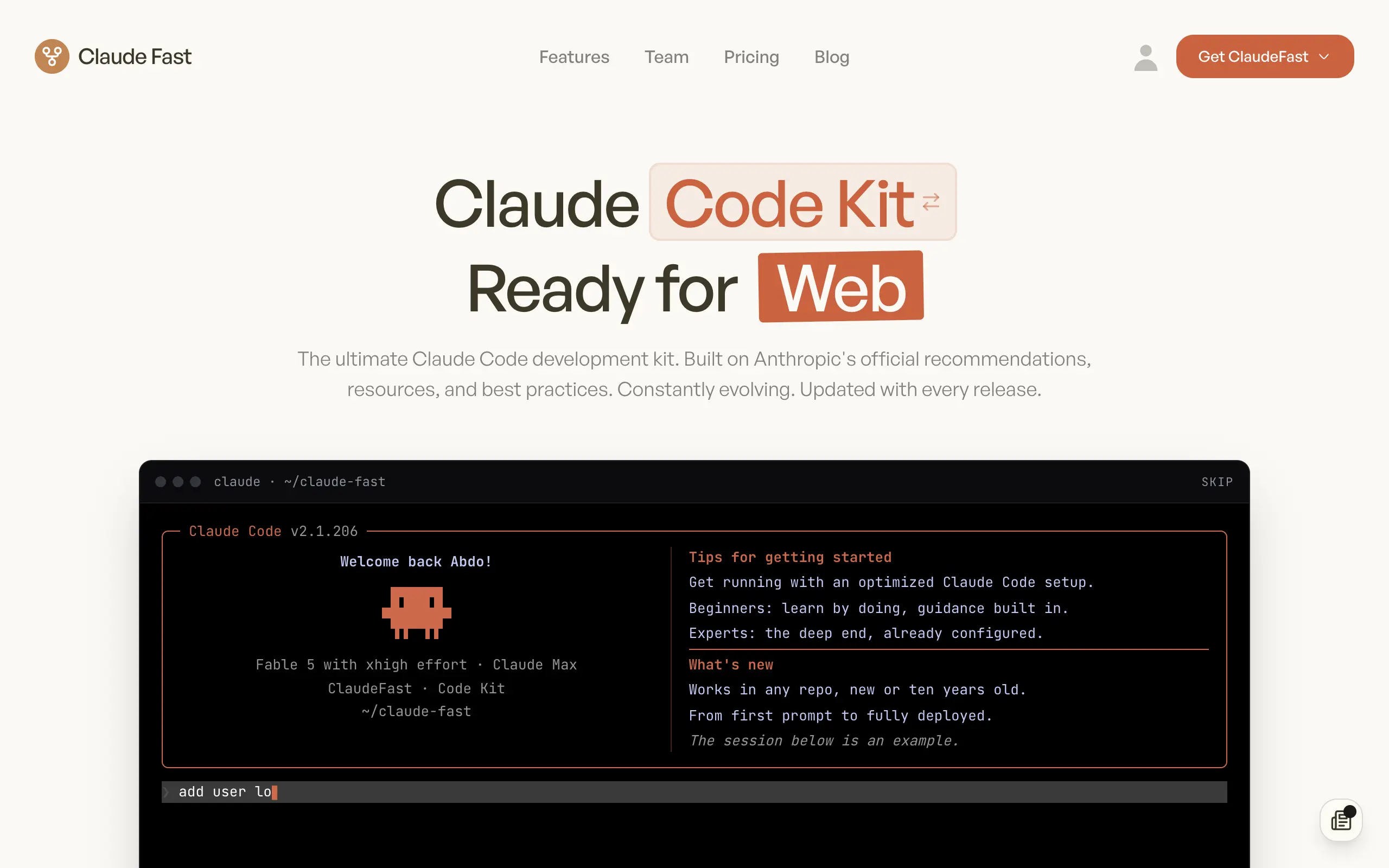
Claude Fast
Supercharge your Claude Code with 6x effective context window and specialized AI agents 🤖
EmojAI
AI-powered emoji picker with smart, context-aware suggestions 🤖

Solohacker
Autonomous company launcher - AI agents work 24/7, escalate what matters, and you stay in control 🤖

BeRawi: Storytelling Coach
Practice storytelling daily with instant feedback to sound clearer, more engaging, and confident 🎤
Omichat
Chat with 50+ AI models, including ChatGPT and Claude, in one place - switch models anytime without losing context 🤖
Claude Fast
Supercharge your Claude Code with 6x effective context window and specialized AI agents 🤖
EmojAI
AI-powered emoji picker with smart, context-aware suggestions 🤖
Solohacker
Autonomous company launcher - AI agents work 24/7, escalate what matters, and you stay in control 🤖
BeRawi: Storytelling Coach
Practice storytelling daily with instant feedback to sound clearer, more engaging, and confident 🎤
Omichat
Chat with 50+ AI models, including ChatGPT and Claude, in one place - switch models anytime without losing context 🤖
Claude Fast
Supercharge your Claude Code with 6x effective context window and specialized AI agents 🤖
EmojAI
AI-powered emoji picker with smart, context-aware suggestions 🤖
Solohacker
Autonomous company launcher - AI agents work 24/7, escalate what matters, and you stay in control 🤖
BeRawi: Storytelling Coach
Practice storytelling daily with instant feedback to sound clearer, more engaging, and confident 🎤
Omichat
Chat with 50+ AI models, including ChatGPT and Claude, in one place - switch models anytime without losing context 🤖
Claude Fast
Supercharge your Claude Code with 6x effective context window and specialized AI agents 🤖
EmojAI
AI-powered emoji picker with smart, context-aware suggestions 🤖
Solohacker
Autonomous company launcher - AI agents work 24/7, escalate what matters, and you stay in control 🤖
BeRawi: Storytelling Coach
Practice storytelling daily with instant feedback to sound clearer, more engaging, and confident 🎤

Connect with like-minded people
Join our community to get feedback, support, and grow together with 1,000+ builders on board, let's ship it!
Join usShip your startup everywhere. In minutes.
Don't burn tokens on setup and start building features on day one.