IPChain Vault
A blockchain-powered platform for creators to register, timestamp, and manage their intellectual property, ensuring proof of ownership and easy rights transfer.
Understanding the need for IPChain Vault: why blockchain for intellectual property?
In the digital age, creators face unprecedented challenges in protecting their intellectual property (IP). With content easily copied, shared, and distributed globally, proving ownership and managing rights has become increasingly complex. IPChain Vault addresses this pain point by leveraging blockchain technology to provide a secure, transparent, and immutable platform for registering, timestamping, and managing IP assets.
Primary keyword: IPChain Vault
Related LSI keywords: blockchain intellectual property, digital rights management, proof of ownership, copyright protection, creator rights, IP registration, smart contracts, NFT for IP, decentralized IP management
Target audience analysis: who benefits from IPChain Vault?
Understanding the core users is essential for building a solution that truly addresses market needs. IPChain Vault is designed for a diverse set of stakeholders in the creative and innovation economy.
Key user segments
- Individual creators: Artists, writers, musicians, photographers, designers, and developers seeking to protect their original works.
- Startups & SMEs: Early-stage companies and small businesses with valuable IP assets (e.g., software, inventions, branding) needing affordable, reliable protection.
- Legal professionals: IP lawyers and consultants who require verifiable, tamper-proof records for client IP portfolios.
- Enterprises: Larger organizations managing extensive IP portfolios, seeking automation and auditability.
- Academic & research institutions: Universities and labs needing to timestamp research outputs and inventions for patent and publication purposes.
- Content platforms & marketplaces: Platforms facilitating user-generated content, requiring robust rights management and dispute resolution.
User pain points addressed
- Difficulty proving ownership: Traditional copyright registration is slow, expensive, and jurisdiction-bound.
- Risk of infringement: Digital content is easily copied, making enforcement challenging.
- Lack of transparency: Unclear or disputed ownership leads to costly legal battles.
- Manual, fragmented processes: Managing IP across multiple systems is inefficient and error-prone.
Did you know?
According to the World Intellectual Property Organization (WIPO), global IP filings have increased steadily, with digital content driving much of this growth. However, enforcement and proof of ownership remain major hurdles for creators worldwide.
Market opportunity and gap analysis
The growing need for digital IP protection
The global intellectual property management software market is projected to reach $14.6 billion by 2027 (source: suggest referencing a recent market research report). The surge in digital content creation, coupled with the rise of NFTs and decentralized technologies, has created a demand for modern, borderless IP solutions.
Current solutions and their limitations
- Traditional IP registries: Government-run copyright and patent offices are slow, expensive, and often limited to specific jurisdictions.
- Centralized digital rights management (DRM): Existing DRM tools are proprietary, lack transparency, and can be circumvented.
- NFT platforms: While NFTs offer proof of digital asset ownership, most are not tailored for comprehensive IP management or legal compliance.
The gap: a need for decentralized, creator-friendly IP management
IPChain Vault fills this gap by offering:
- Global, immutable proof of ownership: Blockchain timestamps are universally verifiable and tamper-proof.
- Automated rights management: Smart contracts enable programmable licensing, royalty distribution, and transfer of rights.
- User-centric design: Simple, affordable, and accessible for creators of all sizes.
Core features and solution details
IPChain Vault combines blockchain, AI, and user-friendly design to deliver a comprehensive IP management platform.
1. Blockchain-based IP registration and timestamping
- Immutable records: Every IP asset is registered on a public or permissioned blockchain, creating a permanent, time-stamped proof of existence and ownership.
- Multi-format support: Register images, audio, video, text, code, and more.
- Easy verification: Third parties can independently verify ownership via blockchain explorers.
2. AI-powered rights management
- Automated licensing: Use smart contracts to define, issue, and enforce licenses (e.g., exclusive, non-exclusive, time-limited).
- Royalty tracking: Automatically distribute royalties to creators based on usage or sales.
- Infringement detection: AI models monitor the web for unauthorized use of registered assets.
3. Secure document storage and management
- Encrypted storage: Store original files securely, with access controls for sharing or transfer.
- Versioning: Track changes and updates to IP assets over time.
- Audit trails: Full history of registrations, transfers, and licenses.
4. Legal and compliance tools
- Jurisdictional templates: Generate legal documents (e.g., copyright certificates, licensing agreements) tailored to different countries.
- Dispute resolution: Facilitate mediation and evidence submission in case of IP disputes.
5. Integration and interoperability
- APIs and SDKs: Integrate IPChain Vault with content platforms, marketplaces, and enterprise systems.
- NFT compatibility: Optionally mint NFTs representing IP assets for trading or showcasing.
Immutable proof
Blockchain ensures tamper-proof, time-stamped records for every IP asset.
Automated licensing
Smart contracts enable seamless, programmable rights management and royalty distribution.
AI infringement detection
AI models monitor the web for unauthorized use, alerting creators instantly.
Legal compliance
Generate jurisdiction-specific documents and facilitate dispute resolution.
Recommended tech stack for IPChain Vault
Choosing the right technology stack is crucial for scalability, security, and user experience.
Core components
-
Blockchain platform:
-
Smart contracts:
- Solidity for Ethereum-compatible contracts.
- OpenZeppelin (OpenZeppelin) libraries for security best practices.
-
Backend:
-
Frontend:
- React (React) for a modern, responsive UI.
- TailwindCSS (TailwindCSS) for rapid, consistent styling.
- Web3.js (Web3.js) or Ethers.js (Ethers.js) for blockchain interactions.
-
AI/ML:
- Python (Python) for AI infringement detection models.
- TensorFlow (TensorFlow) or PyTorch (PyTorch) for deep learning.
-
Authentication & Security:
- OAuth 2.0 for user authentication.
- JWT for secure session management.
- End-to-end encryption for file storage.
Example architecture diagram
Architecture overview
Frontend (React + TailwindCSS) → Backend (Node.js/Express) → Blockchain (Ethereum/Polygon) + IPFS for storage → AI service (Python/TensorFlow) for infringement detection.
Trade-offs and considerations
- Public vs. private blockchain: Public chains offer greater transparency and trust, but may have higher transaction fees and slower speeds. Private chains can be faster and more customizable, but may lack the same level of decentralization.
- On-chain vs. off-chain storage: Storing large files on-chain is expensive; IPChain Vault uses IPFS for file storage, with blockchain storing only hashes and metadata.
- AI model hosting: Running AI models in the cloud (e.g., AWS, GCP) offers scalability, but may raise privacy concerns for sensitive IP.
Monetization strategy options
A sustainable business model is key for long-term success. IPChain Vault can employ several monetization strategies:
1. Freemium model
- Free tier: Basic IP registration and timestamping with limited storage.
- Premium plans: Advanced features (AI detection, automated licensing, legal templates, increased storage).
2. Transaction fees
- Per-registration fee: Small fee for each IP asset registered on the blockchain.
- Smart contract execution fee: Charge for automated licensing or royalty distribution.
3. Enterprise licensing
- Custom plans: Offer tailored solutions for enterprises, legal firms, and academic institutions with bulk registration, API access, and dedicated support.
4. Marketplace commissions
- NFT/IP trading: Take a commission on secondary sales or licensing deals facilitated through the platform.
5. API access
- Developer subscriptions: Charge third-party platforms for API/SDK usage.
IPChain Vault offers instant, global, and immutable proof of ownership, whereas traditional registries are slow, jurisdiction-bound, and often expensive.
Yes, through automated licensing, NFT minting, and marketplace integrations, creators can monetize their IP assets seamlessly.
Potential risks and mitigation strategies
No solution is without risks. Here’s how IPChain Vault can address key challenges:
1. Legal recognition of blockchain records
- Risk: Some jurisdictions may not yet recognize blockchain timestamps as legal proof.
- Mitigation: Partner with legal experts, provide jurisdiction-specific documentation, and advocate for regulatory acceptance.
2. Privacy and data security
- Risk: Sensitive IP data could be exposed if not properly secured.
- Mitigation: Use end-to-end encryption, store only hashes on-chain, and comply with data protection regulations (e.g., GDPR).
3. Smart contract vulnerabilities
- Risk: Bugs or exploits in smart contracts could compromise rights management.
- Mitigation: Use audited libraries (e.g., OpenZeppelin), conduct regular security audits, and offer bug bounties.
4. User adoption and education
- Risk: Creators may be unfamiliar with blockchain or skeptical of new technologies.
- Mitigation: Provide intuitive UX, educational resources, and responsive support.
5. Scalability and transaction costs
- Risk: High blockchain fees or network congestion could impact usability.
- Mitigation: Support multiple chains (e.g., Polygon), batch transactions, and optimize smart contract efficiency.
Competitive advantage analysis: what makes IPChain Vault unique?
The IP management landscape is evolving, but IPChain Vault stands out with its combination of technology, usability, and creator focus.
| Feature | IPChain Vault | Traditional Registry | NFT Platform | Generic DRM | |
|---|---|---|---|---|---|
| Immutable proof | ✅ | ❌ | ❌ | ✅ | ❌ |
| Automated licensing | ✅ | ❌ | ✅ | ✅ | ❌ |
Unique selling proposition (USP)
- End-to-end IP lifecycle management: From registration to licensing, enforcement, and monetization—all in one platform.
- AI-powered infringement detection: Proactive protection, not just passive registration.
- Legal and regulatory focus: Tools and templates for real-world compliance.
- Creator-first design: Simple, affordable, and accessible for all creators, not just large enterprises.
Actionable implementation steps
Building and launching IPChain Vault requires a structured, phased approach. Here’s a recommended roadmap:
Conclusion: the future of IP management is decentralized
IPChain Vault is poised to transform how creators, businesses, and legal professionals protect and manage intellectual property in the digital era. By combining blockchain’s immutability, AI’s intelligence, and a user-centric approach, it offers a robust, future-proof solution to the challenges of digital rights management.
Whether you’re an artist, entrepreneur, or legal expert, IPChain Vault empowers you to secure your creations, automate rights management, and unlock new monetization opportunities—globally and transparently.
Frequently asked questions
Blockchain timestamps are increasingly accepted as evidence in legal disputes, but recognition varies by jurisdiction. IPChain Vault provides jurisdiction-specific documentation to support your claims.
While the platform is optimized for copyrightable works, it can also assist with documenting inventions and branding. Always consult a legal professional for formal patent or trademark filings.
Only cryptographic hashes and metadata are stored on-chain; original files are encrypted and stored securely off-chain.
Robust APIs and SDKs are available for seamless integration with content platforms, marketplaces, and enterprise systems.
Further resources
- TurboStarter — Launch your SaaS faster with expert tools and templates.
- Ethereum — Learn more about the blockchain powering smart contracts.
- IPFS — Explore decentralized file storage.
- OpenZeppelin — Secure smart contract development.
- React — Build modern, responsive UIs.
- TailwindCSS — Utility-first CSS framework for rapid design.
By addressing the real-world needs of creators and leveraging cutting-edge technology, IPChain Vault is set to become a cornerstone of the next generation of intellectual property management.
More 🤖 AI Startup SaaS ideas
Discover more innovative ai startup SaaS ideas that are trending in 2026. Each idea is AI-generated with market validation and growth potential to help you find your next profitable venture faster than competitors.
Your competitors are building with TurboStarter
Below are some of the SaaS ideas that have been generated and built with our starter kit.
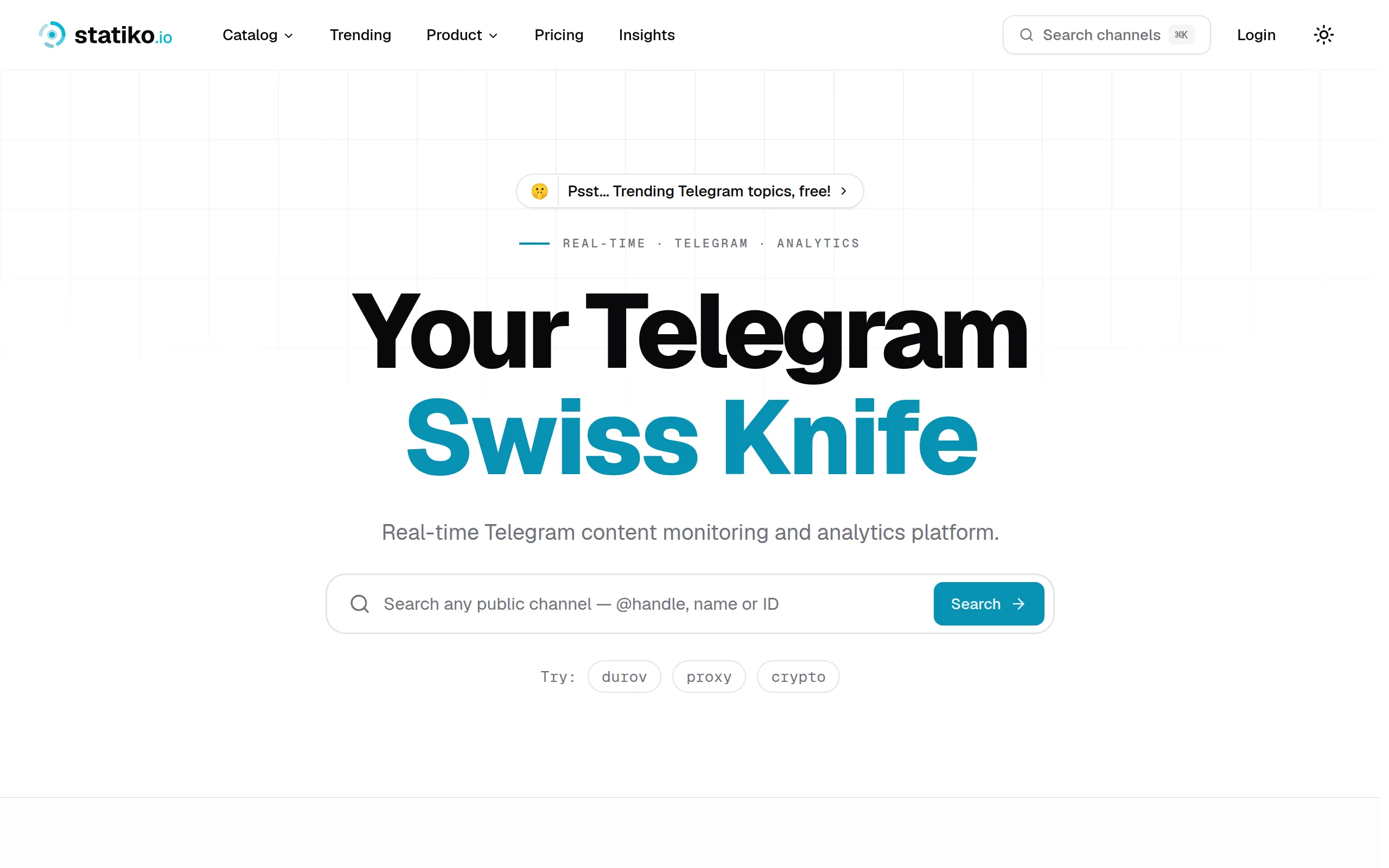
Statiko
Monitor any Telegram channel in real time - track posts, edits, deletions, and growth with AI recaps 📡

Shibui
AI website builder - describe your business, pick a niche template, edit by chatting, and publish instantly ✨

Pro Service
Find verified home service professionals, compare quotes, and pay securely through escrow - built for Brazilians across the US 🏠
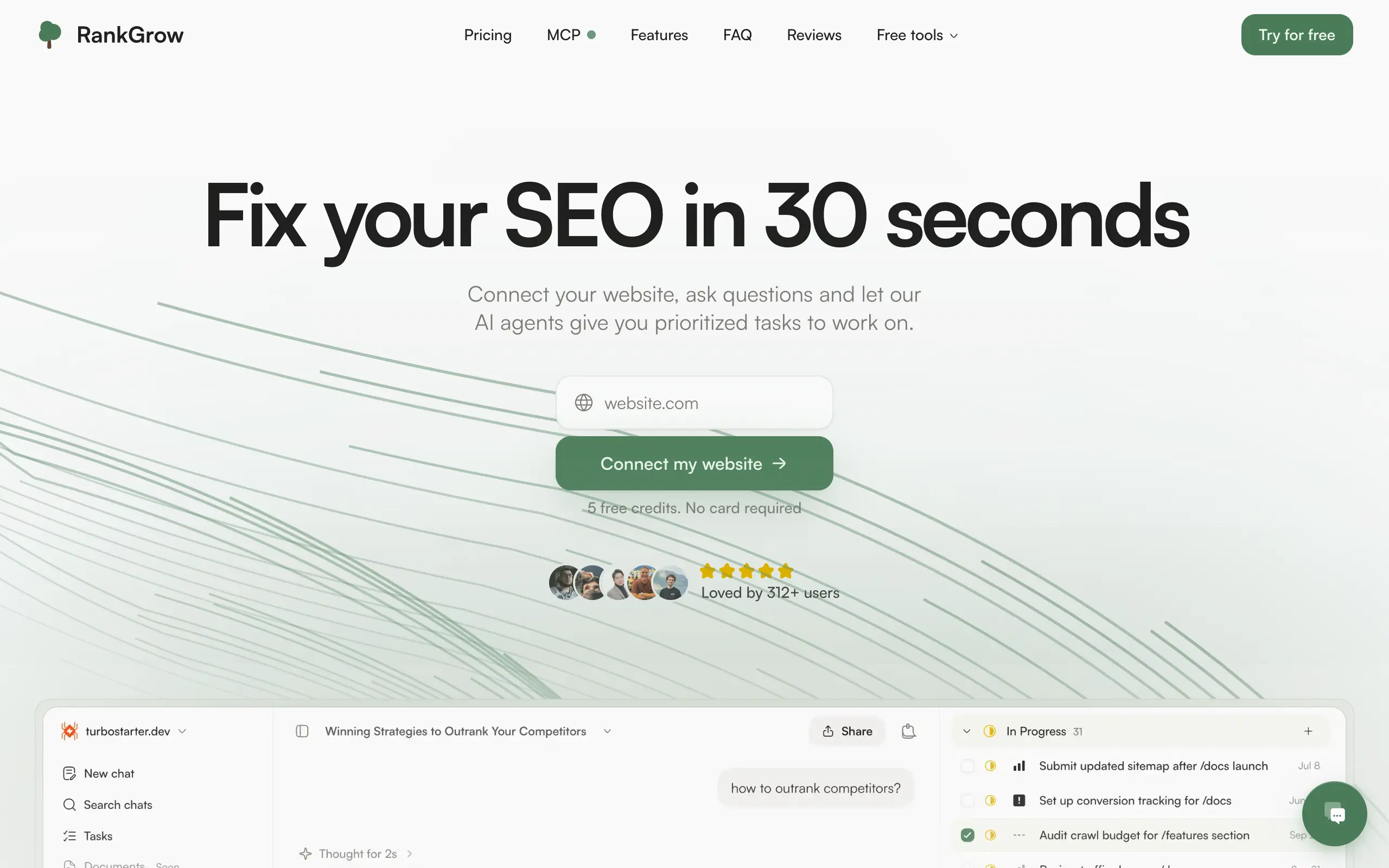
RankGrow
Fix your SEO with AI agents - connect Search Console, get prioritized tasks, and grow organic traffic 📈
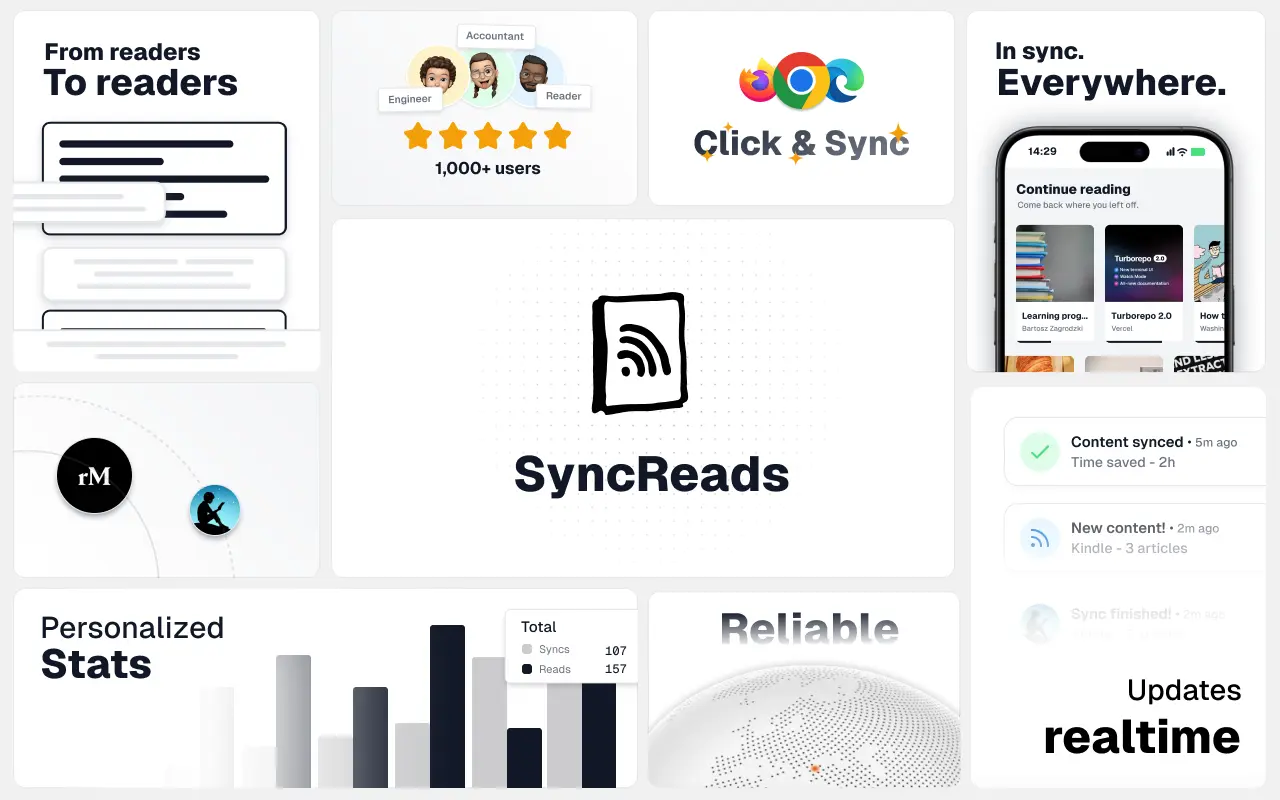
SyncReads
Sync your favorite content for distraction-free reading, save time and replace multiple apps. Anytime, anywhere 🔄
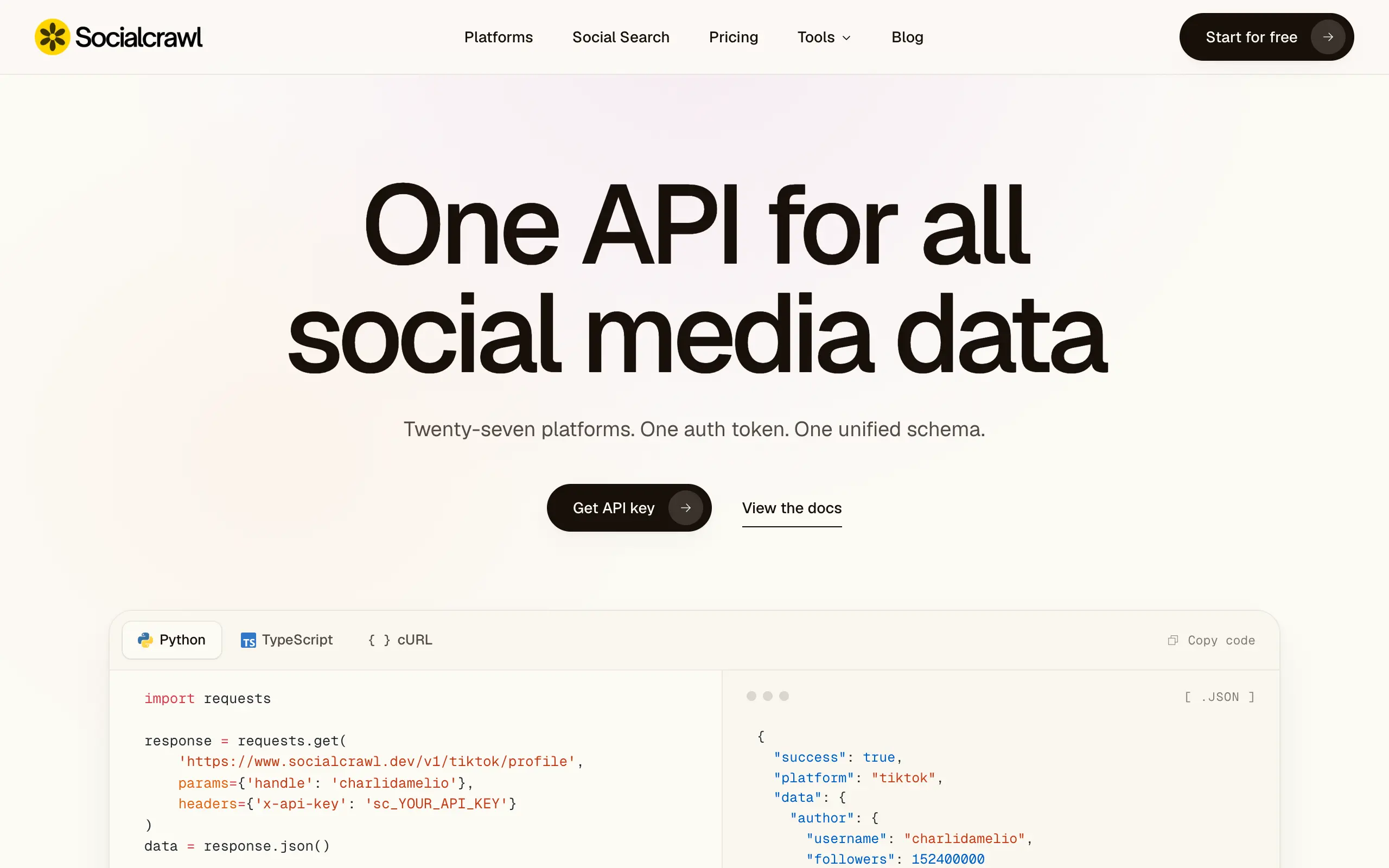
Socialcrawl
Get clean, structured data from 21 platforms like TikTok, Instagram, and YouTube with a single request 📊
Statiko
Monitor any Telegram channel in real time - track posts, edits, deletions, and growth with AI recaps 📡
Shibui
AI website builder - describe your business, pick a niche template, edit by chatting, and publish instantly ✨
Pro Service
Find verified home service professionals, compare quotes, and pay securely through escrow - built for Brazilians across the US 🏠
RankGrow
Fix your SEO with AI agents - connect Search Console, get prioritized tasks, and grow organic traffic 📈
SyncReads
Sync your favorite content for distraction-free reading, save time and replace multiple apps. Anytime, anywhere 🔄
Socialcrawl
Get clean, structured data from 21 platforms like TikTok, Instagram, and YouTube with a single request 📊
Statiko
Monitor any Telegram channel in real time - track posts, edits, deletions, and growth with AI recaps 📡
Shibui
AI website builder - describe your business, pick a niche template, edit by chatting, and publish instantly ✨
Pro Service
Find verified home service professionals, compare quotes, and pay securely through escrow - built for Brazilians across the US 🏠
RankGrow
Fix your SEO with AI agents - connect Search Console, get prioritized tasks, and grow organic traffic 📈
SyncReads
Sync your favorite content for distraction-free reading, save time and replace multiple apps. Anytime, anywhere 🔄
Socialcrawl
Get clean, structured data from 21 platforms like TikTok, Instagram, and YouTube with a single request 📊
Statiko
Monitor any Telegram channel in real time - track posts, edits, deletions, and growth with AI recaps 📡
Shibui
AI website builder - describe your business, pick a niche template, edit by chatting, and publish instantly ✨
Pro Service
Find verified home service professionals, compare quotes, and pay securely through escrow - built for Brazilians across the US 🏠
RankGrow
Fix your SEO with AI agents - connect Search Console, get prioritized tasks, and grow organic traffic 📈
SyncReads
Sync your favorite content for distraction-free reading, save time and replace multiple apps. Anytime, anywhere 🔄
Socialcrawl
Get clean, structured data from 21 platforms like TikTok, Instagram, and YouTube with a single request 📊
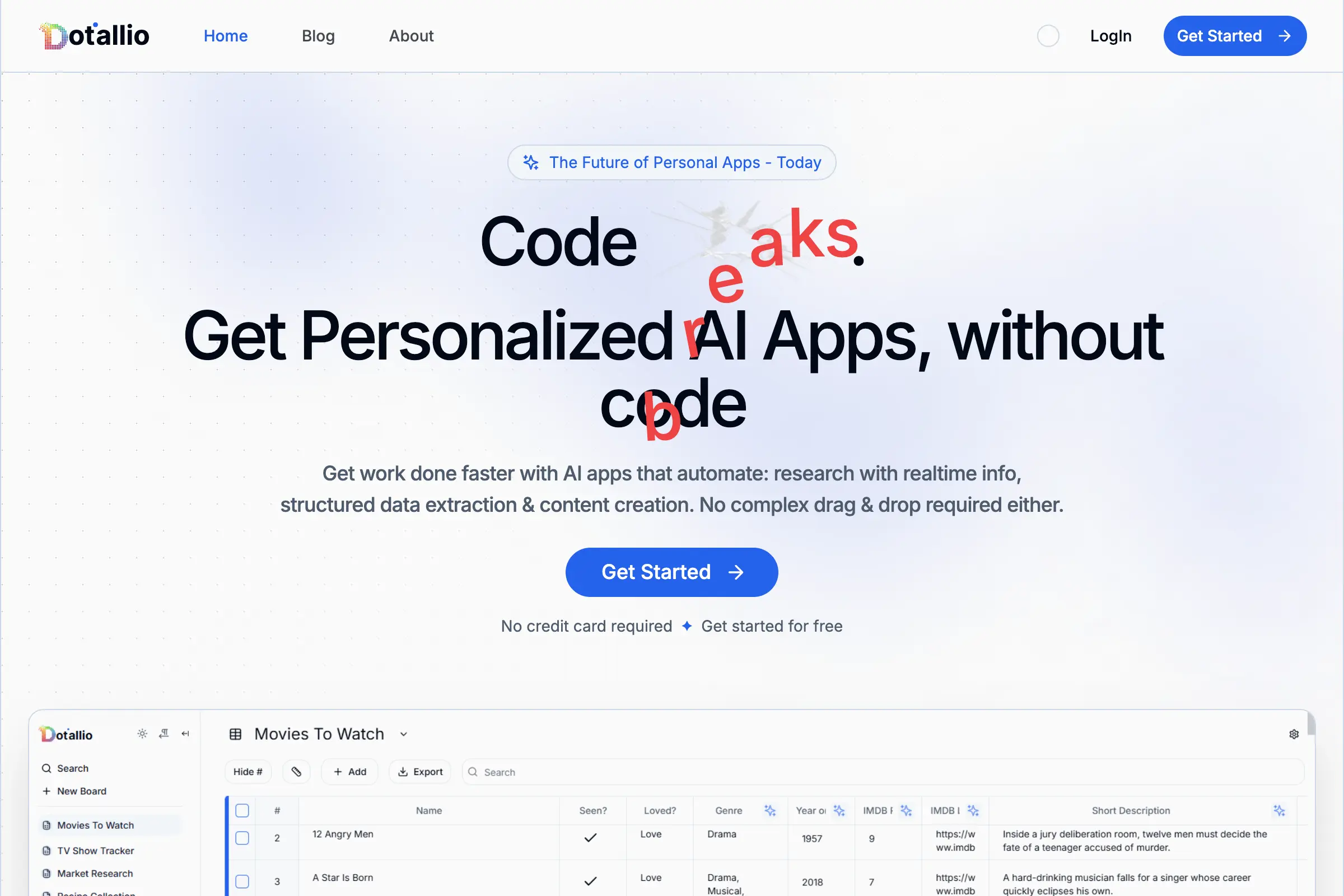
Dotallio
Personalized AI apps that automate research, data extraction, and content creation without code 🤖

Talk to Santa
Enjoy a magical live video chat or receive a unique AI-generated video greeting from Santa Claus 🎅

pozywka.pl
Scalable blog for food journalist, focused on performance and user experience 🌭
zagrodzki.me
Personal blog and portfolio of Bart Zagrodzki, where he shares his knowledge and work 💼
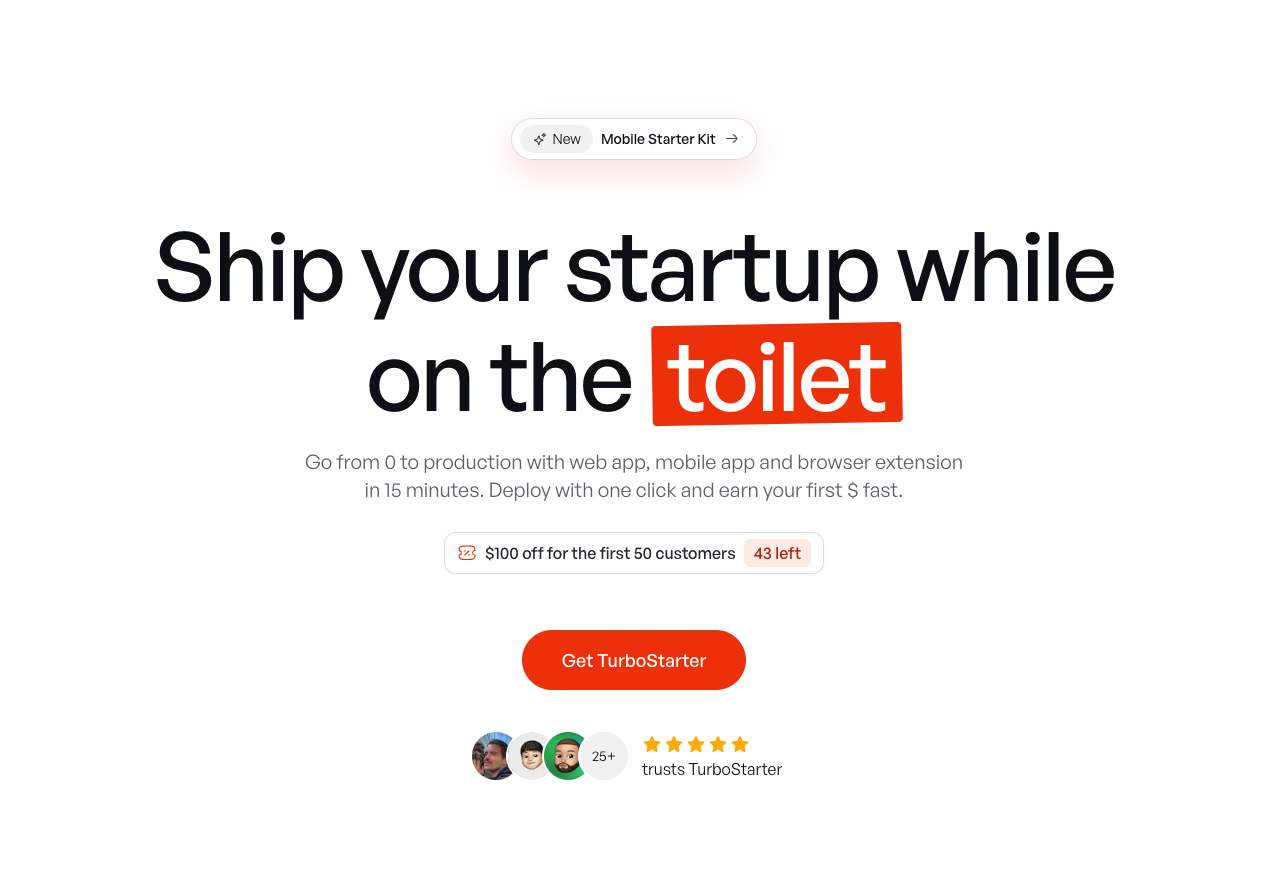
TurboStarter
Ship your startup everywhere. In minutes.
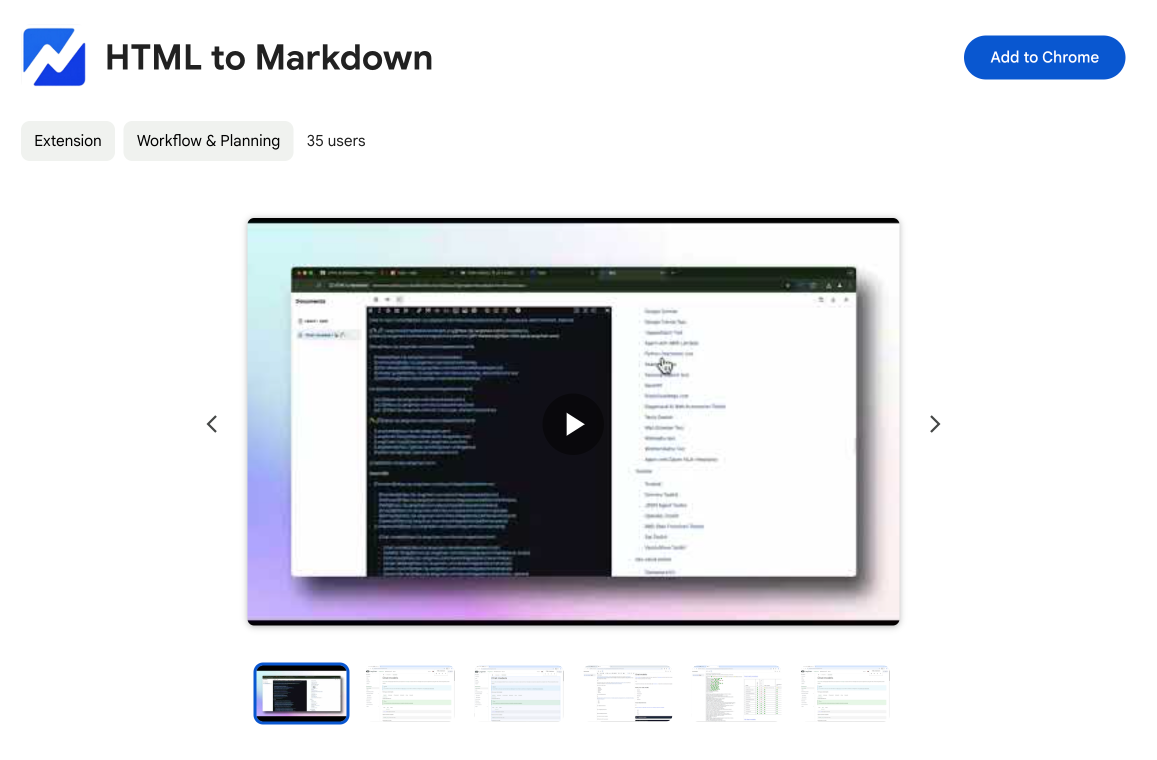
HTML to Markdown
Convert HTML to Markdown with ease, directly in your browser 📄
Dotallio
Personalized AI apps that automate research, data extraction, and content creation without code 🤖
Talk to Santa
Enjoy a magical live video chat or receive a unique AI-generated video greeting from Santa Claus 🎅
pozywka.pl
Scalable blog for food journalist, focused on performance and user experience 🌭
zagrodzki.me
Personal blog and portfolio of Bart Zagrodzki, where he shares his knowledge and work 💼
TurboStarter
Ship your startup everywhere. In minutes.
HTML to Markdown
Convert HTML to Markdown with ease, directly in your browser 📄
Dotallio
Personalized AI apps that automate research, data extraction, and content creation without code 🤖
Talk to Santa
Enjoy a magical live video chat or receive a unique AI-generated video greeting from Santa Claus 🎅
pozywka.pl
Scalable blog for food journalist, focused on performance and user experience 🌭
zagrodzki.me
Personal blog and portfolio of Bart Zagrodzki, where he shares his knowledge and work 💼
TurboStarter
Ship your startup everywhere. In minutes.
HTML to Markdown
Convert HTML to Markdown with ease, directly in your browser 📄
Dotallio
Personalized AI apps that automate research, data extraction, and content creation without code 🤖
Talk to Santa
Enjoy a magical live video chat or receive a unique AI-generated video greeting from Santa Claus 🎅
pozywka.pl
Scalable blog for food journalist, focused on performance and user experience 🌭
zagrodzki.me
Personal blog and portfolio of Bart Zagrodzki, where he shares his knowledge and work 💼
TurboStarter
Ship your startup everywhere. In minutes.
HTML to Markdown
Convert HTML to Markdown with ease, directly in your browser 📄
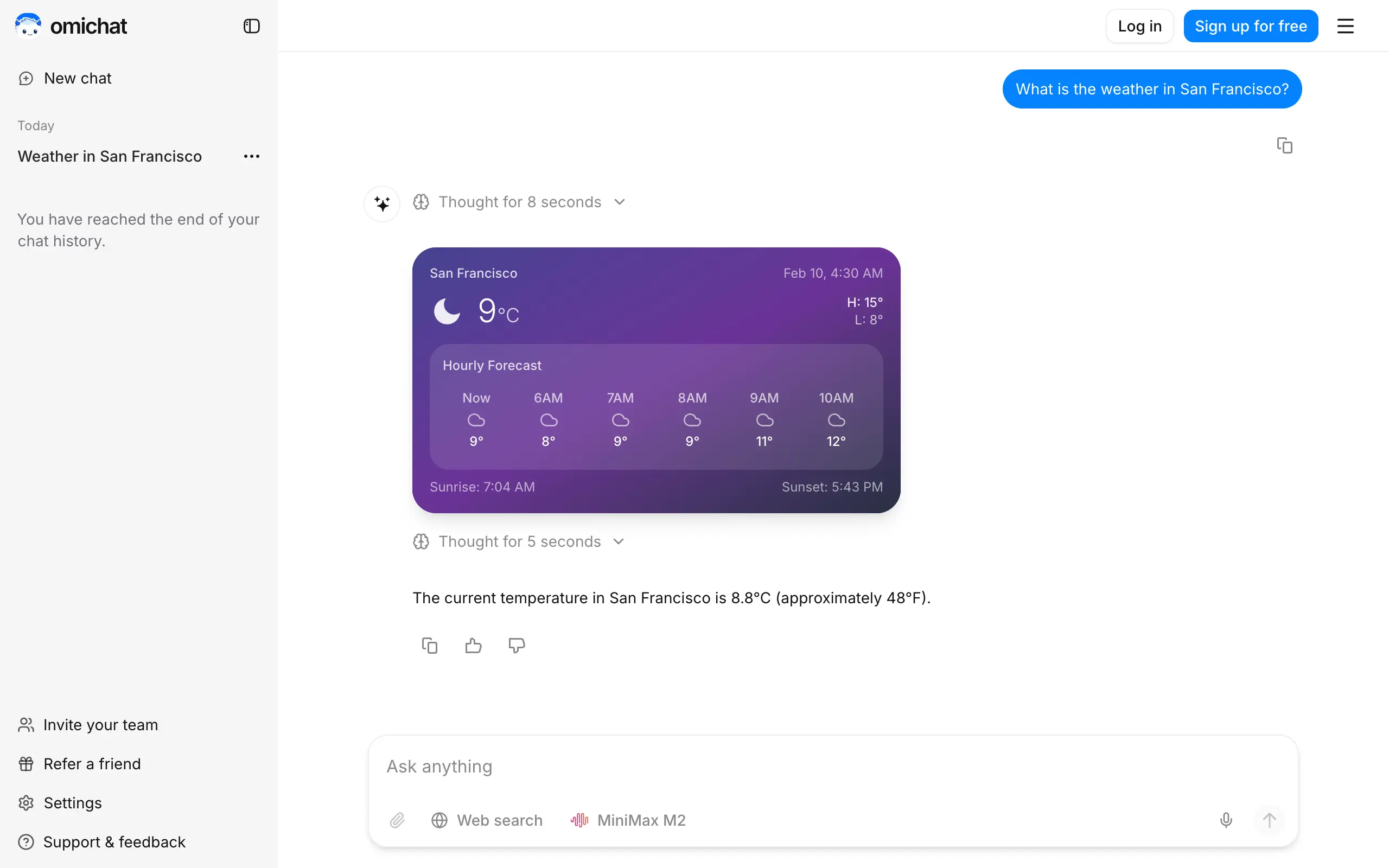
Omichat
Chat with 50+ AI models, including ChatGPT and Claude, in one place - switch models anytime without losing context 🤖
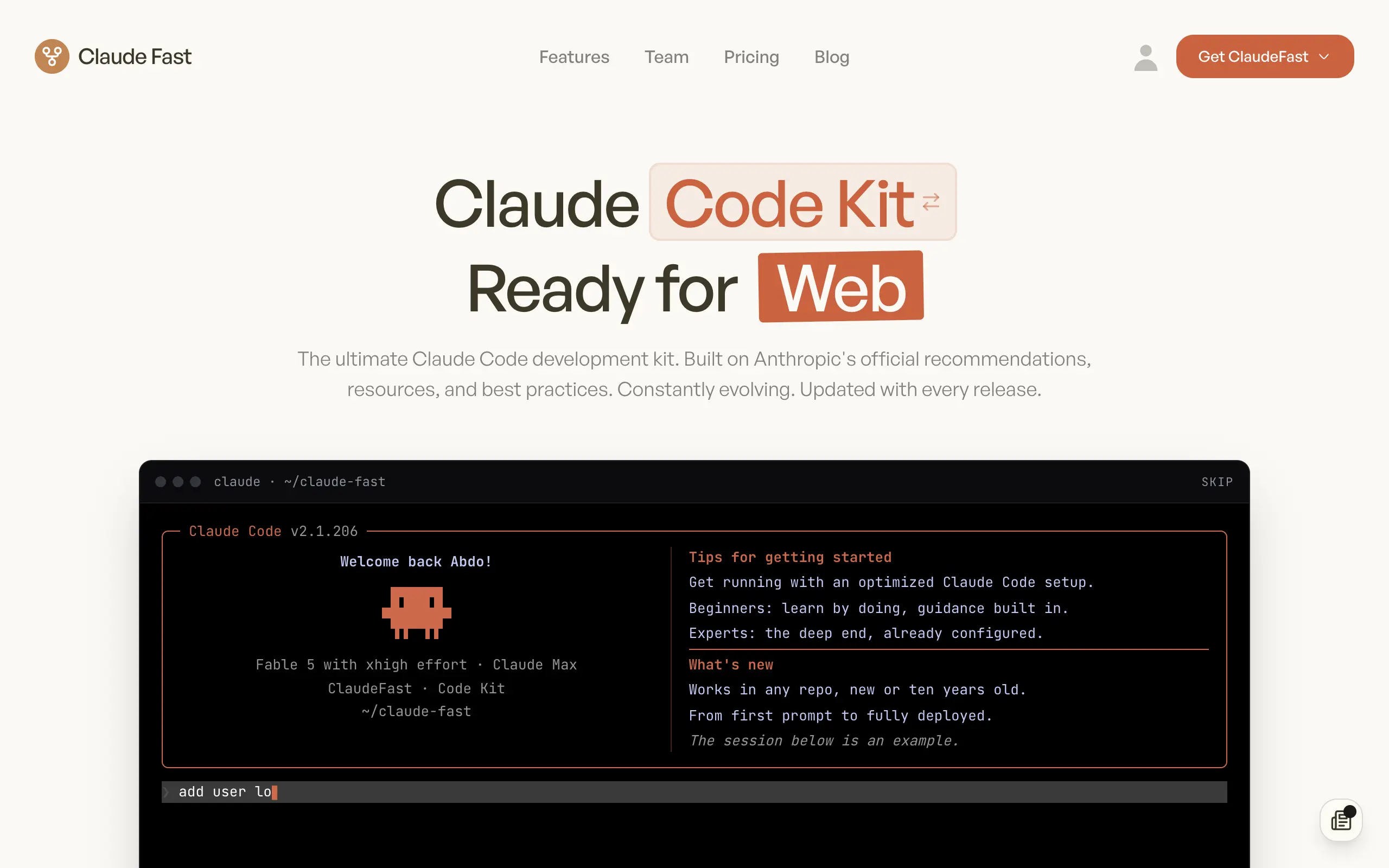
Claude Fast
Supercharge your Claude Code with 6x effective context window and specialized AI agents 🤖
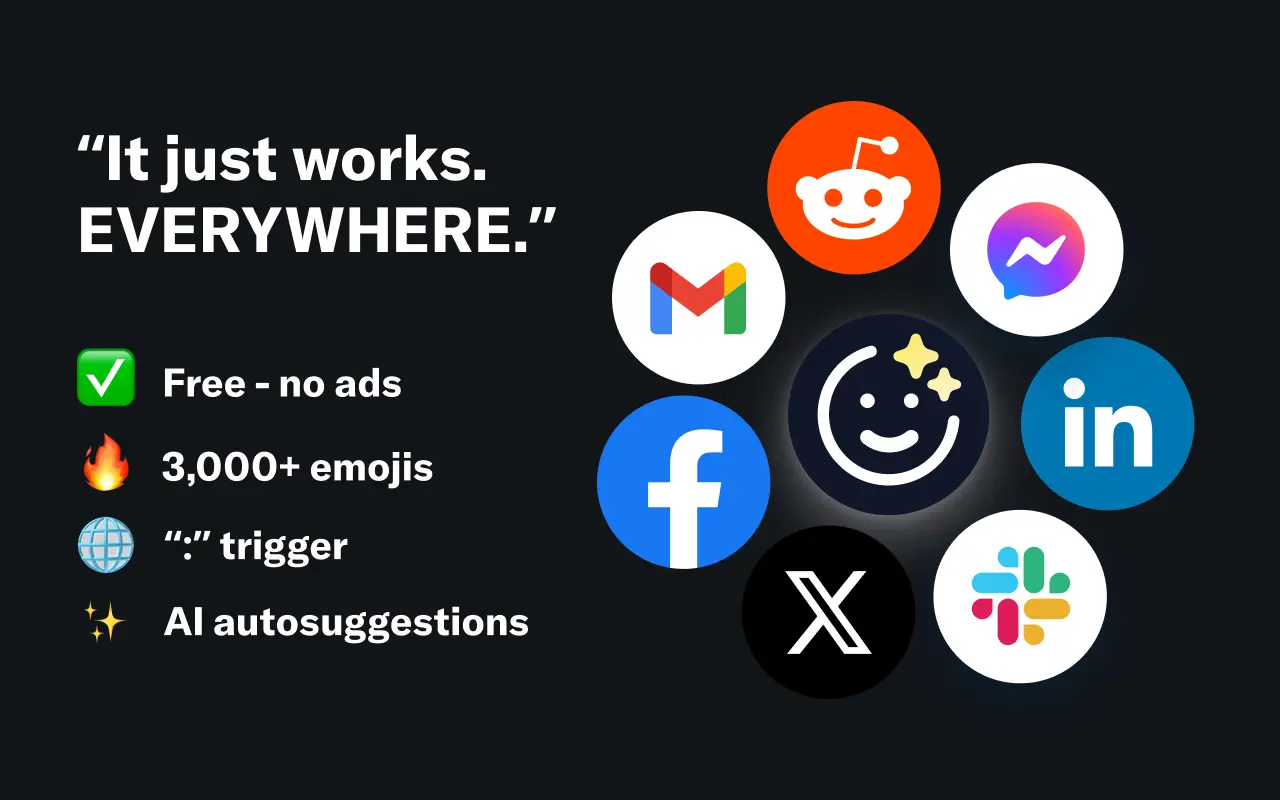
EmojAI
AI-powered emoji picker with smart, context-aware suggestions 🤖
Solohacker
Autonomous company launcher - AI agents work 24/7, escalate what matters, and you stay in control 🤖
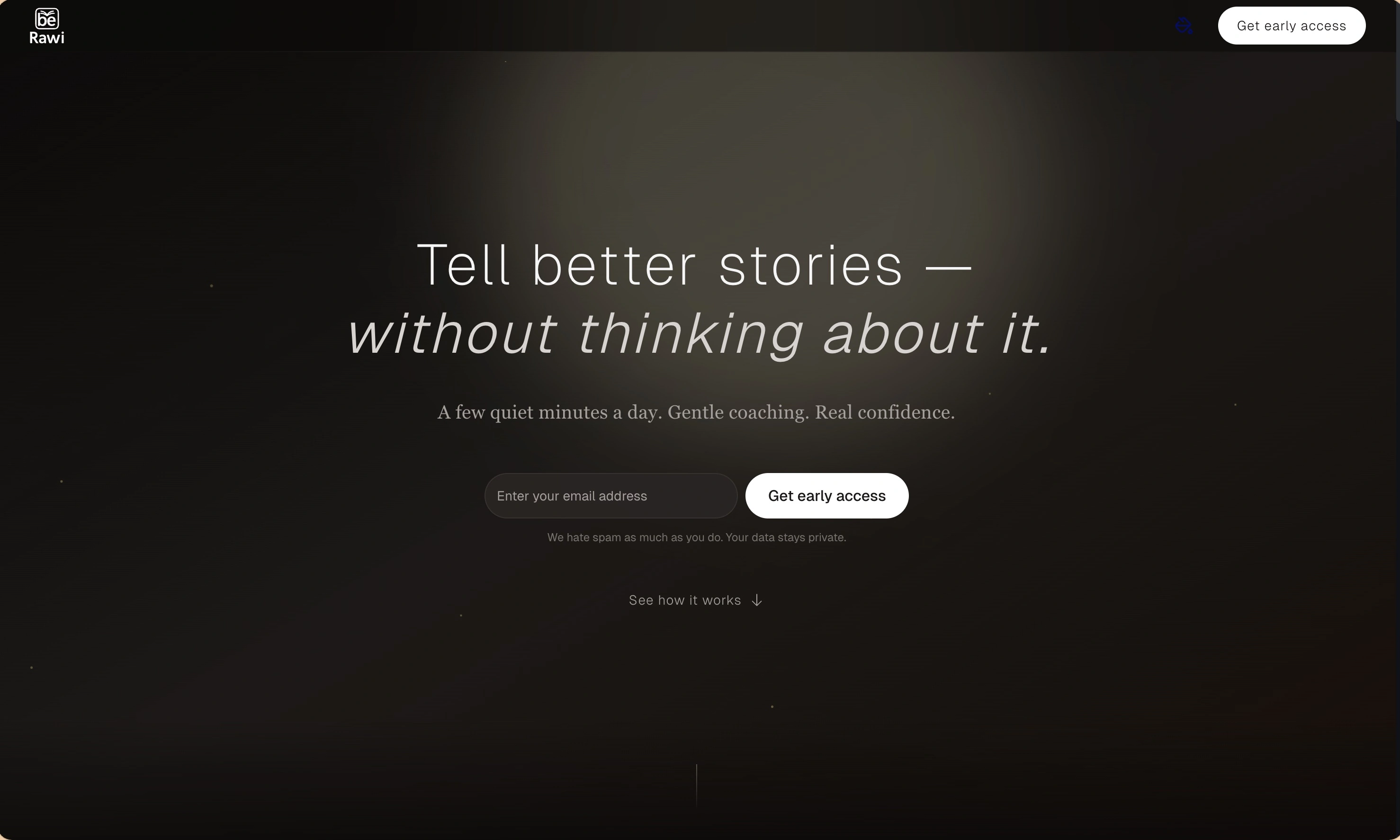
BeRawi: Storytelling Coach
Practice storytelling daily with instant feedback to sound clearer, more engaging, and confident 🎤
Omichat
Chat with 50+ AI models, including ChatGPT and Claude, in one place - switch models anytime without losing context 🤖
Claude Fast
Supercharge your Claude Code with 6x effective context window and specialized AI agents 🤖
EmojAI
AI-powered emoji picker with smart, context-aware suggestions 🤖
Solohacker
Autonomous company launcher - AI agents work 24/7, escalate what matters, and you stay in control 🤖
BeRawi: Storytelling Coach
Practice storytelling daily with instant feedback to sound clearer, more engaging, and confident 🎤
Omichat
Chat with 50+ AI models, including ChatGPT and Claude, in one place - switch models anytime without losing context 🤖
Claude Fast
Supercharge your Claude Code with 6x effective context window and specialized AI agents 🤖
EmojAI
AI-powered emoji picker with smart, context-aware suggestions 🤖
Solohacker
Autonomous company launcher - AI agents work 24/7, escalate what matters, and you stay in control 🤖
BeRawi: Storytelling Coach
Practice storytelling daily with instant feedback to sound clearer, more engaging, and confident 🎤
Omichat
Chat with 50+ AI models, including ChatGPT and Claude, in one place - switch models anytime without losing context 🤖
Claude Fast
Supercharge your Claude Code with 6x effective context window and specialized AI agents 🤖
EmojAI
AI-powered emoji picker with smart, context-aware suggestions 🤖
Solohacker
Autonomous company launcher - AI agents work 24/7, escalate what matters, and you stay in control 🤖
BeRawi: Storytelling Coach
Practice storytelling daily with instant feedback to sound clearer, more engaging, and confident 🎤

Connect with like-minded people
Join our community to get feedback, support, and grow together with 1,000+ builders on board, let's ship it!
Join usShip your startup everywhere. In minutes.
Don't burn tokens on setup and start building features on day one.