KindlyAI
An AI-powered app that helps users craft thoughtful messages for any situation—apologies, condolences, gratitude, or tough conversations—with emotional intelligence built in.
The growing need for emotionally intelligent communication in a digital world
In a world dominated by instant messages, Slack threads, WhatsApp chats, and email notifications, how we communicate matters more than ever. Yet most people struggle with one of the hardest parts of communication: expressing emotion clearly and thoughtfully.
Whether it’s:
- Writing a sincere apology after a mistake
- Sending condolences to a grieving colleague
- Expressing gratitude to a mentor
- Navigating a difficult performance conversation
- Setting boundaries without sounding harsh
People often hesitate, overthink, or avoid the message altogether.
This is where an AI-powered app like KindlyAI—an emotionally intelligent message crafting assistant—can create massive value.
KindlyAI is positioned as an AI communication assistant designed specifically for emotionally sensitive conversations. Unlike generic AI writing tools, it focuses on empathy, tone calibration, and contextual awareness.
This article explores the full business, technical, and strategic breakdown of KindlyAI—from market opportunity to tech stack, monetization, risks, and actionable implementation steps.
Understanding user search intent behind “AI message writing app”
When users search for:
- “AI to write apology message”
- “How to write condolences message”
- “AI for difficult conversation”
- “Emotionally intelligent AI writer”
- “Message tone checker AI”
They are typically looking for one of the following:
- Immediate help drafting a message
- Emotional validation and reassurance
- Tone refinement (“Does this sound rude?”)
- Communication coaching
- Templates with personalization
KindlyAI directly addresses this intent by offering:
- Context-aware message generation
- Emotional tone calibration
- Adjustable warmth/directness levels
- Cultural sensitivity awareness
- Rewrite and refinement suggestions
The product’s core differentiation lies in emotional intelligence rather than raw content generation.
Market opportunity for emotionally intelligent AI tools
The rise of AI writing assistants
AI writing tools have exploded in popularity. Tools like:
- ChatGPT
- Grammarly
- Jasper
- Copy.ai
have proven that users are comfortable delegating writing tasks to AI.
However, most of these tools focus on:
- Marketing copy
- SEO content
- Grammar correction
- Productivity writing
Very few specialize in emotionally nuanced communication.
The emotional communication gap
Modern communication suffers from:
- Text-based misinterpretation
- Lack of tone clarity
- Cultural differences
- Emotional avoidance
According to research from communication studies (e.g., Pew Research Center data on digital communication trends—cite official reports where applicable), digital communication increases the likelihood of misunderstanding due to lack of non-verbal cues.
This creates a clear market gap:
People need help writing emotionally complex messages—but don’t want to sound robotic.
KindlyAI can position itself as:
- The “Canva for emotional communication”
- The “Grammarly for empathy”
- The “AI emotional co-pilot”
Target audience analysis
To build a successful SaaS like KindlyAI, defining user segments precisely is critical.
1. Professionals and managers
Use cases:
- Performance feedback
- Apology emails
- Conflict resolution
- Promotion congratulations
- Layoff communication
Pain points:
- Fear of saying the wrong thing
- Legal or HR sensitivity
- Maintaining authority while showing empathy
These users value:
- Tone calibration
- Formal vs casual options
- Professional templates
- Cultural neutrality
2. Remote workers and freelancers
Remote work amplifies tone ambiguity.
Common needs:
- Clarifying misunderstandings
- Softening feedback
- Setting boundaries
- Managing client disputes
This group wants:
- Fast drafts
- Slack/email integrations
- Tone rewriting tools
3. Individuals navigating personal relationships
Use cases:
- Romantic apologies
- Family boundary setting
- Breakup messages
- Reconciliation attempts
- Gratitude notes
This audience is emotionally vulnerable and highly motivated to get the message right.
4. Non-native English speakers
A massive opportunity lies here.
They often struggle with:
- Tone nuance
- Cultural appropriateness
- Emotional expression
KindlyAI can offer:
- Tone clarity explanations
- Cultural adjustment suggestions
- Multi-language emotional tone calibration
Ideal early adopter segment
To avoid building too broad too soon:
Best initial niche: Professionals in remote-first companies.
Why?
- Clear ROI
- Recurring need
- Willingness to pay
- Frequent emotionally sensitive communication
Core product vision of KindlyAI
KindlyAI should not be positioned as just another “AI writer.”
It should be framed as:
An emotionally intelligent AI assistant for thoughtful communication.
Key value proposition
- Emotion-aware drafting
- Tone control slider
- Context-based suggestions
- Psychological insight baked into outputs
Core features and solution design
Let’s break down the MVP and expansion roadmap.
1. Guided message builder
Instead of a blank prompt box, use structured inputs:
- Who is this message for? (Boss, friend, partner, colleague)
- What happened?
- What emotion do you want to convey?
- What tone should it have?
- How long should it be?
This structured approach produces better outputs and reduces user friction.
2. Tone slider (unique feature)
Allow users to adjust tone dynamically:
- More direct ↔ More gentle
- More formal ↔ More casual
- More concise ↔ More expressive
This can be implemented via prompt engineering with adjustable parameters.
3. Emotion tagging and analysis
User pastes draft → AI analyzes:
- Detected emotional tone
- Potential misinterpretations
- Harsh wording
- Passive-aggressive language
This adds differentiation from generic AI tools.
4. Rewrite and refine
Options:
- “Make it more empathetic”
- “Make it shorter”
- “Make it more assertive”
- “Remove blame language”
5. Situation-based templates
Examples:
- Workplace apology
- Condolence message
- Salary negotiation
- Setting boundaries
- Difficult feedback
- Thank-you note
Templates reduce cognitive load and improve conversion.
6. Emotional intelligence explanation layer (USP enhancer)
After generating a message, provide:
- Why this phrasing works
- Psychological reasoning
- Tone explanation
This transforms KindlyAI from a writing tool into a communication coach.
Competitive landscape analysis
Let’s compare KindlyAI to adjacent tools.
| Feature | ChatGPT | Grammarly | Generic AI Writer | KindlyAI |
|---|---|---|---|---|
| Emotion-specific templates | ❌ | ❌ | ❌ | ✅ |
| Tone adjustment slider | ❌ | Limited | ❌ | ✅ |
| Emotional explanation layer | ❌ | ❌ | ❌ | ✅ |
| Conflict resolution focus | ❌ | ❌ | ❌ | ✅ |
KindlyAI’s moat is specialization in emotional intelligence, not general AI writing.
Recommended tech stack for building KindlyAI
Frontend
Why:
- Fast UI iteration
- Excellent SEO with SSR
- Smooth UX for dynamic tone adjustments
Backend
Options:
- Node.js (Express or Next.js API routes)
- Serverless (Vercel / AWS Lambda)
AI layer
- OpenAI API
- Anthropic Claude API
- Multi-model routing for cost optimization
Trade-offs:
- OpenAI: Strong performance, ecosystem maturity
- Anthropic: Often better at nuanced reasoning
- Hybrid: Increased complexity but flexibility
Database
- PostgreSQL (structured data, templates, user profiles)
- Redis (caching frequent prompts)
- Optional: Vector DB (for emotional pattern retrieval)
Authentication & payments
- Auth: Clerk, Auth0, or custom JWT
- Payments: Stripe
Optional integrations
- Gmail API
- Slack API
- Outlook API
Example implementation architecture
// Example pseudo-flow for tone adjustment

const generateMessage = async ({
  context,
  relationship,
  desiredEmotion,
  toneLevel,
}) => {
  const prompt = `
  You are an emotionally intelligent communication assistant.
  Relationship: ${relationship}
  Situation: ${context}
  Desired Emotion: ${desiredEmotion}
  Tone Level: ${toneLevel} (1=direct, 5=gentle)

  Write a thoughtful message.
  Also explain briefly why this phrasing works.
  `;

  const response = await callLLM(prompt);
  return response;
};
Monetization strategy for KindlyAI
KindlyAI fits a strong freemium SaaS model.
Free tier
- Limited messages per month
- Basic templates
- No emotional explanation layer
Pro tier ($12–$19/month)
- Unlimited messages
- Tone slider
- Emotional analysis
- Save drafts
- Advanced templates
Team tier ($29–$49/month per team)
- Shared templates
- Brand voice customization
- HR-focused workflows
- Slack integration
Additional monetization opportunities
- Corporate HR licensing
- White-label API for email clients
- Emotional communication coaching add-on
Pricing psychology considerations
Because this product addresses emotional vulnerability:
- Avoid aggressive pricing
- Position as “communication confidence subscription”
- Offer 7-day trial
Messaging example:
“Feel confident in every important message you send.”
Risks and mitigation strategies
1. Over-reliance on AI
Risk: Users send messages without reviewing.
Mitigation:
- Add disclaimer prompts
- Encourage personalization
2. Ethical concerns
AI-generated breakup or termination messages could feel manipulative.
Mitigation:
- Encourage user editing
- Provide ethical usage guidelines
3. Generic output problem
If outputs feel generic, users revert to ChatGPT.
Mitigation:
- Invest in emotional prompt engineering
- Fine-tune templates
- Offer personalization memory
4. Privacy concerns
Users share sensitive situations.
Mitigation:
- End-to-end encryption
- Clear privacy policy
- Option for local draft-only mode
Unique selling proposition of KindlyAI
KindlyAI is not about writing.
It’s about:
- Emotional clarity
- Communication confidence
- Relationship preservation
Its strongest differentiation:
AI built specifically for emotionally sensitive communication.
That niche focus is the moat.
Go-to-market strategy
Phase 1: Target remote professionals
- LinkedIn content marketing
- SEO blog posts (“How to write a professional apology email”)
- Product Hunt launch
Phase 2: Relationship-focused expansion
- TikTok & Instagram content
- “Rewrite my message” viral hooks
Phase 3: HR and B2B sales
- HR webinars
- Emotional intelligence workshops
- Conflict management positioning
SEO strategy for KindlyAI
Primary keyword cluster:
- AI message writing app
- AI apology generator
- Emotionally intelligent AI
- AI for difficult conversations
- Tone checker AI
Content marketing ideas:
- “How to apologize professionally (with examples)”
- “How to write a condolence message”
- “How to give feedback without sounding rude”
- “AI tone checker for emails”
Each article should:
- Target one intent
- Provide templates
- Softly introduce KindlyAI
Actionable steps to build KindlyAI
Lean development approach
To build efficiently:
- Use TurboStarter to accelerate SaaS boilerplate setup
- Focus first on one high-impact use case (e.g., professional apologies)
- Iterate weekly based on real user feedback
Long-term vision for KindlyAI
In the future, KindlyAI can evolve into:
- AI communication coach
- Real-time tone assistant
- Voice-based conversation rehearsal tool
- AI emotional intelligence trainer
It could expand into:
- Couples therapy tools
- Manager coaching dashboards
- Conflict mediation assistance
The broader mission:
Make emotionally intelligent communication accessible to everyone.
Final thoughts
The demand for emotionally intelligent AI is only increasing. As AI becomes embedded in daily workflows, specialization will outperform generalization.
KindlyAI sits at the intersection of:
- AI
- Psychology
- Communication coaching
- Professional productivity
With clear positioning, strong emotional differentiation, and focused execution, it can dominate the niche of AI-powered thoughtful message writing.
The opportunity is not just technological.
It’s deeply human.
More 🤖 AI Startup SaaS ideas
Discover more innovative ai startup SaaS ideas that are trending in 2026. Each idea is AI-generated with market validation and growth potential to help you find your next profitable venture faster than competitors.
Your competitors are building with TurboStarter
Below are some of the SaaS ideas that have been generated and built with our starter kit.

Statiko
Monitor any Telegram channel in real time - track posts, edits, deletions, and growth with AI recaps 📡

Shibui
AI website builder - describe your business, pick a niche template, edit by chatting, and publish instantly ✨

Pro Service
Find verified home service professionals, compare quotes, and pay securely through escrow - built for Brazilians across the US 🏠
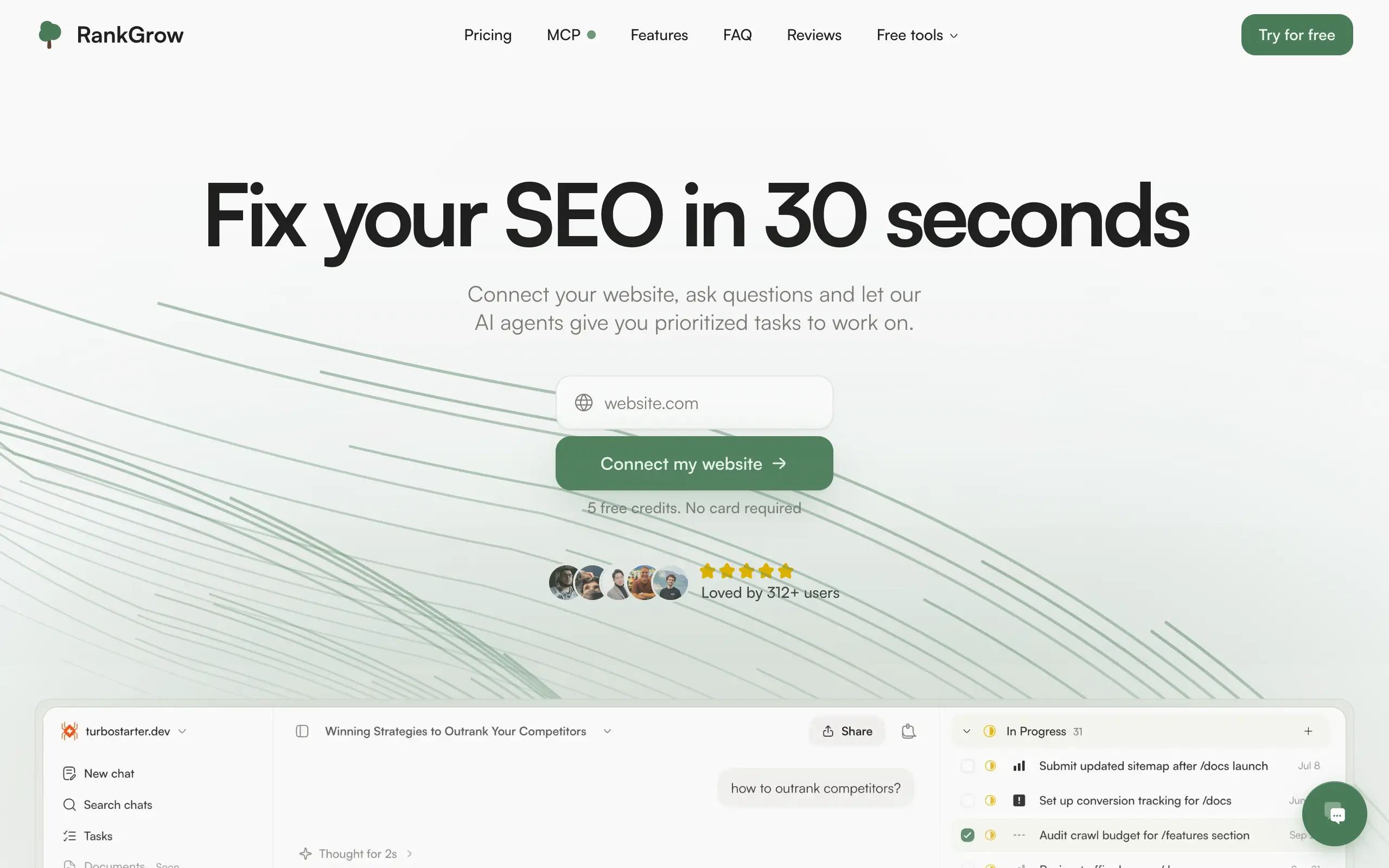
RankGrow
Fix your SEO with AI agents - connect Search Console, get prioritized tasks, and grow organic traffic 📈
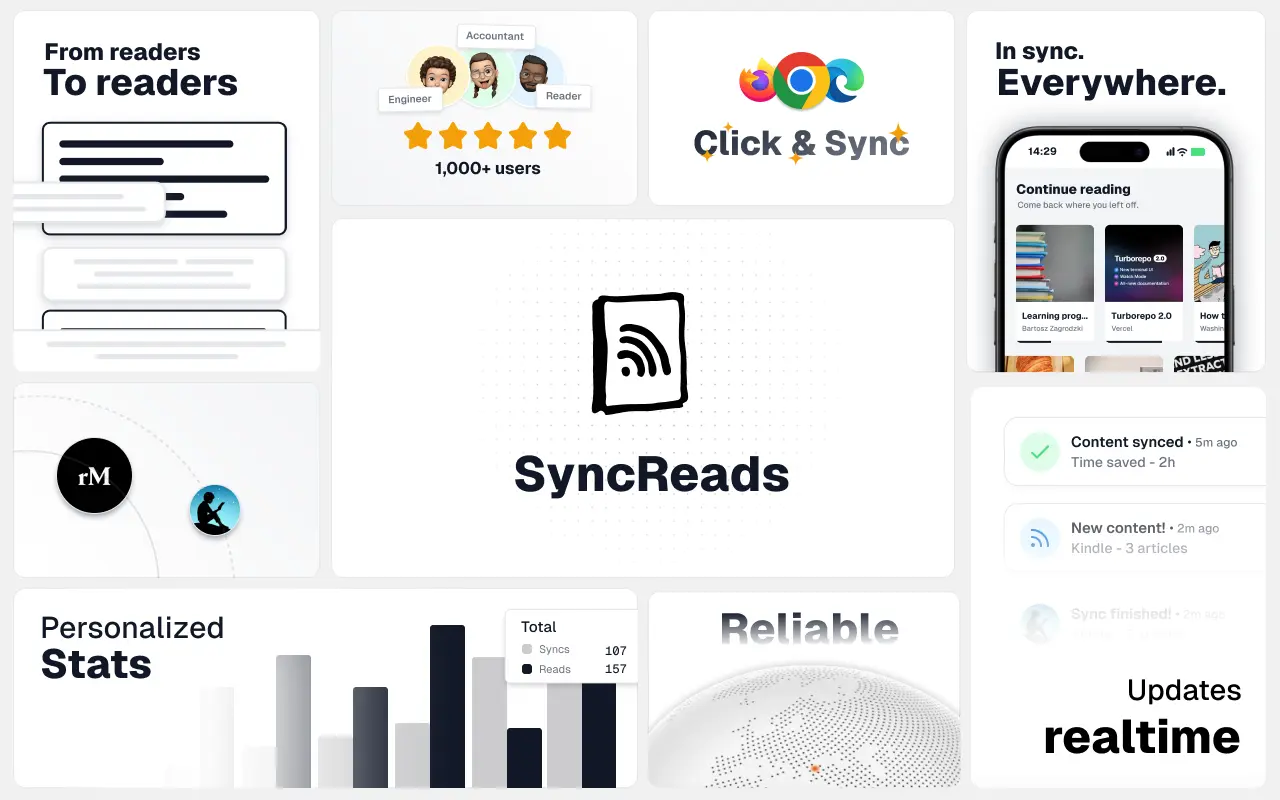
SyncReads
Sync your favorite content for distraction-free reading, save time and replace multiple apps. Anytime, anywhere 🔄
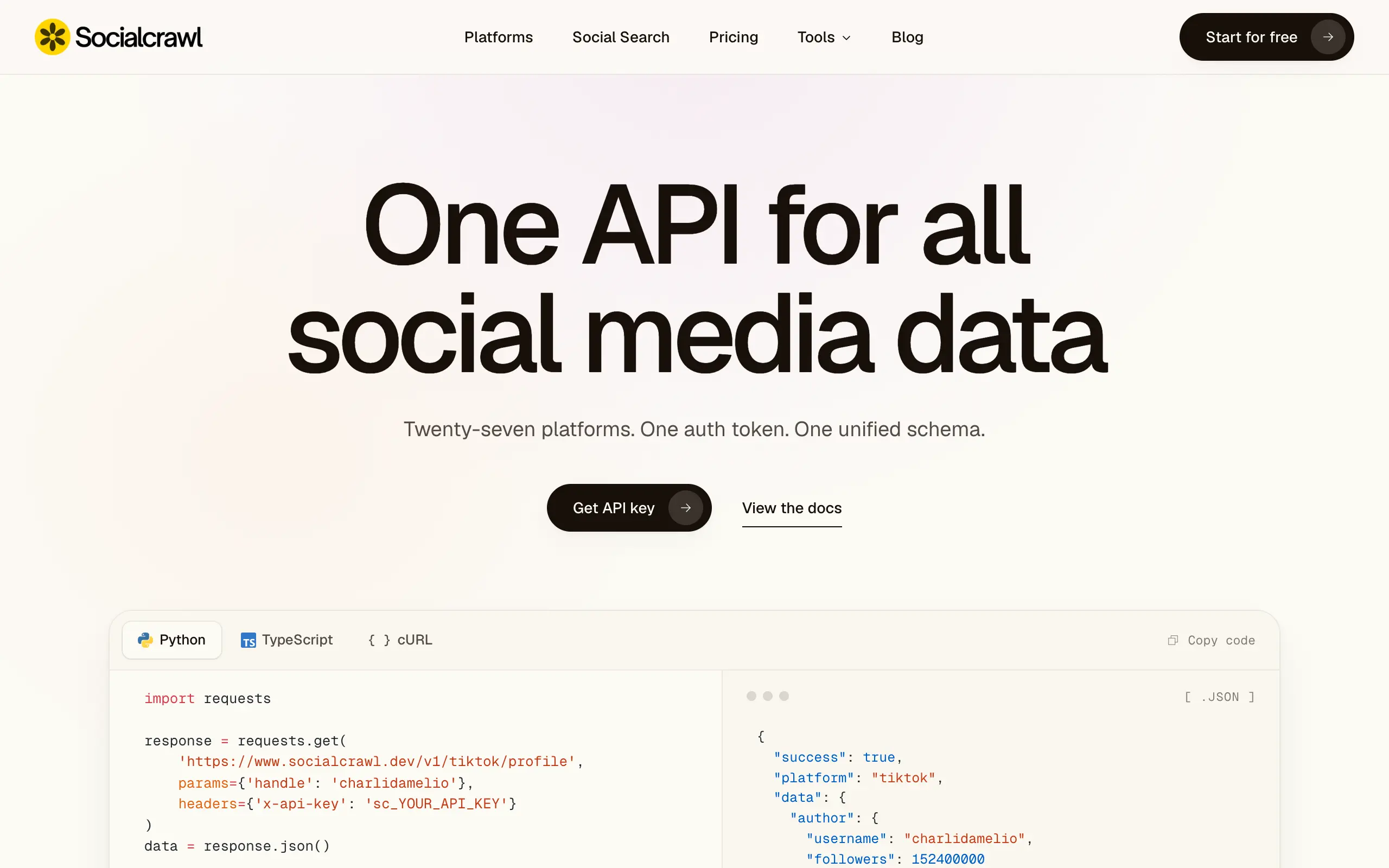
Socialcrawl
Get clean, structured data from 21 platforms like TikTok, Instagram, and YouTube with a single request 📊
Statiko
Monitor any Telegram channel in real time - track posts, edits, deletions, and growth with AI recaps 📡
Shibui
AI website builder - describe your business, pick a niche template, edit by chatting, and publish instantly ✨
Pro Service
Find verified home service professionals, compare quotes, and pay securely through escrow - built for Brazilians across the US 🏠
RankGrow
Fix your SEO with AI agents - connect Search Console, get prioritized tasks, and grow organic traffic 📈
SyncReads
Sync your favorite content for distraction-free reading, save time and replace multiple apps. Anytime, anywhere 🔄
Socialcrawl
Get clean, structured data from 21 platforms like TikTok, Instagram, and YouTube with a single request 📊
Statiko
Monitor any Telegram channel in real time - track posts, edits, deletions, and growth with AI recaps 📡
Shibui
AI website builder - describe your business, pick a niche template, edit by chatting, and publish instantly ✨
Pro Service
Find verified home service professionals, compare quotes, and pay securely through escrow - built for Brazilians across the US 🏠
RankGrow
Fix your SEO with AI agents - connect Search Console, get prioritized tasks, and grow organic traffic 📈
SyncReads
Sync your favorite content for distraction-free reading, save time and replace multiple apps. Anytime, anywhere 🔄
Socialcrawl
Get clean, structured data from 21 platforms like TikTok, Instagram, and YouTube with a single request 📊
Statiko
Monitor any Telegram channel in real time - track posts, edits, deletions, and growth with AI recaps 📡
Shibui
AI website builder - describe your business, pick a niche template, edit by chatting, and publish instantly ✨
Pro Service
Find verified home service professionals, compare quotes, and pay securely through escrow - built for Brazilians across the US 🏠
RankGrow
Fix your SEO with AI agents - connect Search Console, get prioritized tasks, and grow organic traffic 📈
SyncReads
Sync your favorite content for distraction-free reading, save time and replace multiple apps. Anytime, anywhere 🔄
Socialcrawl
Get clean, structured data from 21 platforms like TikTok, Instagram, and YouTube with a single request 📊
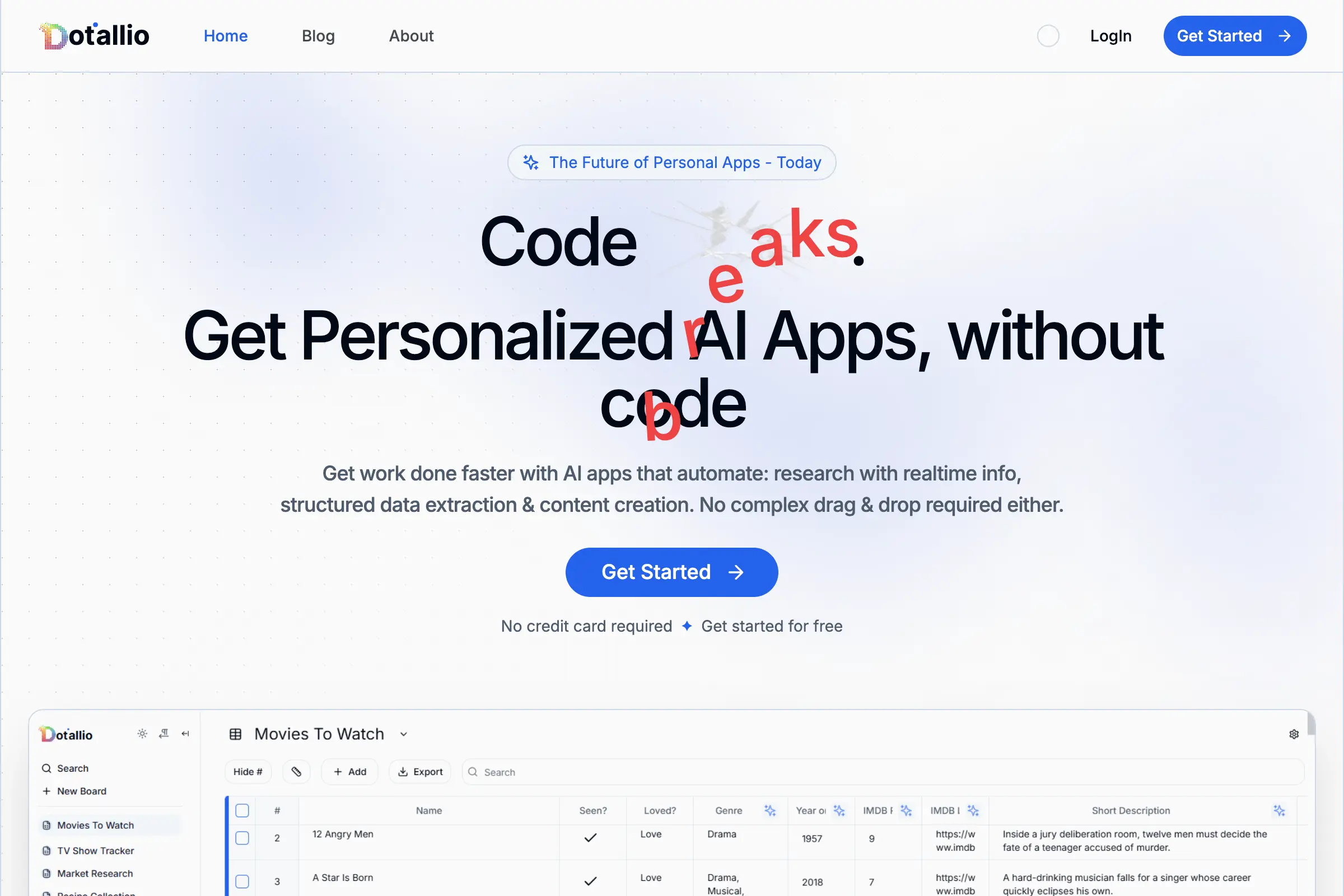
Dotallio
Personalized AI apps that automate research, data extraction, and content creation without code 🤖
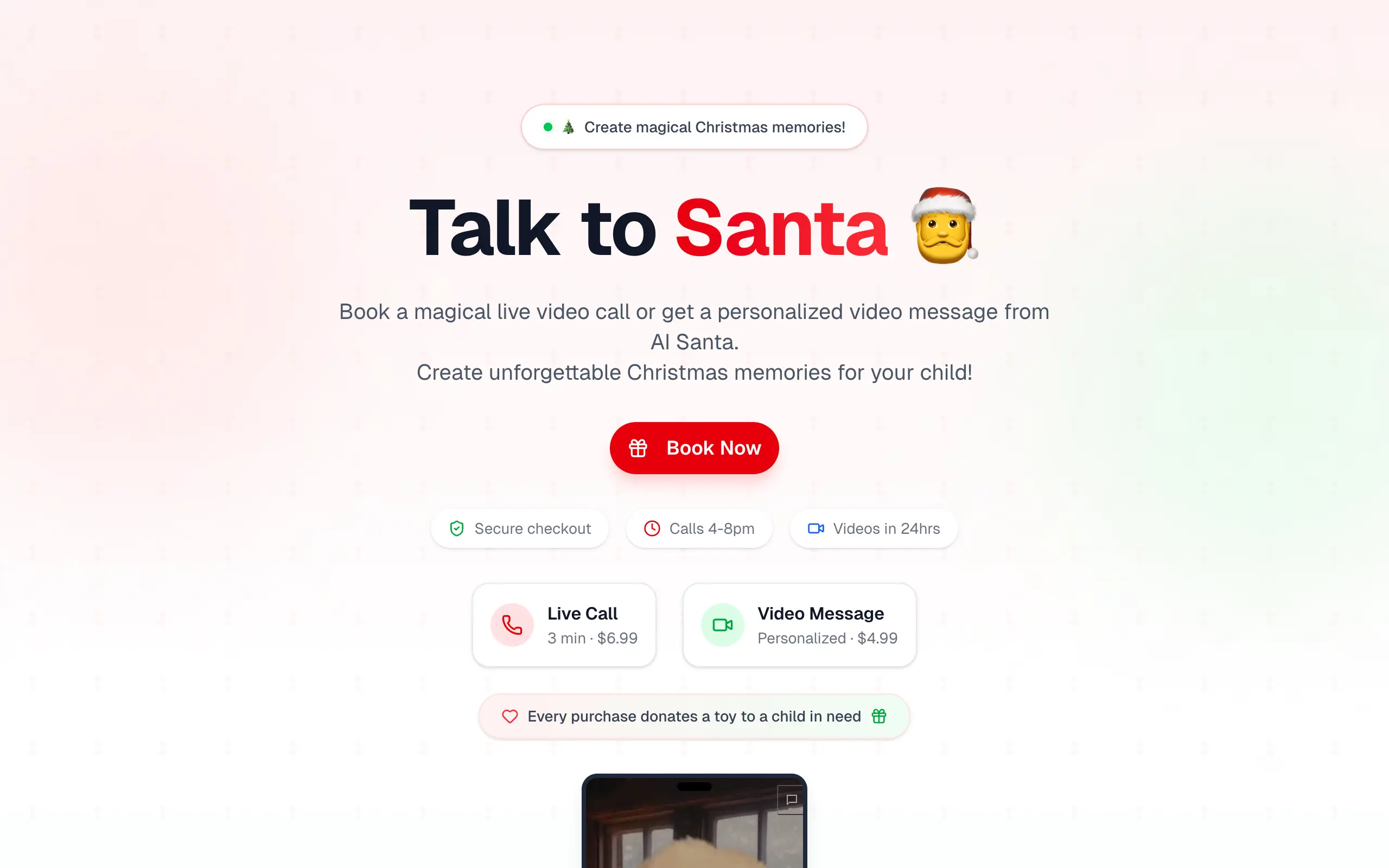
Talk to Santa
Enjoy a magical live video chat or receive a unique AI-generated video greeting from Santa Claus 🎅
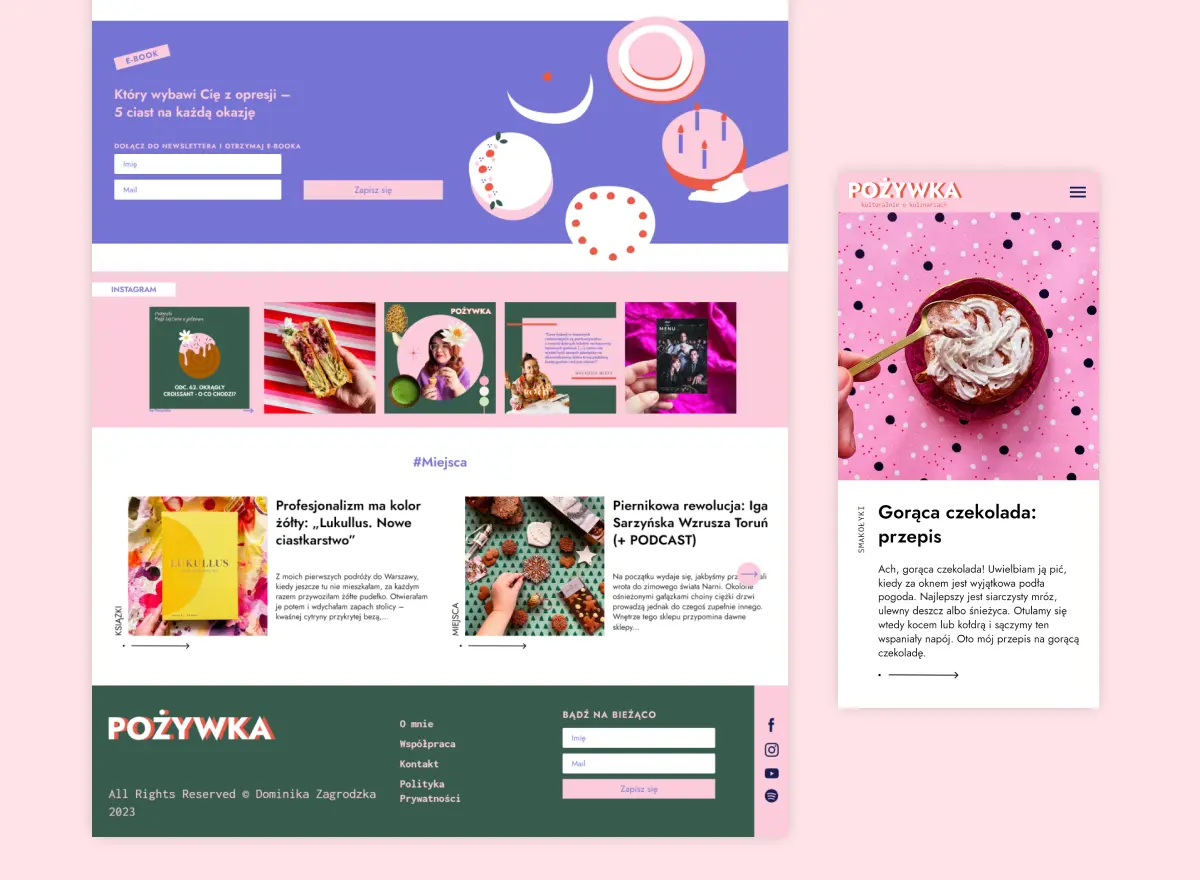
pozywka.pl
Scalable blog for food journalist, focused on performance and user experience 🌭
zagrodzki.me
Personal blog and portfolio of Bart Zagrodzki, where he shares his knowledge and work 💼
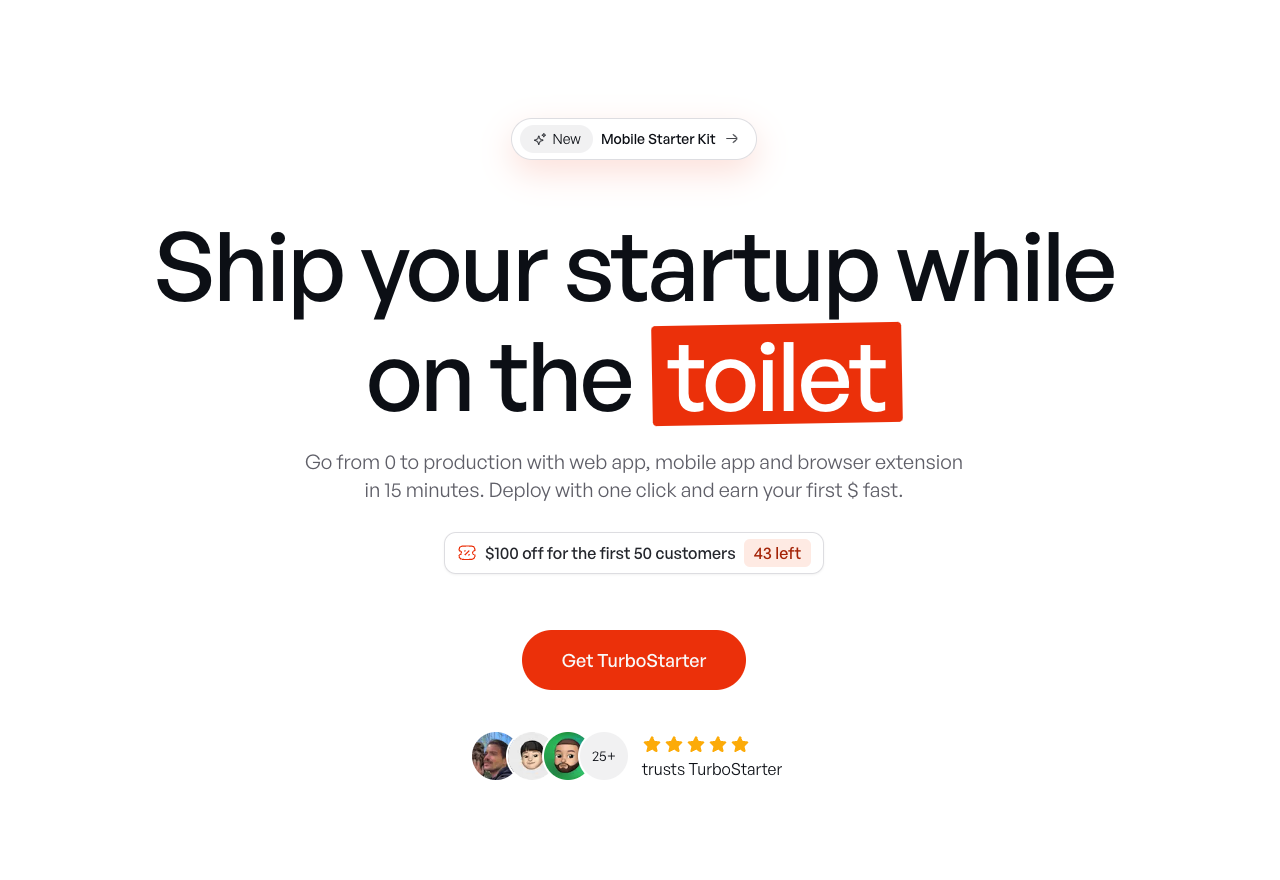
TurboStarter
Ship your startup everywhere. In minutes.
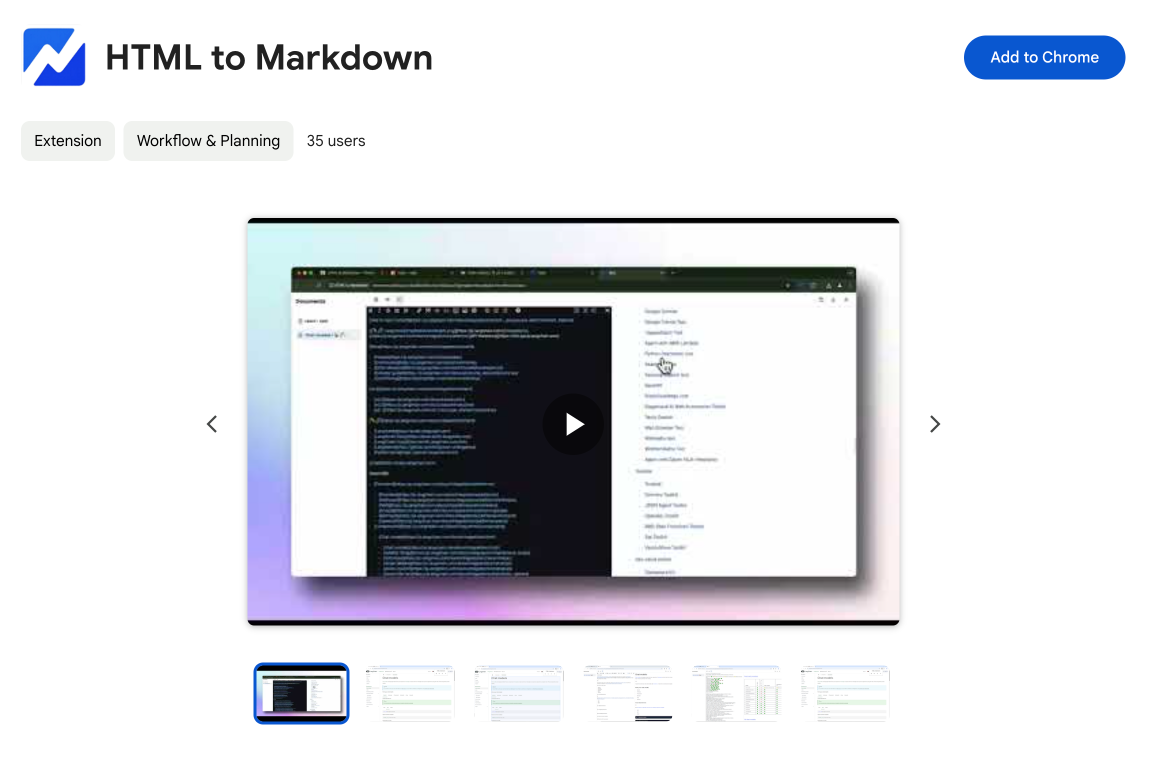
HTML to Markdown
Convert HTML to Markdown with ease, directly in your browser 📄
Dotallio
Personalized AI apps that automate research, data extraction, and content creation without code 🤖
Talk to Santa
Enjoy a magical live video chat or receive a unique AI-generated video greeting from Santa Claus 🎅
pozywka.pl
Scalable blog for food journalist, focused on performance and user experience 🌭
zagrodzki.me
Personal blog and portfolio of Bart Zagrodzki, where he shares his knowledge and work 💼
TurboStarter
Ship your startup everywhere. In minutes.
HTML to Markdown
Convert HTML to Markdown with ease, directly in your browser 📄
Dotallio
Personalized AI apps that automate research, data extraction, and content creation without code 🤖
Talk to Santa
Enjoy a magical live video chat or receive a unique AI-generated video greeting from Santa Claus 🎅
pozywka.pl
Scalable blog for food journalist, focused on performance and user experience 🌭
zagrodzki.me
Personal blog and portfolio of Bart Zagrodzki, where he shares his knowledge and work 💼
TurboStarter
Ship your startup everywhere. In minutes.
HTML to Markdown
Convert HTML to Markdown with ease, directly in your browser 📄
Dotallio
Personalized AI apps that automate research, data extraction, and content creation without code 🤖
Talk to Santa
Enjoy a magical live video chat or receive a unique AI-generated video greeting from Santa Claus 🎅
pozywka.pl
Scalable blog for food journalist, focused on performance and user experience 🌭
zagrodzki.me
Personal blog and portfolio of Bart Zagrodzki, where he shares his knowledge and work 💼
TurboStarter
Ship your startup everywhere. In minutes.
HTML to Markdown
Convert HTML to Markdown with ease, directly in your browser 📄
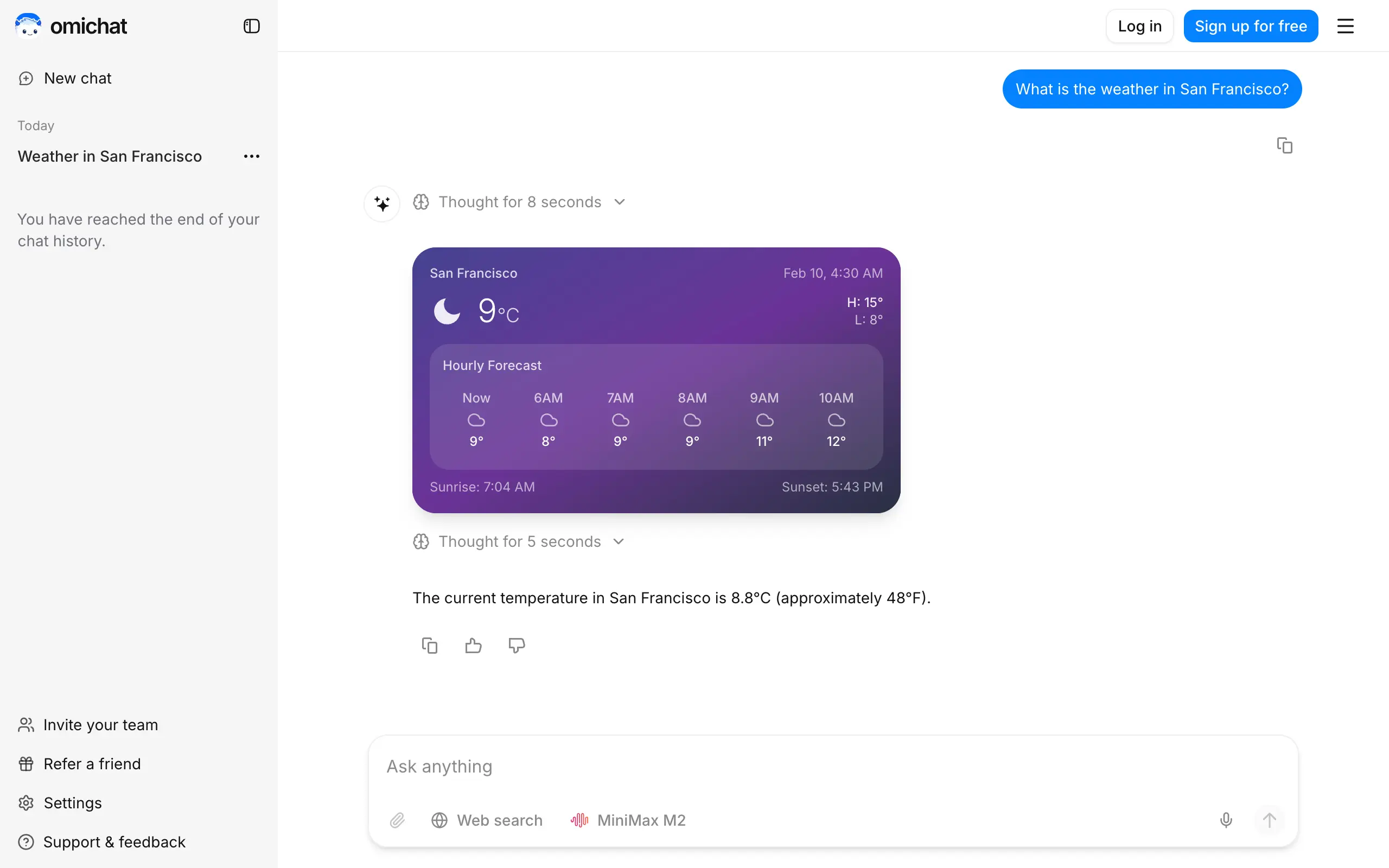
Omichat
Chat with 50+ AI models, including ChatGPT and Claude, in one place - switch models anytime without losing context 🤖
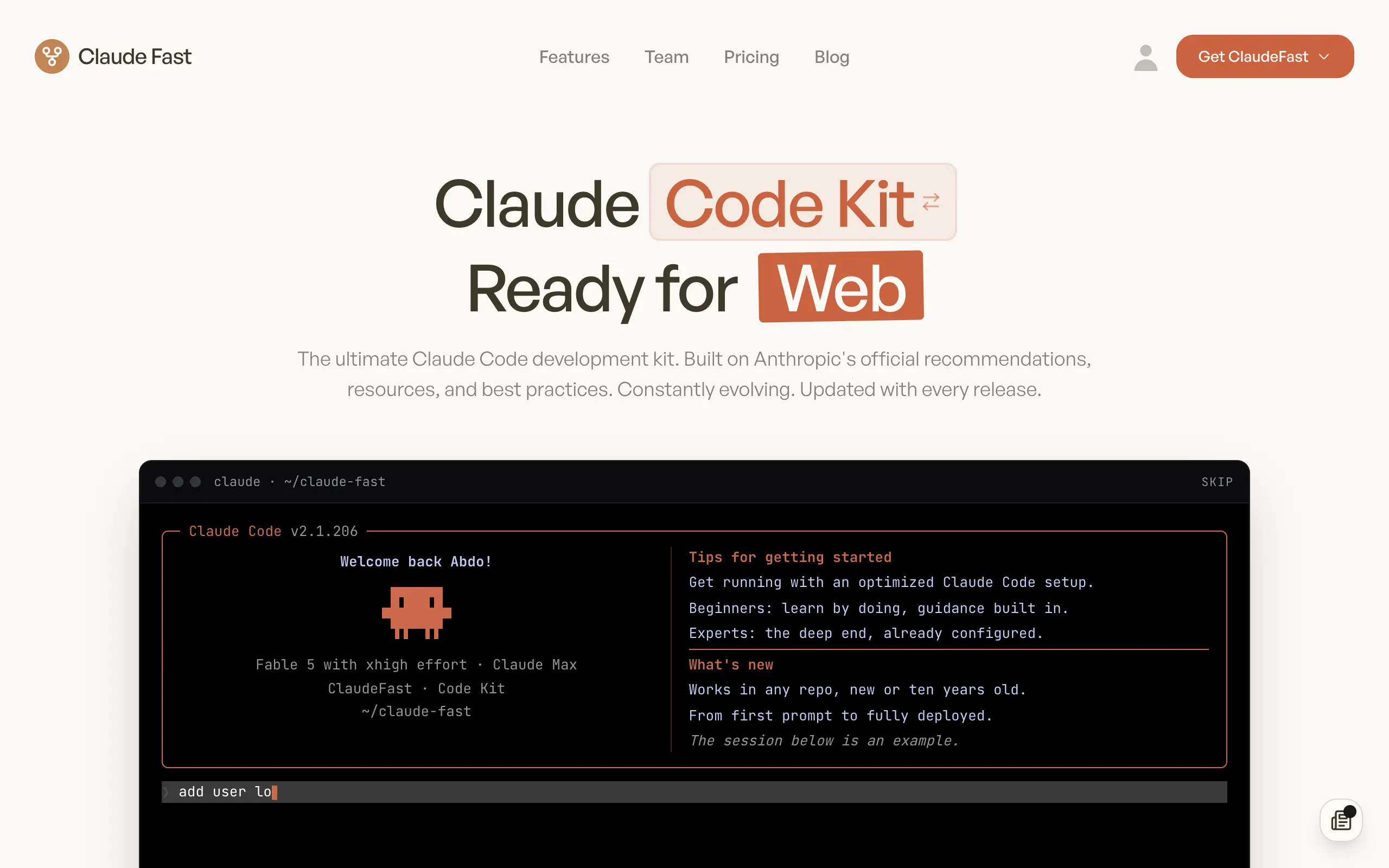
Claude Fast
Supercharge your Claude Code with 6x effective context window and specialized AI agents 🤖
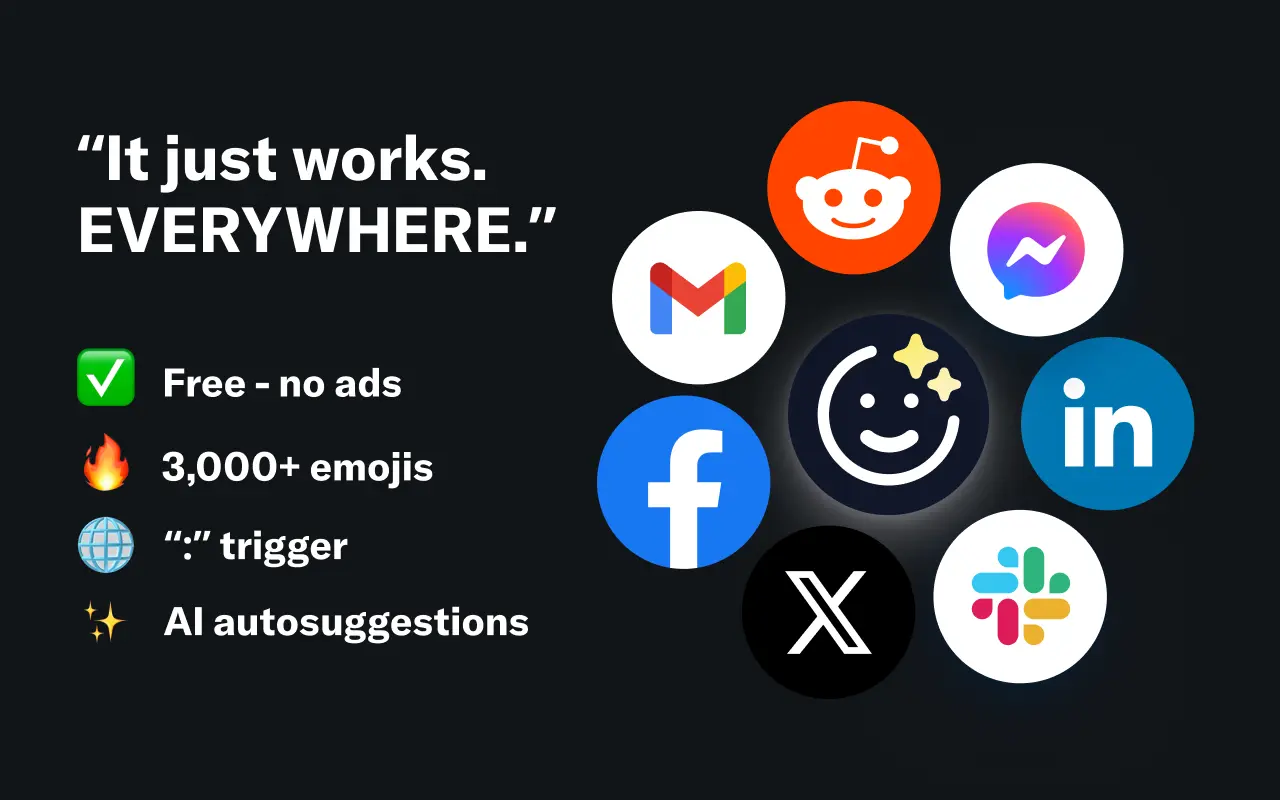
EmojAI
AI-powered emoji picker with smart, context-aware suggestions 🤖
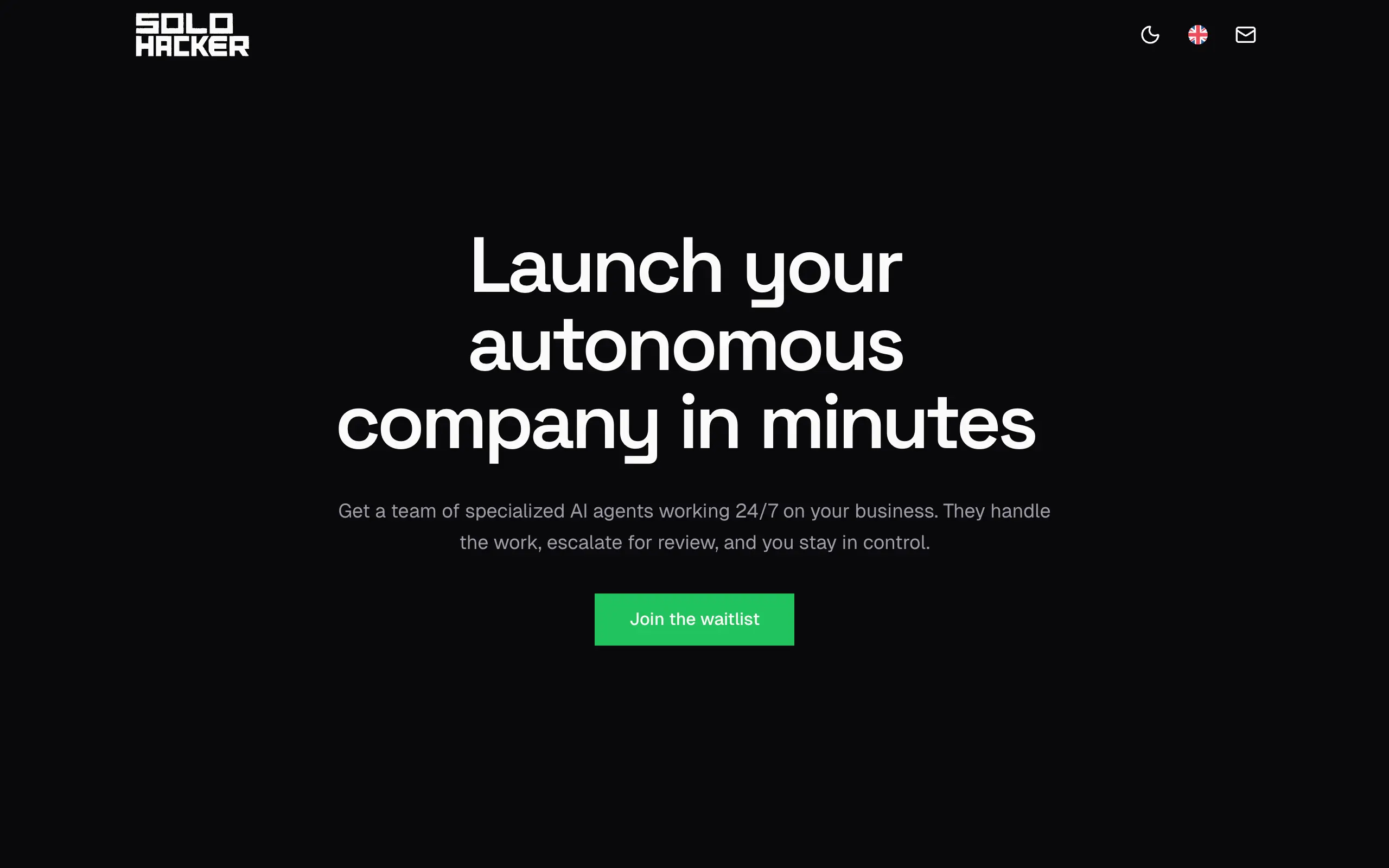
Solohacker
Autonomous company launcher - AI agents work 24/7, escalate what matters, and you stay in control 🤖
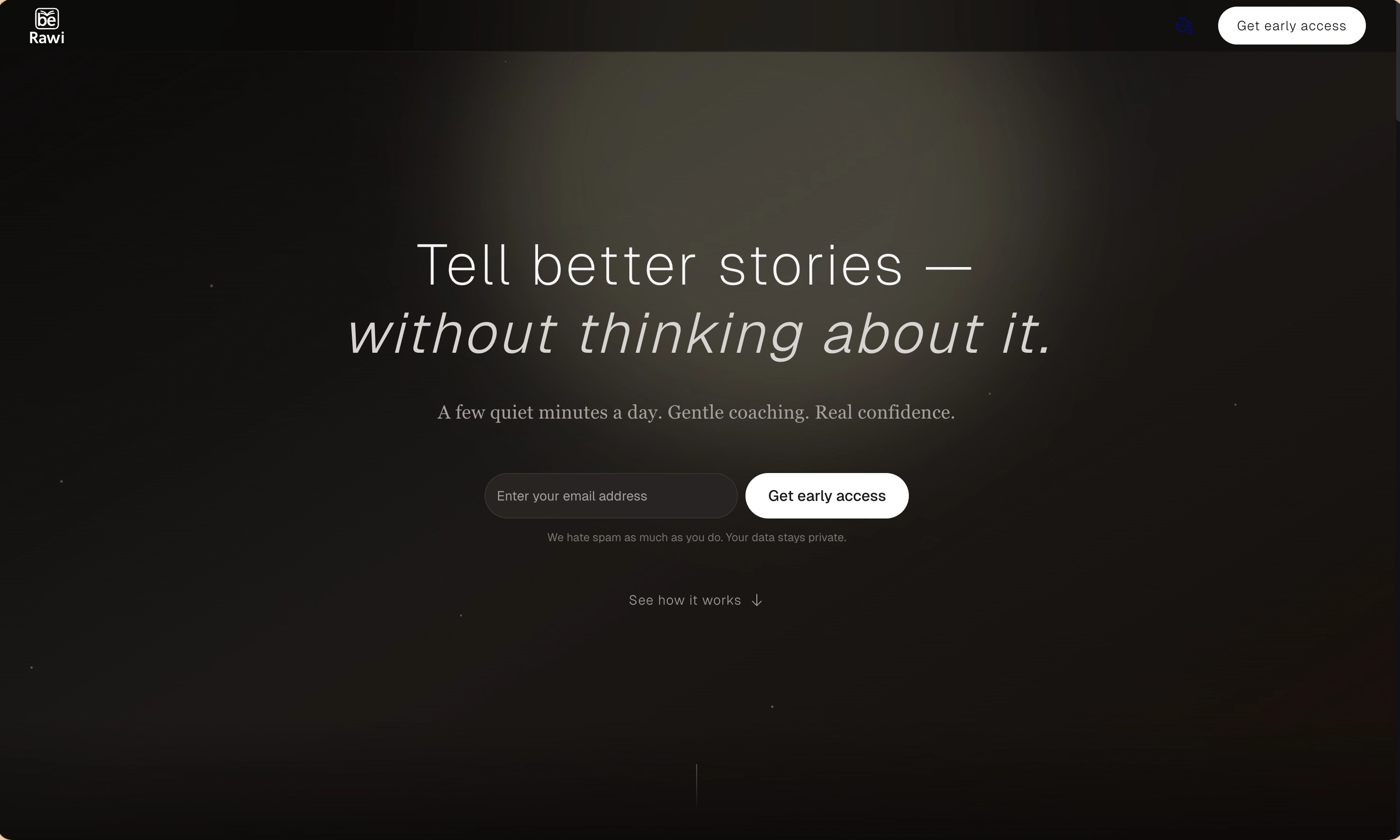
BeRawi: Storytelling Coach
Practice storytelling daily with instant feedback to sound clearer, more engaging, and confident 🎤
Omichat
Chat with 50+ AI models, including ChatGPT and Claude, in one place - switch models anytime without losing context 🤖
Claude Fast
Supercharge your Claude Code with 6x effective context window and specialized AI agents 🤖
EmojAI
AI-powered emoji picker with smart, context-aware suggestions 🤖
Solohacker
Autonomous company launcher - AI agents work 24/7, escalate what matters, and you stay in control 🤖
BeRawi: Storytelling Coach
Practice storytelling daily with instant feedback to sound clearer, more engaging, and confident 🎤
Omichat
Chat with 50+ AI models, including ChatGPT and Claude, in one place - switch models anytime without losing context 🤖
Claude Fast
Supercharge your Claude Code with 6x effective context window and specialized AI agents 🤖
EmojAI
AI-powered emoji picker with smart, context-aware suggestions 🤖
Solohacker
Autonomous company launcher - AI agents work 24/7, escalate what matters, and you stay in control 🤖
BeRawi: Storytelling Coach
Practice storytelling daily with instant feedback to sound clearer, more engaging, and confident 🎤
Omichat
Chat with 50+ AI models, including ChatGPT and Claude, in one place - switch models anytime without losing context 🤖
Claude Fast
Supercharge your Claude Code with 6x effective context window and specialized AI agents 🤖
EmojAI
AI-powered emoji picker with smart, context-aware suggestions 🤖
Solohacker
Autonomous company launcher - AI agents work 24/7, escalate what matters, and you stay in control 🤖
BeRawi: Storytelling Coach
Practice storytelling daily with instant feedback to sound clearer, more engaging, and confident 🎤

Connect with like-minded people
Join our community to get feedback, support, and grow together with 1,000+ builders on board, let's ship it!
Join usShip your startup everywhere. In minutes.
Don't burn tokens on setup and start building features on day one.