LabelLens
AI app that scans packaged food labels to analyze calories, macros, and additives, providing instant health scores and smarter grocery decisions.
Understanding the need for smarter food label analysis
Modern consumers are more health-conscious than ever, but deciphering packaged food labels remains a challenge. With complex ingredient lists, hidden additives, and confusing nutritional breakdowns, making healthy grocery decisions can feel overwhelming. This is where LabelLens, an AI-powered food label scanner, steps in—empowering users to instantly analyze calories, macros, and additives, and receive actionable health scores for smarter shopping.
In this comprehensive guide, we’ll explore the market opportunity for AI food label analysis, the core features of LabelLens, its target audience, recommended tech stack, monetization strategies, competitive landscape, and actionable steps to bring this SaaS idea to life.
Who needs an AI food label scanner? Target audience analysis
Understanding the target audience is crucial for any SaaS product, especially one like LabelLens that sits at the intersection of health, technology, and daily consumer behavior.
Primary user segments
- Health-conscious consumers: Individuals actively seeking to improve their diet, track calories, or avoid certain ingredients.
- People with dietary restrictions: Those with allergies, intolerances, or specific dietary needs (e.g., gluten-free, vegan, low-sugar).
- Fitness enthusiasts and athletes: Users tracking macros (protein, carbs, fats) for performance or body composition goals.
- Parents and caregivers: Shoppers responsible for family nutrition, especially for children or elderly relatives.
- Medical patients: Individuals managing chronic conditions (e.g., diabetes, hypertension) who need to monitor sodium, sugar, or fat intake.
- Dietitians and nutritionists: Professionals seeking a tool to help clients make better food choices.
User intent and pain points
- Quick, reliable label analysis: Users want instant, accurate breakdowns of calories, macros, and additives.
- Personalized recommendations: Shoppers need health scores tailored to their unique dietary goals or restrictions.
- Transparency: There’s a growing demand for clarity around food additives, preservatives, and “hidden” ingredients.
- Convenience: Users prefer a mobile-first, easy-to-use solution that fits seamlessly into their grocery routine.
Market opportunity and gap analysis
The global health and wellness food market is projected to surpass $1 trillion by 2027 (source: suggest referencing Statista or Grand View Research). Yet, despite this growth, most consumers still struggle to interpret food labels and make informed choices.
Key market trends
- Rising health awareness: More consumers are reading labels, but many lack the expertise to interpret them.
- Mobile-first behavior: Shoppers increasingly use smartphones in-store for product research and comparison.
- AI adoption in consumer apps: AI-powered tools are gaining traction for their ability to deliver personalized, real-time insights.
- Regulatory pressure: Governments are pushing for clearer labeling, but standards vary widely, creating confusion.
The gap LabelLens fills
- Bridging the knowledge gap: By leveraging AI, LabelLens translates complex nutritional data into simple, actionable health scores.
- Personalization at scale: Unlike static label readers, LabelLens adapts recommendations based on user profiles and goals.
- Instant analysis: No more manual searching or guesswork—just scan and decide.
Core features and solution details
LabelLens stands out by combining advanced AI with user-centric design. Here’s a breakdown of its core features and how they address real user needs.
1. AI-powered label scanning
- OCR (Optical Character Recognition): Instantly extracts text from food labels using the device camera.
- Natural language processing: Interprets ingredient lists, nutritional tables, and allergen warnings—even with varied label formats.
2. Calorie and macro analysis
- Automatic calculation: Breaks down calories, protein, carbs, fats, fiber, and sugar per serving and per package.
- Macro tracking: Allows users to set macro goals and see how each product fits into their daily targets.
3. Additive and allergen detection
- Additive flagging: Highlights preservatives, artificial colors, sweeteners, and other additives.
- Allergen alerts: Instantly notifies users of common allergens (e.g., nuts, dairy, gluten) based on their profile.
4. Instant health scoring
- Evidence-based scoring: Assigns a health score to each product, factoring in calories, macros, additives, and user preferences.
- Customizable criteria: Users can adjust scoring weights (e.g., prioritize low sugar or high protein).
5. Smart grocery recommendations
- Healthier alternatives: Suggests similar products with better health scores.
- Shopping history: Tracks past scans and provides insights for future trips.
6. User profiles and personalization
- Dietary preferences: Supports vegan, keto, paleo, low-FODMAP, and more.
- Goal setting: Users can set weight loss, muscle gain, or maintenance goals.
7. Data privacy and security
- Local processing: Sensitive data (e.g., dietary restrictions) can be processed on-device for privacy.
- GDPR compliance: Ensures user data is handled securely and transparently.
Instant label scanning
Snap a photo of any packaged food label and get instant analysis.
Personalized health scores
See at-a-glance how each product fits your unique dietary needs.
Additive and allergen alerts
Stay safe and informed with real-time warnings for flagged ingredients.
Smart grocery suggestions
Discover healthier alternatives and track your shopping history.
Recommended tech stack for LabelLens
Choosing the right technology stack is critical for performance, scalability, and user experience. Here’s a recommended stack for building an AI-powered food label scanner:
Frontend
- React Native: Enables cross-platform mobile development (iOS and Android) with a single codebase.
- Expo: Simplifies React Native development, especially for camera and image processing.
- TailwindCSS: For rapid, consistent UI styling (if a web version is planned).
Backend
- Node.js: Fast, scalable backend for API endpoints and business logic.
- Express: Lightweight framework for building RESTful APIs.
- PostgreSQL: Robust relational database for user profiles, scan history, and product data.
AI and OCR
- Tesseract.js: Open-source OCR engine for extracting text from images.
- spaCy or Hugging Face Transformers: For natural language processing and ingredient parsing.
- Custom AI models: Trained on food label datasets for health scoring and additive detection.
Cloud and DevOps
- AWS or Google Cloud: For scalable hosting, storage, and AI model deployment.
- Docker: Containerization for consistent development and deployment.
- TurboStarter: For rapid SaaS boilerplate setup, authentication, and billing.
Trade-offs and considerations
- Native vs. cross-platform: React Native accelerates development but may have limitations for advanced camera features compared to fully native apps.
- On-device vs. cloud AI: On-device processing offers privacy and speed but may be limited by device capabilities; cloud AI enables more powerful models but requires connectivity.
Monetization strategy options
A successful SaaS product needs a sustainable business model. Here are proven monetization strategies for LabelLens:
1. Freemium model
- Free tier: Basic scanning, calorie/macro analysis, and limited health scores.
- Premium tier: Unlimited scans, advanced personalization, detailed additive analysis, and smart recommendations.
2. Subscription plans
- Monthly/annual subscriptions: Unlock all features, priority support, and exclusive content (e.g., nutrition guides).
- Family or group plans: Allow multiple users under one account.
3. Affiliate partnerships
- Healthy product recommendations: Earn commissions by linking to healthier alternatives from partner brands or retailers.
4. B2B licensing
- White-label solutions: Offer the technology to grocery chains, fitness apps, or healthcare providers.
5. In-app purchases
- One-time reports: Detailed analysis or exportable shopping lists for a fee.
While ads can generate revenue, they may detract from user experience and trust, especially in a health-focused app. If used, prioritize non-intrusive, relevant ads (e.g., for healthy products).
Potential risks and mitigation strategies
Launching an AI food label scanner comes with unique challenges. Here’s how to anticipate and address them:
1. OCR and AI accuracy
- Risk: Inaccurate label scanning or misinterpretation of ingredients.
- Mitigation: Continuously train models on diverse label datasets; allow users to manually correct or flag errors.
2. Regulatory compliance
- Risk: Handling sensitive health data and complying with privacy laws (GDPR, CCPA).
- Mitigation: Implement strong encryption, transparent privacy policies, and user consent mechanisms.
3. Data freshness
- Risk: Outdated or incomplete product databases.
- Mitigation: Partner with retailers and food manufacturers for up-to-date data; enable user-contributed corrections.
4. User trust and adoption
- Risk: Users may distrust AI recommendations or fear data misuse.
- Mitigation: Be transparent about AI logic, data usage, and privacy; provide clear explanations for health scores.
5. Competition
- Risk: Competing apps or built-in retailer solutions.
- Mitigation: Focus on superior AI, personalization, and user experience.
Competitive advantage analysis
To succeed, LabelLens must offer clear, defensible advantages over existing solutions.
| LabelLens | Generic label apps | Manual tracking | Retailer apps | Barcode scanners |
|---|---|---|---|---|
| ✅ | ❌ | ❌ | ✅ | ❌ |
| ✅ | ❌ | ✅ | ✅ | ❌ |
Unique selling proposition (USP)
- AI-driven, not just database-driven: Unlike barcode scanners or static databases, LabelLens uses real-time AI to interpret any label, even new or niche products.
- Personalized health scoring: Health scores adapt to each user’s goals and restrictions, not just generic “healthy/unhealthy” tags.
- Additive and allergen intelligence: Goes beyond macros to flag hidden additives and allergens, a feature often missing in competitors.
- Privacy-first design: On-device processing and transparent data policies build user trust.
Industry trends and future opportunities
Staying ahead means anticipating where the market is headed. Here are some trends shaping the future of AI food label analysis:
- Integration with wearables: Syncing with fitness trackers or smartwatches for holistic health insights.
- Voice assistants: Enabling hands-free label analysis via smart speakers or AR glasses.
- Sustainability scoring: Factoring in environmental impact (e.g., carbon footprint, packaging recyclability) alongside health.
- Community-driven data: Leveraging user contributions to improve label accuracy and expand the product database.
Did you know?
According to a 2023 survey, over 60% of consumers say they would use an app that helps them make healthier grocery choices if it were easy and trustworthy (suggest referencing a credible market research source).
Actionable implementation steps
Ready to bring LabelLens to life? Here’s a step-by-step roadmap:
Conclusion: Why LabelLens is the future of healthy grocery shopping
LabelLens is more than just an AI food label scanner—it’s a personalized health companion for every grocery trip. By combining cutting-edge AI, user-centric design, and a privacy-first approach, LabelLens empowers users to make smarter, safer, and healthier food choices in seconds.
Whether you’re a developer, entrepreneur, or health advocate, now is the perfect time to capitalize on the growing demand for transparent, actionable nutrition insights. With the right tech stack, a clear monetization plan, and a relentless focus on user trust, LabelLens can set a new standard for food label analysis.
Frequently asked questions
LabelLens uses state-of-the-art OCR and NLP models, continuously trained on diverse label datasets. While no system is perfect, user feedback and manual correction features help improve accuracy over time.
Yes. LabelLens prioritizes privacy, offering on-device processing and full transparency about data usage. All data handling complies with GDPR and other relevant regulations.
Absolutely. The AI is designed to interpret a wide range of label formats, including international products and niche brands.
Barcode scanners rely on static databases and may miss new or specialty products. LabelLens uses real-time AI to analyze any label, providing deeper insights and personalized health scores.
By leveraging the latest in AI and mobile technology, LabelLens is poised to transform the way we shop for food—making healthy choices easier, faster, and more accessible for everyone.
More 🤖 AI Startup SaaS ideas
Discover more innovative ai startup SaaS ideas that are trending in 2026. Each idea is AI-generated with market validation and growth potential to help you find your next profitable venture faster than competitors.
Your competitors are building with TurboStarter
Below are some of the SaaS ideas that have been generated and built with our starter kit.
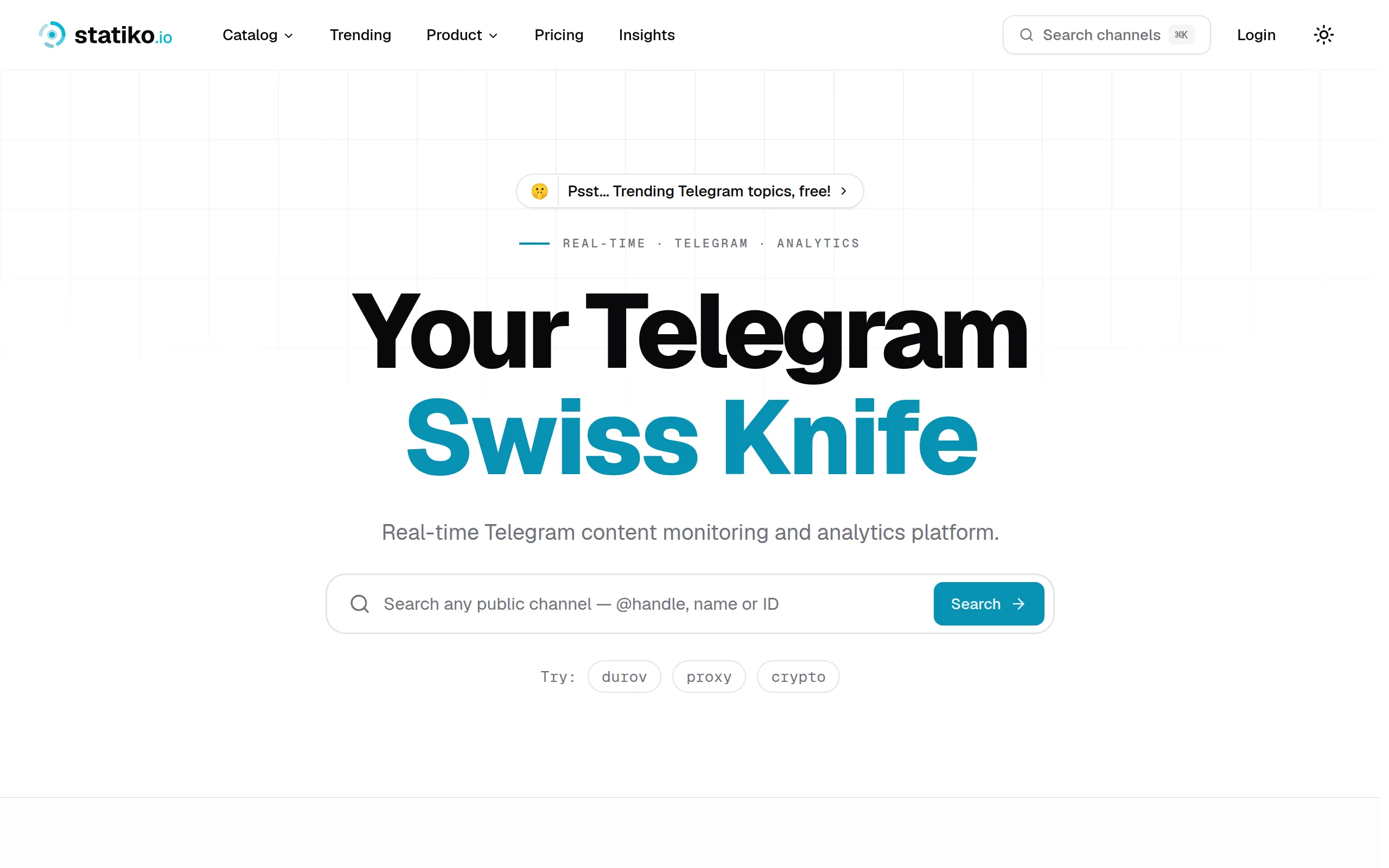
Statiko
Monitor any Telegram channel in real time - track posts, edits, deletions, and growth with AI recaps 📡

Shibui
AI website builder - describe your business, pick a niche template, edit by chatting, and publish instantly ✨
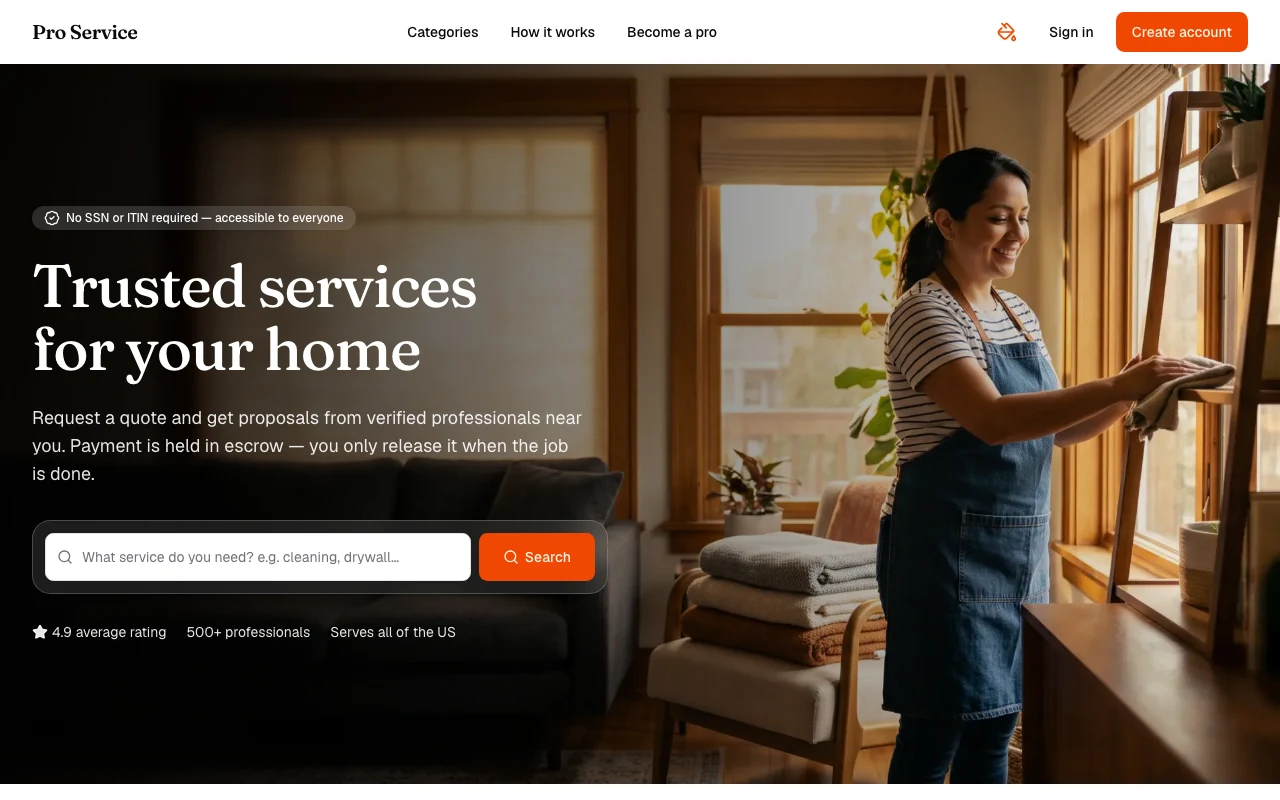
Pro Service
Find verified home service professionals, compare quotes, and pay securely through escrow - built for Brazilians across the US 🏠
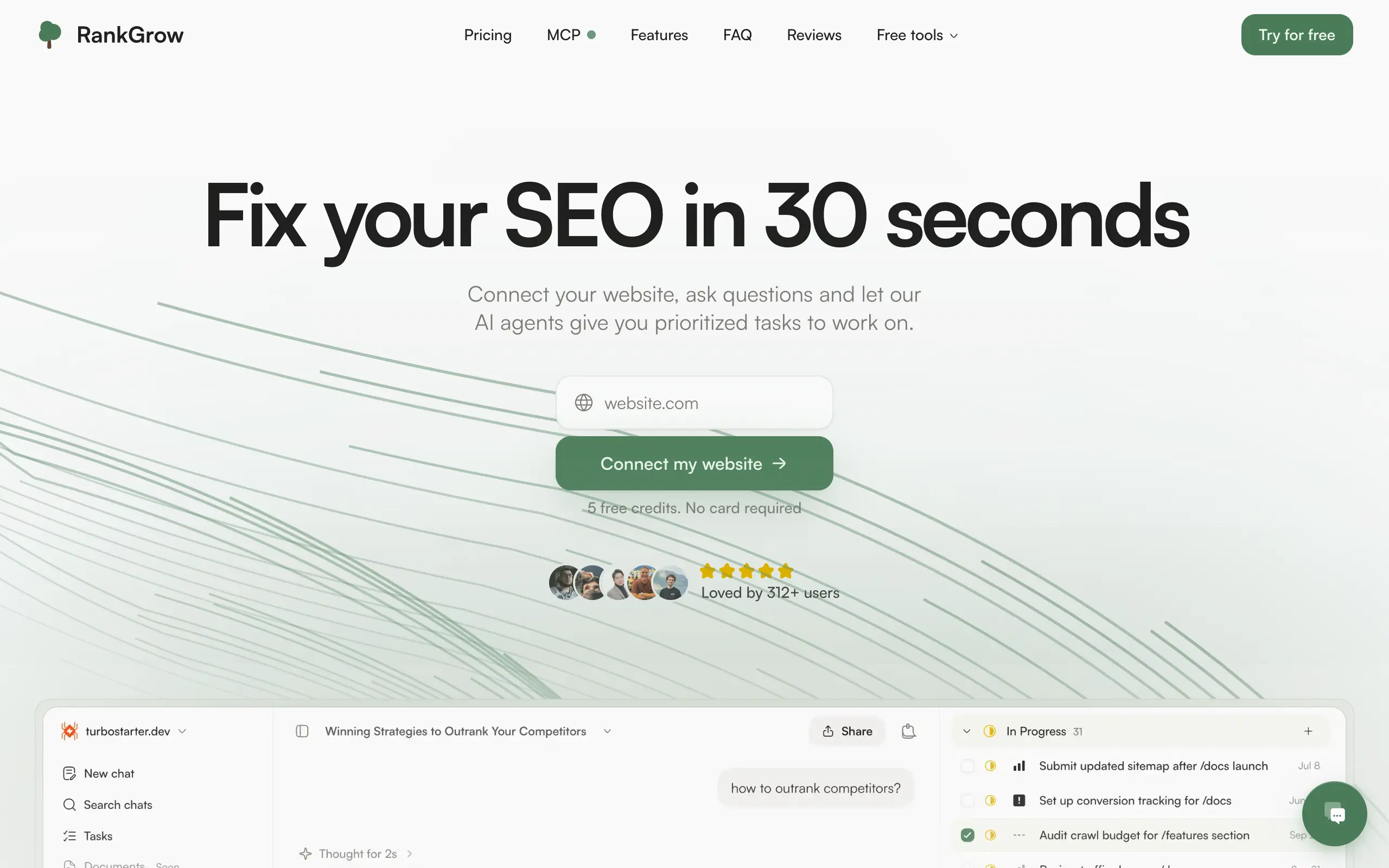
RankGrow
Fix your SEO with AI agents - connect Search Console, get prioritized tasks, and grow organic traffic 📈
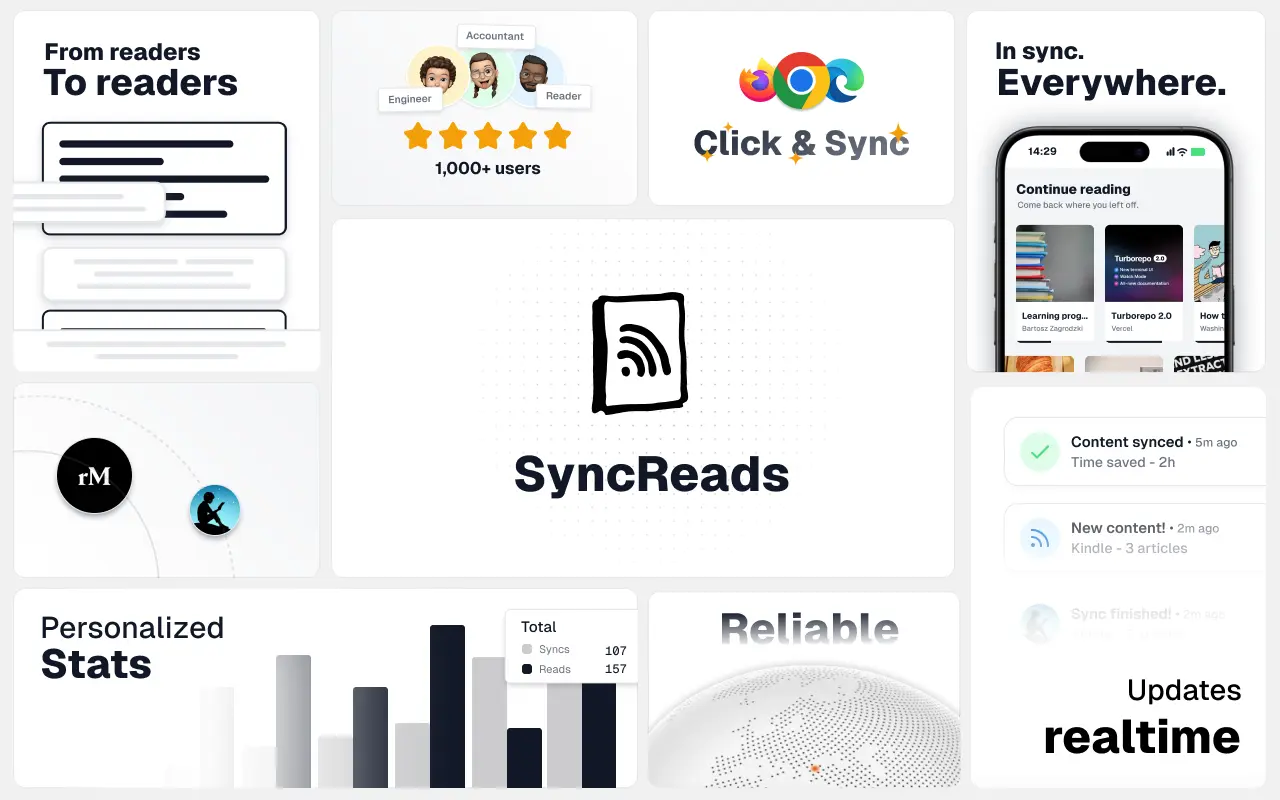
SyncReads
Sync your favorite content for distraction-free reading, save time and replace multiple apps. Anytime, anywhere 🔄
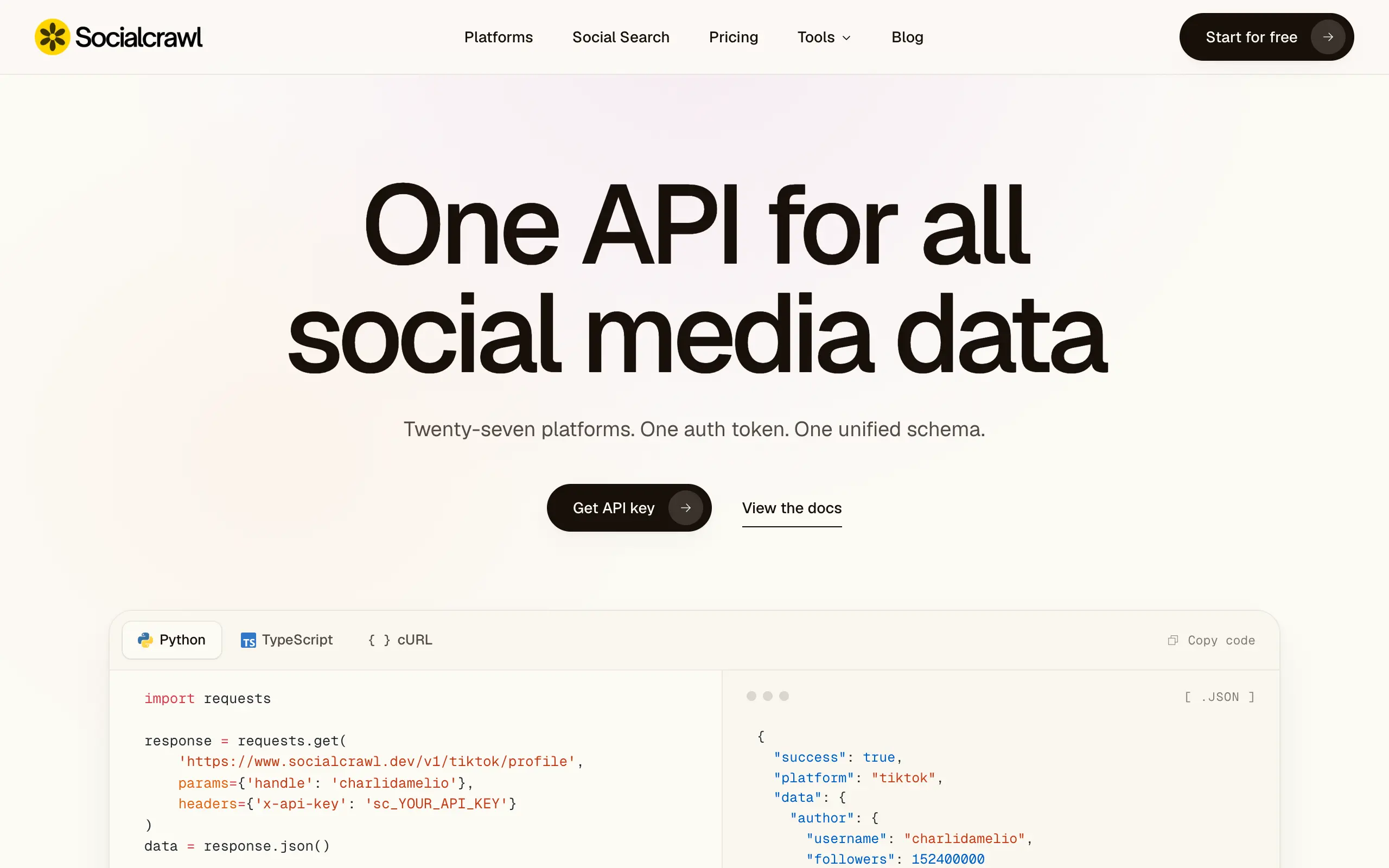
Socialcrawl
Get clean, structured data from 21 platforms like TikTok, Instagram, and YouTube with a single request 📊
Statiko
Monitor any Telegram channel in real time - track posts, edits, deletions, and growth with AI recaps 📡
Shibui
AI website builder - describe your business, pick a niche template, edit by chatting, and publish instantly ✨
Pro Service
Find verified home service professionals, compare quotes, and pay securely through escrow - built for Brazilians across the US 🏠
RankGrow
Fix your SEO with AI agents - connect Search Console, get prioritized tasks, and grow organic traffic 📈
SyncReads
Sync your favorite content for distraction-free reading, save time and replace multiple apps. Anytime, anywhere 🔄
Socialcrawl
Get clean, structured data from 21 platforms like TikTok, Instagram, and YouTube with a single request 📊
Statiko
Monitor any Telegram channel in real time - track posts, edits, deletions, and growth with AI recaps 📡
Shibui
AI website builder - describe your business, pick a niche template, edit by chatting, and publish instantly ✨
Pro Service
Find verified home service professionals, compare quotes, and pay securely through escrow - built for Brazilians across the US 🏠
RankGrow
Fix your SEO with AI agents - connect Search Console, get prioritized tasks, and grow organic traffic 📈
SyncReads
Sync your favorite content for distraction-free reading, save time and replace multiple apps. Anytime, anywhere 🔄
Socialcrawl
Get clean, structured data from 21 platforms like TikTok, Instagram, and YouTube with a single request 📊
Statiko
Monitor any Telegram channel in real time - track posts, edits, deletions, and growth with AI recaps 📡
Shibui
AI website builder - describe your business, pick a niche template, edit by chatting, and publish instantly ✨
Pro Service
Find verified home service professionals, compare quotes, and pay securely through escrow - built for Brazilians across the US 🏠
RankGrow
Fix your SEO with AI agents - connect Search Console, get prioritized tasks, and grow organic traffic 📈
SyncReads
Sync your favorite content for distraction-free reading, save time and replace multiple apps. Anytime, anywhere 🔄
Socialcrawl
Get clean, structured data from 21 platforms like TikTok, Instagram, and YouTube with a single request 📊
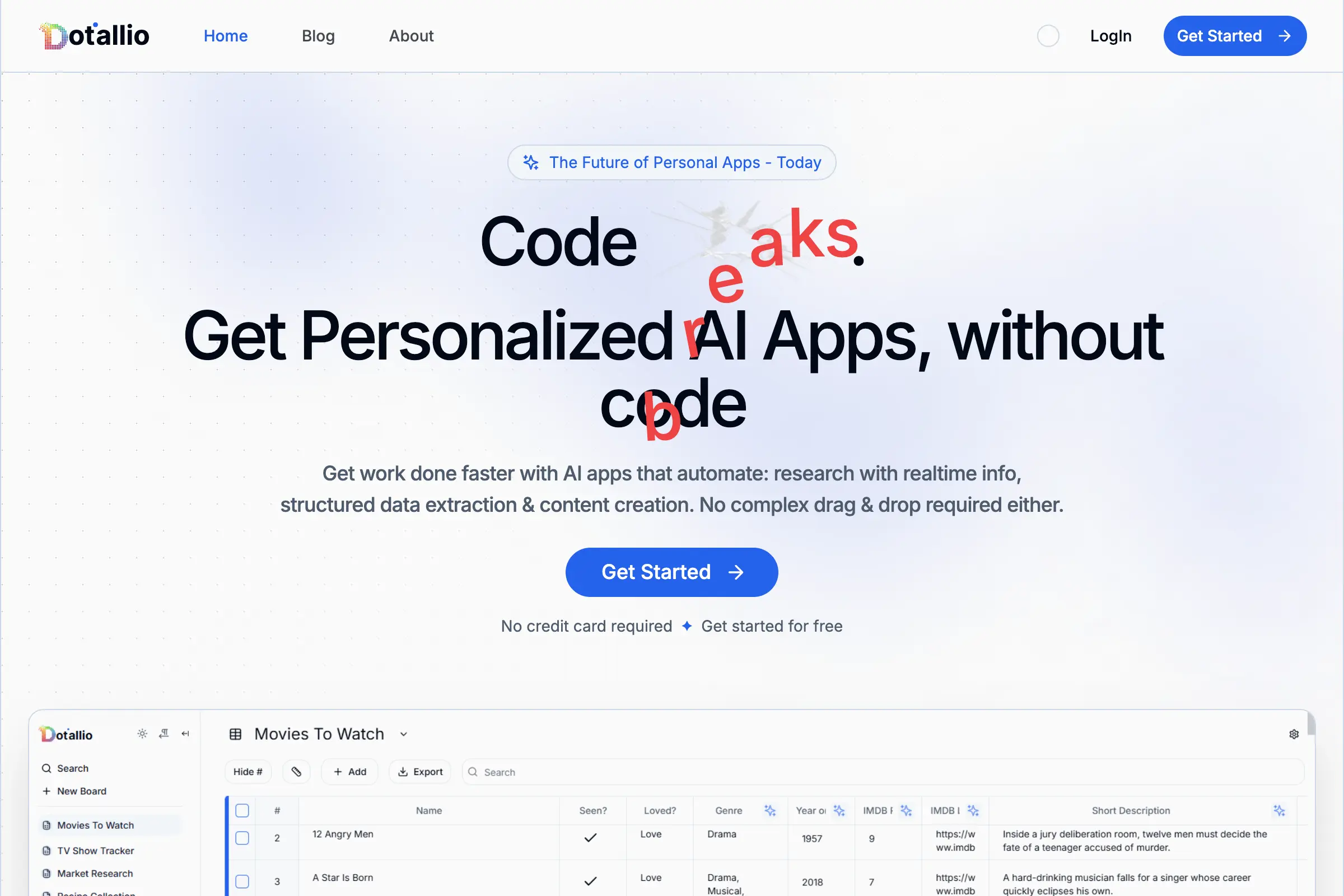
Dotallio
Personalized AI apps that automate research, data extraction, and content creation without code 🤖
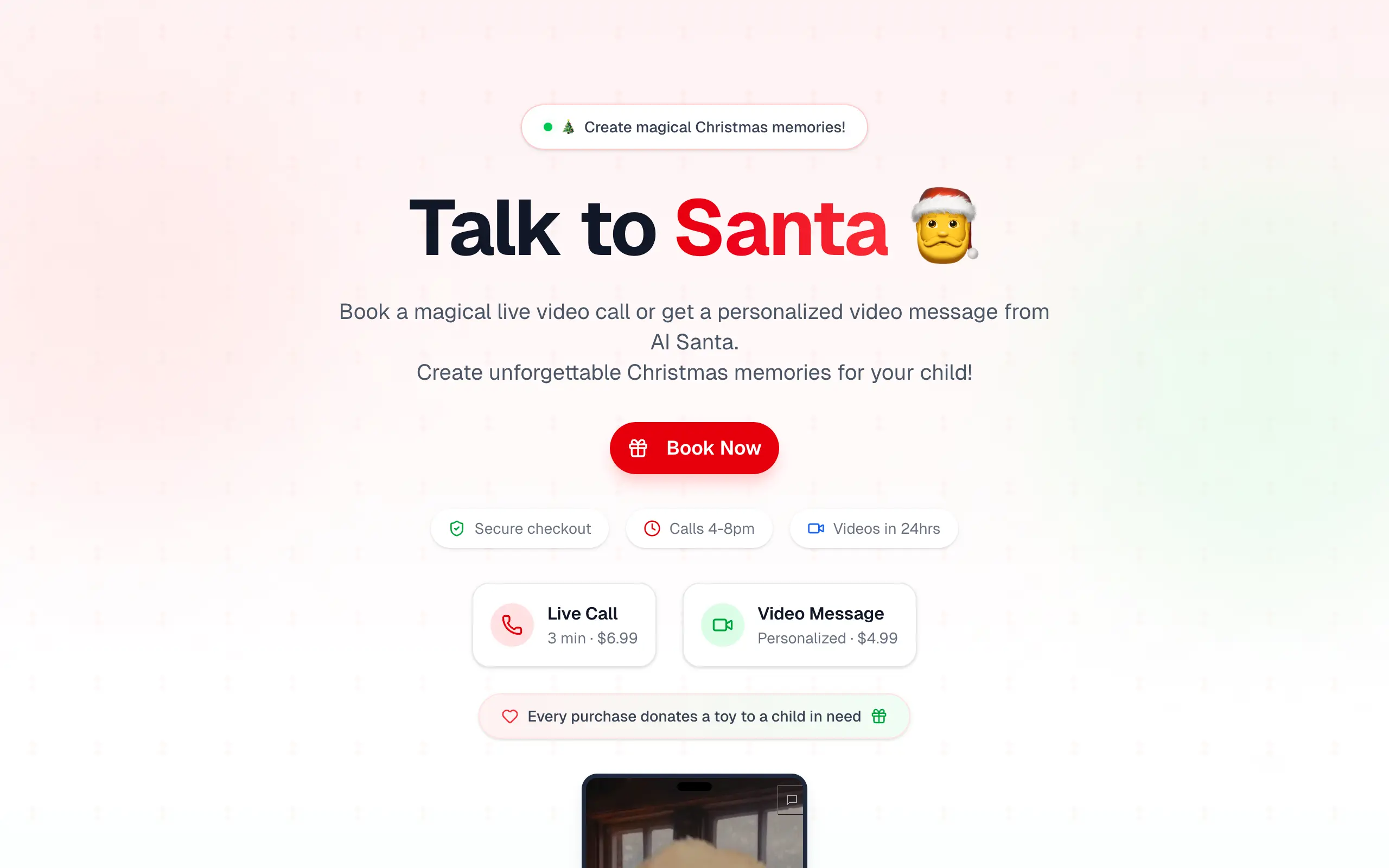
Talk to Santa
Enjoy a magical live video chat or receive a unique AI-generated video greeting from Santa Claus 🎅

pozywka.pl
Scalable blog for food journalist, focused on performance and user experience 🌭
zagrodzki.me
Personal blog and portfolio of Bart Zagrodzki, where he shares his knowledge and work 💼
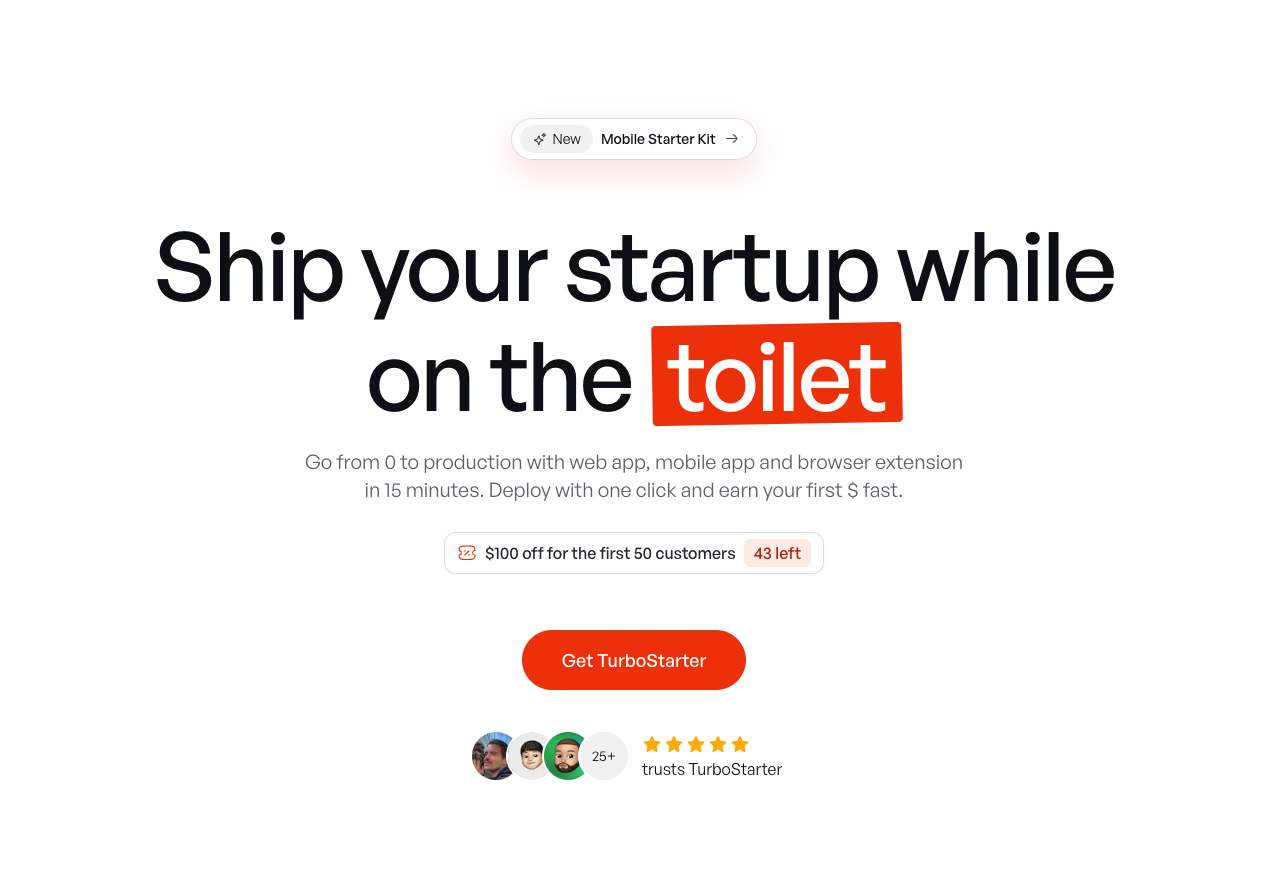
TurboStarter
Ship your startup everywhere. In minutes.
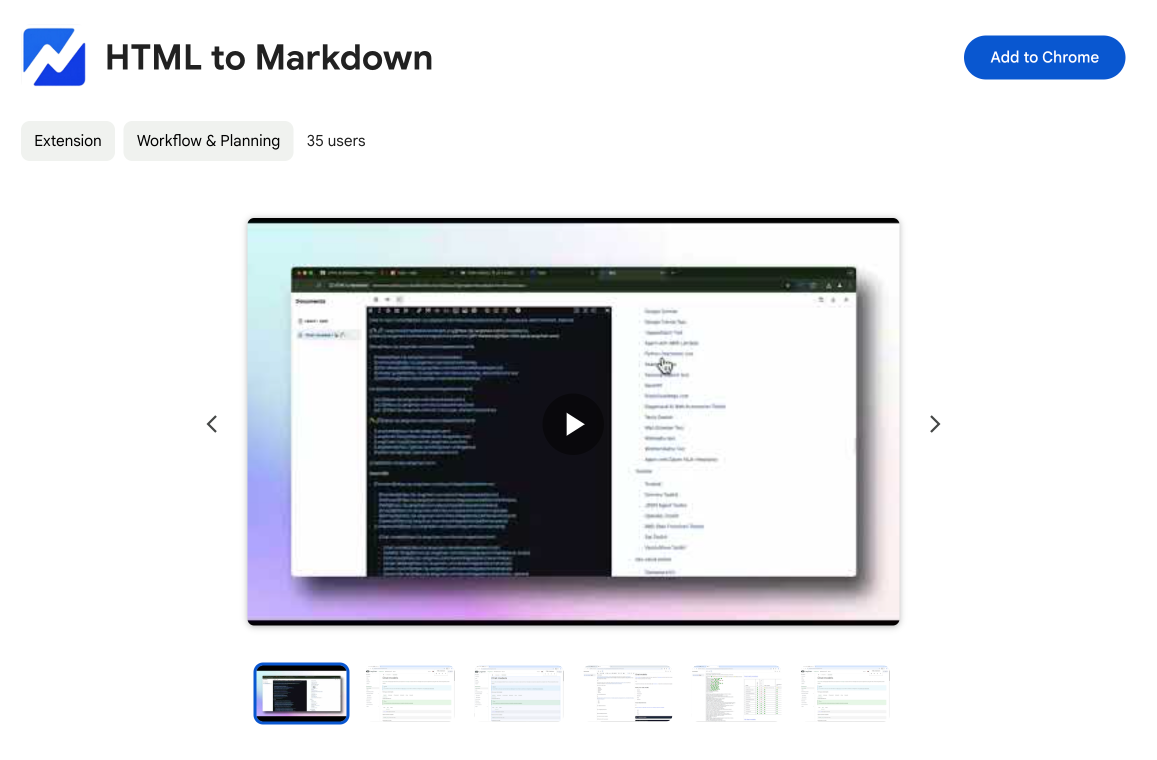
HTML to Markdown
Convert HTML to Markdown with ease, directly in your browser 📄
Dotallio
Personalized AI apps that automate research, data extraction, and content creation without code 🤖
Talk to Santa
Enjoy a magical live video chat or receive a unique AI-generated video greeting from Santa Claus 🎅
pozywka.pl
Scalable blog for food journalist, focused on performance and user experience 🌭
zagrodzki.me
Personal blog and portfolio of Bart Zagrodzki, where he shares his knowledge and work 💼
TurboStarter
Ship your startup everywhere. In minutes.
HTML to Markdown
Convert HTML to Markdown with ease, directly in your browser 📄
Dotallio
Personalized AI apps that automate research, data extraction, and content creation without code 🤖
Talk to Santa
Enjoy a magical live video chat or receive a unique AI-generated video greeting from Santa Claus 🎅
pozywka.pl
Scalable blog for food journalist, focused on performance and user experience 🌭
zagrodzki.me
Personal blog and portfolio of Bart Zagrodzki, where he shares his knowledge and work 💼
TurboStarter
Ship your startup everywhere. In minutes.
HTML to Markdown
Convert HTML to Markdown with ease, directly in your browser 📄
Dotallio
Personalized AI apps that automate research, data extraction, and content creation without code 🤖
Talk to Santa
Enjoy a magical live video chat or receive a unique AI-generated video greeting from Santa Claus 🎅
pozywka.pl
Scalable blog for food journalist, focused on performance and user experience 🌭
zagrodzki.me
Personal blog and portfolio of Bart Zagrodzki, where he shares his knowledge and work 💼
TurboStarter
Ship your startup everywhere. In minutes.
HTML to Markdown
Convert HTML to Markdown with ease, directly in your browser 📄
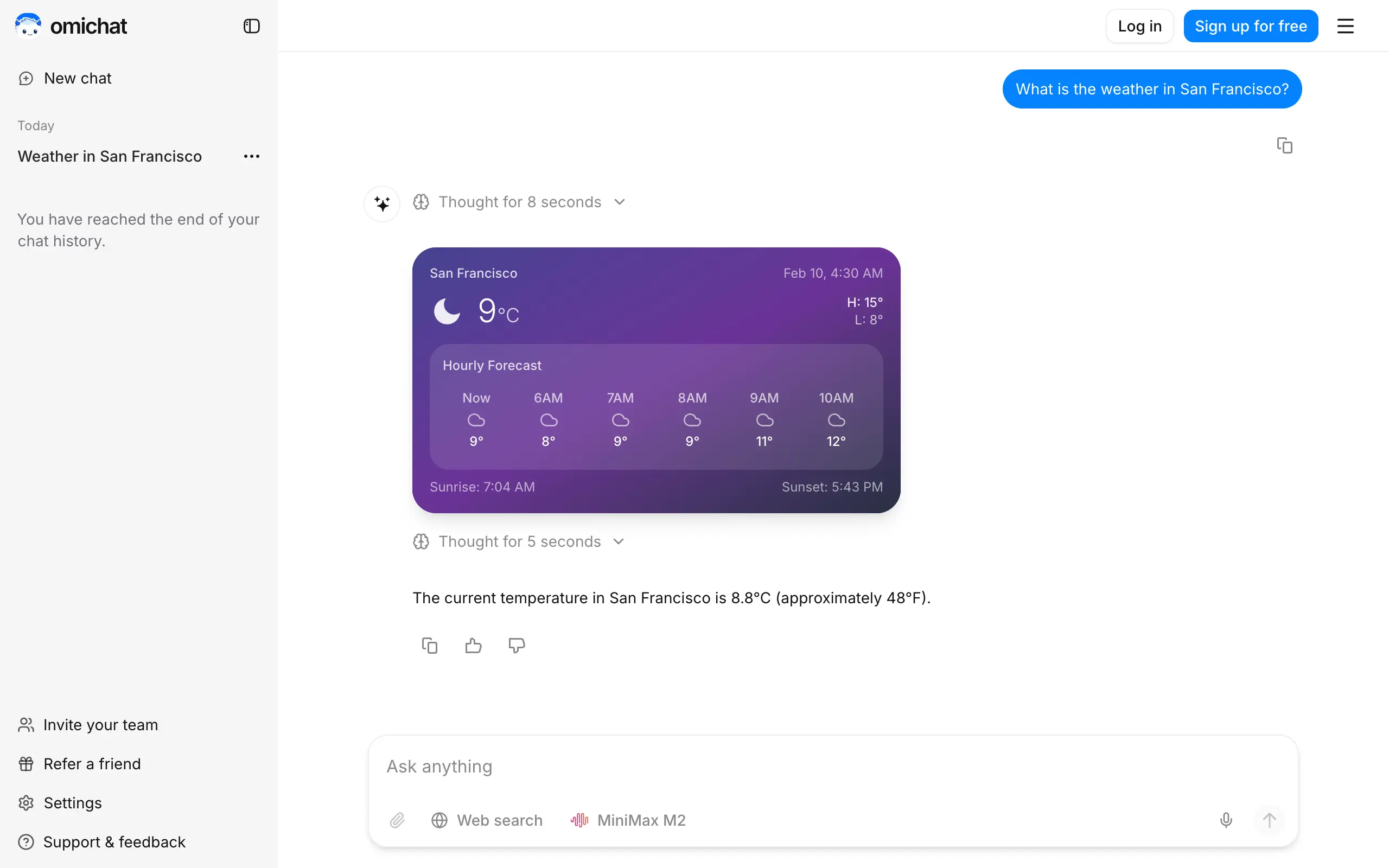
Omichat
Chat with 50+ AI models, including ChatGPT and Claude, in one place - switch models anytime without losing context 🤖
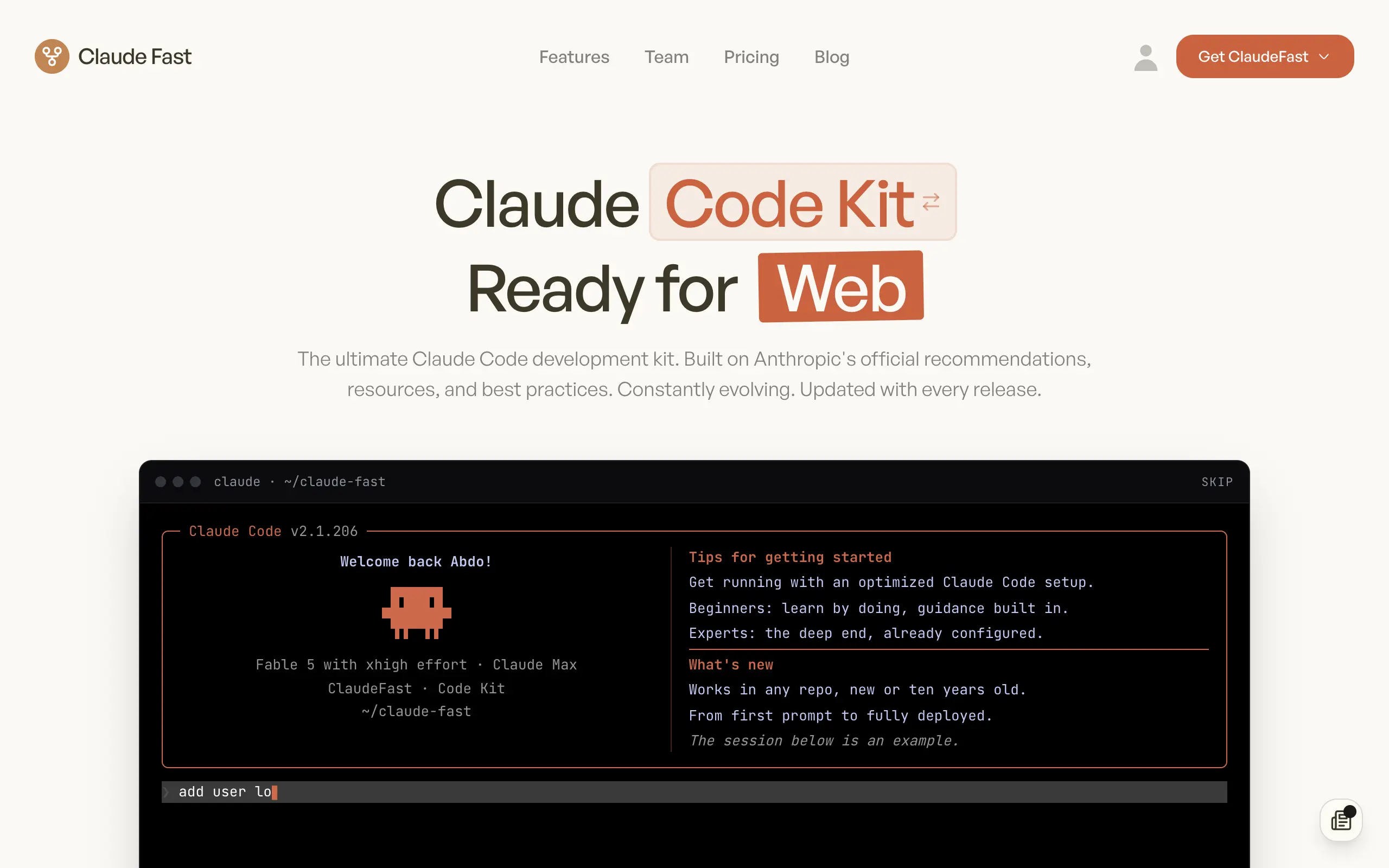
Claude Fast
Supercharge your Claude Code with 6x effective context window and specialized AI agents 🤖
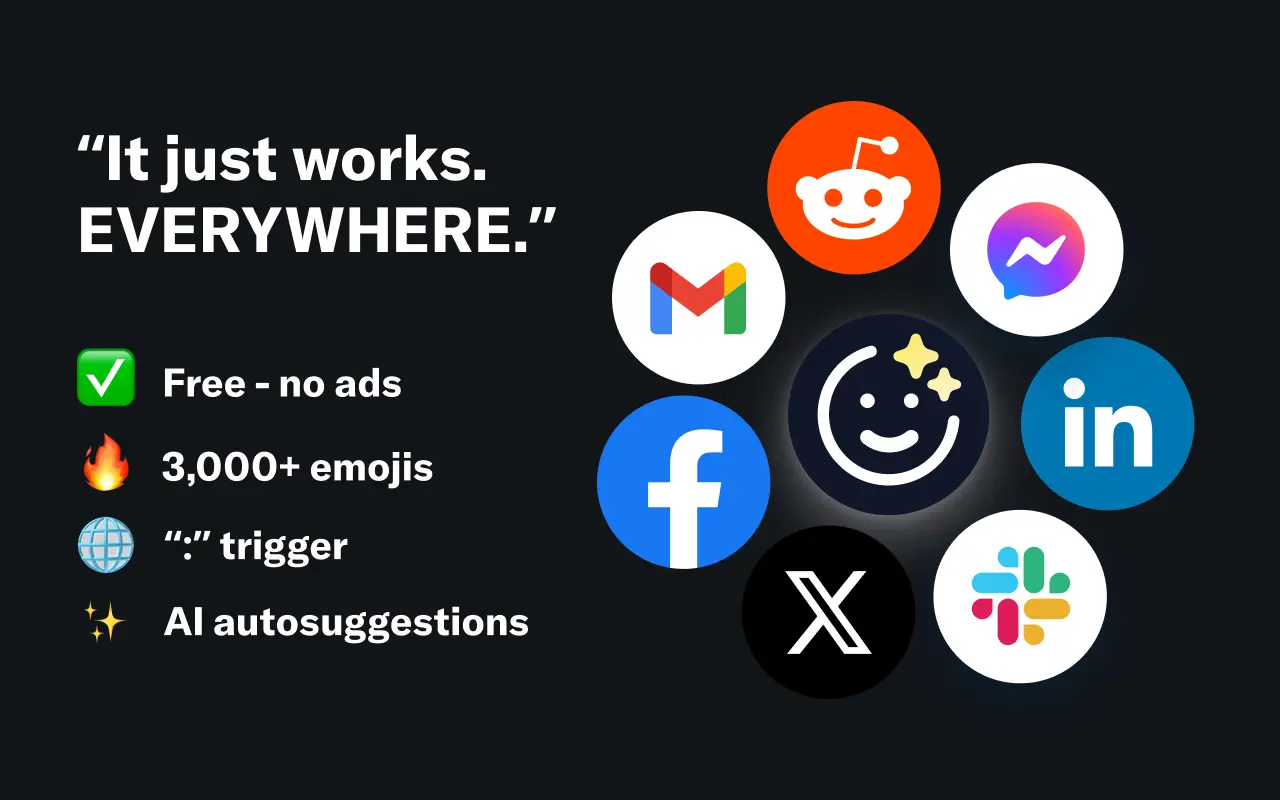
EmojAI
AI-powered emoji picker with smart, context-aware suggestions 🤖
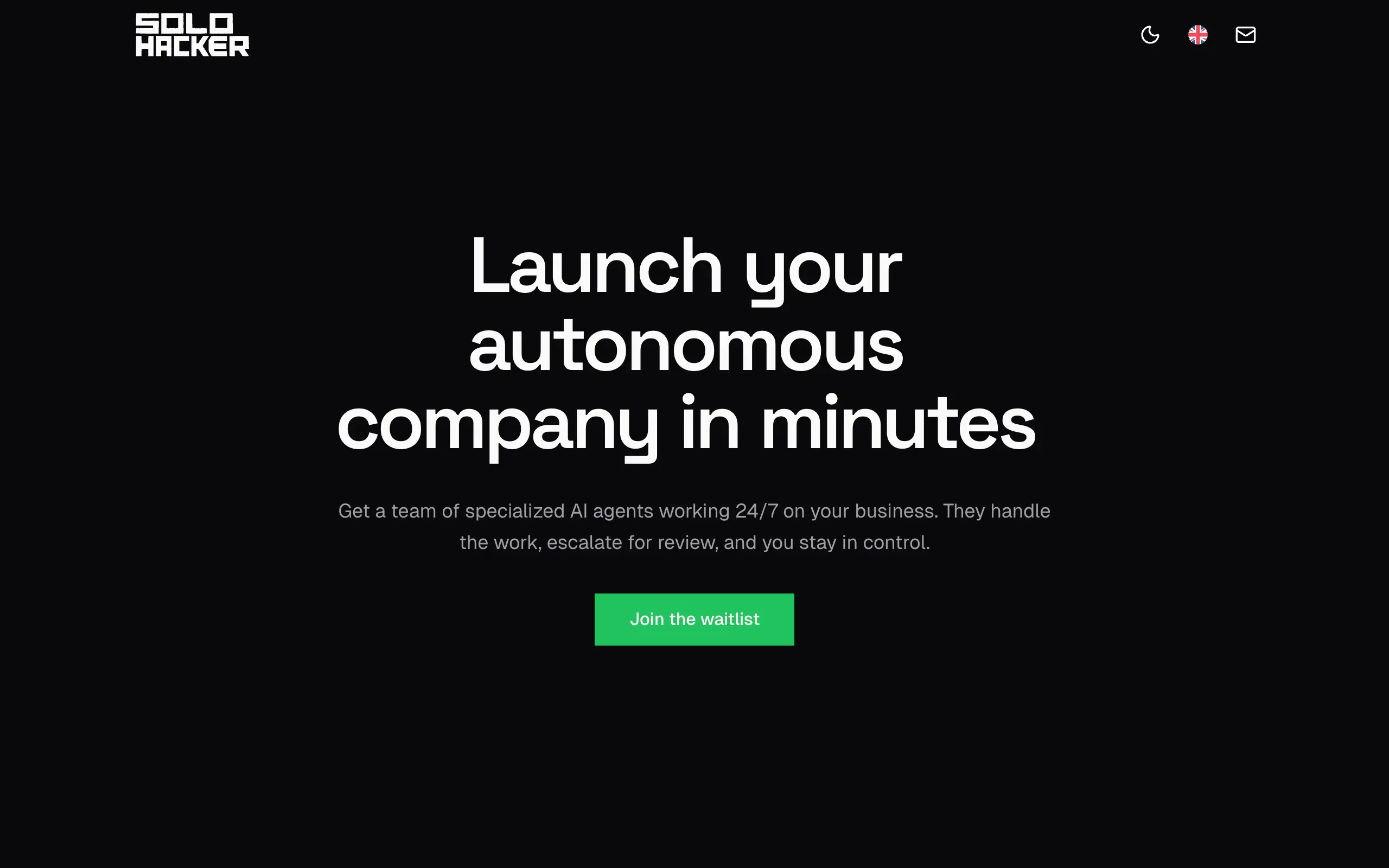
Solohacker
Autonomous company launcher - AI agents work 24/7, escalate what matters, and you stay in control 🤖
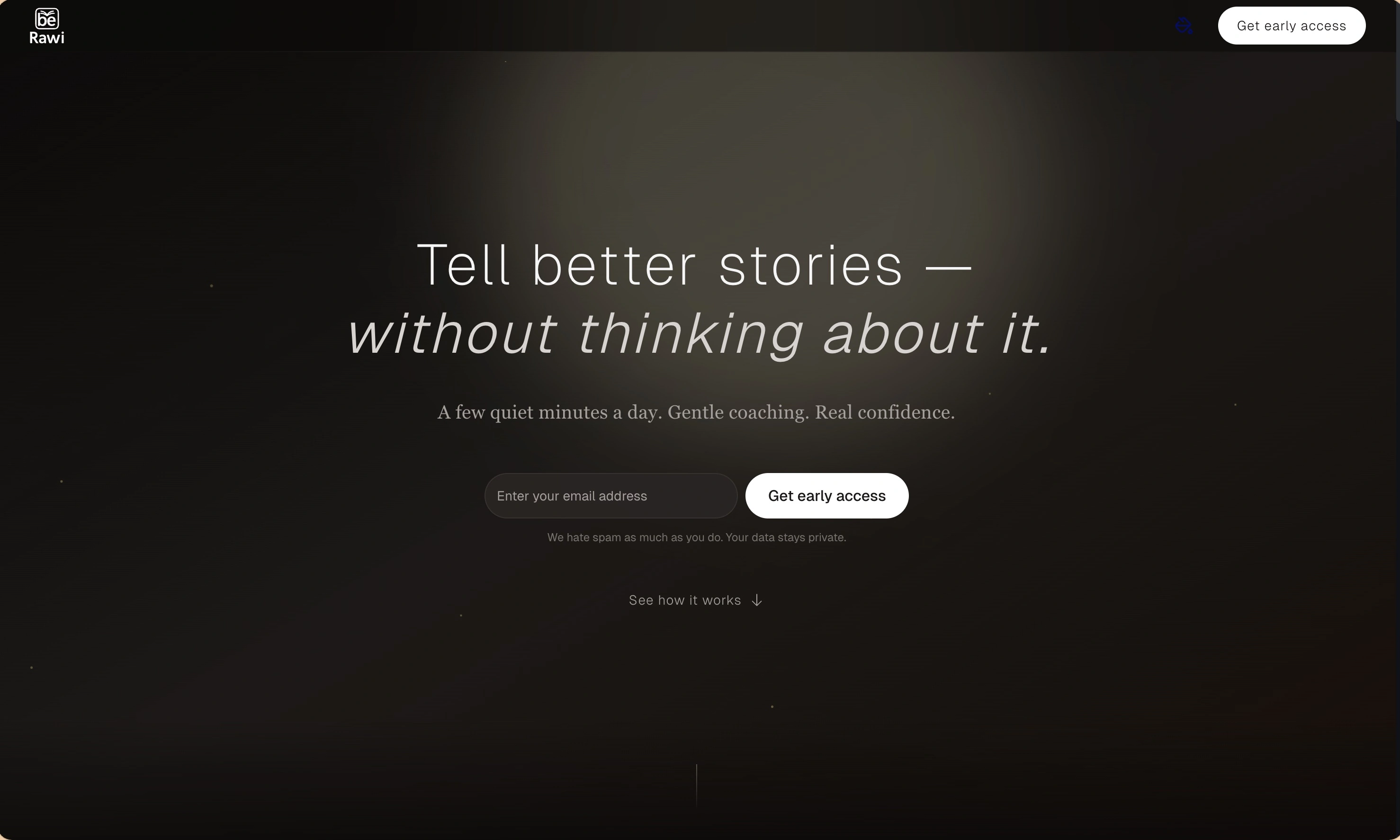
BeRawi: Storytelling Coach
Practice storytelling daily with instant feedback to sound clearer, more engaging, and confident 🎤
Omichat
Chat with 50+ AI models, including ChatGPT and Claude, in one place - switch models anytime without losing context 🤖
Claude Fast
Supercharge your Claude Code with 6x effective context window and specialized AI agents 🤖
EmojAI
AI-powered emoji picker with smart, context-aware suggestions 🤖
Solohacker
Autonomous company launcher - AI agents work 24/7, escalate what matters, and you stay in control 🤖
BeRawi: Storytelling Coach
Practice storytelling daily with instant feedback to sound clearer, more engaging, and confident 🎤
Omichat
Chat with 50+ AI models, including ChatGPT and Claude, in one place - switch models anytime without losing context 🤖
Claude Fast
Supercharge your Claude Code with 6x effective context window and specialized AI agents 🤖
EmojAI
AI-powered emoji picker with smart, context-aware suggestions 🤖
Solohacker
Autonomous company launcher - AI agents work 24/7, escalate what matters, and you stay in control 🤖
BeRawi: Storytelling Coach
Practice storytelling daily with instant feedback to sound clearer, more engaging, and confident 🎤
Omichat
Chat with 50+ AI models, including ChatGPT and Claude, in one place - switch models anytime without losing context 🤖
Claude Fast
Supercharge your Claude Code with 6x effective context window and specialized AI agents 🤖
EmojAI
AI-powered emoji picker with smart, context-aware suggestions 🤖
Solohacker
Autonomous company launcher - AI agents work 24/7, escalate what matters, and you stay in control 🤖
BeRawi: Storytelling Coach
Practice storytelling daily with instant feedback to sound clearer, more engaging, and confident 🎤

Connect with like-minded people
Join our community to get feedback, support, and grow together with 1,000+ builders on board, let's ship it!
Join usShip your startup everywhere. In minutes.
Don't burn tokens on setup and start building features on day one.