LandedLens
Compare supplier quotes, MOQ terms, and freight estimates in one landed-cost view. Spot hidden fees and margin risks before placing a purchase order.
What LandedLens is and why buyers need it
LandedLens is an AI-powered procurement SaaS concept for comparing supplier quotes, minimum order quantities (MOQs), and freight estimates in one landed-cost view. Its purpose is straightforward: help a buyer understand what a product will actually cost when it arrives, not just what the supplier says it costs.
A low unit price can look attractive while hiding expenses elsewhere. Freight, insurance, customs duties, brokerage, packaging, payment fees, and unfavorable currency conversion can all change the economics of a purchase. Those costs may be spread across emails, spreadsheets, freight quotes, and supplier PDFs, making comparisons slow and error-prone.
LandedLens would bring those inputs together so teams can compare suppliers on a consistent basis, identify missing or uncertain fees, and see how purchase decisions affect margins before issuing a purchase order.
The core product promise is:
Compare the full cost and commercial terms of a purchase before you commit.
That promise makes LandedLens relevant to importers, ecommerce brands, product businesses, and procurement teams that need a practical landed-cost calculator without building a complex sourcing model from scratch.
The problem with comparing supplier quotes
Supplier quote comparison often appears simple: place the quoted unit prices side by side and choose the lowest one. In practice, that method can produce a misleading result.
Consider two suppliers offering the same product. One quotes a lower unit price but requires a larger order, uses less favorable payment terms, or excludes freight. The other charges more per unit but includes packaging, provides a smaller MOQ, or offers a shipping arrangement that reduces the buyer’s total cost.
A reliable purchasing decision needs more than a unit-price comparison. It needs a consistent view of:
- Product and customization costs
- MOQ and order-size requirements
- Packaging, tooling, and sample charges
- Freight, insurance, brokerage, and handling
- Duties and other import-related charges
- Currency conversion and payment fees
- Delivery timelines and shipping terms
- Expected selling price and target gross margin
- Confidence in estimates and completeness of the quote
These details are often stored in different formats and updated at different times. A supplier may send a revised price in an email, while a freight forwarder sends a separate estimate in a PDF. A spreadsheet may include an old exchange rate or omit a one-time setup fee. Even when the final calculations are correct, the buyer may not be able to explain how the decision was reached.
LandedLens addresses this fragmented workflow by making the comparison itself the product: one normalized view of supplier offers, assumptions, costs, and margin implications.
Who LandedLens should serve
The strongest early customers are teams that make recurring purchasing decisions but do not have a large procurement technology budget or a dedicated systems team.
Ecommerce brands and private-label sellers
An ecommerce operator may source finished goods from multiple factories and sell through a marketplace, a direct-to-consumer store, or both. These businesses often need to estimate unit economics before committing to a large production run.
For them, LandedLens could help answer questions such as:
- Which supplier produces the best delivered cost at the planned order quantity?
- How much does a larger MOQ lower the per-unit cost?
- Does a more expensive supplier still protect the target margin?
- What happens to the margin if freight costs rise before shipment?
A simple, repeatable comparison can help founders and operators avoid decisions based solely on a supplier’s headline unit price.
Small and midsize importers
Importers may handle several product categories and supplier relationships at once. Their challenge is not only finding a quote; it is keeping terms, shipping assumptions, and cost history consistent across purchases.
LandedLens could give a small procurement team a shared record of supplier offers and purchase assumptions. That record can be useful when a team revisits a product, negotiates a renewal, or checks whether a new quote is competitive against earlier offers.
Procurement and sourcing teams
Larger teams may already have ERP, purchasing, or supply chain systems. LandedLens should not assume that these systems are absent. Instead, it can target a narrower gap: rapid quote intake and cost comparison before a purchase order is approved.
Potential users include sourcing managers, procurement analysts, product managers, and finance partners who need a documented cost case for a purchasing decision.
Product developers and new ventures
Teams launching a new physical product often have incomplete information. They may be comparing prototypes, custom packaging, tooling, and production volumes before their cost model is stable.
A tool that marks estimates as uncertain, separates one-time and recurring charges, and shows scenario ranges could make early planning more disciplined.
The best initial customer profile
For a focused launch, LandedLens should prioritize businesses that:
- Import physical products on a recurring basis
- Compare several suppliers or freight options per purchase
- Use spreadsheets or email to assemble costs
- Need to protect a specific target margin
- Have enough purchasing activity to justify a paid workflow
- Can describe the cost of a wrong or delayed purchasing decision
This profile gives the product a clear starting point. Trying to serve every company that buys goods would make onboarding, integrations, and pricing harder to define.
Market opportunity and the product gap
LandedLens sits between supplier communication and formal purchasing systems. That position is promising because quote evaluation is a frequent, consequential task that can remain manual even when a company has other business software.
The market opportunity is not simply “more AI for procurement.” The more specific opportunity is reducing the work between receiving a quote and making a defensible purchase decision.
The workflow gap
Many organizations already have some combination of spreadsheets, accounting software, ERP systems, freight forwarders, and supplier portals. Yet information still arrives in inconsistent formats. Teams often need to copy data from a PDF or email into a spreadsheet, interpret whether charges are included, and make their own assumptions about cost allocation.
That creates several potential product gaps:
- Data capture: Quotes need to be entered or extracted from documents.
- Normalization: Different suppliers describe the same cost or term differently.
- Cost modeling: One-time costs and per-unit costs need distinct treatment.
- Scenario comparison: Buyers need to compare order quantities and shipping options.
- Decision visibility: The result should explain not only which offer is cheaper, but why.
- Auditability: Teams should be able to review the assumptions behind a decision later.
LandedLens can focus on this middle layer without attempting to replace every system involved in procurement.
Why the problem is timely
AI document extraction, language models, and improved workflow automation make it more practical to turn unstructured quote documents into structured records. But extraction alone is not a durable product advantage. The valuable system combines extraction with clear cost rules, human review, scenario analysis, and a trustworthy history of assumptions.
The product should treat AI as an assistant that speeds up data entry, not as an unquestioned authority on commercial terms. A buyer should be able to see what the system extracted, where it found the information, and what still needs confirmation.
How to validate demand
Before building a full platform, interview target users about the last several purchasing decisions they made. Ask them to walk through actual quote comparisons, with sensitive details removed if needed.
Useful discovery questions include:
- How many supplier quotes do you compare in a typical month?
- Where do you receive and store those quotes?
- Which costs are most often missing or discovered late?
- How do you account for MOQs, freight, duties, and one-time fees?
- Who reviews the final calculation before a purchase order is approved?
- What happens when the estimate is wrong?
- Which tools must a new product integrate with?
- What would make the team trust or reject an AI-generated extraction?
Strong validation comes from observed behavior, not broad enthusiasm. If users already maintain detailed spreadsheets, ask to see the workflow and identify where time, confidence, or margin is lost.
Core features for an AI landed-cost platform
LandedLens should begin with a narrow workflow that delivers value quickly: create a product, add supplier offers, calculate comparable costs, and review the margin implications.
1. Supplier quote intake
Users should be able to add a quote manually or upload a supported document. An AI extraction flow could identify fields such as supplier name, product description, unit price, currency, MOQ, lead time, payment terms, and listed fees.
The interface should show extracted values alongside the source document. Users need an easy way to correct mistakes and distinguish between:
- Values stated explicitly in the quote
- Values inferred from context
- Values supplied by the user
- Values that are missing
This distinction is essential for trust. A polished interface should not make a guess look like a confirmed supplier term.
2. Quote normalization
Supplier documents often use different labels for similar charges. LandedLens should map these into a consistent cost model while preserving the original wording.
For example, a quote may describe a packaging charge as “carton upgrade,” while another lists “export packing.” The platform can suggest a normalized category but should keep the original text available for review.
Normalization should cover product price, setup and tooling, packaging, freight, insurance, customs-related costs, and other fees. The first release can support a configurable set of cost categories rather than attempting to handle every global trade scenario.
3. MOQ and order-quantity modeling
MOQ affects more than the amount of cash required. It changes the quantity over which fixed costs can be allocated, the amount of inventory held, and potentially the per-unit cost.
LandedLens should let users compare practical order quantities, such as:
- The supplier’s stated MOQ
- A requested lower quantity
- A planned replenishment quantity
- A quantity chosen to meet a target unit cost
The result should surface the trade-off between lower unit cost and higher inventory commitment. A cheaper unit price does not necessarily mean a better purchasing decision if the buyer must hold more stock than they can sell.
4. Freight and landed-cost estimation
Freight estimates are often incomplete, time-sensitive, and dependent on shipment details. LandedLens should record the source, date, currency, route or shipping method when available, and any assumptions attached to an estimate.
Rather than presenting an estimate as a guaranteed final charge, the product can show a range or status such as “quoted,” “estimated,” or “not included.” This makes uncertainty visible and reduces the risk of false precision.
A transparent landed-cost model might include:
- Product costs
- Allocated one-time charges
- Freight and insurance
- Duties and import charges provided by the user or an integration
- Brokerage, handling, and payment fees
- Currency conversion assumptions
The exact treatment of import charges depends on product classification, route, shipping terms, and jurisdiction. LandedLens should help users organize and model information, while encouraging them to verify regulated or jurisdiction-specific calculations with qualified sources.
5. Margin and scenario analysis
The buyer should be able to enter a target selling price or target gross margin and see how each supplier option compares. Scenario analysis can answer questions such as:
- What if freight increases by a chosen percentage?
- What if the order is split into two shipments?
- What if the supplier agrees to reduce the MOQ?
- What if the exchange rate changes before payment?
- What if a one-time tooling charge is amortized over several orders?
These controls are more useful than a single static “best supplier” label. A recommendation should explain the assumptions behind it and let the buyer adjust them.
6. Missing-fee and margin-risk alerts
LandedLens can identify incomplete or risky comparisons. Examples include:
- One supplier has no freight figure while another does.
- A quoted price has no currency specified.
- The quote’s validity date has passed.
- A required fee has not been entered.
- The planned order quantity is below the stated MOQ.
- A cost assumption pushes the margin below the user’s target.
- An exchange rate or shipping estimate is older than the team’s policy allows.
Alerts should be actionable. Instead of merely saying “cost data incomplete,” the product should state which value is missing and what decision it affects.
7. Decision records and collaboration
A supplier comparison is more useful when the team can understand it later. Each comparison should preserve the selected quote versions, cost assumptions, edits, and the person who approved the decision.
Team features could include comments, review requests, approval states, and exportable summaries. The goal is not to build a full procurement suite on day one. It is to ensure that the cost comparison can be reviewed and shared without recreating it in a separate document.
A practical landed-cost calculation
A calculation needs to account for both costs that vary with quantity and fixed costs that are allocated across units.
A simplified model is:
Landed cost per unit =
  product cost per unit
  + allocated one-time charges per unit
  + freight and insurance per unit
  + duties and import charges per unit
  + other applicable fees per unit
For example, if tooling is a one-time cost, it should not be confused with the recurring product cost. A buyer may choose to allocate it over the first order, or over an expected number of units across future orders. Those are different business assumptions and should be visible in the comparison.
A basic implementation could represent the calculation as follows:
type LandedCostInputs = {
  quantity: number;
  unitPrice: number;
  oneTimeCosts: number;
  freight: number;
  insurance: number;
  dutiesAndFees: number;
  otherCosts: number;
};

function calculateLandedCostPerUnit(
  inputs: LandedCostInputs,
): number {
  const {
    quantity,
    unitPrice,
    oneTimeCosts,
    freight,
    insurance,
    dutiesAndFees,
    otherCosts,
  } = inputs;

  if (quantity <= 0) {
    throw new Error("Quantity must be greater than zero.");
  }

  const totalCost =
    quantity * unitPrice +
    oneTimeCosts +
    freight +
    insurance +
    dutiesAndFees +
    otherCosts;

  return totalCost / quantity;
}
A production system would need more than this example. It should support currencies, cost allocation rules, rounding policies, multiple shipment scenarios, and clear treatment of taxes or charges that may not be recoverable. The calculation should also retain its inputs so users can reproduce the result.
Competitive advantage and unique selling proposition
LandedLens should avoid competing on an overly broad claim such as “AI procurement platform.” Its sharper positioning is:
An explainable landed-cost comparison workspace for teams that need to evaluate supplier quotes before placing a purchase order.
That positioning has several advantages.
It solves a defined decision, not an entire department
Large procurement suites can cover requisitions, approvals, contracts, suppliers, and payments. LandedLens can be valuable by solving the earlier and more specific question: which offer is commercially strongest after costs and assumptions are included?
A focused tool can be easier to adopt than a system that requires a company-wide process change.
It combines quote details with unit economics
A basic quote parser captures fields. A basic calculator totals costs. LandedLens can differentiate by connecting both to order quantity, margin, and decision confidence.
The product should make the relationship between commercial terms and financial outcomes easy to inspect.
It makes uncertainty visible
Supplier and freight data can be incomplete or outdated. Instead of hiding uncertainty behind a precise-looking total, LandedLens can show the provenance and confidence of each input.
A trustworthy interface might distinguish a confirmed supplier charge from a buyer-entered assumption or an AI-extracted value that needs review.
It creates a reusable purchasing history
Over time, a company could build a searchable record of supplier offers, costs, and decision outcomes. That history may support later negotiations and help teams understand how costs changed from one purchase to another.
This advantage compounds only if the data is structured and portable. Users should be able to export their records rather than feel trapped by them.
Recommended technology stack
The technology should support fast product iteration, document processing, secure business data, and reliable financial calculations. The best choice depends on the team’s existing skills and hosting requirements.
Application and interface
A TypeScript application built with React can support a responsive quote-comparison interface. A framework such as Next.js may be a suitable option when the product needs server-rendered pages, API routes, and a cohesive full-stack development model.
A component system styled with Tailwind CSS can accelerate interface development, though teams should establish design tokens and accessibility checks rather than allowing styles to grow ad hoc.
The important product requirement is not the framework itself. It is a clear interface for reviewing extracted data, editing assumptions, comparing scenarios, and understanding why a result changed.
Database and storage
A relational database such as PostgreSQL is a strong fit for users, organizations, products, supplier offers, cost inputs, approvals, and audit records. Those entities have relationships and benefit from transactions and structured constraints.
Uploaded quote documents should be stored in private object storage, with access controlled by organization and role. The database should store file metadata and references rather than relying on public file URLs.
AI and document extraction
An AI service can help classify and extract information from PDFs, spreadsheets, and email content. A robust pipeline should:
- Accept and validate a file.
- Scan and store it securely.
- Extract text or tables.
- Identify likely commercial fields.
- Attach source references to extracted values.
- Ask the user to review uncertain or missing fields.
- Save the approved normalized quote.
Do not make the language model responsible for final arithmetic. Use deterministic application code for calculations, with tests for currency handling, allocations, and rounding. AI can assist with interpreting documents; the calculation engine should remain reproducible.
Integrations and background jobs
Document processing and external data retrieval may take longer than a standard web request. A job queue or background worker can handle parsing, retries, notifications, and scheduled updates.
Early integrations should follow customer demand. Useful candidates may include accounting, ecommerce, ERP, freight, or file-storage systems, but building integrations before validating the workflow can waste time. Start with reliable imports and exports, then prioritize APIs based on repeated customer requests.
Security and operational controls
Because quotes can include supplier pricing and commercial terms, security is part of the product’s value proposition. At minimum, plan for:
- Organization-level data separation
- Role-based access control
- Secure file storage and signed access
- Encryption in transit and at rest
- Audit logs for important changes
- Backups and recovery procedures
- Data retention and deletion controls
- Clear policies for AI-provider data handling
Teams selling to larger businesses may later need formal security reviews and compliance evidence. Avoid making compliance claims until the relevant controls and assessments are actually in place.
Monetization strategies for LandedLens
Pricing should align with how customers use the product and the value they receive. A free tool that creates a one-time landed-cost estimate may attract users, but recurring revenue depends on making quote comparison part of a repeatable workflow.
Subscription tiers
A practical SaaS structure could include:
- Starter for one user, a limited number of active comparisons, and manual quote entry
- Team for shared workspaces, document extraction, collaboration, and saved scenarios
- Business for approval workflows, integrations, advanced permissions, and higher usage limits
The tier boundaries should reflect meaningful differences in workflow, not arbitrary feature restrictions. Usage limits may apply to document processing or active comparisons if those create material operating costs.
Usage-based document processing
AI extraction can have variable costs. LandedLens could include a monthly document allowance and charge for additional processing, or provide usage tiers with predictable limits.
Usage pricing should be easy to understand before a customer uploads documents. Surprise charges can undermine trust, especially for a product that is supposed to make costs more transparent.
Annual contracts and business plans
Organizations with multiple teams, governance requirements, or integration needs may prefer an annual agreement. Business plans can include onboarding, role configuration, custom data imports, or support commitments where those services are operationally sustainable.
Paid onboarding or implementation
Some customers may need help importing supplier records, mapping categories, or setting up cost assumptions. A paid onboarding package can create revenue while improving activation, provided the core product remains usable without mandatory consulting.
Avoid charging on savings claims alone
Pricing based on “a percentage of savings found” may sound attractive but can be difficult to measure fairly. Savings estimates depend on assumptions, alternative offers, and whether a buyer would have chosen the same option without the product.
A transparent subscription tied to users, workflow capacity, or document volume is usually easier for customers to evaluate.
Risks and how to mitigate them
Incorrect extraction or misleading recommendations
An extraction error could change the apparent cost ranking. Mitigate this with source-linked fields, confidence indicators, mandatory review for high-impact values, and deterministic calculations.
LandedLens should explain the recommendation rather than presenting an opaque score.
Incomplete landed-cost data
Some costs may not be available at quote time. The product should label estimates, missing values, and user assumptions rather than silently treating blanks as zero.
Allow teams to define their own required fields for a comparison, so a buyer can block approval when essential information is absent.
Regulatory and jurisdictional complexity
Duties, taxes, product classifications, and import requirements vary by product and jurisdiction. A general-purpose SaaS product should be careful about presenting estimates as authoritative compliance advice.
The safer initial scope is to let users enter verified values, record their source, and explain that jurisdiction-specific obligations should be confirmed with qualified professionals or official sources.
Long sales cycles and integration expectations
Some larger businesses may require lengthy security and procurement reviews. Starting with smaller teams can shorten the feedback loop, but the product should still build sound foundations for permissions, data ownership, and exports.
Prioritize integrations based on observed usage rather than assuming every prospect needs a full ERP connector.
Adoption resistance
Users may be reluctant to replace a spreadsheet that already works for them. The initial product should make it easy to import existing data, export results, and produce a better comparison without forcing a complete process change.
A useful adoption metric is not simply the number of accounts created. Track whether users complete a comparison, return to create another one, and share or approve the resulting decision.
Sensitive supplier information
Supplier prices, customer margins, and sourcing plans can be commercially sensitive. Explain how customer data is stored and used, limit access by role, and provide clear controls for deleting documents and records.
If AI services process customer documents, clearly document the data flow and any relevant provider settings. Do not claim that data is never used for training unless that statement is contractually and technically accurate.
Actionable implementation plan
A disciplined launch reduces the risk of building a broad platform before proving the core workflow.
1. Interview target buyers
Speak with ecommerce operators, importers, and sourcing teams that routinely compare supplier quotes. Ask them to demonstrate their current workflow and identify where data gets lost, where calculations are repeated, and which mistakes are costly.
Capture the language buyers use for quotes, fees, MOQs, and purchase approvals. That language should shape the product’s information architecture and onboarding.
2. Define the first comparison model
Choose a limited set of product, quote, quantity, and cost fields. Decide how the first version handles fixed charges, per-unit charges, currencies, and missing information.
Write down the calculation rules before building the interface. Have a procurement or finance practitioner review the assumptions.
3. Build a manual-entry prototype
Start with a fast, usable comparison workflow. Let users create a product, add multiple supplier offers, enter landed-cost inputs, and compare unit cost and margin.
Manual entry may seem less impressive than AI, but it validates whether the comparison itself solves a real problem.
4. Add document extraction with human review
Once users confirm the workflow is valuable, add quote upload and AI-assisted extraction. Display the original source beside the extracted fields, and make correction simple.
Measure extraction performance by field type. A system that reliably finds a unit price but frequently misses payment terms should communicate that limitation rather than imply full automation.
5. Test with real purchasing decisions
Run a pilot with a small group of businesses. Compare the product’s results with each customer’s current spreadsheet or purchasing process.
Look for changes in time to produce a comparison, missing-cost detection, user confidence, and repeated use. Record edge cases, especially around one-time costs and uncertain freight estimates.
6. Add collaboration and exports
After the core comparison works, add saved scenarios, comments, approvals, and clear export formats. These features help teams share decisions without turning the initial product into a full procurement suite.
7. Introduce pricing based on demonstrated value
Test subscription plans with customers who use the product repeatedly. Keep pricing understandable and make document-processing limits visible.
Use customer interviews and usage patterns to decide whether the main pricing axis should be seats, comparisons, documents, or a combination.
8. Expand integrations selectively
Add integrations when multiple customers identify the same repetitive handoff. Prioritize integrations that reduce duplicate entry or improve the quality of cost data.
Maintain dependable CSV and spreadsheet import and export options so customers can keep working with their existing systems.
How to position LandedLens for search and growth
A clear content strategy can attract people actively looking for ways to compare supplier quotes and calculate the full cost of imported goods. Useful topics include supplier quote comparison, landed cost calculation, MOQ planning, freight cost estimation, purchase order preparation, and margin analysis for imported products.
Each article should answer a real operational question and explain its assumptions. For example, a guide to landed cost should distinguish quoted product cost from delivered cost and describe how fixed fees are allocated. Avoid implying that a generic calculator replaces professional customs, tax, or legal advice.
Product pages should demonstrate the workflow with realistic, clearly labeled examples. Show how a buyer can compare two suppliers, identify an excluded freight charge, and see the effect of changing order quantity. This turns the product’s value proposition into something concrete.
For a fast foundation for a SaaS application, teams can explore TurboStarter. The right starter kit can help reduce setup work, leaving more time to validate LandedLens’s distinctive quote-comparison workflow.
Build trust into the product
LandedLens should never present an uncertain estimate as a guaranteed landed cost. Show the source, age, and confidence of important inputs, and make the calculation assumptions easy to inspect.
The opportunity for LandedLens
LandedLens has a credible opportunity because it targets a specific and recurring decision: comparing supplier offers using the costs and terms that actually affect a purchase. Its strongest version is not an AI chatbot for procurement or a replacement for every finance system. It is a practical workspace that turns fragmented quote information into a transparent, reviewable landed-cost comparison.
The competitive advantage comes from combining four capabilities:
- Structured supplier quote data
- AI-assisted intake with human verification
- Explainable landed-cost and margin calculations
- A reusable record of assumptions and decisions
The product should begin with a narrow customer segment and a dependable manual workflow, then add automation where customers experience repeated friction. If LandedLens can help buyers identify missing fees, understand MOQ trade-offs, and protect margin before issuing a purchase order, it can become a valuable part of the sourcing process without requiring a wholesale replacement of existing systems.
More 🤖 AI Startup SaaS ideas
Discover more innovative ai startup SaaS ideas that are trending in 2026. Each idea is AI-generated with market validation and growth potential to help you find your next profitable venture faster than competitors.
Your competitors are building with TurboStarter
Below are some of the SaaS ideas that have been generated and built with our starter kit.
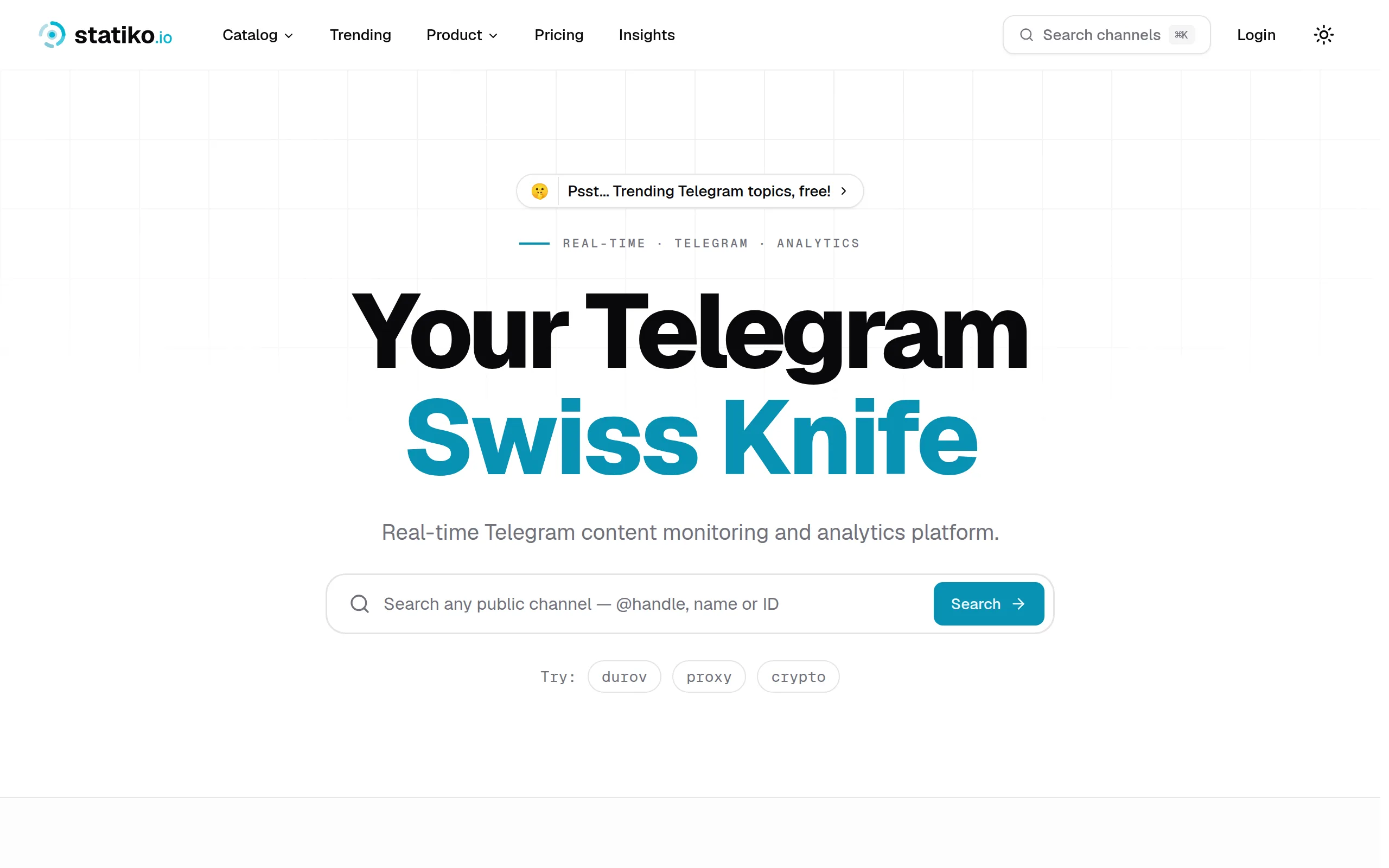
Statiko
Monitor any Telegram channel in real time - track posts, edits, deletions, and growth with AI recaps 📡
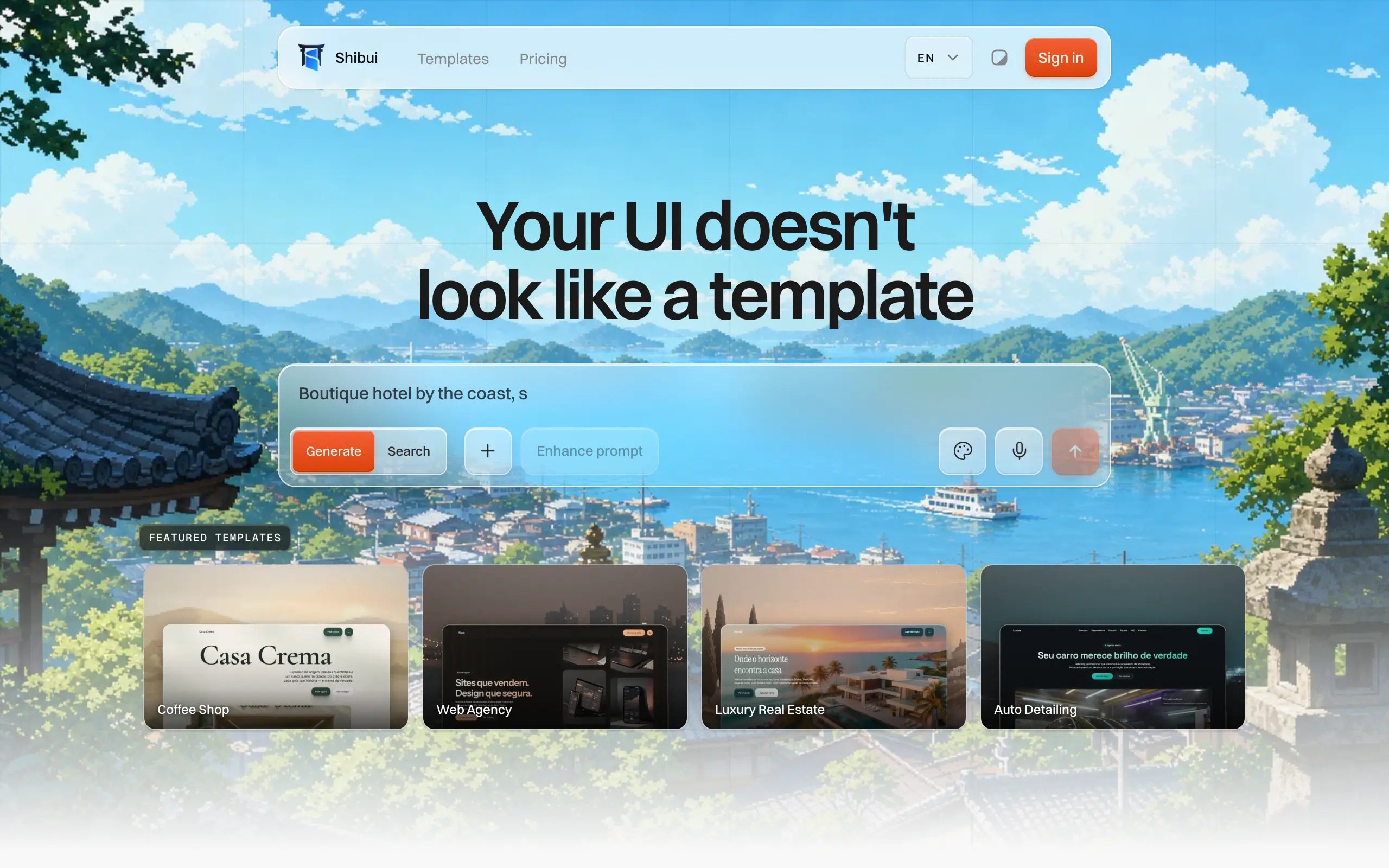
Shibui
AI website builder - describe your business, pick a niche template, edit by chatting, and publish instantly ✨

Pro Service
Find verified home service professionals, compare quotes, and pay securely through escrow - built for Brazilians across the US 🏠
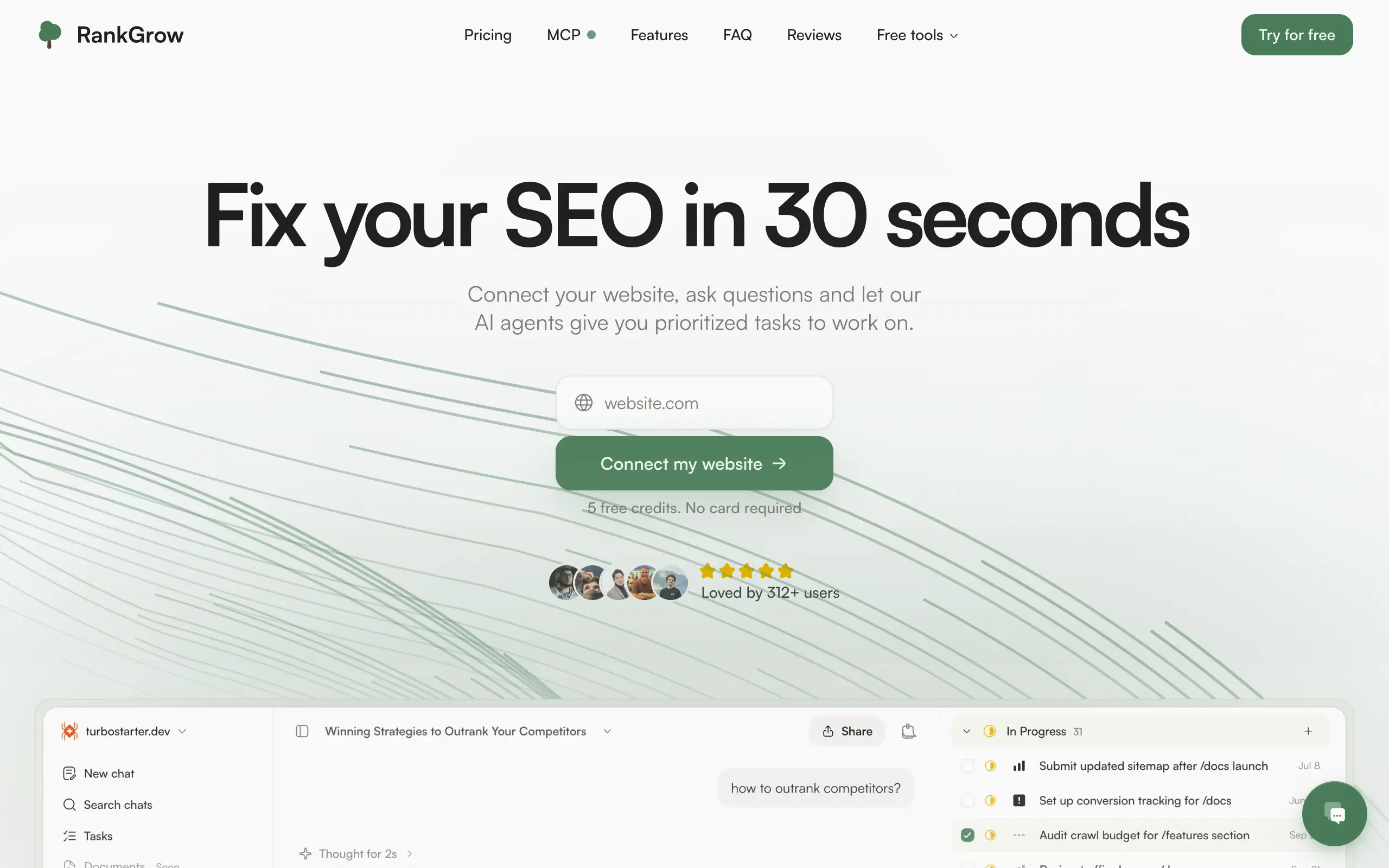
RankGrow
Fix your SEO with AI agents - connect Search Console, get prioritized tasks, and grow organic traffic 📈
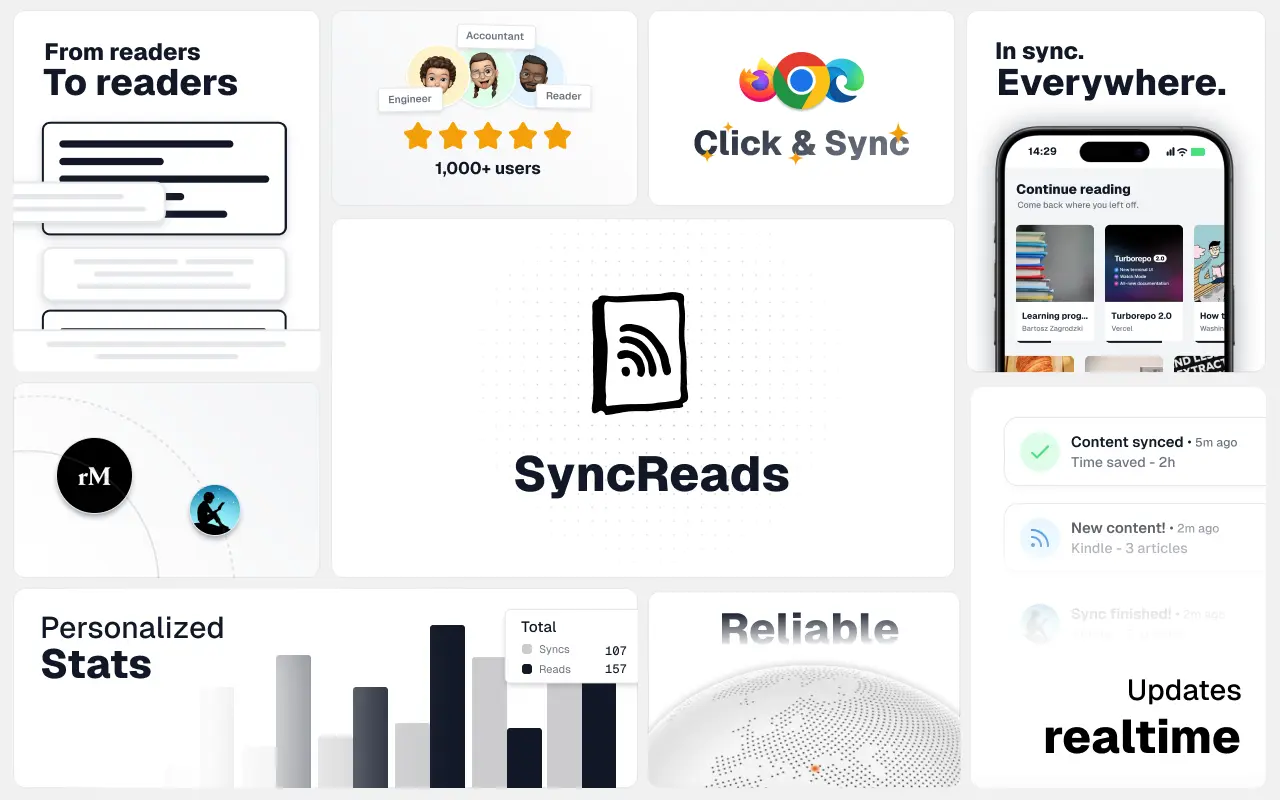
SyncReads
Sync your favorite content for distraction-free reading, save time and replace multiple apps. Anytime, anywhere 🔄
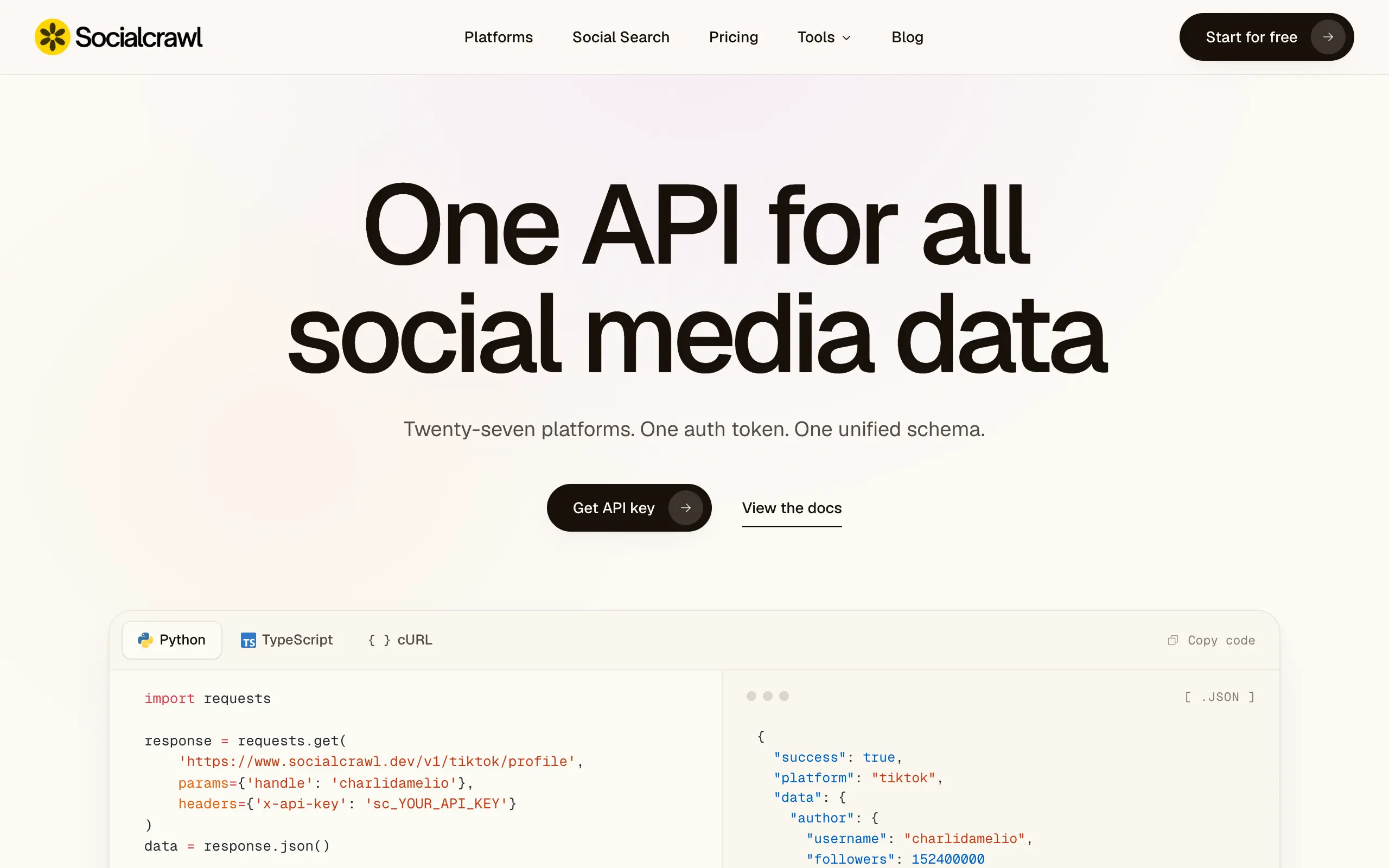
Socialcrawl
Get clean, structured data from 21 platforms like TikTok, Instagram, and YouTube with a single request 📊
Statiko
Monitor any Telegram channel in real time - track posts, edits, deletions, and growth with AI recaps 📡
Shibui
AI website builder - describe your business, pick a niche template, edit by chatting, and publish instantly ✨
Pro Service
Find verified home service professionals, compare quotes, and pay securely through escrow - built for Brazilians across the US 🏠
RankGrow
Fix your SEO with AI agents - connect Search Console, get prioritized tasks, and grow organic traffic 📈
SyncReads
Sync your favorite content for distraction-free reading, save time and replace multiple apps. Anytime, anywhere 🔄
Socialcrawl
Get clean, structured data from 21 platforms like TikTok, Instagram, and YouTube with a single request 📊
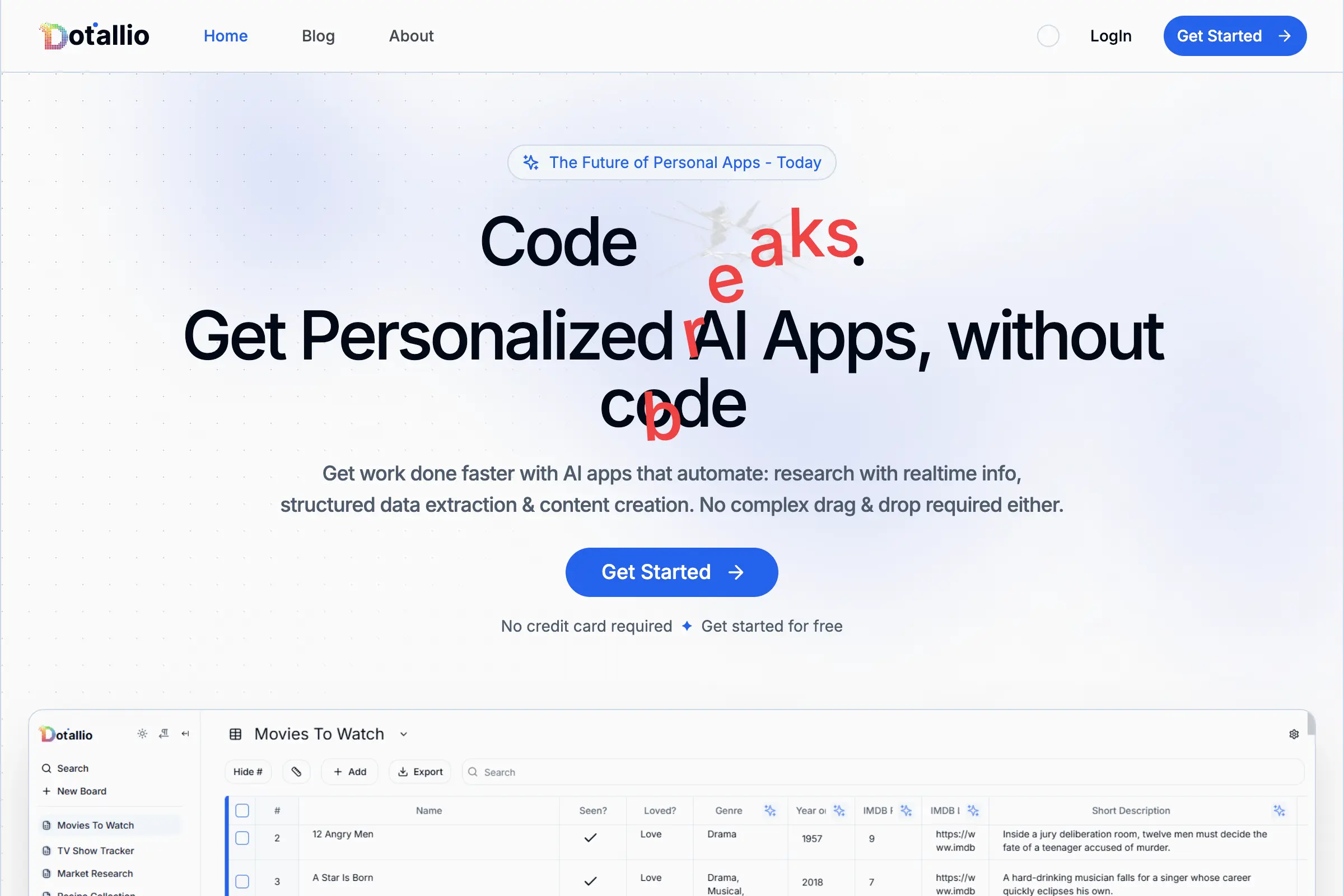
Dotallio
Personalized AI apps that automate research, data extraction, and content creation without code 🤖

Talk to Santa
Enjoy a magical live video chat or receive a unique AI-generated video greeting from Santa Claus 🎅
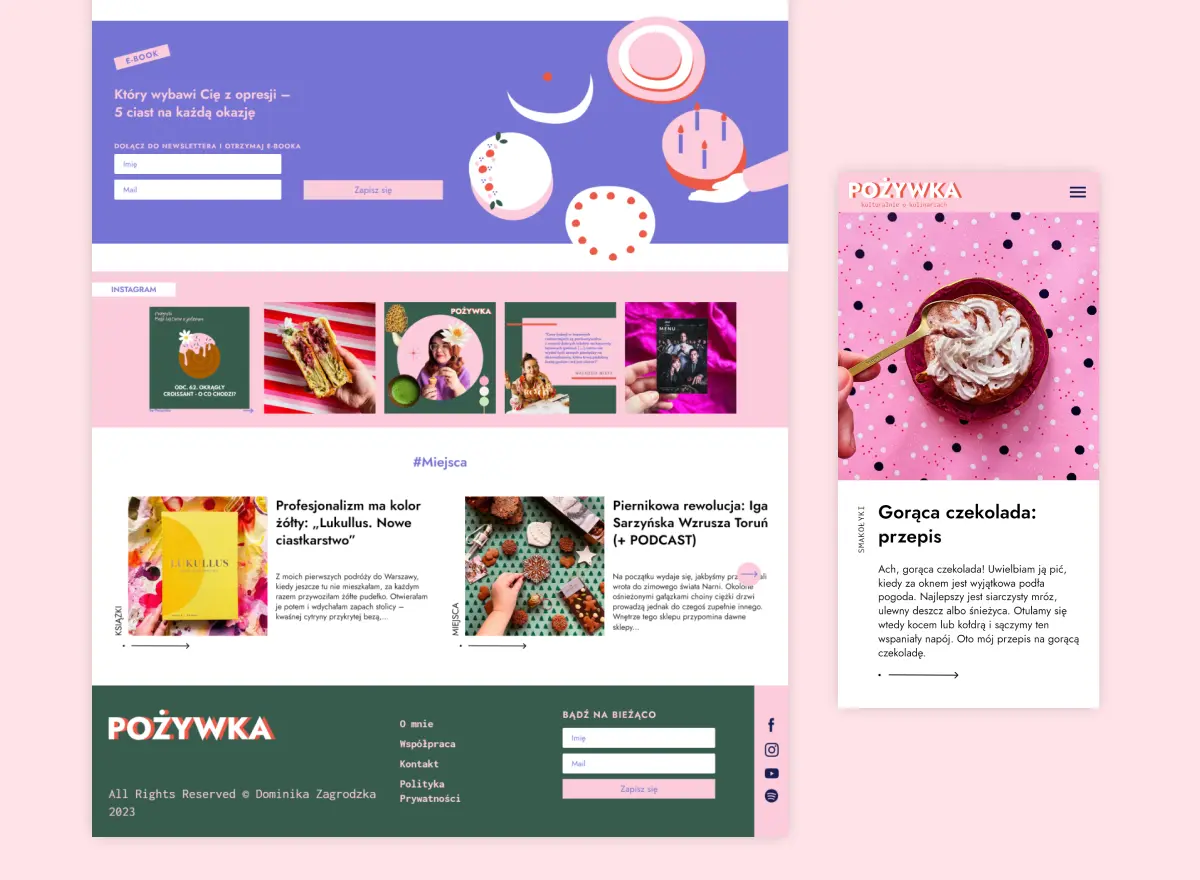
pozywka.pl
Scalable blog for food journalist, focused on performance and user experience 🌭
zagrodzki.me
Personal blog and portfolio of Bart Zagrodzki, where he shares his knowledge and work 💼
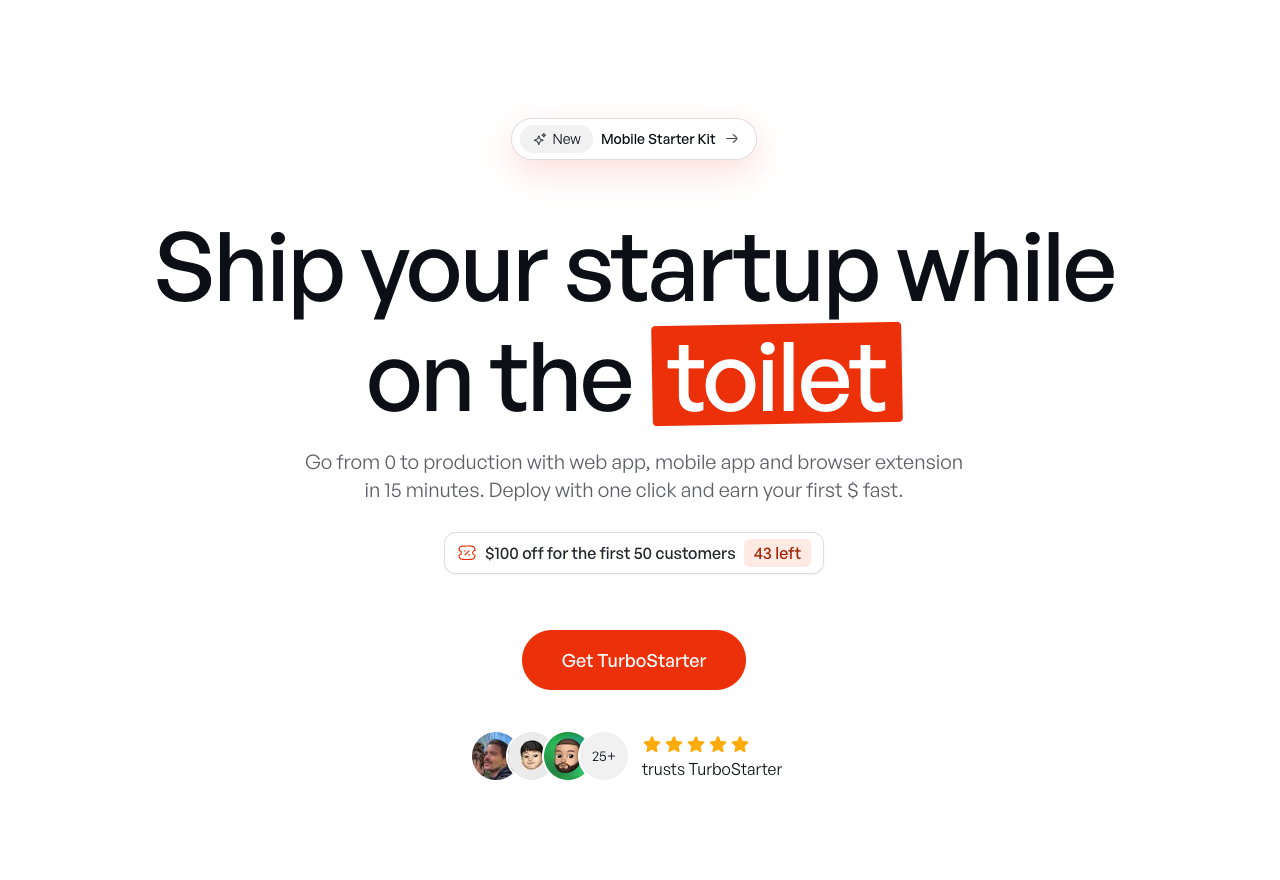
TurboStarter
Ship your startup everywhere. In minutes.
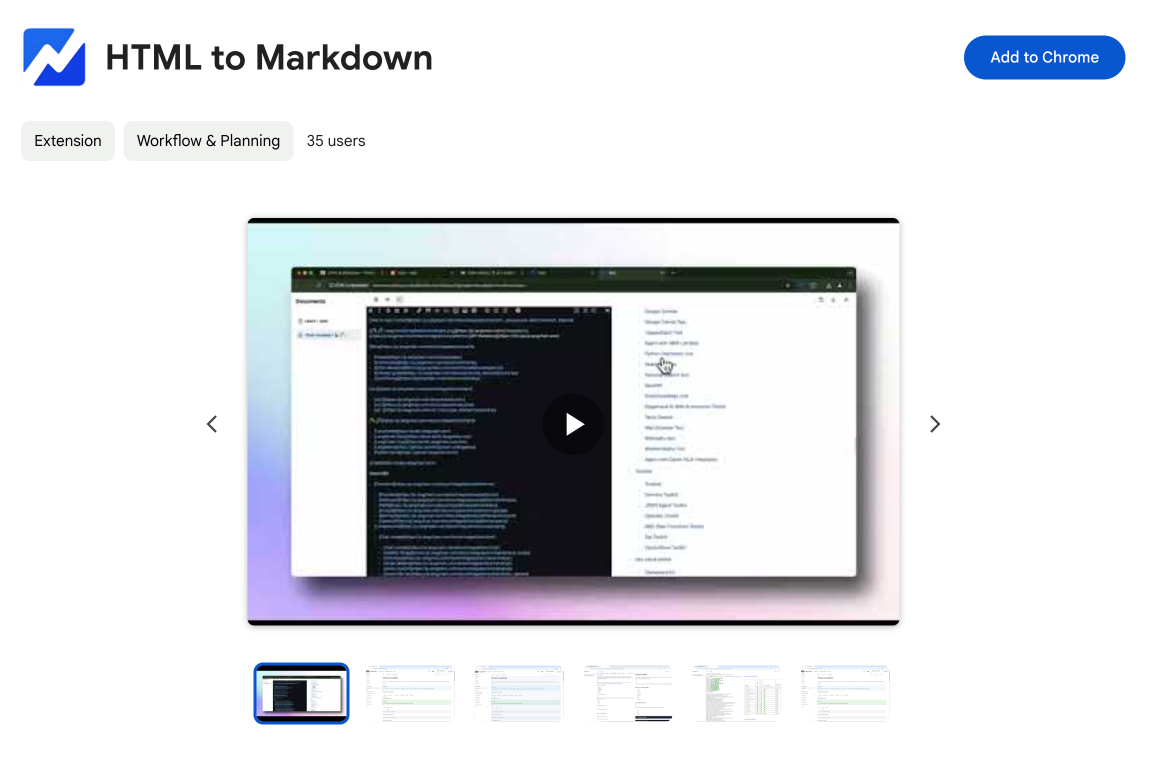
HTML to Markdown
Convert HTML to Markdown with ease, directly in your browser 📄
Dotallio
Personalized AI apps that automate research, data extraction, and content creation without code 🤖
Talk to Santa
Enjoy a magical live video chat or receive a unique AI-generated video greeting from Santa Claus 🎅
pozywka.pl
Scalable blog for food journalist, focused on performance and user experience 🌭
zagrodzki.me
Personal blog and portfolio of Bart Zagrodzki, where he shares his knowledge and work 💼
TurboStarter
Ship your startup everywhere. In minutes.
HTML to Markdown
Convert HTML to Markdown with ease, directly in your browser 📄
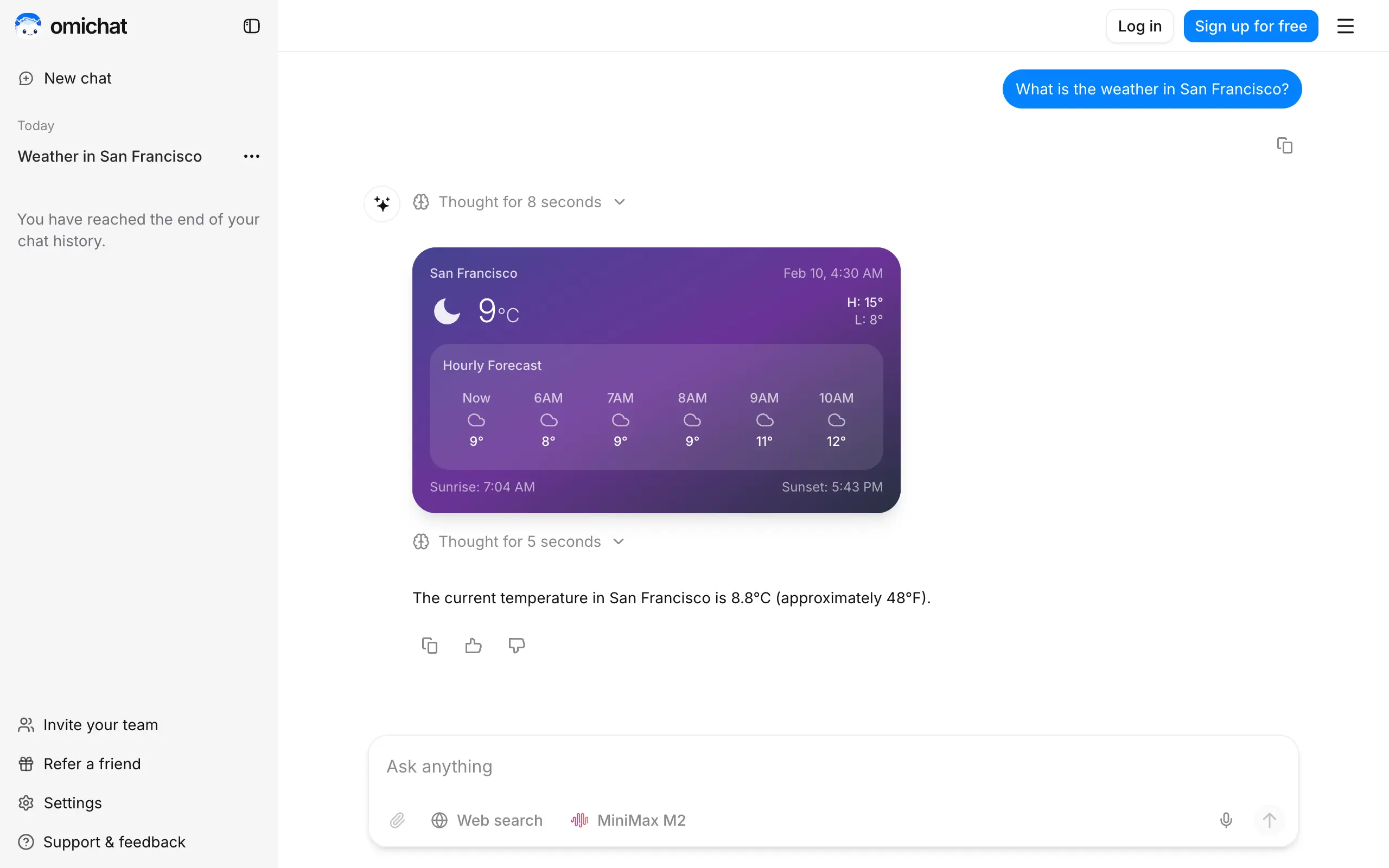
Omichat
Chat with 50+ AI models, including ChatGPT and Claude, in one place - switch models anytime without losing context 🤖
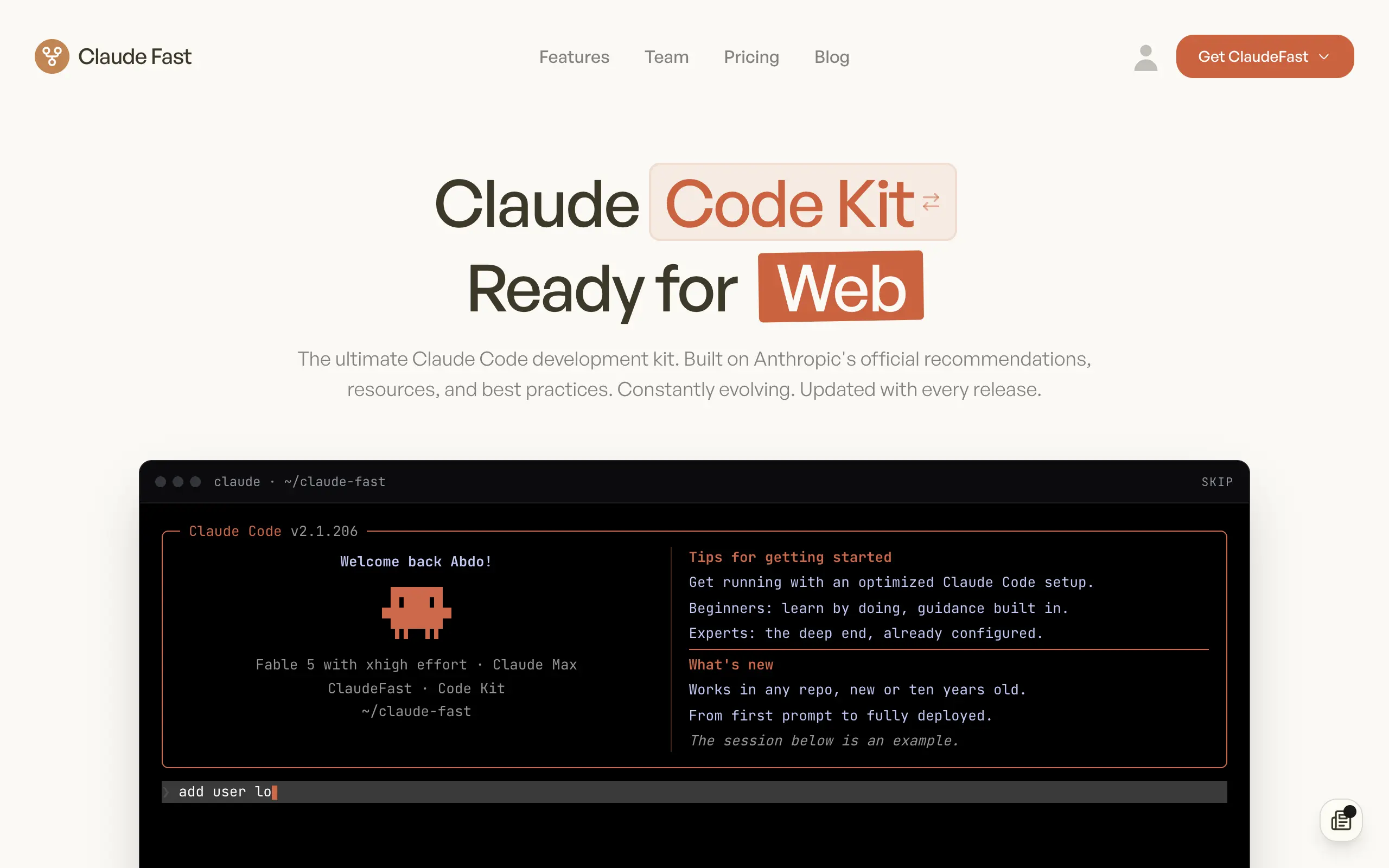
Claude Fast
Supercharge your Claude Code with 6x effective context window and specialized AI agents 🤖
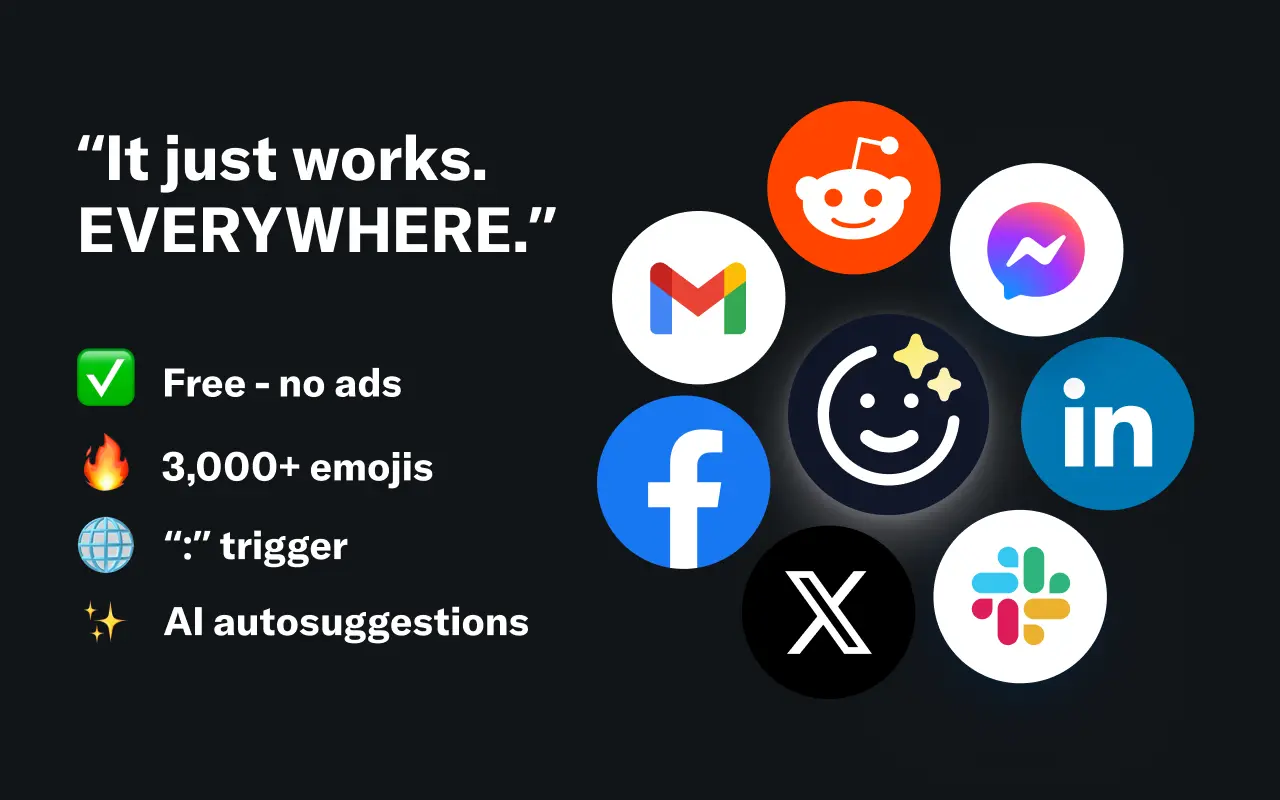
EmojAI
AI-powered emoji picker with smart, context-aware suggestions 🤖
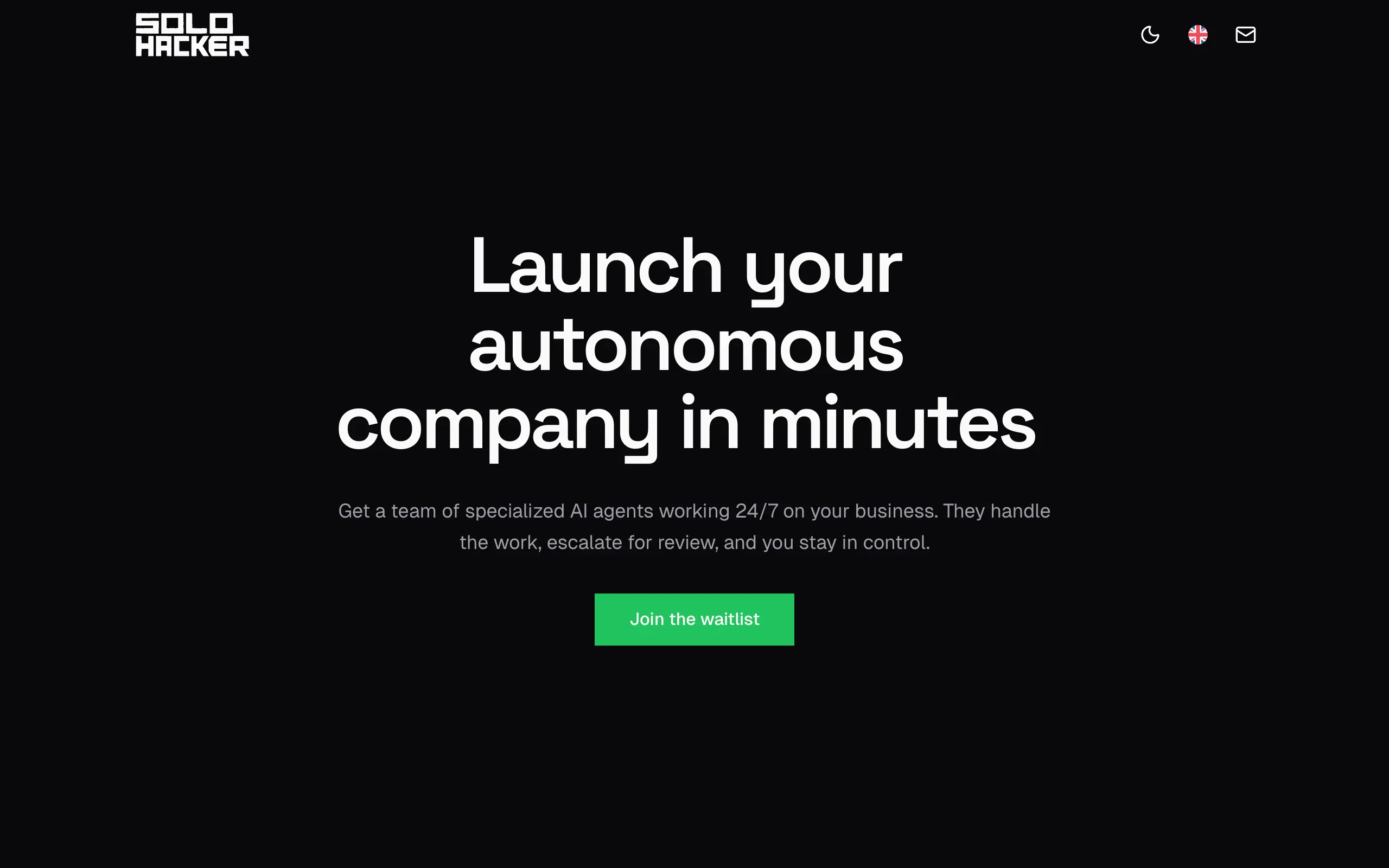
Solohacker
Autonomous company launcher - AI agents work 24/7, escalate what matters, and you stay in control 🤖
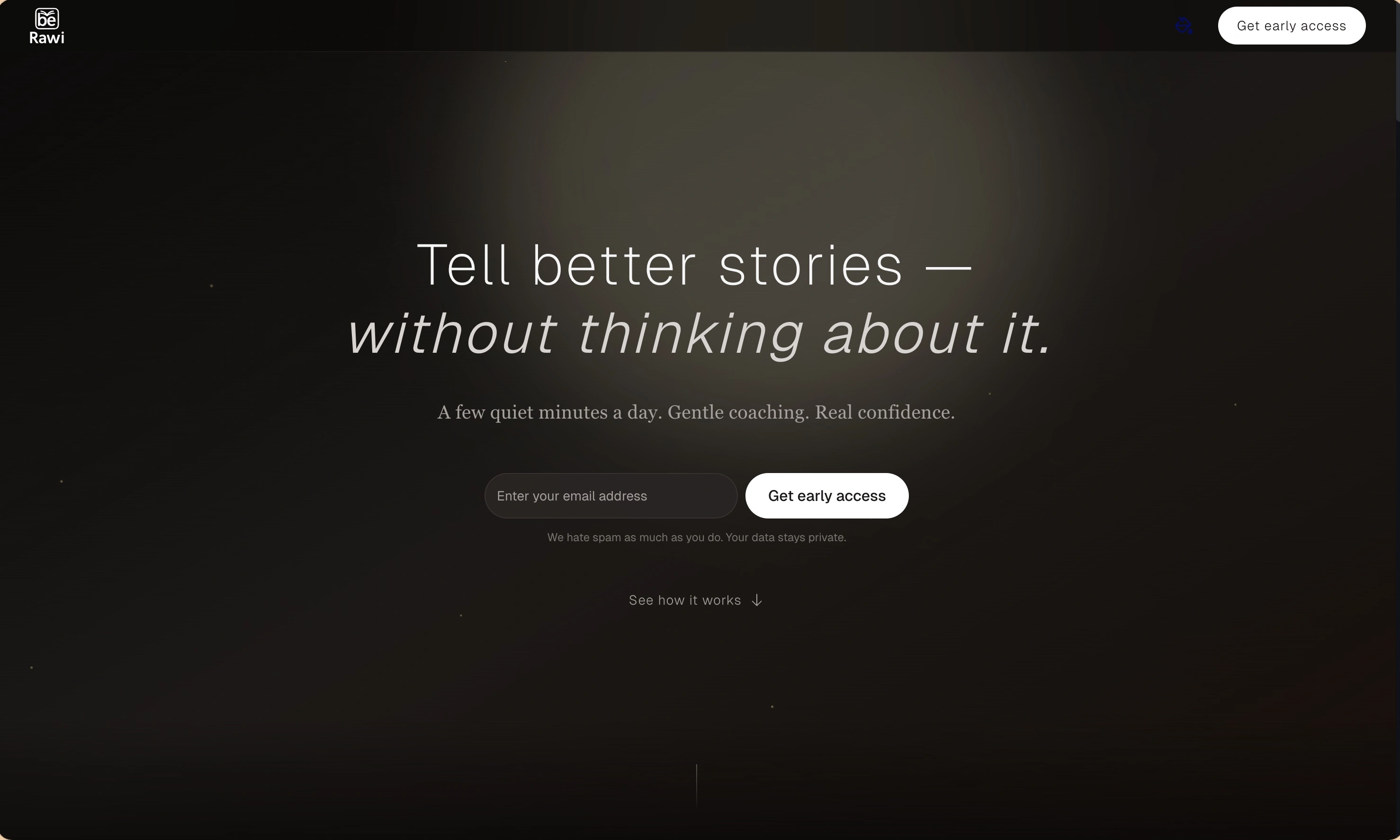
BeRawi: Storytelling Coach
Practice storytelling daily with instant feedback to sound clearer, more engaging, and confident 🎤
Omichat
Chat with 50+ AI models, including ChatGPT and Claude, in one place - switch models anytime without losing context 🤖
Claude Fast
Supercharge your Claude Code with 6x effective context window and specialized AI agents 🤖
EmojAI
AI-powered emoji picker with smart, context-aware suggestions 🤖
Solohacker
Autonomous company launcher - AI agents work 24/7, escalate what matters, and you stay in control 🤖
BeRawi: Storytelling Coach
Practice storytelling daily with instant feedback to sound clearer, more engaging, and confident 🎤

Connect with like-minded people
Join our community to get feedback, support, and grow together with 1,000+ builders on board, let's ship it!
Join usShip your startup everywhere. In minutes.
Don't burn tokens on setup and start building features on day one.