LaunchLoom
Turn a finished coding project into a polished developer portfolio with AI-written case studies, README files, and launch checklists. Built for junior developers and bootcamp graduates.
LaunchLoom is an AI developer portfolio generator designed to help junior developers and bootcamp graduates turn finished coding projects into clear, professional portfolio assets. Instead of starting with an empty page, users can use LaunchLoom to create a project case study, improve a README, and follow a launch checklist that helps them prepare their work for public review.
The idea addresses a common gap between building a project and presenting it. A working application may demonstrate technical ability, but employers and collaborators also need to understand what the project does, how it was built, and what the developer contributed. LaunchLoom can make that explanation easier—provided it combines useful AI assistance with accuracy, user control, and practical guidance.
What LaunchLoom could help developers accomplish
A developer portfolio is more than a collection of project links. It is a way to give context to technical work. A strong project presentation explains the problem, the intended user, the developer’s decisions, and the outcome. For someone early in their career, writing that explanation can be difficult even when the project itself is complete.
LaunchLoom could turn this finishing process into a guided workflow. A user provides project details, such as a repository URL, technologies used, screenshots, and a short description. The product then helps them create or improve:
- A project case study for a personal website or portfolio
- A README that explains setup, features, and usage
- A launch checklist for quality and presentation tasks
- Short project descriptions for a résumé, profile, or application
- A more consistent story across the project’s public materials
The central promise should not be “AI writes your portfolio for you.” That framing risks producing generic text that sounds polished but says little. A stronger promise is that LaunchLoom helps developers explain real work clearly, fill gaps in their project presentation, and publish with confidence.
That distinction matters for product quality and trust. AI can help organize and refine a developer’s knowledge, but it should not invent features, results, user feedback, or technical decisions. LaunchLoom should make it easy to review every generated claim and connect the final copy to information the user supplied.
Who is the target audience for an AI developer portfolio generator?
LaunchLoom’s initial audience is relatively focused: people who have completed coding projects but are unsure how to present them. That focus can help the product create more relevant guidance than a general-purpose AI writing tool.
Junior developers applying for their first role
Early-career developers often have less professional experience to draw on. Personal projects, open-source contributions, and practical exercises may therefore carry more weight in their portfolios.
The difficulty is not always building a project. It may be explaining why the project exists, what constraints shaped it, and what the developer learned. LaunchLoom can help users turn a repository into a structured account of their work without overstating its significance.
For this audience, the product should help answer questions such as:
- What problem does this project solve?
- Who might use it?
- Which parts did I build myself?
- What technical choices did I make, and why?
- What would I improve with more time?
- How can a reviewer run or evaluate the project?
The product should also support honest descriptions of learning projects. A portfolio does not need to disguise a tutorial-based app as a commercial product. It can show what the developer implemented, what they adapted, and what they learned.
Bootcamp graduates
Bootcamp graduates may finish several projects under time pressure. The projects can demonstrate a range of skills, but their presentation may be inconsistent: one has a detailed README, another has a live demo, and a third is difficult to run.
LaunchLoom could help them apply a repeatable standard across projects. A guided workflow can prompt them to document the project’s purpose, add a screenshot, describe the stack, and identify known limitations. The outcome is not just more polished writing; it is a more complete portfolio.
Self-taught developers and career changers
Self-taught developers and career changers may have substantial practical experience but no conventional résumé path. They can benefit from a tool that helps them make their technical decisions visible and translate them into language that a recruiter or hiring manager can understand.
LaunchLoom should not assume that every user has a computer science background or knows portfolio conventions. Plain-language prompts and examples can make the workflow approachable without talking down to users.
Educators, mentors, and career programs
A second customer segment could be coding bootcamps, university programs, workforce-development organizations, and independent mentors. These groups may want a consistent process for helping learners prepare projects for review or job applications.
This audience is promising but may require different capabilities, such as:
- Cohort management
- Shared templates and rubrics
- Mentor comments and review status
- Organization-level billing
- Progress reporting that respects learner privacy
It is usually better to validate the individual developer workflow first. Building for institutions too early can add sales complexity and administrative features before the core product has proven its value.
The market opportunity and the presentation gap
Developers already have many places to publish work: code-hosting platforms, personal websites, résumé builders, profile platforms, and community sites. The opportunity for LaunchLoom is not necessarily to replace those destinations. It is to make the work of preparing content for them less fragmented.
A developer may need to move from a code repository to a portfolio page, then update a résumé, then write a short description for an application. Each destination has different space and formatting requirements. The underlying project story, however, is largely the same.
That creates a useful product opportunity: help users structure project information once, then adapt it to several practical formats.
Existing tools solve adjacent problems
A code-hosting platform helps developers store and share code. A website builder helps them publish pages. A general-purpose AI assistant can draft text. A résumé tool can format work history. These products are useful, but they do not necessarily guide a junior developer through the specific process of turning a completed coding project into an accurate, reviewer-friendly case study.
LaunchLoom can differentiate by bringing together:
- Project intake that gathers relevant technical and product context.
- Structured writing guidance that helps users explain decisions and contributions.
- Multiple outputs such as case studies, READMEs, and concise project summaries.
- A launch checklist that covers both presentation and basic project readiness.
- Review controls that encourage users to verify generated claims before publishing.
The product should be careful not to claim that it guarantees interviews, employment, or recruiter attention. A portfolio can support a job search, but hiring outcomes depend on many factors outside the product’s control.
Why this problem is worth validating
The idea addresses a recognizable pain point, but that does not automatically prove that users will pay for a dedicated tool. Some developers may prefer templates, free AI tools, or help from a mentor. Others may see portfolio writing as a one-time task rather than an ongoing need.
Validation should therefore focus on behavior, not just positive feedback. Useful questions include:
- Do developers complete a guided intake when given a real project?
- Do they use the generated case study with limited editing?
- Does the README output improve completeness or clarity?
- Do users return to create materials for a second project?
- Will bootcamps or mentors pay for a cohort workflow?
- Which part of the product saves the most time or reduces the most uncertainty?
Interviews can reveal language and frustrations, but prototype tests and paid pilots provide stronger evidence of demand. Avoid treating a user’s compliment as proof of product-market fit.
Core LaunchLoom features and how they could work
The best initial version should concentrate on one complete outcome: helping a user publish a credible, well-structured project presentation. Every feature should support that outcome.
1. Guided project intake
A blank prompt invites vague output. A structured intake can collect the details needed to create specific, grounded content.
The intake might ask for:
- Project name and short description
- Intended users or audience
- Problem the project addresses
- Main features the user actually implemented
- Programming languages, frameworks, and services
- The user’s individual contribution, especially for team projects
- Technical decisions and trade-offs
- Challenges encountered and how they were addressed
- Current deployment or repository links
- Known limitations and future improvements
- Screenshots or other visual material
The intake should allow users to skip questions they cannot answer. It can also explain why each question matters. For example, asking about a technical trade-off helps the user describe reasoning rather than merely list a framework.
2. AI-written case studies with evidence checks
A case study can follow a simple, scannable structure:
- Overview
- Problem or motivation
- Audience
- Solution
- Key features
- Technology choices
- Challenges and decisions
- What the developer learned
- Next steps
The AI should use supplied information as its source of truth. If the user has not provided a metric, the product should not invent one. If information is missing, LaunchLoom can ask a follow-up question or mark the section as incomplete.
A useful interface could distinguish between:
- Provided facts, which come directly from the user
- AI-assisted wording, which improves clarity or structure
- Unverified suggestions, which require review
This helps users understand what they are publishing and reduces the risk of inaccurate claims.
3. README generation and improvement
A README is often the first place a technical reviewer looks for instructions. LaunchLoom can help users produce a clear README that covers:
- Project overview
- Features
- Technology stack
- Prerequisites
- Installation and setup
- Environment variables, described safely
- How to run the project
- Tests, if applicable
- Screenshots or demo information
- Known issues and contribution details
The tool should avoid guessing commands. If the user has not provided a package manager or setup process, LaunchLoom should ask for it or leave a clearly marked field to complete. Incorrect installation instructions can damage credibility more than a short README.
4. A practical launch checklist
A launch checklist can turn broad advice into small, verifiable tasks. It should separate technical checks from presentation checks and let users mark items as complete, not applicable, or needing attention.
Possible checklist items include:
- Confirm that the repository is public if intended
- Add a clear project description
- Include setup instructions that have been tested
- Remove secrets and private credentials from committed files
- Add screenshots or a short demonstration when useful
- Check the deployed version on mobile and desktop
- Confirm that links work
- Explain any incomplete features honestly
- Add a license if appropriate for the project
- Review the case study for accuracy and personal details
The checklist should not imply that every project needs a deployment, a license, or a full test suite. Context-sensitive guidance is more useful than a one-size-fits-all score.
5. Output formats for different destinations
The same project information can be reshaped into several formats:
- A detailed portfolio case study
- A compact project card
- A README draft
- A résumé bullet
- A short professional-network post
- A demo-day or interview summary
This feature can increase practical value, but the outputs should preserve meaning. The product should not make a short version sound more impressive by adding unsupported outcomes.
6. Editing, export, and ownership
Users should be able to revise every generated section and export it without being locked into LaunchLoom. Markdown export is especially useful for developers who want to paste content into a repository or static site.
A strong first version could support:
- Markdown export
- Copy-to-clipboard
- Draft saving
- Version history or undo
- Reusable project profiles
- Basic style preferences
- Clear deletion and data-retention controls
For trust, users should know whether project data is sent to an AI provider, how long it is retained, and how they can delete it.
Recommended technology stack for LaunchLoom
LaunchLoom is an AI-enabled SaaS product with a content editor, user accounts, project records, and potentially paid plans. The stack should support fast iteration while leaving room for privacy, reliability, and cost controls.
Frontend and application framework
A practical starting point is Next.js with React. This combination can support a marketing site, authenticated dashboard, and server-side endpoints within a familiar web application architecture.
For styling, Tailwind CSS can help a small team build consistent interfaces quickly. The trade-off is that utility-heavy markup can become difficult to maintain without shared components and design conventions. Establish those conventions early rather than accumulating one-off styles.
Authentication and database
A managed backend such as Supabase can provide PostgreSQL, authentication, and storage. PostgreSQL is a good fit for structured records such as users, projects, generated documents, and subscriptions.
The data model should keep user ownership explicit. For example, project records and generated outputs should be associated with a user or organization, and every read or write should enforce authorization. A database row-level security policy can provide an additional layer of protection, but it should be tested rather than treated as a substitute for application-level access checks.
An alternative is to use a managed authentication provider alongside a separate database. That can offer flexibility, but it adds integration and operational work. Choose based on the team’s experience and security requirements.
AI provider and generation architecture
Use a server-side integration with an AI model provider rather than exposing secret API keys in the browser. Keep prompts and generation logic on the server so that the team can revise them, add safety checks, and monitor usage.
The AI layer should be designed around structured inputs and outputs:
- Validate and normalize the project details.
- Generate a structured draft using a defined schema.
- Check that required sections are present.
- Identify claims that lack supporting user-provided information.
- Present the draft for user review.
- Save only the data needed to deliver the product.
Do not assume that a model response will always follow the requested format. Validate its output and provide a recoverable error state. A generation failure should not erase a user’s project intake.
Cost controls may include token limits, per-plan usage allowances, caching where appropriate, and a choice of model based on the task. The product should measure cost per successful output, not just cost per request.
Payments and deployment
Stripe is a common option for SaaS subscriptions and one-time payments. Payment integration should be introduced after the team has tested whether users value the workflow enough to pay.
Vercel can be a convenient deployment option for a Next.js application. A different hosting provider may be preferable if the team has specific compliance, regional hosting, or infrastructure requirements. The key decision is not brand preference; it is whether the deployment setup supports reliable releases, monitoring, backups, and clear incident response.
Build quickly without surrendering control
For founders who want to move from idea to a working SaaS foundation faster, TurboStarter can help accelerate common application setup. A starter kit can reduce repetitive implementation work, but it does not remove the need to review authentication, authorization, billing behavior, database policies, and AI data handling.
| Product area | Early implementation choice | Important trade-off |
|---|---|---|
| Web application | Next.js and React | Flexible, but requires clear app structure |
| Styling | Tailwind CSS | Fast iteration, but benefits from shared design conventions |
| Data and authentication | Managed PostgreSQL and authentication | Lower infrastructure burden, but policies still need careful review |
| AI generation | Server-side model API | Flexible output, but creates cost and verification requirements |
| Payments | Stripe | Mature billing capabilities, but adds webhook and subscription-state complexity |
| Deployment | Managed hosting | Faster operations, but provider constraints should be reviewed |
Monetization strategies for an AI portfolio tool
LaunchLoom’s pricing should match how often users need the product and who receives value. Individual developers may use it for a few projects during a job search, while a bootcamp may use it repeatedly across cohorts.
Freemium for individual developers
A free tier could let users create one project presentation and experience the full workflow. Paid plans might offer multiple projects, additional export formats, saved drafts, advanced editing tools, or higher usage limits.
Freemium works best when users can reach a meaningful outcome before being asked to pay. If the free version only produces a teaser, it may create frustration without demonstrating value.
One-time project packages
Because portfolio creation can be episodic, a one-time payment may fit some users better than a subscription. A paid package could include a set number of project outputs or a limited period of access.
This model can be easier to understand, but it may reduce predictable recurring revenue. It also requires pricing that reflects AI usage and support costs.
Subscription plans
A monthly or annual plan could work for users who are actively preparing several projects, maintaining a portfolio, or applying to roles. However, the product should provide recurring value rather than relying on users to keep paying for a task they have already completed.
Potential recurring features might include project updates, additional output formats, review history, or ongoing portfolio maintenance. These features should solve real needs rather than exist only to justify a subscription.
Education and cohort plans
Bootcamps and training programs could pay for shared templates, cohort workflows, and mentor review tools. This model may bring larger contracts, but it typically requires onboarding, sales, support, and administrative features.
Start with a pilot and measure whether the organization’s staff and learners both find the workflow useful. Do not build a complex institution dashboard based solely on hypothetical demand.
Competitive advantage and unique selling proposition
LaunchLoom’s strongest potential advantage is not access to AI by itself. Many tools can generate text. Its defensible value would come from combining developer-specific guidance, structured project context, accurate output, and a practical publishing workflow.
| Alternative | What it does well | Potential gap LaunchLoom can address |
|---|---|---|
| General AI assistant | Flexible drafting and brainstorming | May not guide a user through a complete developer portfolio workflow |
| Website builder | Publishes a portfolio site | May not help users explain project decisions or improve README quality |
| Code-hosting platform | Hosts repositories and collaboration | Does not necessarily turn project details into an accessible case study |
| Résumé tool | Formats career history | May not capture the technical depth of a specific project |
| Human mentor | Offers context-sensitive feedback | Can be difficult to access consistently or at scale |
The product’s USP can be expressed as: “Turn a finished coding project into accurate, ready-to-review portfolio materials with guidance built for early-career developers.”
The strongest version of this advantage depends on execution:
- The intake must ask the right questions.
- Generated copy must be specific rather than generic.
- Users must be able to correct and verify claims.
- Exports must fit real developer workflows.
- The launch checklist must provide practical, proportionate advice.
- Privacy and ownership must be clear.
Risks and how to mitigate them
Generic or inaccurate AI output
A polished draft can still be misleading or bland. LaunchLoom should ground every output in user-provided details, ask follow-up questions when important information is missing, and show users what needs verification.
A useful product metric is not the amount of text generated. It is the share of drafts users find relevant and the amount of editing required before publication.
Users may not have enough project context
Some users may provide only a repository URL and expect the system to understand the entire project. Repository access can raise technical and privacy issues, and code alone may not reveal the developer’s motivation or contribution.
Begin with user-controlled inputs and optional repository assistance. Make clear what the product can and cannot infer. If repository analysis is added, request only the permissions required and explain how the data is handled.
Overstated claims could harm users
A generated case study that exaggerates impact can damage a user’s credibility in an interview. Avoid invented metrics, customer outcomes, or claims of production use. Provide visible review prompts and make it easy to qualify statements, such as distinguishing a prototype from a live service.
Sensitive information and secrets
Project descriptions may include private code, credentials, employer information, or personal details. LaunchLoom should discourage users from submitting secrets, avoid unnecessary data collection, and provide deletion controls. If the product processes repositories, access should be scoped and revocable.
A security review should cover authentication, authorization, storage, logging, model-provider settings, backups, and vendor data handling. Privacy promises should match actual system behavior.
AI costs and unpredictable usage
Long project inputs and repeated generation can make model costs difficult to forecast. Track usage by account and generation type, set sensible limits, and design smaller tasks where possible. If the product has paid tiers, test whether the pricing covers inference, payment processing, support, and hosting.
One-time use and weak retention
A user may create a portfolio once and leave. That does not necessarily invalidate the product, but it changes the appropriate business model. Test whether users return for multiple projects, updates, job applications, or new formats. If repeat usage is limited, a one-time purchase or education-focused plan may be more suitable than a standard monthly subscription.
Trust and career-related expectations
Users may be anxious about job prospects and tempted by claims that promise results. LaunchLoom should focus its messaging on the quality of project presentation, not guaranteed employment. The product can support a job search without suggesting that a portfolio tool controls hiring outcomes.
Go-to-market and content strategy
LaunchLoom can reach its audience through practical, educational content that answers real portfolio questions. Helpful topics include how to write a software project case study, what to include in a developer README, how to describe a bootcamp project, and how to explain technical trade-offs in an interview.
Search-focused content should target specific tasks rather than repeat broad claims about AI. Examples include:
- How to write a developer portfolio case study
- README checklist for a portfolio project
- How to describe a coding project on a résumé
- Portfolio examples for junior developers
- How to present a bootcamp capstone project
Each article should offer a useful framework, examples, or a checklist. It should not exist only to insert the phrase “AI developer portfolio generator.” Content that genuinely helps developers can build trust and introduce LaunchLoom naturally.
Other potential channels include:
- Bootcamp and career-program partnerships
- Developer communities and local meetups
- Mentor and career-coach referrals
- Product launches and maker communities
- Workshops on project storytelling and portfolio readiness
- Templates or free checklists that provide standalone value
For any market-size or employment-related claims in future marketing, use current, reputable sources and cite the publication, date, and methodology. Avoid unsourced statistics, especially when they could influence career decisions.
Metrics to measure product value
The first dashboard should connect user behavior to successful outcomes, not vanity activity. Potential metrics include:
- Intake completion rate
- Time from starting a project to reviewing a first draft
- Percentage of users who edit and export a generated document
- Number of projects created per active user
- User-reported usefulness and accuracy
- Generation failure rate
- Cost per completed project workflow
- Free-to-paid conversion, if monetization is active
- Repeat use by individuals and organizations
- Support requests related to incorrect or confusing output
Define what “activation” means before analyzing it. For LaunchLoom, a meaningful activation event might be a user completing intake, reviewing the generated materials, and exporting or copying at least one output. A generation request alone is not proof that the user received value.
Actionable implementation steps
1. Interview the intended users
Speak with junior developers, bootcamp graduates, and career changers who have recently completed projects. Ask them to walk through how they currently prepare a project for a portfolio. Focus on what they do, where they get stuck, and which tools they already use.
2. Choose one initial user and outcome
Start with a narrow promise, such as helping a junior developer create a reviewed case study and README for one completed project. Keep education-program features and complex team workflows out of the first release unless research shows they are essential.
3. Prototype the intake and output
Create a clickable prototype or concierge workflow before building a full AI application. Test whether users can answer the questions and whether the resulting structure helps them explain their work. Record where users hesitate and which prompts produce useful details.
4. Build the smallest complete workflow
Implement authentication, project intake, AI-assisted drafting, an editable review screen, and Markdown export. Add a basic launch checklist only if it contributes directly to the core outcome. Ensure users can save their work and recover from generation errors.
5. Add safety, privacy, and quality checks
Validate generated outputs, label uncertain or incomplete sections, and prevent unsupported claims from being presented as facts. Document what data is processed, minimize retention, and test authorization and deletion behavior before inviting users.
6. Run a small beta and measure real use
Invite a limited group of developers and observe them using real projects. Measure whether they finish, edit, and export the materials. Ask what they would have done without LaunchLoom and whether they would pay for the specific workflow.
7. Test pricing only after value is visible
Try a small number of understandable pricing options, such as a free first project and a paid multi-project plan or one-time package. If programs express interest, test a cohort pilot separately rather than assuming individual and institutional buyers have the same needs.
A practical product principle
Treat AI as a writing partner, not an authority on the user’s experience. The developer must remain in control of facts, contributions, and final wording.
The bottom line
LaunchLoom has a focused opportunity to help early-career developers bridge the gap between completing a coding project and presenting it clearly. Its most compelling form is not a generic AI copywriter or another portfolio builder. It is a guided workflow that turns project context into accurate case studies, useful README files, and practical launch tasks.
The idea should be validated around a complete, concrete outcome: can users create better portfolio materials with less uncertainty, and do they value that enough to return or pay? Build around that answer. Keep the first version narrow, make generated claims easy to verify, and treat privacy and exportability as core product requirements.
More 🤖 AI Startup SaaS ideas
Discover more innovative ai startup SaaS ideas that are trending in 2026. Each idea is AI-generated with market validation and growth potential to help you find your next profitable venture faster than competitors.
Your competitors are building with TurboStarter
Below are some of the SaaS ideas that have been generated and built with our starter kit.
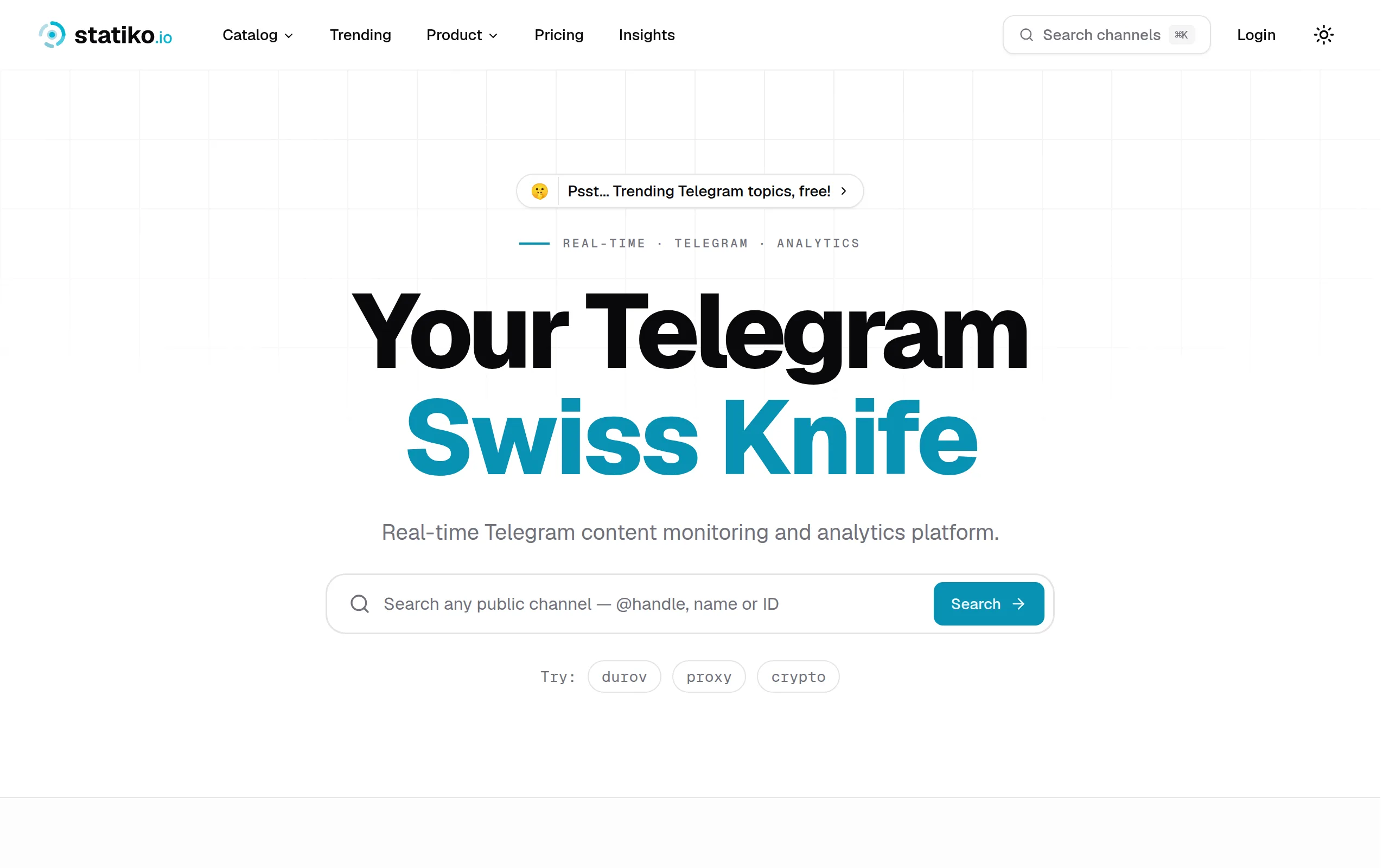
Statiko
Monitor any Telegram channel in real time - track posts, edits, deletions, and growth with AI recaps 📡

Shibui
AI website builder - describe your business, pick a niche template, edit by chatting, and publish instantly ✨

Pro Service
Find verified home service professionals, compare quotes, and pay securely through escrow - built for Brazilians across the US 🏠
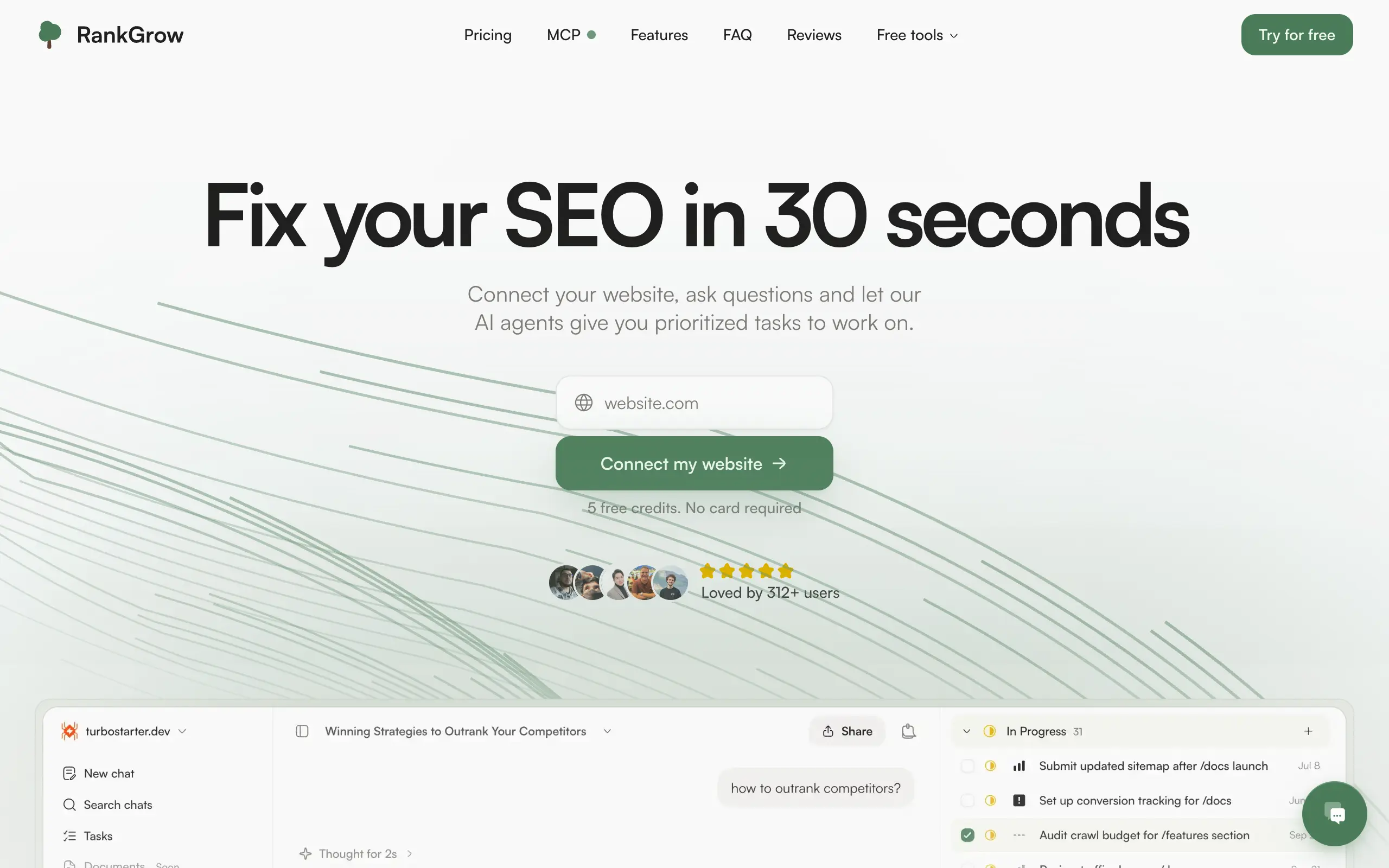
RankGrow
Fix your SEO with AI agents - connect Search Console, get prioritized tasks, and grow organic traffic 📈
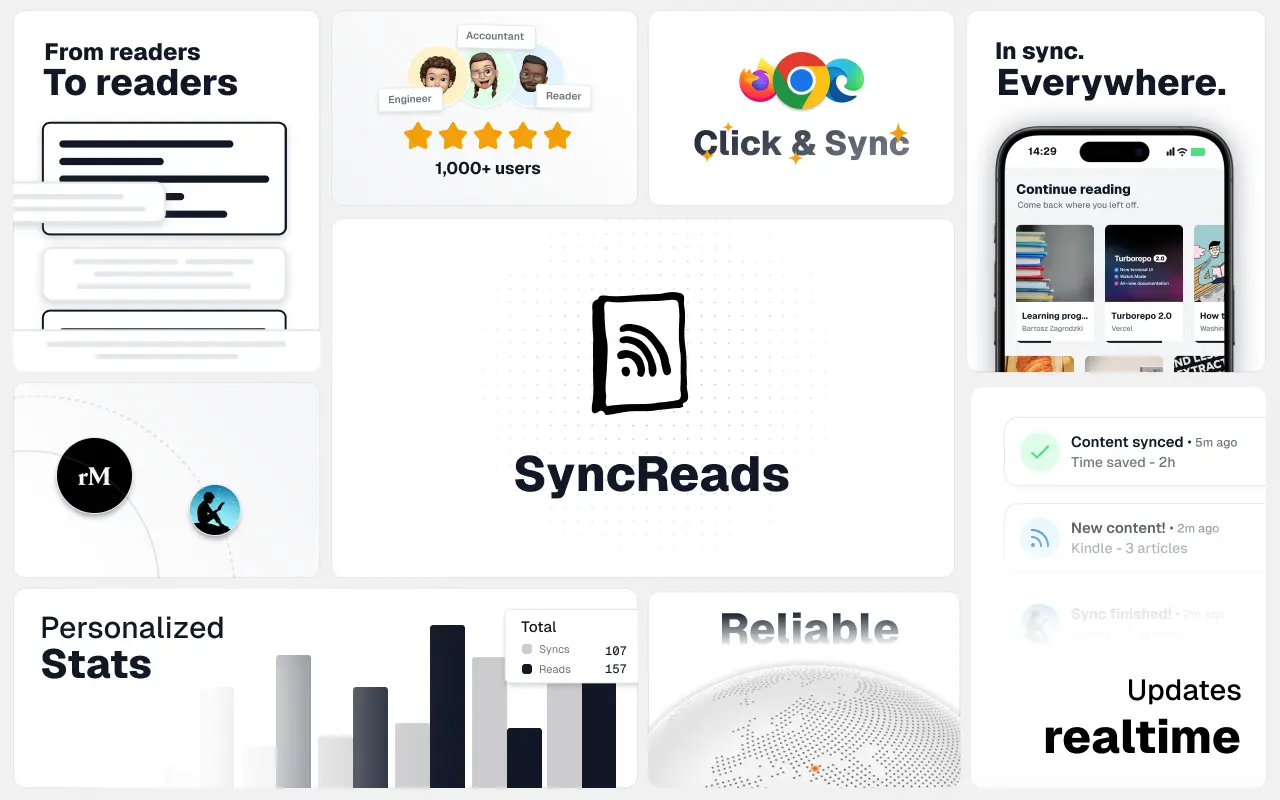
SyncReads
Sync your favorite content for distraction-free reading, save time and replace multiple apps. Anytime, anywhere 🔄
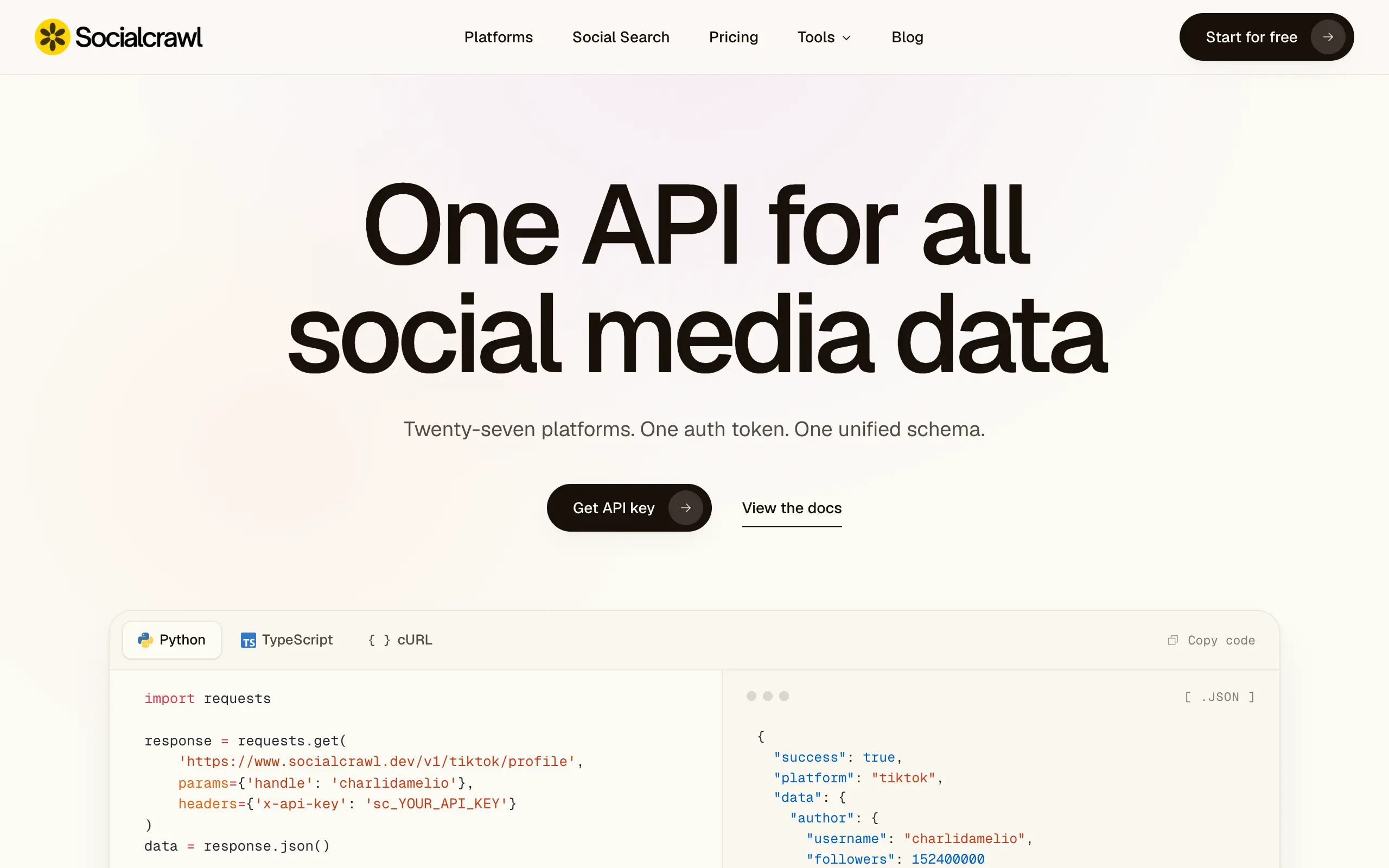
Socialcrawl
Get clean, structured data from 21 platforms like TikTok, Instagram, and YouTube with a single request 📊
Statiko
Monitor any Telegram channel in real time - track posts, edits, deletions, and growth with AI recaps 📡
Shibui
AI website builder - describe your business, pick a niche template, edit by chatting, and publish instantly ✨
Pro Service
Find verified home service professionals, compare quotes, and pay securely through escrow - built for Brazilians across the US 🏠
RankGrow
Fix your SEO with AI agents - connect Search Console, get prioritized tasks, and grow organic traffic 📈
SyncReads
Sync your favorite content for distraction-free reading, save time and replace multiple apps. Anytime, anywhere 🔄
Socialcrawl
Get clean, structured data from 21 platforms like TikTok, Instagram, and YouTube with a single request 📊
Statiko
Monitor any Telegram channel in real time - track posts, edits, deletions, and growth with AI recaps 📡
Shibui
AI website builder - describe your business, pick a niche template, edit by chatting, and publish instantly ✨
Pro Service
Find verified home service professionals, compare quotes, and pay securely through escrow - built for Brazilians across the US 🏠
RankGrow
Fix your SEO with AI agents - connect Search Console, get prioritized tasks, and grow organic traffic 📈
SyncReads
Sync your favorite content for distraction-free reading, save time and replace multiple apps. Anytime, anywhere 🔄
Socialcrawl
Get clean, structured data from 21 platforms like TikTok, Instagram, and YouTube with a single request 📊
Statiko
Monitor any Telegram channel in real time - track posts, edits, deletions, and growth with AI recaps 📡
Shibui
AI website builder - describe your business, pick a niche template, edit by chatting, and publish instantly ✨
Pro Service
Find verified home service professionals, compare quotes, and pay securely through escrow - built for Brazilians across the US 🏠
RankGrow
Fix your SEO with AI agents - connect Search Console, get prioritized tasks, and grow organic traffic 📈
SyncReads
Sync your favorite content for distraction-free reading, save time and replace multiple apps. Anytime, anywhere 🔄
Socialcrawl
Get clean, structured data from 21 platforms like TikTok, Instagram, and YouTube with a single request 📊
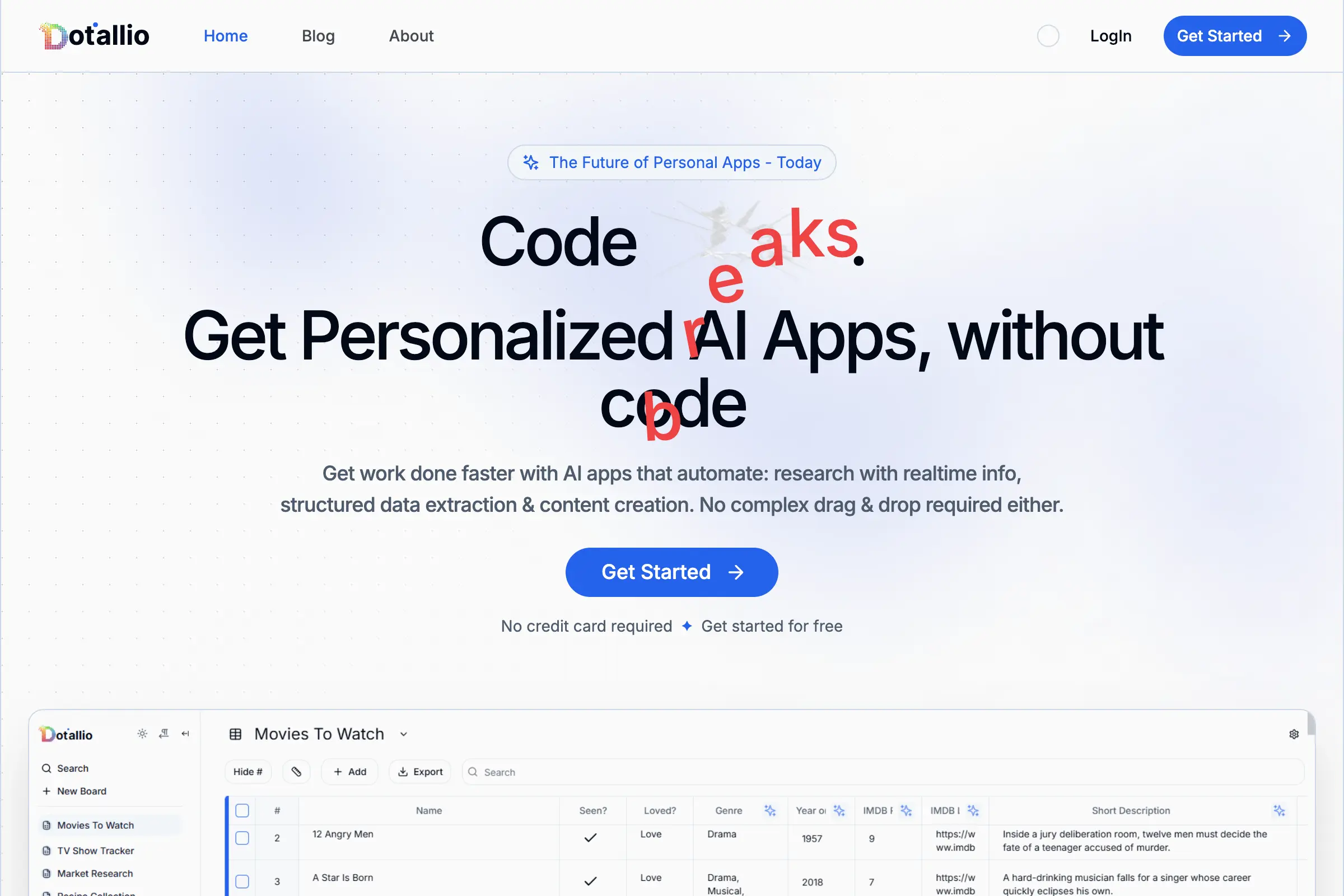
Dotallio
Personalized AI apps that automate research, data extraction, and content creation without code 🤖
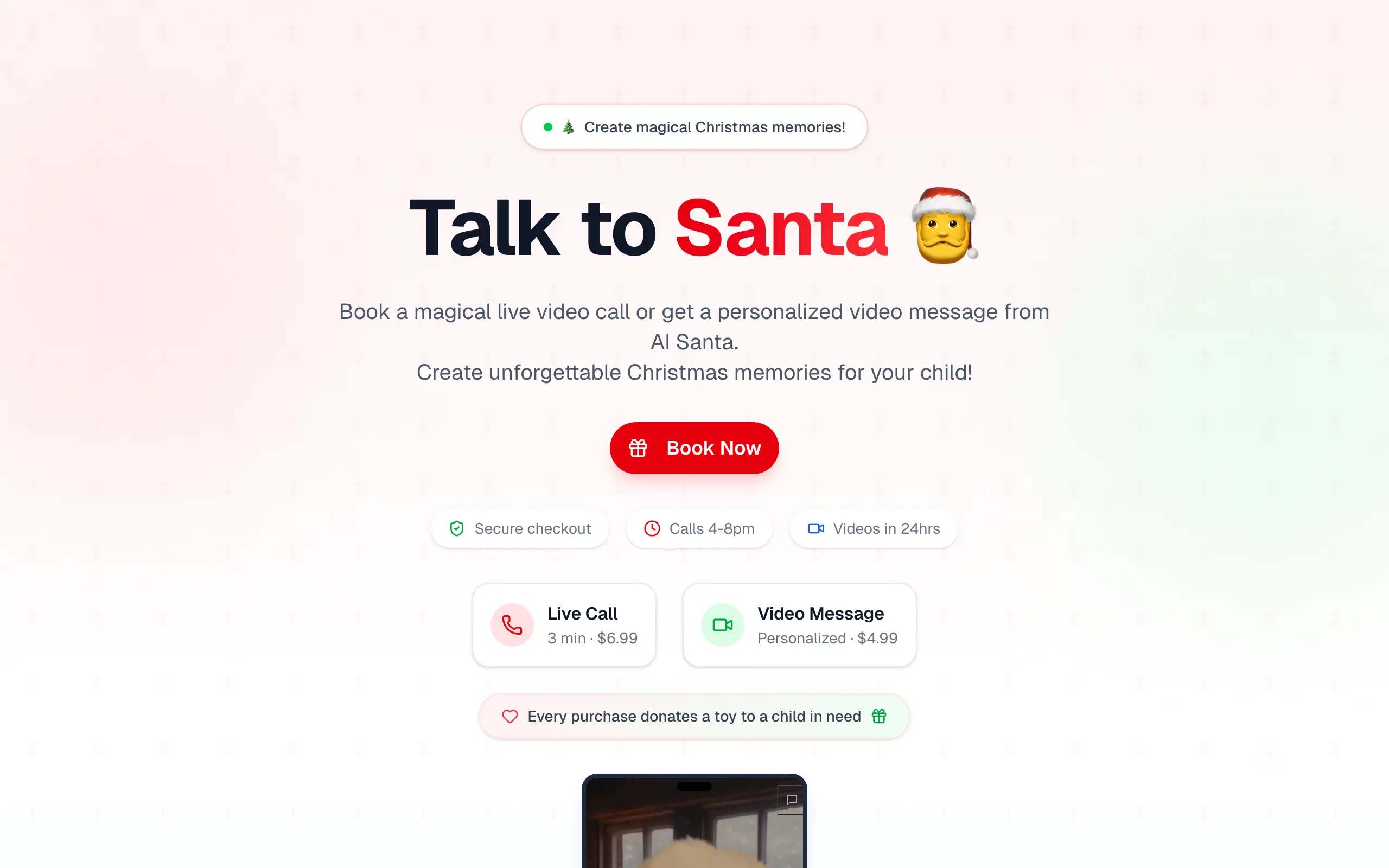
Talk to Santa
Enjoy a magical live video chat or receive a unique AI-generated video greeting from Santa Claus 🎅
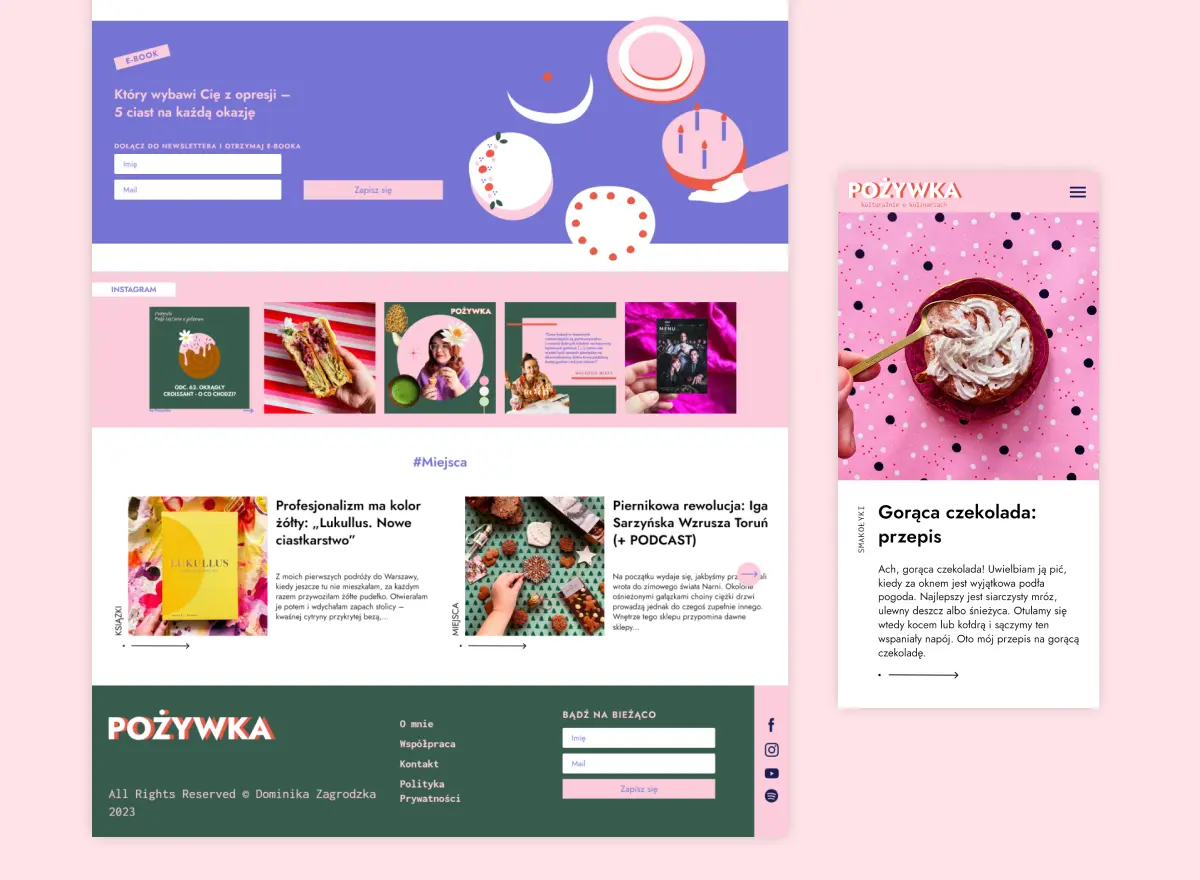
pozywka.pl
Scalable blog for food journalist, focused on performance and user experience 🌭
zagrodzki.me
Personal blog and portfolio of Bart Zagrodzki, where he shares his knowledge and work 💼
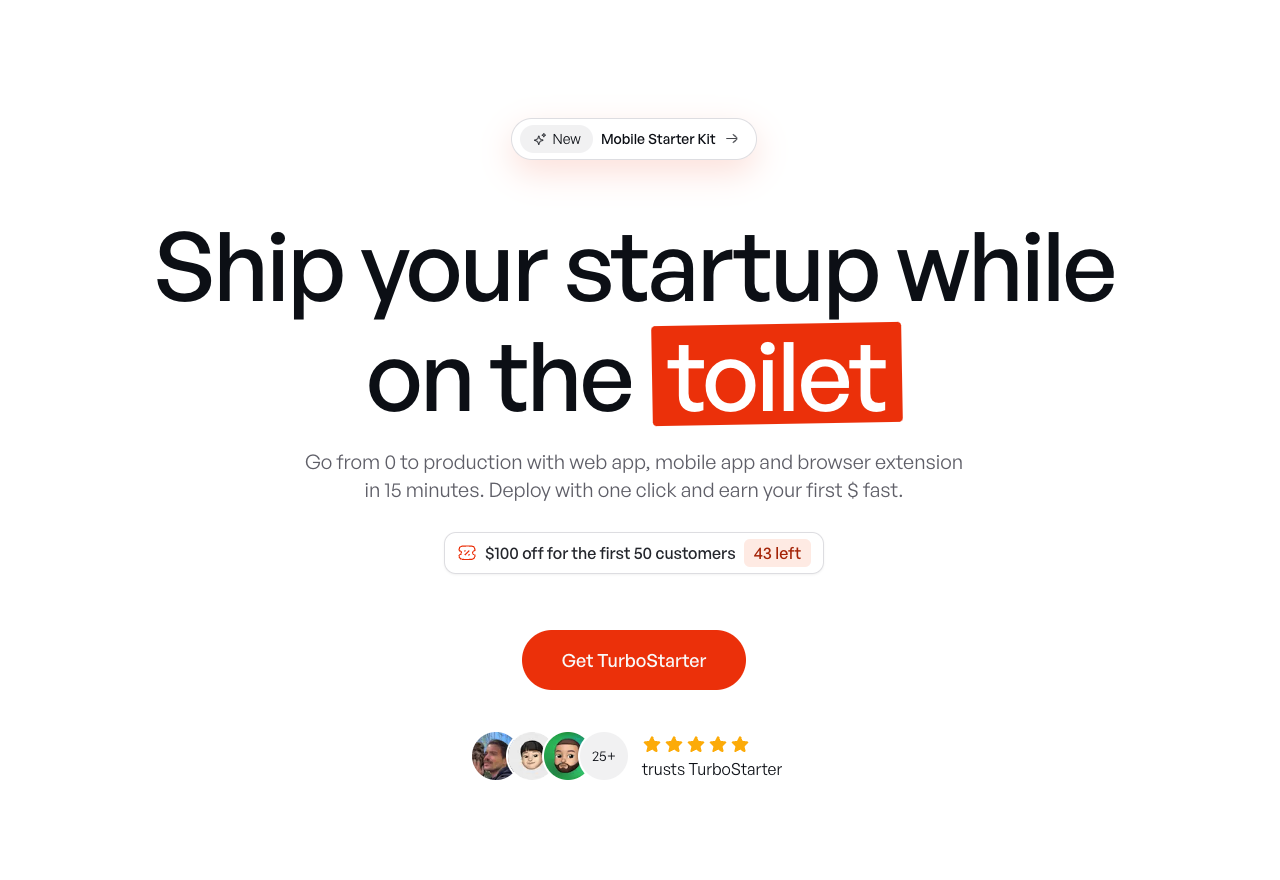
TurboStarter
Ship your startup everywhere. In minutes.
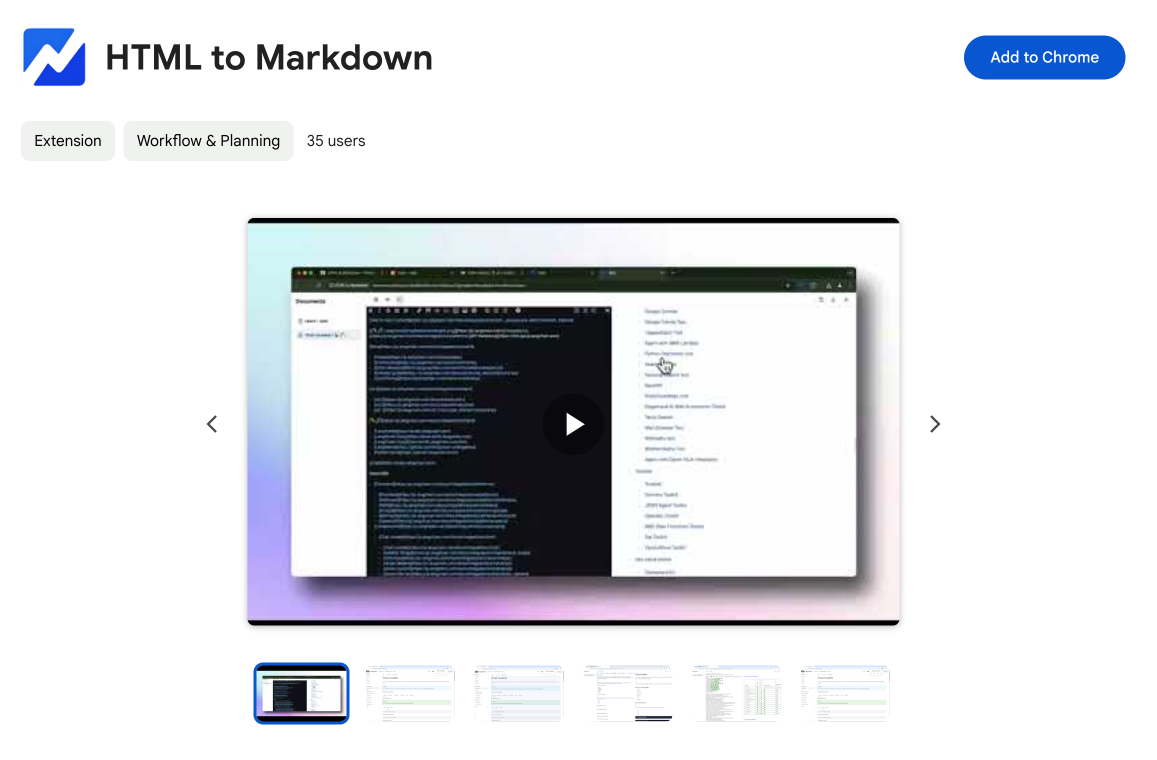
HTML to Markdown
Convert HTML to Markdown with ease, directly in your browser 📄
Dotallio
Personalized AI apps that automate research, data extraction, and content creation without code 🤖
Talk to Santa
Enjoy a magical live video chat or receive a unique AI-generated video greeting from Santa Claus 🎅
pozywka.pl
Scalable blog for food journalist, focused on performance and user experience 🌭
zagrodzki.me
Personal blog and portfolio of Bart Zagrodzki, where he shares his knowledge and work 💼
TurboStarter
Ship your startup everywhere. In minutes.
HTML to Markdown
Convert HTML to Markdown with ease, directly in your browser 📄
Dotallio
Personalized AI apps that automate research, data extraction, and content creation without code 🤖
Talk to Santa
Enjoy a magical live video chat or receive a unique AI-generated video greeting from Santa Claus 🎅
pozywka.pl
Scalable blog for food journalist, focused on performance and user experience 🌭
zagrodzki.me
Personal blog and portfolio of Bart Zagrodzki, where he shares his knowledge and work 💼
TurboStarter
Ship your startup everywhere. In minutes.
HTML to Markdown
Convert HTML to Markdown with ease, directly in your browser 📄
Dotallio
Personalized AI apps that automate research, data extraction, and content creation without code 🤖
Talk to Santa
Enjoy a magical live video chat or receive a unique AI-generated video greeting from Santa Claus 🎅
pozywka.pl
Scalable blog for food journalist, focused on performance and user experience 🌭
zagrodzki.me
Personal blog and portfolio of Bart Zagrodzki, where he shares his knowledge and work 💼
TurboStarter
Ship your startup everywhere. In minutes.
HTML to Markdown
Convert HTML to Markdown with ease, directly in your browser 📄
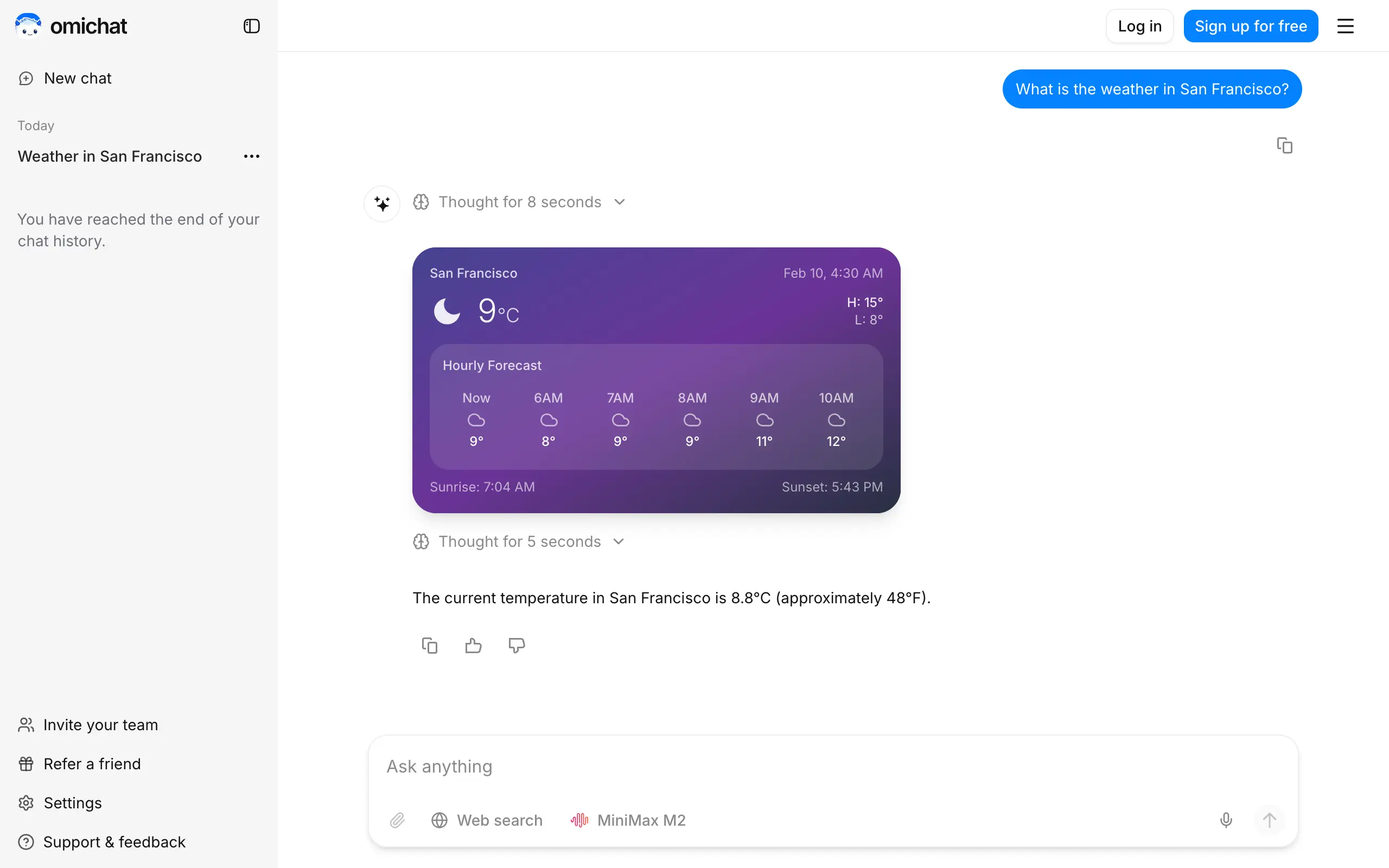
Omichat
Chat with 50+ AI models, including ChatGPT and Claude, in one place - switch models anytime without losing context 🤖
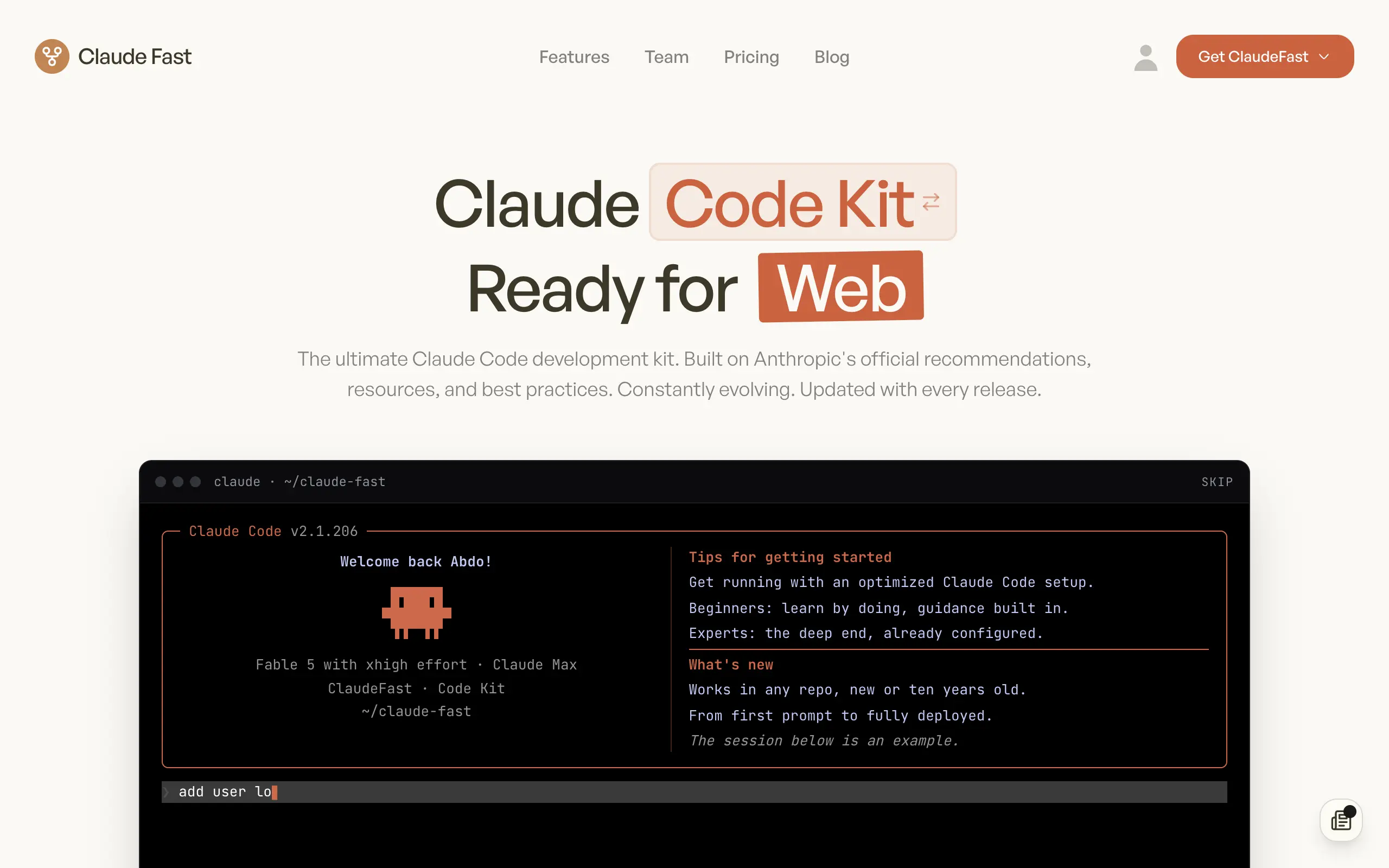
Claude Fast
Supercharge your Claude Code with 6x effective context window and specialized AI agents 🤖
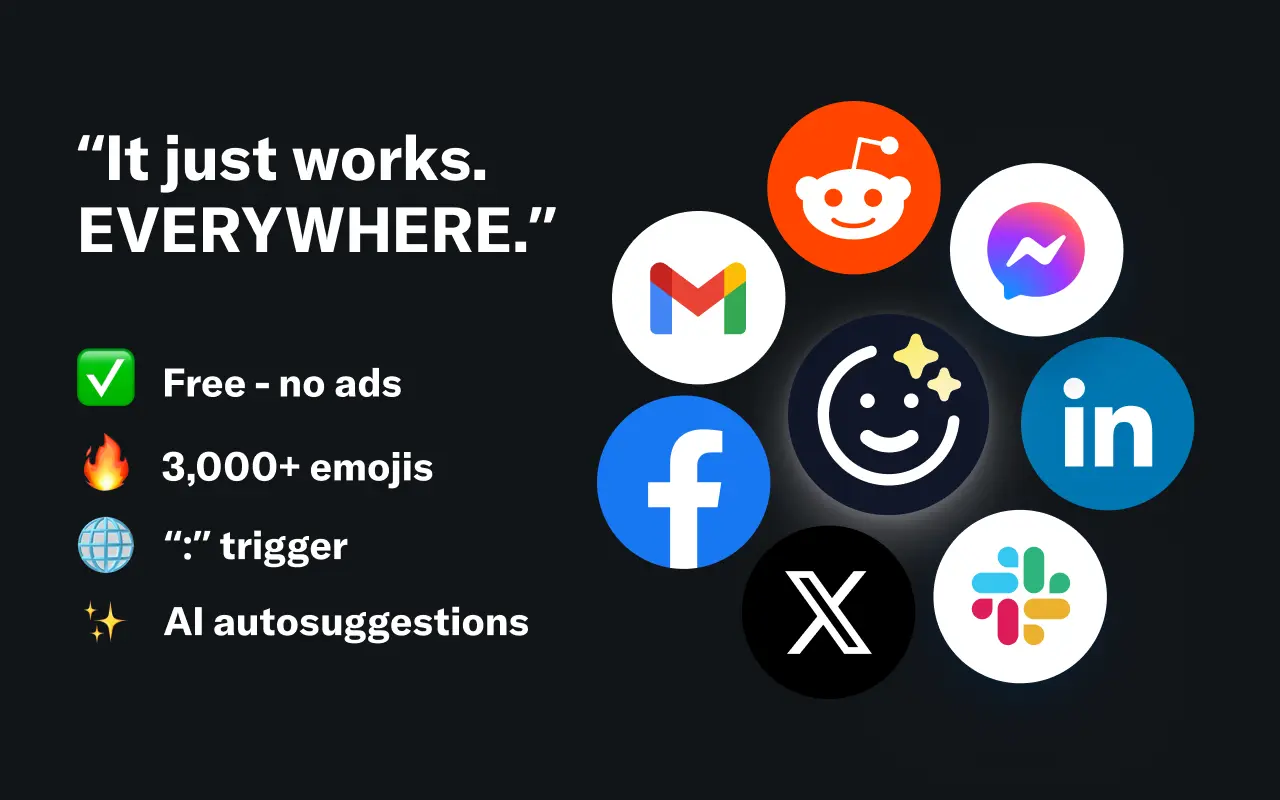
EmojAI
AI-powered emoji picker with smart, context-aware suggestions 🤖
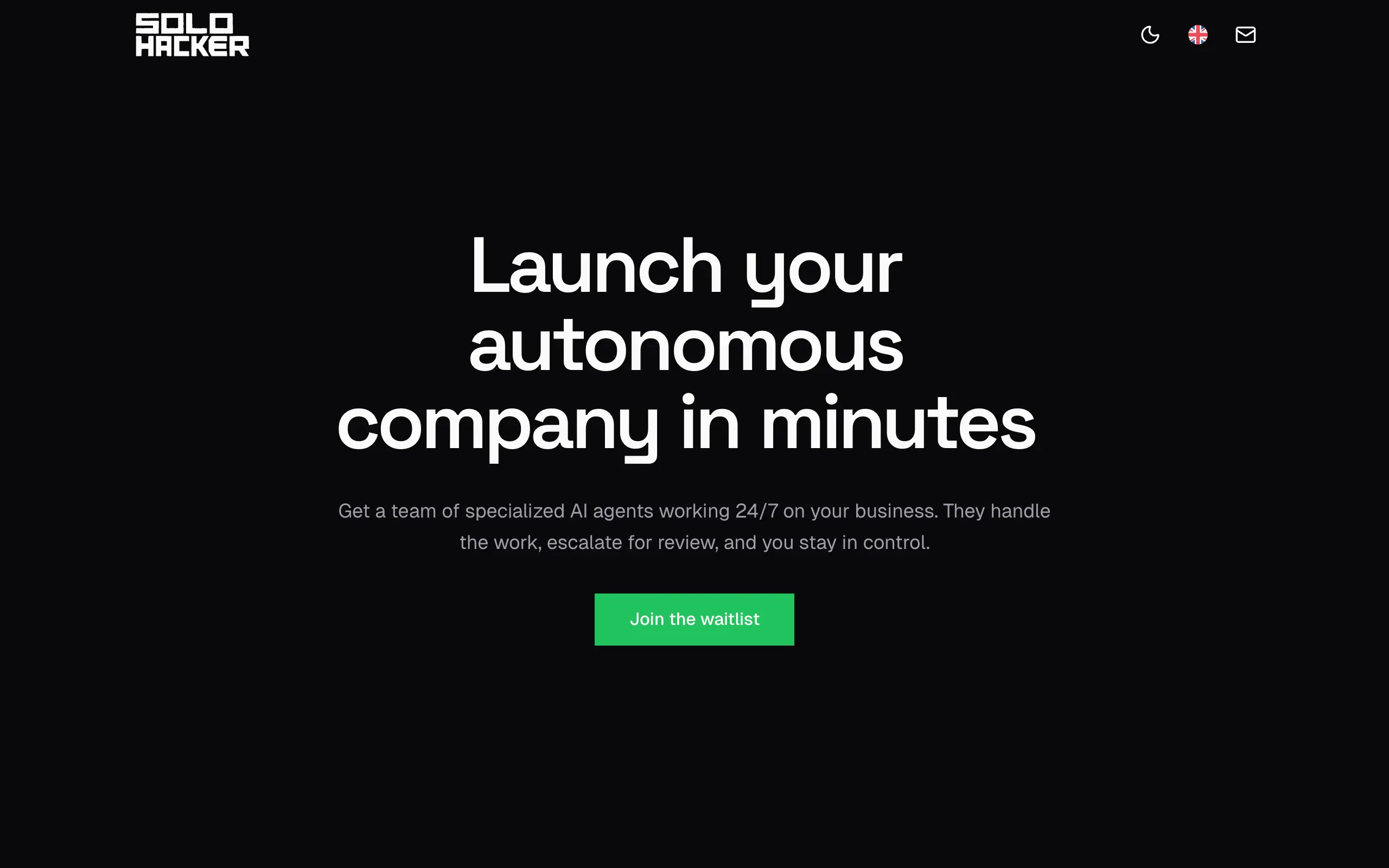
Solohacker
Autonomous company launcher - AI agents work 24/7, escalate what matters, and you stay in control 🤖
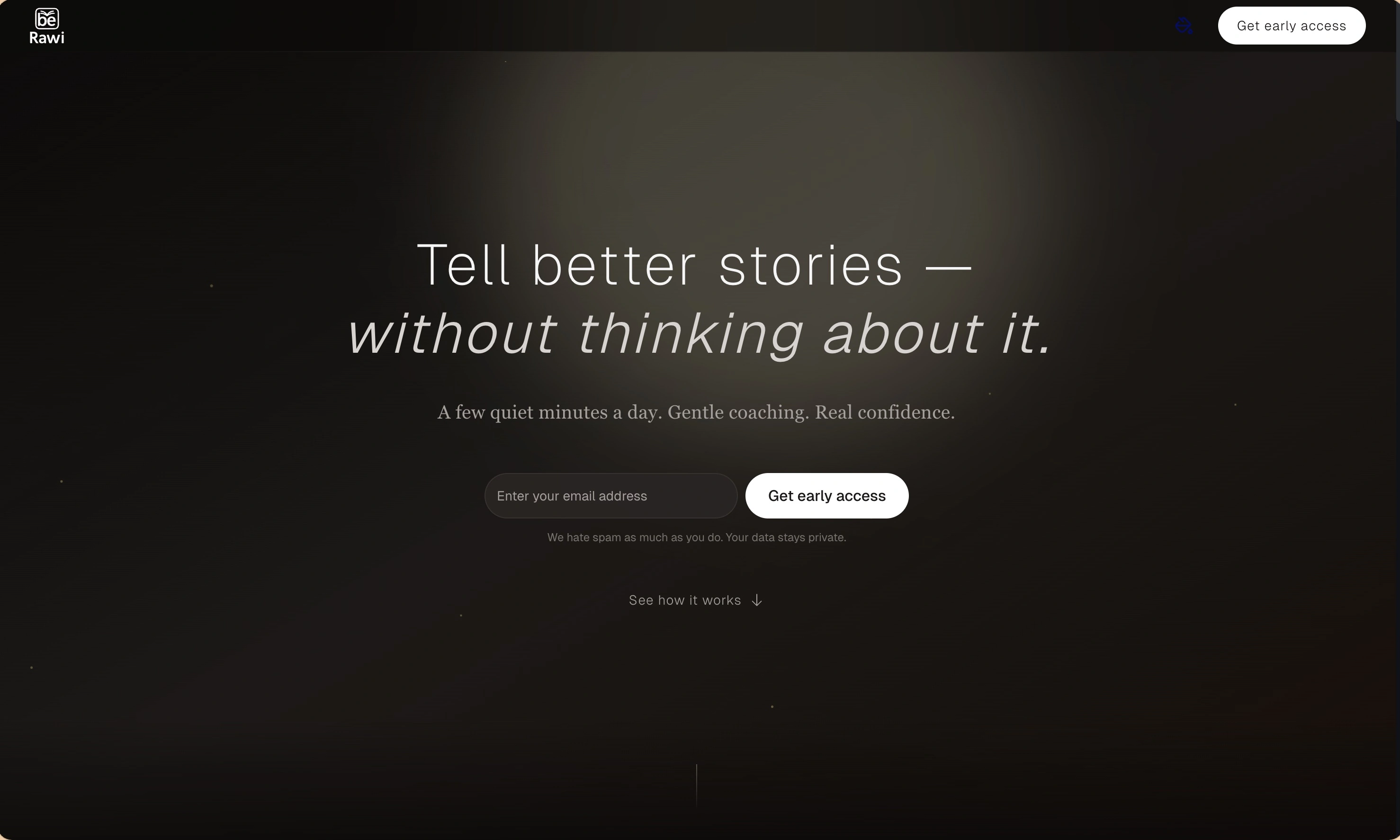
BeRawi: Storytelling Coach
Practice storytelling daily with instant feedback to sound clearer, more engaging, and confident 🎤
Omichat
Chat with 50+ AI models, including ChatGPT and Claude, in one place - switch models anytime without losing context 🤖
Claude Fast
Supercharge your Claude Code with 6x effective context window and specialized AI agents 🤖
EmojAI
AI-powered emoji picker with smart, context-aware suggestions 🤖
Solohacker
Autonomous company launcher - AI agents work 24/7, escalate what matters, and you stay in control 🤖
BeRawi: Storytelling Coach
Practice storytelling daily with instant feedback to sound clearer, more engaging, and confident 🎤
Omichat
Chat with 50+ AI models, including ChatGPT and Claude, in one place - switch models anytime without losing context 🤖
Claude Fast
Supercharge your Claude Code with 6x effective context window and specialized AI agents 🤖
EmojAI
AI-powered emoji picker with smart, context-aware suggestions 🤖
Solohacker
Autonomous company launcher - AI agents work 24/7, escalate what matters, and you stay in control 🤖
BeRawi: Storytelling Coach
Practice storytelling daily with instant feedback to sound clearer, more engaging, and confident 🎤
Omichat
Chat with 50+ AI models, including ChatGPT and Claude, in one place - switch models anytime without losing context 🤖
Claude Fast
Supercharge your Claude Code with 6x effective context window and specialized AI agents 🤖
EmojAI
AI-powered emoji picker with smart, context-aware suggestions 🤖
Solohacker
Autonomous company launcher - AI agents work 24/7, escalate what matters, and you stay in control 🤖
BeRawi: Storytelling Coach
Practice storytelling daily with instant feedback to sound clearer, more engaging, and confident 🎤

Connect with like-minded people
Join our community to get feedback, support, and grow together with 1,000+ builders on board, let's ship it!
Join usShip your startup everywhere. In minutes.
Don't burn tokens on setup and start building features on day one.