LeaseLedger
AI lease abstraction for commercial landlords that flags renewal dates, rent escalations, obligations, and missing compliance documents.
Why AI lease abstraction software is a growing commercial real estate opportunity
Commercial real estate teams manage critical financial and legal data inside documents that were not designed to function as databases. A single lease can contain dozens of clauses that affect revenue, risk, tenant relationships, accounting, and compliance. Across a portfolio, the operational burden quickly becomes substantial.
LeaseLedger is an AI lease abstraction platform for commercial landlords. It extracts, organizes, and monitors key lease information, including renewal dates, rent escalations, tenant obligations, notice periods, compliance requirements, and missing documentation.
The primary keyword for this product category is AI lease abstraction software. Related search terms include:
- Commercial lease abstraction
- Lease management software for landlords
- AI real estate document processing
- Commercial property lease tracking
- Rent escalation tracking software
- Lease renewal management
- Tenant obligation tracking
- Lease compliance document management
- Real estate AI automation
- Commercial lease administration software
The core opportunity is not simply “using AI to read leases.” The real value is creating a trustworthy operational system that turns unstructured lease documents into a reviewable, searchable, auditable source of truth.
For commercial landlords, asset managers, and lease administrators, missing a renewal deadline or incorrectly applying a rent escalation can create direct financial exposure. LeaseLedger can reduce that risk by continuously surfacing what needs attention before a date, obligation, or document gap becomes a costly problem.
The central product principle
AI should accelerate lease review, not replace legal judgment. LeaseLedger should clearly distinguish AI-extracted data from human-verified records, especially for high-impact financial and legal terms.
The target audience for AI lease abstraction software
A strong go-to-market strategy starts by recognizing that commercial real estate organizations have different lease workflows, risk profiles, and purchasing authority. LeaseLedger should focus first on users with frequent lease events, fragmented documents, and enough portfolio complexity to justify automation.
Mid-market commercial landlords
Mid-market landlords are often the best early customer segment. They may own office, retail, industrial, mixed-use, or medical properties, typically across multiple entities and locations.
These teams frequently rely on spreadsheets, shared drives, email threads, and institutional knowledge held by a small number of employees. Their lease data may be technically available, but it is not always accessible when a property manager or asset manager needs it.
Their most urgent needs include:
- Tracking critical dates across a portfolio
- Monitoring rent changes and escalation schedules
- Finding original lease language quickly
- Identifying missing certificates, insurance documents, or amendments
- Creating consistent lease abstracts for acquisitions and onboarding
- Reducing dependency on manual spreadsheets
- Preparing reliable reports for ownership groups and lenders
This segment is attractive because the pain is clear, implementation cycles can be shorter than enterprise procurement, and ROI can be tied directly to time savings and avoided revenue leakage.
Lease administrators and property managers
Lease administrators are often the daily users of commercial lease abstraction software. Their work involves reviewing documents, maintaining lease records, coordinating with tenants, and ensuring property teams act on important dates.
For this audience, LeaseLedger should feel less like a generic AI tool and more like an operational workspace. The most valuable experience is a dashboard that answers questions such as:
- Which lease options require action in the next 30, 60, or 90 days?
- Which rent escalations are scheduled this quarter?
- Which tenants have missing insurance certificates?
- Which leases contain unusual or incomplete clauses?
- Which extracted values still need reviewer approval?
- Where is the source clause supporting a particular record?
The platform should help administrators complete work faster while preserving the evidence needed to defend each decision.
Asset managers and portfolio executives
Asset managers need portfolio-level visibility rather than document-by-document review. They care about revenue, vacancy risk, lease expiry concentration, tenant exposure, and capital planning.
LeaseLedger can support this group with reporting that aggregates lease data into actionable portfolio intelligence. For example, an asset manager may want to identify:
- Revenue at risk from near-term expirations
- Upcoming lease renewals by property, tenant type, or region
- Escalation income expected over the next 12 months
- Compliance gaps that could create operational or liability risk
- Properties with incomplete lease files after an acquisition
- Leases containing early termination rights or co-tenancy provisions
This is a meaningful expansion path after solving the core abstraction and workflow problem.
Acquisitions, legal, and transaction teams
During acquisitions, refinancing, and portfolio transitions, teams often need to abstract large volumes of leases under tight deadlines. External consultants and legal professionals may handle parts of this work, but an internal AI-assisted workflow can improve speed, consistency, and visibility.
For transaction-focused users, LeaseLedger should emphasize:
- Bulk document intake
- Consistent abstraction templates
- Confidence scoring
- Review queues
- Exception reporting
- Exportable diligence summaries
- Full audit history
- Source-document links for every key field
The product should not present itself as legal advice. Instead, it should position itself as a structured document intelligence layer that makes professional review more efficient and traceable.
The market gap in commercial lease management
Traditional lease management software is valuable, but many systems assume that clean lease data already exists. That assumption creates a major gap.
Before landlords can manage lease data, someone must locate source documents, interpret clauses, normalize terms, identify amendments, and enter values into a structured system. This manual lease abstraction process is expensive, slow, and vulnerable to inconsistency.
At the same time, general-purpose AI document tools often struggle to meet real estate requirements. They may extract text but fail to preserve context, distinguish between original leases and amendments, capture conditional obligations, or present a defensible audit trail.
LeaseLedger can occupy the space between raw document storage and traditional lease administration platforms.
Document chaos
Lease records are commonly scattered across folders, email attachments, property systems, acquisition data rooms, and paper archives.
Manual abstraction burden
Reviewing lease clauses and updating spreadsheets consumes skilled operational time that could be spent on tenant and portfolio decisions.
Critical-date risk
Missed notice periods, renewal options, and rent escalations can cause avoidable financial or legal consequences.
Where existing workflows break down
The typical manual process looks simple on paper. A user receives a lease, reads it, enters key values into a spreadsheet, and sets calendar reminders. In practice, commercial leases contain amendments, exhibits, guaranties, side letters, renewal options, exceptions, and ambiguous phrasing.
The process breaks down in several ways:
-
Documents are incomplete or mislabeled. A folder may include a lease and two amendments, but not the document that modifies a renewal right.
-
Important clauses are conditional. A rent escalation may depend on an anniversary date, CPI calculation, construction completion date, or tenant exercise of an option.
-
Data is copied inconsistently. Different administrators may interpret, label, and calculate the same clause differently.
-
Calendar reminders lack document context. A reminder may say “renewal notice due,” but not show the exact clause, notice method, or relevant party.
-
Teams cannot easily prove the origin of a field. When someone asks why a date or obligation appears in the system, the answer should be one click away.
-
Amendments create silent errors. A prior abstract may remain in use even when an amendment supersedes a critical term.
AI lease abstraction software should solve these workflow failures rather than merely producing a one-time data extraction.
LeaseLedger’s unique value proposition
LeaseLedger’s USP is a human-verifiable AI lease abstraction workflow that transforms commercial lease documents into monitored financial, operational, and compliance actions.
The product should make it easy to move from a PDF to a reliable workflow without forcing teams to trust an opaque AI output.
A strong product promise could be:
Upload commercial lease documents, review AI-extracted terms with source evidence, and receive proactive alerts for lease dates, rent events, obligations, and missing compliance records.
This positioning combines automation with trust. It also avoids competing solely on extraction accuracy, which can be difficult to communicate and easy for competitors to claim.
What makes LeaseLedger different
LeaseLedger should differentiate through the operational depth of its workflow.
| Capability | Basic OCR tool | Generic AI chatbot | Traditional lease system | LeaseLedger opportunity |
|---|---|---|---|---|
| Extracts text from PDFs | ✅ | ✅ | Sometimes | ✅ |
| Understands lease-specific fields | ❌ | Inconsistent | ✅ | ✅ |
| Links every field to source evidence | ❌ | Sometimes | Varies | ✅ |
| Flags missing compliance documents | ❌ | ❌ | Sometimes | ✅ |
| Creates proactive event workflows | ❌ | ❌ | ✅ | ✅ |
The defensible advantage is not just a lease extraction model. It is the combination of:
- A commercial lease ontology
- Amendment-aware data handling
- Evidence-linked extracted fields
- Human review workflows
- Configurable alerting rules
- Compliance-document checklists
- Portfolio-level reporting
- Historical audit trails
- Integrations with existing landlord systems
Core features for a commercial lease abstraction platform
The first version of LeaseLedger should be opinionated. It does not need to automate every lease administration workflow on day one. It needs to reliably solve the highest-value tasks for a focused customer segment.
AI-powered lease document intake
The intake workflow begins when a user uploads one or more documents. LeaseLedger should support common formats such as searchable PDFs, scanned PDFs, Word documents, and image-based files where OCR is required.
The platform should classify incoming documents into categories such as:
- Original lease
- Lease amendment
- Renewal amendment
- Assignment and assumption agreement
- Guaranty
- Estoppel certificate
- Certificate of insurance
- Tenant financial statement
- Notice or correspondence
- Other supporting document
Document classification is important because the system must understand which files are primary lease documents, which modify terms, and which serve as supporting compliance records.
A useful intake screen should show:
- Document name and upload date
- Property and tenant association
- Document category
- OCR quality status
- Extraction status
- Version relationship
- Reviewer assignment
- Exceptions requiring attention
Lease abstraction field extraction
The AI lease abstraction engine should extract a carefully defined set of core fields. Start with fields that are broadly useful, reasonably structured, and tied to important workflows.
A practical MVP schema may include:
- Tenant legal entity name
- Landlord legal entity name
- Property name and address
- Suite or premises description
- Lease commencement date
- Lease expiration date
- Rent commencement date
- Base rent schedule
- Rent escalation dates and formulas
- Security deposit amount
- Renewal options
- Termination options
- Notice periods
- Permitted use
- Operating expense obligations
- Insurance requirements
- Maintenance responsibilities
- Assignment and subletting restrictions
- Guarantor information
- Exclusive-use provisions
- Co-tenancy provisions where applicable
- Amendment references
- Key document deficiencies
Each field should include a confidence level, a source-page reference, relevant clause text, and a review state.
Source-grounded review and verification
Trust is the central adoption barrier for AI lease management software. A landlord may accept AI assistance, but they cannot safely act on a date or payment term without understanding where it came from.
LeaseLedger should make source verification effortless. When a user clicks an extracted field, the system should open the relevant page and highlight the underlying language.
The review workflow can use clear states:
- Unreviewed for AI-generated fields that need human confirmation
- Verified for fields approved by an authorized reviewer
- Needs clarification for ambiguous clauses or poor source quality
- Overridden for values manually corrected by a user
- Superseded for values replaced by an amendment or later agreement
This design turns the product into an audit-ready workspace rather than an AI black box.
Critical-date and rent escalation monitoring
Once a lease is abstracted, LeaseLedger should continuously convert data into operational reminders.
The alerting system should cover:
- Lease expiration dates
- Renewal option deadlines
- Tenant notice deadlines
- Landlord notice deadlines
- Rent escalation effective dates
- Insurance certificate expiration dates
- Required reporting deadlines
- Maintenance or inspection obligations
- Termination windows
- Guaranty expiration dates
- Document review milestones
Alerts should be configurable by portfolio, property, lease type, and user role. A lease administrator may need a 120-day renewal alert, while an asset manager may only want a monthly summary of upcoming expirations.
A good workflow does more than send notifications. It assigns an owner, tracks the action status, stores notes, and maintains a record of what happened.
Compliance document gap detection
Missing lease-related documents are a common and expensive operational problem. For example, a tenant may be obligated to provide a certificate of insurance, but the property team cannot confirm whether it is current or stored in the right place.
LeaseLedger can create a compliance matrix from lease obligations and compare it against documents on file.
For each lease, the system can show:
- Required document type
- Requirement source clause
- Required frequency
- Current document status
- Expiration date, if applicable
- Assigned owner
- Follow-up status
- Escalation status
This feature is especially valuable because it changes lease abstraction from a passive data project into a recurring risk-management process.
Amendment-aware lease timelines
Commercial leases evolve. A system that treats each PDF independently will eventually create conflicting records.
LeaseLedger should build a chronological lease timeline that identifies which document introduced, revised, extended, or superseded a term. Users should be able to see both the current effective value and prior historical values.
For example, a renewal amendment may extend the expiration date, change the base rent schedule, and modify a tenant improvement obligation. The platform should preserve the original terms while clearly marking the active terms.
This is an advanced feature, but it can become a significant competitive advantage because amendment reconciliation is one of the most time-consuming parts of commercial lease administration.
Recommended technology stack for LeaseLedger
A reliable AI lease abstraction product needs more than an LLM API. The architecture must support secure documents, structured data, asynchronous processing, source citations, permissions, and traceable human review.
Product application and user interface
For the web application, a modern TypeScript stack provides speed without sacrificing maintainability.
Recommended technologies include:
- React for component-driven interfaces
- Next.js for application routing, server rendering, and full-stack development
- TypeScript for safer domain models and API contracts
- Tailwind CSS for fast, consistent interface styling
- PostgreSQL for relational lease, property, tenant, and workflow data
- Prisma for typed database access and migration management
Lease data is highly relational. A tenant can have multiple leases, a lease can have multiple documents, documents can contain multiple extracted terms, and each term can have multiple revisions or review events. PostgreSQL is a strong fit because it handles these relationships, transactional updates, permissions, and reporting queries well.
Document storage and processing
Lease documents should be stored separately from application metadata in encrypted object storage. Common cloud options include Amazon S3, Google Cloud Storage, or Azure Blob Storage.
The processing pipeline should include:
- Secure upload and malware scanning
- File normalization and page splitting
- OCR for scanned documents
- Document classification
- Text chunking with page-level metadata
- Field extraction using structured outputs
- Validation rules and confidence scoring
- Human review queue creation
- Search indexing and retrieval preparation
- Alert and workflow generation
Do not treat OCR output as lease truth
Scanned documents can contain recognition errors, especially around dates, dollar amounts, tables, signatures, and handwritten annotations. LeaseLedger should retain the original source file and always show users the source page.
AI extraction architecture
The AI layer should use a hybrid approach rather than relying on one large prompt.
A mature pipeline may combine:
- OCR and layout detection
- Deterministic pattern matching for dates, currency, and section numbers
- Structured LLM extraction for clause interpretation
- Retrieval-augmented generation for user questions
- Rule-based validation for lease terms
- Human-in-the-loop review for material fields
For example, a lease expiration date may be extracted from an explicit “Expiration Date” clause, calculated from a term clause, or altered by an amendment. The platform should not simply select the first date it finds. It should rank evidence, reconcile conflicting terms, and ask for review when confidence is low.
A structured extraction response can look like this:
type ExtractedLeaseField = {
  fieldName: string;
  value: string | number | boolean | null;
  confidence: number;
  sourceDocumentId: string;
  sourcePage: number;
  sourceExcerpt: string;
  status: "unreviewed" | "verified" | "needs_clarification";
};

const expirationDate: ExtractedLeaseField = {
  fieldName: "lease_expiration_date",
  value: "2031-06-30",
  confidence: 0.91,
  sourceDocumentId: "doc_lease_amendment_02",
  sourcePage: 4,
  sourceExcerpt: "The Expiration Date is hereby extended through June 30, 2031.",
  status: "unreviewed",
};
The trade-off is clear. A fully autonomous approach may appear faster, but it will create trust problems when the source material is complex. A reviewable, evidence-based system is more operationally credible and better suited to commercial real estate.
Security, privacy, and access controls
Commercial lease data can include confidential financial terms, personally identifiable information, banking details, guarantees, and sensitive tenant information. Security is not a future feature. It is a purchasing requirement.
LeaseLedger should prioritize:
- Encryption in transit and at rest
- Tenant-level data isolation
- Role-based access control
- Single sign-on for larger customers
- Audit logs for document access and field edits
- Retention and deletion controls
- Signed URLs for controlled document access
- Vendor due diligence documentation
- Secure AI data-handling policies
- Backup and disaster recovery procedures
For enterprise readiness, plan toward a documented security program and independent controls validation such as SOC 2. The exact compliance roadmap depends on the target customer, but a clear security posture should be present from the earliest sales conversations.
Monetization strategies for LeaseLedger
The best pricing model should align with how landlords experience value. LeaseLedger creates value through documents processed, leases monitored, workflow automation, and portfolio visibility.
A hybrid subscription model is likely the strongest fit.
Portfolio-based SaaS pricing
Landlords understand portfolio units such as properties, square footage, and active leases. Pricing by active lease is intuitive because it scales with the number of obligations and dates being managed.
Potential pricing structure:
- Starter plan for smaller portfolios with a limited number of active leases
- Growth plan for mid-market landlords with workflow automation and team access
- Portfolio plan for larger organizations needing custom permissions, integrations, and reporting
- Enterprise plan with SSO, dedicated onboarding, custom data retention, and contractual security requirements
An active-lease pricing model should include reasonable document-processing limits. Otherwise, a customer could upload a large acquisition data room without the pricing reflecting the associated AI and review workload.
Usage-based document processing
A document-processing fee can work well for acquisition diligence, historical lease migration, and bulk onboarding. Customers may accept a per-document or per-page fee when the value is tied to a time-sensitive project.
This model is especially useful for:
- Portfolio acquisitions
- Initial data migration
- Lease audit projects
- Third-party property management transitions
- Refinancing diligence
- Legal and consulting partners
The risk is revenue unpredictability. For that reason, usage-based processing works best as an onboarding fee or add-on to recurring software revenue.
Premium workflow and integration add-ons
LeaseLedger can offer higher-value add-ons for customers with more mature operations:
- Accounting system integrations
- Property management software integrations
- Custom compliance templates
- Advanced portfolio reporting
- Automated tenant communication workflows
- Dedicated implementation services
- Data migration assistance
- API access
- Custom retention policies
- White-glove lease review support through qualified partners
The key is to avoid making core trust features, such as source citations and audit logs, feel like expensive upgrades. Those features should be foundational to the product.
Competitive advantage in the lease management software market
LeaseLedger will encounter competition from traditional real estate software vendors, document management platforms, legal technology tools, consultants, and emerging AI products.
The competitive strategy should focus on owning a specific workflow rather than claiming to replace every system a landlord uses.
Competing against spreadsheets and manual processes
Spreadsheets are the most common competitor because they are familiar, flexible, and inexpensive. However, they create hidden costs through manual entry, version confusion, missing source evidence, inconsistent alerts, and limited collaboration.
LeaseLedger should win against spreadsheets by showing concrete operational improvements:
- Faster creation of initial lease abstracts
- A single source of truth for current lease terms
- Clickable source evidence for every key field
- Automated deadline and escalation monitoring
- Clear ownership for unresolved items
- Better visibility across properties and teams
- Less reliance on one employee’s personal tracking system
Competing against traditional lease administration platforms
Established lease administration systems may have strong workflow depth, reporting, and integrations. Their weakness may be the effort required to enter and maintain accurate source data.
LeaseLedger can be positioned as:
- A stand-alone AI lease abstraction solution for organizations without a large system
- A data-ingestion layer for existing lease administration platforms
- A portfolio audit tool that identifies missing or outdated records
- A faster way to abstract leases during onboarding, acquisitions, and transitions
This positioning creates partnership opportunities instead of forcing an all-or-nothing replacement sale.
Competing against generic AI tools
Generic AI assistants can summarize a lease, but they are not designed to manage long-lived lease obligations across a portfolio. They typically lack controlled permissions, field schemas, document versioning, source-grounded workflows, and recurring alerting.
LeaseLedger’s advantage is domain-specific reliability. It should know that “renewal option,” “notice period,” “base rent,” “CAM,” “tenant improvement allowance,” and “certificate of insurance” are not just phrases. They are structured operational concepts with deadlines, dependencies, and financial implications.
Risks and mitigation strategies
Building AI lease abstraction software involves meaningful legal, technical, operational, and commercial risks. Addressing these directly improves product design and buyer trust.
Mitigate this with source citations, confidence scores, mandatory review for material fields, configurable approval workflows, and clear disclaimers that the platform does not provide legal advice.
Use document relationships, effective-date timelines, supersession logic, and an exception queue for conflicting terms that require human review.
Support OCR quality checks, document completeness flags, manual correction workflows, and a process for requesting clearer files from the customer.
Build role-based permissions, audit logs, encryption, security documentation, and a roadmap toward enterprise controls before pursuing highly regulated accounts.
Start with critical dates, rent escalations, renewal options, obligations, and compliance document gaps before expanding into full accounting or property management functionality.
Legal and trust considerations
LeaseLedger should be careful with language in its product, marketing, and contracts. The software can extract and organize information, but it should not imply that it provides legal interpretation or replaces review by qualified counsel.
A strong approach includes:
- Clear limitations in user-facing terms
- Mandatory review workflows for high-impact terms
- Source excerpts beside extracted data
- Audit records showing AI output and user edits
- Configurable internal approval requirements
- Documented data retention policies
- A clear escalation process for ambiguous clauses
For particularly complex scenarios, LeaseLedger can support collaboration with legal counsel or lease abstraction specialists rather than trying to automate judgment that requires professional interpretation.
A practical MVP roadmap for LeaseLedger
The right MVP is not the smallest possible demo. It is the smallest product that delivers a trustworthy workflow for a real commercial landlord.
Phase one: establish the trusted lease record
The first release should focus on document upload, extraction, review, and essential alerts.
Success in this phase should be measured by more than extraction accuracy. Track:
- Time from upload to reviewed abstract
- Percentage of critical fields verified
- Number of deadlines surfaced before action is required
- Number of compliance gaps identified
- Weekly active users among lease administrators
- Number of spreadsheets or manual trackers replaced
- Customer confidence in source-linked outputs
Phase two: improve operational automation
Once customers trust the data, expand into action management and richer document intelligence.
Priority additions may include:
- Amendment reconciliation
- Custom lease abstraction templates
- Task assignment and escalation workflows
- Bulk portfolio upload
- Advanced reporting
- Tenant and property record enrichment
- Saved searches
- Lease clause comparison
- Compliance checklists by property type
- Scheduled management reports
Phase three: become the portfolio intelligence layer
The longer-term opportunity is to become a decision-support platform for lease-driven portfolio management.
Potential capabilities include:
- Renewal risk scoring
- Revenue forecasting from rent schedules
- Expiration concentration analysis
- Scenario modeling for renewals and vacancies
- Integration with property accounting platforms
- Lease data APIs for business intelligence tools
- Benchmarking across portfolio segments
- Acquisition diligence workspaces
- Automated issue summaries for asset management meetings
How to validate LeaseLedger before building extensively
Before investing deeply in complex AI and integrations, validate the workflow with real documents and real users.
Recruit five to ten design partners that match the initial customer profile. Ideal partners own enough leases to experience recurring administrative pain but can still provide direct feedback quickly.
Ask each design partner for a limited, representative document set. Include original leases, amendments, scanned files, expired certificates, and documents with inconsistent naming. This will reveal the product’s true complexity far better than clean sample documents.
During validation, test questions such as:
- Which lease fields do teams review most often?
- Which dates have caused the most operational pain?
- What documents are most frequently missing?
- Who needs to approve extracted lease data?
- What systems already hold related property or tenant data?
- What reporting is currently built manually?
- What would make users distrust AI output?
- Which alerts would be valuable enough to change behavior?
A practical design-partner offer can include discounted pricing, hands-on onboarding, and influence over the roadmap in exchange for feedback and permission to measure outcomes.
For development teams that want to launch a polished SaaS foundation quickly, TurboStarter can reduce time spent assembling common application infrastructure so more effort goes into the lease abstraction workflow, document intelligence, and customer-specific integrations.
Final implementation priorities for AI lease abstraction software
LeaseLedger has a credible opportunity because commercial lease data remains fragmented, operationally important, and expensive to maintain manually. The winning product will not be the one that promises perfect automation. It will be the one that helps landlords make faster, safer decisions with clear evidence.
Focus implementation on these priorities:
- Build a reliable commercial lease data model before adding broad AI features.
- Make every extracted field traceable to its source document and page.
- Require or encourage human verification for financially and legally material terms.
- Solve high-frequency workflows first, especially renewals, rent escalations, obligations, and missing compliance documents.
- Treat amendments as first-class records rather than attachments.
- Design alerts as assignable work, not just passive notifications.
- Protect customer data with enterprise-minded security from the beginning.
- Position LeaseLedger as a trusted lease intelligence layer that can complement existing systems.
- Use design partners to test extraction quality against real-world lease complexity.
- Expand into portfolio analytics only after users trust the underlying lease record.
By combining AI extraction with source-grounded verification and operational workflow management, LeaseLedger can become more than commercial lease abstraction software. It can become the system landlords use to understand what every lease requires, what actions are coming next, and where portfolio risk is quietly building.
More 🤖 AI Startup SaaS ideas
Discover more innovative ai startup SaaS ideas that are trending in 2026. Each idea is AI-generated with market validation and growth potential to help you find your next profitable venture faster than competitors.
Your competitors are building with TurboStarter
Below are some of the SaaS ideas that have been generated and built with our starter kit.
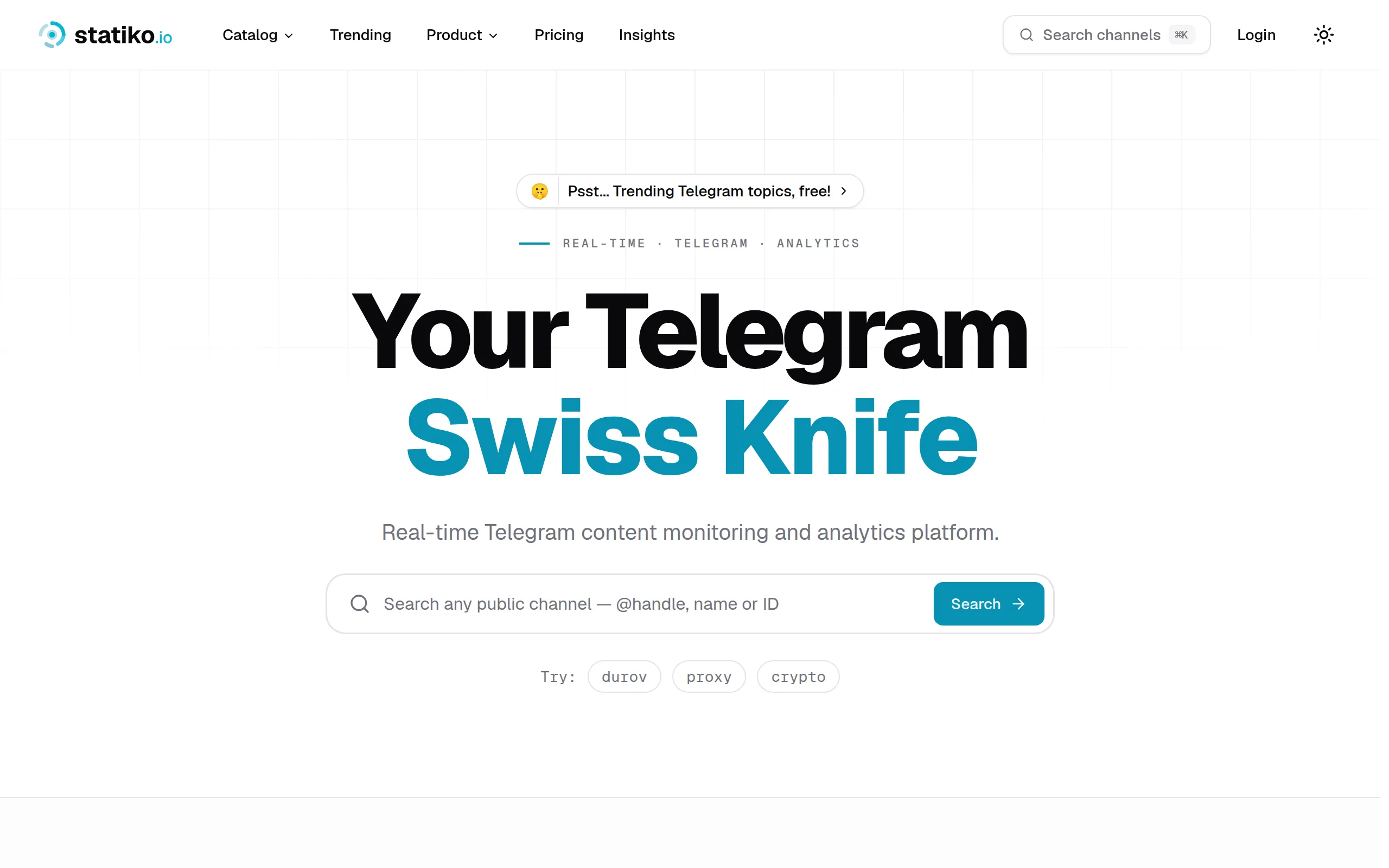
Statiko
Monitor any Telegram channel in real time - track posts, edits, deletions, and growth with AI recaps 📡

Shibui
AI website builder - describe your business, pick a niche template, edit by chatting, and publish instantly ✨

Pro Service
Find verified home service professionals, compare quotes, and pay securely through escrow - built for Brazilians across the US 🏠
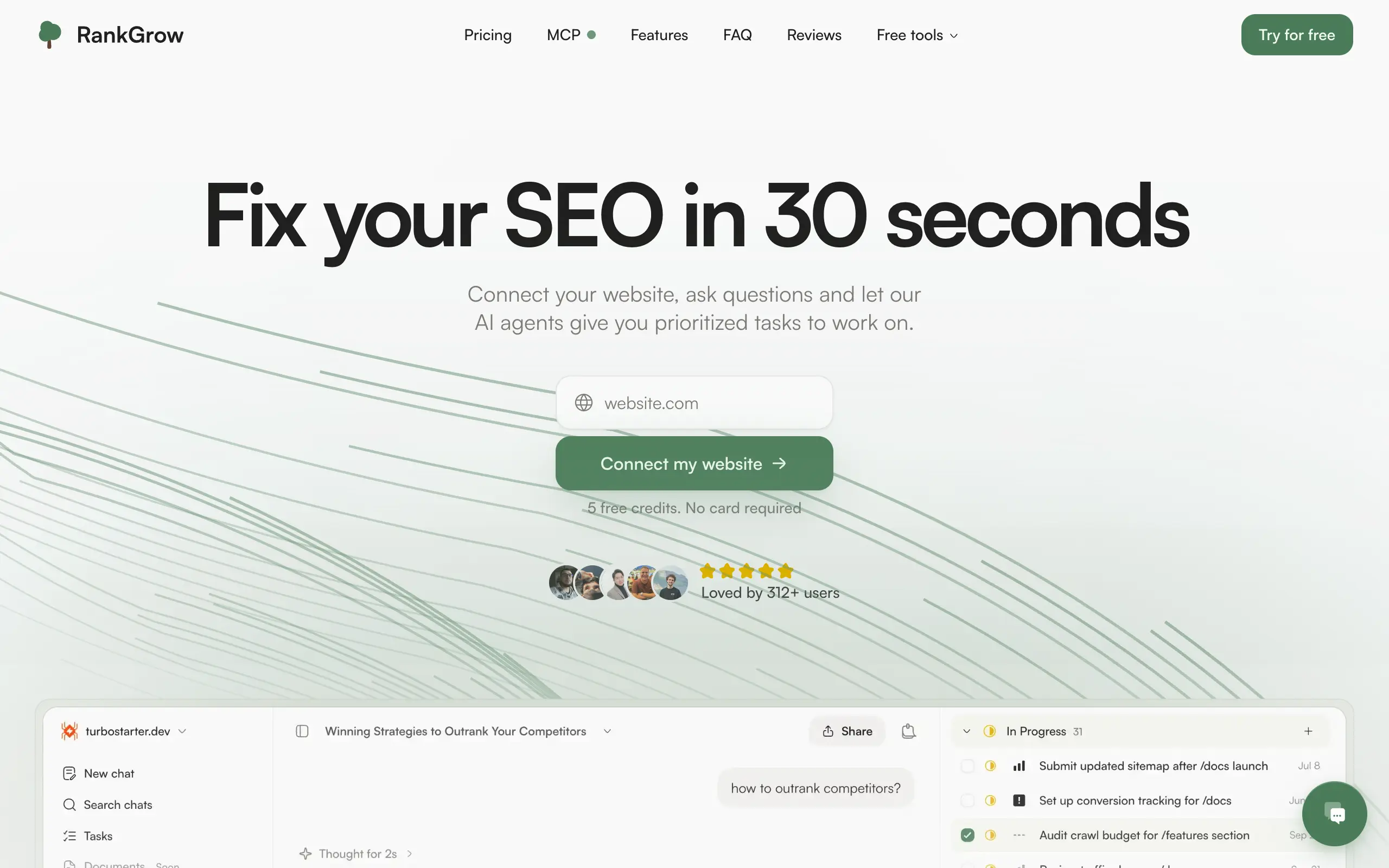
RankGrow
Fix your SEO with AI agents - connect Search Console, get prioritized tasks, and grow organic traffic 📈
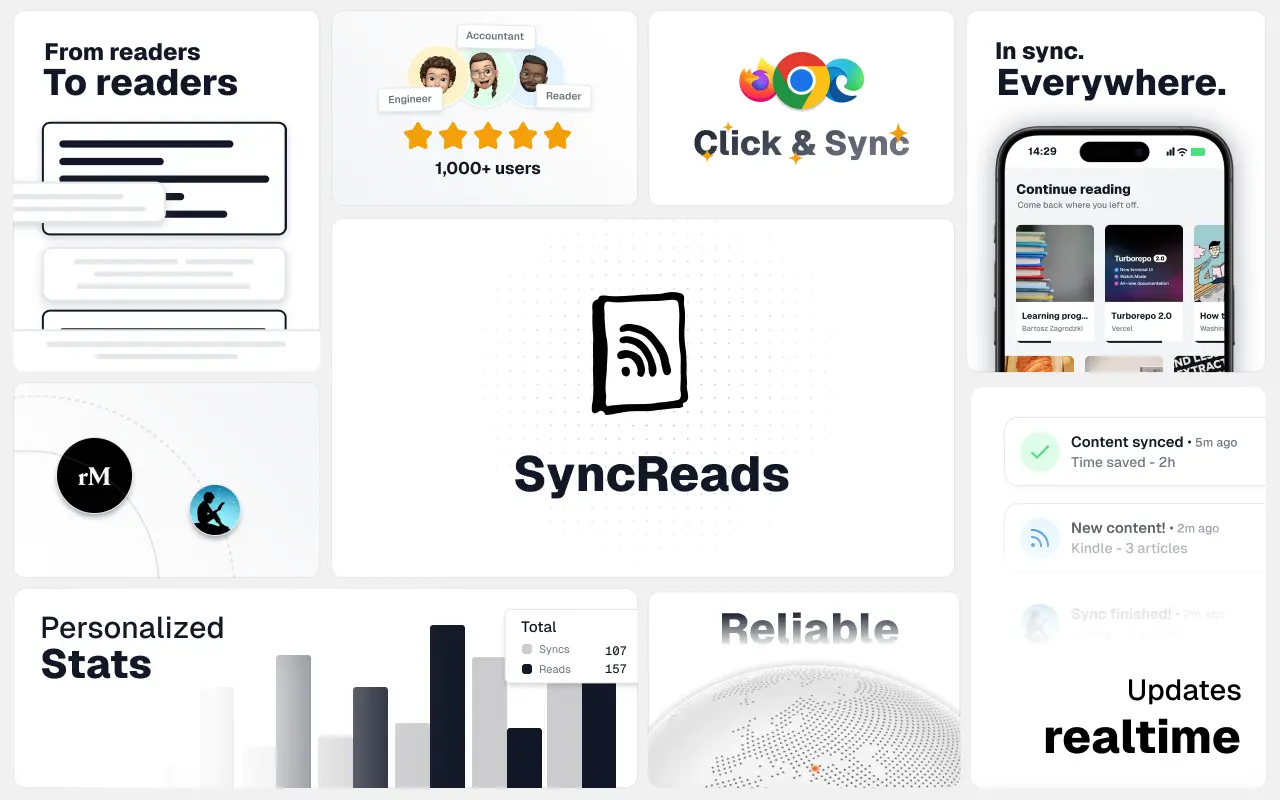
SyncReads
Sync your favorite content for distraction-free reading, save time and replace multiple apps. Anytime, anywhere 🔄
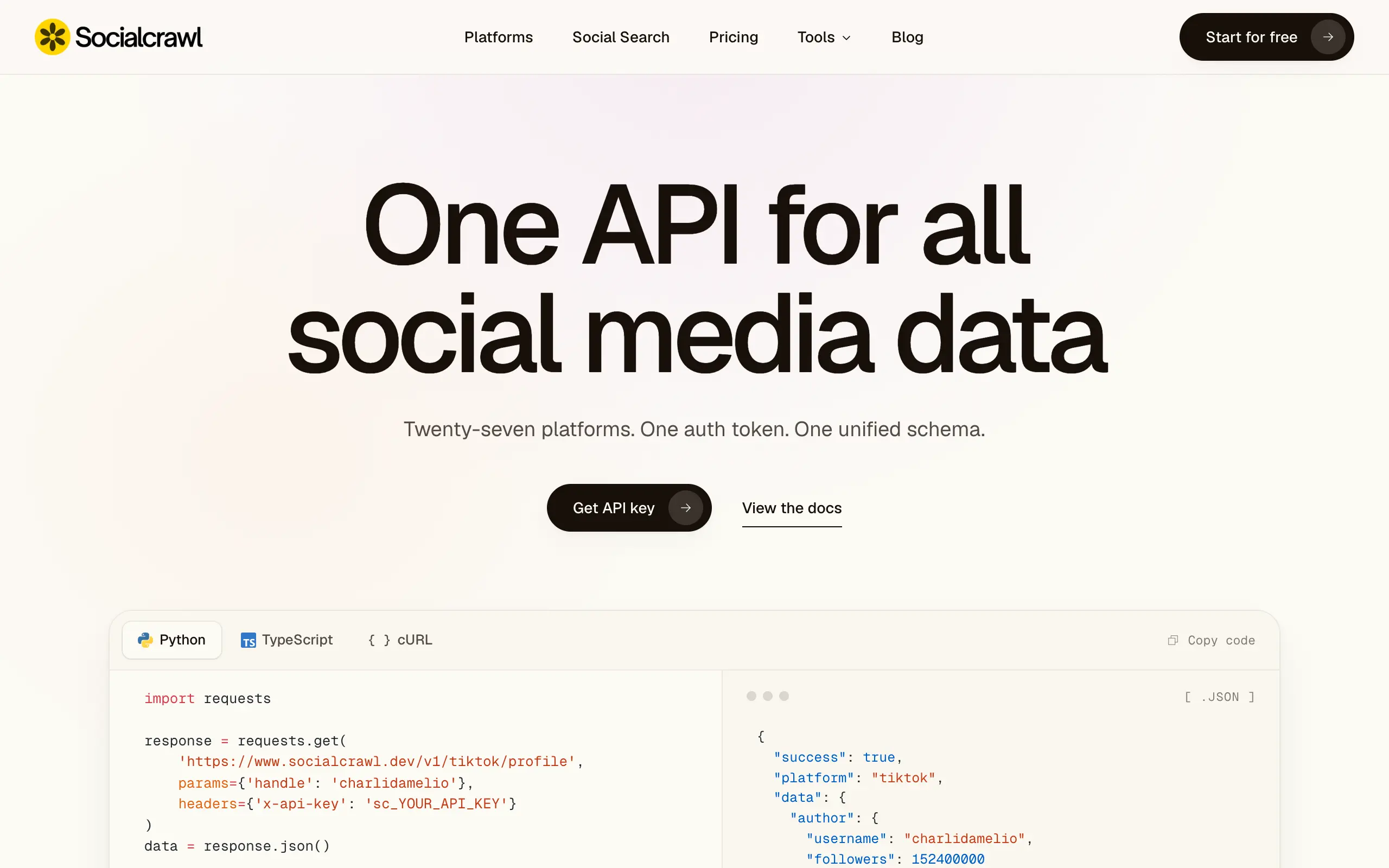
Socialcrawl
Get clean, structured data from 21 platforms like TikTok, Instagram, and YouTube with a single request 📊
Statiko
Monitor any Telegram channel in real time - track posts, edits, deletions, and growth with AI recaps 📡
Shibui
AI website builder - describe your business, pick a niche template, edit by chatting, and publish instantly ✨
Pro Service
Find verified home service professionals, compare quotes, and pay securely through escrow - built for Brazilians across the US 🏠
RankGrow
Fix your SEO with AI agents - connect Search Console, get prioritized tasks, and grow organic traffic 📈
SyncReads
Sync your favorite content for distraction-free reading, save time and replace multiple apps. Anytime, anywhere 🔄
Socialcrawl
Get clean, structured data from 21 platforms like TikTok, Instagram, and YouTube with a single request 📊
Statiko
Monitor any Telegram channel in real time - track posts, edits, deletions, and growth with AI recaps 📡
Shibui
AI website builder - describe your business, pick a niche template, edit by chatting, and publish instantly ✨
Pro Service
Find verified home service professionals, compare quotes, and pay securely through escrow - built for Brazilians across the US 🏠
RankGrow
Fix your SEO with AI agents - connect Search Console, get prioritized tasks, and grow organic traffic 📈
SyncReads
Sync your favorite content for distraction-free reading, save time and replace multiple apps. Anytime, anywhere 🔄
Socialcrawl
Get clean, structured data from 21 platforms like TikTok, Instagram, and YouTube with a single request 📊
Statiko
Monitor any Telegram channel in real time - track posts, edits, deletions, and growth with AI recaps 📡
Shibui
AI website builder - describe your business, pick a niche template, edit by chatting, and publish instantly ✨
Pro Service
Find verified home service professionals, compare quotes, and pay securely through escrow - built for Brazilians across the US 🏠
RankGrow
Fix your SEO with AI agents - connect Search Console, get prioritized tasks, and grow organic traffic 📈
SyncReads
Sync your favorite content for distraction-free reading, save time and replace multiple apps. Anytime, anywhere 🔄
Socialcrawl
Get clean, structured data from 21 platforms like TikTok, Instagram, and YouTube with a single request 📊
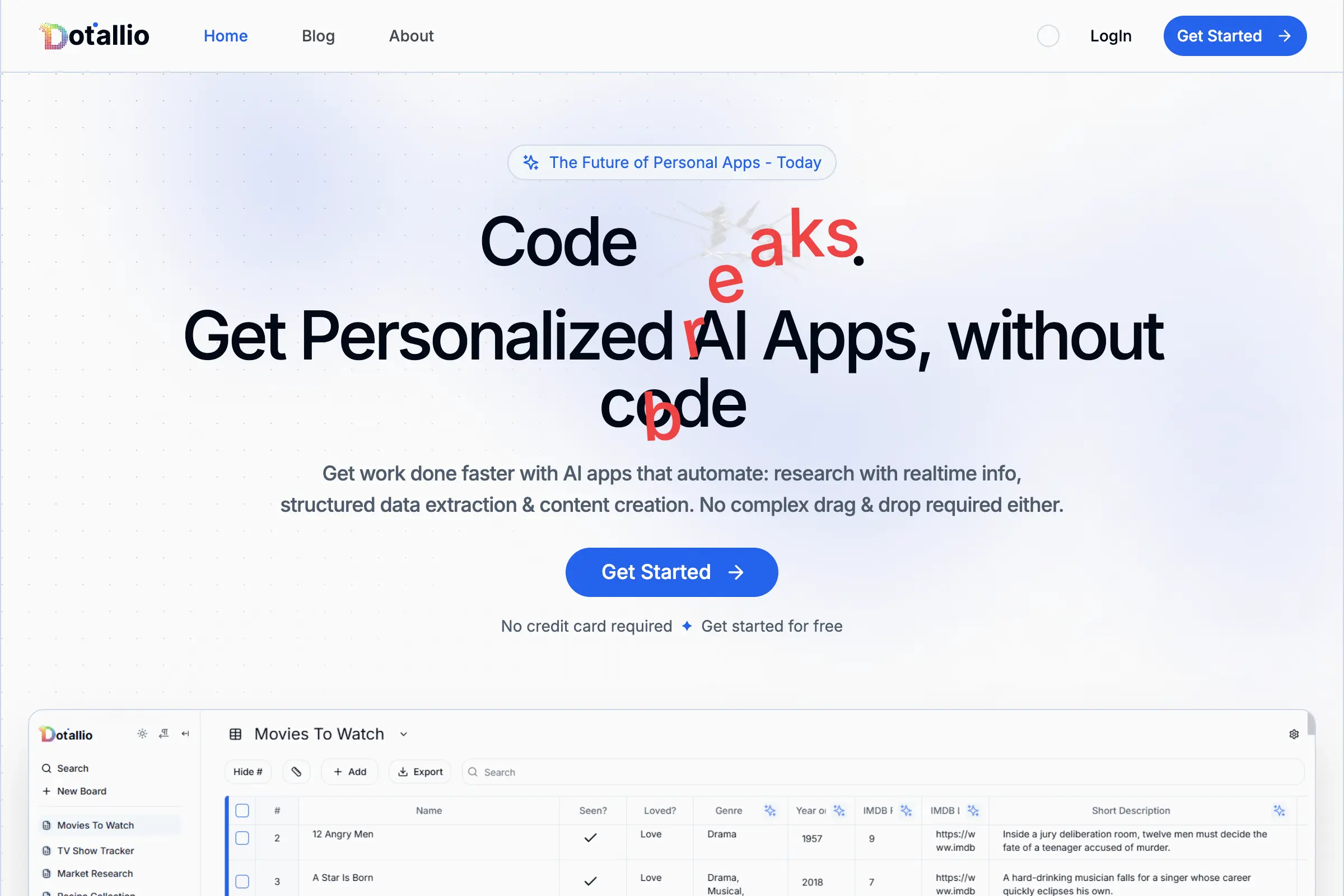
Dotallio
Personalized AI apps that automate research, data extraction, and content creation without code 🤖

Talk to Santa
Enjoy a magical live video chat or receive a unique AI-generated video greeting from Santa Claus 🎅

pozywka.pl
Scalable blog for food journalist, focused on performance and user experience 🌭
zagrodzki.me
Personal blog and portfolio of Bart Zagrodzki, where he shares his knowledge and work 💼

TurboStarter
Ship your startup everywhere. In minutes.
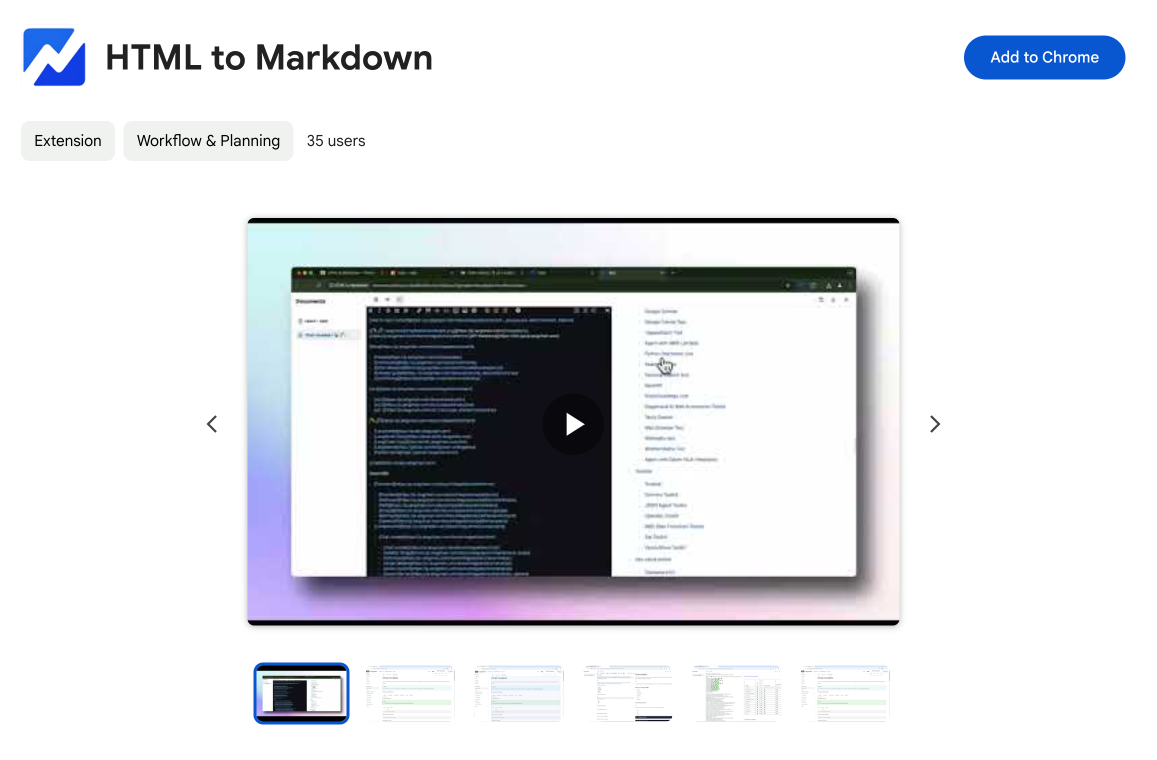
HTML to Markdown
Convert HTML to Markdown with ease, directly in your browser 📄
Dotallio
Personalized AI apps that automate research, data extraction, and content creation without code 🤖
Talk to Santa
Enjoy a magical live video chat or receive a unique AI-generated video greeting from Santa Claus 🎅
pozywka.pl
Scalable blog for food journalist, focused on performance and user experience 🌭
zagrodzki.me
Personal blog and portfolio of Bart Zagrodzki, where he shares his knowledge and work 💼
TurboStarter
Ship your startup everywhere. In minutes.
HTML to Markdown
Convert HTML to Markdown with ease, directly in your browser 📄
Dotallio
Personalized AI apps that automate research, data extraction, and content creation without code 🤖
Talk to Santa
Enjoy a magical live video chat or receive a unique AI-generated video greeting from Santa Claus 🎅
pozywka.pl
Scalable blog for food journalist, focused on performance and user experience 🌭
zagrodzki.me
Personal blog and portfolio of Bart Zagrodzki, where he shares his knowledge and work 💼
TurboStarter
Ship your startup everywhere. In minutes.
HTML to Markdown
Convert HTML to Markdown with ease, directly in your browser 📄
Dotallio
Personalized AI apps that automate research, data extraction, and content creation without code 🤖
Talk to Santa
Enjoy a magical live video chat or receive a unique AI-generated video greeting from Santa Claus 🎅
pozywka.pl
Scalable blog for food journalist, focused on performance and user experience 🌭
zagrodzki.me
Personal blog and portfolio of Bart Zagrodzki, where he shares his knowledge and work 💼
TurboStarter
Ship your startup everywhere. In minutes.
HTML to Markdown
Convert HTML to Markdown with ease, directly in your browser 📄
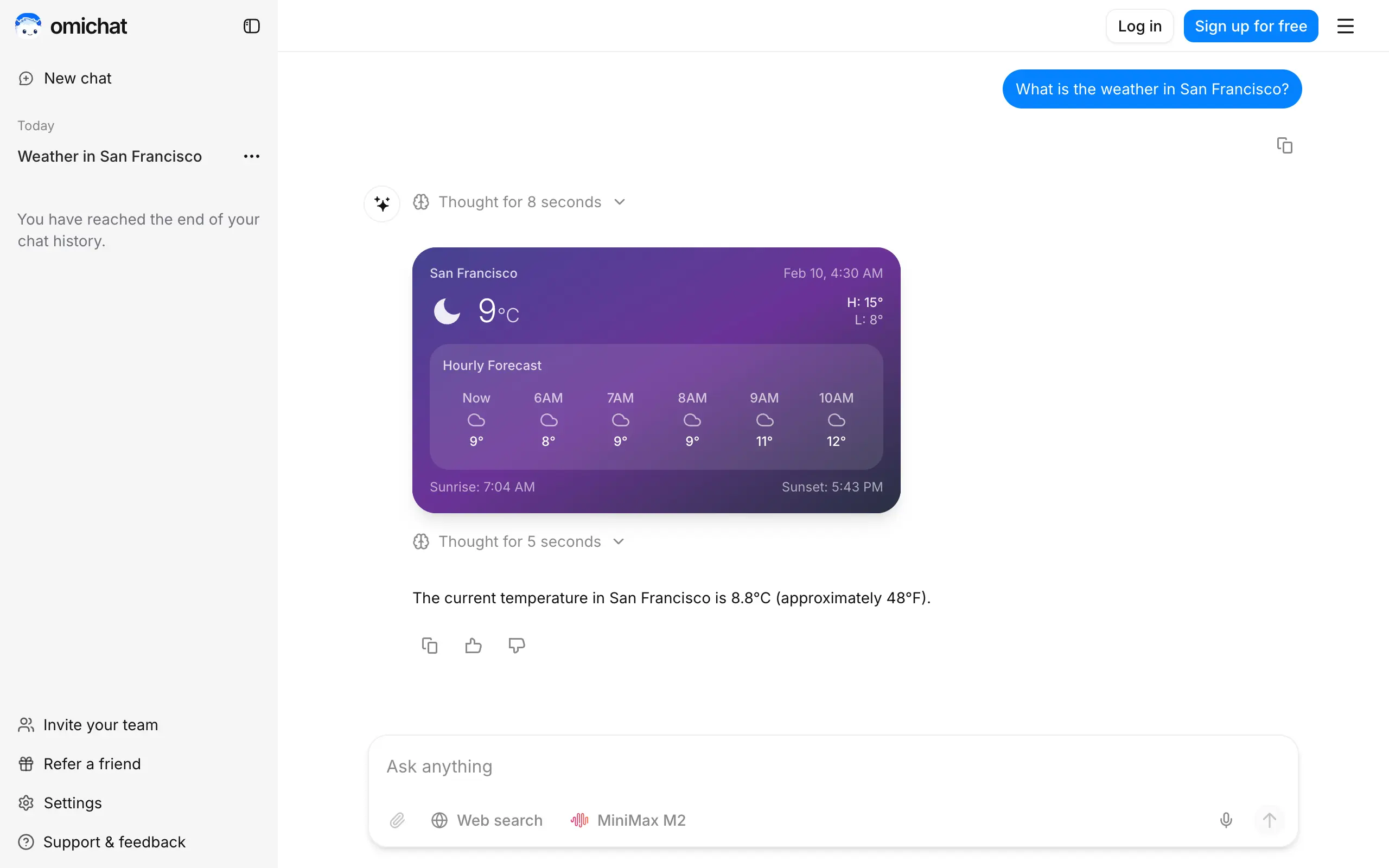
Omichat
Chat with 50+ AI models, including ChatGPT and Claude, in one place - switch models anytime without losing context 🤖
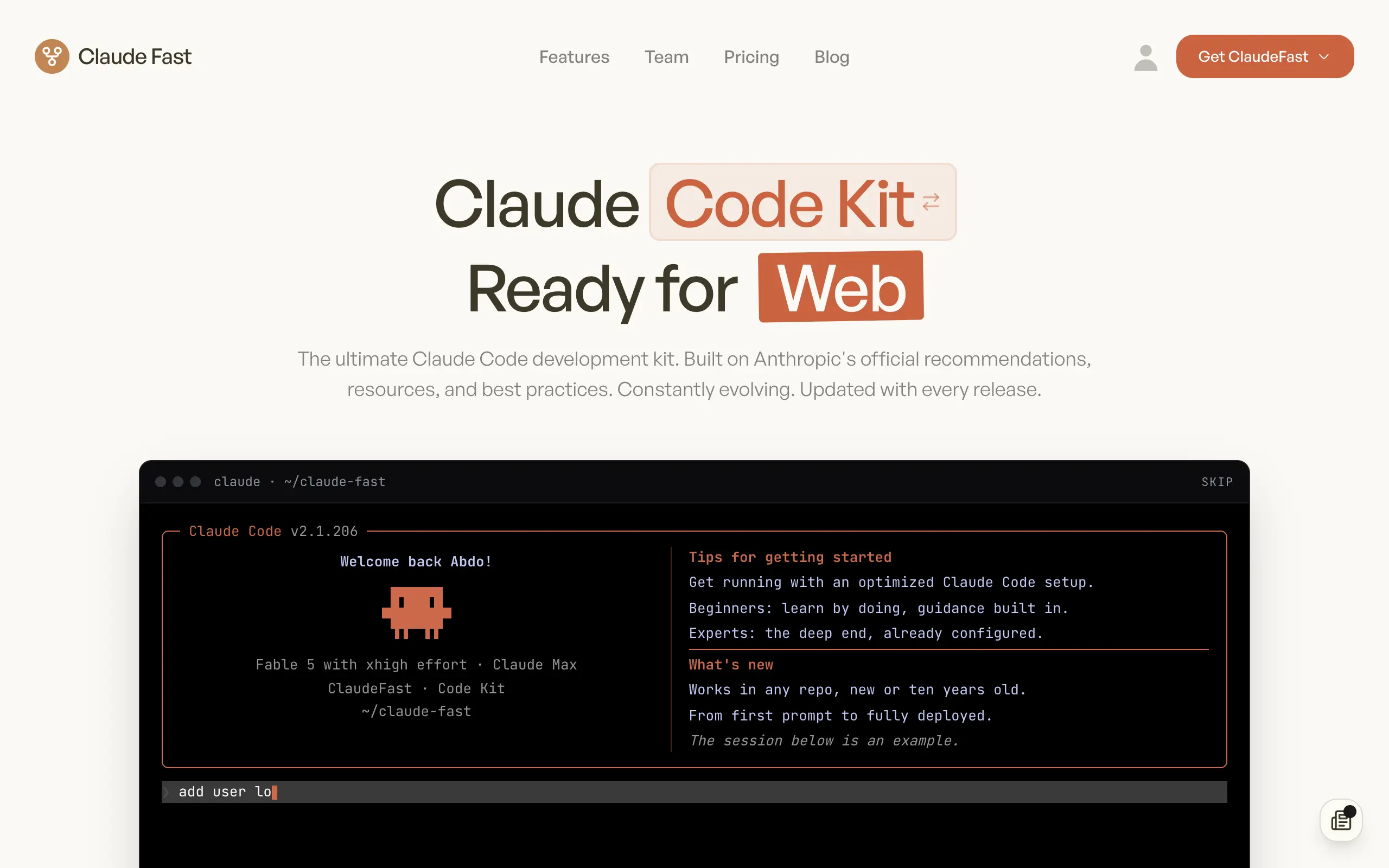
Claude Fast
Supercharge your Claude Code with 6x effective context window and specialized AI agents 🤖

EmojAI
AI-powered emoji picker with smart, context-aware suggestions 🤖
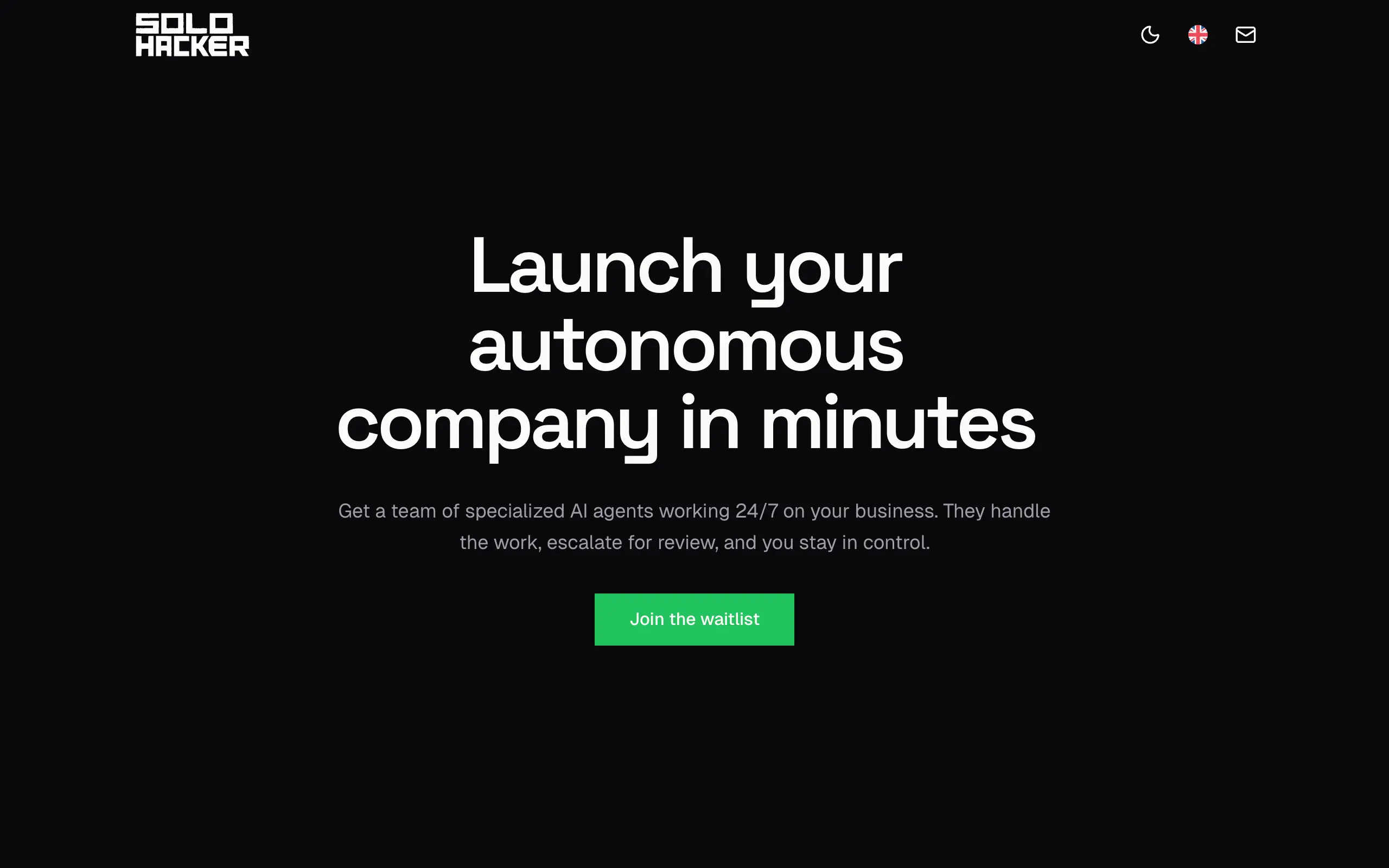
Solohacker
Autonomous company launcher - AI agents work 24/7, escalate what matters, and you stay in control 🤖

BeRawi: Storytelling Coach
Practice storytelling daily with instant feedback to sound clearer, more engaging, and confident 🎤
Omichat
Chat with 50+ AI models, including ChatGPT and Claude, in one place - switch models anytime without losing context 🤖
Claude Fast
Supercharge your Claude Code with 6x effective context window and specialized AI agents 🤖
EmojAI
AI-powered emoji picker with smart, context-aware suggestions 🤖
Solohacker
Autonomous company launcher - AI agents work 24/7, escalate what matters, and you stay in control 🤖
BeRawi: Storytelling Coach
Practice storytelling daily with instant feedback to sound clearer, more engaging, and confident 🎤
Omichat
Chat with 50+ AI models, including ChatGPT and Claude, in one place - switch models anytime without losing context 🤖
Claude Fast
Supercharge your Claude Code with 6x effective context window and specialized AI agents 🤖
EmojAI
AI-powered emoji picker with smart, context-aware suggestions 🤖
Solohacker
Autonomous company launcher - AI agents work 24/7, escalate what matters, and you stay in control 🤖
BeRawi: Storytelling Coach
Practice storytelling daily with instant feedback to sound clearer, more engaging, and confident 🎤
Omichat
Chat with 50+ AI models, including ChatGPT and Claude, in one place - switch models anytime without losing context 🤖
Claude Fast
Supercharge your Claude Code with 6x effective context window and specialized AI agents 🤖
EmojAI
AI-powered emoji picker with smart, context-aware suggestions 🤖
Solohacker
Autonomous company launcher - AI agents work 24/7, escalate what matters, and you stay in control 🤖
BeRawi: Storytelling Coach
Practice storytelling daily with instant feedback to sound clearer, more engaging, and confident 🎤

Connect with like-minded people
Join our community to get feedback, support, and grow together with 1,000+ builders on board, let's ship it!
Join usShip your startup everywhere. In minutes.
Don't burn tokens on setup and start building features on day one.