LectureLens
Upload lecture slides or recordings and get instant summaries, flashcards, likely exam questions, and concept explanations tailored to your course.
The future of AI lecture summarization: turning slides and recordings into exam-ready insights
University students today are overwhelmed with information. A single semester can include:
- Hundreds of lecture slides
- Dozens of hours of recorded classes
- Dense textbooks and supplementary readings
- Multiple midterms, finals, quizzes, and projects
Most students don’t struggle because they lack intelligence. They struggle because they lack structured, efficient processing of lecture content.
An AI-powered lecture summarization tool like LectureLens addresses this core pain point. By allowing students to upload lecture slides or recordings and instantly receive:
- Clear summaries
- Flashcards
- Likely exam questions
- Concept explanations tailored to their course
LectureLens positions itself at the intersection of AI education technology, productivity SaaS, and exam preparation platforms.
This article provides a comprehensive breakdown of:
- Target audience and user intent
- Market opportunity in AI-powered education tools
- Core features and technical implementation
- Recommended tech stack (with trade-offs)
- Monetization strategy
- Competitive analysis
- Risks and mitigation
- Actionable implementation roadmap
Understanding user intent: what students actually want
Before building an AI lecture summarization SaaS, it’s critical to understand search and usage intent.
Students searching for:
- “AI summarize lecture slides”
- “turn lecture recording into notes”
- “generate flashcards from lecture”
- “AI exam question generator”
- “summarize PDF lecture notes”
are typically looking for:
- Time savings
- Exam-focused content
- Clarity on difficult concepts
- Organized revision material
- Confidence before tests
They are not looking for generic summaries. They want course-aware, exam-oriented, personalized outputs.
Primary user segments
1. University students (undergraduate)
- Large lecture courses (100–500 students)
- STEM, business, medicine, law, social sciences
- Heavy reliance on slides and recorded lectures
Pain points:
- Information overload
- Poor note-taking skills
- Last-minute cramming
2. Graduate students
- Dense, research-heavy lectures
- Conceptually complex material
- Limited time due to research commitments
Pain points:
- Understanding nuance and theoretical frameworks
- Preparing for oral exams or presentations
3. Professional certification learners
- CPA, CFA, MCAT, USMLE, Bar exam
- Structured but heavy content
Pain points:
- Converting study material into active recall format
- Identifying likely test questions
Market opportunity: AI in education is accelerating
AI in education (EdTech + generative AI) is one of the fastest-growing SaaS verticals.
Key trends shaping opportunity:
- Widespread adoption of generative AI tools in academia
- Increased remote and hybrid learning
- Growing acceptance of AI-assisted studying
- Rising tuition costs → demand for efficiency
Major platforms like Notion AI, ChatGPT, and Quizlet demonstrate massive demand. However, they are:
- General-purpose AI tools
- Not specifically optimized for lecture-based learning workflows
Market gap
There is a clear opportunity for a lecture-native AI tool that:
- Accepts slides (PDF, PPT)
- Accepts recordings (audio/video)
- Extracts structured academic insights
- Generates exam-ready study materials
- Adapts to course level and discipline
LectureLens fills this gap by being purpose-built for lecture summarization and academic exam prep rather than generic AI assistance.
Core value proposition of LectureLens
At its core, LectureLens answers this question:
“What do I actually need to know from this lecture to pass the exam?”
It does this by transforming passive lecture content into active learning assets:
Instant lecture summaries
Structured summaries organized by topic, key concepts, and definitions.
Smart flashcards
Auto-generated Q&A flashcards optimized for spaced repetition.
Likely exam questions
AI-generated multiple choice, short answer, and essay questions based on lecture emphasis.
Concept explanations
Simplified explanations tailored to student level and course context.
This creates a closed-loop study system:
Upload → Understand → Recall → Test → Reinforce
Core features and solution architecture
1. Multi-format lecture ingestion
LectureLens must support:
- PDF slides
- PowerPoint files
- DOCX notes
- MP4 video recordings
- MP3 audio recordings
How it works:
- Extract text from documents
- Transcribe audio/video
- Segment content into logical units
- Run structured AI pipelines
For transcription, consider:
- Whisper-based models
- External APIs for speech-to-text
For document parsing:
- PDF text extraction
- Slide layout detection
- OCR for image-heavy slides
2. Intelligent summarization engine
Unlike generic AI summarizers, LectureLens should:
- Identify key headings
- Detect repeated concepts
- Highlight emphasized topics
- Recognize examples vs core principles
Structured output format
Instead of a paragraph summary, generate:
- Key concepts
- Definitions
- Formulas (if present)
- Examples
- Professor emphasis markers
Example output logic (simplified):
type LectureSummary = {
  title: string
  keyConcepts: string[]
  definitions: { term: string; explanation: string }[]
  examples: string[]
  potentialExamFocus: string[]
}
3. Flashcard generation system
Flashcards should be:
- Based on definitions
- Based on cause-effect relationships
- Based on comparisons
- Based on formulas and diagrams
Enhancements:
- Difficulty levels (Easy / Medium / Hard)
- Export to Anki
- Built-in spaced repetition
4. AI-generated likely exam questions
This is a strong differentiator.
LectureLens can:
- Analyze lecture tone and emphasis
- Detect repeated keywords
- Identify “this will be on the exam” signals
- Create question formats:
- Multiple choice
- Short answer
- Essay
- Case-based
Trust and transparency
Make it clear that these are AI-predicted questions, not leaked exam content. Transparency protects academic integrity and platform trust.
5. Personalized concept explanations
Students often struggle with specific sections.
Add a feature:
- “Explain this concept like I’m a beginner”
- “Explain in more depth”
- “Give a real-world analogy”
This transforms LectureLens into a context-aware AI tutor.
Recommended tech stack (with trade-offs)
Choosing the right stack affects scalability, cost, and AI performance.
Frontend
- React for UI
- Next.js for full-stack capabilities
- TailwindCSS for rapid UI styling
Why this stack?
- Server-side rendering for SEO
- Fast iteration
- Strong developer ecosystem
Backend
Options:
Node.js (with Next.js API routes)
Pros:
- Unified stack
- Easier deployment
Cons: - AI/ML ecosystem weaker than Python
Python (FastAPI)
Pros:
- Strong AI/ML libraries
- Better for model orchestration
Cons: - Separate deployment layer
For AI-heavy logic, Python + FastAPI is often superior.
AI layer
- Large language model API (GPT-class models)
- Speech-to-text model (Whisper-based)
- Embedding models for semantic search
Architecture approach:
- Ingestion pipeline
- Pre-processing and segmentation
- Prompt engineering layer
- Structured output enforcement
- Post-processing validation
Database
- PostgreSQL (structured data)
- Vector database for semantic retrieval
- Object storage for uploaded files
Deployment
- Vercel (frontend)
- Cloud provider for backend
- Scalable object storage for lecture files
Competitive landscape analysis
Let’s compare LectureLens with common alternatives.
| Feature | LectureLens | ChatGPT | Quizlet | Generic PDF Summarizer |
|---|---|---|---|---|
| Lecture-native processing | ✅ | ❌ | ❌ | ❌ |
| Exam question prediction | ✅ | ❌ | ❌ | |
| Flashcard automation | ✅ | ✅ | ✅ | ❌ |
| Recording transcription | ✅ | Limited | ❌ | ❌ |
Competitive advantage (USP)
LectureLens wins by being:
- Purpose-built for lectures
- Focused on exam outcomes
- Structured, not generic
- Academic-context aware
Monetization strategy for LectureLens
AI SaaS must balance cost-heavy inference with student affordability.
1. Freemium model
Free tier:
- Limited uploads per month
- Basic summaries only
Pro tier ($10–20/month):
- Unlimited uploads
- Flashcards
- Exam questions
- Advanced explanations
- Export options
2. Semester-based pricing
Offer:
- 4-month access plans
- Annual academic plan
- Campus-wide license
3. Institutional sales
Sell to:
- Universities
- Online course platforms
- Professional training providers
White-label opportunities could significantly increase revenue.
Key risks and mitigation strategies
1. Academic integrity concerns
Risk: Universities may claim it promotes cheating.
Mitigation:
- Position as study aid
- Avoid generating assignment answers
- Publish ethical usage guidelines
2. Hallucinated content
Risk: AI generates incorrect explanations.
Mitigation:
- Confidence scoring
- Citation linking to slide sections
- Model validation layer
Trust is everything
In educational AI, one major factual error can destroy credibility. Invest heavily in quality control and structured prompting.
3. High AI costs
Risk: Large files = high token usage.
Mitigation:
- Chunking strategy
- Caching summaries
- Tiered usage limits
Implementation roadmap
Building LectureLens can be broken into clear phases.
Growth strategy: how to acquire users
1. Campus ambassadors
Recruit top students to promote LectureLens.
2. SEO content strategy
Target keywords like:
- AI lecture summarizer
- Turn lecture into flashcards
- AI exam question generator
- Summarize lecture recording
- Best AI for studying
Long-form SEO content (like this) is critical.
3. Viral study groups
Allow:
- Shared lecture folders
- Group flashcards
- Study collaboration
Network effects increase retention.
Why now is the right time
Three forces make this the ideal moment:
- Generative AI maturity
- Student normalization of AI tools
- Massive content overload in modern education
LectureLens sits at the intersection of all three.
Building LectureLens faster with modern tools
Instead of building from scratch, you can accelerate development using a production-ready SaaS foundation like TurboStarter.
This gives you:
- Authentication
- Payments
- Dashboard UI
- Scalable architecture
- Production best practices
Allowing you to focus on:
- AI logic
- Prompt engineering
- User experience
- Academic optimization
Final thoughts: turning lectures into leverage
LectureLens is more than an AI lecture summarization tool.
It is:
- A cognitive amplifier
- A study optimizer
- A structured thinking assistant
- An exam preparation engine
By focusing on:
- Lecture-native processing
- Structured outputs
- Exam-oriented insights
- Personalization
You can build a highly differentiated AI education SaaS that truly improves student outcomes.
The opportunity is large. The need is urgent. The technology is ready.
If executed correctly, LectureLens could become the default way students process lectures in the AI era — transforming hours of passive listening into actionable, exam-ready mastery.
More 🤖 AI Startup SaaS ideas
Discover more innovative ai startup SaaS ideas that are trending in 2026. Each idea is AI-generated with market validation and growth potential to help you find your next profitable venture faster than competitors.
Your competitors are building with TurboStarter
Below are some of the SaaS ideas that have been generated and built with our starter kit.
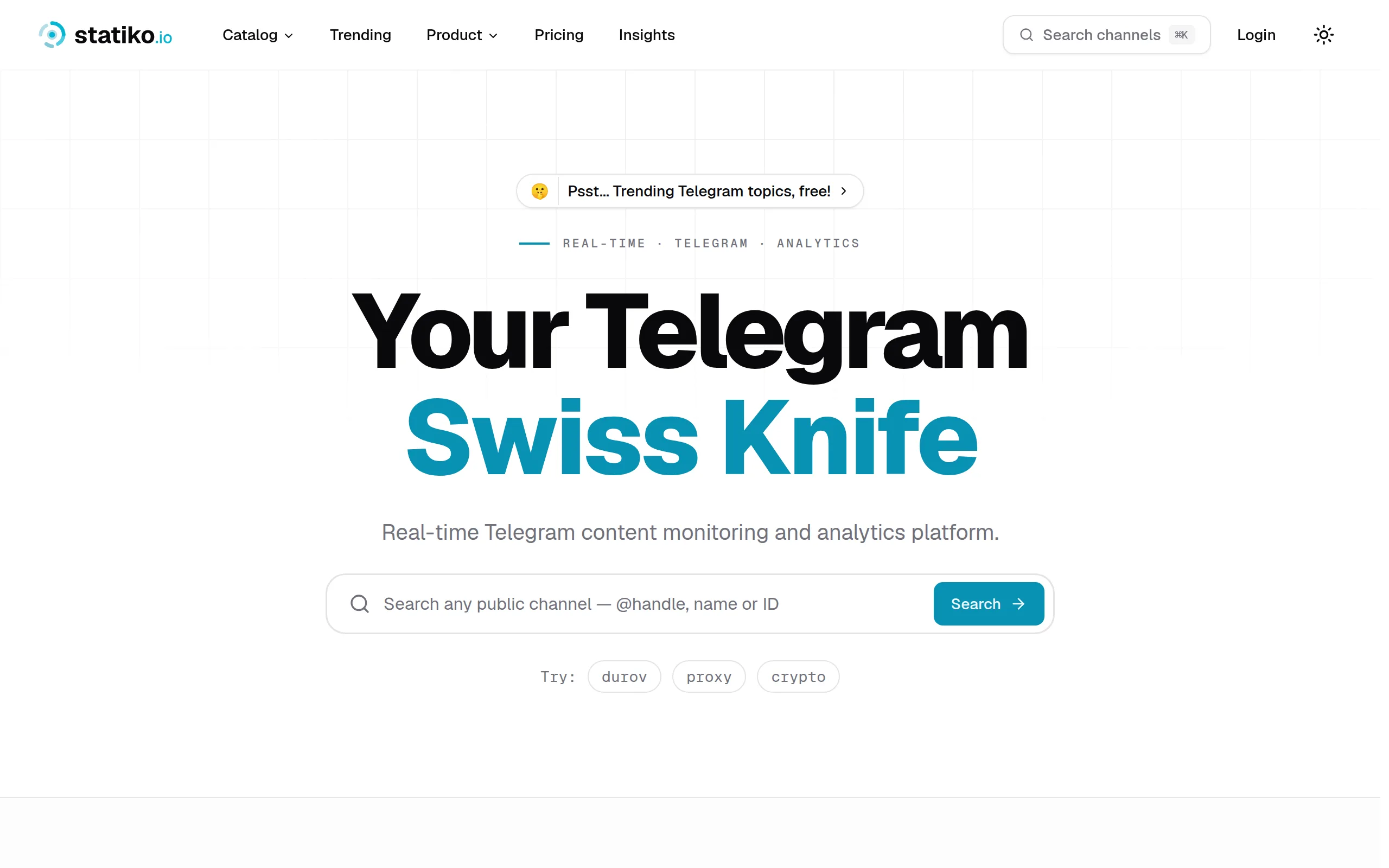
Statiko
Monitor any Telegram channel in real time - track posts, edits, deletions, and growth with AI recaps 📡
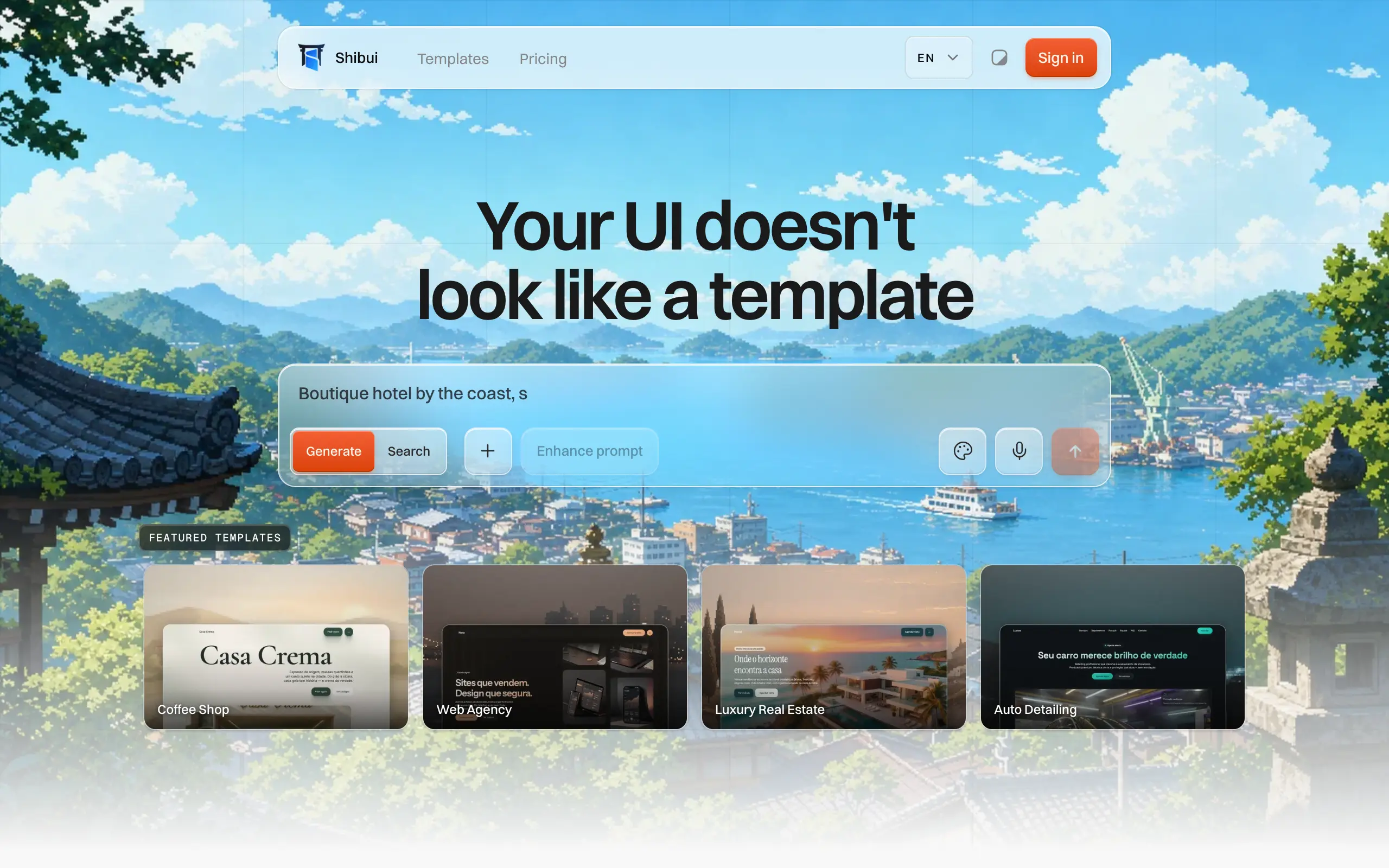
Shibui
AI website builder - describe your business, pick a niche template, edit by chatting, and publish instantly ✨

Pro Service
Find verified home service professionals, compare quotes, and pay securely through escrow - built for Brazilians across the US 🏠
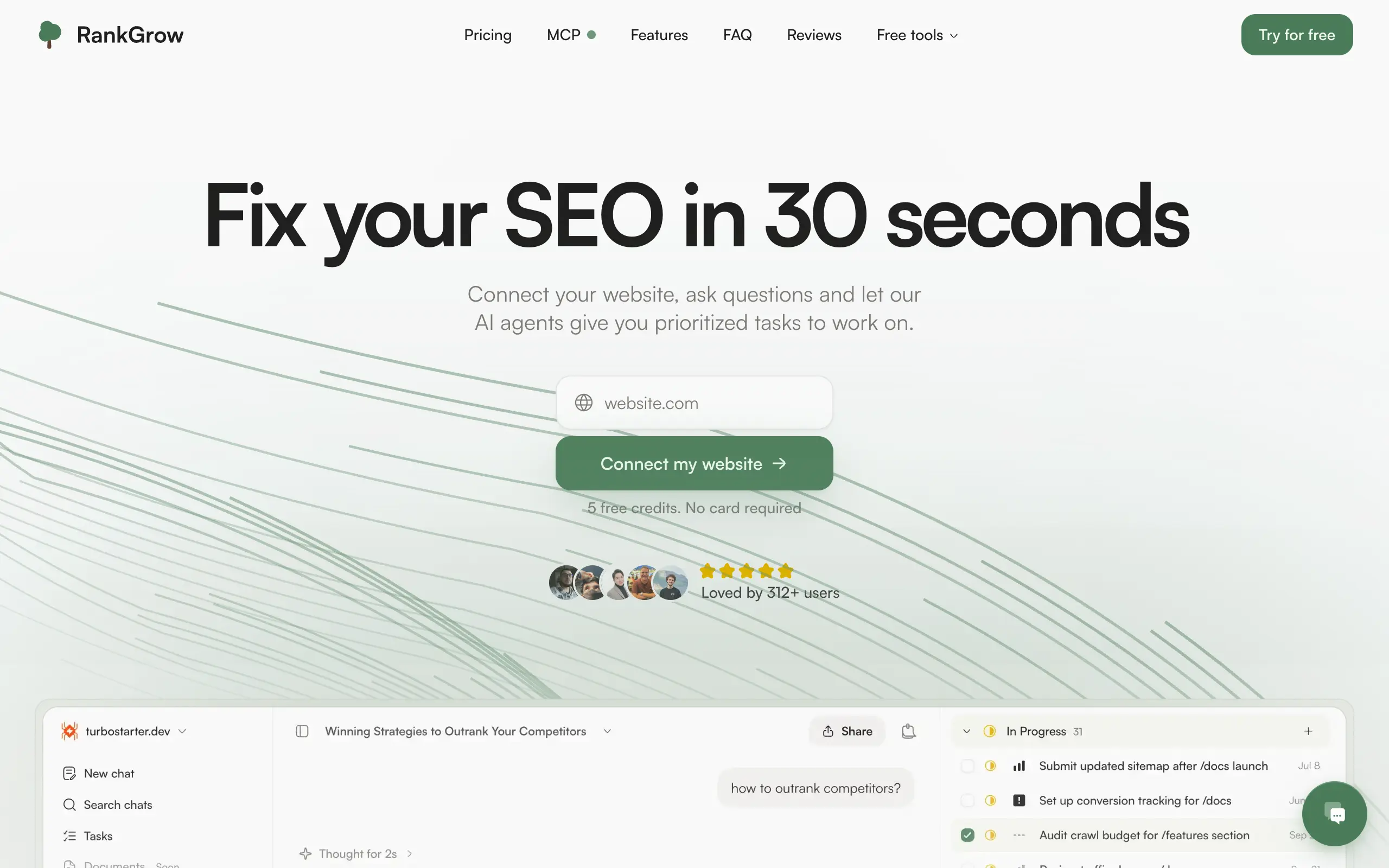
RankGrow
Fix your SEO with AI agents - connect Search Console, get prioritized tasks, and grow organic traffic 📈
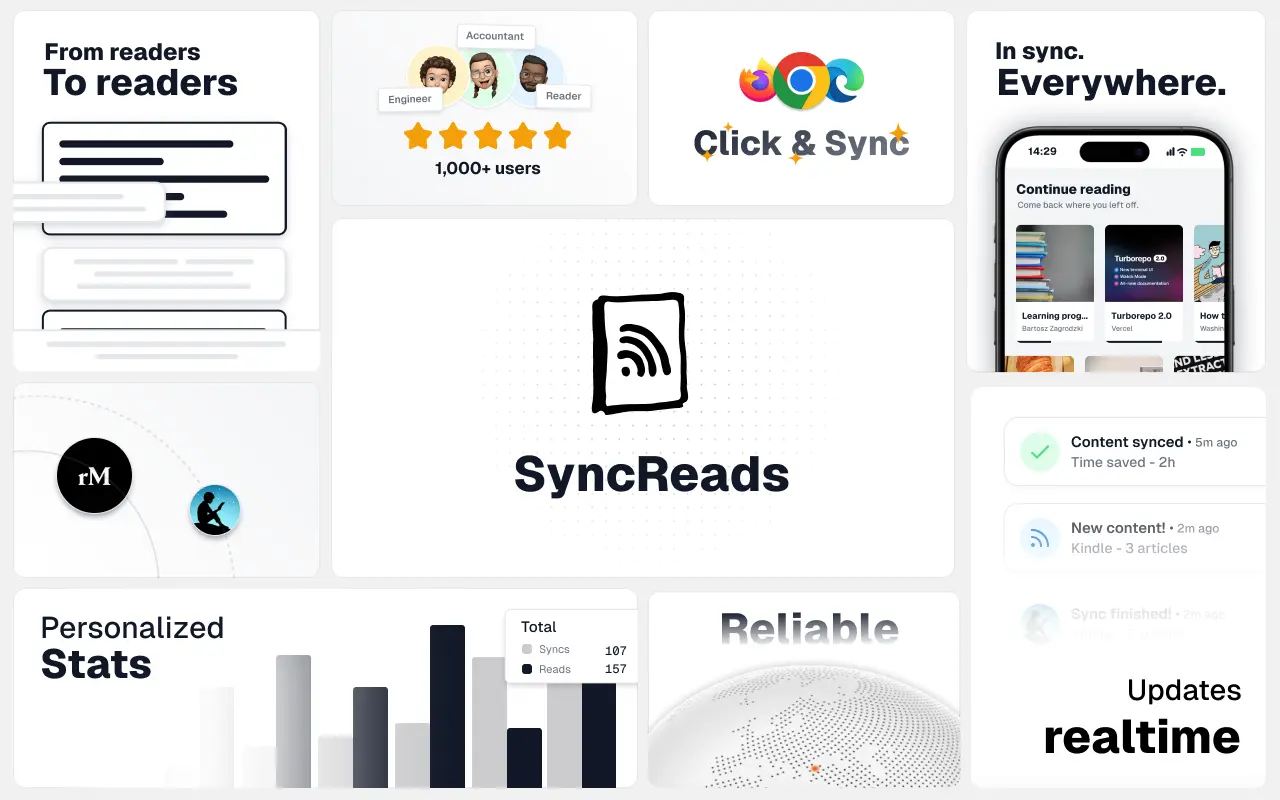
SyncReads
Sync your favorite content for distraction-free reading, save time and replace multiple apps. Anytime, anywhere 🔄
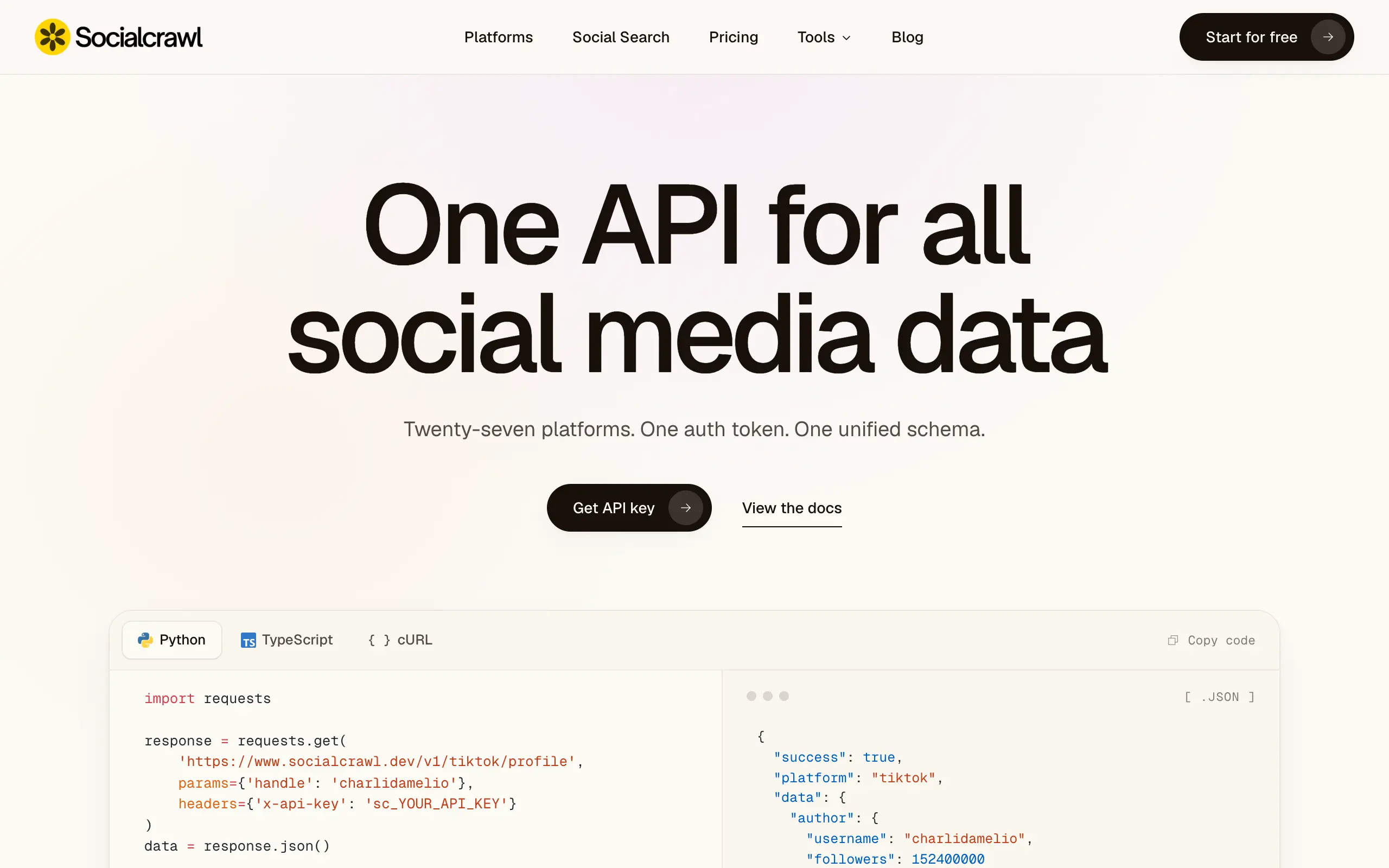
Socialcrawl
Get clean, structured data from 21 platforms like TikTok, Instagram, and YouTube with a single request 📊
Statiko
Monitor any Telegram channel in real time - track posts, edits, deletions, and growth with AI recaps 📡
Shibui
AI website builder - describe your business, pick a niche template, edit by chatting, and publish instantly ✨
Pro Service
Find verified home service professionals, compare quotes, and pay securely through escrow - built for Brazilians across the US 🏠
RankGrow
Fix your SEO with AI agents - connect Search Console, get prioritized tasks, and grow organic traffic 📈
SyncReads
Sync your favorite content for distraction-free reading, save time and replace multiple apps. Anytime, anywhere 🔄
Socialcrawl
Get clean, structured data from 21 platforms like TikTok, Instagram, and YouTube with a single request 📊
Statiko
Monitor any Telegram channel in real time - track posts, edits, deletions, and growth with AI recaps 📡
Shibui
AI website builder - describe your business, pick a niche template, edit by chatting, and publish instantly ✨
Pro Service
Find verified home service professionals, compare quotes, and pay securely through escrow - built for Brazilians across the US 🏠
RankGrow
Fix your SEO with AI agents - connect Search Console, get prioritized tasks, and grow organic traffic 📈
SyncReads
Sync your favorite content for distraction-free reading, save time and replace multiple apps. Anytime, anywhere 🔄
Socialcrawl
Get clean, structured data from 21 platforms like TikTok, Instagram, and YouTube with a single request 📊
Statiko
Monitor any Telegram channel in real time - track posts, edits, deletions, and growth with AI recaps 📡
Shibui
AI website builder - describe your business, pick a niche template, edit by chatting, and publish instantly ✨
Pro Service
Find verified home service professionals, compare quotes, and pay securely through escrow - built for Brazilians across the US 🏠
RankGrow
Fix your SEO with AI agents - connect Search Console, get prioritized tasks, and grow organic traffic 📈
SyncReads
Sync your favorite content for distraction-free reading, save time and replace multiple apps. Anytime, anywhere 🔄
Socialcrawl
Get clean, structured data from 21 platforms like TikTok, Instagram, and YouTube with a single request 📊
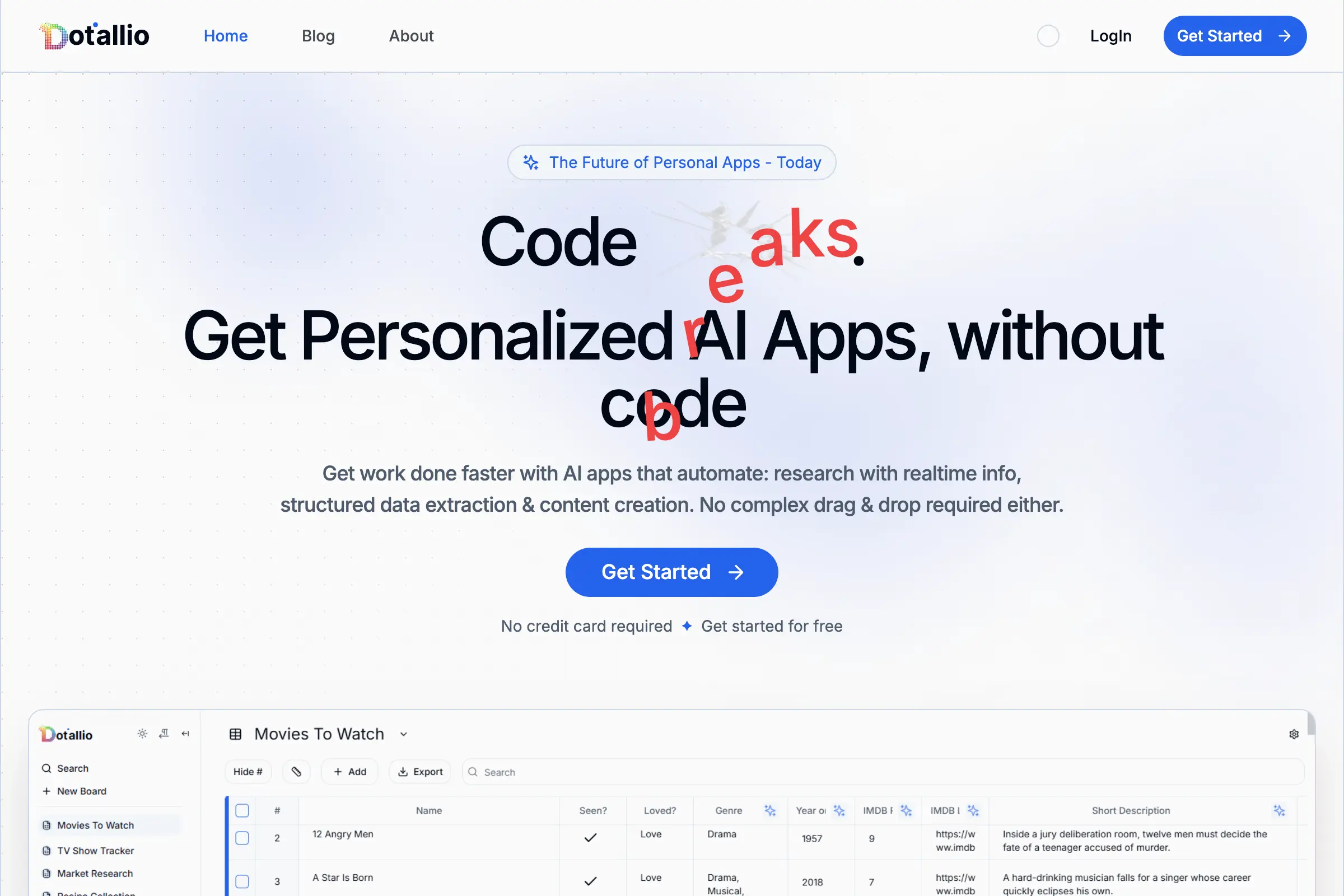
Dotallio
Personalized AI apps that automate research, data extraction, and content creation without code 🤖
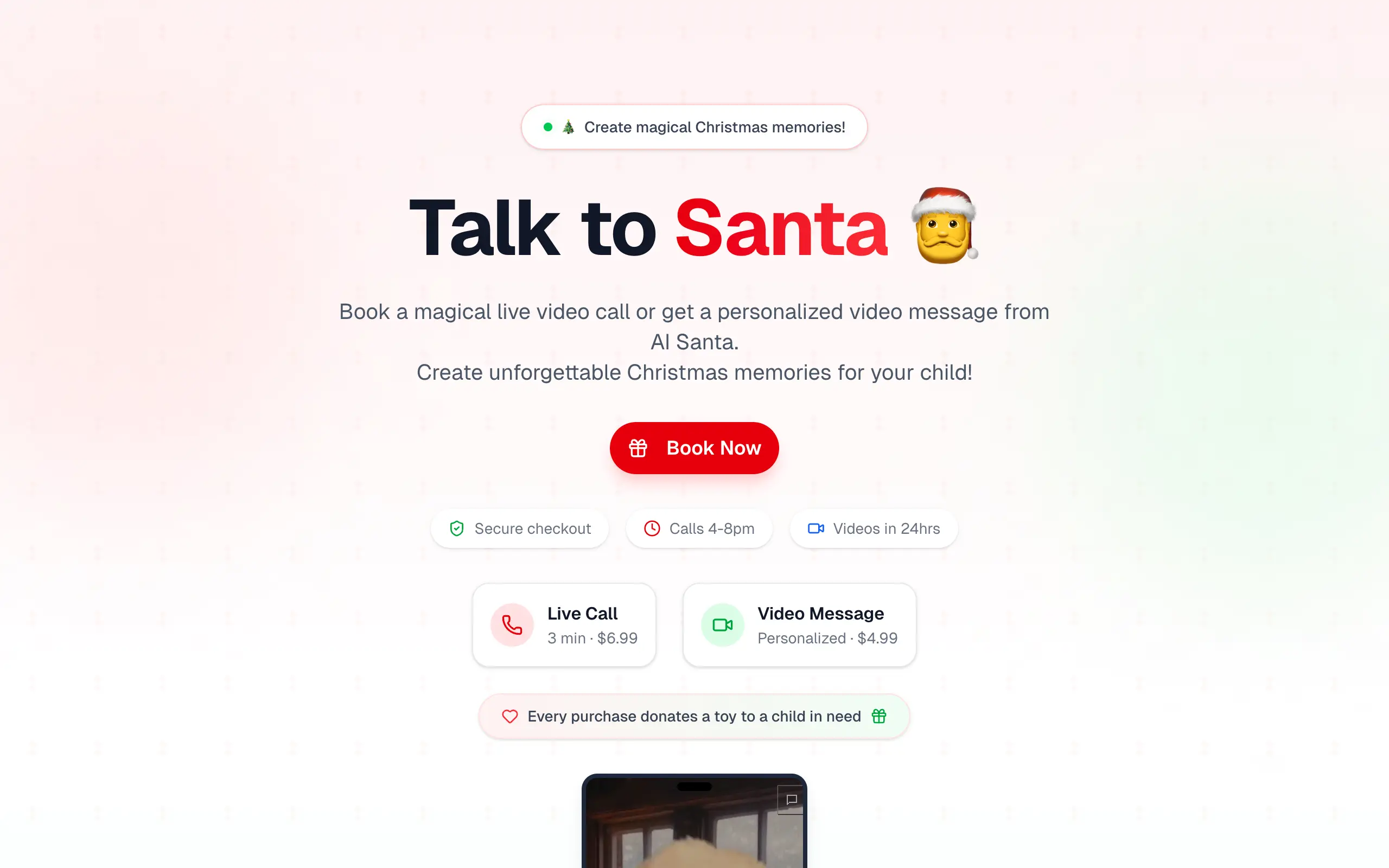
Talk to Santa
Enjoy a magical live video chat or receive a unique AI-generated video greeting from Santa Claus 🎅
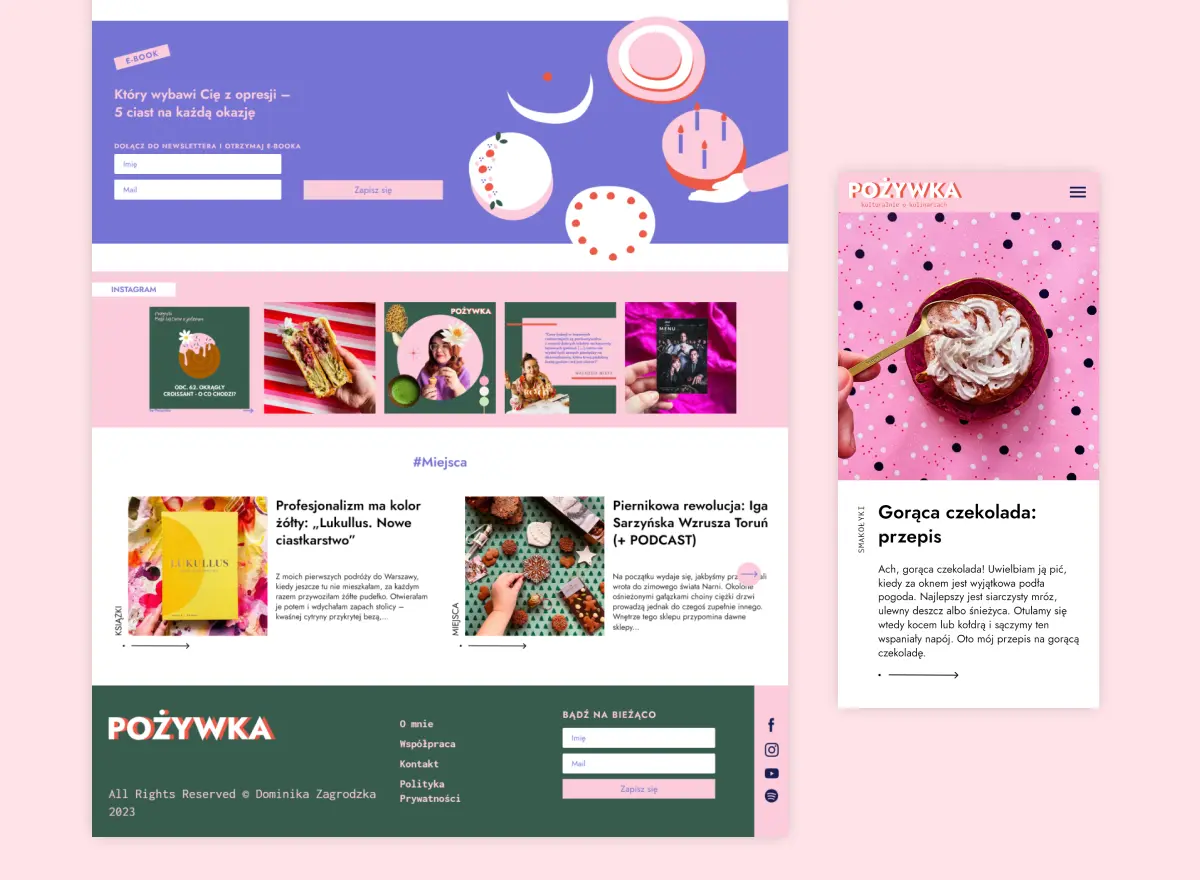
pozywka.pl
Scalable blog for food journalist, focused on performance and user experience 🌭
zagrodzki.me
Personal blog and portfolio of Bart Zagrodzki, where he shares his knowledge and work 💼
TurboStarter
Ship your startup everywhere. In minutes.
HTML to Markdown
Convert HTML to Markdown with ease, directly in your browser 📄
Dotallio
Personalized AI apps that automate research, data extraction, and content creation without code 🤖
Talk to Santa
Enjoy a magical live video chat or receive a unique AI-generated video greeting from Santa Claus 🎅
pozywka.pl
Scalable blog for food journalist, focused on performance and user experience 🌭
zagrodzki.me
Personal blog and portfolio of Bart Zagrodzki, where he shares his knowledge and work 💼
TurboStarter
Ship your startup everywhere. In minutes.
HTML to Markdown
Convert HTML to Markdown with ease, directly in your browser 📄
Dotallio
Personalized AI apps that automate research, data extraction, and content creation without code 🤖
Talk to Santa
Enjoy a magical live video chat or receive a unique AI-generated video greeting from Santa Claus 🎅
pozywka.pl
Scalable blog for food journalist, focused on performance and user experience 🌭
zagrodzki.me
Personal blog and portfolio of Bart Zagrodzki, where he shares his knowledge and work 💼
TurboStarter
Ship your startup everywhere. In minutes.
HTML to Markdown
Convert HTML to Markdown with ease, directly in your browser 📄
Dotallio
Personalized AI apps that automate research, data extraction, and content creation without code 🤖
Talk to Santa
Enjoy a magical live video chat or receive a unique AI-generated video greeting from Santa Claus 🎅
pozywka.pl
Scalable blog for food journalist, focused on performance and user experience 🌭
zagrodzki.me
Personal blog and portfolio of Bart Zagrodzki, where he shares his knowledge and work 💼
TurboStarter
Ship your startup everywhere. In minutes.
HTML to Markdown
Convert HTML to Markdown with ease, directly in your browser 📄
Omichat
Chat with 50+ AI models, including ChatGPT and Claude, in one place - switch models anytime without losing context 🤖
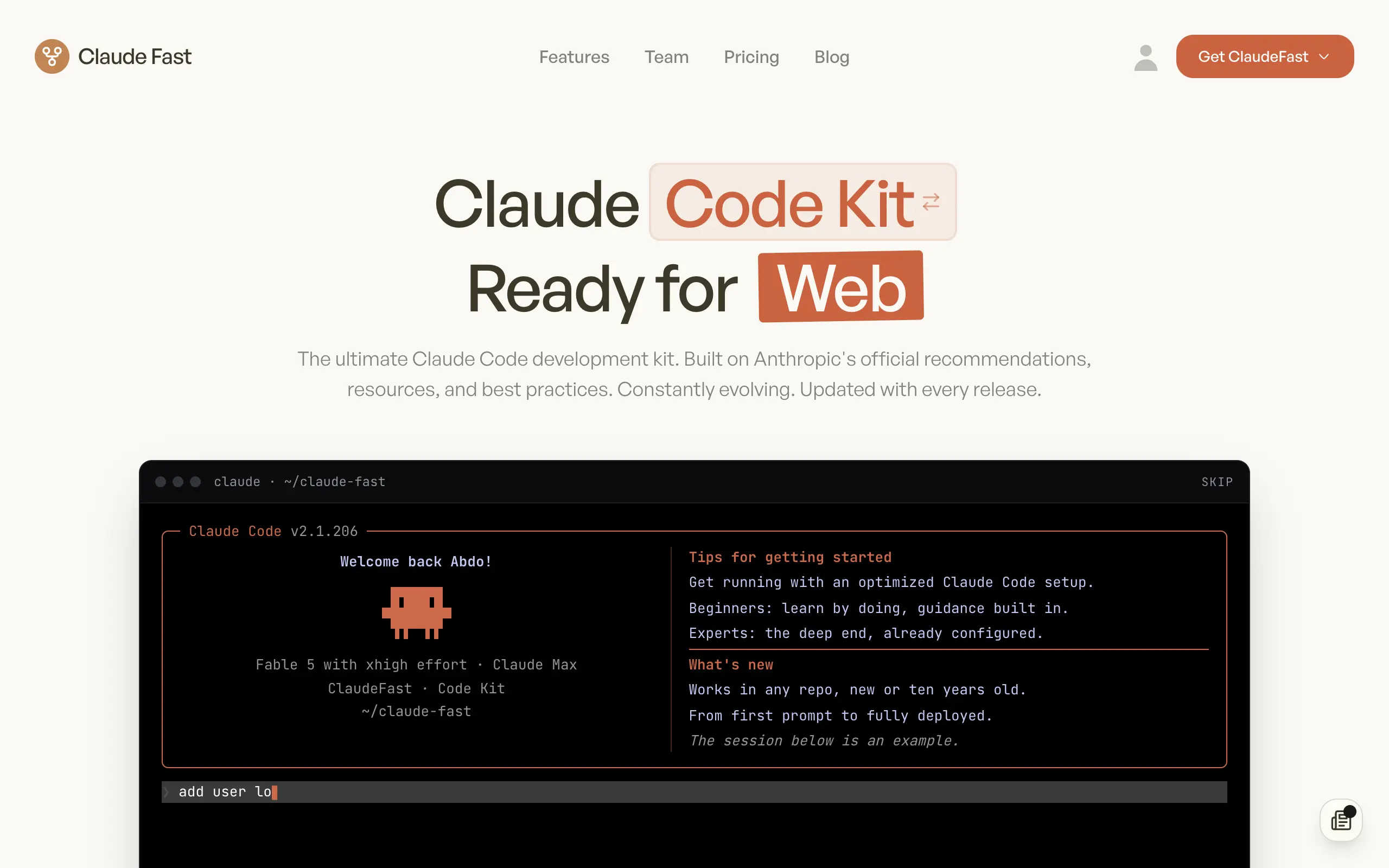
Claude Fast
Supercharge your Claude Code with 6x effective context window and specialized AI agents 🤖
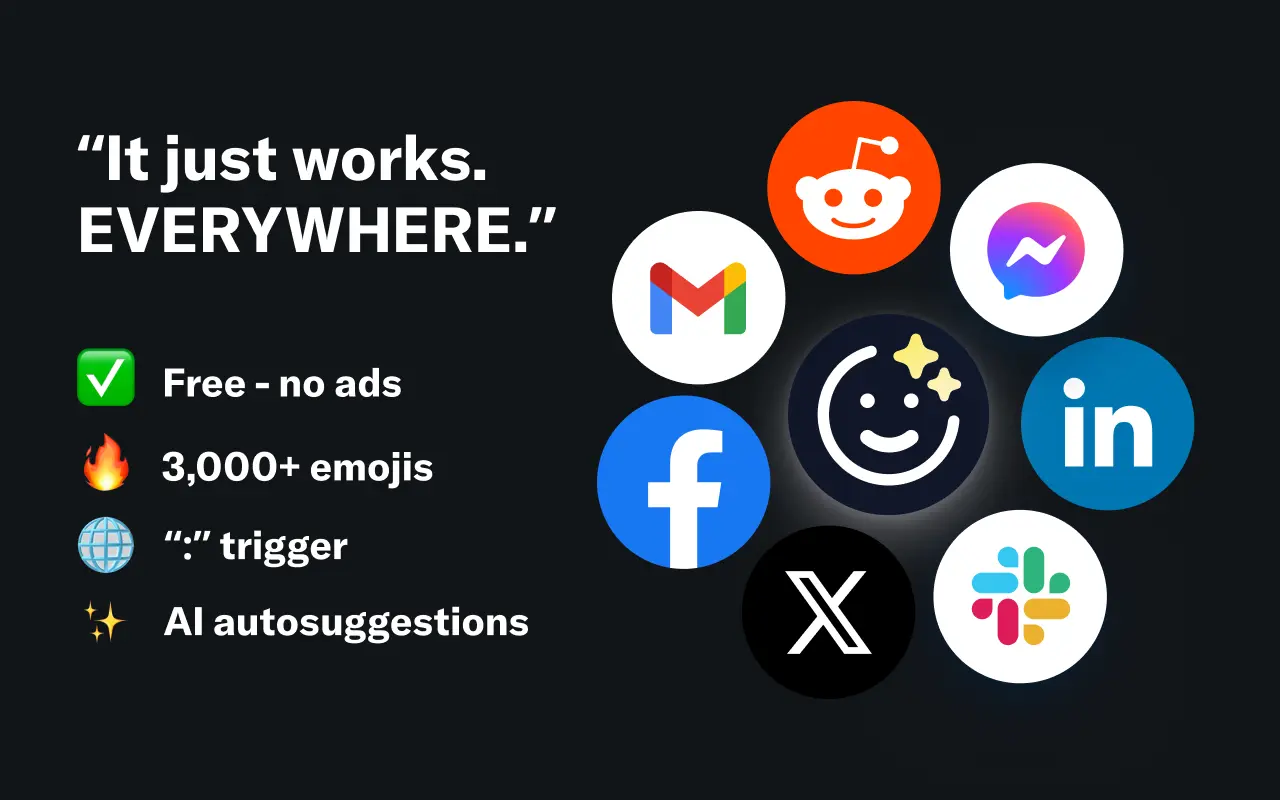
EmojAI
AI-powered emoji picker with smart, context-aware suggestions 🤖
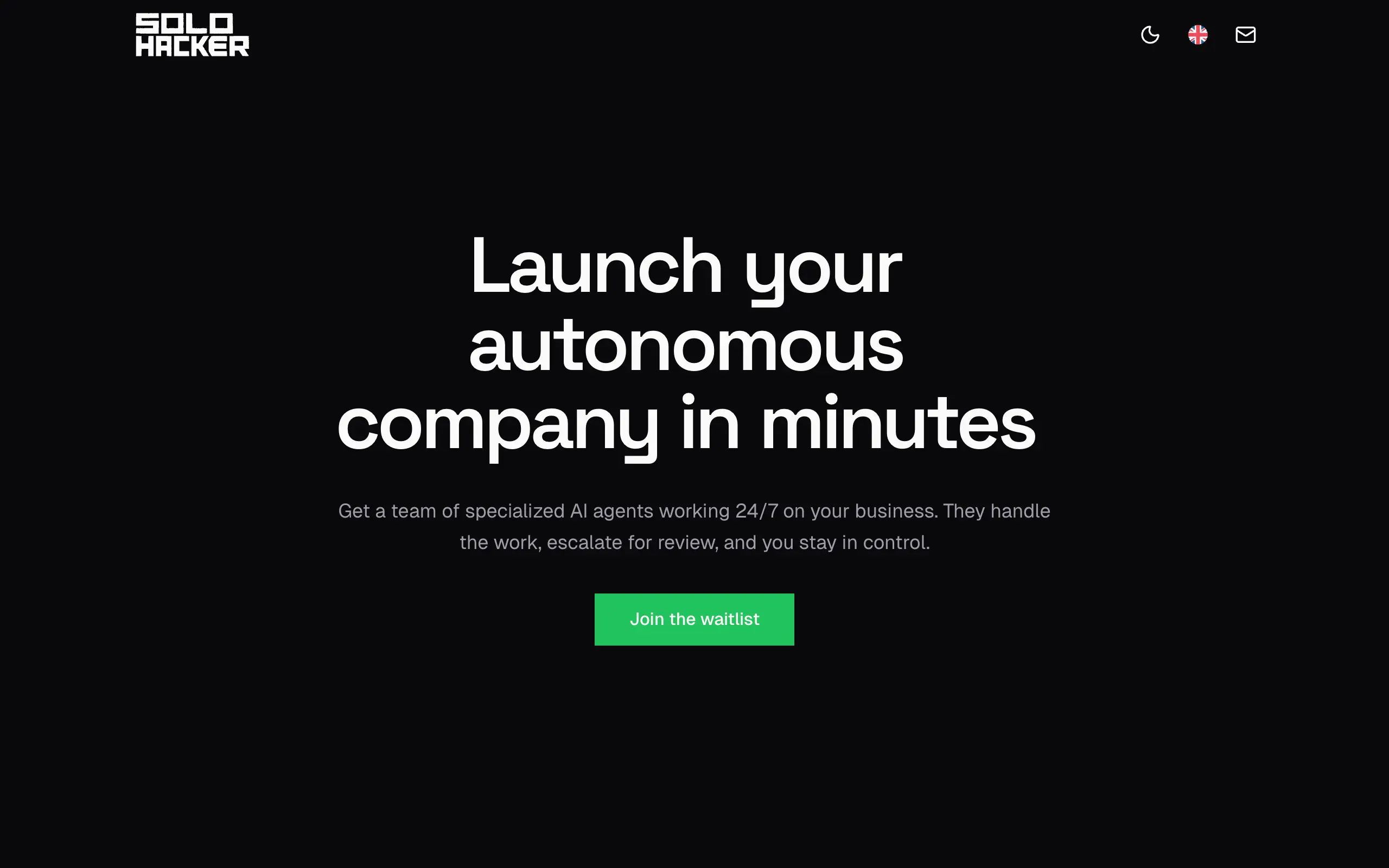
Solohacker
Autonomous company launcher - AI agents work 24/7, escalate what matters, and you stay in control 🤖
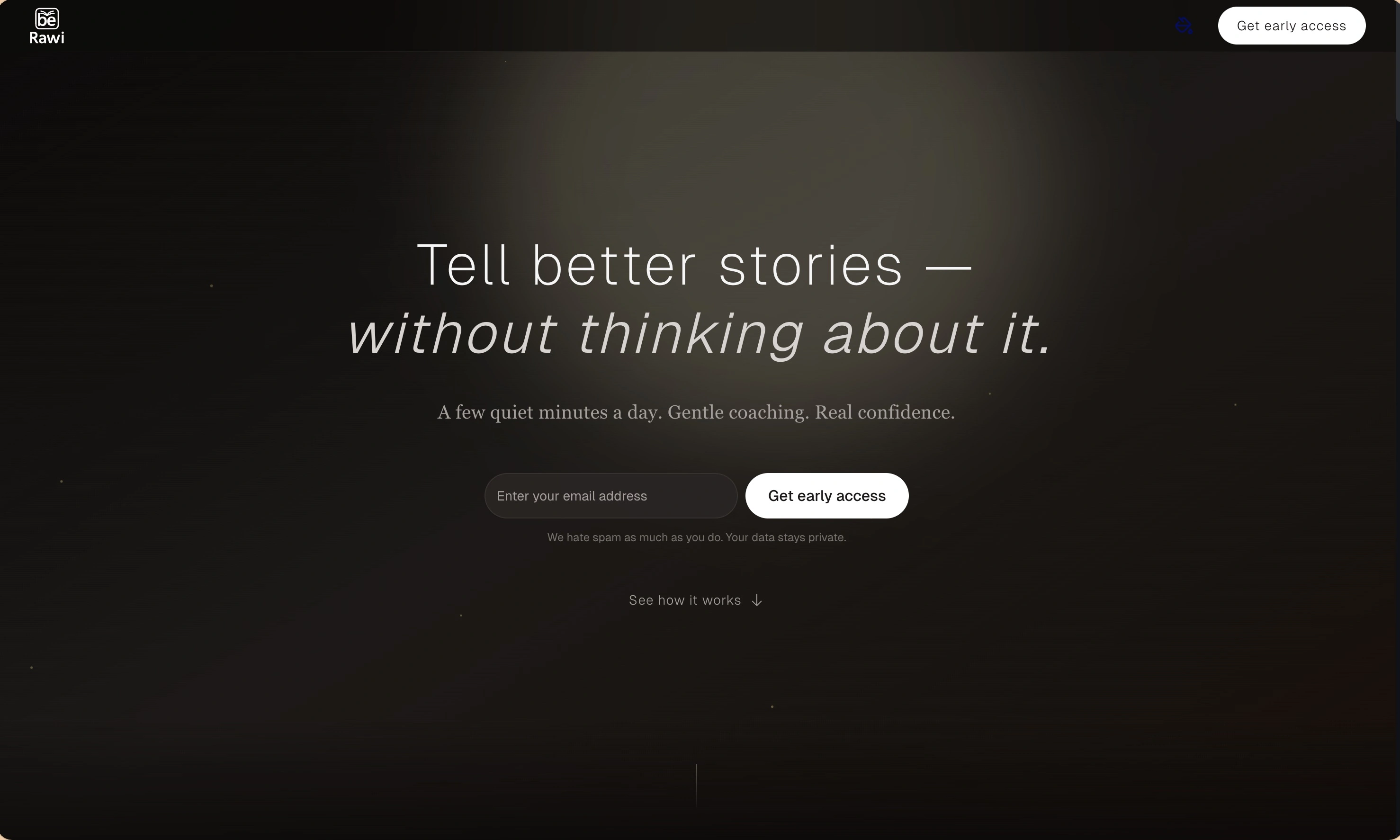
BeRawi: Storytelling Coach
Practice storytelling daily with instant feedback to sound clearer, more engaging, and confident 🎤
Omichat
Chat with 50+ AI models, including ChatGPT and Claude, in one place - switch models anytime without losing context 🤖
Claude Fast
Supercharge your Claude Code with 6x effective context window and specialized AI agents 🤖
EmojAI
AI-powered emoji picker with smart, context-aware suggestions 🤖
Solohacker
Autonomous company launcher - AI agents work 24/7, escalate what matters, and you stay in control 🤖
BeRawi: Storytelling Coach
Practice storytelling daily with instant feedback to sound clearer, more engaging, and confident 🎤
Omichat
Chat with 50+ AI models, including ChatGPT and Claude, in one place - switch models anytime without losing context 🤖
Claude Fast
Supercharge your Claude Code with 6x effective context window and specialized AI agents 🤖
EmojAI
AI-powered emoji picker with smart, context-aware suggestions 🤖
Solohacker
Autonomous company launcher - AI agents work 24/7, escalate what matters, and you stay in control 🤖
BeRawi: Storytelling Coach
Practice storytelling daily with instant feedback to sound clearer, more engaging, and confident 🎤
Omichat
Chat with 50+ AI models, including ChatGPT and Claude, in one place - switch models anytime without losing context 🤖
Claude Fast
Supercharge your Claude Code with 6x effective context window and specialized AI agents 🤖
EmojAI
AI-powered emoji picker with smart, context-aware suggestions 🤖
Solohacker
Autonomous company launcher - AI agents work 24/7, escalate what matters, and you stay in control 🤖
BeRawi: Storytelling Coach
Practice storytelling daily with instant feedback to sound clearer, more engaging, and confident 🎤

Connect with like-minded people
Join our community to get feedback, support, and grow together with 1,000+ builders on board, let's ship it!
Join usShip your startup everywhere. In minutes.
Don't burn tokens on setup and start building features on day one.