LectureLens AI
Records lectures and turns them into clean notes, summaries, and exam questions tailored to your syllabus. Helps students study faster with zero manual effort.
the rise of ai-powered lecture note tools and why it matters
Students today face a paradox: access to more information than ever, but less time and clarity to process it effectively. Between dense lectures, inconsistent teaching styles, and overwhelming syllabi, traditional note-taking methods often fall short. This is exactly where AI lecture note tools like LectureLens AI step in.
LectureLens AI is designed to record lectures and automatically convert them into structured notes, summaries, and exam-ready questions, all tailored to a student’s syllabus. This positions it at the intersection of three powerful trends:
- AI-driven productivity tools
- Personalized education (EdTech 2.0)
- Passive-to-active learning transformation
From an SEO and market perspective, primary keywords such as AI lecture notes, lecture summarizer AI, automatic note-taking for students, and AI study assistant are rapidly growing in search volume. This reflects a clear shift in user intent: students aren’t just looking for tools—they want outcomes (better grades, less time studying, higher retention).
This article breaks down the full opportunity behind LectureLens AI, including target audience, product architecture, monetization, and implementation.
understanding the target audience and their pain points
To build a successful SaaS product, you need more than a broad audience—you need deep clarity on user struggles.
primary audience segments
1. university students
- Attend long lectures with varying teaching quality
- Struggle to capture key concepts in real-time
- Often rely on incomplete or inconsistent notes
2. online learners
- Consume recorded content from platforms like Coursera or YouTube
- Need structured summaries to retain information
- Lack accountability and structured study workflows
3. non-native english speakers
- Face comprehension challenges during live lectures
- Benefit from clear, structured, and simplified summaries
4. students with learning differences
- ADHD, dyslexia, and other conditions make traditional note-taking difficult
- Need alternative formats like summaries, highlights, and questions
core pain points
- Missing critical lecture insights while writing notes
- Spending hours rewriting messy notes
- Difficulty identifying what’s important for exams
- Lack of personalized study materials aligned with the syllabus
- Passive learning instead of active recall
Key insight
Students don’t just want notes—they want clarity, structure, and exam readiness with minimal effort.
market opportunity and gap analysis
The EdTech market is booming, but surprisingly fragmented when it comes to AI-powered lecture comprehension tools.
current market landscape
Some existing tools include:
- Otter.ai (transcription-focused)
- Notion AI (general productivity)
- Grammarly (writing assistance)
- ChatGPT (manual prompting required)
the gap LectureLens AI fills
Most tools:
- Focus on transcription, not learning outcomes
- Require manual input or prompting
- Don’t align outputs with academic syllabi or exams
LectureLens AI differentiates by offering:
- End-to-end automation (record → notes → summaries → questions)
- Syllabus-aware outputs
- Exam-focused content generation
- Zero friction UX
| Feature | Otter.ai | Notion AI | ChatGPT | LectureLens AI |
|---|---|---|---|---|
| Lecture recording | ✅ | ❌ | ❌ | ✅ |
| Automatic summaries | ❌ | ✅ | ✅ | ✅ |
| Syllabus alignment | ❌ | ❌ | ❌ | ✅ |
| Exam question generation | ❌ | ❌ | ✅ | ✅ |
| Hands-free workflow | ✅ | ❌ | ❌ | ✅ |
core features that define lecturelens ai
1. smart lecture recording and transcription
LectureLens AI captures lectures via:
- Mobile app recording
- Browser extension
- File upload (MP3, MP4, etc.)
Using speech-to-text models, it converts audio into highly accurate transcripts.
2. structured ai-generated notes
Instead of dumping raw text, the system outputs:
- Headings and subtopics
- Key concepts
- Definitions
- Examples
This mimics top-tier student notes, not raw transcripts.
3. syllabus-aware summarization
Users upload or define their syllabus. The AI then:
- Maps lecture content to topics
- Filters irrelevant information
- Highlights exam-relevant sections
This is a major competitive advantage.
4. automatic exam question generation
The system generates:
- Multiple-choice questions
- Short-answer questions
- Essay prompts
These are tailored to:
- Difficulty level
- Course structure
- Past exam patterns (if provided)
5. active recall and spaced repetition integration
Instead of passive reading, LectureLens AI can:
- Convert notes into flashcards
- Schedule revision sessions
- Reinforce weak areas
6. multi-format output
Users can export:
- PDF notes
- Flashcards
- Quiz sets
- Markdown or Notion-ready formats
Passive → Active learning
Transforms lectures into quizzes and recall systems, not just notes.
Zero-effort workflow
Students don’t need to write anything manually.
Exam-focused AI
Outputs are aligned with what actually matters for tests.
recommended tech stack and architecture
Building LectureLens AI requires a balance between performance, scalability, and cost.
frontend
- React for dynamic UI
- TailwindCSS for rapid styling
- Mobile: React Native or Expo
backend
- Node.js (fast iteration)
- Python microservices (for AI processing)
ai and ml layer
- Speech-to-text: OpenAI Whisper or similar
- LLM processing: GPT-based or open-source models
- Embeddings for syllabus matching
storage
- Audio files: AWS S3
- Notes and metadata: PostgreSQL
- Vector database: Pinecone or Weaviate
infrastructure
- Vercel (frontend)
- AWS or GCP (backend + storage)
- Queue system (e.g., BullMQ) for async processing
example processing pipeline
async function processLecture(audioFile, syllabus) {
  const transcript = await transcribeAudio(audioFile);
  const structuredNotes = await generateNotes(transcript);
  const alignedContent = await alignWithSyllabus(structuredNotes, syllabus);
  const questions = await generateQuestions(alignedContent);

  return {
    notes: alignedContent,
    quiz: questions
  };
}
trade-offs to consider
- Accuracy vs cost: Higher-quality AI models increase expenses
- Real-time vs batch processing: Real-time is appealing but expensive
- Privacy vs personalization: Handling student data requires strict compliance
monetization strategy options
LectureLens AI has multiple revenue paths.
subscription model (primary)
- Free tier: limited recordings/month
- Pro: unlimited notes + summaries
- Premium: exam prep + advanced analytics
add-ons
- Pay-per-lecture processing
- Premium exam packs
- Custom syllabus analysis
institutional sales
- Universities licensing the platform
- Bulk student access
- LMS integrations
pricing example
- Free: $0 (3 lectures/month)
- Pro: $9–$15/month
- Premium: $25/month
Revenue insight
Students are highly price-sensitive, but willing to pay for tools that directly improve grades or save time.
competitive advantage and unique selling proposition
LectureLens AI stands out through outcome-driven automation.
core usp
“Turn any lecture into exam-ready study material instantly.”
key differentiators
- Syllabus-aware AI (not generic summarization)
- Built-in exam preparation tools
- Fully automated workflow (no prompting needed)
- Focus on learning outcomes, not just productivity
defensibility
- Dataset advantage (lecture + syllabus pairing)
- User habit formation (daily study tool)
- Potential integrations with universities
potential risks and mitigation strategies
1. accuracy concerns
AI-generated notes may:
- Miss nuance
- Misinterpret concepts
Mitigation:
- Allow user edits
- Highlight uncertain sections
- Provide confidence scores
2. academic integrity issues
Students may rely too heavily on automation.
Mitigation:
- Promote as a study aid, not a replacement
- Include learning reinforcement features
3. privacy and data security
Recording lectures raises concerns.
Mitigation:
- End-to-end encryption
- Clear consent policies
- GDPR compliance
4. competition from big players
Companies like Google or Microsoft could enter the space.
Mitigation:
- Focus on niche (students + exams)
- Move fast and build brand loyalty
step-by-step implementation roadmap
mvp feature set
Start simple:
- Audio upload
- Transcription
- Basic summaries
Then layer in:
- Structured notes
- Questions
- Syllabus mapping
growth strategies and distribution channels
organic seo
Target keywords like:
- AI lecture notes
- lecture summarizer AI
- automatic note-taking for students
- AI study assistant
campus ambassadors
- Recruit students to promote the tool
- Offer free premium access
tiktok and short-form content
- Show “before vs after notes”
- Demonstrate time saved
integrations
- Notion
- Google Docs
- LMS platforms
future opportunities and expansion
LectureLens AI can evolve into a full AI learning ecosystem.
expansion ideas
- AI tutor chatbot trained on lecture content
- Personalized study plans
- Collaboration features (shared notes)
- Voice-based Q&A
enterprise direction
- Sell to universities
- Integrate with online education platforms
- Offer analytics to educators
actionable next steps for building lecturelens ai
If you’re serious about launching this SaaS:
- Validate the idea with real students
- Build a lean MVP focusing on core value
- Use existing AI APIs to move fast
- Focus heavily on UX simplicity
- Iterate based on feedback, not assumptions
For faster development, you can leverage tools like TurboStarter to bootstrap your SaaS infrastructure and skip weeks of setup time.
final thoughts: why lecturelens ai is a strong saas opportunity
LectureLens AI sits at a powerful intersection:
- AI automation
- education technology
- productivity tools
But its real strength is outcome-driven design.
It doesn’t just help students take notes—it helps them:
- Understand faster
- Study smarter
- Perform better in exams
That shift—from tool to outcome—is what makes it not just viable, but potentially category-defining.
If executed well, LectureLens AI could become a daily essential for millions of students worldwide.
More 🤖 AI Startup SaaS ideas
Discover more innovative ai startup SaaS ideas that are trending in 2026. Each idea is AI-generated with market validation and growth potential to help you find your next profitable venture faster than competitors.
Your competitors are building with TurboStarter
Below are some of the SaaS ideas that have been generated and built with our starter kit.
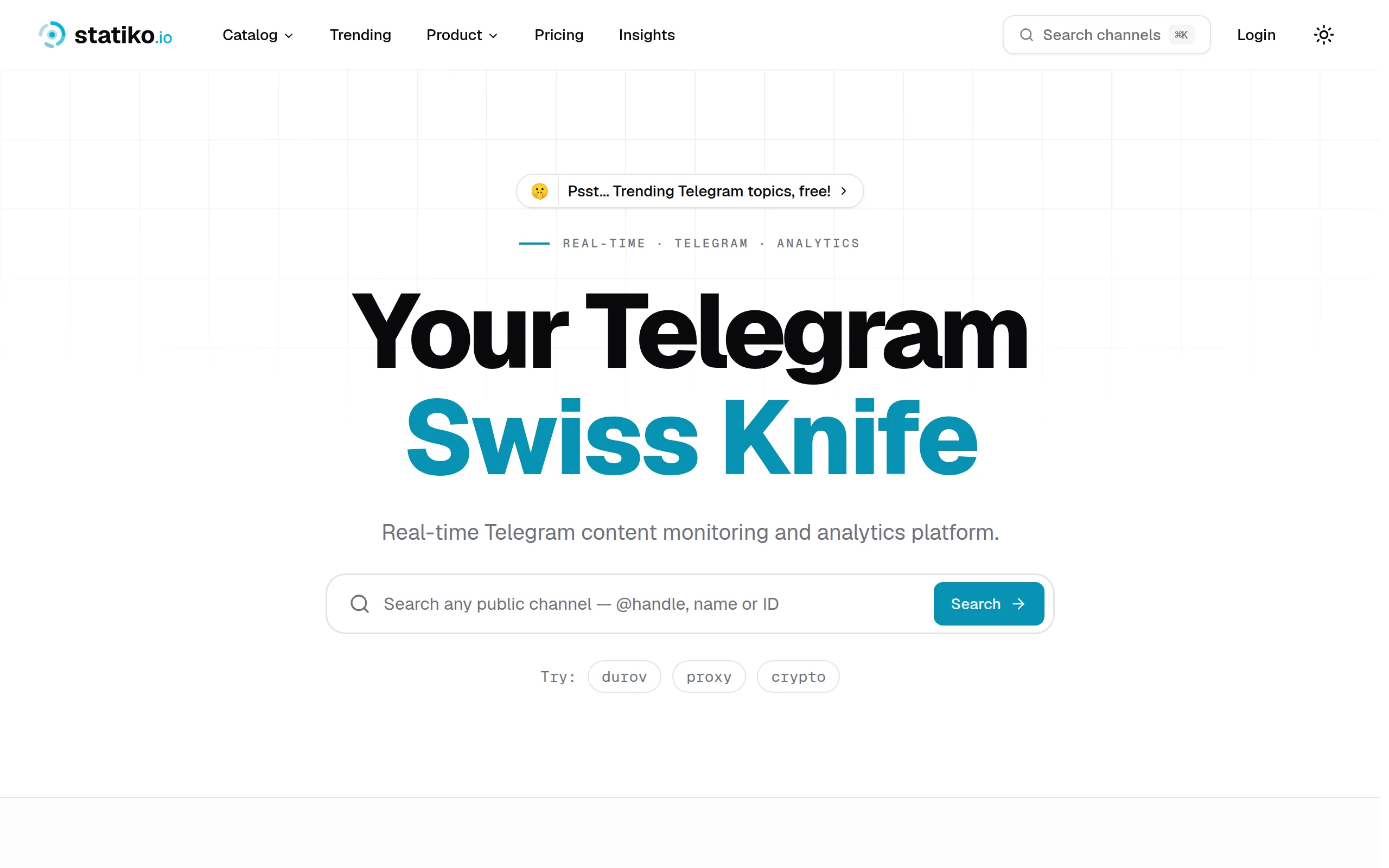
Statiko
Monitor any Telegram channel in real time - track posts, edits, deletions, and growth with AI recaps 📡
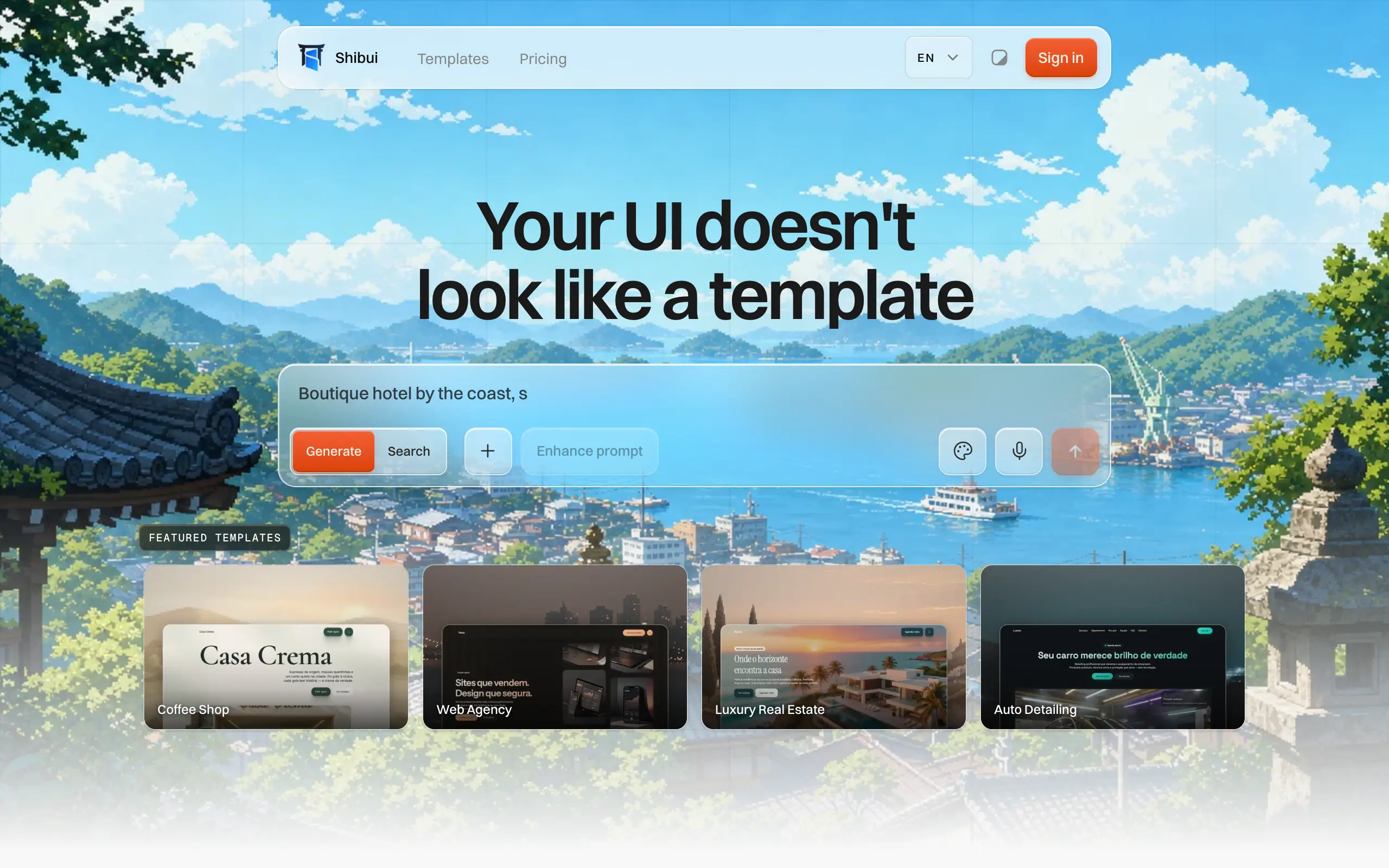
Shibui
AI website builder - describe your business, pick a niche template, edit by chatting, and publish instantly ✨

Pro Service
Find verified home service professionals, compare quotes, and pay securely through escrow - built for Brazilians across the US 🏠
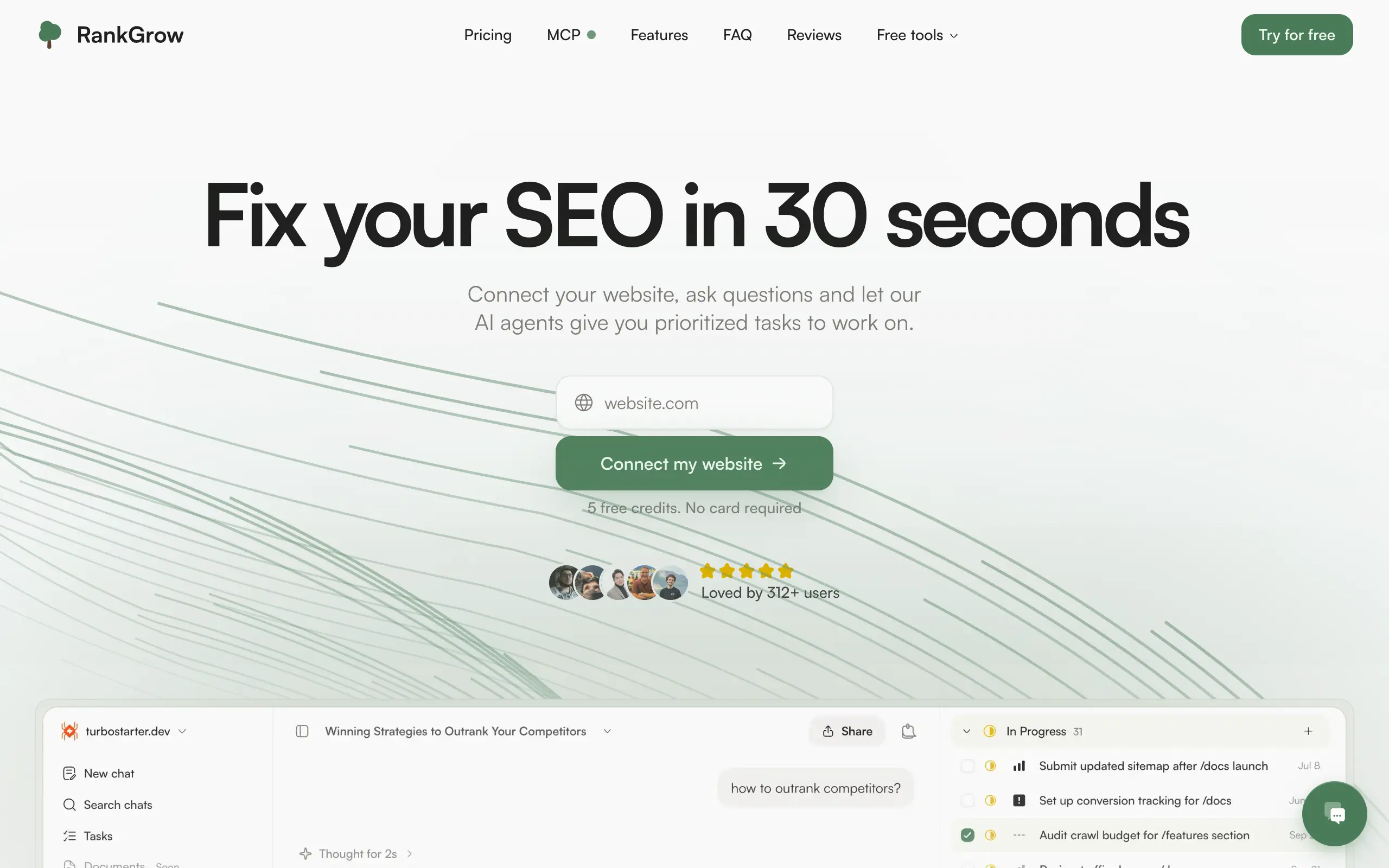
RankGrow
Fix your SEO with AI agents - connect Search Console, get prioritized tasks, and grow organic traffic 📈
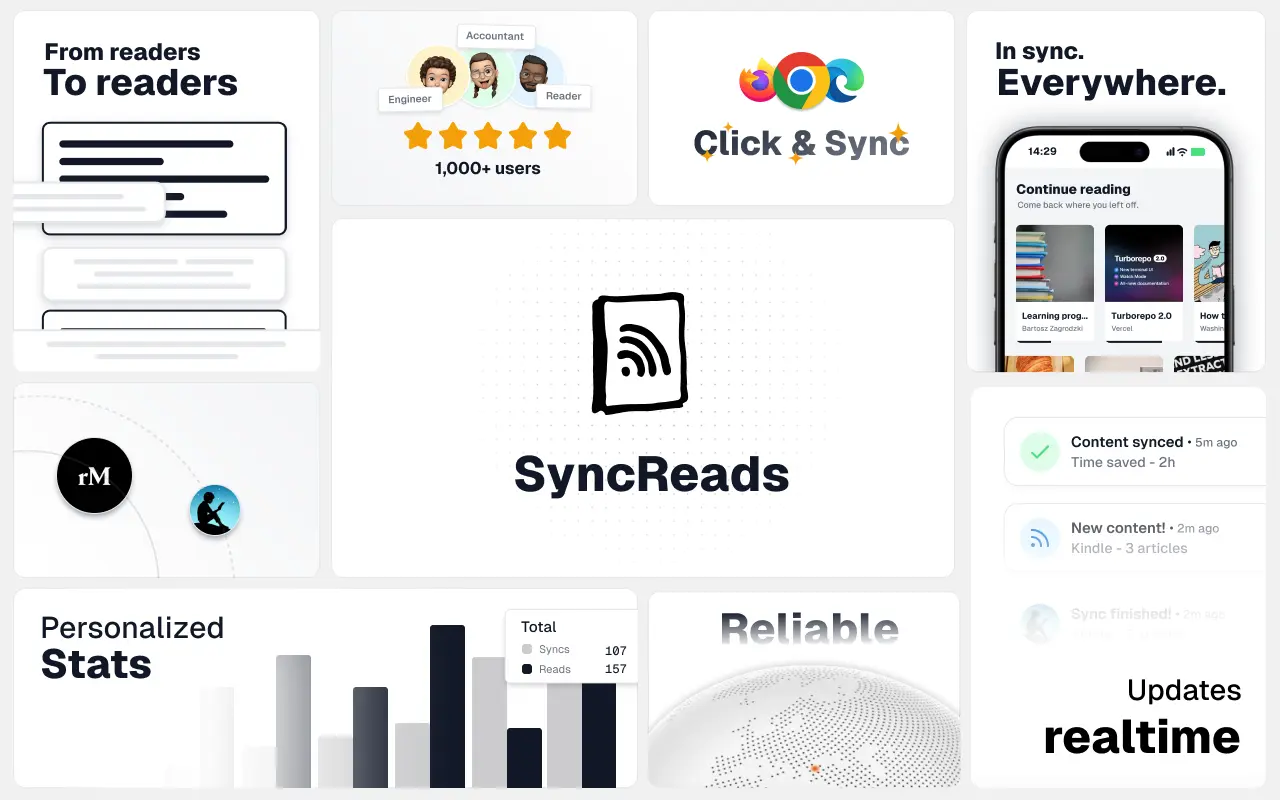
SyncReads
Sync your favorite content for distraction-free reading, save time and replace multiple apps. Anytime, anywhere 🔄
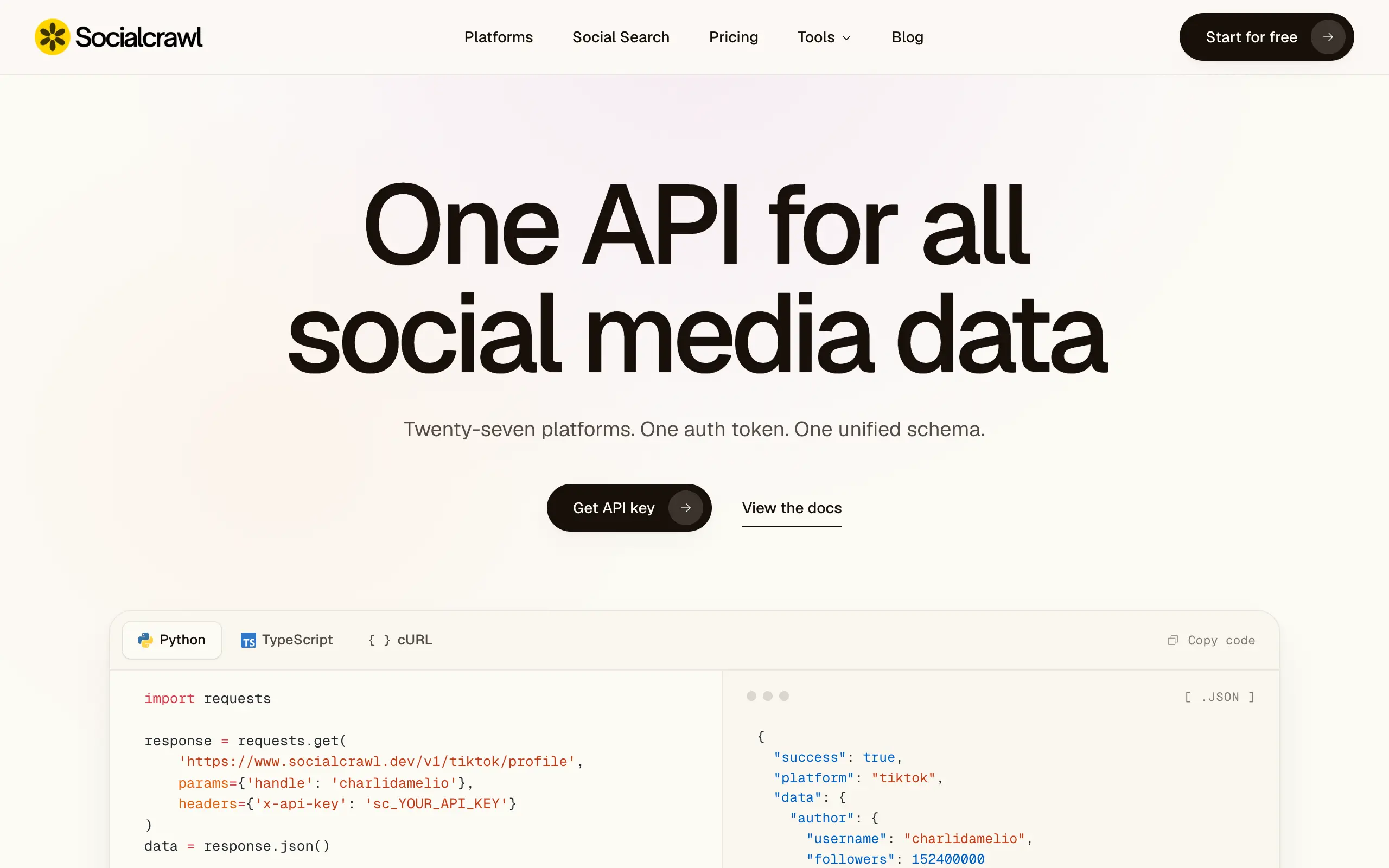
Socialcrawl
Get clean, structured data from 21 platforms like TikTok, Instagram, and YouTube with a single request 📊
Statiko
Monitor any Telegram channel in real time - track posts, edits, deletions, and growth with AI recaps 📡
Shibui
AI website builder - describe your business, pick a niche template, edit by chatting, and publish instantly ✨
Pro Service
Find verified home service professionals, compare quotes, and pay securely through escrow - built for Brazilians across the US 🏠
RankGrow
Fix your SEO with AI agents - connect Search Console, get prioritized tasks, and grow organic traffic 📈
SyncReads
Sync your favorite content for distraction-free reading, save time and replace multiple apps. Anytime, anywhere 🔄
Socialcrawl
Get clean, structured data from 21 platforms like TikTok, Instagram, and YouTube with a single request 📊
Statiko
Monitor any Telegram channel in real time - track posts, edits, deletions, and growth with AI recaps 📡
Shibui
AI website builder - describe your business, pick a niche template, edit by chatting, and publish instantly ✨
Pro Service
Find verified home service professionals, compare quotes, and pay securely through escrow - built for Brazilians across the US 🏠
RankGrow
Fix your SEO with AI agents - connect Search Console, get prioritized tasks, and grow organic traffic 📈
SyncReads
Sync your favorite content for distraction-free reading, save time and replace multiple apps. Anytime, anywhere 🔄
Socialcrawl
Get clean, structured data from 21 platforms like TikTok, Instagram, and YouTube with a single request 📊
Statiko
Monitor any Telegram channel in real time - track posts, edits, deletions, and growth with AI recaps 📡
Shibui
AI website builder - describe your business, pick a niche template, edit by chatting, and publish instantly ✨
Pro Service
Find verified home service professionals, compare quotes, and pay securely through escrow - built for Brazilians across the US 🏠
RankGrow
Fix your SEO with AI agents - connect Search Console, get prioritized tasks, and grow organic traffic 📈
SyncReads
Sync your favorite content for distraction-free reading, save time and replace multiple apps. Anytime, anywhere 🔄
Socialcrawl
Get clean, structured data from 21 platforms like TikTok, Instagram, and YouTube with a single request 📊
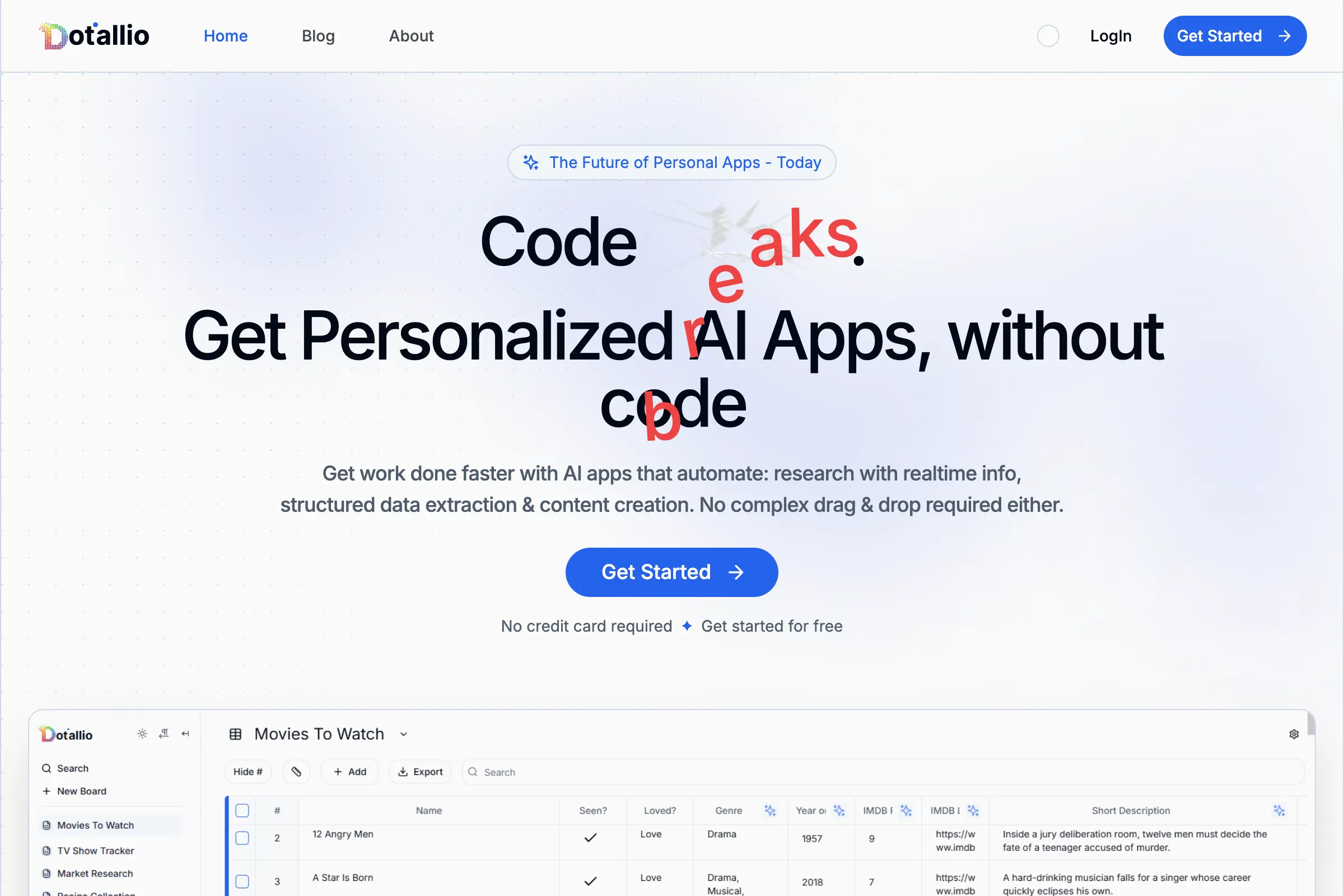
Dotallio
Personalized AI apps that automate research, data extraction, and content creation without code 🤖
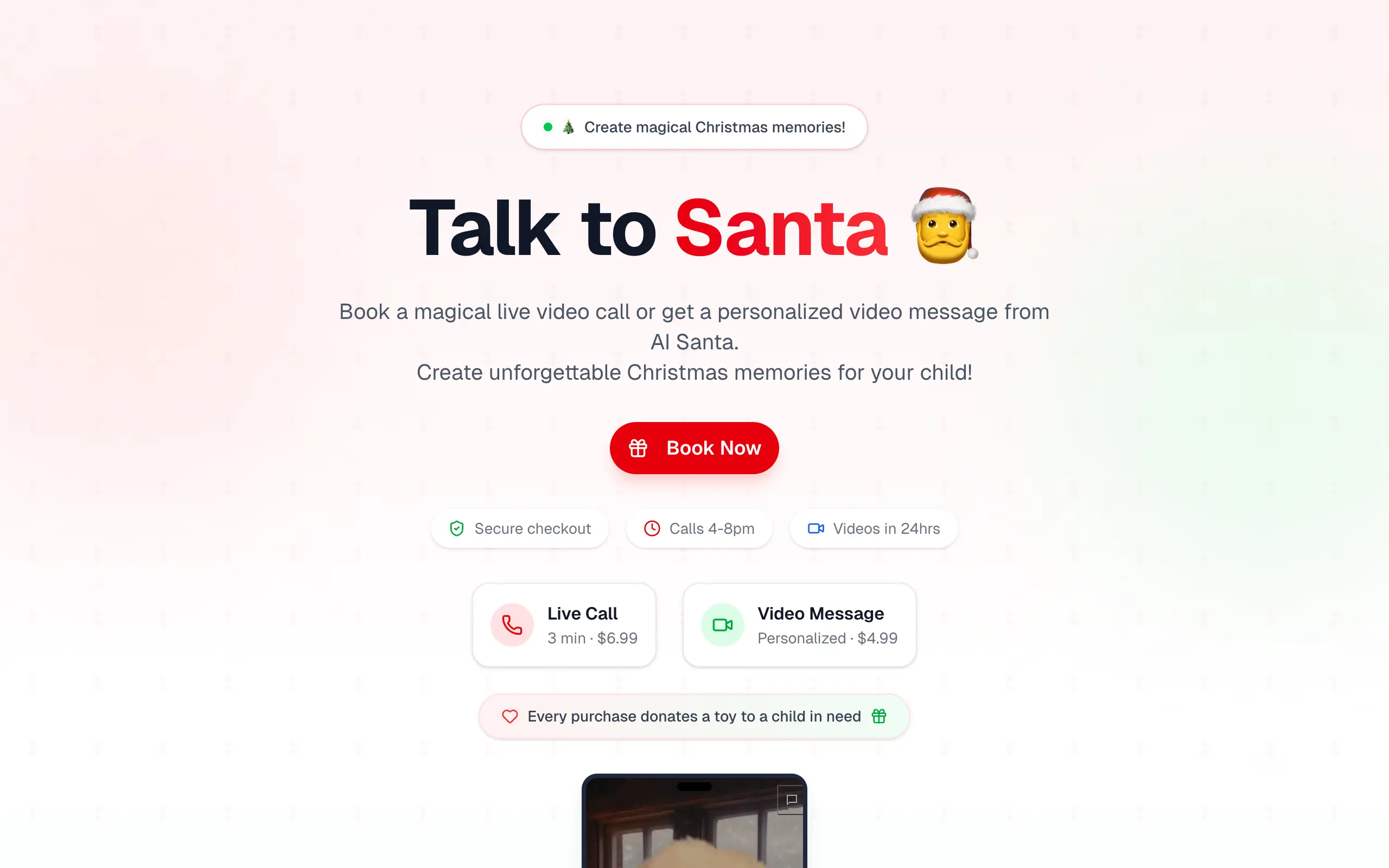
Talk to Santa
Enjoy a magical live video chat or receive a unique AI-generated video greeting from Santa Claus 🎅
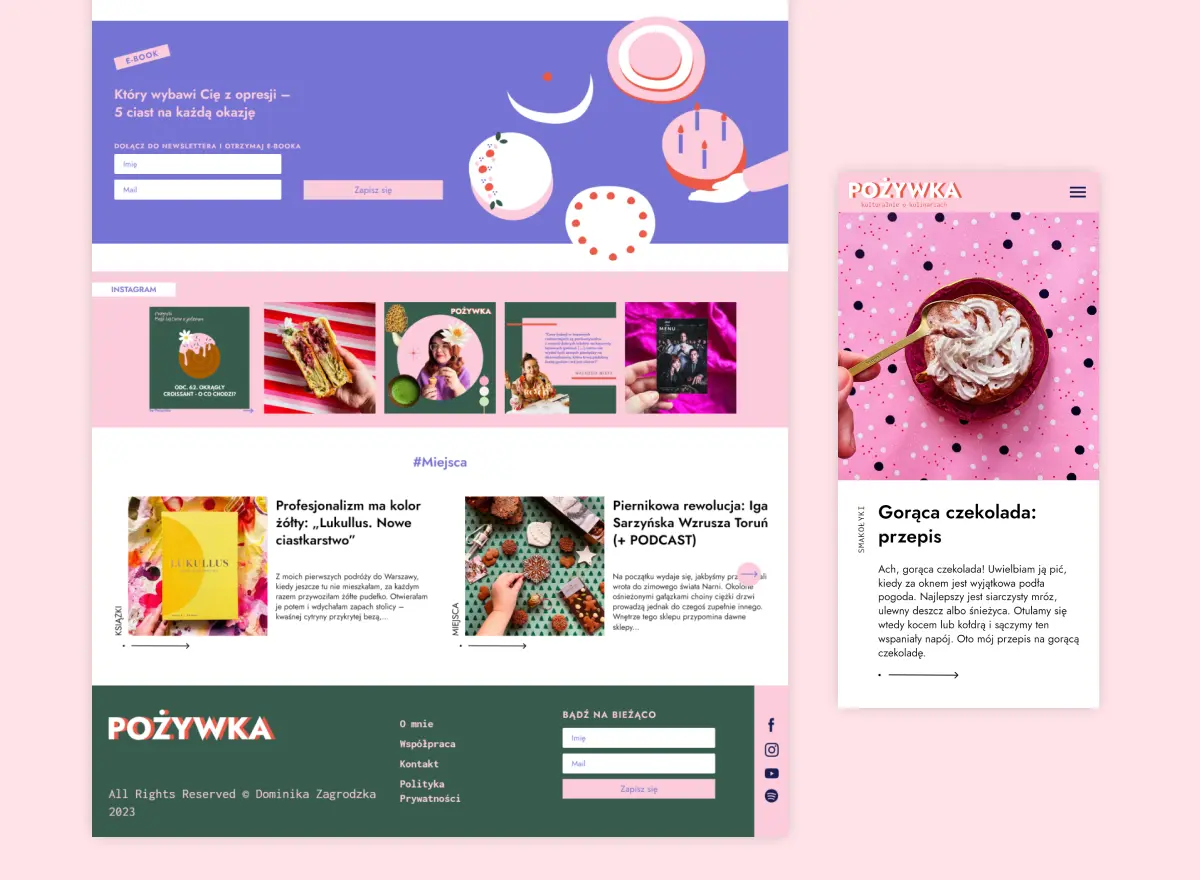
pozywka.pl
Scalable blog for food journalist, focused on performance and user experience 🌭
zagrodzki.me
Personal blog and portfolio of Bart Zagrodzki, where he shares his knowledge and work 💼
TurboStarter
Ship your startup everywhere. In minutes.
HTML to Markdown
Convert HTML to Markdown with ease, directly in your browser 📄
Dotallio
Personalized AI apps that automate research, data extraction, and content creation without code 🤖
Talk to Santa
Enjoy a magical live video chat or receive a unique AI-generated video greeting from Santa Claus 🎅
pozywka.pl
Scalable blog for food journalist, focused on performance and user experience 🌭
zagrodzki.me
Personal blog and portfolio of Bart Zagrodzki, where he shares his knowledge and work 💼
TurboStarter
Ship your startup everywhere. In minutes.
HTML to Markdown
Convert HTML to Markdown with ease, directly in your browser 📄
Dotallio
Personalized AI apps that automate research, data extraction, and content creation without code 🤖
Talk to Santa
Enjoy a magical live video chat or receive a unique AI-generated video greeting from Santa Claus 🎅
pozywka.pl
Scalable blog for food journalist, focused on performance and user experience 🌭
zagrodzki.me
Personal blog and portfolio of Bart Zagrodzki, where he shares his knowledge and work 💼
TurboStarter
Ship your startup everywhere. In minutes.
HTML to Markdown
Convert HTML to Markdown with ease, directly in your browser 📄
Dotallio
Personalized AI apps that automate research, data extraction, and content creation without code 🤖
Talk to Santa
Enjoy a magical live video chat or receive a unique AI-generated video greeting from Santa Claus 🎅
pozywka.pl
Scalable blog for food journalist, focused on performance and user experience 🌭
zagrodzki.me
Personal blog and portfolio of Bart Zagrodzki, where he shares his knowledge and work 💼
TurboStarter
Ship your startup everywhere. In minutes.
HTML to Markdown
Convert HTML to Markdown with ease, directly in your browser 📄
Omichat
Chat with 50+ AI models, including ChatGPT and Claude, in one place - switch models anytime without losing context 🤖
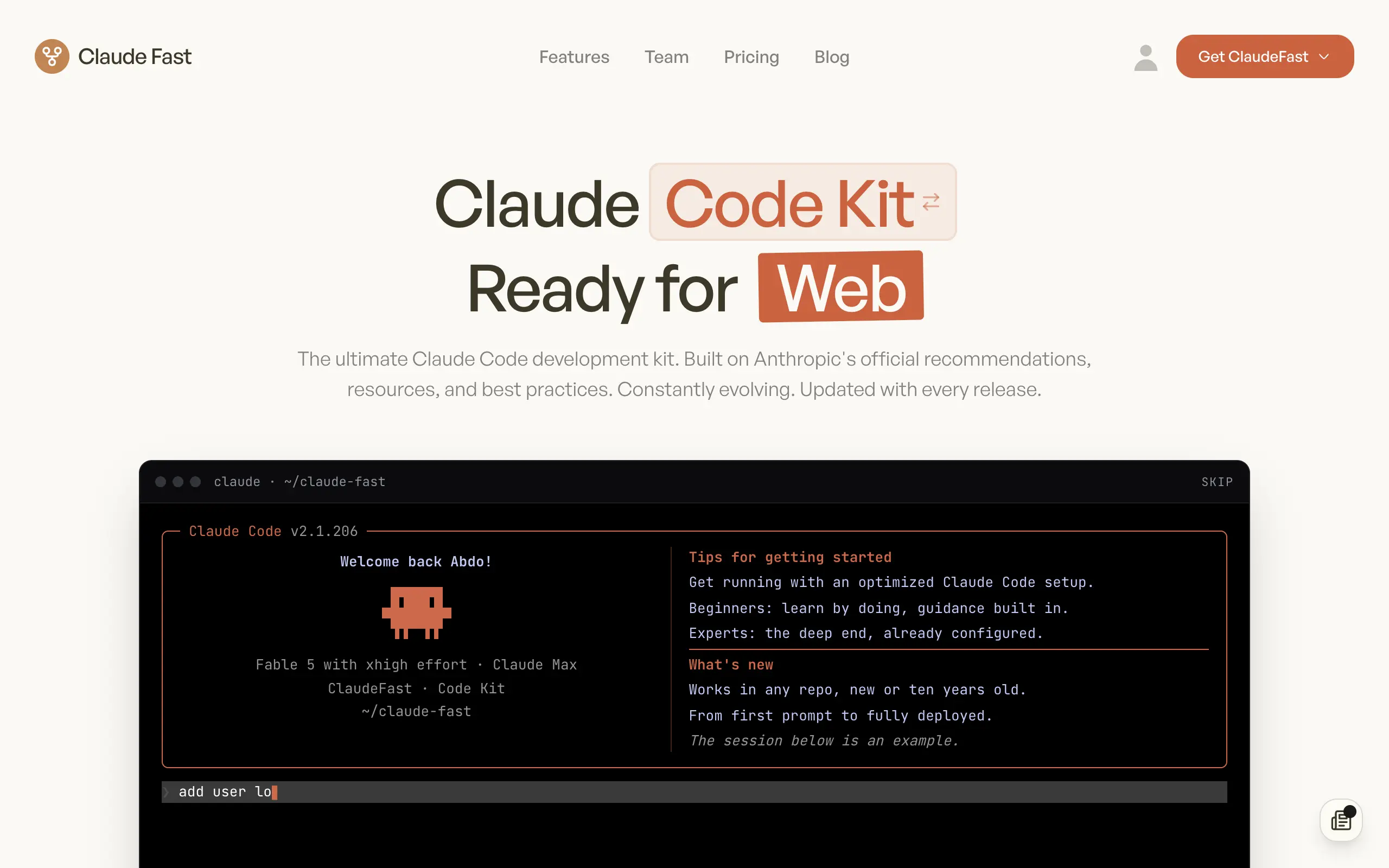
Claude Fast
Supercharge your Claude Code with 6x effective context window and specialized AI agents 🤖
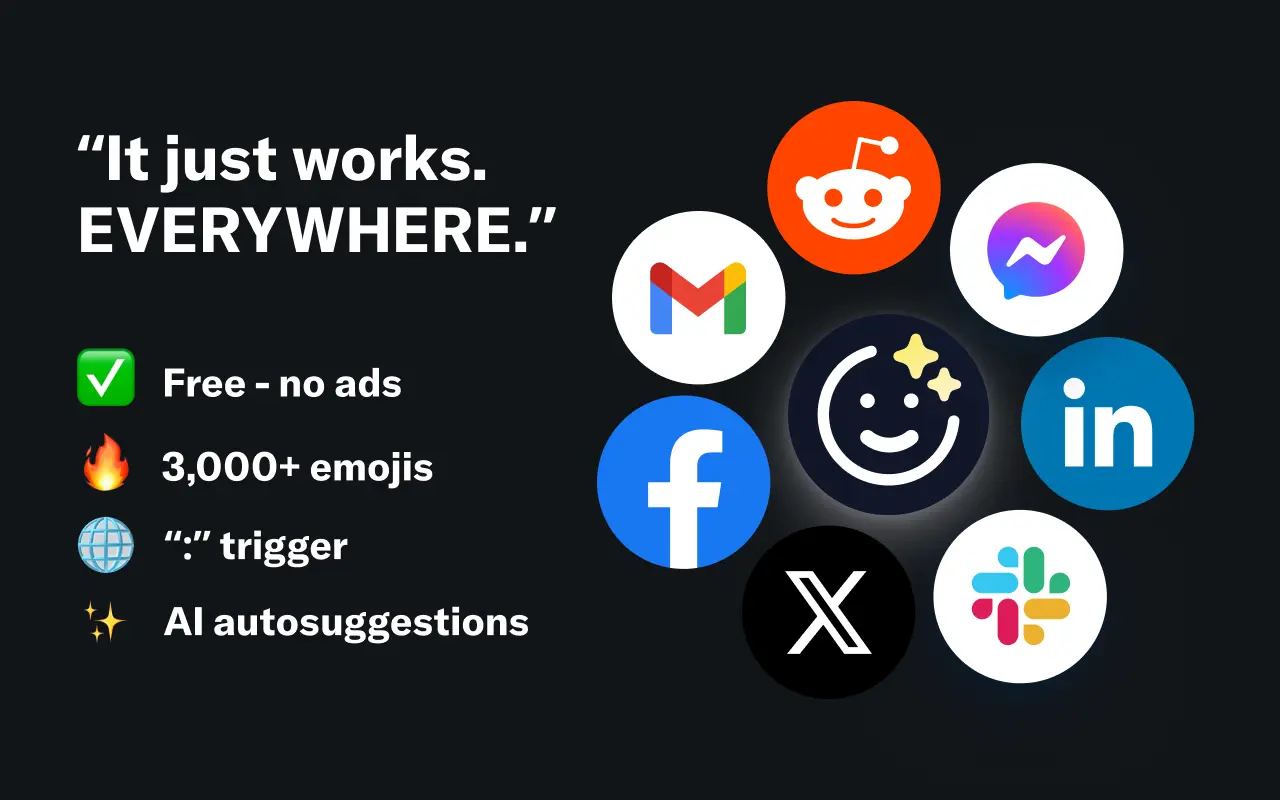
EmojAI
AI-powered emoji picker with smart, context-aware suggestions 🤖
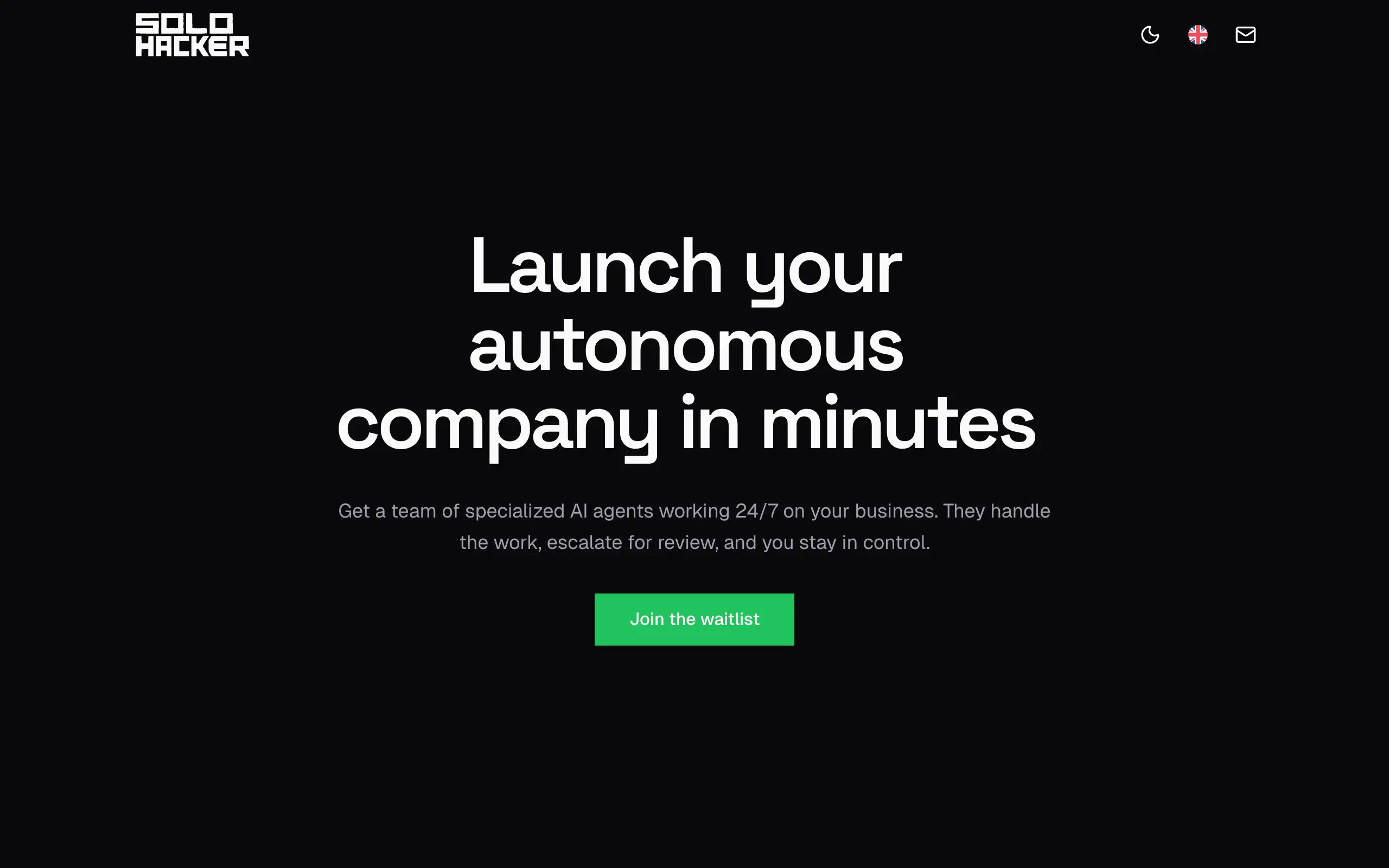
Solohacker
Autonomous company launcher - AI agents work 24/7, escalate what matters, and you stay in control 🤖
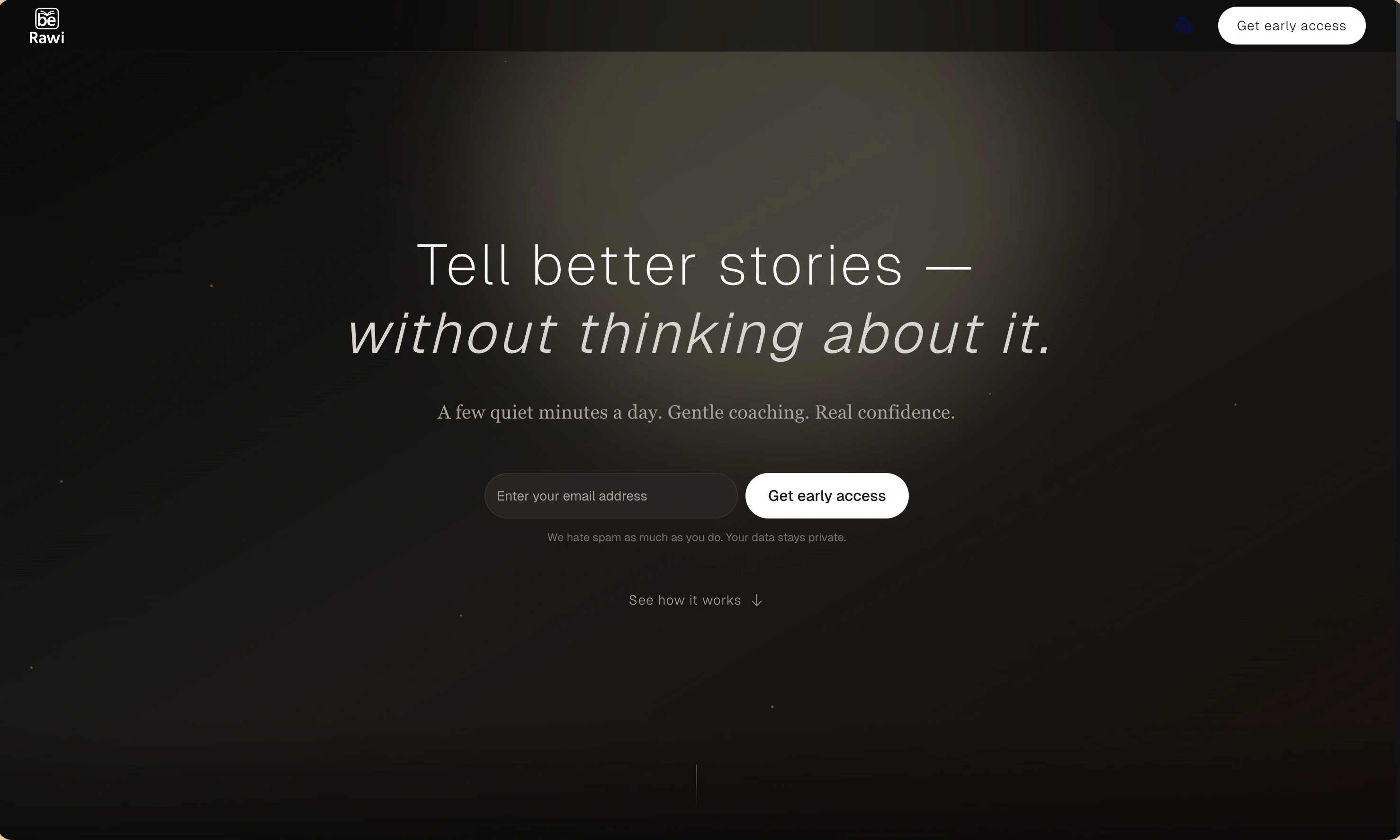
BeRawi: Storytelling Coach
Practice storytelling daily with instant feedback to sound clearer, more engaging, and confident 🎤
Omichat
Chat with 50+ AI models, including ChatGPT and Claude, in one place - switch models anytime without losing context 🤖
Claude Fast
Supercharge your Claude Code with 6x effective context window and specialized AI agents 🤖
EmojAI
AI-powered emoji picker with smart, context-aware suggestions 🤖
Solohacker
Autonomous company launcher - AI agents work 24/7, escalate what matters, and you stay in control 🤖
BeRawi: Storytelling Coach
Practice storytelling daily with instant feedback to sound clearer, more engaging, and confident 🎤
Omichat
Chat with 50+ AI models, including ChatGPT and Claude, in one place - switch models anytime without losing context 🤖
Claude Fast
Supercharge your Claude Code with 6x effective context window and specialized AI agents 🤖
EmojAI
AI-powered emoji picker with smart, context-aware suggestions 🤖
Solohacker
Autonomous company launcher - AI agents work 24/7, escalate what matters, and you stay in control 🤖
BeRawi: Storytelling Coach
Practice storytelling daily with instant feedback to sound clearer, more engaging, and confident 🎤
Omichat
Chat with 50+ AI models, including ChatGPT and Claude, in one place - switch models anytime without losing context 🤖
Claude Fast
Supercharge your Claude Code with 6x effective context window and specialized AI agents 🤖
EmojAI
AI-powered emoji picker with smart, context-aware suggestions 🤖
Solohacker
Autonomous company launcher - AI agents work 24/7, escalate what matters, and you stay in control 🤖
BeRawi: Storytelling Coach
Practice storytelling daily with instant feedback to sound clearer, more engaging, and confident 🎤

Connect with like-minded people
Join our community to get feedback, support, and grow together with 1,000+ builders on board, let's ship it!
Join usShip your startup everywhere. In minutes.
Don't burn tokens on setup and start building features on day one.