LegacyLens
AI maps legacy banking code into plain-English flows, risk notes, and test cases so teams can modernize safely and onboard engineers faster.
Legacy banking modernization is rarely blocked by a lack of ambition. It is blocked by uncertainty.
A bank may have decades of COBOL, PL/I, RPG, Java, SQL, mainframe job control language, stored procedures, and integration code supporting deposits, lending, payments, customer onboarding, regulatory reporting, and fraud operations. Much of that code still works. The problem is that few people can explain, with confidence, what it does, where the business rules live, which downstream systems depend on it, or what will break when a team changes it.
LegacyLens is an AI-powered legacy banking code intelligence platform designed to turn complex codebases into plain-English business flows, risk notes, engineering documentation, and actionable test cases. Its purpose is not simply to summarize code. It helps banking technology teams create a defensible understanding of critical systems before modernization work begins.
The core opportunity is significant. Financial institutions need to modernize systems while preserving operational resilience, auditability, data integrity, and regulatory compliance. An AI solution that makes legacy banking code understandable can shorten discovery cycles, improve engineer onboarding, reduce change risk, and make modernization programs more predictable.
The central product thesis
LegacyLens should position itself as a banking modernization intelligence layer, not a generic AI code assistant. Its value comes from connecting code behavior to banking processes, controls, risks, dependencies, and tests.
Why AI legacy banking code analysis matters now
Banks are under pressure to improve digital customer experiences, launch products faster, reduce infrastructure costs, strengthen resilience, and respond to changing regulatory expectations. Yet many high-value banking processes still rely on systems built long before modern cloud architecture, API-first delivery, or continuous deployment practices.
The usual modernization challenge is not merely technical migration. It is business-rule recovery.
A loan servicing module may contain rules for interest accrual, delinquency treatment, repayment allocation, exception handling, and regulatory disclosures. A payments application may encode message validation rules, cutoff times, duplicate detection, sanctions-screening handoffs, and settlement exceptions. These rules are often spread across multiple programs, batch jobs, database tables, configuration files, and manual operating procedures.
Traditional documentation approaches struggle because documentation is commonly:
- Outdated or incomplete
- Written from a technical rather than business perspective
- Scattered across ticketing systems, wikis, shared drives, and source repositories
- Dependent on a small number of subject matter experts
- Difficult for new engineers to search and validate
- Missing operational risk and test coverage context
AI legacy banking code analysis can change this dynamic when it is implemented with the right guardrails. Instead of asking engineers to read thousands of lines of code before contributing, LegacyLens can generate a structured starting point that is traceable back to source artifacts.
The important distinction is that a banking-grade platform cannot treat generated explanations as unquestioned truth. It needs source citations, confidence signals, review workflows, policy controls, and evidence trails. That is where a vertical product can outperform a general-purpose coding assistant.
The target audience for LegacyLens
LegacyLens should target organizations where code comprehension creates a material operational, financial, or compliance bottleneck. The first users may be engineers, but the buyer group is broader.
| Audience | Primary problem | What LegacyLens provides | Buying influence | Success signal |
|---|---|---|---|---|
| Application modernization leaders | Unknown scope and dependency risk | System maps and modernization evidence | High | Faster discovery |
| Mainframe engineering teams | Slow code comprehension and knowledge loss | Plain-English flows and code explanations | High | Shorter onboarding |
| Risk and controls teams | Limited visibility into change impact | Risk notes and review trails | Medium | Better change evidence |
| Quality assurance teams | Incomplete regression coverage | Generated test scenarios and traceability | Medium | Higher coverage |
| Technology executives | Modernization delays and concentrated expertise | Portfolio-level intelligence and reporting | Very high | Reduced delivery risk |
Primary customer profile
The most promising early customer profile is a mid-market or enterprise financial institution with a substantial legacy estate and an active modernization initiative. This may include retail banks, credit unions, regional banks, building societies, payment processors, lenders, wealth management firms, and insurance-adjacent financial services companies.
A strong initial account often has these characteristics:
- A legacy codebase that supports customer-critical workflows
- A small pool of engineers who deeply understand the system
- A migration, replatforming, API enablement, or platform consolidation initiative
- Pressure to demonstrate change-control discipline
- Existing repositories and documentation that can be connected securely
- A clear pilot area such as deposits, card processing, loan servicing, or batch operations
The best early adopters are not necessarily the largest global banks. Large institutions can have long procurement cycles and strict security requirements. Regional banks, specialist lenders, fintech infrastructure providers, and modernization consultancies may offer a faster path to product validation.
Secondary users who shape adoption
A successful banking code intelligence platform must serve users beyond the developer who asks a question in a chat interface.
- Business analysts need understandable process narratives that they can validate with operations teams.
- QA engineers need test scenarios tied to actual branch logic and known exceptions.
- Security teams need assurance that source code and customer data are protected.
- Internal audit teams need evidence of how changes were assessed.
- External modernization partners need a faster way to understand unfamiliar systems without relying entirely on client SMEs.
- Product owners need a way to verify that modernization requirements preserve existing behavior where required.
This multi-stakeholder design requirement is a competitive advantage. LegacyLens should make technical intelligence usable by business and governance teams without oversimplifying the underlying evidence.
The market gap in legacy banking modernization
The market contains several categories of tools, but few solve the full banking-specific comprehension problem.
Generic AI coding assistants are useful for drafting code, explaining functions, and accelerating common engineering tasks. However, they are typically not designed to create a governed, institution-wide understanding of a legacy banking application. Their outputs may lack source-level traceability, banking domain modeling, role-based review, portfolio reporting, and sensitive-data controls.
Application performance monitoring tools help teams understand runtime behavior. Static application security testing tools identify vulnerabilities. Enterprise architecture platforms document systems and dependencies. Mainframe modernization firms provide consulting and transformation services.
Each category has value, but a gap remains between raw code and modernization decision-making.
The LegacyLens opportunity is to create a durable intelligence layer that answers questions such as:
- Which programs participate in end-of-day account posting?
- Where is overdraft eligibility calculated?
- What happens when a payment file contains invalid records?
- Which tables, queues, and downstream jobs are affected by a field change?
- What business rules must remain unchanged during a migration?
- Which regression tests should run before a release?
- Which areas of the codebase have the highest knowledge concentration risk?
- What evidence supports a proposed modernization boundary?
This is a high-value problem because discovery often consumes a substantial portion of modernization effort. Before using any market statistic in sales material, validate it against a current analyst report, a regulator publication, or a reputable industry survey. A strong reference format is: Source: organization name, report title, publication date, page number.
Why banking is a defensible vertical
Banking software has characteristics that make vertical specialization valuable:
- High cost of production incidents
- Strict audit and change-management requirements
- Deeply embedded domain language
- Long-lived systems with many hidden dependencies
- Sensitive customer and transaction data
- Complex exception paths and regulatory rules
- A growing shortage of experienced legacy-language practitioners
A generic code explanation may say that a function “updates account balance.” A banking-aware explanation should identify whether the operation affects available balance, ledger balance, holds, pending transactions, overdraft calculations, interest accrual, reconciliation state, or reporting fields. That distinction matters.
The LegacyLens product vision
LegacyLens should transform source code and related engineering artifacts into a navigable map of business behavior. The product should be designed as a system of evidence rather than a chatbot with a repository connection.
Its primary workflow is straightforward:
- A customer connects approved source repositories and selected technical documentation.
- LegacyLens parses, indexes, and maps code, data structures, jobs, interfaces, and dependencies.
- The platform produces plain-English flows, risk notes, test recommendations, and modernization insights.
- Engineers and domain experts review, correct, and approve findings.
- Teams use approved artifacts in modernization planning, engineering onboarding, and release governance.
Core feature set for an AI legacy banking code platform
Code-to-flow mapping
Convert programs, jobs, and integrations into understandable banking process flows with source citations.
Banking risk annotations
Highlight sensitive business logic, critical controls, data handling concerns, and high-impact dependencies.
Test case generation
Create regression scenarios, edge cases, and acceptance criteria grounded in code paths and business rules.
Modernization intelligence
Identify candidate service boundaries, dependency clusters, undocumented interfaces, and knowledge concentration risks.
Code-to-flow mapping
This is the product’s central capability. LegacyLens should ingest code and build a semantic map across:
- Programs and modules
- Functions and subroutines
- Copybooks and shared definitions
- Database schemas and file layouts
- Batch jobs and schedulers
- Message queues and API interfaces
- External service calls
- Configuration values
- Error handling and exception paths
The output should not be a one-paragraph summary. It should be a structured flow that answers:
- What triggers the process?
- What inputs are read?
- Which validation rules apply?
- Which business decisions occur?
- What records are updated?
- Which downstream processes are invoked?
- What exceptions are handled?
- What customer, financial, operational, or compliance risk exists?
- Which source files support each conclusion?
An engineer should be able to move from a plain-English explanation back to the exact relevant code block. This source-grounded workflow reduces hallucination risk and gives users a practical validation path.
Banking-specific risk notes
Risk notes should distinguish LegacyLens from general code summarization. Rather than declaring a system compliant or non-compliant, the platform should surface areas requiring review.
Potential risk categories include:
- Financial calculation logic
- Customer balance and ledger updates
- Transaction posting and reversal behavior
- PII or account-data handling
- Authorization and entitlement checks
- Batch timing and cutoff dependencies
- File processing and reconciliation exceptions
- Error suppression or retry logic
- Regulatory reporting logic
- Manual operations dependencies
- Single-maintainer or low-documentation modules
Each risk note should state why it was generated, reference supporting artifacts, include a confidence level, and allow a user to mark it as accepted, dismissed, escalated, or verified.
Avoid compliance overclaiming
LegacyLens should identify indicators and evidence for review. It should not automatically certify a codebase as compliant with a regulation, framework, or internal policy. Legal, risk, compliance, and control owners must remain accountable for formal conclusions.
Test case generation with traceability
Generated tests are valuable only if engineers can understand their origin. LegacyLens should create test recommendations from code paths, data conditions, validation logic, and exceptions.
For a payment processing routine, the platform might recommend tests for:
- Valid transaction processing
- Duplicate transaction detection
- Invalid account state
- Insufficient available funds
- Invalid currency or amount formats
- Cutoff-time behavior
- Timeout and retry behavior
- Downstream posting failures
- Reversal paths
- Reconciliation discrepancies
Each test should include expected behavior, prerequisites, sample data requirements, related source locations, and a confidence indicator. The product should also export test cases in formats compatible with existing quality workflows where possible.
A practical architecture for LegacyLens
LegacyLens needs an architecture that balances AI capability with enterprise security, explainability, and predictable cost. The recommended model is retrieval-augmented generation, commonly called RAG, combined with deterministic code analysis.
A pure large language model approach is not enough. Banking code requires programmatic parsing, dependency analysis, and traceable retrieval.
Recommended technical stack
A modern SaaS implementation can use React for the application interface and Next.js for full-stack web delivery. TypeScript is a strong default because it improves maintainability across frontend, backend, and integration code.
For the platform data layer, PostgreSQL is well suited to relational customer, workspace, permissions, workflow, and audit data. A graph database can be introduced for complex dependency exploration, although this adds operational complexity. An early version can represent many relationships in PostgreSQL while reserving graph storage for large enterprise deployments.
- Next.js and TypeScript for the web application and APIs
- PostgreSQL for tenant, user, audit, and artifact metadata
- Object storage for repository snapshots and generated artifacts
- Vector search for retrieval of code chunks and documentation
- Queue workers for ingestion, parsing, indexing, and long-running analysis
- Role-based access control and immutable audit events from day one
- Private networking or customer-managed deployment options
- Single sign-on through SAML or OpenID Connect
- Source repository integrations with least-privilege scopes
- Graph-based dependency visualization
- Policy engines for data residency and model-routing controls
- SIEM export and enterprise audit integrations
- Self-hosted models improve control but increase infrastructure and evaluation burden
- Hosted model APIs speed delivery but need clear contractual and data-processing controls
- Graph databases improve traversal queries but can be premature for small deployments
- Deep parsing raises accuracy but requires language-specific engineering investment
The ingestion and analysis pipeline
A secure ingestion pipeline should be explicit and observable. The platform should never silently ingest more than the customer approved.
For COBOL, parsing should respect divisions, sections, paragraphs, copybooks, file descriptors, and data definitions. For JCL, the platform should identify job steps, datasets, program execution order, condition codes, and schedulers where available. For SQL and stored procedures, it should detect read and write operations, transaction boundaries, and schema dependencies.
A simple example of the user-facing evidence model might look like this:
type FlowEvidence = {
  flowName: string
  summary: string
  sourceReferences: Array<{
    repositoryPath: string
    revision: string
    lineStart: number
    lineEnd: number
  }>
  confidence: "high" | "medium" | "low"
  reviewerStatus: "draft" | "verified" | "needs-review"
}
The actual implementation should also capture model version, prompt template version, parser version, retrieval context identifiers, and the time each artifact was generated. That metadata is essential for reproducibility.
Model strategy and evaluation
LegacyLens should use multiple techniques rather than relying on one model call:
- Syntax-aware parsing for factual structural extraction
- Rules engines for known risk heuristics
- Retrieval for repository-grounded context
- Language models for explanation, synthesis, and test design
- Human review for high-impact findings
- Evaluation datasets for measuring quality over time
The company should build a benchmark set of anonymized or synthetic banking code examples with known expected outputs. Measure at least:
- Citation accuracy
- Dependency extraction precision and recall
- Correctness of business flow descriptions
- Usefulness of generated tests
- False-positive rates for risk notes
- Reviewer acceptance rates
- Time saved versus manual discovery
This evaluation discipline supports enterprise trust. It also creates a growing data advantage that is difficult for a generic AI assistant to replicate.
Security, privacy, and governance requirements
For banking buyers, security posture is part of the product. It cannot be treated as a sales enablement slide created after the MVP.
LegacyLens should support a security model based on least privilege, tenant isolation, encryption, auditable access, and configurable retention. Where possible, customers should control which repositories, branches, directories, and artifact classes are available for analysis.
Essential controls for enterprise readiness
- Encryption in transit and at rest
- Role-based access control with granular workspace permissions
- Repository connection scopes limited to required read access
- Tenant isolation across storage, retrieval, and generation paths
- Audit logs for access, ingestion, generation, review, export, and deletion
- Configurable retention policies
- Secret scanning and redaction workflows
- Support for private connectivity where required
- Clear subprocessors and data-processing documentation
- Incident response and vulnerability management procedures
Use well-recognized security frameworks as a planning reference. The NIST cybersecurity resources and the OWASP guidance can inform internal controls, threat modeling, and secure development practices. However, LegacyLens should obtain independent legal and security advice before making claims about specific certifications or regulatory suitability.
Human-in-the-loop is a product feature
The platform should not present every output with equal certainty. Instead, it should make review efficient.
A reviewer experience might allow an SME to:
- Read a generated business flow.
- Open cited source locations.
- Edit the explanation or risk note.
- Mark the artifact as verified.
- Assign unresolved questions to another owner.
- Export a reviewed artifact to a modernization workstream.
This transforms AI from an opaque answer engine into a collaborative knowledge system.
Monetization options for LegacyLens
Enterprise banking software should be priced around measurable value, security requirements, and adoption scope rather than raw token consumption alone.
A sensible monetization strategy can combine annual platform subscriptions, usage allowances, and implementation services.
Recommended pricing model
- Pilot package with a fixed scope, selected repository, limited users, onboarding support, and success criteria
- Team plan priced by active engineering users or analyzed application domains
- Enterprise plan with SSO, audit exports, private networking, custom retention, premium support, and advanced integrations
- Usage component for large-scale repository analysis, scheduled re-analysis, or extensive generation workloads
- Professional services for legacy estate onboarding, custom language support, model evaluation, and modernization workshops
The pilot should not be a free proof of concept that becomes indefinite consulting. It should be a paid, time-bound engagement with clear artifacts and measurable outcomes.
Strong pilot success metrics include:
- Reduction in time required to document a target application
- Number of verified business flows created
- Percentage of critical modules with dependency maps
- Reduction in new-engineer onboarding time
- Test scenarios accepted by QA teams
- High-risk logic areas identified before migration work
- Reviewer satisfaction and artifact reuse rates
Why value-based pricing is stronger than seat-only pricing
A seat-only plan can undervalue a product used by a relatively small architecture or modernization team to de-risk a multimillion-dollar program. LegacyLens creates value through reduced uncertainty and better decisions, not merely daily logins.
At the same time, pricing must remain understandable. Tie enterprise value to visible product units such as application domains, codebase size bands, analysis runs, and governance capabilities. Procurement teams need a clear cost model.
Competitive advantage and differentiation
LegacyLens should avoid competing head-on with every AI coding assistant. Its competitive advantage comes from specialized workflows, evidence, and banking context.
| Capability | Generic AI assistant | Consulting-only approach | LegacyLens advantage | Buyer value |
|---|---|---|---|---|
| Code explanation | Often available | Manual and variable | Banking flow templates with evidence | Faster understanding |
| Cross-system mapping | Limited by context | Possible but labor intensive | Persistent dependency intelligence | Lower migration risk |
| Risk governance | Usually limited | Documented manually | Reviewable risk notes and audit trail | Better control evidence |
| Test generation | Generic suggestions | Manual design | Source-linked banking test scenarios | More useful regression coverage |
The defensible moat is not simply a proprietary prompt. It is the combination of:
- Banking-specific ontology and terminology
- Language-aware parsers for legacy systems
- Source-cited artifact generation
- Reviewer feedback loops
- Historical knowledge of approved flows and risk decisions
- Integrations into modernization and testing workflows
- Security and governance features appropriate for financial institutions
- Evaluation datasets tailored to legacy banking behavior
Over time, LegacyLens can become a system of record for institutional software knowledge. That is far more valuable than a transient chat interaction.
Key risks and how to mitigate them
Every AI SaaS product has execution risk, but banking code intelligence has a particularly high trust threshold.
Hallucinated or incomplete analysis
Language models can generate plausible explanations that are incomplete or wrong. This is dangerous in a banking environment.
Mitigation should include source citations, confidence scores, structured extraction before generation, reviewer workflows, benchmark evaluation, and explicit “needs review” states. Do not allow uncited high-impact claims to be presented as verified facts.
Sensitive data exposure
Repositories may contain credentials, customer identifiers, account formats, proprietary business rules, or production-like data.
Mitigate through secret scanning, redaction, least-privilege repository access, tenant isolation, encryption, retention controls, approved model-routing policies, and options for private deployment. Make data boundaries visible to customers.
Long enterprise sales cycles
Banks often have extensive security, vendor management, procurement, and legal reviews.
Start with a narrow pilot package that can be deployed in a lower-risk environment, such as a non-production repository or a specific application area. Build a reusable security questionnaire response library, architecture documentation, and implementation checklist early.
Too much scope in the first release
Supporting every legacy language, every bank process, every deployment model, and every integration from the beginning will delay learning.
Focus the MVP on a small number of high-value languages and workflows. COBOL plus JCL is a compelling initial combination for many institutions. Add SQL, Java, and API dependency analysis based on customer demand.
Resistance from experienced engineers
Long-tenured engineers may see the product as oversimplifying their work or threatening their role.
Position LegacyLens as a way to preserve and scale expert knowledge. Make review and correction highly visible. Give SMEs ownership of verification workflows and recognize them as authors of approved institutional knowledge.
It should not promise zero-risk modernization, automatic regulatory compliance, fully autonomous code conversion, or perfect documentation without human review. Credible positioning is more persuasive in high-stakes enterprise software.
A bounded, high-value application with active modernization plans and available subject matter experts. The goal is to prove faster discovery and better evidence, not to scan an entire bank on day one.
Security and data governance. The product should answer where code is processed, what is retained, who can access it, how models are used, and how generated outputs are audited.
An actionable go-to-market and implementation plan
The strongest launch strategy is to sell a specific outcome: understand a critical legacy banking application before changing it.
Avoid broad messaging such as “AI for all legacy code.” It is harder to evaluate and easier for buyers to dismiss. Instead, lead with a measurable modernization problem.
Phase one: validate the problem with design partners
Interview modernization leaders, mainframe engineers, QA managers, and banking technology consultants. Focus on recent projects rather than hypothetical preferences.
Ask questions such as:
- Which application took the longest to understand?
- Where did undocumented business rules create delays?
- Which changes required the most regression testing?
- What knowledge is held by only one or two people?
- Which discovery artifacts do teams repeatedly recreate?
- What would make security approve a limited pilot?
The goal is to identify a workflow where better code understanding produces a financially meaningful outcome.
Phase two: build a focused MVP
The MVP should include:
- Secure repository ingestion
- COBOL and JCL parsing for a defined syntax subset
- Code and dependency search
- Plain-English business flow generation
- Source citations and confidence states
- Basic risk annotations
- Test scenario generation
- Reviewer approval and export workflow
- Audit logging
Do not begin with autonomous code conversion. Understanding and verification are more urgent, easier to validate, and more aligned with enterprise trust.
For founders who want to accelerate SaaS delivery without rebuilding standard authentication, billing, administration, and application foundations, TurboStarter can provide a practical starting point for the broader product shell.
Phase three: run a paid pilot
A pilot should focus on one application domain and end with a reviewable evidence package.
Deliverables might include:
- A dependency map of the selected application
- Verified business flows for critical processes
- A prioritized risk register
- A set of source-linked regression test scenarios
- A modernization readiness summary
- Recommendations for the next application domain
Measure baseline discovery effort before the pilot begins. If the customer cannot compare outcomes against their existing process, the value story will be weaker.
Phase four: expand through governance and workflow integration
Once the product is trusted by engineering teams, expand into adjacent workflows:
- Change impact assessments
- Release readiness reviews
- Knowledge transfer during contractor transitions
- Modernization program reporting
- Test suite gap analysis
- Architecture repository synchronization
- Audit evidence preparation
This expansion makes LegacyLens more embedded in the customer’s operating model and improves retention.
Final perspective
LegacyLens addresses one of the most persistent problems in financial technology: critical banking systems often contain valuable business knowledge that is difficult to see, validate, and safely change.
The winning product will not be the one that generates the most impressive code summary. It will be the one that helps banks make better modernization decisions with evidence they can inspect, workflows they can govern, and outputs their engineers trust.
By combining legacy code parsing, banking-specific reasoning, source-grounded AI, risk-aware review, and test case generation, LegacyLens can become a meaningful modernization intelligence platform. Start with a narrow, high-stakes application use case. Prove faster discovery and safer change planning. Then expand from code understanding into the broader system of record for legacy banking knowledge.
More 🤖 AI Startup SaaS ideas
Discover more innovative ai startup SaaS ideas that are trending in 2026. Each idea is AI-generated with market validation and growth potential to help you find your next profitable venture faster than competitors.
Your competitors are building with TurboStarter
Below are some of the SaaS ideas that have been generated and built with our starter kit.
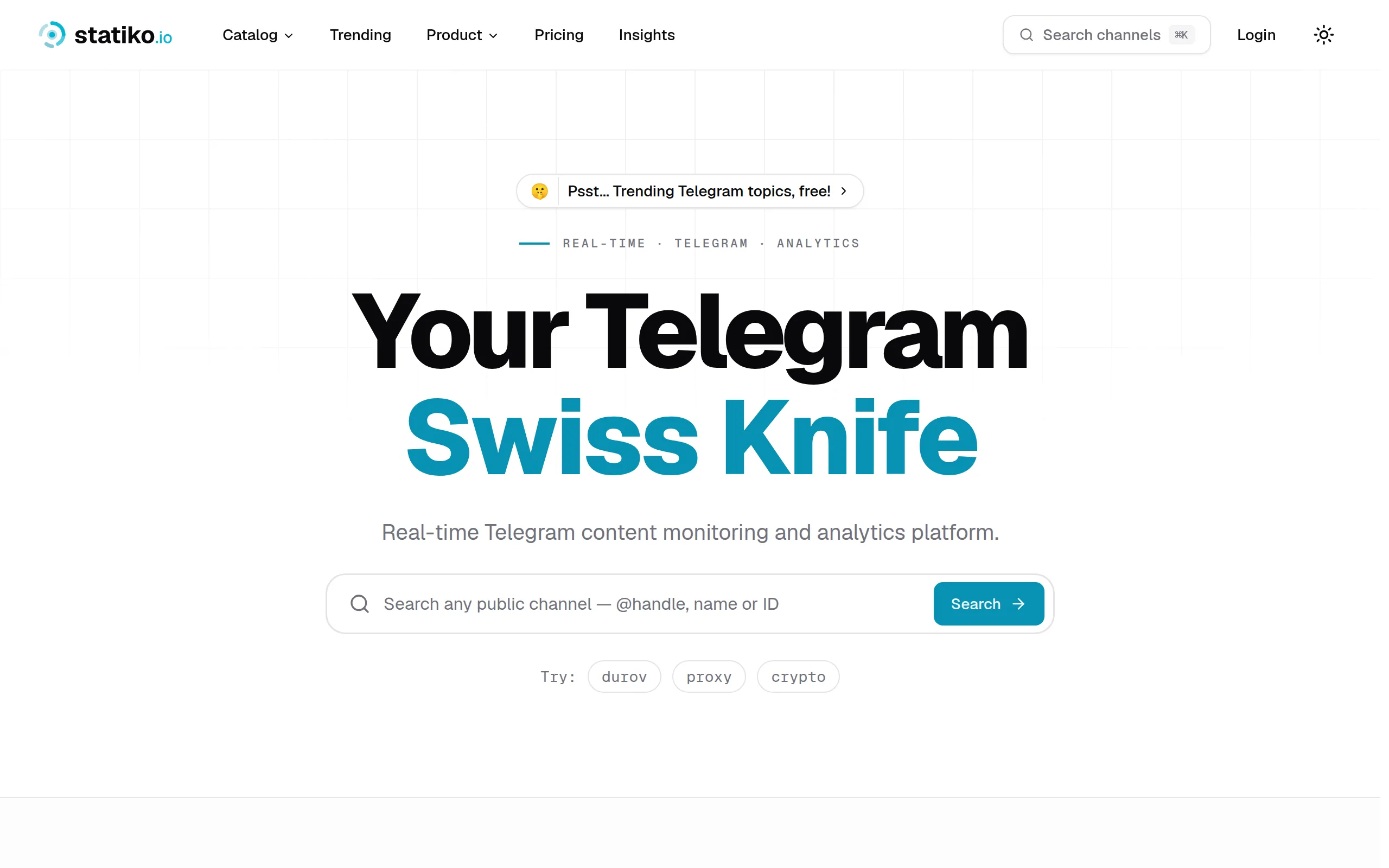
Statiko
Monitor any Telegram channel in real time - track posts, edits, deletions, and growth with AI recaps 📡
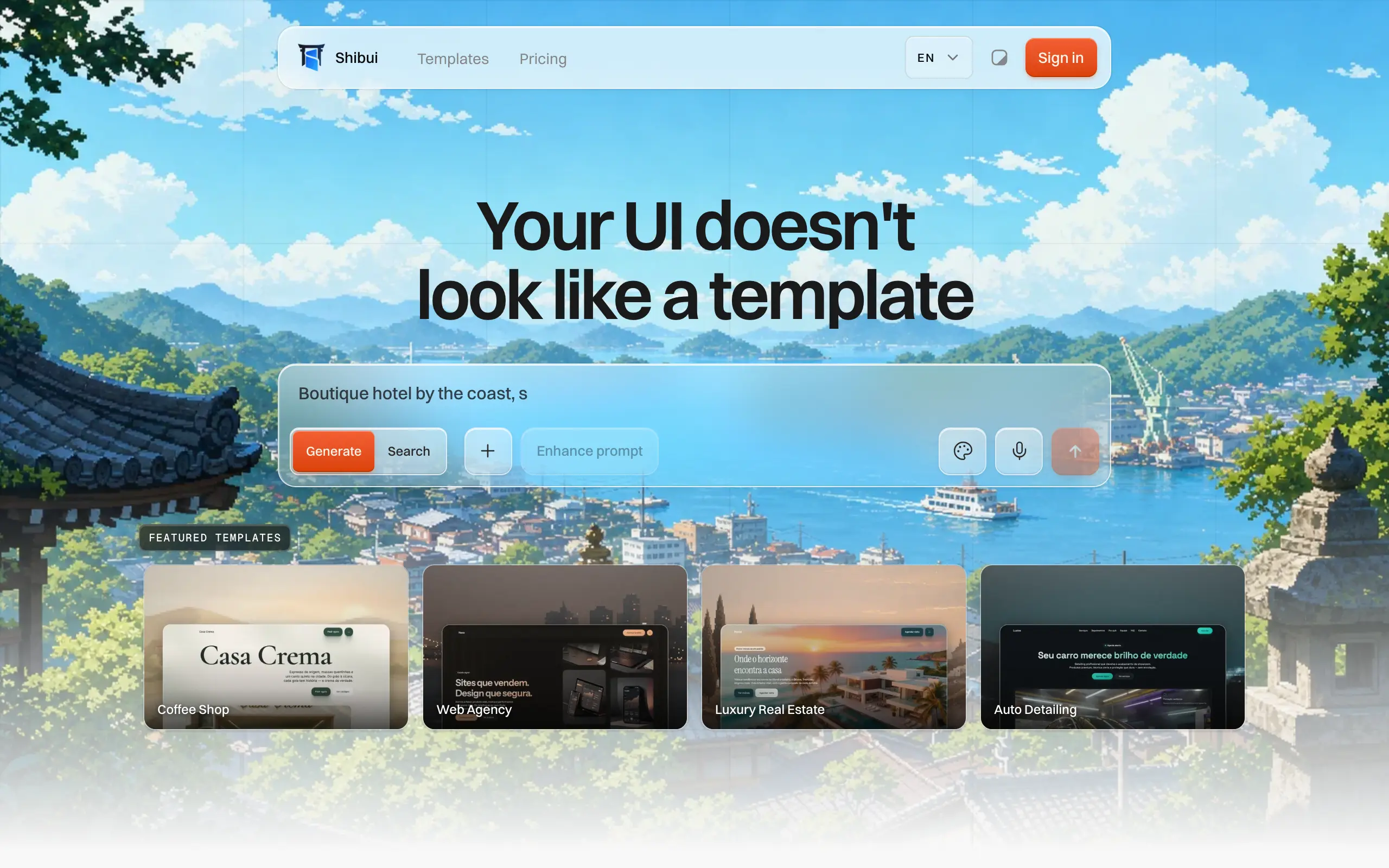
Shibui
AI website builder - describe your business, pick a niche template, edit by chatting, and publish instantly ✨

Pro Service
Find verified home service professionals, compare quotes, and pay securely through escrow - built for Brazilians across the US 🏠
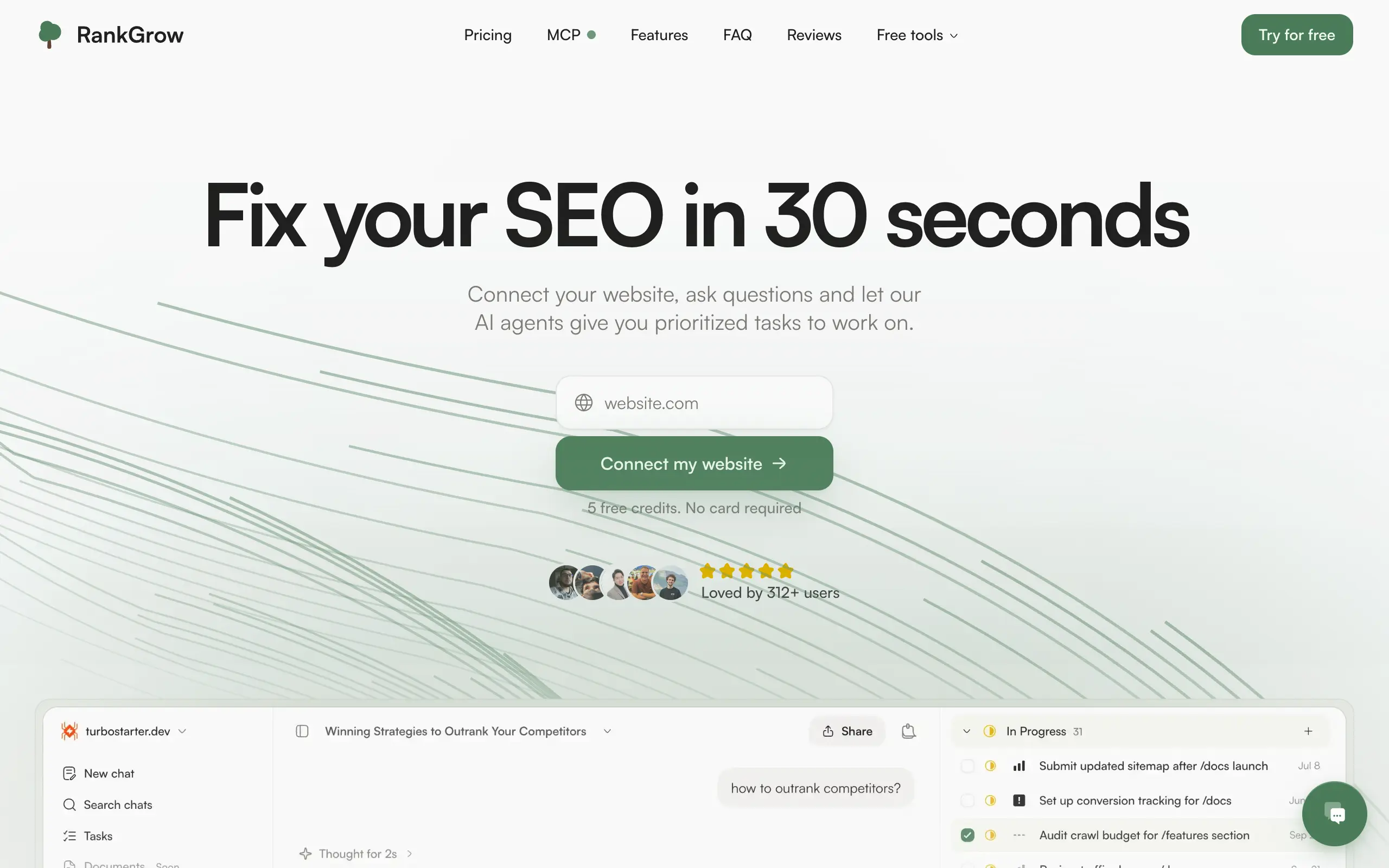
RankGrow
Fix your SEO with AI agents - connect Search Console, get prioritized tasks, and grow organic traffic 📈
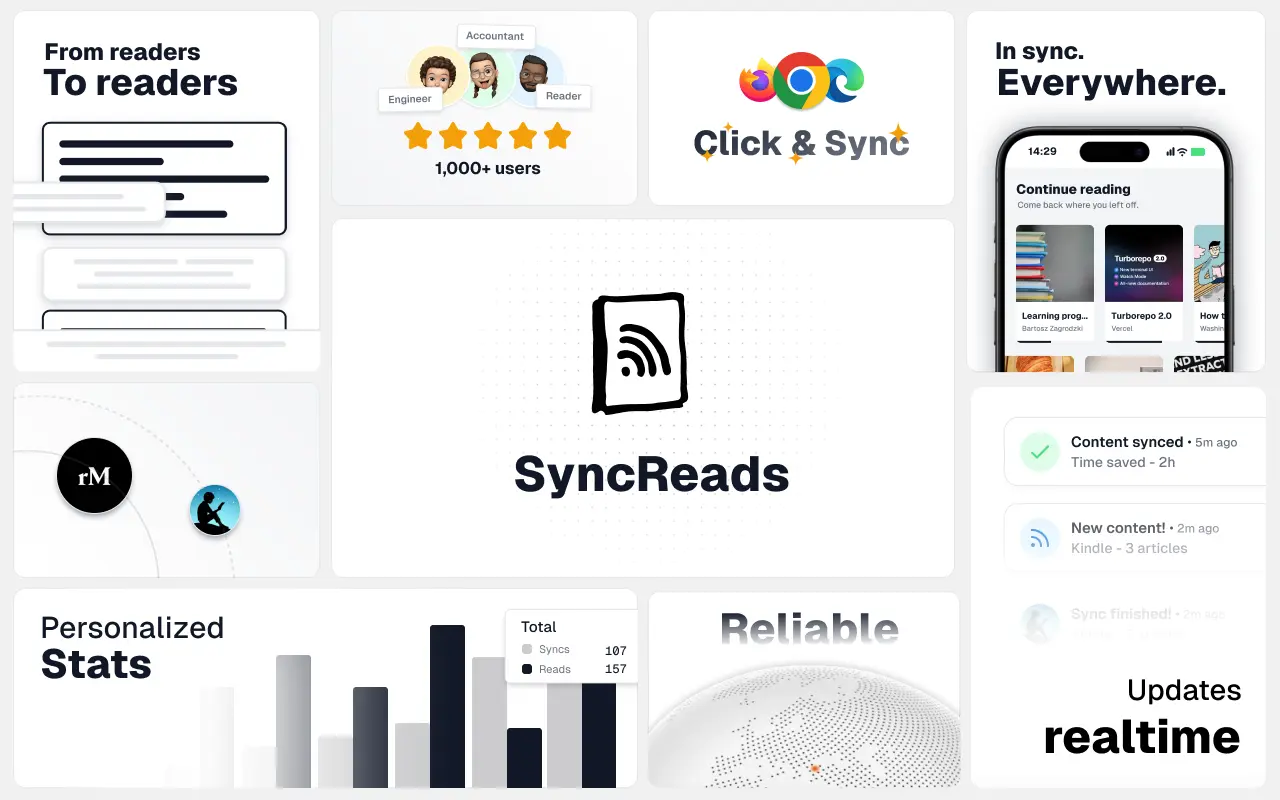
SyncReads
Sync your favorite content for distraction-free reading, save time and replace multiple apps. Anytime, anywhere 🔄
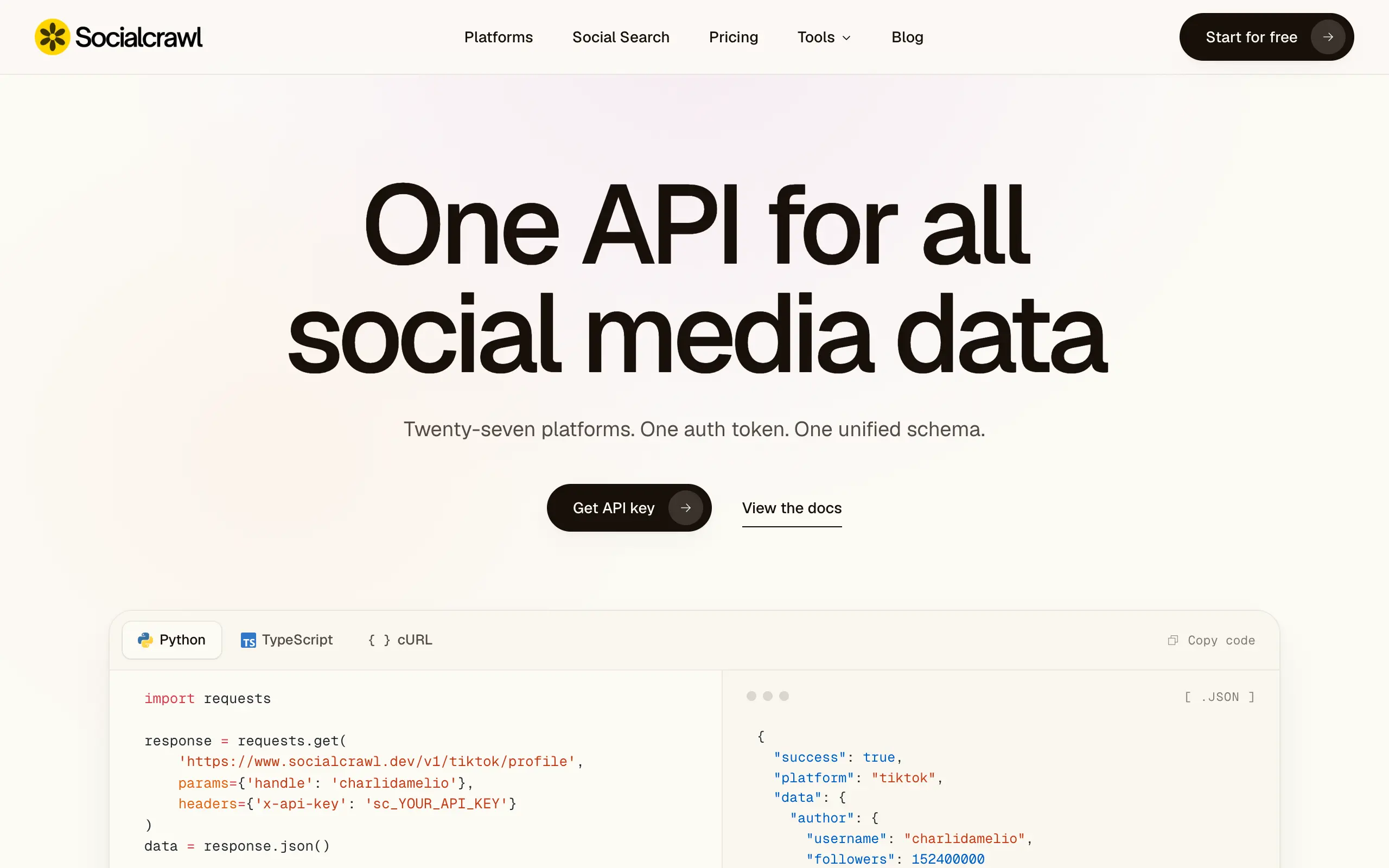
Socialcrawl
Get clean, structured data from 21 platforms like TikTok, Instagram, and YouTube with a single request 📊
Statiko
Monitor any Telegram channel in real time - track posts, edits, deletions, and growth with AI recaps 📡
Shibui
AI website builder - describe your business, pick a niche template, edit by chatting, and publish instantly ✨
Pro Service
Find verified home service professionals, compare quotes, and pay securely through escrow - built for Brazilians across the US 🏠
RankGrow
Fix your SEO with AI agents - connect Search Console, get prioritized tasks, and grow organic traffic 📈
SyncReads
Sync your favorite content for distraction-free reading, save time and replace multiple apps. Anytime, anywhere 🔄
Socialcrawl
Get clean, structured data from 21 platforms like TikTok, Instagram, and YouTube with a single request 📊
Statiko
Monitor any Telegram channel in real time - track posts, edits, deletions, and growth with AI recaps 📡
Shibui
AI website builder - describe your business, pick a niche template, edit by chatting, and publish instantly ✨
Pro Service
Find verified home service professionals, compare quotes, and pay securely through escrow - built for Brazilians across the US 🏠
RankGrow
Fix your SEO with AI agents - connect Search Console, get prioritized tasks, and grow organic traffic 📈
SyncReads
Sync your favorite content for distraction-free reading, save time and replace multiple apps. Anytime, anywhere 🔄
Socialcrawl
Get clean, structured data from 21 platforms like TikTok, Instagram, and YouTube with a single request 📊
Statiko
Monitor any Telegram channel in real time - track posts, edits, deletions, and growth with AI recaps 📡
Shibui
AI website builder - describe your business, pick a niche template, edit by chatting, and publish instantly ✨
Pro Service
Find verified home service professionals, compare quotes, and pay securely through escrow - built for Brazilians across the US 🏠
RankGrow
Fix your SEO with AI agents - connect Search Console, get prioritized tasks, and grow organic traffic 📈
SyncReads
Sync your favorite content for distraction-free reading, save time and replace multiple apps. Anytime, anywhere 🔄
Socialcrawl
Get clean, structured data from 21 platforms like TikTok, Instagram, and YouTube with a single request 📊
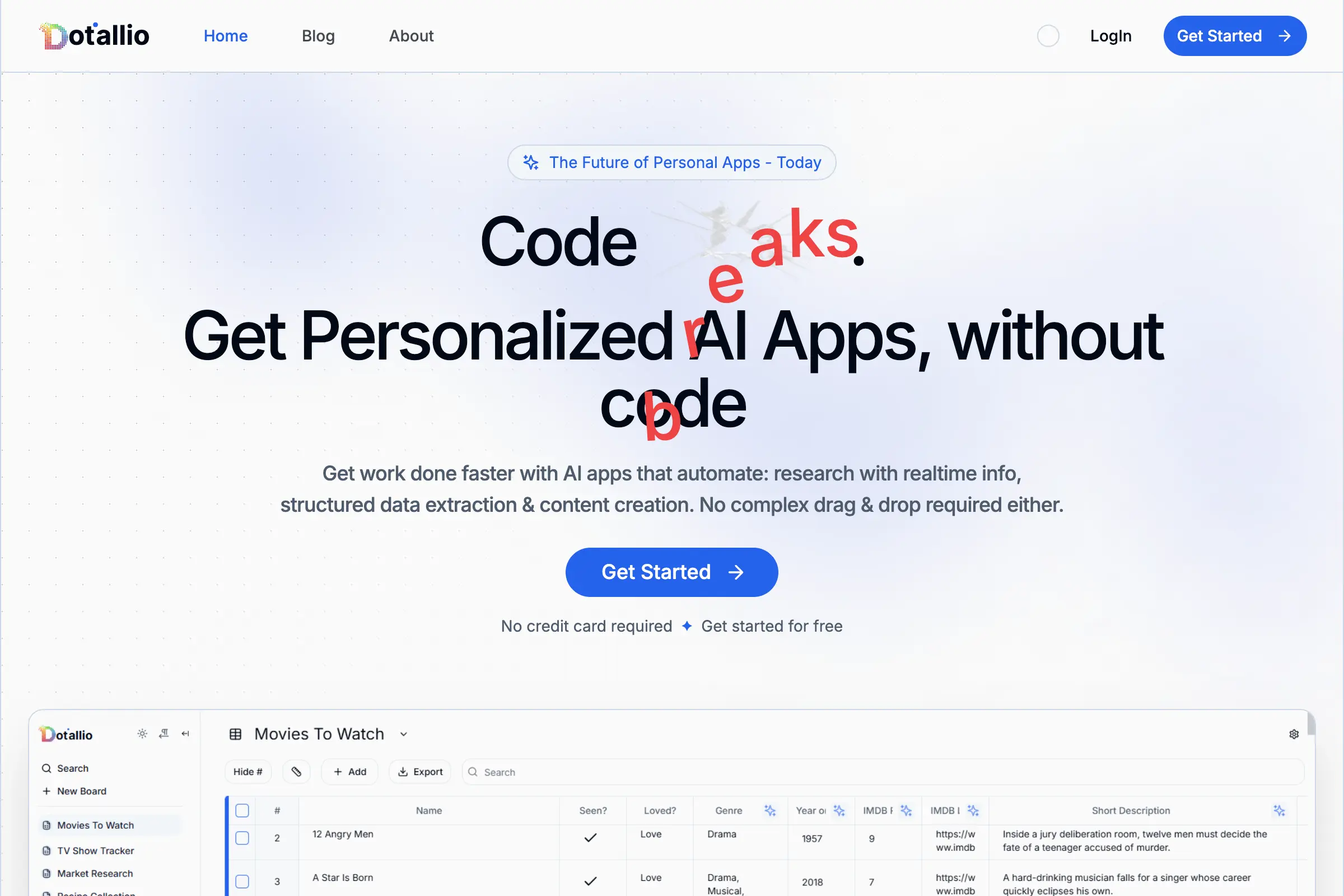
Dotallio
Personalized AI apps that automate research, data extraction, and content creation without code 🤖
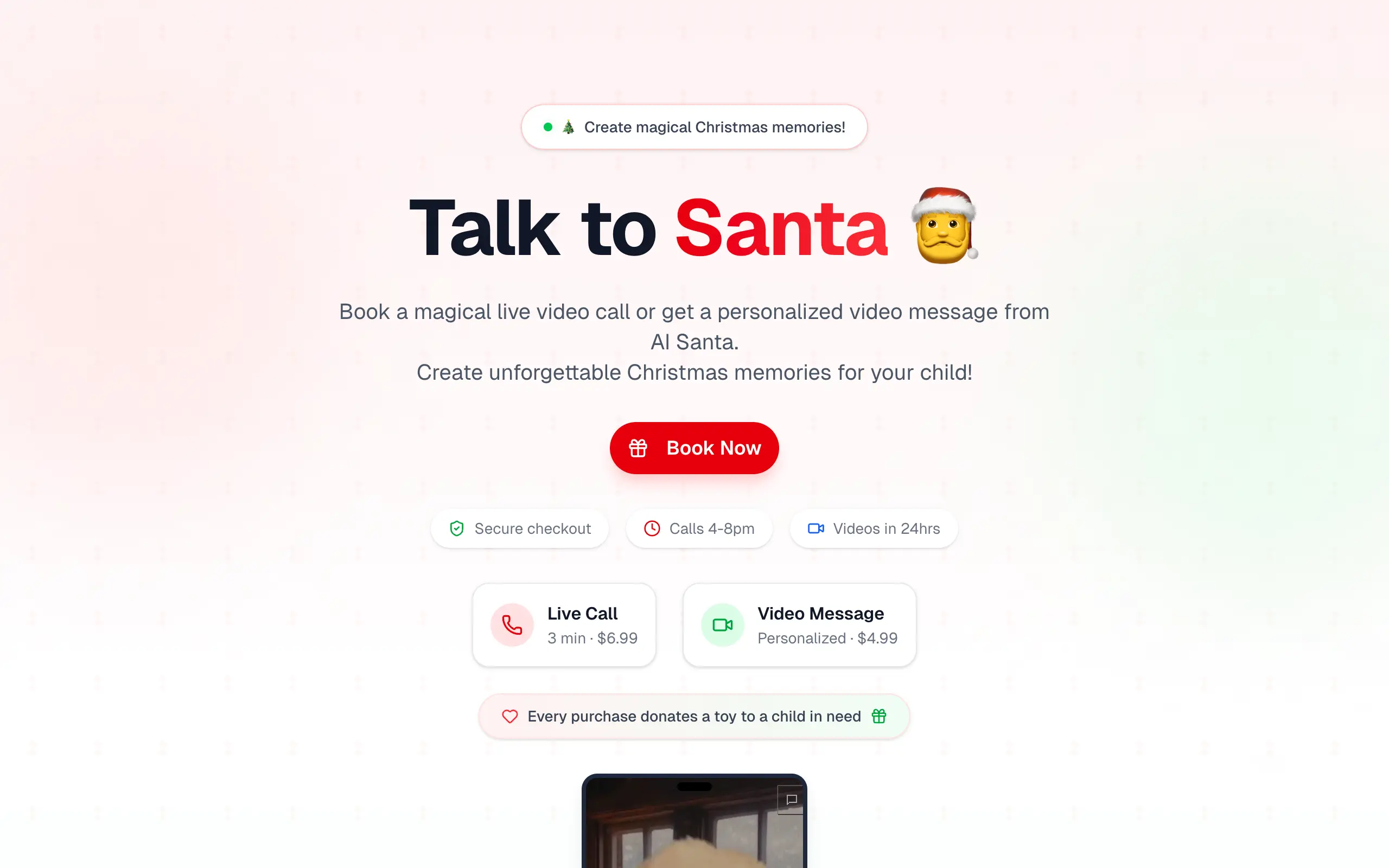
Talk to Santa
Enjoy a magical live video chat or receive a unique AI-generated video greeting from Santa Claus 🎅
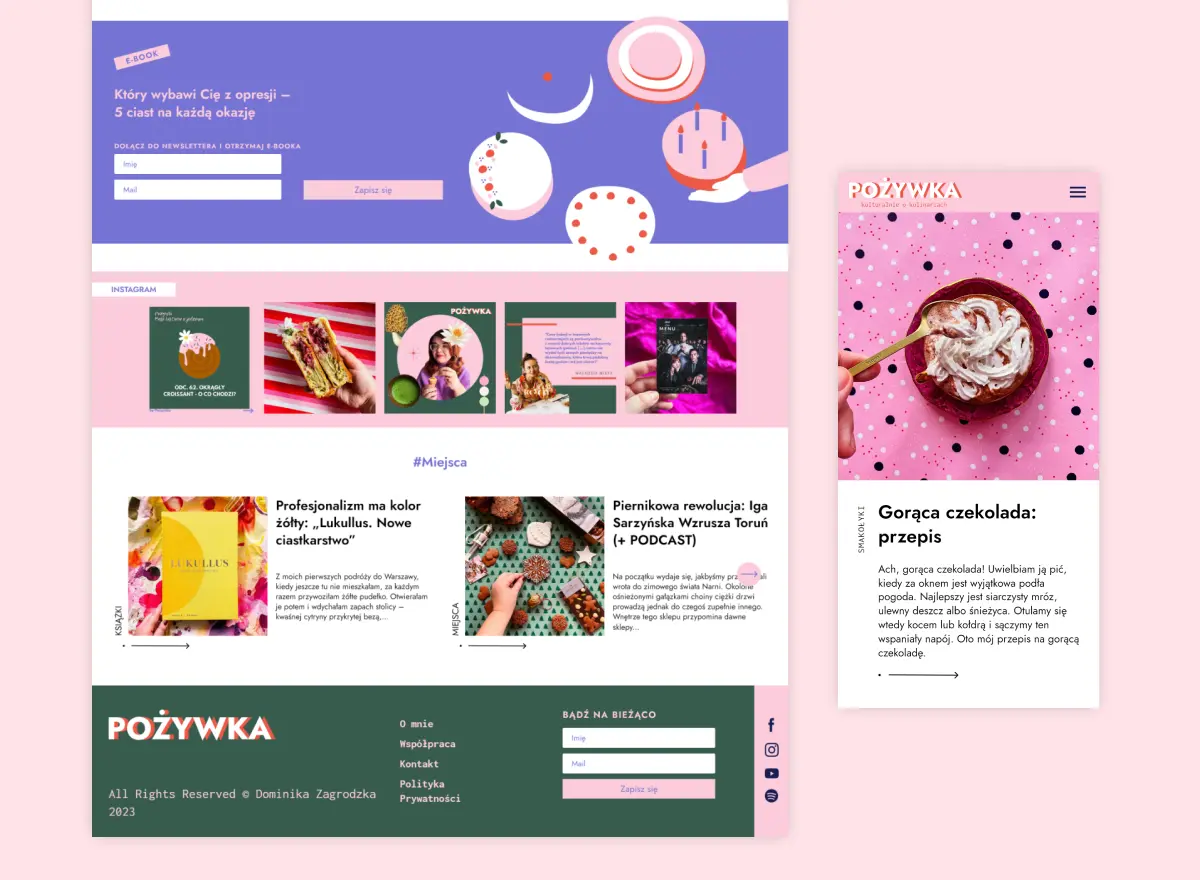
pozywka.pl
Scalable blog for food journalist, focused on performance and user experience 🌭
zagrodzki.me
Personal blog and portfolio of Bart Zagrodzki, where he shares his knowledge and work 💼
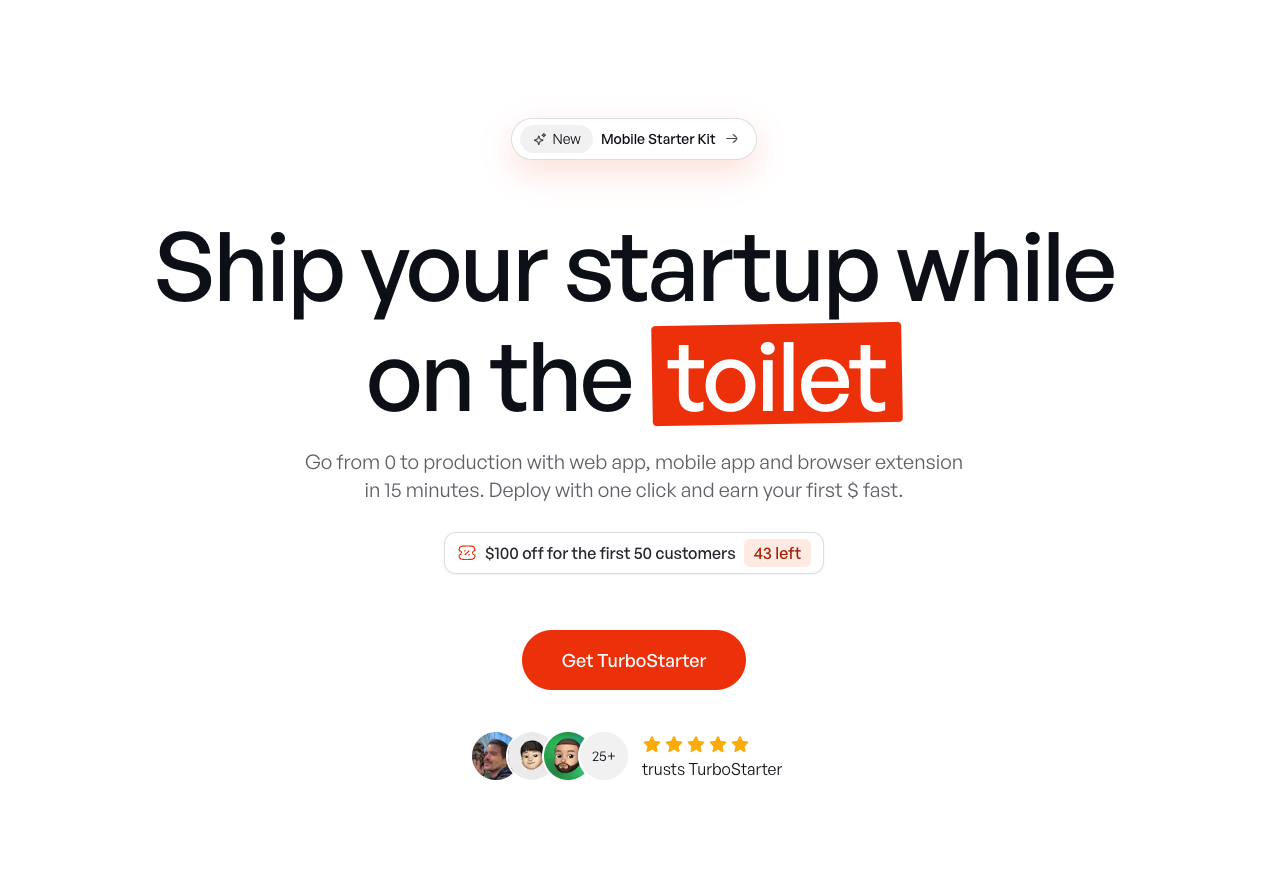
TurboStarter
Ship your startup everywhere. In minutes.
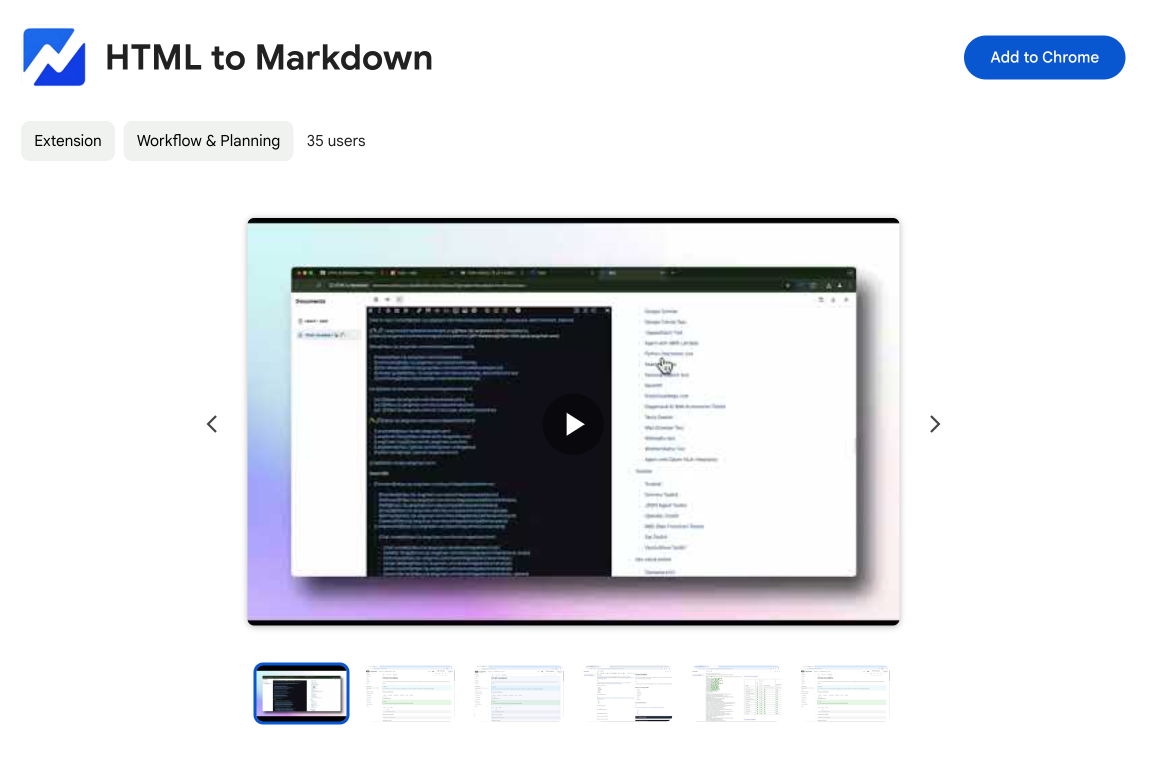
HTML to Markdown
Convert HTML to Markdown with ease, directly in your browser 📄
Dotallio
Personalized AI apps that automate research, data extraction, and content creation without code 🤖
Talk to Santa
Enjoy a magical live video chat or receive a unique AI-generated video greeting from Santa Claus 🎅
pozywka.pl
Scalable blog for food journalist, focused on performance and user experience 🌭
zagrodzki.me
Personal blog and portfolio of Bart Zagrodzki, where he shares his knowledge and work 💼
TurboStarter
Ship your startup everywhere. In minutes.
HTML to Markdown
Convert HTML to Markdown with ease, directly in your browser 📄
Dotallio
Personalized AI apps that automate research, data extraction, and content creation without code 🤖
Talk to Santa
Enjoy a magical live video chat or receive a unique AI-generated video greeting from Santa Claus 🎅
pozywka.pl
Scalable blog for food journalist, focused on performance and user experience 🌭
zagrodzki.me
Personal blog and portfolio of Bart Zagrodzki, where he shares his knowledge and work 💼
TurboStarter
Ship your startup everywhere. In minutes.
HTML to Markdown
Convert HTML to Markdown with ease, directly in your browser 📄
Dotallio
Personalized AI apps that automate research, data extraction, and content creation without code 🤖
Talk to Santa
Enjoy a magical live video chat or receive a unique AI-generated video greeting from Santa Claus 🎅
pozywka.pl
Scalable blog for food journalist, focused on performance and user experience 🌭
zagrodzki.me
Personal blog and portfolio of Bart Zagrodzki, where he shares his knowledge and work 💼
TurboStarter
Ship your startup everywhere. In minutes.
HTML to Markdown
Convert HTML to Markdown with ease, directly in your browser 📄
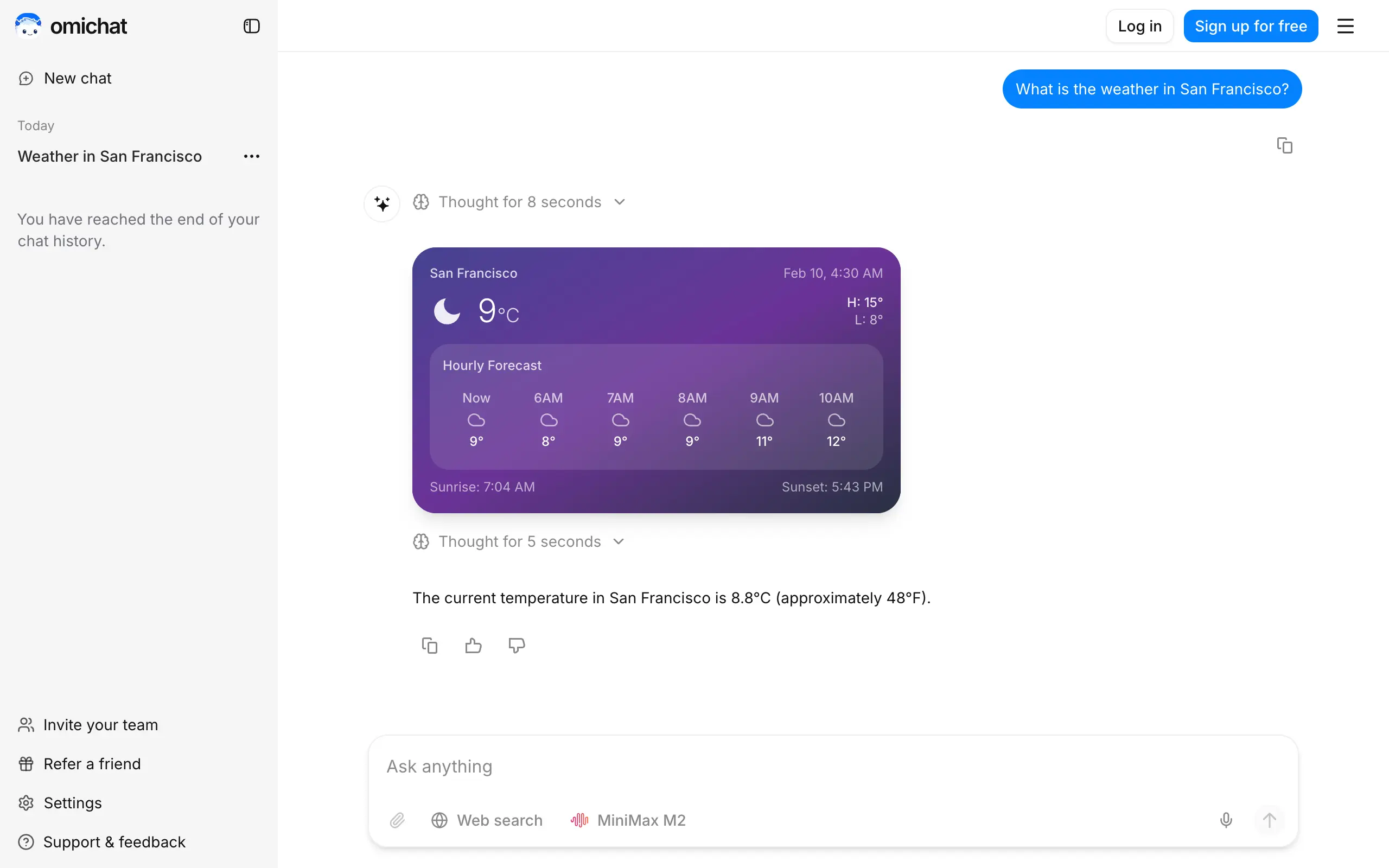
Omichat
Chat with 50+ AI models, including ChatGPT and Claude, in one place - switch models anytime without losing context 🤖
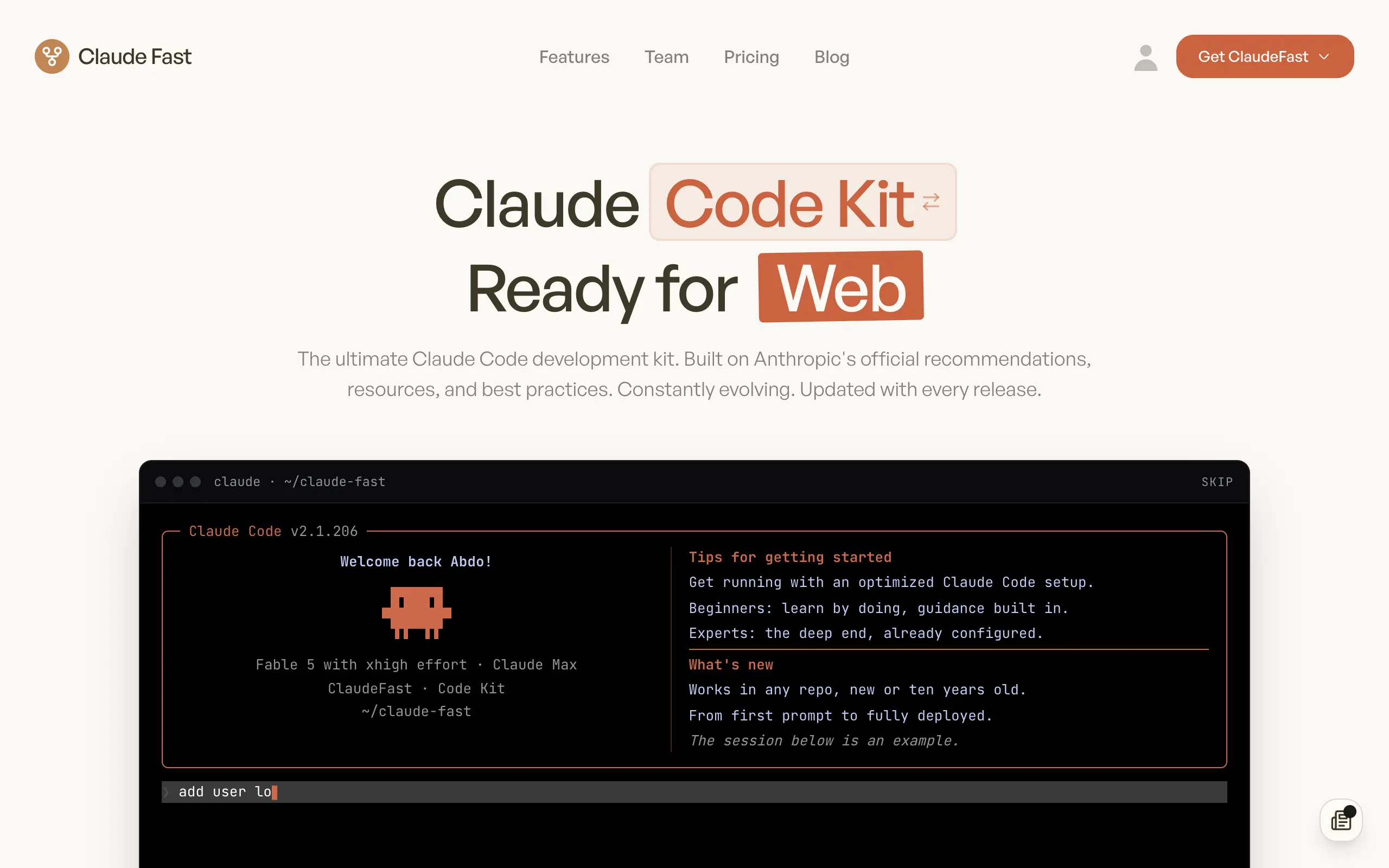
Claude Fast
Supercharge your Claude Code with 6x effective context window and specialized AI agents 🤖
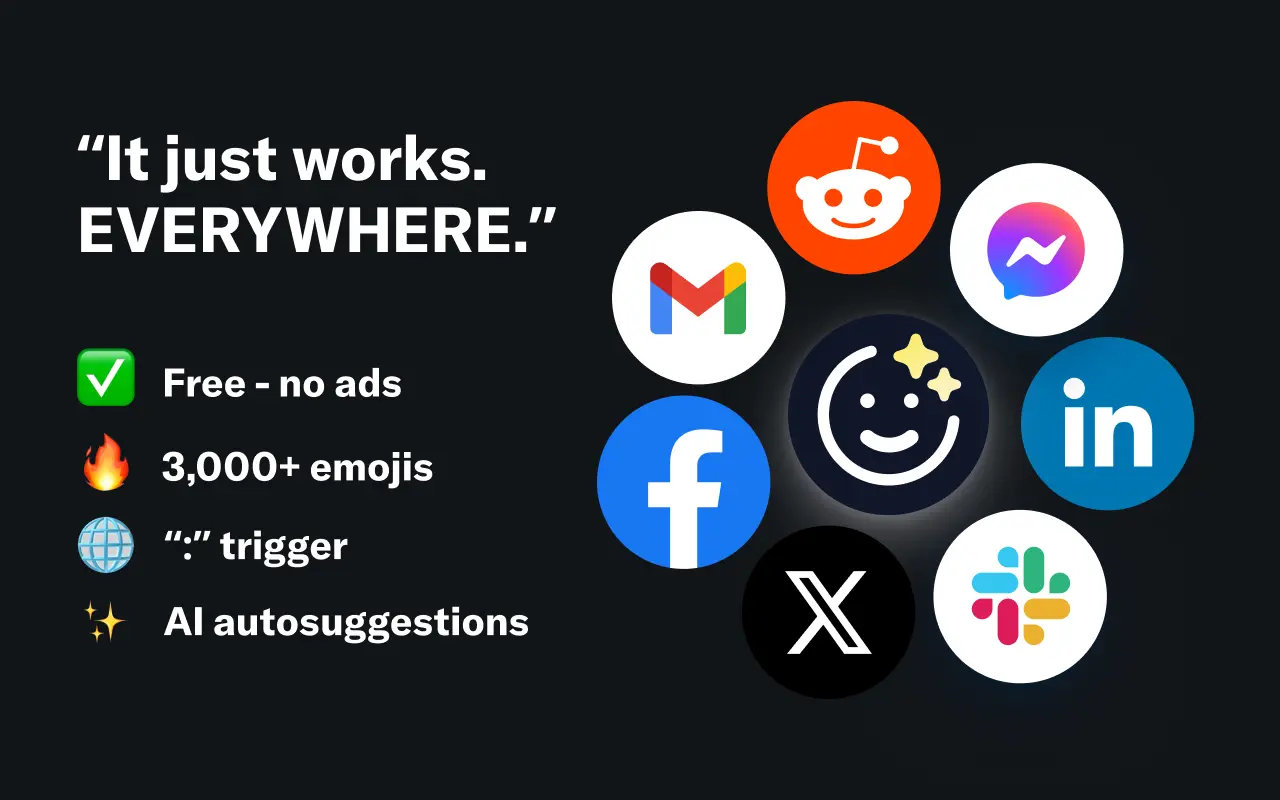
EmojAI
AI-powered emoji picker with smart, context-aware suggestions 🤖
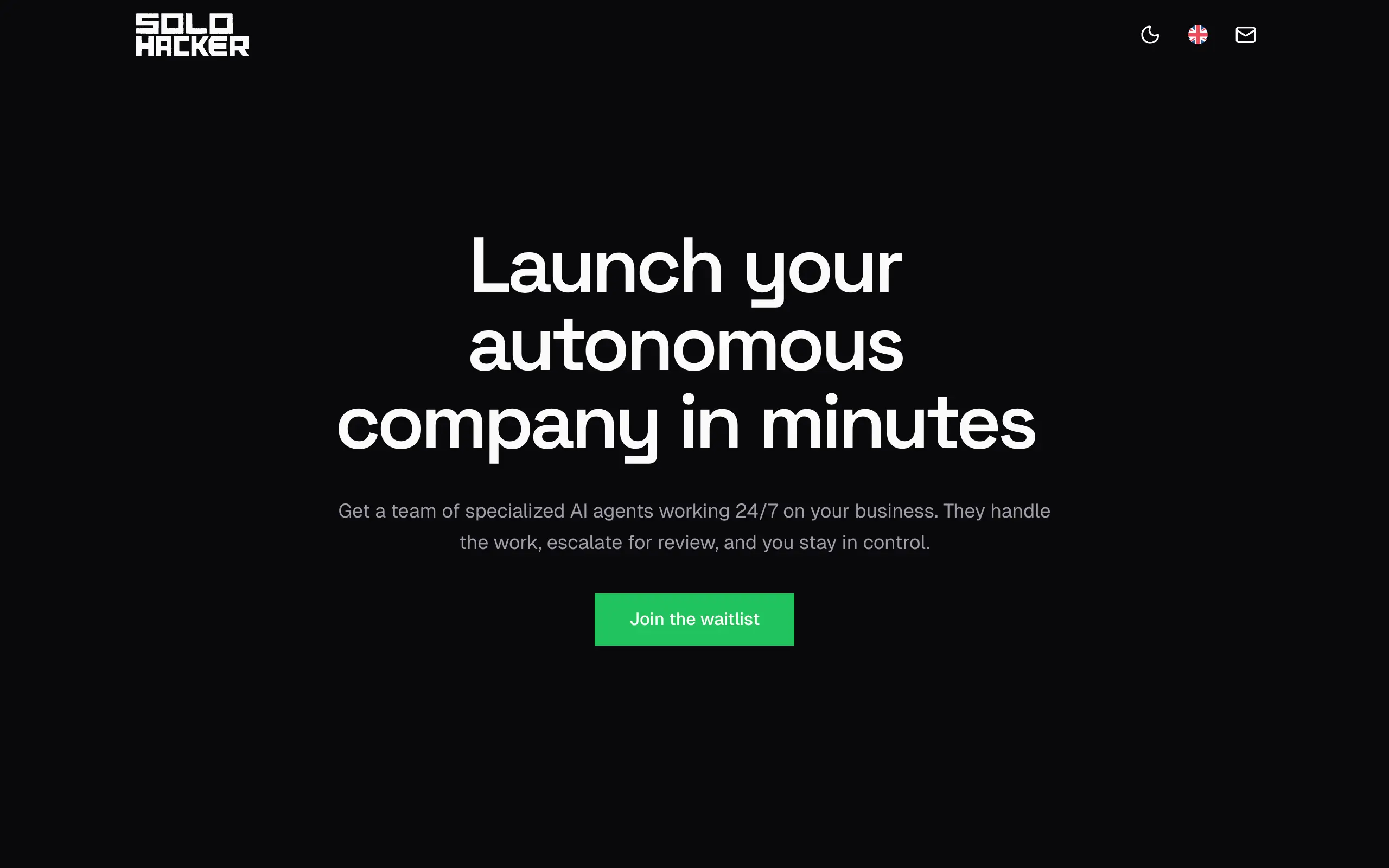
Solohacker
Autonomous company launcher - AI agents work 24/7, escalate what matters, and you stay in control 🤖
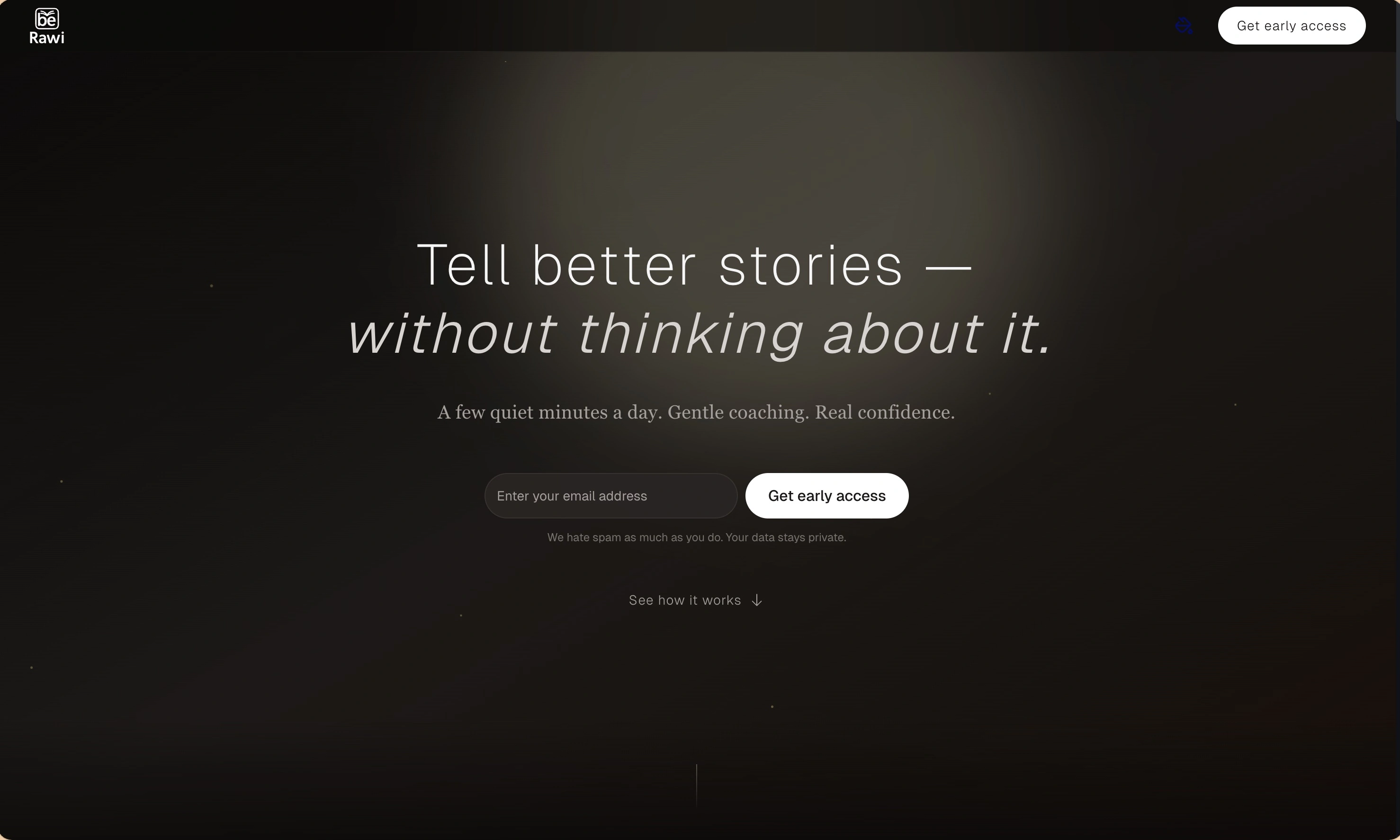
BeRawi: Storytelling Coach
Practice storytelling daily with instant feedback to sound clearer, more engaging, and confident 🎤
Omichat
Chat with 50+ AI models, including ChatGPT and Claude, in one place - switch models anytime without losing context 🤖
Claude Fast
Supercharge your Claude Code with 6x effective context window and specialized AI agents 🤖
EmojAI
AI-powered emoji picker with smart, context-aware suggestions 🤖
Solohacker
Autonomous company launcher - AI agents work 24/7, escalate what matters, and you stay in control 🤖
BeRawi: Storytelling Coach
Practice storytelling daily with instant feedback to sound clearer, more engaging, and confident 🎤
Omichat
Chat with 50+ AI models, including ChatGPT and Claude, in one place - switch models anytime without losing context 🤖
Claude Fast
Supercharge your Claude Code with 6x effective context window and specialized AI agents 🤖
EmojAI
AI-powered emoji picker with smart, context-aware suggestions 🤖
Solohacker
Autonomous company launcher - AI agents work 24/7, escalate what matters, and you stay in control 🤖
BeRawi: Storytelling Coach
Practice storytelling daily with instant feedback to sound clearer, more engaging, and confident 🎤
Omichat
Chat with 50+ AI models, including ChatGPT and Claude, in one place - switch models anytime without losing context 🤖
Claude Fast
Supercharge your Claude Code with 6x effective context window and specialized AI agents 🤖
EmojAI
AI-powered emoji picker with smart, context-aware suggestions 🤖
Solohacker
Autonomous company launcher - AI agents work 24/7, escalate what matters, and you stay in control 🤖
BeRawi: Storytelling Coach
Practice storytelling daily with instant feedback to sound clearer, more engaging, and confident 🎤

Connect with like-minded people
Join our community to get feedback, support, and grow together with 1,000+ builders on board, let's ship it!
Join usShip your startup everywhere. In minutes.
Don't burn tokens on setup and start building features on day one.