LegacyLens AI
AI-powered codebase intelligence for aging web apps. Instantly maps architecture, flags risks, and generates modernization roadmaps for dev teams.
What is AI-powered codebase intelligence for aging web apps?
Modern businesses run on software written 5, 10, or even 20 years ago. These aging web applications often power mission-critical workflows, yet they lack documentation, consistent architecture, and active maintainers. LegacyLens AI represents a new category of AI-powered codebase intelligence tools designed to analyze, map, and modernize legacy systems with minimal friction.
At its core, this type of platform:
- Automatically maps application architecture
- Identifies technical debt and hidden risks
- Surfaces security and performance vulnerabilities
- Generates prioritized modernization roadmaps
- Assists engineering teams with safe, incremental refactors
If you're searching for solutions to understand legacy code, reduce technical debt, or plan a legacy application modernization strategy, this guide will walk you through the full market opportunity, product strategy, tech stack, monetization model, risks, and execution roadmap for building a SaaS like LegacyLens AI.
Why legacy web applications are a massive opportunity
The scale of the legacy software problem
Enterprises and mid-sized companies still rely heavily on:
- Monolithic PHP, Java, or .NET web apps
- Early-generation React or Angular codebases
- jQuery-heavy frontends
- Outdated frameworks no longer maintained
- Custom CMS platforms
- On-premise deployments with undocumented dependencies
According to multiple industry reports from firms like Gartner and McKinsey (cite latest modernization studies), a significant percentage of enterprise workloads still run on outdated architectures. Meanwhile, developer turnover and lack of documentation make maintenance increasingly risky.
The pain points are clear:
- Onboarding new engineers takes weeks or months
- Refactoring feels dangerous
- Security vulnerabilities remain undetected
- Cloud migration stalls
- Performance issues accumulate
- Compliance risks increase
This creates a perfect entry point for an AI-powered codebase intelligence platform.
Primary keyword focus: AI codebase intelligence for legacy web apps
Throughout this article, we focus on the concept of AI-powered codebase intelligence for aging web applications, which combines:
- Static code analysis
- Architecture mapping
- Risk detection
- Technical debt quantification
- Automated documentation generation
- AI-assisted modernization planning
Unlike traditional static analysis tools, LegacyLens AI doesn’t just flag lint errors — it understands architecture, dependencies, and modernization pathways.
Target audience analysis
Understanding user intent is critical. Teams searching for legacy modernization tools typically fall into one of these segments:
1. Engineering managers
Intent: Reduce risk and increase delivery speed.
Pain points:
- Unknown technical debt
- Slow onboarding
- Unpredictable refactor timelines
- Lack of architecture documentation
What they want:
- Clear modernization roadmap
- Risk scoring
- Business-level insights
- ROI justification
2. CTOs and VPs of Engineering
Intent: Strategic modernization and risk mitigation.
Pain points:
- Security exposure
- Compliance pressure
- Difficulty hiring engineers willing to work on legacy systems
- Vendor lock-in
What they want:
- Executive-level visibility
- Risk dashboards
- Budget justification
- Migration cost forecasting
3. DevOps and platform teams
Intent: Prepare systems for cloud migration or containerization.
Pain points:
- Hard-coded dependencies
- Tight coupling
- Unknown infrastructure links
- Configuration drift
What they want:
- Dependency maps
- Infrastructure analysis
- Container readiness score
- Refactor suggestions
4. Software consultancies
Intent: Audit and modernize client codebases efficiently.
Pain points:
- Manual code audits take too long
- Hard to price projects accurately
- Hidden complexity increases risk
What they want:
- Instant architecture diagrams
- Risk heatmaps
- Automated modernization proposals
Market gap: why existing tools aren’t enough
Let’s analyze the competitive landscape.
Traditional static analysis tools
Examples:
- SonarQube
- ESLint
- CodeClimate
They:
- Detect syntax and code-level issues
- Offer security scanning
- Provide linting feedback
They don’t:
- Map full application architecture
- Generate modernization roadmaps
- Explain system-level dependencies in plain English
- Offer business-level risk scoring
Application performance monitoring (APM) tools
Examples:
- Datadog
- New Relic
They:
- Monitor runtime performance
- Track errors
- Provide observability
They don’t:
- Analyze static architecture
- Suggest refactoring strategies
- Create modernization plans
Consulting firms
They:
- Perform audits manually
- Provide documentation
- Offer modernization plans
But:
- Expensive
- Time-consuming
- Not scalable
- Non-continuous insights
Competitive advantage positioning
Here’s how LegacyLens AI can stand out:
| Capability | Static Analysis Tools | APM Tools | Consultants | LegacyLens AI |
|---|---|---|---|---|
| Architecture Mapping | ❌ | ❌ | ✅ | ✅ |
| AI-generated Documentation | ❌ | ❌ | ❌ | ✅ |
| Modernization Roadmap | ❌ | ❌ | ✅ | ✅ |
| Continuous Monitoring | ✅ | ✅ | ❌ | ✅ |
Core features of an AI-powered codebase intelligence platform
1. Automated architecture mapping
- Detect modules and services
- Identify coupling levels
- Generate interactive architecture diagrams
- Surface circular dependencies
Output:
- Visual maps
- Plain-language explanations
- Complexity scoring
2. Technical debt quantification
Go beyond “code smells”:
- Dead code detection
- Duplicate logic identification
- Unused dependencies
- Outdated library detection
- Security CVE flagging
Provide:
- Debt index score (0–100)
- Estimated refactor hours
- Risk tier classification
3. AI-generated documentation
This is where AI becomes transformative.
Automatically generate:
- System overview
- Service descriptions
- Data flow diagrams
- API contracts
- Module summaries
- Onboarding guides
Use LLMs to explain legacy logic in clear language.
4. Risk detection and impact analysis
Detect:
- Critical dependency bottlenecks
- Unmaintained libraries
- High-blast-radius modules
- Security misconfigurations
Assign:
- Risk score
- Business impact rating
- Remediation steps
5. Modernization roadmap generator
This is the flagship feature.
Generate phased modernization plans:
- Phase 1: Stabilize
- Phase 2: Modularize
- Phase 3: Containerize
- Phase 4: Migrate to cloud-native
Each step includes:
- Effort estimate
- Risk level
- Required skill sets
- Suggested tooling
6. Continuous codebase monitoring
Rather than one-time audits:
- GitHub/GitLab integration
- Automated re-analysis on PR
- Trend tracking
- Technical debt velocity
Suggested tech stack for building LegacyLens AI
Building an AI codebase intelligence SaaS requires careful architectural decisions.
Frontend
- React for UI
- TailwindCSS for styling
- Interactive graph visualization using libraries like D3 or React Flow
Trade-offs:
- React ecosystem maturity vs. potential bundle size
- D3 flexibility vs. implementation complexity
Backend
- Node.js or Python (FastAPI)
- Graph database (Neo4j) for dependency modeling
- PostgreSQL for metadata
- Vector database (e.g., pgvector) for semantic code embeddings
AI layer
- LLM APIs for summarization
- Fine-tuned models for code analysis
- Embedding-based semantic search
- AST (Abstract Syntax Tree) parsers per language
Example architecture ingestion flow
// Pseudocode for processing a repository
async function analyzeRepository(repoUrl: string) {
  const files = await cloneRepo(repoUrl);
  const astMap = parseToAST(files);
  const dependencyGraph = buildGraph(astMap);
  const embeddings = generateEmbeddings(files);
  const riskReport = runRiskEngine(dependencyGraph);

  return {
    architecture: dependencyGraph,
    summary: generateAISummary(files),
    risks: riskReport,
  };
}
Deployment
- Containerized via Docker
- Kubernetes for scalability
- Cloud storage for secure code snapshots
- SOC2 compliance roadmap
Security and trust considerations
Handling sensitive codebases
Most enterprise customers will hesitate to upload proprietary source code. Offer on-prem or VPC deployment options to build trust and satisfy compliance requirements.
Security requirements:
- Encrypted data at rest
- Encrypted data in transit
- Role-based access control
- SOC2 roadmap
- Optional air-gapped deployment
Trust is essential in AI code analysis tools.
Monetization strategy
A strong monetization plan increases long-term viability.
1. Subscription tiers
- Starter – Small teams, limited repos
- Growth – Multiple repos, team features
- Enterprise – Unlimited repos, on-prem deployment
Pricing drivers:
- Lines of code analyzed
- Number of repositories
- AI usage volume
- Team seats
2. Usage-based pricing
Charge based on:
- Monthly LOC scanned
- AI analysis credits
- Modernization roadmap generation
3. Enterprise contracts
Include:
- Dedicated support
- Custom integrations
- Compliance certifications
- SLA guarantees
Risks and mitigation strategies
Risk 1: AI hallucinations in code explanations
Mitigation:
- Combine AST-level analysis with LLM summaries
- Use deterministic parsing
- Provide “confidence scores”
Risk 2: Performance bottlenecks with large monoliths
Mitigation:
- Incremental scanning
- Parallel processing
- Sharding architecture graph
Risk 3: Competition from GitHub-native tools
Mitigation:
- Deep system-level analysis beyond PR comments
- Executive reporting
- Modernization roadmaps
Unique selling proposition (USP)
LegacyLens AI’s differentiation lies in:
- Architecture-first intelligence
- Business-level risk scoring
- Actionable modernization plans
- Continuous intelligence, not just one-time audits
- AI-generated onboarding documentation
It bridges the gap between static analysis and enterprise consulting.
Industry trends supporting this SaaS idea
- Rise of AI developer tools
- Increased pressure for cloud migration
- Security-first engineering culture
- Growing technical debt crisis
- Developer productivity optimization
AI-powered developer platforms are gaining significant adoption, especially those that reduce cognitive load and accelerate onboarding.
Go-to-market strategy
1. Developer-led growth
- Offer free repo analysis
- Provide shareable architecture maps
- Publish technical debt reports
2. Content marketing
Create SEO content around:
- “How to modernize legacy web applications”
- “AI codebase analysis tools”
- “Reduce technical debt in monolith apps”
- “Legacy app modernization roadmap”
3. Partnership strategy
Partner with:
- Cloud migration consultancies
- DevOps agencies
- CTO communities
Step-by-step implementation roadmap
How to build and launch faster
Instead of building all infrastructure from scratch, use a production-ready SaaS foundation like TurboStarter to accelerate:
- Authentication
- Billing
- Multi-tenant architecture
- Team management
- Dashboard UI
- Subscription management
This allows you to focus on the AI engine and architecture intelligence — your core differentiation.
Final thoughts: why LegacyLens AI is positioned for long-term success
AI-powered codebase intelligence for aging web apps solves a high-value, persistent problem. Technical debt is not disappearing — it’s compounding. Engineering teams need:
- Visibility
- Clarity
- Risk control
- Modernization pathways
LegacyLens AI sits at the intersection of:
- AI developer tooling
- Enterprise modernization
- Risk management
- Productivity optimization
By focusing on architecture intelligence, actionable modernization roadmaps, and enterprise-grade security, this SaaS can become an indispensable tool for organizations navigating legacy transformation.
The opportunity isn’t just technical — it’s strategic. And the teams that solve legacy complexity with AI will define the next decade of software modernization.
More 🤖 AI Startup SaaS ideas
Discover more innovative ai startup SaaS ideas that are trending in 2026. Each idea is AI-generated with market validation and growth potential to help you find your next profitable venture faster than competitors.
Your competitors are building with TurboStarter
Below are some of the SaaS ideas that have been generated and built with our starter kit.
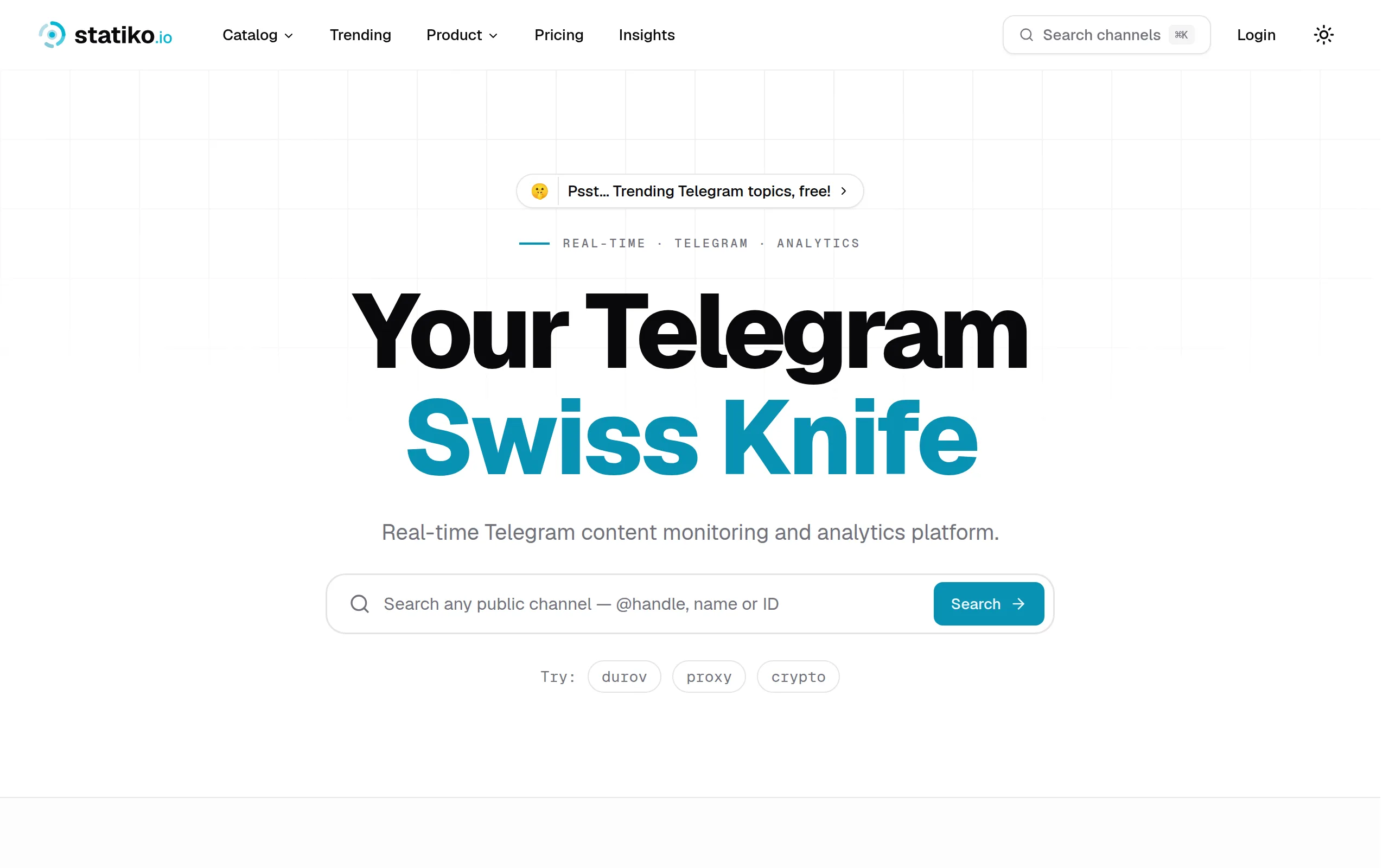
Statiko
Monitor any Telegram channel in real time - track posts, edits, deletions, and growth with AI recaps 📡

Shibui
AI website builder - describe your business, pick a niche template, edit by chatting, and publish instantly ✨

Pro Service
Find verified home service professionals, compare quotes, and pay securely through escrow - built for Brazilians across the US 🏠
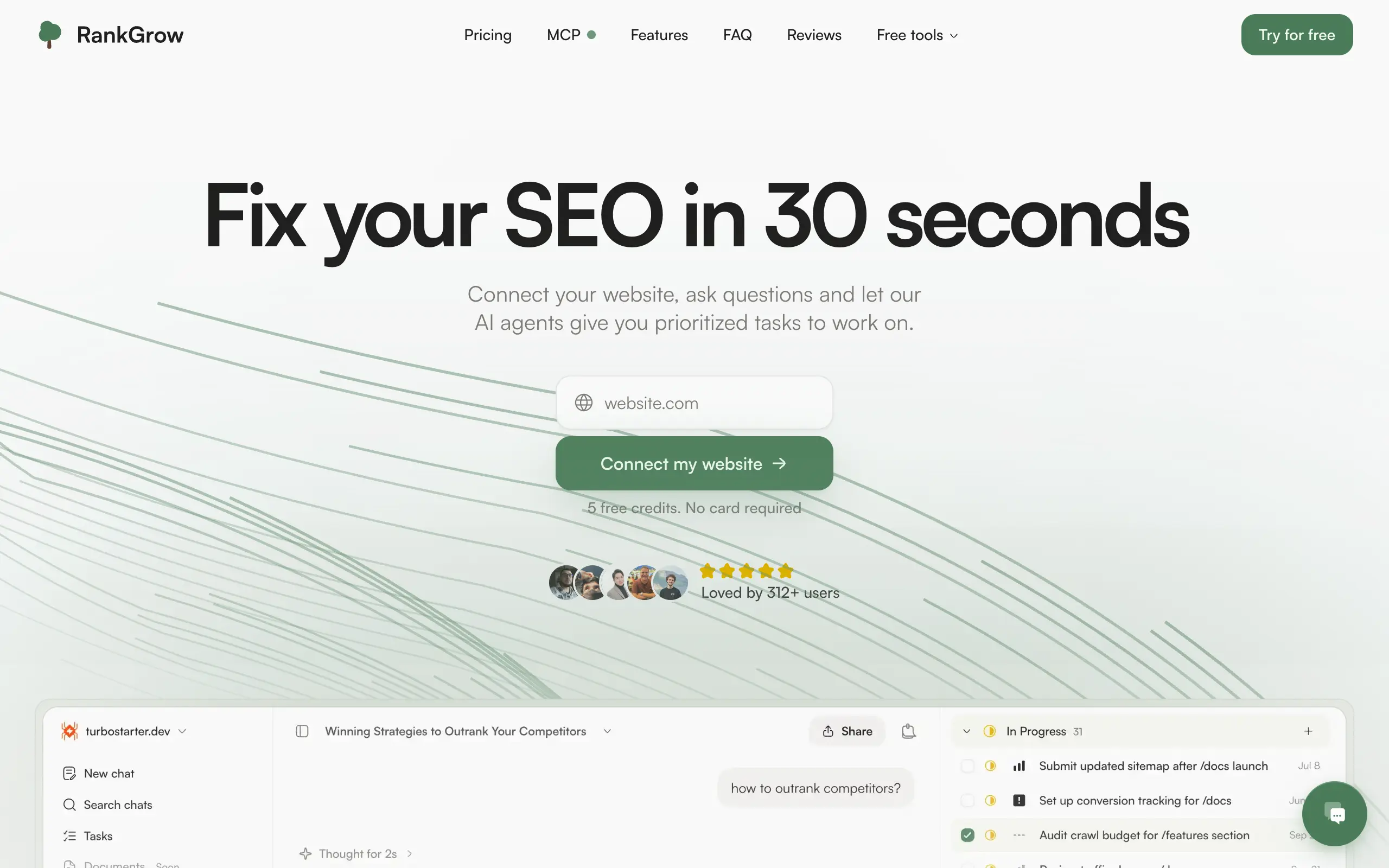
RankGrow
Fix your SEO with AI agents - connect Search Console, get prioritized tasks, and grow organic traffic 📈
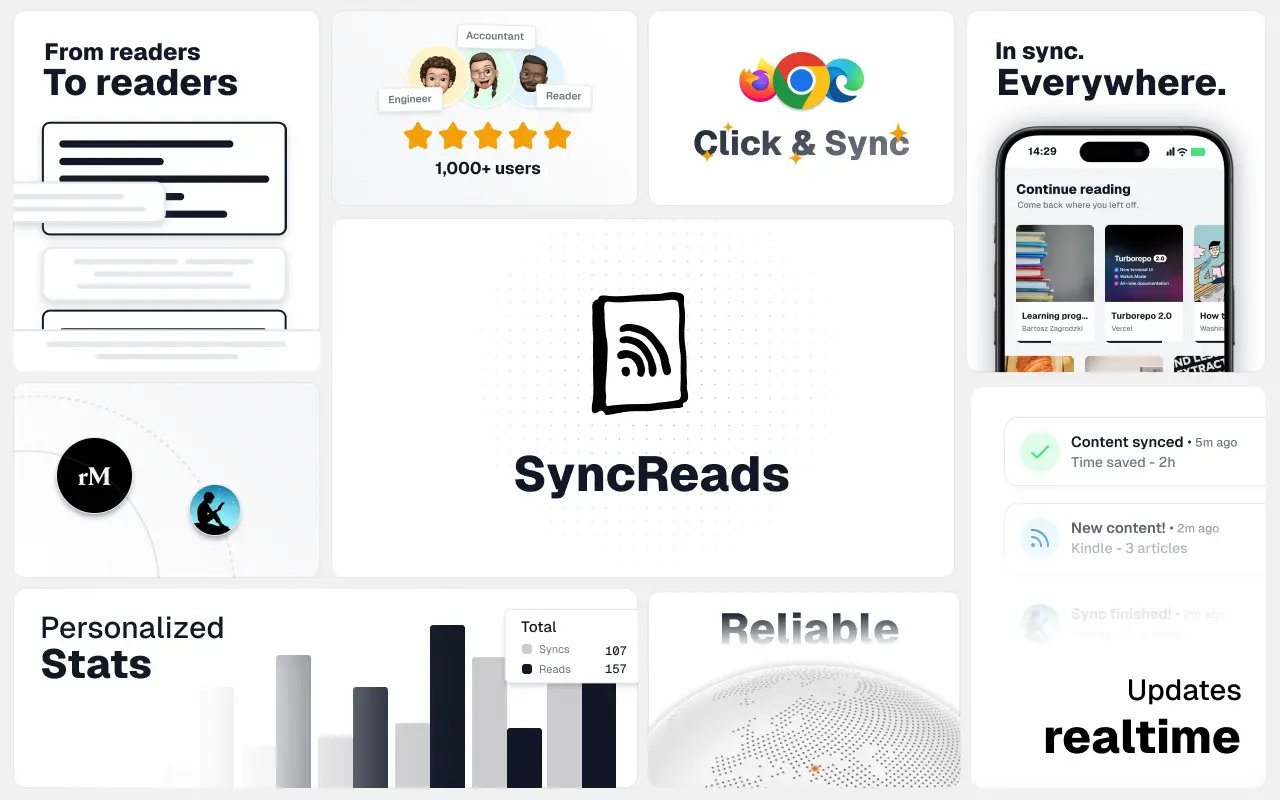
SyncReads
Sync your favorite content for distraction-free reading, save time and replace multiple apps. Anytime, anywhere 🔄
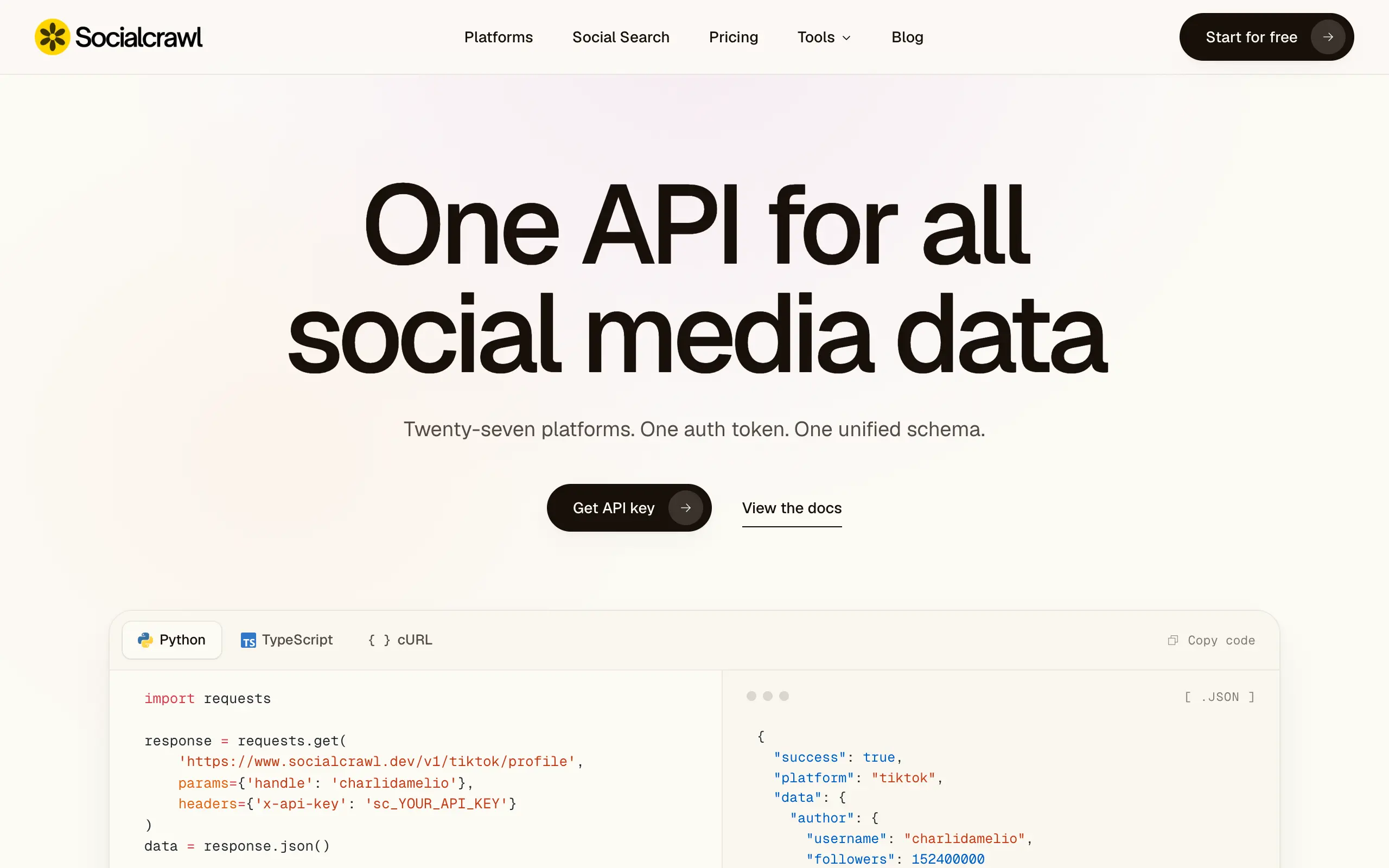
Socialcrawl
Get clean, structured data from 21 platforms like TikTok, Instagram, and YouTube with a single request 📊
Statiko
Monitor any Telegram channel in real time - track posts, edits, deletions, and growth with AI recaps 📡
Shibui
AI website builder - describe your business, pick a niche template, edit by chatting, and publish instantly ✨
Pro Service
Find verified home service professionals, compare quotes, and pay securely through escrow - built for Brazilians across the US 🏠
RankGrow
Fix your SEO with AI agents - connect Search Console, get prioritized tasks, and grow organic traffic 📈
SyncReads
Sync your favorite content for distraction-free reading, save time and replace multiple apps. Anytime, anywhere 🔄
Socialcrawl
Get clean, structured data from 21 platforms like TikTok, Instagram, and YouTube with a single request 📊
Statiko
Monitor any Telegram channel in real time - track posts, edits, deletions, and growth with AI recaps 📡
Shibui
AI website builder - describe your business, pick a niche template, edit by chatting, and publish instantly ✨
Pro Service
Find verified home service professionals, compare quotes, and pay securely through escrow - built for Brazilians across the US 🏠
RankGrow
Fix your SEO with AI agents - connect Search Console, get prioritized tasks, and grow organic traffic 📈
SyncReads
Sync your favorite content for distraction-free reading, save time and replace multiple apps. Anytime, anywhere 🔄
Socialcrawl
Get clean, structured data from 21 platforms like TikTok, Instagram, and YouTube with a single request 📊
Statiko
Monitor any Telegram channel in real time - track posts, edits, deletions, and growth with AI recaps 📡
Shibui
AI website builder - describe your business, pick a niche template, edit by chatting, and publish instantly ✨
Pro Service
Find verified home service professionals, compare quotes, and pay securely through escrow - built for Brazilians across the US 🏠
RankGrow
Fix your SEO with AI agents - connect Search Console, get prioritized tasks, and grow organic traffic 📈
SyncReads
Sync your favorite content for distraction-free reading, save time and replace multiple apps. Anytime, anywhere 🔄
Socialcrawl
Get clean, structured data from 21 platforms like TikTok, Instagram, and YouTube with a single request 📊
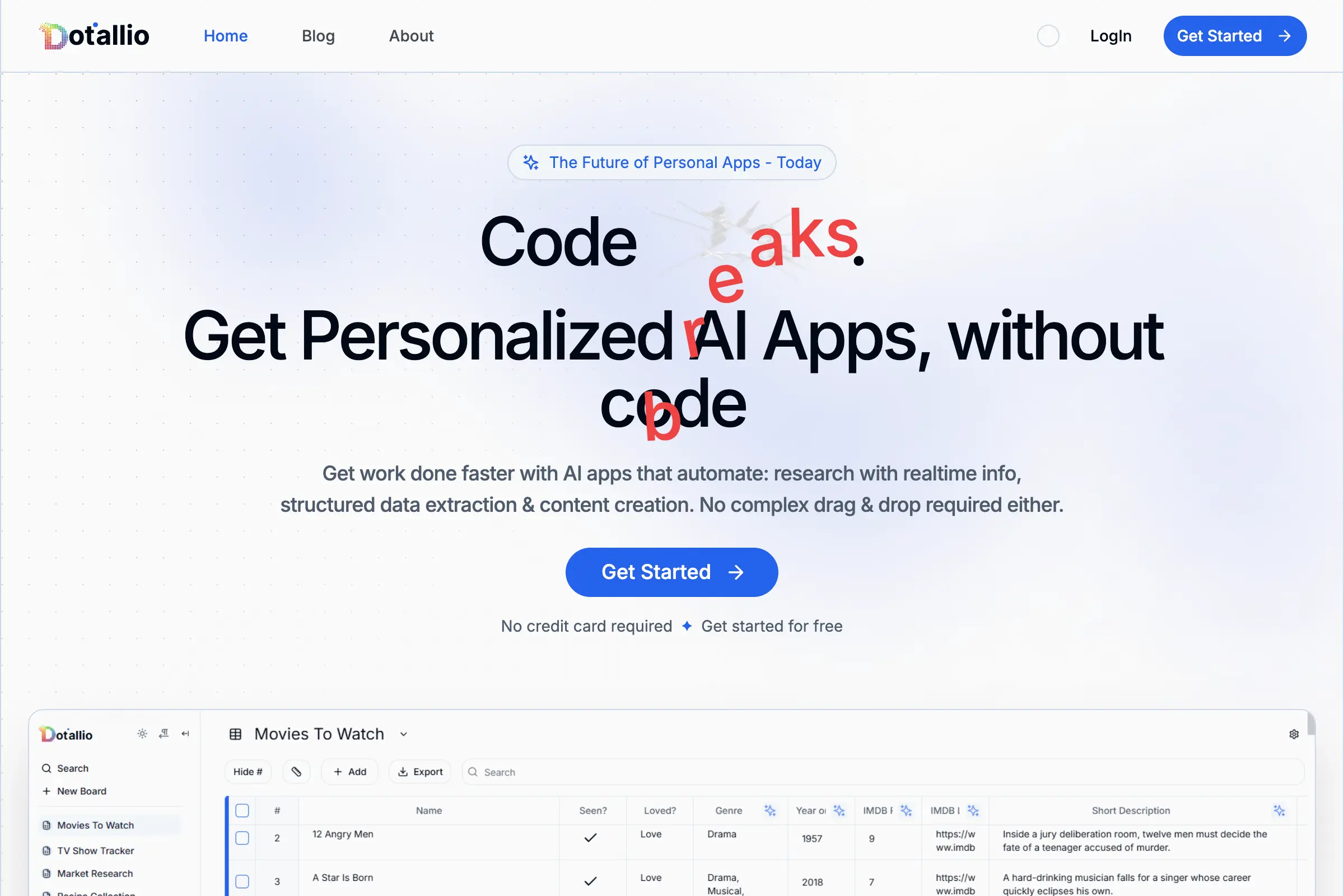
Dotallio
Personalized AI apps that automate research, data extraction, and content creation without code 🤖

Talk to Santa
Enjoy a magical live video chat or receive a unique AI-generated video greeting from Santa Claus 🎅
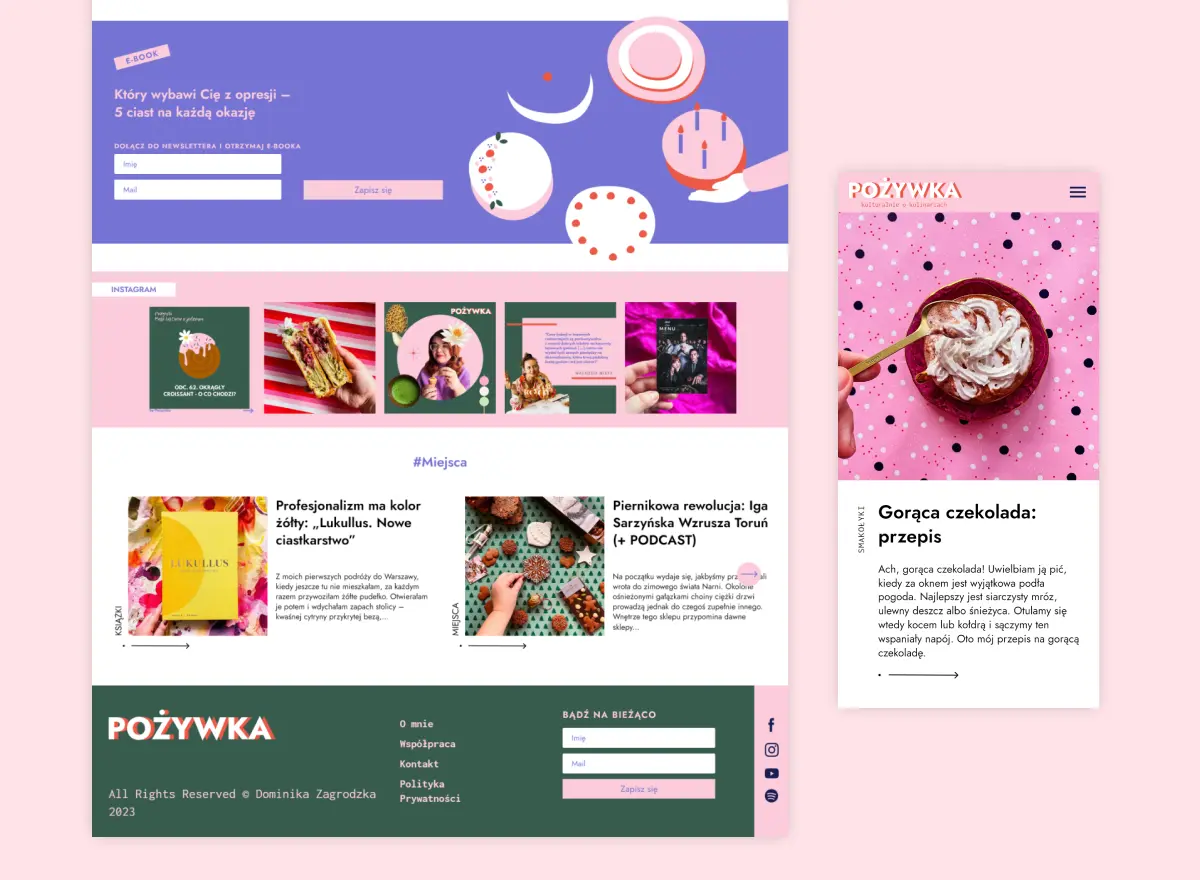
pozywka.pl
Scalable blog for food journalist, focused on performance and user experience 🌭
zagrodzki.me
Personal blog and portfolio of Bart Zagrodzki, where he shares his knowledge and work 💼
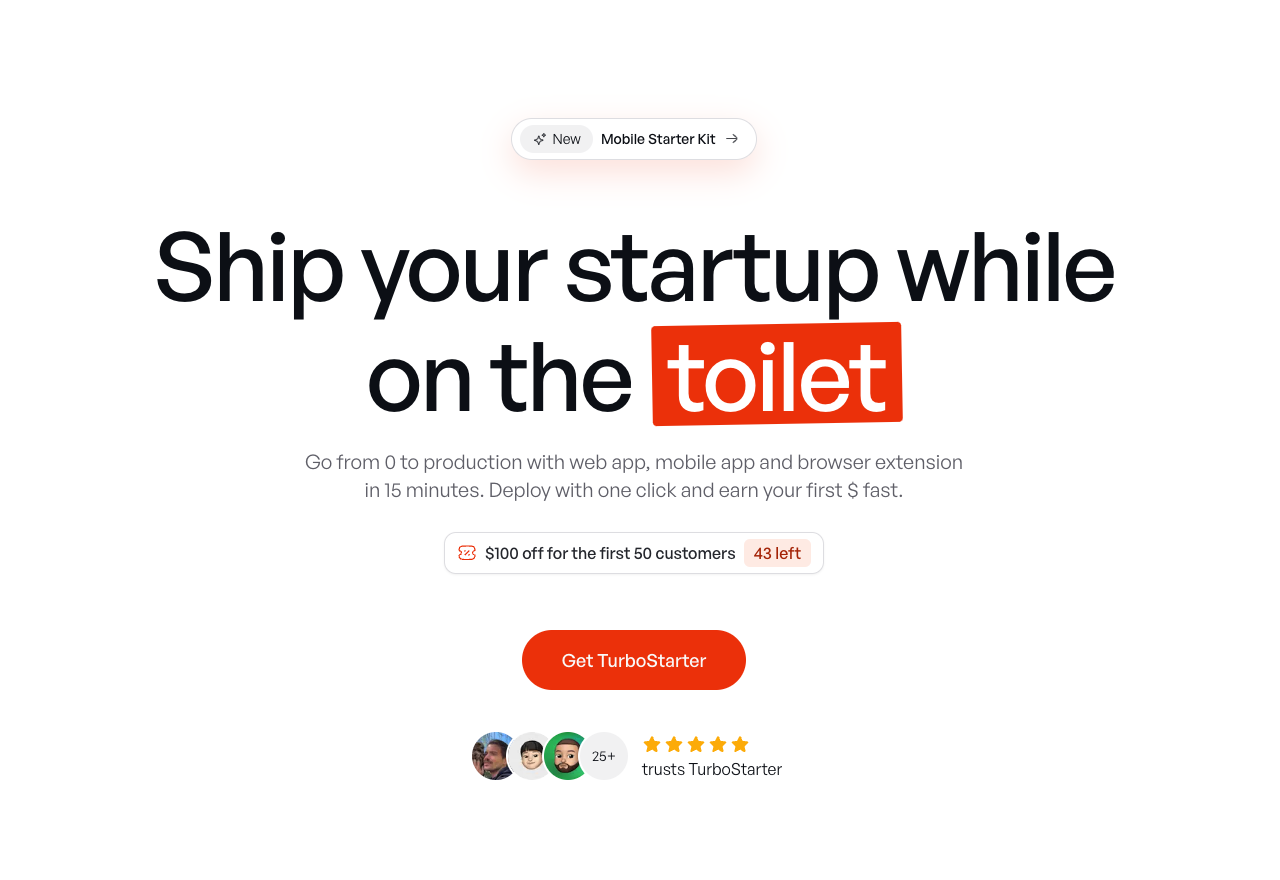
TurboStarter
Ship your startup everywhere. In minutes.
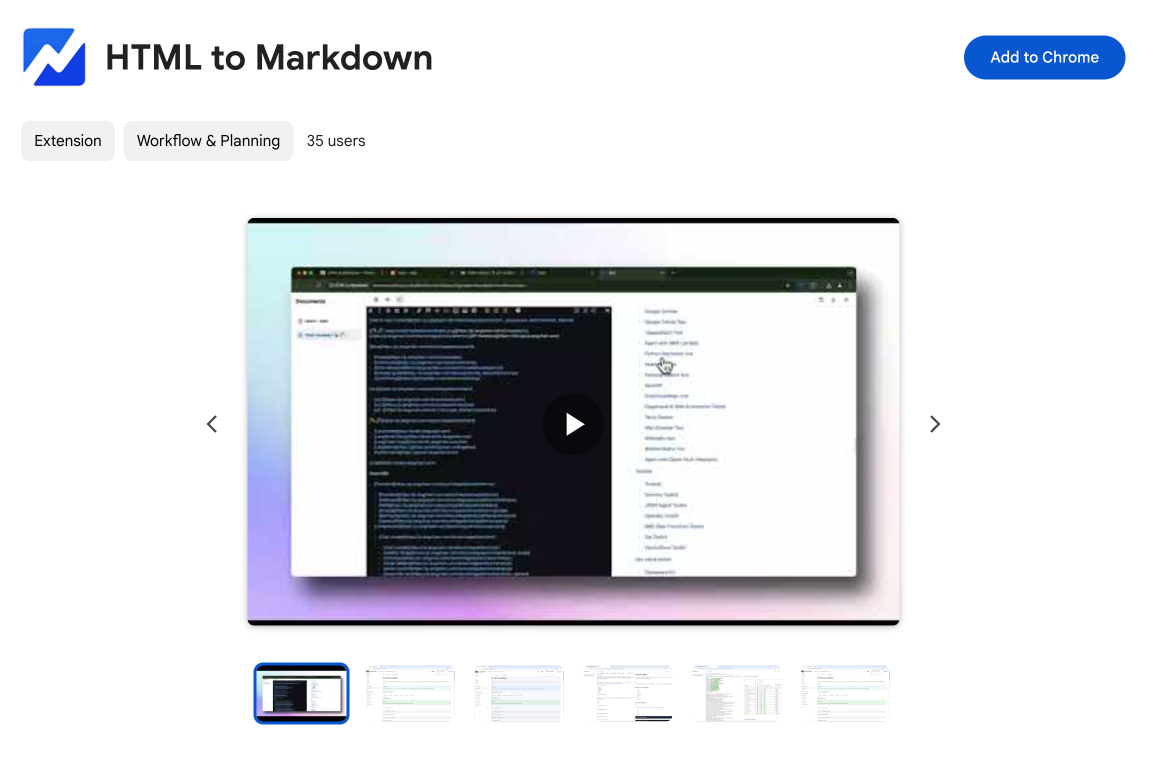
HTML to Markdown
Convert HTML to Markdown with ease, directly in your browser 📄
Dotallio
Personalized AI apps that automate research, data extraction, and content creation without code 🤖
Talk to Santa
Enjoy a magical live video chat or receive a unique AI-generated video greeting from Santa Claus 🎅
pozywka.pl
Scalable blog for food journalist, focused on performance and user experience 🌭
zagrodzki.me
Personal blog and portfolio of Bart Zagrodzki, where he shares his knowledge and work 💼
TurboStarter
Ship your startup everywhere. In minutes.
HTML to Markdown
Convert HTML to Markdown with ease, directly in your browser 📄
Dotallio
Personalized AI apps that automate research, data extraction, and content creation without code 🤖
Talk to Santa
Enjoy a magical live video chat or receive a unique AI-generated video greeting from Santa Claus 🎅
pozywka.pl
Scalable blog for food journalist, focused on performance and user experience 🌭
zagrodzki.me
Personal blog and portfolio of Bart Zagrodzki, where he shares his knowledge and work 💼
TurboStarter
Ship your startup everywhere. In minutes.
HTML to Markdown
Convert HTML to Markdown with ease, directly in your browser 📄
Dotallio
Personalized AI apps that automate research, data extraction, and content creation without code 🤖
Talk to Santa
Enjoy a magical live video chat or receive a unique AI-generated video greeting from Santa Claus 🎅
pozywka.pl
Scalable blog for food journalist, focused on performance and user experience 🌭
zagrodzki.me
Personal blog and portfolio of Bart Zagrodzki, where he shares his knowledge and work 💼
TurboStarter
Ship your startup everywhere. In minutes.
HTML to Markdown
Convert HTML to Markdown with ease, directly in your browser 📄
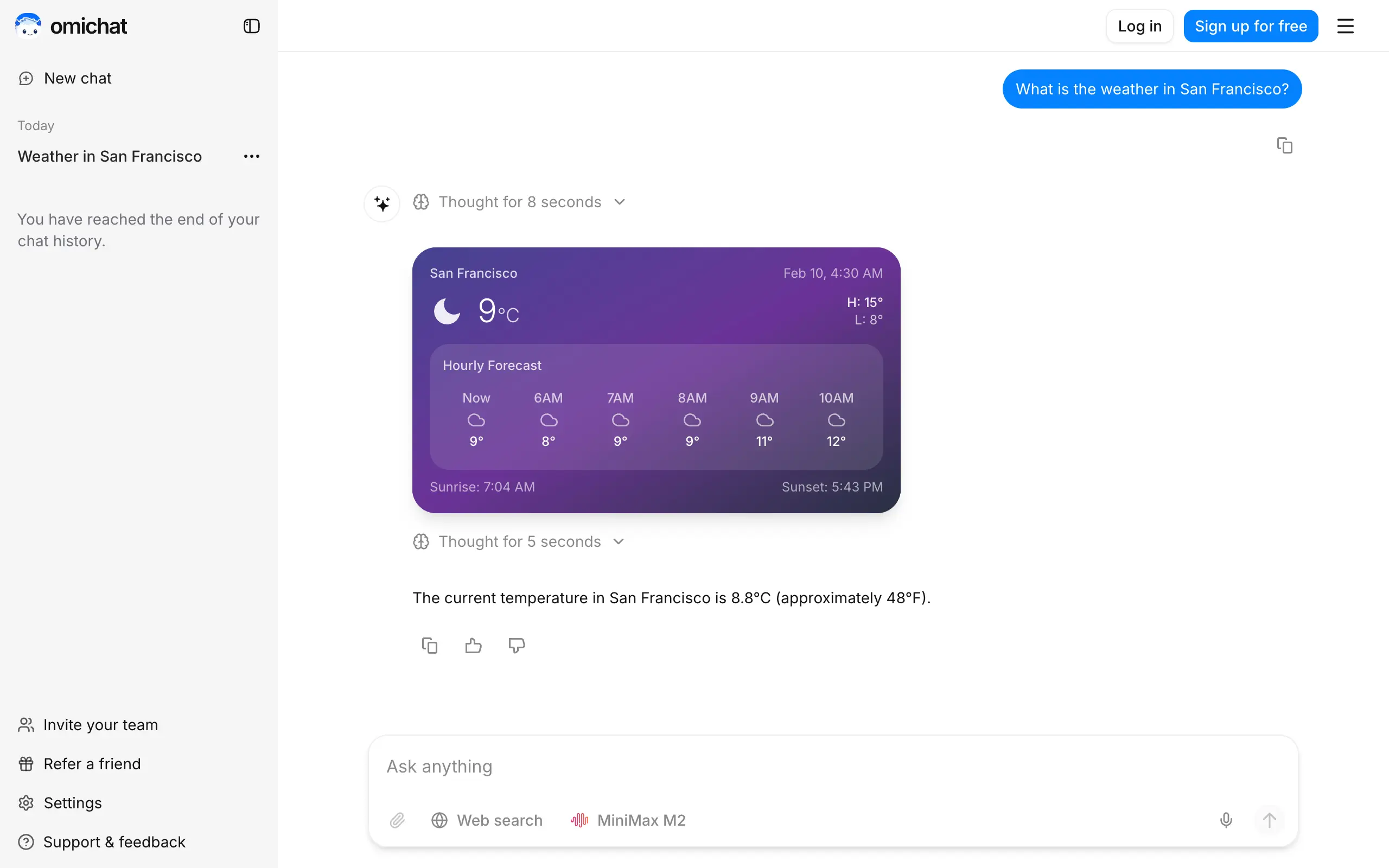
Omichat
Chat with 50+ AI models, including ChatGPT and Claude, in one place - switch models anytime without losing context 🤖
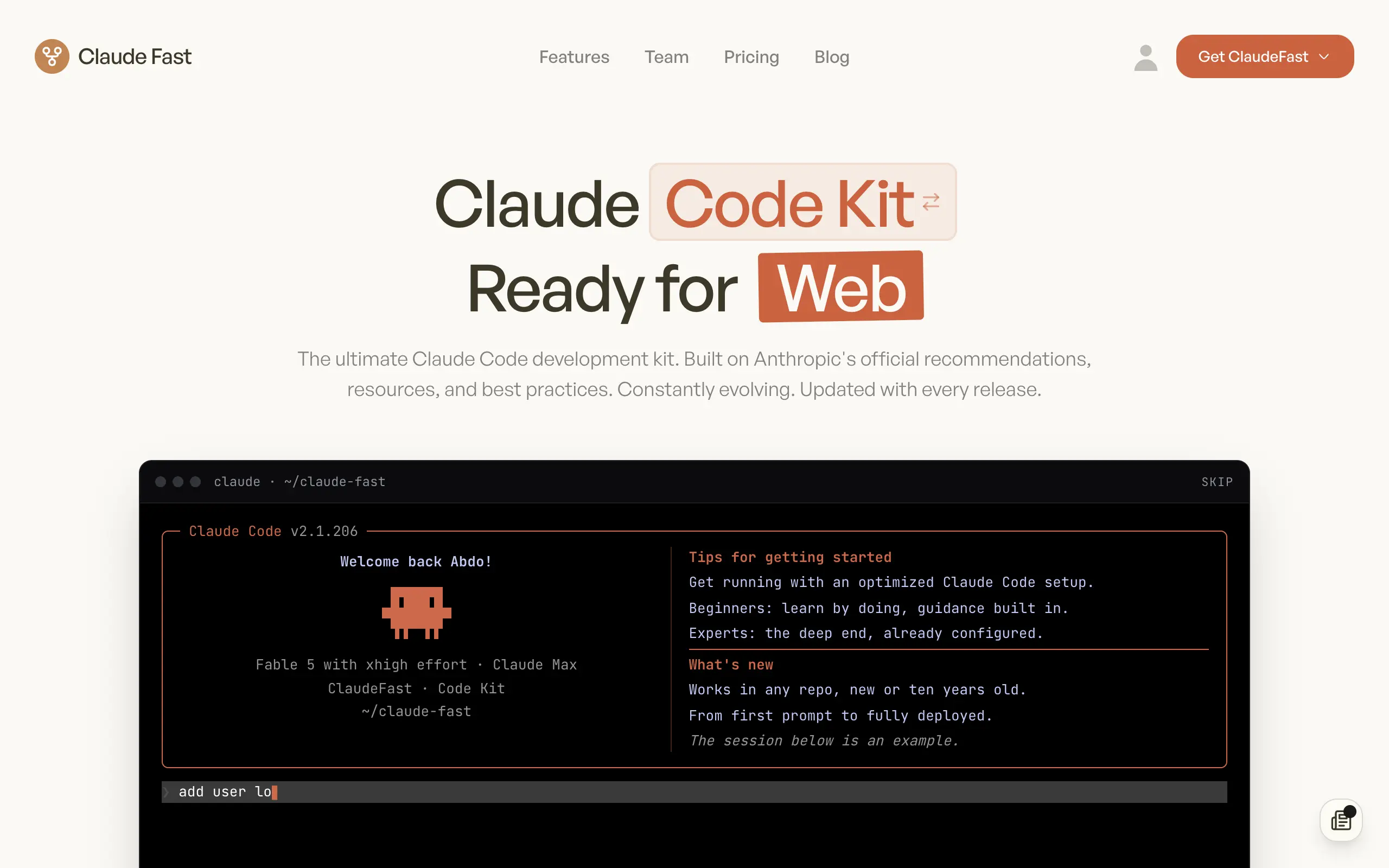
Claude Fast
Supercharge your Claude Code with 6x effective context window and specialized AI agents 🤖
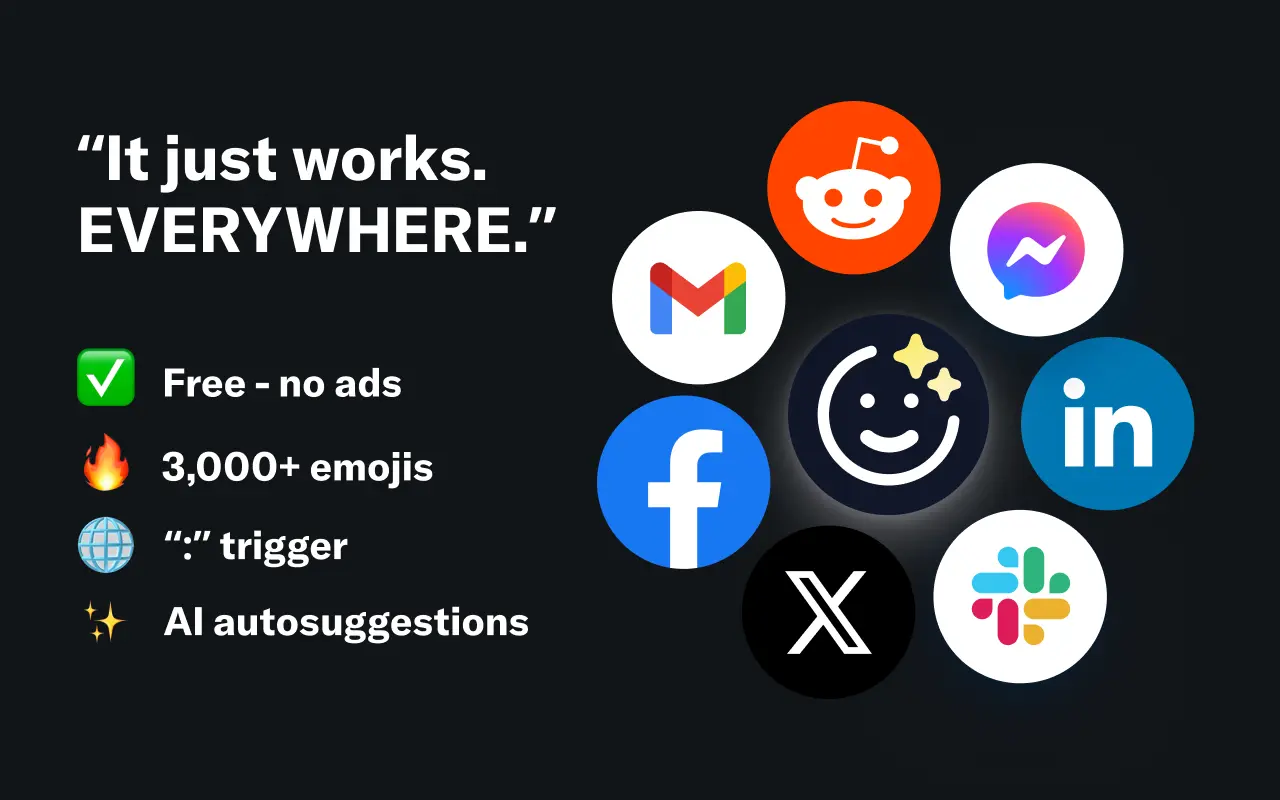
EmojAI
AI-powered emoji picker with smart, context-aware suggestions 🤖
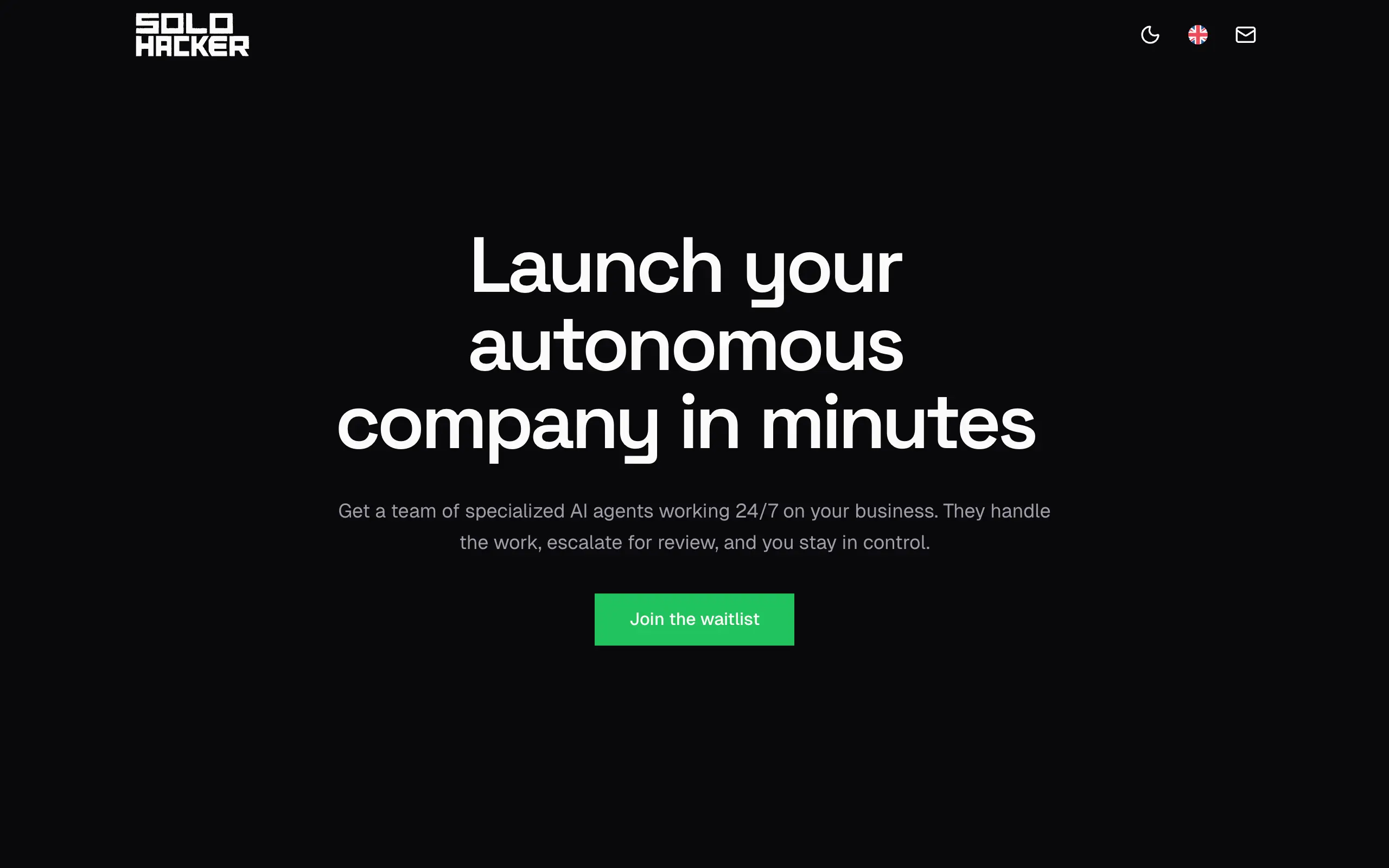
Solohacker
Autonomous company launcher - AI agents work 24/7, escalate what matters, and you stay in control 🤖
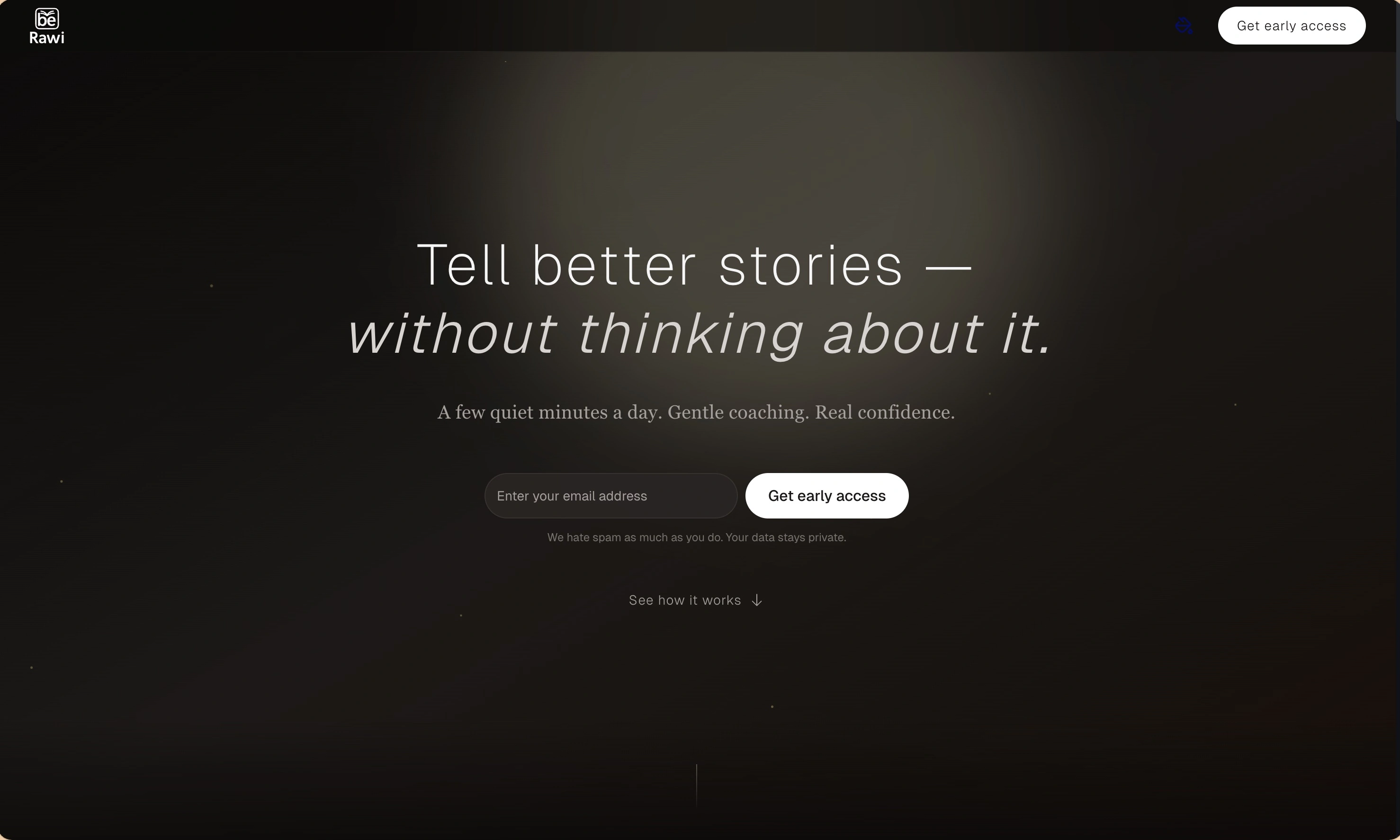
BeRawi: Storytelling Coach
Practice storytelling daily with instant feedback to sound clearer, more engaging, and confident 🎤
Omichat
Chat with 50+ AI models, including ChatGPT and Claude, in one place - switch models anytime without losing context 🤖
Claude Fast
Supercharge your Claude Code with 6x effective context window and specialized AI agents 🤖
EmojAI
AI-powered emoji picker with smart, context-aware suggestions 🤖
Solohacker
Autonomous company launcher - AI agents work 24/7, escalate what matters, and you stay in control 🤖
BeRawi: Storytelling Coach
Practice storytelling daily with instant feedback to sound clearer, more engaging, and confident 🎤
Omichat
Chat with 50+ AI models, including ChatGPT and Claude, in one place - switch models anytime without losing context 🤖
Claude Fast
Supercharge your Claude Code with 6x effective context window and specialized AI agents 🤖
EmojAI
AI-powered emoji picker with smart, context-aware suggestions 🤖
Solohacker
Autonomous company launcher - AI agents work 24/7, escalate what matters, and you stay in control 🤖
BeRawi: Storytelling Coach
Practice storytelling daily with instant feedback to sound clearer, more engaging, and confident 🎤
Omichat
Chat with 50+ AI models, including ChatGPT and Claude, in one place - switch models anytime without losing context 🤖
Claude Fast
Supercharge your Claude Code with 6x effective context window and specialized AI agents 🤖
EmojAI
AI-powered emoji picker with smart, context-aware suggestions 🤖
Solohacker
Autonomous company launcher - AI agents work 24/7, escalate what matters, and you stay in control 🤖
BeRawi: Storytelling Coach
Practice storytelling daily with instant feedback to sound clearer, more engaging, and confident 🎤

Connect with like-minded people
Join our community to get feedback, support, and grow together with 1,000+ builders on board, let's ship it!
Join usShip your startup everywhere. In minutes.
Don't burn tokens on setup and start building features on day one.