LegacyLift AI
AI coding agent specialized in modernizing legacy codebases, auto-refactoring outdated frameworks and generating migration-ready pull requests.
The growing demand for AI-powered legacy code modernization
Legacy code modernization is no longer a “nice-to-have” initiative. For many enterprises and scaling startups, outdated frameworks, unsupported dependencies, and monolithic architectures are direct threats to security, performance, and innovation speed.
LegacyLift AI is an AI coding agent specialized in modernizing legacy codebases, auto-refactoring outdated frameworks, and generating migration-ready pull requests. It addresses a critical and increasingly urgent need: transforming legacy systems without disrupting business continuity.
Organizations are searching for:
- “How to modernize legacy applications”
- “AI tools for code refactoring”
- “Automated framework migration tools”
- “Upgrade AngularJS to React safely”
- “Modernize Java monolith to microservices”
This article explores the full strategic, technical, and market opportunity behind an AI-powered legacy modernization platform like LegacyLift AI — from target audience and competitive landscape to architecture, monetization, and implementation roadmap.
Why legacy code modernization is a massive market opportunity
The legacy burden problem
Most mid-sized and enterprise companies run mission-critical systems built 5–20 years ago. These often rely on:
- End-of-life frameworks (e.g., AngularJS, old Spring versions, .NET Framework)
- Obsolete Java versions
- jQuery-heavy frontends
- Monolithic architectures
- Poor test coverage
- Sparse documentation
- Tribal knowledge dependencies
The consequences include:
- Security vulnerabilities
- Slow development cycles
- High onboarding time for new engineers
- Escalating maintenance costs
- Talent hiring challenges (developers avoid outdated stacks)
According to industry research from firms like Gartner and McKinsey (cite directly when publishing), technical debt consumes a significant percentage of engineering capacity annually. In many organizations, more than 30% of development time goes to maintenance and refactoring.
The modernization gap
Despite widespread recognition of the problem:
- Modernization projects are risky.
- Refactoring at scale is expensive.
- Manual migrations take months or years.
- Internal teams often lack migration expertise.
There is a clear gap between:
The need to modernize
and
The ability to execute safely and quickly.
That’s where an AI coding agent specialized in legacy code modernization becomes transformational.
What is LegacyLift AI?
LegacyLift AI is an AI-powered coding agent designed to:
- Analyze legacy codebases
- Detect outdated frameworks and patterns
- Generate automated refactors
- Propose architecture upgrades
- Produce migration-ready pull requests
- Ensure test coverage and CI validation
Instead of being a generic AI code assistant, it is purpose-built for modernization and migration workflows.
Core value proposition
“Upgrade your legacy stack with AI-generated, review-ready pull requests.”
This is more powerful than:
- Code suggestions in IDE
- LLM-based chat assistants
- Static analysis tools
LegacyLift AI operates as an autonomous modernization engine embedded into real Git workflows.
Target audience analysis
To build a high-performing SaaS product, we must clearly define who it’s for.
1. Enterprise engineering teams
Profile:
- 50–500+ engineers
- Multiple legacy systems
- Complex CI/CD pipelines
- Strict compliance requirements
Pain points:
- Risk of breaking production systems
- Slow refactoring processes
- Vendor lock-in from old frameworks
- Pressure to migrate to cloud-native stacks
Why LegacyLift AI works for them:
- Generates incremental pull requests
- Preserves business logic
- Integrates with GitHub/GitLab workflows
- Provides audit logs for compliance
2. SaaS companies with technical debt
Profile:
- 10–100 engineers
- Rapidly built MVP now aging
- Outdated React/Node/Angular versions
Pain points:
- Slow feature velocity
- Difficult onboarding
- Fear of “big rewrite”
Why LegacyLift AI works for them:
- Gradual refactoring strategy
- Component-level upgrades
- Test-aware migration
- Clear impact analysis
3. Software consultancies & agencies
Profile:
- Modernization projects for clients
- Fixed-bid contracts
- Need to reduce delivery risk
Pain points:
- Underestimated migration complexity
- High manual cost
- Inconsistent migration quality
Why LegacyLift AI works for them:
- Speeds up project scoping
- Auto-generates baseline migration code
- Improves profit margins
4. CTOs and engineering leaders
Decision-makers care about:
- ROI
- Risk reduction
- Team productivity
- Security posture
LegacyLift AI should provide:
- Executive dashboards
- Migration impact metrics
- Risk scoring
- Estimated modernization timelines
Core features of LegacyLift AI
Let’s break down the platform into functional modules.
Codebase intelligence engine
Deep AST-level analysis of legacy frameworks, dependency graphs, and architecture patterns.
Automated framework migration
AI-driven refactoring from outdated frameworks to modern equivalents.
Migration-ready pull requests
Structured, reviewable PRs with documentation and test updates.
1. Codebase intelligence engine
The system must:
- Parse large repositories
- Understand architecture boundaries
- Detect deprecated APIs
- Identify unsafe patterns
- Map dependency graphs
This requires more than prompting an LLM. It needs:
- Static analysis
- AST parsing
- Symbol resolution
- Multi-file context management
2. Framework migration capabilities
Examples of high-value migrations:
- AngularJS → React
- React class components → Hooks
- jQuery → modern ES modules
- Java 8 → Java 17
- Spring MVC → Spring Boot
- .NET Framework → .NET Core
- Monolith → modular architecture
Each migration must include:
- Updated imports
- API replacements
- State management transitions
- Build configuration updates
- Test rewrites if necessary
3. Pull request automation
Instead of bulk rewriting:
- LegacyLift AI creates incremental PRs
- Each PR is logically grouped
- Includes test coverage updates
- Adds migration documentation
- Highlights risk areas
This makes adoption significantly safer.
4. Risk and impact analysis
The platform should generate:
- Dependency impact graphs
- Security risk exposure
- Refactor complexity score
- Estimated engineering hours saved
This builds trust with engineering leadership.
5. CI/CD integration
Integrations should include:
- GitHub
- GitLab
- Bitbucket
- Jenkins
- GitHub Actions
For example, it can trigger modernization jobs after dependency scans.
Competitive landscape analysis
Legacy modernization tools exist, but few combine AI-driven refactoring with automated PR generation.
Categories of competitors
-
Static analysis tools
- SonarQube
- Code climate
- ESLint ecosystem
-
Migration consultants
- Expensive
- Manual
- Slow
-
Generic AI coding assistants
- GitHub Copilot
- Chat-based LLM tools
LegacyLift AI sits in a new category:
AI-native legacy modernization automation.
Competitive comparison
| Feature | Static Analysis | Consultancy | Generic AI Assistant | LegacyLift AI |
|---|---|---|---|---|
| Framework auto-migration | ❌ | ✅ | ⚠️ Partial | ✅ |
| Pull request automation | ❌ | ❌ | ❌ | ✅ |
| AST-aware refactoring | ✅ | ✅ | ⚠️ Limited | ✅ |
| Scalable SaaS model | ✅ | ❌ | ✅ | ✅ |
Recommended tech stack
Building an AI coding agent for legacy code modernization requires a carefully selected architecture.
Backend
- Node.js or Go for orchestration
- Python for AI pipelines
- Containerized job workers
- Queue system (Redis or Kafka)
AI layer
- LLM API (OpenAI, Anthropic, or self-hosted model)
- Retrieval-augmented generation (RAG)
- Code embedding models
- Multi-step reasoning pipeline
Static analysis layer
- Tree-sitter for parsing
- Language-specific AST tools
- Dependency graph builders
Frontend
- React
- TailwindCSS
- Realtime job progress UI
- Visualization dashboards
Infrastructure
- Kubernetes
- Secure isolated execution containers
- VPC-based repo cloning
- SOC2-ready logging
Example architecture snippet
// Simplified modernization job flow

async function runModernizationJob(repoUrl: string) {
  const repo = await cloneRepository(repoUrl);

  const analysis = await analyzeCodebase(repo);
  const migrationPlan = await generateMigrationPlan(analysis);

  for (const step of migrationPlan.steps) {
    const changes = await generateRefactor(step);
    await applyChanges(repo, changes);
  }

  await runTests(repo);
  return createPullRequest(repo);
}
This layered approach ensures safety and traceability.
Monetization strategy
1. Usage-based pricing
- Per repository scanned
- Per lines of code processed
- Per migration PR generated
Best for startups and mid-sized teams.
2. Tiered SaaS pricing
Starter
- Single repo
- Limited migrations
Growth
- Multi-repo
- Advanced reporting
Enterprise
- On-premise deployment
- Compliance features
- SLA support
3. Enterprise licensing
For large organizations:
- Dedicated cluster
- Private model deployment
- Custom migration rules
High-ticket contracts ($50K–$250K+ annually).
Potential risks and mitigation
Risk 1: Breaking production systems
Mitigation:
- Incremental PRs
- Test enforcement
- Dry-run preview mode
Risk 2: Hallucinated or incorrect code
Mitigation:
- AST validation
- Compilation checks
- Lint validation
- CI verification before PR
Risk 3: Security concerns
Enterprises worry about:
- Code exposure to third-party APIs
- Data leaks
Mitigation:
- Self-hosted option
- Private model hosting
- Encryption at rest and transit
- Strict access controls
Unique competitive advantage (USP)
LegacyLift AI’s strongest differentiation lies in:
- Pull request-first design
- Framework-specific migration intelligence
- Risk-scored modernization plans
- AST-validated AI refactoring
Rather than “AI that writes code,” it becomes:
AI that upgrades your engineering organization.
Implementation roadmap
Here’s a realistic phased approach.
Go-to-market strategy
1. Content-led growth
Target SEO keywords:
- AI legacy code modernization
- Automated framework migration
- AI code refactoring tool
- Modernize AngularJS
- Upgrade Java to latest version safely
Publish technical case studies.
2. Open-source strategy
Release:
- A free dependency audit tool
- CLI migration preview tool
Drive adoption and trust.
3. Enterprise outbound
Target:
- CTOs
- VP Engineering
- Platform engineering teams
Use migration ROI calculators.
Building faster with a production-ready SaaS foundation
If you’re launching a complex AI SaaS like LegacyLift AI, infrastructure matters.
Instead of spending months building:
- Auth
- Billing
- Multi-tenancy
- Admin dashboards
- SaaS architecture boilerplate
You can accelerate using TurboStarter, which provides a production-ready foundation for modern SaaS applications.
This allows you to focus engineering effort on:
- AI pipeline optimization
- Static analysis engine
- Migration intelligence models
Rather than reinventing SaaS fundamentals.
Future expansion opportunities
Once core modernization works:
- Microservices decomposition AI
- Cloud migration planning (AWS/Azure/GCP)
- Security hardening suggestions
- Continuous modernization agent (always scanning)
Long-term vision:
A self-healing legacy system modernization engine.
Final thoughts: why LegacyLift AI can define a new category
The software industry has reached a turning point:
- AI can now reason over large codebases.
- Enterprises urgently need modernization.
- Engineering velocity defines competitive advantage.
LegacyLift AI combines:
- AI coding agents
- Automated framework migration
- Pull request automation
- Risk-aware refactoring
It doesn’t just help developers write new code.
It helps organizations escape technical debt at scale.
For founders and builders, the opportunity is enormous — technically challenging, yes — but defensible, high-value, and enterprise-ready.
If executed correctly, LegacyLift AI can become the category leader in AI-powered legacy code modernization.
More 🤖 AI Startup SaaS ideas
Discover more innovative ai startup SaaS ideas that are trending in 2026. Each idea is AI-generated with market validation and growth potential to help you find your next profitable venture faster than competitors.
Your competitors are building with TurboStarter
Below are some of the SaaS ideas that have been generated and built with our starter kit.
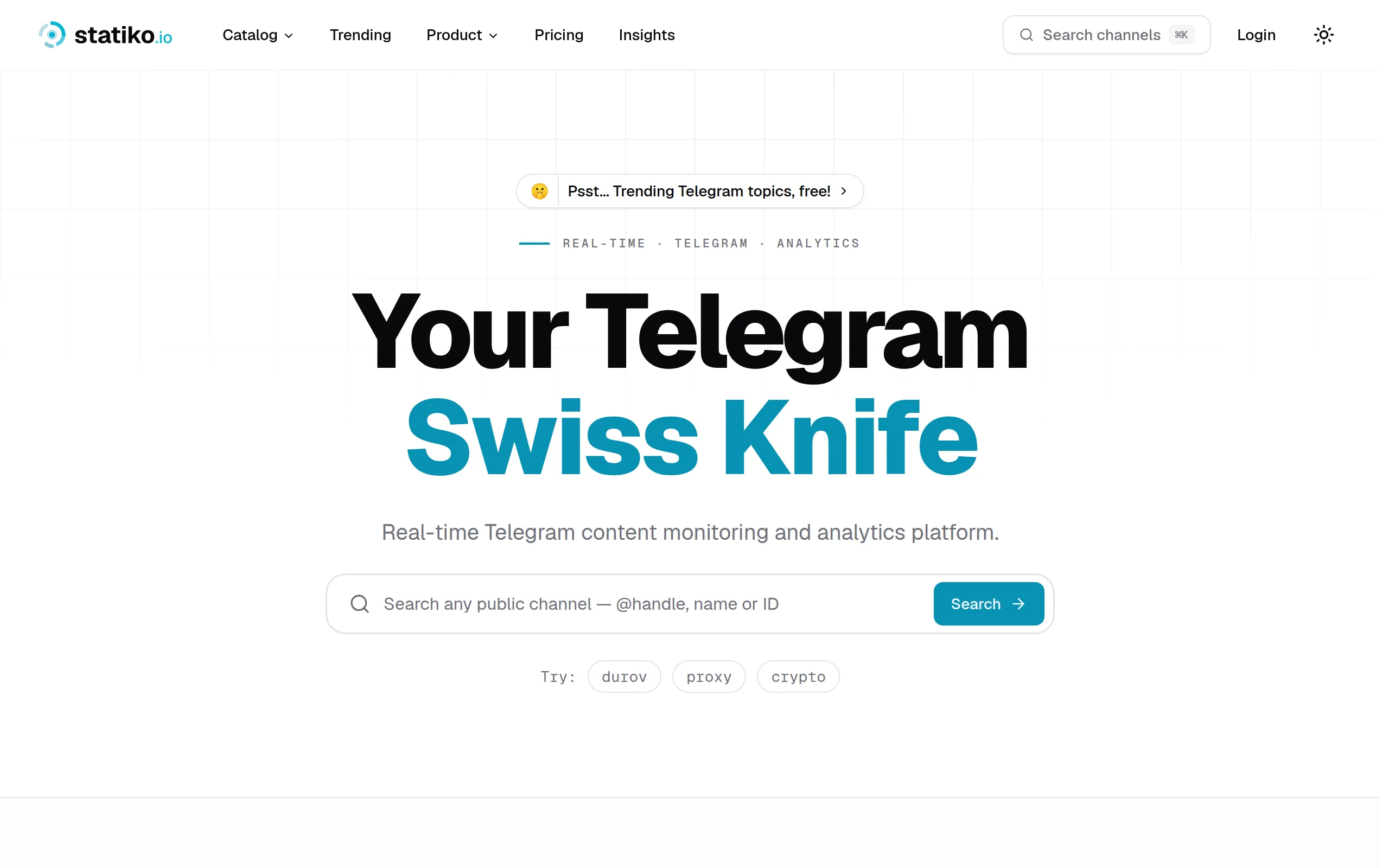
Statiko
Monitor any Telegram channel in real time - track posts, edits, deletions, and growth with AI recaps 📡

Shibui
AI website builder - describe your business, pick a niche template, edit by chatting, and publish instantly ✨

Pro Service
Find verified home service professionals, compare quotes, and pay securely through escrow - built for Brazilians across the US 🏠
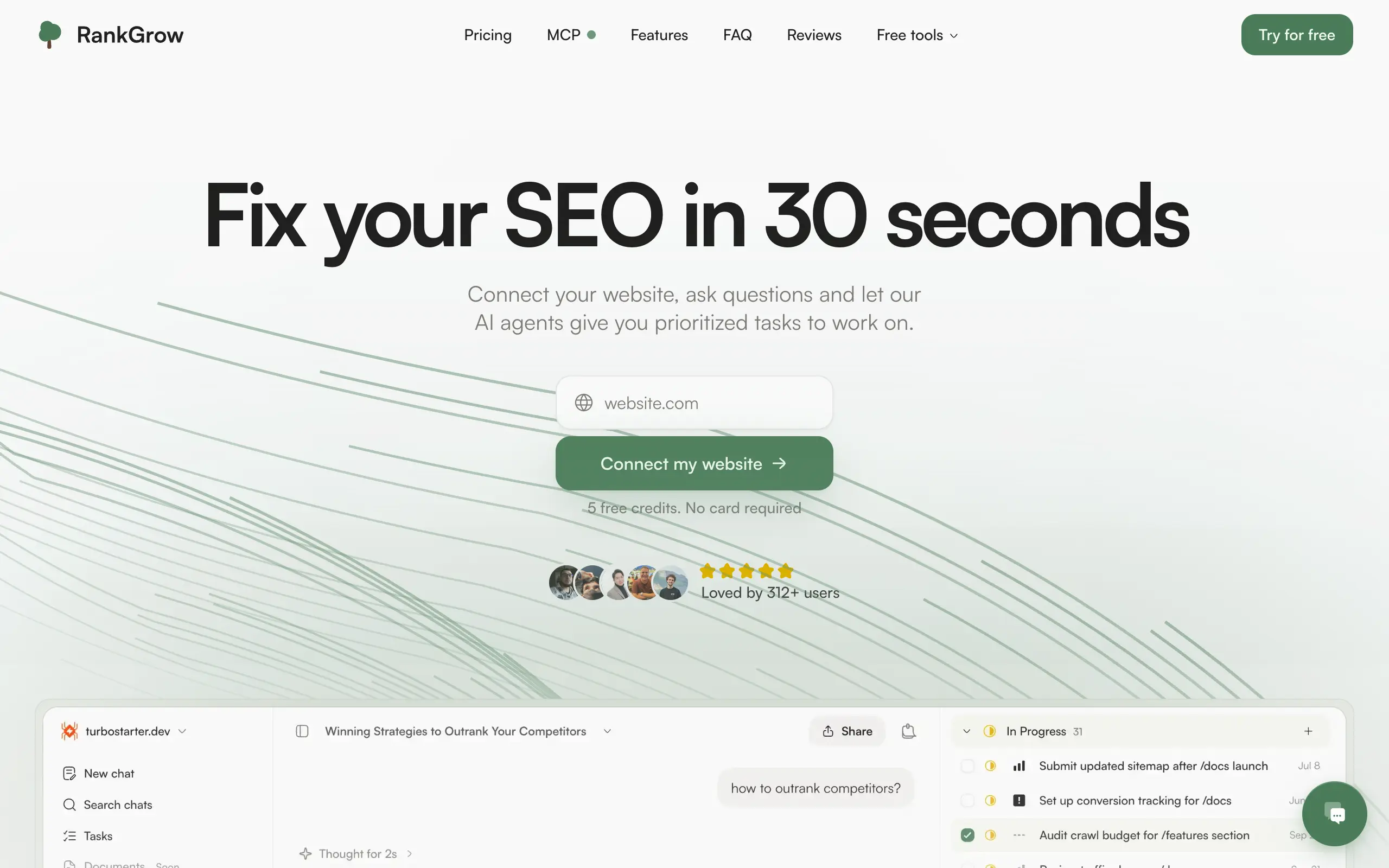
RankGrow
Fix your SEO with AI agents - connect Search Console, get prioritized tasks, and grow organic traffic 📈
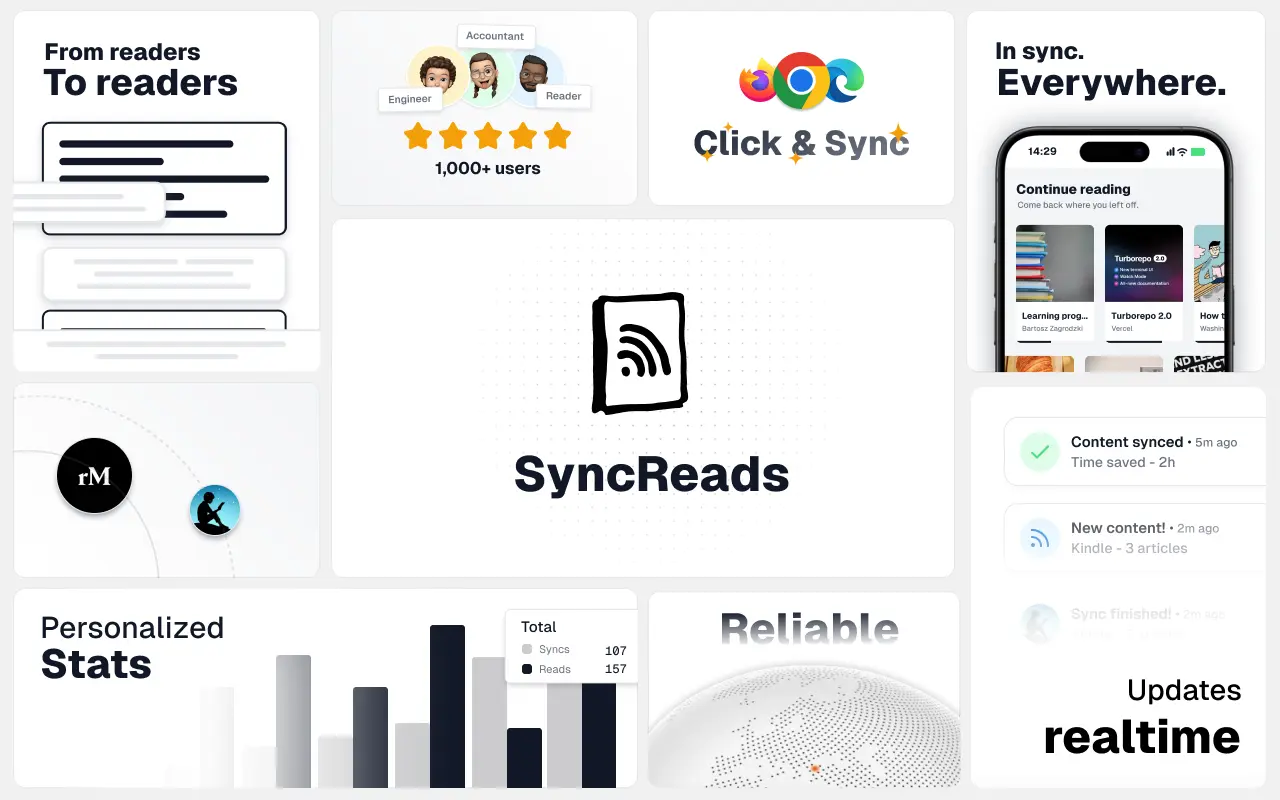
SyncReads
Sync your favorite content for distraction-free reading, save time and replace multiple apps. Anytime, anywhere 🔄
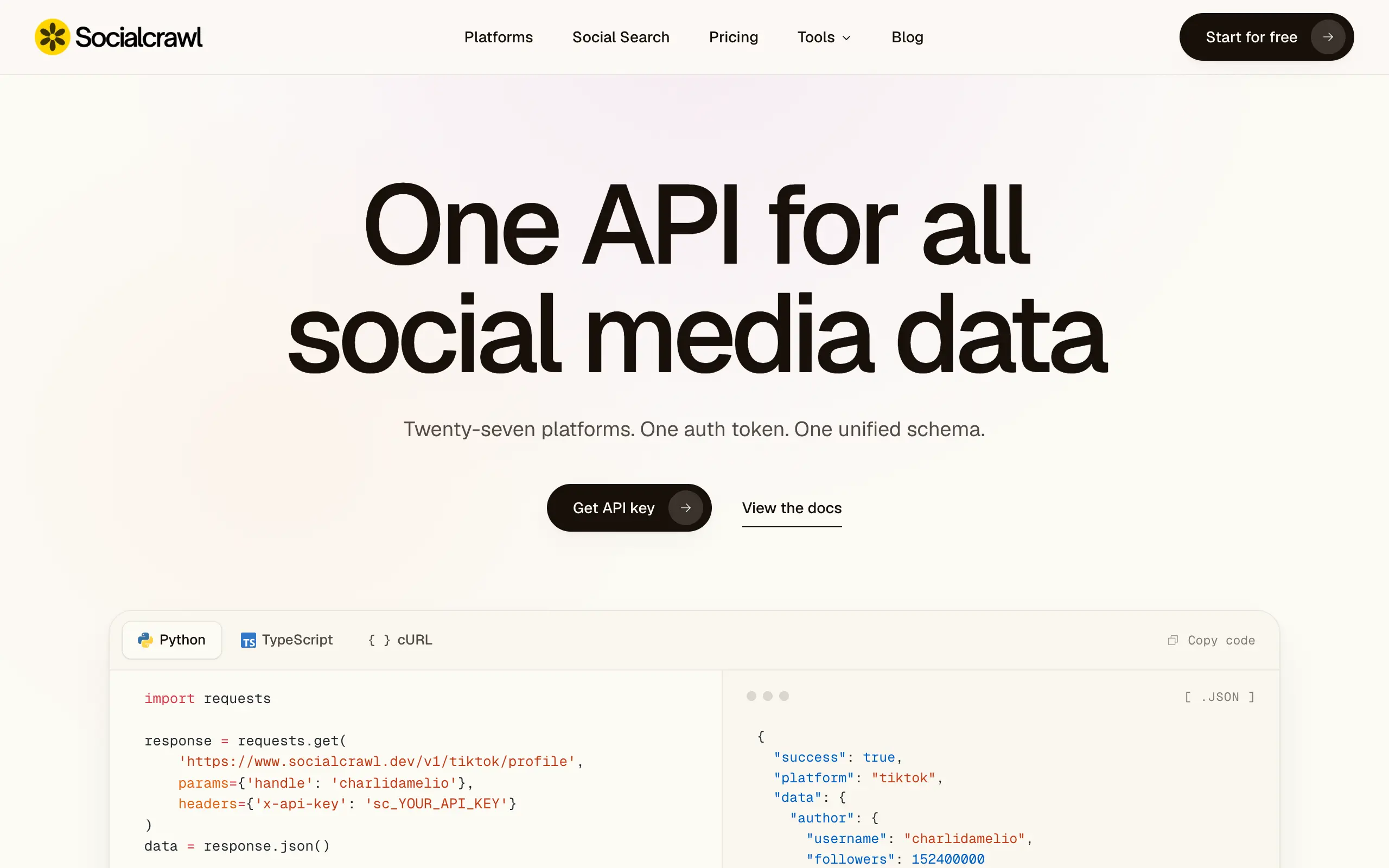
Socialcrawl
Get clean, structured data from 21 platforms like TikTok, Instagram, and YouTube with a single request 📊
Statiko
Monitor any Telegram channel in real time - track posts, edits, deletions, and growth with AI recaps 📡
Shibui
AI website builder - describe your business, pick a niche template, edit by chatting, and publish instantly ✨
Pro Service
Find verified home service professionals, compare quotes, and pay securely through escrow - built for Brazilians across the US 🏠
RankGrow
Fix your SEO with AI agents - connect Search Console, get prioritized tasks, and grow organic traffic 📈
SyncReads
Sync your favorite content for distraction-free reading, save time and replace multiple apps. Anytime, anywhere 🔄
Socialcrawl
Get clean, structured data from 21 platforms like TikTok, Instagram, and YouTube with a single request 📊
Statiko
Monitor any Telegram channel in real time - track posts, edits, deletions, and growth with AI recaps 📡
Shibui
AI website builder - describe your business, pick a niche template, edit by chatting, and publish instantly ✨
Pro Service
Find verified home service professionals, compare quotes, and pay securely through escrow - built for Brazilians across the US 🏠
RankGrow
Fix your SEO with AI agents - connect Search Console, get prioritized tasks, and grow organic traffic 📈
SyncReads
Sync your favorite content for distraction-free reading, save time and replace multiple apps. Anytime, anywhere 🔄
Socialcrawl
Get clean, structured data from 21 platforms like TikTok, Instagram, and YouTube with a single request 📊
Statiko
Monitor any Telegram channel in real time - track posts, edits, deletions, and growth with AI recaps 📡
Shibui
AI website builder - describe your business, pick a niche template, edit by chatting, and publish instantly ✨
Pro Service
Find verified home service professionals, compare quotes, and pay securely through escrow - built for Brazilians across the US 🏠
RankGrow
Fix your SEO with AI agents - connect Search Console, get prioritized tasks, and grow organic traffic 📈
SyncReads
Sync your favorite content for distraction-free reading, save time and replace multiple apps. Anytime, anywhere 🔄
Socialcrawl
Get clean, structured data from 21 platforms like TikTok, Instagram, and YouTube with a single request 📊
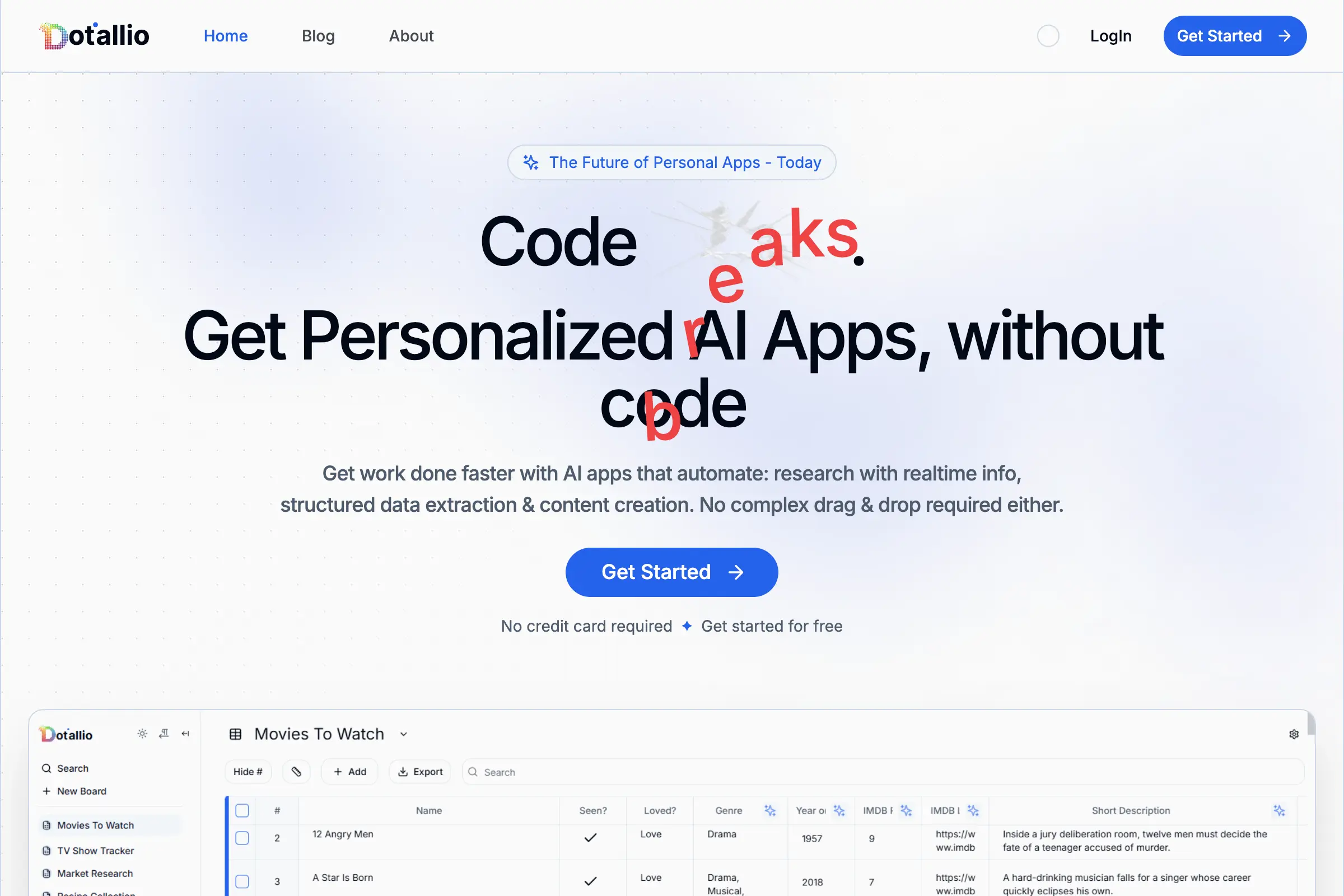
Dotallio
Personalized AI apps that automate research, data extraction, and content creation without code 🤖

Talk to Santa
Enjoy a magical live video chat or receive a unique AI-generated video greeting from Santa Claus 🎅

pozywka.pl
Scalable blog for food journalist, focused on performance and user experience 🌭
zagrodzki.me
Personal blog and portfolio of Bart Zagrodzki, where he shares his knowledge and work 💼
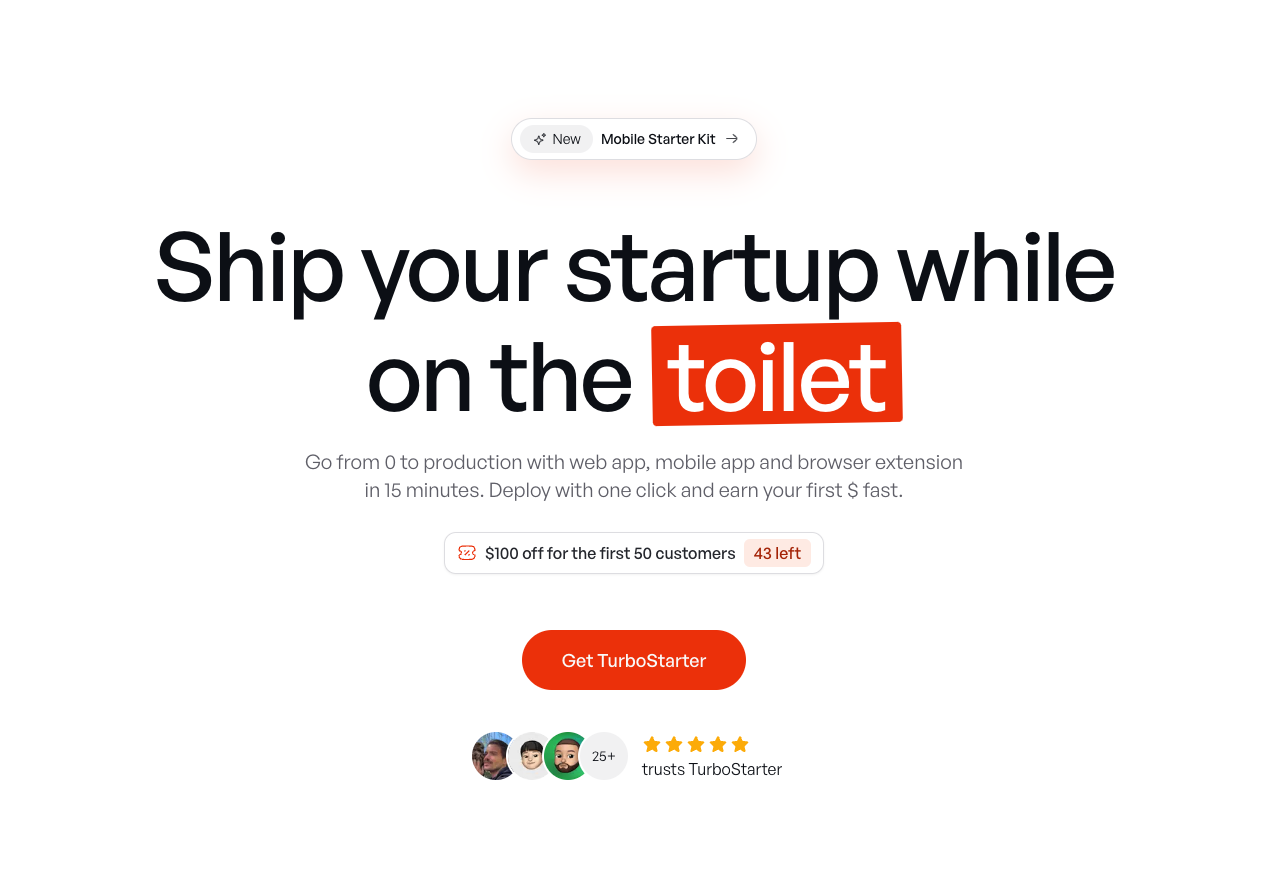
TurboStarter
Ship your startup everywhere. In minutes.
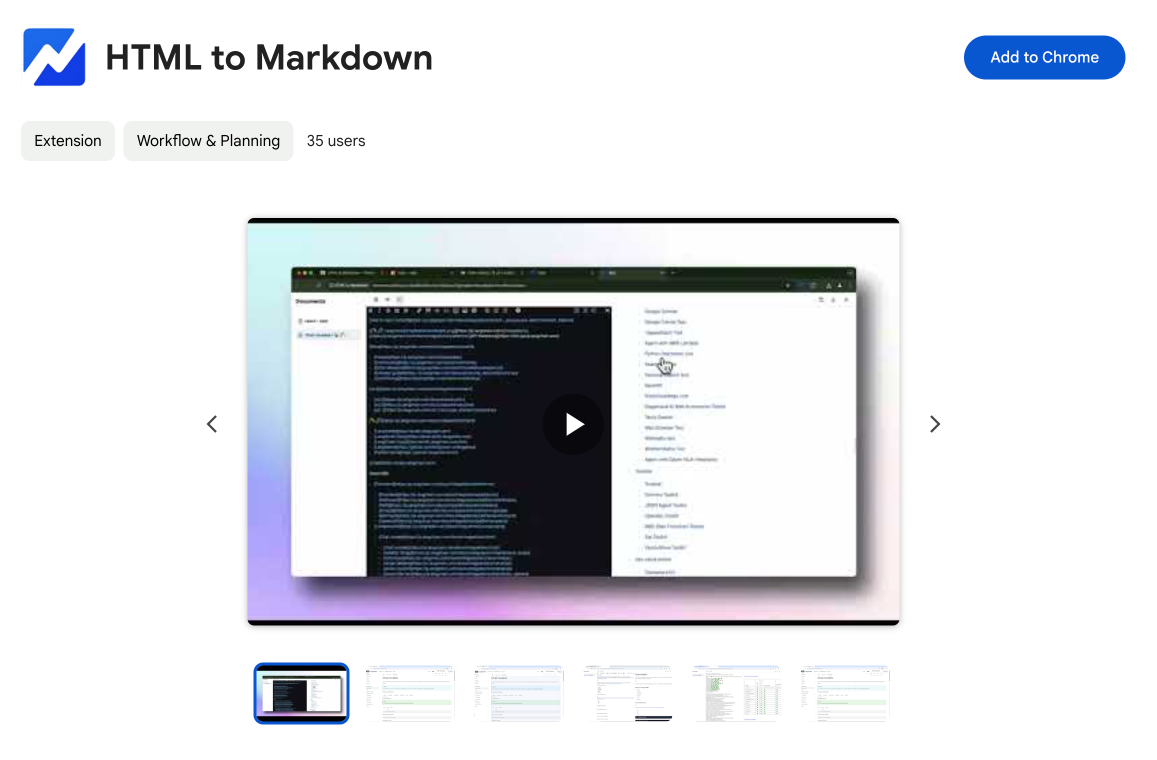
HTML to Markdown
Convert HTML to Markdown with ease, directly in your browser 📄
Dotallio
Personalized AI apps that automate research, data extraction, and content creation without code 🤖
Talk to Santa
Enjoy a magical live video chat or receive a unique AI-generated video greeting from Santa Claus 🎅
pozywka.pl
Scalable blog for food journalist, focused on performance and user experience 🌭
zagrodzki.me
Personal blog and portfolio of Bart Zagrodzki, where he shares his knowledge and work 💼
TurboStarter
Ship your startup everywhere. In minutes.
HTML to Markdown
Convert HTML to Markdown with ease, directly in your browser 📄
Dotallio
Personalized AI apps that automate research, data extraction, and content creation without code 🤖
Talk to Santa
Enjoy a magical live video chat or receive a unique AI-generated video greeting from Santa Claus 🎅
pozywka.pl
Scalable blog for food journalist, focused on performance and user experience 🌭
zagrodzki.me
Personal blog and portfolio of Bart Zagrodzki, where he shares his knowledge and work 💼
TurboStarter
Ship your startup everywhere. In minutes.
HTML to Markdown
Convert HTML to Markdown with ease, directly in your browser 📄
Dotallio
Personalized AI apps that automate research, data extraction, and content creation without code 🤖
Talk to Santa
Enjoy a magical live video chat or receive a unique AI-generated video greeting from Santa Claus 🎅
pozywka.pl
Scalable blog for food journalist, focused on performance and user experience 🌭
zagrodzki.me
Personal blog and portfolio of Bart Zagrodzki, where he shares his knowledge and work 💼
TurboStarter
Ship your startup everywhere. In minutes.
HTML to Markdown
Convert HTML to Markdown with ease, directly in your browser 📄
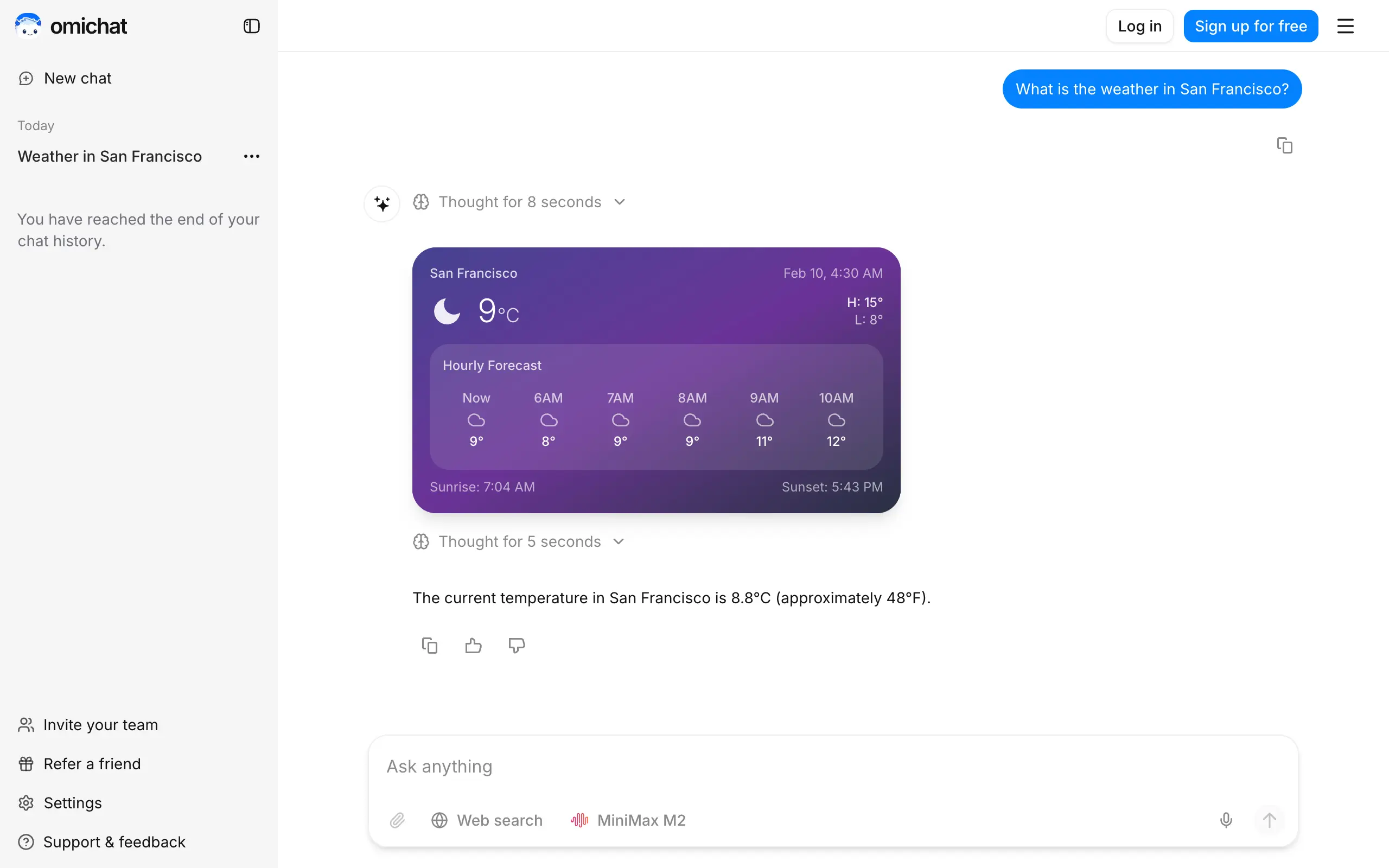
Omichat
Chat with 50+ AI models, including ChatGPT and Claude, in one place - switch models anytime without losing context 🤖
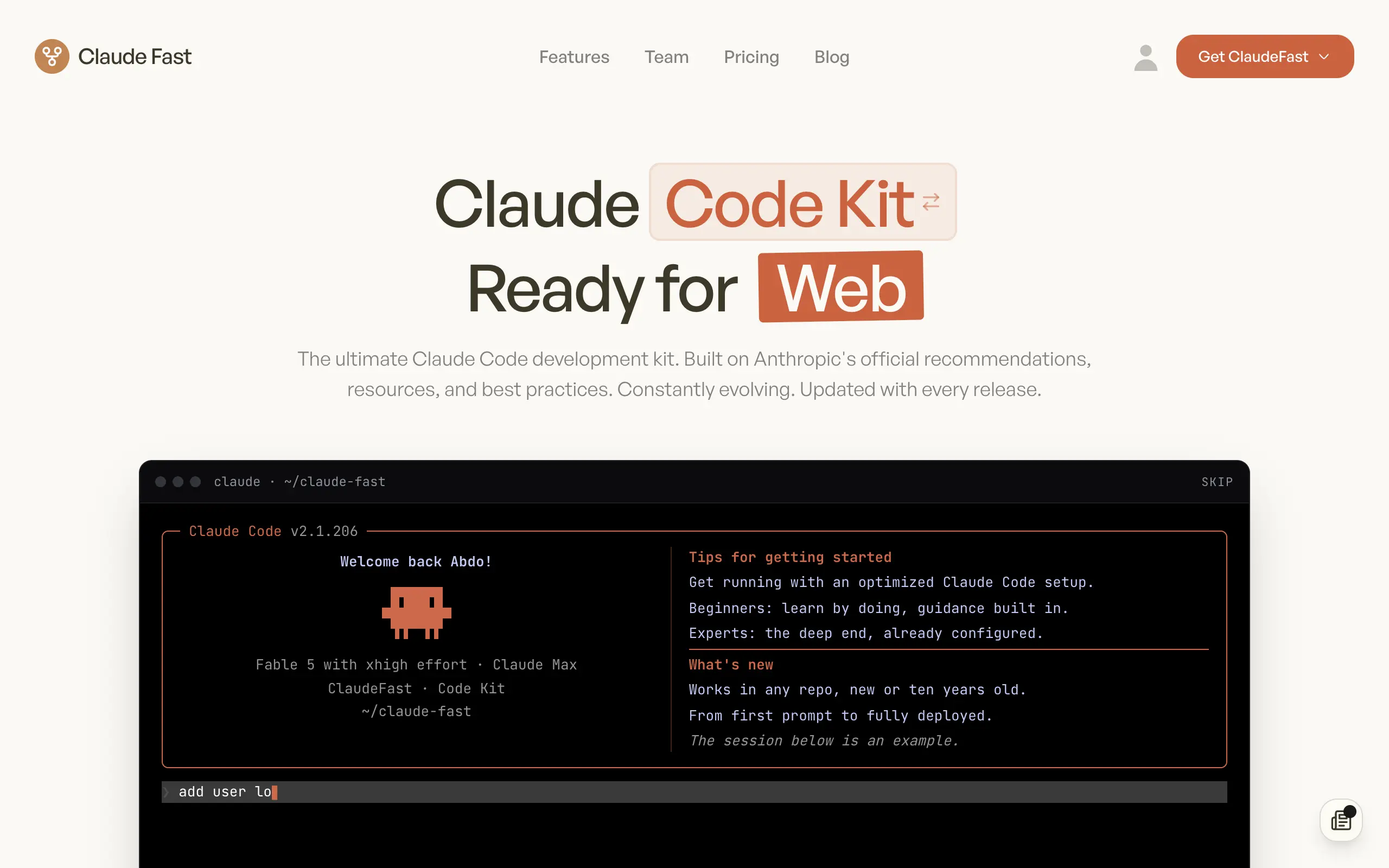
Claude Fast
Supercharge your Claude Code with 6x effective context window and specialized AI agents 🤖
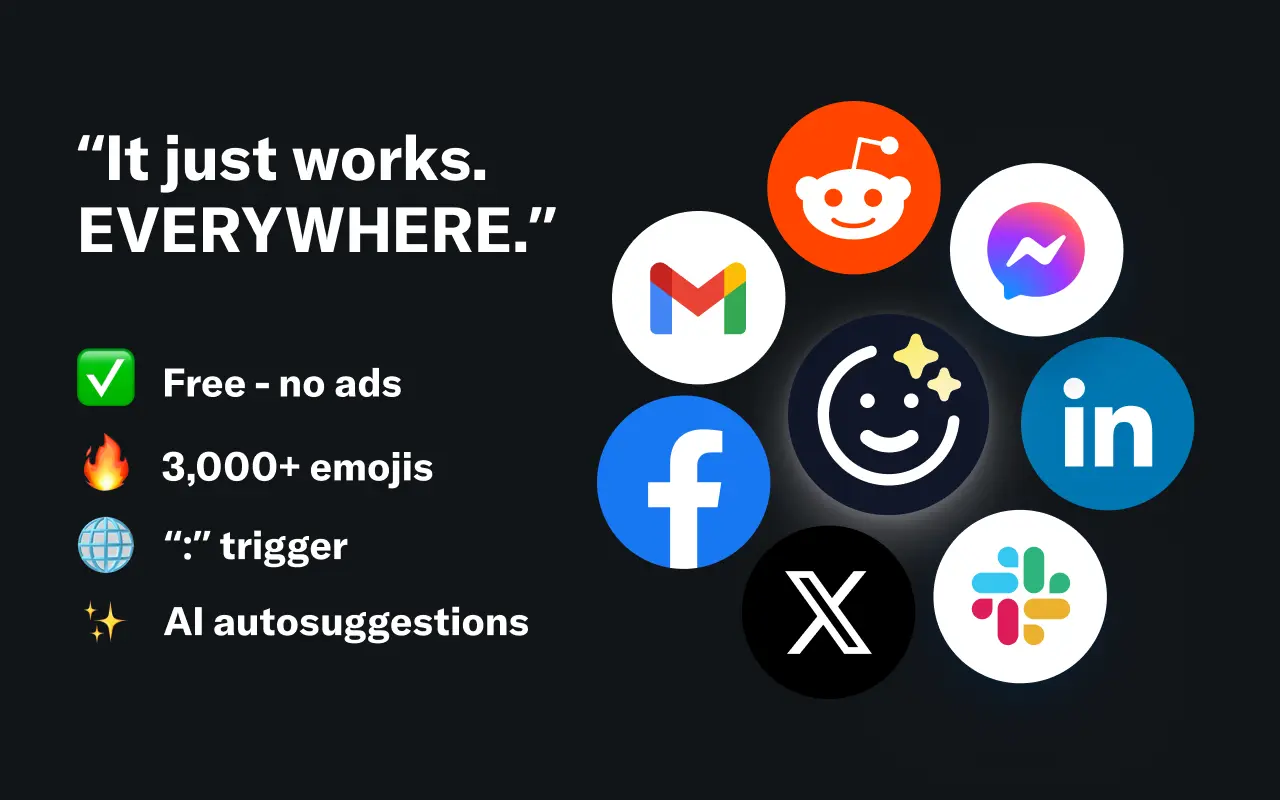
EmojAI
AI-powered emoji picker with smart, context-aware suggestions 🤖
Solohacker
Autonomous company launcher - AI agents work 24/7, escalate what matters, and you stay in control 🤖

BeRawi: Storytelling Coach
Practice storytelling daily with instant feedback to sound clearer, more engaging, and confident 🎤
Omichat
Chat with 50+ AI models, including ChatGPT and Claude, in one place - switch models anytime without losing context 🤖
Claude Fast
Supercharge your Claude Code with 6x effective context window and specialized AI agents 🤖
EmojAI
AI-powered emoji picker with smart, context-aware suggestions 🤖
Solohacker
Autonomous company launcher - AI agents work 24/7, escalate what matters, and you stay in control 🤖
BeRawi: Storytelling Coach
Practice storytelling daily with instant feedback to sound clearer, more engaging, and confident 🎤
Omichat
Chat with 50+ AI models, including ChatGPT and Claude, in one place - switch models anytime without losing context 🤖
Claude Fast
Supercharge your Claude Code with 6x effective context window and specialized AI agents 🤖
EmojAI
AI-powered emoji picker with smart, context-aware suggestions 🤖
Solohacker
Autonomous company launcher - AI agents work 24/7, escalate what matters, and you stay in control 🤖
BeRawi: Storytelling Coach
Practice storytelling daily with instant feedback to sound clearer, more engaging, and confident 🎤
Omichat
Chat with 50+ AI models, including ChatGPT and Claude, in one place - switch models anytime without losing context 🤖
Claude Fast
Supercharge your Claude Code with 6x effective context window and specialized AI agents 🤖
EmojAI
AI-powered emoji picker with smart, context-aware suggestions 🤖
Solohacker
Autonomous company launcher - AI agents work 24/7, escalate what matters, and you stay in control 🤖
BeRawi: Storytelling Coach
Practice storytelling daily with instant feedback to sound clearer, more engaging, and confident 🎤

Connect with like-minded people
Join our community to get feedback, support, and grow together with 1,000+ builders on board, let's ship it!
Join usShip your startup everywhere. In minutes.
Don't burn tokens on setup and start building features on day one.