LessonMind AI
An AI-powered LMS assistant that auto-generates lesson plans, quizzes, and differentiated materials aligned to curriculum standards in minutes.
The future of AI-powered lesson planning and curriculum alignment
Education is undergoing a massive digital transformation. Teachers are expected to deliver personalized instruction, align tightly with curriculum standards, integrate technology, track student performance, and document everything — all while managing classrooms and supporting diverse learners.
An AI-powered LMS assistant like LessonMind AI directly addresses this pressure. It auto-generates:
- Standards-aligned lesson plans
- Formative and summative quizzes
- Differentiated materials
- Homework assignments
- Assessment rubrics
- Classroom activities
All in minutes.
This article provides a deep, expert-level breakdown of the market opportunity, target audience, feature set, tech stack, monetization strategy, risks, and competitive positioning of an AI LMS assistant like LessonMind AI — designed to rank for high-intent keywords such as:
- AI lesson plan generator
- AI LMS assistant
- standards-aligned lesson planner
- AI curriculum planning tool
- AI quiz generator for teachers
- differentiated instruction AI
Understanding user search intent for AI lesson planning tools
When educators search for:
- “AI lesson plan generator”
- “standards-aligned lesson planning software”
- “AI quiz generator for teachers”
- “automated curriculum alignment tool”
They typically fall into one of these intent categories:
- Time-saving solution seekers – Teachers overwhelmed with planning.
- Instructional leaders – School administrators seeking scalable consistency.
- EdTech innovators – Curriculum designers exploring AI integration.
- District decision-makers – Evaluating AI LMS enhancements.
LessonMind AI must address all four by offering:
- Immediate classroom utility
- Institutional scalability
- Curriculum alignment guarantees
- Transparent AI methodology
Market opportunity: why AI in education is accelerating
Rapid AI adoption in EdTech
According to widely cited industry analyses (e.g., HolonIQ market research reports), the global EdTech market is projected to exceed $400B+ by 2030. Generative AI is one of the fastest-growing segments within it.
Drivers include:
- Teacher burnout and attrition
- Mandated curriculum standardization
- Increased inclusion and differentiation requirements
- Hybrid and digital classroom expansion
- Personalized learning expectations
The curriculum alignment gap
Most AI content generators:
- Produce generic lesson plans
- Lack curriculum standard alignment
- Fail to differentiate by student ability
- Don’t integrate directly with LMS systems
This creates a critical opportunity for a standards-aware AI LMS assistant.
Key Insight
The biggest barrier to AI adoption in schools is not capability — it’s trust. Curriculum alignment and transparency are the competitive differentiators.
Target audience analysis
1. Individual K–12 teachers
Pain points:
- 5–10 hours/week spent on lesson planning
- Manual standards mapping
- Creating differentiated worksheets
- Writing assessments from scratch
- Administrative documentation
What they want:
- Fast, editable lesson drafts
- Curriculum-aligned outputs
- Multiple ability levels automatically generated
- Export to Google Classroom or LMS
2. Instructional coordinators & department heads
Pain points:
- Inconsistent lesson quality across teachers
- Alignment gaps between grade levels
- Time-intensive curriculum audits
- Lack of centralized content system
What they want:
- Standardized planning templates
- Alignment dashboards
- Shared lesson banks
- Measurable compliance
3. School districts
Pain points:
- Compliance with state standards
- Accessibility requirements
- Teacher training costs
- Data governance concerns
What they want:
- Enterprise-level AI assistant
- Secure student data handling
- District-wide standard mapping
- Integration with LMS platforms
4. Private tutors and EdTech startups
- Need scalable content generation
- Want to produce curriculum quickly
- Require multiple differentiation tiers
Core value proposition
LessonMind AI is not just an AI content generator.
It is a standards-aligned AI LMS assistant designed specifically for educators.
Unique selling proposition (USP)
✅ Auto-maps lesson content to official curriculum standards
✅ Generates differentiated materials for multiple learning levels
✅ Produces assessments aligned to learning objectives
✅ Integrates directly into LMS workflows
✅ Provides explainable alignment logic
This positioning distinguishes it from generic AI writing tools.
Core features of LessonMind AI
1. AI lesson plan generator aligned to standards
Users select:
- Grade level
- Subject
- Standard (e.g., Common Core, NGSS, IB, state standards)
- Duration
AI outputs:
- Learning objectives
- Activities
- Materials list
- Assessment strategy
- Homework suggestions
- Reflection prompts
2. Automatic quiz and assessment builder
Includes:
- Multiple choice
- Short answer
- Essay prompts
- Rubrics
- Bloom’s taxonomy tagging
Can generate:
- Formative checks
- Summative tests
- Exit tickets
- Homework assignments
3. Differentiated instruction generator
Outputs:
- Tiered worksheets (below, on, above grade level)
- ELL scaffolding
- Special education modifications
- Enrichment challenges
This directly addresses inclusive education requirements.
4. LMS integration layer
Integration with:
Teachers can:
- Export assignments
- Sync quizzes
- Auto-upload resources
5. Curriculum standards database engine
The backbone feature:
- Indexed national and state standards
- AI tagging system
- Alignment confidence scoring
- Audit reports for administrators
Product architecture overview
A scalable AI LMS assistant requires robust architecture.
// Example architecture structure (simplified)
const LessonMindAI = {
  frontend: "Next.js",
  backend: "Node.js + Express",
  aiLayer: "LLM + curriculum fine-tuning",
  database: "PostgreSQL",
  vectorDB: "Pinecone or Weaviate",
  auth: "OAuth + SSO",
  integrations: ["Google Classroom API", "Canvas API"]
}
Recommended tech stack (with trade-offs)
Frontend
Why:
- SEO-friendly rendering
- Fast teacher dashboards
- Modern UX performance
Backend
- Node.js or Python (FastAPI)
- REST or GraphQL APIs
Trade-offs:
- Python excels for AI pipelines
- Node better for real-time SaaS scalability
AI layer
- Large Language Model API
- Retrieval-Augmented Generation (RAG)
- Curriculum-specific fine-tuning
Critical requirement:
Do not rely solely on base LLM — integrate curriculum embeddings.
Database
- PostgreSQL (relational lesson structure)
- Vector DB for standards mapping
Infrastructure
- AWS or GCP
- Role-based access control
- FERPA-compliant hosting
Competitive landscape analysis
Major competitors include:
- MagicSchool AI
- Eduaide AI
- Diffit
- ChatGPT (generic use)
Let’s compare strategically.
| Feature | Generic AI | MagicSchool | Diffit | LessonMind AI | Traditional LMS |
|---|---|---|---|---|---|
| Standards auto-mapping | ❌ | Partial | ✅ | ✅ Advanced | ❌ |
| Differentiated materials | ❌ | ✅ | ✅ | ✅ Advanced tiers | ❌ |
Monetization strategy
1. Freemium model
Free:
- Limited lesson generations/month
- Basic standards
Pro ($15–$25/month):
- Unlimited generations
- Full curriculum library
- LMS integrations
2. School licensing
- Per teacher seat
- Annual contracts
- Admin dashboard included
3. District enterprise plan
- Custom standard uploads
- API integrations
- Data residency compliance
- Dedicated support
4. Add-on revenue streams
- Custom curriculum packs
- Professional development workshops
- AI curriculum audit reports
Pricing psychology for educators
Teachers are price-sensitive. Districts are budget-sensitive but outcome-driven.
Positioning matters:
- “Save 5 hours per week” is stronger than
- “Generate lesson plans faster”
Quantify time savings.
Potential risks and mitigation strategies
Risk 1: Inaccurate curriculum alignment
Mitigation:
- Human-reviewed standard embeddings
- Alignment confidence scoring
- Manual override option
Risk 2: AI hallucinations
Mitigation:
- RAG architecture
- Curriculum database grounding
- Fact-checking pipelines
Risk 3: Data privacy concerns
Mitigation:
- FERPA compliance
- No student data training
- Clear AI transparency policy
Risk 4: Teacher resistance to AI
Mitigation:
- Position as assistant, not replacement
- Editable outputs
- Professional development resources
Building trust with educators (E-E-A-T strategy)
To rank well and convert:
- Publish curriculum alignment methodology
- Provide educator testimonials
- Offer research-backed differentiation models
- Cite instructional design frameworks
- Show alignment to Bloom’s Taxonomy
Trust is conversion.
Go-to-market strategy
Implementation roadmap
Phase 1: MVP (3–4 months)
- Lesson generator
- Quiz builder
- Core standard database
- Export to PDF
Phase 2: LMS integration
- Google Classroom API
- Assignment sync
- Roster import
Phase 3: Differentiation engine
- Tiered content generator
- Accessibility adjustments
Phase 4: Admin dashboard
- Alignment audit reports
- School-wide analytics
Content marketing strategy for SEO
To rank for:
- AI lesson plan generator
- standards-aligned lesson planning software
- AI quiz generator for teachers
Create:
- Blog posts on curriculum alignment
- Guides for differentiated instruction
- Case studies on teacher time savings
- Comparison posts vs competitors
Use schema markup and structured FAQs.
Future expansion opportunities
- AI grading assistant
- Student feedback generator
- Adaptive learning paths
- Multilingual curriculum support
- Higher education version
Why this SaaS idea stands out
Most tools are either:
- Generic AI writing assistants
- Basic LMS platforms
- Static curriculum repositories
LessonMind AI combines:
- AI generation
- Curriculum alignment
- Differentiated instruction
- LMS integration
- Administrative analytics
In one unified system.
That integration layer is the moat.
How to build LessonMind AI efficiently
Building from scratch can take 6–12 months.
Using a SaaS starter kit like TurboStarter significantly accelerates:
- Authentication
- Billing integration
- Dashboard UI
- API scaffolding
- SaaS architecture best practices
This lets you focus on:
- AI curriculum engine
- Standards mapping
- Differentiation logic
Instead of boilerplate.
Actionable next steps
Final thoughts: the timing is right
Teachers are overwhelmed.
Districts are modernizing.
AI is maturing.
An AI-powered LMS assistant that respects curriculum standards and classroom realities is not just useful — it’s inevitable.
LessonMind AI has the potential to become:
- The default AI lesson planning engine
- The standards-alignment layer for schools
- The productivity assistant for modern educators
The opportunity is real. The demand is growing.
Execution — with accuracy, trust, and teacher-first design — will define success.
More 🤖 AI Startup SaaS ideas
Discover more innovative ai startup SaaS ideas that are trending in 2026. Each idea is AI-generated with market validation and growth potential to help you find your next profitable venture faster than competitors.
Your competitors are building with TurboStarter
Below are some of the SaaS ideas that have been generated and built with our starter kit.
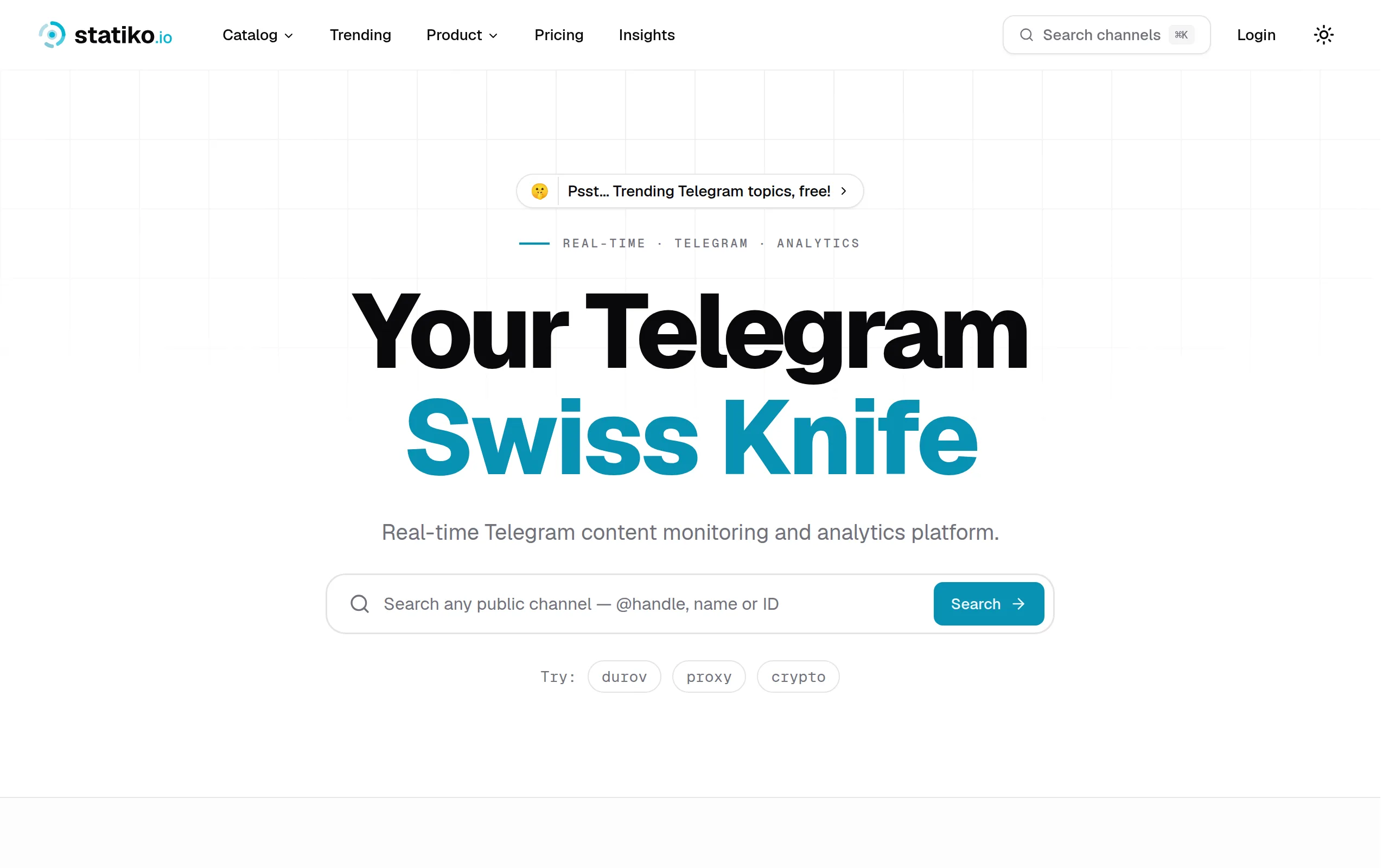
Statiko
Monitor any Telegram channel in real time - track posts, edits, deletions, and growth with AI recaps 📡

Shibui
AI website builder - describe your business, pick a niche template, edit by chatting, and publish instantly ✨

Pro Service
Find verified home service professionals, compare quotes, and pay securely through escrow - built for Brazilians across the US 🏠
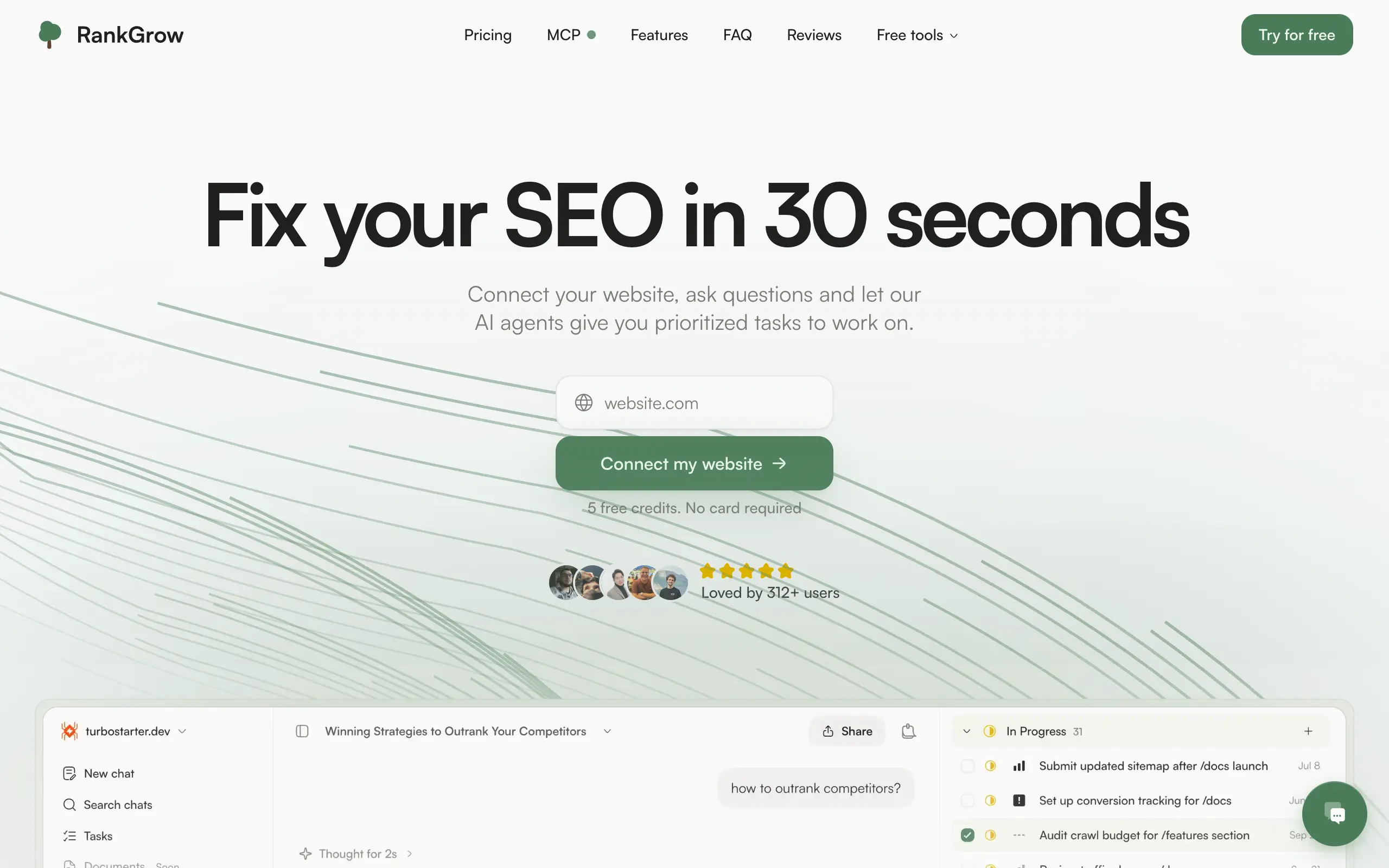
RankGrow
Fix your SEO with AI agents - connect Search Console, get prioritized tasks, and grow organic traffic 📈
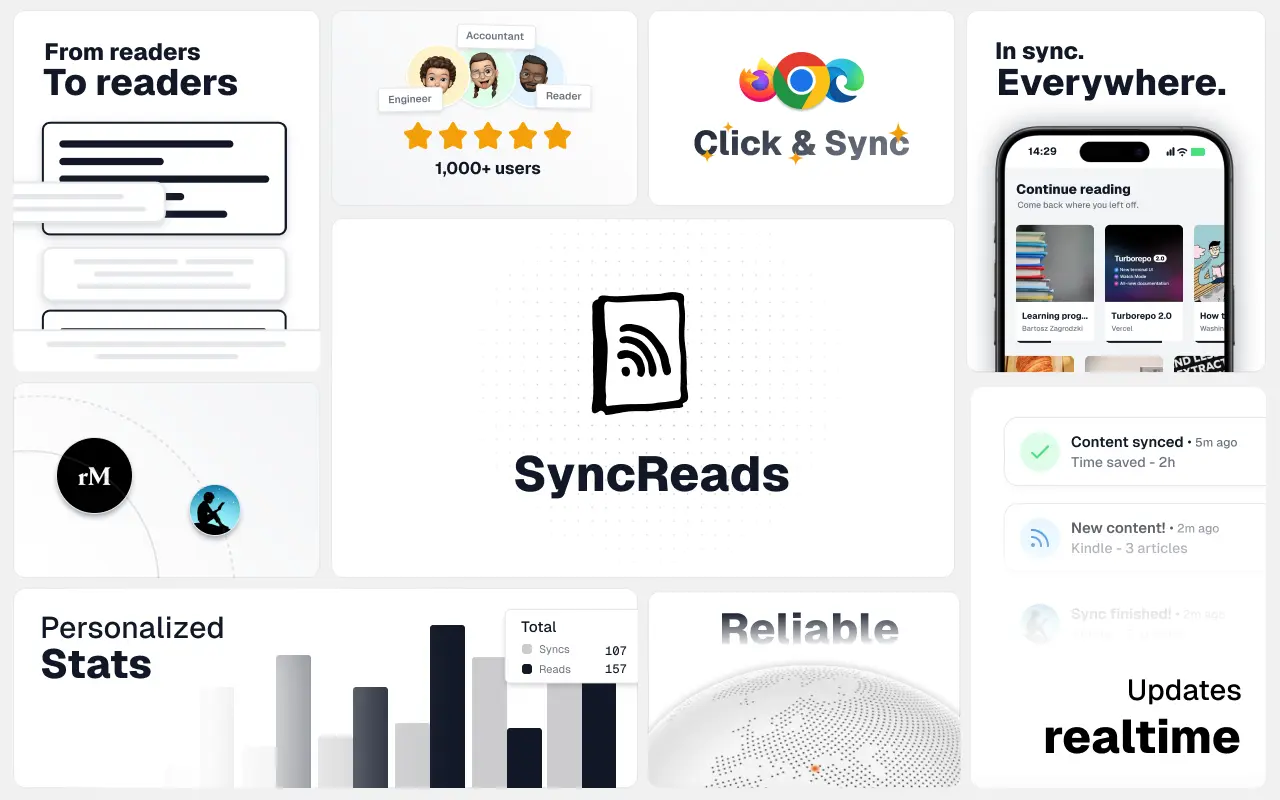
SyncReads
Sync your favorite content for distraction-free reading, save time and replace multiple apps. Anytime, anywhere 🔄
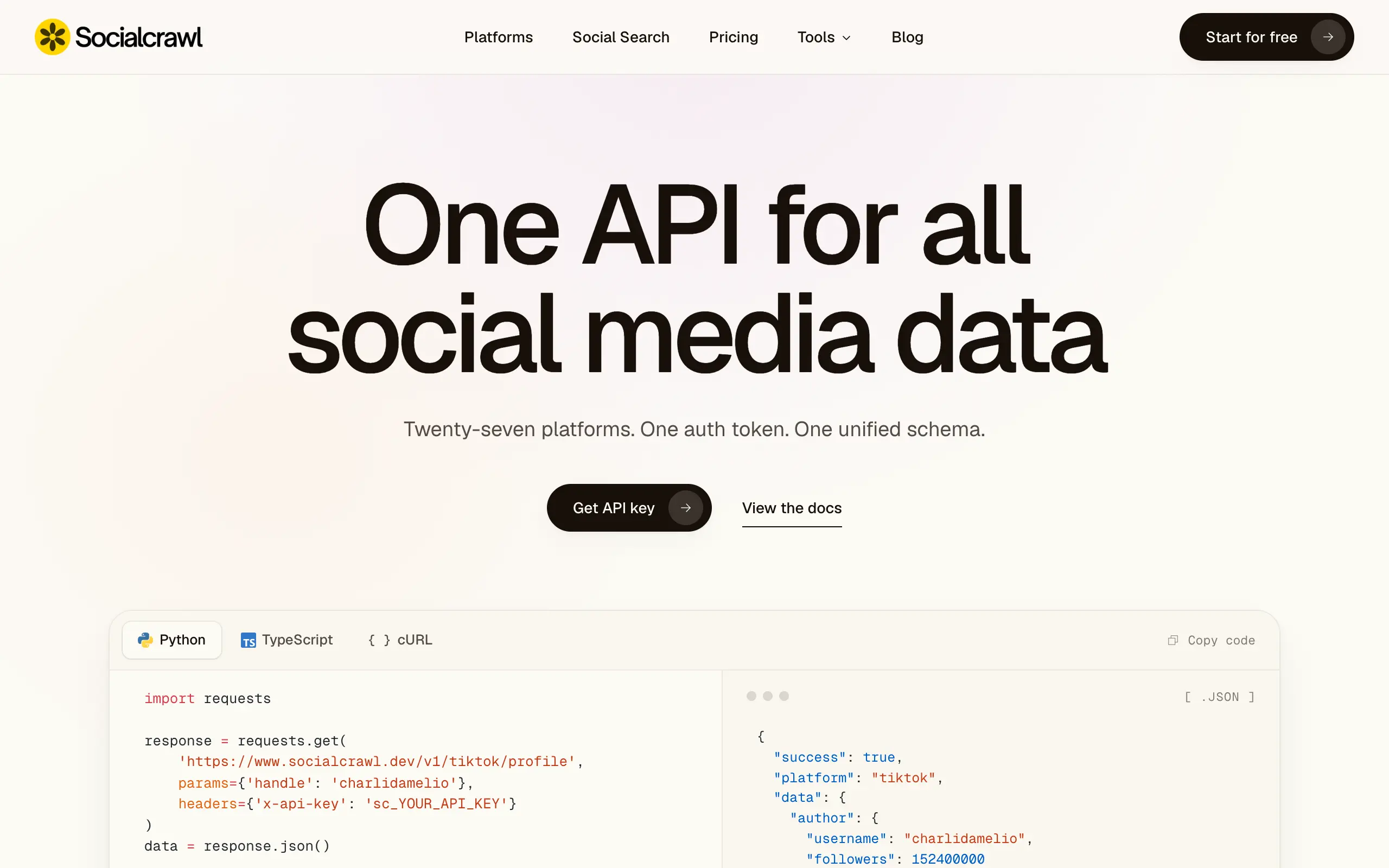
Socialcrawl
Get clean, structured data from 21 platforms like TikTok, Instagram, and YouTube with a single request 📊
Statiko
Monitor any Telegram channel in real time - track posts, edits, deletions, and growth with AI recaps 📡
Shibui
AI website builder - describe your business, pick a niche template, edit by chatting, and publish instantly ✨
Pro Service
Find verified home service professionals, compare quotes, and pay securely through escrow - built for Brazilians across the US 🏠
RankGrow
Fix your SEO with AI agents - connect Search Console, get prioritized tasks, and grow organic traffic 📈
SyncReads
Sync your favorite content for distraction-free reading, save time and replace multiple apps. Anytime, anywhere 🔄
Socialcrawl
Get clean, structured data from 21 platforms like TikTok, Instagram, and YouTube with a single request 📊
Statiko
Monitor any Telegram channel in real time - track posts, edits, deletions, and growth with AI recaps 📡
Shibui
AI website builder - describe your business, pick a niche template, edit by chatting, and publish instantly ✨
Pro Service
Find verified home service professionals, compare quotes, and pay securely through escrow - built for Brazilians across the US 🏠
RankGrow
Fix your SEO with AI agents - connect Search Console, get prioritized tasks, and grow organic traffic 📈
SyncReads
Sync your favorite content for distraction-free reading, save time and replace multiple apps. Anytime, anywhere 🔄
Socialcrawl
Get clean, structured data from 21 platforms like TikTok, Instagram, and YouTube with a single request 📊
Statiko
Monitor any Telegram channel in real time - track posts, edits, deletions, and growth with AI recaps 📡
Shibui
AI website builder - describe your business, pick a niche template, edit by chatting, and publish instantly ✨
Pro Service
Find verified home service professionals, compare quotes, and pay securely through escrow - built for Brazilians across the US 🏠
RankGrow
Fix your SEO with AI agents - connect Search Console, get prioritized tasks, and grow organic traffic 📈
SyncReads
Sync your favorite content for distraction-free reading, save time and replace multiple apps. Anytime, anywhere 🔄
Socialcrawl
Get clean, structured data from 21 platforms like TikTok, Instagram, and YouTube with a single request 📊
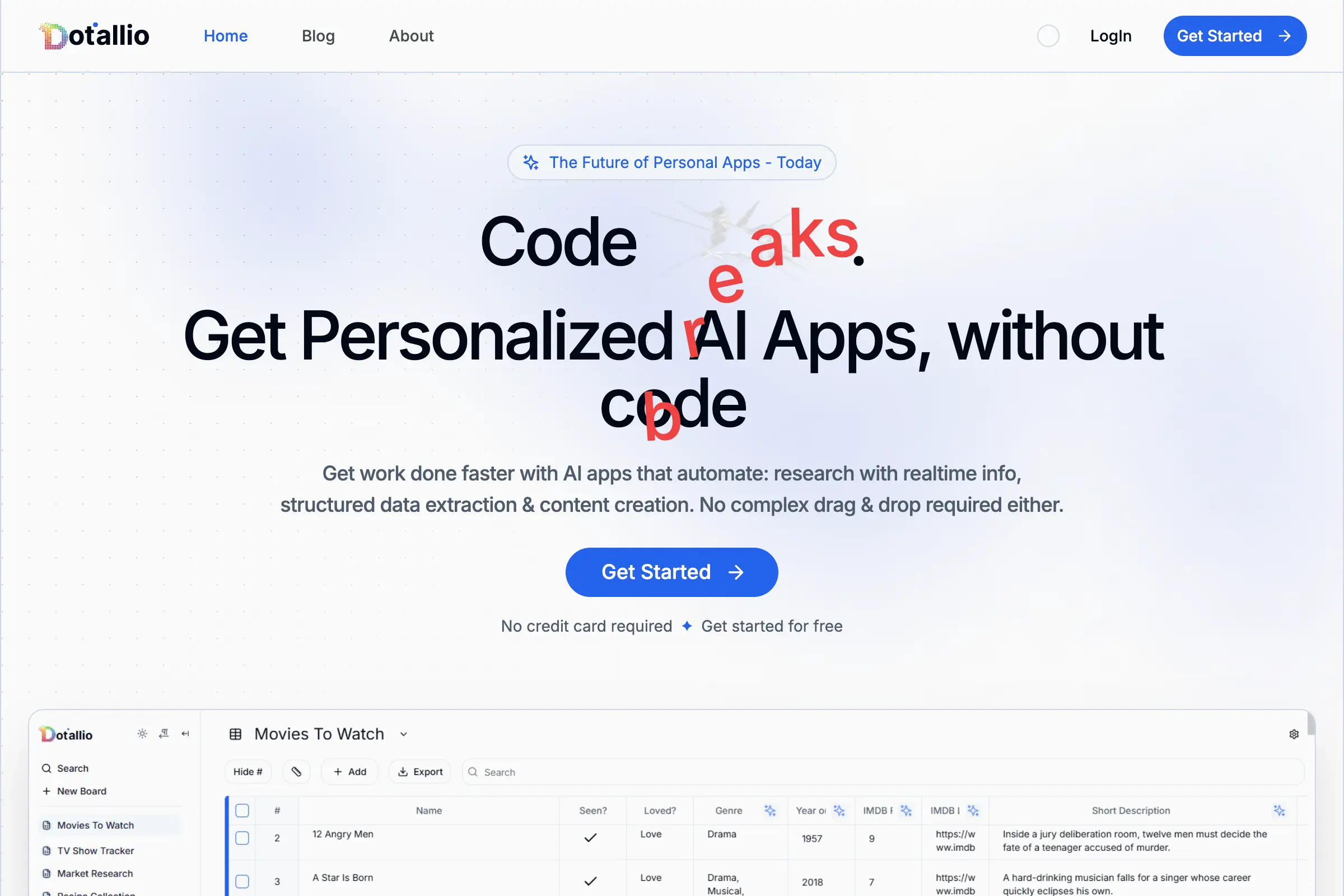
Dotallio
Personalized AI apps that automate research, data extraction, and content creation without code 🤖
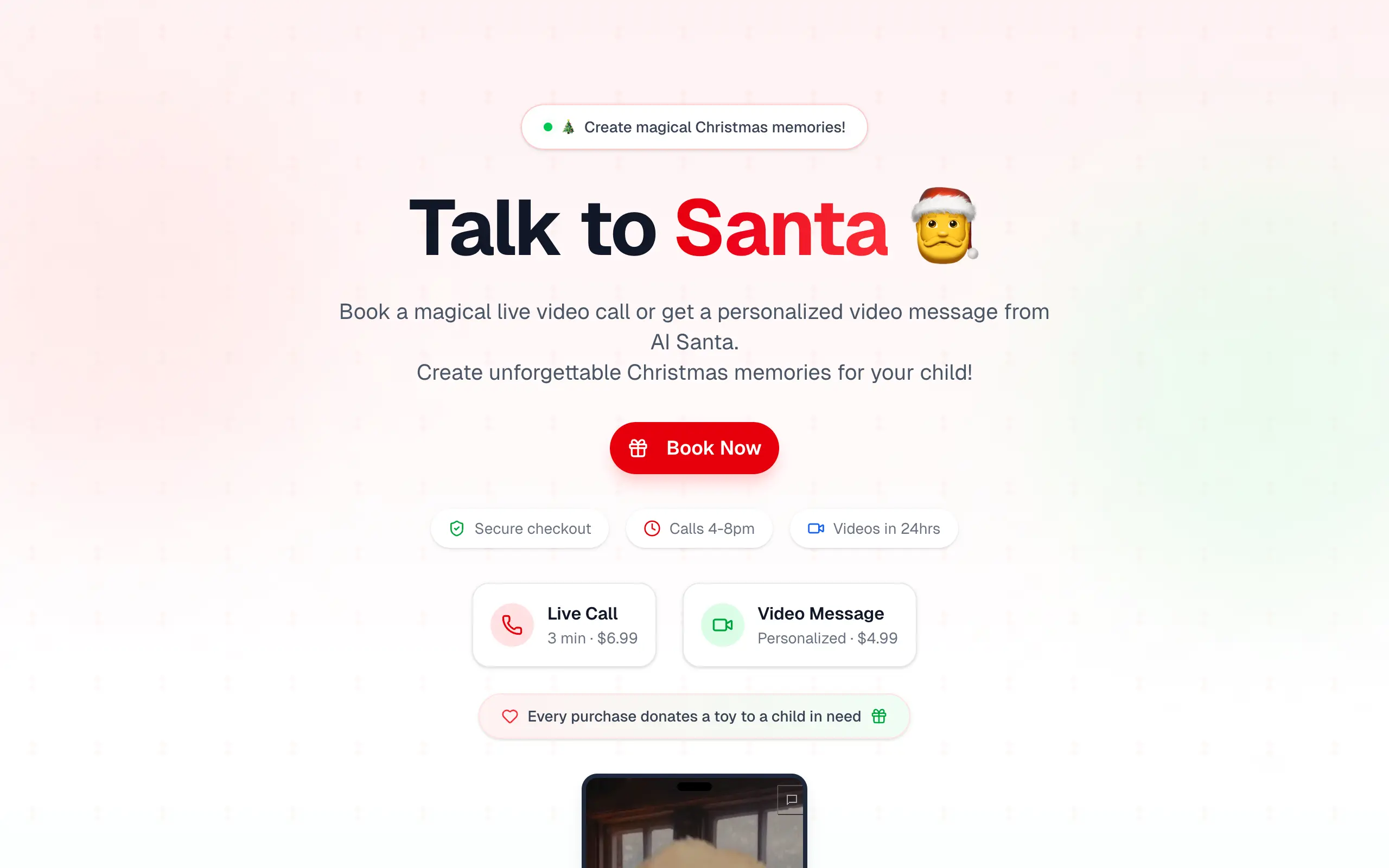
Talk to Santa
Enjoy a magical live video chat or receive a unique AI-generated video greeting from Santa Claus 🎅
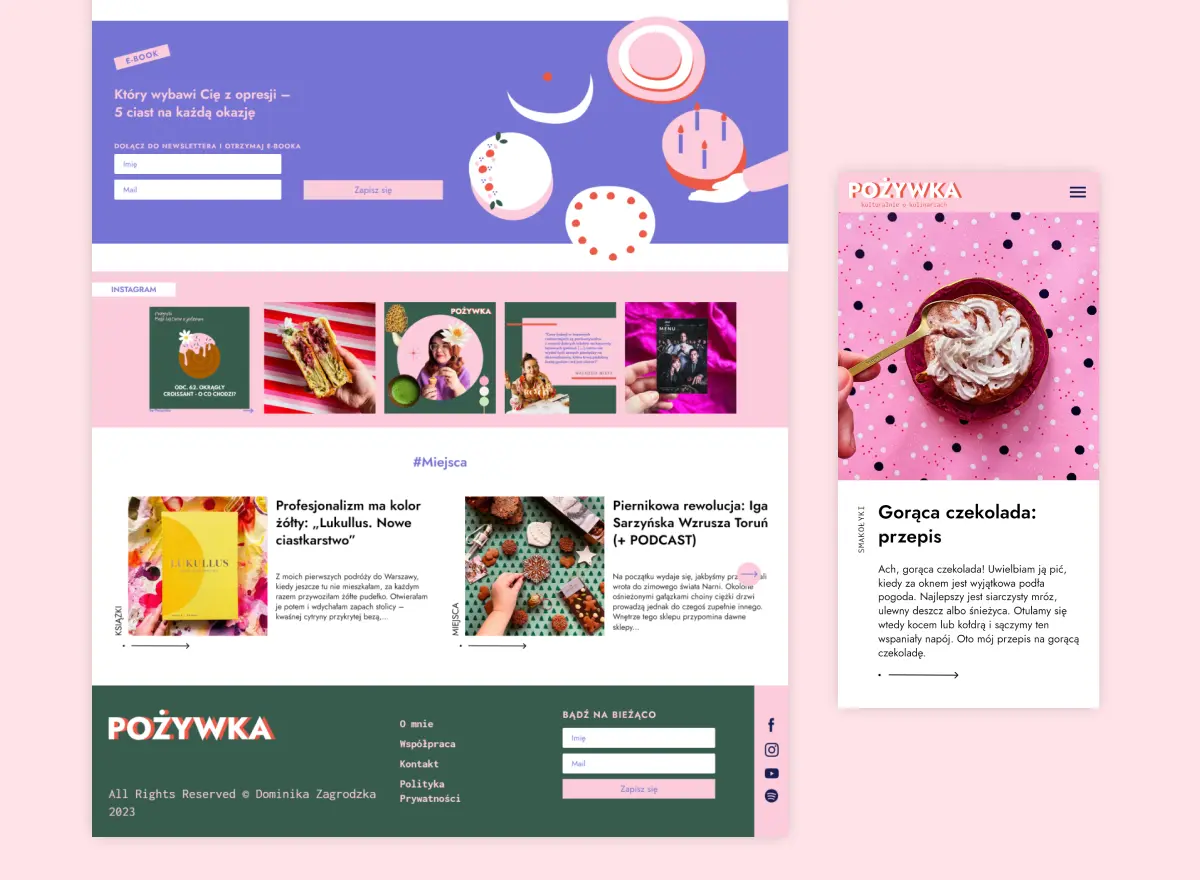
pozywka.pl
Scalable blog for food journalist, focused on performance and user experience 🌭
zagrodzki.me
Personal blog and portfolio of Bart Zagrodzki, where he shares his knowledge and work 💼
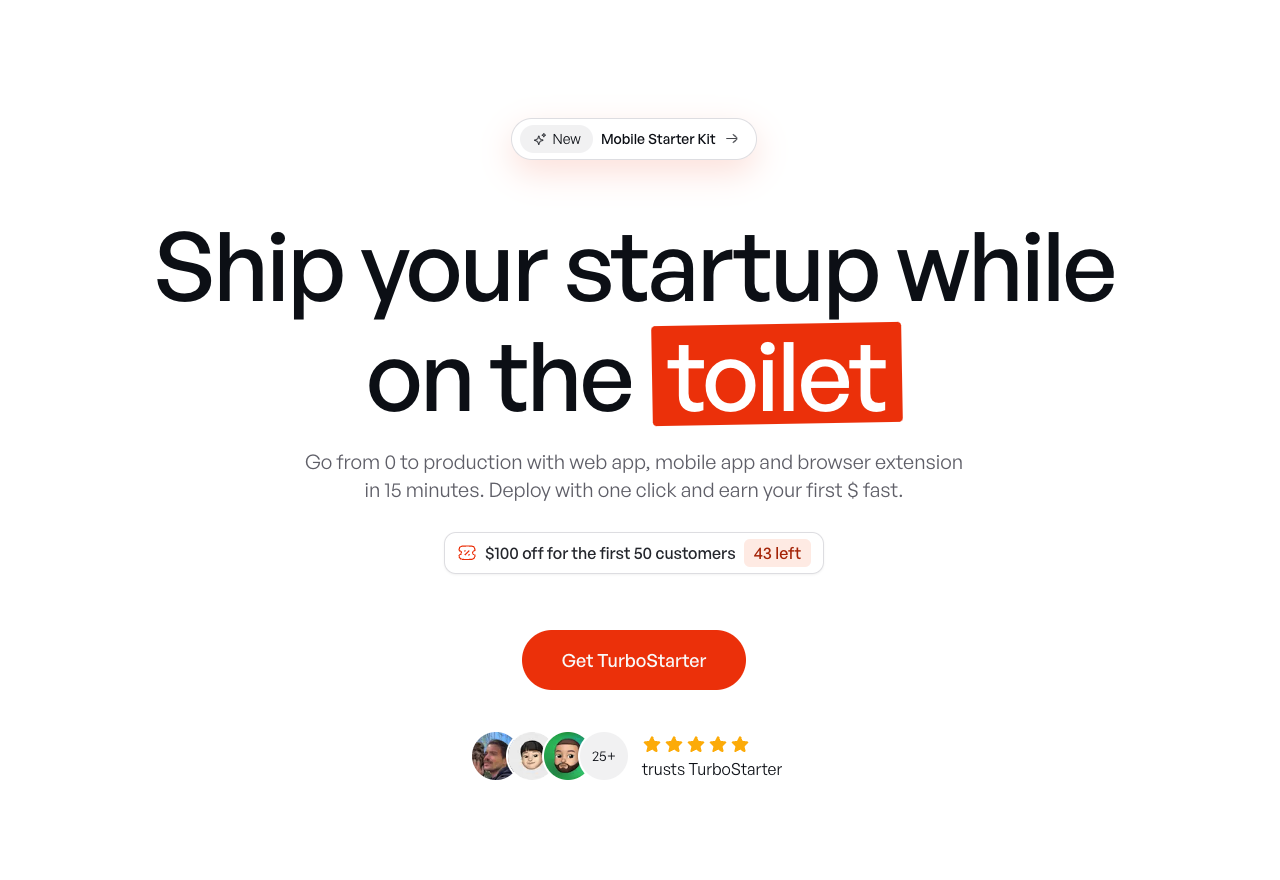
TurboStarter
Ship your startup everywhere. In minutes.
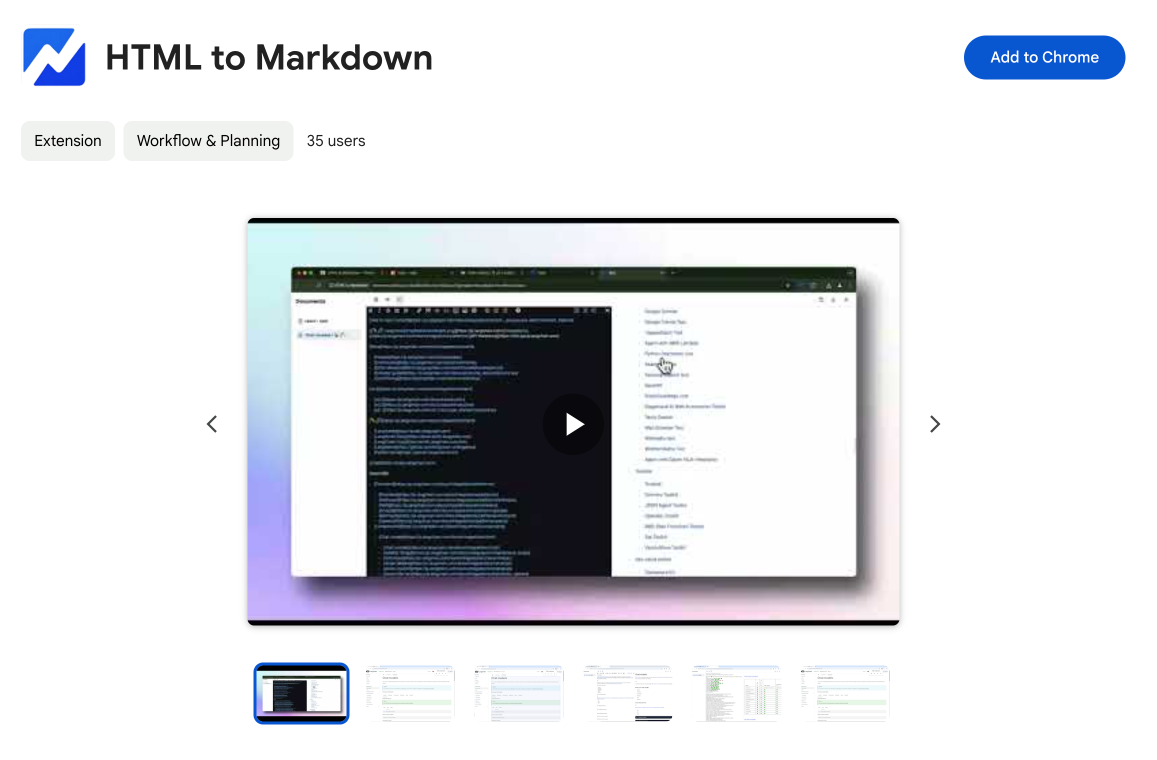
HTML to Markdown
Convert HTML to Markdown with ease, directly in your browser 📄
Dotallio
Personalized AI apps that automate research, data extraction, and content creation without code 🤖
Talk to Santa
Enjoy a magical live video chat or receive a unique AI-generated video greeting from Santa Claus 🎅
pozywka.pl
Scalable blog for food journalist, focused on performance and user experience 🌭
zagrodzki.me
Personal blog and portfolio of Bart Zagrodzki, where he shares his knowledge and work 💼
TurboStarter
Ship your startup everywhere. In minutes.
HTML to Markdown
Convert HTML to Markdown with ease, directly in your browser 📄
Dotallio
Personalized AI apps that automate research, data extraction, and content creation without code 🤖
Talk to Santa
Enjoy a magical live video chat or receive a unique AI-generated video greeting from Santa Claus 🎅
pozywka.pl
Scalable blog for food journalist, focused on performance and user experience 🌭
zagrodzki.me
Personal blog and portfolio of Bart Zagrodzki, where he shares his knowledge and work 💼
TurboStarter
Ship your startup everywhere. In minutes.
HTML to Markdown
Convert HTML to Markdown with ease, directly in your browser 📄
Dotallio
Personalized AI apps that automate research, data extraction, and content creation without code 🤖
Talk to Santa
Enjoy a magical live video chat or receive a unique AI-generated video greeting from Santa Claus 🎅
pozywka.pl
Scalable blog for food journalist, focused on performance and user experience 🌭
zagrodzki.me
Personal blog and portfolio of Bart Zagrodzki, where he shares his knowledge and work 💼
TurboStarter
Ship your startup everywhere. In minutes.
HTML to Markdown
Convert HTML to Markdown with ease, directly in your browser 📄
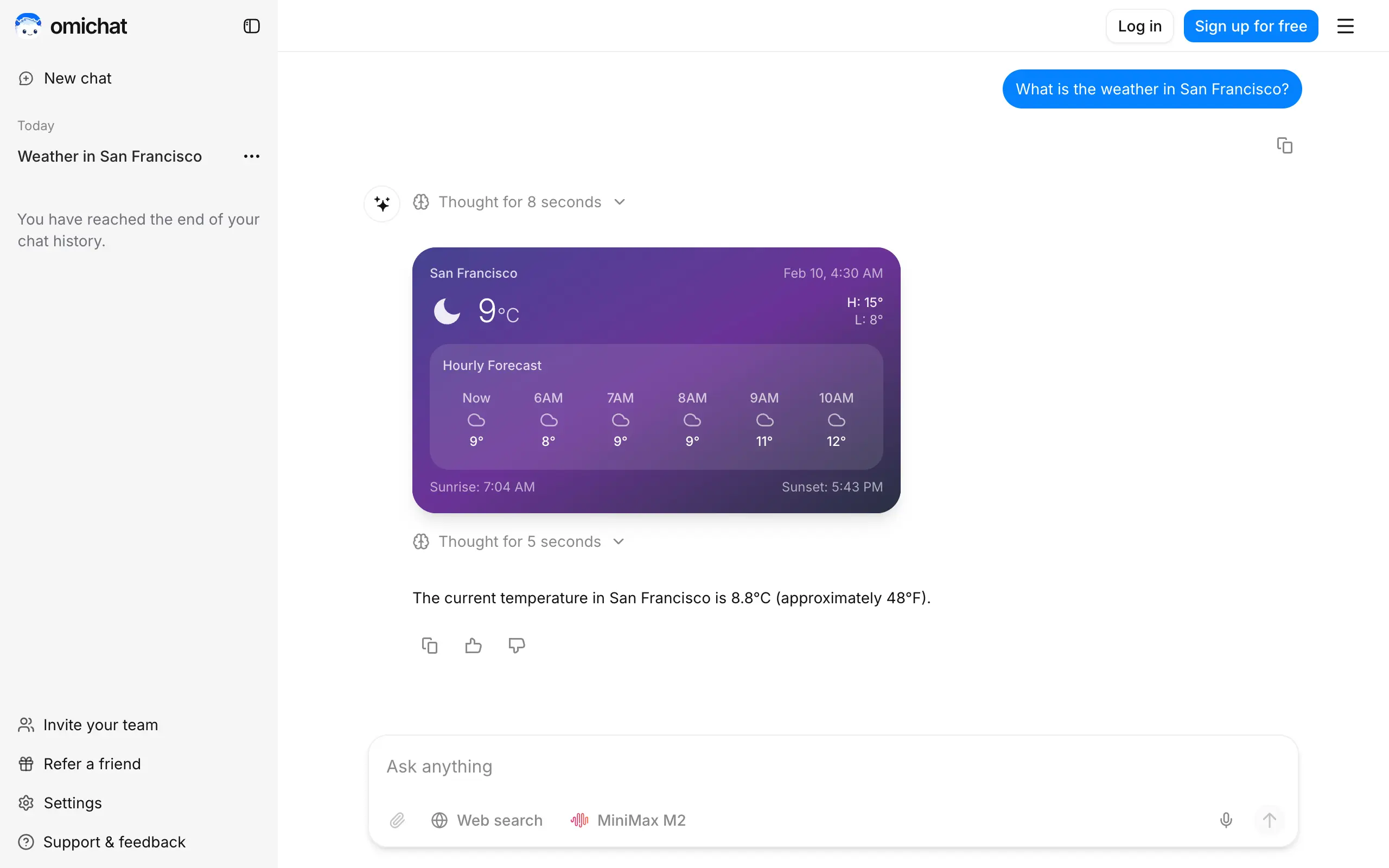
Omichat
Chat with 50+ AI models, including ChatGPT and Claude, in one place - switch models anytime without losing context 🤖
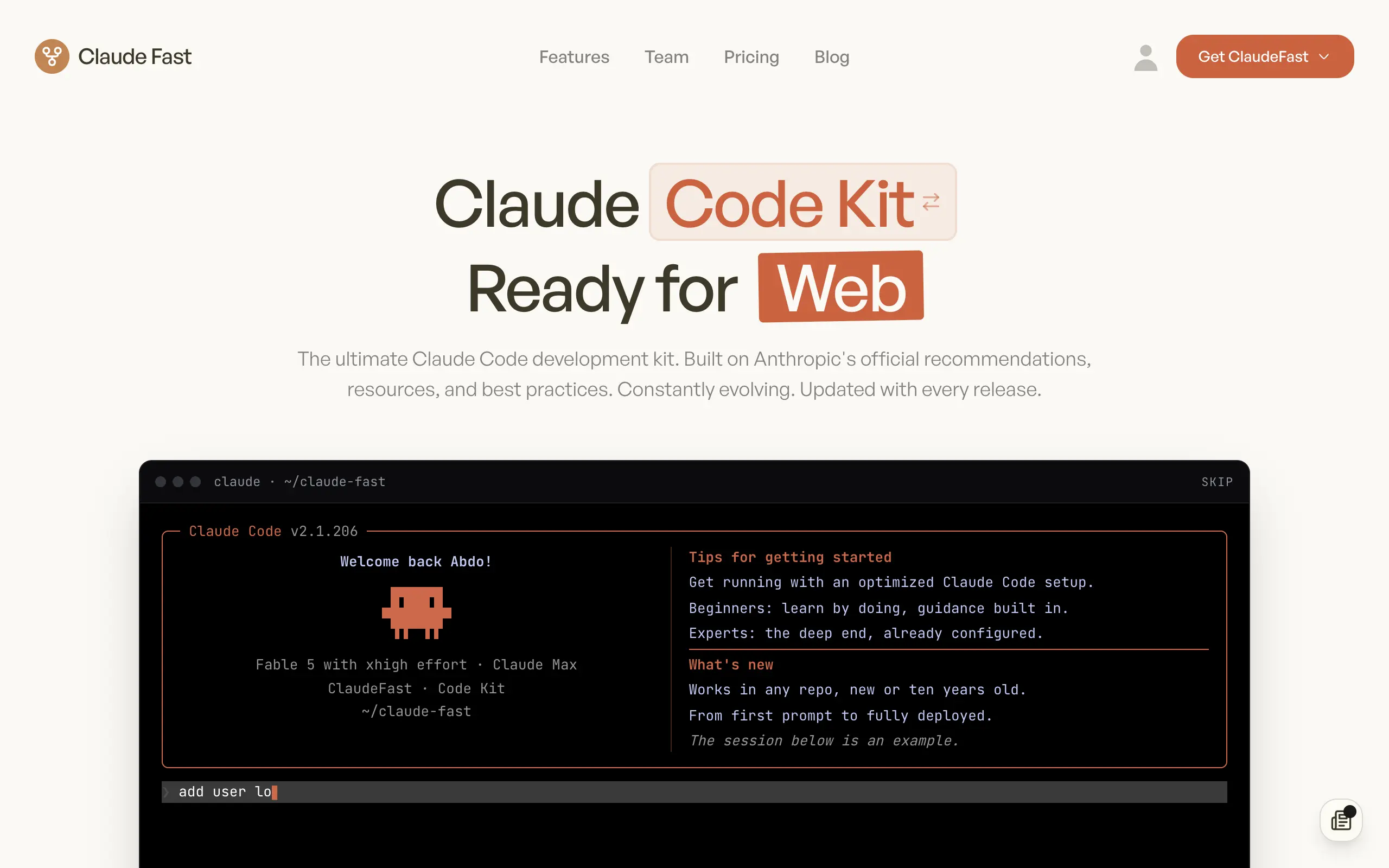
Claude Fast
Supercharge your Claude Code with 6x effective context window and specialized AI agents 🤖
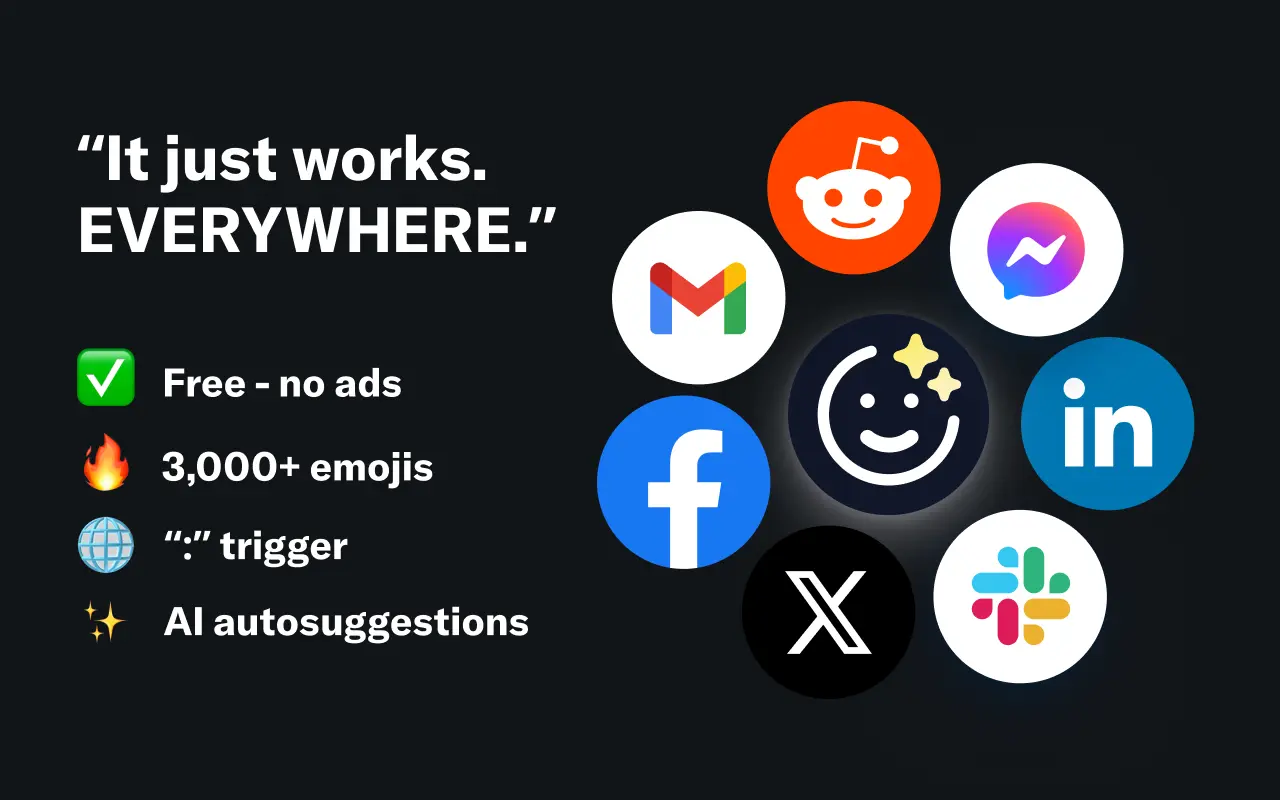
EmojAI
AI-powered emoji picker with smart, context-aware suggestions 🤖
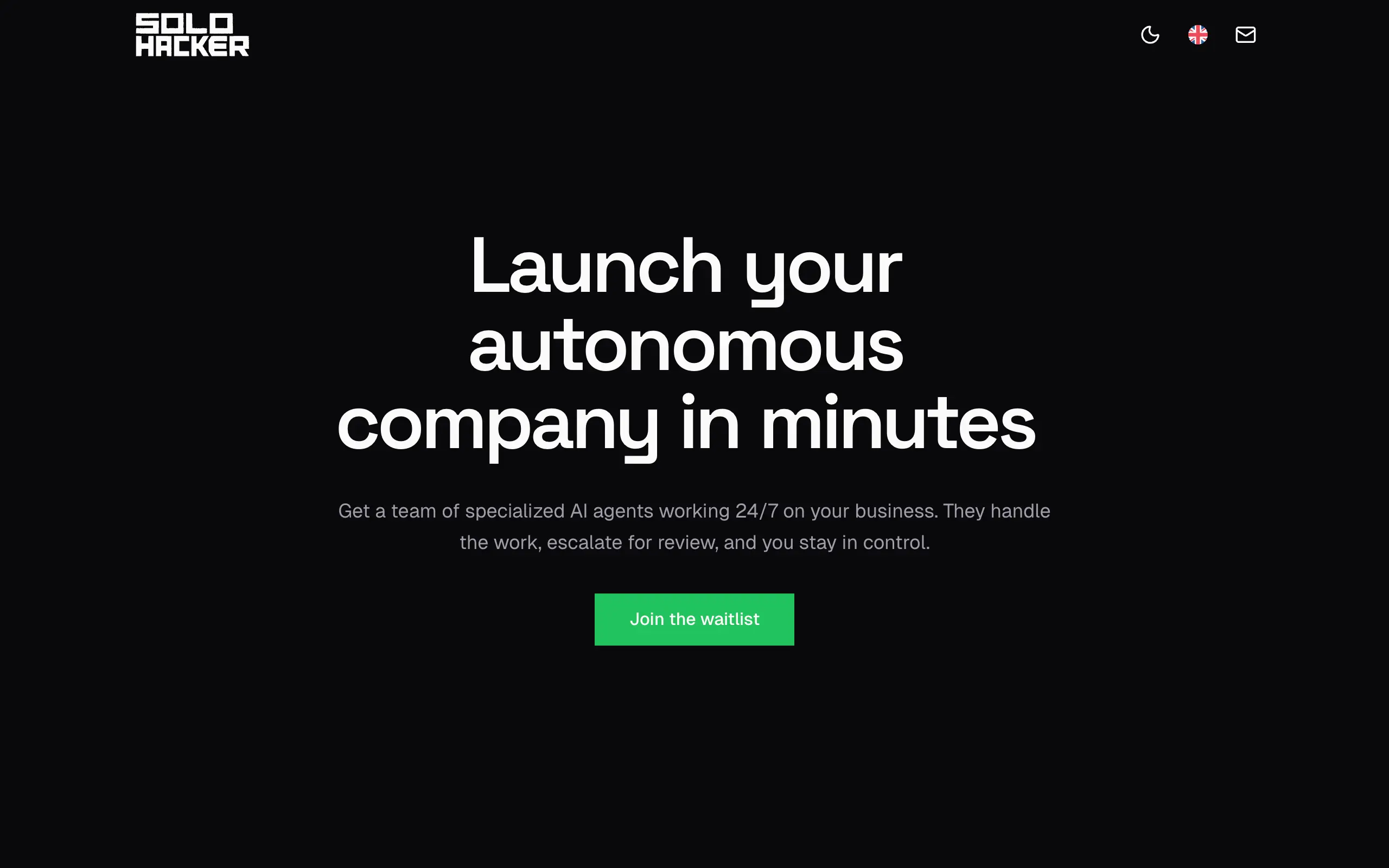
Solohacker
Autonomous company launcher - AI agents work 24/7, escalate what matters, and you stay in control 🤖
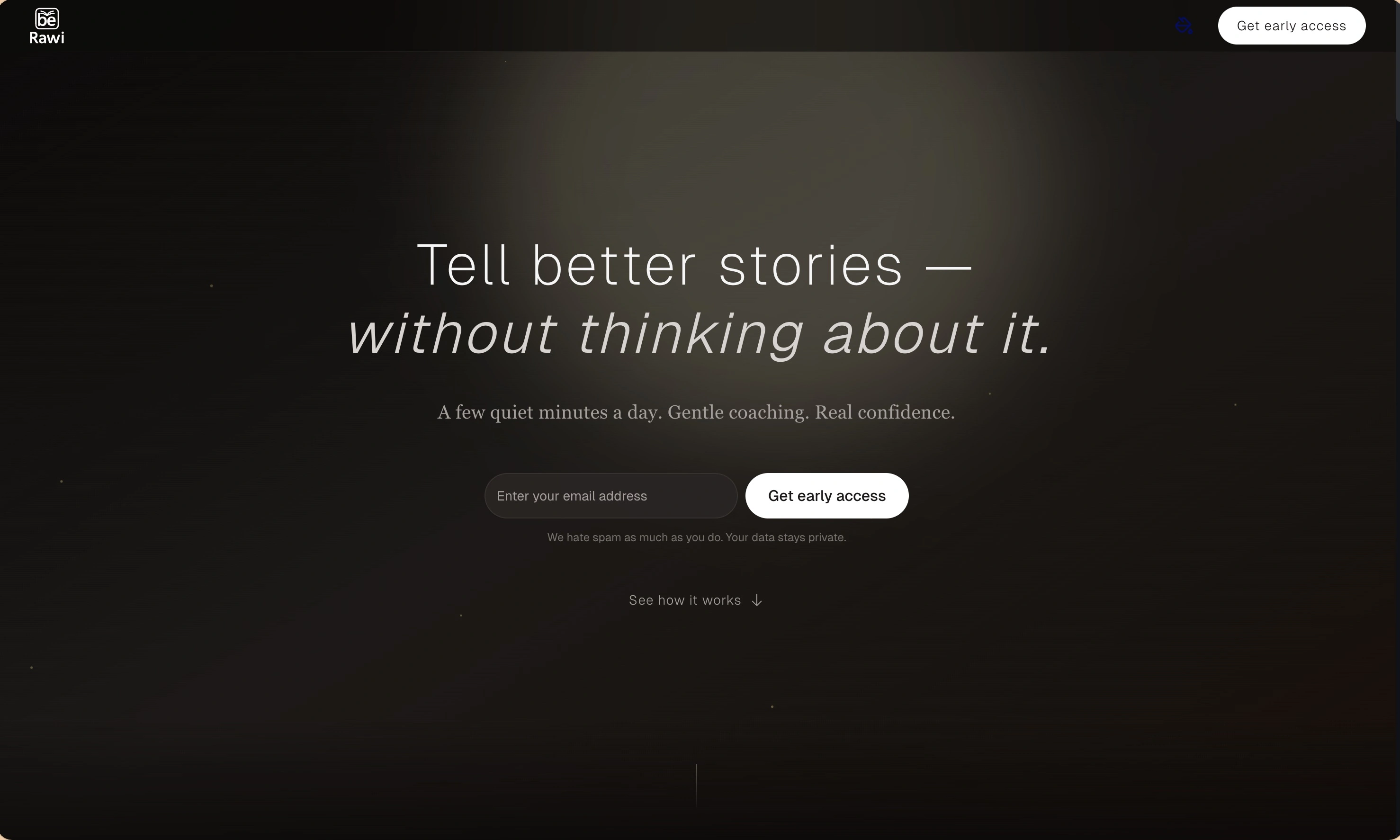
BeRawi: Storytelling Coach
Practice storytelling daily with instant feedback to sound clearer, more engaging, and confident 🎤
Omichat
Chat with 50+ AI models, including ChatGPT and Claude, in one place - switch models anytime without losing context 🤖
Claude Fast
Supercharge your Claude Code with 6x effective context window and specialized AI agents 🤖
EmojAI
AI-powered emoji picker with smart, context-aware suggestions 🤖
Solohacker
Autonomous company launcher - AI agents work 24/7, escalate what matters, and you stay in control 🤖
BeRawi: Storytelling Coach
Practice storytelling daily with instant feedback to sound clearer, more engaging, and confident 🎤
Omichat
Chat with 50+ AI models, including ChatGPT and Claude, in one place - switch models anytime without losing context 🤖
Claude Fast
Supercharge your Claude Code with 6x effective context window and specialized AI agents 🤖
EmojAI
AI-powered emoji picker with smart, context-aware suggestions 🤖
Solohacker
Autonomous company launcher - AI agents work 24/7, escalate what matters, and you stay in control 🤖
BeRawi: Storytelling Coach
Practice storytelling daily with instant feedback to sound clearer, more engaging, and confident 🎤
Omichat
Chat with 50+ AI models, including ChatGPT and Claude, in one place - switch models anytime without losing context 🤖
Claude Fast
Supercharge your Claude Code with 6x effective context window and specialized AI agents 🤖
EmojAI
AI-powered emoji picker with smart, context-aware suggestions 🤖
Solohacker
Autonomous company launcher - AI agents work 24/7, escalate what matters, and you stay in control 🤖
BeRawi: Storytelling Coach
Practice storytelling daily with instant feedback to sound clearer, more engaging, and confident 🎤

Connect with like-minded people
Join our community to get feedback, support, and grow together with 1,000+ builders on board, let's ship it!
Join usShip your startup everywhere. In minutes.
Don't burn tokens on setup and start building features on day one.