LevelUp.dev
An AI-powered coding coach that turns your dev learning path into an RPG-style quest system with XP, skill trees, and boss challenges.
Why gamified AI coding coaches are the future of developer learning
The demand for software developers continues to grow globally, yet traditional learning methods—static tutorials, long-form courses, and disconnected coding exercises—often fail to maintain motivation. Many aspiring developers start strong but drop off due to lack of structure, feedback, and accountability.
An AI-powered coding coach like LevelUp.dev transforms the learning journey into an engaging, RPG-style quest system with XP, skill trees, and boss challenges. Instead of passively consuming content, learners actively progress through a dynamic, personalized learning path.
This article explores the full business, technical, and strategic breakdown of building and scaling a gamified AI coding coach SaaS, optimized for search intent around:
- AI coding coach
- gamified coding platform
- RPG-style learning for developers
- personalized developer learning paths
- developer skill tree platform
We’ll analyze market opportunity, core features, monetization models, tech stack recommendations, competitive positioning, and actionable implementation steps.
Understanding the target audience
To build a successful AI coding coach, you must deeply understand your user segments.
1. Beginner developers
Profile:
- Students, bootcamp learners, career switchers
- Often overwhelmed by too many resources
- Need structure, accountability, and feedback
Pain points:
- Don’t know what to learn next
- Tutorial fatigue
- Lack of confidence
- No measurable progress tracking
What they want:
- Clear roadmap
- Daily goals
- Visible progress
- Encouragement and motivation
2. Intermediate developers
Profile:
- 1–3 years experience
- Want to level up into mid/senior roles
- Interested in system design, backend scaling, advanced frontend
Pain points:
- Plateaued skills
- No clear mastery path
- Hard to measure readiness for interviews
What they want:
- Skill tree-based growth
- Advanced “boss challenges” (real-world projects)
- AI feedback on architecture decisions
3. Teams and engineering managers
Profile:
- Startups and tech companies
- Want structured internal training
Pain points:
- Inconsistent onboarding
- Junior developers lacking core fundamentals
- Hard to assess skill levels
What they want:
- Role-based learning paths
- Skill gap analysis
- Analytics dashboard
User intent insight
Most searches around “AI coding coach” and “gamified coding platform” are intent-driven: users are actively looking for better, more motivating ways to learn programming. The product must clearly communicate personalization, engagement, and measurable progress.
Market opportunity and gap analysis
The problem with current platforms
Most coding education platforms fall into one of these categories:
- Video course marketplaces
- Static coding challenge platforms
- Bootcamps
- AI chat assistants (like generic coding copilots)
But none combine:
- Personalized AI coaching
- Structured skill trees
- Gamification mechanics
- Long-term progression systems
That’s the market gap.
Competitive landscape comparison
| Feature | AI Personalization | Gamified XP System | Skill Trees | Boss Challenges |
|---|---|---|---|---|
| Traditional course platforms | ❌ | ❌ | ❌ | ❌ |
| Code challenge sites | ❌ | ✅ (basic) | ❌ | ❌ |
| AI chat tools | ✅ | ❌ | ❌ | ❌ |
| LevelUp.dev (proposed) | ✅ | ✅ | ✅ | ✅ |
Core product vision: AI-powered RPG coding coach
LevelUp.dev combines three powerful mechanics:
AI personalization engine
Analyzes skill level, goals, and learning pace to generate adaptive quests.
RPG progression system
XP, levels, streaks, achievements, and unlockable skill branches.
Boss challenges
Capstone real-world projects reviewed by AI with detailed feedback.
Core features breakdown
1. Dynamic skill trees
Instead of linear courses, users see a visual skill tree:
- Frontend
- Backend
- DevOps
- System Design
- Algorithms
Each node represents:
- Concept mastery
- Mini-project
- Code challenge
- Quiz
Unlocking nodes requires XP and successful completion.
2. AI coding coach
The AI component should:
- Evaluate submitted code
- Suggest improvements
- Identify gaps
- Recommend next quests
Example feedback generation flow:
async function evaluateSubmission(code: string, challengeId: string) {
  const response = await fetch("/api/ai-evaluate", {
    method: "POST",
    body: JSON.stringify({ code, challengeId })
  });

  return await response.json();
}
The AI can analyze:
- Code correctness
- Complexity
- Style
- Best practices
- Security concerns
3. XP and leveling system
Gamification increases retention dramatically when done properly.
Key mechanics:
- XP for completing quests
- Bonus XP for streaks
- Level badges
- Skill endorsements
- Weekly challenges
XP formula example:
- Easy quest: 50 XP
- Medium quest: 120 XP
- Boss challenge: 500 XP
4. Boss challenges
Boss challenges simulate real-world tasks:
- Build a REST API with authentication
- Create a full-stack CRUD app
- Implement a caching system
- Deploy to cloud
AI reviews:
- Architecture decisions
- Security
- Scalability
- Testing coverage
5. AI-driven roadmap generation
User inputs:
- Current skill level
- Goal (e.g., “Become a React developer”)
- Time per week
AI outputs:
- 12-week structured roadmap
- Daily quest list
- Milestones
Recommended tech stack
Choosing the right stack impacts scalability and performance.
Frontend
- React for UI
- TailwindCSS for styling
- Zustand or Redux for state
- Framer Motion for animations
Backend
- Node.js (NestJS or Express)
- PostgreSQL for relational data
- Redis for XP leaderboard caching
- Prisma ORM
AI layer
- LLM APIs (OpenAI, Anthropic)
- Embedding database for skill knowledge tracking
- Prompt engineering layer
Infrastructure
- Vercel for frontend
- Railway / Fly.io / AWS for backend
- S3-compatible storage
- CDN for performance
Trade-offs to consider
| Decision | Pros | Cons |
|---|---|---|
| Using LLM APIs | Fast to launch | Ongoing cost |
| Building custom ML | Long-term moat | Expensive & complex |
| Gamification heavy | High engagement | Risk of novelty fatigue |
Monetization strategy
1. Freemium model
- Free tier: limited quests
- Pro tier: full skill trees
- Boss challenges unlocked
2. Subscription pricing
- $19/month (students)
- $39/month (professionals)
- Team plan (per seat)
3. Enterprise licensing
Offer:
- Custom learning tracks
- Analytics dashboard
- API integration
Retention strategy
Gamified learning platforms must prioritize retention.
Key retention drivers
- Daily streak reminders
- Weekly leaderboard
- Community guilds
- Seasonal coding events
Competitive advantage (USP)
LevelUp.dev differentiates itself through:
- True RPG progression mechanics
- AI-powered dynamic skill pathing
- Real-world boss challenges
- Developer identity building
It’s not just learning — it’s character progression for developers.
Risks and mitigation strategies
Risk 1: AI feedback inaccuracy
Mitigation:
- Multi-model evaluation
- Human moderation for high-level tiers
- Continuous prompt improvement
Risk 2: Gamification fatigue
Mitigation:
- Evolving seasonal systems
- New boss events
- Skill expansions
Risk 3: High AI API costs
Mitigation:
- Rate limiting
- Hybrid evaluation (rule-based + AI)
- Tiered AI usage per plan
Implementation roadmap
MVP feature scope
Must-have:
- Auth system
- 1 skill tree (e.g., JavaScript)
- XP system
- AI code review
- Basic dashboard
Nice-to-have later:
- Multiplayer guilds
- Public profiles
- Job readiness scoring
Go-to-market strategy
1. Content marketing
Target SEO keywords:
- “AI coding coach”
- “gamified programming learning”
- “developer skill tree platform”
Publish:
- Learning guides
- Dev career roadmaps
- AI in programming insights
2. Developer community growth
- Discord server
- Public leaderboard
- Open challenges
3. Influencer partnerships
Collaborate with:
- Coding YouTubers
- Bootcamp instructors
- Dev Twitter creators
Metrics that matter
Track:
- Daily active users (DAU)
- XP earned per user
- Quest completion rate
- Retention (Day 7, Day 30)
- Conversion to paid
Scaling considerations
As user base grows:
- Cache leaderboard queries
- Queue AI evaluations
- Introduce async processing
Architecture example:
// Example queue-based AI evaluation trigger
import Queue from "bull";

const reviewQueue = new Queue("ai-review");

reviewQueue.process(async (job) => {
  const { code } = job.data;
  // call LLM here
});
Long-term expansion opportunities
- Interview prep mode
- AI pair programming mode
- Real company project simulations
- Certification system
Why this idea is defensible
- Data moat from learning analytics
- Personalized learning graph per user
- Community-driven progression
- High switching cost due to progress investment
Gamification creates emotional investment — making churn harder.
Building faster with modern SaaS foundations
To accelerate development, consider using a pre-built SaaS starter kit like TurboStarter to handle:
- Authentication
- Payments
- Dashboard UI
- Subscription logic
This reduces time-to-market dramatically.
Final actionable next steps
- Define your first skill tree (JavaScript recommended).
- Design XP system mechanics.
- Build minimal AI evaluation API.
- Launch with waitlist and early access.
- Measure retention before scaling.
Conclusion
The future of developer education lies at the intersection of:
- Artificial intelligence
- Gamification
- Personalization
- Community
An AI-powered RPG-style coding coach like LevelUp.dev directly addresses the biggest pain points in developer learning: motivation, structure, and feedback.
By combining structured skill trees, adaptive AI coaching, and immersive progression systems, this SaaS has the potential to redefine how developers grow — turning the journey into a game where mastery feels earned, visible, and deeply engaging.
If executed correctly, it’s not just another learning platform.
It’s a leveling system for real-world developers.
More 🤖 AI Startup SaaS ideas
Discover more innovative ai startup SaaS ideas that are trending in 2026. Each idea is AI-generated with market validation and growth potential to help you find your next profitable venture faster than competitors.
Your competitors are building with TurboStarter
Below are some of the SaaS ideas that have been generated and built with our starter kit.
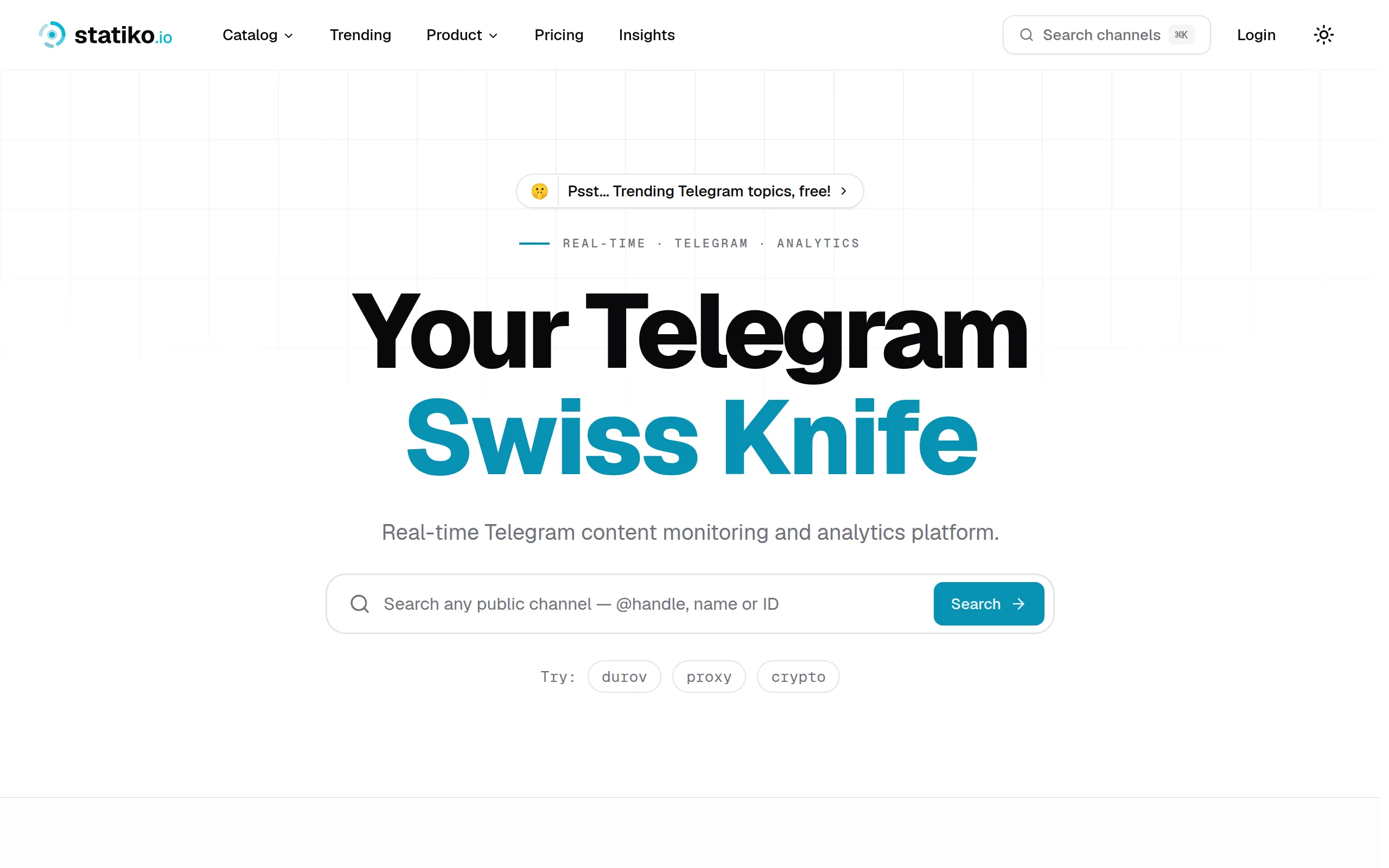
Statiko
Monitor any Telegram channel in real time - track posts, edits, deletions, and growth with AI recaps 📡

Shibui
AI website builder - describe your business, pick a niche template, edit by chatting, and publish instantly ✨

Pro Service
Find verified home service professionals, compare quotes, and pay securely through escrow - built for Brazilians across the US 🏠
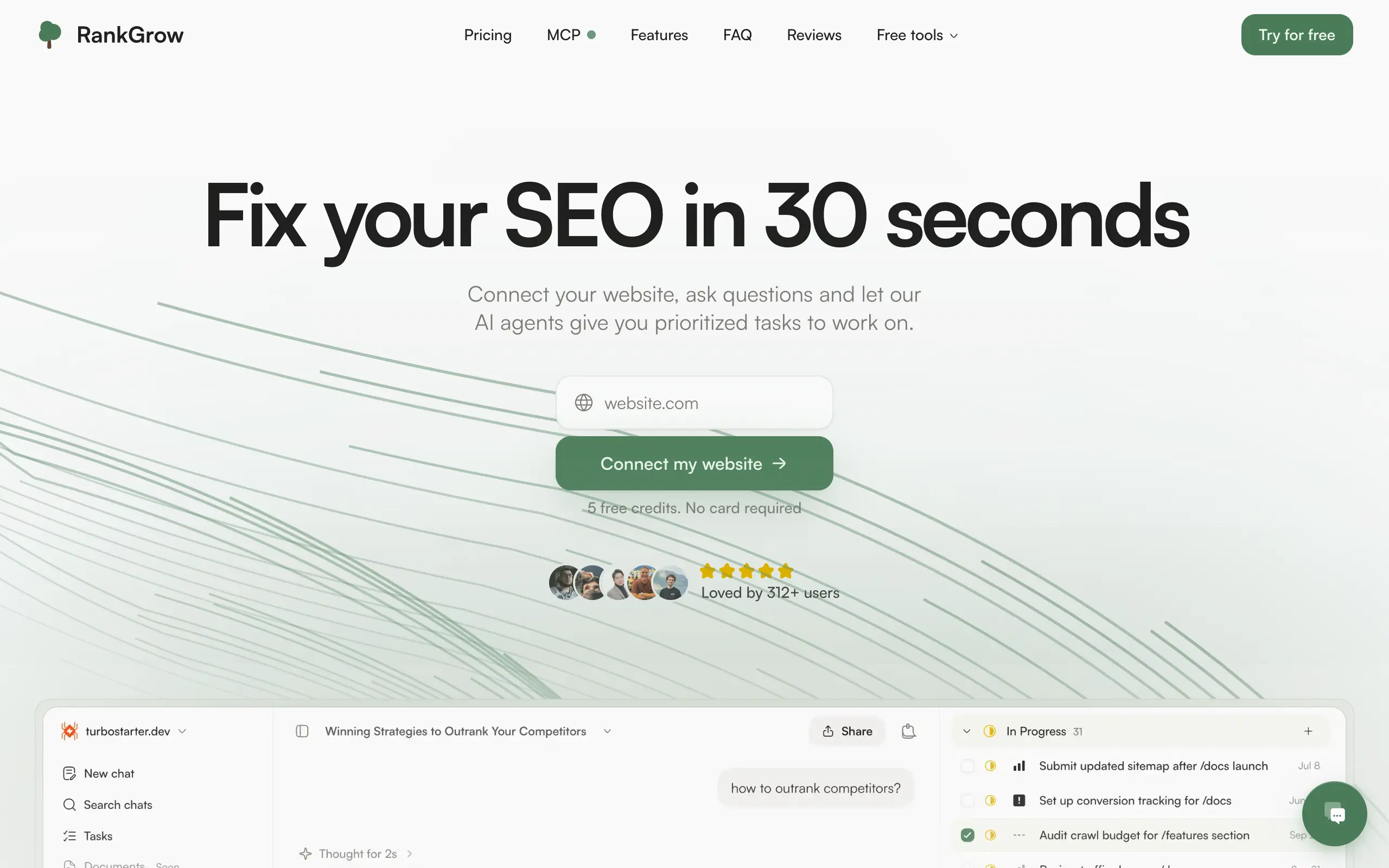
RankGrow
Fix your SEO with AI agents - connect Search Console, get prioritized tasks, and grow organic traffic 📈
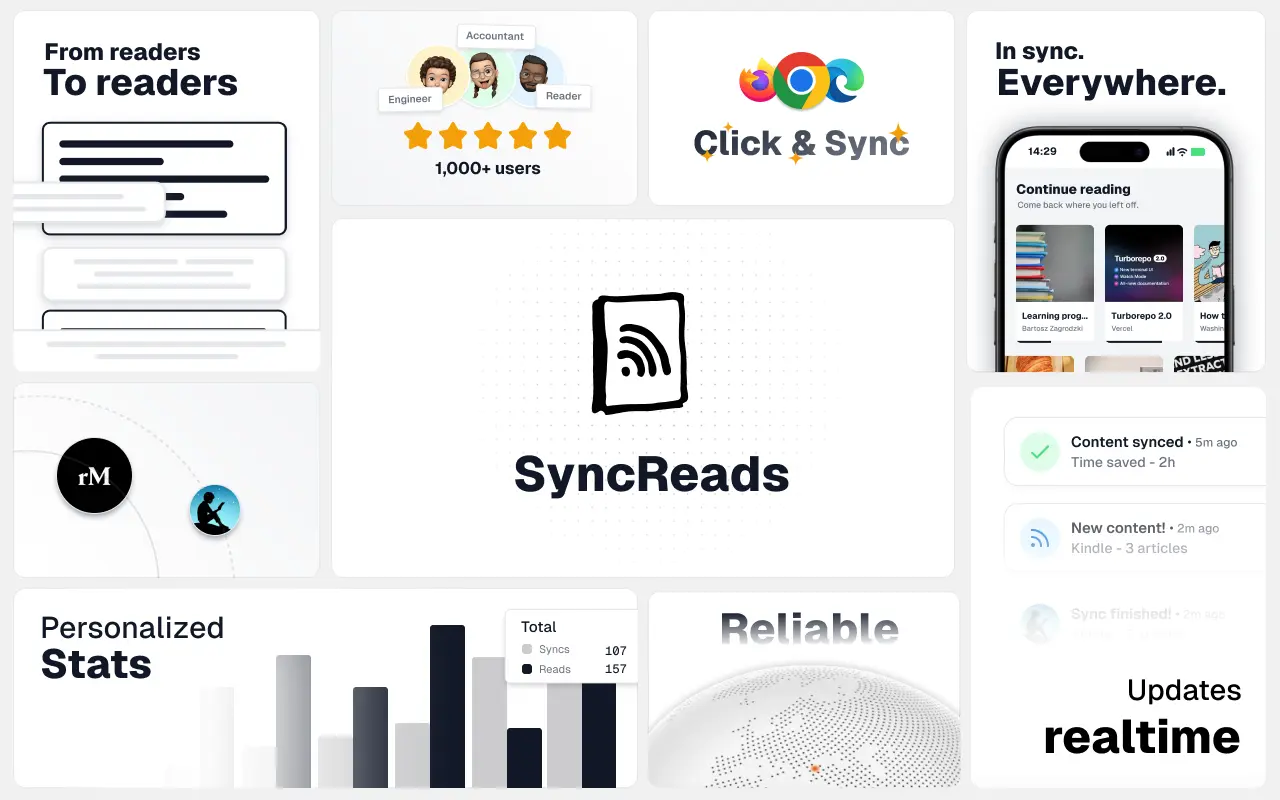
SyncReads
Sync your favorite content for distraction-free reading, save time and replace multiple apps. Anytime, anywhere 🔄
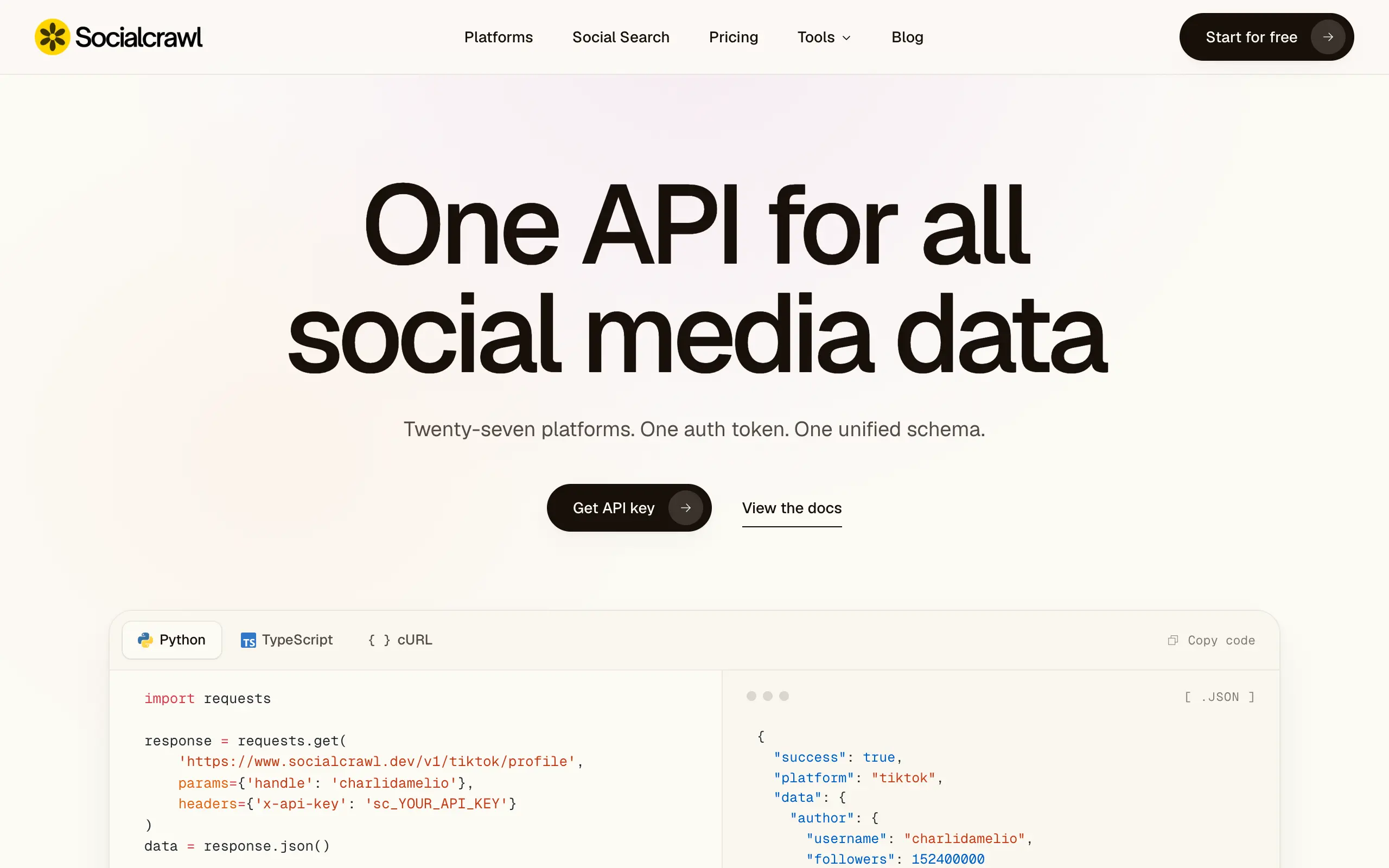
Socialcrawl
Get clean, structured data from 21 platforms like TikTok, Instagram, and YouTube with a single request 📊
Statiko
Monitor any Telegram channel in real time - track posts, edits, deletions, and growth with AI recaps 📡
Shibui
AI website builder - describe your business, pick a niche template, edit by chatting, and publish instantly ✨
Pro Service
Find verified home service professionals, compare quotes, and pay securely through escrow - built for Brazilians across the US 🏠
RankGrow
Fix your SEO with AI agents - connect Search Console, get prioritized tasks, and grow organic traffic 📈
SyncReads
Sync your favorite content for distraction-free reading, save time and replace multiple apps. Anytime, anywhere 🔄
Socialcrawl
Get clean, structured data from 21 platforms like TikTok, Instagram, and YouTube with a single request 📊
Statiko
Monitor any Telegram channel in real time - track posts, edits, deletions, and growth with AI recaps 📡
Shibui
AI website builder - describe your business, pick a niche template, edit by chatting, and publish instantly ✨
Pro Service
Find verified home service professionals, compare quotes, and pay securely through escrow - built for Brazilians across the US 🏠
RankGrow
Fix your SEO with AI agents - connect Search Console, get prioritized tasks, and grow organic traffic 📈
SyncReads
Sync your favorite content for distraction-free reading, save time and replace multiple apps. Anytime, anywhere 🔄
Socialcrawl
Get clean, structured data from 21 platforms like TikTok, Instagram, and YouTube with a single request 📊
Statiko
Monitor any Telegram channel in real time - track posts, edits, deletions, and growth with AI recaps 📡
Shibui
AI website builder - describe your business, pick a niche template, edit by chatting, and publish instantly ✨
Pro Service
Find verified home service professionals, compare quotes, and pay securely through escrow - built for Brazilians across the US 🏠
RankGrow
Fix your SEO with AI agents - connect Search Console, get prioritized tasks, and grow organic traffic 📈
SyncReads
Sync your favorite content for distraction-free reading, save time and replace multiple apps. Anytime, anywhere 🔄
Socialcrawl
Get clean, structured data from 21 platforms like TikTok, Instagram, and YouTube with a single request 📊
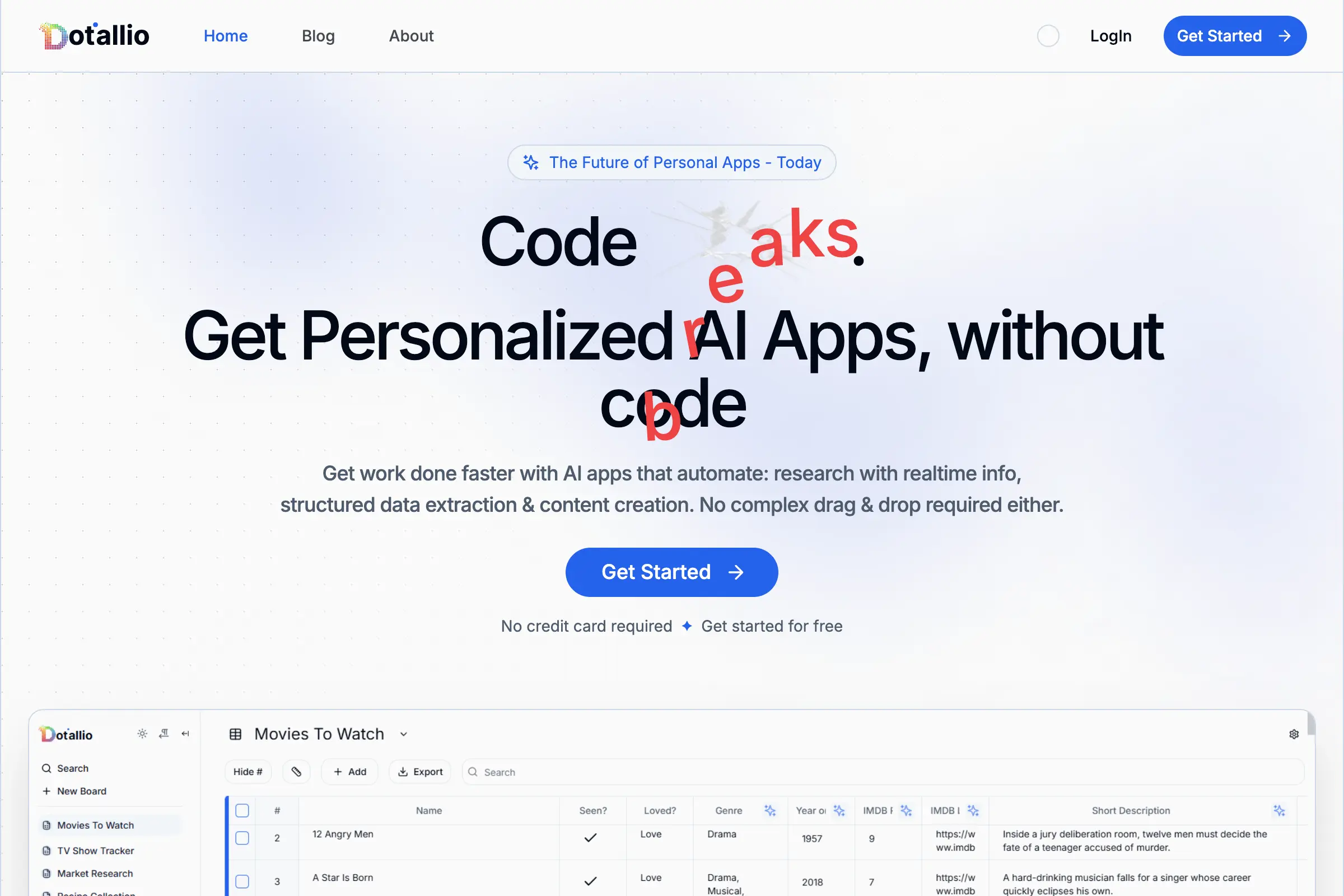
Dotallio
Personalized AI apps that automate research, data extraction, and content creation without code 🤖
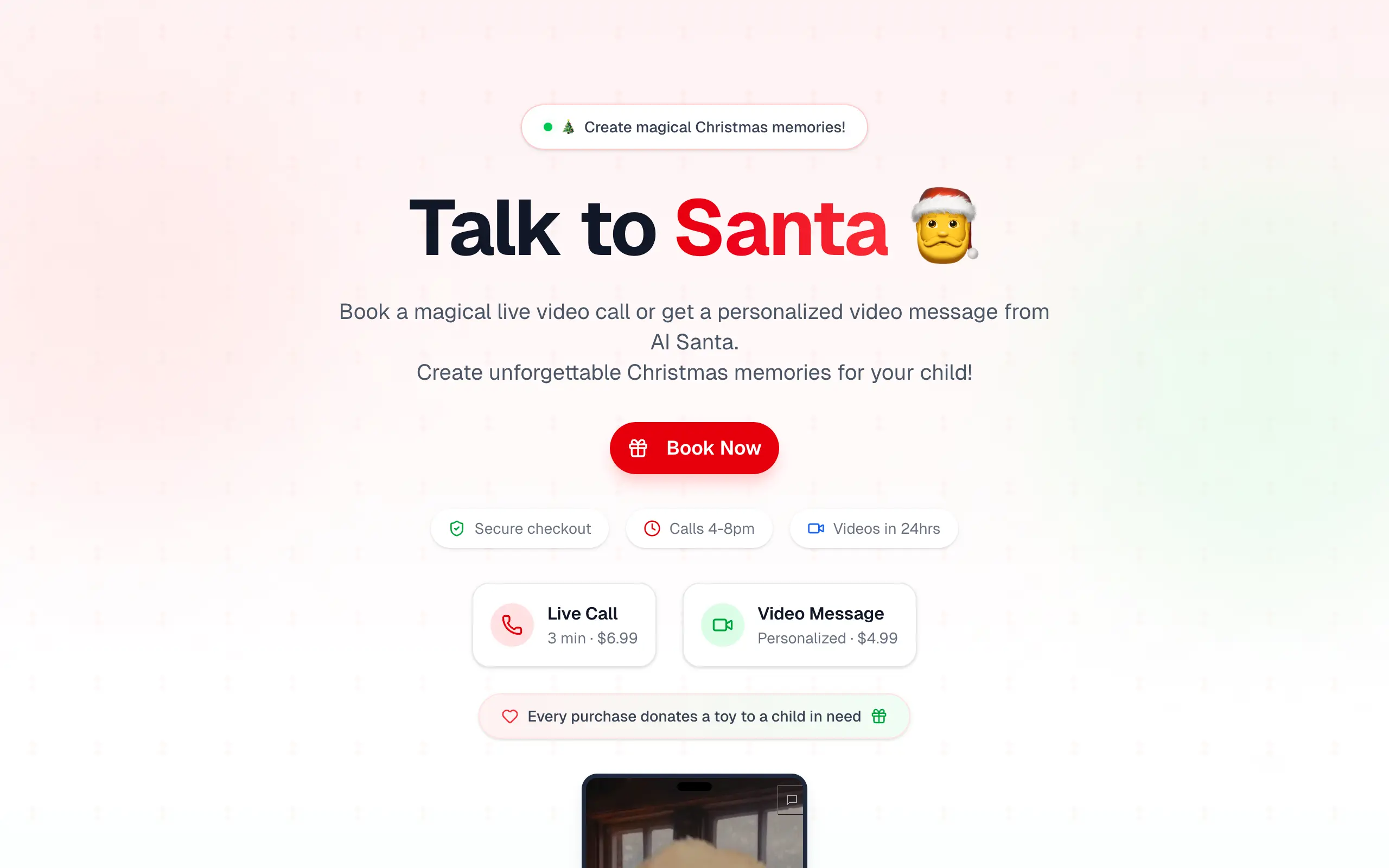
Talk to Santa
Enjoy a magical live video chat or receive a unique AI-generated video greeting from Santa Claus 🎅
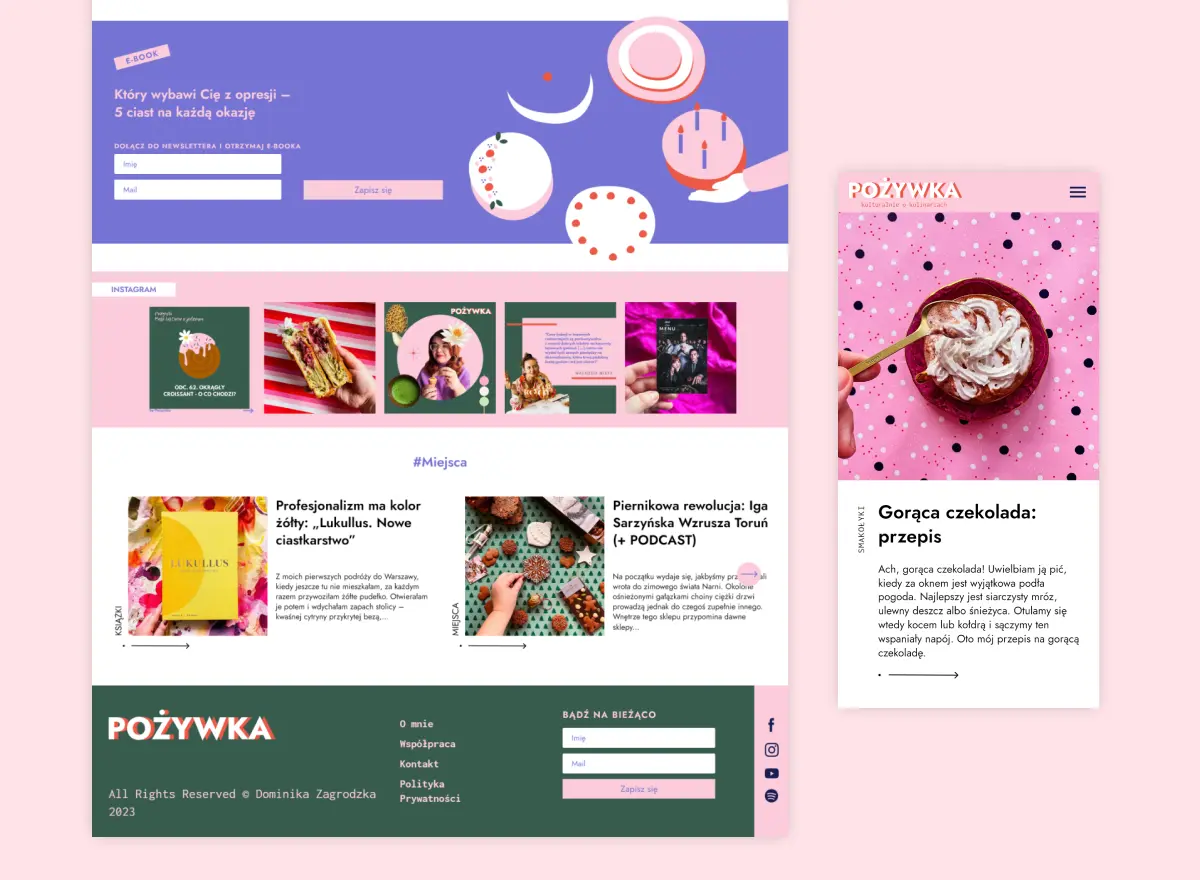
pozywka.pl
Scalable blog for food journalist, focused on performance and user experience 🌭
zagrodzki.me
Personal blog and portfolio of Bart Zagrodzki, where he shares his knowledge and work 💼
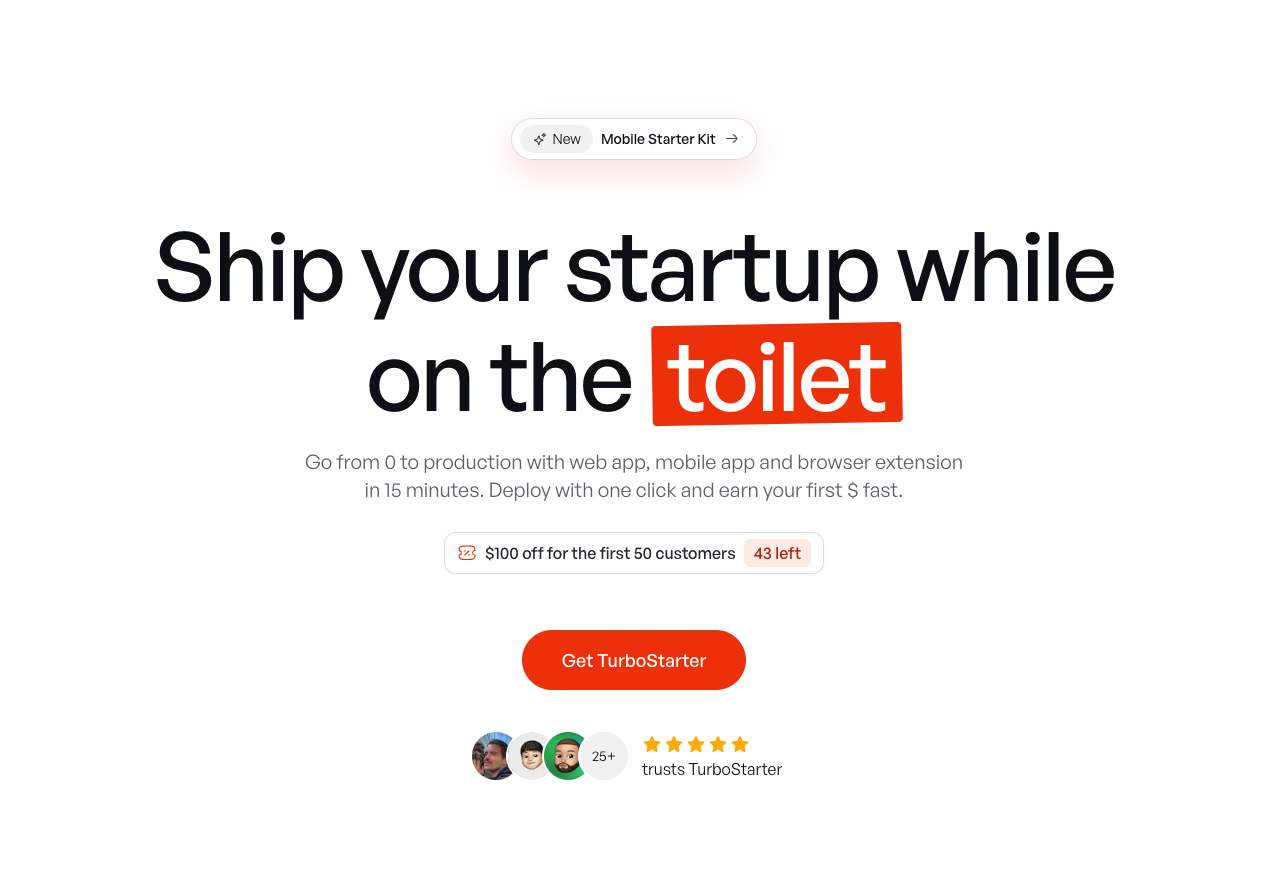
TurboStarter
Ship your startup everywhere. In minutes.
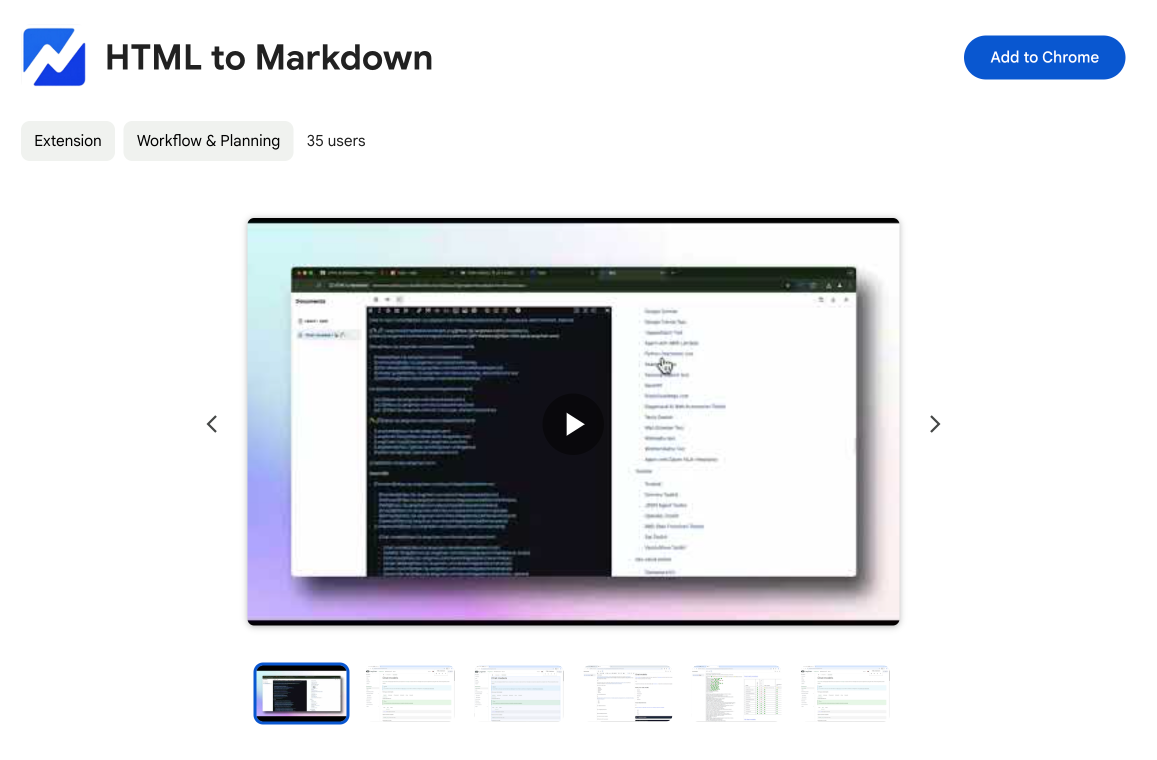
HTML to Markdown
Convert HTML to Markdown with ease, directly in your browser 📄
Dotallio
Personalized AI apps that automate research, data extraction, and content creation without code 🤖
Talk to Santa
Enjoy a magical live video chat or receive a unique AI-generated video greeting from Santa Claus 🎅
pozywka.pl
Scalable blog for food journalist, focused on performance and user experience 🌭
zagrodzki.me
Personal blog and portfolio of Bart Zagrodzki, where he shares his knowledge and work 💼
TurboStarter
Ship your startup everywhere. In minutes.
HTML to Markdown
Convert HTML to Markdown with ease, directly in your browser 📄
Dotallio
Personalized AI apps that automate research, data extraction, and content creation without code 🤖
Talk to Santa
Enjoy a magical live video chat or receive a unique AI-generated video greeting from Santa Claus 🎅
pozywka.pl
Scalable blog for food journalist, focused on performance and user experience 🌭
zagrodzki.me
Personal blog and portfolio of Bart Zagrodzki, where he shares his knowledge and work 💼
TurboStarter
Ship your startup everywhere. In minutes.
HTML to Markdown
Convert HTML to Markdown with ease, directly in your browser 📄
Dotallio
Personalized AI apps that automate research, data extraction, and content creation without code 🤖
Talk to Santa
Enjoy a magical live video chat or receive a unique AI-generated video greeting from Santa Claus 🎅
pozywka.pl
Scalable blog for food journalist, focused on performance and user experience 🌭
zagrodzki.me
Personal blog and portfolio of Bart Zagrodzki, where he shares his knowledge and work 💼
TurboStarter
Ship your startup everywhere. In minutes.
HTML to Markdown
Convert HTML to Markdown with ease, directly in your browser 📄
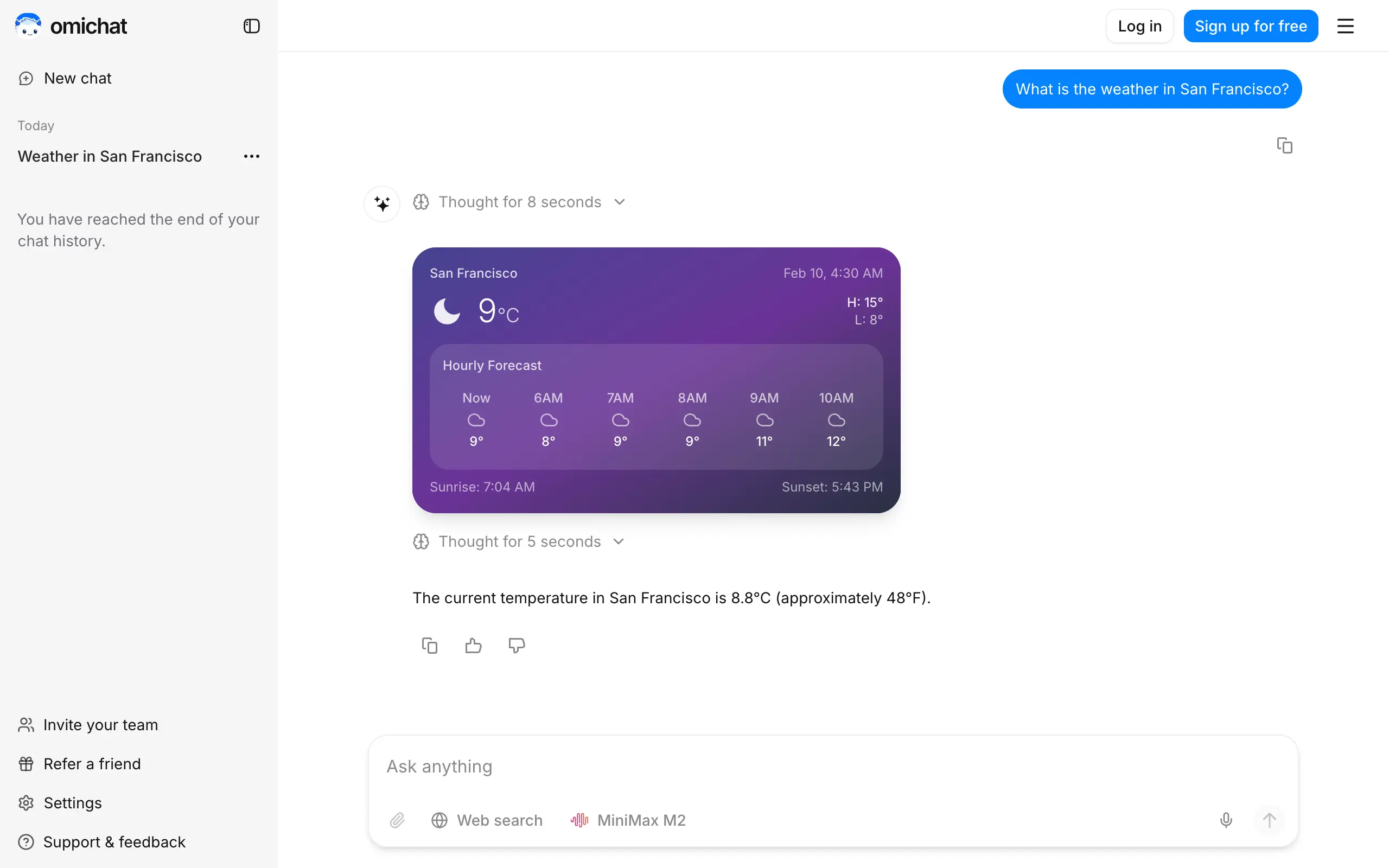
Omichat
Chat with 50+ AI models, including ChatGPT and Claude, in one place - switch models anytime without losing context 🤖
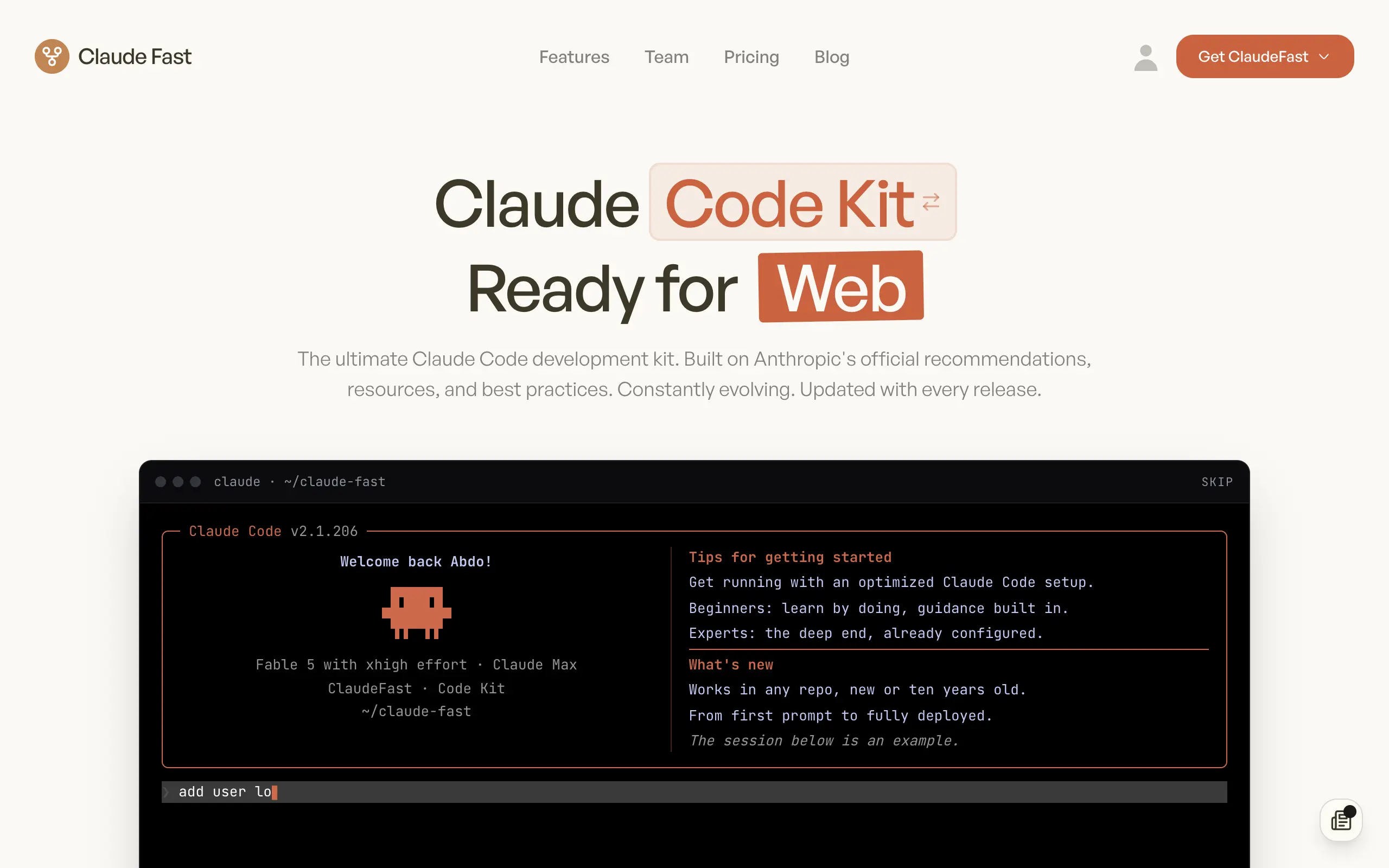
Claude Fast
Supercharge your Claude Code with 6x effective context window and specialized AI agents 🤖
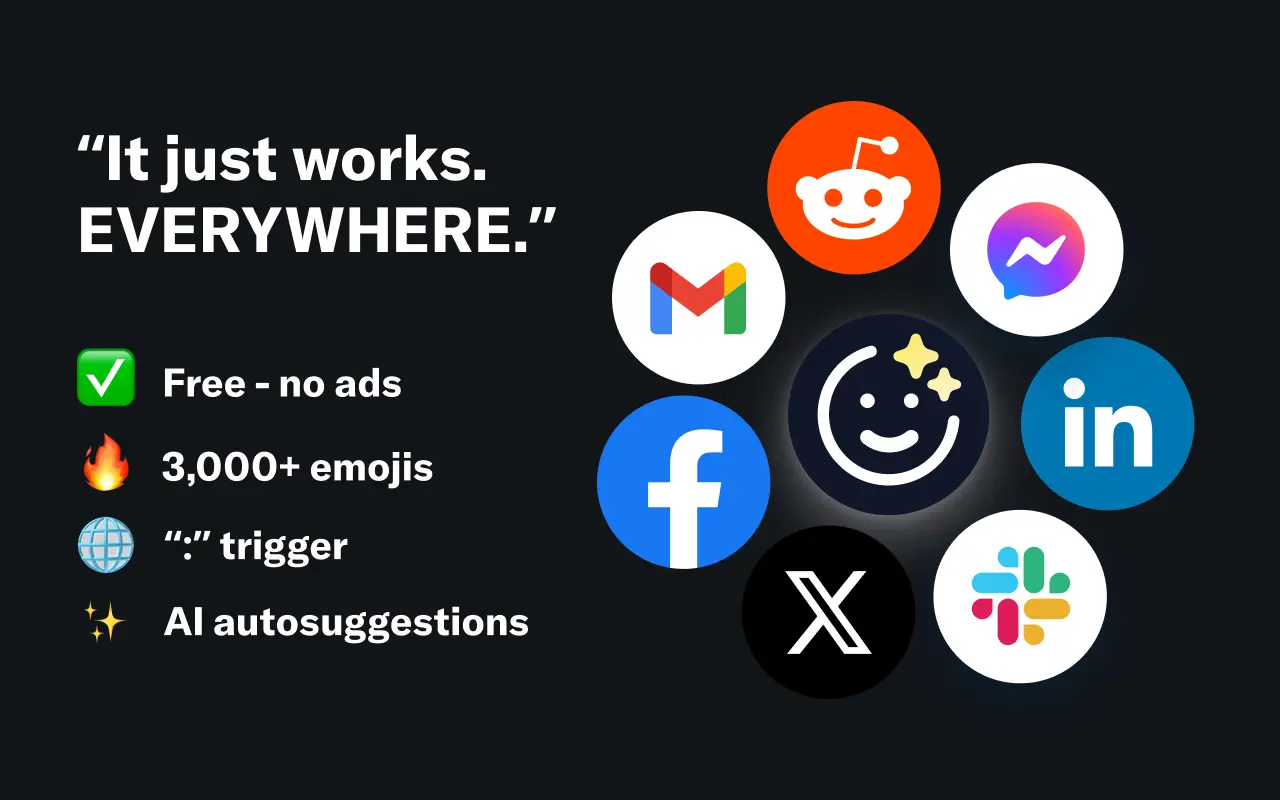
EmojAI
AI-powered emoji picker with smart, context-aware suggestions 🤖
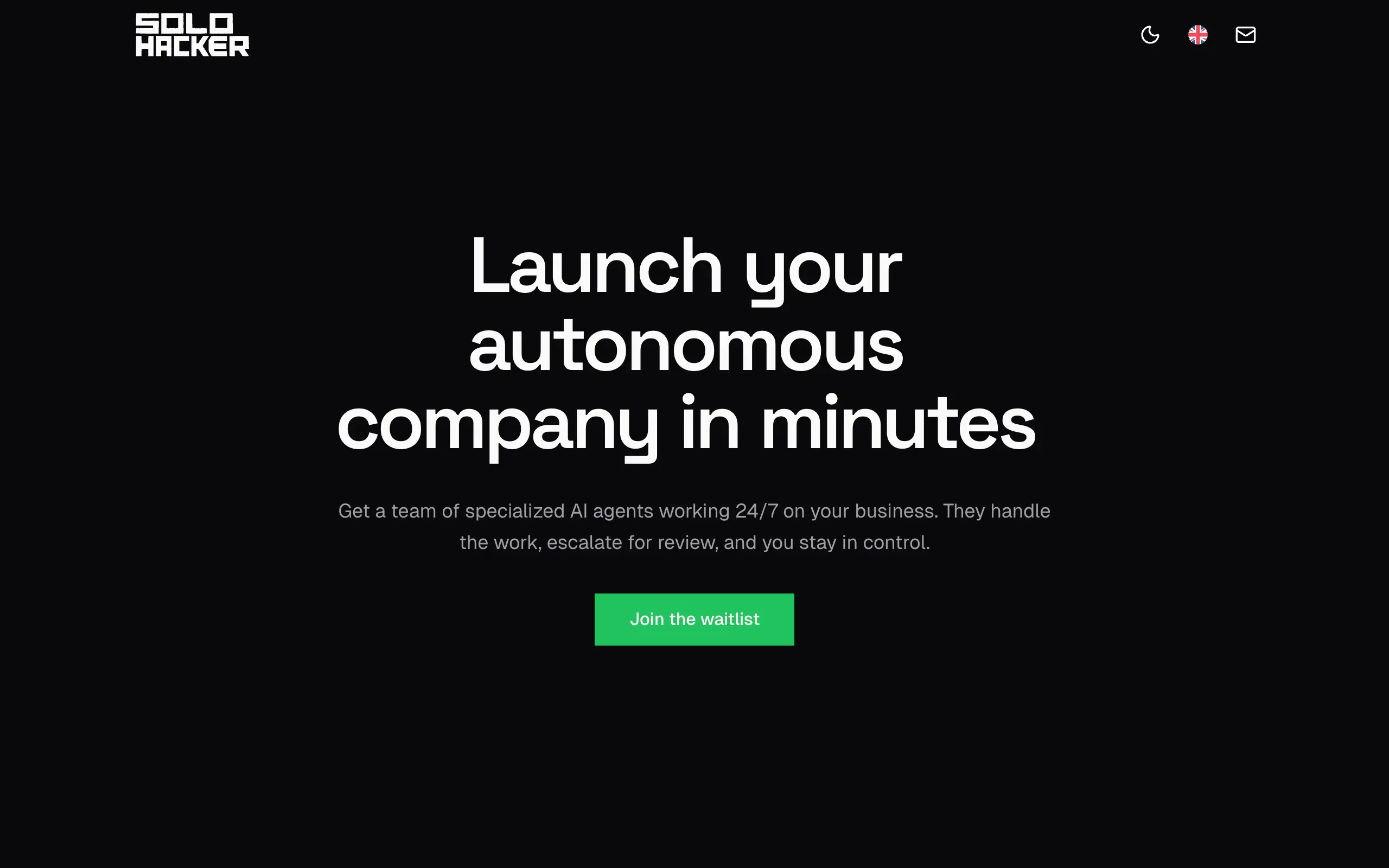
Solohacker
Autonomous company launcher - AI agents work 24/7, escalate what matters, and you stay in control 🤖
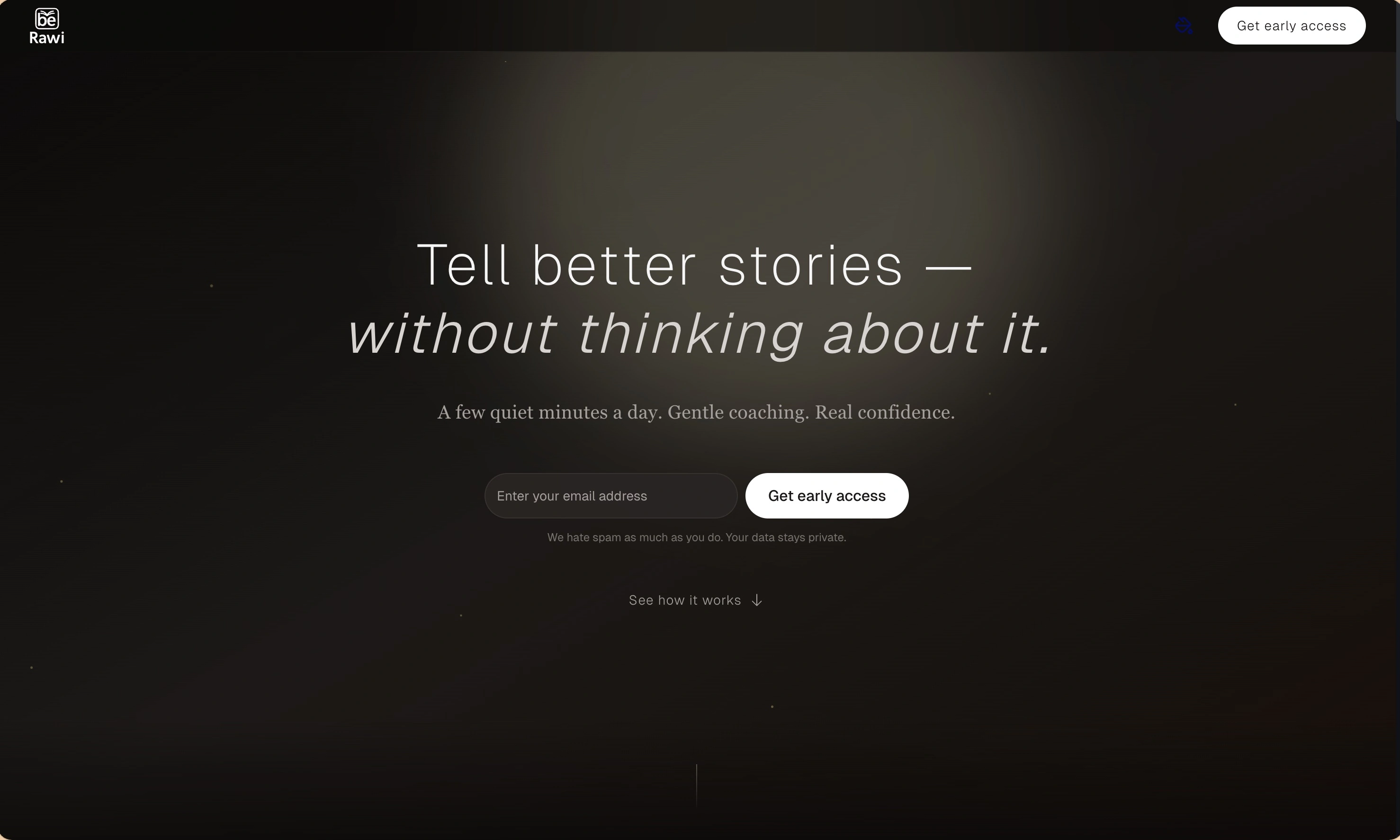
BeRawi: Storytelling Coach
Practice storytelling daily with instant feedback to sound clearer, more engaging, and confident 🎤
Omichat
Chat with 50+ AI models, including ChatGPT and Claude, in one place - switch models anytime without losing context 🤖
Claude Fast
Supercharge your Claude Code with 6x effective context window and specialized AI agents 🤖
EmojAI
AI-powered emoji picker with smart, context-aware suggestions 🤖
Solohacker
Autonomous company launcher - AI agents work 24/7, escalate what matters, and you stay in control 🤖
BeRawi: Storytelling Coach
Practice storytelling daily with instant feedback to sound clearer, more engaging, and confident 🎤
Omichat
Chat with 50+ AI models, including ChatGPT and Claude, in one place - switch models anytime without losing context 🤖
Claude Fast
Supercharge your Claude Code with 6x effective context window and specialized AI agents 🤖
EmojAI
AI-powered emoji picker with smart, context-aware suggestions 🤖
Solohacker
Autonomous company launcher - AI agents work 24/7, escalate what matters, and you stay in control 🤖
BeRawi: Storytelling Coach
Practice storytelling daily with instant feedback to sound clearer, more engaging, and confident 🎤
Omichat
Chat with 50+ AI models, including ChatGPT and Claude, in one place - switch models anytime without losing context 🤖
Claude Fast
Supercharge your Claude Code with 6x effective context window and specialized AI agents 🤖
EmojAI
AI-powered emoji picker with smart, context-aware suggestions 🤖
Solohacker
Autonomous company launcher - AI agents work 24/7, escalate what matters, and you stay in control 🤖
BeRawi: Storytelling Coach
Practice storytelling daily with instant feedback to sound clearer, more engaging, and confident 🎤

Connect with like-minded people
Join our community to get feedback, support, and grow together with 1,000+ builders on board, let's ship it!
Join usShip your startup everywhere. In minutes.
Don't burn tokens on setup and start building features on day one.