LifeLane AI
An AI daily-life copilot that turns chats, voice notes and photos into reminders, routines, shopping lists and next-step plans for anyone.
What LifeLane AI solves for everyday life
LifeLane AI is an AI daily-life copilot that converts unstructured personal inputs into useful, timely action. A person can send a chat message, speak a quick voice note, or upload a photo, then receive organized reminders, routines, shopping lists, calendar-ready tasks, and practical next-step plans.
The core primary keyword for this product is AI daily-life copilot. Related search terms include:
- AI personal assistant
- AI life organizer
- voice note to task app
- AI reminder app
- smart shopping list app
- routine planner app
- AI productivity assistant
- photo to reminder app
- personal task management AI
- daily planning assistant
The market opportunity is not simply “another to-do list.” Most people already have access to calendars, notes, messaging apps, task managers, grocery list tools, and smart speakers. Their challenge is that life arrives in messy fragments across all of them.
A user might say:
“Remind me to call the dentist after lunch, and we also need dog food and a new shower curtain.”
Or share a photo of an empty pantry with the note:
“Can you make a grocery list from this and suggest dinners for three nights?”
Or record a voice memo while walking:
“I need to renew my vehicle registration, schedule Mia’s appointment, and check whether the electrician replied.”
Today, that information often disappears into a chat, note, camera roll, or memory. LifeLane AI creates a reliable bridge between capturing an intention and finishing the real-world task.
The product thesis
LifeLane AI should feel less like project-management software and more like a capable, privacy-conscious assistant that remembers practical details and helps people move forward.
Why an AI daily-life copilot has a strong market opportunity
Consumer productivity software is crowded, but everyday life coordination remains fragmented. Traditional task apps are excellent when users are already motivated to create projects, labels, due dates, and recurring workflows. They are less useful when users are busy, distracted, tired, commuting, parenting, caring for relatives, or handling household logistics.
That gap matters because most personal tasks begin as informal language rather than structured data.
A user rarely thinks:
“Create a task called ‘Buy laundry detergent’ in the Household project with a due date of Thursday.”
They think:
“We’re almost out of detergent.”
The best AI life organizer interprets the second statement without requiring the user to learn a productivity system first.
The behavior gap between capture and completion
LifeLane AI can address five common consumer behavior problems:
-
Low-friction capture
People need to save a thought in seconds, especially when their hands are occupied or their attention is limited. -
Intent extraction
A voice note may contain a reminder, a shopping item, a promise, a routine change, and a question. The application must separate them accurately. -
Context preservation
“Buy the same lightbulbs as last time” only works if the assistant retains useful, permissioned household context. -
Gentle follow-through
A reminder is more effective when it arrives at the relevant time, location, or moment in a user’s routine. -
Actionable planning
Users do not always need a list. They may need a realistic sequence of next steps based on time, urgency, dependencies, and available energy.
Why current tools often fail consumers
Many existing tools force users to choose one interface before they can get value:
- A calendar expects an event.
- A task manager expects a task.
- A grocery app expects a list item.
- A note app stores information but does not reliably turn it into action.
- A generic chatbot gives advice but may not persist dependable reminders.
LifeLane AI should use artificial intelligence to work across those categories. The product’s differentiator is not just natural-language input. It is the ability to turn informal everyday communication into a trustworthy personal operating layer.
Trends that support the opportunity
Several market shifts make an AI daily-life copilot increasingly viable:
- Consumers are more comfortable using conversational AI for planning and writing.
- Multimodal models can increasingly interpret speech, text, and images in one workflow.
- Smartphone users already capture daily information through messages, photos, and voice notes.
- Digital well-being concerns are increasing demand for fewer apps and less manual administration.
- Families and households need shared coordination that is simpler than workplace collaboration software.
For market sizing or investor materials, cite current data from reputable sources such as consumer research firms, app intelligence platforms, and official platform reports. Avoid relying on outdated AI adoption statistics, because adoption rates and consumer sentiment are changing quickly.
Target audience for LifeLane AI
The strongest early product strategy is to avoid serving “everyone” at launch. LifeLane AI can eventually become a broad personal assistant, but it should first earn trust from users with frequent, high-value coordination needs.
Busy households
Parents, partners, roommates, and caregivers coordinating groceries, appointments, routines, school tasks, and household maintenance.
Overloaded professionals
People who manage work, personal errands, health goals, and family logistics while moving between devices and meetings.
Neurodivergent users
People who benefit from reducing executive-function burden, provided the product offers predictable controls and respectful UX.
Independent older adults
Users who want simple voice-first planning, medication-adjacent routines, family visibility, and straightforward reminders.
Primary early adopter: the overloaded household coordinator
The best initial customer is likely the person who informally manages the household’s invisible labor. This user remembers birthday gifts, running-low items, school notices, appointments, repairs, meal ideas, and recurring chores.
They do not necessarily identify as “productive.” They identify as overwhelmed.
Their desired outcome is simple:
- Remember fewer things mentally.
- Capture requests without opening several apps.
- Coordinate tasks with family members.
- Avoid duplicate grocery purchases.
- Get useful prompts before a problem becomes urgent.
- Spend less time deciding what to do next.
For this segment, LifeLane AI should lead with relief and reliability, not technical novelty.
Secondary segment: adults managing personal admin
A second attractive segment includes people dealing with life administration: insurance renewals, healthcare appointments, travel preparation, bills, vehicle maintenance, job searching, home repairs, and recurring purchases.
This group often has tasks that are important but not immediately urgent. That makes them easy to delay and easy to forget. An AI productivity assistant that proposes the next smallest action can produce tangible value.
For example, instead of only creating “Renew car registration,” LifeLane AI could suggest:
- Find the renewal notice.
- Check the deadline and required documents.
- Complete the online application.
- Save confirmation details.
- Set next year’s reminder.
Accessibility and inclusion considerations
Voice-first capture can be especially useful for people with motor limitations, visual impairments, language-processing differences, or caregiving responsibilities. However, accessibility cannot be treated as a marketing add-on.
The product should support:
- Clear large-text interfaces.
- Screen-reader-friendly controls.
- Captions and editable transcription.
- Reduced-motion preferences.
- Simple language modes.
- Confirmation before creating consequential reminders.
- Easy correction when AI misunderstands a request.
A product that serves real life must expect interruptions, ambiguity, accents, background noise, incomplete instructions, and changing plans.
The LifeLane AI product experience
LifeLane AI should be built around a simple promise: send life as it happens, and get an organized path forward.
The experience needs to feel immediate at the capture layer, transparent at the interpretation layer, and dependable at the execution layer.
Input channels that reduce friction
The initial product should support three core input types.
- "Chat capture": Users type a natural-language request such as “Add oat milk and bananas, then remind me to book a vet appointment next week.”
- "Voice capture": Users dictate messy thoughts while driving, walking, cooking, or managing children.
- "Photo capture": Users upload a photo of a fridge, pantry, receipt, sticky note, calendar notice, product label, or broken household item.
Each input should be converted into a reviewable action card. The user should be able to approve, edit, dismiss, or defer suggestions before they become reminders or shared list entries.
The AI action extraction engine
The intelligence layer is the product’s central capability. It should classify incoming information into practical action types:
| Input signal | AI interpretation | Suggested output | User review | Long-term value |
|---|---|---|---|---|
| “We need cat food” | Purchase intent | Shopping item | Confirm quantity | Reusable household list |
| “Call Mum Sunday” | Social reminder | Timed reminder | Select time | Relationship follow-through |
| Photo of empty medicine box | Low-stock signal | Restock reminder | Verify product | Reduced last-minute errands |
| “The sink is leaking” | Home maintenance issue | Repair plan | Choose urgency | Track issue resolution |
The model should return structured data rather than only prose. For each extracted item, store fields such as:
- Task title
- Intent category
- Confidence score
- Suggested due date
- Recurrence rule
- Associated household
- Source input reference
- Suggested assignee
- Required clarification
- Recommended next action
This structured approach makes the system auditable and allows users to correct errors without fighting an opaque chatbot.
Routines that adapt to real life
Most routine apps are rigid. They ask users to construct idealized schedules that become discouraging when life changes. LifeLane AI can differentiate through adaptive routines.
Examples include:
- Morning school-prep checklist on weekdays.
- Weekly meal-planning prompt based on grocery history.
- Monthly household maintenance reminders.
- Evening reset routine that changes based on unfinished tasks.
- Travel preparation checklist triggered by a calendar event.
- Refill reminders based on user-confirmed usage patterns.
The product should not punish missed routines with red badges or shame-based streaks. A more humane approach is to ask:
“This routine was skipped twice this week. Would you like to move it, simplify it, or pause it?”
That design decision can become a meaningful brand advantage.
Next-step plans instead of generic advice
AI planning features are only useful when they reduce uncertainty. LifeLane AI should convert large, vague obligations into realistic next actions.
If a user says, “I need to sort out our summer trip,” the assistant should avoid responding with a generic travel checklist. It can ask one or two focused questions, then create an adjustable plan:
- Confirm dates and budget.
- Compare transport options.
- Check passport validity.
- Identify accommodation requirements.
- Build a packing list closer to departure.
- Set deadlines for bookings.
The key is to preserve agency. Users should see why the plan exists, edit it freely, and never feel that the assistant is making hidden assumptions.
Core features for an AI personal assistant MVP
A focused minimum viable product should prove that LifeLane AI can capture, understand, organize, and help users complete personal tasks better than a notes app.
Essential MVP features
-
Multimodal inbox
A unified interface for typed messages, voice notes, and photos. -
Voice transcription and action extraction
Convert speech into editable text, then identify tasks, reminders, shopping items, and plans. -
Smart reminders
Support date-based, time-based, recurring, and follow-up reminders. -
Shared shopping lists
Let households add, complete, categorize, and synchronize items in real time. -
AI-generated next-step plans
Turn broad goals into editable, sequenced actions. -
Daily briefing
Show today’s commitments, priority tasks, routine prompts, and unresolved items. -
Review queue
Present low-confidence AI suggestions for user approval instead of silently acting on them. -
Privacy controls
Give users options to delete raw media, export data, manage sharing, and understand retention.
Features to delay until product-market fit
Avoid building every assistant capability immediately. These features increase technical and trust complexity:
- Autonomous purchasing
- Medical or legal recommendations
- Full email inbox access
- Always-on audio listening
- Financial account integrations
- Complex location tracking
- Third-party marketplace integrations
- Fully autonomous calendar changes
The best early version should make users feel organized, not watched.
Do not automatically create a task if the system is uncertain about a date, person, item, or intent. Show a lightweight confirmation card such as “Did you mean add dog food to the household list?” Users should be able to approve it with one tap, edit it, or discard it.
It can complement a calendar early on, but replacement is not required for initial value. A safer strategy is to create reminders internally and offer optional calendar syncing after the core capture workflow is reliable.
The interface should center on durable objects such as reminders, lists, routines, plans, and completed actions. Chat is the input method and clarification layer, not the product’s only destination.
Recommended tech stack for LifeLane AI
LifeLane AI needs a stack that supports a responsive consumer web app, secure authentication, real-time shared lists, AI orchestration, media processing, and dependable notifications.
A practical approach is to build the web experience first and use a progressive web app strategy before investing in fully native mobile apps. The product must eventually feel mobile-native, but early validation should prioritize speed of iteration.
Frontend and application layer
A strong starting stack includes:
- Next.js for server-rendered React applications, route handling, and API capabilities.
- React for component-based UI development.
- TypeScript for safer data contracts across AI extraction and user-facing workflows.
- Tailwind CSS for a fast, consistent design system.
- Zod for validating structured AI outputs before they affect user data.
For founders who want to reduce boilerplate and launch a SaaS foundation faster, TurboStarter can provide a practical starting point for common SaaS requirements such as authentication, payments, architecture, and production-ready workflows.
Backend, database, and real-time collaboration
A relational database is the right default because reminders, households, memberships, task history, permissions, and audit trails have clear relationships.
Recommended foundations include:
- PostgreSQL for reliable relational storage.
- Prisma for type-safe database access and schema management.
- Supabase if the team wants managed Postgres, authentication, object storage, and real-time capabilities in one platform.
- Redis for queues, caching, rate limits, and short-lived workflow state.
The key trade-off is convenience versus control. Supabase can accelerate an MVP, while a more modular cloud architecture may offer more flexibility as notification volume, media processing, and data residency requirements grow.
AI and multimodal processing architecture
The AI layer should be treated as a workflow system, not a single prompt.
A reliable request path may look like this:
type ExtractedAction = {
  type: "task" | "reminder" | "shopping_item" | "routine" | "plan";
  title: string;
  dueAt?: string;
  confidence: number;
  needsConfirmation: boolean;
};

async function processCapture(input: string): Promise<ExtractedAction[]> {
  const actions = await extractStructuredActions(input);

  return actions.filter((action) => action.confidence >= 0.75);
}
In production, do not filter and silently discard low-confidence actions. Route them into a review queue with the original source context.
The architecture should include:
- Speech-to-text processing for voice notes.
- Optical character recognition for image text.
- Vision analysis for receipts, pantry images, labels, and household items.
- Structured-output generation with schema validation.
- A rules engine for deterministic reminders and recurrence.
- An evaluation dataset built from anonymized, consented examples.
- Prompt and model version logging for quality monitoring.
Notifications and background jobs
Reminder reliability is a core trust requirement. If LifeLane AI misses an important reminder, the user may stop relying on it entirely.
Use background jobs for:
- Scheduled reminder delivery.
- Daily briefings.
- Follow-up prompts.
- Image and audio processing.
- Shared-list synchronization.
- Expiring-plan reminders.
- Data deletion requests.
Implement idempotency keys, retry policies, delivery logs, and clear fallback behavior. For example, if push notification delivery fails, the system may retry once and preserve an in-app alert rather than sending repeated disruptive messages.
Monetization strategy for LifeLane AI
A freemium model is likely the best match because users need time to build trust and integrate the product into their daily routines.
Recommended pricing structure
- "Free plan": Basic capture, limited AI processing, personal reminders, one shopping list, and a limited number of active routines.
- "Premium individual plan": Unlimited AI capture, advanced planning, recurring routines, calendar integrations, history, and priority support.
- "Household plan": Multiple members, shared lists, shared routines, family coordination features, and household-level permissions.
- "Care coordination add-on": Optional features for trusted family members, focused on reminders and task visibility rather than medical advice.
The household plan is particularly compelling because it increases retention. Once a family depends on shared lists and routine coordination, the product becomes more embedded in everyday behavior.
Monetization principles
LifeLane AI should avoid monetization tactics that undermine trust:
- Do not sell personal behavioral data.
- Do not insert sponsored shopping recommendations into essential lists.
- Do not lock users out of their own exported data.
- Do not make safety-critical reminder delivery dependent on viewing advertisements.
A transparent subscription supports the brand promise of a private, dependable life assistant.
Competitive advantage and product positioning
LifeLane AI competes indirectly with note-taking apps, task managers, family organizers, grocery list apps, voice assistants, calendar tools, and general-purpose AI chat products.
Its advantage comes from combining their strongest moments into one low-friction workflow.
| Category | Primary strength | Common limitation | LifeLane AI opportunity | Strategic priority |
|---|---|---|---|---|
| Task managers | Structured organization | Manual entry burden | Turn natural language into tasks | High |
| Voice assistants | Fast capture | Limited review and context | Editable action workspace | High |
| AI chatbots | Flexible reasoning | Weak persistence | Durable reminders and plans | High |
| Family organizers | Shared coordination | Rigid data entry | Conversational household planning | Medium |
The LifeLane AI USP
The unique selling proposition can be expressed as:
LifeLane AI turns the messy moments of daily life into trusted next steps, without making users manually organize every detail.
That positioning is stronger than “an AI assistant” because it identifies a concrete outcome. It also distinguishes the product from generic AI chat interfaces that generate answers but do not maintain a dependable system of action.
Defensibility beyond the AI model
Foundation models are becoming more accessible, so the durable advantage will not be a single model prompt. LifeLane AI can build defensibility through:
- A high-quality personal action ontology.
- User-approved preference and routine data.
- Reliable reminder and recurring-workflow infrastructure.
- Household collaboration patterns.
- Trustworthy privacy controls.
- Evaluations for ambiguous real-life input.
- A recognizable, low-stress product experience.
The product should learn from user corrections without making surprising assumptions. For example, if a user repeatedly changes “milk” to “oat milk,” the assistant can suggest a preference update rather than silently changing every future item.
Risks and mitigation for an AI daily-life copilot
The product category has meaningful risks because it touches personal information, routines, relationships, and potentially sensitive life events.
Privacy and data sensitivity
Voice notes, photos, receipts, calendars, and household lists can reveal intimate details. Users need clear answers about what is stored, where it is processed, and how it is deleted.
Mitigation should include:
- Explicit consent before processing uploaded media.
- Encryption in transit and at rest.
- Per-household access controls.
- Configurable raw-media retention.
- Data export and deletion tools.
- Minimal collection by default.
- Human-readable privacy explanations.
- Strict internal access logging.
Incorrect AI interpretation
An assistant may mishear a name, infer the wrong due date, or create an incorrect shopping item. Small errors can cause frustration; high-impact errors can create real harm.
Mitigate with confirmation thresholds, source references, editable actions, confidence-aware UI, and strong evaluation tests. Critical reminders should never rely on ambiguous interpretation alone.
Notification fatigue
Too many reminders make users ignore all reminders. LifeLane AI needs a notification policy that favors relevance over volume.
Offer daily digests, quiet hours, bundling, snoozing, and user-selectable urgency. The assistant should ask before escalating a recurring notification pattern.
Scope creep
AI assistant products can easily become a collection of loosely connected features. The launch roadmap should stay centered on one repeated user loop:
- Capture an unstructured life detail.
- Convert it into a useful action.
- Prompt at the right moment.
- Help the user complete or share it.
- Learn only from explicit feedback and permissions.
Actionable implementation roadmap
The fastest route to validation is not building a fully autonomous assistant. It is proving that users repeatedly trust LifeLane AI with real everyday inputs.
The most important early metric is not total messages sent to the AI. It is the percentage of captured items that become completed, useful actions. Supporting metrics should include:
- Weekly active users.
- Captures per active user.
- AI suggestion approval rate.
- Time from capture to organization.
- Reminder completion rate.
- Shared-list activity.
- Four-week retention.
- User-reported reduction in mental load.
Build trust before autonomy
Do not optimize for impressive AI demos at the expense of dependable everyday behavior. Users will forgive a request for clarification. They will not easily forgive a missed appointment, an incorrect shared task, or unclear use of personal data.
Building a trusted AI life organizer
LifeLane AI has the potential to become a valuable AI daily-life copilot because it addresses a universal problem: life is full of important details that arrive at inconvenient moments.
The winning product will not ask people to become better systems thinkers. It will meet them where they already are: in quick messages, rushed voice notes, household photos, and half-formed thoughts. From there, it will turn intent into practical, editable, timely action.
The path to success is focused execution:
- Start with fast capture.
- Make AI outputs transparent and correctable.
- Deliver reminders reliably.
- Respect privacy as a core feature.
- Build household collaboration carefully.
- Measure completed real-world outcomes, not chatbot engagement alone.
More 🤖 AI Startup SaaS ideas
Discover more innovative ai startup SaaS ideas that are trending in 2026. Each idea is AI-generated with market validation and growth potential to help you find your next profitable venture faster than competitors.
Your competitors are building with TurboStarter
Below are some of the SaaS ideas that have been generated and built with our starter kit.
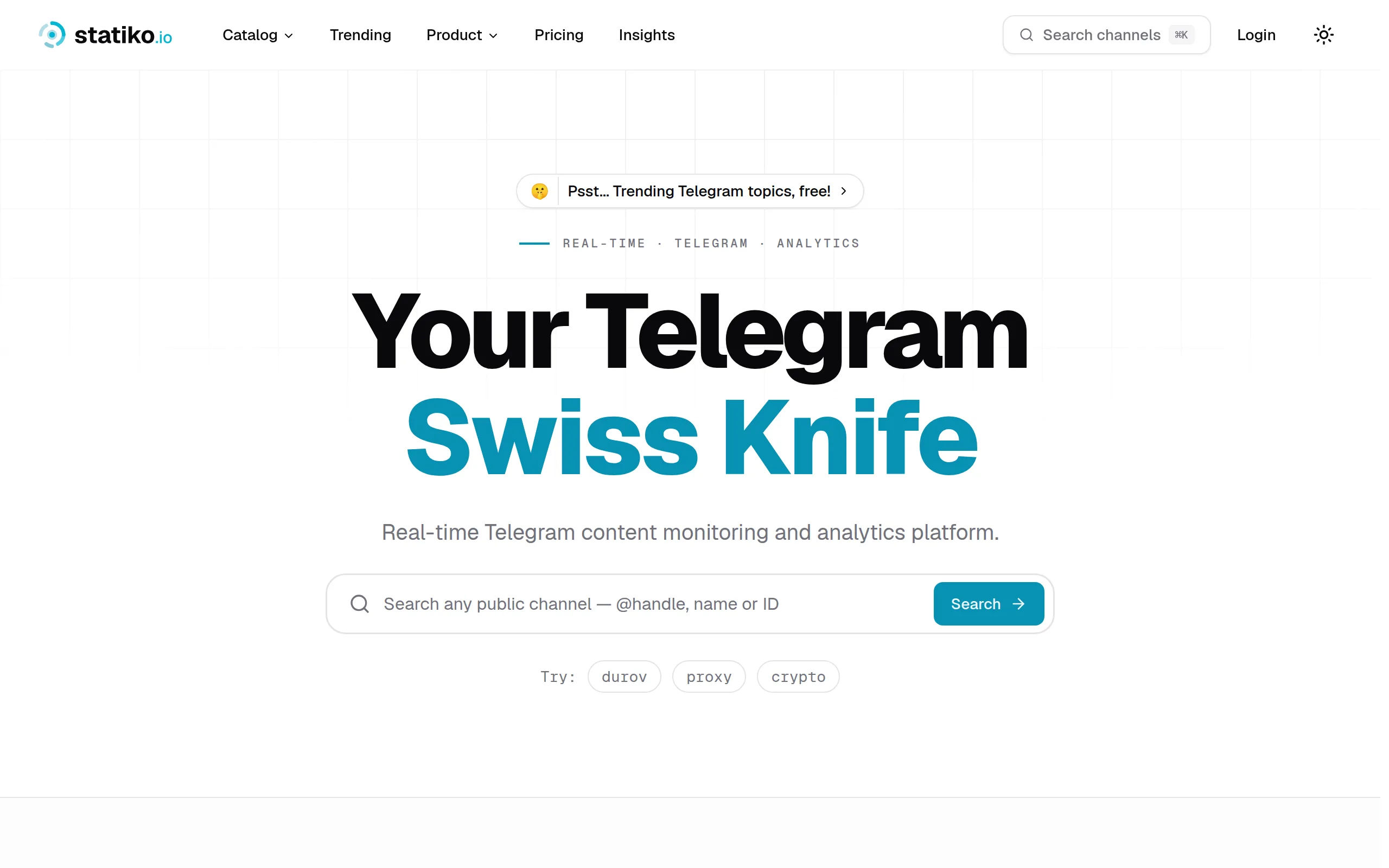
Statiko
Monitor any Telegram channel in real time - track posts, edits, deletions, and growth with AI recaps 📡

Shibui
AI website builder - describe your business, pick a niche template, edit by chatting, and publish instantly ✨
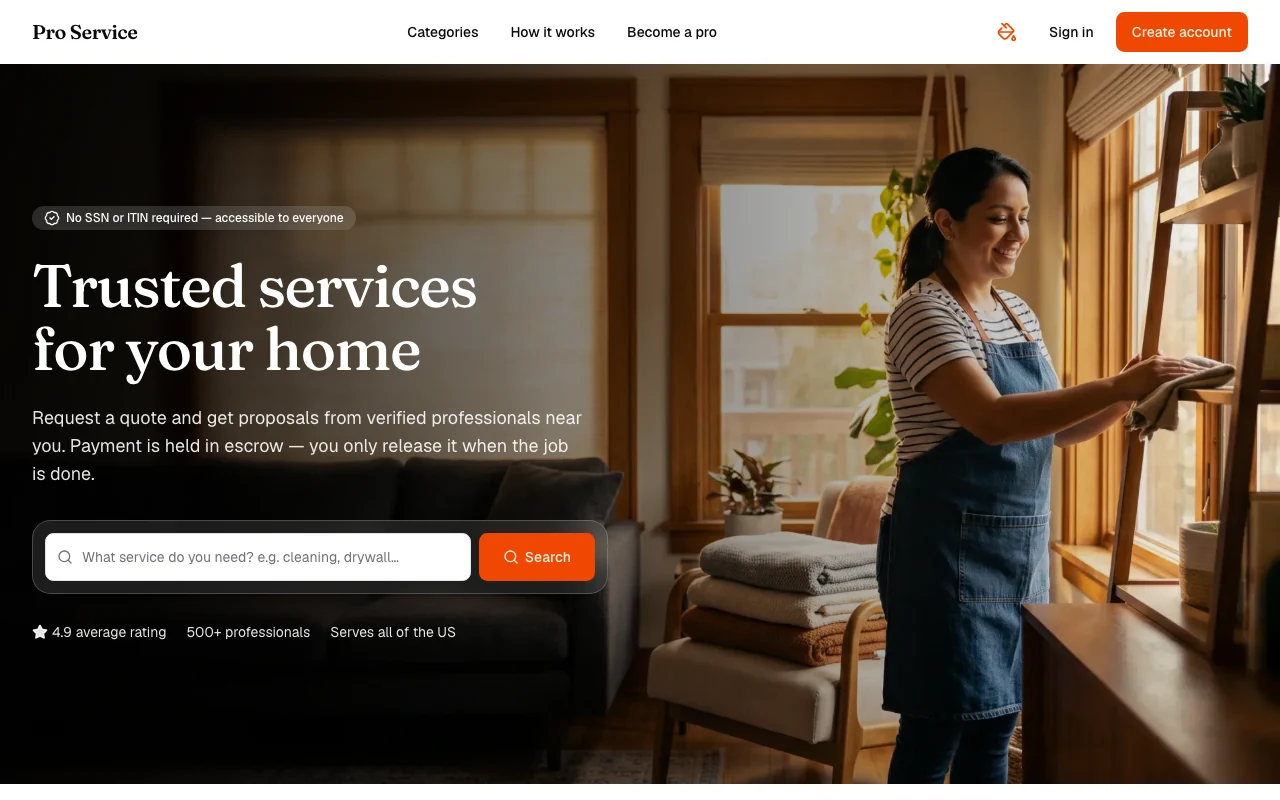
Pro Service
Find verified home service professionals, compare quotes, and pay securely through escrow - built for Brazilians across the US 🏠
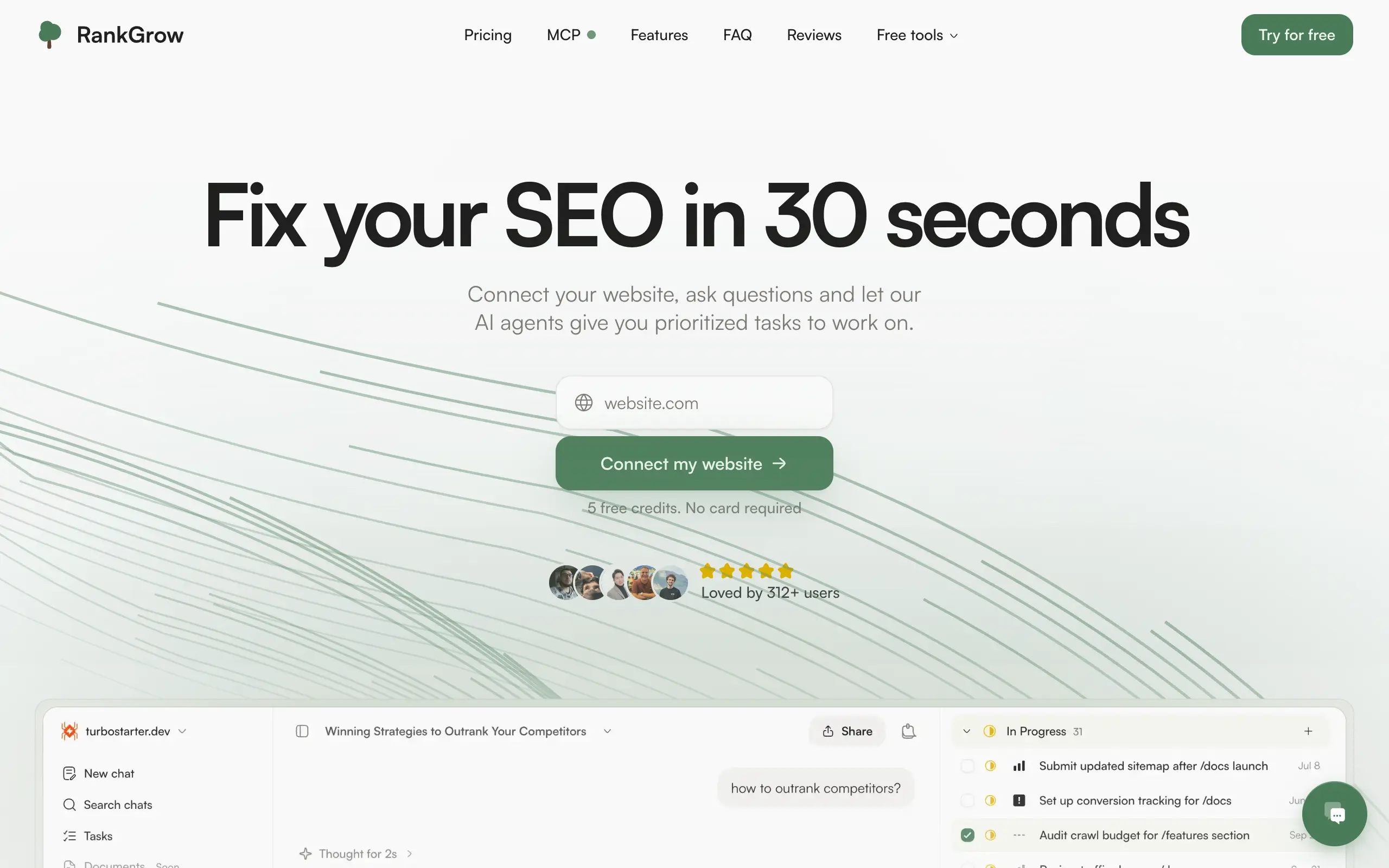
RankGrow
Fix your SEO with AI agents - connect Search Console, get prioritized tasks, and grow organic traffic 📈
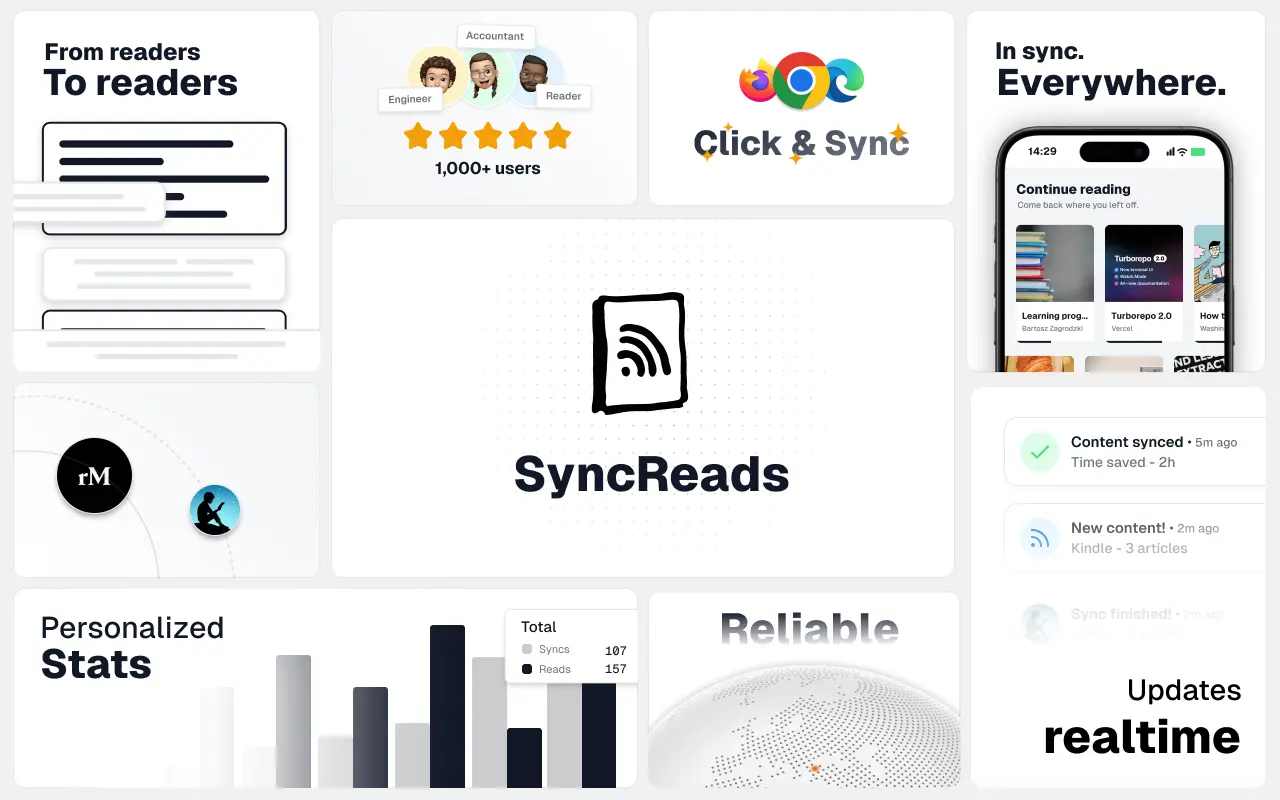
SyncReads
Sync your favorite content for distraction-free reading, save time and replace multiple apps. Anytime, anywhere 🔄
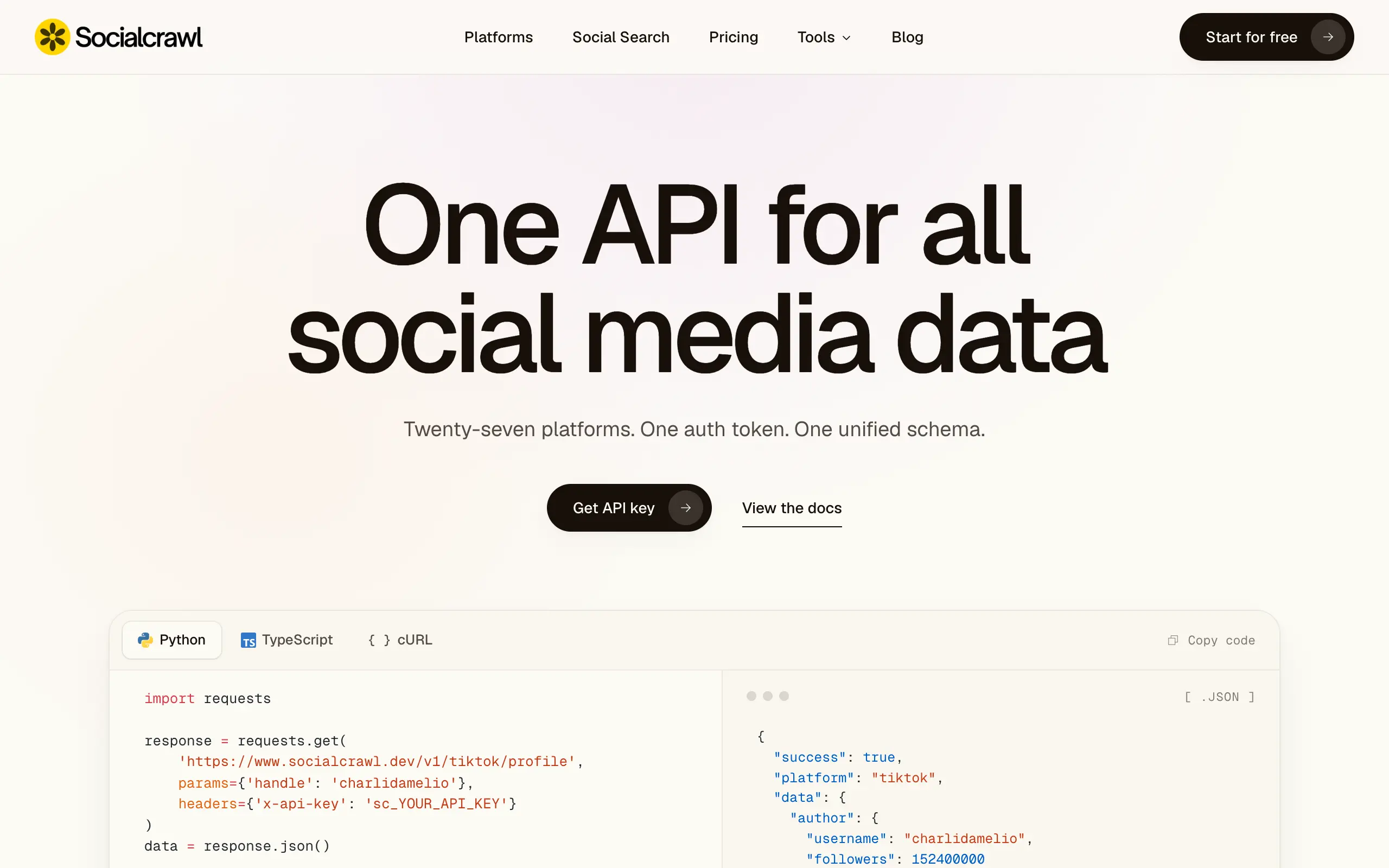
Socialcrawl
Get clean, structured data from 21 platforms like TikTok, Instagram, and YouTube with a single request 📊
Statiko
Monitor any Telegram channel in real time - track posts, edits, deletions, and growth with AI recaps 📡
Shibui
AI website builder - describe your business, pick a niche template, edit by chatting, and publish instantly ✨
Pro Service
Find verified home service professionals, compare quotes, and pay securely through escrow - built for Brazilians across the US 🏠
RankGrow
Fix your SEO with AI agents - connect Search Console, get prioritized tasks, and grow organic traffic 📈
SyncReads
Sync your favorite content for distraction-free reading, save time and replace multiple apps. Anytime, anywhere 🔄
Socialcrawl
Get clean, structured data from 21 platforms like TikTok, Instagram, and YouTube with a single request 📊
Statiko
Monitor any Telegram channel in real time - track posts, edits, deletions, and growth with AI recaps 📡
Shibui
AI website builder - describe your business, pick a niche template, edit by chatting, and publish instantly ✨
Pro Service
Find verified home service professionals, compare quotes, and pay securely through escrow - built for Brazilians across the US 🏠
RankGrow
Fix your SEO with AI agents - connect Search Console, get prioritized tasks, and grow organic traffic 📈
SyncReads
Sync your favorite content for distraction-free reading, save time and replace multiple apps. Anytime, anywhere 🔄
Socialcrawl
Get clean, structured data from 21 platforms like TikTok, Instagram, and YouTube with a single request 📊
Statiko
Monitor any Telegram channel in real time - track posts, edits, deletions, and growth with AI recaps 📡
Shibui
AI website builder - describe your business, pick a niche template, edit by chatting, and publish instantly ✨
Pro Service
Find verified home service professionals, compare quotes, and pay securely through escrow - built for Brazilians across the US 🏠
RankGrow
Fix your SEO with AI agents - connect Search Console, get prioritized tasks, and grow organic traffic 📈
SyncReads
Sync your favorite content for distraction-free reading, save time and replace multiple apps. Anytime, anywhere 🔄
Socialcrawl
Get clean, structured data from 21 platforms like TikTok, Instagram, and YouTube with a single request 📊
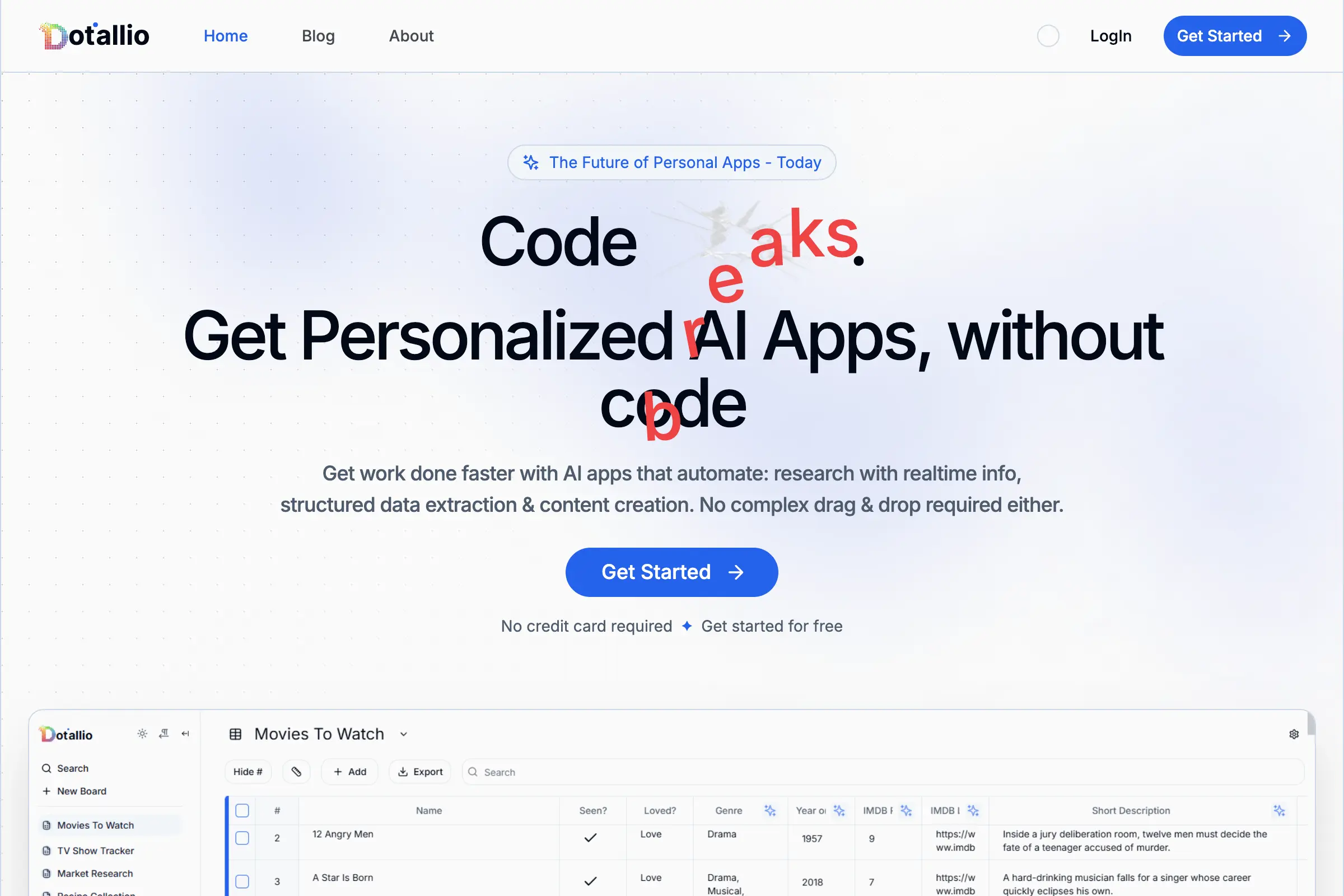
Dotallio
Personalized AI apps that automate research, data extraction, and content creation without code 🤖
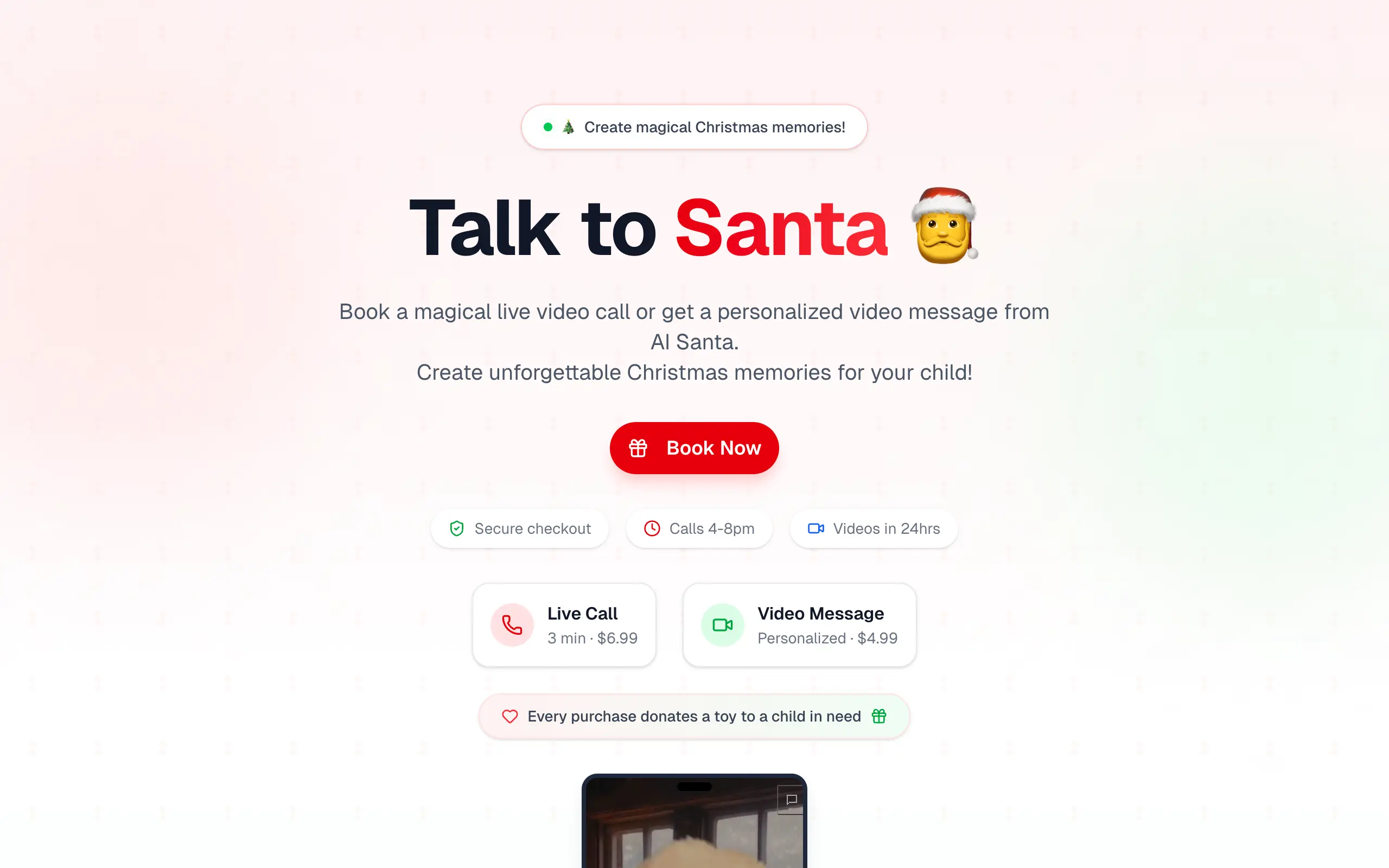
Talk to Santa
Enjoy a magical live video chat or receive a unique AI-generated video greeting from Santa Claus 🎅
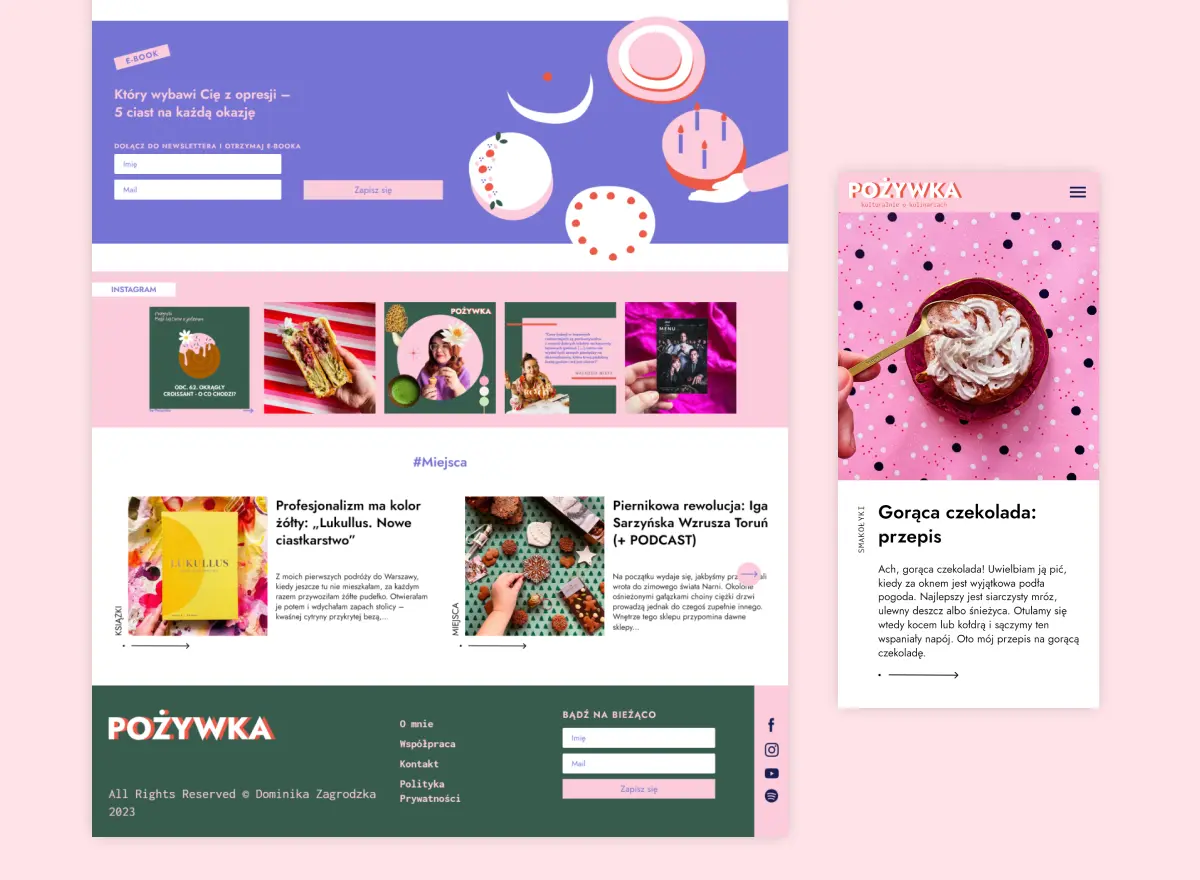
pozywka.pl
Scalable blog for food journalist, focused on performance and user experience 🌭
zagrodzki.me
Personal blog and portfolio of Bart Zagrodzki, where he shares his knowledge and work 💼
TurboStarter
Ship your startup everywhere. In minutes.
HTML to Markdown
Convert HTML to Markdown with ease, directly in your browser 📄
Dotallio
Personalized AI apps that automate research, data extraction, and content creation without code 🤖
Talk to Santa
Enjoy a magical live video chat or receive a unique AI-generated video greeting from Santa Claus 🎅
pozywka.pl
Scalable blog for food journalist, focused on performance and user experience 🌭
zagrodzki.me
Personal blog and portfolio of Bart Zagrodzki, where he shares his knowledge and work 💼
TurboStarter
Ship your startup everywhere. In minutes.
HTML to Markdown
Convert HTML to Markdown with ease, directly in your browser 📄
Dotallio
Personalized AI apps that automate research, data extraction, and content creation without code 🤖
Talk to Santa
Enjoy a magical live video chat or receive a unique AI-generated video greeting from Santa Claus 🎅
pozywka.pl
Scalable blog for food journalist, focused on performance and user experience 🌭
zagrodzki.me
Personal blog and portfolio of Bart Zagrodzki, where he shares his knowledge and work 💼
TurboStarter
Ship your startup everywhere. In minutes.
HTML to Markdown
Convert HTML to Markdown with ease, directly in your browser 📄
Dotallio
Personalized AI apps that automate research, data extraction, and content creation without code 🤖
Talk to Santa
Enjoy a magical live video chat or receive a unique AI-generated video greeting from Santa Claus 🎅
pozywka.pl
Scalable blog for food journalist, focused on performance and user experience 🌭
zagrodzki.me
Personal blog and portfolio of Bart Zagrodzki, where he shares his knowledge and work 💼
TurboStarter
Ship your startup everywhere. In minutes.
HTML to Markdown
Convert HTML to Markdown with ease, directly in your browser 📄
Omichat
Chat with 50+ AI models, including ChatGPT and Claude, in one place - switch models anytime without losing context 🤖
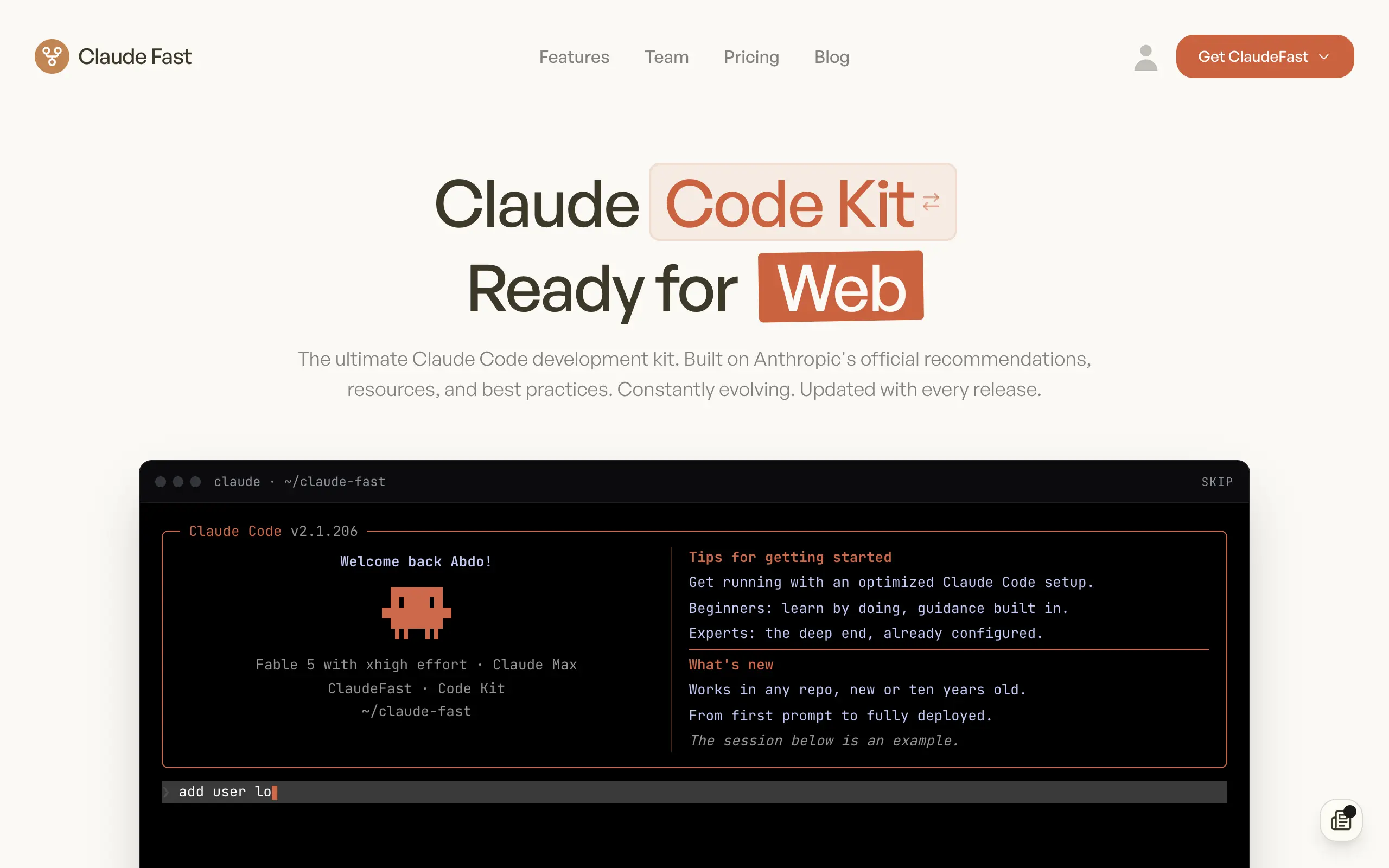
Claude Fast
Supercharge your Claude Code with 6x effective context window and specialized AI agents 🤖
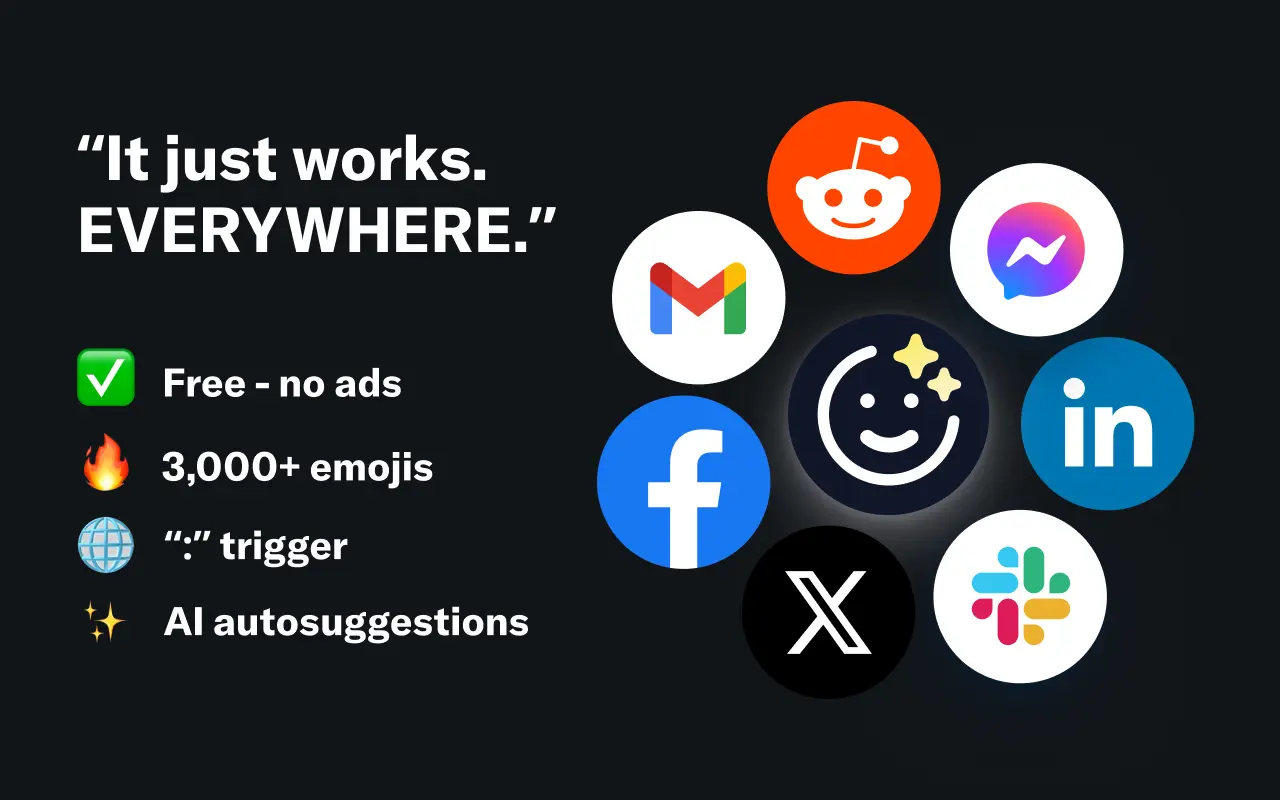
EmojAI
AI-powered emoji picker with smart, context-aware suggestions 🤖
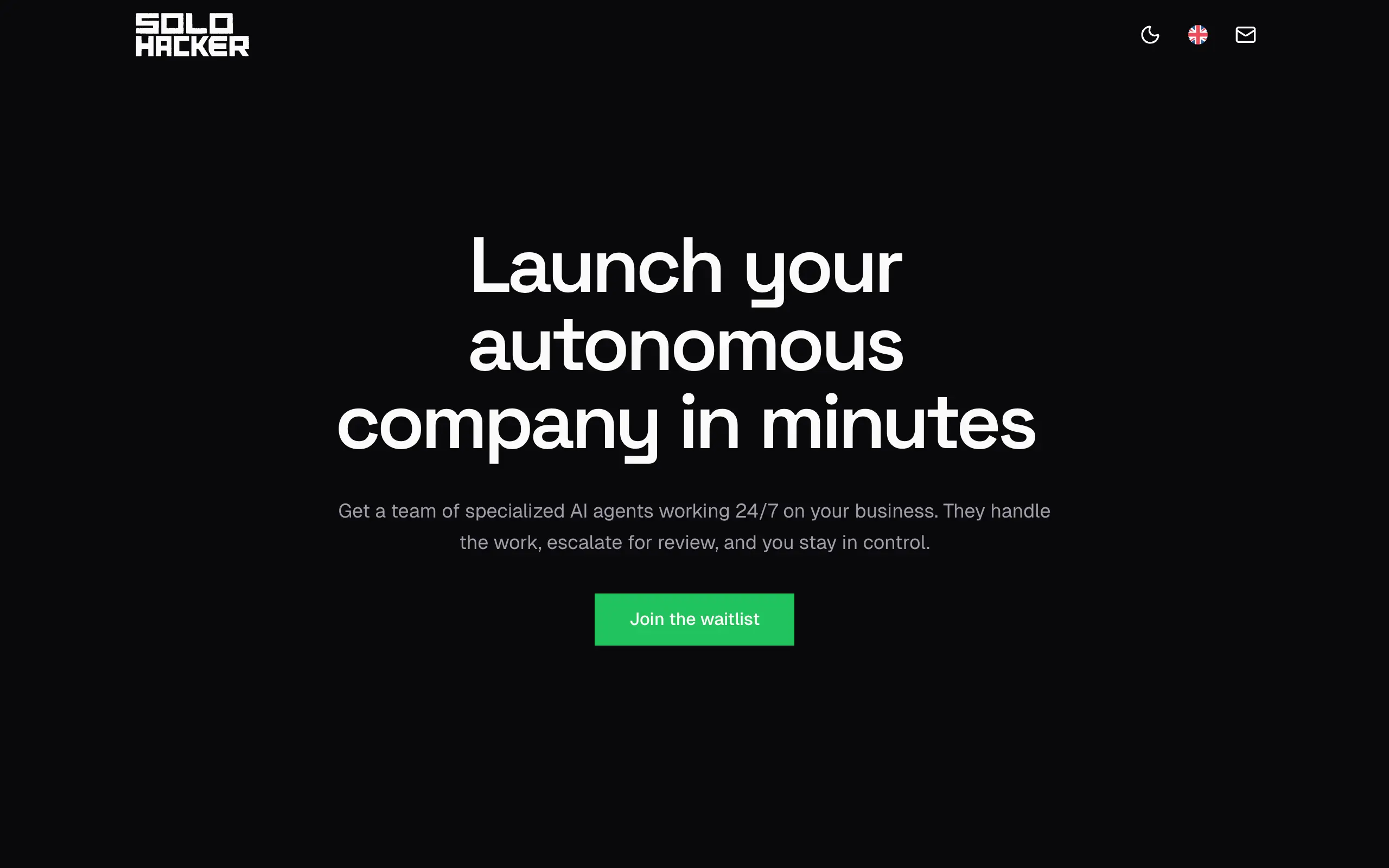
Solohacker
Autonomous company launcher - AI agents work 24/7, escalate what matters, and you stay in control 🤖
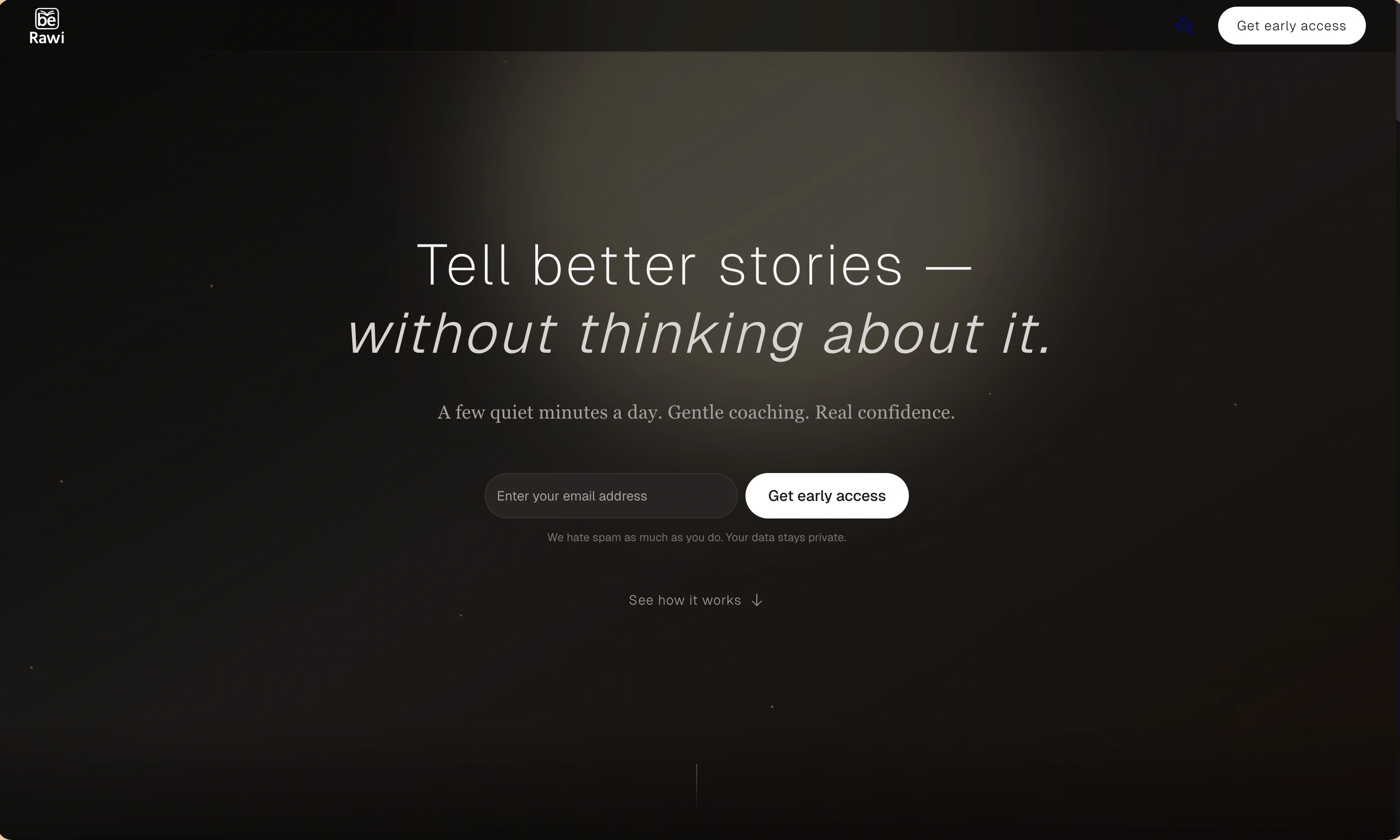
BeRawi: Storytelling Coach
Practice storytelling daily with instant feedback to sound clearer, more engaging, and confident 🎤
Omichat
Chat with 50+ AI models, including ChatGPT and Claude, in one place - switch models anytime without losing context 🤖
Claude Fast
Supercharge your Claude Code with 6x effective context window and specialized AI agents 🤖
EmojAI
AI-powered emoji picker with smart, context-aware suggestions 🤖
Solohacker
Autonomous company launcher - AI agents work 24/7, escalate what matters, and you stay in control 🤖
BeRawi: Storytelling Coach
Practice storytelling daily with instant feedback to sound clearer, more engaging, and confident 🎤
Omichat
Chat with 50+ AI models, including ChatGPT and Claude, in one place - switch models anytime without losing context 🤖
Claude Fast
Supercharge your Claude Code with 6x effective context window and specialized AI agents 🤖
EmojAI
AI-powered emoji picker with smart, context-aware suggestions 🤖
Solohacker
Autonomous company launcher - AI agents work 24/7, escalate what matters, and you stay in control 🤖
BeRawi: Storytelling Coach
Practice storytelling daily with instant feedback to sound clearer, more engaging, and confident 🎤
Omichat
Chat with 50+ AI models, including ChatGPT and Claude, in one place - switch models anytime without losing context 🤖
Claude Fast
Supercharge your Claude Code with 6x effective context window and specialized AI agents 🤖
EmojAI
AI-powered emoji picker with smart, context-aware suggestions 🤖
Solohacker
Autonomous company launcher - AI agents work 24/7, escalate what matters, and you stay in control 🤖
BeRawi: Storytelling Coach
Practice storytelling daily with instant feedback to sound clearer, more engaging, and confident 🎤

Connect with like-minded people
Join our community to get feedback, support, and grow together with 1,000+ builders on board, let's ship it!
Join usShip your startup everywhere. In minutes.
Don't burn tokens on setup and start building features on day one.