LifeOS Student
All-in-one AI planner that manages classes, deadlines, habits, and mental health with predictive nudges and personalized daily execution plans.
what is an AI-powered student life operating system?
The concept of an AI student planner has evolved far beyond simple to-do lists or calendar apps. A modern solution like LifeOS Student represents a new category: a personalized life operating system for students that integrates academics, productivity, mental health, and daily decision-making into one cohesive experience.
Instead of asking students to manually organize their lives, this system actively predicts, recommends, and adapts—creating a dynamic daily execution plan based on real-time inputs like deadlines, energy levels, habits, and even emotional patterns.
This article breaks down the opportunity, architecture, strategy, and execution path behind building a product like LifeOS Student, while aligning with what users actually need in 2026: clarity, automation, and mental relief.
understanding the target audience
primary users: overwhelmed students
The core audience includes:
- College and university students managing multiple courses
- High school students preparing for exams or college applications
- Online learners balancing education with work
- Graduate students juggling research, teaching, and deadlines
These users share common pain points:
- Fragmented tools (calendar + notes + reminders + habit apps)
- Chronic procrastination and decision fatigue
- Poor prioritization under pressure
- Lack of structured daily execution
- Mental health strain due to academic overload
behavioral patterns and expectations
Today’s students:
- Expect mobile-first, intuitive UX
- Prefer automation over manual input
- Are comfortable with AI recommendations—but want control
- Value personalization over generic productivity systems
They don’t want another planner. They want a system that thinks with them.
the market gap: why existing tools fall short
Despite a crowded productivity market, no dominant platform fully solves the “student life orchestration” problem.
current tool limitations
| Category | Examples | Key limitation |
|---|---|---|
| Task managers | Todoist, Microsoft To Do | No academic context |
| Note-taking apps | Notion, Evernote | Requires manual structuring |
| Calendar tools | Google Calendar | Passive, not predictive |
| Habit trackers | Habitica, Streaks | Isolated from academic workflow |
| Mental health apps | Headspace, Calm | Not integrated with daily tasks |
the missing layer: intelligence + integration
What’s missing is:
- A unified system
- With AI-driven prioritization
- That adapts based on:
- Deadlines
- Workload
- Energy patterns
- Behavioral data
This is where LifeOS Student creates a new category.
core product vision: from planner to life engine
LifeOS Student is not just a productivity app—it’s a decision-making engine.
key capabilities
- Centralizes:
- Classes
- Assignments
- Exams
- Habits
- Mental health tracking
- Uses AI to:
- Predict workload spikes
- Suggest optimal schedules
- Prevent burnout
- Generates:
- Daily execution plans
- Smart reminders
- Adaptive routines
core features breakdown
1. AI-powered academic planner
- Automatic syllabus parsing
- Deadline extraction from PDFs or LMS platforms
- Smart prioritization of tasks
Example:
- If 3 deadlines cluster in one week, the system redistributes prep tasks earlier.
2. predictive daily execution engine
Instead of a static to-do list:
- Generates a dynamic daily plan
- Adjusts in real-time based on:
- Missed tasks
- Time spent
- Energy input
const generateDailyPlan = (tasks, energyLevel, deadlines) => {
  return tasks
    .sort((a, b) => a.priority - b.priority)
    .map(task => ({
      ...task,
      scheduledTime: optimizeTime(task, energyLevel, deadlines)
    }));
};
3. habit and behavior integration
- Tracks habits like:
- Study sessions
- Sleep patterns
- Exercise
- Connects habits to performance outcomes
Example insight:
- “You perform 27% better on exams when you sleep 7+ hours.”
4. mental health layer
Unlike traditional planners, LifeOS includes:
- Mood tracking
- Burnout detection
- Adaptive workload recommendations
Why this matters
Students don’t fail due to lack of tools—they fail due to overload and poor mental energy management. Integrating mental health into planning is a major differentiator.
5. smart nudges and interventions
- Context-aware reminders
- Behavioral nudges like:
- “Start your essay now to avoid last-minute stress”
- “You’ve been working for 90 minutes—take a break”
6. cross-platform integration
- LMS systems (Canvas, Moodle)
- Google Calendar
- Notion
- Email parsing for deadlines
product architecture and tech stack
Building a system like LifeOS Student requires a blend of AI, real-time systems, and user-centric design.
recommended tech stack
- React or Next.js
- TailwindCSS
- React Native for mobile apps
- Node.js with NestJS or Express
- PostgreSQL for structured data
- Redis for real-time updates
- OpenAI API (or similar LLM providers)
- Custom ML models for:
- Behavior prediction
- Time estimation
- Vector database for personalization
- AWS or Vercel for deployment
- Supabase or Firebase for rapid MVP
- WebSockets for real-time syncing
trade-offs to consider
- Speed vs accuracy: AI predictions must be fast, even if slightly imperfect
- Privacy vs personalization: Sensitive student data requires strong safeguards
- Automation vs control: Users should override AI decisions
monetization strategy
freemium model (recommended)
- Free tier:
- Basic planner
- Limited AI suggestions
- Paid tier:
- Advanced AI planning
- Mental health insights
- Deep analytics
additional revenue streams
- University partnerships (B2B2C)
- Premium coaching features
- AI tutoring add-ons
pricing psychology
Students are price-sensitive. Ideal pricing:
- $5–10/month for premium
- Discounts for annual plans
- Student verification perks
competitive advantage analysis
| Feature | Traditional planners | Notion | Habit apps | LifeOS Student |
|---|---|---|---|---|
| AI planning | ❌ | ❌ | ❌ | ✅ |
| Mental health integration | ❌ | ❌ | ✅ | ✅ |
| Academic automation | ❌ | ❌ | ❌ | ✅ |
| Dynamic scheduling | ❌ | ❌ | ❌ | ✅ |
unique selling proposition (USP)
LifeOS Student stands out because it:
- Moves from tracking → thinking
- Combines productivity + mental health + AI
- Acts as a daily decision-maker, not just a recorder
Most tools ask: “What do you want to do?” LifeOS answers: “Here’s what you should do next.”
potential risks and mitigation strategies
1. user trust in AI decisions
Risk: Students may not trust automated plans
Solution:
- Provide explanations for suggestions
- Allow manual overrides
- Show confidence scores
2. data privacy concerns
Risk: Handling sensitive academic and emotional data
Solution:
- End-to-end encryption
- Transparent data policies
- Optional anonymized mode
3. feature overload
Risk: Too many features can overwhelm users
Solution:
- Progressive onboarding
- Minimal default UI
- Unlock advanced features gradually
4. retention challenges
Risk: Students abandon productivity tools quickly
Solution:
- Immediate value in first session
- Daily engagement loops
- Gamification elements
go-to-market strategy
phase 1: niche targeting
Start with:
- STEM students
- Competitive exam prep users
- Productivity-focused communities
phase 2: viral loops
- Shareable daily plans
- Study streaks
- Social accountability features
phase 3: institutional partnerships
- Universities
- Online education platforms
- Bootcamps
implementation roadmap
MVP feature set (what to build first)
Focus on:
- Task + deadline input
- AI daily planner
- Basic nudges
- Calendar integration
Avoid:
- Complex analytics
- Overbuilt UI
- Too many integrations
growth opportunities and future expansion
AI tutor integration
- Personalized study recommendations
- Real-time help with assignments
career planning layer
- Internship tracking
- Skill development paths
community features
- Study groups
- Peer accountability
why now is the perfect time
Several trends make this idea especially viable:
- Explosion of AI capabilities
- Increased student stress levels globally
- Shift toward personalized software experiences
- Growth of edtech ecosystems
According to publicly available education trend reports (e.g., OECD, UNESCO), student mental health and workload management are becoming critical global issues—creating strong demand for solutions like LifeOS Student.
building faster with the right foundation
If you're planning to build this SaaS, speed matters. Instead of starting from scratch, using a production-ready starter kit can save months.
TurboStarter provides a solid foundation with authentication, billing, and scalable architecture—allowing you to focus on the core AI experience rather than boilerplate.
actionable next steps
- Talk to 20–30 students to validate pain points
- Build a simple AI planner prototype
- Launch a landing page and collect emails
- Test pricing early
- Iterate based on real usage data
final thoughts
The future of productivity tools isn’t about better lists—it’s about better decisions.
LifeOS Student represents a shift toward intelligent life systems that actively guide users through complex, high-pressure environments like education.
By combining AI, behavioral insights, and thoughtful design, this product has the potential to become an essential tool for millions of students worldwide.
The opportunity is clear: build something that doesn’t just organize life—but runs it intelligently.
More 🤖 AI Startup SaaS ideas
Discover more innovative ai startup SaaS ideas that are trending in 2026. Each idea is AI-generated with market validation and growth potential to help you find your next profitable venture faster than competitors.
Your competitors are building with TurboStarter
Below are some of the SaaS ideas that have been generated and built with our starter kit.
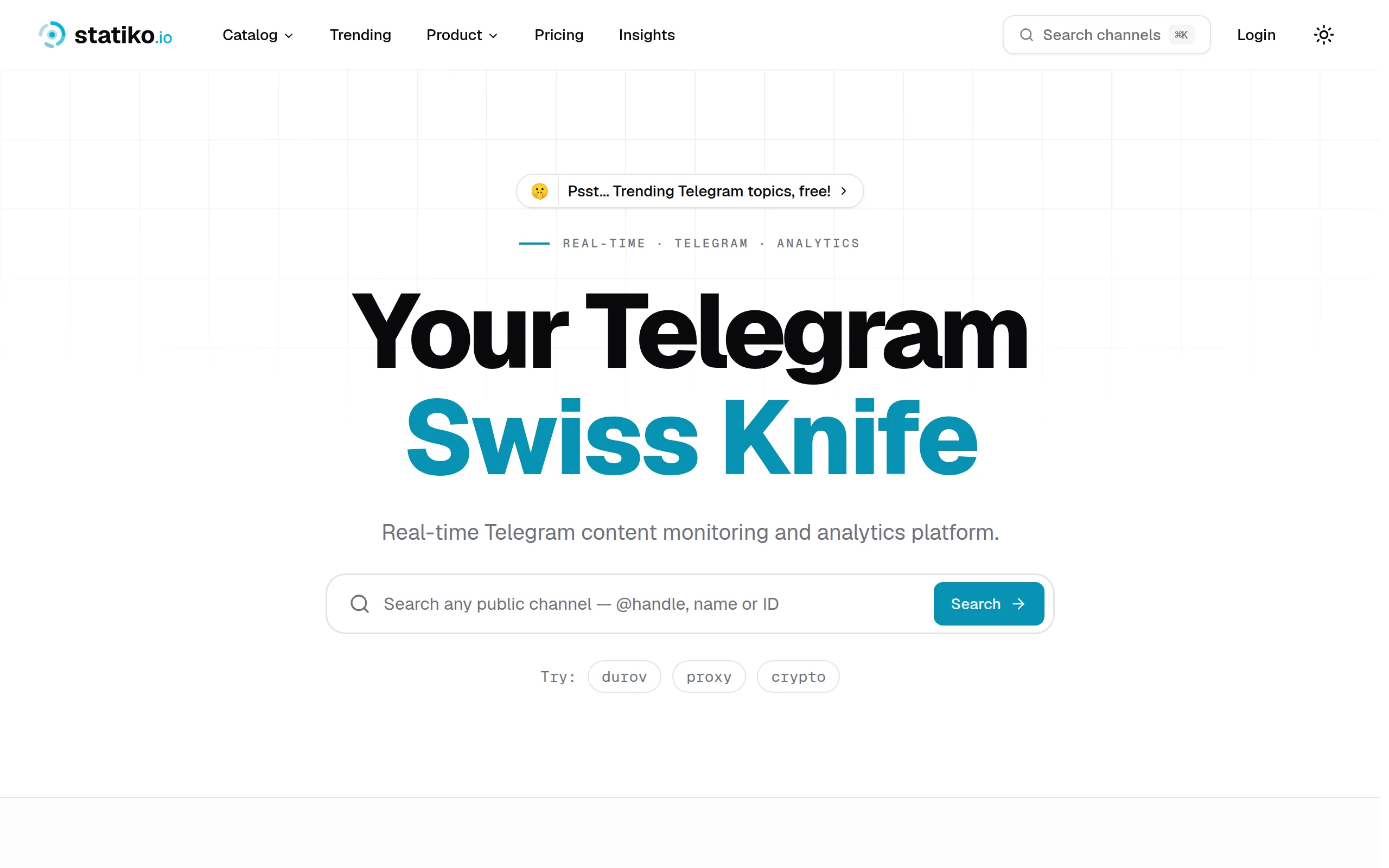
Statiko
Monitor any Telegram channel in real time - track posts, edits, deletions, and growth with AI recaps 📡
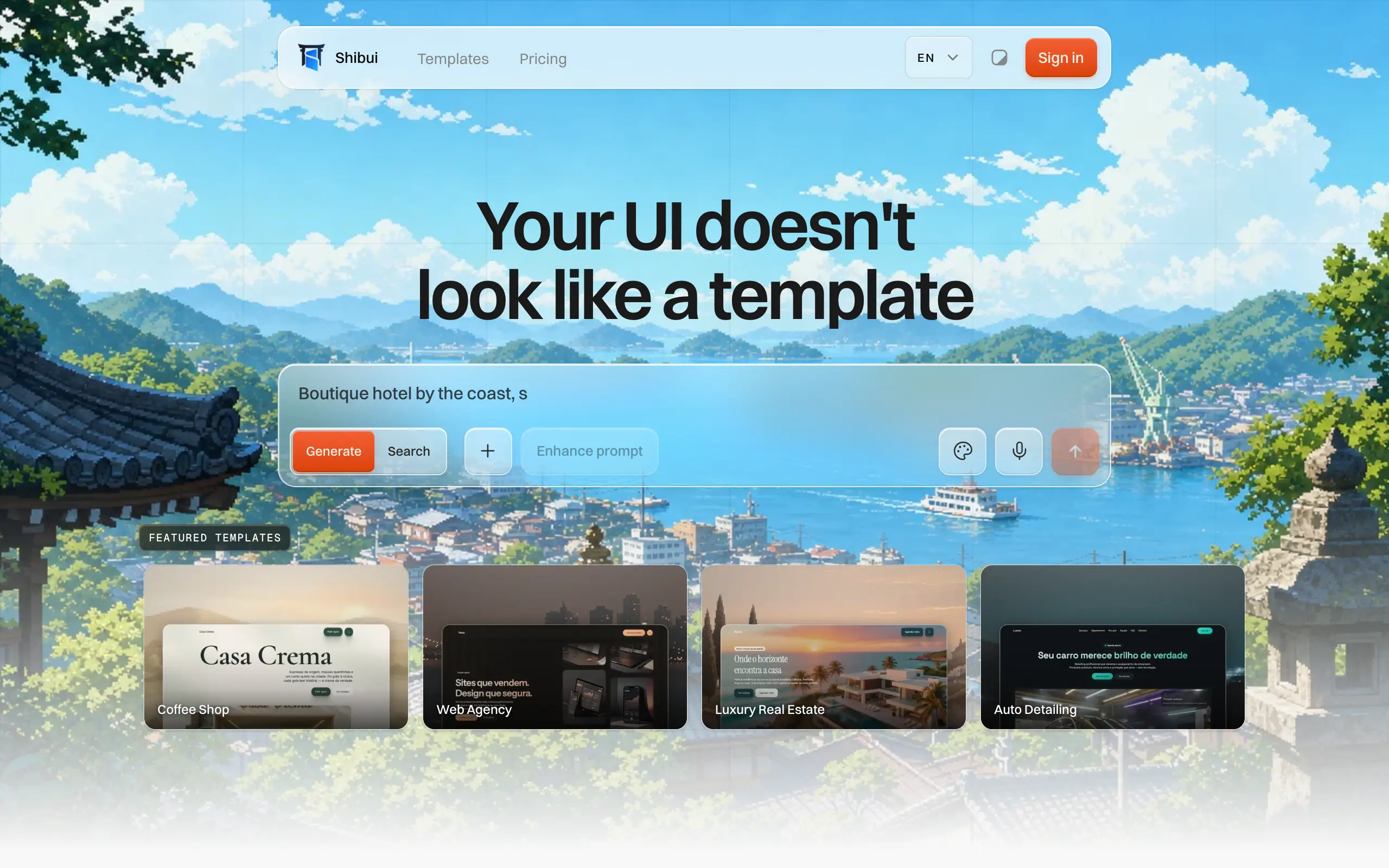
Shibui
AI website builder - describe your business, pick a niche template, edit by chatting, and publish instantly ✨
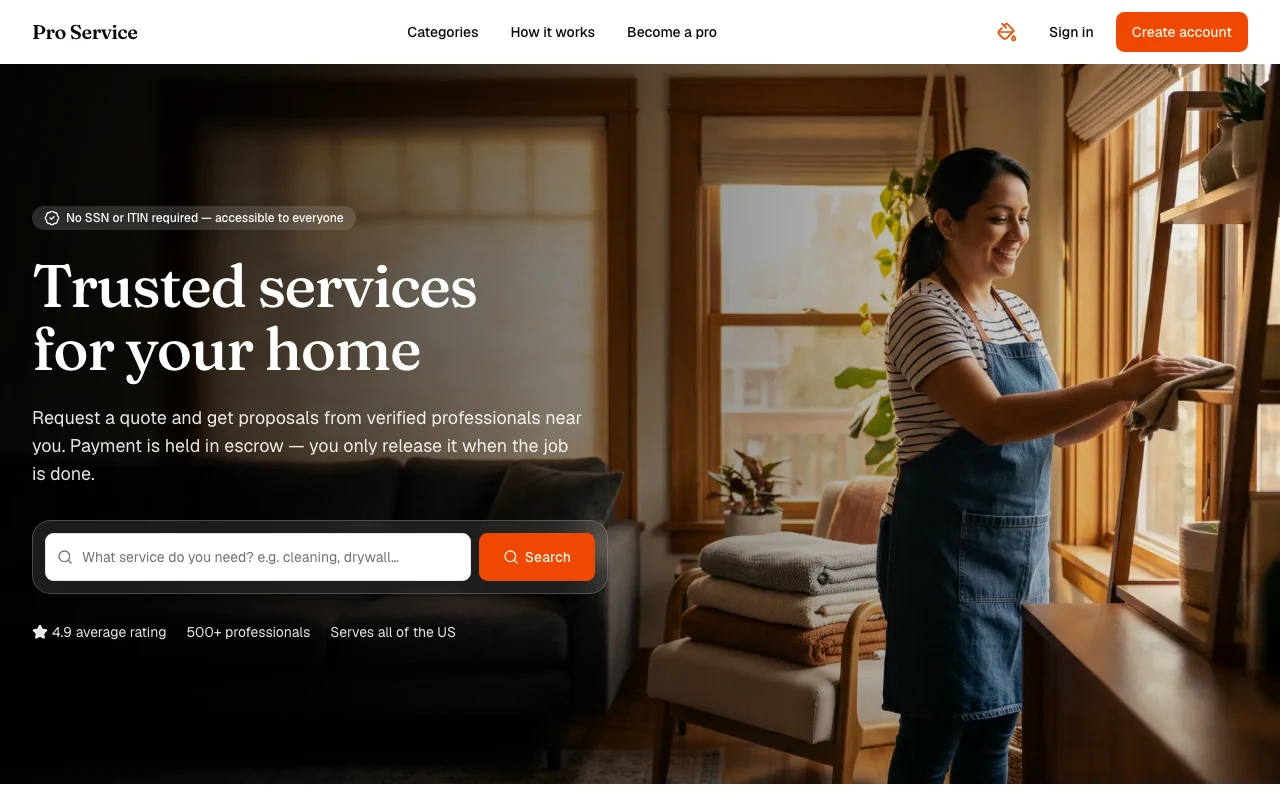
Pro Service
Find verified home service professionals, compare quotes, and pay securely through escrow - built for Brazilians across the US 🏠
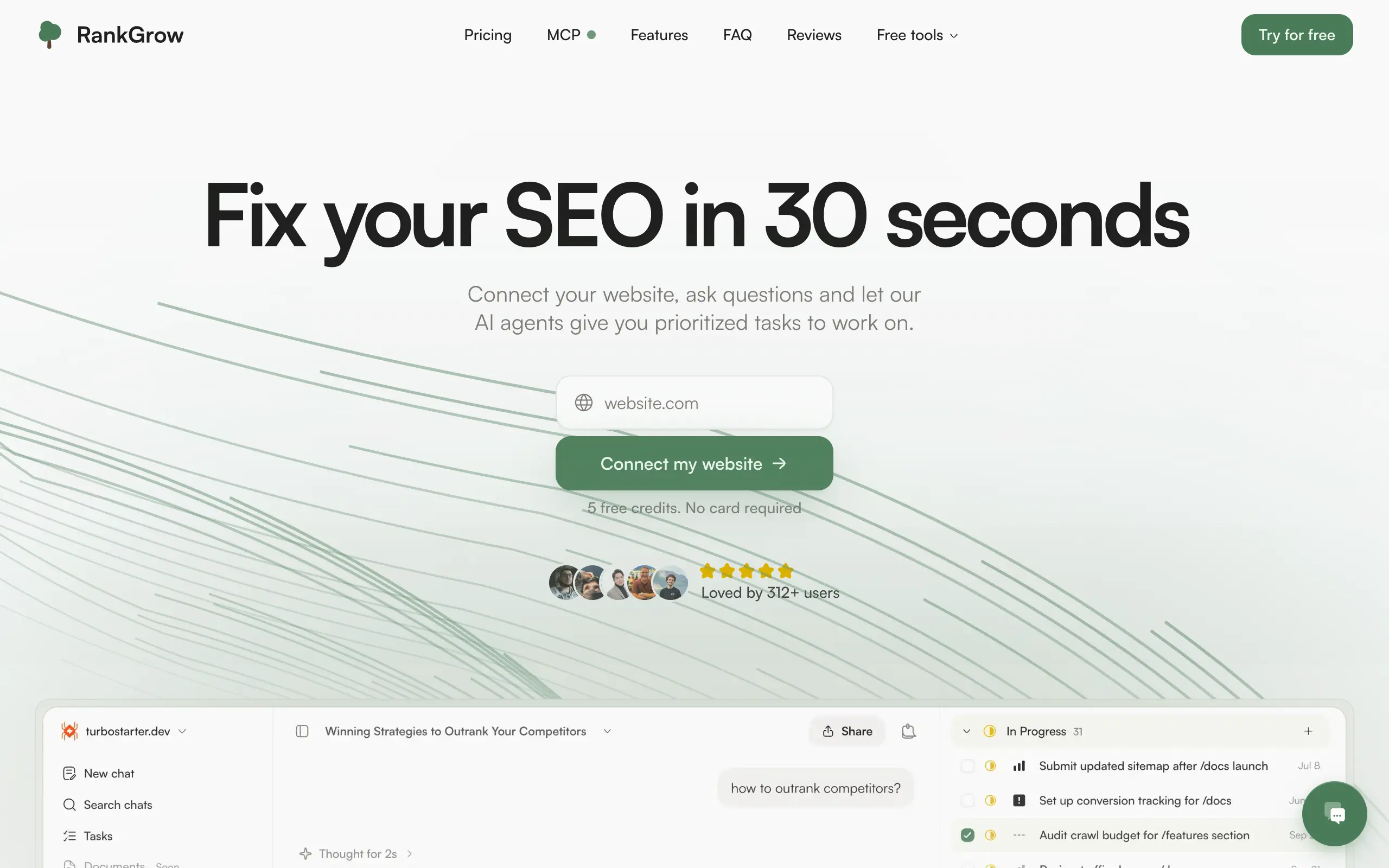
RankGrow
Fix your SEO with AI agents - connect Search Console, get prioritized tasks, and grow organic traffic 📈
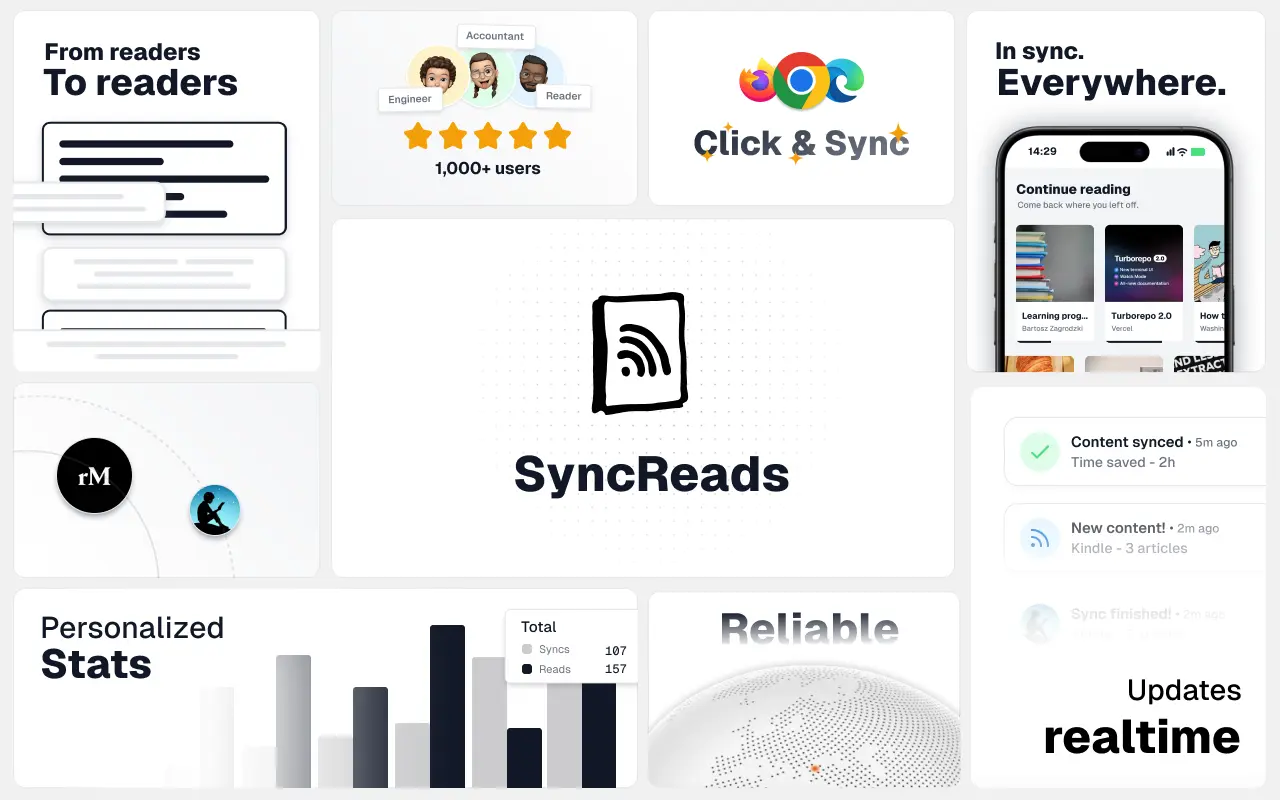
SyncReads
Sync your favorite content for distraction-free reading, save time and replace multiple apps. Anytime, anywhere 🔄
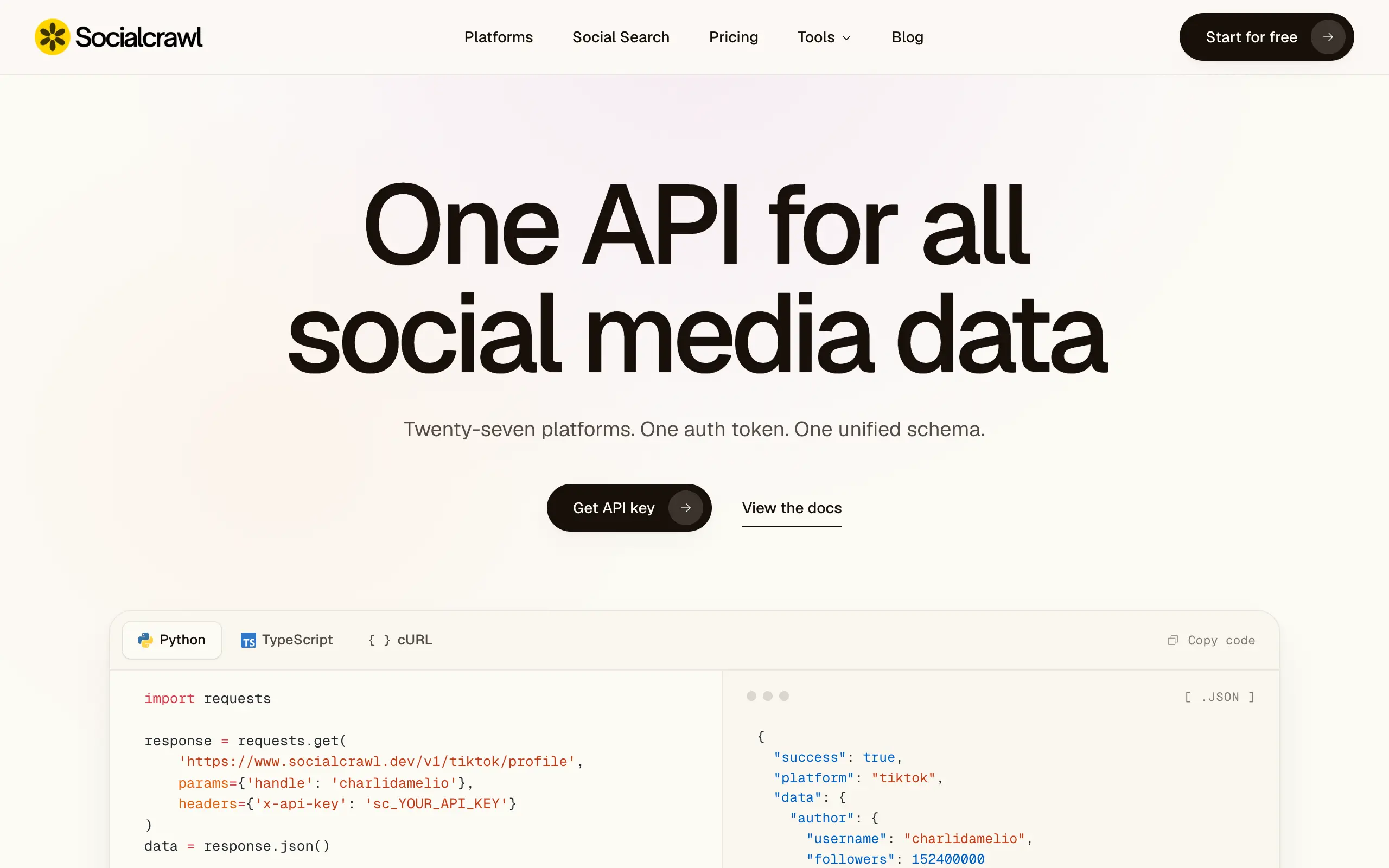
Socialcrawl
Get clean, structured data from 21 platforms like TikTok, Instagram, and YouTube with a single request 📊
Statiko
Monitor any Telegram channel in real time - track posts, edits, deletions, and growth with AI recaps 📡
Shibui
AI website builder - describe your business, pick a niche template, edit by chatting, and publish instantly ✨
Pro Service
Find verified home service professionals, compare quotes, and pay securely through escrow - built for Brazilians across the US 🏠
RankGrow
Fix your SEO with AI agents - connect Search Console, get prioritized tasks, and grow organic traffic 📈
SyncReads
Sync your favorite content for distraction-free reading, save time and replace multiple apps. Anytime, anywhere 🔄
Socialcrawl
Get clean, structured data from 21 platforms like TikTok, Instagram, and YouTube with a single request 📊
Statiko
Monitor any Telegram channel in real time - track posts, edits, deletions, and growth with AI recaps 📡
Shibui
AI website builder - describe your business, pick a niche template, edit by chatting, and publish instantly ✨
Pro Service
Find verified home service professionals, compare quotes, and pay securely through escrow - built for Brazilians across the US 🏠
RankGrow
Fix your SEO with AI agents - connect Search Console, get prioritized tasks, and grow organic traffic 📈
SyncReads
Sync your favorite content for distraction-free reading, save time and replace multiple apps. Anytime, anywhere 🔄
Socialcrawl
Get clean, structured data from 21 platforms like TikTok, Instagram, and YouTube with a single request 📊
Statiko
Monitor any Telegram channel in real time - track posts, edits, deletions, and growth with AI recaps 📡
Shibui
AI website builder - describe your business, pick a niche template, edit by chatting, and publish instantly ✨
Pro Service
Find verified home service professionals, compare quotes, and pay securely through escrow - built for Brazilians across the US 🏠
RankGrow
Fix your SEO with AI agents - connect Search Console, get prioritized tasks, and grow organic traffic 📈
SyncReads
Sync your favorite content for distraction-free reading, save time and replace multiple apps. Anytime, anywhere 🔄
Socialcrawl
Get clean, structured data from 21 platforms like TikTok, Instagram, and YouTube with a single request 📊
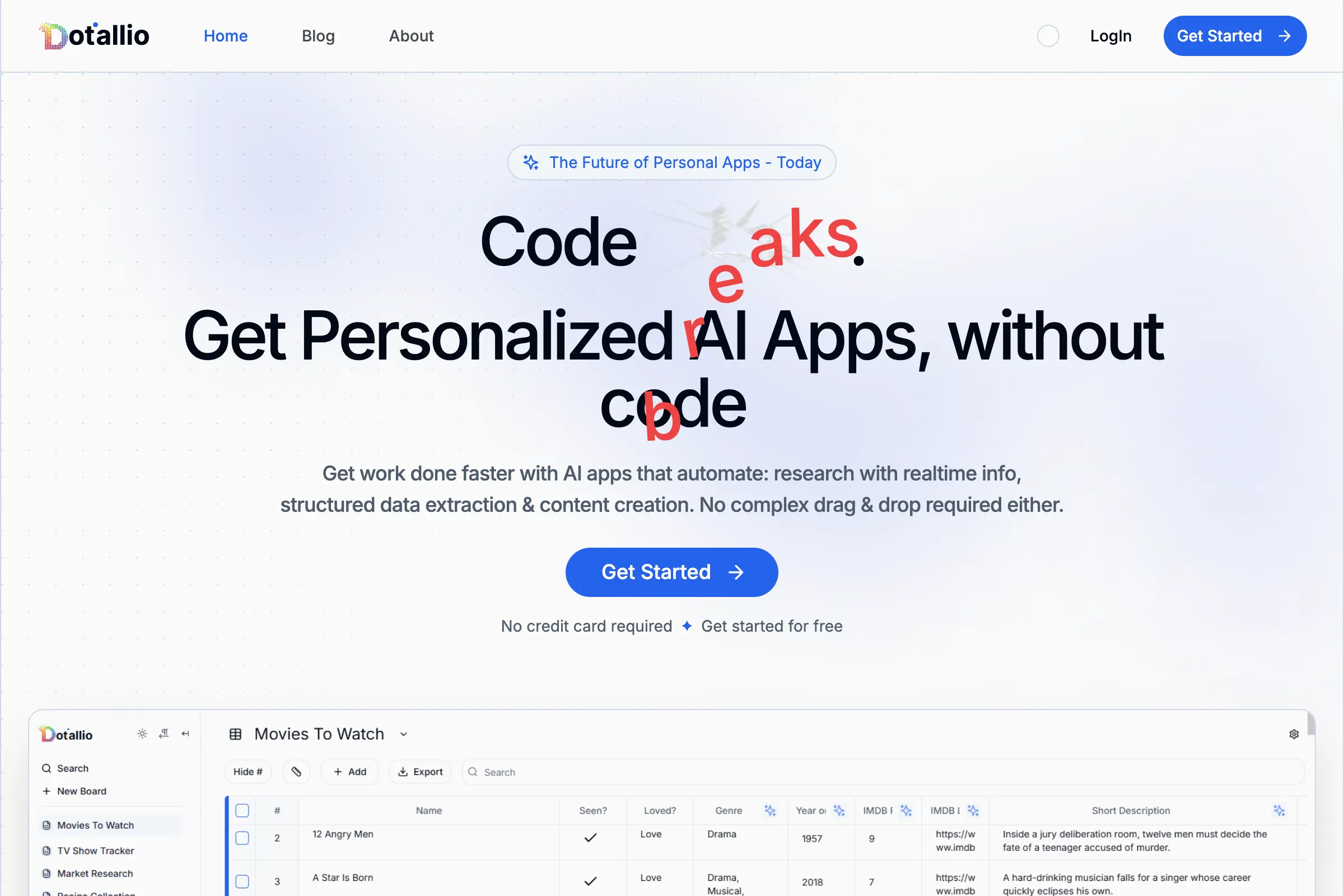
Dotallio
Personalized AI apps that automate research, data extraction, and content creation without code 🤖
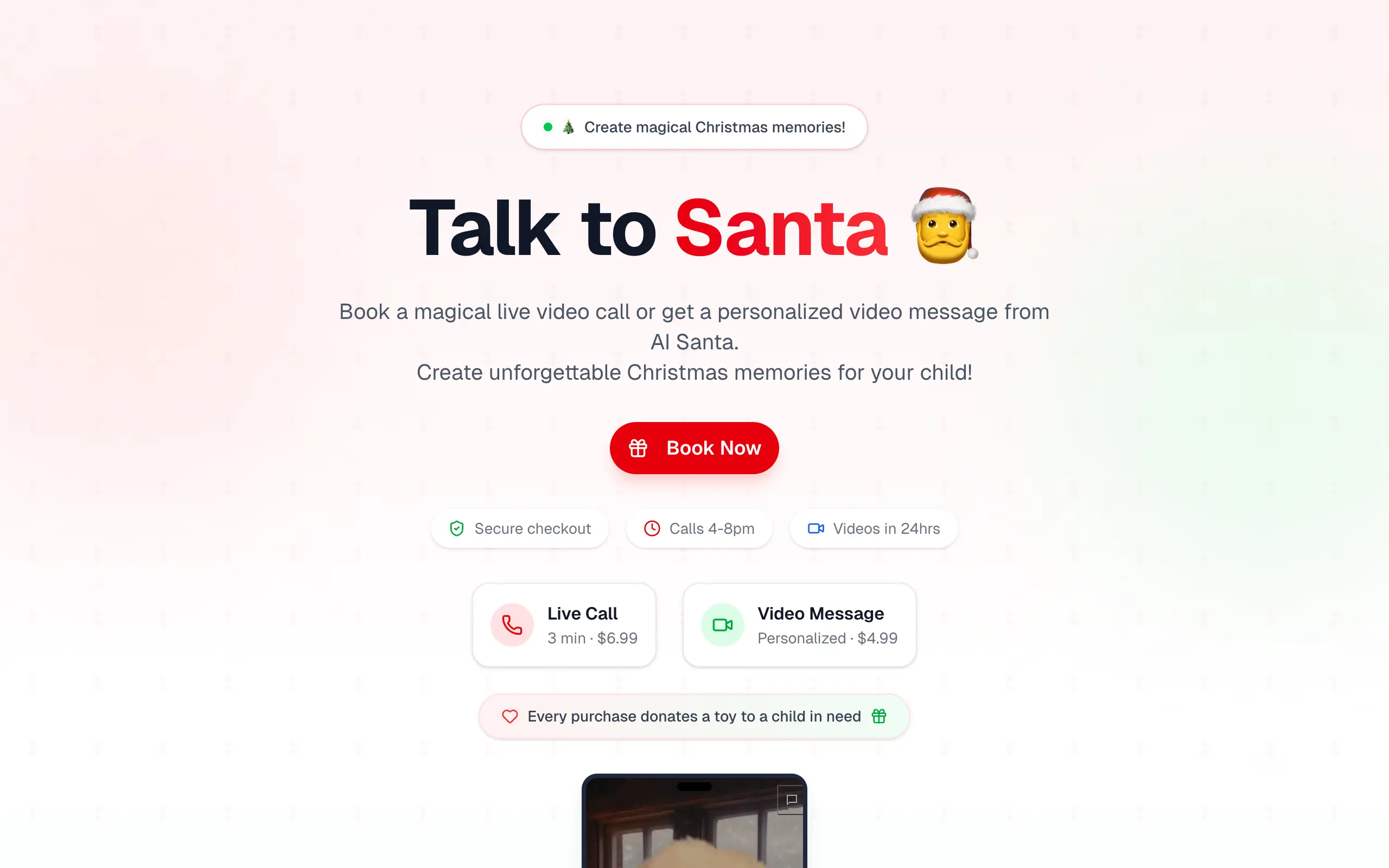
Talk to Santa
Enjoy a magical live video chat or receive a unique AI-generated video greeting from Santa Claus 🎅
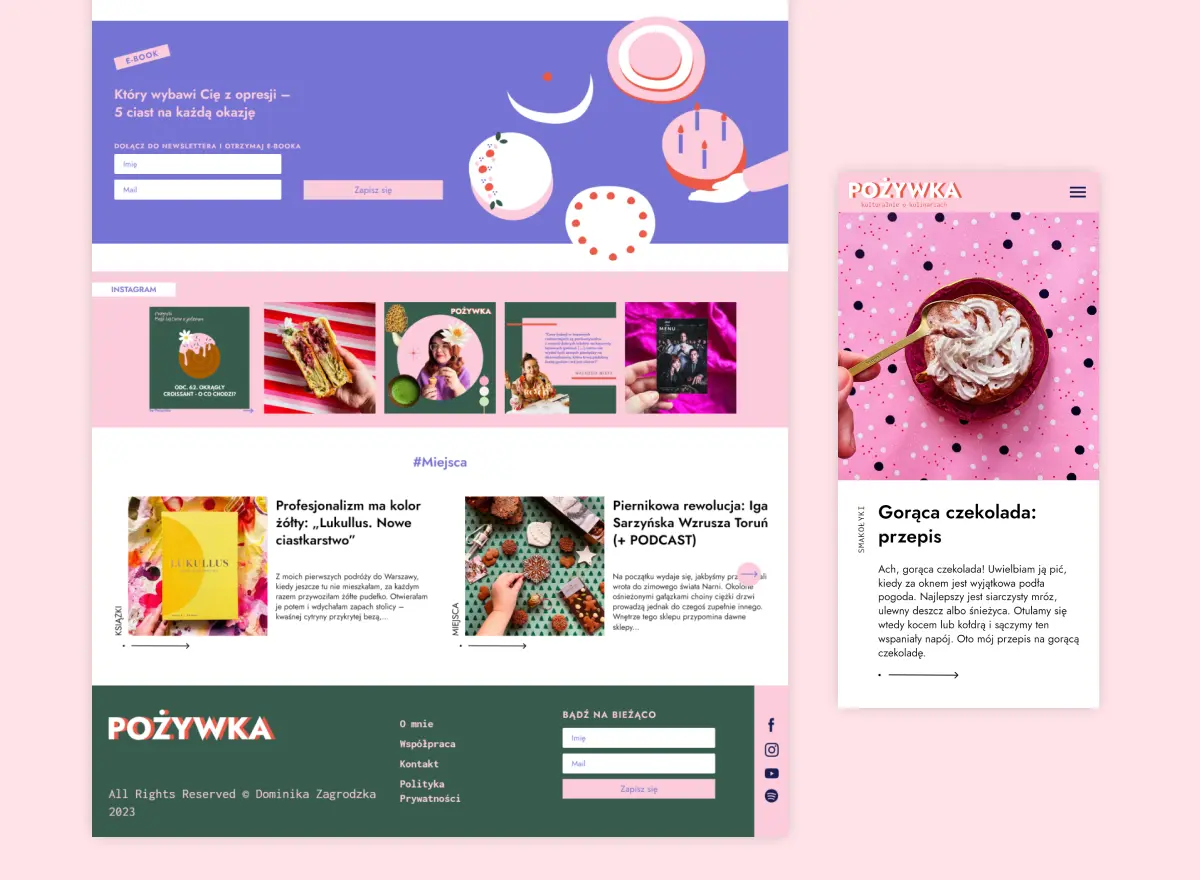
pozywka.pl
Scalable blog for food journalist, focused on performance and user experience 🌭
zagrodzki.me
Personal blog and portfolio of Bart Zagrodzki, where he shares his knowledge and work 💼
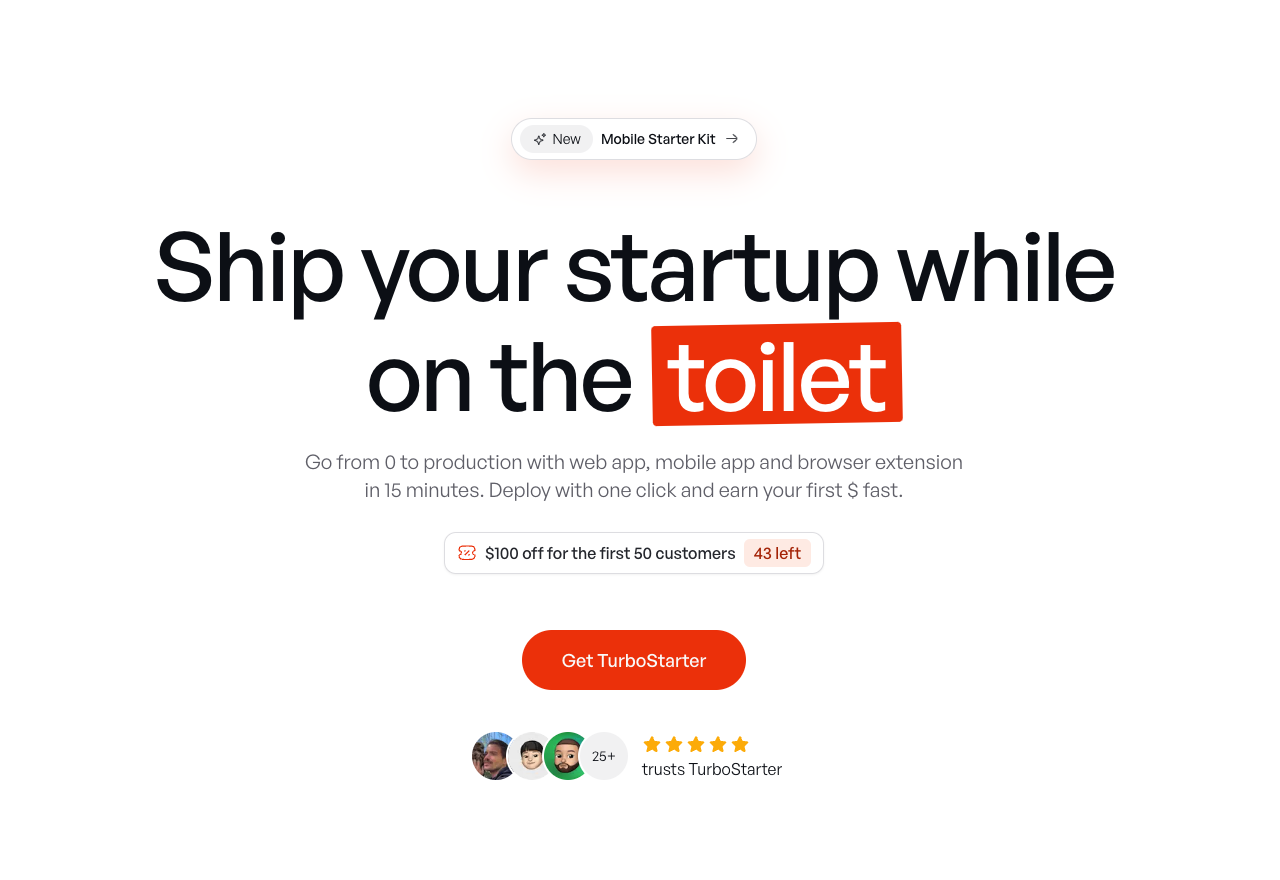
TurboStarter
Ship your startup everywhere. In minutes.
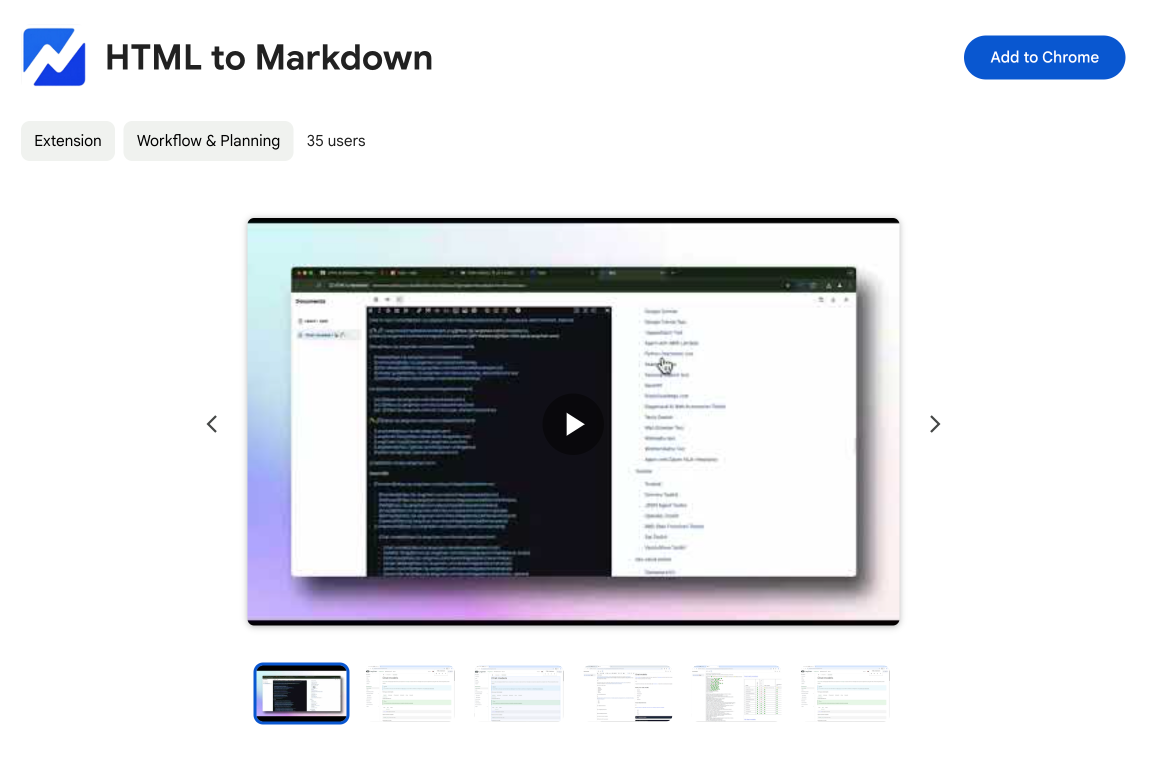
HTML to Markdown
Convert HTML to Markdown with ease, directly in your browser 📄
Dotallio
Personalized AI apps that automate research, data extraction, and content creation without code 🤖
Talk to Santa
Enjoy a magical live video chat or receive a unique AI-generated video greeting from Santa Claus 🎅
pozywka.pl
Scalable blog for food journalist, focused on performance and user experience 🌭
zagrodzki.me
Personal blog and portfolio of Bart Zagrodzki, where he shares his knowledge and work 💼
TurboStarter
Ship your startup everywhere. In minutes.
HTML to Markdown
Convert HTML to Markdown with ease, directly in your browser 📄
Dotallio
Personalized AI apps that automate research, data extraction, and content creation without code 🤖
Talk to Santa
Enjoy a magical live video chat or receive a unique AI-generated video greeting from Santa Claus 🎅
pozywka.pl
Scalable blog for food journalist, focused on performance and user experience 🌭
zagrodzki.me
Personal blog and portfolio of Bart Zagrodzki, where he shares his knowledge and work 💼
TurboStarter
Ship your startup everywhere. In minutes.
HTML to Markdown
Convert HTML to Markdown with ease, directly in your browser 📄
Dotallio
Personalized AI apps that automate research, data extraction, and content creation without code 🤖
Talk to Santa
Enjoy a magical live video chat or receive a unique AI-generated video greeting from Santa Claus 🎅
pozywka.pl
Scalable blog for food journalist, focused on performance and user experience 🌭
zagrodzki.me
Personal blog and portfolio of Bart Zagrodzki, where he shares his knowledge and work 💼
TurboStarter
Ship your startup everywhere. In minutes.
HTML to Markdown
Convert HTML to Markdown with ease, directly in your browser 📄
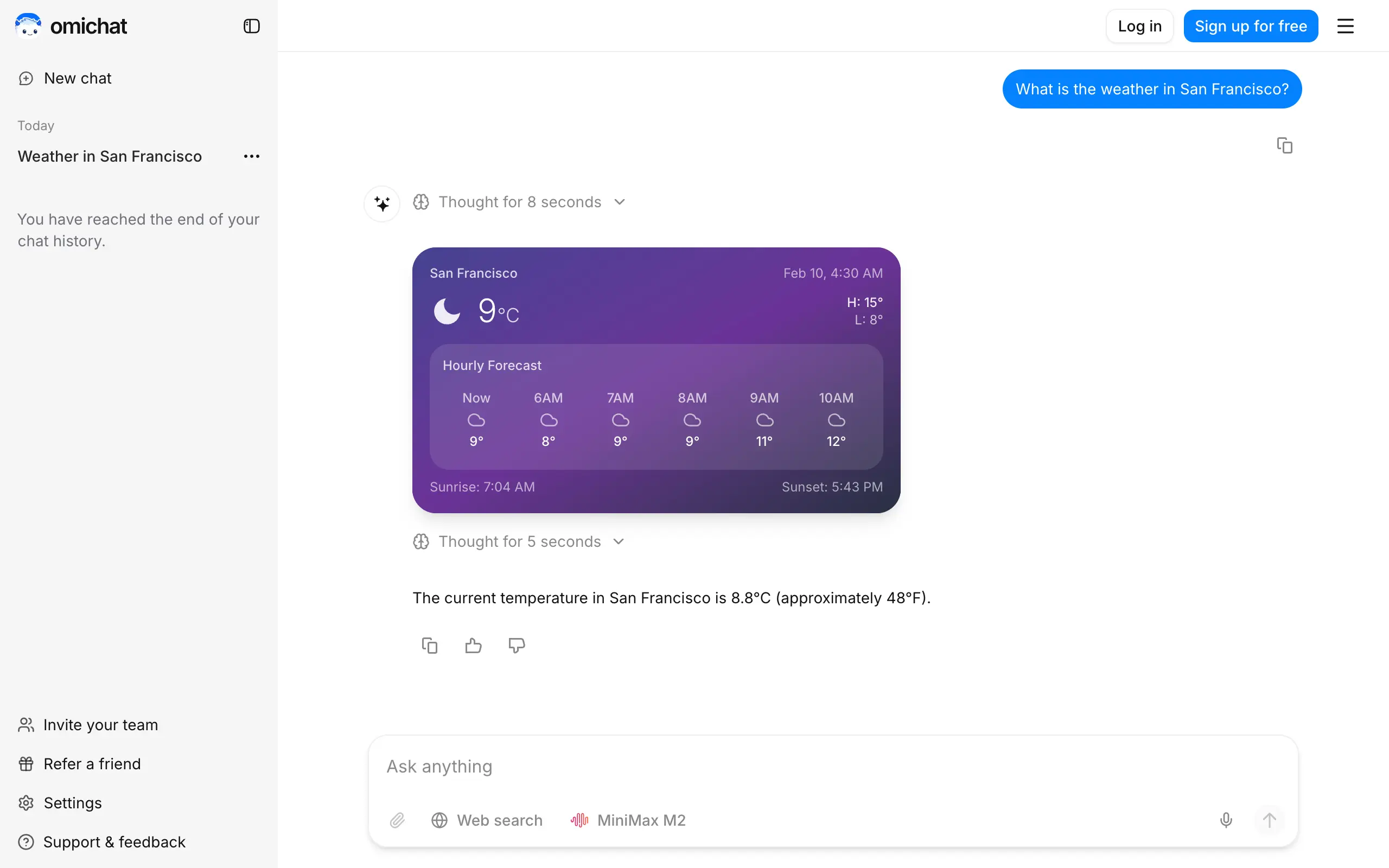
Omichat
Chat with 50+ AI models, including ChatGPT and Claude, in one place - switch models anytime without losing context 🤖
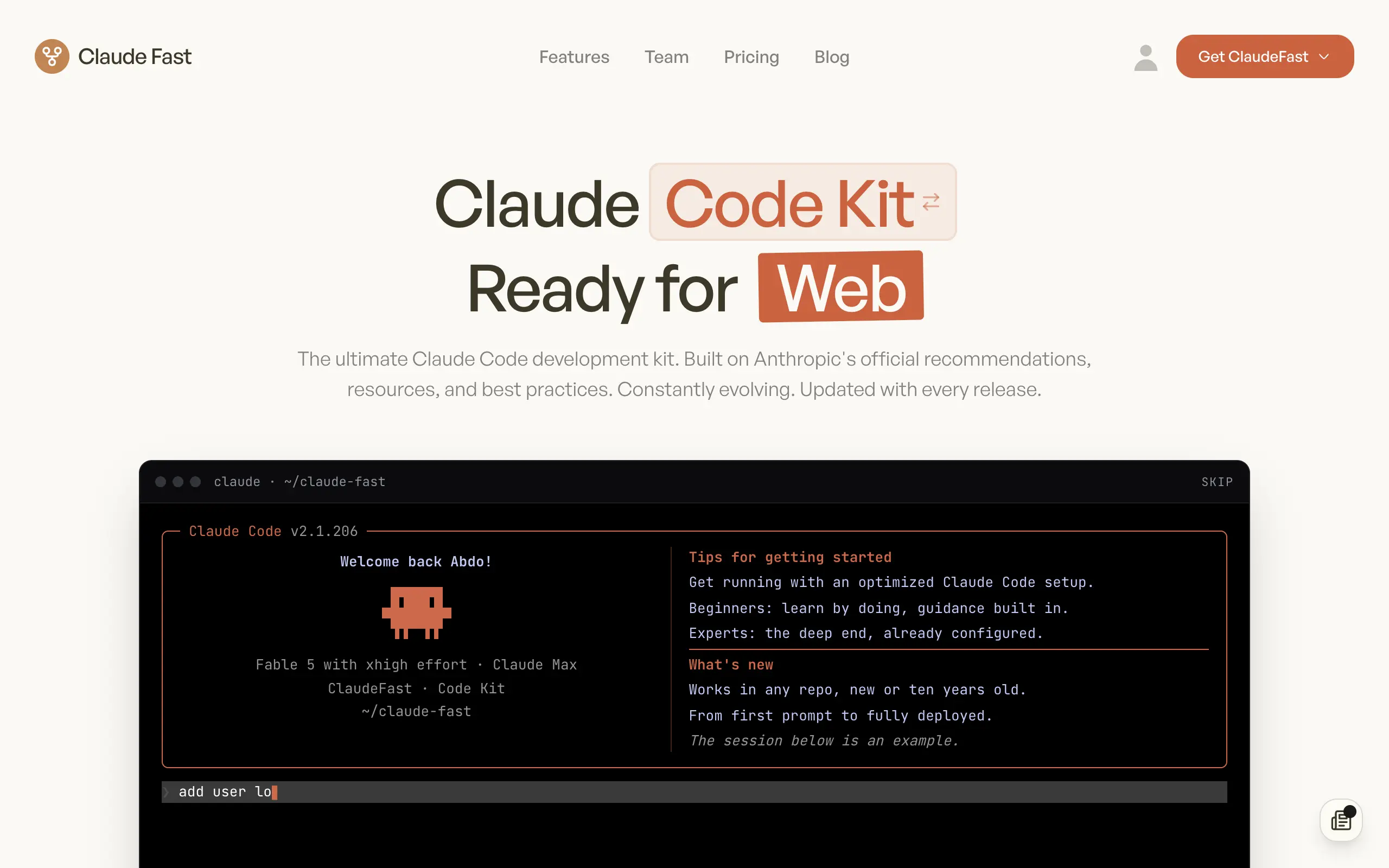
Claude Fast
Supercharge your Claude Code with 6x effective context window and specialized AI agents 🤖
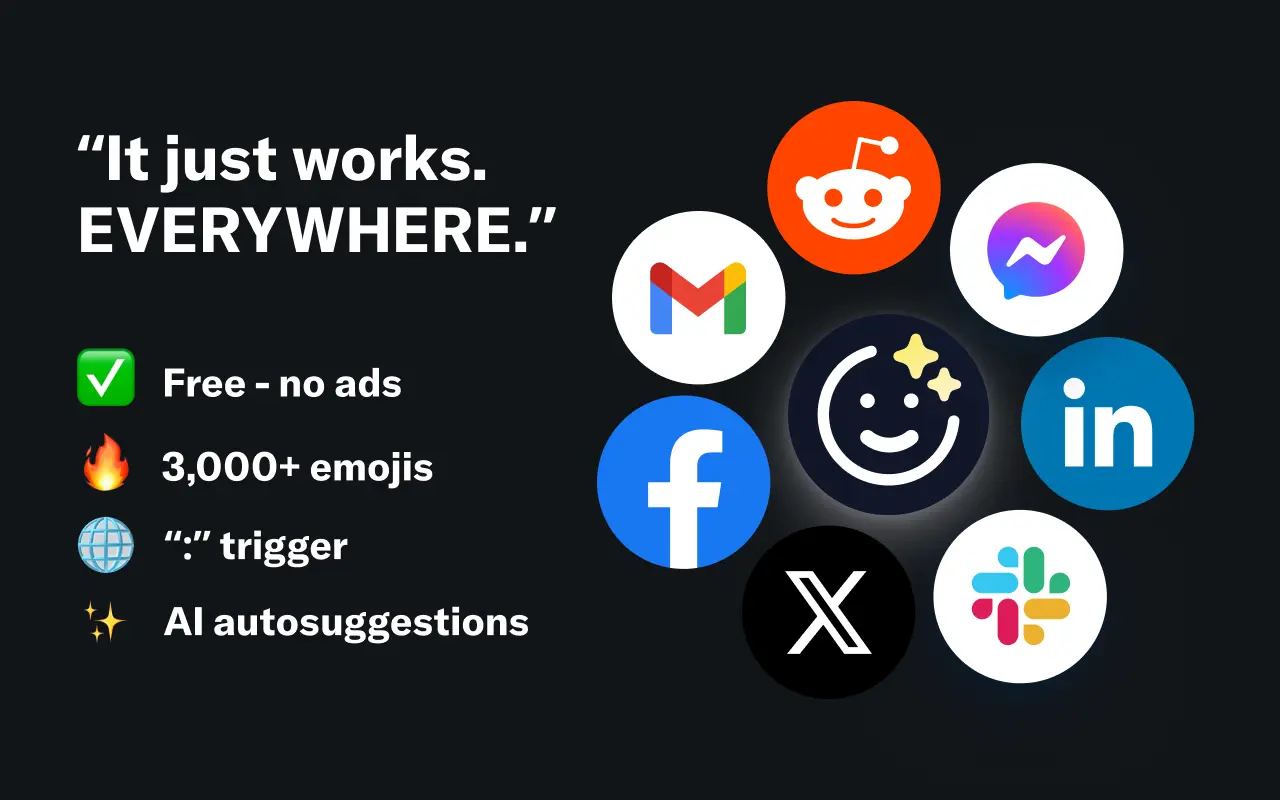
EmojAI
AI-powered emoji picker with smart, context-aware suggestions 🤖
Solohacker
Autonomous company launcher - AI agents work 24/7, escalate what matters, and you stay in control 🤖
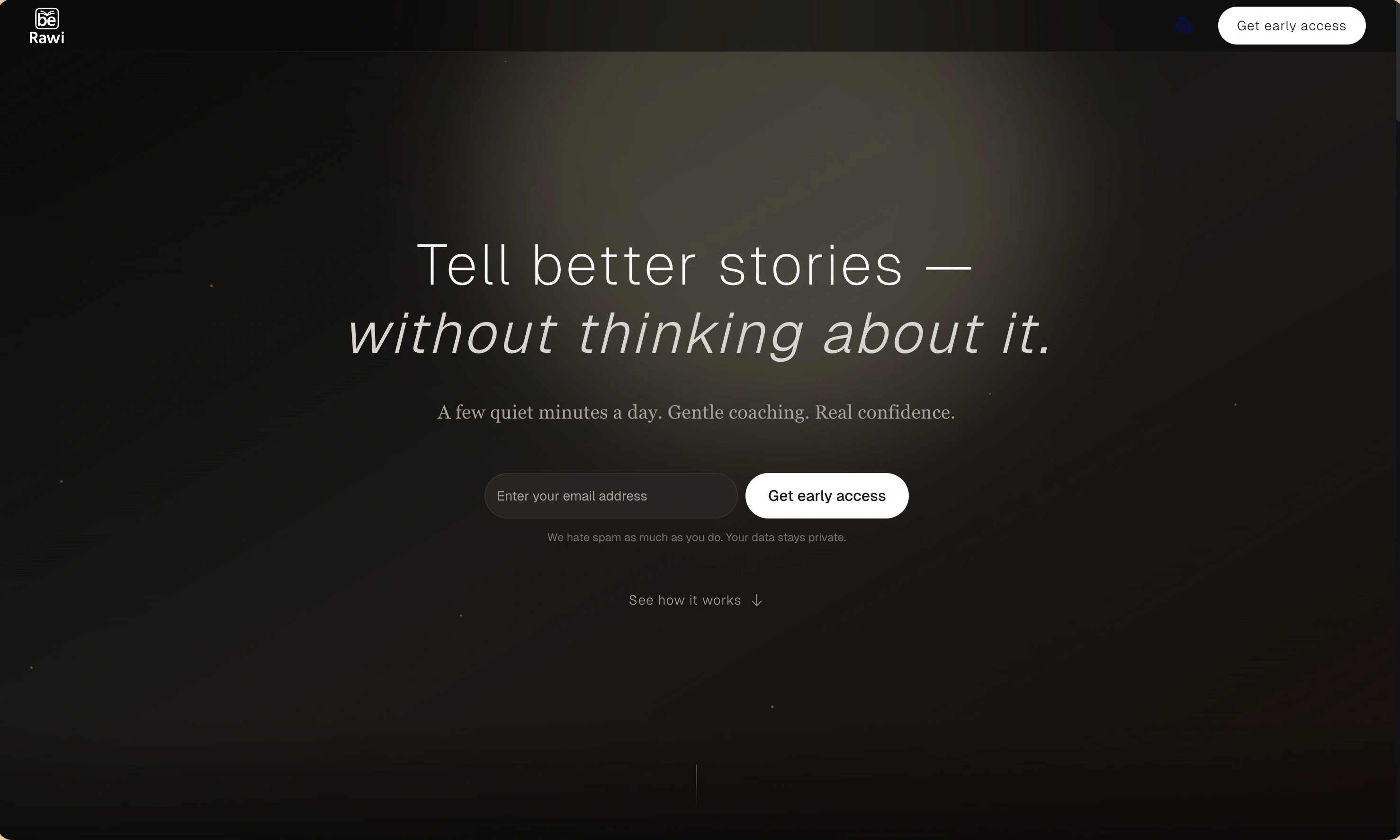
BeRawi: Storytelling Coach
Practice storytelling daily with instant feedback to sound clearer, more engaging, and confident 🎤
Omichat
Chat with 50+ AI models, including ChatGPT and Claude, in one place - switch models anytime without losing context 🤖
Claude Fast
Supercharge your Claude Code with 6x effective context window and specialized AI agents 🤖
EmojAI
AI-powered emoji picker with smart, context-aware suggestions 🤖
Solohacker
Autonomous company launcher - AI agents work 24/7, escalate what matters, and you stay in control 🤖
BeRawi: Storytelling Coach
Practice storytelling daily with instant feedback to sound clearer, more engaging, and confident 🎤
Omichat
Chat with 50+ AI models, including ChatGPT and Claude, in one place - switch models anytime without losing context 🤖
Claude Fast
Supercharge your Claude Code with 6x effective context window and specialized AI agents 🤖
EmojAI
AI-powered emoji picker with smart, context-aware suggestions 🤖
Solohacker
Autonomous company launcher - AI agents work 24/7, escalate what matters, and you stay in control 🤖
BeRawi: Storytelling Coach
Practice storytelling daily with instant feedback to sound clearer, more engaging, and confident 🎤
Omichat
Chat with 50+ AI models, including ChatGPT and Claude, in one place - switch models anytime without losing context 🤖
Claude Fast
Supercharge your Claude Code with 6x effective context window and specialized AI agents 🤖
EmojAI
AI-powered emoji picker with smart, context-aware suggestions 🤖
Solohacker
Autonomous company launcher - AI agents work 24/7, escalate what matters, and you stay in control 🤖
BeRawi: Storytelling Coach
Practice storytelling daily with instant feedback to sound clearer, more engaging, and confident 🎤

Connect with like-minded people
Join our community to get feedback, support, and grow together with 1,000+ builders on board, let's ship it!
Join usShip your startup everywhere. In minutes.
Don't burn tokens on setup and start building features on day one.