LifeStack AI
An AI life organizer that turns messy thoughts, goals, and to-dos into structured daily action plans tailored to your energy and schedule.
The future of AI life organizer apps is personal, predictive, and energy-aware
Productivity tools have evolved from simple to-do lists to complex project management platforms. Yet millions of people still struggle with the same problem:
“I know what I need to do… I just don’t know what to do right now.”
An AI life organizer like LifeStack AI addresses this gap. Instead of merely storing tasks, it transforms messy thoughts, goals, notes, and obligations into structured, personalized daily action plans tailored to your energy, schedule, and priorities.
This article explores the full business and product blueprint behind LifeStack AI — including target audience, market opportunity, core features, AI architecture, monetization, risks, and a clear implementation roadmap.
If you're researching how to build an AI productivity SaaS, validating a startup idea, or exploring opportunities in the AI planning space, this deep dive will give you strategic clarity.
What is LifeStack AI?
LifeStack AI is an AI-powered life organizer that:
- Captures unstructured thoughts, goals, and tasks
- Understands user context (energy levels, time constraints, priorities)
- Automatically generates optimized daily action plans
- Continuously adapts as conditions change
Instead of asking users to manually categorize, prioritize, and schedule everything, LifeStack AI acts as an intelligent executive assistant.
Core promise
Turn chaos into clarity — automatically.
The user intent behind AI life organizer searches
People searching for:
- “best AI productivity app”
- “AI daily planner”
- “organize my life with AI”
- “AI task manager that plans my day”
are typically looking for one of three things:
Problem: Too many responsibilities, too little structure
Intent: Reduce mental overload and decision fatigue
Desired outcome: Clear daily plan without overthinking
Problem: Big goals but inconsistent execution
Intent: Bridge long-term goals with daily actions
Desired outcome: Automatic breakdown into actionable steps
Problem: Traditional planners don’t match cognitive style
Intent: Flexible, adaptive task system
Desired outcome: Dynamic prioritization based on energy
LifeStack AI directly satisfies these intents by acting as a cognitive co-pilot.
Market opportunity for AI life organizer software
1. Productivity SaaS is massive and growing
The global productivity software market is projected to reach tens of billions of dollars in the coming years (based on reports from firms like Gartner and Statista). Remote work, hybrid teams, and creator economies are accelerating demand.
2. AI integration is still immature
Most productivity tools today:
- Add AI as a feature
- Use AI for summarization
- Offer minor automation
Very few tools are built AI-first, where the system actually decides what you should do next.
3. Clear market gap
Traditional tools like:
- Notion
- Todoist
- ClickUp
- Trello
require heavy manual organization.
LifeStack AI competes in a new category:
Autonomous life planning software
Target audience analysis
Primary audience
Ambitious knowledge workers (ages 22–45)
- Entrepreneurs
- Startup employees
- Freelancers
- Creators
- Consultants
Pain points:
- Constant context switching
- Burnout
- Endless task lists
- No daily clarity
Secondary audience
- Students with multiple deadlines
- ADHD / executive dysfunction users
- Personal development enthusiasts
- Life hackers and quantified-self users
Psychographic traits
- Growth-oriented
- High cognitive load
- Tech-savvy
- Open to AI assistance
- Value time optimization
The core problem LifeStack AI solves
Most productivity systems fail because:
- They require too much manual setup.
- They don’t adapt to real-life unpredictability.
- They ignore energy levels.
- They separate goals from daily execution.
LifeStack AI solves this with:
- Context-aware planning
- Energy-based scheduling
- Continuous re-optimization
- Goal-to-action mapping
Core features of LifeStack AI
1. Brain dump ingestion engine
Users can:
- Paste messy notes
- Voice-record thoughts
- Import from email or Slack
- Sync from calendar
AI then:
- Extracts tasks
- Identifies goals
- Detects deadlines
- Categorizes themes
2. Energy-based task allocation
Users define:
- High-energy hours
- Low-focus periods
- Creative vs. analytical states
AI schedules:
- Deep work during high-energy windows
- Admin tasks during low-energy periods
This differentiates LifeStack AI from standard planners.
3. Dynamic daily action plan
Each morning, users receive:
- Top 3 priority tasks
- Time-block suggestions
- Backup micro-tasks
- Energy-adjusted pacing
If something changes mid-day:
- The plan auto-rebalances
4. Goal-to-task decomposition
Example:
User enters:
“I want to launch a podcast.”
AI breaks it into:
- Define niche
- Research competitors
- Buy microphone
- Write episode outline
- Record pilot
And schedules these over weeks.
5. Adaptive learning engine
Over time, the AI learns:
- Completion patterns
- Procrastination triggers
- Energy fluctuations
- Preferred work blocks
The system becomes more personalized.
Competitive landscape analysis
| Feature | Notion | Todoist | Motion | LifeStack AI |
|---|---|---|---|---|
| Manual setup required | ✅ | ✅ | ⚠️ | ❌ |
| Energy-based planning | ❌ | ❌ | ❌ | ✅ |
| Goal decomposition AI | ❌ | ❌ | ⚠️ | ✅ |
| Autonomous day restructuring | ❌ | ❌ | ✅ | ✅ |
Key competitive advantage
LifeStack AI isn’t just a task manager.
It’s a decision engine for daily life.
Technical architecture and recommended tech stack
Frontend
Why:
- Scalable UI
- Fast iteration
- Strong ecosystem
Backend
- Node.js (API layer)
- PostgreSQL (structured data)
- Redis (real-time plan recalculations)
- Background workers for AI processing
AI layer
- LLM APIs for reasoning
- Embeddings for memory retrieval
- Custom scheduling algorithm for optimization
Example pseudocode:
function generateDailyPlan(tasks, energyProfile, calendar) {
  const prioritized = prioritizeTasks(tasks);
  const energyMatched = matchEnergy(prioritized, energyProfile);
  return scheduleIntoCalendar(energyMatched, calendar);
}
AI trade-offs
Important architectural decision
Relying fully on external LLM APIs reduces infrastructure complexity but increases cost volatility. Consider hybrid models over time.
Monetization strategy
1. Freemium model
Free:
- Basic task ingestion
- Limited daily plans
Pro ($15–25/month):
- Energy tracking
- Goal decomposition
- Smart re-planning
- Integrations
2. Annual plan discount
Encourages retention and improves cash flow.
3. Premium AI coaching tier
$49–79/month:
- Advanced life analytics
- Burnout prediction
- Deep performance insights
4. B2B version
- Teams
- Founder OS dashboard
- Executive productivity tool
Potential risks and mitigation strategies
Risk 1: AI hallucination in planning
Mitigation:
- Constrain outputs
- Add validation rules
- Human-in-the-loop overrides
Risk 2: Over-automation anxiety
Some users dislike feeling controlled.
Mitigation:
- Adjustable autonomy slider
- Manual override options
Risk 3: Competition from big tech
Google or Microsoft could integrate similar AI planners.
Mitigation:
- Focus on deep personalization
- Build brand around “AI life OS”
- Strong community layer
Go-to-market strategy
Phase 1: Niche dominance
Target:
- Startup founders
- ADHD productivity communities
- Indie hackers
Phase 2: Content-led growth
SEO topics:
- “AI daily planner”
- “energy-based productivity”
- “AI goal planning system”
Long-form educational content builds authority.
Phase 3: Viral onboarding
Hook: “Paste everything on your mind — we’ll organize it.”
Instant value = shareability.
Implementation roadmap
Why this idea has strong SaaS potential
LifeStack AI sits at the intersection of:
- AI reasoning
- Productivity optimization
- Behavioral psychology
- Life design
Unlike simple AI wrappers, this product:
- Solves a recurring daily pain
- Encourages habit formation
- Builds data-driven personalization
- Has strong retention loops
The more you use it, the smarter it gets.
That creates high switching costs.
Building LifeStack AI faster
If you want to launch quickly, use a production-ready SaaS foundation like TurboStarter.
It accelerates:
- Authentication
- Payments
- SaaS boilerplate
- Dashboard structure
This lets you focus on the AI planning engine — your true differentiator.
Final thoughts
The next wave of productivity software won’t be static dashboards.
It will be:
- Predictive
- Adaptive
- Context-aware
- Energy-sensitive
LifeStack AI represents a powerful opportunity to redefine how people execute their goals.
Not by giving them more tools.
But by giving them clarity every single day.
If built with strong AI architecture, thoughtful UX, and strategic positioning, this AI life organizer could become the operating system for ambitious individuals worldwide.
More 🤖 AI Startup SaaS ideas
Discover more innovative ai startup SaaS ideas that are trending in 2026. Each idea is AI-generated with market validation and growth potential to help you find your next profitable venture faster than competitors.
Your competitors are building with TurboStarter
Below are some of the SaaS ideas that have been generated and built with our starter kit.
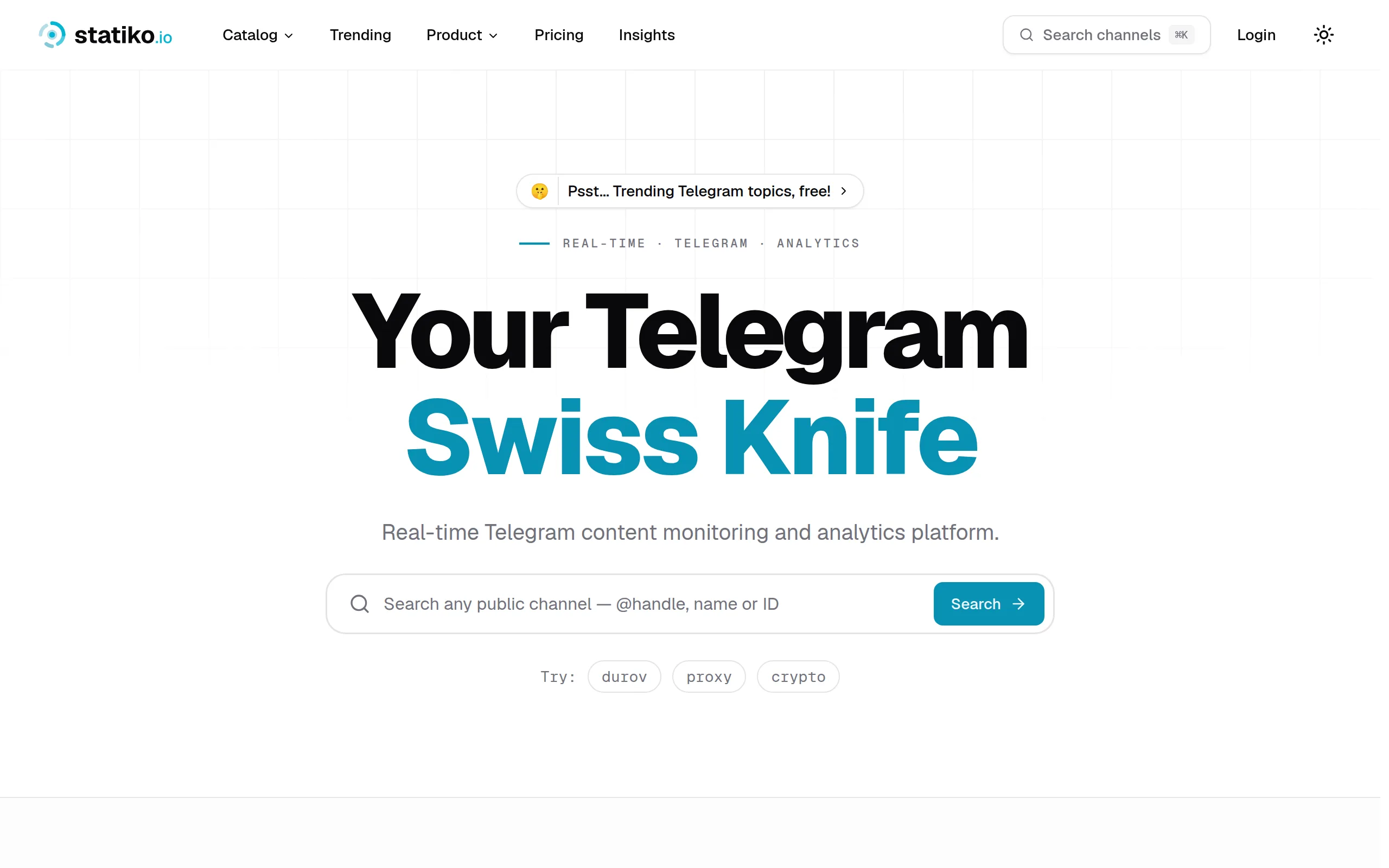
Statiko
Monitor any Telegram channel in real time - track posts, edits, deletions, and growth with AI recaps 📡

Shibui
AI website builder - describe your business, pick a niche template, edit by chatting, and publish instantly ✨

Pro Service
Find verified home service professionals, compare quotes, and pay securely through escrow - built for Brazilians across the US 🏠
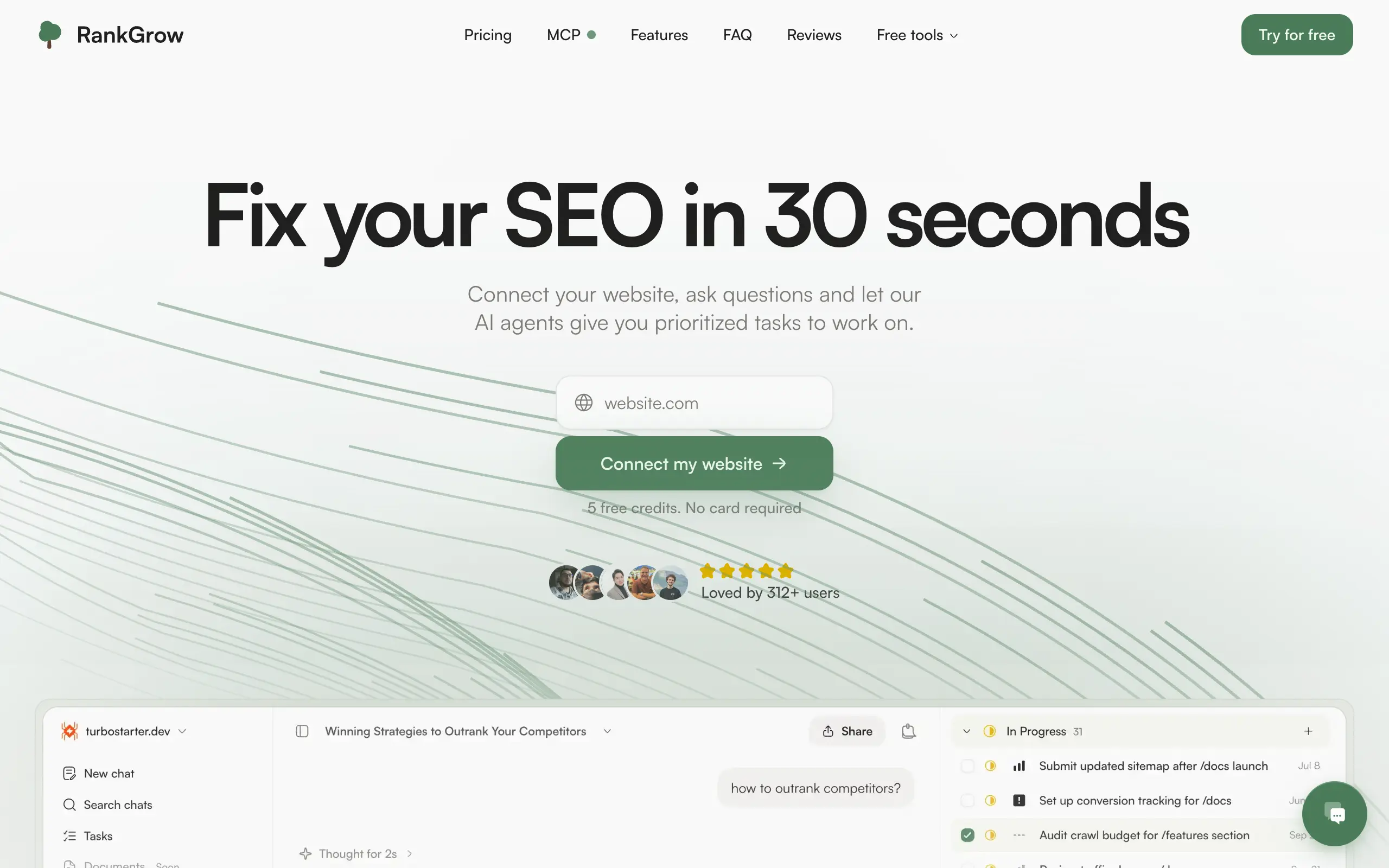
RankGrow
Fix your SEO with AI agents - connect Search Console, get prioritized tasks, and grow organic traffic 📈
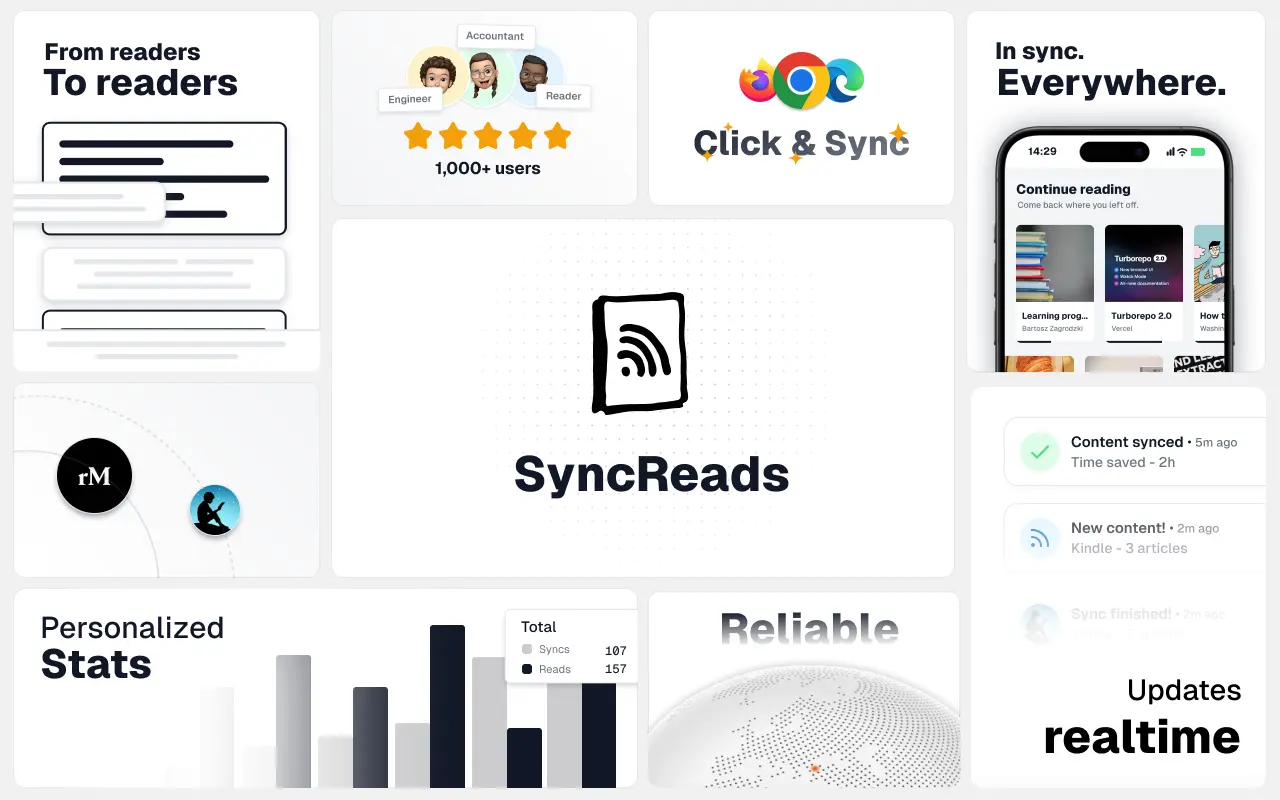
SyncReads
Sync your favorite content for distraction-free reading, save time and replace multiple apps. Anytime, anywhere 🔄
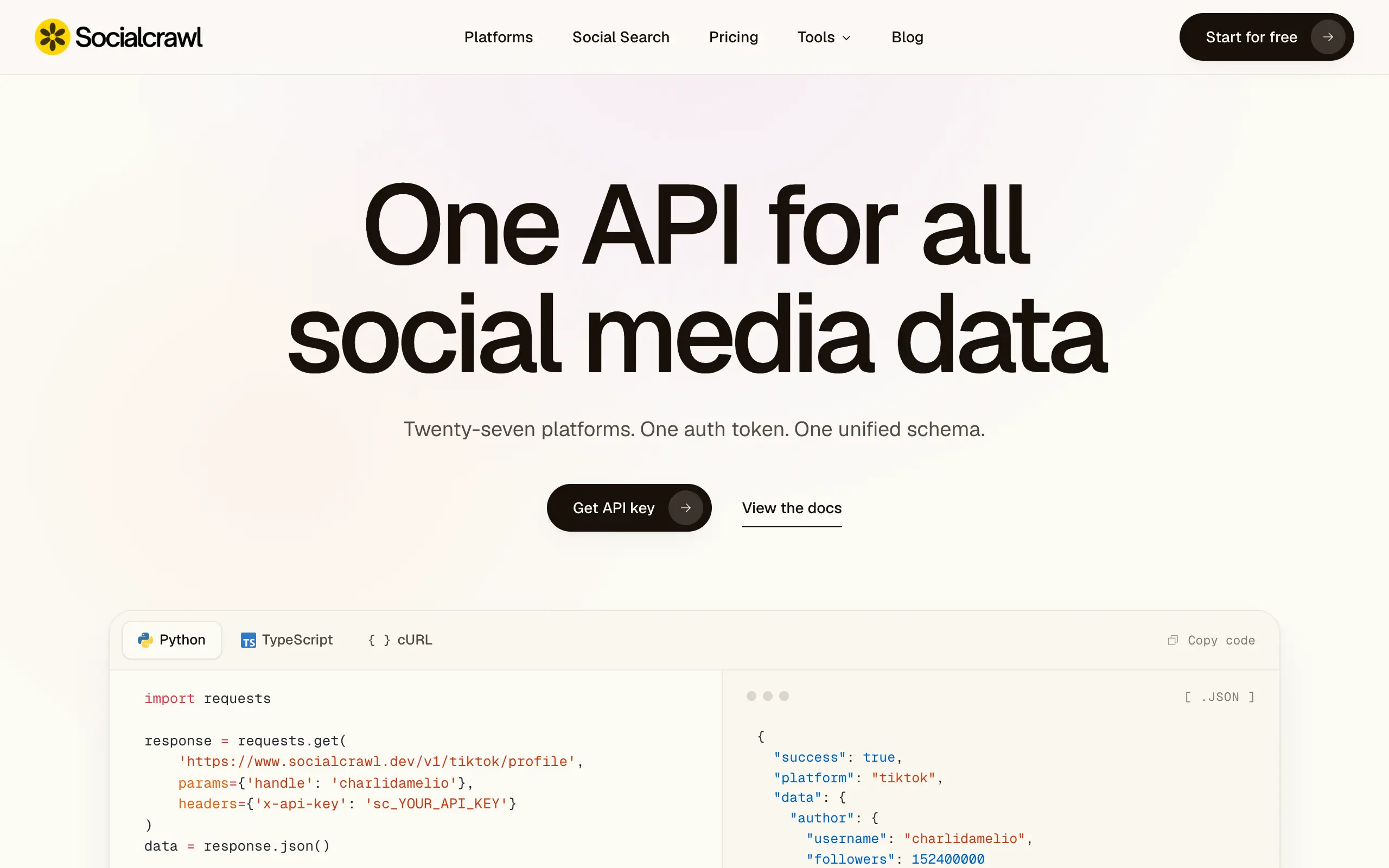
Socialcrawl
Get clean, structured data from 21 platforms like TikTok, Instagram, and YouTube with a single request 📊
Statiko
Monitor any Telegram channel in real time - track posts, edits, deletions, and growth with AI recaps 📡
Shibui
AI website builder - describe your business, pick a niche template, edit by chatting, and publish instantly ✨
Pro Service
Find verified home service professionals, compare quotes, and pay securely through escrow - built for Brazilians across the US 🏠
RankGrow
Fix your SEO with AI agents - connect Search Console, get prioritized tasks, and grow organic traffic 📈
SyncReads
Sync your favorite content for distraction-free reading, save time and replace multiple apps. Anytime, anywhere 🔄
Socialcrawl
Get clean, structured data from 21 platforms like TikTok, Instagram, and YouTube with a single request 📊
Statiko
Monitor any Telegram channel in real time - track posts, edits, deletions, and growth with AI recaps 📡
Shibui
AI website builder - describe your business, pick a niche template, edit by chatting, and publish instantly ✨
Pro Service
Find verified home service professionals, compare quotes, and pay securely through escrow - built for Brazilians across the US 🏠
RankGrow
Fix your SEO with AI agents - connect Search Console, get prioritized tasks, and grow organic traffic 📈
SyncReads
Sync your favorite content for distraction-free reading, save time and replace multiple apps. Anytime, anywhere 🔄
Socialcrawl
Get clean, structured data from 21 platforms like TikTok, Instagram, and YouTube with a single request 📊
Statiko
Monitor any Telegram channel in real time - track posts, edits, deletions, and growth with AI recaps 📡
Shibui
AI website builder - describe your business, pick a niche template, edit by chatting, and publish instantly ✨
Pro Service
Find verified home service professionals, compare quotes, and pay securely through escrow - built for Brazilians across the US 🏠
RankGrow
Fix your SEO with AI agents - connect Search Console, get prioritized tasks, and grow organic traffic 📈
SyncReads
Sync your favorite content for distraction-free reading, save time and replace multiple apps. Anytime, anywhere 🔄
Socialcrawl
Get clean, structured data from 21 platforms like TikTok, Instagram, and YouTube with a single request 📊
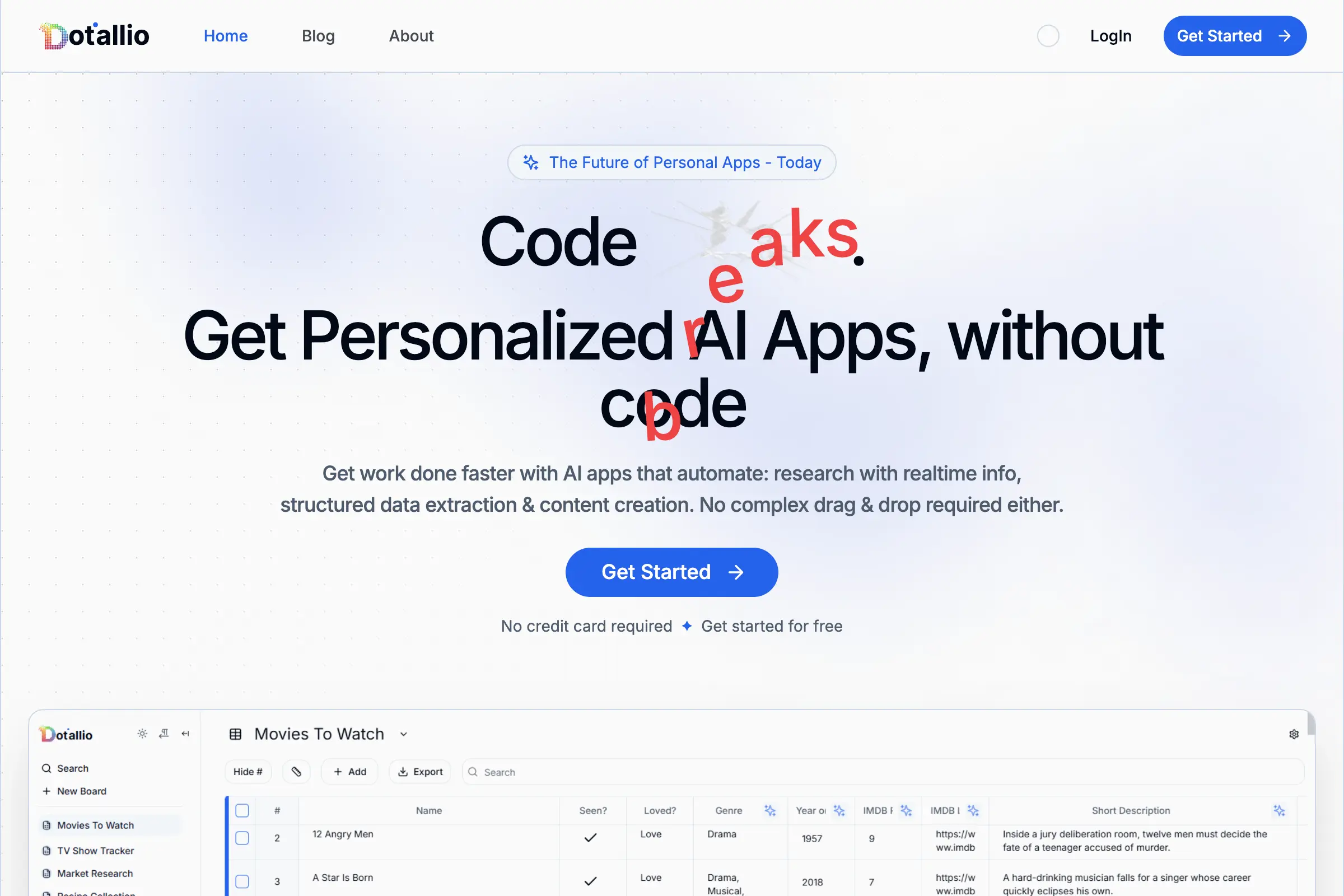
Dotallio
Personalized AI apps that automate research, data extraction, and content creation without code 🤖

Talk to Santa
Enjoy a magical live video chat or receive a unique AI-generated video greeting from Santa Claus 🎅
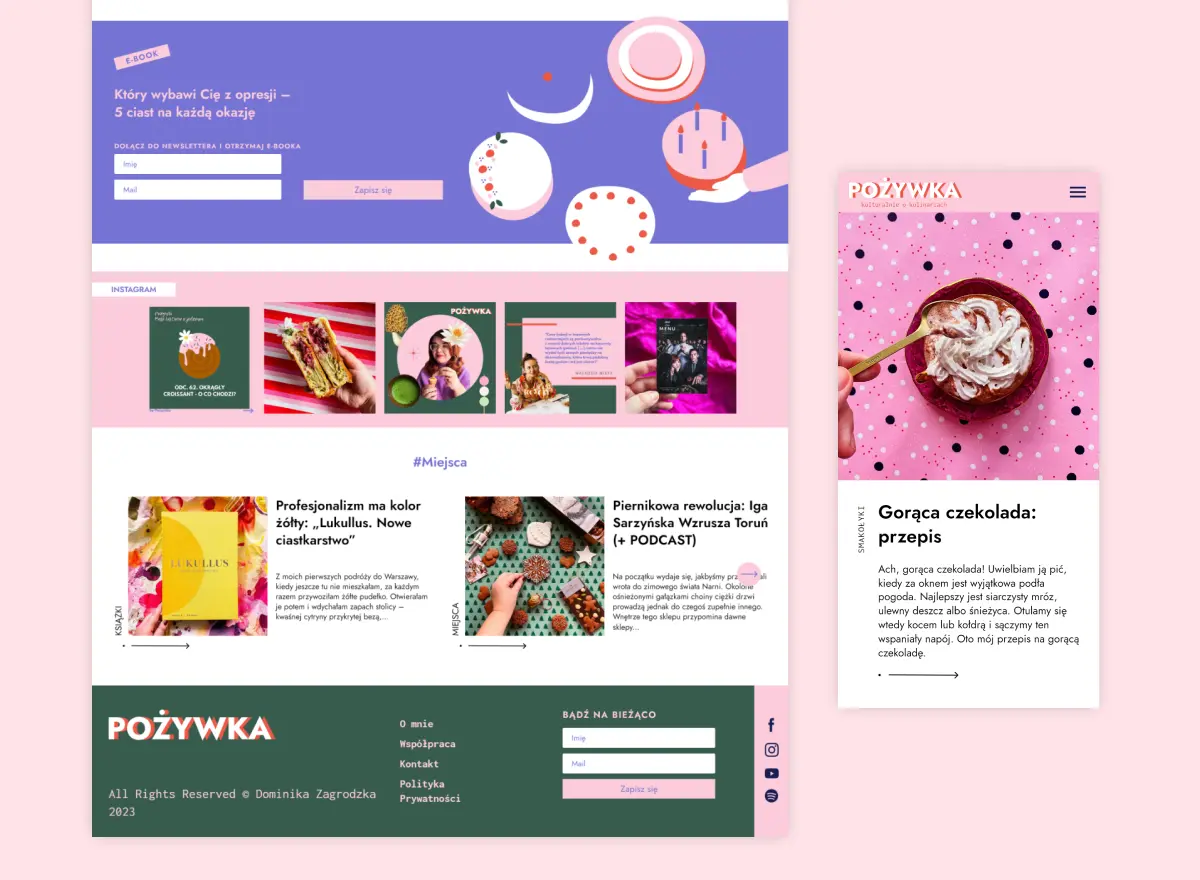
pozywka.pl
Scalable blog for food journalist, focused on performance and user experience 🌭
zagrodzki.me
Personal blog and portfolio of Bart Zagrodzki, where he shares his knowledge and work 💼
TurboStarter
Ship your startup everywhere. In minutes.
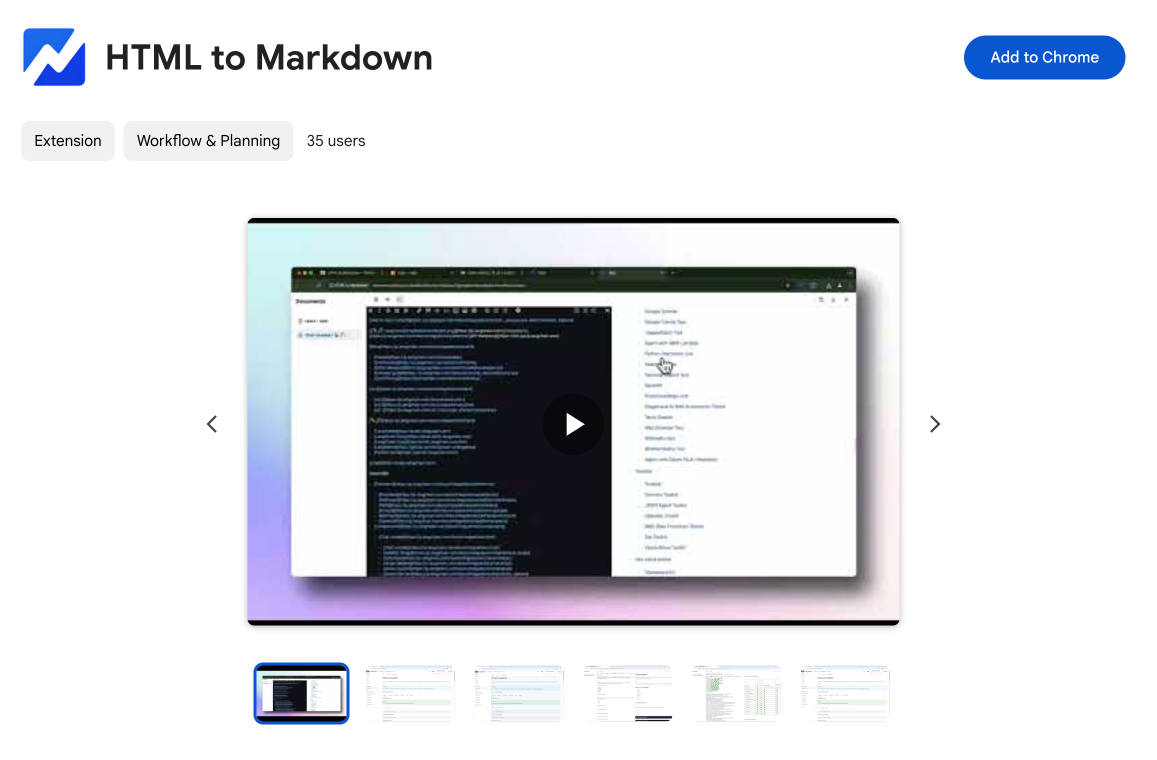
HTML to Markdown
Convert HTML to Markdown with ease, directly in your browser 📄
Dotallio
Personalized AI apps that automate research, data extraction, and content creation without code 🤖
Talk to Santa
Enjoy a magical live video chat or receive a unique AI-generated video greeting from Santa Claus 🎅
pozywka.pl
Scalable blog for food journalist, focused on performance and user experience 🌭
zagrodzki.me
Personal blog and portfolio of Bart Zagrodzki, where he shares his knowledge and work 💼
TurboStarter
Ship your startup everywhere. In minutes.
HTML to Markdown
Convert HTML to Markdown with ease, directly in your browser 📄
Dotallio
Personalized AI apps that automate research, data extraction, and content creation without code 🤖
Talk to Santa
Enjoy a magical live video chat or receive a unique AI-generated video greeting from Santa Claus 🎅
pozywka.pl
Scalable blog for food journalist, focused on performance and user experience 🌭
zagrodzki.me
Personal blog and portfolio of Bart Zagrodzki, where he shares his knowledge and work 💼
TurboStarter
Ship your startup everywhere. In minutes.
HTML to Markdown
Convert HTML to Markdown with ease, directly in your browser 📄
Dotallio
Personalized AI apps that automate research, data extraction, and content creation without code 🤖
Talk to Santa
Enjoy a magical live video chat or receive a unique AI-generated video greeting from Santa Claus 🎅
pozywka.pl
Scalable blog for food journalist, focused on performance and user experience 🌭
zagrodzki.me
Personal blog and portfolio of Bart Zagrodzki, where he shares his knowledge and work 💼
TurboStarter
Ship your startup everywhere. In minutes.
HTML to Markdown
Convert HTML to Markdown with ease, directly in your browser 📄
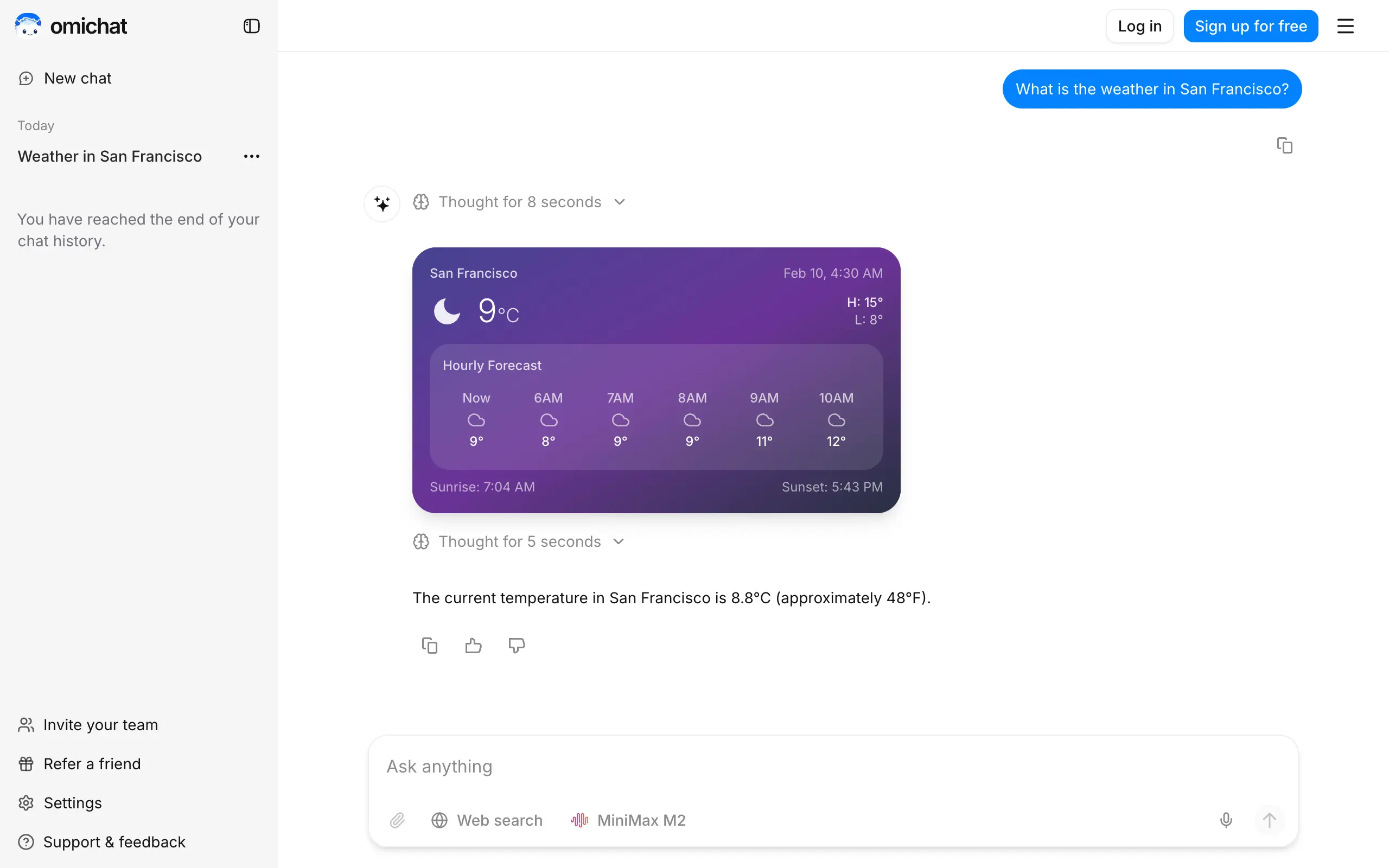
Omichat
Chat with 50+ AI models, including ChatGPT and Claude, in one place - switch models anytime without losing context 🤖
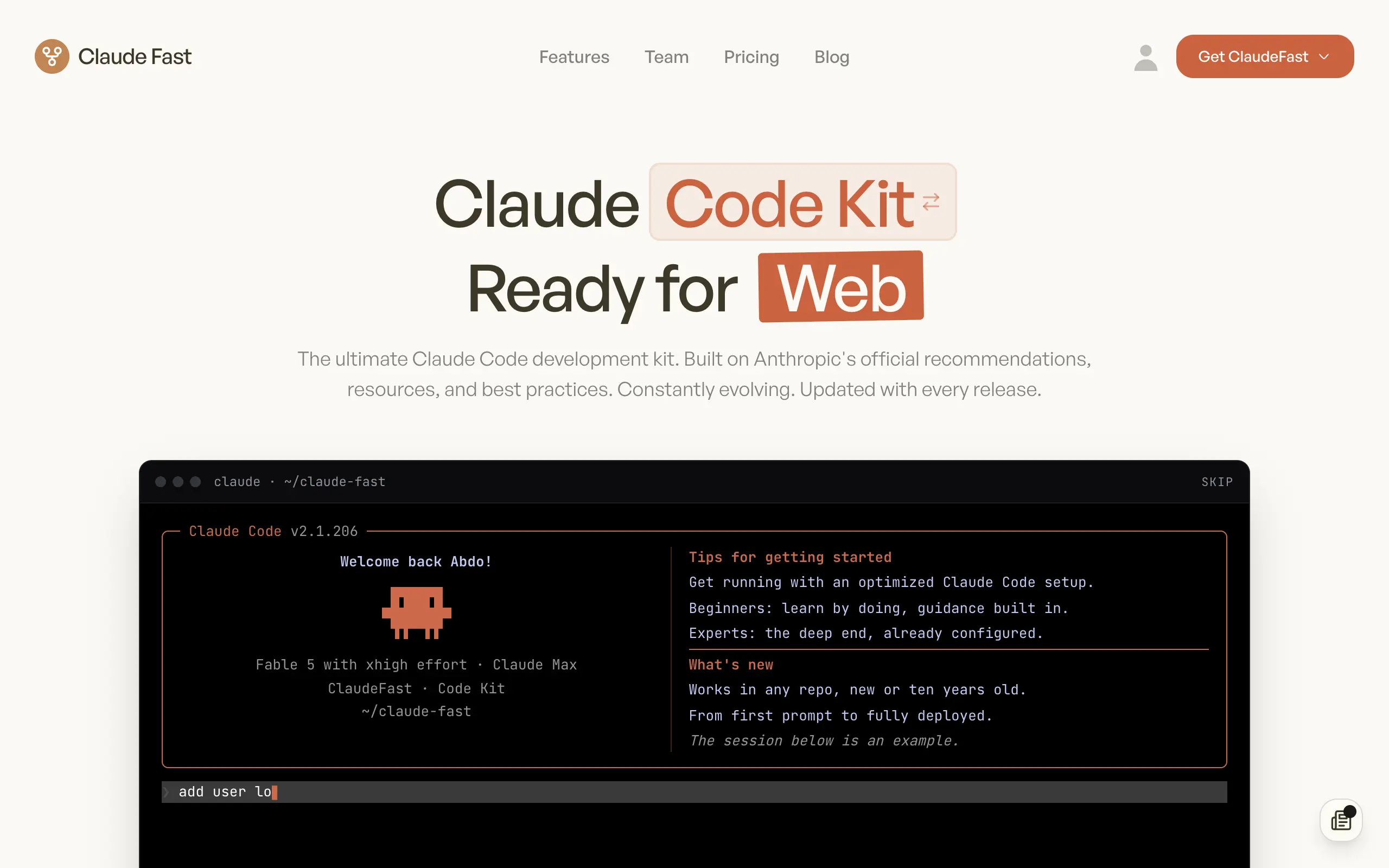
Claude Fast
Supercharge your Claude Code with 6x effective context window and specialized AI agents 🤖
EmojAI
AI-powered emoji picker with smart, context-aware suggestions 🤖
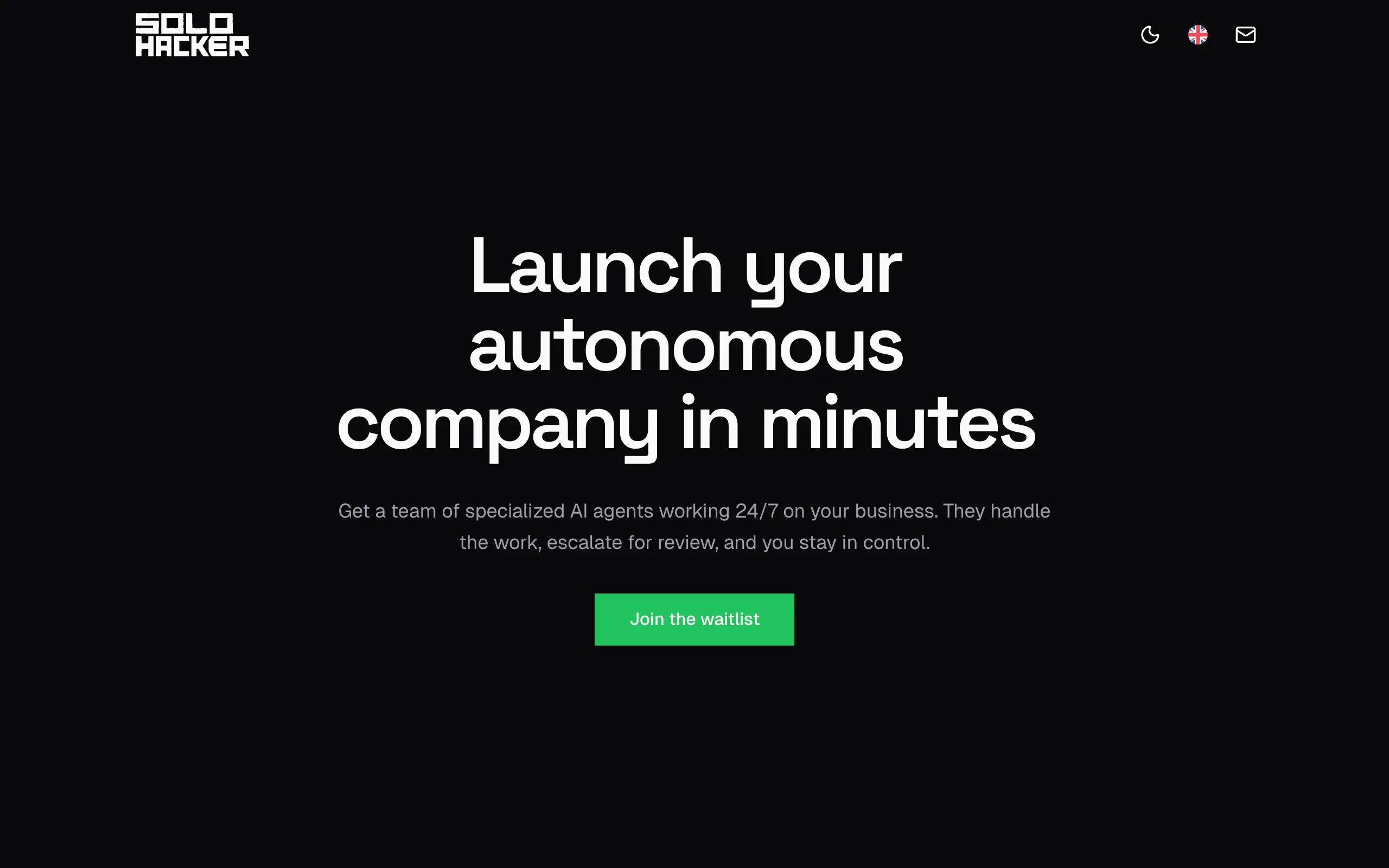
Solohacker
Autonomous company launcher - AI agents work 24/7, escalate what matters, and you stay in control 🤖
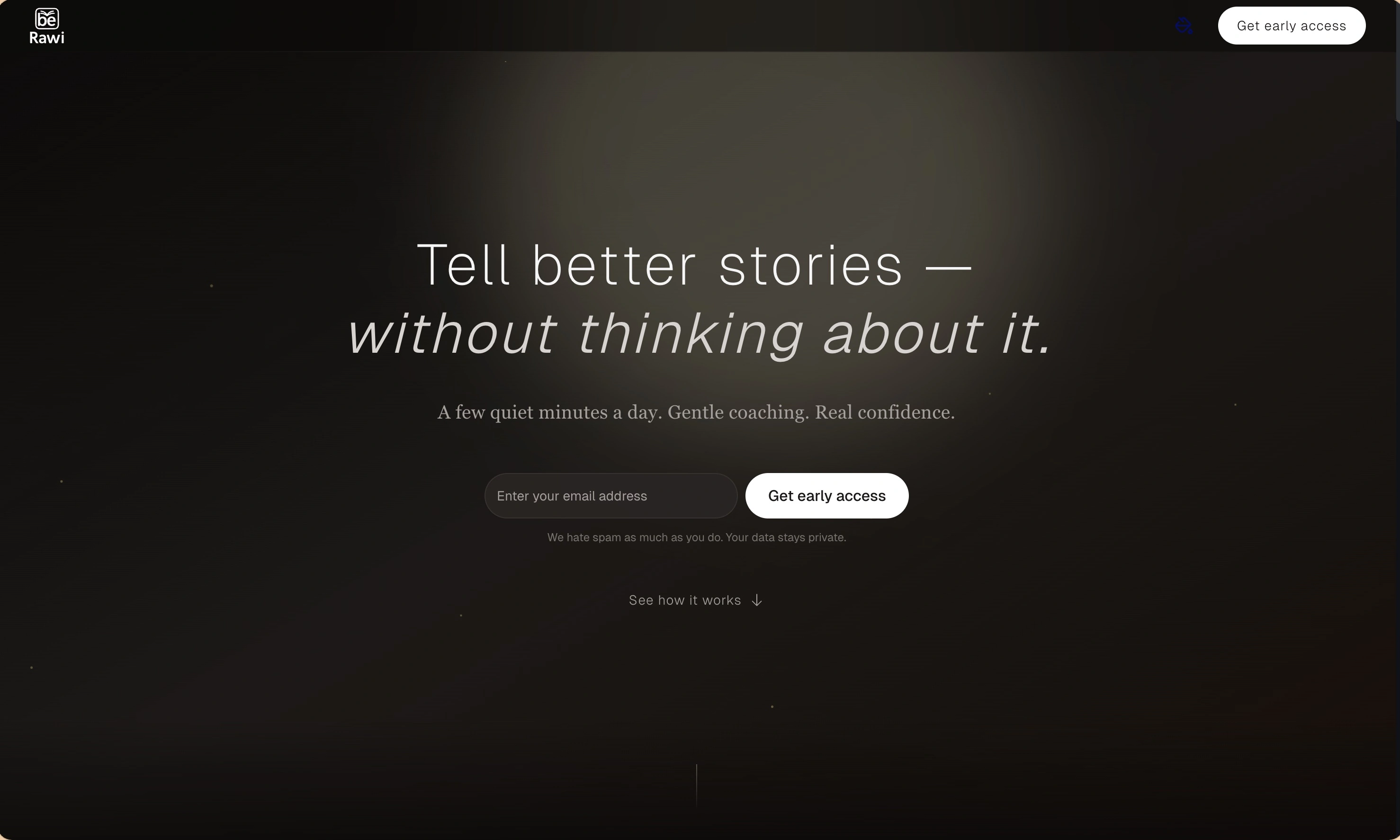
BeRawi: Storytelling Coach
Practice storytelling daily with instant feedback to sound clearer, more engaging, and confident 🎤
Omichat
Chat with 50+ AI models, including ChatGPT and Claude, in one place - switch models anytime without losing context 🤖
Claude Fast
Supercharge your Claude Code with 6x effective context window and specialized AI agents 🤖
EmojAI
AI-powered emoji picker with smart, context-aware suggestions 🤖
Solohacker
Autonomous company launcher - AI agents work 24/7, escalate what matters, and you stay in control 🤖
BeRawi: Storytelling Coach
Practice storytelling daily with instant feedback to sound clearer, more engaging, and confident 🎤
Omichat
Chat with 50+ AI models, including ChatGPT and Claude, in one place - switch models anytime without losing context 🤖
Claude Fast
Supercharge your Claude Code with 6x effective context window and specialized AI agents 🤖
EmojAI
AI-powered emoji picker with smart, context-aware suggestions 🤖
Solohacker
Autonomous company launcher - AI agents work 24/7, escalate what matters, and you stay in control 🤖
BeRawi: Storytelling Coach
Practice storytelling daily with instant feedback to sound clearer, more engaging, and confident 🎤
Omichat
Chat with 50+ AI models, including ChatGPT and Claude, in one place - switch models anytime without losing context 🤖
Claude Fast
Supercharge your Claude Code with 6x effective context window and specialized AI agents 🤖
EmojAI
AI-powered emoji picker with smart, context-aware suggestions 🤖
Solohacker
Autonomous company launcher - AI agents work 24/7, escalate what matters, and you stay in control 🤖
BeRawi: Storytelling Coach
Practice storytelling daily with instant feedback to sound clearer, more engaging, and confident 🎤

Connect with like-minded people
Join our community to get feedback, support, and grow together with 1,000+ builders on board, let's ship it!
Join usShip your startup everywhere. In minutes.
Don't burn tokens on setup and start building features on day one.