LinkBuilder AI
Un assistant IA qui identifie, contacte et gère automatiquement des opportunités de backlinks pertinents pour améliorer l’autorité SEO de votre site.
Understanding the need for AI-powered link building
In the ever-evolving world of SEO, backlinks remain a cornerstone of website authority and search engine rankings. However, manual link building is time-consuming, resource-intensive, and often yields inconsistent results. This is where LinkBuilder AI steps in: an AI assistant designed to identify, contact, and manage relevant backlink opportunities automatically, streamlining the process and maximizing SEO impact.
This article provides a comprehensive analysis of LinkBuilder AI, covering its target audience, market opportunity, core features, recommended tech stack, monetization strategies, risk factors, competitive advantages, and actionable steps for implementation. Whether you're seeking inspiration, technical validation, or a roadmap to launch, you'll find expert insights tailored to your needs.
Who needs LinkBuilder AI? Target audience analysis
Understanding the ideal users is crucial for product-market fit. LinkBuilder AI is designed for:
- SEO agencies: Agencies managing multiple client websites need scalable, efficient link building solutions.
- In-house marketing teams: Companies aiming to boost their domain authority without expanding headcount.
- Freelance SEO consultants: Professionals seeking to automate repetitive outreach and reporting tasks.
- Content marketers: Teams focused on content-driven SEO who want to amplify reach through authoritative backlinks.
- Startups and SMBs: Businesses with limited resources looking for cost-effective SEO growth.
User pain points addressed
- Manual prospecting is slow and error-prone
- Personalized outreach at scale is difficult
- Tracking and managing link opportunities is fragmented
- Measuring ROI on link building is challenging
By automating these pain points, LinkBuilder AI directly addresses the core needs of its audience.
Market opportunity and gap analysis
The global SEO software market is projected to surpass $1.6 billion by 2027 (source: suggest referencing a recent Statista or Grand View Research report). Within this, link building remains a high-demand, high-value service, but most existing tools focus on analytics or manual prospecting rather than true automation.
Key market gaps
- Lack of end-to-end automation: Most tools (e.g., Ahrefs, SEMrush) provide data but not automated outreach or management.
- Limited AI integration: Few solutions leverage advanced AI for prospect identification, email personalization, and follow-up optimization.
- Fragmented workflows: Users often juggle multiple platforms for prospecting, outreach, and tracking.
Why now?
- AI advancements: Recent breakthroughs in natural language processing (NLP) and machine learning enable more accurate prospecting and human-like outreach.
- Increasing competition: As more businesses invest in SEO, the need for efficient, scalable link building grows.
- Demand for measurable ROI: Marketers want clear attribution and reporting on link building efforts.
Core features and solution details
LinkBuilder AI stands out by offering a fully automated, AI-driven link building workflow. Here’s how it works:
1. Intelligent prospect identification
- AI-powered crawling: Scans the web for relevant, high-authority sites in your niche.
- Relevance scoring: Uses semantic analysis to match prospects to your content and target keywords.
- Spam filtering: Automatically excludes low-quality or toxic domains.
2. Automated, personalized outreach
- Dynamic email generation: Leverages NLP to craft personalized, context-aware outreach emails.
- A/B testing: Optimizes subject lines and messaging for higher response rates.
- Automated follow-ups: Schedules and sends follow-up emails based on recipient behavior.
3. Opportunity management dashboard
- Pipeline visualization: Track prospects from identification to secured backlink.
- Response tracking: Monitors replies, bounces, and engagement.
- Collaboration tools: Assign tasks, leave notes, and manage team workflows.
4. Performance analytics and reporting
- Backlink monitoring: Verifies live links and tracks their impact on SEO metrics.
- ROI calculation: Estimates traffic and ranking improvements attributable to new backlinks.
- Customizable reports: Export data for clients or internal stakeholders.
5. Integrations and API access
- SEO tool integrations: Connect with Ahrefs, SEMrush, and Google Search Console.
- CRM and email platforms: Sync with HubSpot, Salesforce, and Gmail.
- Open API: For custom workflows and advanced users.
AI prospecting
Finds high-quality, relevant backlink opportunities using advanced algorithms.
Automated outreach
Sends personalized emails and follow-ups at scale, increasing response rates.
Centralized management
Tracks every opportunity, response, and secured link in one dashboard.
Actionable analytics
Measures the real SEO impact of your link building campaigns.
Recommended tech stack for LinkBuilder AI
Choosing the right technology stack is critical for scalability, performance, and maintainability. Here’s a recommended stack, with trade-offs explained:
Frontend
- React: Modern, component-based UI development. Large ecosystem and community support.
- TailwindCSS: Utility-first CSS framework for rapid, consistent styling.
- Next.js: Server-side rendering and static site generation for SEO-friendly, fast-loading pages.
Backend
- Node.js: Non-blocking, event-driven architecture ideal for handling concurrent outreach and data processing.
- Express: Minimalist web framework for building robust APIs.
- Python (for AI modules): Leverage libraries like spaCy, scikit-learn, and Transformers for NLP and machine learning.
Database
- PostgreSQL: Reliable, scalable relational database for storing users, prospects, and campaign data.
- Redis: In-memory caching for fast queue management and real-time updates.
AI and automation
- OpenAI API: For advanced language generation and semantic analysis.
- Celery (with Python): Distributed task queue for scheduling outreach and follow-ups.
Integrations
- Zapier: No-code automation for connecting with third-party tools.
- SendGrid or Mailgun: Reliable email delivery at scale.
Trade-offs to consider
- Python vs. Node.js for AI: Python offers superior AI/ML libraries, but integrating with a Node.js backend may require additional API layers.
- Serverless vs. traditional hosting: Serverless (e.g., Vercel, AWS Lambda) offers scalability but may complicate long-running tasks like web crawling.
Monetization strategy options
A robust monetization plan ensures sustainability and growth. Here are proven models for LinkBuilder AI:
1. Subscription-based SaaS
- Tiered pricing: Offer plans based on the number of campaigns, outreach volume, or team seats.
- Free trial: Attract users with a 7-14 day trial, converting them to paid plans.
2. Pay-as-you-go
- Credit system: Users purchase credits for a set number of outreach emails or AI analyses.
3. Agency/Enterprise plans
- Custom pricing: Tailored solutions for agencies managing multiple clients, with advanced features and dedicated support.
4. Add-ons and integrations
- Premium integrations: Charge for advanced API access or integrations with premium SEO tools.
- White-labeling: Allow agencies to rebrand the platform for their clients.
5. Affiliate partnerships
- Referral program: Incentivize users to refer others, expanding reach organically.
Potential risks and mitigation strategies
Launching an AI-powered link building platform comes with unique challenges. Here’s how to address them:
Automated outreach can trigger spam filters or violate regulations (e.g., GDPR, CAN-SPAM). Mitigate by:
- Throttling email sends
- Personalizing content to avoid spammy patterns
- Providing opt-out mechanisms
- Regularly updating compliance policies
Poorly targeted outreach can damage reputation. Ensure:
- Continuous model training on up-to-date data
- Human-in-the-loop review for high-value campaigns
- User feedback loops to improve AI recommendations
Handling sensitive contact data requires robust security:
- Encrypt data at rest and in transit
- Regular security audits
- Transparent privacy policy
Established SEO tools may launch similar features. Stay ahead by:
- Focusing on unique AI-driven automation
- Building a strong brand and community
- Rapidly iterating based on user feedback
Competitive advantage analysis
To succeed, LinkBuilder AI must offer clear, defensible advantages over existing solutions.
| Feature | LinkBuilder AI | Traditional tools | Manual outreach | Other AI tools |
|---|---|---|---|---|
| End-to-end automation | ✅ | ❌ | ❌ | ✅ |
| Personalized AI outreach | ✅ | ❌ | ✅ | ✅ |
| Centralized management | ✅ | ✅ | ❌ | ❌ |
| SEO impact analytics | ✅ | ✅ | ❌ | ❌ |
| Continuous AI learning | ✅ | ❌ | ❌ | ❌ |
Unique selling proposition (USP)
- True end-to-end automation: From prospecting to outreach to reporting, all powered by AI.
- Continuous learning: The AI improves over time, adapting to new trends and user feedback.
- Seamless integrations: Works with leading SEO, CRM, and email platforms.
- Actionable insights: Not just links, but measurable SEO impact.
Implementation steps: How to build and launch LinkBuilder AI
Ready to bring LinkBuilder AI to life? Here’s a step-by-step roadmap:
Staying ahead: Industry trends and future-proofing
To ensure long-term relevance, LinkBuilder AI should:
- Leverage the latest in generative AI: Stay updated with advancements from OpenAI and similar leaders.
- Adapt to search engine algorithm changes: Monitor updates from Google Search Central and adjust strategies accordingly.
- Prioritize ethical link building: Focus on white-hat techniques and transparency to build trust with users and search engines.
- Expand multilingual capabilities: As global SEO grows, support outreach in multiple languages.
Pro tip
Consider integrating with platforms like TurboStarter to accelerate your SaaS launch and streamline infrastructure setup.
Conclusion: Why LinkBuilder AI is the future of SEO link building
LinkBuilder AI addresses a critical gap in the SEO landscape: the need for scalable, intelligent, and measurable link building. By combining advanced AI with seamless automation and actionable analytics, it empowers marketers, agencies, and businesses to boost their authority and rankings with less effort and greater ROI.
Whether you're an SEO professional seeking efficiency, a business owner aiming for growth, or a developer looking for your next SaaS venture, LinkBuilder AI offers a compelling, future-proof solution.
Frequently asked questions
Yes, the AI can be trained and customized for virtually any niche, ensuring relevant and high-quality backlink opportunities.
The platform includes built-in compliance checks, opt-out management, and customizable outreach settings to align with GDPR, CAN-SPAM, and other regulations.
Absolutely. The platform offers integrations with popular SEO, CRM, and email platforms, as well as an open API for custom workflows.
Unlike traditional tools that focus on data and manual processes, LinkBuilder AI automates the entire workflow using advanced AI, saving time and delivering measurable results.
By leveraging the power of AI and automation, LinkBuilder AI is poised to redefine how businesses approach link building—making it smarter, faster, and more effective than ever before.
More 🤖 AI Startup SaaS ideas
Discover more innovative ai startup SaaS ideas that are trending in 2026. Each idea is AI-generated with market validation and growth potential to help you find your next profitable venture faster than competitors.
Your competitors are building with TurboStarter
Below are some of the SaaS ideas that have been generated and built with our starter kit.
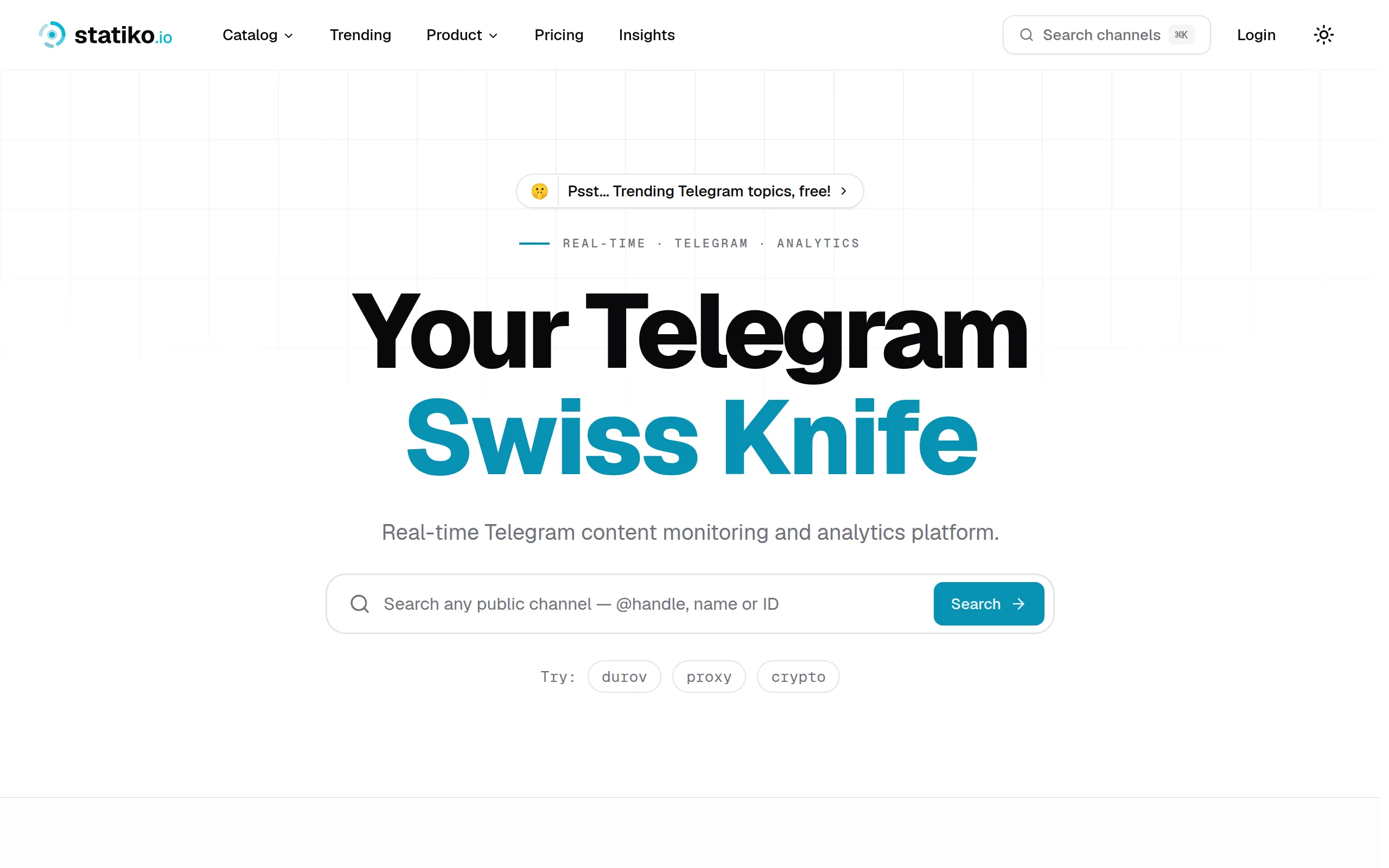
Statiko
Monitor any Telegram channel in real time - track posts, edits, deletions, and growth with AI recaps 📡

Shibui
AI website builder - describe your business, pick a niche template, edit by chatting, and publish instantly ✨

Pro Service
Find verified home service professionals, compare quotes, and pay securely through escrow - built for Brazilians across the US 🏠
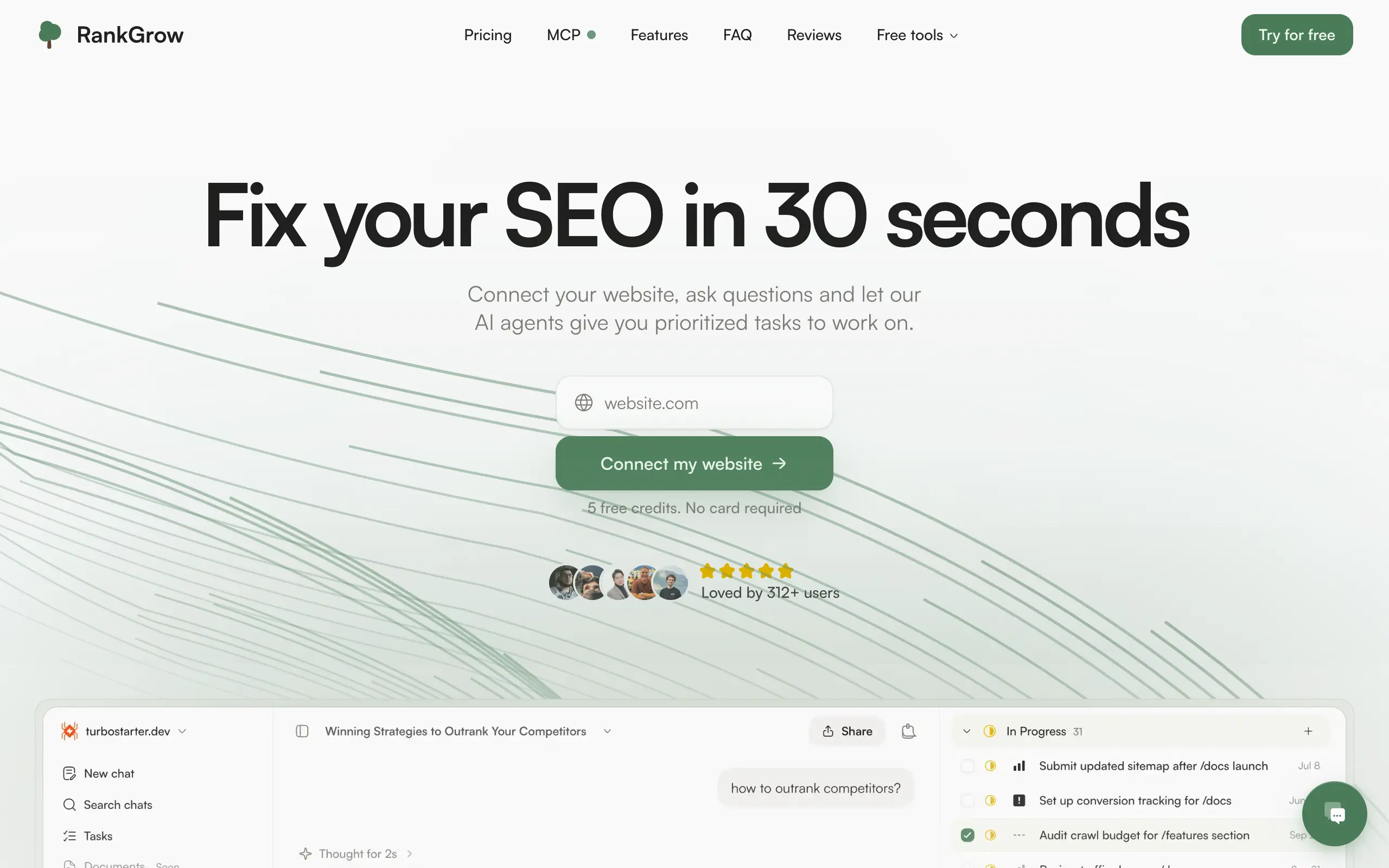
RankGrow
Fix your SEO with AI agents - connect Search Console, get prioritized tasks, and grow organic traffic 📈
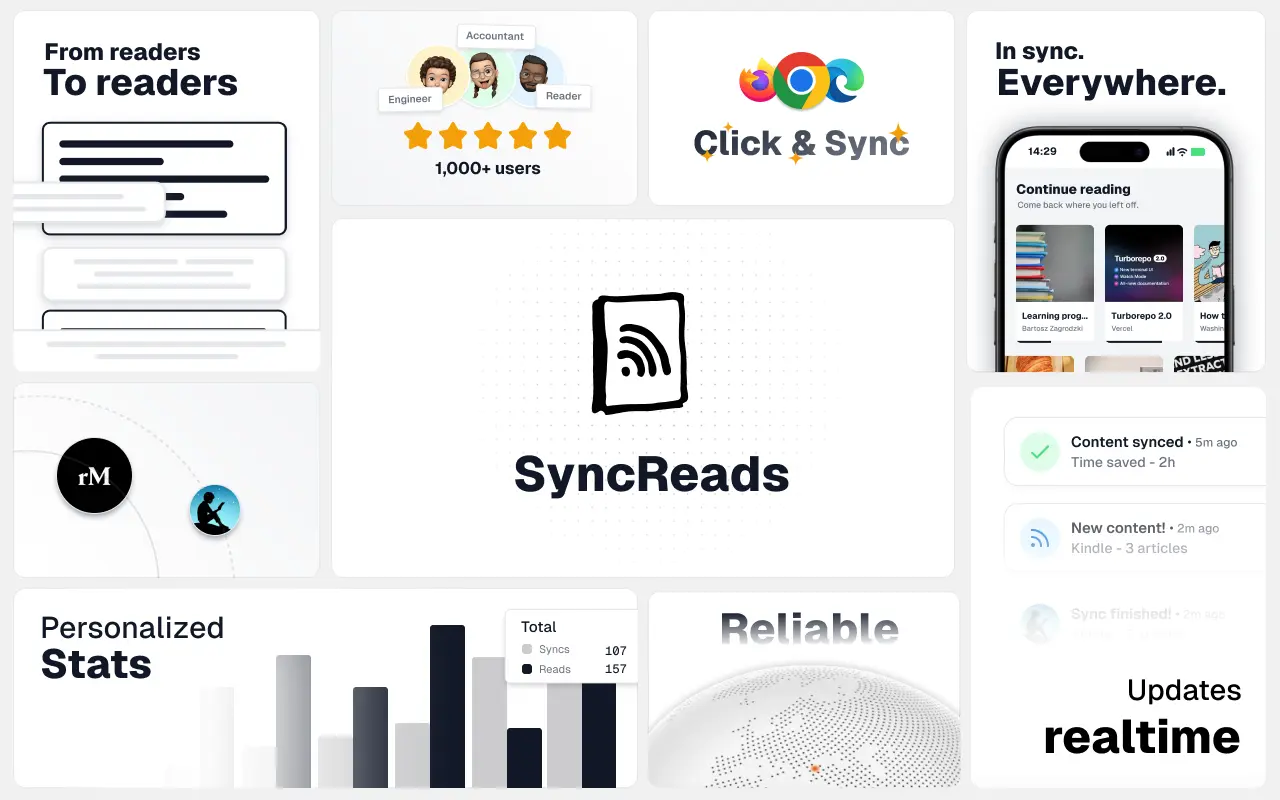
SyncReads
Sync your favorite content for distraction-free reading, save time and replace multiple apps. Anytime, anywhere 🔄
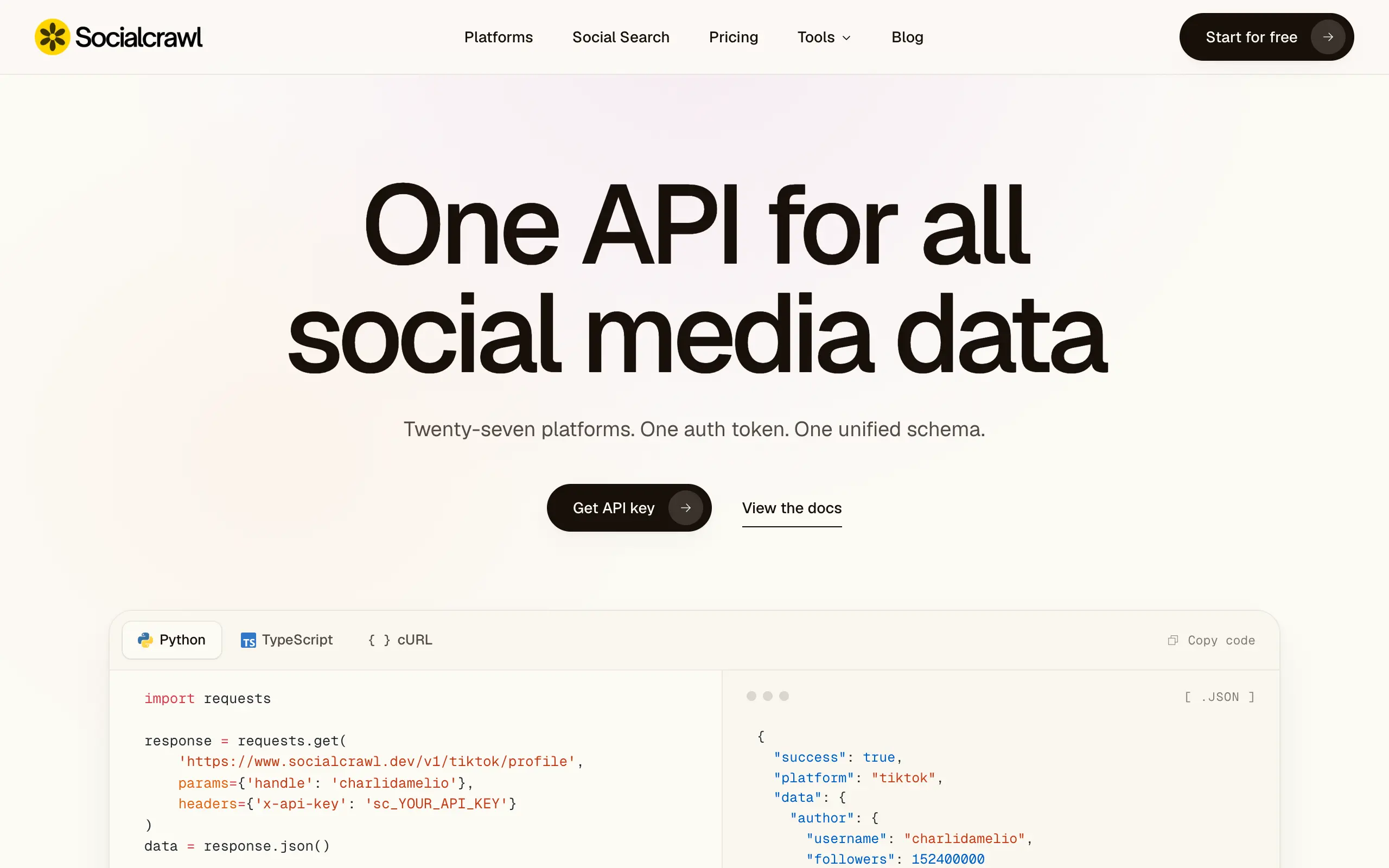
Socialcrawl
Get clean, structured data from 21 platforms like TikTok, Instagram, and YouTube with a single request 📊
Statiko
Monitor any Telegram channel in real time - track posts, edits, deletions, and growth with AI recaps 📡
Shibui
AI website builder - describe your business, pick a niche template, edit by chatting, and publish instantly ✨
Pro Service
Find verified home service professionals, compare quotes, and pay securely through escrow - built for Brazilians across the US 🏠
RankGrow
Fix your SEO with AI agents - connect Search Console, get prioritized tasks, and grow organic traffic 📈
SyncReads
Sync your favorite content for distraction-free reading, save time and replace multiple apps. Anytime, anywhere 🔄
Socialcrawl
Get clean, structured data from 21 platforms like TikTok, Instagram, and YouTube with a single request 📊
Statiko
Monitor any Telegram channel in real time - track posts, edits, deletions, and growth with AI recaps 📡
Shibui
AI website builder - describe your business, pick a niche template, edit by chatting, and publish instantly ✨
Pro Service
Find verified home service professionals, compare quotes, and pay securely through escrow - built for Brazilians across the US 🏠
RankGrow
Fix your SEO with AI agents - connect Search Console, get prioritized tasks, and grow organic traffic 📈
SyncReads
Sync your favorite content for distraction-free reading, save time and replace multiple apps. Anytime, anywhere 🔄
Socialcrawl
Get clean, structured data from 21 platforms like TikTok, Instagram, and YouTube with a single request 📊
Statiko
Monitor any Telegram channel in real time - track posts, edits, deletions, and growth with AI recaps 📡
Shibui
AI website builder - describe your business, pick a niche template, edit by chatting, and publish instantly ✨
Pro Service
Find verified home service professionals, compare quotes, and pay securely through escrow - built for Brazilians across the US 🏠
RankGrow
Fix your SEO with AI agents - connect Search Console, get prioritized tasks, and grow organic traffic 📈
SyncReads
Sync your favorite content for distraction-free reading, save time and replace multiple apps. Anytime, anywhere 🔄
Socialcrawl
Get clean, structured data from 21 platforms like TikTok, Instagram, and YouTube with a single request 📊
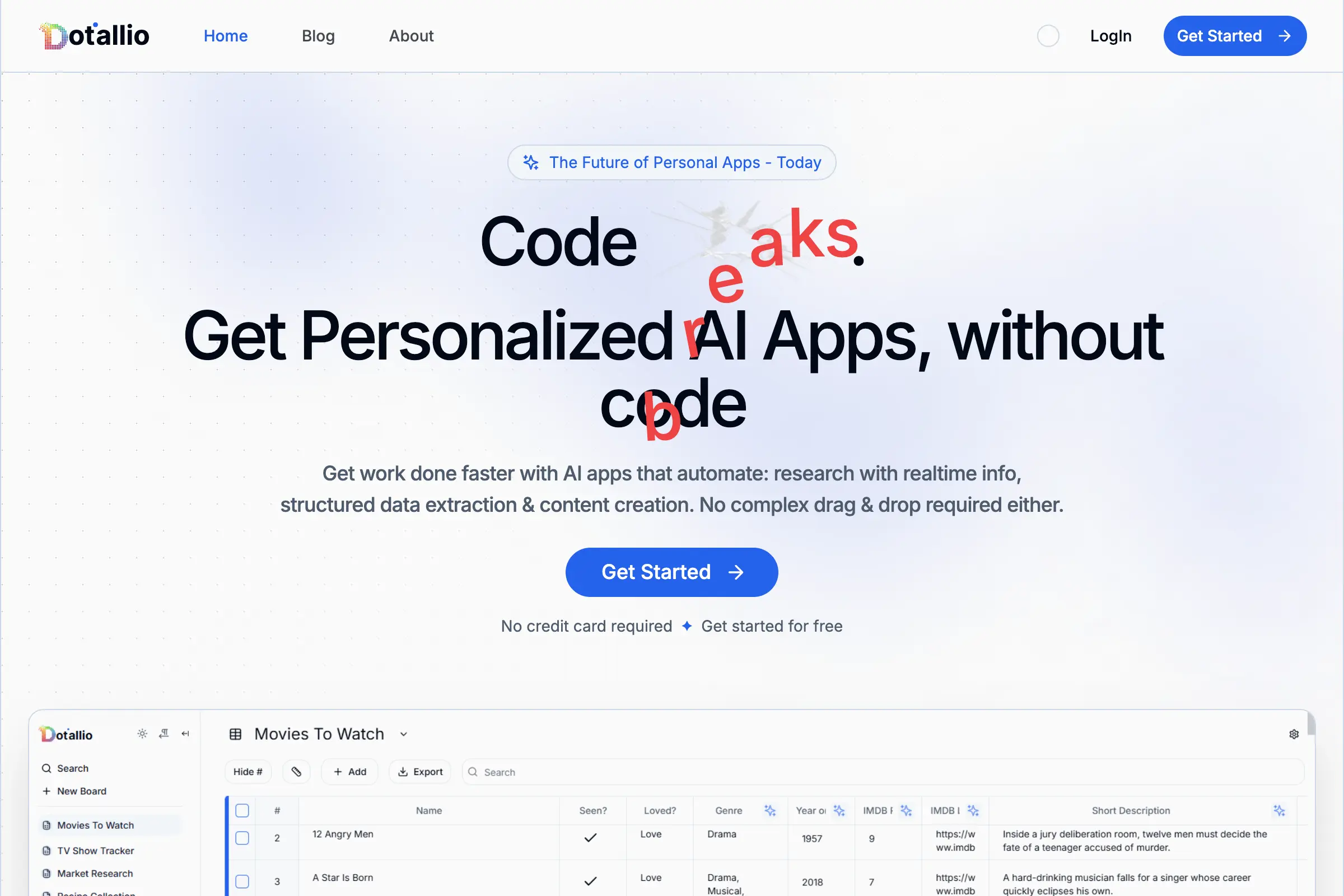
Dotallio
Personalized AI apps that automate research, data extraction, and content creation without code 🤖
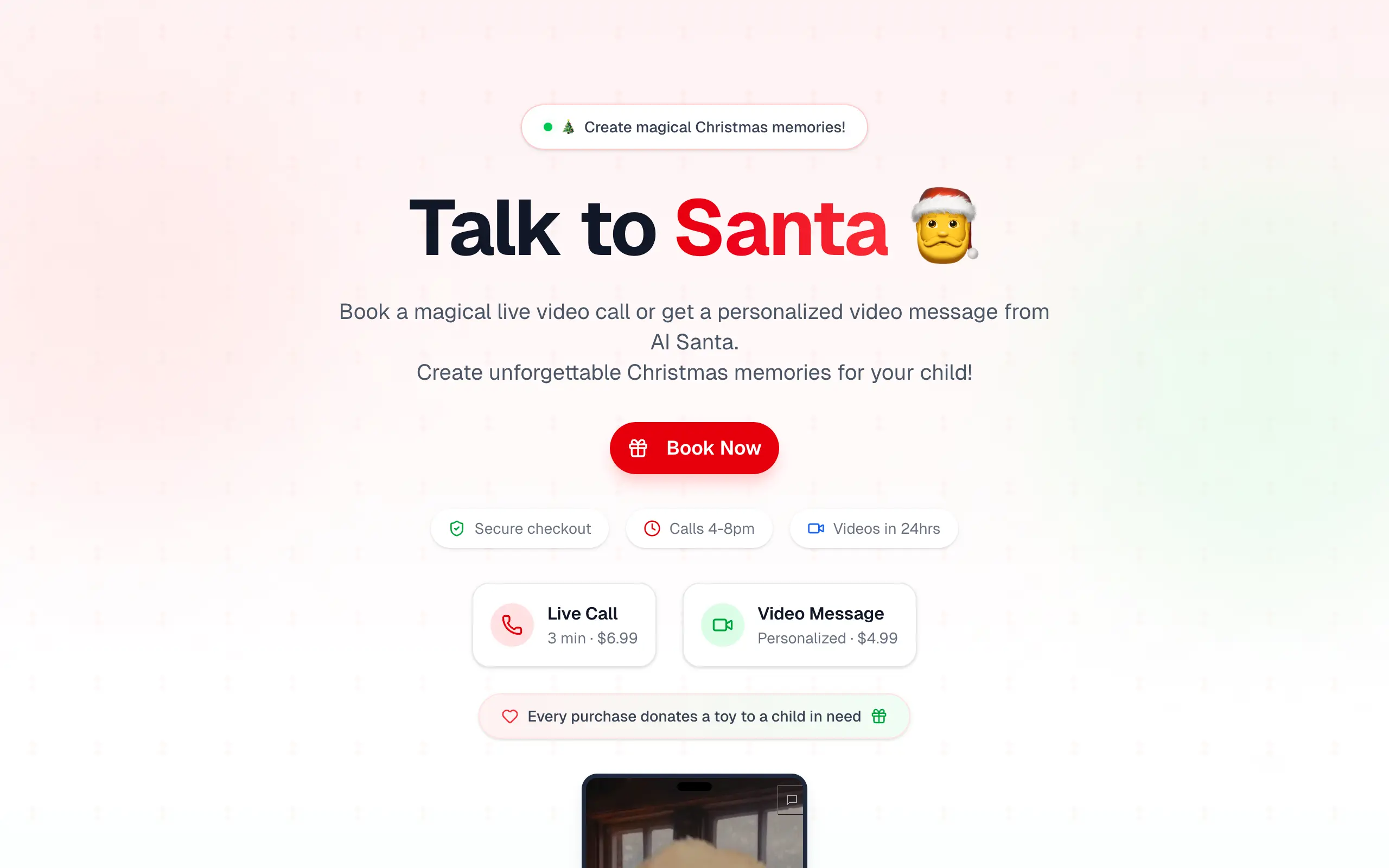
Talk to Santa
Enjoy a magical live video chat or receive a unique AI-generated video greeting from Santa Claus 🎅
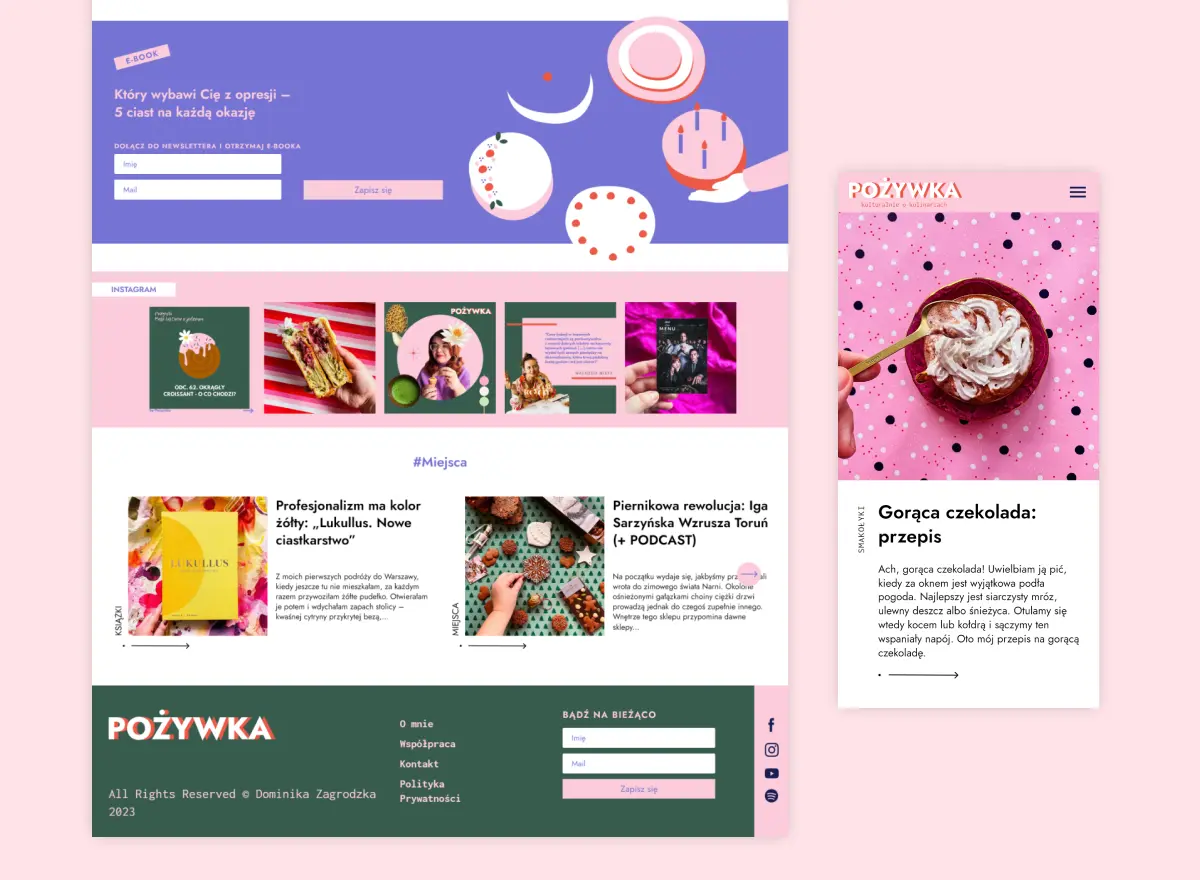
pozywka.pl
Scalable blog for food journalist, focused on performance and user experience 🌭
zagrodzki.me
Personal blog and portfolio of Bart Zagrodzki, where he shares his knowledge and work 💼
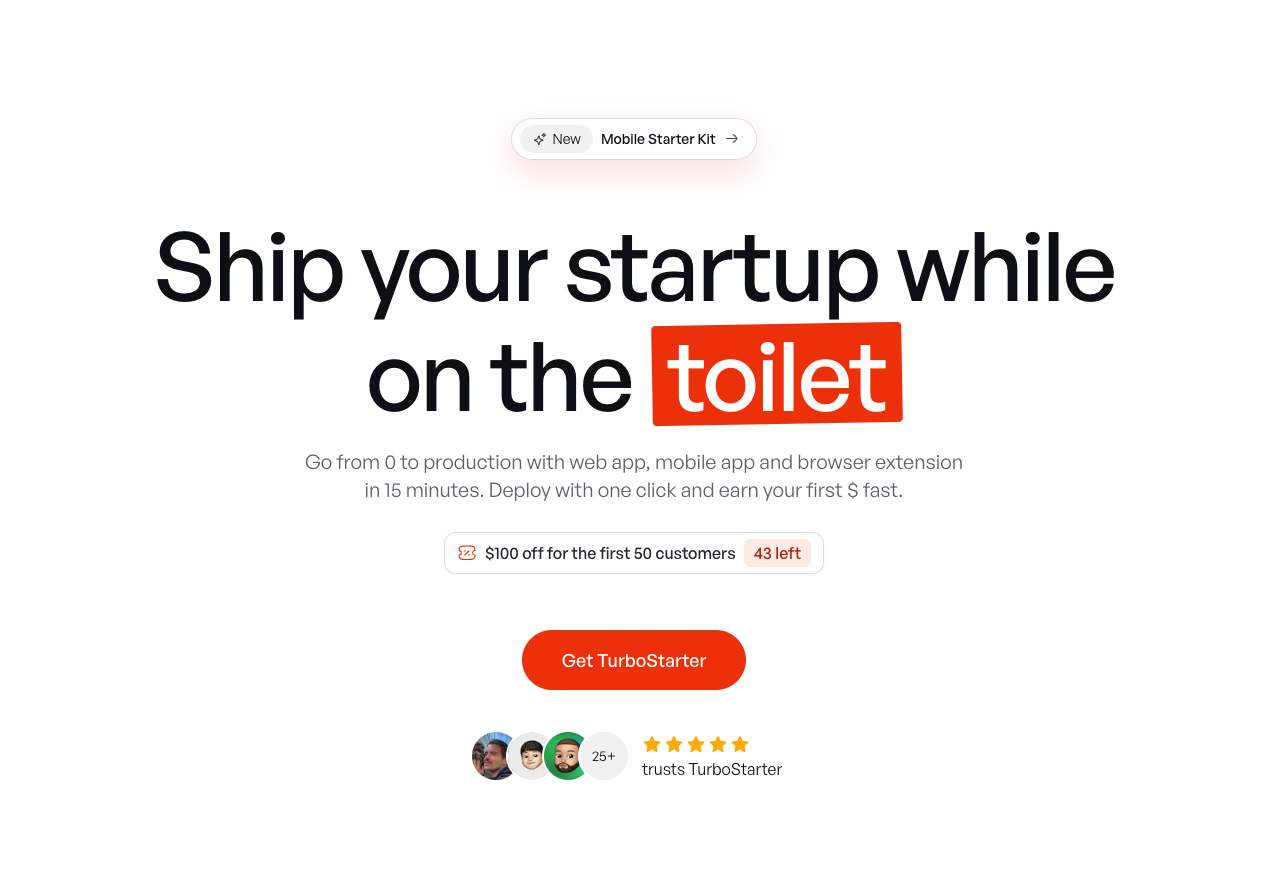
TurboStarter
Ship your startup everywhere. In minutes.
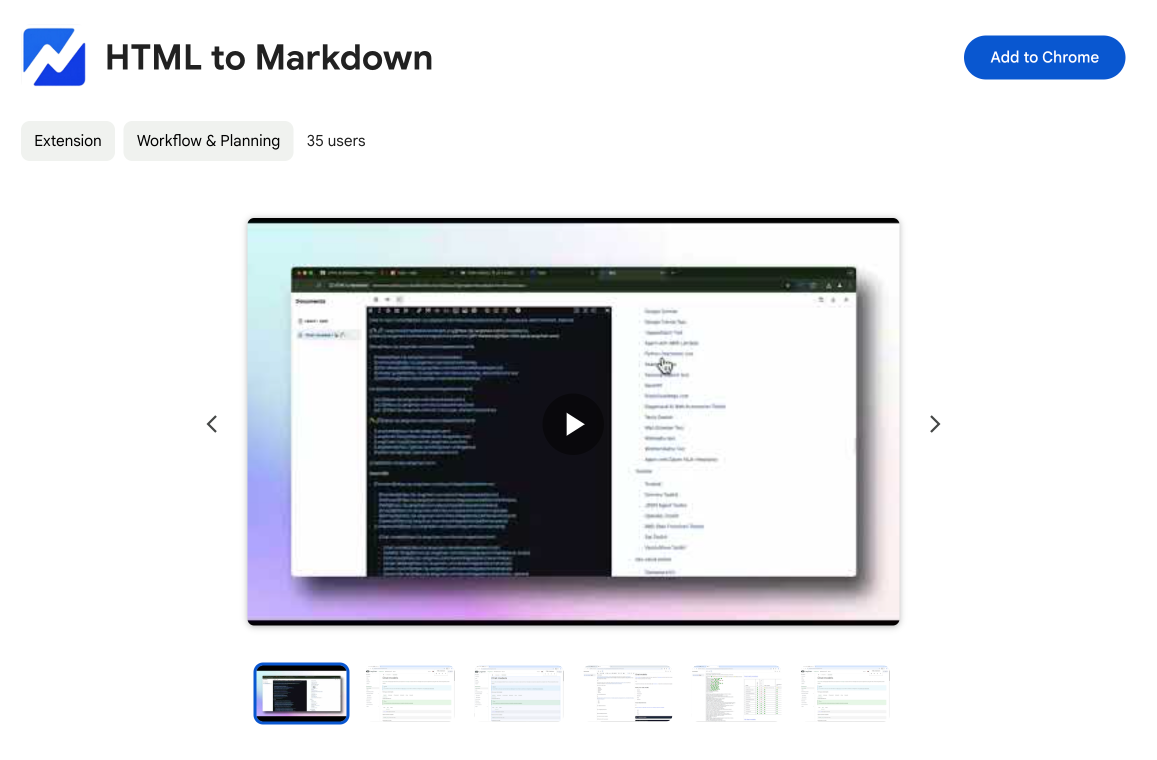
HTML to Markdown
Convert HTML to Markdown with ease, directly in your browser 📄
Dotallio
Personalized AI apps that automate research, data extraction, and content creation without code 🤖
Talk to Santa
Enjoy a magical live video chat or receive a unique AI-generated video greeting from Santa Claus 🎅
pozywka.pl
Scalable blog for food journalist, focused on performance and user experience 🌭
zagrodzki.me
Personal blog and portfolio of Bart Zagrodzki, where he shares his knowledge and work 💼
TurboStarter
Ship your startup everywhere. In minutes.
HTML to Markdown
Convert HTML to Markdown with ease, directly in your browser 📄
Dotallio
Personalized AI apps that automate research, data extraction, and content creation without code 🤖
Talk to Santa
Enjoy a magical live video chat or receive a unique AI-generated video greeting from Santa Claus 🎅
pozywka.pl
Scalable blog for food journalist, focused on performance and user experience 🌭
zagrodzki.me
Personal blog and portfolio of Bart Zagrodzki, where he shares his knowledge and work 💼
TurboStarter
Ship your startup everywhere. In minutes.
HTML to Markdown
Convert HTML to Markdown with ease, directly in your browser 📄
Dotallio
Personalized AI apps that automate research, data extraction, and content creation without code 🤖
Talk to Santa
Enjoy a magical live video chat or receive a unique AI-generated video greeting from Santa Claus 🎅
pozywka.pl
Scalable blog for food journalist, focused on performance and user experience 🌭
zagrodzki.me
Personal blog and portfolio of Bart Zagrodzki, where he shares his knowledge and work 💼
TurboStarter
Ship your startup everywhere. In minutes.
HTML to Markdown
Convert HTML to Markdown with ease, directly in your browser 📄
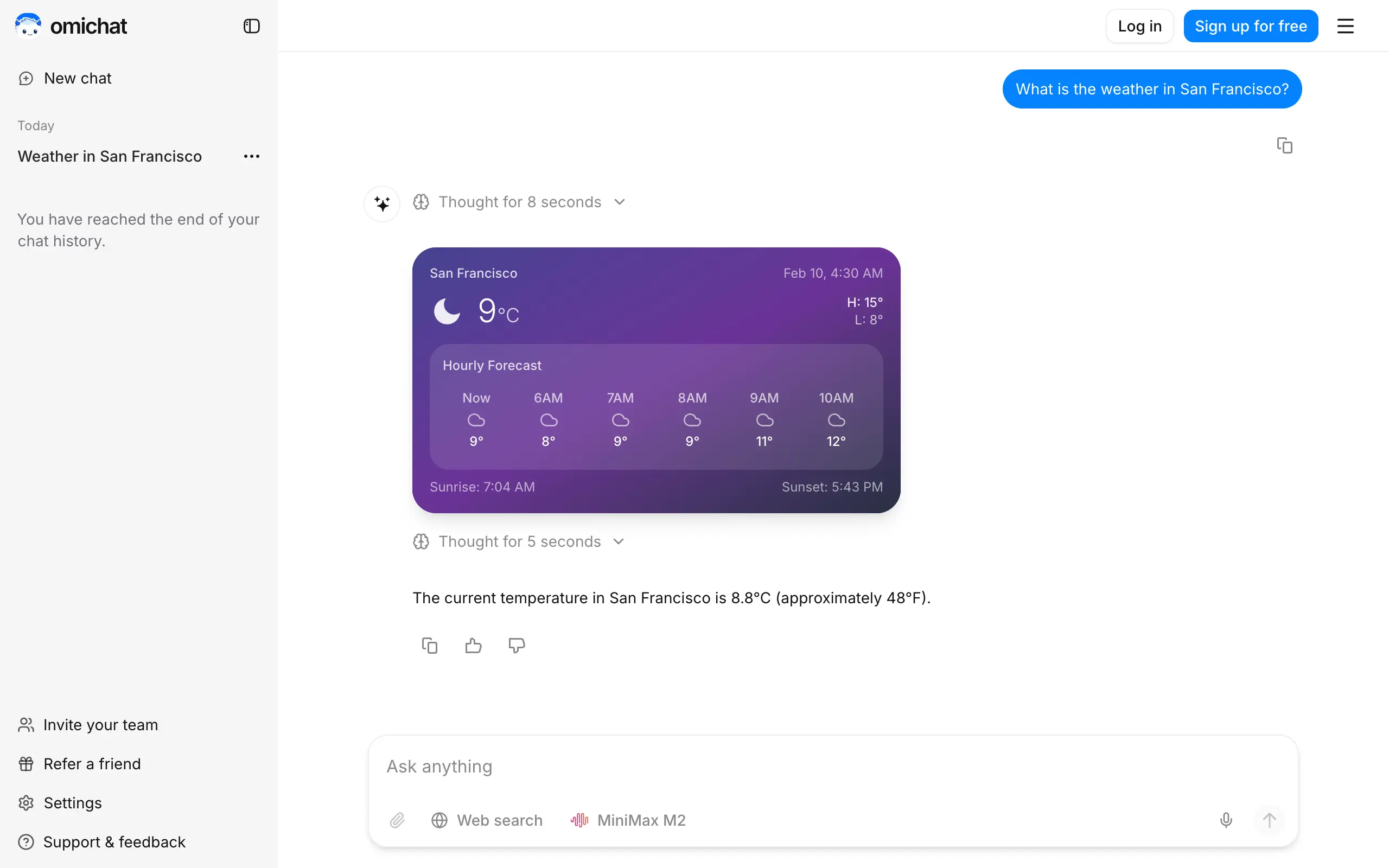
Omichat
Chat with 50+ AI models, including ChatGPT and Claude, in one place - switch models anytime without losing context 🤖
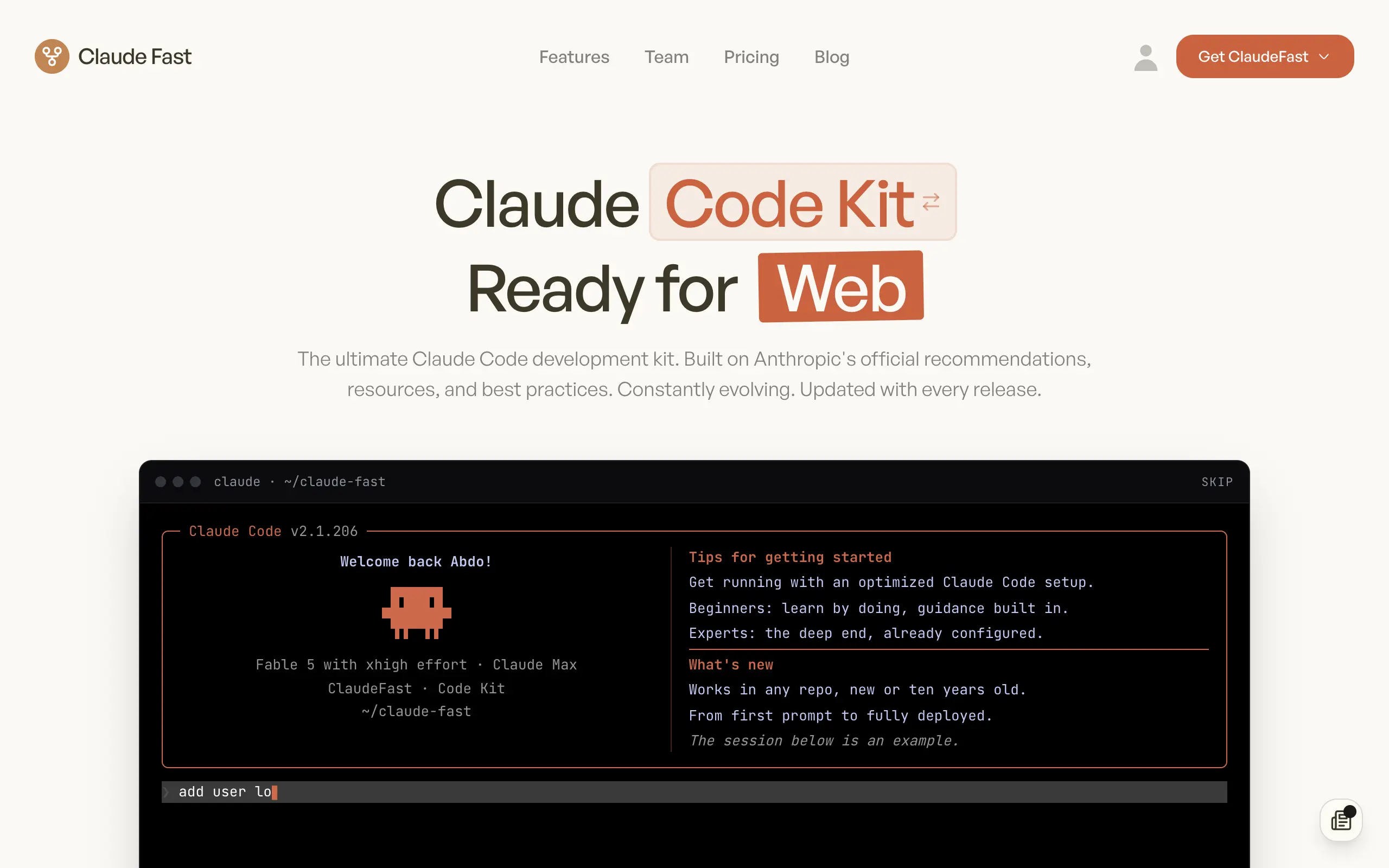
Claude Fast
Supercharge your Claude Code with 6x effective context window and specialized AI agents 🤖
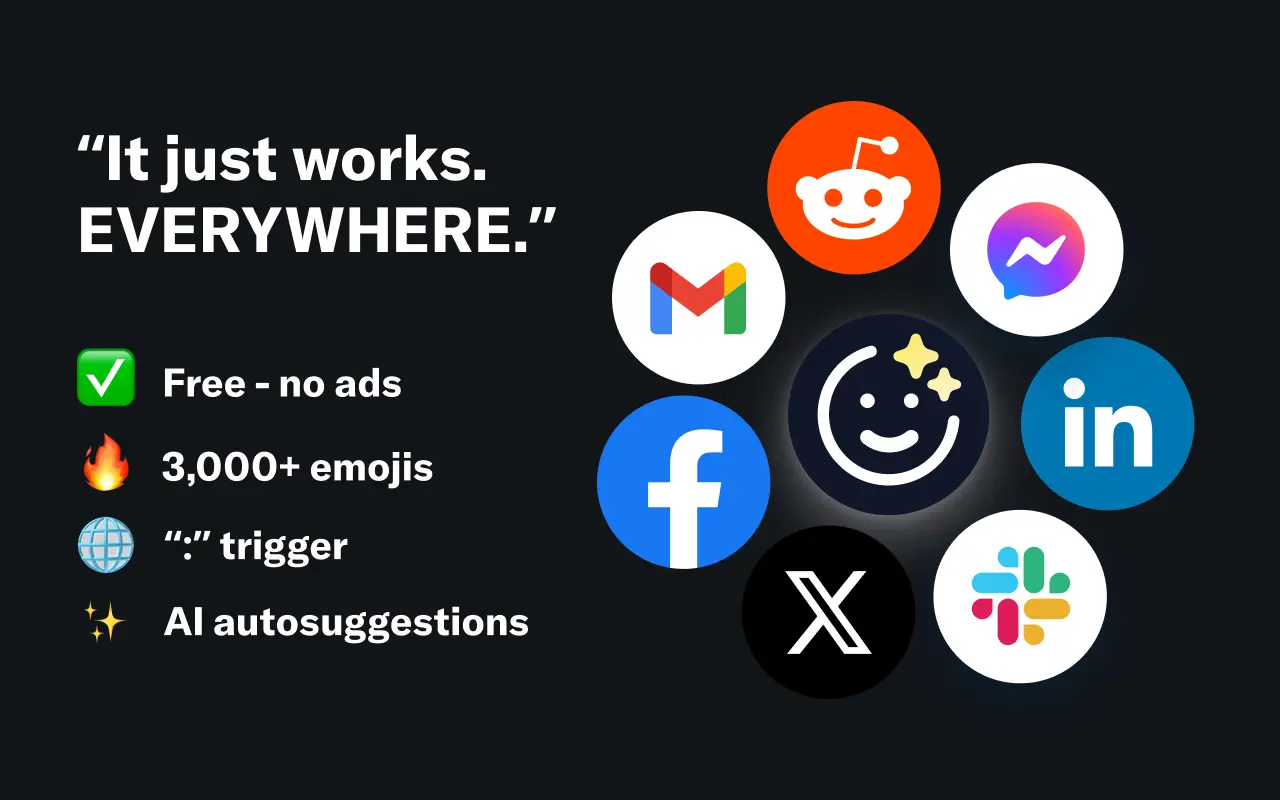
EmojAI
AI-powered emoji picker with smart, context-aware suggestions 🤖
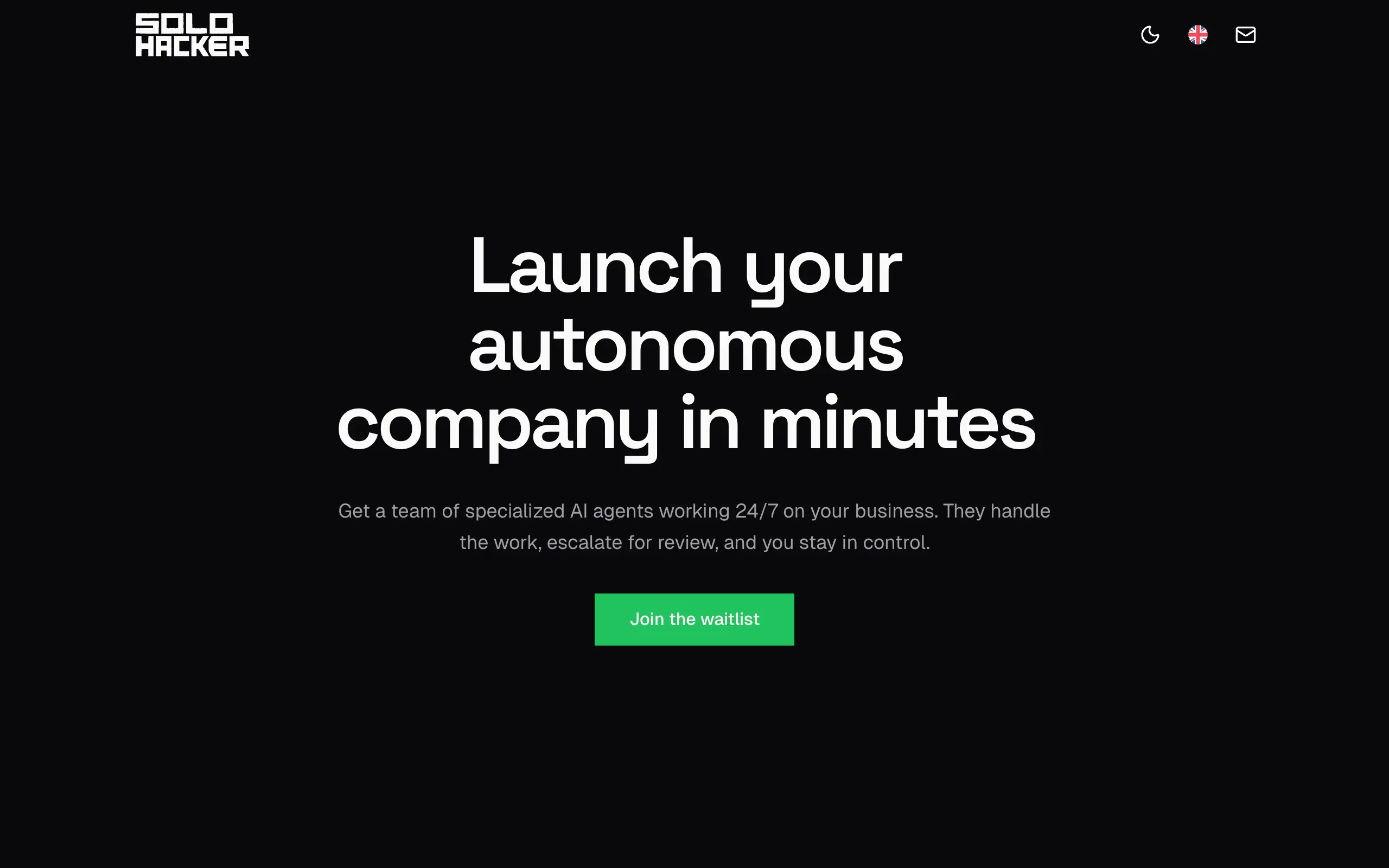
Solohacker
Autonomous company launcher - AI agents work 24/7, escalate what matters, and you stay in control 🤖
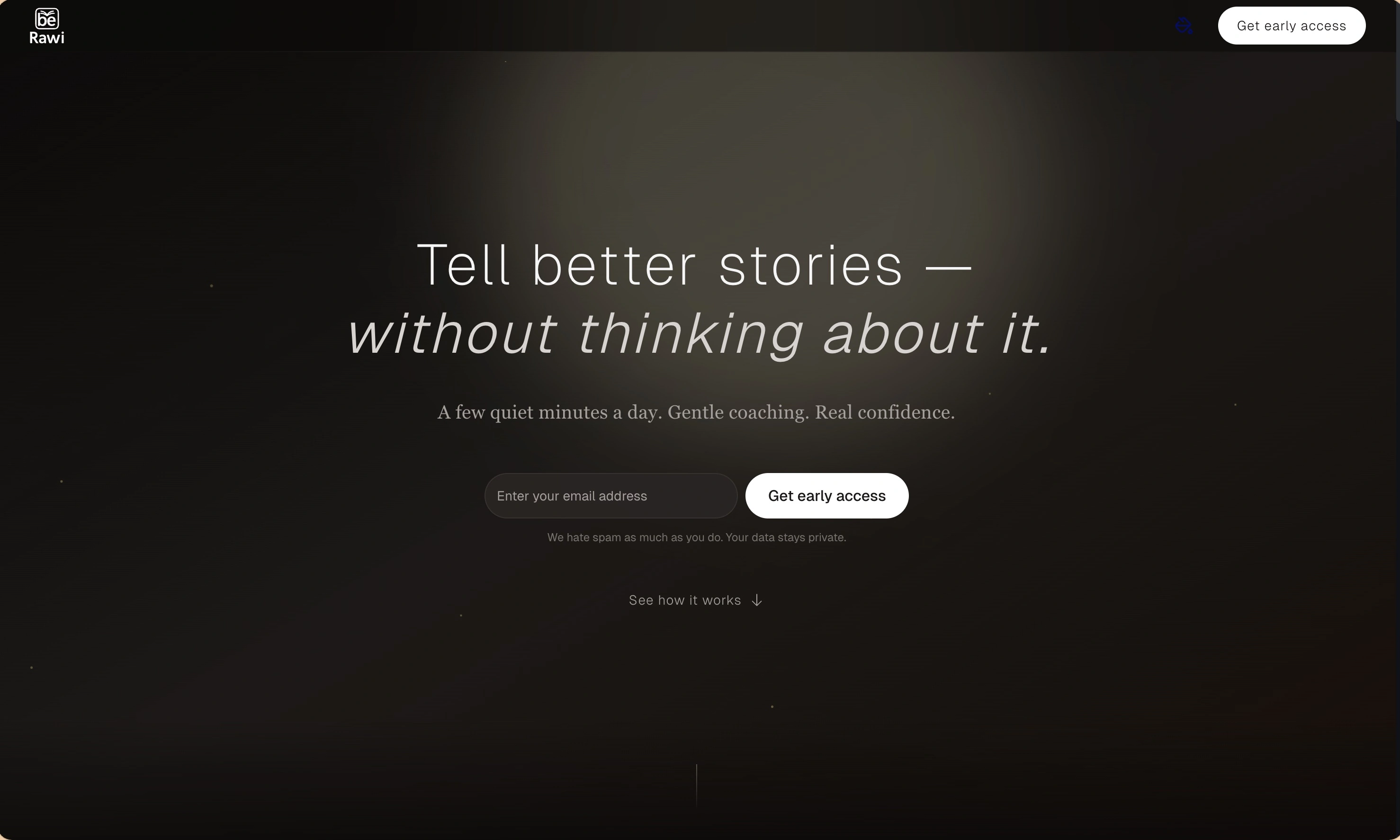
BeRawi: Storytelling Coach
Practice storytelling daily with instant feedback to sound clearer, more engaging, and confident 🎤
Omichat
Chat with 50+ AI models, including ChatGPT and Claude, in one place - switch models anytime without losing context 🤖
Claude Fast
Supercharge your Claude Code with 6x effective context window and specialized AI agents 🤖
EmojAI
AI-powered emoji picker with smart, context-aware suggestions 🤖
Solohacker
Autonomous company launcher - AI agents work 24/7, escalate what matters, and you stay in control 🤖
BeRawi: Storytelling Coach
Practice storytelling daily with instant feedback to sound clearer, more engaging, and confident 🎤
Omichat
Chat with 50+ AI models, including ChatGPT and Claude, in one place - switch models anytime without losing context 🤖
Claude Fast
Supercharge your Claude Code with 6x effective context window and specialized AI agents 🤖
EmojAI
AI-powered emoji picker with smart, context-aware suggestions 🤖
Solohacker
Autonomous company launcher - AI agents work 24/7, escalate what matters, and you stay in control 🤖
BeRawi: Storytelling Coach
Practice storytelling daily with instant feedback to sound clearer, more engaging, and confident 🎤
Omichat
Chat with 50+ AI models, including ChatGPT and Claude, in one place - switch models anytime without losing context 🤖
Claude Fast
Supercharge your Claude Code with 6x effective context window and specialized AI agents 🤖
EmojAI
AI-powered emoji picker with smart, context-aware suggestions 🤖
Solohacker
Autonomous company launcher - AI agents work 24/7, escalate what matters, and you stay in control 🤖
BeRawi: Storytelling Coach
Practice storytelling daily with instant feedback to sound clearer, more engaging, and confident 🎤

Connect with like-minded people
Join our community to get feedback, support, and grow together with 1,000+ builders on board, let's ship it!
Join usShip your startup everywhere. In minutes.
Don't burn tokens on setup and start building features on day one.