LitterLens AI
AI-powered litter box scanner that analyzes cat poop clusters to detect health issues early and track dietary impact over time.
Why AI-powered litter box health monitoring is the next frontier in pet care
Pet parents are increasingly treating their cats like family members—and they expect the same level of proactive health monitoring they would use for themselves. Wearables track steps. Smartwatches monitor heart rate. Continuous glucose monitors alert users in real time.
Yet when it comes to feline health, one of the most important early indicators—litter box output—is still monitored manually, inconsistently, or not at all.
An AI-powered litter box scanner like LitterLens AI bridges this gap. By analyzing cat poop clusters and litter box usage patterns through computer vision and machine learning, it detects early warning signs of health issues and tracks dietary impact over time.
This article provides a comprehensive, expert-level breakdown of:
- The market opportunity for AI-powered litter box monitoring
- Target customer segments and unmet needs
- Core features and technical architecture
- Recommended tech stack (with trade-offs)
- Monetization strategy options
- Competitive positioning
- Risk mitigation and compliance considerations
- Actionable implementation steps
The problem: invisible health signals in plain sight
Veterinarians consistently emphasize that changes in stool consistency, frequency, and appearance are early indicators of:
- Gastrointestinal disorders
- Food intolerances
- Parasites
- Stress-related issues
- Kidney disease
- Hyperthyroidism
- Inflammatory bowel disease (IBD)
Yet most cat owners:
- Don’t track stool changes consistently
- Can’t remember when changes started
- Lack baseline comparison data
- Only seek care once symptoms escalate
This leads to:
- Late detection of preventable conditions
- Higher vet bills
- Stress for pets and owners
- Incomplete diagnostic history for veterinarians
An AI-powered litter box scanner solves this by:
- Objectively analyzing stool characteristics
- Creating a historical health record
- Detecting deviations from baseline
- Alerting owners when patterns shift
Market opportunity for AI-powered litter box monitoring
Growth of the pet tech industry
The global pet care market continues to grow steadily. According to the American Pet Products Association (APPA), U.S. pet industry expenditures exceed $140 billion annually (reference: APPA State of the Industry reports).
Key trends fueling opportunity:
- Increased pet humanization
- Growth in tele-veterinary services
- Rising interest in preventative health
- Expansion of smart home devices
- Adoption of AI in consumer applications
Smart litter boxes already exist—but most focus on odor control and automatic cleaning, not health intelligence.
Gap in the market
Current solutions fall into three categories:
- Manual tracking apps – Require user input
- Smart litter boxes – Track weight and usage frequency
- Wearable pet devices – Track movement, not digestive health
What’s missing?
✅ AI-powered stool analysis
✅ Dietary correlation insights
✅ Early anomaly detection
✅ Actionable vet-ready reports
That gap represents a high-potential SaaS opportunity.
Target audience analysis
Understanding search intent is critical for building and marketing an AI-powered litter box scanner.
Users searching for terms like:
- “Why is my cat’s poop soft?”
- “How to monitor cat health at home”
- “Smart litter box health tracker”
- “Early signs of kidney disease in cats”
Are seeking proactive monitoring and peace of mind.
Primary audience segments
Concerned cat parents
Owners who want proactive monitoring and early detection of health issues.
Multi-cat households
Families needing individual health tracking per cat.
Owners of senior cats
Higher risk of chronic disease requiring closer monitoring.
Diet-focused pet owners
Users tracking food changes and digestive responses.
Secondary audience segments
- Veterinary clinics (as a recommended tool)
- Pet insurance companies
- Breeders
- Rescue organizations
- Pet tech enthusiasts
Core features of LitterLens AI
A successful AI-powered litter box scanner must go beyond novelty and deliver meaningful health insights.
1. Computer vision stool analysis
Using machine learning models trained on labeled data, LitterLens AI can detect:
- Shape irregularities
- Size variation
- Color changes
- Texture differences
- Presence of mucus or blood indicators (visual approximation)
Core techniques include:
- Image segmentation
- Object detection (e.g., YOLO-based architectures)
- Convolutional Neural Networks (CNNs)
- Vision Transformers (ViTs)
2. Baseline behavior modeling
Instead of flagging random events, the system:
- Learns each cat’s baseline
- Detects statistical anomalies
- Uses time-series modeling
- Accounts for environmental changes
3. Multi-cat identification
In multi-cat households, identification methods may include:
- Weight sensor pairing
- RFID collar integration
- Optional camera-based recognition
- Timed access analysis
4. Dietary impact tracking
Owners can log:
- Food type
- Brand
- Ingredient changes
- Supplements
- Medication
The AI correlates stool changes with:
- Diet transitions
- Medication timing
- Stress events
5. Vet-ready health reports
Generated reports include:
- Trend graphs
- Anomaly timeline
- Stool consistency scoring
- Exportable PDF
- Shareable digital link
6. Real-time alerts
Users receive notifications when:
- Frequency drops below normal
- Stool consistency changes drastically
- Patterns suggest potential dehydration
- No elimination is detected within expected time frame
Technical architecture of an AI-powered litter box scanner
A robust architecture balances performance, privacy, and scalability.
System overview
- Camera module captures images
- Edge device preprocesses images
- Cloud AI model performs analysis
- Results stored in database
- User app displays insights
Recommended tech stack (with trade-offs)
Frontend
Why?
- Strong ecosystem
- SEO-friendly rendering
- Fast performance
- Scalable component architecture
Backend
- Node.js (API layer)
- Python (AI processing)
- PostgreSQL (relational data)
- Redis (caching)
- AWS or GCP (cloud infrastructure)
Trade-offs:
- Python excels in ML but adds service complexity
- Node-only stack simplifies architecture but limits ML flexibility
AI/ML
- PyTorch
- TensorFlow
- OpenCV
- Time-series modeling (Prophet or LSTM-based)
Edge vs Cloud trade-off:
- Edge AI improves privacy
- Cloud AI enables continuous model updates
Hardware
- Raspberry Pi or custom embedded board
- IR camera for low light
- Weight sensor integration
- Wi-Fi module
Trade-off:
Custom hardware increases upfront cost but strengthens moat.
Example architecture snippet
// Simplified anomaly detection logic
function detectAnomaly(currentValue: number, baseline: number, threshold: number) {
  const deviation = Math.abs(currentValue - baseline);
  return deviation > threshold;
}

const isAbnormal = detectAnomaly(stoolConsistencyScore, userBaseline, 2.5);

if (isAbnormal) {
  sendHealthAlert(userId);
}
Competitive landscape analysis
| Feature | Manual Apps | Smart Litter Box | Wearables | LitterLens AI |
|---|---|---|---|---|
| Automated tracking | ❌ | ✅ | ✅ | ✅ |
| Stool analysis | ❌ | ❌ | ❌ | ✅ |
| Diet correlation | ❌ | ❌ | ❌ | ✅ |
| Vet-ready reports | ❌ | Limited | ❌ | ✅ |
Monetization strategy for LitterLens AI
1. Hardware + subscription model
- One-time device purchase
- Monthly SaaS fee for analytics
- Tiered pricing:
- Basic tracking
- Advanced health insights
- Vet integration
2. Pure SaaS (camera add-on compatible)
- App-only subscription
- Works with compatible smart litter boxes
- Lower barrier to entry
3. B2B partnerships
- Vet clinic white-label
- Pet insurance premium discounts
- Pet food brand integrations
4. Data-driven insights (ethical & anonymized)
Aggregate, anonymized data can power:
- Digestive trend research
- Food effectiveness benchmarking
- Breed-specific health analysis
Privacy must remain paramount.
Regulatory and compliance considerations
An AI-powered litter box scanner touches on health-related insights.
Key considerations:
- Avoid medical diagnosis claims
- Position as “health monitoring tool”
- Include clear disclaimers
- Follow GDPR/CCPA for data handling
- Implement end-to-end encryption
Important
Do not market the product as a diagnostic medical device unless pursuing formal regulatory approval. Frame alerts as “recommend consulting a veterinarian.”
Risks and mitigation strategies
Risk 1: False positives
Mitigation:
- Use adaptive thresholds
- Allow manual override
- Provide contextual explanations
Risk 2: Privacy concerns
Mitigation:
- Edge processing option
- Encrypted image storage
- Automatic deletion policy
Risk 3: Hardware adoption friction
Mitigation:
- Partner with existing litter box brands
- Offer financing plans
- Provide app-only entry version
Unique competitive advantage (USP)
LitterLens AI stands out because it:
- Focuses on digestive intelligence
- Builds personalized health baselines
- Correlates stool changes with diet
- Produces actionable reports for veterinarians
- Creates a long-term health dataset
This combination forms a strong defensible moat:
- Proprietary dataset
- Personalized AI models
- Hardware-software integration
- Network effects through vet partnerships
Implementation roadmap
Go-to-market strategy
Content marketing
Target SEO keywords such as:
- AI litter box health tracker
- Smart litter box with health monitoring
- Cat stool analyzer
- Early signs of cat digestive problems
- Litter box AI scanner
Educational blog content builds authority.
Influencer partnerships
- Pet YouTubers
- Veterinary professionals
- Instagram pet influencers
Veterinary channel distribution
Offer:
- Affiliate revenue
- Demo units
- White-labeled reporting dashboards
Building the MVP efficiently
Speed matters. Instead of building infrastructure from scratch, use a production-ready foundation like TurboStarter.
Benefits include:
- Authentication
- Payments integration
- Scalable backend structure
- Modern React stack
- SEO-ready architecture
This allows focus on the AI layer and hardware integration instead of reinventing core SaaS infrastructure.
Long-term expansion opportunities
Once the AI-powered litter box scanner gains traction:
- Expand to dog waste monitoring
- Integrate hydration tracking
- Add urine crystal detection
- Offer chronic disease monitoring packages
- Develop predictive health scoring
The real asset becomes the longitudinal health dataset.
Frequently asked strategic questions
Yes. With millions of cat-owning households globally and increasing spending on pet tech, even a 1–2% penetration rate represents a scalable business opportunity.
Trust grows with transparency. Providing explanations, baseline comparisons, and vet-ready reports improves credibility.
The defensibility lies in proprietary training data, hardware integration, and behavioral baselines per pet.
Final thoughts
An AI-powered litter box scanner like LitterLens AI addresses a clear unmet need in preventive pet healthcare.
It combines:
- Computer vision
- Behavioral modeling
- SaaS analytics
- Hardware integration
- Veterinary collaboration
In a world increasingly focused on proactive health and smart home integration, digestive intelligence for pets is a natural evolution.
For founders exploring this opportunity:
- Validate the pain point
- Build lean
- Focus on trust
- Prioritize privacy
- Partner early with veterinarians
And leverage modern SaaS foundations to move faster.
The future of pet health is predictive, data-driven, and AI-powered—and the litter box may be the most overlooked diagnostic goldmine in the home.
More 🤖 AI Startup SaaS ideas
Discover more innovative ai startup SaaS ideas that are trending in 2026. Each idea is AI-generated with market validation and growth potential to help you find your next profitable venture faster than competitors.
Your competitors are building with TurboStarter
Below are some of the SaaS ideas that have been generated and built with our starter kit.

Statiko
Monitor any Telegram channel in real time - track posts, edits, deletions, and growth with AI recaps 📡

Shibui
AI website builder - describe your business, pick a niche template, edit by chatting, and publish instantly ✨

Pro Service
Find verified home service professionals, compare quotes, and pay securely through escrow - built for Brazilians across the US 🏠
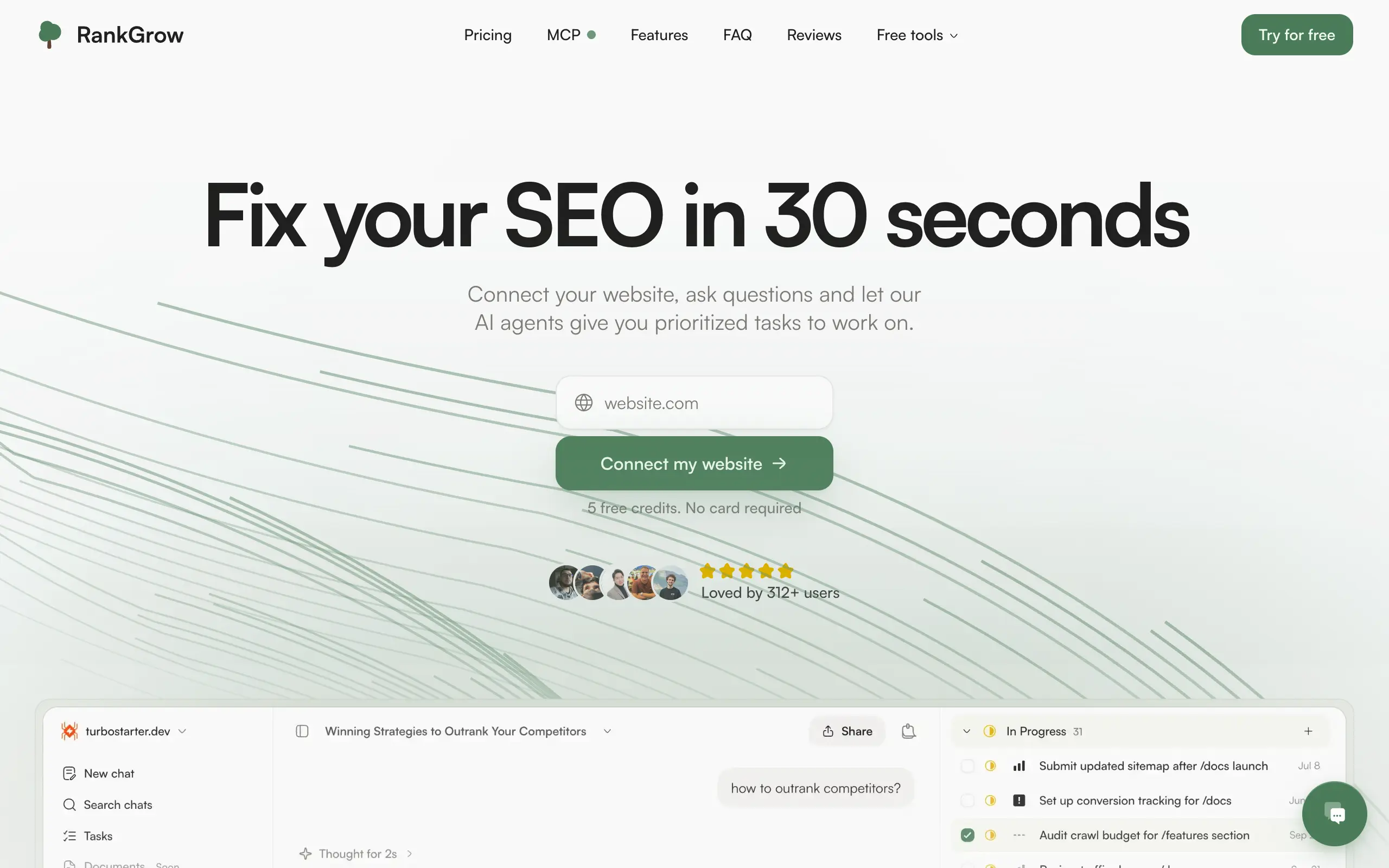
RankGrow
Fix your SEO with AI agents - connect Search Console, get prioritized tasks, and grow organic traffic 📈
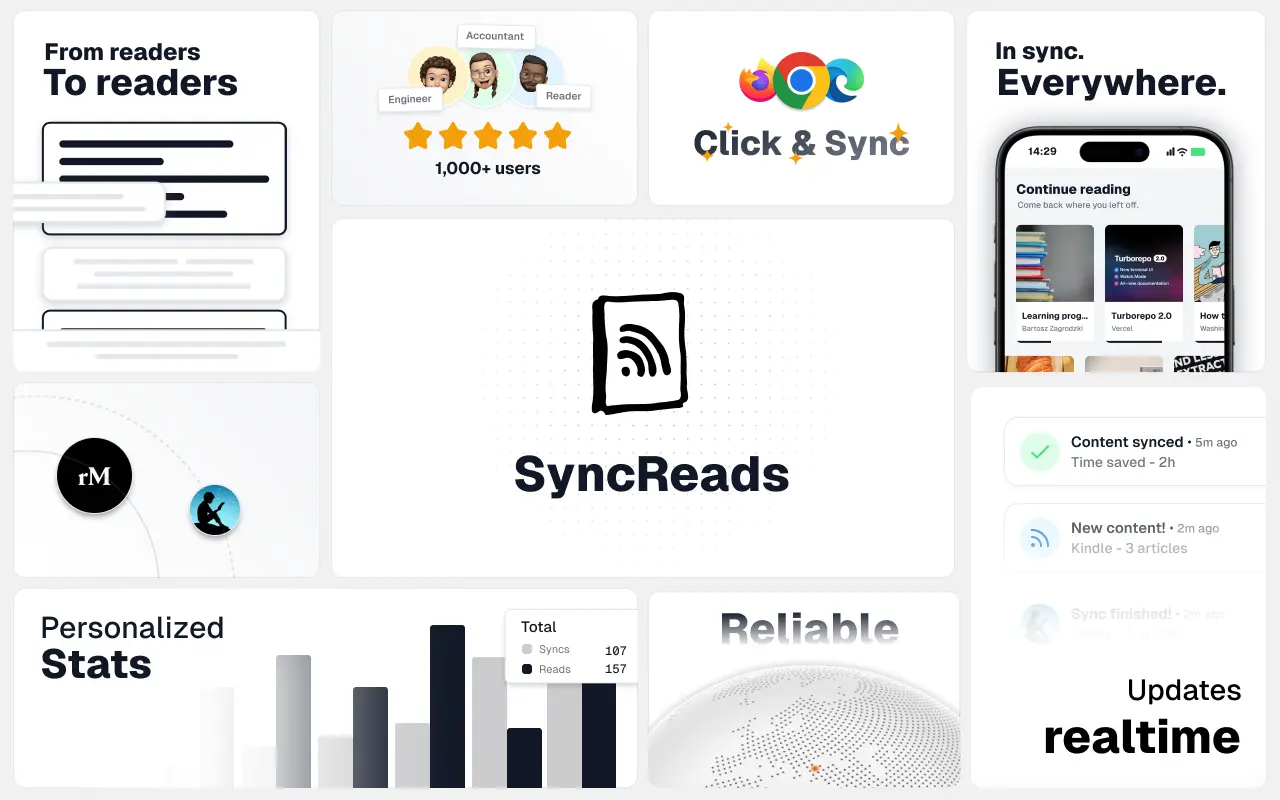
SyncReads
Sync your favorite content for distraction-free reading, save time and replace multiple apps. Anytime, anywhere 🔄
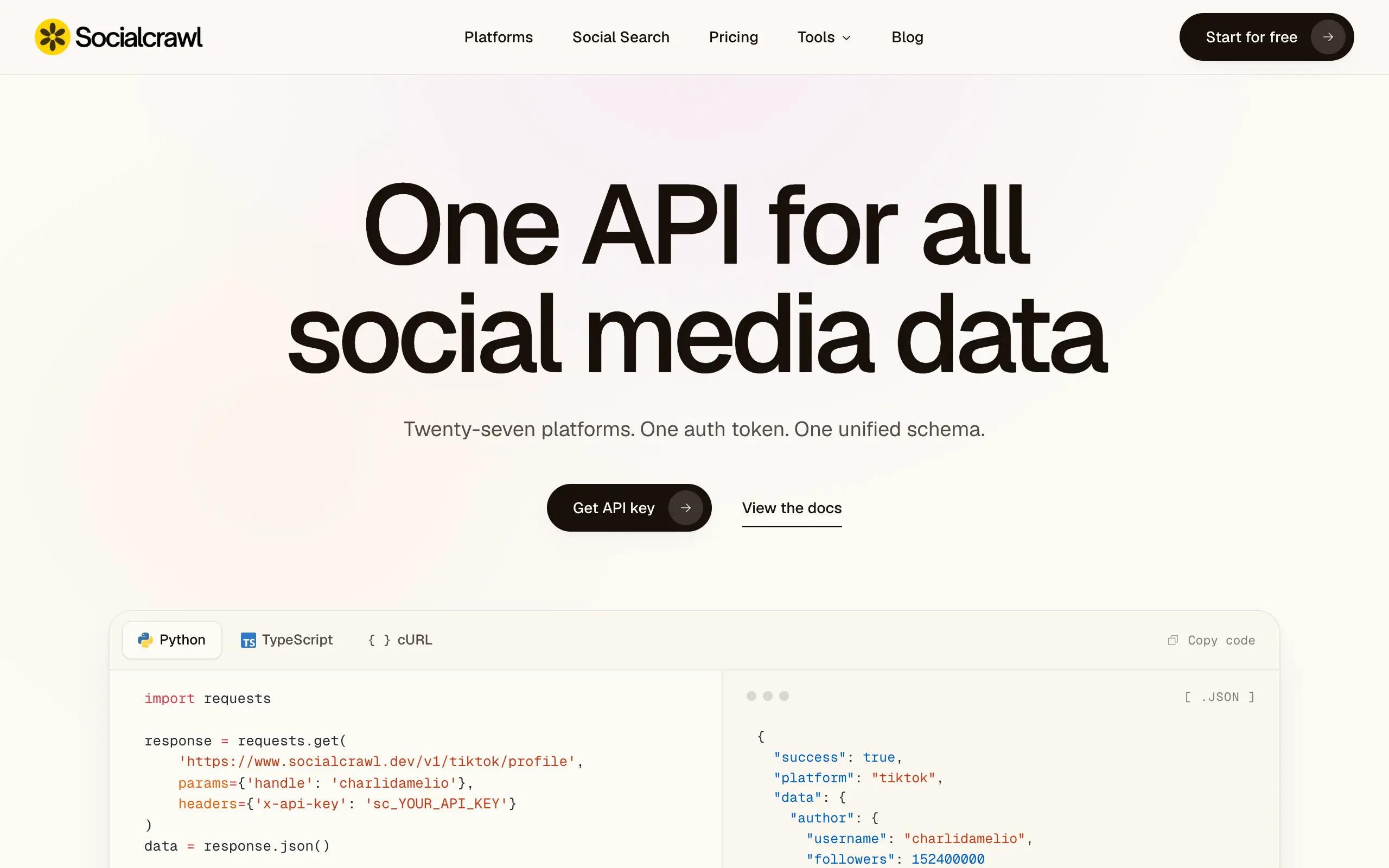
Socialcrawl
Get clean, structured data from 21 platforms like TikTok, Instagram, and YouTube with a single request 📊
Statiko
Monitor any Telegram channel in real time - track posts, edits, deletions, and growth with AI recaps 📡
Shibui
AI website builder - describe your business, pick a niche template, edit by chatting, and publish instantly ✨
Pro Service
Find verified home service professionals, compare quotes, and pay securely through escrow - built for Brazilians across the US 🏠
RankGrow
Fix your SEO with AI agents - connect Search Console, get prioritized tasks, and grow organic traffic 📈
SyncReads
Sync your favorite content for distraction-free reading, save time and replace multiple apps. Anytime, anywhere 🔄
Socialcrawl
Get clean, structured data from 21 platforms like TikTok, Instagram, and YouTube with a single request 📊
Statiko
Monitor any Telegram channel in real time - track posts, edits, deletions, and growth with AI recaps 📡
Shibui
AI website builder - describe your business, pick a niche template, edit by chatting, and publish instantly ✨
Pro Service
Find verified home service professionals, compare quotes, and pay securely through escrow - built for Brazilians across the US 🏠
RankGrow
Fix your SEO with AI agents - connect Search Console, get prioritized tasks, and grow organic traffic 📈
SyncReads
Sync your favorite content for distraction-free reading, save time and replace multiple apps. Anytime, anywhere 🔄
Socialcrawl
Get clean, structured data from 21 platforms like TikTok, Instagram, and YouTube with a single request 📊
Statiko
Monitor any Telegram channel in real time - track posts, edits, deletions, and growth with AI recaps 📡
Shibui
AI website builder - describe your business, pick a niche template, edit by chatting, and publish instantly ✨
Pro Service
Find verified home service professionals, compare quotes, and pay securely through escrow - built for Brazilians across the US 🏠
RankGrow
Fix your SEO with AI agents - connect Search Console, get prioritized tasks, and grow organic traffic 📈
SyncReads
Sync your favorite content for distraction-free reading, save time and replace multiple apps. Anytime, anywhere 🔄
Socialcrawl
Get clean, structured data from 21 platforms like TikTok, Instagram, and YouTube with a single request 📊
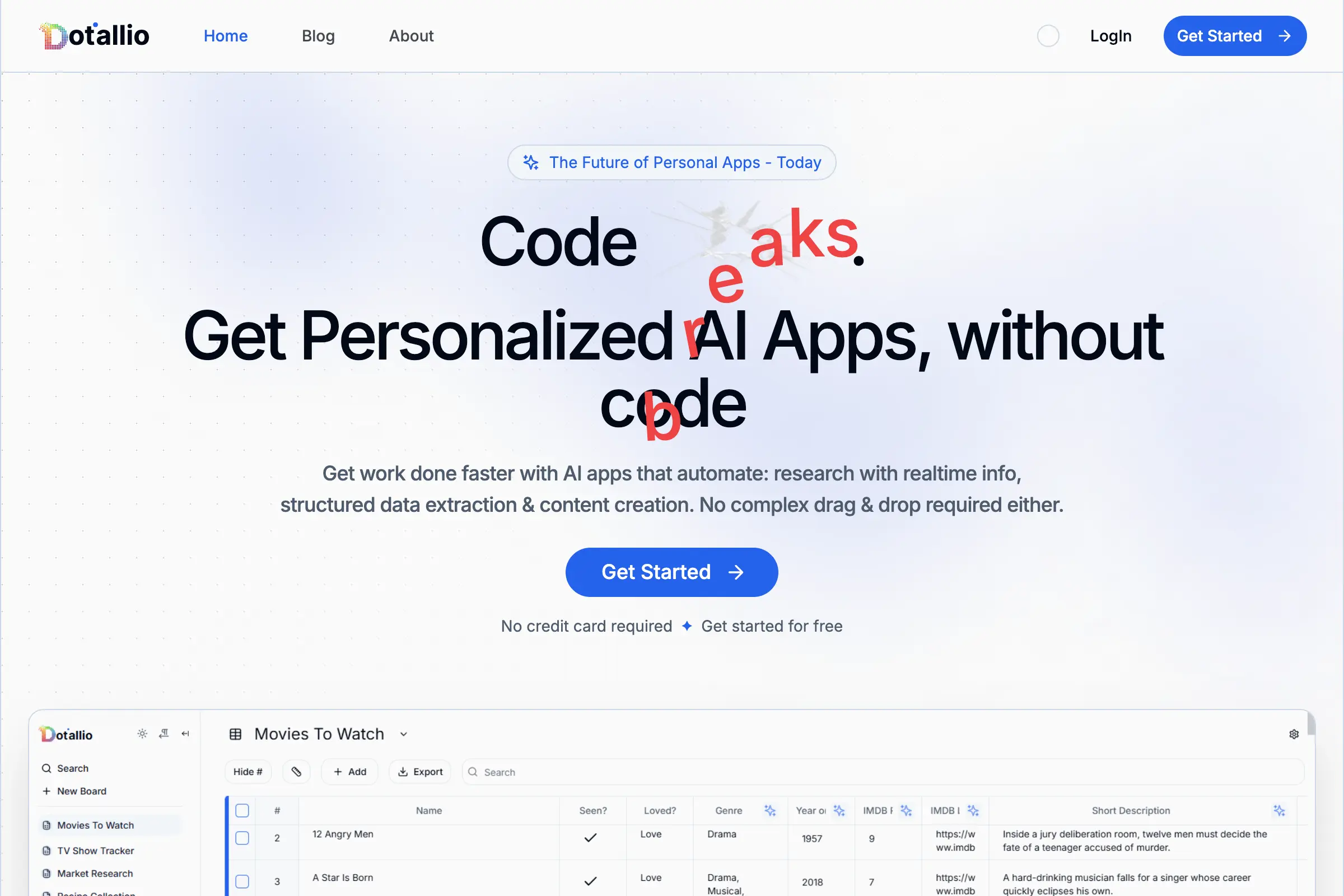
Dotallio
Personalized AI apps that automate research, data extraction, and content creation without code 🤖

Talk to Santa
Enjoy a magical live video chat or receive a unique AI-generated video greeting from Santa Claus 🎅

pozywka.pl
Scalable blog for food journalist, focused on performance and user experience 🌭
zagrodzki.me
Personal blog and portfolio of Bart Zagrodzki, where he shares his knowledge and work 💼
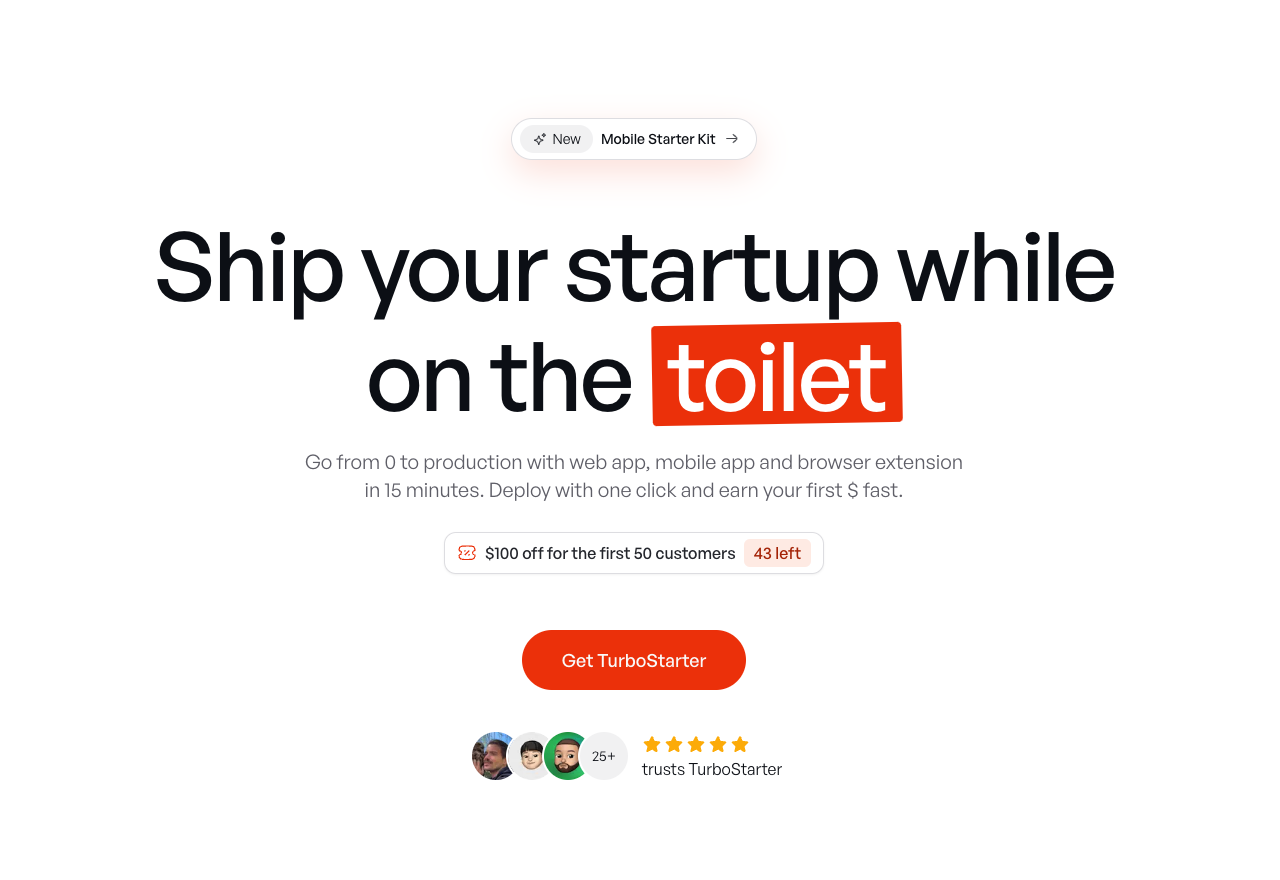
TurboStarter
Ship your startup everywhere. In minutes.
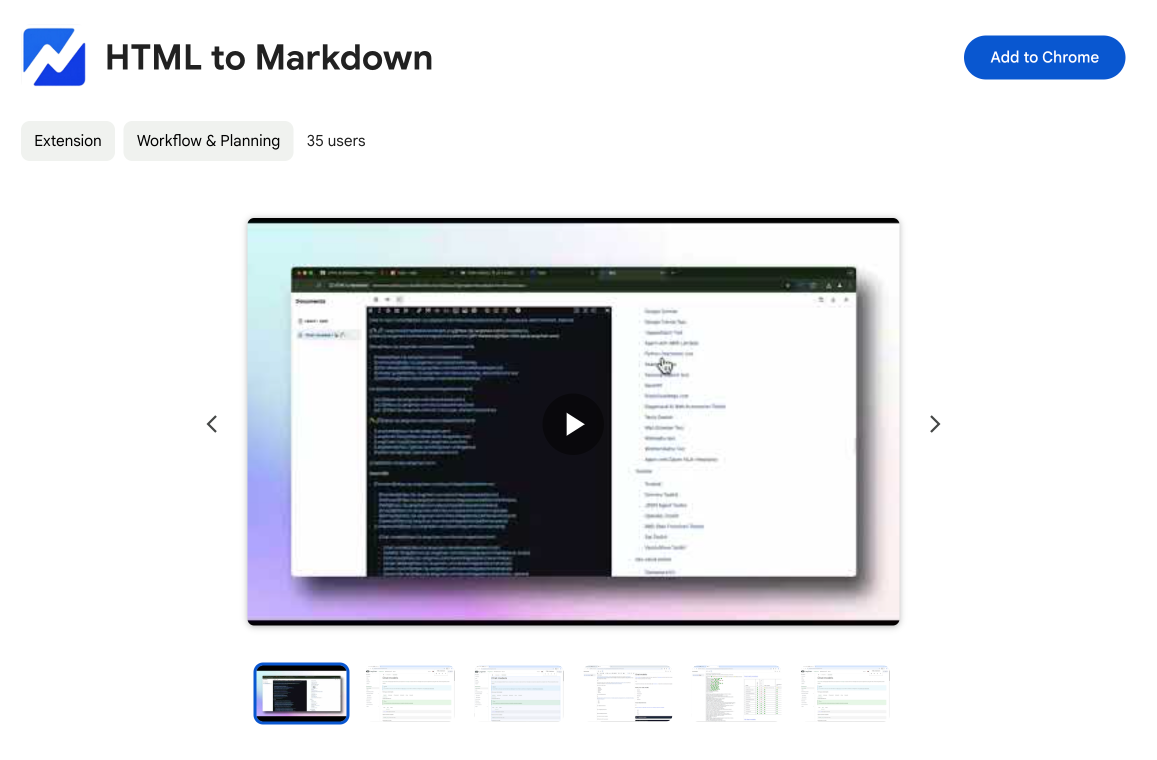
HTML to Markdown
Convert HTML to Markdown with ease, directly in your browser 📄
Dotallio
Personalized AI apps that automate research, data extraction, and content creation without code 🤖
Talk to Santa
Enjoy a magical live video chat or receive a unique AI-generated video greeting from Santa Claus 🎅
pozywka.pl
Scalable blog for food journalist, focused on performance and user experience 🌭
zagrodzki.me
Personal blog and portfolio of Bart Zagrodzki, where he shares his knowledge and work 💼
TurboStarter
Ship your startup everywhere. In minutes.
HTML to Markdown
Convert HTML to Markdown with ease, directly in your browser 📄
Dotallio
Personalized AI apps that automate research, data extraction, and content creation without code 🤖
Talk to Santa
Enjoy a magical live video chat or receive a unique AI-generated video greeting from Santa Claus 🎅
pozywka.pl
Scalable blog for food journalist, focused on performance and user experience 🌭
zagrodzki.me
Personal blog and portfolio of Bart Zagrodzki, where he shares his knowledge and work 💼
TurboStarter
Ship your startup everywhere. In minutes.
HTML to Markdown
Convert HTML to Markdown with ease, directly in your browser 📄
Dotallio
Personalized AI apps that automate research, data extraction, and content creation without code 🤖
Talk to Santa
Enjoy a magical live video chat or receive a unique AI-generated video greeting from Santa Claus 🎅
pozywka.pl
Scalable blog for food journalist, focused on performance and user experience 🌭
zagrodzki.me
Personal blog and portfolio of Bart Zagrodzki, where he shares his knowledge and work 💼
TurboStarter
Ship your startup everywhere. In minutes.
HTML to Markdown
Convert HTML to Markdown with ease, directly in your browser 📄
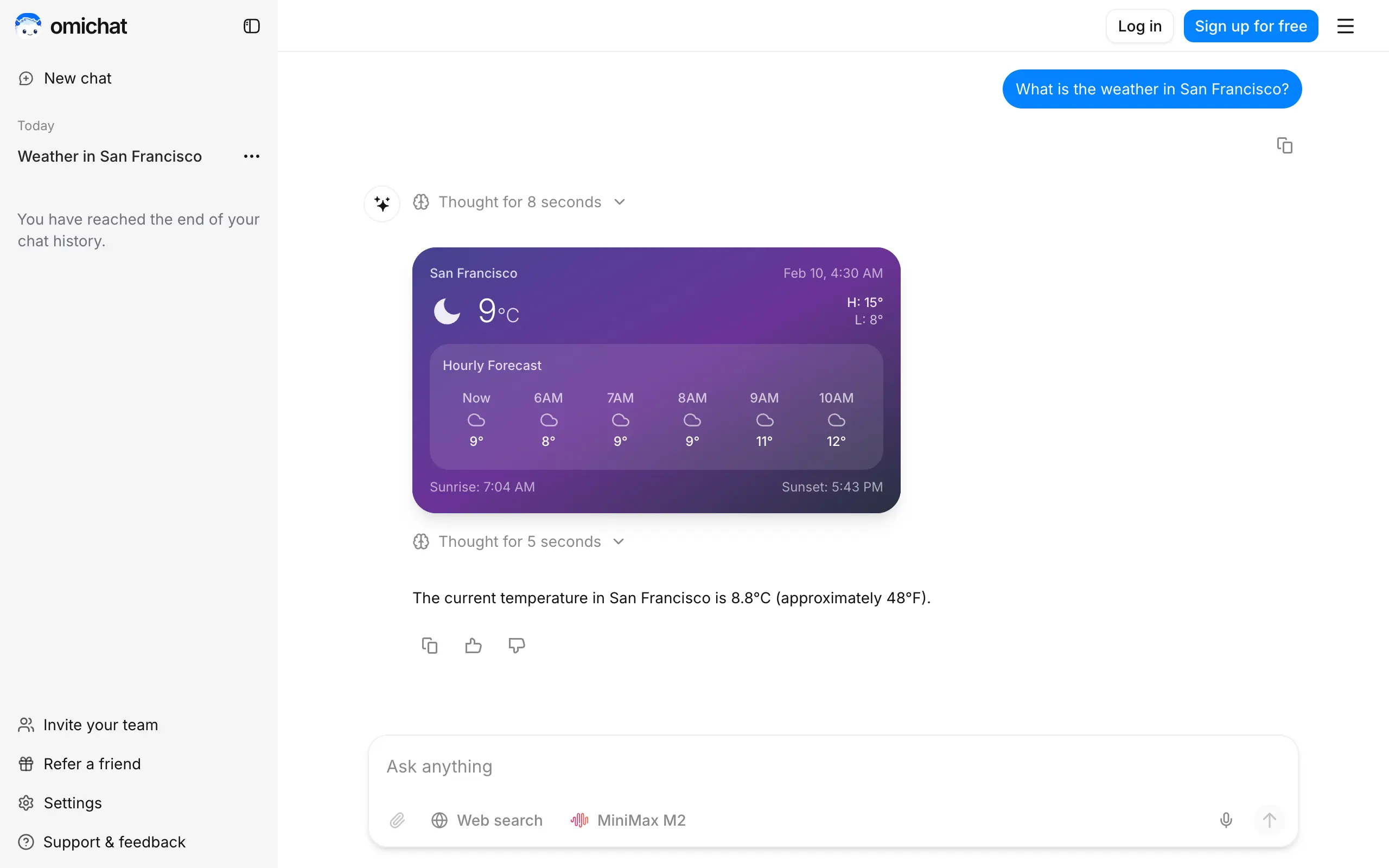
Omichat
Chat with 50+ AI models, including ChatGPT and Claude, in one place - switch models anytime without losing context 🤖
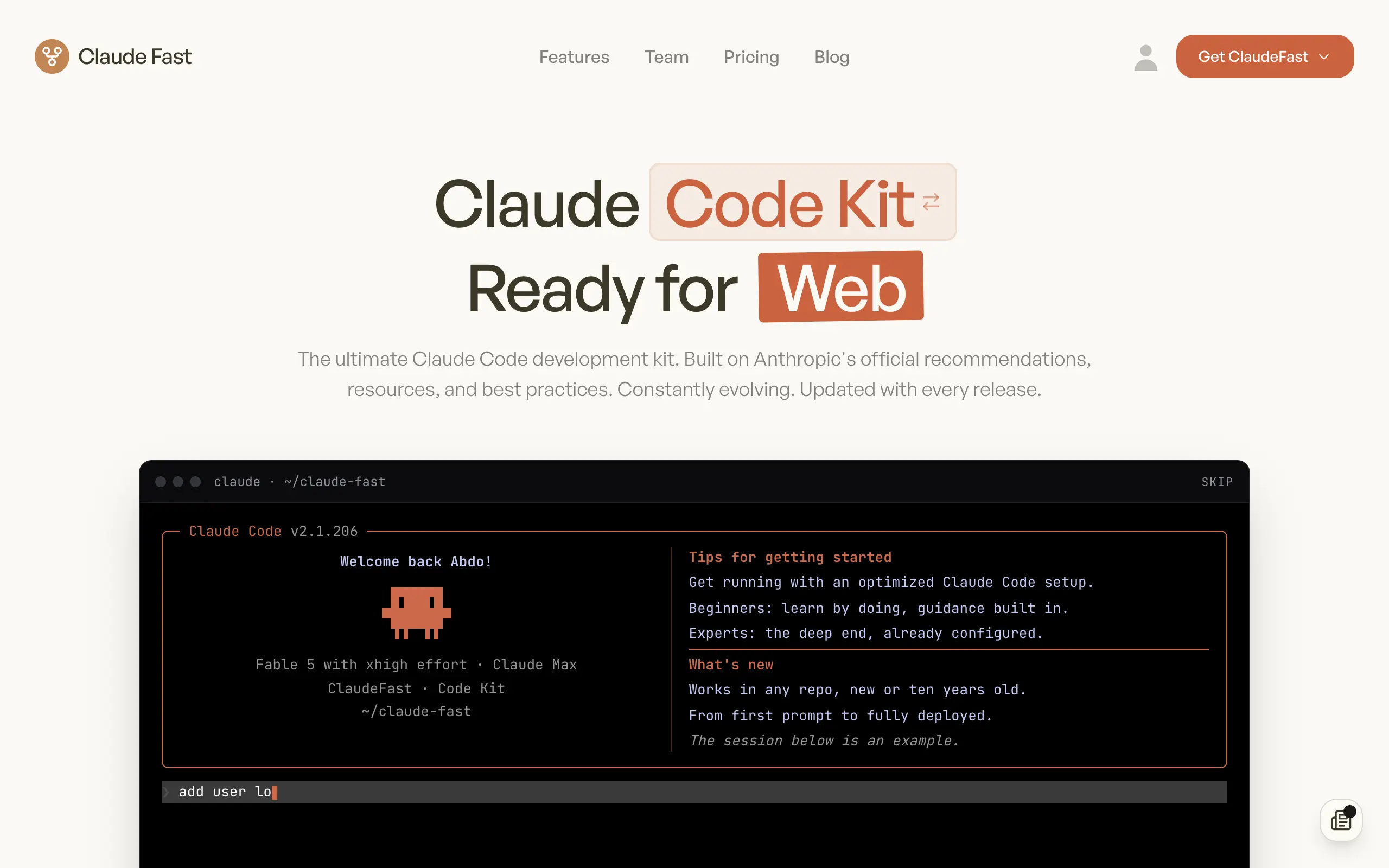
Claude Fast
Supercharge your Claude Code with 6x effective context window and specialized AI agents 🤖
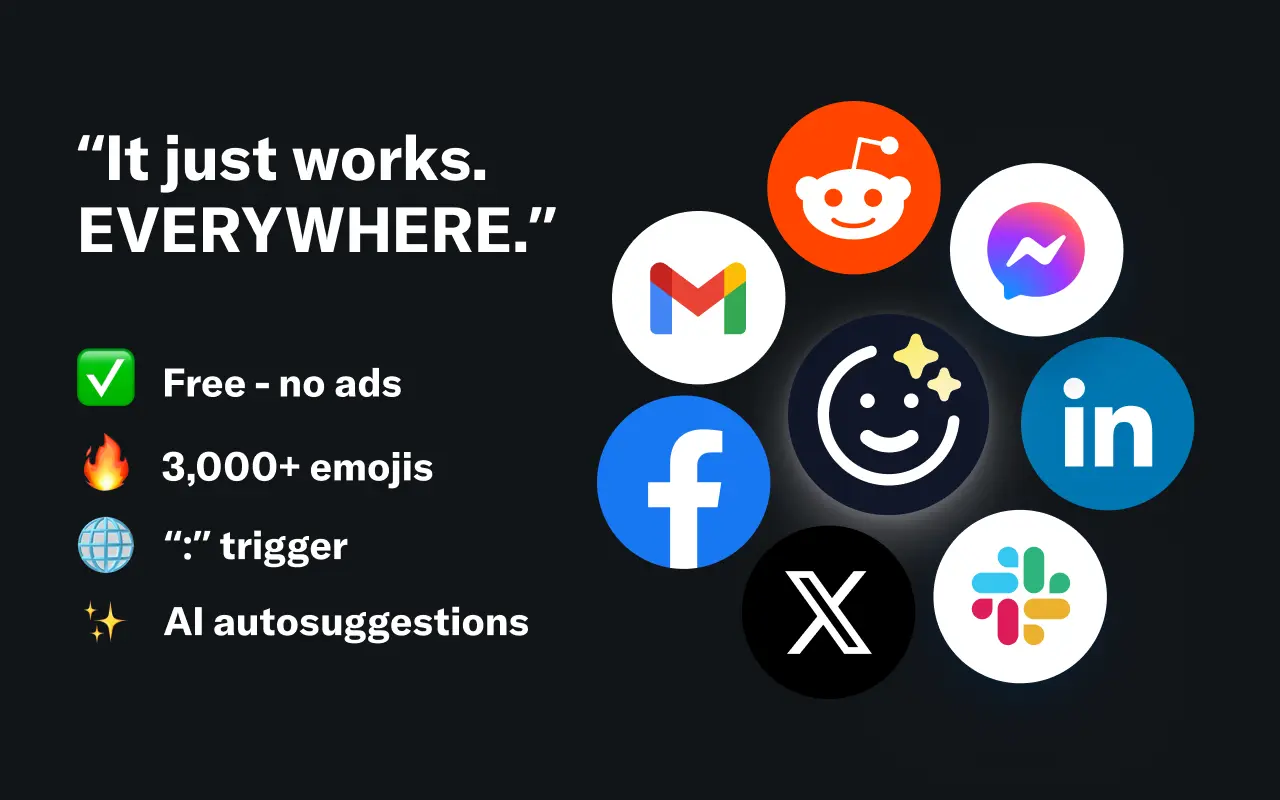
EmojAI
AI-powered emoji picker with smart, context-aware suggestions 🤖

Solohacker
Autonomous company launcher - AI agents work 24/7, escalate what matters, and you stay in control 🤖

BeRawi: Storytelling Coach
Practice storytelling daily with instant feedback to sound clearer, more engaging, and confident 🎤
Omichat
Chat with 50+ AI models, including ChatGPT and Claude, in one place - switch models anytime without losing context 🤖
Claude Fast
Supercharge your Claude Code with 6x effective context window and specialized AI agents 🤖
EmojAI
AI-powered emoji picker with smart, context-aware suggestions 🤖
Solohacker
Autonomous company launcher - AI agents work 24/7, escalate what matters, and you stay in control 🤖
BeRawi: Storytelling Coach
Practice storytelling daily with instant feedback to sound clearer, more engaging, and confident 🎤
Omichat
Chat with 50+ AI models, including ChatGPT and Claude, in one place - switch models anytime without losing context 🤖
Claude Fast
Supercharge your Claude Code with 6x effective context window and specialized AI agents 🤖
EmojAI
AI-powered emoji picker with smart, context-aware suggestions 🤖
Solohacker
Autonomous company launcher - AI agents work 24/7, escalate what matters, and you stay in control 🤖
BeRawi: Storytelling Coach
Practice storytelling daily with instant feedback to sound clearer, more engaging, and confident 🎤
Omichat
Chat with 50+ AI models, including ChatGPT and Claude, in one place - switch models anytime without losing context 🤖
Claude Fast
Supercharge your Claude Code with 6x effective context window and specialized AI agents 🤖
EmojAI
AI-powered emoji picker with smart, context-aware suggestions 🤖
Solohacker
Autonomous company launcher - AI agents work 24/7, escalate what matters, and you stay in control 🤖
BeRawi: Storytelling Coach
Practice storytelling daily with instant feedback to sound clearer, more engaging, and confident 🎤

Connect with like-minded people
Join our community to get feedback, support, and grow together with 1,000+ builders on board, let's ship it!
Join usShip your startup everywhere. In minutes.
Don't burn tokens on setup and start building features on day one.