Litterlytics AI
AI-powered litter box analytics that clusters cat poop patterns and links them to diet quality and early health risks. Helps owners and vets spot problems before symptoms worsen.
The rise of AI-powered litter box analytics for proactive cat health
Cat owners are famously attentive to subtle behavior changes: a missed meal, unusual hiding, or a shift in grooming habits. Yet one of the most information-rich health signals is often overlooked or inconsistently tracked—litter box output.
Litterlytics AI is an AI-powered litter box analytics platform that clusters cat poop patterns and correlates them with diet quality and early health risks. Instead of relying on memory or sporadic vet visits, cat owners and veterinarians gain structured, data-driven insights into gastrointestinal health, hydration, stress levels, and potential disease markers.
This article explores the full strategic and technical blueprint behind an AI cat health analytics SaaS like Litterlytics AI, including:
- Target audience and user intent
- Market opportunity and unmet needs
- Core features and AI architecture
- Recommended tech stack and trade-offs
- Monetization strategies
- Competitive advantage
- Risks and mitigation strategies
- Step-by-step implementation roadmap
If you’re evaluating a pet health SaaS idea, validating a veterinary-tech concept, or building an AI-powered health monitoring tool, this guide provides deep, expert-level analysis.
Understanding user search intent
Users searching for solutions like “AI litter box monitor,” “cat poop health analysis,” or “smart litter box analytics” typically fall into one of three categories:
- Concerned pet owners looking for early detection of health issues.
- Tech-forward pet parents interested in quantified pet health.
- Veterinary professionals seeking objective longitudinal data between visits.
Their core intent revolves around:
- Detecting health issues early (kidney disease, IBD, parasites, dehydration).
- Improving diet quality and nutritional alignment.
- Reducing emergency vet visits through proactive monitoring.
- Tracking multi-cat households more effectively.
Litterlytics AI directly satisfies this intent by transforming subjective observation into structured, actionable insights.
The market opportunity for AI cat health monitoring
The expanding pet tech market
The global pet industry continues to grow rapidly, with increasing spending on premium food, veterinary services, and smart devices. According to reports from the American Pet Products Association (APPA), U.S. pet industry spending has consistently exceeded $100 billion annually (source: APPA annual industry reports). A significant portion of that growth is concentrated in:
- Pet health and wellness
- Preventive care
- Smart pet devices
Smart litter boxes already exist—but they focus primarily on weight and cleaning automation. Few platforms meaningfully analyze waste quality patterns over time using AI.
That’s the gap.
The unmet problem: subjective health tracking
Currently, most cat health tracking is:
- Memory-based
- Irregular
- Reactive instead of proactive
Common issues include:
- Owners noticing diarrhea only when severe.
- Subtle constipation trends being ignored.
- Chronic dehydration not detected until kidney disease advances.
- Diet changes not correlated with stool quality over time.
Veterinarians often rely on:
- Owner recollection
- Short observation windows
- One-off fecal tests
There is no widely adopted longitudinal AI health analytics platform for feline litter behavior.
Target audience analysis
Primary audience: health-conscious cat owners
Demographics:
- Ages 25–55
- Middle to upper income
- Urban/suburban
- Comfortable with technology
Psychographics:
- Strong emotional bond with pets
- Willing to invest in preventive care
- Interested in bio-tracking (similar to Fitbit/Oura for humans)
Pain points:
- Fear of missing early warning signs
- Confusion around food quality
- Anxiety about sudden illness
Secondary audience: multi-cat households
Challenges include:
- Identifying which cat has abnormal stool
- Monitoring diet response individually
- Tracking health changes over time
AI clustering with cat-level attribution solves this.
Tertiary audience: veterinary clinics
Potential uses:
- Pre-visit data review
- Chronic condition management
- Post-treatment monitoring
- Nutritional counseling
A professional dashboard version opens B2B revenue channels.
How Litterlytics AI works
At its core, Litterlytics AI combines:
- Computer vision
- Time-series data analysis
- Pattern clustering
- Diet correlation analytics
- Health risk scoring models
Core data inputs
- Image capture of litter output
- Timestamp and frequency
- Cat weight (via smart litter box integration)
- Diet metadata (food brand, protein source, change dates)
- Owner annotations (stress, medication, new treats)
Core features and product architecture
1. AI poop pattern classification
Using computer vision models, the system categorizes:
- Consistency (firm, soft, watery)
- Color spectrum
- Shape and segmentation
- Volume estimation
- Presence of abnormalities
Possible model architecture:
- Transfer learning with models like EfficientNet or MobileNet
- Fine-tuned on labeled feline stool datasets
Output: structured health metadata.
2. Longitudinal clustering engine
Instead of isolated analysis, Litterlytics AI:
- Clusters stool patterns over weeks/months
- Detects trend shifts
- Flags deviations from baseline
This moves from reactive detection to predictive analytics.
3. Diet-to-output correlation engine
Owners input food details. The system analyzes:
- Protein type (chicken, fish, beef)
- Grain-free vs grain-inclusive
- Fiber content
- Wet vs dry ratio
The platform then correlates:
- Consistency changes after diet switches
- Digestive instability patterns
- Frequency changes
4. Early health risk scoring
Potential risk signals include:
- Chronic soft stool → possible IBD or intolerance
- Reduced frequency → constipation risk
- Increased urination → kidney disease warning
- Color shifts → bile/liver concerns
Medical disclaimer
Litterlytics AI should be positioned as a decision-support and monitoring tool, not a diagnostic medical device unless pursuing regulatory clearance.
5. Multi-cat identification
Possible approaches:
- Weight-based identification (if integrated with smart scale)
- RFID collar pairing
- Computer vision differentiation (advanced phase)
Feature comparison vs traditional tracking
| Capability | Manual Tracking | Basic Smart Litter Box | Litterlytics AI | Vet Visit Only | Diet App Only |
|---|---|---|---|---|---|
| Poop consistency tracking | ❌ | ❌ | ✅ | ❌ | ❌ |
| Trend clustering over months | ❌ | ❌ | ✅ | ❌ | ❌ |
| Diet correlation | ❌ | ❌ | ✅ | ❌ | ✅ |
| Early risk scoring | ❌ | ❌ | ✅ | ✅ | ❌ |
Recommended tech stack
Building an AI pet health analytics SaaS requires scalability, privacy, and model iteration capabilities.
Frontend
- React for dynamic UI
- Next.js for SSR and SEO
- TailwindCSS for fast styling
Why:
- SEO-optimized blog and content marketing
- Fast dashboard rendering
- Scalable component system
Backend
Options:
Node.js + TypeScript
- API: Node + Express or Next.js API routes
- Database: PostgreSQL
- ORM: Prisma
- AI: External Python microservice
Pros:
- Strong full-stack cohesion
- Excellent for SaaS scaling
- Large developer ecosystem
Cons:
- AI training better suited to Python
Python-centric stack
- Backend: FastAPI
- AI/ML: PyTorch or TensorFlow
- DB: PostgreSQL
- Background jobs: Celery
Pros:
- Native ML ecosystem
- Faster experimentation
Cons:
- More complex frontend-backend integration
AI and ML layer
- PyTorch for model training
- Scikit-learn for clustering
- OpenCV for image preprocessing
- AWS S3 for image storage
- AWS SageMaker or GCP Vertex AI for deployment
Infrastructure
- Cloud: AWS or GCP
- Containerization: Docker
- CI/CD: GitHub Actions
- Monitoring: Sentry
Monetization strategies
1. Freemium model
Free tier:
- Basic tracking
- 7-day trend history
Premium ($10–$20/month):
- Advanced clustering
- Risk scoring
- Vet report export
- Multi-cat support
2. Veterinary SaaS licensing
- Clinic dashboard
- Data integration
- Subscription per clinic
3. Affiliate revenue
Partner with:
- Premium cat food brands
- Prescription diet providers
- Supplement companies
4. Hardware partnerships
Integrate with:
- Smart litter boxes
- IoT pet devices
Competitive advantage and USP
Litterlytics AI stands out through:
- True AI clustering, not just weight tracking
- Diet-health correlation engine
- Multi-cat identification
- Longitudinal predictive analytics
Most competitors focus on automation and cleaning. Litterlytics focuses on preventive feline healthcare intelligence.
Potential risks and mitigation
1. Misdiagnosis risk
Mitigation:
- Clear disclaimers
- Position as monitoring support
- Encourage vet confirmation
2. Data privacy concerns
Mitigation:
- GDPR compliance
- End-to-end encryption
- Transparent privacy policies
3. AI accuracy challenges
Mitigation:
- Large annotated dataset
- Continuous model retraining
- Human-in-the-loop validation
Go-to-market strategy
Phase 1: DTC early adopters
- Reddit cat communities
- Instagram/TikTok pet influencers
- SEO content targeting:
- “cat poop health chart”
- “what does cat stool color mean”
- “smart litter box health monitor”
Phase 2: Veterinary partnerships
- Offer pilot programs
- Provide white-labeled dashboards
- Attend veterinary tech conferences
Implementation roadmap
Example AI inference endpoint
// Next.js API route example
import type { NextApiRequest, NextApiResponse } from 'next'

export default async function handler(req: NextApiRequest, res: NextApiResponse) {
  const { imageUrl, dietMetadata } = req.body

  // Send to AI microservice
  const response = await fetch("https://ai-service-endpoint/analyze", {
    method: "POST",
    headers: { "Content-Type": "application/json" },
    body: JSON.stringify({ imageUrl, dietMetadata })
  })

  const data = await response.json()

  res.status(200).json({
    classification: data.classification,
    riskScore: data.riskScore,
    trendCluster: data.cluster
  })
}
Long-term expansion opportunities
Cross-species expansion
Extend analytics to dogs and exotic pets.
Predictive chronic disease modeling
AI models trained to detect early kidney disease patterns.
Insurance integration
Provide data insights to pet insurance companies.
Why this AI pet health SaaS has strong long-term defensibility
- Proprietary annotated dataset
- Longitudinal user data lock-in
- Vet integration layer
- Diet-correlation intelligence moat
The more data collected, the stronger the predictive accuracy.
Building faster with the right SaaS foundation
Instead of building infrastructure from scratch, founders can accelerate development using a production-ready SaaS starter kit like TurboStarter, which provides:
- Auth
- Billing
- Dashboard foundation
- API scaffolding
- Production-ready architecture
This allows teams to focus on AI innovation rather than boilerplate setup.
Final thoughts
Litterlytics AI represents a convergence of:
- Pet tech
- Preventive healthcare
- AI pattern recognition
- Subscription SaaS economics
As pet owners increasingly treat animals as family members, demand for proactive health monitoring tools will continue to rise.
By focusing on longitudinal analytics, diet correlation, and early health risk scoring, Litterlytics AI positions itself as a category-defining AI-powered litter box analytics platform.
The opportunity isn’t just convenience.
It’s preventive feline healthcare—powered by data.
More 🤖 AI Startup SaaS ideas
Discover more innovative ai startup SaaS ideas that are trending in 2026. Each idea is AI-generated with market validation and growth potential to help you find your next profitable venture faster than competitors.
Your competitors are building with TurboStarter
Below are some of the SaaS ideas that have been generated and built with our starter kit.
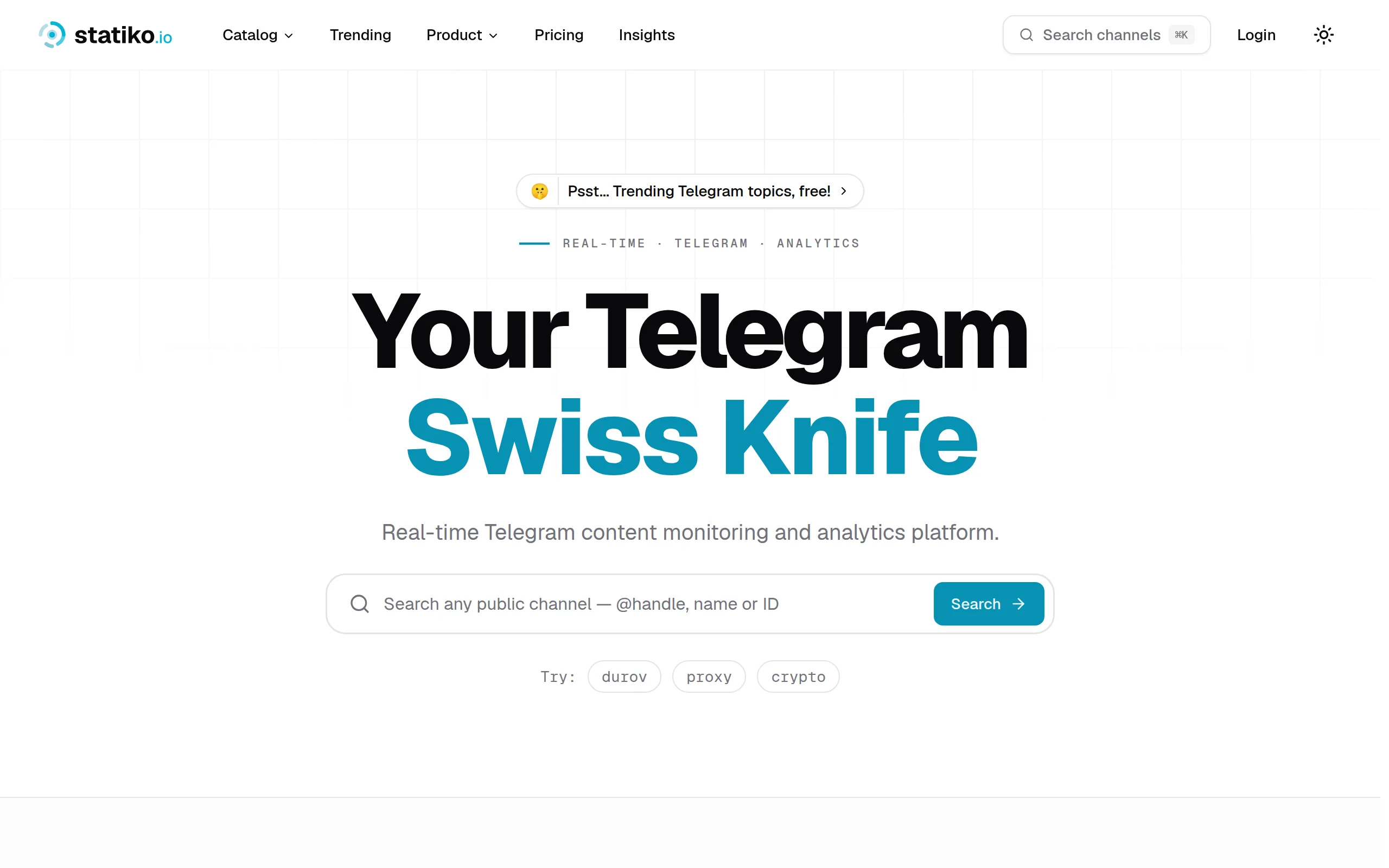
Statiko
Monitor any Telegram channel in real time - track posts, edits, deletions, and growth with AI recaps 📡

Shibui
AI website builder - describe your business, pick a niche template, edit by chatting, and publish instantly ✨

Pro Service
Find verified home service professionals, compare quotes, and pay securely through escrow - built for Brazilians across the US 🏠
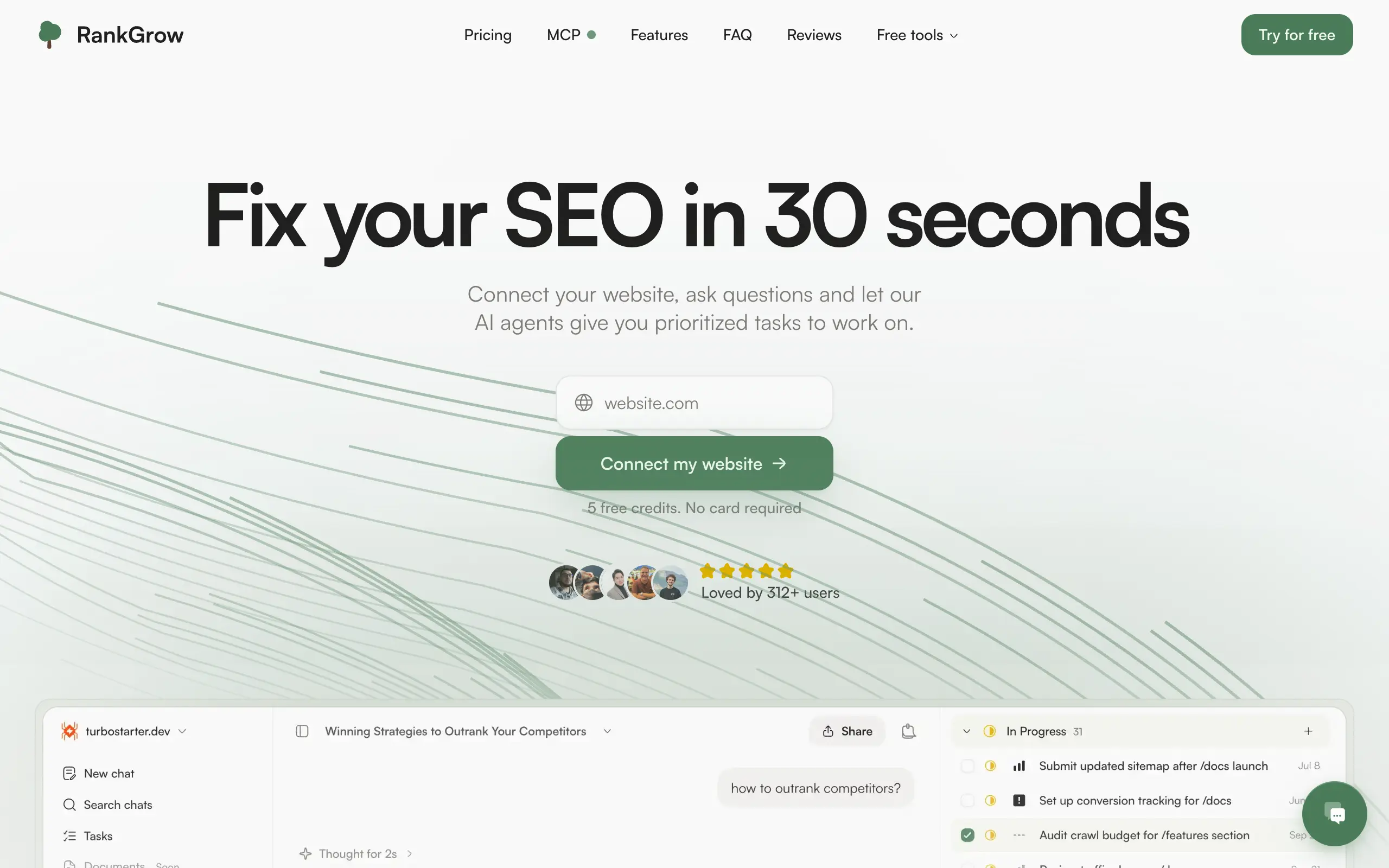
RankGrow
Fix your SEO with AI agents - connect Search Console, get prioritized tasks, and grow organic traffic 📈
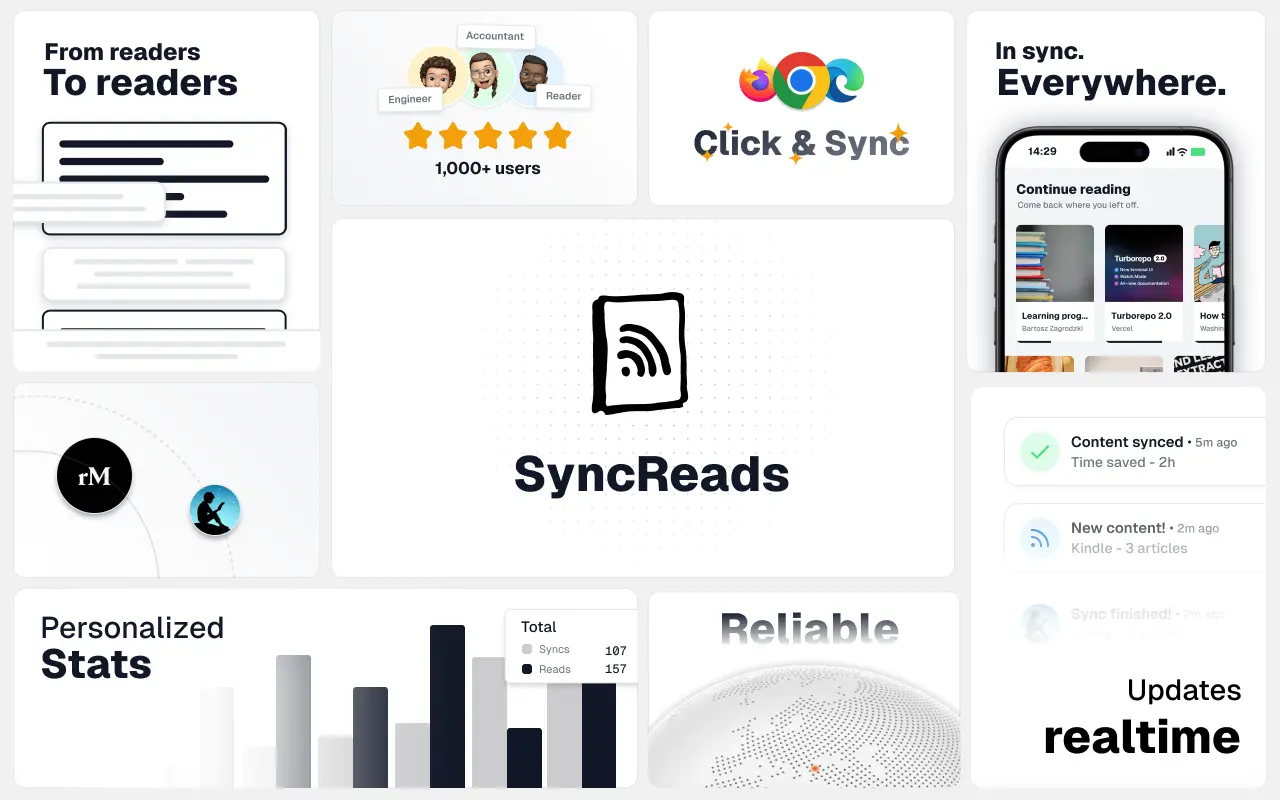
SyncReads
Sync your favorite content for distraction-free reading, save time and replace multiple apps. Anytime, anywhere 🔄
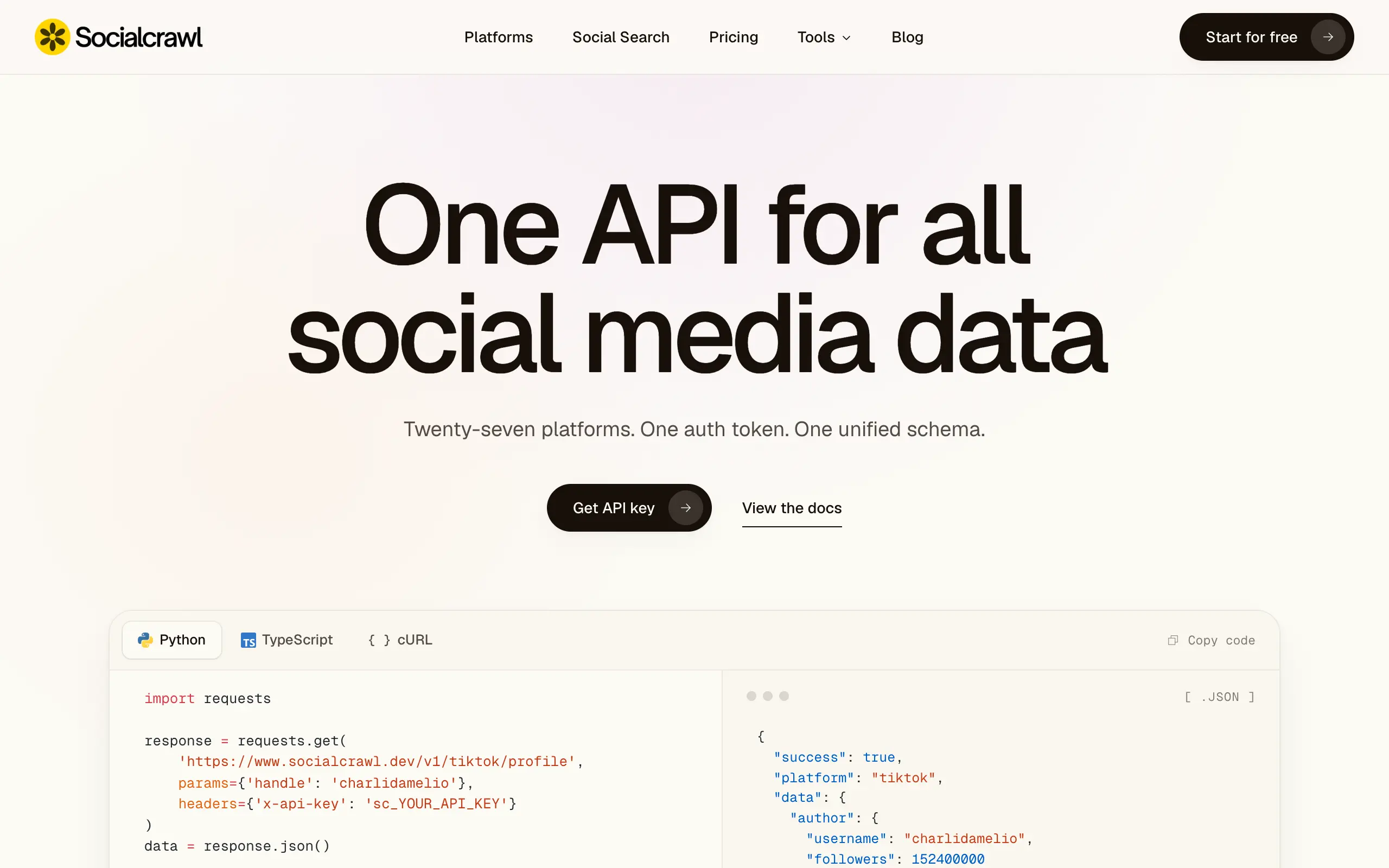
Socialcrawl
Get clean, structured data from 21 platforms like TikTok, Instagram, and YouTube with a single request 📊
Statiko
Monitor any Telegram channel in real time - track posts, edits, deletions, and growth with AI recaps 📡
Shibui
AI website builder - describe your business, pick a niche template, edit by chatting, and publish instantly ✨
Pro Service
Find verified home service professionals, compare quotes, and pay securely through escrow - built for Brazilians across the US 🏠
RankGrow
Fix your SEO with AI agents - connect Search Console, get prioritized tasks, and grow organic traffic 📈
SyncReads
Sync your favorite content for distraction-free reading, save time and replace multiple apps. Anytime, anywhere 🔄
Socialcrawl
Get clean, structured data from 21 platforms like TikTok, Instagram, and YouTube with a single request 📊
Statiko
Monitor any Telegram channel in real time - track posts, edits, deletions, and growth with AI recaps 📡
Shibui
AI website builder - describe your business, pick a niche template, edit by chatting, and publish instantly ✨
Pro Service
Find verified home service professionals, compare quotes, and pay securely through escrow - built for Brazilians across the US 🏠
RankGrow
Fix your SEO with AI agents - connect Search Console, get prioritized tasks, and grow organic traffic 📈
SyncReads
Sync your favorite content for distraction-free reading, save time and replace multiple apps. Anytime, anywhere 🔄
Socialcrawl
Get clean, structured data from 21 platforms like TikTok, Instagram, and YouTube with a single request 📊
Statiko
Monitor any Telegram channel in real time - track posts, edits, deletions, and growth with AI recaps 📡
Shibui
AI website builder - describe your business, pick a niche template, edit by chatting, and publish instantly ✨
Pro Service
Find verified home service professionals, compare quotes, and pay securely through escrow - built for Brazilians across the US 🏠
RankGrow
Fix your SEO with AI agents - connect Search Console, get prioritized tasks, and grow organic traffic 📈
SyncReads
Sync your favorite content for distraction-free reading, save time and replace multiple apps. Anytime, anywhere 🔄
Socialcrawl
Get clean, structured data from 21 platforms like TikTok, Instagram, and YouTube with a single request 📊
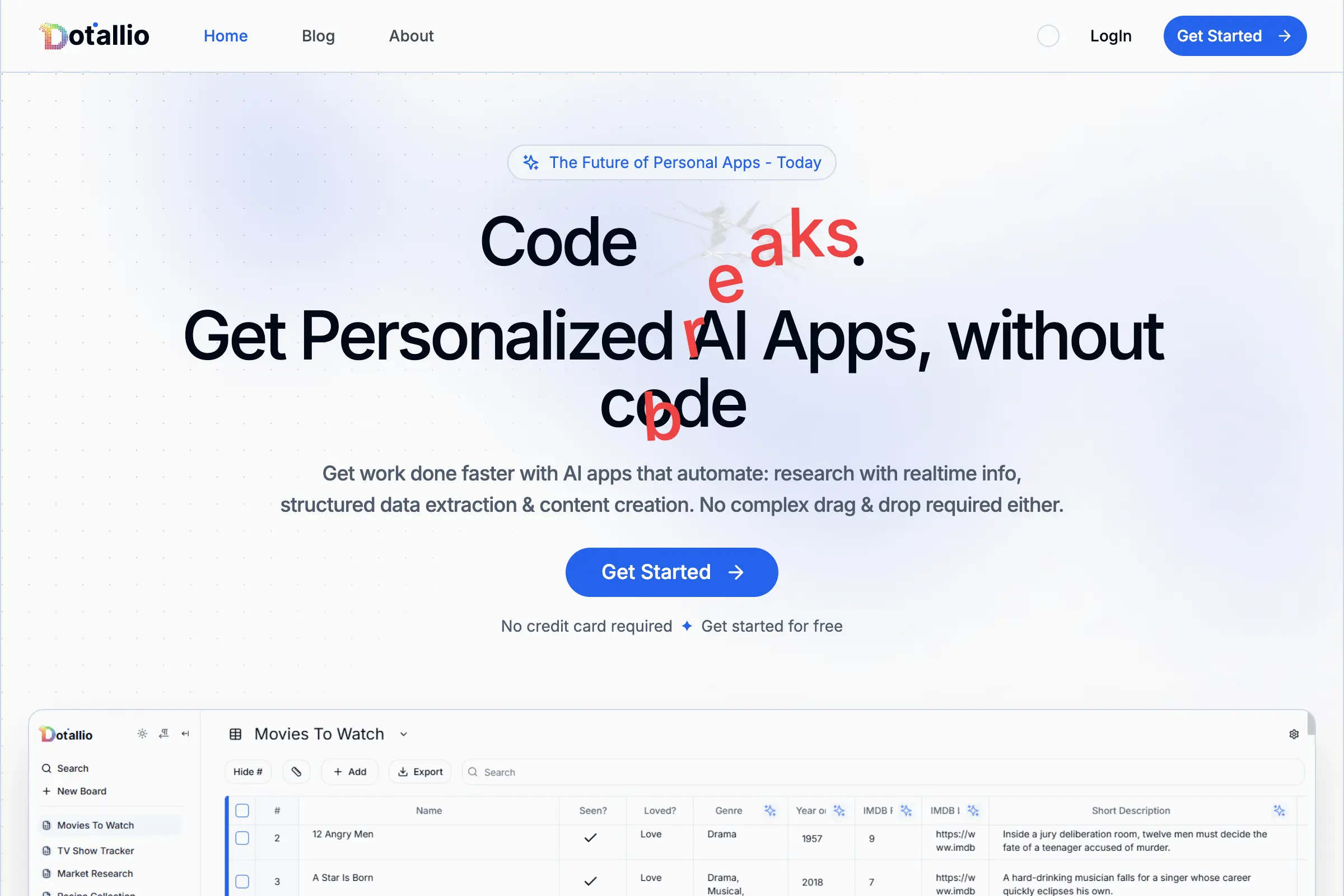
Dotallio
Personalized AI apps that automate research, data extraction, and content creation without code 🤖

Talk to Santa
Enjoy a magical live video chat or receive a unique AI-generated video greeting from Santa Claus 🎅

pozywka.pl
Scalable blog for food journalist, focused on performance and user experience 🌭
zagrodzki.me
Personal blog and portfolio of Bart Zagrodzki, where he shares his knowledge and work 💼
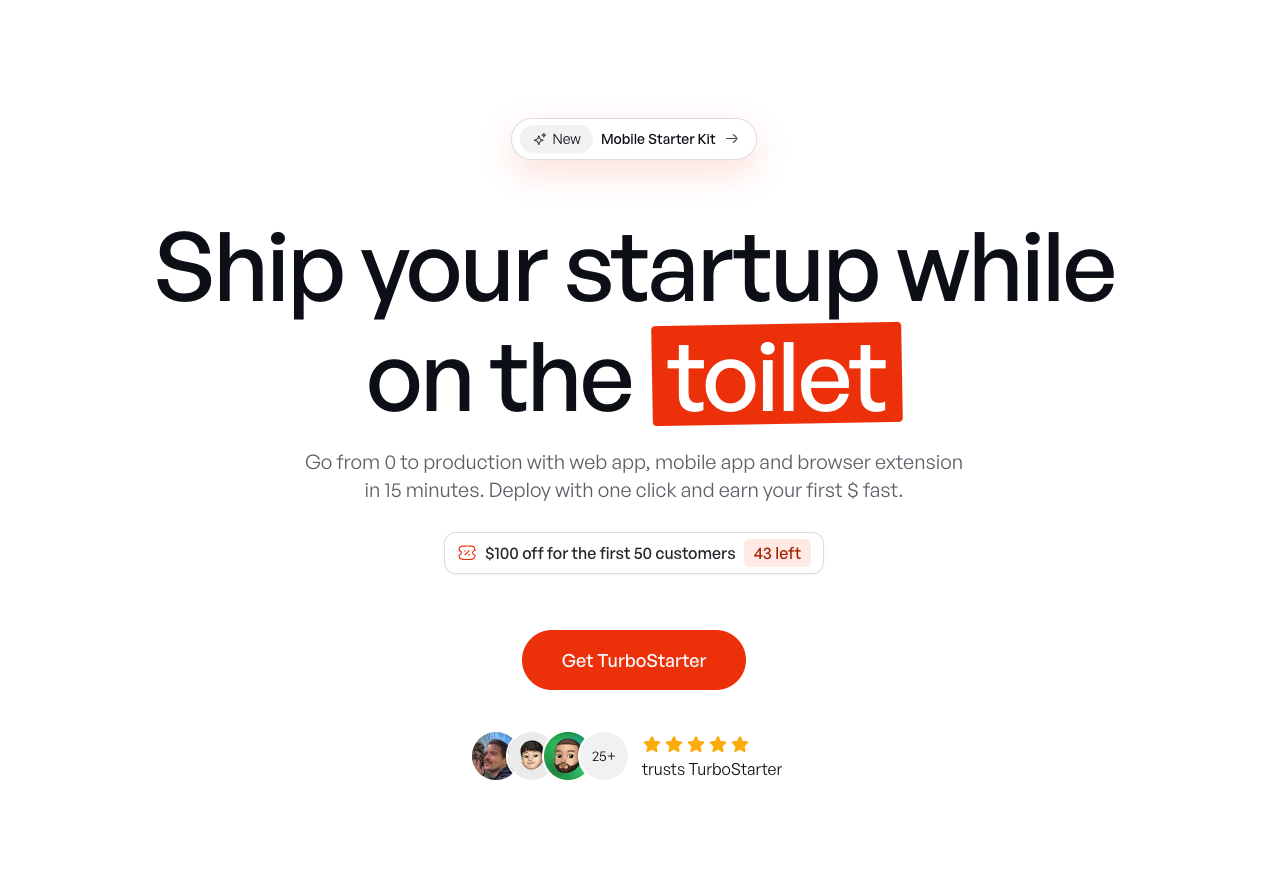
TurboStarter
Ship your startup everywhere. In minutes.
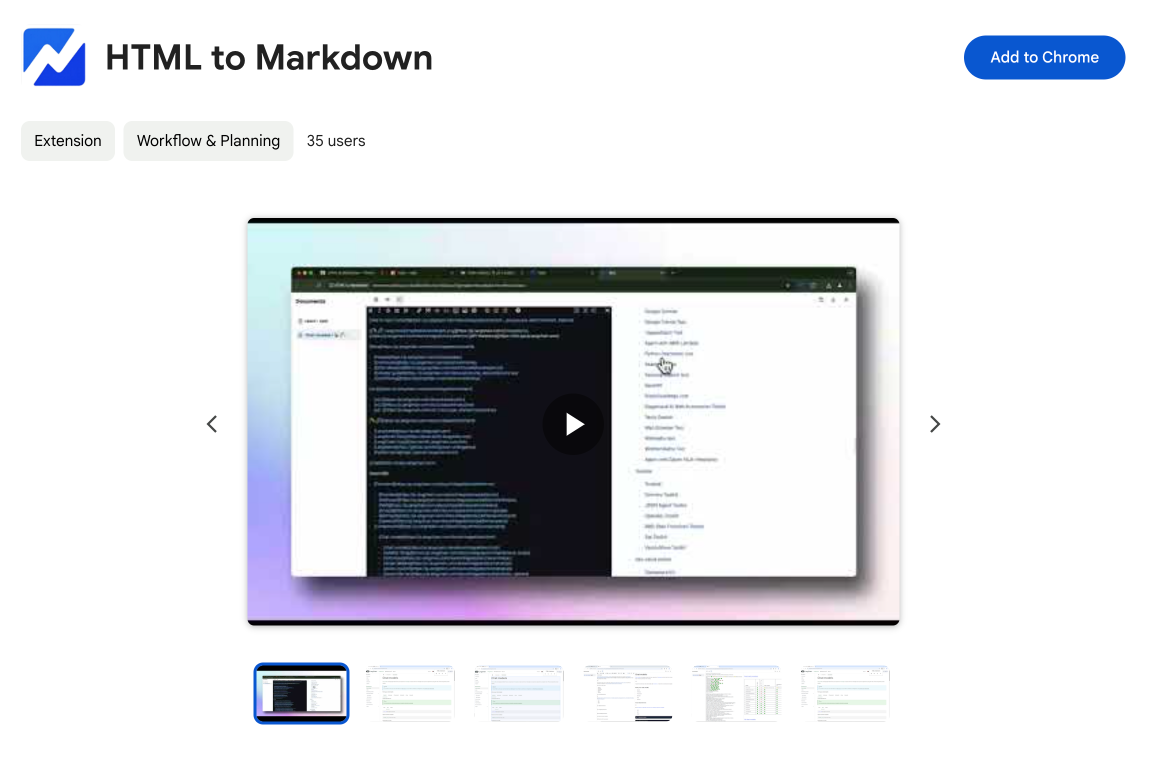
HTML to Markdown
Convert HTML to Markdown with ease, directly in your browser 📄
Dotallio
Personalized AI apps that automate research, data extraction, and content creation without code 🤖
Talk to Santa
Enjoy a magical live video chat or receive a unique AI-generated video greeting from Santa Claus 🎅
pozywka.pl
Scalable blog for food journalist, focused on performance and user experience 🌭
zagrodzki.me
Personal blog and portfolio of Bart Zagrodzki, where he shares his knowledge and work 💼
TurboStarter
Ship your startup everywhere. In minutes.
HTML to Markdown
Convert HTML to Markdown with ease, directly in your browser 📄
Dotallio
Personalized AI apps that automate research, data extraction, and content creation without code 🤖
Talk to Santa
Enjoy a magical live video chat or receive a unique AI-generated video greeting from Santa Claus 🎅
pozywka.pl
Scalable blog for food journalist, focused on performance and user experience 🌭
zagrodzki.me
Personal blog and portfolio of Bart Zagrodzki, where he shares his knowledge and work 💼
TurboStarter
Ship your startup everywhere. In minutes.
HTML to Markdown
Convert HTML to Markdown with ease, directly in your browser 📄
Dotallio
Personalized AI apps that automate research, data extraction, and content creation without code 🤖
Talk to Santa
Enjoy a magical live video chat or receive a unique AI-generated video greeting from Santa Claus 🎅
pozywka.pl
Scalable blog for food journalist, focused on performance and user experience 🌭
zagrodzki.me
Personal blog and portfolio of Bart Zagrodzki, where he shares his knowledge and work 💼
TurboStarter
Ship your startup everywhere. In minutes.
HTML to Markdown
Convert HTML to Markdown with ease, directly in your browser 📄
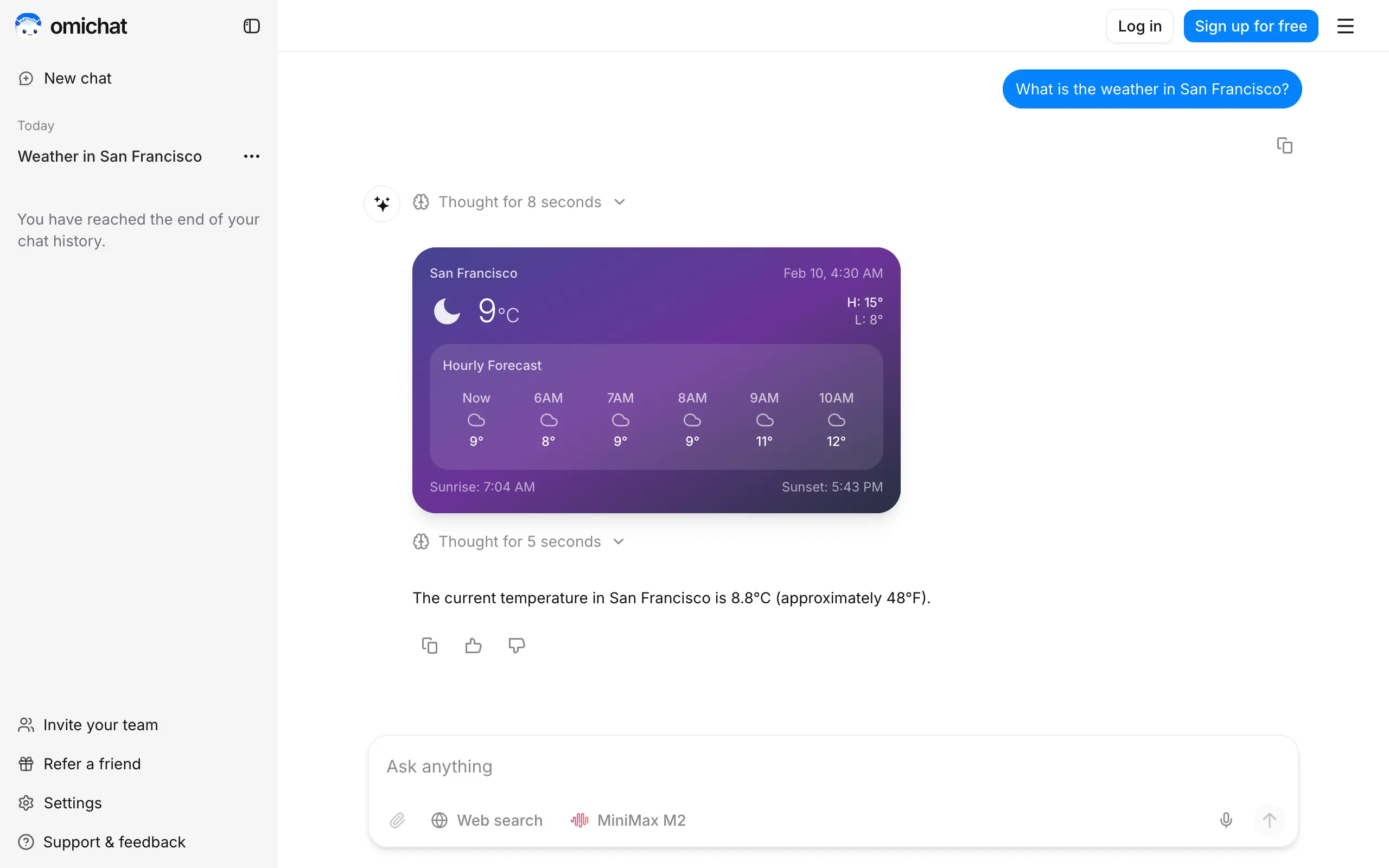
Omichat
Chat with 50+ AI models, including ChatGPT and Claude, in one place - switch models anytime without losing context 🤖
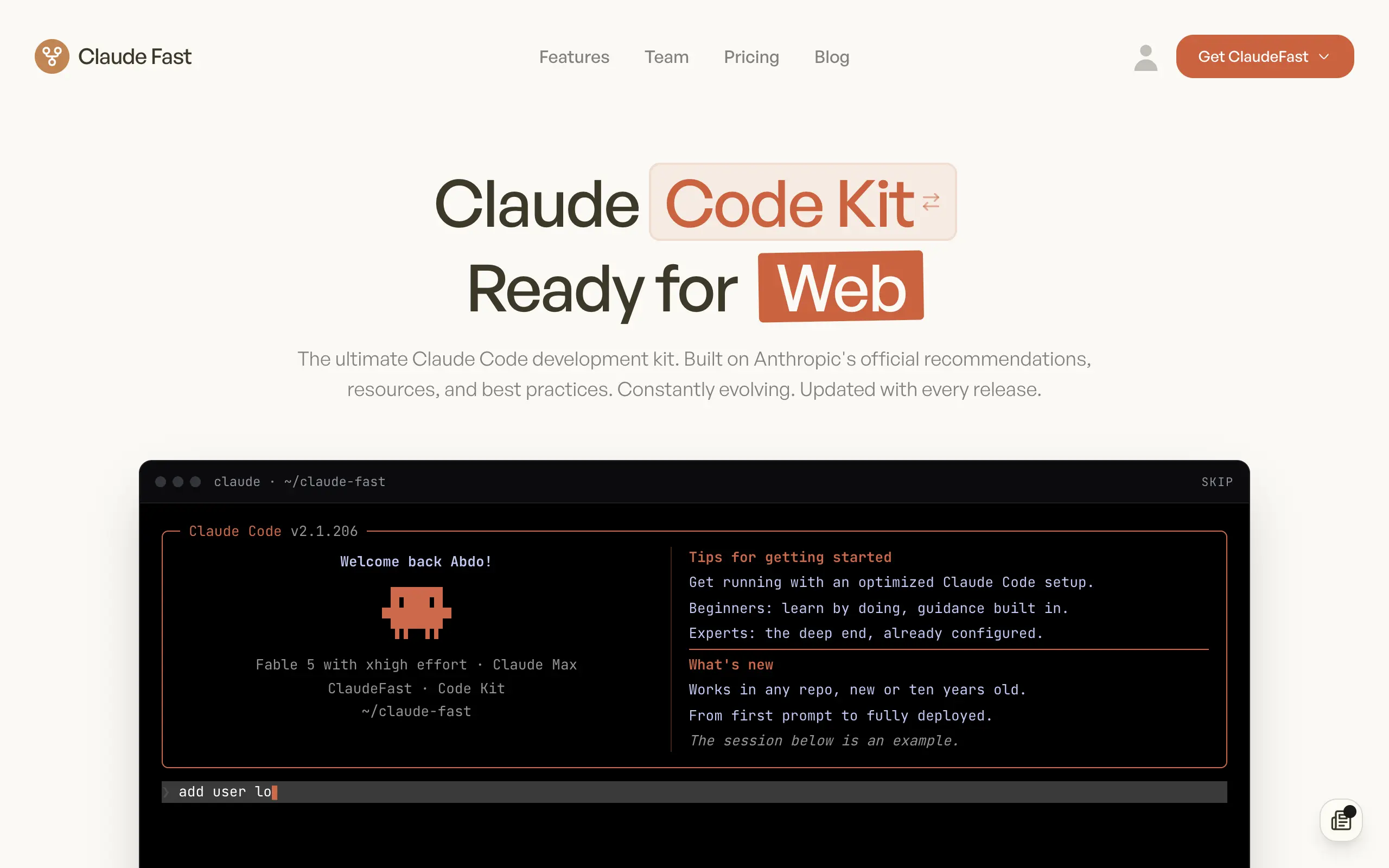
Claude Fast
Supercharge your Claude Code with 6x effective context window and specialized AI agents 🤖
EmojAI
AI-powered emoji picker with smart, context-aware suggestions 🤖
Solohacker
Autonomous company launcher - AI agents work 24/7, escalate what matters, and you stay in control 🤖

BeRawi: Storytelling Coach
Practice storytelling daily with instant feedback to sound clearer, more engaging, and confident 🎤
Omichat
Chat with 50+ AI models, including ChatGPT and Claude, in one place - switch models anytime without losing context 🤖
Claude Fast
Supercharge your Claude Code with 6x effective context window and specialized AI agents 🤖
EmojAI
AI-powered emoji picker with smart, context-aware suggestions 🤖
Solohacker
Autonomous company launcher - AI agents work 24/7, escalate what matters, and you stay in control 🤖
BeRawi: Storytelling Coach
Practice storytelling daily with instant feedback to sound clearer, more engaging, and confident 🎤
Omichat
Chat with 50+ AI models, including ChatGPT and Claude, in one place - switch models anytime without losing context 🤖
Claude Fast
Supercharge your Claude Code with 6x effective context window and specialized AI agents 🤖
EmojAI
AI-powered emoji picker with smart, context-aware suggestions 🤖
Solohacker
Autonomous company launcher - AI agents work 24/7, escalate what matters, and you stay in control 🤖
BeRawi: Storytelling Coach
Practice storytelling daily with instant feedback to sound clearer, more engaging, and confident 🎤
Omichat
Chat with 50+ AI models, including ChatGPT and Claude, in one place - switch models anytime without losing context 🤖
Claude Fast
Supercharge your Claude Code with 6x effective context window and specialized AI agents 🤖
EmojAI
AI-powered emoji picker with smart, context-aware suggestions 🤖
Solohacker
Autonomous company launcher - AI agents work 24/7, escalate what matters, and you stay in control 🤖
BeRawi: Storytelling Coach
Practice storytelling daily with instant feedback to sound clearer, more engaging, and confident 🎤

Connect with like-minded people
Join our community to get feedback, support, and grow together with 1,000+ builders on board, let's ship it!
Join usShip your startup everywhere. In minutes.
Don't burn tokens on setup and start building features on day one.